
A pompa asam fosfat adalah sistem transfer cairan industri tugas berat yang secara eksplisit dirancang untuk menangani tantangan fisik dan kimia yang unik. Tidak seperti cairan standar, cairan yang sangat terkonsentrasi asam fosfat membanggakan tingkat yang luar biasa tinggi berat jenis dan viskositas dinamis, sedangkan variasi tingkat pertanian membawa kotoran kristal yang sangat abrasif. Menggunakan pompa air standar atau pompa air yang tidak ditentukan dengan benar pompa kimia untuk aplikasi ini pasti akan mengakibatkan erosi impeler yang cepat, kerusakan segel mekanis, dan kelelahan motor. Dengan keahlian dinamika fluida selama puluhan tahun, Changyu Pump menyediakan rekayasa pompa transfer asam solusi yang menjamin operasi yang berkelanjutan dan bebas bocor dalam produksi pupuk, pemrosesan bahan tambahan makanan, dan finishing logam.
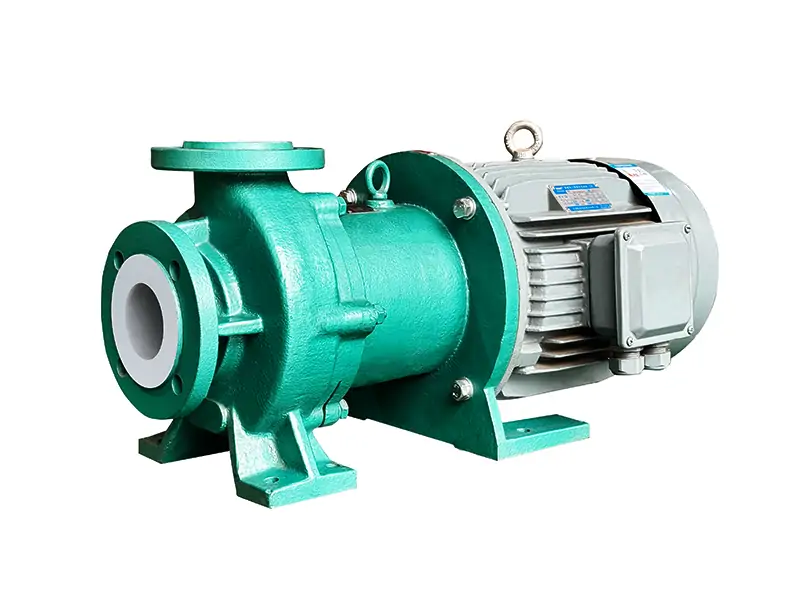
Apa yang Membuat Asam Fosfat Sangat Memerlukan Pompa Kimia?
Saat memilih pompa kimia asam, para insinyur harus terlebih dahulu memahami bahwa asam fosfat dalam lingkungan industri umumnya terbagi dalam dua kategori yang sama sekali berbeda, masing-masing menghadirkan tantangan pemompaan yang berat:
- Asam Fosfat Proses Basah (WPA): Terutama digunakan dalam pembuatan pupuk, WPA sangat terkontaminasi. Cairan ini mengandung bubur kalsium sulfat (gipsum) yang bersifat abrasif, batuan silika yang tidak bereaksi, dan sejumlah kecil asam fluorosilikat dan fluorosilikat yang sangat merusak. Cairan ini sangat abrasif dan sangat korosif, menghancurkan baja tahan karat standar secara instan.
- Asam Fosfat Termal atau Asam Fosfat Kelas Makanan: Asam yang dimurnikan ini tidak memiliki pengotor padat tetapi menghadirkan tantangan hidraulik yang berat. Pada konsentrasi komersial standar 85%, ia berperilaku seperti sirup padat, menunjukkan viskositas terutama pada suhu yang lebih rendah.
Bagaimana Gravitasi Spesifik dan Viskositas Mempengaruhi Pompa Transfer Asam?
Saat memompa asam fosfat tingkat teknis 85%, cairan berat jenis mencapai sekitar 1,68. Ini berarti asam 68% lebih berat daripada air.
Jika sebuah pompa transfer asam tidak secara khusus dinilai untuk kepadatan ini, fluida berat akan menarik arus listrik yang berlebihan, langsung membebani dan membakar motor. Selain itu, viskositas yang tinggi menciptakan gesekan internal yang signifikan (kehilangan pipa), yang sangat mengurangi laju aliran dan tekanan head pompa. Pompa Changyu dengan cermat menghitung faktor penurunan hidraulik ini, memastikan pompa Anda dilengkapi dengan impeler yang dipangkas dengan benar dan motor besar untuk kinerja yang stabil.
Pompa Asam Fosfat Mana yang Tepat untuk Proses Anda?
Memilih bahan yang tepat-seperti UHMWPE, PTFE, atau PFA-sangat penting. Berdasarkan pengalaman kami yang luas portofolio pompa kimia, Berikut ini adalah tiga model yang sangat representatif yang dioptimalkan untuk aplikasi asam fosfat yang berbeda:
1. Pompa Mortar Kimia Suhu Tinggi CYG-ZKN (Untuk Asam & Bubur Proses Basah)
Jika fasilitas Anda memproses WPA yang mengandung lumpur gipsum abrasif dan fluorida korosif, pompa sentrifugal standar akan terkikis dalam hitungan minggu. The Pompa Mortir CYG-ZKN dibuat dengan arsitektur PFA/UHMWPE berlapis baja yang mampu menahan abrasi ekstrem. Alat ini memiliki desain impeler terbuka dan segel mekanis tugas berat khusus yang dirancang khusus untuk mentransfer bubur kimia yang padat dan mendidih hingga 180 ℃ tanpa tersumbat.
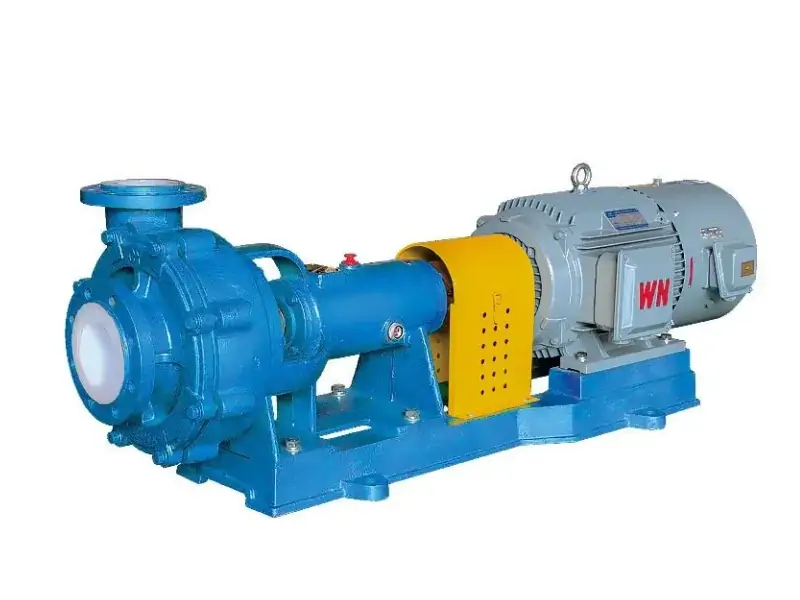
Spesifikasi
| Model | Rentang Aliran (m³/jam) | Jangkauan Kepala (m) | Kecepatan (r/menit) | Rentang Efisiensi (%) | Rentang Daya | Kisaran Diameter Impeler (mm) |
|---|---|---|---|---|---|---|
| 32UHB | 5 - 10 | 10 - 30 | 2900 | 17% - 28% | 1.1KW-2 - 3KW-2 | 100 - 165 |
| 40UHB | 10 - 15 | 10 - 30 | 2900 | 25% - 35% | 2.2KW-2 - 4KW-2 | 140 - 165 |
| 50UHB | 10 - 20 | 15 - 40 | 2900 | 20% - 35% | 4KW-2 - 7.5KW-2 | 140 - 190 |
| 65UHB | 25 - 30 | 20 - 60 | 2900 | 25% - 35% | 5.5KW-2 - 18.5KW-2 | 155 - 235 |
| 80UHB | 20 - 60 | 10 - 80 | 2900 | 22% - 50% | 5.5kw-4 - 30KW-2 | 145 - 260 |
| 100UHB | 50 - 110 | 10 - 80 | 2900 | 20% - 45% | 15KW-2 - 55KW-2 | 160 - 250 |
| 125UHB | 100 - 140 | 18 - 80 | 2900 | 34% - 48% | 22KW-2 - 75KW-2 | 180 - 268 |
| 150UHB | 150 - 280 | 20 - 50 | 1450 | 40% - 52% | 22KW-4 - 75KW-4 | 260 - 380 |
| 200UHB | 200 - 450 | 6 - 50 | 1450 / 980 | 25% - 58% | 22KW-6 - 90KW-4 | 325 - 380 |
| 250UHB | 300 - 650 | 6 - 60 | 1450 / 980 / 750 | 28% - 65% | 11KW-8 - 160KW-4 | 280 - 420 |
2. Pompa Sentrifugal Kimia Transfer Asam Seri CYF (Untuk Asam Murni Curah)
Untuk transfer asam fosfat kelas teknis yang dimurnikan dan bervolume tinggi, proses Pompa Sentrifugal Kimia Transfer Asam Seri CYF adalah pekerja keras yang sangat andal. Dibuat dari paduan fluoroplastik berkinerja tinggi, alat ini dengan mudah menahan korosivitas asam. Volute hidrauliknya dioptimalkan untuk menangani cairan dengan kepadatan tinggi secara efisien, menjadikannya sempurna pompa transfer asam untuk pemuatan penyimpanan massal, jalur pengawetan logam, dan loop sirkulasi kontinu.
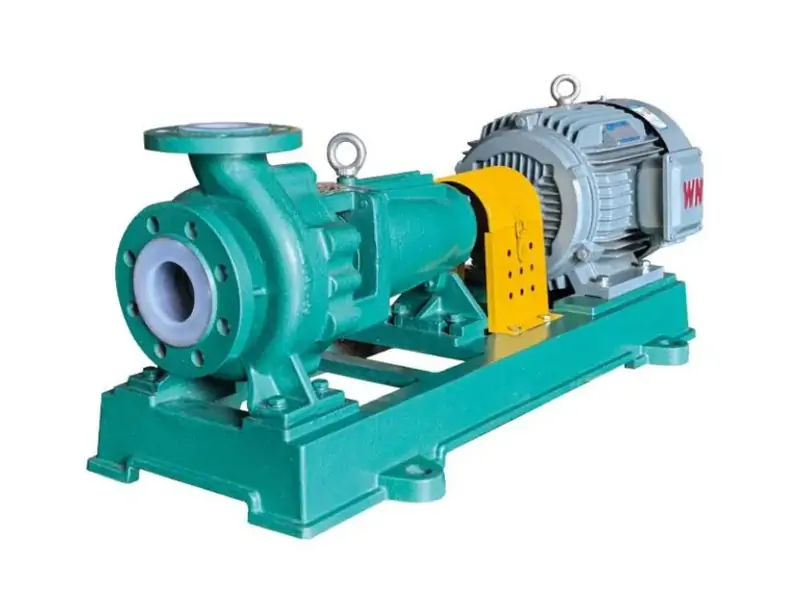
3. Pompa Penggerak Magnetik Fluoroplastik Seri CYQ (Untuk Transfer Tanpa Kebocoran)
Ketika mentransfer asam fosfat tingkat makanan yang mahal atau beroperasi di lingkungan dalam ruangan yang diatur dengan ketat, diperlukan emisi nol. The Pompa Magnetik Seri CYQ menghilangkan segel poros mekanis sepenuhnya. Dengan menggunakan teknologi kopling magnetik dan lapisan F46/PFA tugas berat, ini menjamin operasi bebas kebocoran 100%, mencegah kehilangan produk yang berharga dan kontaminasi lingkungan.
Kasus-kasus kami Pompa Asam Fosfat
Pompa Changyu‘Solusi rekayasa kami mendorong proses-proses penting dalam fasilitas manufaktur global. Berikut ini adalah kinerja pompa kami di lapangan:
- Pupuk Fosfat: Sebuah pabrik yang sering mengalami erosi impeler pada jalur ekstraksi WPA mereka mengganti pompa logam mereka dengan pompa kami Pompa Mortar Kimia CYG-ZKN. Lapisan PFA dengan mudah menangani kristal gipsum abrasif dan jejak asam fluorida, meningkatkan siklus hidup pompa hingga 300% dan menghilangkan waktu henti yang tidak terduga.
- Fasilitas Bahan Tambahan Makanan: Sebuah pabrik perlu memindahkan asam fosfat tingkat makanan 85% dari tangki penyimpanan curah. Karena berat jenis asam 1,68, pompa mereka sebelumnya selalu mengalami kelebihan beban termal. Kami menyediakan Pompa Sentrifugal Seri CYF digabungkan dengan motor tugas berat yang ditingkatkan dengan tepat. Sistem ini telah berjalan dengan sempurna selama bertahun-tahun, menangani cairan yang padat dan kental tanpa panas berlebih.

Mengapa Segel Mekanis Gagal dalam Aplikasi Asam Fosfat?
Modus kegagalan yang umum terjadi pada setiap pompa asam fosfat adalah penghancuran segel. Asam fosfat memiliki kecenderungan kuat untuk mengkristal saat suhu turun atau saat cairan menguap di permukaan seal. Kristal mikroskopis ini bertindak seperti amplas, menghancurkan permukaan segel karbon atau keramik standar dalam beberapa jam. Untuk pompa yang disegel secara mekanis (seperti CYF atau CYG-ZKN), Changyu Pump menggunakan permukaan seal Silicon Carbide vs Silicon Carbide (SiC/SiC), yang sering dipasangkan dengan rencana flush eksternal, untuk membersihkan kristal dan mempertahankan pelumasan seal yang kritis.
Bagaimana Cara Memilih Pompa Asam Fosfat yang Tepat?
Memilih yang dapat diandalkan pompa asam fosfat memerlukan evaluasi empat parameter fluida kritis sebelum mengambil keputusan. Mengabaikan salah satu dari hal ini akan menyebabkan kegagalan pompa yang cepat:
- Kemurnian Cairan (WPA vs Asam Murni): Apakah asam mengandung gipsum abrasif atau partikel batuan (Asam Proses Basah)? Jika ya, impeler terbuka, tahan abrasi pompa kimia (seperti UHMWPE) diperlukan. Asam bersih dapat menggunakan pompa fluoroplastik standar.
- Gravitasi Spesifik: Asam fosfat 85% memiliki berat jenis yang tinggi yaitu 1,68. Itu adalah asam fosfat pompa transfer asam harus dilengkapi dengan motor listrik yang sangat besar untuk menangani cairan padat ini tanpa terbakar.
- Suhu Pengoperasian: Temperatur tinggi menentukan penggunaan pelapis yang kuat seperti PTFE atau PFA. Sebaliknya, suhu rendah menyebabkan asam menjadi sangat kental, sehingga memerlukan penyesuaian kinerja hidraulik.
- Toleransi Kebocoran: Untuk penggunaan di dalam ruangan atau proses dengan kemurnian tinggi, drive magnetik tanpa kebocoran pompa kimia asam adalah wajib untuk menghilangkan risiko segel mekanis.
Jangan khawatir jika perhitungan ini tampak rumit. Tim teknik di Changyu Pump akan mengevaluasi kondisi kerja spesifik Anda dan memilih konfigurasi pompa yang paling sesuai untuk fasilitas Anda. Hubungi kami sekarang untuk mendapatkan penawaran.
Kontrol Kualitas yang sistematis: Jaminan Anda untuk Transfer Asam yang Aman
Saat menangani media yang berat dan korosif seperti asam fosfat, keandalan peralatan sangat penting untuk produksi yang berkelanjutan. Di Changyu Pump, kami menyadari bahwa keselamatan pabrik bergantung pada praktik manufaktur yang kuat. Itulah sebabnya setiap pompa asam fosfat yang kami produksi menjalani proses pemeriksaan yang sistematis dan multi-tahap.
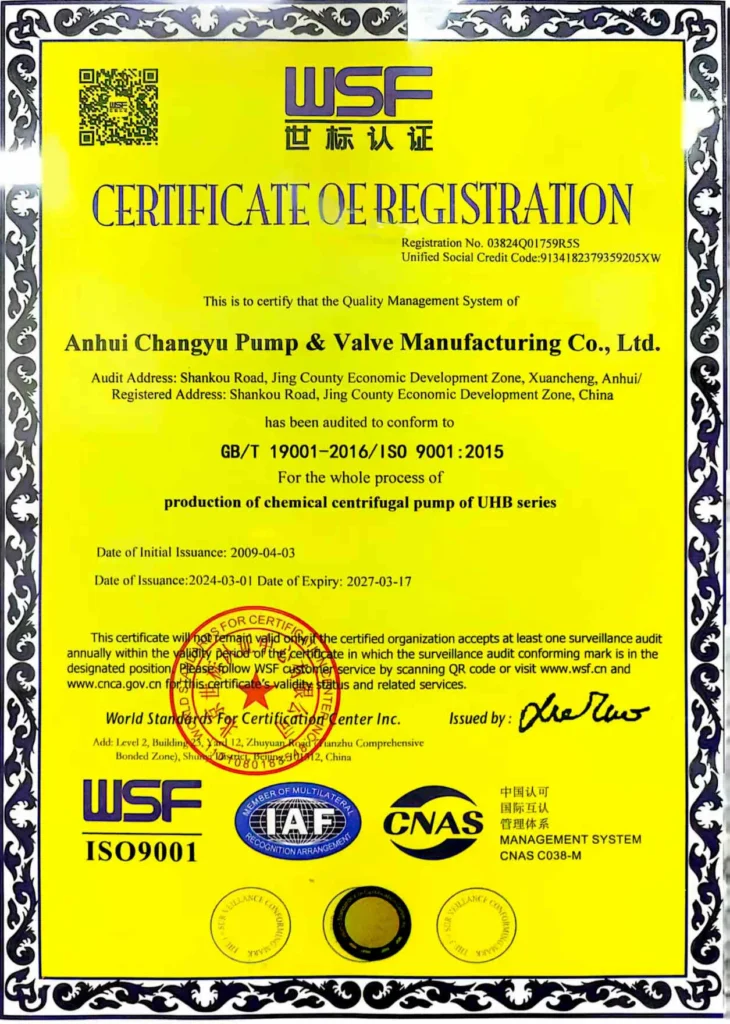


Komprehensif kami Kontrol Kualitas Protokol ini mencakup segala hal mulai dari verifikasi bahan baku (mengonfirmasi komposisi fluoroplastik) hingga uji tekanan hidrostatik dan pemantauan kinerja dinamis. Didukung oleh sertifikat manufaktur yang diakui industri dan proses produksi yang sesuai dengan ISO, kami mempertahankan toleransi tingkat kebocoran yang ketat dan keterlacakan produk secara penuh. Anda dapat merasa yakin dengan mengetahui bahwa produk Anda pompa kimia asam dirancang untuk memenuhi standar industri yang ketat, memberikan keamanan yang dapat diandalkan bagi operator Anda dan siklus hidup yang panjang untuk fasilitas Anda.
Tanya Jawab Tentang Pompa Asam Fosfat
T1: Apa bahan yang dibasahi terbaik untuk pompa asam fosfat?
J: Untuk murni asam fosfat, baja tahan karat bermutu tinggi (seperti 316L) dapat bekerja pada suhu sekitar. Namun, untuk suhu tinggi atau asam proses basah yang mengandung fluorida, fluoroplastik (PTFE, PFA, F46) atau UHMWPE adalah satu-satunya pilihan jangka panjang yang aman untuk pompa kimia asam.
T2: Bagaimana pengaruh berat jenis asam fosfat 85% terhadap pemilihan pompa saya?
J: Pada konsentrasi 85%, berat jenis kira-kira 1,68. Anda pompa transfer asam harus dilengkapi dengan motor listrik yang jauh lebih besar untuk menangani bobot yang berat ini; jika tidak, motor akan kelebihan beban dan terbakar saat dinyalakan.
T3: Dapatkah pompa kimia standar menangani asam fosfat proses basah (WPA)?
J: Tidak. WPA mengandung bubur gipsum yang sangat abrasif dan partikel batuan. Standar pompa kimia akan tersumbat atau terkikis. Anda harus menggunakan pompa bubur atau mortar khusus, seperti seri CYG-ZKN kami, yang memiliki impeler terbuka dan lapisan tahan abrasi.
T4: Kapan saya harus memilih pompa penggerak magnetik daripada pompa yang disegel secara mekanis?
A: Penggerak magnetis pompa asam fosfat sangat ideal untuk asam murni dan bersih di mana kebocoran nol mutlak diwajibkan untuk keamanan lingkungan atau kemurnian produk. Namun, jika asam mengandung partikel padat (seperti WPA), pompa penggerak magnetik harus dihindari karena padatan akan merusak bantalan selongsong internal.
T5: Mengapa pompa transfer asam saya saat ini kehilangan laju aliran selama musim dingin?
A: Asam fosfat sangat sensitif terhadap suhu. Saat mendingin, viskositasnya meningkat secara dramatis, mengubahnya menjadi sirup yang kental. Gesekan internal yang ditambahkan ini meningkatkan resistensi pipa, menyebabkan laju aliran dan head pompa turun.
T6: Apakah saya memerlukan sistem pembilasan khusus untuk segel pompa saya?
J: Ya. Karena asam fosfat cenderung mengkristal saat bersentuhan dengan udara, pembilasan dengan air bersih eksternal (API Plan 32) sangat disarankan untuk seal mekanis untuk membersihkan kristal abrasif dan memperpanjang usia seal.
Amankan Proses Cairan Anda dengan Pompa Changyu
Memompa asam fosfat melibatkan navigasi matriks kompleks dengan kepadatan ekstrem, korosi agresif, dan abrasi parah. Mengandalkan rekayasa yang kurang pompa kimia menjamin kebocoran yang merugikan, infrastruktur yang rusak, dan kemacetan produksi. Dengan memilih Pompa Changyu’yang dioptimalkan secara khusus untuk pompa fluoroplastik dan mortar, Anda berinvestasi dalam keamanan pabrik dan stabilitas hidraulik tanpa kompromi.
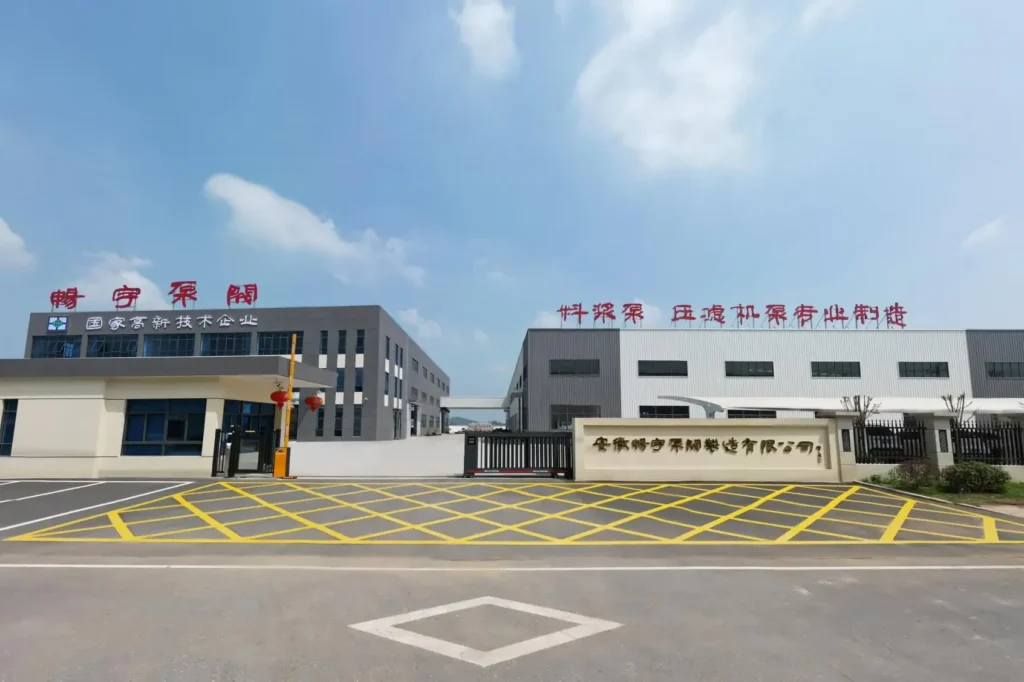
Apakah Anda sedang meningkatkan jalur bubur pupuk atau mengalami masalah kelebihan beban motor pada sistem asam murni 85% Anda? Kontak yang Tim teknik Pompa Changyu hari ini. Berikan konsentrasi, suhu, dan kandungan padatan spesifik Anda, dan kami akan memberikan solusi pemompaan langsung dari pabrik yang sangat kompetitif yang dirancang khusus untuk proses Anda.