
Sebuah pompa asam adalah pompa yang dirancang untuk mentransfer asam korosif dengan aman dan andal. Pompa ini dibuat dengan bahan yang dibasahi tahan bahan kimia dan desain penyegelan yang dapat menahan media yang agresif. Dalam servis asam, pompa yang salah dapat rusak dengan cepat, membocorkan cairan berbahaya, dan menimbulkan waktu henti yang mahal. Pompa yang tepat meningkatkan keamanan, memperpanjang masa pakai, dan menjaga proses tetap stabil.
Tidak semua asam berperilaku dengan cara yang sama. Asam klorida, asam sulfat, asam nitrat, dan limbah asam campuran dapat mempengaruhi bahan pompa dengan sangat berbeda. Konsentrasi, suhu, kandungan padatan, dan tata letak instalasi semuanya penting. Itulah sebabnya pemilihan pompa asam harus selalu dimulai dengan kondisi proses, bukan hanya harga pompa.
Apa yang dimaksud dengan Pompa Asam?
Sebuah pompa asam adalah pompa kimia yang digunakan untuk mentransfer cairan asam dalam sistem industri. Pompa ini berbeda dari pompa air standar karena komponen utamanya dipilih untuk ketahanan terhadap korosi, pengendalian kebocoran, dan kompatibilitas jangka panjang dengan cairan agresif.
Dalam penggunaan praktis, pompa asam bukan hanya badan pompa dengan motor. Ini adalah solusi lengkap yang menggabungkan desain hidraulik yang tepat, bahan yang tepat, dan metode penyegelan yang tepat untuk tugas kimia yang sebenarnya. Jika salah satu dari ketiga elemen ini salah, seluruh sistem menjadi tidak dapat diandalkan.
Mengapa Pompa Standar Sering Gagal dalam Layanan Asam
Pompa standar biasanya dirancang untuk air atau cairan ringan. Dalam layanan asam, bahan-bahan tersebut dapat menimbulkan korosi dengan cepat. Begitu korosi mulai terjadi, jarak bebas berubah, seal menjadi lebih cepat aus, dan risiko kebocoran meningkat.
Biaya dari pemilihan yang buruk jarang terbatas pada pompa itu sendiri. Hal ini dapat menyebabkan:
- Gangguan proses.
- Kehilangan produk.
- Kondisi kerja yang tidak aman.
- Lebih banyak tenaga kerja pemeliharaan.
- Masa pakai peralatan yang lebih pendek.
Bagi pembeli, ini berarti biaya sebenarnya dari pompa asam bukanlah harga beli saja. Ini adalah total biaya kepemilikan selama bertahun-tahun beroperasi.
Jenis Pompa Asam Apa yang Umum Digunakan?
Tugas transfer asam yang berbeda memerlukan jenis pompa yang berbeda. Pilihan terbaik tergantung pada apakah proses tersebut membutuhkan aliran kontinu, operasi bebas bocor, kemampuan self-priming, penanganan padatan, atau pemasangan di bawah permukaan.
Pompa Asam Sentrifugal
A pompa asam sentrifugal secara luas digunakan untuk transfer cairan asam yang relatif bersih secara terus menerus. Ini menawarkan aliran yang stabil, struktur sederhana, dan efisiensi yang baik untuk banyak jalur proses. Jenis ini sering digunakan ketika sistem membutuhkan operasi yang stabil dan cairan tidak mengandung terlalu banyak padatan.
Ini adalah pilihan yang kuat untuk sirkulasi bahan kimia umum, transfer asam antar tangki, dan jalur umpan proses. Jika dikombinasikan dengan komponen yang dibasahi fluoroplastik atau tahan korosi, ini menjadi salah satu desain pompa asam yang paling praktis dalam industri.

Pompa Asam Penggerak Magnetik
A pompa asam penggerak magnetik dirancang untuk aplikasi di mana risiko kebocoran harus diminimalkan. Ini menggunakan kopling magnetik sebagai pengganti segel poros tradisional. Hal ini menghilangkan salah satu titik kebocoran yang paling umum dalam sistem pemompaan bahan kimia.
Jenis ini sering dipilih untuk layanan asam berbahaya, beracun, atau dengan kemurnian tinggi. Tipe ini sangat menarik ketika keselamatan, pengoperasian yang bersih, dan kinerja rendah emisi lebih penting daripada biaya awal yang paling rendah.
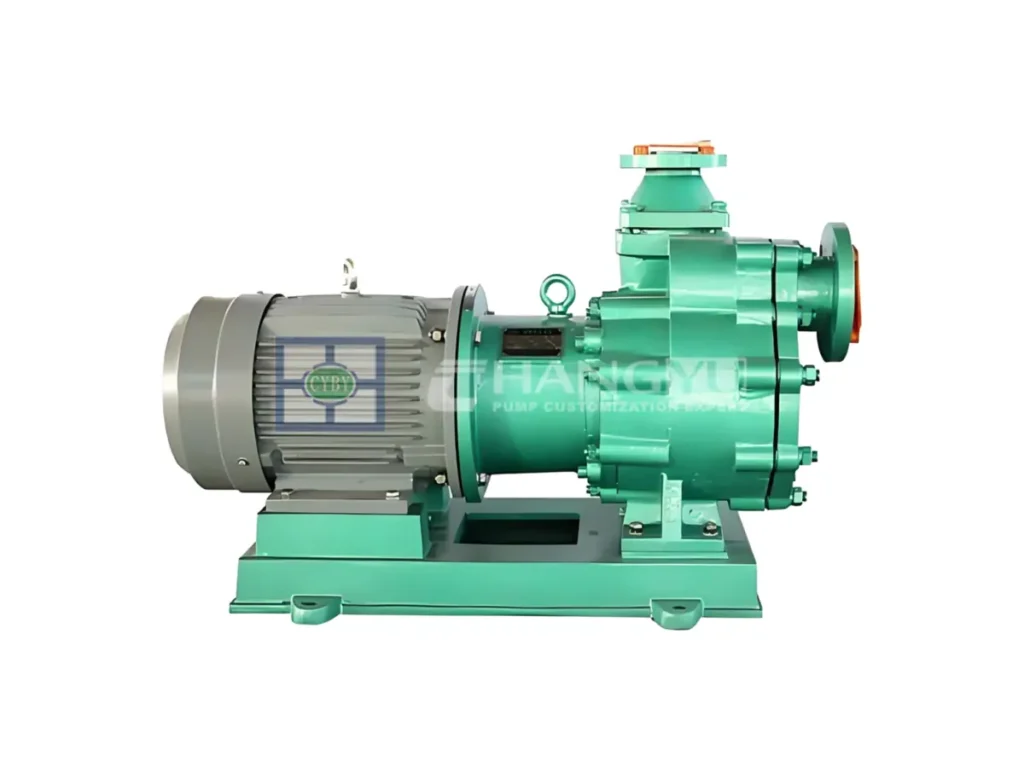
Pompa Asam Pemancing Otomatis
A pompa asam pemancing otomatis berguna ketika pompa tidak dapat dipasang di bawah level cairan. Pompa ini dapat mengevakuasi udara dari saluran hisap dan mulai memompa tanpa perlu melakukan priming manual berulang-ulang setelah kondisi penyalaan normal tercapai.
Jenis ini sering digunakan untuk pembongkaran asam, peternakan tangki, lubang, atau tata letak proses di mana pompa harus tetap berada di atas sumber cairan. Ini mengurangi batas pemasangan dan meningkatkan kenyamanan dalam kondisi pengisapan yang sulit.
Pompa Asam Submersible
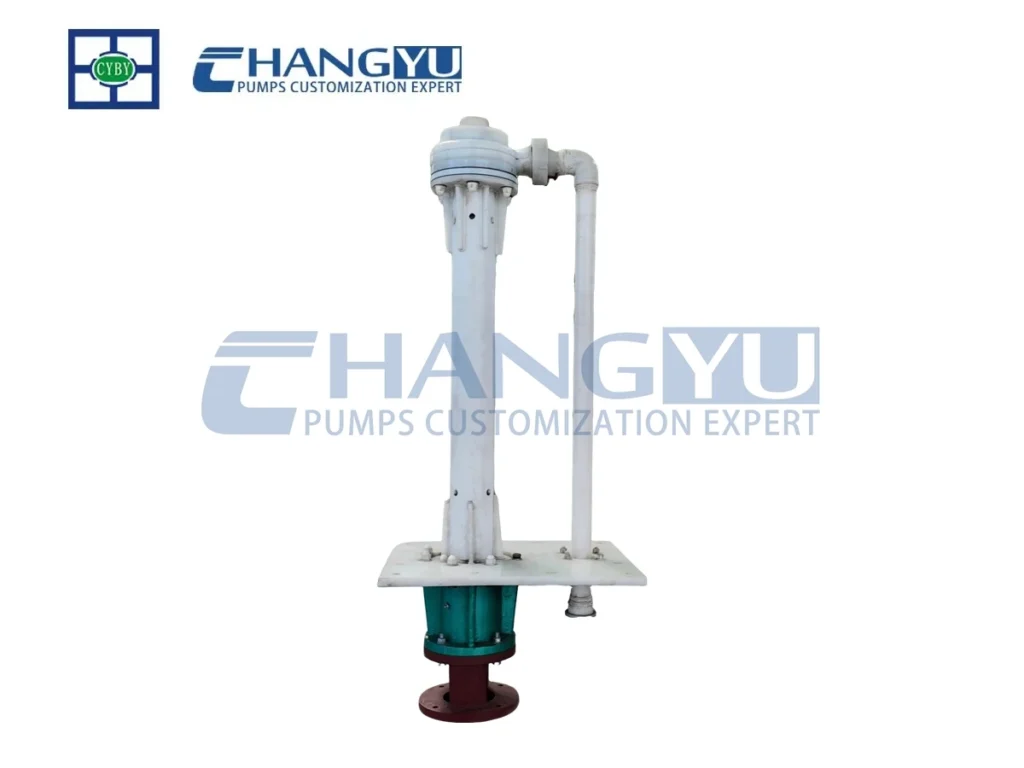
A pompa asam submersible beroperasi langsung di dalam cairan. Sangat cocok untuk lubang asam, tangki pengumpul, bak bawah tanah, dan sistem di bawah tanah di mana pompa yang dipasang di permukaan bukanlah tata letak yang terbaik.
Karena pompa dipasang di dalam cairan, daya hisap bukanlah masalah utama. Desain ini dapat menyederhanakan pengaturan pemipaan dan mengurangi beberapa masalah priming pada instalasi yang dalam atau terbatas.
Pompa Asam Diafragma
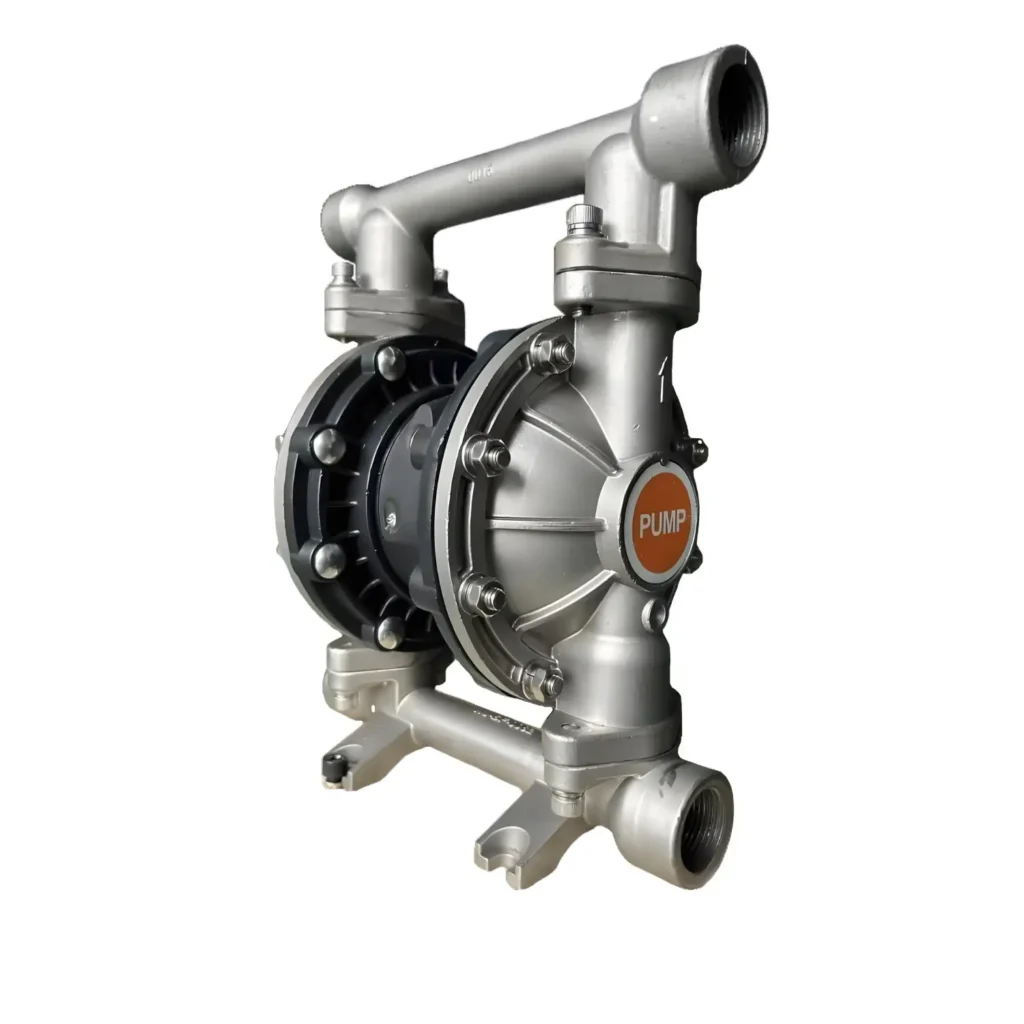
A pompa asam diafragma sering dipilih ketika proses melibatkan aliran intermiten, risiko dry-run, padatan, atau persyaratan pemancing otomatis yang kuat. Ini dapat dioperasikan dengan udara atau digerakkan secara elektrik tergantung pada pengaturan proses.
Jenis ini sangat berguna dalam pemberian dosis, pemindahan media asam yang mengandung lumpur, dan aplikasi di mana operasi yang fleksibel lebih penting daripada efisiensi sentrifugal maksimum. Di banyak pabrik, ini adalah pilihan yang lebih aman untuk kondisi media yang tidak stabil atau sulit.
Bahan Apa yang Digunakan dalam Pompa Asam?
Pemilihan material adalah salah satu bagian terpenting dalam pemilihan pompa asam. Jenis pompa yang tepat tidak dapat bekerja dengan baik jika bahannya salah. Bahan yang tepat tergantung pada kimia asam, konsentrasi, suhu, dan tingkat kontaminasi.
Fluoroplastik
Fluoroplastik adalah salah satu bahan yang paling banyak digunakan untuk pompa asam karena ketahanan kimianya yang luas. Bahan-bahan seperti PTFE umumnya dipilih untuk asam kuat dan media campuran korosif.
Bahan-bahan ini sangat berguna ketika pembeli membutuhkan kompatibilitas bahan kimia yang luas dan ketahanan korosi yang kuat. Bahan-bahan ini sering ditemukan pada pompa sentrifugal berjajar, pompa submersible, dan pompa asam pemancing otomatis.
PVDF
PVDF menawarkan ketahanan korosi yang kuat dan kekuatan mekanik yang baik. Ini sering digunakan dalam pompa kimia di mana medianya agresif tetapi aplikasinya juga membutuhkan bahan struktural yang lebih kuat daripada yang disediakan oleh beberapa fluoroplastik yang lebih lembut.
Polypropylene
Polypropylene adalah pilihan yang lebih ekonomis untuk layanan asam yang tidak terlalu agresif. Ini dapat bekerja dengan baik dalam kisaran konsentrasi dan suhu yang benar, tetapi ini bukan solusi universal terbaik untuk setiap proses asam.
Baja tahan karat
Baja tahan karat dapat digunakan dalam aplikasi asam tertentu, tetapi tidak boleh diperlakukan sebagai tahan asam secara universal. Beberapa asam encer dapat ditangani dengan baik dengan kelas tahan karat yang tepat. Asam lain, terutama pada konsentrasi atau suhu yang lebih tinggi, dapat menyerang baja tahan karat dengan cepat.
Logam Paduan Tinggi
Logam paduan tinggi seperti Hastelloy digunakan di mana ketahanan korosi dan kekuatan mekanik harus tinggi. Bahan-bahan ini sering dipilih untuk tugas berat, kondisi proses yang menuntut, atau aplikasi yang membutuhkan konstruksi logam tingkat lanjut.
Ikhtisar Bahan Pompa Asam
| Bahan | Kekuatan Utama | Penggunaan Khas |
|---|---|---|
| Fluoroplastik / PTFE | Ketahanan kimia yang sangat baik | Asam kuat, korosif campuran, menuntut tugas pemindahan |
| PVDF | Ketahanan dan kekuatan korosi yang baik | Asam pengoksidasi dan sistem proses kimia |
| Polypropylene | Hemat biaya untuk layanan tertentu | Tugas asam yang tidak terlalu berat pada kondisi sedang |
| 316 Baja Tahan Karat | Berguna dalam aplikasi terkontrol tertentu | Beberapa layanan asam ringan atau encer |
| Logam Paduan Tinggi | Ketahanan korosi yang tinggi dengan kekuatan mekanis | Tugas kimiawi yang berat dan instalasi yang menuntut |
Di mana Pompa Asam Digunakan?
Pompa asam digunakan di banyak sektor industri di mana cairan korosif harus dipindahkan dengan aman dan terus menerus.
Aplikasi yang umum meliputi:
- Manufaktur kimia.
- Pengawetan dan perawatan permukaan logam.
- Garis elektroplating.
- Pengumpulan dan pemindahan limbah asam.
- Pengolahan air limbah.
- Bongkar muat asam dan transfer tangki.
- Sistem dosis dan sirkulasi.
- Pemrosesan semikonduktor dan elektronik.
Aplikasi yang berbeda menempatkan tuntutan yang berbeda pada pompa. Saluran transfer antara dua tangki mungkin lebih menyukai pompa sentrifugal fluoroplastik. Sebuah bah atau lubang mungkin memerlukan pompa asam yang dapat direndam. Saluran asam sulfat berisiko tinggi mungkin memerlukan desain penggerak magnetik. Proses kotor atau aliran variabel mungkin lebih baik dilayani oleh pompa diafragma.

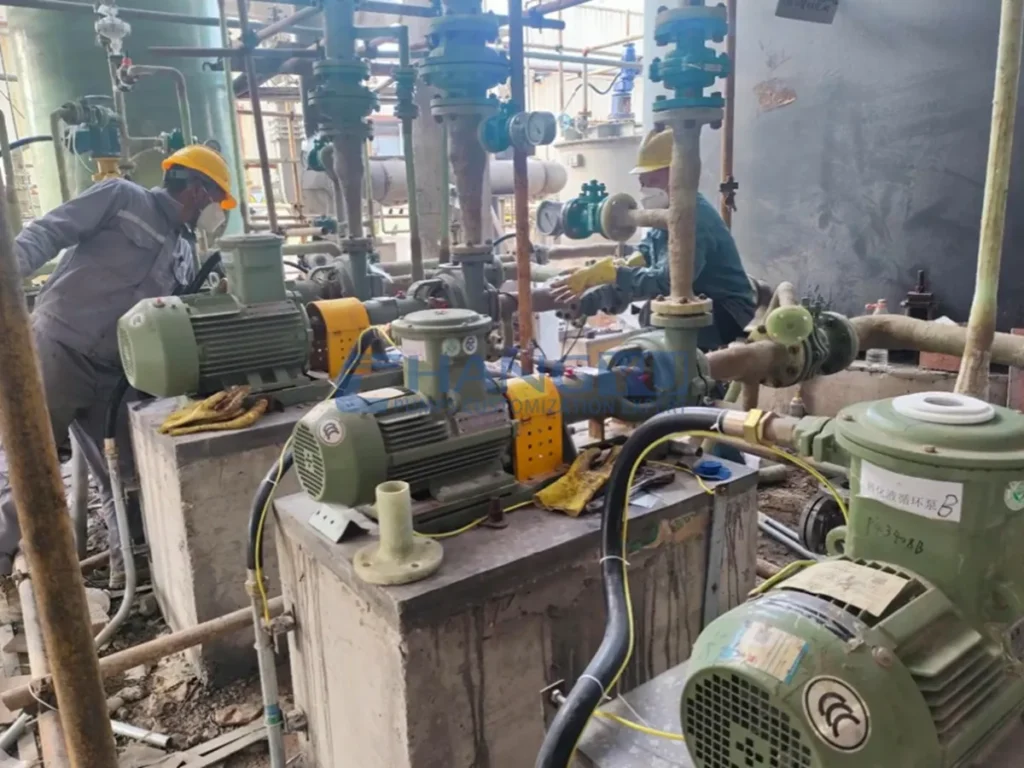
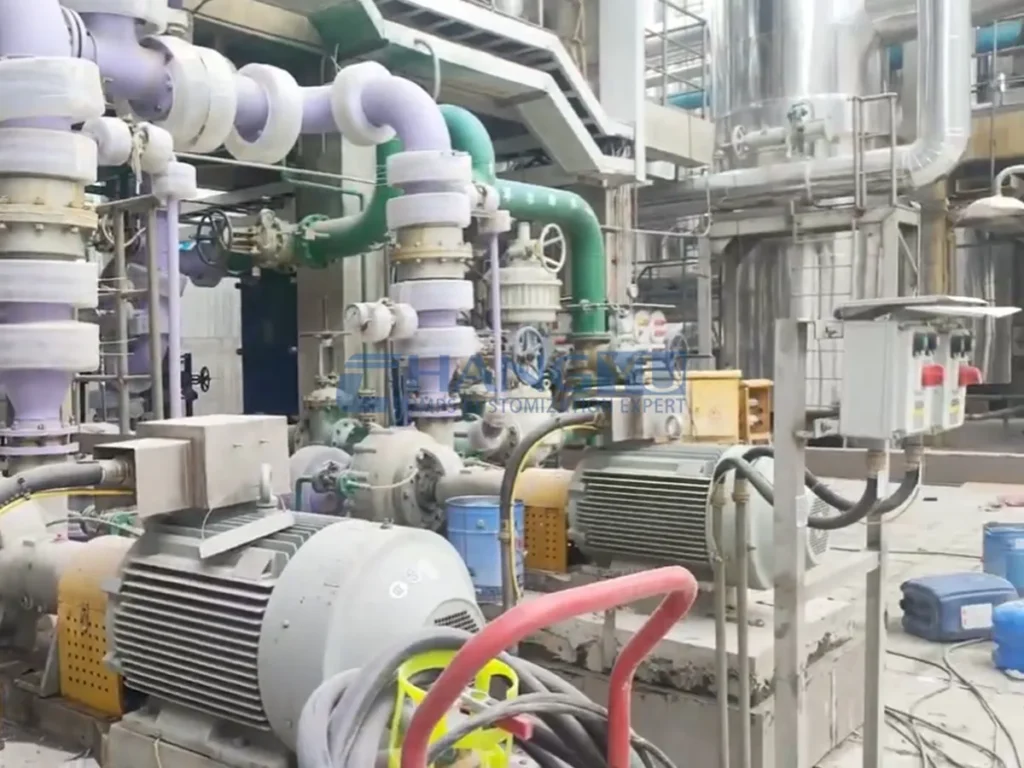
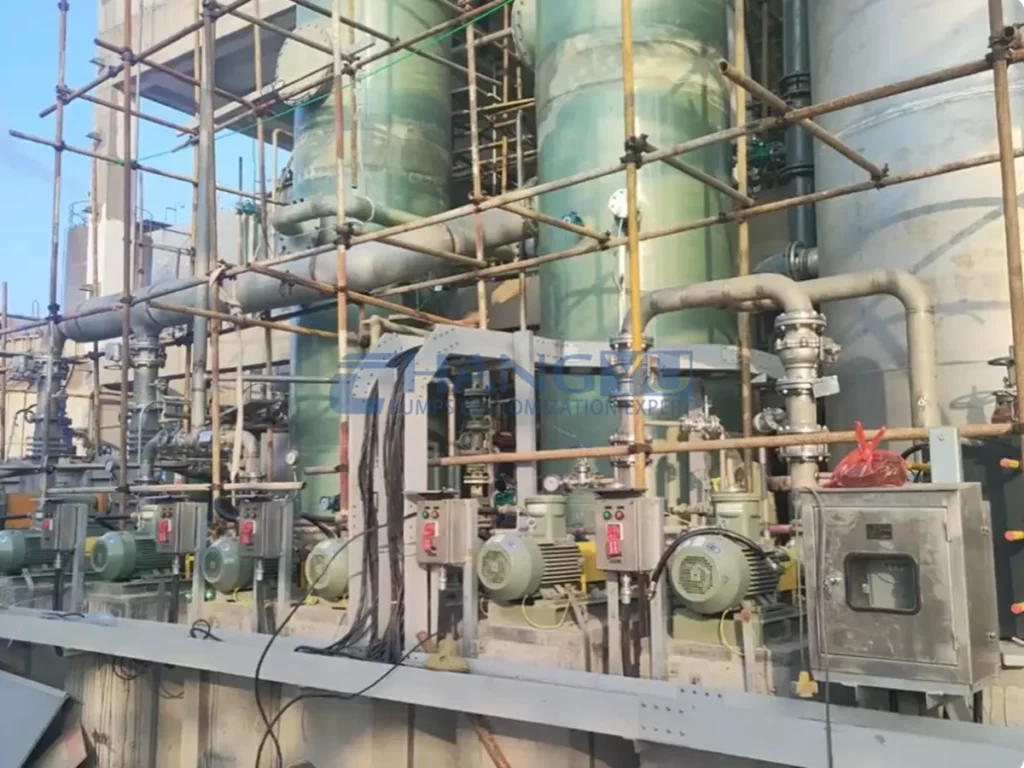
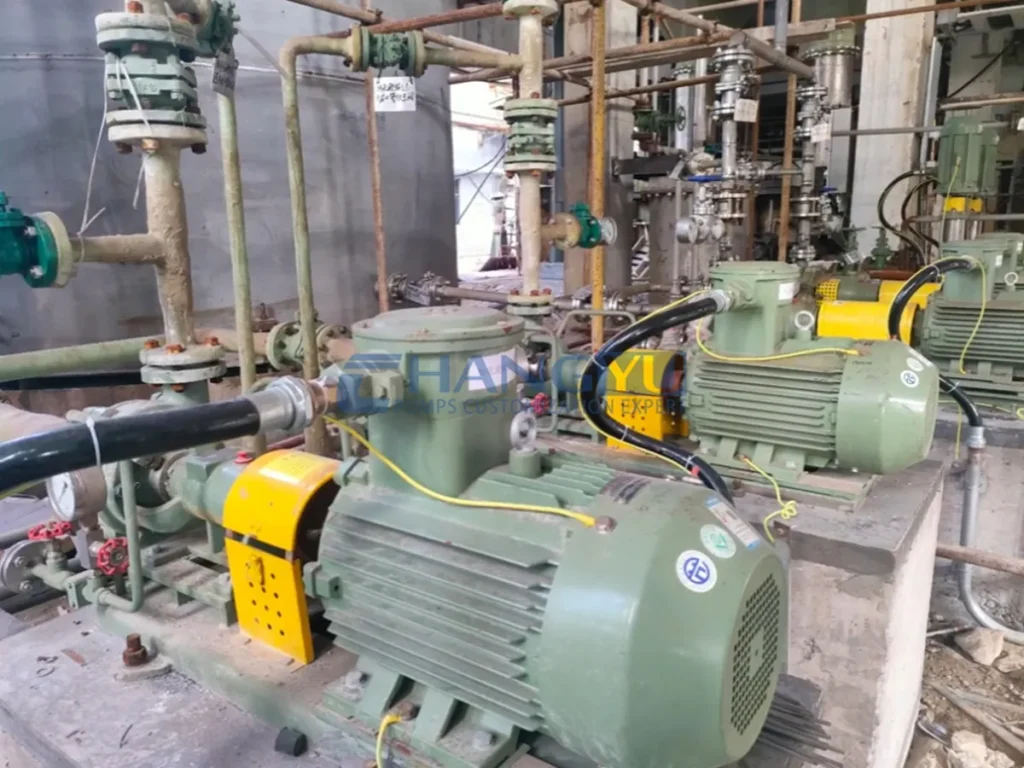
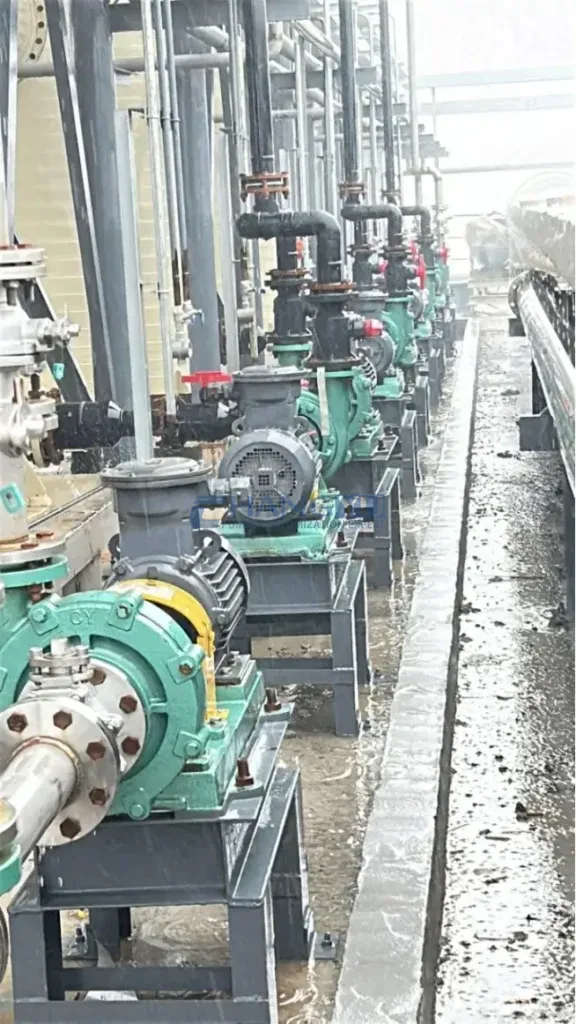
Solusi Pompa Asam Pompa Changyu untuk Kebutuhan Proses yang Berbeda
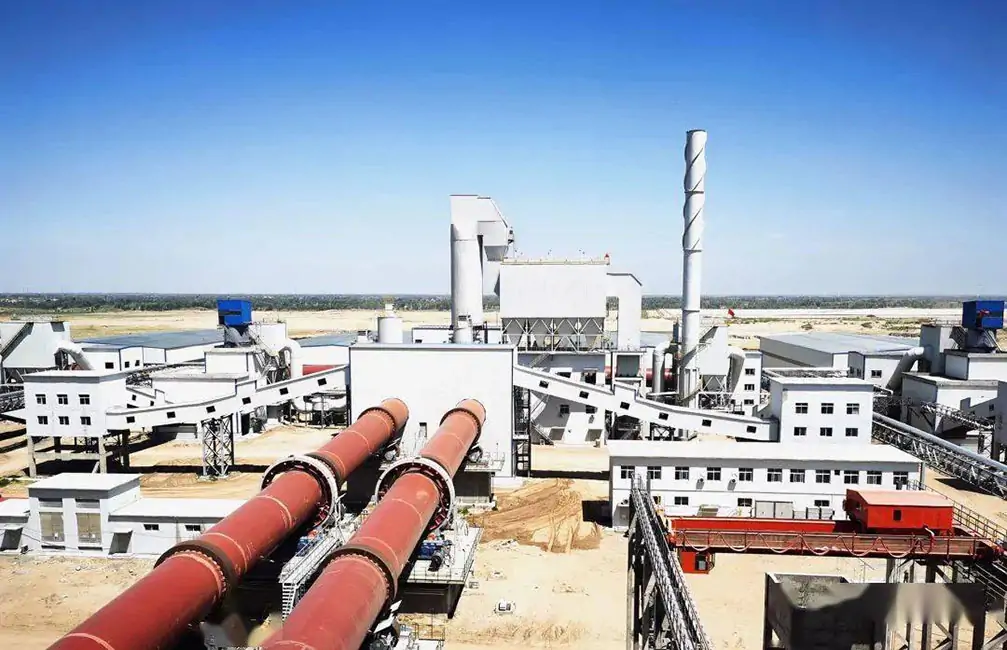
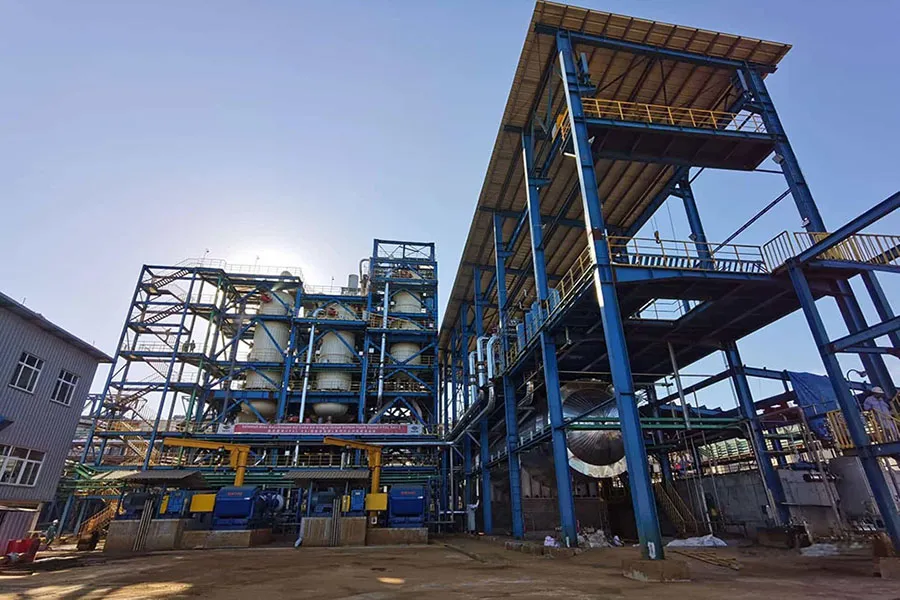
Pompa Changyu menawarkan beberapa desain pompa asam untuk kebutuhan proses yang berbeda. Dengan pengalaman industri lebih dari 20 tahun, tim kami berfokus pada pencocokan struktur pompa dengan tugas kimiawi yang sebenarnya, bukan hanya nama media dasar.
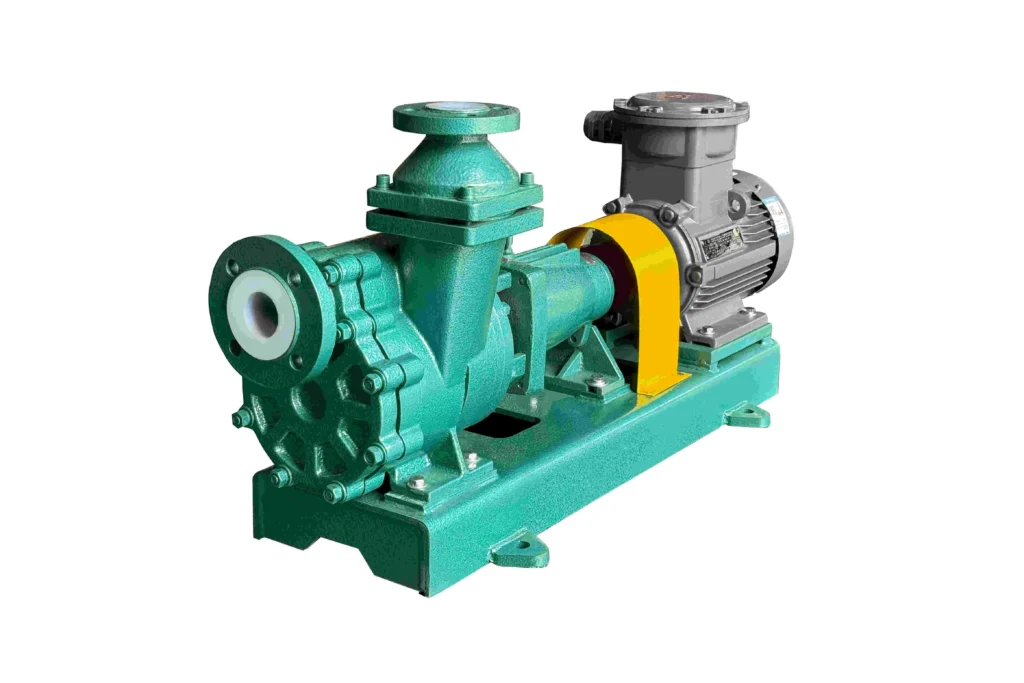
Pompa Sentrifugal Pemancing Otomatis Berjajar Fluorin FZB
The Pompa Sentrifugal Pemancing Otomatis Berjajar Fluorin FZB dirancang untuk sistem transfer asam di mana pompa harus berada di atas sumber cairan. Pompa ini menggabungkan ketahanan terhadap korosi dengan kemampuan self-priming, yang membuatnya sangat praktis untuk pemindahan dari tangki, lubang, dan titik bongkar muat.

Model ini adalah pilihan yang kuat ketika tata letak sistem tidak memungkinkan pengisapan banjir. Ini membantu mengurangi batas pemasangan dan mendukung penyalaan yang stabil dalam kondisi pengisapan yang berat. Untuk pembeli yang menangani cairan korosif dalam tata letak yang canggung, ini sering kali merupakan solusi yang sangat praktis.
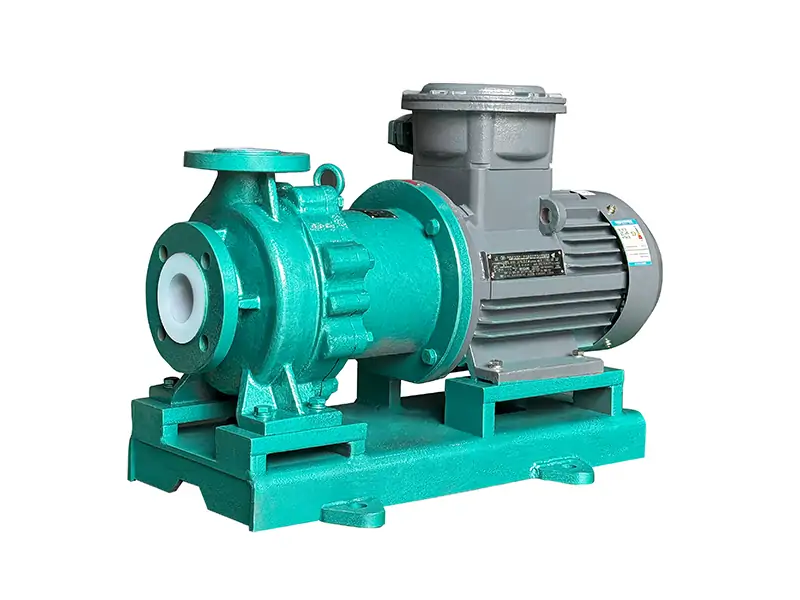
Pompa Sentrifugal Penggerak Magnetik Asam Sulfat CYQ
The Pompa Sentrifugal Penggerak Magnetik Asam Sulfat CYQ dirancang untuk layanan asam sulfat di mana keandalan penyegelan sangat penting. Struktur penggerak magnetiknya menghilangkan titik segel dinamis tradisional, yang membantu mengurangi risiko kebocoran di lingkungan kimia berbahaya.
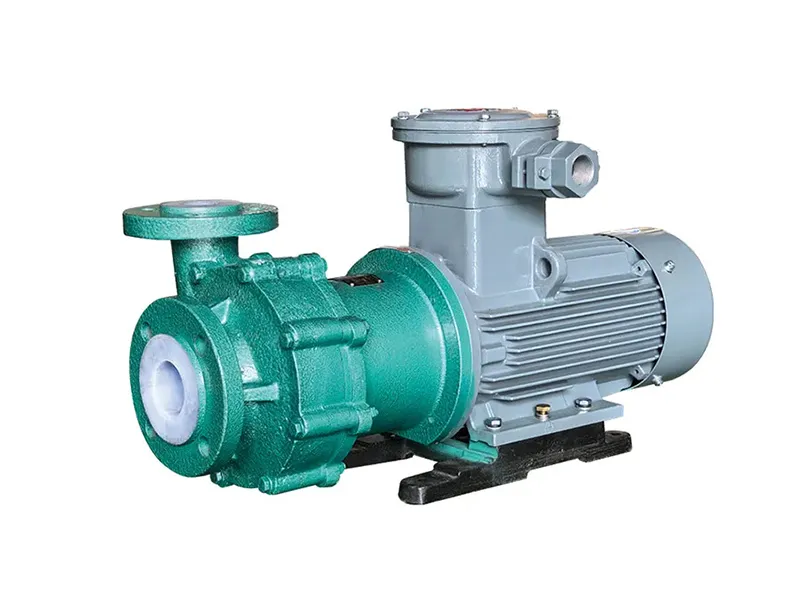
Model ini sangat cocok bila prosesnya membutuhkan operasi yang lebih bersih dan kontrol keselamatan yang lebih kuat. Untuk pabrik yang peduli dengan emisi asam, pengurangan perawatan, dan transfer media agresif yang lebih aman, ini adalah salah satu kategori pompa asam yang paling penting untuk dipertimbangkan.
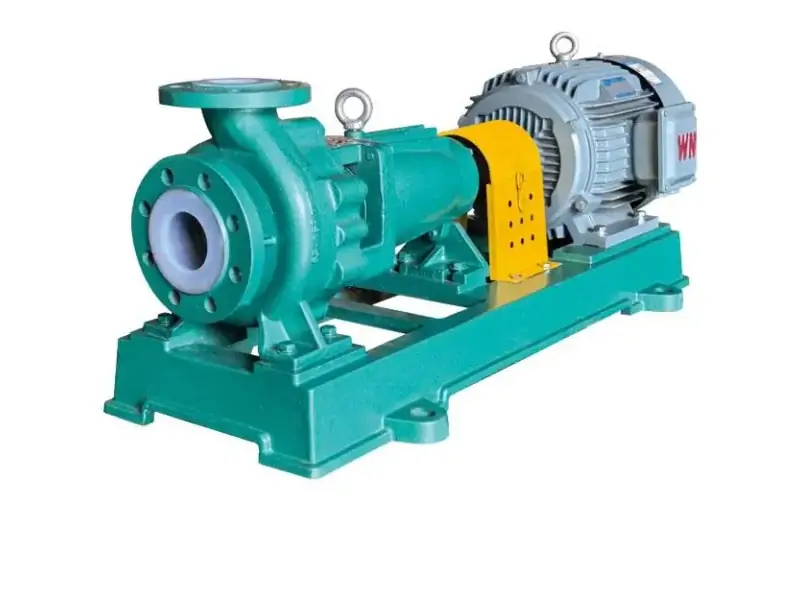
Pompa Sentrifugal Fluoroplastik Seri CYF
The Pompa Sentrifugal Fluoroplastik Seri CYF adalah solusi klasik untuk transfer asam kontinu dalam perpipaan proses. Ini menggunakan desain sentrifugal yang sederhana, efisien, dan cocok untuk banyak cairan korosif yang bersih.
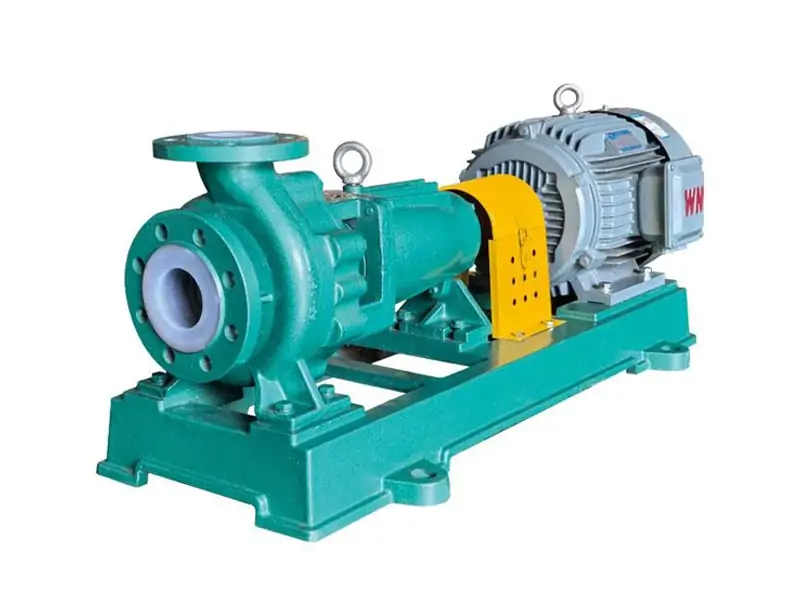
Model ini sering dipilih untuk loop sirkulasi pabrik, transfer antara bejana proses, dan layanan kimia umum. Ini sangat cocok ketika pembeli membutuhkan pompa transfer asam dengan ketahanan korosi yang kuat dan pengoperasian sehari-hari yang andal.
Pompa Submersible Fluoroplastik
The Pompa Submersible Fluoroplastik cocok untuk lubang asam, tangki bawah tanah, bak penampung, dan instalasi di bawah permukaan tanah. Alat ini bekerja langsung di dalam cairan, yang membuatnya sangat berguna di mana desain perpipaan hisap sulit atau di mana pompa permukaan tidak praktis.
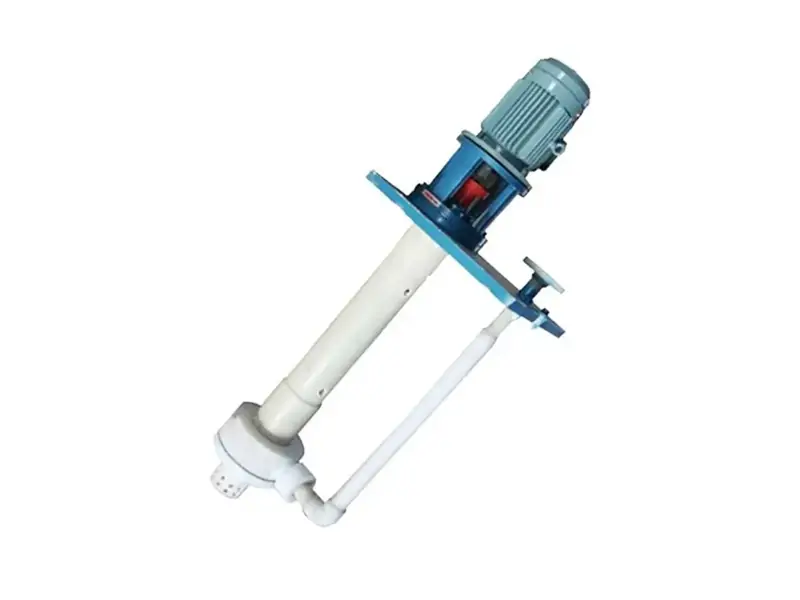
Jenis pompa asam ini sering dipilih untuk tata letak terbatas dan aplikasi drainase lubang. Untuk pengguna yang berurusan dengan air limbah korosif atau asam yang terkumpul dalam tangki di bawah permukaan lantai, ini bisa menjadi tata letak yang jauh lebih andal daripada pompa yang dipasang di permukaan standar.
Pompa Diafragma Ganda yang Dioperasikan dengan Udara Seri BFQ
The Pompa Diafragma Ganda yang Dioperasikan dengan Udara Seri BFQ adalah pilihan yang fleksibel untuk asam yang mengandung padatan, untuk transfer intermiten, atau untuk aplikasi yang memerlukan toleransi pemancing otomatis dan dry-run. Desainnya yang dioperasikan dengan udara juga membuatnya berguna di lingkungan di mana penggerak listrik kurang disukai.

Pompa ini sering dipilih untuk dosing, media asam yang mengandung lumpur, dan tugas transfer dengan permintaan aliran yang tidak stabil. Ketika media sulit atau prosesnya tidak ideal untuk pompa sentrifugal standar, desain ini menawarkan keuntungan praktis yang kuat.
Bagaimana Memilih Pompa Asam yang Tepat
Kanan pemilihan pompa asam dimulai dengan cairan, tetapi tidak boleh berhenti di situ. Pembeli harus bergerak melalui faktor-faktor berikut secara berurutan.
1. Konfirmasikan asam dan konsentrasi yang tepat
Jangan memilih pompa hanya berdasarkan deskripsi yang luas seperti “asam” atau “cairan kimia”. Jenis asam dan kisaran konsentrasi yang tepat harus diketahui terlebih dahulu. Pompa yang cocok untuk asam encer mungkin sepenuhnya salah untuk asam pekat.
2. Periksa suhu pengoperasian
Suhu mengubah perilaku korosi secara signifikan. Bahan yang bekerja pada suhu kamar mungkin gagal pada suhu proses yang lebih tinggi. Selalu pilih berdasarkan suhu operasi maksimum yang realistis, bukan rata-rata.
3. Tentukan laju aliran dan head
Pompa harus tetap memenuhi tugas hidraulik. Aliran dan head yang diperlukan harus dikonfirmasi dengan jelas sebelum model akhir dipilih. Ketahanan korosi saja tidak menjamin kinerja proses.
4. Tinjau kondisi padatan dan media
Jika asam mengandung kristal, lumpur, padatan tersuspensi, atau kontaminan campuran, hal ini mempengaruhi material dan jenis pompa. Dalam kasus ini, pompa diafragma atau desain yang lebih toleran terhadap padatan mungkin lebih baik daripada pompa sentrifugal standar.
5. Mengevaluasi tata letak instalasi
Tata letak fisik sistem sangat penting. Jika pompa harus berada di atas sumber cairan, model pemancing otomatis mungkin diperlukan. Jika cairan disimpan di dalam lubang atau tangki bawah tanah, pompa celup mungkin merupakan pilihan yang lebih baik.
6. Tentukan tingkat pengendalian kebocoran
Jika prosesnya memiliki persyaratan keamanan yang ketat, a pompa asam penggerak magnetik mungkin merupakan pilihan yang lebih baik. Jika servis tidak terlalu parah dan akses perawatannya baik, pompa yang disegel secara mekanis mungkin masih dapat diterima.
7. Pertimbangkan biaya pemeliharaan dan total biaya operasional
Pompa yang paling murah tidak selalu merupakan nilai terbaik. Biaya awal yang sedikit lebih tinggi dapat mengurangi risiko kebocoran, frekuensi perawatan, dan waktu henti dalam jangka panjang. Pemilihan pompa asam yang baik harus mempertimbangkan masa operasi penuh peralatan.
Tabel Pemilihan Pompa Asam Sederhana
| Kondisi Proses | Arah yang Disarankan |
|---|---|
| Pompa dipasang di atas sumber cairan | Pompa asam pemancing otomatis |
| Asam sulfat dengan kebutuhan pengendalian kebocoran yang lebih kuat | Pompa asam penggerak magnetik |
| Transfer asam bersih secara terus menerus dalam perpipaan | Pompa asam sentrifugal fluoroplastik |
| Lubang asam atau tangki di bawah permukaan | Pompa asam yang dapat direndam |
| Asam dengan padatan atau tugas terputus-putus | Pompa asam diafragma |
Kesalahan Umum Saat Memilih Pompa Asam
Bahkan pembeli yang berpengalaman pun dapat membuat kesalahan pemilihan yang merugikan. Yang paling umum termasuk:
- Memilih berdasarkan harga sebelum memeriksa kompatibilitas bahan kimia.
- Memperlakukan baja tahan karat sebagai tahan asam secara universal.
- Mengabaikan efek suhu.
- Menghadap ke padatan atau risiko kristalisasi.
- Menggunakan jenis pompa yang salah untuk tata letak instalasi.
- Berfokus hanya pada biaya awal dan bukan pada pemeliharaan jangka panjang dan risiko kebocoran.
Kesalahan-kesalahan ini biasanya menyebabkan masa pakai yang lebih pendek, lebih banyak perbaikan, dan operasi pabrik yang tidak stabil. Dalam layanan asam, pemilihan yang cermat di awal selalu lebih murah daripada penggantian berulang.
Mengapa Pencocokan Proses Lebih Penting Daripada Harga Pompa
Pompa asam yang baik tidak ditentukan oleh satu fitur saja. Ini adalah hasil dari pencocokan yang benar antara keduanya:
- Jenis pompa
- Bahan
- Desain segel
- Kondisi pengoperasian
- Tata letak instalasi
Itulah sebabnya mengapa satu pabrik mungkin membutuhkan pompa sentrifugal fluoroplastik, sementara pabrik lain membutuhkan pompa penggerak magnet atau pompa diafragma AODD untuk kata kunci yang sama, Pompa Asam. Rincian proses menentukan jawaban yang benar.
Bekerja Dengan Pompa Changyu pada Pemilihan Pompa Asam
Di Pompa Changyu, kami membantu pelanggan mencocokkan arsitektur pompa yang tepat dengan tugas kimia yang sebenarnya. Dengan pengalaman lebih dari 20 tahun dalam penanganan cairan korosif, tim kami memahami bahwa keandalan transfer asam bergantung pada detail seperti konsentrasi, suhu, kondisi pengisapan, dan ekspektasi pemeliharaan.
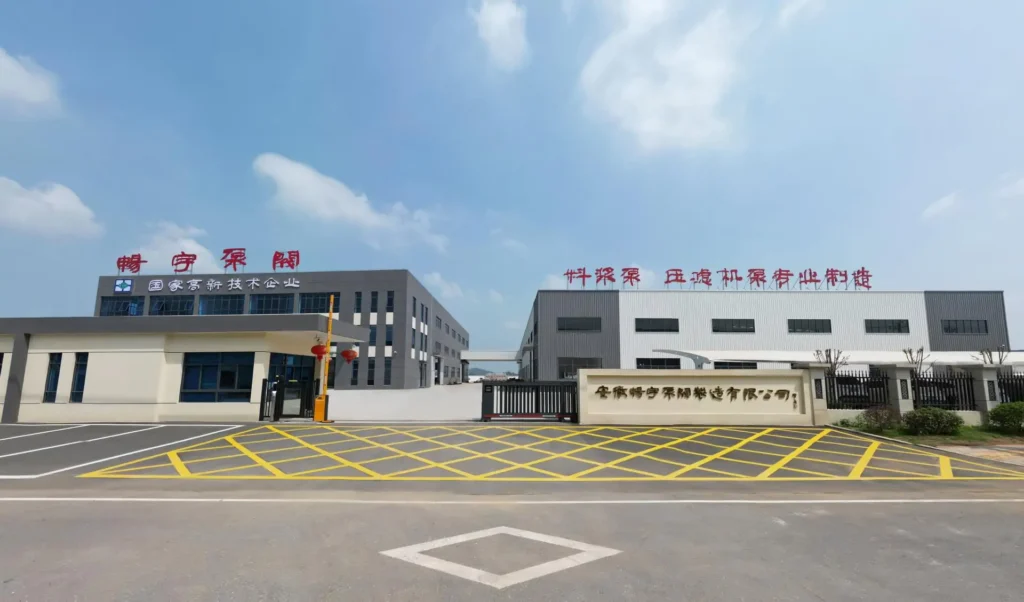
Jika Anda memilih opsi pompa asam untuk asam sulfat, asam klorida, asam nitrat, asam limbah campuran, atau air limbah korosif, kami dapat membantu Anda membandingkan opsi yang paling sesuai. Sampaikan detail media, laju aliran, head, suhu, dan tata letak instalasi Anda, dan kami akan merekomendasikan solusi pompa yang tepat untuk aplikasi Anda.