
Kalium hidroksida (KOH), juga dikenal sebagai kalium kaustik, adalah alkali kuat yang banyak digunakan dalam pemrosesan kimia, pengolahan air, sistem elektrolit, dan transfer cairan industri.
Memilih yang tepat pompa kalium hidroksida membutuhkan lebih dari sekadar ketahanan korosi dasar. Konsentrasi, suhu, tata letak instalasi, kandungan padatan, dan persyaratan pengendalian kebocoran harus dievaluasi untuk memastikan operasi yang aman dan andal.
Pompa yang dikonfigurasikan untuk KOH bersih bersuhu sekitar mungkin tidak dapat bekerja dengan aman dalam sirkulasi yang dipanaskan, servis tangki di bawah permukaan, pembongkaran yang terputus-putus, atau aplikasi yang mengandung padatan.
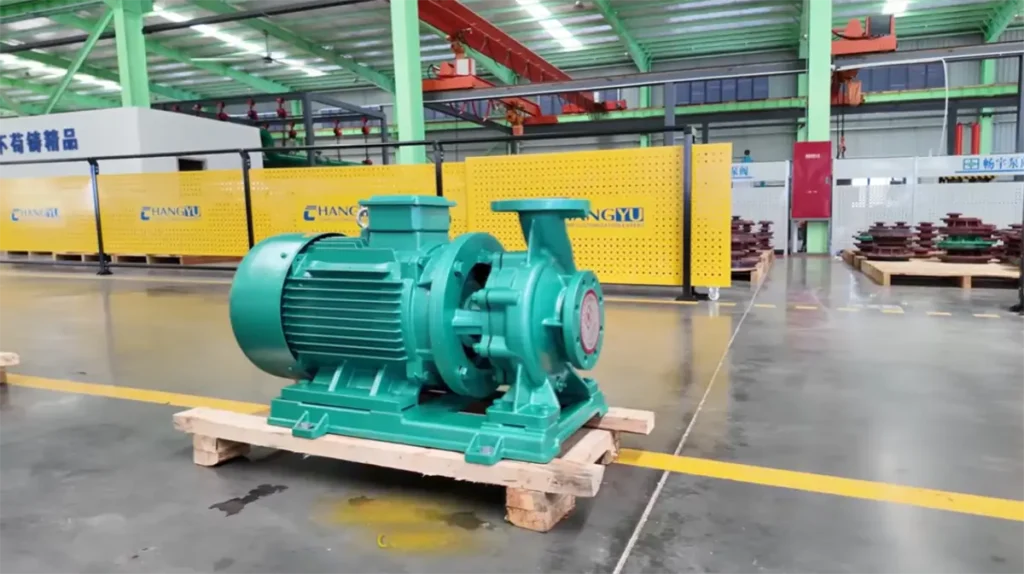
Apa Itu Pompa Kalium Hidroksida dan Mengapa Pemilihan yang Tepat Itu Penting?
A pompa kalium hidroksida adalah pompa industri yang dikhususkan untuk KOH setelah memastikan kompatibilitas bahan kimia, persyaratan hidraulik, metodologi penyegelan, dan kondisi pemasangan.
Kategori ini mencakup pompa sentrifugal penggerak magnet, pompa submersible fluoroplastik, pompa diafragma ganda yang dioperasikan dengan udara (AODD), pompa proses magnetik tugas berat, dan pompa berjajar berkemampuan bubur.
Pemilihan pompa yang tepat sangat penting karena sistem kalium hidroksida beroperasi dalam berbagai kondisi. Beberapa proses memindahkan KOH bersih pada suhu kamar, sementara yang lain berjalan pada suhu tinggi, beroperasi di bawah tekanan tinggi, atau mengangkut padatan tersuspensi dan residu proses.
Jika jenis pompa, bahan yang dibasahi, atau konsep penyegelan tidak sesuai dengan tugas yang sebenarnya, sistem akan mengalami kebocoran, aliran yang tidak stabil, penyumbatan, kavitasi, kerusakan akibat kering, dan kerusakan mekanis yang terlalu dini.
Cara Memilih Pompa Kalium Hidroksida yang Tepat untuk Konsentrasi, Suhu, dan Tugas Proses
Pemilihan pompa kalium hidroksida dimulai dengan menentukan jendela operasi yang sebenarnya: Konsentrasi KOH, suhu pengoperasian, laju aliran yang diperlukan, debit head, tata letak instalasi, dan kebersihan cairan.
Parameter ini menentukan struktur pompa yang sesuai dan material yang akan memberikan keandalan jangka panjang.
Bagaimana Konsentrasi dan Suhu Mempengaruhi Desain Pompa Kalium Hidroksida
Konsentrasi dan suhu adalah faktor utama yang mempengaruhi desain pompa KOH.
Saat konsentrasi meningkat, cairan menjadi lebih agresif. Saat suhu meningkat, tekanan termal memberikan beban yang lebih berat pada komponen yang dibasahi, bantalan internal, dan seal statis.
Aplikasi industri seperti elektrolisis alkali sering kali menangani konsentrasi KOH sekitar 30% pada suhu 70-90 ° C dan tekanan tinggi. Kondisi ini membutuhkan konfigurasi pompa suhu tinggi yang kuat daripada pompa transfer standar.
Bagaimana Tugas Proses Menentukan Persyaratan Pompa Kalium Hidroksida
Tidak semua pompa kalium hidroksida memiliki fungsi hidraulik yang sama.
Transfer pipa yang berkelanjutan, sirkulasi loop tertutup, dosis kontrol pH yang presisi, dan pembongkaran drum yang terputus-putus, masing-masing menuntut teknologi pompa yang berbeda.
Aplikasi transfer dan sirkulasi sangat bergantung pada pompa sentrifugal atau pompa penggerak magnet. Dosis dan pengiriman terkontrol memerlukan solusi pengukuran khusus. Transfer batch yang terputus-putus mengandalkan fleksibilitas pompa AODD.
Bagaimana Tata Letak Instalasi Mempengaruhi Pemilihan Pompa Kalium Hidroksida
Geometri instalasi adalah kendala utama dalam pemilihan pompa.
Jika KOH disimpan dalam tangki, lubang, atau bah di bawah permukaan tanah, pompa celup vertikal umumnya lebih praktis daripada pompa horizontal eksternal. Pompa ini menghindari keterbatasan hisap-angkat dan mengurangi risiko kavitasi.
Jika cairan bersih dan mencegah kebocoran eksternal adalah masalah keamanan utama, pompa penggerak magnet menawarkan solusi terbaik dengan menghilangkan segel poros mekanis.
Daftar Periksa Pemilihan Pompa Kalium Hidroksida
| Parameter Operasi | Dampak Rekayasa |
|---|---|
| Konsentrasi KOH | Menentukan kompatibilitas bahan kimia dasar dan tingkat keparahan korosi. |
| Suhu pengoperasian | Menetapkan batas tegangan termal dan persyaratan penurunan material. |
| Laju aliran dan debit air | Menentukan ukuran hidraulik, pemilihan impeler, dan daya motor. |
| Tata letak instalasi | Menentukan pilihan antara pemasangan submersible horizontal dan vertikal eksternal. |
| Kandungan padatan atau residu | Menetapkan apakah diperlukan desain cairan bersih atau pompa berkemampuan bubur. |
| Persyaratan pengendalian kebocoran | Menentukan apakah konfigurasi penggerak magnetik tanpa seal wajib digunakan. |
| Siklus tugas | Membedakan antara transfer kontinu, pemberian dosis yang tepat, dan penanganan batch yang terputus-putus. |
Bahan dan Jenis Pompa untuk Aplikasi Kalium Hidroksida
Pemilihan bahan untuk pompa kalium hidroksida harus didasarkan pada lingkungan operasi tertentu.
Bahan fluoroplastik memberikan kinerja yang konsisten dalam layanan alkali yang agresif, sementara kesesuaian baja tahan karat sangat bergantung pada konsentrasi, suhu, dan kemurnian cairan.
Bahan Umum yang Digunakan dalam Konstruksi Pompa Kalium Hidroksida
PTFE (Polytetrafluoroethylene) memberikan ketahanan yang sangat baik terhadap kalium hidroksida di berbagai konsentrasi dan suhu. Ini adalah pilihan yang lebih disukai untuk komponen yang dibasahi dalam aplikasi pompa kimia yang berat.
PVDF (Polivinilidena fluorida) menawarkan ketahanan kimia yang kuat dalam layanan KOH dengan konsentrasi rendah. Stabilitas mekanisnya menguntungkan, meskipun ketahanan kimianya menurun pada konsentrasi tinggi dan suhu tinggi.
Polipropilena (PP) cocok untuk tugas alkali yang lebih ringan pada suhu yang umumnya di bawah 60°C. Tidak direkomendasikan untuk aplikasi KOH dengan suhu tinggi atau konsentrasi tinggi.
316 Baja Tahan Karat dapat digunakan dalam beberapa kondisi KOH yang encer dan bersuhu rendah. Namun, ini bukan solusi universal untuk kalium hidroksida pekat atau yang dipanaskan, dan laju korosinya harus dievaluasi dengan hati-hati.
Membandingkan Jenis Pompa Kalium Hidroksida
Solusi Pompa Changyu untuk Layanan Kalium Hidroksida
Rangkaian produk Pompa Changyu mencakup arsitektur khusus untuk berbagai kondisi layanan kalium hidroksida. Ini memastikan pompa kalium hidroksida sesuai dengan persyaratan proses yang tepat.
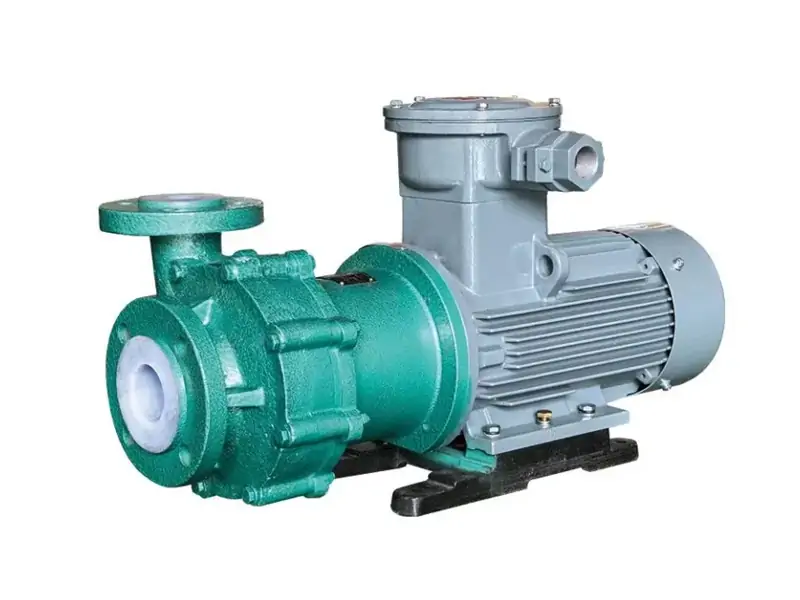
Pompa Penggerak Magnetik Suhu Tinggi CYQ untuk Transfer KOH yang Bersih dan Tersegel
The Pompa Changyu CYQ Pompa Penggerak Magnetik Suhu Tinggi dirancang untuk transfer KOH bersih yang membutuhkan penahanan tanpa kebocoran dan toleransi suhu tinggi.
Alat ini menggunakan penggerak magnetik tanpa segel untuk menghilangkan titik kebocoran dan dibuat untuk menahan tekanan panas dalam sirkulasi alkali yang dipanaskan dan jalur transfer tertutup.
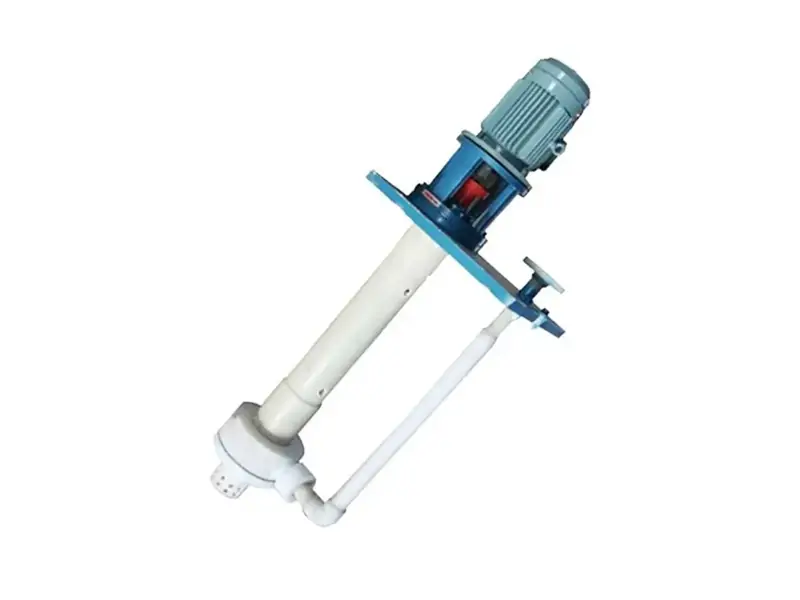
Pompa Submersible Fluoroplastik FYH untuk Tangki KOH dan Layanan Bah
The Pompa Changyu Pump Seri FYH Pompa Submersible Fluoroplastik dirancang untuk pemasangan vertikal dalam tangki, lubang, dan bak penampung.
Konstruksi fluoroplastiknya memberikan ketahanan kimia yang luas. Beroperasi langsung di dalam fluida, seri FYH melewati kesulitan pengangkatan hisap yang terkait dengan pengambilan KOH dari penyimpanan di bawah permukaan menggunakan pompa eksternal.
| TIDAK | Model | Aliran (m³/jam) | Kepala (m) | Rev (r/menit) | Daya | Kaliber (mm) | |
| Aksial kekuatan | Motor kekuatan | ||||||
| 1 | 32FYH-5-20 | 5 | 20 | 2900 | 0.8 | 2.2 | 32×25 |
| 2 | 32FYH-10-15 | 10 | 15 | 2900 | 1.17 | 2.2 | |
| 3 | 40FYH-10-20 | 10 | 20 | 2900 | 1.5 | 3 | 40×32 |
| 4 | 40FYH-15-20 | 15 | 20 | 2900 | 2.34 | 3 | |
| 5 | 50FYH-10-25 | 10 | 25 | 2900 | 3.4 | 4 | 50×40 |
| 6 | 50FYH-10-30 | 10 | 30 | 2900 | 4.1 | 5.5 | |
| 7 | 50FYH-15-30 | 15 | 30 | 2900 | 5.3 | 5.5 | |
| 8 | 50FYH-20-20 | 20 | 20 | 2900 | 4.6 | 5.5 | |
| 9 | 50FYH-20-25 | 20 | 25 | 2900 | 5.45 | 5.5 | |
| 10 | 50FYH-10-40 | 10 | 40 | 2900 | 6.1 | 7.5 | |
| 11 | 50FYH-20-30 | 20 | 30 | 2900 | 6.54 | 7.5 | |
| 12 | 65FYH-25-25 | 25 | 25 | 2900 | 5.68 | 7.5 | 65×50 |
| 13 | 65FYH-25-30 | 25 | 30 | 2900 | 6.8 | 7.5 | |
| 14 | 65FYH-30-20 | 30 | 20 | 2900 | 5.8 | 7.5 | |
| 15 | 65FYH-40-20 | 40 | 20 | 2900 | 6.82 | 7.5 | |
| 16 | 65FYH-30-25 | 30 | 25 | 2900 | 5.84 | 7.5 | 65×50 |
| 17 | 65FYH-30-30 | 30 | 30 | 2900 | 6.5 | 7.5 | |
| 18 | 65FYH-25-40 | 25 | 40 | 2900 | 7.79 | 11 | |
| 19 | 65FYH-30-40 | 30 | 40 | 2900 | 9.35 | 11 | |
| 20 | 65FYH-35-30 | 35 | 30 | 2900 | 8.2 | 11 | |
| 21 | 65FYH-30-50 | 30 | 50 | 2900 | 11.7 | 15 | |
| 22 | 80FYH-60-15 | 60 | 15 | 2900 | 6.2 | 7.5 | 80×65 |
| 23 | 80FYH-60-20 | 60 | 20 | 2900 | 9.3 | 11 | |
| 24 | 80FYH-50-25 | 50 | 25 | 2900 | 9.7 | 11 | |
| 25 | 80FYH-50-30 | 50 | 30 | 2900 | 10.6 | 11 | |
| 26 | 80FYH-40-30 | 40 | 30 | 2900 | 10.4 | 11 | |
| 27 | 80FYH-60-25 | 60 | 25 | 2900 | 11.5 | 15 | |
| 28 | 100FYH-60-30 | 60 | 30 | 2900 | 14 | 15 | 100×80 |
| 29 | 100FYH-80-15 | 80 | 15 | 2900 | 12.8 | 15 | |
| 30 | 100FYH-100-10 | 100 | 10 | 2900 | 13.6 | 18.5 | |
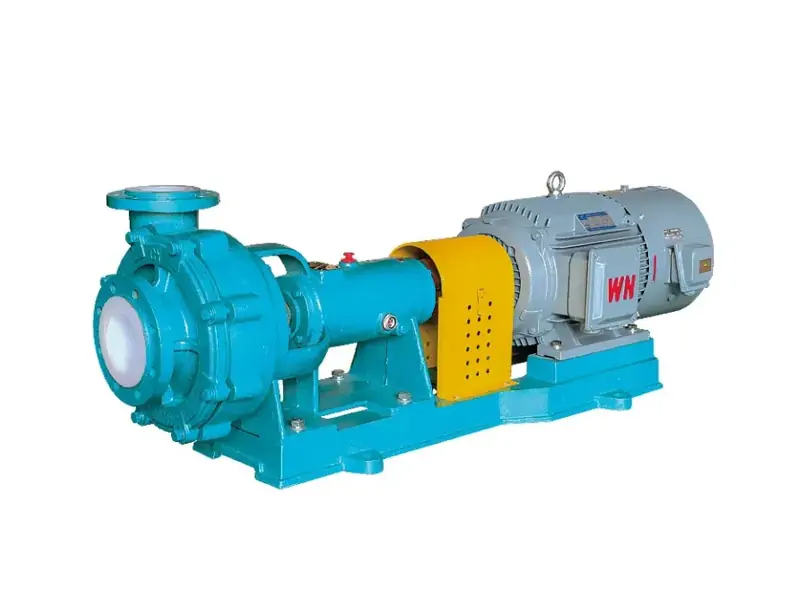
Pompa Bubur UHB untuk Media KOH Berbahan Padat
The Pompa Changyu Pompa UHB Seri Pompa Bubur Asam Fosfat Horisontal menangani aliran kalium hidroksida yang mengandung padatan tersuspensi, residu proses, atau kontaminan abrasif.
Pompa ini dilengkapi dengan lapisan UHMWPE dan impeler semi terbuka yang anti-penyumbatan. Konfigurasi penanganan padatan ini mempertahankan kinerja dalam media yang kotor atau tidak stabil di mana pompa transfer bersih standar akan gagal.
| Model | Rentang Aliran (m³/jam) | Jangkauan Kepala (m) | Kecepatan (r/menit) | Rentang Efisiensi (%) | Rentang Daya | Kisaran Diameter Impeler (mm) |
|---|---|---|---|---|---|---|
| 32UHB | 5 - 10 | 10 - 30 | 2900 | 17% - 28% | 1.1KW-2 - 3KW-2 | 100 - 165 |
| 40UHB | 10 - 15 | 10 - 30 | 2900 | 25% - 35% | 2.2KW-2 - 4KW-2 | 140 - 165 |
| 50UHB | 10 - 20 | 15 - 40 | 2900 | 20% - 35% | 4KW-2 - 7.5KW-2 | 140 - 190 |
| 65UHB | 25 - 30 | 20 - 60 | 2900 | 25% - 35% | 5.5KW-2 - 18.5KW-2 | 155 - 235 |
| 80UHB | 20 - 60 | 10 - 80 | 2900 | 22% - 50% | 5.5kw-4 - 30KW-2 | 145 - 260 |
| 100UHB | 50 - 110 | 10 - 80 | 2900 | 20% - 45% | 15KW-2 - 55KW-2 | 160 - 250 |
| 125UHB | 100 - 140 | 18 - 80 | 2900 | 34% - 48% | 22KW-2 - 75KW-2 | 180 - 268 |
| 150UHB | 150 - 280 | 20 - 50 | 1450 | 40% - 52% | 22KW-4 - 75KW-4 | 260 - 380 |
| 200UHB | 200 - 450 | 6 - 50 | 1450 / 980 | 25% - 58% | 22KW-6 - 90KW-4 | 325 - 380 |
| 250UHB | 300 - 650 | 6 - 60 | 1450 / 980 / 750 | 28% - 65% | 11KW-8 - 160KW-4 | 280 - 420 |
Pompa Magnetik Tugas Berat CYC untuk Tugas KOH Spesifikasi Tinggi
The Pompa Changyu Seri CYC Pompa Magnetik Baja Tahan Karat Tugas Berat dibuat untuk transfer cairan korosif dan berbahaya yang parah.
Dirancang selaras dengan standar API685, seri CYC memberikan kinerja tanpa kebocoran dengan kapasitas aliran hingga 100 m³/jam, sehingga menjadikannya pilihan yang tepat untuk jalur proses KOH berkapasitas besar dan berbasis spesifikasi.
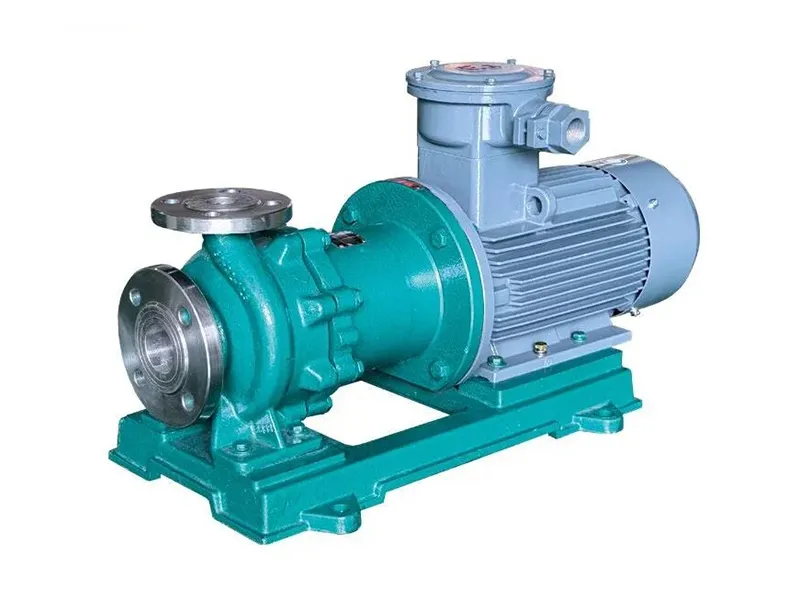
| Nama Komponen | Nama Bahan | Nama Komponen | Nama Bahan | Nama Komponen | Nama Bahan |
|---|---|---|---|---|---|
| ① Badan Pompa | 304/316/316L | ⑥ Cincin Dorong | Paduan Keras | ⑪ Mur Belakang | 304/316/316L |
| ② Mur Impeler | 304/316/316L | ⑦ Penutup Pompa | 304/316/316L | ⑫ Magnet Luar | Magnet Kuat Tanah Jarang / HT200 |
| ③ Baling-baling | 304/316/316L | ⑧ Cincin Penyegel | PTFE | ⑬ Rangka Penghubung | HT200 |
| ④ Poros Utama | 304/316/316L | ⑨ Isolasi Dapat | 304/316/316L | ⑭ Motor | Sesuai dengan Kebutuhan Pelanggan |
| ⑤ Lengan | Grafit yang diresapi / Paduan Keras | ⑩ Magnet Bagian Dalam | Magnet Kuat Tanah Jarang / 304/316/316L | ⑮ Pelat Dasar | HT200 |
Pompa Diafragma Ganda yang Dioperasikan dengan Udara BFQ untuk Penanganan KOH yang Terputus-putus
The Pompa Changyu Pump BFQ Seri Pompa Diafragma Ganda yang Dioperasikan dengan Udara mengelola transfer KOH intermiten, pembongkaran drum, pengosongan IBC, dan operasi pabrik portabel.
Didorong oleh udara bertekanan, pompa melakukan hisap dan buang secara bergantian di antara dua ruang diafragma. Desain self-priming dan bebas seal ini memberikan fleksibilitas yang diperlukan untuk penanganan batch dan layanan utilitas stop-start.

| Tidak. | Nama | Tidak. | Nama | Tidak. | Nama | Tidak. | Nama |
|---|---|---|---|---|---|---|---|
| 01 | Cincin Segel Kepala Babi | 02 | Kepala Babi | 03 | Penggeser Besar | 04 | Penggeser Kecil |
| 05 | Bantu Lengan Batang | 06 | Selongsong Piston | 07 | Batang Bantuan | 08 | Assist Rod O-Ring |
| 09 | Piston V-Ring | 10 | Piston | 11 | Cincin-O Geser Besar | 12 | Kursi Geser Besar |
| 13 | Blok Panduan | 14 | Gasket Blok Panduan | 15 | Penutup Atas (Outlet) | 16 | Katup Bola |
| 17 | Kursi Bola | 18 | Cincin Segel Kursi Bola | 19 | Penutup Katup Udara | 20 | Gasket Penutup Katup Udara |
| 21 | Kolom | 22 | Sekrup Pelat Penjepit | 23 | Cincin-O Pelat Penjepit | 24 | Pelat Penjepit Luar |
| 25 | Diafragma Teflon | 26 | Diafragma Tiga | 27 | Pelat Penjepit Bagian Dalam | 28 | Pelat Diafragma |
| 29 | Peredam suara | 30 | Penutup Bawah (Saluran Masuk) | 31 | Penutup Katup Udara | 32 | Menghubungkan Batang Batang |
| 33 | V-Ring | 34 | Bushing Batang Penghubung | 35 | Gasket Penutup Katup Udara |
Pencocokan Aplikasi Pompa Kalium Hidroksida
| Persyaratan Aplikasi | Model Pompa Changyu yang Direkomendasikan | Dasar Teknik |
|---|---|---|
| Transfer KOH bersih yang membutuhkan penahanan yang ketat | Pompa Penggerak Magnetik Suhu Tinggi CYQ | Penggerak magnetik tanpa seal; tahan korosi dan suhu tinggi. |
| Pemasangan tangki, bah, atau lubang | Pompa Submersible Fluoroplastik FYH | Desain terbenam vertikal; menghilangkan kendala hisap-angkat. |
| Transfer proses berbahaya berkapasitas tinggi | Pompa Magnetik Baja Tahan Karat Tugas Berat CYC | Platform tanpa kebocoran yang berorientasi pada API685 dan tugas berat. |
| Pembongkaran drum atau transfer batch | Pompa Diafragma Ganda yang Dioperasikan dengan Udara BFQ | Fleksibilitas pemancing otomatis yang digerakkan oleh udara untuk operasi start-stop. |
| KOH yang mengandung padatan atau terkontaminasi | Pompa Lumpur Horisontal UHB | Konstruksi berlapis anti-penyumbatan yang dioptimalkan untuk media yang sulit. |
Aplikasi Umum, Risiko, dan Kesalahan Pemilihan dalam Pemompaan Kalium Hidroksida
Kalium hidroksida digunakan di seluruh transfer bahan kimia, pengolahan air, dosis kontrol pH, dan elektrolisis alkali.
Setiap aplikasi menempatkan tuntutan yang berbeda pada hidraulik, material, dan teknologi penyegelan pompa.
Aplikasi Industri Primer
- Manufaktur Kimia: Transfer dan sirkulasi berkelanjutan antara tangki penyimpanan, reaktor, dan scrubber.
- Pengolahan Air: Dosis yang tepat untuk kontrol pH dan netralisasi aliran.
- Logistik dan Penanganan: Pembongkaran drum, pengosongan IBC, dan pemindahan kontainer.
- Energi Hijau: Sirkulasi elektrolit dalam sistem elektrolisis alkali suhu tinggi.
Risiko Keandalan dalam Pengoperasian Pompa KOH
Pengoperasian yang kering merupakan risiko yang parah untuk pompa penggerak magnet. Permukaan bantalan internal memerlukan cairan yang dipompa untuk pendinginan dan pelumasan; operasi tanpa cairan menyebabkan kegagalan internal yang cepat.
Menerapkan pompa bersih-cair ke aliran KOH yang mengandung padatan akan mengakibatkan penyumbatan, keausan dini, dan aliran yang tidak stabil. Desain yang mampu menampung bubur harus digunakan untuk media yang kotor.
Kesalahan Pemilihan Umum yang Harus Dihindari
- Menentukan pompa hanya berdasarkan nama bahan kimia, tanpa memastikan konsentrasi dan suhu maksimum.
- Memasang pompa transfer bersih standar dalam proses yang mengandung padatan tersuspensi.
- Gagal memperhitungkan kondisi hisap yang buruk saat mengambil dari tangki di bawah permukaan.
- Menggunakan pompa sentrifugal tugas kontinu untuk pembongkaran yang terputus-putus atau dosis yang presisi.
- Mengabaikan perlindungan dry-run dan perlunya penahanan tanpa kebocoran.
Contoh Pemilihan Pompa Kalium Hidroksida Pompa Changyu
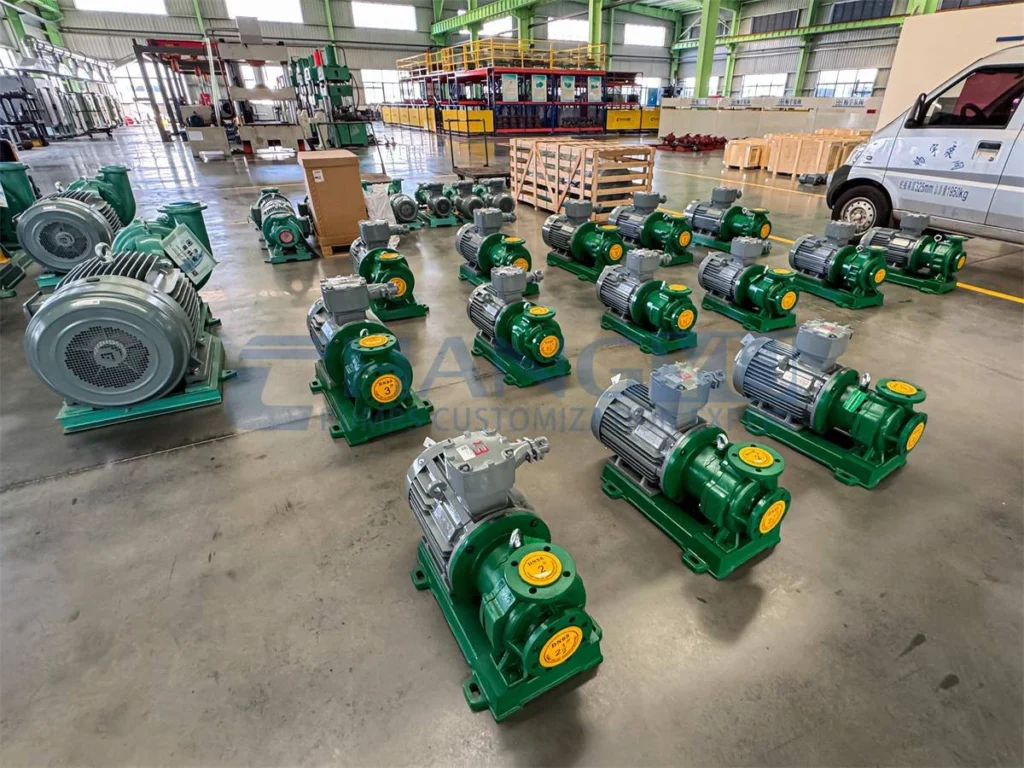
Sebuah fasilitas industri memerlukan transfer kalium hidroksida bersih setiap hari dari tangki penyimpanan di bawah permukaan tanah ke jalur proses dalam kondisi ruang yang terbatas.
Jika pemasangan eksternal dapat dilakukan dan penahanan adalah yang terpenting, model penggerak magnetik Changyu Pump CYQ atau CYC memberikan kinerja tanpa kebocoran yang diperlukan.
Jika geometri tangki menciptakan kondisi hisap yang tidak memadai untuk pompa eksternal, model submersible Changyu Pump FYH adalah pilihan teknik yang tepat untuk operasi langsung di dalam tangki.
Jika aliran KOH mengandung residu proses atau partikel abrasif, pompa lumpur UHB Changyu Pump diperlukan untuk menangani cairan tanpa penyumbatan.
Untuk tugas terpisah yang melibatkan pembongkaran batch intermiten dari drum, pompa diafragma BFQ Changyu Pump menawarkan portabilitas yang diperlukan dan kemampuan pemancing otomatis.
FAQ Pompa Kalium Hidroksida
Apa bahan terbaik untuk pompa kalium hidroksida?
PTFE memberikan ketahanan kimia tertinggi di seluruh rentang konsentrasi dan suhu KOH yang luas. PVDF efektif dalam aplikasi dengan tingkat keparahan yang lebih rendah. Baja tahan karat memerlukan evaluasi yang cermat terhadap parameter proses tertentu. Pemilihan akhir harus didasarkan pada data operasi aktual.
Apakah pompa penggerak magnetik selalu merupakan pilihan yang tepat untuk KOH?
Untuk transfer KOH bersih yang membutuhkan kontrol kebocoran yang ketat, pompa penggerak magnetik sangat ideal. Namun, pompa ini tidak cocok untuk cairan yang mengandung padatan, media kental, atau tugas bongkar muat yang terputus-putus di mana desain pompa lain lebih unggul.
Kapan pompa kalium hidroksida submersible harus dipasang?
Pompa celup diperlukan ketika KOH disimpan dalam tangki, lubang, atau bak penampungan di mana pengambilan cairan dari atas tidak efisien atau tidak stabil secara hidrolik. Seri Changyu Pump FYH dirancang khusus untuk tata letak ini.
Dapatkah pompa diafragma ganda yang dioperasikan dengan udara menangani kalium hidroksida?
Ya. Pompa AODD, seperti seri BFQ Changyu Pump, adalah peralatan standar untuk transfer intermiten, pembongkaran drum, dan operasi batch yang fleksibel.
Apakah pompa lumpur diperlukan untuk semua sistem kalium hidroksida?
Pompa lumpur hanya diperlukan jika aliran KOH mengandung padatan tersuspensi, lumpur, atau residu abrasif. Aplikasi transfer bersih lebih baik dilayani oleh pompa penggerak magnetik atau pompa submersible.
Kesimpulan: Temukan Pompa Kalium Hidroksida yang Tepat untuk Proses Anda
Memilih yang benar pompa kalium hidroksida melampaui ketahanan kimia dasar. Hal ini membutuhkan evaluasi teknik yang cermat terhadap konsentrasi KOH, suhu operasi, tata letak instalasi, kebersihan cairan, dan tugas proses yang spesifik. Apakah Anda memerlukan jaminan kebocoran nol dari pompa penggerak magnetik CYQ dan CYC, keandalan dalam tangki dari pompa submersible FYH, kemampuan penanganan padatan dari pompa lumpur UHB, atau fleksibilitas operasional pompa BFQ AODD, Changyu Pump memberikan solusi industri yang telah terbukti.
Jangan biarkan keamanan dan keandalan sistem Anda secara kebetulan. Hubungi Changyu Pump hari ini dengan parameter operasi spesifik Anda-termasuk laju aliran, debit head, suhu, dan konsentrasi. Tim teknisi kami yang berpengalaman akan membantu Anda memilih pompa yang paling efisien, aman, dan hemat biaya untuk aplikasi Anda. Hubungi kami sekarang untuk mendapatkan dukungan teknis ahli dan penawaran harga yang disesuaikan!