
Pendahuluan: Mengapa Keputusan Pompa Tambang Anda Penting
Pompa industri pertambangan adalah salah satu peralatan yang bekerja paling keras dalam operasi ekstraktif. Apakah tugasnya adalah memindahkan lumpur padat melalui konsentrator, membersihkan air dari dasar lubang terbuka, atau secara tepat memberi dosis reagen dalam sirkuit flotasi, pompa berada di jantung proses. Memilih yang tepat pompa untuk industri pertambangan aplikasi - dengan bahan dan fitur desain yang disesuaikan dengan kondisi operasi tertentu - menentukan apakah peralatan memberikan layanan yang andal selama bertahun-tahun atau menjadi sumber waktu henti yang berulang.
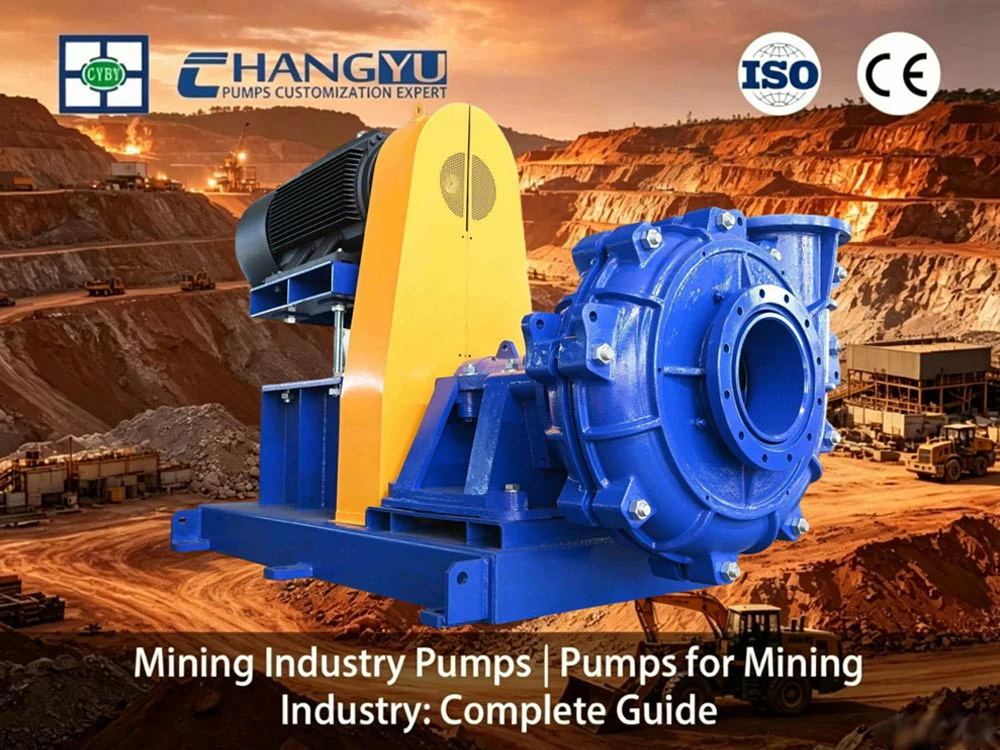
Operasi pertambangan kehilangan puluhan ribu dolar per jam ketika pompa kritis gagal, dan pasar pompa pertambangan global - senilai USD 7,1 miliar pada tahun 2024 dan diproyeksikan mencapai USD 11,5 miliar pada tahun 2034 dengan CAGR 4,9% - mencerminkan betapa pentingnya peralatan ini bagi industri. (Sumber: Wawasan Pasar Global, 2025)
Insinyur di Changyu Pump telah menghabiskan lebih dari 20 tahun merancang, membangun, dan memecahkan masalah pompa untuk industri pertambangan instalasi di seluruh lokasi di seluruh dunia. Panduan ini menerjemahkan pengalaman tersebut ke dalam referensi praktis yang mencakup jenis pompa, pemilihan material, pencocokan aplikasi, dan pemeliharaan - terstruktur untuk membantu Anda menentukan atau mengganti pompa dengan percaya diri.
Daftar Isi
- Apa Itu Pompa Industri Pertambangan?
- Mengapa Mempercayai Panduan Ini?
- Apa Saja Jenis Utama Pompa Industri Pertambangan?
- Bahan Apa yang Digunakan dalam Pompa Pertambangan?
- Bagaimana Cara Kerja Pompa Industri Pertambangan?
- Apa Saja Aplikasi Utama Pompa Pertambangan?
- Standar Kepatuhan terhadap Peraturan & Standar Keselamatan untuk Pompa Pertambangan
- Pompa Pintar & Digitalisasi di Pertambangan
- Bagaimana Memilih Pompa Tambang yang Tepat: Kerangka Kerja 5 Langkah
- Bagaimana Anda Memelihara Pompa Industri Pertambangan?
- Solusi Pompa Penambangan Pompa Changyu
- Bagaimana Pompa Changyu Memastikan Keandalan Pompa Pertambangan?
- Studi Kasus: Mengurangi Kegagalan Pompa dalam Konsentrator Tembaga
- Pertanyaan yang Sering Diajukan
- 5 Rekomendasi Pemilihan Utama Changyu Pump untuk Pompa Pertambangan
1. Apa Itu Pompa Industri Pertambangan?
Pompa industri pertambangan adalah mesin penanganan cairan tugas berat yang dirancang untuk memindahkan air, lumpur, dan larutan kimia melalui setiap tahap proses penambangan - mulai dari pengeringan lubang tambang dan pemrosesan mineral hingga pembuangan tailing dan dosis reagen. Apa yang membedakan pompa untuk industri pertambangan layanan dari pompa industri serba guna adalah kemampuannya untuk bertahan dalam kondisi yang merusak peralatan yang tersedia di pasaran: padatan abrasif yang diukur dalam milimeter, cairan korosif pada tingkat pH yang ekstrem, dan siklus kerja 24/7 yang terus menerus di mana waktu henti yang tidak terencana akan menimbulkan kerugian finansial yang besar.
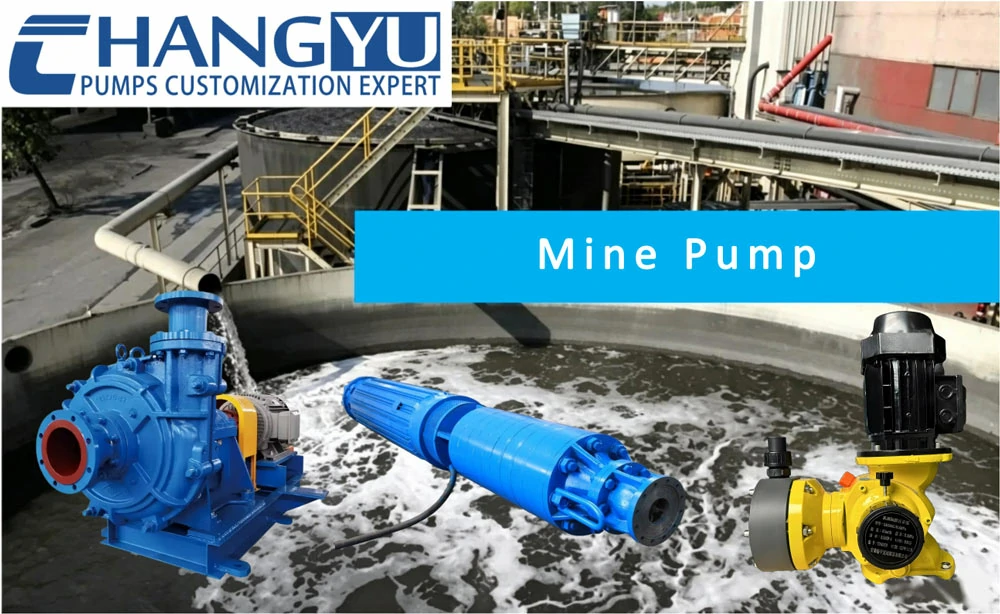
Operasi pertambangan bergantung pada tiga kategori pompa yang luas, masing-masing mengisi peran yang berbeda dalam rantai produksi. Pompa lumpur memindahkan campuran sarat mineral yang mengalir melalui sirkuit penggilingan, sel flotasi, dan jalur tailing. Pompa pengurasan air membuang air tanah, air hujan, dan air proses dari lubang, pekerjaan bawah tanah, dan bak penampungan. Pompa dosis bahan kimia menyuntikkan reagen secara tepat - pengumpul flotasi, pengubah pH, zat pelindian - ke dalam aliran proses. Memahami kategori mana yang melayani fungsi mana adalah langkah pertama dalam menentukan yang tepat pompa untuk industri pertambangan aplikasi.
2. Mengapa Mempercayai Panduan Ini?
Rekomendasi dalam panduan ini berasal dari pengalaman lebih dari 20 tahun dalam bidang teknik di seluruh spektrum pompa industri pertambangan - mulai dari pengangkutan lumpur dan pengurasan hingga injeksi bahan kimia dan pengelolaan tailing. Insinyur Changyu Pump telah melihat mode kegagalan yang memperpendek usia pompa di lingkungan pertambangan: impeler yang aus setipis kertas oleh tailing abrasif, selubung berlubang oleh air tambang yang bersifat asam, segel yang dihancurkan oleh masuknya padatan, dan bantalan yang terkontaminasi oleh debu halus. Setiap mode kegagalan menimbulkan biaya dalam waktu produksi, dan masing-masing secara langsung membentuk desain dan pilihan material yang tertanam dalam lini produk kami saat ini.
3. Apa Saja Jenis Utama Pompa Industri Pertambangan?
Pertambangan menggunakan jenis pompa yang lebih beragam daripada kebanyakan industri. Jenis pompa industri pertambangan yang Anda pilih tergantung pada apa yang dipindahkan, di mana lokasinya, dan seberapa jauh jarak yang harus ditempuh.
3.1 Pompa Lumpur Sentrifugal
Sentrifugal pompa lumpur adalah kuda-kuda pemrosesan mineral. Pompa ini menggunakan impeler yang berputar untuk mempercepat bubur - campuran air, bijih yang ditumbuk halus, dan sering kali bahan kimia residu - melalui selubung volute, mengubah kecepatan menjadi tekanan. Pompa ini menangani konsentrasi padatan yang biasanya mencapai 40% menurut beratnya dan ukuran partikel dari lumpur halus hingga buangan pabrik yang kasar. Pompa sentrifugal muncul sebagai kategori penghasil pendapatan teratas di pasar pompa pertambangan pada tahun 2024, terhitung USD 2,2 miliar dalam nilai, didorong oleh keserbagunaan dan efisiensi biaya di seluruh aplikasi pengurasan, pengangkutan lumpur, dan transfer fluida jarak jauh. (Sumber: Wawasan Pasar Global, 2025)
3.2 Pompa Pengurasan Submersible
Dapat direndam pompa pengeringan beroperasi dengan terendam sepenuhnya di dalam air yang mereka keluarkan. Di tambang terbuka dan tambang bawah tanah, pompa ini menangani air tanah, curah hujan, dan air proses yang terkumpul di titik terendah dari tempat kerja. Unit submersible modern mengintegrasikan motor dan pompa ke dalam rakitan tertutup, dengan pengaduk yang menjaga padatan yang mengendap dalam suspensi untuk mempertahankan penyedotan. Motor listrik mencapai efisiensi energi di atas 70%, sedangkan mesin diesel biasanya beroperasi pada efisiensi 30-40% - faktor yang signifikan dalam biaya operasi jangka panjang. (Sumber: AMED-US, 2025) Pompa pemancing otomatis yang digerakkan oleh diesel sering kali merupakan pilihan yang lebih disukai untuk bypass darurat dan pengelolaan air hujan di mana mobilitas dan kemandirian dari jaringan listrik sangat penting, sementara kapal selam listrik direkomendasikan untuk operasi bawah tanah rutin yang berkelanjutan atau instalasi permukaan tetap.
3.3 Pompa Penampung Kantilever Vertikal
Kantilever vertikal pompa bah dirancang untuk memompa cairan abrasif atau korosif dari bah dan lubang. Motor dan bantalan dipasang pada pelat dasar di atas bah, dengan poros panjang yang memanjang ke bawah ke impeler tunggal yang terendam. Tanpa bantalan atau segel di bawah level cairan, ini pompa untuk industri pertambangan Aplikasi bak penampung mentolerir aliran kering yang terputus-putus dan cairan yang sarat padatan - kondisi umum di bak penampung tumpahan pabrik, pengumpulan pencucian lantai, dan lubang penampung bahan kimia.
3.4 Pompa Dosis Diafragma dan Peristaltik
Tidak semua pompa di tambang memindahkan volume yang besar. Pompa diafragma dan pompa selang peristaltik menangani pengukuran yang tepat untuk reagen flotasi, bahan kimia pelindian, dan aditif pengolahan air. Pompa ini menghasilkan laju aliran yang akurat dan dapat diulang terhadap berbagai tekanan pelepasan, dan jalur fluida yang disegel mencegah operator dan lingkungan terpapar bahan kimia berbahaya. Pompa rongga progresif (PC) juga berfungsi dalam ruang ini - kemampuannya untuk menangani media yang abrasif, kental, dan peka terhadap geseran membuatnya cocok untuk aplikasi mulai dari transfer lumpur yang mengental hingga dosis polimer dalam pengental tailing.
3.5 Perbandingan Jenis Pompa Pertambangan
| Jenis Pompa | Fungsi Utama | Penanganan Padatan | Tugas Penambangan Khas |
|---|---|---|---|
| Pompa Lumpur Sentrifugal | Pengangkutan bubur bervolume tinggi | Hingga 40% menurut beratnya | Pembuangan pabrik, umpan hidrosiklon, tailing |
| Pompa Dewatering Submersible | Pembuangan air dari lubang dan bawah tanah | Sedang (dengan pengaduk) | Pengeringan lubang, drainase darurat |
| Pompa Penampung Kantilever Vertikal | Drainase bah dan lubang | Hingga 40% menurut beratnya | Tumpahan pabrik, pengumpulan pencucian |
| Diafragma/Pompa Peristaltik | Dosis bahan kimia yang tepat | Minimal | Injeksi reagen, dosis flokulan |
4. Bahan Apa yang Digunakan dalam Pompa Pertambangan?
Pemilihan bahan menentukan apakah pompa industri pertambangan tahun terakhir atau gagal dalam hitungan bulan. Komponen yang dibasahi - impeler, casing, pelat aus, dan poros - beroperasi dalam kontak konstan dengan padatan abrasif, yang sering kali dikombinasikan dengan air tambang yang korosif atau bahan kimia proses.
4.1 Besi Putih Berkrom Tinggi
Besi putih berkrom tinggi (25-30% Cr) mencapai kekerasan Brinell yang melebihi 600 BHN, menempatkannya di antara material cor terkeras yang tersedia untuk konstruksi pompa. Ini adalah bahan standar untuk pompa lumpur pertambangan yang menangani partikel kasar dan bersudut pada pH netral - tipikal dalam sirkuit penggilingan, pembuangan pabrik, dan jalur tailing di mana abrasi mekanis adalah mekanisme keausan yang dominan.
4.2 Lapisan Elastomer - Karet Alam dan Poliuretan
Untuk lumpur yang didominasi oleh partikel-partikel halus dan bulat, lapisan karet alam dan poliuretan menyerap energi tumbukan daripada menahannya melalui kekerasan. Pompa berlapis karet unggul dalam aplikasi tailing dan flotasi di mana ukuran partikelnya kecil dan suhu fluida tetap di bawah 70°C.
4.3 Baja Tahan Karat Dupleks
Baja tahan karat dupleks seperti CD4MCu dan 2205 menggabungkan ketahanan pitting pada rentang pH 2-12 dengan kekerasan yang wajar (280-350 BHN). Insinyur di Changyu Pump menentukan stainless duplex untuk pompa untuk industri pertambangan aplikasi yang menangani air tambang yang bersifat asam, ekstraksi pelarut rafinat, atau aliran proses di mana korosi dan abrasi menyerang secara bersamaan.
4.4 Lapisan Fluoroplastik - PTFE, FEP, PFA, UHMW-PE
Untuk lingkungan kimia yang paling agresif - larutan pelindian asam kuat, aliran pelarut campuran, atau bubur korosif bersuhu tinggi - lapisan fluoroplastik memberikan ketahanan yang hampir universal. PTFE, FEP, PFA, dan UHMW-PE Lapisan dengan ketebalan 8-20 mm menciptakan penghalang kimiawi yang lengkap antara fluida yang dipompa dan selubung pompa. Changyu Pump menggunakan bahan-bahan ini di berbagai lini produk untuk tugas-tugas kimia pertambangan, termasuk pompa berlapis PFA yang diberi peringkat untuk operasi terus menerus pada suhu hingga 160 ° C.
4.5 Tabel Pemilihan Bahan
| Bahan | Kekerasan | Ketahanan Abrasi | Ketahanan Korosi | Suhu Maks | Aplikasi Penambangan Umum |
|---|---|---|---|---|---|
| Besi Putih Berkrom Tinggi (Cr25-30%) | 600+ BHN | Luar biasa | Rendah (<pH 4) | 110°C | Pembuangan pabrik, tailing kasar |
| Lapisan Karet Alam | Elastomer | Bagus. | Sedang | 70°C | Tailing halus, umpan flotasi |
| Duplex SS (2205/CD4MCu) | 280-350 BHN | Sedang | Baik (pH 2-12) | 110°C | Air tambang asam, rafinat SX |
| Fluoroplastik (PTFE/FEP/PFA/UHMW-PE) | Lapisan | Sedang | Luar biasa | 90-160°C | Pencucian asam, dosis bahan kimia, bubur korosif |
5. Bagaimana Cara Kerja Pompa Industri Pertambangan?
Sebagian besar pompa industri pertambangan beroperasi pada gaya sentrifugal prinsip. Impeler yang berputar mengubah energi mekanik dari motor menjadi energi kinetik dalam fluida. Saat impeler berputar dengan kecepatan biasanya antara 750 dan 3.500 RPM, fluida memasuki mata impeler dan berakselerasi ke luar. Di dalam casing volute, fluida melambat, mengubah kecepatan menjadi tekanan - head yang mendorong fluida melalui pipa pembuangan dan mengatasi resistensi sistem.
Hubungan antara aliran, head, dan daya ditangkap dalam kurva kinerja pompa. Setiap pompa pertambangan harus dipilih sehingga titik tugas operasinya berada dekat dengan BEP - titik di mana efisiensi hidraulik mencapai puncaknya dan tekanan internal diminimalkan. Pengoperasian yang jauh dari BEP akan mempercepat keausan, meningkatkan getaran, dan meningkatkan konsumsi energi.
Untuk jenis pompa perpindahan positif - diafragma, peristaltik, rongga progresif - prinsip operasinya berbeda secara mendasar. Alih-alih menambah kecepatan pada fluida, pompa ini menjebak volume tetap dan secara mekanis memindahkannya ke arah pembuangan. Hal ini membuat pompa ini secara inheren cocok untuk aplikasi pengukuran dan cairan dengan viskositas tinggi di mana pompa sentrifugal kehilangan efisiensi.
6. Apa Saja Aplikasi Utama Pompa Pertambangan?
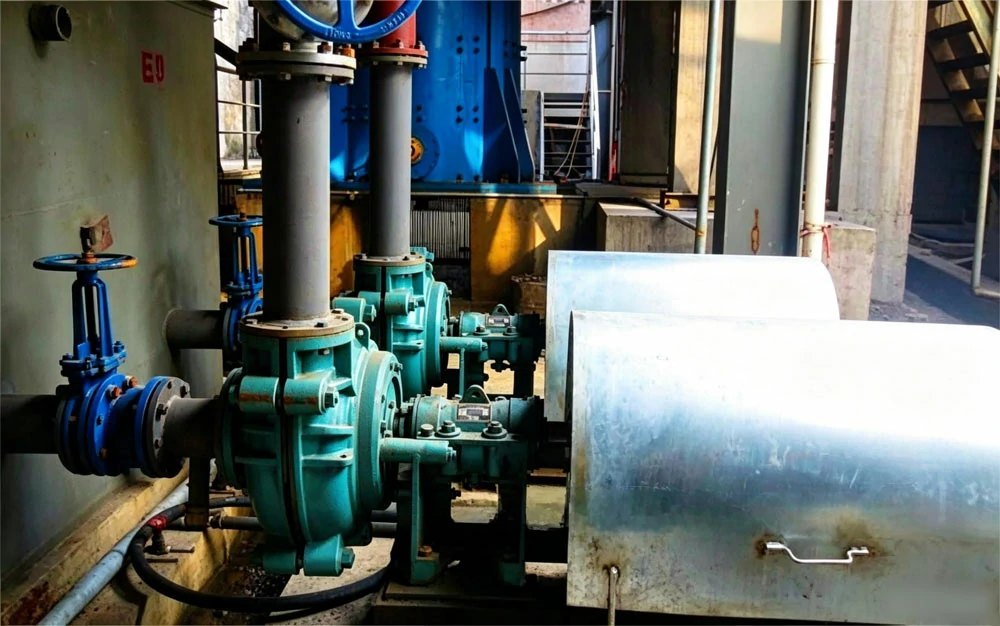
Pompa pertambangan memiliki peran yang berbeda di setiap tahap rantai produksi. Memahami di mana pompa untuk industri pertambangan aplikasi yang sesuai dalam proses sangat penting untuk menentukan jenis dan bahan yang tepat.
6.1 Pengurasan Tambang
Pengurasan air tanah, air hujan, dan air proses dari lubang terbuka, pekerjaan bawah tanah, dan lokasi konstruksi. Pompa submersible menangani pembuangan air rutin di bah yang dalam, sementara pompa priming otomatis yang digerakkan oleh diesel memberikan mobilitas dan kemandirian jaringan yang diperlukan untuk jalan pintas darurat dan kejadian air hujan. Ketahanan pompa merupakan persyaratan yang tidak dapat dinegosiasikan - pompa pengurasan harus tahan terhadap butiran abrasif, kondisi pengisapan yang bervariasi, dan penanganan yang kasar di lingkungan tambang operasional. Satu tambang tembaga di Chili berhasil diselamatkan USD 2,3 juta setiap tahun setelah meningkatkan peralatan pembuangan air mereka, mengurangi pemadaman tak terduga sebesar 40% - demonstrasi konkret tentang bagaimana pemilihan pompa yang tepat dapat menghasilkan penghematan operasional. (Sumber: AMED-US, 2025)
6.2 Pengangkutan Bubur
Pengangkutan lumpur memindahkan bijih yang telah digiling halus yang bercampur dengan air melalui setiap tahap pengolahan mineral: dari pabrik penggilingan ke hidrosiklon, melalui sirkuit flotasi, dan pada akhirnya ke fasilitas penyimpanan tailing. Bubur ini bersifat abrasif, kental, dan terkadang korosif - mengandung padatan yang tinggi dan cepat mengendap. Tugas berat pompa industri pertambangan memiliki impeler yang terbuat dari besi berkrom tinggi dan selubung yang dilapisi dengan karet, sehingga mampu menahan keausan akibat partikel-partikel yang menggiling dan memindahkan bubur yang merupakan bahan padat seberat 70% melalui jaringan pipa sepanjang lebih dari 10 mil. (Sumber: AMED-US, 2025)
6.3 Dosis Bahan Kimia
Flotasi buih - proses yang memisahkan mineral berharga dari batuan buangan - bergantung pada takaran bahan kimia yang tepat. Pengumpul, pembuih, pengubah pH, dan depresan harus diinjeksikan dengan kecepatan yang terkendali untuk menjaga efisiensi pemisahan. Diafragma dan peristaltik pompa untuk industri pertambangan dosing bahan kimia menangani tugas ini, memberikan aliran yang konsisten terhadap tekanan balik yang bervariasi sambil menjaga reagen berbahaya tetap terkendali.
6.4 Penekanan Debu
Sistem semprotan air untuk menekan debu jalan angkut dan pembasahan titik transfer membutuhkan pompa yang menghasilkan head sedang pada aliran yang stabil. Pompa ini biasanya berupa pompa hisap akhir sentrifugal atau unit multistage yang diambil dari kolam air proses atau buangan pengeringan tambang.
6.5 Pengelolaan Tailing
Tailing - batuan buangan yang digiling halus yang tersisa setelah ekstraksi mineral - harus dipompa ke fasilitas penyimpanan yang telah direkayasa. Pemompaan tailing menggabungkan konsentrasi padatan yang tinggi, jarak pipa yang panjang, dan sering kali perubahan ketinggian yang signifikan. Pompa lumpur sentrifugal yang beroperasi secara seri menangani tugas tersebut, dengan pemilihan material yang difokuskan untuk memaksimalkan usia pakai terhadap ukuran partikel tertentu dan mineralogi aliran tailing.
7. Standar Kepatuhan terhadap Peraturan & Keselamatan untuk Pompa Pertambangan
Pompa pertambangan beroperasi di bawah beberapa kerangka kerja peraturan yang paling ketat di sektor peralatan industri. Memahami persyaratan ini sangat penting - ketidakpatuhan dapat mengakibatkan perintah penghentian segera dan denda yang besar.
7.1 Persyaratan Sertifikasi MSHA (AS)
Amerika Serikat. Administrasi Keselamatan dan Kesehatan Pertambangan (MSHA) mengamanatkan sertifikasi pompa khusus untuk tambang batu bara bawah tanah dan area dengan gas berbahaya. Ini pompa tahan ledakan harus memenuhi peraturan keselamatan yang ketat sekaligus bekerja dengan andal dalam kondisi yang keras. Peraturan federal mengharuskan produk pertambangan yang ditujukan untuk digunakan di tambang bawah tanah batu bara dan tambang bawah tanah yang mengandung gas untuk disetujui atau disertifikasi sesuai standar MSHA. Tambang yang tidak mematuhi peraturan ini akan langsung ditutup dan dikenai hukuman berat. (Sumber: MSHA 30 CFR Bagian 18 & Bagian 57)
Apa artinya ini bagi Anda: Jika Anda menentukan pompa untuk industri pertambangan Untuk tambang batu bara bawah tanah atau tambang logam/non-logam bergas di AS, konstruksi pompa tahan ledakan yang bersertifikasi MSHA bukanlah pilihan - ini adalah persyaratan hukum. Selalu pastikan bahwa produsen pompa memiliki persetujuan MSHA yang sesuai sebelum melakukan pengadaan. Peralatan listrik harus memenuhi 30 CFR Bagian 18 (untuk tambang batu bara bawah tanah) atau Bagian 57 (untuk tambang logam/non-logam) standar keselamatan.
7.2 Mandat Efisiensi Energi (U.S. DOE)
Departemen Energi A.S. (DOE) memberlakukan standar konservasi energi untuk pompa komersial dan industri di bawah Undang-Undang Kebijakan dan Konservasi Energi (EPCA). DOE telah mengadopsi Indeks Energi Pompa (PEI) sebagai metrik kepatuhan: sebuah model pompa dianggap patuh jika peringkat PEI-nya kurang dari atau sama dengan standar yang diadopsi. DOE telah menetapkan bahwa standar ini menghasilkan konservasi energi yang signifikan di semua sektor industri, termasuk pertambangan. (Sumber: Daftar Federal, 2022)
Apa artinya ini bagi Anda: Memilih pompa yang sesuai dengan PEI tidak hanya memastikan kesesuaian dengan peraturan, tetapi juga secara langsung mengurangi biaya pengoperasian - konsumsi energi dapat mencapai lebih dari 30% dari total biaya seumur hidup pompa dalam aplikasi pertambangan.
7.3 Standar Industri
The Standar ANSI / HI 12.1-12.6 untuk Pompa Lumpur Rotodinamis (Sentrifugal), yang dikembangkan oleh Hydraulic Institute, mencakup nomenklatur, definisi, aplikasi, dan pengoperasian pompa lumpur sentrifugal. Standar ini memberikan contoh berbagai jenis pompa lumpur dan berisi bagian ekstensif tentang definisi pompa dan lumpur, serta efek lumpur pada kinerja pompa. Menentukan pompa yang sesuai dengan standar ANSI / HI memastikan kinerja hidraulik yang dapat diprediksi dan memberikan referensi umum untuk mengevaluasi klaim produsen. (Sumber: Institut Hidraulik (Hydraulic Institute, 2005)


8. Pompa Pintar & Digitalisasi di Pertambangan
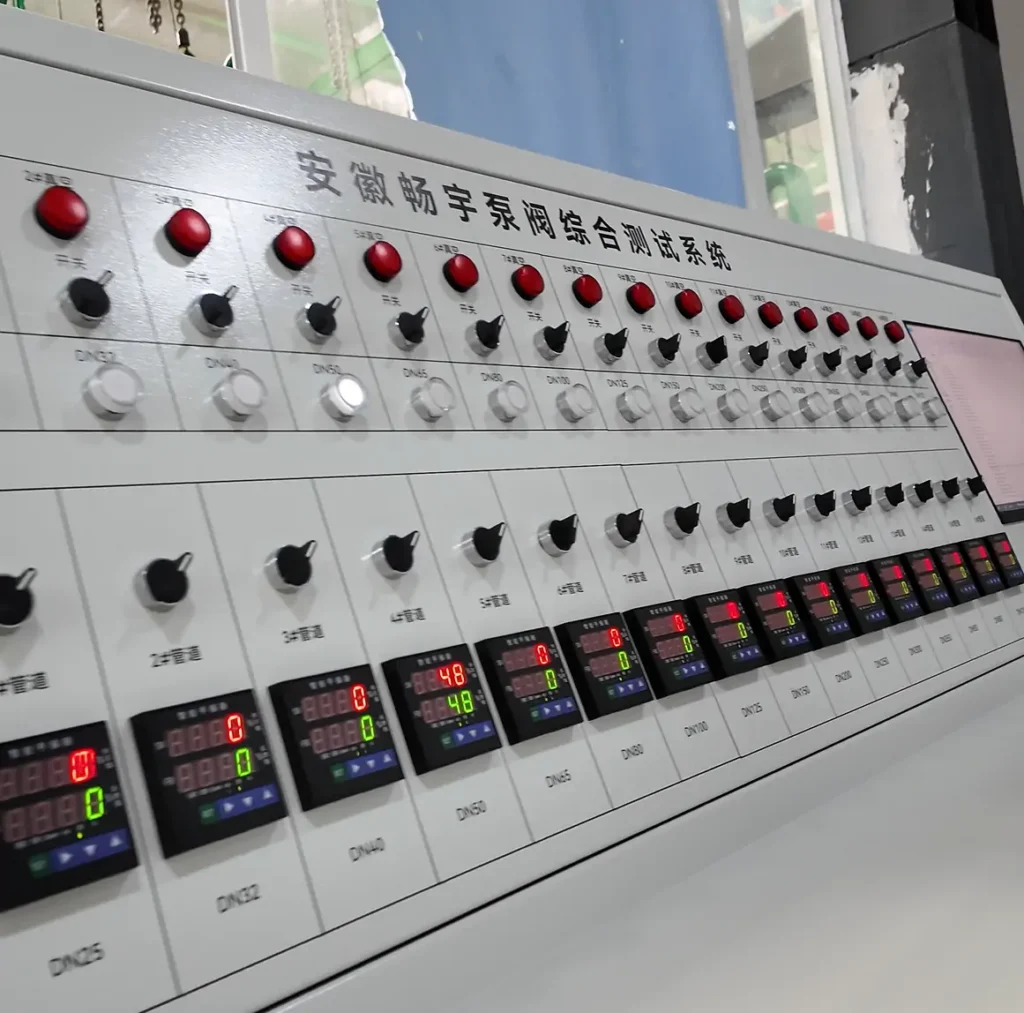
Pasar pompa pertambangan semakin dibentuk oleh digitalisasi. Ketika proses penambangan menjadi lebih otomatis, kebutuhan akan solusi pemompaan cerdas yang menawarkan pemantauan waktu nyata dan mengurangi waktu henti menjadi sangat penting.
Dampak dari pergeseran ini dapat diukur. Pada MINExpo 2024, demonstrasi industri menunjukkan bahwa sistem pemantauan pompa cerdas dapat mengurangi keausan pompa hingga 70% dan memangkas biaya perawatan hingga setengahnya - dengan menyesuaikan operasi pompa secara otomatis terhadap perubahan kondisi, meminimalkan keausan sekaligus memaksimalkan efisiensi. Dalam satu dokumen aplikasi pertambangan bawah tanah di A.S., kondisi yang keras dan padatan abrasif menyebabkan pompa mengalami kerusakan setiap minggu. Setelah menerapkan pemantauan cerdas yang dikombinasikan dengan unit pompa baru, sistem mencapai empat bulan operasi yang berkelanjutan sebelum memerlukan servis.
Apa artinya ini bagi Anda: Meskipun integrasi IoT skala penuh mungkin tidak praktis untuk setiap lokasi, tren menuju pemantauan pompa cerdas sudah jelas. Bahkan pemantauan kondisi dasar - sensor getaran, probe suhu, dan pengukur aliran - dapat memperpanjang usia pakai pompa dan mengurangi pemeliharaan yang tidak terencana. Saat mengevaluasi pompa baru pompa untuk industri pertambangan investasi, pertimbangkan apakah platform pompa mendukung integrasi sensor di masa depan. Insinyur Changyu Pump dapat memberi saran tentang kompatibilitas antara sistem pemantauan dan konfigurasi pompa untuk aplikasi spesifik Anda.
9. Bagaimana Memilih Pompa Tambang yang Tepat: Kerangka Kerja 5 Langkah
Proses seleksi yang sistematis memisahkan pompa industri pertambangan yang memberikan layanan yang dapat diprediksi selama bertahun-tahun dari yang menjadi sumber waktu henti yang berulang. Insinyur di Changyu Pump merekomendasikan pendekatan lima langkah ini.
Langkah 1: Tentukan Properti Fluida
Karakterisasikan cairan secara lengkap sebelum mengevaluasi model pompa apa pun: konsentrasi padatan, distribusi ukuran partikel, berat jenis, pH, suhu, dan viskositas. Untuk lumpur asam dengan pH ≤ 5 - yang umum terjadi di banyak tailing pertambangan - pompa besi cor biasa dapat mengalami korosi dalam waktu 1-3 bulan, sehingga konstruksi berlapis paduan atau fluoroplastik sangat penting.
Langkah 2: Tentukan Laju Aliran dan Total Head Dinamis
Hitunglah laju aliran yang dibutuhkan dan total head dinamis (TDH) - jumlah pengangkatan statis, kerugian gesekan melalui pipa termasuk tikungan dan katup, dan kebutuhan tekanan pada titik pembuangan. Kedua parameter tersebut harus ditetapkan sebelum model pompa dapat ditentukan ukurannya.
Langkah 3: Menilai Lingkungan Instalasi
Pertimbangkan batasan lokasi: ruang lantai yang tersedia, kedalaman bah, aksesibilitas untuk pemeliharaan, sumber daya (listrik vs. diesel), dan apakah lokasi pompa permanen atau sementara. Tambang bawah tanah memerlukan pompa dengan segel, sistem pendingin, dan material yang dapat menangani serpihan abrasif di ruang terbatas. Untuk tambang batu bara bawah tanah, verifikasi persyaratan sertifikasi MSHA sebelum menyelesaikan spesifikasi apa pun.
Langkah 4: Cocokkan Jenis dan Bahan Pompa
Berdasarkan sifat fluida, titik tugas, dan lingkungan pemasangan, pilih jenis pompa (lumpur sentrifugal, pengurasan submersible, kantilever vertikal, diafragma, atau peristaltik) dan skema material (besi krom tinggi, berlapis karet, stainless dupleks, atau berlapis fluoroplastik).
Langkah 5: Mengevaluasi Total Biaya Kepemilikan
Keputusan pembelian yang didasarkan pada harga awal saja adalah ekonomi yang salah. Penelitian telah menunjukkan bahwa harga pembelian awal sebuah pompa biasanya hanya memperhitungkan 10-20% dari total biaya seumur hidup, dengan 80-90% sisanya berasal dari penggunaan energi, pemeliharaan, waktu henti, dan efisiensi operasional. (Sumber: The Pump Expert, 2025) Faktor konsumsi energi (sering kali merupakan komponen biaya tunggal terbesar), frekuensi penggantian suku cadang, tenaga kerja pemeliharaan, dan biaya produksi waktu henti. Pompa dengan harga awal yang lebih tinggi tetapi usia pakai dua kali lipat secara konsisten memberikan total biaya kepemilikan yang lebih rendah - satu-satunya metrik keuangan yang penting selama masa tambang beberapa tahun.
10. Bagaimana Anda Memelihara Pompa Industri Pertambangan?
Pemeliharaan preventif terstruktur adalah satu-satunya langkah paling efektif untuk memperpanjang pompa industri pertambangan masa pakai. Program pemeliharaan formal biasanya memperpanjang waktu rata-rata antara kegagalan sebesar 200-400% dibandingkan dengan pendekatan reaktif.
| Interval | Tugas |
|---|---|
| Setiap hari | Periksa suhu bearing dan arus motor, dengarkan getaran atau kebisingan yang tidak biasa |
| Mingguan | Periksa aliran dan tekanan air siram seal, periksa level dan kondisi pelumas |
| Bulanan | Ukur jarak bebas impeler ke casing, periksa pelat aus apakah ada penipisan atau lekukan |
| Triwulanan | Inspeksi ujung basah penuh, ganti pelumas bearing, verifikasi integritas seal |
| Setiap tahun | Pembongkaran pompa secara menyeluruh, ukur dan ganti semua komponen yang aus sesuai kebutuhan |
Sinyal-sinyal kegagalan yang umum terjadi pada servis pompa pertambangan:
- Aliran atau penurunan tekanan secara bertahap → erosi impeler atau pelat aus
- Getaran atau kebisingan yang tiba-tiba → penyumbatan parsial, kavitasi, atau penumpukan padatan pada impeler
- Meningkatnya arus motor → gesekan internal atau kerusakan bantalan
- Kebocoran yang terlihat pada segel → permukaan segel mekanis yang aus atau kemasan kelenjar
- Casing pitting atau penipisan → gabungan korosi-abrasi yang melebihi kemampuan material
Perawatan rutin dan pemilihan pompa yang tepat secara langsung berdampak pada keselamatan operasional, produktivitas, dan kepatuhan terhadap lingkungan dalam operasi pertambangan. Pompa berkualitas yang bekerja 8.000+ jam di antara waktu perbaikan merupakan investasi yang lebih baik daripada pompa yang rusak dua kali dalam setahun, meskipun pompa yang terakhir ini terlihat lebih murah di atas kertas.
11. Solusi Pompa Penambangan Changyu Pump
Changyu Pump menawarkan rangkaian lengkap pompa industri pertambangan, yang masing-masing dirancang untuk tugas-tugas khusus di seluruh proses penambangan.
11.1 Pompa Lumpur Kasar Seri UHB

Seri UHB adalah pompa lumpur sentrifugal kantilever satu tahap yang dibuat khusus untuk tugas-tugas yang sangat abrasif. Konstruksi “plastik berlapis baja” menggunakan UHMW-PE (polietilena dengan berat molekul sangat tinggi) yang memberikan masa pakai yang jauh lebih lama daripada pompa logam tradisional dalam lumpur korosif yang mengandung partikel halus. Aplikasi pertambangan yang umum meliputi transfer konsentrat mineral, pemompaan tailing, dan proses lumpur dalam operasi pupuk fosfat dan peleburan.
Spesifikasi Utama:
- Rentang Laju Aliran: 3-2.600 m³/jam
- Kepala Rentang: 5-100 m
- Daya Motor: 0,75-300 kW
- Kecepatan: 750-2.900 r/menit
- Kisaran Suhu Sedang: -20°C hingga 90°C
- Bahan yang Dapat Disesuaikan: UHMW-PE
11.2 Pompa Lumpur Horisontal Tahan Korosi Seri CYB-ZKJ
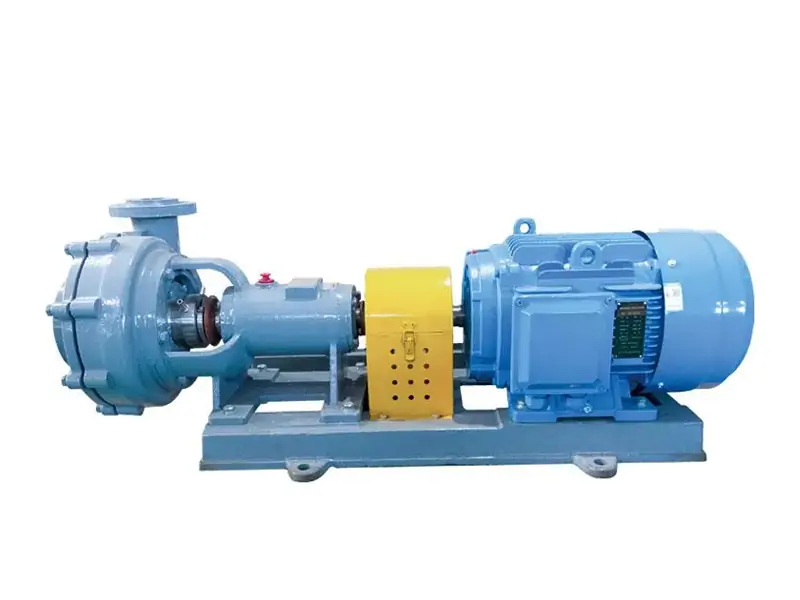
Seri CYB-ZKJ Tahan Korosi Pompa Lumpur Horisontal adalah pompa sentrifugal horizontal yang dirancang untuk dapat beradaptasi di berbagai kondisi operasi pertambangan. Cocok untuk cairan jernih asam atau basa, bubur, pulp mineral korosif, dan air limbah proses, ini pompa lumpur pertambangan menggunakan impor FEP/PTFE bahan untuk casing pompa dan komponen aliran. Segel dapat dikonfigurasikan dengan segel dinamis tipe-K untuk memastikan kinerja bebas bocor selama transfer cairan korosif yang diperpanjang.
Spesifikasi Utama:
- Rentang Laju Aliran: 3-2.600 m³/jam
- Kepala Rentang: 5-100 m
- Daya Motor: 0,75-300 kW
- Kecepatan: 968-3.450 r/menit
- Kisaran Suhu Sedang: -80°C hingga 120°C
- Bahan yang Dapat Disesuaikan: FEP
11.3 Pompa Kimia Suhu Tinggi Seri CYG
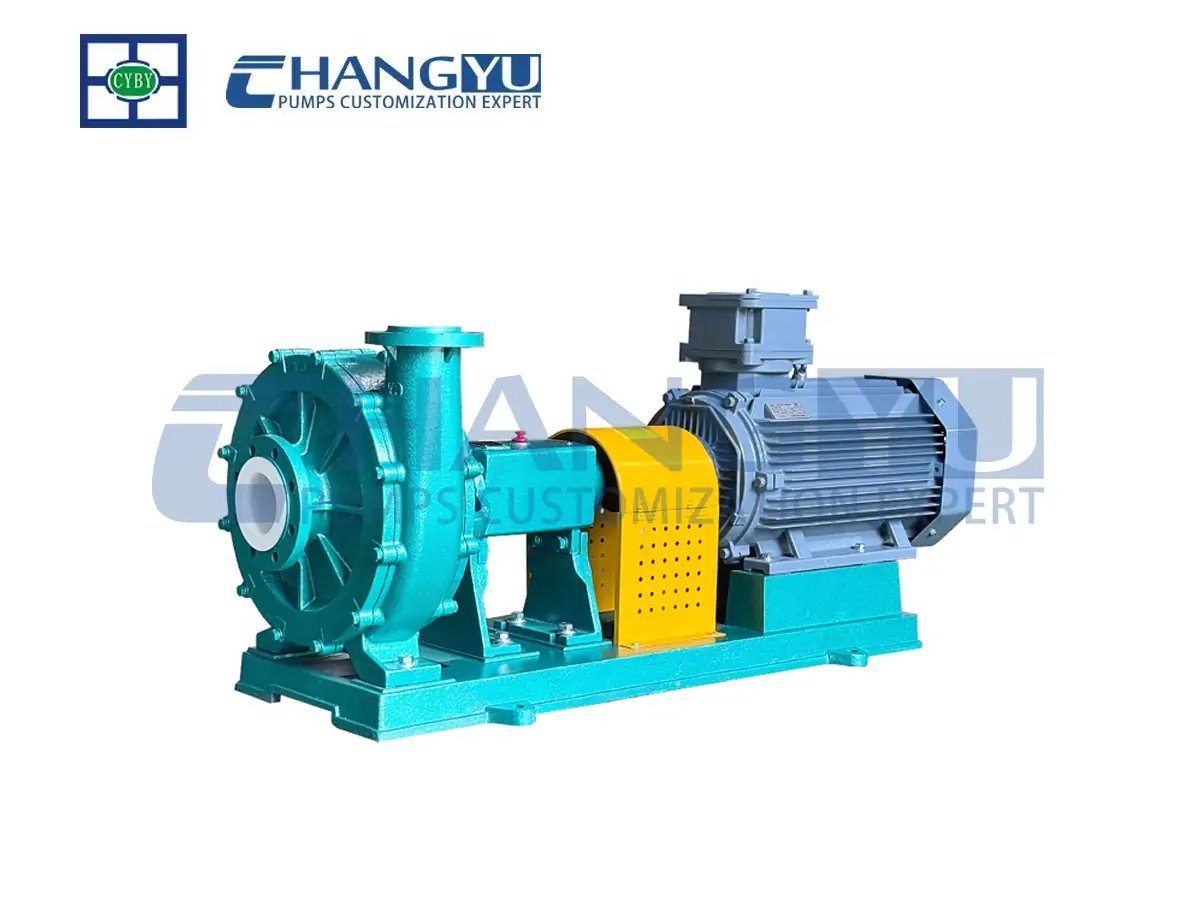
Seri CYG dirancang khusus untuk kondisi pengoperasian yang ekstrem yang menggabungkan zat yang sangat korosif, suhu tinggi, dan kandungan padatan yang tinggi. Inti pompa memiliki ketebalan 8-20 mm PFA (perfluoroalkoksi) yang terintegrasi dengan bodi baja melalui proses sintering cetakan yang canggih, yang secara efektif menghilangkan risiko keretakan fluoroplastik dalam siklus termal. Dengan impeler semi-terbuka dan segel mekanis berujung ganda atau konfigurasi segel dinamis tipe-K, Seri CYG menangani bubur asam dan basa dengan partikel padat, cairan limbah korosif, dan media kimia yang kompleks.
Spesifikasi Utama:
- Rentang Laju Aliran: 3-2.600 m³/jam
- Kepala Rentang: 5-100 m
- Daya Motor: 0,75-300 kW
- Kecepatan: 968-3.450 r/menit
- Kisaran Suhu Sedang: -80°C hingga 160°C
- Bahan yang Dapat Disesuaikan: PFA
11.4 Pompa Lumpur Baja Tahan Karat Seri HB
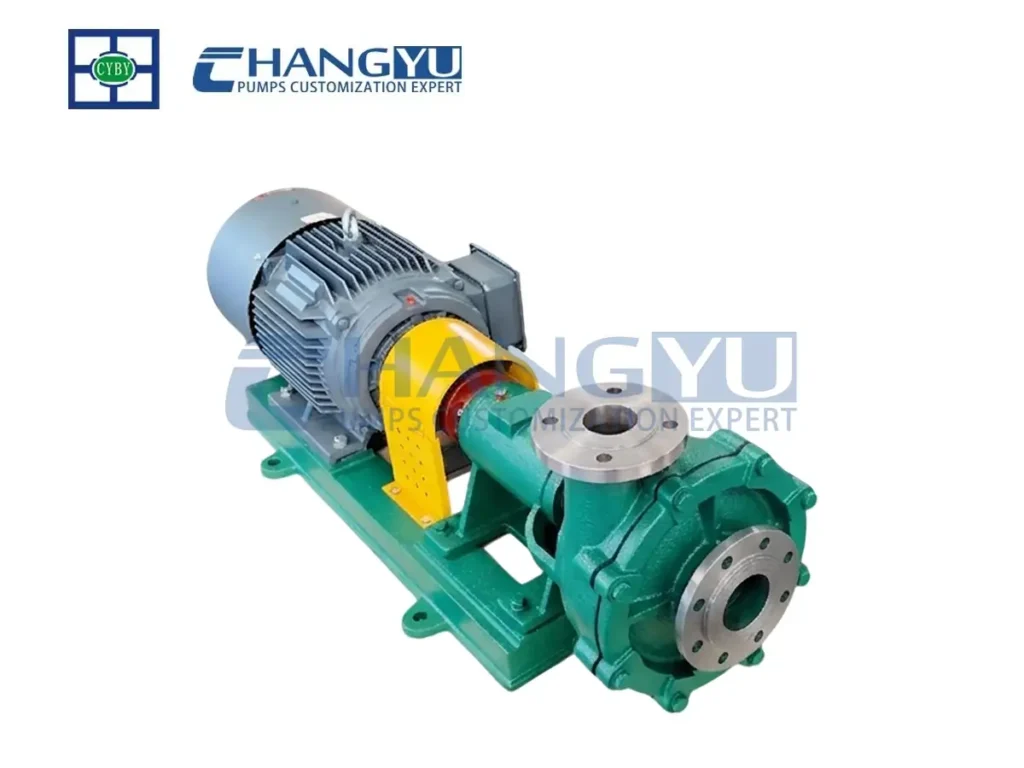
Seri HB adalah pompa sentrifugal horizontal efisiensi tinggi, satu tahap, hisap tunggal yang dirancang sesuai dengan ISO 2858 dan sesuai dengan Standar CE. Dibangun dengan struktur yang dibasahi baja tahan karat - dapat disesuaikan dalam 304, 316, 316L, 2205, dan 2507 - menangani bubur abrasif dan cairan korosif sedang di lingkungan industri yang menuntut.
Spesifikasi Utama:
- Rentang Laju Aliran: 10-60 m³/jam
- Kepala Rentang: 20-120 m
- Daya Motor: 3-45 kW
- Kecepatan: 2.900 r/menit
- Kisaran Suhu Sedang: -20°C hingga 120°C
- Bahan yang Dapat Disesuaikan: 304, 316, 316L, 2205, 2507
12. Bagaimana Changyu Pump Memastikan Keandalan Pompa Pertambangan?
Setiap pompa dari Changyu Pump menjalani proses jaminan kualitas yang terstruktur sebelum meninggalkan pabrik. Proses ini dirancang untuk menangkap cacat sebelum menjadi kegagalan di lapangan - karena dalam pertambangan, kegagalan di lapangan berarti kehilangan produksi yang tidak akan pernah bisa dipulihkan.
Verifikasi Material: Semua bahan baku yang masuk - paduan krom tinggi, resin fluoroplastik termasuk FEP, PFA, dan UHMW-PE, serta baja tahan karat kelas 304 hingga 2507 - menjalani analisis spektral untuk mengonfirmasi komposisi kimia. Setiap batch material dilengkapi dengan dokumentasi penelusuran lengkap.
Inspeksi Dalam Proses: Dimensi impeler, toleransi casing, kelurusan poros, dan ketebalan lapisan diukur pada setiap tahap produksi. Pengujian ultrasonik memverifikasi cakupan lapisan fluoroplastik yang seragam - satu kekosongan dapat menjadi titik kegagalan dalam kombinasi serangan kimia dan siklus termal.
Pengujian Kinerja Hidraulik: Setiap pompa yang dirakit diuji di beberapa titik tugas. Aliran, head, daya, dan efisiensi diukur berdasarkan kurva yang dipublikasikan, dan pompa harus memenuhi spesifikasi sebelum dirilis.
Audit Perakitan Akhir: Torsi baut, integritas seal, preload bearing, dan rotasi bebas dikonfirmasi sebelum pompa dikemas untuk pengiriman.
13. Studi Kasus: Mengurangi Kegagalan Pompa dalam Konsentrator Tembaga
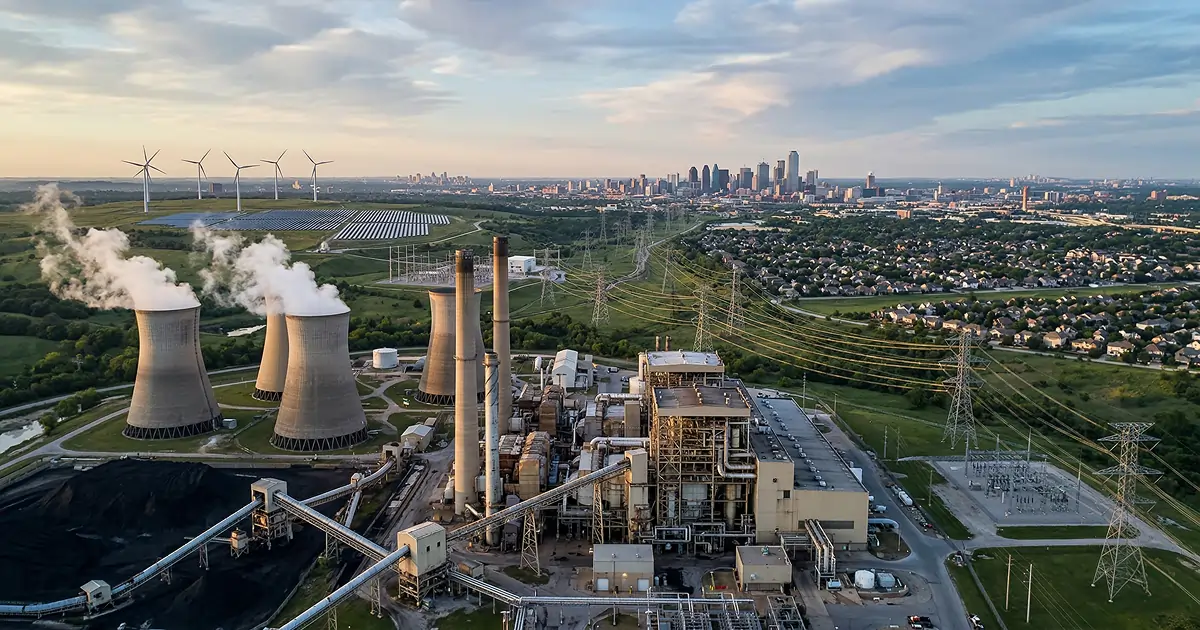
Tantangan Situs: Sebuah konsentrator tembaga di Amerika Selatan mengalami kegagalan berulang pada pompa lumpur yang menangani umpan hidrosiklon - campuran yang sangat abrasif dari bijih tanah (d50 ≈ 300 μm) yang disuspensikan dalam air proses basa (pH 10-11, 20°C). Pompa besi berkrom tinggi yang ada saat ini memerlukan penggantian ujung basah secara menyeluruh setiap 5-6 bulan. Setiap kejadian kegagalan menyebabkan 8-12 jam waktu henti produksi di sirkuit penggilingan, yang merupakan hambatan bagi seluruh pabrik. Biaya tahunan terkait pompa melebihi USD 60.000 per pompa.
Analisis Teknik: Teknisi Changyu Pump melakukan tinjauan di tempat terhadap komponen yang gagal dan data operasi. Akar penyebabnya jelas: pompa dioperasikan pada 1.480 RPM, menghasilkan kecepatan ujung impeler sekitar 24 m/s. Pada kecepatan ini, keausan erosif sebanding dengan kira-kira pangkat dua dari kecepatan ujung, sejalan dengan prinsip yang sudah mapan bahwa mengurangi kecepatan operasi memberikan manfaat pengurangan keausan yang tidak proporsional. Mengurangi kecepatan operasi - bahkan jika itu berarti memilih pompa yang lebih besar untuk mempertahankan aliran yang sama - akan memperpanjang usia pakai secara signifikan.
Solusi Diterapkan: Pompa yang ada diganti dengan unit Seri UHB yang berjalan pada 1.200 RPM, mengurangi kecepatan ujung impeler hingga sekitar 19 m/s - pengurangan 21% yang diterjemahkan ke dalam proyeksi pengurangan tingkat keausan sebesar 40%. Lapisan UHMW-PE dipilih karena ketahanan abrasi dan kompatibilitas kimianya dengan air proses yang bersifat basa. Program pemeliharaan terstruktur dengan pemeriksaan jarak bebas impeler bulanan diperkenalkan, konsisten dengan praktik terbaik industri untuk memaksimalkan waktu kerja pompa.
Hasil Terukur (evaluasi 24 bulan):
- Interval penggantian ujung basah diperpanjang dari 5-6 bulan hingga lebih dari 20 bulan - peningkatan 300%+
- Biaya perawatan per pompa tahunan berkurang sekitar 55%
- Waktu henti sirkuit penggilingan yang tidak terencana yang disebabkan oleh kegagalan pompa berkurang sebesar lebih dari 65%
- Konsumsi energi berkurang sekitar 10% karena kecepatan operasi yang lebih rendah - konsisten dengan prinsip industri bahwa biaya energi sering kali merupakan komponen terbesar dari total biaya kepemilikan pompa
Sejak saat itu, tambang tersebut telah memperluas instalasi Seri UHB ke pompa transfer tailing dan pompa umpan flotasi. Siap untuk mencapai hasil yang serupa? Hubungi Changyu Pump dengan parameter lokasi Anda untuk rekomendasi pompa yang terperinci.
14. Pertanyaan yang Sering Diajukan
T1: Jenis pompa apa yang digunakan dalam industri pertambangan?
J: The industri pertambangan bergantung pada sentrifugal pompa lumpur untuk pengangkutan bijih dan tailing, kapal selam pompa pengeringan untuk pembuangan lubang dan air bawah tanah, kantilever vertikal pompa bah untuk pengumpulan tumpahan, dan diafragma atau peristaltik pompa dosis untuk injeksi reagen yang tepat.
T2: Bagaimana Anda memilih pompa untuk lumpur tambang yang bersifat abrasif?
J: Tentukan sifat fluida (konsentrasi padatan, ukuran partikel, pH, suhu), hitung aliran dan head yang diperlukan, nilai kendala instalasi, lalu cocokkan pompa industri pertambangan jenis dan bahan - biasanya besi berkrom tinggi untuk bubur kasar dengan pH netral, dilapisi karet untuk partikel halus, atau dilapisi fluoroplastik untuk tugas korosi-abrasi gabungan.
T3: Bahan apa yang terbaik untuk pompa pertambangan?
A: Besi putih berkrom tinggi (600+ BHN) untuk lumpur dengan pH netral yang bersifat abrasif; karet alam untuk tailing halus; baja tahan karat dupleks untuk air tambang yang bersifat asam; dan lapisan fluoroplastik (PTFE, FEP, PFA, UHMW-PE) untuk asam kuat dan cairan korosif bersuhu tinggi.
T4: Apa perbedaan antara pompa lumpur dan pompa pengurasan?
J: Pompa lumpur menangani campuran padat-cair dengan kepadatan tinggi (hingga padatan 40%) dan dibuat dengan komponen yang dibasahi tahan aus. Pompa pengurasan terutama memindahkan air dengan kandungan padatan yang lebih rendah - desain submersible umum digunakan untuk pengurasan lubang, sedangkan pompa auto-priming diesel melayani tugas darurat dan air hujan.
T5: Bagaimana cara kerja pompa sentrifugal di pertambangan?
J: Impeler yang berputar mempercepat fluida ke luar, mengubah energi rotasi menjadi tekanan di dalam selubung volute. Tekanan (head) mendorong fluida melalui pipa pembuangan. Sebagian besar pompa industri pertambangan menangani bubur; kuncinya adalah memilih bahan yang tahan terhadap kondisi abrasif dan korosif.
T6: Apa yang menyebabkan pompa tambang rusak sebelum waktunya?
J: Penyebab umum termasuk ketidakcocokan material (logam pompa lebih lunak daripada padatan yang dipompa), pengoperasian pada kecepatan yang berlebihan yang menghasilkan keausan yang dipercepat, kondisi pengisapan yang tidak memadai yang menyebabkan kavitasi, dan penumpukan padatan pada impeler yang menyebabkan ketidakseimbangan dan getaran.
T7: Bagaimana Anda memelihara pompa dalam aplikasi pertambangan?
J: Pemeriksaan bantalan dan getaran harian, pengukuran jarak bebas impeler bulanan, pemeriksaan ujung basah triwulanan, dan pembongkaran lengkap tahunan. Bantalan harus dilumasi ulang setiap 2.000-3.000 jam operasi. Sesuaikan jarak bebas impeler setiap kali aliran turun 5-10% di bawah garis dasar pada kecepatan konstan.
T8: Untuk apa pompa submersible digunakan di pertambangan?
J: Pompa celup berfungsi sebagai alat pengurasan utama di tambang terbuka dan tambang bawah tanah yang dalam. Pompa ini beroperasi dengan terendam penuh di dalam air yang terkumpul di titik terendah dari tempat kerja, sering kali dengan pengaduk bawaan untuk menjaga padatan yang mengendap dalam suspensi untuk operasi berkelanjutan yang andal.
T9: Mengapa pompa khusus diperlukan untuk industri pertambangan?
J: Pompa industri standar tidak dirancang untuk menangani lumpur abrasif, air tambang yang korosif, dan siklus kerja 24/7 yang terus menerus. Khusus pompa untuk industri pertambangan dibuat dengan bahan tahan aus dan desain yang kuat yang mampu bertahan dalam kondisi ekstrem ini.
Q10: Berapa total biaya kepemilikan pompa untuk industri pertambangan?
J: Harga pembelian awal hanya menyumbang 10-20% dari biaya pompa seumur hidup. Penggunaan energi sering kali menjadi komponen terbesar dengan biaya lebih dari 30%, diikuti oleh tenaga kerja pemeliharaan, suku cadang, dan biaya waktu henti. Mengevaluasi TCO selama jangka waktu 5 tahun secara konsisten memandu keputusan pengadaan yang lebih baik untuk pompa untuk industri pertambangan investasi. (Sumber: Pakar Pompa, 2025)
15. 5 Rekomendasi Pemilihan Utama dari Changyu Pump untuk Pompa Pertambangan
Berdasarkan pengalaman lebih dari 20 tahun dalam penerapan pompa industri pertambangan di seluruh lokasi di seluruh dunia, para insinyur Changyu Pump merekomendasikan kriteria keputusan ini:
- Selesaikan analisis fluida lengkap sebelum memilih pompa. Konsentrasi padatan, distribusi ukuran partikel, pH, suhu, dan viskositas masing-masing secara independen memengaruhi pemilihan material dan hidraulik. Satu parameter yang terlewatkan dapat mengurangi usia pompa hingga 50% atau lebih.
- Operasikan pada kecepatan praktis terendah. Keausan erosif sebanding dengan pangkat dua kecepatan ujung impeler. Pompa 1.200 RPM dapat menghasilkan aliran 15% lebih sedikit daripada unit 1.480 RPM, tetapi pengurangan keausan yang sesuai sebesar 40% atau lebih memperpanjang interval servis dan menurunkan biaya jangka panjang.
- Sesuaikan bahan dengan bahan kimia secara keseluruhan, bukan hanya padatannya saja. Air asam tambang dan bahan kimia proses menambahkan komponen korosi yang mempercepat hilangnya material melebihi apa yang dihasilkan oleh abrasi saja. Ketika pH di bawah 4, lapisan fluoroplastik pompa untuk industri pertambangan aplikasi harus menjadi pilihan default.
- Mengevaluasi total biaya kepemilikan selama jangka waktu 5 tahun. Termasuk energi (sering kali merupakan biaya tunggal terbesar), frekuensi penggantian suku cadang, tenaga kerja pemeliharaan, dan waktu henti produksi. Pompa dengan harga dua kali lipat dari harga awal tetapi usia pakai tiga kali lipat secara konsisten lebih murah daripada alternatif anggaran yang membutuhkan pembangunan ulang setiap tiga bulan.
- Perlakukan pemilihan segel sebagai keputusan keamanan lokasi. Untuk pompa yang menangani cairan proses berbahaya - larutan sianida, asam kuat, pelarut organik - desain tanpa segel atau segel mekanis ganda dengan rencana penyiraman yang tepat bukan merupakan peningkatan opsional; ini merupakan spesifikasi minimum untuk operasi yang aman dan sesuai. Untuk tambang batu bara bawah tanah atau tambang gas, desain tahan ledakan bersertifikat MSHA adalah wajib.
Kesimpulan
Pompa pertambangan adalah kategori peralatan yang beragam dan menuntut, tetapi proses pemilihannya menjadi mudah dikelola jika dibagi ke dalam kerangka kerja yang terstruktur: tentukan fluida, tentukan tugas, cocokkan jenis dan bahan, evaluasi total biaya, dan buat jadwal pemeliharaan sejak hari pertama. Apakah aplikasinya memindahkan tailing, mengeringkan lubang, atau memberi dosis reagen flotasi, prinsipnya sama - yang tepat pompa industri pertambangan, yang ditentukan dengan tepat, memberikan biaya operasi dan keandalan produksi yang dapat diprediksi selama masa tambang beberapa tahun.
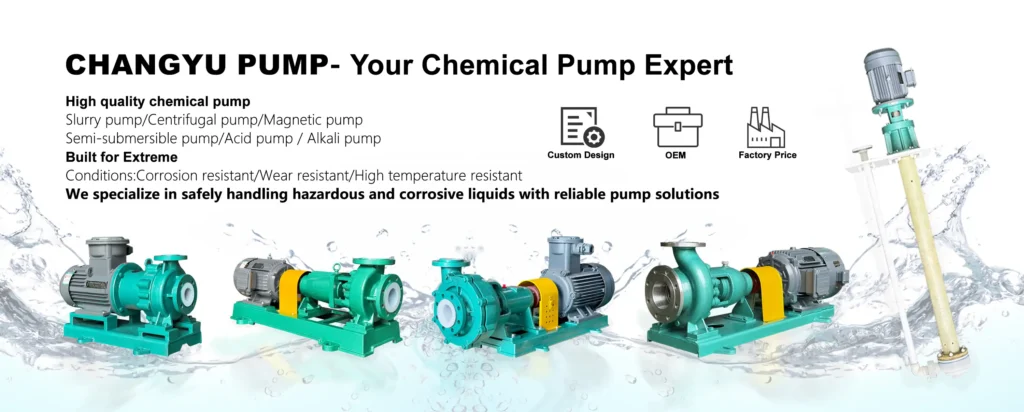
Hubungi Changyu Pump hari ini dengan parameter lokasi dan sifat fluida Anda. Tim teknisi kami akan memberikan rekomendasi pompa dan penawaran harga yang disesuaikan dengan aplikasi pertambangan Anda.