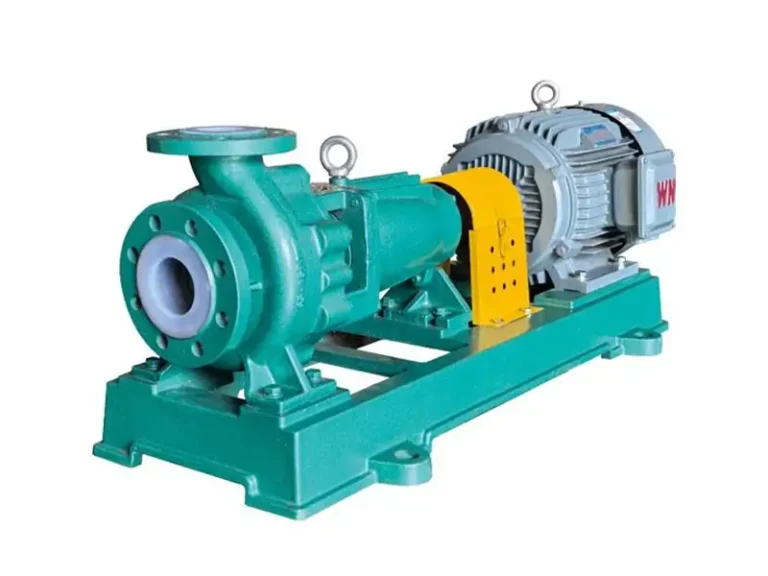
An acetic acid pump is specifically engineered with corrosion-resistant materials and robust sealing technologies to handle the demanding challenges of chemical processing. Whether a facility is transferring a diluted solution or highly corrosive glacial acetic acid, standard water pumps simply will not survive. For tasks like tank unloading, precision dosing, and bulk chemical transfer, selecting a specialized pump is the only way to operate safely without the risk of hazardous leaks.
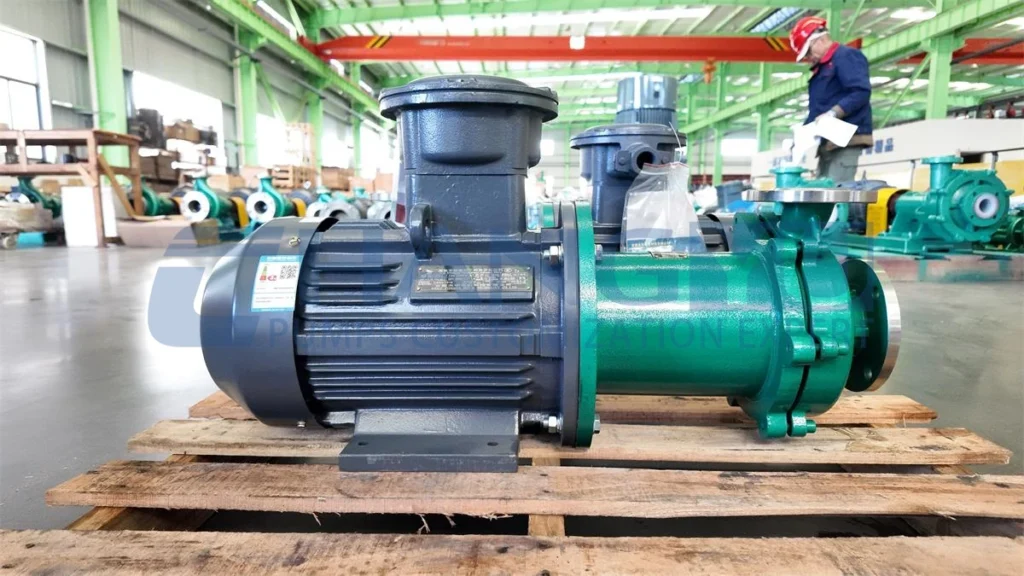
For plant managers and engineers, pump selection cannot be based on the chemical name alone. The right choice—whether it’s a sealless magnetic drive centrifugal pump or a specialized diaphragm unit—depends entirely on the acid’s concentration, operating temperature, and the facility’s strict leakage control requirements.
What Is an Acetic Acid Pump?
An acetic acid pump is a pump selected specifically for handling acetic acid with suitable wetted materials and a suitable sealing structure.
Depending on the application, it may be a magnetic drive pump, a diaphragm pump, a submersible pump, or another corrosion-resistant chemical pump design.
In practical use, the pump must meet three essential requirements.
It must resist the liquid chemically.
It must deliver the required flow and head.
It must also operate safely and reliably over time in the real plant environment.
A standard pompa sentrifugal may work in some chemical services, but acetic acid transfer often requires closer attention to material compatibility and leakage risk.
That is why acetic acid pump selection should be based on the full process condition rather than on pump type alone.
Why Does Acetic Acid Need Careful Pump Selection?
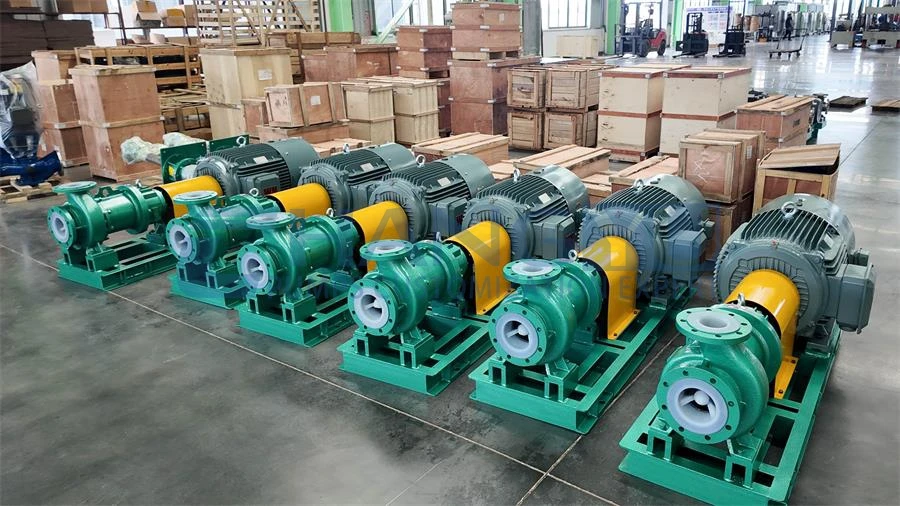
Acetic acid service can vary significantly from one process to another. A pump that performs well in one concentration or temperature range may not remain suitable when those conditions change.
This is especially important in glacial acetic acid service. Higher concentration and more demanding operating conditions can increase the importance of correct material selection and sealing reliability.
In real projects, the most common selection mistakes are straightforward. Some buyers focus only on flow rate and ignore material compatibility. Others choose a familiar pump type before confirming whether the site is highly sensitive to leakage. A more reliable selection process checks the chemical condition, hydraulic duty, installation method, and maintenance requirement together.
Which Pump Types Are Used for Acetic Acid?
Several pump types are used for acetic acid handling, depending on the operating condition.
Common options include mechanical seal centrifugal pumps, magnetic drive centrifugal pumps, diaphragm pumps, submersible pumps, and vertical inline centrifugal pumps.
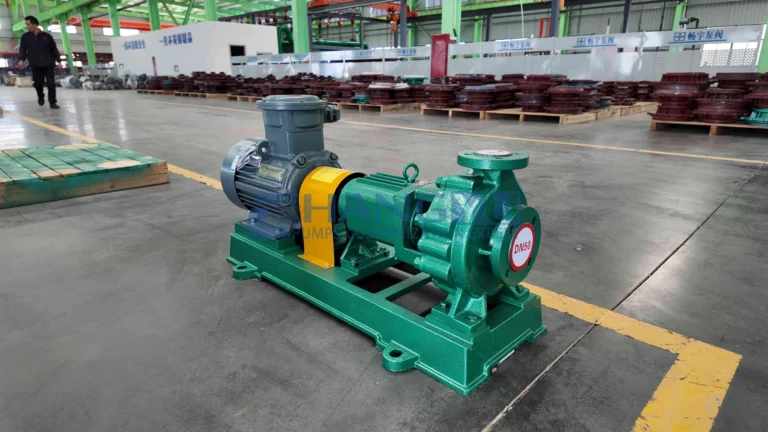
A mechanical seal centrifugal pump can be suitable for continuous transfer service where the operating condition allows a sealed centrifugal arrangement.
Its main advantages are a familiar structure and broad industrial use, but seal compatibility, leakage risk, and maintenance requirements must be reviewed carefully in acetic acid service.
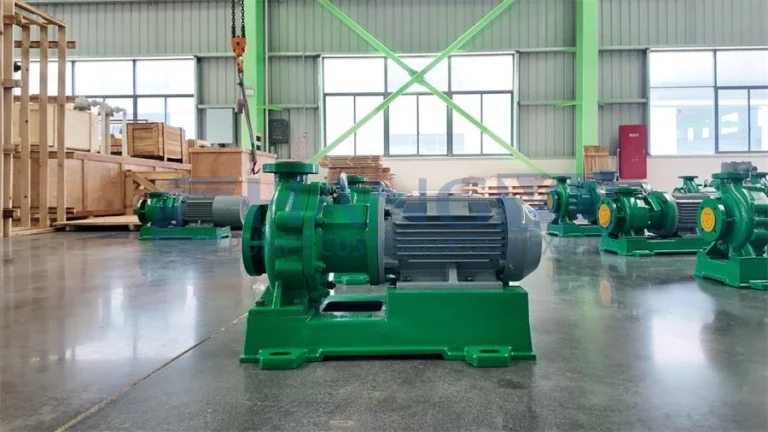
A magnetic drive centrifugal pump is often selected when lower leakage risk is a priority.
Its sealless design makes it a practical choice for enclosed chemical transfer lines, circulation systems, and other applications where cleaner operation is important.
A diaphragm pump can be useful for intermittent transfer, drum unloading, and process points where flexible operation is preferred.
Both air-operated and electric diaphragm pumps can fit acetic acid duties when their operating style matches the application.
A submersible pump can be suitable when acetic acid is handled in tanks, pits, or below-grade collection areas.
In these situations, an immersed arrangement may simplify the system.
A vertical inline centrifugal pump can also be considered in compact piping layouts where inline installation is preferred and the duty is appropriate for that configuration.
Pump Type Comparison
| Pump type | Best suited for | Main advantage | Main point to check |
|---|---|---|---|
| Mechanical seal centrifugal pump | General continuous transfer where a standard centrifugal layout is acceptable | Familiar structure and widely used configuration | Confirm seal compatibility, leakage risk, temperature, and maintenance requirements |
| Magnetic drive centrifugal pump | Continuous transfer and leak-sensitive service | Lower leakage risk through sealless design | Confirm compatibility, temperature, and hydraulic duty |
| Air-operated diaphragm pump | Intermittent transfer, drum unloading, flexible process use | Flexible operation and chemical handling versatility | Check air supply and duty cycle |
| Electric diaphragm pump | Controlled transfer where electric drive is preferred | Suitable for certain plant layouts | Confirm flow stability and operating pattern |
| Submersible pump | Tanks, pits, and collection areas | Practical immersed installation | Check liquid depth, materials, and maintenance access |
| Vertical inline centrifugal pump | Compact pipe systems and inline transfer | Space-saving piping arrangement | Confirm suitability for the liquid and system conditions |
NOTE: No need to worry if you’re unsure about product selection. Chuangyu Pump‘s professional engineering team will provide you with expert solutions. Contact us now!
What Materials Are Used in an Acetic Acid Pump?
Material compatibility is one of the most important factors in acetic acid pump selection.
The correct choice depends on concentration, temperature, purity, and the design of the pump itself.
When reviewing materials, buyers should evaluate both the structural wetted parts and the sealing elements.
A pump body may appear suitable, but sealing materials must also remain stable under the same chemical and thermal conditions.
In corrosive chemical applications, fluoropolymer-related materials are often discussed because of their chemical resistance.
For example, PTFE is commonly referenced when chemical compatibility is a major concern.
There is no single material that is automatically best for every acetic acid application.
The correct material must be confirmed against the exact operating condition.
Material Considerations
| Operating condition | Main concern | Material review direction |
|---|---|---|
| Diluted acetic acid | Basic compatibility and cost balance | Evaluate suitable corrosion-resistant plastics or metals based on the exact duty |
| High-concentration acetic acid | Stronger compatibility and seal demands | Review wetted materials and sealing carefully |
| Glacial acetic acid | Greater sensitivity in material selection | Confirm compatibility before finalizing the pump |
| Elevated temperature | Material suitability can change with heat | Check normal and maximum temperature range |
| Leak-sensitive production line | Safety and environmental control | Consider low-leakage or sealless pump designs |
Where Are Acetic Acid Pumps Used?
Acetic acid pumps are used in a wide range of industrial systems.
Typical applications include transfer between storage tanks and process lines, dosing and feed systems, drum unloading, liquid collection, and circulation duties.
In some plants, the pump must provide continuous transfer with stable flow.
In others, the priority is safer sealing, intermittent transfer, or installation in a tank or pit.
That is why different applications often require different pump structures even when the same chemical is involved.
How to Choose the Right Acetic Acid Pump
A rigorous selection process for an acetic acid pump goes beyond basic flow and head parameters. It requires matching the pump’s wetted metallurgy, sealing mechanism, and hydraulic design to the exact chemical duty. The engineering team at Changyu Pump recommends evaluating your application through four critical phases:
1. Analyze the Chemical Profile and Temperature
The suitability of a pump changes drastically depending on whether you are handling diluted acetic acid or glacial acetic acid. You must confirm the exact concentration, specific gravity, and the maximum operating temperature. Elevated temperatures can rapidly degrade standard elastomers and cause fluoroplastics to expand, meaning both the structural materials and the O-rings (e.g., PTFE, FKM, or EPDM) must be explicitly rated for the thermal condition.
2. Define the Hydraulic Duty and Suction Conditions
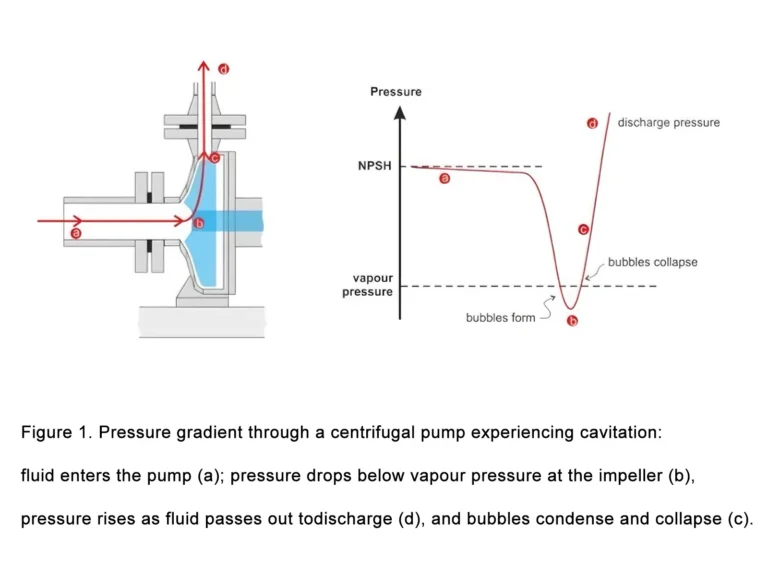
A pump that is chemically compatible but hydraulically mismatched will still suffer from premature failure. You must define the required flow rate, total dynamic head (TDH), and the Available Net Positive Suction Head (NPSHa). For volatile or high-purity acids, ensuring sufficient NPSH is critical to prevent cavitation, which can destroy the impeller and compromise the mechanical seal.
3. Evaluate the Installation Environment and Leakage Risk
The physical layout of the process line and the facility’s safety protocols dictate the optimal pump architecture:
- If the site is highly sensitive to fugitive emissions or if you are pumping concentrated glacial acetic acid, a sealless magnetic drive pump is typically the safest solution.
- If the application involves intermittent drum unloading or batch transfer, an air-operated double diaphragm (AODD) pump offers better operational flexibility.
- If the liquid is stored below grade in a collection pit, a corrosion-resistant submersible or sump pump simplifies the suction arrangement.
4. Review Maintenance Practicality
The best pump on paper must also be serviceable in a real plant environment. Consider whether the selected design allows for easy inspection of bearings, direct access for seal flushing (if applicable), and straightforward replacement of wear parts without requiring extensive pipeline disassembly.
Recommended Acetic Acid Pump Solutions from Changyu Pump
Changyu Pump has more than 20 years of industry experience in chemical pump manufacturing.
For acetic acid service, the key is to match the pump type to the real transfer duty rather than forcing one pump style into every application.
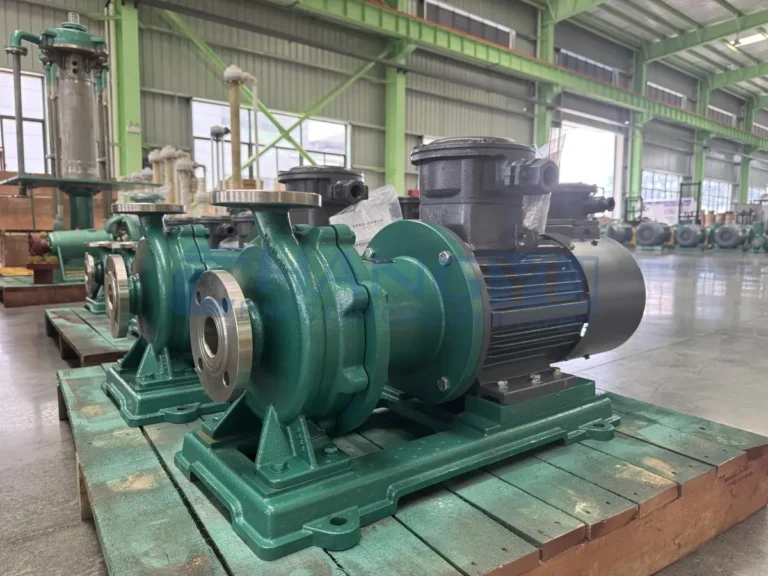
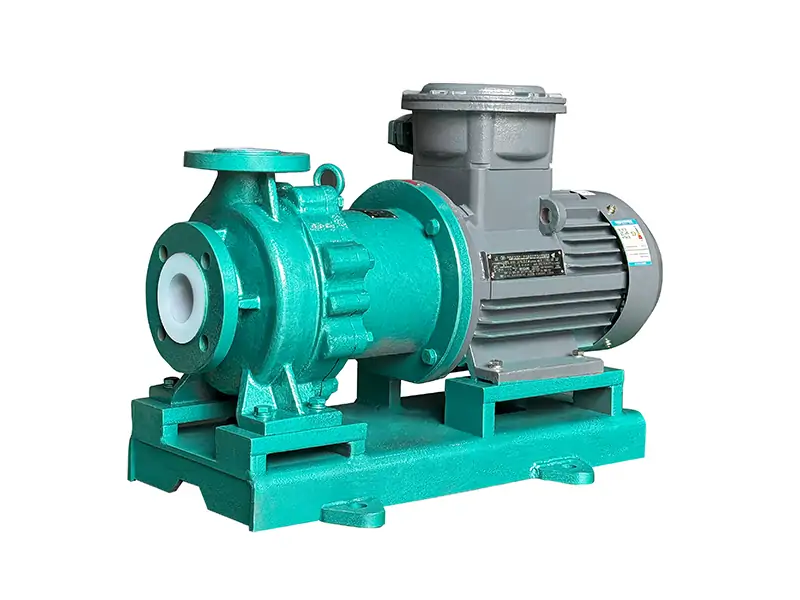
CYQ Sulfuric Acid Magnetic Drive Centrifugal Pump
This model is a suitable option when the application requires stable centrifugal transfer with lower leakage risk.
A magnetic drive structure is particularly useful in enclosed transfer lines, circulation systems, and other chemical applications where sealing reliability is important.
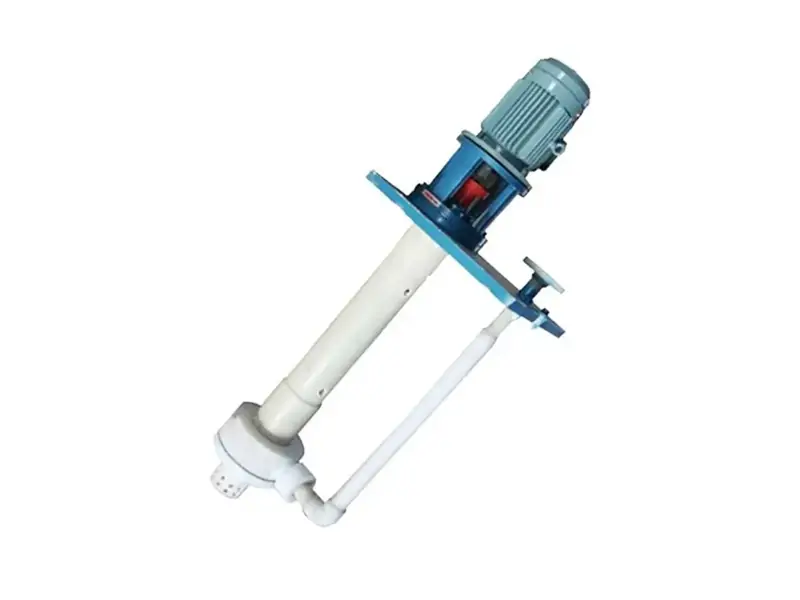
Fluoroplastic Submersible Pump
This pump is well suited to installations where acetic acid is handled in tanks, pits, or other below-grade areas.
A corrosion-resistant submersible design can simplify the layout when an immersed arrangement is more practical than an external pump setup.
| NO | Model | Flow (m³/h) | Head (m) | Rev (r/min) | Power | Caliber (mm) | |
| Axial power | Motor power | ||||||
| 1 | 32FYH-5-20 | 5 | 20 | 2900 | 0.8 | 2.2 | 32×25 |
| 2 | 32FYH-10-15 | 10 | 15 | 2900 | 1.17 | 2.2 | |
| 3 | 40FYH-10-20 | 10 | 20 | 2900 | 1.5 | 3 | 40×32 |
| 4 | 40FYH-15-20 | 15 | 20 | 2900 | 2.34 | 3 | |
| 5 | 50FYH-10-25 | 10 | 25 | 2900 | 3.4 | 4 | 50×40 |
| 6 | 50FYH-10-30 | 10 | 30 | 2900 | 4.1 | 5.5 | |
| 7 | 50FYH-15-30 | 15 | 30 | 2900 | 5.3 | 5.5 | |
| 8 | 50FYH-20-20 | 20 | 20 | 2900 | 4.6 | 5.5 | |
| 9 | 50FYH-20-25 | 20 | 25 | 2900 | 5.45 | 5.5 | |
| 10 | 50FYH-10-40 | 10 | 40 | 2900 | 6.1 | 7.5 | |
| 11 | 50FYH-20-30 | 20 | 30 | 2900 | 6.54 | 7.5 | |
| 12 | 65FYH-25-25 | 25 | 25 | 2900 | 5.68 | 7.5 | 65×50 |
| 13 | 65FYH-25-30 | 25 | 30 | 2900 | 6.8 | 7.5 | |
| 14 | 65FYH-30-20 | 30 | 20 | 2900 | 5.8 | 7.5 | |
| 15 | 65FYH-40-20 | 40 | 20 | 2900 | 6.82 | 7.5 | |
| 16 | 65FYH-30-25 | 30 | 25 | 2900 | 5.84 | 7.5 | 65×50 |
| 17 | 65FYH-30-30 | 30 | 30 | 2900 | 6.5 | 7.5 | |
| 18 | 65FYH-25-40 | 25 | 40 | 2900 | 7.79 | 11 | |
| 19 | 65FYH-30-40 | 30 | 40 | 2900 | 9.35 | 11 | |
| 20 | 65FYH-35-30 | 35 | 30 | 2900 | 8.2 | 11 | |
| 21 | 65FYH-30-50 | 30 | 50 | 2900 | 11.7 | 15 | |
| 22 | 80FYH-60-15 | 60 | 15 | 2900 | 6.2 | 7.5 | 80×65 |
| 23 | 80FYH-60-20 | 60 | 20 | 2900 | 9.3 | 11 | |
| 24 | 80FYH-50-25 | 50 | 25 | 2900 | 9.7 | 11 | |
| 25 | 80FYH-50-30 | 50 | 30 | 2900 | 10.6 | 11 | |
| 26 | 80FYH-40-30 | 40 | 30 | 2900 | 10.4 | 11 | |
| 27 | 80FYH-60-25 | 60 | 25 | 2900 | 11.5 | 15 | |
| 28 | 100FYH-60-30 | 60 | 30 | 2900 | 14 | 15 | 100×80 |
| 29 | 100FYH-80-15 | 80 | 15 | 2900 | 12.8 | 15 | |
| 30 | 100FYH-100-10 | 100 | 10 | 2900 | 13.6 | 18.5 | |
BFQ Series Air Operated Double Diaphragm Pump
This pump is a strong option for intermittent transfer, drum unloading, and flexible process movement.
Where compressed air is available, an air-operated diaphragm pump can be a practical solution for acetic acid handling that does not require continuous centrifugal duty.

BFD Series Electric Diaphragm Pump
This model is suitable for users who prefer diaphragm-pump handling characteristics with electric drive.
It provides another practical choice for acetic acid transfer where electric operation is preferred over pneumatic supply.

| No. | Nama Bagian | No. | Nama Bagian | No. | Nama Bagian | No. | Nama Bagian |
|---|---|---|---|---|---|---|---|
| 01 | Kolom | 02 | Bushing Batang Penghubung | 03 | Menghubungkan Batang Batang | 04 | Penutup Bawah (Outlet) |
| 05 | Perumahan Menengah | 06 | Pelat Penjepit Bagian Dalam | 07 | Diafragma Tiga Bagian | 08 | Diafragma PTFE |
| 09 | Cincin-O Pelat Penjepit | 10 | Pelat Penjepit Luar | 11 | Baut Pelat Penjepit | 12 | Jendela Inspeksi |
| 13 | Cincin Segel Kursi Bola | 14 | Katup Bola | 15 | Kursi Bola | 16 | Penutup Atas (Outlet) |
| 17 | Cincin Segel Steker | 18 | Colokkan | 19 | Cincin Penahan Kecil | 20 | Bantalan Kecil |
| 21 | Cincin Penahan Besar | 22 | Bantalan Besar | 23 | Poros Eksentrik | 24 | Pelat Dasar |
| 25 | Peredam Gigi | 26 | Motor |
| Model | Aliran Maksimum (L/menit) | Kepala Maks (m) | Pengisapan Maksimum (m) | Tekanan Outlet (kg) | Diameter Partikel (mm) | Daya Motor | Kecepatan Motor (rpm) |
|---|---|---|---|---|---|---|---|
| BFD-25 | 48 | 40 | 4 | 4 | 3.2 | 1.5KW | 1450 |
| BFD-40 | 162 | 40 | 5 | 4 | 4.8 | 2.2KW | 1450 |
| BFD-50 | 245 | 40 | 5 | 4 | 6.4 | 3KW | 1450 |
| BFD-80 | 480 | 40 | 6 | 4 | 9.4 | 4KW | 1450 |
| BFDS-25 | 48 | 70 | 4 | 7 | 3.2 | 2.2KW | 1450 |
| BFDS-40 | 162 | 70 | 5 | 7 | 4.8 | 3KW | 1450 |
| BFDS-50 | 245 | 70 | 5 | 7 | 6.4 | 4KW | 1450 |
| BFDS-80 | 480 | 70 | 6 | 7 | 9.4 | 5.5KW | 1450 |
Pompa Sentrifugal Inline Vertikal Tipe CYL
This model can be considered when the system layout benefits from an inline centrifugal arrangement.
It is best used in applications where the liquid duty and piping design are both appropriate for a compact inline structure.

Case Reference: Acetic Acid Transfer with a Corrosion-Resistant Magnetic Drive Pump
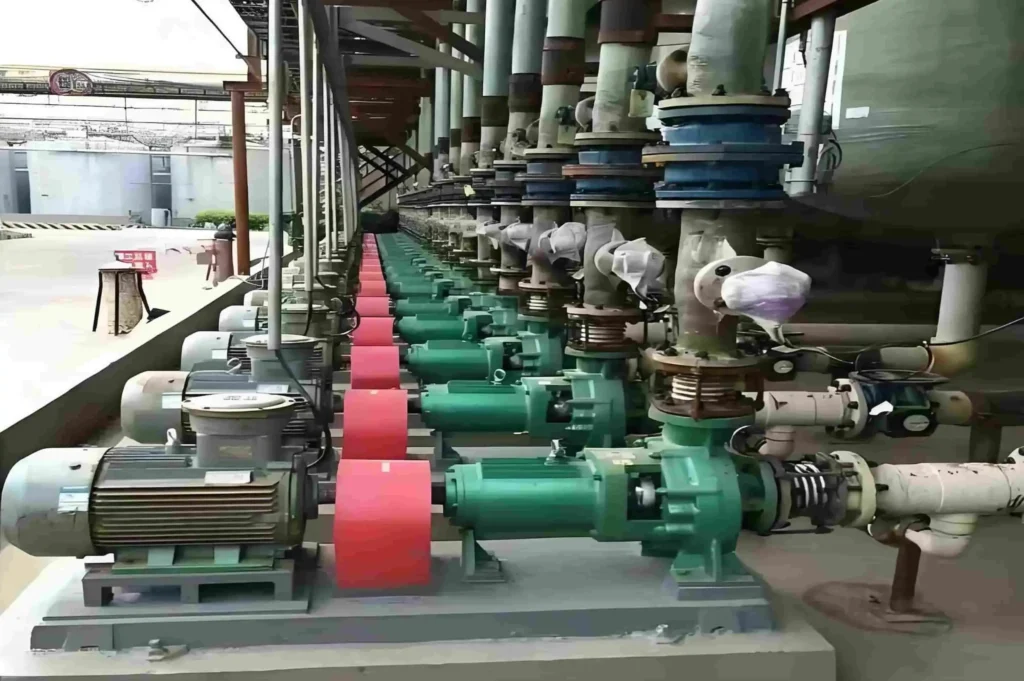
In an acetic acid handling project, the customer needed a pump for continuous transfer duty in a process line where corrosion resistance and leak-free operation were both essential. Under these conditions, a standard sealed pump would create higher maintenance pressure and greater leakage risk over time.
To improve system reliability, a corrosion-resistant magnetic drive pump was adopted as the main transfer solution. Its sealless construction reduced the dependence on conventional seal performance, while the corrosion-resistant wetted components helped ensure compatibility with the acetic acid service condition. As a result, the pump provided stable flow, safer operation, and a more reliable solution for long-term plant use.
For acetic acid systems that require cleaner transfer, lower leakage risk, and reduced maintenance intervention, this type of magnetic drive configuration remains one of the most practical choices.
Quality Considerations
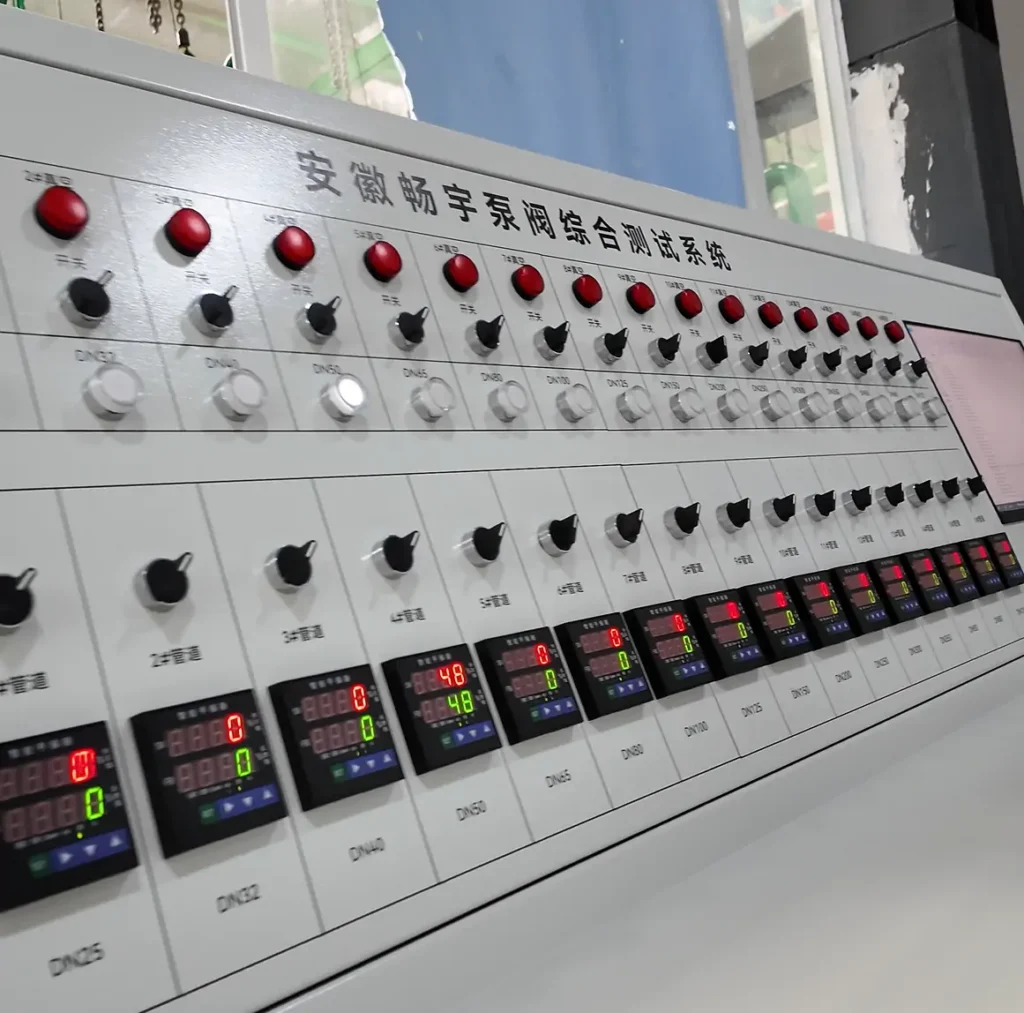
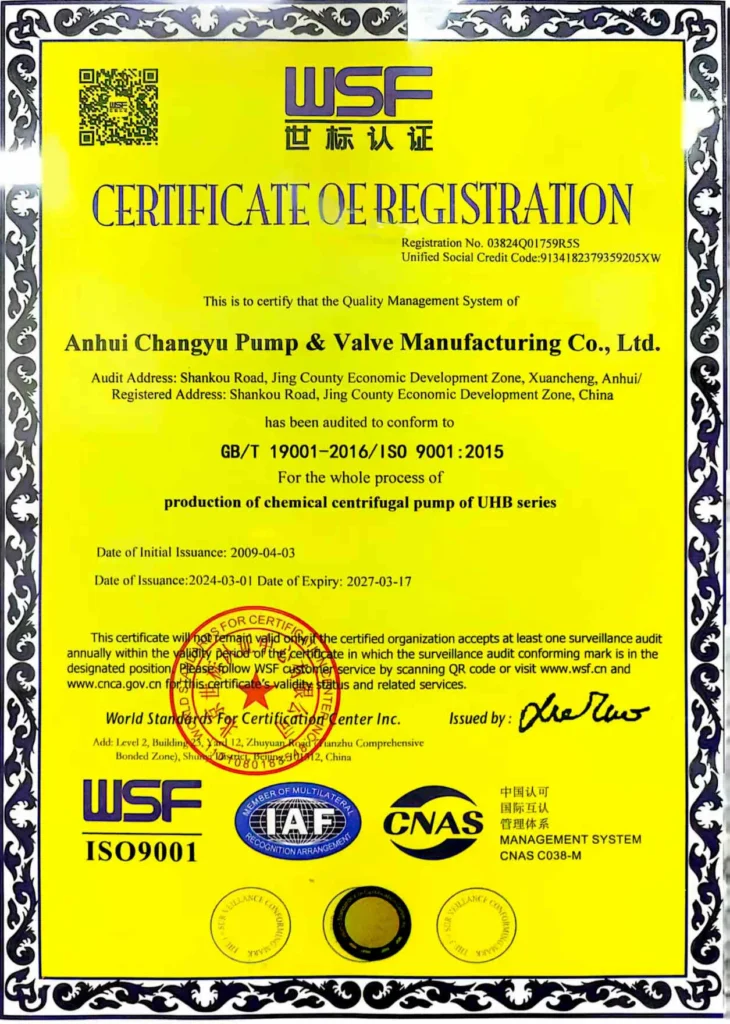
For acetic acid service, quality control should focus on the points that most affect chemical resistance and sealing reliability. That includes wetted material confirmation, sealing structure, assembly consistency, and application guidance.
Before placing an order, buyers should confirm the following:
- Wetted material specification.
- Recommended operating temperature range.
- Seal or sealless configuration details.
- Installation guidance.
- Maintenance and spare-parts recommendations.
A supplier should be able to explain why a given pump type is suitable for the stated concentration, temperature, and operating method. That is often a better indicator of quality than a generic product description.


Frequently Asked Questions About Acetic Acid Pumps
Q: What is an acetic acid pump?
A: An acetic acid pump is a chemical pump selected for transferring acetic acid or glacial acetic acid with suitable materials, sealing, and hydraulic performance.
Q: What pump type is often used for acetic acid transfer?
A: Magnetic drive centrifugal pumps are commonly used where lower leakage risk is important, while diaphragm pumps are also suitable for intermittent transfer and unloading duties.
Q: Can a magnetic drive pump handle acetic acid?
A: Yes. A magnetic drive pump can be a suitable option for acetic acid service when material compatibility and operating conditions are properly matched.
Q: Is glacial acetic acid more demanding than diluted acetic acid?
A: In practice, higher concentration can make material and sealing selection more sensitive, so glacial acetic acid service should be reviewed carefully.
Q: What materials are commonly used in acetic acid pumps?
A: Commonly discussed materials include corrosion-resistant plastics, fluoropolymer-related materials, stainless steel, and other compatible materials selected according to the duty.
Q: When should I use a diaphragm pump for acetic acid?
A: A diaphragm pump is often useful for intermittent transfer, batch operation, and container unloading.
Q: Can a submersible pump be used for acetic acid?
A: Yes. A corrosion-resistant submersible pump can be a practical choice when the liquid is handled in tanks, pits, or collection areas.
Q: What information should I prepare before asking for a quote?
A: Prepare the concentration, temperature, flow rate, head, installation layout, and whether the duty needs lower leakage risk, submerged installation, or diaphragm-type transfer.
A reliable acetic acid pump is never selected by guesswork. It is the result of meticulously matching chemical compatibility, pump architecture, sealing technology, and hydraulic duty. When these elements are perfectly aligned, a facility minimizes its exposure to hazardous leaks, reduces unplanned downtime, and maximizes long-term operational safety.
Whether your project involves handling diluted process streams or highly corrosive glacial acetic acid, the engineering team at Changyu Pump is ready to assist. Hubungi kami today with your specific fluid details, required flow rate, and installation layout, and we will provide a precise, tailored pump recommendation and a direct quotation.