
Jawaban Singkat
Pompa rongga progresif adalah pompa rotari perpindahan positif yang menggunakan rotor logam heliks tunggal yang berputar di dalam stator elastomer heliks ganda untuk mengalirkan fluida melalui serangkaian rongga tertutup yang saling berurutan. Karakteristik utamanya — berdasarkan urutan relevansi teknisnya — meliputi:
- (1) Kemampuan penanganan — sangat cocok untuk cairan berviskositas tinggi (hingga 1.000.000+ cSt), bubur abrasif, dan media yang sensitif terhadap geseran yang sulit ditangani oleh pompa sentrifugal dan pompa roda gigi.
- (2) Karakteristik aliran — menghasilkan aliran yang lancar dan bebas denyut dengan volume yang dapat diprediksi per putaran, sehingga sangat cocok untuk aplikasi pengukuran dan penakaran.
- (3) Pemilihan bahan stator — bahan elastomer stator (NBR, EPDM, FKM, PTFE) merupakan keputusan spesifikasi yang paling krusial, yang menentukan kompatibilitas kimia dan masa pakai.
- (4) Tekanan dan konfigurasi tahap — satu tahap biasanya menghasilkan tekanan hingga 6 bar; stator bertahap memperluas kemampuannya hingga 12 bar atau lebih untuk kebutuhan aliran keluar yang berat.
- (5) Total biaya kepemilikan — interval penggantian stator yang dapat diprediksi, gaya geser rendah, dan efisiensi volumetrik tinggi saling bersinergi untuk menghasilkan biaya sepanjang masa pakai yang lebih rendah pada aplikasi dengan cairan kental dan abrasif.
Pengangkutan cairan yang kental, abrasif, atau rentan terhadap gesekan merupakan tantangan sehari-hari di industri proses. Memilih yang salah pompa rongga progresif Penggunaan pompa yang tidak tepat untuk media yang sulit ini — atau penggunaan jenis pompa yang tidak dirancang untuk karakteristik fluida tersebut — bukanlah sekadar kendala operasional kecil. Hal ini merupakan jalan langsung menuju kerusakan yang sering terjadi, penurunan kualitas produk, dan biaya pemeliharaan yang terus meningkat. Pompa sentrifugal yang dirancang untuk cairan 500 cSt dapat mengonsumsi energi jauh lebih banyak daripada pompa rongga progresif yang dipilih dengan benar, sementara hanya menghasilkan sebagian kecil dari aliran yang diharapkan. Jika cairan tersebut juga mengandung partikel abrasif, impeler dan segel sentrifugal akan menjadi komponen yang cepat aus dengan interval kegagalan yang tidak dapat diprediksi dan mahal.
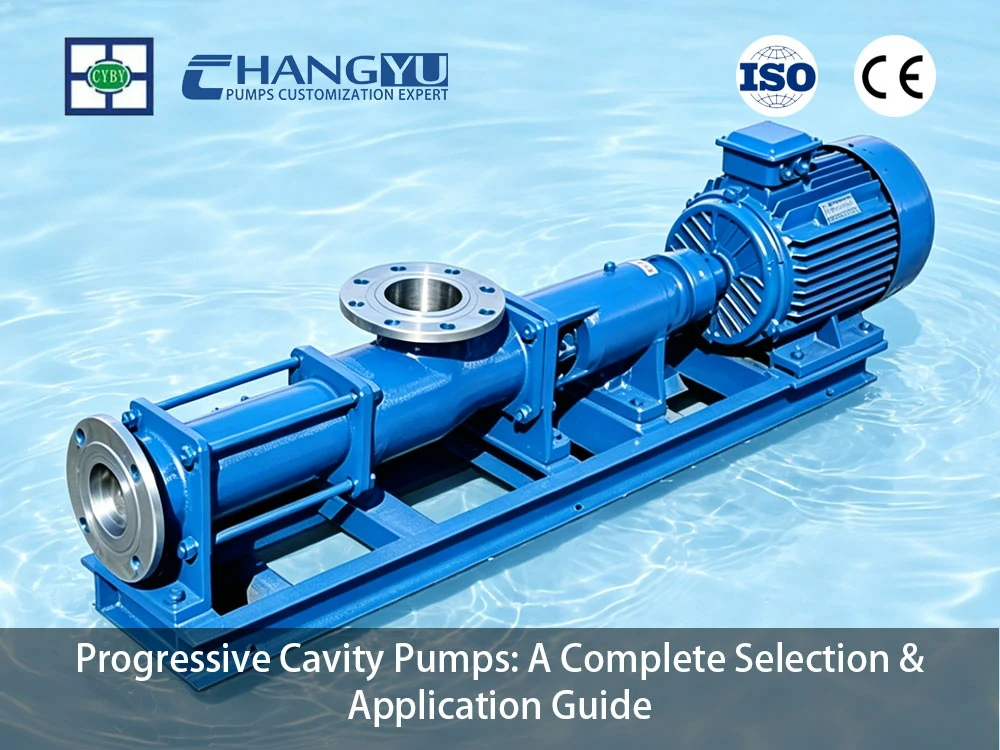
Dengan pengalaman lebih dari 20 tahun dalam bidang manufaktur pompa perpindahan positif, Pompa Changyu telah merancang, memasok, dan melakukan pemeliharaan pompa rongga progresif di berbagai fasilitas di sektor perminyakan, kimia, lingkungan, dan pengolahan makanan di seluruh dunia. Panduan ini memberikan kerangka kerja pemilihan yang lengkap — mulai dari memahami cara kerja pompa rongga progresif, menentukan kesesuaian elastomer stator, hingga melakukan analisis total biaya kepemilikan selama 5 tahun. Pada akhirnya, Anda akan mengetahui dengan tepat cara menentukan spesifikasi pompa rongga progresif untuk proses Anda, serta cara menjaganya agar tetap beroperasi dengan andal.
1. Apa Itu Pompa Rongga Progresif dan Bagaimana Cara Kerjanya?
A pompa rongga progresif adalah pompa rotari perpindahan positif yang termasuk dalam keluarga pompa sekrup tunggal. Pompa ini menggunakan satu rotor logam dengan ulir eksternal tunggal yang berputar secara eksentrik di dalam stator elastomer heliks ganda. Setiap putaran menjebak volume cairan tetap dalam ruang tertutup 180 derajat yang bergerak secara berkesinambungan dari hisap ke buang, menghasilkan aliran yang halus dan bebas denyut dengan volume yang dapat diprediksi per putaran.
Prinsip Operasional Utama
Rotor memiliki satu ulir eksternal dengan jarak ulir yang besar dan tinggi gigi yang tinggi. Stator memiliki dua ulir internal dengan jarak ulir dua kali lipat dari rotor. Saat poros penggerak memutar rotor, gerakan eksentrik tersebut menciptakan serangkaian rongga tertutup di antara permukaan rotor dan dinding stator. Rongga-rongga ini mempertahankan luas penampang yang konstan dan bergerak sepanjang pompa tanpa saling terhubung. Hasilnya adalah aksi pemompaan perpindahan positif yang sebagian besar tidak bergantung pada tekanan keluaran — pompa menghasilkan volume yang kira-kira sama per putaran baik saat beroperasi pada 2 bar maupun 10 bar.
Mengapa Kesesuaian Interferensi Rotor-Stator Penting
Kesesuaian pas yang ketat antara rotor logam dan stator elastomerlah yang membentuk garis penyegelan yang memisahkan rongga-rongga berturut-turut. Desain ini menghasilkan dua karakteristik utama. Pertama, desain ini memberikan efisiensi volumetrik yang sangat baik pada rentang viskositas yang luas. Kedua, hal ini berarti stator merupakan komponen aus yang dapat habis — elastomer secara bertahap aus akibat abrasi dan serangan kimia, dan harus diganti pada interval yang dapat diprediksi. Ini bukanlah kelemahan desain; ini adalah kompromi yang dirancang secara sengaja. Stator elastomer memungkinkan pompa rongga progresif menangani padatan abrasif dan viskositas sangat tinggi yang akan merusak jenis pompa perpindahan positif lainnya. Biaya pemeliharaan penggantian stator secara berkala adalah harga yang harus dibayar untuk kemampuan ini.
Perbandingan Pompa Rongga Progresif dengan Jenis Pompa Lainnya — Sekilas
Tabel: Perbandingan Pompa Rongga Progresif, Pompa Sentrifugal, dan Pompa Gigi
| Fitur | Pompa Rongga Progresif | Pompa Sentrifugal | Pompa Roda Gigi |
|---|---|---|---|
| Klasifikasi pompa | Rotari perpindahan positif | Kinetik / dinamis | Rotari perpindahan positif |
| Rentang viskositas | 20–1.000.000+ cSt | Terbaik di bawah 200 cSt | 1–100.000 cSt |
| Penanganan bahan padat | Luar biasa | Miskin | Miskin |
| Gunting | Sangat rendah | Tinggi | Sedang hingga tinggi |
| Pulsasi aliran | Sangat rendah | Halus | Sedang |
| Toleransi uji coba kering | Tidak ada — stator rusak dalam hitungan menit | Terbatas | Tidak ada — macet logam-ke-logam dalam hitungan detik |
Catatan: Meskipun baik pompa rongga progresif maupun pompa roda gigi tidak tahan terhadap pengoperasian dalam keadaan kering, mekanisme kerusakannya berbeda. Pompa roda gigi dapat macet dalam hitungan detik akibat kontak logam-ke-logam antara roda gigi yang saling bertautan. Pompa rongga progresif mungkin dapat bertahan selama gangguan aliran cairan singkat yang berlangsung beberapa detik sebelum kerusakan stator terjadi — stator elastomer memberikan waktu yang sedikit lebih lama bagi sistem penghentian darurat untuk diaktifkan.
2. Apa saja keunggulan pompa rongga progresif dibandingkan dengan pompa sentrifugal?
Pompa rongga progresif dan pompa sentrifugal mewakili dua pendekatan yang secara mendasar berbeda dalam memindahkan fluida. Pompa sentrifugal mengubah energi kinetik rotasi menjadi kecepatan dan tekanan fluida — pompa ini sangat cocok untuk fluida yang encer dan bersih dengan laju aliran tinggi. Pompa rongga progresif menangkap dan mendorong volume fluida yang tetap pada setiap putaran — pompa ini unggul dalam menangani media yang kental, mengandung partikel padat, dan sensitif terhadap geseran. Memahami perbedaan ini merupakan dasar pemilihan pompa yang tepat.
Perbandingan Teknis Langsung
Tabel: Perbandingan Kondisi Operasi Pompa Rongga Progresif dan Pompa Sentrifugal
| Kondisi Operasi | Pompa Sentrifugal | Pompa Rongga Progresif |
|---|---|---|
| Viskositas cairan < 50 cSt | Pilihan terbaik — efisiensi tinggi, biaya modal rendah | Efisiensinya lebih rendah daripada pompa sentrifugal pada viskositas rendah |
| Viskositas cairan 200–500 cSt | Efisiensi turun 30–50%; konsumsi daya meningkat tajam | Menjaga efisiensi volumetrik yang stabil |
| Viskositas cairan > 1.000 cSt | Seringkali tidak layak | Sangat baik — tetap menjaga efisiensi yang tinggi |
| Mengandung padatan abrasif | Erosi impeler; kegagalan segel | Partikel melewati tanpa merusak komponen inti |
| Mengandung bahan berserat | Penyumbatan impeler; penyumbatan volute | Serat melewati rongga kontinu |
| Fluida sensitif terhadap geseran | Geseran tinggi — merusak polimer dan emulsi | Geseran sangat rendah — menjaga integritas produk |
| Multifase (cair + gas) | Kinerja menurun di atas 3–5% gas; dapat kehilangan prime di atas 10–15% kandungan gas | Menangani hingga sekitar 20% fraksi gas |
| Stabilitas aliran | Aliran menurun seiring naiknya tekanan discharge | Aliran hampir konstan terlepas dari tekanan |
Kapan Pompa Rongga Progresif adalah Pilihan yang Tepat
- Viskositas fluida melebihi 200 cSt pada suhu pemompaan
- Fluida mengandung partikel abrasif, serat, atau padatan yang mengkristal
- Produk sensitif terhadap geseran — polimer, produk makanan, emulsi
- Aplikasi memerlukan pengukuran atau dosis yang presisi
- Kondisi hisap sulit — pompa rongga progresif memprime sendiri dengan baik dengan kebutuhan NPSH rendah
- Suhu fluida dalam peringkat elastomer stator (-20°C hingga 150°C tergantung bahan)
Kapan Pompa Sentrifugal Mungkin Lebih Tepat
- Fluida encer dan bersih pada laju aliran tinggi (di atas 200 m³/jam)
- Aplikasi di mana biaya modal awal adalah kendala utama
- Fluida tanpa abrasif dan viskositas di bawah 50 cSt
Untuk perbandingan lebih rinci antara pompa rongga progresif dan pompa sentrifugal, termasuk analisis total biaya kepemilikan 5 tahun penuh dengan perbandingan energi dan pemeliharaan yang terukur, lihat panduan perbandingan Pompa Sekrup vs Pompa Sentrifugal.
Untuk perbandingan khusus tugas, tinjau panduan kami tentang batas viskositas pompa sentrifugal. Ini menjelaskan mengapa angka penyaringan bukan batas model universal, bagaimana suhu dan kondisi hisap memengaruhi penilaian, dan kapan kinerja sentrifugal yang dikoreksi harus dibandingkan dengan alternatif perpindahan positif.
Apa Aplikasi dan Industri Khas untuk Pompa Rongga Progresif?
Pompa rongga progresif beroperasi di berbagai industri di mana fluida sulit adalah hal yang biasa. Kombinasi unik dari toleransi padatan, kemampuan viskositas tinggi, dan geseran rendah membuatnya sangat diperlukan di sektor-sektor berikut.
Air dan Air Limbah
- Transfer lumpur: Lumpur dewatering hingga 35% total padatan berdasarkan berat. Pompa rongga progresif menangani kandungan grit abrasif tanpa keausan cepat yang dialami oleh pompa sentrifugal atau piston. Untuk lumpur konsistensi tinggi di atas 30%, hopper terbuka dengan bantuan pengumpan auger biasanya diperlukan.
- Dosis polimer / flokulan: Tindakan pemompaan geseran rendah menjaga molekul polimer rantai panjang yang penting untuk flokulasi yang efektif. Pompa sentrifugal menggeser polimer ini, mengurangi efektivitasnya.
- Lumpur kapur dan dosis kimia: Lumpur kapur abrasif dan bahan kimia perawatan korosif ditangani dengan pemilihan elastomer stator yang tepat.
Minyak dan Gas
- Pengangkutan minyak mentah: Minyak mentah berat dengan kandungan pasir dan air. Viskositas secara rutin melebihi 50.000 cSt pada suhu sekitar, jauh di luar kemampuan pompa sentrifugal.
- Air produksi dan lumpur: Fluida abrasif dengan komposisi variabel dari proses pemisahan.
- Transfer multifase (gas terbatas): Pompa rongga progresif menangani campuran minyak-air dengan kandungan gas sedang.
Pengolahan Kimia
- Transfer polimer dan resin: Polimer dan perekat viskositas tinggi dipindahkan tanpa degradasi geseran. Progresi rongga kontinu mempertahankan distribusi berat molekul.
- Penanganan cairan korosif: Dengan stator PTFE atau FKM dan rotor baja tahan karat, pompa rongga progresif menangani asam, basa, dan pelarut di seluruh rentang pH yang luas.
- Dosis presisi: Hubungan laju aliran linier membuat pompa rongga progresif cocok untuk umpan reaktor dan injeksi katalis.
Makanan dan Minuman
- Pengangkutan produk kental: Cokelat, sirup, madu, adonan, dan bubur buah tanpa degradasi produk atau perubahan tekstur.
- Desain yang kompatibel dengan CIP: Pompa rongga progresif sanitasi dengan elastomer food grade yang memenuhi standar 3-A dan EHEDG.
Maritim
- Transfer minyak bakar dan lumpur: Bahan bakar bunker yang kental dapat dipompa dengan andal pada suhu lingkungan yang rendah.
- Air got berminyak: Dapat menangani campuran minyak-air yang mengandung partikel padat tanpa tersumbat.
Matriks Pemilihan Aplikasi
Tabel: Pompa Rongga Progresif — Matriks Aplikasi Industri
| Industri | Fluida Khas | Keunggulan Utama Pompa Rongga Progresif |
|---|---|---|
| Air limbah | Lumpur, polimer, lumpur kapur | Toleransi abrasi, geseran rendah |
| Minyak & Gas | Minyak mentah berat, air produksi | Kemampuan viskositas tinggi |
| Bahan kimia | Resin, asam, pelarut | Kompatibilitas kimia, pengukuran |
| Makanan | Cokelat, adonan, sirup | Geseran rendah, desain sanitasi |
| Maritim | Bunker fuel, air got | Memprime sendiri, penanganan padatan |
Bagaimana Memilih Elastomer Stator yang Tepat untuk Pompa Rongga Progresif?
Elastomer stator adalah keputusan material paling kritis untuk pompa rongga progresif. Elastomer yang tidak kompatibel akan mengembang, melunak, retak, atau larut — dan kegagalan stator yang dihasilkan menyebabkan waktu henti yang tidak direncanakan yang jauh melebihi perbedaan biaya material awal. Memilih elastomer yang benar memerlukan evaluasi campuran kimia lengkap — bukan hanya fluida utama.
Matriks Kompatibilitas Elastomer
Tabel di bawah memetakan empat elastomer stator utama terhadap fluida industri umum, suhu operasi, dan standar ASTM yang berlaku. Matriks ini didasarkan pada data referensi industri dan pengalaman lapangan Changyu Pump.
Tabel: Panduan Kompatibilitas Elastomer Stator untuk Pompa Rongga Progresif
| Bahan Stator | Kompatibel dengan | Tidak Kompatibel Dengan | Suhu Maks | Standar Utama |
|---|---|---|---|---|
| NBR (Nitril) | Minyak, bahan bakar, fluida berbasis air, alkohol | Keton, asam oksidasi kuat, ozon | 90°C | ASTM D2000 BF |
| EPDM | Air, asam encer, glikol, uap (jangka pendek) | Minyak mineral, fluida hidrokarbon, pelarut | 120°C | ASTM D2000 CA |
| FKM (Viton) | Hidrokarbon, asam pekat, minyak suhu tinggi | Keton, ester, asam organik berat molekul rendah, uap/air panas di atas 120°C (risiko hidrolisis) | 150°C | ASTM D2000 HK |
| PTFE | Ketahanan kimia yang hampir menyeluruh | Logam alkali cair, gas fluor pada suhu tinggi | 150°C | ASTM D4894 |
Aturan Pemilihan Insinyur
Insinyur di Changyu Pump, berdasarkan 20 tahun data lapangan, merekomendasikan disiplin pemilihan ini: selalu uji elastomer terhadap campuran kimia lengkap — termasuk semua pelarut, bahan pembersih, dan kontaminan jejak — bukan hanya fluida proses utama. Per ASTM D471, pengujian perendaman harus dilakukan minimal 70 jam pada suhu operasi maksimum yang diharapkan — atau lebih tinggi — untuk menilai secara memadai kompatibilitas kimia jangka panjang. Bahan yang menunjukkan sedikit pembengkakan pada 25°C dapat gagal dengan cepat pada 80°C.
Pedoman pemilihan utama:
- Fluida berbasis minyak, tanpa pelarut keton → NBR adalah pilihan hemat biaya. Ketahanan abrasi yang baik untuk lumpur berminyak.
- Fluida berbasis air, dengan asam encer atau basa → EPDM memberikan ketahanan yang sangat baik dengan biaya sedang.
- Fluida mengandung hidrokarbon aromatik, asam pekat, atau beroperasi di atas 90°C → FKM adalah peningkatan yang diperlukan. Premi harga akan terbayar berkali-kali lipat dalam masa pakai yang lebih panjang.
- Fluida bersifat sangat korosif atau campuran kimia yang kompleks → PTFE memberikan ketahanan yang hampir universal. Biaya material yang lebih tinggi dapat dibenarkan dengan menghilangkan risiko ketidakcocokan kimia.
- Fluida mengandung campuran fase minyak dan air → FKM atau PTFE lebih disukai. NBR mengembang dalam emulsi air-dalam-minyak; EPDM mengembang dalam emulsi minyak-dalam-air.
Apa yang Terjadi Jika Anda Salah Memilih
Memilih stator NBR untuk fluida yang mengandung bahkan 5% pelarut keton akan menyebabkan pembengkakan progresif, pelunakan, dan akhirnya kegagalan mekanis — biasanya dalam hitungan minggu, bukan bulan. Biaya stator yang salah bukanlah perbedaan material antara NBR dan FKM; melainkan waktu henti yang tidak direncanakan, kehilangan produksi, dan tenaga kerja pengganti. Jika ragu, konsultasikan basis data ketahanan kimia pabrikan elastomer dan minta data uji ASTM D471 untuk fluida spesifik Anda.
Untuk panduan memilih antara konfigurasi pompa rongga progresif sekrup tunggal dan sekrup ganda, termasuk bagaimana profil stator dan perawatan berbeda antara kedua desain tersebut, lihat panduan perbandingan Pompa Sekrup Ganda vs Pompa Sekrup Tunggal.
Bagaimana Cara Membaca Kurva Kinerja Pompa Rongga Progresif?
Memilih model pompa rongga progresif yang benar memerlukan pemahaman tentang bagaimana kecepatan, tekanan, viskositas, dan laju aliran saling berinteraksi. Kurva kinerja memberikan informasi ini dalam bentuk grafik — tetapi menafsirkannya dengan benar memerlukan pengetahuan tentang variabel mana yang tetap dan mana yang dapat disesuaikan.
Variabel Kinerja Utama
- Kecepatan (r/min): Variabel kontrol utama. Laju aliran kira-kira sebanding dengan kecepatan. Beroperasi pada kecepatan yang lebih rendah (400–600 r/min) mengurangi tingkat keausan dan memperpanjang umur stator; kecepatan yang lebih tinggi (hingga 960 r/min) memberikan aliran lebih besar dari ukuran pompa tertentu.
- Tekanan diferensial (bar): Menentukan jumlah tahap stator yang diperlukan. Setiap tahap biasanya menangani sekitar 6 bar. Aplikasi 12-bar memerlukan stator 2-tahap.
- Viskositas (cSt): Mempengaruhi efisiensi volumetrik. Viskositas yang lebih tinggi mengurangi slip internal melintasi garis penyegelan, meningkatkan efisiensi volumetrik. Pompa yang sama akan memberikan aliran sedikit lebih besar pada 5.000 cSt dibandingkan pada 200 cSt.
- Laju aliran (m³/h): Hasil kali kecepatan, volume rongga, dan efisiensi volumetrik. Laju aliran sebagian besar tidak tergantung pada tekanan pelepasan, tidak seperti pompa sentrifugal.
Cara Menggunakan Kurva Kinerja
Langkah 1: Tentukan laju aliran dan tekanan pelepasan yang diperlukan. Ini adalah persyaratan proses tetap Anda.
Langkah 2: Pilih ukuran pompa berdasarkan aliran pada kecepatan nominal. Pabrikan pompa rongga progresif menyediakan data aliran-per-putaran untuk setiap model. Pilih ukuran di mana aliran yang diperlukan Anda berada dalam kisaran 300–600 r/min — ini menyisakan ruang untuk penyesuaian kecepatan.
Langkah 3: Tentukan tahap stator dari tekanan pelepasan. Jika tekanan pelepasan adalah 8 bar, pilih stator 2-tahap (dengan nilai maksimum ~12 bar). Selalu tentukan tahap untuk tekanan maksimum yang diharapkan, bukan tekanan operasi normal.
Langkah 4: Verifikasi efek viskositas. Pada viskositas fluida Anda, periksa faktor koreksi efisiensi volumetrik. Fluida viskositas tinggi meningkatkan efisiensi; fluida viskositas rendah di bawah 50 cSt mungkin memerlukan pompa yang lebih besar untuk mengkompensasi peningkatan slip.
Langkah 5: Periksa NPSH tersedia vs NPSH yang diperlukan. Pompa rongga progresif biasanya memerlukan NPSH 1–3 m, tetapi ini meningkat dengan kecepatan dan viskositas. Pastikan head hisap yang memadai dalam kondisi start dingin terburuk.
Catatan tentang Kecepatan dan Keausan
Pengungkit tunggal terbesar untuk memperpanjang umur stator adalah kecepatan operasi. Pompa yang berjalan pada 400 r/min biasanya akan mencapai umur stator 2–3× lipat dari pompa yang sama pada 960 r/min, dengan semua kondisi lain sama. Jika proses Anda dapat mengakomodasi pompa yang lebih besar dan lebih lambat, pengurangan biaya siklus hidup seringkali membenarkan biaya modal awal yang lebih tinggi.
Standar Industri Apa yang Mengatur Pompa Rongga Progresif?
Standar industri menyediakan kerangka kerja untuk desain, pengujian, dan pemilihan material yang membedakan pompa rongga progresif kelas industri dari alternatif komoditas. Saat mengevaluasi pabrikan, verifikasi kepatuhan terhadap standar yang berlaku untuk industri Anda.
Ikhtisar Standar
Tabel: Standar Industri untuk Pompa Rongga Progresif
| Standar | Ruang Lingkup | Relevansi dengan Pemilihan Pompa Rongga Progresif |
|---|---|---|
| ANSI/HI 3.1-3.5 | Pompa putar untuk nomenklatur, definisi, aplikasi, dan pengoperasian | Standar utama untuk pemilihan, pengujian, dan panduan aplikasi pompa rongga progresif. Menyediakan metodologi untuk pengujian kinerja dan verifikasi NPSH. |
| API 676 | Pompa rotari perpindahan positif untuk industri minyak dan gas alam | Wajib untuk aplikasi minyak dan gas; mencakup desain, pengujian hidrostatik, dan verifikasi kinerja. Terutama membahas pompa sekrup ganda dan tiga, tetapi protokol pengujian berlaku untuk pompa rongga progresif dalam layanan perminyakan. |
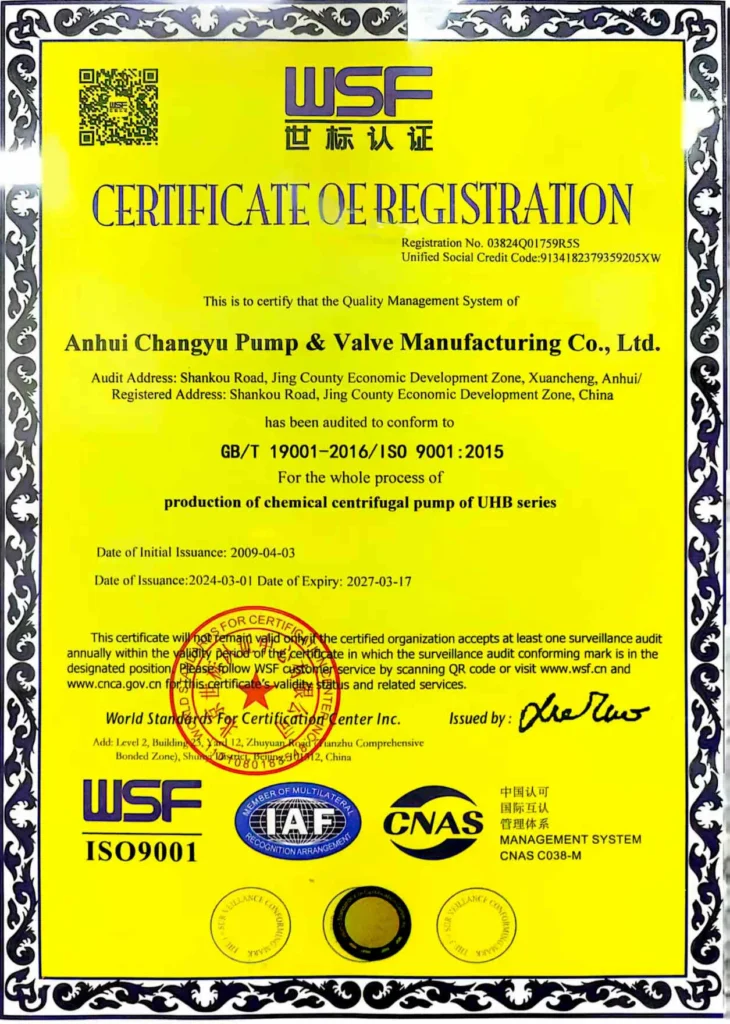
| ISO 9001 | Sistem manajemen mutu | Sertifikasi dasar untuk konsistensi manufaktur, ketertelusuran, dan kontrol proses. |
| ASTM D471 | Sifat karet — pengaruh cairan | Standar definitif untuk memvalidasi kompatibilitas elastomer stator dengan fluida proses. Pengujian perendaman sesuai standar ini adalah satu-satunya cara yang dapat diandalkan untuk mengonfirmasi pemilihan material. |
| ASTM D2000 | Sistem klasifikasi untuk produk karet | Menyediakan kerangka kerja untuk menentukan tingkat elastomer (BF, CA, HK) yang digunakan dalam material stator. |
| ISO 15136 | Pompa rongga progresif lubang bawah untuk pengangkatan buatan | Berlaku untuk sistem pemompaan lubang bawah ladang minyak. Menggunakan terminologi “PCP” (progressing cavity pump). |
Apa Artinya Ini untuk Spesifikasi Anda
Saat menulis spesifikasi pengadaan untuk pompa rongga progresif, rujuk ANSI/HI 3.1-3.5 sebagai standar yang mengatur untuk kinerja dan pengujian. Untuk aplikasi minyak dan gas, protokol pengujian API 676 harus diterapkan. Untuk pemilihan elastomer, tentukan bahwa pabrikan harus menyediakan data uji perendaman ASTM D471 untuk fluida proses spesifik pada suhu operasi maksimum. Pabrikan yang tidak dapat menyediakan data ini tidak dapat memvalidasi kompatibilitas material stator dengan benar.
Changyu Pump memproduksi sesuai ANSI/HI 3.1-3.5 dan menerapkan protokol pengujian API 676 untuk semua pompa rongga progresif yang ditujukan untuk layanan perminyakan dan kimia.
Berapa Biaya Pompa Cavity Progresif Selama Masa Pakainya?
Harga pembelian pompa cavity progresif hanya mewakili sebagian kecil dari total biaya masa pakainya. Konsumsi energi, penggantian stator, dan waktu henti yang tidak direncanakan secara kolektif mendominasi ekonomi siklus hidup. Bagian ini memberikan perbandingan total biaya kepemilikan yang terukur berdasarkan aplikasi transfer lumpur air limbah yang umum.
Perbandingan TCO 5 Tahun: Pompa Cavity Progresif vs Pompa Sentrifugal
Asumsi: Aliran 30 m³/jam pada tekanan 8 bar, viskositas fluida 500 cSt (konsistensi lumpur dewatering), 8.000 jam operasi per tahun, listrik pada $0,10/kWh. Kisaran harga untuk pompa cavity progresif mencerminkan konfigurasi rotor dan stator tahan abrasi yang cocok untuk layanan lumpur dengan kandungan grit sedang.
Tabel: Total Biaya Kepemilikan 5 Tahun — Pompa Cavity Progresif vs Pompa Sentrifugal
| Komponen Biaya | Pompa Rongga Progresif | Pompa Sentrifugal | Catatan |
|---|---|---|---|
| Pembelian pertama | $10.000–$18.000 | 1.000–10.000 | Sentrifugal biaya awal lebih rendah; harga pompa cavity progresif mencerminkan konfigurasi tahan abrasi |
| Biaya energi tahunan | $5.500–$7.000 | $11.000–$14.000 | Pompa cavity progresif mempertahankan efisiensi pada 500 cSt; sentrifugal mengalami penurunan peringkat yang parah |
| Stator / suku cadang aus (5 tahun) | $6.000–$12.000 (2–4 kali penggantian stator) | $3.000–$8.000 (segel, impeler, bantalan — tidak dapat diprediksi) | Keausan pompa cavity progresif dapat diprediksi; keausan sentrifugal didorong oleh kejadian |
| Risiko waktu henti yang tidak direncanakan | Rendah — penggantian stator terjadwal | Tinggi — kegagalan segel dan impeler akibat abrasi dan operasi di luar BEP | Biaya waktu henti adalah pengganda TCO tersembunyi |
| Perkiraan Total Biaya Kepemilikan (TCO) Selama 5 Tahun | $43.000–$57.000 | $63.000–$88.000 | Pompa cavity progresif menghemat $20.000–$31.000 selama 5 tahun |
*Catatan: Biaya energi dihitung dari perkiraan tenaga kuda rem pada titik operasi, dengan mempertimbangkan efisiensi hidrolik terkait viskositas dari setiap jenis pompa. Angka energi pompa cavity progresif mengasumsikan pompa beroperasi pada sekitar 400–500 r/mnt dengan stator 2 tahap untuk kebutuhan tekanan 8 bar.*
Faktor Penggantian Stator
Stator adalah komponen aus utama dalam pompa cavity progresif. Biaya penggantian mencakup stator itu sendiri ($1.500–$3.000) ditambah tenaga kerja ($500–$1.000) dan waktu henti 4–8 jam. Interval penggantian tergantung pada sifat abrasif fluida, kecepatan operasi, dan pemilihan elastomer. Umur stator tipikal berkisar dari 6 bulan hingga 3+ tahun. Kecepatan pompa yang lebih lambat (400–600 r/mnt) dan elastomer tahan abrasi (FKM, grade NBR keras) memperpanjang umur stator secara signifikan.
Wawasan TCO utama: keunggulan biaya awal pompa sentrifugal dikalahkan oleh penalti energi dan pemeliharaan dalam waktu 12–18 bulan operasi pada 500 cSt. Penggantian stator pompa cavity progresif yang dapat diprediksi adalah acara pemeliharaan yang dianggarkan; kegagalan segel dan impeler pompa sentrifugal adalah gangguan yang tidak direncanakan yang membawa biaya total jauh lebih tinggi.
Apa Jadwal Perawatan dan Pemecahan Masalah untuk Pompa Cavity Progresif?
Profil perawatan pompa cavity progresif ditentukan oleh satu komponen habis pakai — stator — dan beberapa komponen yang memerlukan inspeksi berkala. Memahami ritme perawatan ini memungkinkan waktu henti yang direncanakan dan menghindari perbaikan darurat.
Jadwal Perawatan yang Direkomendasikan
Tabel: Jadwal Perawatan Pompa Cavity Progresif
| Interval | Aksi | Tujuan |
|---|---|---|
| Mingguan | Periksa tekanan hisap dan buang; dengarkan suara atau getaran yang tidak biasa | Deteksi dini masalah yang berkembang |
| Bulanan | Periksa elemen kopling; periksa level dan kondisi oli gearbox | Cegah kegagalan kopling dan gearbox |
| Triwulanan | Ukur laju aliran pada kecepatan dan tekanan konstan; bandingkan dengan garis dasar | Mendeteksi keausan stator — aliran turun 10% di bawah garis dasar menunjukkan penggantian stator diperlukan |
| Setiap tahun | Periksa sambungan universal / kopling fleksibel; ganti segel mekanis jika diindikasikan | Penggantian preventif komponen aus sekunder |
| Berdasarkan kondisi | Ganti stator saat aliran turun 10% di bawah garis dasar; ganti segel mekanis pada tanda pertama kebocoran | Penggantian terencana menghindari waktu henti yang tidak direncanakan |
Panduan Pemecahan Masalah Umum
Tabel: Referensi Pemecahan Masalah Pompa Cavity Progresif
| Gejala | Kemungkinan Penyebab | Tindakan Korektif |
|---|---|---|
| Laju aliran berkurang | Keausan stator | Ukur aliran pada kecepatan konstan; ganti stator jika > 10% di bawah garis dasar |
| Kebisingan atau getaran yang berlebihan | Kavitasi (NPSH tidak mencukupi), ketidaksejajaran kopling, atau sambungan universal rusak | Periksa kondisi hisap; periksa kesejajaran kopling; periksa sambungan universal |
| Kelebihan beban motor | Viskositas fluida lebih tinggi dari yang diharapkan; katup buang tertutup sebagian; pengikatan mekanis | Verifikasi viskositas fluida aktual; periksa posisi katup buang; periksa rotor-stator untuk kotoran |
| Kebocoran pada segel mekanis | Permukaan segel aus; kejadian operasi kering sebelumnya | Ganti segel; pasang sistem perlindungan terhadap operasi tanpa cairan untuk mencegah terulangnya masalah tersebut |
| Aliran berdenyut | Bagian stator rusak; keausan rotor berlebihan | Periksa rotor dan stator; ganti komponen yang rusak |
| Rumah pompa terlalu panas | Operasi kering; katup buang tertutup; suhu fluida melebihi peringkat stator | Pasang perlindungan operasi kering; periksa posisi katup; verifikasi suhu fluida terhadap peringkat elastomer stator |
⚠️ Peringatan Operasi Kering
Operasi kering adalah satu-satunya peristiwa paling merusak untuk pompa cavity progresif. Kerusakan stator dimulai dalam hitungan detik setelah kehilangan fluida — kecocokan interferensi antara rotor dan stator menghasilkan panas gesekan yang biasanya dibawa pergi oleh fluida yang dipompa. Tidak seperti pompa roda gigi, yang dapat macet dalam hitungan detik karena kontak logam-ke-logam, pompa cavity progresif dapat bertahan dari interupsi fluida singkat yang diukur dalam hitungan detik sebelum kerusakan stator dimulai — stator elastomer memberikan jendela yang sedikit lebih lama untuk sistem pematian pelindung untuk diaktifkan. Namun, kegagalan stator yang tidak dapat diubah masih terjadi dalam waktu dua menit dari operasi kering yang berkelanjutan. Setiap instalasi pompa cavity progresif harus menyertakan perlindungan operasi kering: sakelar aliran yang dikombinasikan dengan sensor suhu stator memberikan deteksi dan pematian tercepat.
Studi Kasus Pompa Changyu: Memecahkan Kegagalan Stator Kritis
Kasus berikut mendokumentasikan kegagalan pompa cavity progresif dan penyelesaiannya oleh tim teknik Pompa Changyu. Skenario ini menggambarkan konsekuensi dari kesalahan pemilihan elastomer stator — salah satu mode kegagalan pompa cavity progresif yang paling umum dan paling mahal.
Kasus: Transfer Resin Pabrik Kimia — Kegagalan Stator Akibat Serangan Pelarut
Penggunaan: Sebuah pabrik kimia di Asia Tenggara mentransfer resin epoksi (viskositas 45.000 cSt pada 60°C) dari reaktor ke stasiun pengisian menggunakan pompa rongga progresif milik pesaing.
Parameter Kerusakan Awal:
- Pompa: Pompa rongga progresif pesaing, rumah besi cor, stator NBR
- Laju aliran: 18 m³/jam pada 480 putaran per menit
- Suhu pengoperasian: 55–65°C
- Mode kegagalan: Pembengkakan stator dan retakan permukaan setelah 6 minggu operasi
- Konsekuensi: Kontaminasi produk dari serpihan stator; 18 jam waktu henti tidak terencana per insiden; stator pengganti (bahan NBR yang sama) gagal setelah interval serupa
Analisis Penyebab Utama oleh Insinyur Pompa Changyu:
Investigasi mengungkapkan bahwa formulasi resin epoksi mengandung pelarut berbasis keton pada konsentrasi sekitar 5%. NBR (karet nitril) memiliki ketahanan yang buruk terhadap keton — menurut data referensi ASTM D471, NBR dapat mengalami pembengkakan volume melebihi 50% saat terpapar pelarut keton pada suhu tinggi. Pemasok pompa asli telah memilih NBR hanya berdasarkan kompatibilitas dengan resin epoksi dasar, mengabaikan komponen pelarut. Stator secara progresif membengkak, melunak, dan terdegradasi secara mekanis setiap minggu operasi.
Solusi Pompa Changyu:
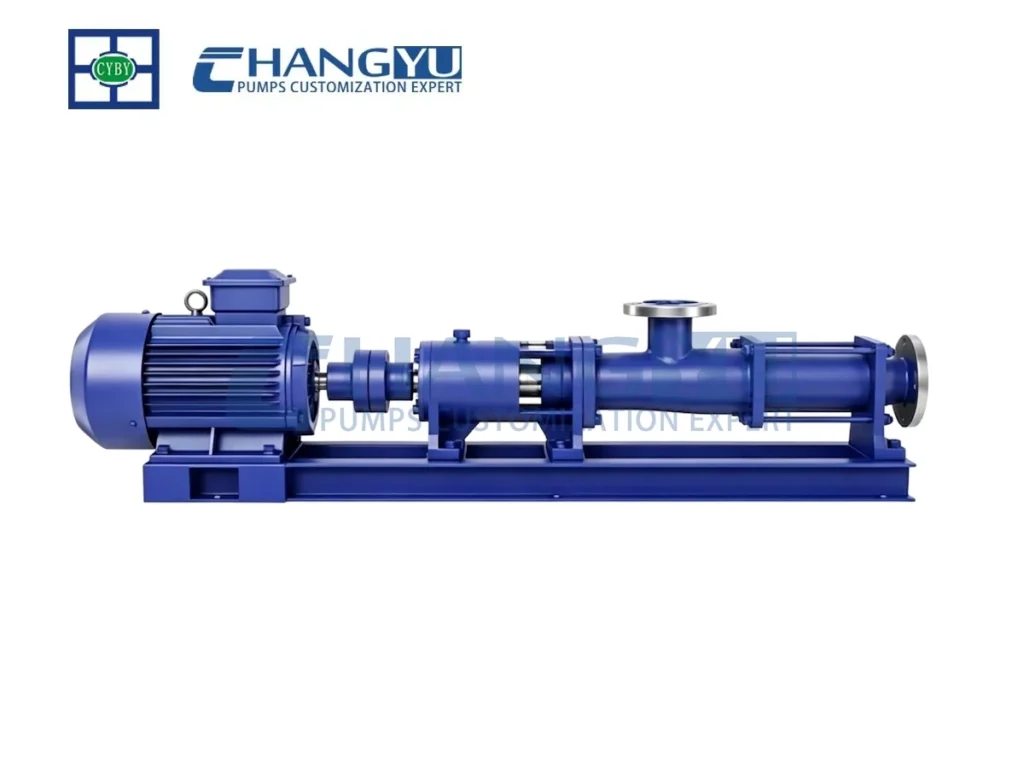
- Mengganti pompa pesaing dengan pompa rongga progresif tipe-G Changyu
- Stator: Stator FKM (Viton) — pembengkakan volume di bawah 10% dalam aliran yang mengandung keton per data ASTM D471
- Rotor: Baja tahan karat 316 untuk margin korosi tambahan
- Memasang sensor suhu stator dengan alarm pada 70°C untuk perlindungan operasi kering
- Menambahkan saringan hisap dengan indikator tekanan diferensial
Hasil Pasca-Pemasangan:
- Masa pakai stator diperpanjang dari 6 minggu menjadi lebih dari 18 bulan — konsisten dengan interval yang diharapkan untuk kelas kimia ini
- Nol waktu henti tidak terencana terkait pompa dalam 12 bulan pertama operasi berkelanjutan
- Pabrik menstandarisasi pompa tipe-G Changyu untuk jalur transfer resin tambahan, menambahkan dua unit lagi dalam tahun berikutnya
Poin Penting dari Kasus Ini:
Selalu validasi kompatibilitas elastomer stator dengan campuran kimia lengkap — termasuk semua pelarut, agen pembersih, dan konstituen jejak. Kandungan keton 5% cukup untuk menghancurkan stator NBR dalam 6 minggu. Minta data uji perendaman ASTM D471 untuk komposisi fluida penuh, bukan hanya komponen utama. Langkah verifikasi tunggal ini mencegah mode kegagalan pompa rongga progresif yang paling umum dan paling mahal.


Bagaimana Memilih Produsen Pompa Rongga Progresif yang Andal?
Memilih konfigurasi pompa dan bahan stator yang tepat adalah setengah dari keputusan. Setengah lainnya adalah memilih produsen yang kemampuan teknik, sistem kualitas, dan dukungan purna jualnya sesuai dengan tuntutan proses Anda.
Kriteria Evaluasi Produsen
Tabel: Daftar Periksa Evaluasi Produsen Pompa Rongga Progresif
| Kriteria | Hal-hal yang Perlu Diperhatikan | Mengapa Ini Penting |
|---|---|---|
| Pengalaman di bidang industri | Lebih dari 15 tahun fokus pada manufaktur pompa rongga progresif | Pengetahuan aplikasi yang mendalam mencegah kesalahan spesifikasi |
| Kepatuhan terhadap standar | Pengujian ANSI/HI 3.1-3.5, API 676, ISO 9001 | Memastikan konsistensi desain, kualitas manufaktur, dan kinerja terverifikasi |
| Rangkaian elastomer stator | NBR, EPDM, FKM, dan PTFE semuanya tersedia dalam stok | Pasokan sumber tunggal untuk semua kebutuhan kompatibilitas kimia; menghilangkan risiko multi-vendor |
| Ketertelusuran bahan | Sertifikat pabrik lengkap untuk rotor dan stator | Memverifikasi tingkat bahan untuk layanan korosif, suhu tinggi, atau kelas makanan |
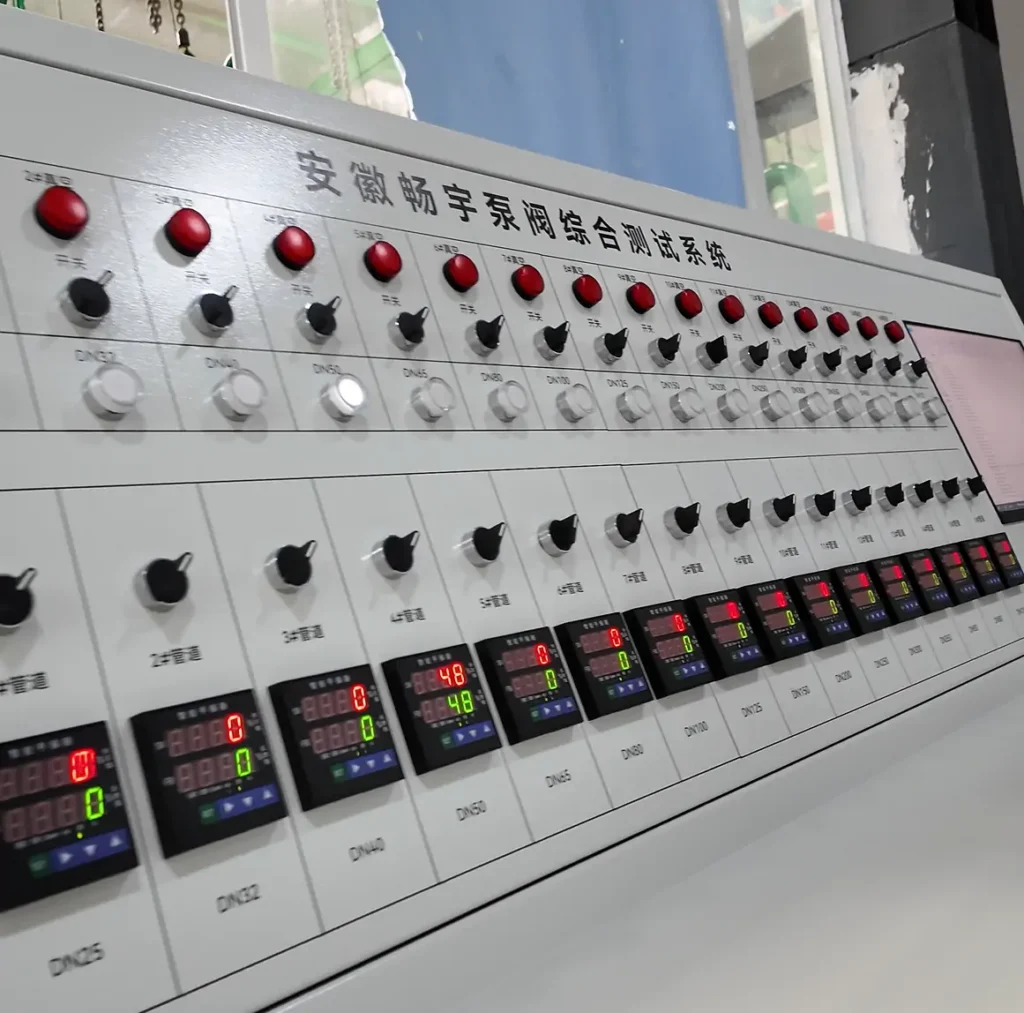
| Pengujian kinerja | Uji hidrostatik dan kinerja pada setiap pompa | Mengonfirmasi pompa memenuhi laju aliran, head, dan efisiensi terukur sebelum pengiriman |
| Rekayasa pra-penjualan | Analisis fluida gratis dan verifikasi kompatibilitas elastomer | Mengurangi risiko proyek; memastikan spesifikasi yang benar sebelum pengadaan |
| Dukungan purna jual | Teknisi lapangan, ketersediaan suku cadang | Meminalkan waktu henti saat diperlukan pemeliharaan |
Rekomendasi definitif dari tim teknik Changyu Pump: pilih produsen yang menyediakan kurva uji kinerja terdokumentasi untuk parameter fluida spesifik Anda, bukan hanya uji air. Verifikasi bahwa produsen menyimpan keempat elastomer stator utama dari satu sumber. Minta data uji perendaman ASTM D471 untuk fluida proses lengkap Anda sebelum memfinalisasi pemilihan bahan stator. Produsen yang tidak dapat menyediakan data ini tidak dapat menjamin keandalan pompa dengan benar dalam aplikasi Anda.
FAQ tentang Pompa Rongga Progresif
T: Untuk apa pompa rongga progresif digunakan?
J: Pompa rongga progresif digunakan untuk fluida viskositas tinggi, lumpur abrasif, media sensitif terhadap geser, dan aplikasi metering presisi. Penggunaan umum termasuk transfer lumpur, pemompaan minyak mentah, dosis polimer, penanganan produk makanan, dan transfer kimia.
T: Bagaimana perbedaan pompa rongga progresif dari pompa sentrifugal?
J: Pompa rongga progresif adalah pompa perpindahan positif yang mempertahankan aliran stabil terlepas dari tekanan. Pompa sentrifugal bergantung pada energi kinetik dan kehilangan efisiensi di atas 200–300 cSt. Pompa rongga progresif menangani padatan dan viskositas tinggi; pompa sentrifugal lebih baik untuk fluida tipis dan bersih pada laju aliran tinggi.
T: Berapa tekanan maksimum yang dapat dihasilkan pompa rongga progresif?
J: Pompa rongga progresif standar dengan stator satu tahap menghasilkan hingga sekitar 6 bar. Stator multi-tahap memperluas kemampuan hingga 12 bar dan seterusnya. Untuk tekanan di atas 12 bar, konsultasikan dengan produsen untuk konfigurasi tekanan tinggi khusus.
T: Seberapa sering stator pompa rongga progresif perlu diganti?
J: Masa pakai stator berkisar dari 6 bulan hingga lebih dari 3 tahun tergantung pada keabrasifan fluida, suhu operasi, kompatibilitas kimia, dan kecepatan pompa. Kecepatan lebih lambat (400–600 r/mnt) dan pemilihan elastomer yang kompatibel secara signifikan memperpanjang masa pakai stator.
T: Bisakah pompa rongga progresif berjalan kering?
J: Tidak. Operasi kering menghancurkan stator dalam hitungan menit karena kecocokan interferensi menghasilkan panas gesekan tanpa fluida untuk membawanya pergi. Tidak seperti pompa roda gigi yang dapat macet dalam hitungan detik, pompa rongga progresif mungkin bertahan dari gangguan fluida singkat yang diukur dalam detik. Namun, setiap instalasi tetap memerlukan perlindungan operasi kering seperti sakelar aliran yang dikombinasikan dengan sensor suhu stator.
T: Bahan apa yang digunakan untuk stator pompa rongga progresif?
J: Empat elastomer stator utama adalah NBR (nitril), EPDM, FKM (Viton), dan PTFE. Pemilihan tergantung pada komposisi kimia fluida, suhu, dan keabrasifan. Kompatibilitas harus divalidasi per pengujian perendaman ASTM D471 selama minimal 70 jam pada suhu operasi maksimum.
T: Apa perbedaan antara pompa rongga progresif dan pompa sekrup?
A: Pompa rongga progresif adalah jenis pompa sekrup — tepatnya, pompa sekrup tunggal. Istilah “pompa sekrup” adalah kategori yang lebih luas yang juga mencakup pompa sekrup ganda dan pompa sekrup tiga. Semua pompa rongga progresif adalah pompa sekrup, tetapi tidak semua pompa sekrup adalah pompa rongga progresif.
Daftar Periksa Pencegahan untuk Insinyur Pompa Changyu
Berdasarkan pengalaman lapangan selama lebih dari 20 tahun dalam menentukan spesifikasi, memasang, dan merawat pompa rongga progresif, para insinyur Changyu Pump merekomendasikan disiplin pemilihan dan pengoperasian berikut:
- Validasi kompatibilitas elastomer stator dengan campuran kimia lengkap — bukan hanya fluida utama. Pelarut, bahan pembersih, dan kontaminan jejak dapat merusak stator yang sebenarnya kompatibel. Minta data uji perendaman ASTM D471 selama minimal 70 jam pada suhu operasi maksimum.
- Pasang perlindungan operasi kering pada setiap pompa rongga progresif tanpa terkecuali. Sakelar aliran yang dikombinasikan dengan sensor suhu stator mencegah penyebab paling umum dari kegagalan stator yang katastropik. Ini tidak opsional.
- Operasikan pada kecepatan praktis terendah. Pompa yang beroperasi pada 400 r/mnt mencapai 2–3× masa pakai stator dibandingkan pompa yang sama pada 960 r/mnt. Jika ruang dan anggaran memungkinkan, pilih pompa yang lebih besar dan lebih lambat.
- Tentukan tahapan stator untuk tekanan pelepasan maksimum yang diharapkan, bukan tekanan operasi normal. Gangguan proses dan penutupan katup dapat menghasilkan lonjakan tekanan yang melebihi kondisi normal.
- Pantau laju aliran pada kecepatan dan tekanan konstan. Penurunan 10% di bawah garis dasar menunjukkan keausan stator telah mencapai ambang batas penggantian. Jadwalkan penggantian sebelum menjadi keadaan darurat.
- Sediakan stator dan segel mekanis cadangan dalam persediaan untuk pompa proses yang sangat penting. Biaya penyimpanan tidak sebanding dengan kerugian produksi akibat menunggu suku cadang pengganti.
- Jangan memilih pompa hanya berdasarkan harga pembelian awal. Lakukan analisis TCO minimal 3 tahun termasuk energi, penggantian stator, dan perkiraan biaya waktu henti. Pompa dengan harga terendah jarang menjadi yang paling murah untuk dimiliki.
- Jika ragu tentang pemilihan elastomer, pilih material yang lebih tahan kimia — biasanya FKM atau PTFE. Premi biaya material akan kembali berkali-kali lipat dalam masa pakai yang diperpanjang dan pengurangan waktu henti.
Kesimpulan
Pompa rongga progresif adalah solusi definitif untuk fluida sulit — media yang terlalu kental, terlalu abrasif, terlalu berserat, atau terlalu sensitif terhadap geseran untuk jenis pompa konvensional. Ciri khas desainnya — stator elastomer yang menangani padatan dengan biaya penggantian berkala — menjadikannya andalan dalam penanganan lumpur, transfer minyak mentah, dosis kimia, dan pemrosesan makanan. Spesifikasi yang benar memerlukan perhatian pada empat variabel yang saling terkait: kompatibilitas elastomer stator, kecepatan operasi, jumlah tahapan stator, dan total biaya kepemilikan. Ketika faktor-faktor ini selaras dengan benar, pompa rongga progresif memberikan kinerja yang dapat diprediksi, biaya perawatan yang terkelola, dan layanan yang andal sepanjang masa pakai yang diukur dalam tahun, bukan bulan.
Ketika Anda siap untuk menentukan spesifikasi pompa rongga progresif untuk proses Anda, tim teknik di Changyu Pump dapat memberikan penilaian teknis gratis — termasuk analisis karakteristik fluida, verifikasi kompatibilitas elastomer stator sesuai ASTM D471, dan proyeksi TCO 5 tahun untuk parameter operasi spesifik Anda. Dengan pengalaman manufaktur lebih dari 20 tahun, inventaris lengkap elastomer stator (NBR, EPDM, FKM, PTFE), dan manufaktur yang sesuai dengan ANSI/HI 3.1-3.5 dan API 676, kami memastikan pemilihan pompa Anda benar secara teknis sejak hari pertama.
Hubungi para insinyur Changyu Pump untuk mendapatkan penilaian teknis gratis →