
1. مقدمة
تصنيف المضخات الطردية هي الخطوة الأولى في اختيار المعدات. بدلاً من مقارنة نماذج المضخات المختلفة بشكل عشوائي، يقوم المهندسون باستبعاد أنواع المضخات غير المناسبة بناءً على ظروف التشغيل الأساسية: نطاق التدفق، وتركيبة السائل (نظيف / يحتوي على مواد صلبة)، ونمط التركيب (سطحي / غاطس)، ومتطلبات التشغيل الذاتي. تزيل هذه الأسئلة الأساسية معظم خيارات المضخات غير المطابقة قبل مراجعة مخططات الأداء.
نظام التصنيف هو الإطار الهندسي الذي يربط بين مجموعة من متطلبات التطبيق وبين تصميم المضخة الأكثر ملاءمة لتلبية تلك المتطلبات. فالمضخة ذات التدفق الشعاعي التي يتم اختيارها لتطبيق مياه التبريد عالي التدفق ومنخفض الارتفاع ستستهلك طاقة زائدة وتقدم أداءً دون المستوى الأمثل. أما المضخة ذات المكره المغلق المخصصة لملاط يحتوي على مواد صلبة 40% فستنسد في غضون ساعات. هذه أخطاء في التصنيف — أخطاء تُرتكب قبل أن تبدأ عملية الاختيار بشكل صحيح.
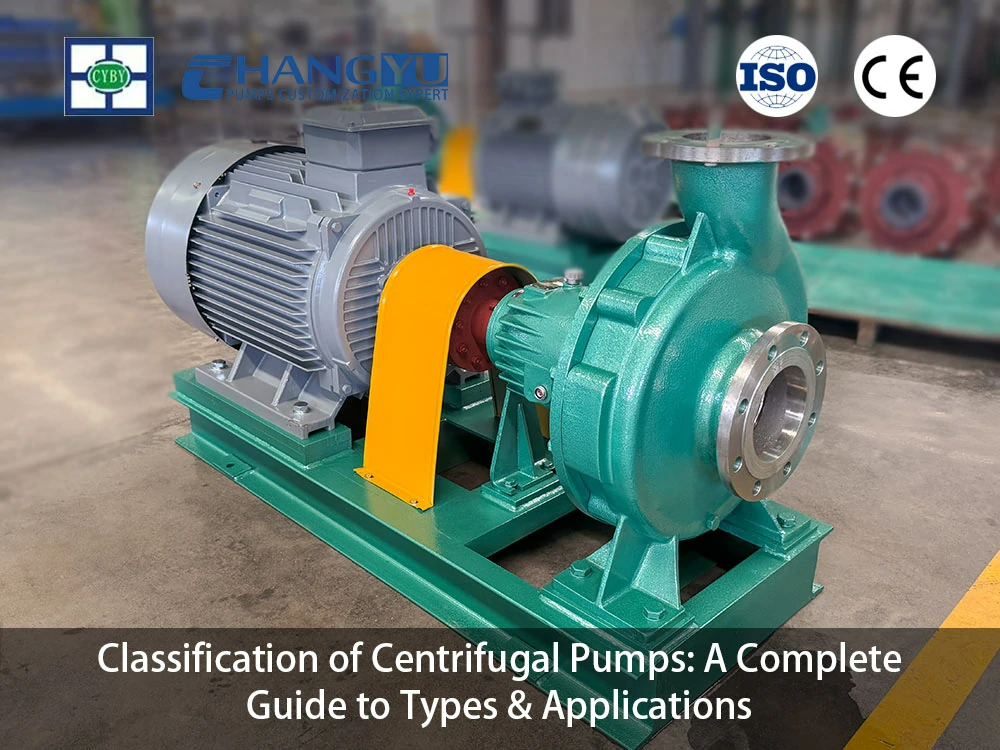
يقدم هذا الدليل مرجعًا منظمًا يغطي جميع الأبعاد الرئيسية التي تُصنف على أساسها المضخات الطردية المركزية: هندسة مسار التدفق، وعدد المراحل، واتجاه العمود، ونوع شفط المكره، وتصميم الغلاف، ونوع غطاء المكره، والقدرة على التشغيل الأولي، وتكنولوجيا الإحكام، وطريقة تقسيم الغلاف. بالنسبة لكل تصنيف، يتم شرح الأساس الهندسي والتطبيقات النموذجية وتأثيرات الاختيار. استنادًا إلى أكثر من عقدين من الخبرة في هندسة المضخات للتطبيقات الصناعية الصعبة، تقدم Changyu Pump خبرة مثبتة في تصميم المضخات الطردية المقاومة للتآكل والتآكل في جميع فئات المضخات الرئيسية. اتصل بنا مع معلمات التطبيق الخاصة بك للحصول على توصية محددة.
2. ما هي المضخة الطردية المركزية ولماذا يُعد التصنيف أمرًا مهمًا؟
2.1 التعريف الأساسي
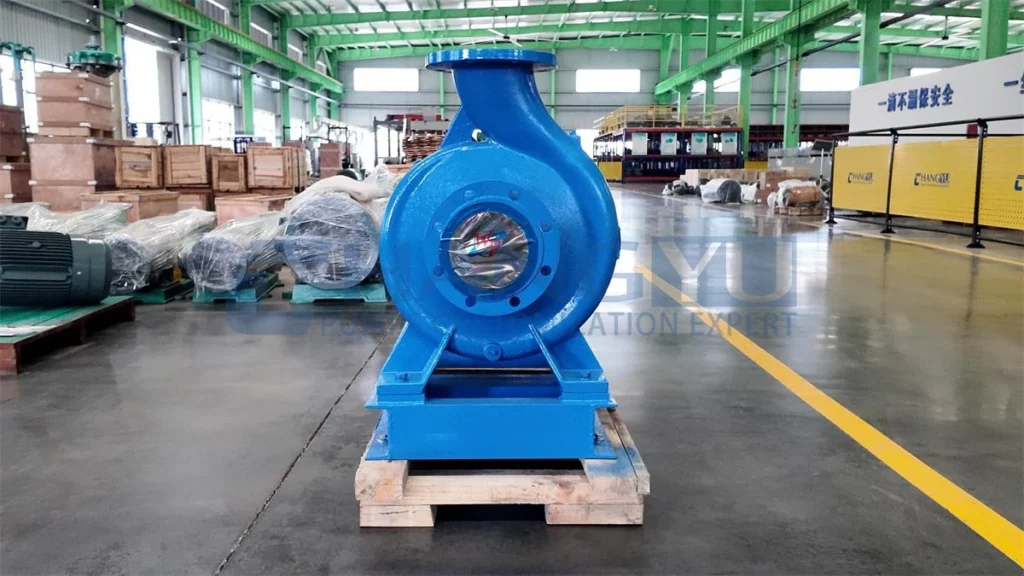
A مضخة طرد مركزي هي آلة ديناميكية دوارة تستخدم دافعًا دوارًا لتحويل الطاقة الميكانيكية الواردة من المحرك إلى طاقة حركية في السائل، والتي تتحول بدورها إلى طاقة ضغط داخل غلاف المضخة. يدور الدافع بسرعة عالية، مما يمنح السائل سرعة عرضية. وتحت تأثير قوة الطرد المركزي, ، يتسارع السائل بشكل شعاعي نحو الخارج داخل الغلاف الحلزوني، حيث تعمل مساحة التدفق المتوسعة على تحويل السرعة إلى ضغط.
2.2 المضخات الطردية في التصنيف الأوسع للمضخات
في التصنيف الأوسع للمضخات الصناعية، تندرج المضخات الطردية ضمن فئة الماكينات الديناميكية الدورانية — وهي آلات تضيف طاقة إلى السائل بشكل مستمر من خلال عنصر دوار. وهذا ما يميزها عن مضخات الإزاحة الإيجابية، التي تقوم بحبس وإزاحة أحجام محددة من السائل.
2.3 القيمة الهندسية للتصنيف
يمكن تصنيف المضخات الطاردة المركزية وفقًا لمعايير مختلفة، بما في ذلك نوع المروحة، والاتجاه، ونوع التدفق، وعدد المراحل، وخصائص محددة مثل قدرة التحضير الذاتي، وتقنية الإحكام، والامتثال لمعايير الصناعة. يضيّق كل بُعد تصنيفي مجال تكوينات المضخات المناسبة ويربط متطلب تطبيق معين ببنية المضخة الأكثر احتمالاً لتلبيته. يوفر نظام تصنيف المضخات ANSI/HI إطارًا موحدًا لهذه العملية، حيث يصنف المضخات إلى أنواع OH وBB وVS بتسميات محددة تضمن قابلية التبادل بين المصنّعين. لفهم أعمق لكيفية مقارنة المضخات الطاردة المركزية بتقنيات المضخات الأخرى في الخدمة الصناعية، راجع موارد تصنيف المضخات الشاملة الخاصة بـ Hydraulic Institute.
3. تصنيف المضخات الطردية المركزية حسب شكل مسار التدفق
تحدد هندسة مسار التدفق عبر المكره العلاقة بين الارتفاع، والتدفق، والكفاءة — وهي أهم خصائص الأداء لأي مضخة طرد مركزي.
3.1 مضخات التدفق الشعاعي
في المضخة ذات التدفق الشعاعي، يدخل السائل إلى المكره محوريًا من المركز ويخرج شعاعيًا عند الأطراف. تكون ريش المكره منحنية للخلف، ويعتمد الارتفاع الناتج بشكل أساسي على قوة الطرد المركزي التي يولدها المكره الدوار. تولد مضخات التدفق الشعاعي ارتفاعًا عاليًا عند معدلات تدفق منخفضة نسبيًا، وهي أكثر التكوينات شيوعًا في تطبيقات العمليات الصناعية، بما في ذلك نقل المواد الكيميائية وتغذية الغلايات وخدمات التكرير.
3.2 مضخات التدفق المحوري (مضخات المروحة)
في المضخة ذات التدفق المحوري، يدخل السائل ويخرج بشكل محوري مع مكون شعاعي ضئيل للغاية. يشبه المكره مروحة السفينة، مع شفرات تضفي سرعة محورية على السائل. توفر مضخات التدفق المحوري معدلات تدفق عالية جدًا عند ارتفاع منخفض — وهو أمر نموذجي في التحكم في الفيضانات، والري، ودوران مياه تبريد المكثف، وإدارة مياه الأمطار. وهي غير مناسبة للتطبيقات ذات الارتفاع العالي لأن المرحلة الواحدة لا يمكنها توليد ضغط كافٍ.
3.3 مضخات التدفق المختلط
تجمع مضخات التدفق المختلط بين خصائص التدفق الشعاعي والمحوري. يدخل السائل بشكل محوري ويخرج بزاوية تقع بين الاتجاهين الشعاعي والمحوري. تكون شفرات المكره منحنية في كل من الاتجاهين الشعاعي والمحوري، مما يوفر مزيجًا متوسطًا من الارتفاع والتدفق. غالبًا ما تُستخدم مضخات التدفق المختلط في نقل المياه على نطاق واسع، وأنظمة تدوير المياه، والتطبيقات التي تتجاوز فيها متطلبات الارتفاع ما يمكن أن توفره المضخة المحورية، بينما تتجاوز متطلبات التدفق ما يمكن أن توفره المضخة الشعاعية بكفاءة.
3.4 مقارنة مسارات التدفق
| مسار التدفق | قدرات الرأس | قدرة التدفق | السرعة النوعية (نس) | التطبيقات النموذجية |
|---|---|---|---|---|
| التدفق الشعاعي | عالية | منخفض إلى متوسط | 500–4,000 (النظام المتري) / 10–80 (الولايات المتحدة، غالون في الدقيقة × قدم) | نقل المواد الكيميائية، تغذية الغلايات، عمليات التكرير |
| تدفق مختلط | معتدل | متوسط إلى مرتفع | 4,000–10,000 (النظام المتري) / 80–200 (الولايات المتحدة، قدم مكعب في الدقيقة) | نقل كميات كبيرة من المياه، تدوير المياه، برج التبريد |
| التدفق المحوري | منخفضة | مرتفع جدًا | 10,000–20,000 (النظام المتري) / 200–400 (الولايات المتحدة، قدم مكعب في الدقيقة) | التحكم في الفيضانات، الري، تبريد المكثفات |
*ملاحظة: تختلف قيم السرعة المحددة باختلاف نظام الوحدات المستخدم. ترد القيم المترية (دورة في الدقيقة، متر مكعب في الساعة، متر) أولاً؛ تليها القيم الأمريكية (دورة في الدقيقة، جالون في الدقيقة، قدم). وتبلغ نسبة التحويل بين النظامين تقريبًا: القيم المترية × 51.7.*
4. تصنيف المضخات الطردية المركزية حسب عدد مراحل المروحة
يحدد عدد المراوح المثبتة على عمود مشترك قدرة المضخة على مضاعفة الضغط.
4.1 المضخات أحادية المرحلة
تحتوي المضخة الطردية أحادية المرحلة على دافع واحد مركب على العمود. ويقتصر الارتفاع الكلي الناتج على ما يمكن أن يولده الدافع الواحد عند سرعة التصميم.
الخصائص الرئيسية للمضخات أحادية المرحلة:
- أبسط تصميم وأقل تكلفة رأسمالية
- أسهل صيانة — مجموعة واحدة فقط من حلقات التآكل، ودوار واحد للتفتيش
- التكوين الأكثر شيوعًا لتطبيقات النقل والتوزيع والمرافق
- مناسبة لمعظم مهام العمليات الصناعية
4.2 المضخات متعددة المراحل
تحتوي المضخة الطردية متعددة المراحل على دافعين أو أكثر مركبين على التوالي على عمود مشترك، حيث يغذي مخرج كل مرحلة مدخل المرحلة التالية. ويؤدي هذا التصميم إلى مضاعفة الارتفاع الناتج — فالمضخة ذات المرحلتين توفر ارتفاعًا يبلغ ضعف الارتفاع الناتج عن المضخة أحادية المرحلة التي لها نفس قطر الدافع.
الخصائص الرئيسية للمضخات متعددة المراحل:
- مضاعفة الضغط لكل مرحلة — تضيف كل دافعة إضافية زيادة في ارتفاع الضغط تبلغ حوالي مرحلة واحدة
- يمكنها توفير مستويات ضغط لا يمكن تحقيقها بأي تصميم عملي أحادي المرحلة
- يمكن تهيئتها بدوارات ذات تدفق شعاعي أو مختلط
- يمكن أن يكون الغلاف مقسماً بشكل شعاعي (حلقة مقطعية) في حالة الضغوط العالية جداً، أو مقسماً بشكل محوري لتسهيل الوصول لأغراض الصيانة
تشمل الاستخدامات النموذجية للمضخات متعددة المراحل تغذية الغلايات بالمياه، وتغذية أغشية التناضح العكسي، وأنظمة التنظيف عالية الضغط، وتجفيف المناجم، ونقل المياه عبر خطوط الأنابيب لمسافات طويلة.
5. تصنيف المضخات الطردية المركزية حسب اتجاه العمود
يحدد اتجاه عمود المضخة بالنسبة للأرض المساحة التي تشغلها المضخة ومتطلبات التركيب ومدى ملاءمتها لبيئات تشغيل معينة.
5.1 المضخات الطردية الأفقية
في المضخة الطردية الأفقية، يكون المحور موجهًا أفقيًا، حيث يتم تركيب المضخة والمحرك على قاعدة مشتركة. ويُعد هذا التكوين الأكثر شيوعًا لمضخات العمليات الصناعية لأنه يوفر سهولة الوصول إلى مانع تسرب المحور والمحامل والدوار لأغراض الفحص والصيانة. يتم تحديد المضخات الأفقية لمعظم تطبيقات نقل المواد الكيميائية وإمدادات المياه والعمليات العامة.
5.2 المضخات الطردية العمودية
في المضخة الطردية العمودية، يكون عمود الدوران موجهاً عمودياً، مع تركيب المحرك فوق المضخة. تقلل التصميمات الرأسية من المساحة التي تشغلها المضخة — وهي ميزة حاسمة في التركيبات التي تكون فيها المساحة الأرضية محدودة. وهي مخصصة لضخ الآبار العميقة، وتصريف أحواض التجميع، وأحواض أبراج التبريد، والتطبيقات التي يجب فيها غمر المضخة أو التي يكون فيها مصدر الشفط تحت مستوى سطح الأرض.
5.3 مقارنة اتجاهات المحور
| الميزة | أفقي | عمودي |
|---|---|---|
| البصمة | أكبر (يتطلب مساحة للقاعدة) | أصغر حجمًا (مثبتة على عمود) |
| الوصول إلى الصيانة | أسهل (جميع المكونات على مستوى سطح الأرض) | أكثر تعقيدًا (قد يتطلب الأمر رفع السائق) |
| اعتبارات NPSH | يلزم توفير أنابيب الشفط | يمكن غمر المكره في الماء |
| التطبيقات النموذجية | مضخات المعالجة، مضخات النقل، مضخات الملاط | مضخات الصرف، مضخات الآبار العميقة، مضخات أبراج التبريد |
لمقارنة قائمة على التطبيق بين المضخات الصناعية الأفقية والعمودية المصنوعة من الفولاذ المقاوم للصدأ, ، يشرح دليل الأنواع لدينا أيضًا كيف يغيّر الإحكام والتحضير الذاتي والتعامل مع المواد الصلبة من الاختيار.
6. تصنيف المضخات الطردية المركزية حسب نوع شفط المكره
يحدد شكل مدخل الشفط في المكره سعة تدفق المضخة وقوة الدفع المحورية الهيدروليكية الناتجة أثناء التشغيل.
6.1 المضخات أحادية الشفط
في المضخة الطردية ذات الشفط الواحد، يدخل السائل إلى المروحة من جانب واحد فقط. وهذا هو التصميم الأبسط والأكثر شيوعًا. تولد المراوح أحادية الشفط دفعًا محوريًا نحو جانب الشفط لأن توزيع الضغط على أغطية المروحة غير متوازن — حيث يتعرض الغطاء الخلفي لضغط التفريغ الكامل بينما يتعرض الغطاء الأمامي لتدرج من ضغط الشفط إلى ضغط التفريغ. يجب أن يمتص محمل الدفع هذا الدفع.
6.2 مضخات مزدوجة الشفط
في المضخة الطردية ذات الشفط المزدوج، يدخل السائل إلى المكره من كلا الجانبين في وقت واحد عبر فتحتي شفط. ويوفر هذا التصميم ميزتين هامتين مقارنةً بتصاميم الشفط الأحادي. أولاً، تبلغ سعة التدفق حوالي 1.5 إلى 2 ضعف سعة المكره ذي الشفط الأحادي الذي له نفس القطر والسرعة. ثانياً، يكون الدفع المحوري الهيدروليكي متوازناً إلى حد كبير لأن توزيعات الضغط على جانبي المكره متماثلة، مما يقلل بشكل كبير من الحمل على محمل الدفع.
تُستخدم المضخات ثنائية الشفط على نطاق واسع في إمدادات المياه على نطاق واسع، ودوران مياه التبريد، والري، وتصريف مياه الأمطار — وهي تطبيقات تتطلب بشكل أساسي قدرة تدفق عالية وعمرًا طويلًا للمحامل.
6.3 طرق موازنة الدفع المحوري
بالإضافة إلى تصميم المكره ذي الشفط المزدوج، تُستخدم عدة طرق أخرى لموازنة الدفع المحوري في المضخات الطردية:
- فتحات التوازن من خلال الغطاء الخلفي للدوار — حيث تعمل هذه الفتحات على موازنة الضغط على جانبي الغطاء من خلال السماح بتدفق منظم بين التجويفين الأمامي والخلفي، مما يقلل من فرق الضغط الصافي والقوة المحورية الناتجة
- حلقات التآكل الخلفي—يتم تركيبها على الغطاء الخلفي، وتحد من المساحة المعرضة لضغط التفريغ، مما يقلل من إجمالي القوة غير المتوازنة المؤثرة على المكره
- ترتيبات المكره المتقابلة في المضخات متعددة المراحل — تتجه نصف المراوح في اتجاه واحد والنصف الآخر في الاتجاه المعاكس، بحيث يلغي الدفع الناتج عن كل مجموعة تأثير المجموعة الأخرى
- أسطوانات التوازن أو أقراص التوازن—يتم تركيب هذه الأجهزة على العمود بعد المروحة الأخيرة، وهي تستخدم آلية ذات فجوة متغيرة تعمل على ضبط توزيع الضغط تلقائيًا استجابةً لتغير أحمال الدفع، مما يحافظ على التوازن المحوري عبر نطاق التشغيل
7. تصنيف المضخات الطردية المركزية حسب تصميم الغلاف
يقوم غلاف المضخة بتحويل الطاقة الحركية التي ينقلها المكره إلى طاقة ضغط. وتؤثر هندسته بشكل مباشر على كفاءة المضخة، وتوزيع الحمل الشعاعي، وسهولة الوصول لإجراء الصيانة.
7.1 المضخات الحلزونية
يتميز غلاف الحلزوني بقناة لولبية الشكل تتزايد مساحة مقطعها العرضي تدريجيًا وتحيط بالدوار. وعندما يخرج السائل من الدوار بسرعة عالية، يعمل الغلاف الحلزوني المتوسع على تحويل هذه الطاقة الحركية إلى ضغط. تعد الأغلفة الحلزونية أبسط التصميمات وأكثرها شيوعًا للمضخات الطردية أحادية المرحلة. عند نقطة الكفاءة المثلى (BEP)، يكون توزيع الضغط حول المكره متجانسًا ويتم تقليل الحمل الشعاعي إلى الحد الأدنى. ومع ذلك، عند التدفقات غير المصممة، يصبح توزيع الضغط غير متماثل، مما يولد قوة شعاعية صافية على المكره والعمود.
7.2 مضخات التوزيع (مضخات التوربينات)
يستخدم غلاف الناشر حلقة من ريش التوجيه الثابتة المحيطة بالدوار لتحويل السرعة إلى ضغط بكفاءة أعلى من تلك التي يوفرها الصدفة. وقد صُممت ريش الناشر بحيث تبطئ السائل تدريجيًا مع الحد الأدنى من الاضطراب. ويمكن تصميم مضخات الناشر بتكوينات أحادية المرحلة أو متعددة المراحل. يعد تصميم الناشر هو التكوين القياسي لمعظم المضخات متعددة المراحل لأنه يوجه بشكل فعال تصريف مرحلة ما إلى شفط المرحلة التالية دون التوزيع غير المتماثل للضغط الذي ينتجه الحلزون في ظروف غير مصممة. تُستخدم مضخات الناشر على نطاق واسع في المضخات التوربينية العمودية لتطبيقات الآبار العميقة وفي المضخات متعددة المراحل عالية الضغط لتغذية الغلايات وخدمة التناضح العكسي.
7.3 المضخات ذات الحلزون المزدوج
يحتوي الغلاف ذو الحلزون المزدوج على ممرين حلزونيين متباعدين بزاوية 180 درجة عن بعضهما البعض. ويحقق هذا التصميم توازنًا في قوة الدفع الشعاعية التي تحدث في المضخات ذات الحلزون الفردي في ظروف التشغيل غير المحددة في التصميم، مما يقلل من انحراف العمود وحمل المحامل. يتم تحديد اللولبين المزدوجين للمضخات التي يجب أن تعمل عبر نطاق تدفق واسع أو عندما يكون التشغيل المستمر بعيدًا عن نقطة الكفاءة القصوى (BEP) أمرًا لا مفر منه.
7.4 طرق تقطيع الأنابيب
أغلفة مقسمة شعاعياً (حلقة مقطعية) يتم تجميعها من أجزاء منفصلة مكدسة على طول محور العمود. يتم تثبيت أجزاء الغلاف معًا بواسطة غلاف المضخة وإحكام إغلاقها باستخدام حشوات. يُعد هذا التصميم هو المعيار القياسي للمضخات متعددة المراحل التي تعمل تحت ضغوط عالية جدًّا (تصل إلى 350 بار وما فوق)؛ لأن التقسيم الشعاعي يوفر احتواءً فائقًا للضغط مقارنةً بالتصميم ذي التقسيم المحوري. تُستخدم الأغلفة المقسمة شعاعيًا على نطاق واسع في مضخات تغذية الغلايات، ومضخات شحن المصافي، ومضخات حقن المياه عالية الضغط حيث يجب أن يتحمل الغلاف ضغوط تصريف شديدة دون حدوث تسرب.
أغلفة مقسمة محوريًا (مقسمة أفقيًا) تنقسم على طول خط الوسط للمحور إلى نصفين علوي وسفلي. يوفر هذا التصميم أسهل وصول ممكن إلى المجموعة الدوارة: حيث تؤدي إزالة النصف العلوي من الغلاف إلى كشف الدوار بالكامل — الدوارات، والمحور، والمحامل، وموانع التسرب — لفحصها دون المساس بوصلات الأنابيب. يتم تحديد الأغلفة المقسمة محوريًا لمضخات نقل المياه الكبيرة ومضخات المعالجة حيث يقلل الفحص الداخلي السريع من وقت التعطل بسبب الصيانة. وعادةً ما تقتصر على الضغوط المعتدلة لأن الوصلة الأفقية تتطلب تصنيعًا دقيقًا وشدًا متحكمًا فيه للمسامير للحفاظ على سلامة الختم.
8. تصنيف المضخات الطردية المركزية حسب نوع غطاء المكره
يحدد غطاء المروحة — وهو القرص الذي يحيط بريش المروحة — كفاءة المضخة وقدرتها على تحمل المواد الصلبة الموجودة في السائل الذي يتم ضخه.
8.1 المراوح المغلقة
تحتوي المراوح المغلقة على أغطية على جانبي الريش، مما يؤدي إلى إحاطة ممرات التدفق بالكامل. ويقلل هذا التصميم من إعادة التدوير الداخلي إلى أدنى حد ويوفر أعلى كفاءة هيدروليكية (عادةً ما تتراوح بين 70 و90٪).
الخصائص الرئيسية:
- أقصى قدر من الكفاءة للسوائل النظيفة
- حد أدنى من تحمل المواد الصلبة — لا يُنصح باستخدامه مع الملاط الذي تزيد نسبة المواد الصلبة فيه عن 1–21٪ بالوزن
- عرضة للانسداد بسبب المواد الليفية أو الخيطية
- المواصفات القياسية للمياه والمذيبات والهيدروكربونات الخفيفة وسوائل المعالجة النظيفة
8.2 المراوح شبه المفتوحة
تتميز المراوح شبه المفتوحة بوجود غطاء على جانب واحد فقط (عادةً الجانب الخلفي)، بينما يكون الجانب الأمامي مفتوحًا على غلاف المضخة. ويوفر هذا التصميم توازنًا بين الكفاءة والقدرة على التعامل مع المواد الصلبة.
الخصائص الرئيسية:
- الكفاءة عادةً ما تتراوح بين 60 و80%
- تحمل معتدل للمواد الصلبة — يتحمل ما يصل إلى حوالي 20% من المواد الصلبة من حيث الوزن
- يُفضل استخدامه في الملاط متوسط التركيز، ومحاليل التبلور، ولب الورق
- أسهل في التنظيف مقارنة بالدوارات المغلقة في حالة حدوث انسداد
8.3 المراوح المفتوحة
لا تحتوي المراوح المفتوحة على أغطية — حيث تكون الريش مكشوفة من كلا الجانبين. ويوفر هذا التصميم أقصى قدر من مرور المواد الصلبة على حساب انخفاض الكفاءة الهيدروليكية.
الخصائص الرئيسية:
- تتراوح الكفاءة عادةً بين 50 و70%
- الحد الأقصى المسموح به من المواد الصلبة — يتحمل ما يصل إلى حوالي 40% من المواد الصلبة بالوزن
- مصممة خصيصًا للملاط عالي المحتوى من المواد الصلبة والمواد الليفية والسوائل اللزجة
- تتميز بحساسية أكبر تجاه فراغ الحلقة مقارنة بالتصميمات المغلقة أو شبه المفتوحة
8.4 مقارنة أنواع أغطية المكره
| نوع المكره | الكفاءة | تحمل المواد الصلبة | متى تختار |
|---|---|---|---|
| مغلق | 70–90% | الحد الأدنى (<1–2%) | السوائل النظيفة التي تُعد الكفاءة فيها المقياس الأساسي للأداء |
| شبه مفتوح | 60–80% | متوسط (حتى 20%) | الملاط والمحاليل المتبلورة التي تتطلب توازناً بين الكفاءة ومعالجة المواد الصلبة |
| فتح | 50–70% | عالية (حتى 40%) | الملاط عالي المحتوى من المواد الصلبة أو الليفي، حيث تُعطى الأولوية لمنع الانسداد على حساب الكفاءة |
9. تصنيف المضخات الطردية المركزية حسب قدرتها على الشفط
يُعد التمهيد — أي ملء غلاف المضخة وخط الشفط بالسائل قبل بدء التشغيل — شرطًا أساسيًا لتشغيل المضخة الطردية. وتحدد الطريقة التي تنفذ بها المضخة هذه العملية مدى مرونة تركيبها.
9.1 المضخات غير ذاتية الضخ
لا تستطيع المضخات الطردية المركزية القياسية إخراج الهواء من خط الشفط. إذا تم تركيب المضخة فوق مصدر السائل، فيجب ملء خط الشفط بالسائل (تحضيره) قبل كل عملية تشغيل، أو يجب تركيب صمام قاعي للاحتفاظ بالسائل في خط الشفط بين دورات التشغيل. بدلاً من ذلك، يمكن استخدام نظام التمهيد بالفراغ لإخراج الهواء من غلاف المضخة وخط الشفط تلقائيًا.
9.2 المضخات ذاتية التحضير
تشتمل المضخات الطردية ذاتية الشفط على خزان داخلي يحتفظ بكمية كافية من السائل بين الدورات لإعادة الشفط تلقائيًا. وبمجرد ملئها في البداية، يمكن للمضخة إخراج الهواء من خط الشفط دون تدخل يدوي. عند بدء تشغيل المضخة، يخلط المكره السائل المحتفظ به مع الهواء من خط الشفط، مما ينتج رغوة يتم تصريفها إلى غرفة الفصل. يخرج الهواء من خلال مخرج التصريف، بينما يعود السائل إلى المكره. تستمر هذه الدورة حتى يتم إخراج كل الهواء وتكون المضخة جاهزة تمامًا.
تُستخدم المضخات ذاتية الشفط في تفريغ صهاريج النقل، وتصريف مياه الحوض، ومحطات الرفع، وأي منشأة يتم فيها تركيب المضخة فوق مصدر السائل ويكون الشفط اليدوي فيها غير عملي.
9.3 المضخات الغاطسة
صُممت المضخات الطردية الغاطسة لتعمل وهي مغمورة بالكامل في السائل الذي يتم ضخه، حيث يتم دمج المحرك والمضخة في وحدة واحدة محكمة الإغلاق. ونظرًا لأن المضخة مغمورة، فلا حاجة إلى عملية التمهيد — حيث يظل المكره على اتصال دائم بالسائل. يتم تحديد المضخات الغاطسة لتطبيقات الآبار العميقة ومحطات رفع مياه الصرف الصحي وحوض التجميع المغمور بالمياه حيث يكون عمود الكابولي العمودي طويلًا للغاية.
10. تصنيف المضخات الطردية المركزية حسب تقنية الإحكام
يُعد مانع تسرب العمود — وهو المكان الذي يخرج فيه العمود الدوار من غلاف المضخة الثابت — أكثر الأجزاء أهمية في أي مضخة طرد مركزي. وتحدد تقنية الإحكام المختارة مدى ملاءمة المضخة لاستخدامها مع السوائل الخطرة أو السامة أو عالية القيمة.
10.1 حشوة الصمام (صندوق الحشو)
تعد حشوة الصمام من أقدم وأبسط طرق الإحكام. حيث يتم ضغط حلقات من مادة الحشو المضفرة حول العمود بواسطة دافع الصمام، مما يخلق مسارًا متعرجًا يحد من تسرب السوائل. يلزم وجود تسرب متحكم فيه — عادةً ما بين 40 و60 قطرة في الدقيقة — لتزييت الحشوة وتبريدها. تتميز حشوة الصمام بتكلفتها الأولية المنخفضة، ولكنها تتطلب تعديلًا واستبدالًا دوريين.
10.2 الأختام الميكانيكية
يتكون الختم الميكانيكي من وجهين مسطحين للغاية — أحدهما يدور مع العمود، والآخر ثابت في الغلاف — يتلامسان معًا على طبقة رقيقة جدًا من السائل. توفر الأختام الميكانيكية المفردة تسربًا شبه معدوم في التطبيقات غير الخطرة ذات درجات الحرارة المعتدلة، وهي المعيار الصناعي السائد في معظم تطبيقات المضخات الطردية.
في حالة الاستخدامات الخطرة أو التي تتطلب درجات حرارة عالية أو ضغطًا عاليًا،, الأختام الميكانيكية المزدوجة توفر طبقة إضافية من الاحتواء. حيث يدور سائل حاجز مضغوط (خطة API 53) أو حاجز غازي (خطة API 74) بين مجموعتين من أسطح الختم، مما يحافظ على برودة هذه الأسطح وعزلها عن سائل العملية. وفي حالة حدوث أي تسرب عبر الختم الداخلي، فإن السائل الذي يتسرب إلى العملية هو سائل الحاجز، وليس سائل العملية إلى الغلاف الجوي.
10.3 مضخات ذات محرك مغناطيسي بدون مانع تسرب
تستغني المضخات ذات المحرك المغناطيسي تمامًا عن مانع تسرب العمود، حيث تنقل عزم الدوران من المحرك إلى المروحة عبر غلاف احتواء ثابت باستخدام اقتران مغناطيسي. يتم تغليف المكره والعمود والدوار المغناطيسي الداخلي بالكامل داخل غلاف المضخة المُحكم الإغلاق، مما يضمن عدم حدوث أي تسرب بفضل تصميمها. وتُعد المضخات ذات الدفع المغناطيسي هي المعيار القياسي للسوائل السامة أو القابلة للاشتعال أو عالية النقاء أو عالية القيمة، حيث لا يُقبل حتى حدوث تسرب طفيف من السدادات.
11. نظرة عامة على تصنيف المضخات الطردية: الجدول المرجعي الشامل
| بعد التصنيف | الفئة | الميزات الرئيسية | متى تختار | التطبيقات النموذجية |
|---|---|---|---|---|
| مسار التدفق | شعاعي / مختلط / محوري | المفاضلة بين الضغط الرأسي والتدفق | توافق مع تركيبة الرأس والتدفق المطلوبة | المعالجة، نقل المياه، التحكم في الفيضانات |
| عدد المراحل | أحادي المرحلة / متعدد المراحل | قدرة تحمل الضغط | متعدد المراحل عندما يكون ارتفاع الضغط أحادي المرحلة غير كافٍ | النقل، تغذية الغلايات، أغشية التناضح العكسي |
| اتجاه العمود | أفقي / عمودي | المساحة المطلوبة، وإمكانية الوصول لأغراض الصيانة | تركيب عمودي في حالة ضيق المساحة الأرضية | المعالجة، حوض التجميع، الآبار العميقة |
| شفط المكره | شفط أحادي / شفط مزدوج | سعة التدفق، قوة الدفع المحورية | شفط مزدوج لتدفق عالٍ ودفع متوازن | العملية العامة، إمدادات مياه كبيرة |
| تصميم الغلاف | حلزوني / موزع / حلزوني مزدوج | الكفاءة، الحمل الشعاعي | حلزون مزدوج للتشغيل على نطاق واسع | أحادية المرحلة، متعددة المراحل، واسعة النطاق |
| تقسيم الغلاف | مقسوم شعاعيًا / مقسوم محوريًا | احتواء الضغط مقابل الوصول | مشقوق شعاعيًا للاستخدام في الضغط العالي (>100 بار) | متعدد المراحل عالي الضغط، نقل كبير |
| غطاء المروحة | مغلق / شبه مفتوح / مفتوح | الكفاءة مقابل تحمل المواد الصلبة | توافق مع محتوى المواد الصلبة في السائل الذي يتم ضخه | السوائل النقية، الملاط الكيميائي، التعدين |
| قدرة التمهيد | غير ذاتية التحضير / ذاتية التحضير / غاطسة | مرونة التركيب | الشفط الذاتي عندما تكون المضخة أعلى من مصدر السائل | محطات رفع فوق سطح الأرض، آبار عميقة |
| تقنية الختم | حشوة غلاند / مانع تسرب ميكانيكي أحادي / مانع تسرب ميكانيكي مزدوج / محرك مغناطيسي | التحكم في التسرب، الصيانة | محرك مغناطيسي للسوائل السامة أو عالية القيمة | العمليات العامة، المواد الكيميائية الخطرة، السوائل السامة |
12. كيفية استخدام المعرفة التصنيفية لاختيار المضخات: إطار عمل من 4 خطوات
الخطوة 1: تحديد الأداء الهيدروليكي المطلوب
ابدأ بتحديد معدل التدفق والارتفاع الديناميكي الإجمالي اللذين يجب أن توفرهما المضخة. وهذا يحدد الشكل الهندسي لمسار التدفق:
- ارتفاع الضغط، تدفق منخفض إلى متوسط → مضخة ذات تدفق شعاعي
- ضغط معتدل، تدفق معتدل إلى مرتفع → مضخة ذات تدفق مختلط
- ارتفاع ضغط منخفض، تدفق عالٍ جدًا → مضخة ذات تدفق محوري
الخطوة 2: مطابقة المروحة والمواد مع السائل
تحديد محتوى المواد الصلبة في السائل الذي يتم ضخه:
- سائل نقي (محتوى المواد الصلبة أقل من 1–2%) → دافع مغلق
- مواد صلبة متوسطة (2–20%) → دافع شبه مفتوح
- نسبة عالية من المواد الصلبة (>20%) أو أليافية → دافع مفتوح
يجب اختيار المواد الملامسة للسائل بناءً على التوافق الكيميائي المؤكد مع السائل عند درجة حرارة التشغيل.
الخطوة 3: حدد إعدادات التثبيت
تحديد مكان وكيفية تركيب المضخة:
- التركيب القياسي وفقًا لمستوى الصف → مضخة أفقية
- مساحة أرضية محدودة أو خدمات تحت الماء → مضخة عمودية
- مضخة فوق مصدر السائل → مضخة ذاتية الشفط أو مضخة غاطسة
- مطلوب تدفق عالٍ مع دفع متوازن → مضخة ذات شفط مزدوج
الخطوة 4: مواءمة تقنية الإحكام مع مستوى خطورة السائل
- غير خطرة، درجة حرارة معتدلة → حشوة غلاند أو مانع تسرب ميكانيكي أحادي
- المواد الخطرة أو درجات الحرارة المرتفعة → مانع تسرب ميكانيكي مزدوج مع سائل حاجز (خطة API 53) أو حاجز غازي (خطة API 74)
- مواد سامة أو قابلة للاشتعال أو ذات قيمة عالية → مضخة ذات محرك مغناطيسي (بدون مانع تسرب)
13. الأسئلة الشائعة حول تصنيف المضخات الطردية
السؤال 1: كم عدد أنواع المضخات الطردية المركزية؟
ج: يعتمد عدد الأنواع على معيار التصنيف. حسب مسار التدفق، هناك ثلاثة أنواع (شعاعي، مختلط، محوري). حسب عدد المراحل، هناك نوعان (أحادي المرحلة، متعدد المراحل). حسب اتجاه العمود، هناك نوعان (أفقي، عمودي). وعند الجمع بين هذه الأبعاد، يتجاوز العدد الإجمالي لتكوينات المضخات المختلفة العشرين نوعًا. ويمكن أن يستند تصنيف المضخات الطردية إلى نوع المكره، والاتجاه، ونوع التدفق، وعدد المراحل، والميزات المحددة مثل القدرة على التشغيل الذاتي وتقنية الختم.
السؤال 2: ما هو النوع الأكثر شيوعًا من المضخات الطردية المركزية؟
ج: تُعد المضخة الطردية المركزية الأفقية أحادية المرحلة ذات التدفق الشعاعي والشفط الطرفي هي النوع الأكثر شيوعًا في تطبيقات العمليات الصناعية. فهي تجمع بين البساطة في التصميم وسهولة الصيانة وتوافر المواد على نطاق واسع، وتُستخدم في معظم مهام نقل المواد الكيميائية وإمدادات المياه والمهام الصناعية العامة.
السؤال 3: ما الفرق بين المضخة الحلزونية والمضخة الناشرة؟
ج: تستخدم المضخة الحلزونية غلافًا لولبي الشكل لتحويل السرعة إلى ضغط من خلال التوسيع التدريجي لمساحة التدفق. تستخدم المضخة الناشرة حلقة من ريش التوجيه الثابتة حول المكره لتحقيق نفس التحويل بكفاءة أعلى. تعد المضخات الناشرة هي التكوين القياسي لمعظم المضخات متعددة المراحل لأنها توجه بشكل فعال تصريف مرحلة ما إلى شفط المرحلة التالية.
السؤال 4: متى ينبغي عليّ اختيار مضخة ذات شفط مزدوج بدلاً من مضخة ذات شفط فردي؟
ج: اختر مضخة ذات شفط مزدوج عندما يتطلب التطبيق سعة تدفق عالية وعمرًا طويلًا للمحامل. توفر الدوارات ذات الشفط المزدوج تدفقًا يبلغ حوالي 1.5 إلى 2 ضعف تدفق الدوارات ذات الشفط الفردي من نفس القطر والسرعة، كما أنها تعمل على موازنة الدفع المحوري هيدروليكيًا، مما يقلل من الحمل على المحامل.
السؤال 5: ما الفرق بين المروحة المغلقة وشبه المفتوحة والمفتوحة؟
ج: تتميز المراوح المغلقة بوجود غطاءين على كلا الجانبين، مما يوفر أقصى كفاءة (70–90٪) للسوائل النقية. أما المراوح شبه المفتوحة فتحتوي على غطاء واحد، مما يحقق التوازن بين الكفاءة (60–80٪) والقدرة على تحمل المواد الصلبة في الملاط متوسط التركيز. لا تحتوي المراوح المفتوحة على أغطية، مما يوفر أقصى مرور للمواد الصلبة بكفاءة أقل (50–70%).
السؤال 6: كيف ينشأ الدفع المحوري في المضخة الطردية وكيف يتم موازنته؟
ج: تنشأ القوة الدافعة المحورية بسبب عدم توازن توزيع الضغط على غلافات المكره؛ حيث يتعرض الغلاف الخلفي لضغط التفريغ الكامل، بينما يتعرض الغلاف الأمامي لتدرج في الضغط من الشفط إلى التفريغ. وتشمل طرق الموازنة المراوح ذات الشفط المزدوج، وثقوب الموازنة، وحلقات التآكل الخلفية، وترتيبات المراوح المتقابلة في المضخات متعددة المراحل، وأسطوانات أو أقراص الموازنة.
السؤال 7: متى ينبغي عليّ اختيار غلاف مقسوم شعاعيًا بدلاً من غلاف مقسوم محوريًا؟
ج: تُستخدم الأغلفة المقسمة شعاعيًا (الحلقات المقطعية) في المضخات متعددة المراحل التي تعمل تحت ضغوط تصريف عالية جدًّا — عادةً ما تزيد عن 100 بار — لأن الوصلة الشعاعية توفر احتواءً فائقًا للضغط. توفر الأغلفة المقسمة محوريًا وصولاً سريعًا إلى مجموعة الدوار الكاملة للفحص، وهي مفضلة للمضخات الكبيرة لنقل المياه ومضخات المعالجة حيث يكون الوصول للصيانة هو الاعتبار الأساسي، شريطة أن يكون ضغط التفريغ ضمن التصنيف المحدد لمفصل الغلاف.
السؤال 8: كيف تُصنَّف المضخات الطردية وفقًا للمعايير الصناعية؟
ج: وفقًا لنظام تصنيف ANSI/HI، تُصنف المضخات الطردية إلى أنواع OH (الدوار المعلق)، وBB (بين المحامل، أحادية وذات مرحلتين)، وVS (المعلقة عموديًا). وتشمل مضخات OH تصميمات التوصيل المرن، والتوصيل الصلب، والتوصيل المباشر. تشمل مضخات BB تكوينات مقسمة محوريًا ومقسمة شعاعيًا. تشمل مضخات VS تصميمات ذات غلاف واحد وغلاف مزدوج، سواء في الحوض الرطب أو الحوض الجاف. تضمن هذه التسميات القياسية قابلية التبادل والمواصفات المتسقة بين مختلف الشركات المصنعة.
14. توصيات الخبراء من مهندسي شركة Changyu Pump
- ابدأ عملية اختيار المضخة بتضييق نطاق البحث استنادًا إلى التصنيف. حدد مسار التدفق المطلوب (شعاعي، أو مختلط، أو محوري)، وعدد المراحل (مرحلة واحدة أو عدة مراحل)، واتجاه العمود (أفقي أو عمودي)، ونوع شفط المكره (مفرد أو مزدوج). فهذه العوامل الأربعة وحدها تستبعد غالبية تكوينات المضخات غير المناسبة قبل الرجوع إلى أي منحنى أداء.
- يجب أن يتناسب نوع غطاء المكره مع محتوى المواد الصلبة، وليس فقط مع هدف الكفاءة. إن المكره المغلق الذي يُفترض نظريًّا أنه يحقق كفاءة تبلغ 85%، لن يحقق أي كفاءة على الإطلاق إذا انسد خلال الساعة الأولى من التشغيل عند معالجة ملاط يحتوي على 5% من المواد الصلبة. استخدم عمود “متى يتم الاختيار” في الجدول المرجعي الرئيسي (القسم 11) للاسترشاد.
- اختر طريقة تقسيم الغلاف وفقًا لضغط التشغيل، وليس فقط من أجل سهولة الصيانة. يتيح الغلاف المقسوم محوريًا الوصول السريع إلى الدوار، إلا أن قدرته على احتواء الضغط محدودة بسبب سلامة الوصلات. أما بالنسبة للتطبيقات متعددة المراحل ذات الضغط العالي التي تتجاوز 100 بار، فإن الغلاف المقسوم شعاعيًا هو المعيار الهندسي المتبع.
- يجب أن تتوافق تقنية الإحكام مع تصنيف خطورة السائل. تُعد حشوات الصمامات خيارًا مناسبًا للاستخدامات التي تتضمن مياه غير خطرة ودرجات حرارة معتدلة، بالإضافة إلى المواد الكيميائية الخفيفة. وتُعد الأختام الميكانيكية المفردة المعيار الصناعي السائد في معظم تطبيقات العمليات. أما الأختام الميكانيكية المزدوجة، فتُستخدم في الاستخدامات الخطرة أو التي تتطلب درجات حرارة عالية. وتُعد المضخات ذات الدفع المغناطيسي الخالية من الأختام هي المواصفة القياسية للسوائل السامة أو القابلة للاشتعال أو عالية القيمة، حيث لا يُقبل حدوث أي تسرب.
15. الخاتمة
إن تصنيف المضخات الطردية ليس مجرد عملية تصنيف — بل هو الإطار الهندسي الذي يربط متطلبات التطبيق بهيكل المضخة. فكل بُعد من أبعاد التصنيف — مسار التدفق، وعدد المراحل، واتجاه العمود، وشفط المكره، وتصميم الغلاف، وغطاء المكره، والقدرة على التشغيل الأولي، وتكنولوجيا الإحكام — يلبي متطلبًا محددًا من متطلبات الأداء أو التركيب أو السلامة. إن فهم هذه الأبعاد والعلاقات المتبادلة بينها يمكّن المهندس من تضييق نطاق التكوينات المحتملة بشكل منهجي، مما يقلل من مخاطر حدوث خطأ في التصنيف لا يمكن تصحيحه لاحقًا مهما كان حجم تحليل منحنى الأداء.
يمكن تصنيف المضخات الطردية بناءً على نوع المكره واتجاهه وخصائص محددة مثل قدرة التشغيل الذاتي. وتعد المضخة الأفقية أحادية المرحلة ذات التدفق الشعاعي والشفط الطرفي هي التصميم الصناعي الأكثر شيوعًا، لكنها ليست الخيار الوحيد. تستخدم المضخات متعددة المراحل في التطبيقات عالية الضغط. وتستخدم المضخات الرأسية في المنشآت ذات المساحة المحدودة. وتستخدم المضخات ذات الشفط المزدوج في نقل المياه ذات التدفق العالي. وتستخدم المضخات ذاتية التحضير في تطبيقات الرفع بالشفط فوق مستوى سطح الأرض. وتستخدم المضخات ذات المحرك المغناطيسي في الخدمات الكيميائية الخطرة. وتوجد كل فئة بسبب الحاجة إليها في تطبيق معين.
يطبق مهندسو شركة Changyu Pump هذا الإطار التصنيفي يوميًا لمواءمة تكوينات المضخات مع المتطلبات المحددة للمعالجة الكيميائية والتعدين ومعالجة المياه والتطبيقات الصناعية العامة. اتصل بنا مع معايير التطبيق الخاصة بك. وسنساعدك في اختيار المضخة الطردية المناسبة لعملية التشغيل الخاصة بك.