
مقدمة
مضخة كيميائية عالية الحرارة الاختيار هو مشكلة هندسية يحددها التمدد الحراري. في درجة الحرارة المحيطة، يحافظ غلاف المضخة والدافعة والعمود على أبعادها التصميمية وتباعدها. عندما يتم تكليف المضخة نفسها بنقل سائل معالجة عند درجة حرارة 200 درجة مئوية، يتمدد كل مكون معدني - حيث يكبر الغلاف، ويستطيل العمود، وتضيق الفواصل الداخلية التي تحدد الكفاءة الهيدروليكية والسلامة الميكانيكية. إن المضخة التي يتم اختيارها دون مراعاة هذه التغيرات في الأبعاد المدفوعة حراريًا سوف تتعطل أو تتسرب أو تتعطل في غضون ساعات من بدء التشغيل.
بلغت قيمة سوق المضخات الصناعية العالمية 74.21 مليار دولار أمريكي في عام 2025، وفي القطاع الكيميائي، تمثل خدمات درجات الحرارة العالية إحدى فئات التطبيقات الأكثر تطلبًا. وقد أمضت شركة Changyu Pump أكثر من عقدين من الزمن في هندسة معدات مناولة السوائل للعمليات العدوانية كيميائياً والتي تتطلب الكثير من المتطلبات الحرارية. ويغطي هذا الدليل إطار تصنيف درجات الحرارة، ومواد البناء، وتقنيات الختم، وتصميم نظام التبريد، ومنهجية الاختيار المطلوبة لتحديد المضخة التي تعمل بشكل موثوق في درجات الحرارة المرتفعة.
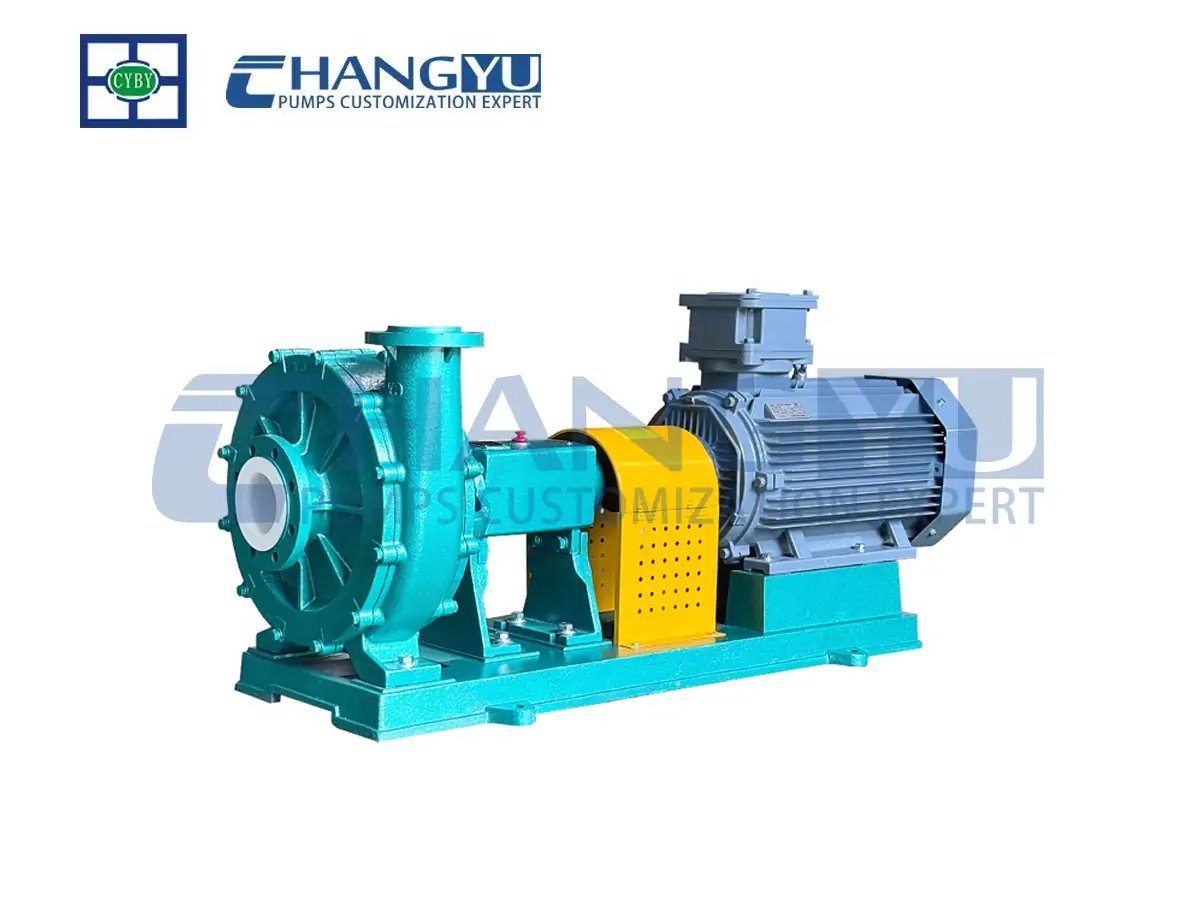
ما هي المضخة الكيميائية ذات درجة الحرارة العالية؟
A مضخة كيميائية عالية الحرارة هي مضخة طرد مركزي أو مضخة إزاحة موجبة مصممة للحفاظ على ثبات الأبعاد وسلامة المواد وأداء مانع التسرب عندما تتجاوز درجة حرارة السائل الذي يتم ضخه 120 درجة مئوية تقريبًا. هذه العتبة متجذرة في حدود الحلقات والحشوات المرنة القياسية المصنوعة من اللدائن المرنة والحشيات، والتي تبدأ في التدهور حرارياً فوق درجة الحرارة هذه، مما يفقدها قدرتها على منع التسرب. وفوق هذه العتبة، تتضاعف التحديات الهندسية: تبدأ موانع التسرب المرنة القياسية في التدهور، وتتطلب أنظمة تشحيم المحامل تبريدًا نشطًا، ويصبح التمدد الحراري التفاضلي بين غلاف المضخة والعمود والأساس هو الاعتبار الميكانيكي السائد.
إطار تصنيف درجات الحرارة
يوفر تصنيف درجات الحرارة إطار عمل لقرارات التصميم. بالنسبة للخدمات ذات درجات الحرارة العالية, API 610 يعمل كمعيار حاكم، ويحدد الحد الأدنى من المتطلبات لمضخات الطرد المركزي المستخدمة في تطبيقات التكرير والمواد الكيميائية القاسية، بما في ذلك التركيب في خط الوسط والتعويض الحراري وتبريد غرفة الختم.
120 درجة مئوية إلى 200 درجة مئوية. هذا هو النطاق الأساسي لنقل الأحماض الساخنة وتدوير المذيبات وخدمات أغلفة المفاعلات في المصانع الكيميائية والصيدلانية. في درجات الحرارة هذه، يتم استخدام المضخات المبطنة بالفلور البلاستيك باستخدام PFA (بيرفلوروالألكوكسي) على نطاق واسع. يحتفظ PFA بالخمول الكيميائي الكامل حتى 160 درجة مئوية تقريبًا في المكونات الهيكلية وحتى 180 درجة مئوية في تطبيقات الختم الساكنة حيث يكون الحمل الميكانيكي في حده الأدنى. ويأخذ التصنيف الهيكلي المنخفض في الحسبان التأثيرات المشتركة لدرجة الحرارة والحمل الهيدروليكي. تكون المضخات المصنوعة من الفولاذ المقاوم للصدأ مع موانع تسرب ميكانيكية مفردة وتزييت المحمل القياسي كافية بشكل عام، شريطة أن تحافظ خطة تدفق مانع التسرب على طبقة سائلة مستقرة. تكون الأغلفة المثبتة على القدم مقبولة حتى 120 درجة مئوية تقريبًا؛ ويوصى بالتركيب على خط الوسط فوق 120 درجة مئوية وتصبح ممارسة قياسية فوق 150 درجة مئوية.
200 درجة مئوية إلى 300 درجة مئوية. ويغطي هذا النطاق سوائل نقل الحرارة، وتدوير الملح المنصهر، وتفريغ المفاعل في درجات الحرارة العالية. يصبح الختم هو الشاغل الهندسي الرئيسي. أعلى من 200 درجة مئوية، يجب ترقية حشية غطاء المضخة (مانع التسرب الثانوي الثابت) من المطاط الصناعي القياسي إلى الجرافيت المرن (جرافويل) أو كالريز (FFKM) , بينما قد يتخلص مانع تسرب العمود من مانع التسرب الثانوي الديناميكي بالكامل من خلال تصميم منفاخ معدني. التركيب في خط الوسط مطلوب لإدارة تمدد الغلاف. بالنسبة للمضخات المعدنية، يتم تحديد الفولاذ المقاوم للصدأ على الوجهين وسبائك Hastelloy للحفاظ على القوة في درجة الحرارة، وتتطلب أغلفة المحامل تبريدًا نشطًا للحفاظ على مادة التشحيم تحت نقطة التدهور الحراري.
فوق 300 درجة مئوية. تتطلب التطبيقات التي تزيد عن 300 درجة مئوية - الموجودة في التكرير وخدمات قيعان البتروكيماويات وبعض العمليات الكيميائية المتخصصة - نظام إدارة حرارية متكاملة تمامًا. أصبحت موانع التسرب الميكانيكية ذات المنفاخ المعدني مع عدم وجود مانع تسرب ثانوي ديناميكي هي المواصفات القياسية، لأنه حتى اللدائن عالية الأداء لها عمر خدمة محدود. تتطلب حجرة مانع التسرب تبريد الغلاف ببخار متوسط الضغط أثناء التشغيل، ويجب الحفاظ على حجرة مانع تسرب المضخة الاحتياطية دافئة لمنع سائل مانع التسرب من التصلب أو الوصول إلى اللزوجة المفرطة عند بدء التشغيل. يتطلب مبيت المحمل تبريدًا قسريًا؛ فالحمل الحراري الطبيعي غير كافٍ. تستوعب الأغلفة المدعومة بخطوط مركزية مع زيادة خلوص التشغيل الداخلي - عادةً ما يتم تحديدها عندما تتجاوز درجة حرارة السائل 260 درجة مئوية - الحجم الأكبر للنمو الحراري وتمنع تلامس العنصر الدوار مع المكونات الثابتة. يجب أن توازن مواد الغلاف بين مقاومة التآكل والقوة في درجات الحرارة العالية: الفولاذ منخفض الكربون (معامل التمدد الحراري ≈ 10.5 × 10-⁶ / درجة مئوية، والتوصيل الحراري ≈ 60 واط/م-ك) يوفر مقاومة جيدة للصدمات الحرارية، والصلب المزدوج المقاوم للصدأ في درجات الحرارة المعتدلة، والصلب C6 (12% كروم، معامل التمدد ≈ 11.5 × 10 × 10 ⁶ / درجة مئوية، الموصلية ≈ 24 واط/م-ك) مخصص للظروف الأكثر تطرفًا حيث يتطلب الأمر كلاً من التآكل والقوة في درجات الحرارة العالية.
سيناريوهات التطبيق حسب نطاق درجة الحرارة
| التطبيق النموذجي | نطاق درجة الحرارة |
|---|---|
| نقل الأحماض الساخنة، وتدوير المذيبات، وسترات المفاعل | 120 درجة مئوية - 200 درجة مئوية |
| سوائل نقل الحرارة، والأملاح المنصهرة، وتفريغ المفاعل عالي الحرارة | 200 درجة مئوية - 300 درجة مئوية |
| قيعان المصفاة، زيت الغاز، التخليق الكيميائي المتخصص | >300°C |
| نطاق درجة الحرارة | دعم الغلاف | نوع الختم | ختم ثانوي ثابت | التبريد المطلوب |
|---|---|---|---|---|
| 120 درجة مئوية - 200 درجة مئوية | قدم (≤120 درجة مئوية مقبولة) أو خط الوسط (موصى به > 120 درجة مئوية، قياسي > 150 درجة مئوية) | مانع تسرب ميكانيكي واحد | مادة FFKM، مغلفة بمادة FFEP | تدفق مانع التسرب (خطة API 21/23) |
| 200 درجة مئوية - 300 درجة مئوية | خط الوسط (مطلوب) | مانع تسرب ميكانيكي واحد أو مزدوج، أو منفاخ معدني | جرافويل، أو كالريز، أو منفاخ معدني (تم التخلص من مانع التسرب الديناميكي) | غلاف حجرة الختم + تبريد مبيت المحمل |
| >300°C | خط الوسط (مطلوب) | منفاخ معدني (بدون مانع تسرب ثانوي ديناميكي) | منفاخ الختم الذاتي | تبريد كامل للسترة + تبريد قسري لمبيت المحمل |
ما هي أفضل المواد وموانع التسرب للمضخات الكيميائية عالية الحرارة؟
اختيار المواد
اختيار المواد لـ مضخة كيميائية عالية الحرارة يجب أن تلبي المتطلبات الكيميائية والحرارية المتزامنة. قد تفقد المادة التي تقاوم التآكل في درجة الحرارة المحيطة قوتها الميكانيكية أو تتعرض للتآكل المتسارع أو تتعرض للتشوه الزاحف عند درجة حرارة مرتفعة. كدليل متحفظ، يمكن أن تزيد معدلات التآكل المنتظم بمعامل 2 تقريبًا لكل 10 درجات مئوية ارتفاع في درجة الحرارة.
PFA (بيرفلورو ألكوكسي). يحتفظ PFA بالمقاومة الكيميائية شبه الشاملة ل PTFE ويمكنه تحمل درجات حرارة مستمرة تصل إلى 260 درجة مئوية. ومع ذلك، تتدهور قوته الميكانيكية بشكل كبير فوق 160 درجة مئوية تقريبًا. في تطبيقات المضخات الهيكلية (المحملة بالإجهاد)، فإن 160 درجة مئوية هي الحد المقنن النموذجي المقدر. في الختم الساكن أو المكونات ذات التحميل الخفيف، يمكن أن يعمل PFA حتى 180 درجة مئوية تقريبًا. بالنسبة لمضخات المحرك المغناطيسي مع مسارات التدفق المبطنة بـ PFA، يمكن تحقيق التشغيل المستمر عند 180 درجة مئوية عندما لا يكون PFA هو العنصر الهيكلي الأساسي. كما أن نفاذيته الأقل مقارنةً بـ PTFE تقلل أيضًا من خطر التآكل الناتج عن التآكل الناتج عن التخلخل في الغلاف الفولاذي. للحصول على إرشادات أوسع بشأن اختيار المواد في البيئات المسببة للتآكل، يرجى اتصل بنا.
الفولاذ المقاوم للصدأ. إن نطاق درجة الحرارة القابل للاستخدام للعديد من أنواع الفولاذ المقاوم للصدأ واسع بشكل ملحوظ، حيث يمتد من -196 درجة مئوية إلى 420 درجة مئوية تقريباً لبعض الرتب الأوستنيتيّة. ومع ذلك، فإن الاعتبار الهندسي الرئيسي ليس فقط نطاق درجة الحرارة، ولكن تدهور الخواص الميكانيكية في درجات الحرارة المرتفعة. ينخفض الفولاذ المقاوم للصدأ 316L، مع قوة مقاومة في درجة حرارة الغرفة تبلغ حوالي 170 ميجا باسكال إلى حوالي 120 ميجا باسكال عند درجة حرارة 200 درجة مئوية وأكثر من ذلك إلى حوالي 100 ميجا باسكال عند درجة حرارة 300 درجة مئوية. هذا يعني أن سمك جدار غلاف المضخة يجب أن يصمم وفقًا لقوة المواد في درجات الحرارة العالية، وليس القيم المحيطة. يوفر دوبلكس 2205 مقاومة محسنة للتنقر الكلوريد ويعمل حتى 110 درجة مئوية تقريبًا. أما بالنسبة لدرجات الحرارة الأعلى مع التآكل، فإن الدوبلكس الفائق 2507 وHastelloy C-276 يوسعان من غلاف التشغيل.
الكربون وكربيد السيليكون. عادةً ما تكون واجهات مانعات التسرب الميكانيكية التي تعمل في الخدمة الكيميائية الساخنة عبارة عن جرافيت الكربون-الجرافيت الذي يعمل مقابل كربيد السيليكون. تحافظ هذه المواد على ثبات الأبعاد ومقاومة التآكل في درجات الحرارة التي تؤدي إلى تدهور مكونات مانع التسرب القائمة على البوليمر.
تقنيات منع التسرب
مانع التسرب الميكانيكي هو المكون الأكثر عرضة للفشل الناجم عن درجة الحرارة.
موانع تسرب ميكانيكية مفردة مع الخطة 21 من API (سائل المعالجة المسحوب من تفريغ المضخة، والمبرد من خلال مبادل حراري، والمحقون في حجرة منع التسرب من خلال فتحة التحكم في التدفق) أو الخطة 23 (إعادة تدوير المنتج من حجرة منع التسرب من خلال مبرد عبر حلقة ضخ) قياسية لنطاق 120 درجة مئوية - 200 درجة مئوية.
أختام منفاخ معدنية تخلص من مانع التسرب الثانوي الديناميكي - الحلقة O التي يجب أن تنزلق على العمود مع تآكل أوجه مانع التسرب. فوق 200 درجة مئوية، هذا الختم الثانوي المنزلق هو نقطة الفشل في معظم تصميمات مانع التسرب التقليدية. ومن خلال استبدال آلية الزنبرك ومانع التسرب الثانوي بمنفاخ معدني ملحوم، يزيل هذا التصميم تقييد درجة حرارة المطاط الصناعي بالكامل. بالنسبة للتطبيقات التي تزيد عن 300 درجة مئوية، فإن موانع التسرب ذات المنافيخ المعدنية مع موانع تسرب ثانوية ثابتة (Graphoil أو Kalrez) هي المواصفات القياسية.
مضخات محرك مغناطيسي بدون قفل التخلص من مانع التسرب الميكانيكي عن طريق نقل عزم الدوران عبر غلاف احتواء ثابت. يتم تحديد هذا التصميم عندما يكون سائل المعالجة عالي الحرارة وساما أو قابلا للاشتعال أو عالي القيمة - وهي ظروف يكون فيها أي تسرب من مانع التسرب غير مقبول. يجب أن يكون حجم القارنة المغناطيسية مناسبًا للجاذبية النوعية للسائل عند درجة حرارة التشغيل.
| نوع الختم | حد درجة الحرارة | الميزة الرئيسية | القيد الرئيسي |
|---|---|---|---|
| مانع تسرب ميكانيكي واحد + خطة API 21/23 | حتى 200 درجة مئوية تقريباً | بسيطة وفعالة من حيث التكلفة | تتحلل الحلقة الدائرية الثانوية الديناميكية فوق 200 درجة مئوية تقريبًا |
| مانع تسرب ميكانيكي مزدوج + سائل حاجز | حتى ~250 درجة مئوية | التحكم في الانبعاثات | تعقيد أعلى، نظام السوائل الحاجز المطلوب |
| ختم منفاخ معدني | حتى > 400 درجة مئوية | يزيل الختم الثانوي الديناميكي | أعلى تكلفة، تتطلب تبريد الغلاف فوق 300 درجة مئوية |
| محرك مغناطيسي (بدون قفل) | حتى 180 درجة مئوية (مبطنة بمادة PFA) | صفر تسرب حسب التصميم | درجة حرارة محدودة بالمغناطيس ومواد التبطين |
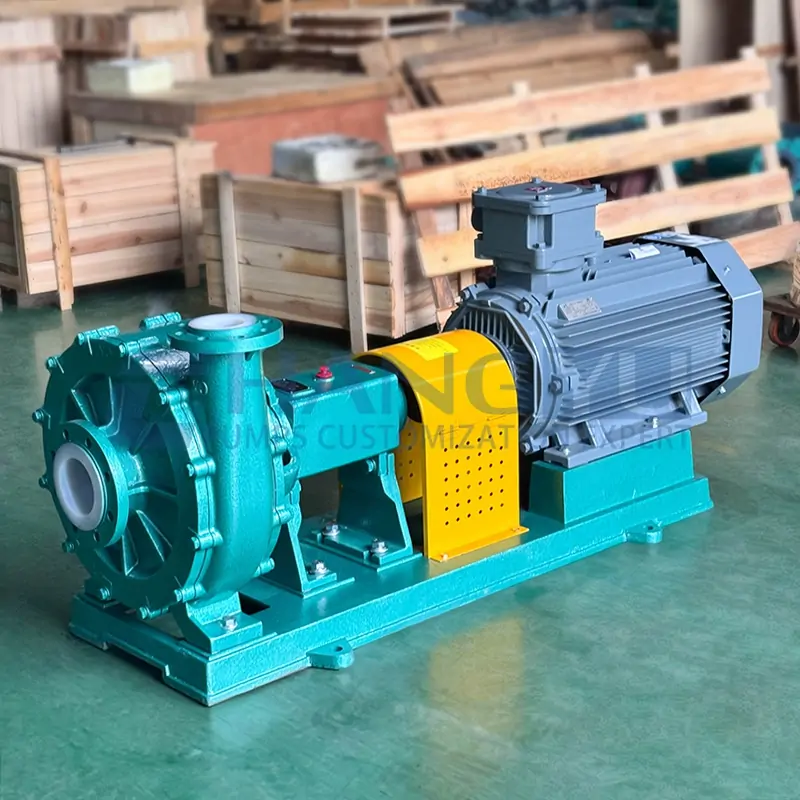
كيف تصمم نظام تبريد للمضخات الكيميائية ذات درجة الحرارة العالية؟
تصميم نظام التبريد لـ مضخة كيميائية عالية الحرارة يعمل على ثلاث وظائف مستقلة: حماية مانع التسرب الميكانيكي من التدهور الحراري، والحفاظ على زيوت التشحيم الخاصة بالمحمل تحت درجة حرارة الانهيار، ومنع انتقال الحرارة من الغلاف إلى مبيت المحمل.
تبريد غرفة الختم
أقل من 200 درجة مئوية، توفر خطة تدفق مانع التسرب (خطة API 21 أو 23) تبريدًا مناسبًا. وما بين 200 درجة مئوية و300 درجة مئوية، يلزم وجود غرفة ختم مغطاة بغلاف مع وسيط تبريد خارجي - عادةً ماء أو خليط ماء-جلايكول -. وفوق 300 درجة مئوية، يعتبر البخار متوسط الضغط في غلاف حجرة مانع التسرب هو الحل المعمول به: فهو يوفر تبريداً كافياً أثناء التشغيل (بخار التبريد يمنع تكويك سائل مانع التسرب وتصلبه) مع الحفاظ على سائل مانع التسرب الاحتياطي للمضخة دافئاً بما يكفي لبدء التشغيل (بخار التطهير يزيل التكثيف).
تبريد مبيت المحمل
في درجات حرارة الغلاف التي تزيد عن 200 درجة مئوية، فإن الحرارة التي تجري على طول العمود سترفع درجة حرارة مادة تشحيم المحمل فوق حد الاستقرار الحراري ما لم تتم إدارتها بفاعلية. يتم تجهيز أغلفة المحامل بسترات تبريد (مبردة بالماء) أو زعانف تبريد (مبردة بالهواء). فوق 300 درجة مئوية، يكون الدوران القسري للمياه من خلال سترة تبريد مبيت المحمل قياسيًا.
لتزييت المحامل في الخدمة في درجات الحرارة العالية, أنظمة رذاذ الزيت توفر مزايا مقارنةً بالتشحيم التقليدي في الحوض: الحقن المستمر لرذاذ الزيت الطازج والمبرد يوفر ضغطًا إيجابيًا لاستبعاد الملوثات، ويزيل الحرارة من المحمل، ويزيل الحاجة إلى حوض زيت كبير يمكن أن يتحلل حراريًا بمرور الوقت. هذه التقنية مفيدة بشكل خاص للمضخات التي تعمل فوق 200 درجة مئوية حيث يتم تقصير عمر زيت الحوض بشكل كبير. هام: يجب التحكم في جودة مياه التبريد لمنع ترسب القشور، مما يقلل بشكل كبير من كفاءة نقل الحرارة. يمكن أن يشكل الماء العسر الذي يزيد عن 70 درجة مئوية قشورًا تعزل أسطح الغلاف وتؤدي إلى ارتفاع درجة حرارة المحمل.
العزل الحراري بين الغلاف ومبيت المحمل
يتم تركيب حاجز حراري - عادةً ما يكون عبارة عن حلقة فانوس أو مجموعة فواصل مع فجوة هوائية - بين غلاف المضخة وقوس المحمل لقطع مسار الحرارة الموصلة وإطالة عمر كل من مادة التشحيم وعمر خدمة المحمل.
كيفية اختيار مضخة كيميائية عالية الحرارة: إطار من 5 خطوات
الخطوة 1: توصيف المائع عند درجة حرارة التشغيل القصوى
قم بتوثيق التركيب الكيميائي، والتركيز، والجاذبية النوعية، واللزوجة، وضغط البخار عند أعلى درجة حرارة متوقعة للعملية. عادةً ما تتسارع معدلات التآكل مع ارتفاع درجة الحرارة - كقاعدة عامة، يمكن أن تتضاعف معدلات التآكل المنتظمة لكل 10 درجات مئوية ارتفاعًا. قد تفشل مادة تم التحقق من صلاحيتها لمادة كيميائية عند 25 درجة مئوية بسرعة عند 150 درجة مئوية.
الخطوة 2: تحديد معدل التدفق والرأس الديناميكي الكلي
حساب معدل التدفق المطلوب و TDH. تطبيق عوامل تصحيح اللزوجة للسوائل التي تزيد عن 20 سنتيمتر مكعب تقريبًا عند درجة حرارة الضخ.
الخطوة 3: التحقق من هامش NPSH وضمان الحد الأدنى للتدفق الحراري (MTF)
المتاح NPSH يجب حسابها باستخدام ضغط بخار السائل عند درجة حرارة التشغيل القصوى:NPSHA = (P_atm - P_vap + P_vap + P_static_head - h_f) × (1/ρg).
في درجات الحرارة المرتفعة, ب_فاب يزداد أضعافًا مضاعفة: على سبيل الإشارة، يبلغ ضغط بخار الماء حوالي 4.76 بار عند درجة حرارة 150 درجة مئوية و15.55 بار عند درجة حرارة 200 درجة مئوية. وهذا يمكن أن يقلل من الضغط الصافي للضغط البُخاري غير القابل للارتفاع والضغط البُخاري للسوائل الشبيهة بالماء بأكثر من 10 أمتار؛ ويتضخم التأثير في حالة المذيبات العضوية المتطايرة. ويلزم وجود هامش ضغط صافي ضغط صافي ضغط السوائل الشبيهة بالماء (NPSHA > 1.3 × NPSHR) بحد أدنى متر واحد، ويزيد إلى 2-3 أمتار للسوائل التي تقع ضمن 10 درجات مئوية من درجة غليانها.
عندما تقترب درجة حرارة السائل من نقطة التشبع، فإن الحفاظ على الحد الأدنى للتدفق الحراري (MTF) تصبح حرجة. يجب أن تمرر المضخة ما يكفي من السوائل لنقل الحرارة الناتجة عن إعادة التدوير الداخلي. إذا كان تدفق المعالجة لا يمكن أن يتجاوز بشكل موثوق به عامل التدفق المتوسط، فيجب إدخال تغييرات في التصميم مثل خطوط إعادة التدفق، أو صمامات إعادة التدوير التلقائي، أو التدفق الجانبي المستمر.
الخطوة 4: اختر دعامة الغلاف والمواد ومانع التسرب بناءً على تصنيف درجة الحرارة
قم بمطابقة دعامة الغلاف (القدم أو خط الوسط)، ومواد البناء، ونوع مانع التسرب، وتكوين التبريد مع نطاق درجة الحرارة. بالنسبة لدرجات الحرارة التي تتجاوز 260 درجة مئوية، تحقق من زيادة الخلوص الداخلي لاستيعاب النمو الحراري.
الخطوة 5: تقييم التكلفة الإجمالية للملكية على مدى عمر خدمة المعدات
سعر شراء مضخة كيميائية عالية الحرارة هو جزء بسيط من تكلفة العمر الافتراضي. ويساهم كل من استهلاك الطاقة، وتكرار استبدال مانع التسرب عند درجة حرارة التشغيل، وتكلفة تشغيل نظام التبريد، وقيمة الإنتاج لوقت التوقف غير المخطط له في التكلفة الإجمالية. توفر المضخة ذات التكلفة الأولية الأعلى ولكن عمر مانع التسرب الأطول بكثير في درجة الحرارة باستمرار تكلفة إجمالية أقل للملكية الفكرية.
ما هي تطبيقات المضخات الكيميائية ذات درجة الحرارة العالية؟
المعالجة الكيميائية. نقل الأحماض الساخنة (الكبريتيك والفوسفوريك والنتريك عند درجة حرارة 120-180 درجة مئوية)، وتدوير غلاف المفاعل، وتغذية عمود التقطير لإعادة الغليان. تخدم مضخات الطرد المركزي المبطنة بـ PFA خدمات الأحماض؛ ومضخات الفولاذ المقاوم للصدأ تتعامل مع المذيبات عالية الحرارة والمواد الوسيطة العضوية.
البتروكيماويات والتكرير. يتطلب تدوير سائل نقل الحرارة (زيت ساخن عند درجة حرارة 200-350 درجة مئوية)، ونقل قيعان المصفاة، وضخ زيت الغاز مضخات مثبتة في خط مركزي ومختومة بمنفاخ معدني مع تبريد كامل للغلاف. التصاميم المتوافقة مع API 610 هي المواصفات الحاكمة.
تصنيع المستحضرات الصيدلانية والمواد الكيميائية الدقيقة. تتطلب عمليات تفريغ المفاعلات ذات درجة الحرارة العالية واستعادة المذيبات وعمليات التبلور مضخات تحافظ على نقاء المنتج في درجة الحرارة. وتخدم مضخات الدفع المغناطيسي المبطنة ب PFA هذه المهام.
أشباه الموصلات والإلكترونيات. يتطلب توصيل المواد الكيميائية عالية النقاء في درجات حرارة مرتفعة - مثل أجهزة تجريد مقاومات الضوء المسخنة ومواد الحفر - مضخات تمنع التسرب والتلوث المعدني. تخدم تصميمات المحرك المغناطيسي المبطن بـ PFA هذا القطاع.
الطاقة الشمسية الحرارية الشمسية وتخزين الطاقة. تتطلب أنظمة تدوير الملح المنصهر وأنظمة الزيت الحراري ذات درجات الحرارة العالية مضخات مصممة للتشغيل المستمر عند درجة حرارة 250-400 درجة مئوية. التركيب في خط الوسط، وموانع التسرب ذات المنافيخ المعدنية، والتبريد الكامل للغلاف هي مواصفات قياسية.
كيف تقوم بتركيب المضخات الكيميائية ذات درجة الحرارة العالية؟
تعويض التمدد الحراري. يجب تركيب المضخات المثبتة على خط مركزي مع خلوص كافٍ في وصلات الأنابيب لاستيعاب النمو الحراري المحوري. سوف تنقل الأنابيب المقيدة بصرامة قوى مفرطة إلى حواف الغلاف وتتسبب في اختلال المحاذاة.
متطلبات العزل. تتطلب API 610 أن يتم تغطية غلاف المضخة وغرفة مانع التسرب بعزل عالي الحرارة لإبطاء معدل التبريد أثناء الإغلاق، ومنع الانكماش الحراري غير المتساوي الذي يسبب التشوه، وحماية العاملين من مخاطر الحروق. يجب ألا يقيد العزل الوصول إلى مبيت المحمل أو وصلات تدفق مانع التسرب.
متطلبات التسخين المسبق. قبل بدء تشغيل المضخة التي ستتعامل مع سائل بدرجة حرارة عالية، يجب تسخين غلاف المضخة إلى حوالي 55 درجة مئوية من درجة حرارة التشغيل بمعدل محكوم - عادةً 55 درجة مئوية في الساعة للإحماء العادي. قد يُسمح بالإحماء في حالات الطوارئ بمعدل يصل إلى 149 درجة مئوية في الساعة إذا تم تحديده من قبل الشركة المصنعة والتحقق من مقاومة مادة الغلاف للصدمات الحرارية. يتم تحقيق التسخين المسبق عن طريق تدوير سائل المعالجة الساخن من خلال غلاف المضخة مع توقف المضخة، باستخدام خط تجاوز الإحماء.
كيف تحافظ على المضخات الكيميائية ذات درجة الحرارة العالية؟
مراقبة الحالة. يجب متابعة المعلمات التالية من اليوم الأول للتشغيل: درجة حرارة مبيت المحمل ودرجة حرارة حجرة الختم والاهتزاز. يشير ارتفاع درجة حرارة حجرة مانع التسرب إلى عدم كفاية تدفق التدفق، أو تراكم المواد الصلبة، أو بداية تدهور واجهة مانع التسرب. يشير ارتفاع درجة حرارة مبيت المحمل إلى عدم كفاية التبريد أو تدهور مواد التشحيم. بالنسبة لأنظمة مياه التبريد، قم بمراقبة جودة المياه وفحص السترات بشكل دوري بحثًا عن تراكم القشور، وهو سبب خفي شائع لارتفاع درجة حرارة المحمل.
إشارات التحذير. يتطلب أي مما يلي إجراء تحقيق فوري: زيادة مفاجئة في الاهتزاز، أو تسرب مانع التسرب، أو ارتفاع تيار المحرك، أو الفشل في الحفاظ على ضغط التفريغ. في الخدمة ذات درجة الحرارة العالية، يمكن أن يتصاعد تسرب مانع التسرب الصغير بسرعة حيث يتبخر السائل المتسرب ويرسب المواد الصلبة على واجهات مانع التسرب، مما يسرع من التآكل.
الفحص المجدول. بالنسبة للمضخات التي تتعامل مع المواد الكيميائية ذات درجة الحرارة العالية، يوصى بإجراء فحص ربع سنوي لمصافي تدفق مانع التسرب وممرات مياه التبريد وحالة زيوت التشحيم المحامل. قم بفك المضخة سنويًا لقياس الخلوص الداخلي، وفحص الغلاف بحثًا عن التآكل أو التآكل، واستبدال جميع المكونات المرنة بغض النظر عن الحالة الظاهرة - حيث أن التقادم الحراري يعانق المرنات حتى بدون تدهور مرئي.
ما هي المضخة الكيميائية ذات درجة الحرارة العالية المناسبة لاستخدامك؟
تقدم مضخة Changyu ثلاث منصات مضخات مصممة للخدمة الكيميائية في درجات الحرارة العالية، كل منها يتوافق مع نطاقات درجات حرارة محددة ومتطلبات المعالجة.
مضخة كيميائية بطرد مركزي من الفولاذ المقاوم للصدأ من سلسلة CYH
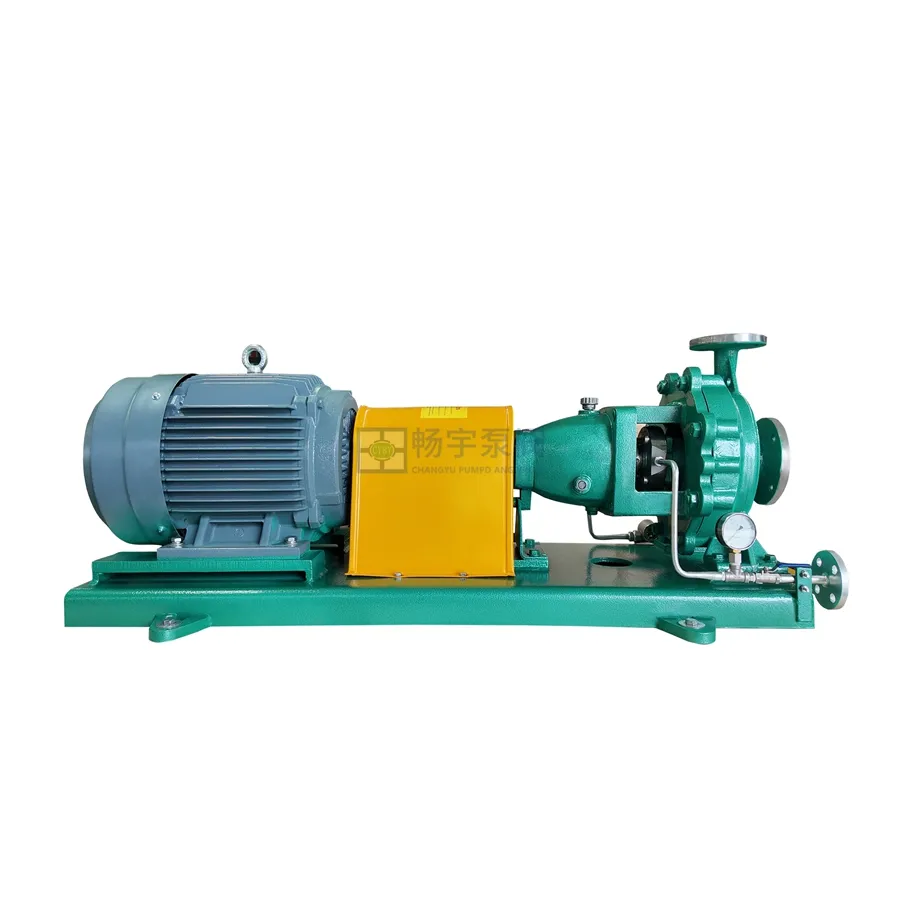
سلسلة CYH عبارة عن مضخة طرد مركزي أحادية المرحلة أحادية الشفط ذات شفط واحد مصممة وموسومة وفقًا ل ISO 2858. مصنوعة من الفولاذ المقاوم للصدأ - 304، أو 316، أو 316L، أو الفولاذ المقاوم للصدأ المزدوج - تم تصنيفها للتشغيل المستمر من -20 درجة مئوية إلى 165 درجة مئوية. تُستخدم سلسلة CYH كبديل للمضخات التقليدية المبطنة بالفلور البلاستيك في التطبيقات التي يكون فيها المسار المبلل المعدني متوافقًا مع سائل العملية عند درجة الحرارة. وتشمل المهام النموذجية نقل المذيبات الساخنة وتدوير مياه المعالجة في درجات الحرارة العالية ونقل المواد الكيميائية الوسيطة.
المواصفات الرئيسية: تدفق 0.8-750 م³/ساعة | رأس 3-130 م | طاقة 2.2-110 كيلوواط | سرعة 968-3,450 دورة/دقيقة | درجة الحرارة -20 درجة مئوية إلى 165 درجة مئوية
مضخة الملاط الفولاذ المقاوم للصدأ من سلسلة HB
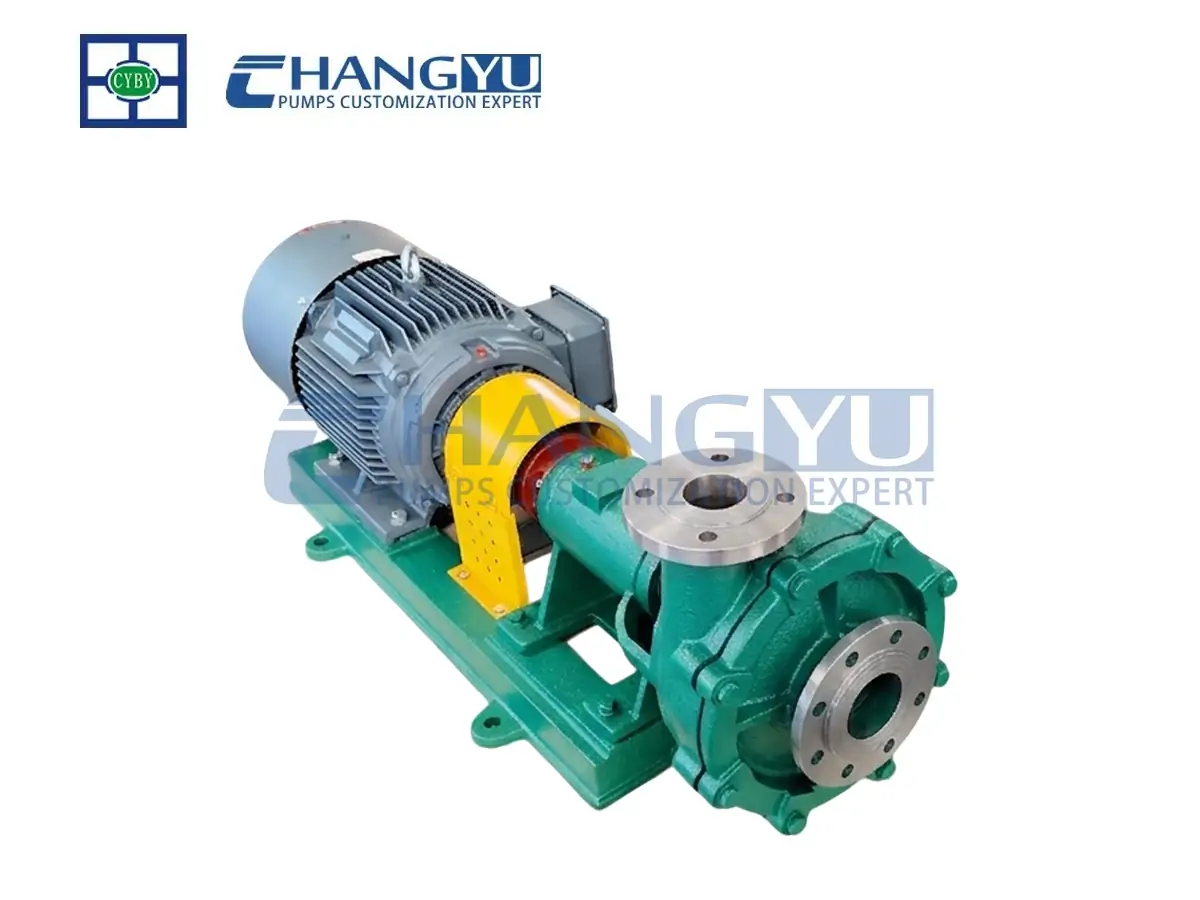
سلسلة HB عبارة عن مضخة طرد مركزي أفقية عالية الكفاءة أحادية المرحلة أحادية الشفط أحادية الشفط مصممة وفقًا ل ISO 2858 ومتوافق مع معايير CE. مصنوع من هيكل مبلل بالكامل من الفولاذ المقاوم للصدأ - قابل للتخصيص في 304، و316، و316L، و2205، و2507 - تتعامل مع الملاط الكاشطة والسوائل متوسطة التآكل في درجات حرارة تتراوح من -20 درجة مئوية إلى 120 درجة مئوية. في التطبيقات الكيميائية ذات درجات الحرارة المرتفعة، يتم تحديد سلسلة HB لمهام نقل الملاط الساخن حيث توجد كل من درجات الحرارة المرتفعة والمواد الصلبة الكاشطة، مثل تدوير الملاط المحفز وتدفقات المعالجة الساخنة التي تحتوي على جسيمات معلقة.
المواصفات الرئيسية: تدفق 10-60 م³/ساعة | رأس 20-120 م | طاقة 3-45 كيلوواط | سرعة 2,900 دورة/دقيقة | درجة الحرارة -20 درجة مئوية إلى 120 درجة مئوية
مضخة نقل بيروكسيد الهيدروجين سلسلة CYQ
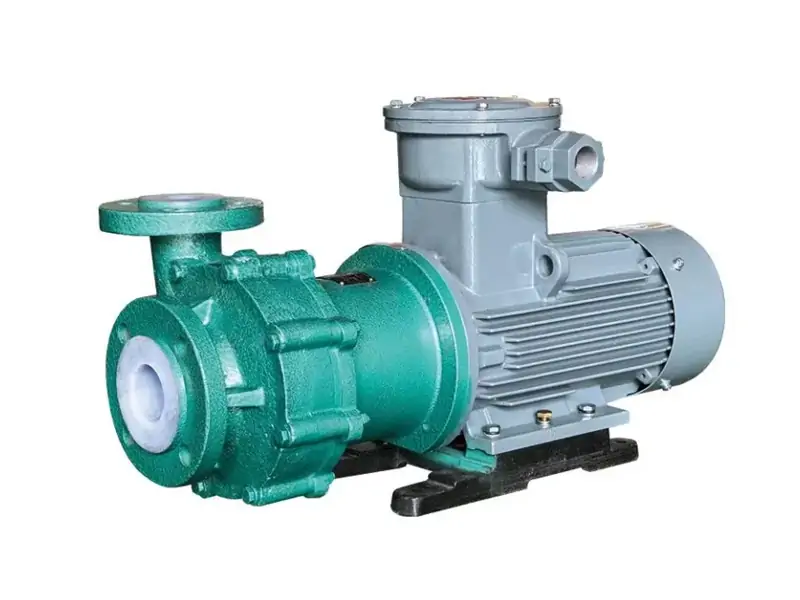
سلسلة CYQ عبارة عن مضخة ذات محرك مغناطيسي عديم العزل مع مكونات مبللة مبطنة FEP أو PFA أو PTFE. يتم نقل عزم الدوران من محرك قياسي عبر غلاف احتواء ثابت، مما يحيط بسائل المعالجة في غرفة محكمة الغلق تمامًا ويحقق تسربًا صفريًا حسب التصميم. صُممت سلسلة CYQ للتشغيل المستمر من -20 درجة مئوية إلى 180 درجة مئوية، وهي مخصصة للنقل الكيميائي في درجات الحرارة العالية لبيروكسيد الهيدروجين والأحماض الساخنة المسببة للتآكل والمذيبات العضوية وغيرها من الوسائط العدوانية حيث تكون مقاومة درجات الحرارة والاحتواء بدون تسرب مطلوبة.
المواصفات الرئيسية: تدفق 3-800 م³/ساعة | رأس 15-125 م | طاقة 2.2-110 كيلوواط | سرعة 2,950 دورة/دقيقة | درجة الحرارة -20 درجة مئوية إلى 180 درجة مئوية
الأسئلة المتداولة
س1: عند أي درجة حرارة تحتاج المضخة الكيميائية إلى ميزات تصميم خاصة؟
ج: تكون التصميمات القياسية للمضخات كافية بشكل عام حتى 120 درجة مئوية تقريبًا، وفوق ذلك تتطلب موانع التسرب المرنة وتزييت المحامل والتمدد الحراري اهتمامًا هندسيًا. يكون التركيب في خط الوسط قياسيًا فوق 150 درجة مئوية فوق 150 درجة مئوية وإلزاميًا فوق 200 درجة مئوية؛ يجب زيادة الخلوص الداخلي > 260 درجة مئوية.
س2: ما هي أفضل مادة لمضخة كيميائية عالية الحرارة؟
ج: توفر المضخات المبطنة بـ PFA مقاومة شبه شاملة للتآكل للأحماض حتى 160-180 درجة مئوية. يوفر الفولاذ المقاوم للصدأ نافذة تشغيلية واسعة من -196 درجة مئوية إلى ~ 420 درجة مئوية، مع انخفاض قوة مقاومة 316L من حوالي 170 ميجا باسكال عند درجة حرارة الغرفة إلى حوالي 100 ميجا باسكال عند 300 درجة مئوية. يُفضل الفولاذ C6 (12% Cr) لخدمات التكرير الساخنة أكثر من 300 درجة مئوية.
س3: كيف يتم حماية الأختام الميكانيكية من درجات الحرارة العالية؟
ج: تحت 200 درجة مئوية أقل من 200 درجة مئوية، تُبرد خطط تدفق مانع التسرب (API 21/23) مانع التسرب؛ وفوق 200 درجة مئوية، يلزم وجود غرفة مانع تسرب مغلفة مع تبريد خارجي؛ وفوق 300 درجة مئوية، تكون موانع التسرب ذات المنافيخ المعدنية مع التبريد/التنقية بالبخار قياسية.
س4: ما هو التركيب في خط الوسط ولماذا هو ضروري للمضخات ذات درجة الحرارة العالية؟
ج: يعمل التركيب على خط الوسط على تثبيت الغلاف عند خط الوسط بحيث يكون التمدد الحراري متماثلًا، مما يحافظ على المحاذاة، على عكس المضخات المثبتة على القدم التي تتمدد بشكل غير متماثل مما يسبب اختلال المحاذاة.
س5: ما هو التبريد المطلوب لمبيت المحمل؟
ج: يكفي التبريد الطبيعي تحت درجة حرارة أقل من 200 درجة مئوية تقريبًا؛ والتبريد النشط بسترة الماء أو التبريد بالهواء مطلوب فوق 200 درجة مئوية؛ والتبريد القسري بالماء قياسي فوق 300 درجة مئوية. يوفر تزييت رذاذ الزيت فوائد إضافية للمضخات التي تزيد درجة حرارتها عن 200 درجة مئوية عن طريق تقليل التدهور الحراري لزيت الحوض.
س6: كيف يمكنك منع حدوث صدمة حرارية عند بدء تشغيل مضخة ذات درجة حرارة عالية؟
ج: قم بتسخين الغلاف عند ≤55 درجة مئوية/ساعة إلى درجة حرارة تصل إلى 55 درجة مئوية تقريبًا من درجة حرارة التشغيل باستخدام خط الإحماء الجانبي. قد يُسمح بالإحماء الطارئ عند درجة حرارة تصل إلى 149 درجة مئوية/ساعة إذا تم تحديدها من قبل الشركة المصنعة والتحقق من مادة الغلاف.
س7: هل يمكن للمضخة ذات المحرك المغناطيسي التعامل مع المواد الكيميائية ذات درجة الحرارة العالية؟
ج: نعم، تعمل المضخات ذات الدفع المغناطيسي المبطنة ب PFA حتى 180 درجة مئوية تقريبًا؛ وفوق ذلك، تعمل المضخات ذات الدفع المغناطيسي المصنوعة من الفولاذ المقاوم للصدأ مع أغلفة Hastelloy على توسيع النطاق.
س8: ما هو نطاق درجة الحرارة الذي يمكن للمضخة المبطنة ب PFA التعامل معه؟
ج: يتم تصنيف المضخات المبطنة بـ PFA من -20 درجة مئوية إلى 160 درجة مئوية تقريبًا في التطبيقات الهيكلية، وحتى 180 درجة مئوية في مهام منع التسرب الساكنة، وحتى 180 درجة مئوية في تصميمات المحرك المغناطيسي حيث لا يكون PFA هو المكون الهيكلي الأساسي. يتحمل PFA نفسه درجات حرارة مستمرة تصل إلى 260 درجة مئوية.
س9: كيف يمكنني تحديد مضخة للحمض الساخن الكاشطة أيضًا؟
ج: بالنسبة للعجائن الساخنة والكاشطة، فإن المضخات المبطنة من الفولاذ المقاوم للصدأ المزدوج أو UHMW-PE هي المضخات القياسية. PFA محدود بسبب مقاومته المعتدلة للتآكل. تتعامل مضخة الملاط المصنوعة من الفولاذ المقاوم للصدأ من سلسلة HB مع الملاط الكاشطة الساخنة في درجات حرارة تصل إلى 120 درجة مئوية.
Q10: ما هو الحد الأدنى للتدفق الحراري (MTF) ولماذا هو مهم؟
ج: معدل التدفق المتوسط هو أقل معدل تدفق يمكن أن تعمل به المضخة دون ارتفاع درجة حرارة السائل بشكل غير مقبول بسبب إعادة الدوران الداخلي. عندما لا يمكن أن يتجاوز تدفق العملية بشكل موثوق به معدل التدفق المتوسط - وهو أمر بالغ الأهمية للسوائل القريبة من نقطة الغليان - يجب دمج خط إعادة التدفق، أو صمام إعادة التدوير التلقائي، أو مجرى جانبي مستمر لمنع التبخير، والتجويف، والفشل الكارثي.
توصيات اختيار المضخات الكيميائية ذات درجة الحرارة العالية
- قم بتصنيف درجة الحرارة قبل اختيار أي تكوين للمضخة. تتغير المتطلبات الهندسية بشكل أساسي عند 120 درجة مئوية و200 و300 درجة مئوية تقريبًا. لن يكون أداء المضخة المحددة ل 150 درجة مئوية مقبولاً إذا تم تطبيق نفس التصميم على 280 درجة مئوية دون معالجة دعم الغلاف ونوع مانع التسرب وتكوين التبريد. توفر API 610 إطار التصميم الحاكم لهذه الخدمات.
- طابق نوع مانع التسرب وخطة التدفق مع تصنيف درجة الحرارة. فوق 200 درجة مئوية أعلى من 200 درجة مئوية، حدد موانع تسرب منفاخ معدنية تزيل مانع التسرب الثانوي الديناميكي. وفوق 300 درجة مئوية فوق 300 درجة مئوية، فإن تبريد غلاف حجرة مانع التسرب ببخار متوسط الضغط هو الحل المتبع.
- حدد التركيب في خط الوسط لأي مضخة تعمل بشكل مستمر فوق 120 درجة مئوية، واجعله إلزاميًا فوق 200 درجة مئوية. يتم استرداد التكلفة الإضافية لدعم خط الوسط من خلال تقليل انحراف المحاذاة، وانخفاض الاهتزاز، وإطالة عمر مانع التسرب والمحمل.
- صمم نظام التبريد لمبيت المحمل، وليس فقط حجرة الختم. إن فشل المحمل الناجم عن التدهور الحراري لزيت التشحيم يتجاوز بكثير تكلفة دمج تبريد مبيت المحمل في مرحلة المواصفات. مراقبة جودة مياه التبريد لمنع فقدان الكفاءة المرتبط بالقياس.
- تحقق من توافق المواد عند درجة حرارة التشغيل القصوى، وليس عند درجة حرارة المعالجة الاسمية. كدليل إرشادي متحفظ، يمكن أن تتضاعف معدلات التآكل المنتظم لكل 10 درجات مئوية ارتفاع. قم بتأكيد كل مكون مبلل - الغلاف، والدافع، وجلبة العمود، والحلقات على شكل O، والحشيات، وأوجه مانع التسرب - ضد أسوأ الحالات الحرارية والكيميائية.
الخاتمة
تحديد مضخة كيميائية عالية الحرارة يعني مطابقة دعامة غلاف المضخة والمواد وموانع التسرب وتكوين التبريد مع نطاق درجة الحرارة التي ستعمل فيها. سواءً كان استخدام الفولاذ المقاوم للصدأ عبر نطاقه الرائع من -196 درجة مئوية إلى 420 درجة مئوية أو البوليمرات الفلورية للأحماض العدوانية في درجات الحرارة المرتفعة، يجب أن تتوافق المواد مع كل من الكيمياء والحمل الحراري. يبدأ النهج الهندسي بتصنيف درجات الحرارة على ثلاثة مستويات - 120-200 درجة مئوية، و200-300 درجة مئوية، وما فوق 300 درجة مئوية - كل منها يحمل متطلبات محددة لدعم الغلاف، ومواد البناء، ونوع مانع التسرب، وتكوين التبريد.
يتطلب اختيار المضخة المناسبة تحققًا منهجيًا من كيمياء السائل عند درجة حرارة التشغيل القصوى، وتصنيفه إلى فئة درجة الحرارة المناسبة، واختيار دعامة الغلاف المطابقة، والمواد، وتكوين مانع التسرب، وتصميم نظام تبريد يراعي جودة المياه وقابلية التوسع على المدى الطويل. للتواصل مع مضخة تشانغيو مع معلمات العملية وخصائص السوائل الخاصة بك. سيقدم فريقنا الهندسي توصية مفصلة بالمضخة وعرض أسعار مفصل.