
مضخة حمض الهيدروفلوريك يتطلب الاختيار مستوى أعلى من المراجعة الهندسية من النقل الكيميائي العادي. في خدمة حمض الهيدروفلوريك، يجب تقييم المضخة كنظام كامل، بما في ذلك المواد, وطريقة الإغلاق، ودرجة حرارة التشغيل، والتركيز، ودورة التشغيل، ومتطلبات التحكم في التسرب.
حمض الهيدروفلوريك هي واحدة من أكثر الوسائط تطلبًا التي يتم التعامل معها في المعالجة الصناعية. حتى عندما يبدو التدفق والرأس المطلوبين واضحين، فإن التكوين الخاطئ للمضخة يمكن أن يؤدي إلى تدهور سريع للمواد، وأداء غير مستقر لمانع التسرب، وصعوبة الصيانة، ومخاطر تشغيل غير مقبولة.
ولهذا السبب، فإن مضخة حمض الهيدروفلوريك المناسبة ليست مجرد مضخة الحمض الأقل تكلفة أو نوع المضخة الأكثر شيوعًا. إنها المضخة التي تتناسب على أفضل وجه مع مهمة حمض الهيدروفلوريك الفعلية، وتخطيط المصنع، ومعايير السلامة في الموقع.
في التطبيقات العملية، تُستخدم مضخات حمض الهيدروفلوريك في مهام النقل والدوران والتفريغ والتفريغ وتحديد الجرعات والتجميع في أنظمة المعالجة الكيميائية. واعتمادًا على التركيب، قد يكون الحل الأنسب هو مضخة ذاتية التحضير مغناطيسية مبطنة بالفلور، أو مضخة طرد مركزي مبطنة، أو مضخة غشائية تعمل بالهواء، أو مضخة غاطسة مفلورة.

ما هي مضخة حمض الهيدروفلوريك؟
A مضخة حمض الهيدروفلوريك هي مضخة كيميائية مقاومة للتآكل مصممة للنقل المتحكم فيه لحمض الهيدروفلوريك في الخدمة الصناعية. والغرض منها ليس فقط نقل السائل، ولكن أيضًا القيام بذلك بمقاومة كيميائية مناسبة، وأداء هيدروليكي مستقر، ونهج التحكم في التسرب المناسب لمناولة الأحماض الخطرة.
من وجهة نظر هندسية، يجب أن تفي المضخة بثلاثة متطلبات في نفس الوقت. أولاً، يجب أن تكون المكونات المبللة مناسبة لتركيز HF الفعلي ودرجة الحرارة. ثانيًا، يجب أن توفر المضخة السعة المطلوبة ورأس التفريغ. ثالثًا، يجب أن يدعم ترتيب الختم توقعات البيئة والسلامة في المحطة.
لا تزال معظم أنظمة حمض الهيدروفلوريك تعتمد على المبادئ الهيدروليكية المألوفة مثل مضخة طرد مركزي. والفرق هو أن خدمة الترددات العالية تتطلب اهتمامًا أكبر بكثير بالتوافق الكيميائي وموثوقية الختم أكثر من نقل السوائل العادية.
سبب صعوبة ضخ حمض الهيدروفلوريك
تحدي الضخ حمض الهيدروفلوريك لا يقتصر على التآكل وحده. تأتي الصعوبة الحقيقية من مزيج من السلوك الكيميائي العدواني وحساسية التسرب والحاجة إلى استقرار التشغيل على المدى الطويل في بيئة خدمة خطرة.
في العديد من التطبيقات الكيميائية، يركز المشترون أولاً على مادة جسم المضخة المرئية. في خدمة HF، هذا النهج غير مكتمل. يجب مراجعة المسار المبلل بالكامل، بما في ذلك البطانة، والدافع، ومنطقة جلبة العمود، وواجهات الحشية، والأغشية، والحلقات O، وأي مكون آخر قد يلامس السائل أو البخار.
درجة الحرارة و التركيز مهم أيضًا. قد يصبح ترتيب المضخة الذي يبدو مقبولاً عند نقطة تشغيل واحدة غير مناسب عند زيادة التركيز أو ارتفاع درجة حرارة العملية. ولهذا السبب مهندسو مضخة تشانغيو نوصي بالبدء في كل مضخة حمض الهيدروفلوريك مراجعة مع بيانات التشغيل الدقيقة بدلاً من فئة المنتج وحدها.
التحكم في التسرب مهم بنفس القدر. في نقل حمض الهيدروفلوريك، غالبًا ما تكون طريقة الختم حاسمة مثل اختيار المواد. وبالنسبة لكثير من المستخدمين، هذا هو السبب الرئيسي الذي يجعل تكوين المحرك المغناطيسي هو الطريق المفضل.
ما أنواع المضخات المستخدمة لحامض الهيدروفلوريك؟
يمكن النظر في عدة أنواع من المضخات لخدمة حمض الهيدروفلوريك، ولكنها غير قابلة للتبديل. يعتمد الاختيار الصحيح على التركيز ودرجة الحرارة ونمط التشغيل وتخطيط التركيب ومعيار التحكم في التسرب في الموقع.
مقارنة نوع المضخة
| نوع المضخة | الأنسب لـ | الميزة الرئيسية | النقطة الرئيسية التي يجب مراجعتها |
|---|---|---|---|
| مضخة الدفع المغناطيسي | النقل المستمر حيث يكون التحكم في التسرب أمرًا بالغ الأهمية | حدود سائلة غير محكمة الغلق وتقليل مخاطر التسرب | تأكد من التوافق الفعلي للمواد ودرجة حرارة التشغيل |
| مضخة طرد مركزي مبطنة | نقل مستمر بشروط خدمة متوافقة مع شروط الخدمة المتوافقة | أداء هيدروليكي مألوف وتدفق مستمر مستقر | مراجعة ترتيب مانع التسرب وملاءمة البطانة وخطة الصيانة |
| مضخة غشائية تعمل بالهواء | النقل المتقطع، والتفريغ، وخدمة التفريغ والدفعات | تشغيل مرن وسلوك عملي ذاتي التحضير الذاتي | تحقق من توافق الحجاب الحاجز، وإمدادات الهواء، ونمط الدورة |
| مضخة غاطسة فلوروبلاستيكية غاطسة | الحفر، والصهاريج، ومناطق التجميع تحت الأرض | يبسِّط التركيب المغمور وتخطيط الشفط | تأكيد واجب الغمر، وحالة السائل، والوصول إلى الصيانة |
| مضخة مغناطيسية ذاتية التحضير مغناطيسية | النقل فوق سطح الأرض عند الحاجة إلى التحضير الذاتي | تجمع بين التحكم في التسرب مع سهولة التركيب من جانب الشفط | مراجعة ظروف الرفع، والتوافق، ودورة العمل |
مضخة الدفع المغناطيسي
A مضخة الدفع المغناطيسي غالبًا ما يكون الخيار الأقوى حيث يكون تقليل مخاطر التسرب هو الأولوية القصوى. ونظرًا لأنه يزيل مانع التسرب الميكانيكي الديناميكي التقليدي من حدود السائل، فإنه يمكن أن يوفر حلاً أكثر أمانًا لنقل الأحماض الخطرة حيث تكون نظافة الموقع وسلامة العملية أمرًا مهمًا.
مضخة طرد مركزي مبطنة
A مضخة طرد مركزي مبطنة يمكن استخدامها عندما تتم مراجعة حالة الخدمة بالكامل ويفضل أسلوب التشغيل بالطرد المركزي القياسي. يمكن أن يعمل هذا المسار بشكل جيد في أنظمة مختارة ذات الخدمة المستمرة، ولكن يجب النظر بعناية في ترتيب مانع التسرب ونهج الصيانة.
مضخة غشائية تعمل بالهواء
A مضخة الحجاب الحاجز هو بديل عملي عندما يكون النقل متقطعًا أو قائمًا على التفريغ أو مرتبطًا بالتشغيل على دفعات. وهو مفيد بشكل خاص عندما يكون سلوك التحضير الذاتي والمرونة التشغيلية أكثر أهمية من التدفق المستمر بالطرد المركزي.
مضخة غاطسة فلوروبلاستيكية غاطسة
A مضخة غاطسة غالبًا ما يكون الخيار الأفضل عندما يكون حمض الهيدروفلوريك يتم التعامل معها في الحفر أو الخزانات أو مناطق التجميع تحت الأرض. في هذه التخطيطات، قد يحل التركيب المغمور مشاكل جانب الشفط بفعالية أكبر من المضخة فوق الأرض.
ما هي المواد الأكثر أهمية؟
في حمض الهيدروفلوريك الخدمة, المواد هي أهم قرار تقني في نظام المضخة بأكمله. لا يوجد اختيار عالمي للمواد التي ينبغي افتراض أنها مناسبة لكل تطبيق من تطبيقات التردد العالي. تعتمد الملاءمة النهائية على التركيز، ودرجة الحرارة، والشوائب، ودورة التشغيل، والبناء الدقيق للمضخة.
في العديد من الأنظمة الكيميائية المسببة للتآكل، يقوم المستخدمون بتقييم المواد المبللة القائمة على البوليمر الفلوري لأن المقاومة الكيميائية هي الأولوية الأولى. ومن المواد المعروفة جيداً التي غالباً ما تناقش في هذا السياق هي PTFE, ولكن حتى في هذه الحالة، لا يجب أن يعتمد اختيار المواد على الملصق العام وحده. يجب التحقق من ذلك مقابل حالة التشغيل الحقيقية.
ومن المهم أيضًا فصل القوة الهيكلية عن مقاومة تلامس السوائل. قد تحتوي المضخة على غلاف خارجي معدني للقوة الميكانيكية بينما تعتمد على مسار تدفق داخلي مبطن أو بلاستيكي فلوري للحماية الكيميائية. يغفل المشترون أحيانًا هذا التمييز ويركزون فقط على جسم المضخة المرئي.
يجب مراجعة المكونات المتعلقة بمانع التسرب بنفس العناية. يمكن أن تصبح الحشيات والحلقات الدائرية والأغشية وعناصر منع التسرب المساعدة نقاط ضعف إذا تم اختيارها حسب الفئة فقط بدلاً من حالة الخدمة الدقيقة. يوصي مهندسو مضخة تشانغيو بما يلي تقييم النظام المبلل بأكمله بدلاً من مراجعة مادة الغلاف بمعزل عن غيرها.
أين تُستخدم مضخات حمض الهيدروفلوريك؟
مضخات حمض الهيدروفلوريك تُستخدم في الأنظمة الصناعية التي تتطلب التحكم في نقل HF لمناولة العمليات أو التدوير أو الجرعات أو التفريغ أو التجميع. ويعتمد التطبيق الدقيق على تصميم المنشأة، ولكن نقاط العمل الشائعة تشمل:
- النقل بين صهاريج التخزين وخطوط المعالجة.
- دوران العملية المستمر.
- الجرعات المجمعة أو نقاط التغذية المتقطعة.
- تفريغ الصهاريج ونقل الحاويات.
- حُفَر التجميع وأنظمة المناولة تحت الأرض.
- خطوط المواد الكيميائية الخطرة حيث يكون انخفاض مخاطر التسرب من متطلبات التصميم.
ما يهم أكثر هو العمل المحلي في كل نقطة نقل. قد يحتاج أحد أجزاء المحطة إلى حل محرك مغناطيسي للنقل المستمر، بينما قد يحتاج جزء آخر من المحطة إلى تكوين غشائي أو غاطس لأن دورة التشغيل أو هندسة التركيب مختلفة.
كيفية اختيار مضخة حمض الهيدروفلوريك المناسبة
موثوق الاختيار يجب أن تتبع العملية الخاصة بخدمة حمض الهيدروفلوريك تسلسلًا تقنيًا، وليس نهج الكتالوج أولاً.
1. تأكيد الحالة الكيميائية الدقيقة
ابدأ بتركيز حمض الهيدروفلوريك الفعلي، ودرجة حرارة التشغيل، وأي شوائب أو مواد كيميائية مختلطة في التيار. وتؤثر هذه العوامل بشكل مباشر على ملاءمة المواد على المدى الطويل وتحدد ما إذا كان تكوين مضخة معينة يستحق حتى التفكير فيه.
2. تحديد الواجب الهيدروليكي
بعد ذلك، تأكد من معدل التدفق ورأس التفريغ وحالة الشفط وتخطيط الأنابيب ودورة التشغيل. يمكن لمضخة متوافقة كيميائيًا ولكن غير متطابقة هيدروليكيًا أن تتعطل مبكرًا بسبب التشغيل غير المستقر أو الاهتزاز أو سلوك الشفط السيئ أو التآكل المفرط.
3. تقييم متطلبات التحكم في التسرب
في خدمة الترددات العالية، يجب التعامل مع التحكم في التسرب كمتطلب تصميمي وليس كتفضيل ثانوي. إذا ركزت المحطة تركيزًا قويًا على التحكم في الانبعاثات والتشغيل الأكثر أمانًا، فقد يكون مسار المحرك المغناطيسي أكثر ملاءمة من التصميم التقليدي المختوم.
4. مراجعة هندسة التركيب
يؤثر تخطيط التركيب بقوة على اختيار المضخة. خطوط النقل فوق الأرض، ونقاط التفريغ، وحفر التجميع، والخزانات المغمورة لا تتطلب دائمًا نفس بنية المضخة. يوصي مهندسو مضخة تشانغيو بما يلي معالجة مراجعة التخطيط كجزء من اختيار المضخة وليس كتفاصيل تركيب لاحقة.
5. التحقق من الصلاحية العملية للصيانة
يجب أن تكون المضخة النهائية عملية للفحص والصيانة في بيئة المصنع الحقيقية. يؤثر الوصول لاستبدال مكونات التآكل، وفحص الأجزاء المبطنة وخدمة الحجاب الحاجز والصيانة الروتينية على تكلفة التشغيل الحقيقية.
قائمة الاختيار
| عامل الاختيار | ما أهمية ذلك | ما يجب تأكيده قبل عرض الأسعار |
|---|---|---|
| تركيز التردد العالي المتردد (HF) | تحديد مدى ملاءمة المواد | نطاق التركيز الدقيق |
| درجة الحرارة | يؤثر على ثبات المواد ومانع التسرب | درجة الحرارة العادية والقصوى |
| معدل التدفق | تحديد الحجم الهيدروليكي | السعة المطلوبة |
| الرأس | يحدد ملاءمة منحنى المضخة | إجمالي الرأس الديناميكي |
| تخطيط التركيب | التأثيرات اختيار نوع المضخة | فوق سطح الأرض أو فوق الخزان أو الحفرة أو المغمورة |
| دورة العمل | تغيير ملاءمة المضخة | التفريغ المستمر والمتقطع والتفريغ والجرعات |
| معيار التحكم في التسرب | تأثيرات استراتيجية الختم | تفضيل المحرك المغناطيسي أو أي تصميم آخر منخفض التسرب |
| الوصول إلى الصيانة | يؤثر على التكلفة الإجمالية للملكية | إمكانية الوصول المتاحة، وطريقة الخدمة، والتطبيق العملي للاستبدال |
حلول مضخة حمض الهيدروفلوريك الموصى بها من مضخة تشانغيو
بالنسبة لتطبيقات حمض الهيدروفلوريك، فإن الطريقة الأكثر احترافية للتوصية بالمنتجات هي مطابقة كل نموذج مع المهمة الأنسب له. وهذا يعطي القارئ مساراً هندسياً واقعياً بدلاً من قائمة منتجات عامة.
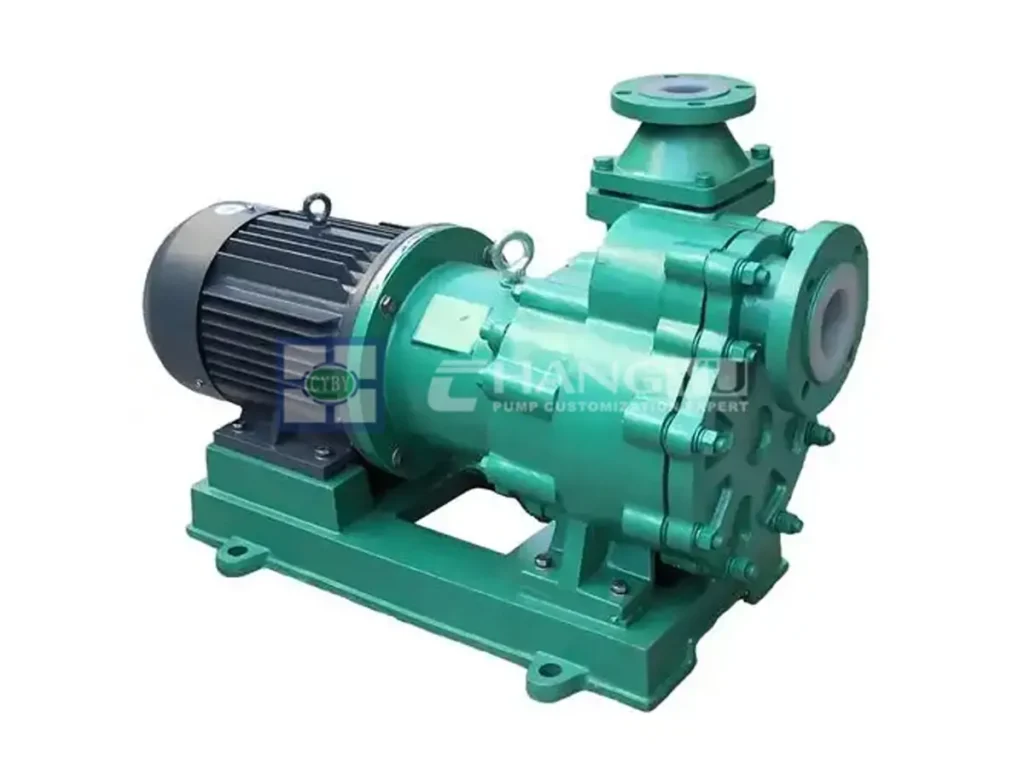
1) المضخة المغناطيسية ذاتية التحضير المغناطيسية المبطنة بالفلور من سلسلة ZCQ
هذا هو الأكثر طبيعية التوصية الأساسية للعديد من أنظمة نقل حمض الهيدروفلوريك لأنه يجمع بين ثلاث ميزات مهمة في خدمة التردد العالي الحقيقي: المقاومة الكيميائية المبطنة بالفلور، والتحكم في تسرب المحرك المغناطيسي، والقدرة على التحضير الذاتي.
من الناحية العملية، تكون هذه المضخة مفيدة بشكل خاص عندما يتم تركيب المضخة فوق مصدر السائل ولا يتوفر شفط مغمور بالمياه. يمكن لتصميم التحضير الذاتي أن يبسط تخطيط التركيب، بينما يقلل هيكل المحرك المغناطيسي من الاعتماد على مانع التسرب الميكانيكي الديناميكي التقليدي. هذا المزيج يجعلها جذابة بشكل خاص في نقل الأحماض الخطرة حيث تكون مخاطر التسرب المنخفضة والتركيب العملي من جانب الشفط مطلوبة.
تشمل التطبيقات الأكثر ملاءمة ما يلي:
- خطوط نقل الترددات العالية جداً فوق الأرض.
- أنظمة تفريغ الصهاريج.
- نقل الواجب حيث يكون سلوك التحضير الذاتي ذا قيمة.
- أنظمة تدوير المواد الكيميائية التي تحتاج إلى تصميم منخفض التسرب.
بالنسبة لاستراتيجية المادة ولتحديد المواقع في العالم الحقيقي، يجب التعامل مع هذا المنتج كمنتج رئيسي لخدمة نقل حمض الهيدروفلوريك.
2) سلسلة CYC مضخة مغناطيسية من الفولاذ المقاوم للصدأ شديدة التحمل
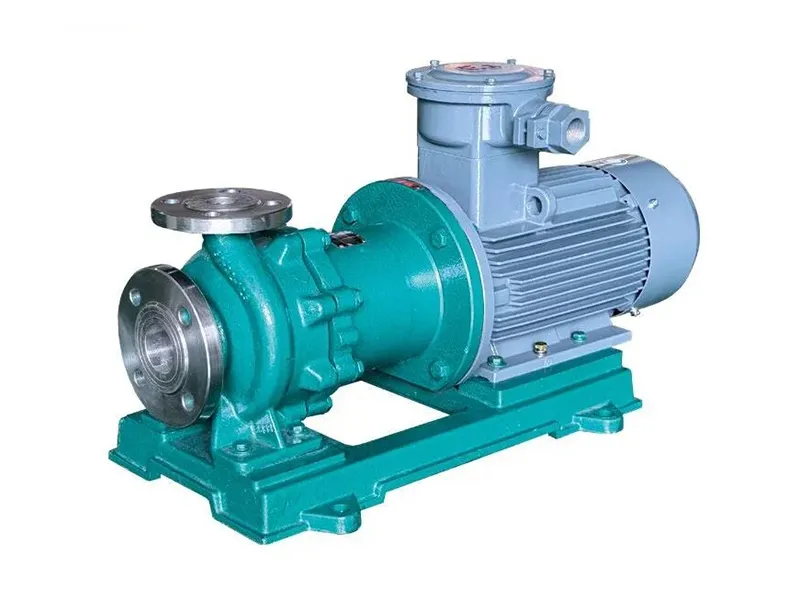
يجب تقديم هذا النموذج بشكل أكثر انتقائية. قيمته الرئيسية هي مغناطيسي هيكل المحرك والتصميم الصناعي للخدمة الشاقة، وليس التوافق الشامل مع حمض الهيدروفلوريك. في خدمة حمض الهيدروفلوريك، يجب دائمًا التأكد من ملاءمة الفولاذ المقاوم للصدأ في مقابل التركيز الفعلي ودرجة الحرارة قبل التوصية.
وهذا يعني أن هذا المنتج يعمل بشكل أفضل في المقالة كخيار مؤهل بعناية. يساعد في إظهار أن اختيار المضخة يجب أن يستند إلى مراجعة التوافق الحقيقي بدلاً من افتراضات الفئة العريضة. عند استخدامه بهذه الطريقة، يضيف المنتج مصداقية فنية للصفحة.
أفضل موضع لها في المقال هو:
- خيار محرك الأقراص المغناطيسية ذات الحالة الخاصة.
- منتج لظروف الخدمة المراجعة بعناية.
- تذكير بأن التأكيد المادي يجب أن يأتي قبل التوصية.
هذا النوع من التأطير الدقيق يبدو أكثر احترافية ويبني المزيد من الثقة مع المشترين التقنيين.
3) المضخة الغشائية المزدوجة المشغلة بالهواء من سلسلة BFQ
يمنح هذا النموذج الصفحة نموذجًا عمليًا واجب الدُفعة والخيار الذي يركز على التفريغ. في أنظمة حمض الهيدروفلوريك، يمكن أن تكون المضخة الغشائية المزدوجة التي تعمل بالهواء مفيدة في أنظمة حمض الهيدروفلوريك حيث يكون العمل متقطعاً، أو حيث يكون سلوك التحضير الذاتي مفيداً، أو حيث تكون العملية أفضل من خلال النقل المرن بدلاً من التدفق المستمر بالطرد المركزي.
نقاط القوة الرئيسية في هذه المقالة هي:
- التشغيل العملي للنقل المتقطع.
- ملائمة جيدة لنقاط التفريغ والمناولة المتعلقة بالجرعات.
- خيار أبسط حيث يكون إيقاع العملية أكثر أهمية من أداء الطرد المركزي المستمر الثابت.
هذا منتج مهم لتضمينه لأنه لا ينبغي أن يتم دفع كل استخدام لحمض الهيدروفلوريك في محلول الطرد المركزي. وبالنسبة لبعض المستخدمين، تجعل العملية نفسها مضخة AODD الخيار الأكثر عملية.

4) مضخة طرد مركزي مبطنة بالفلور عالية الجودة IHF
هذا النموذج هو الأقوى طارد مركزي مبطن البديل في المقالة. تكمن قيمته في توفير مسار تدفق داخلي مبطن بالفلور لخدمة السوائل المسببة للتآكل مع الحفاظ على السلوك الهيدروليكي المألوف لمضخة الطرد المركزي.
هذا المنتج هو الأنسب لـ
- واجب النقل المستمر في خدمة التردد العالي المراجعة تقنياً.
- خطوط المعالجة التي تفضل التشغيل بالطرد المركزي التقليدي.
- التطبيقات التي تكون فيها مقاومة المواد الكيميائية المبطنة على رأس أولويات التصميم.
في المقالة، يجب أن يوضع هذا المنتج مباشرةً بجانب مسار المحرك المغناطيسي كبديل واضح. وهذا يعطي القارئ مسار مقارنة بسيط: المحرك المغناطيسي عندما يتم التأكيد على التحكم في التسرب بشكل أكبر، والطرد المركزي المبطن عندما تدعم ظروف الخدمة تخطيط الطرد المركزي التقليدي.

جدول أداء مضخة الطرد المركزي المبطنة (سلسلة IHF)
| لا يوجد. | الطراز | التدفق (متر مكعب/ساعة) | الرأس (م) | السرعة (ص/دقيقة) | الطاقة (كيلوواط) | مدخل/مخرج (مم) |
|---|---|---|---|---|---|---|
| 1 | IHF40-25-25-125 | 4-10 | 18-21 | 2900 | 1.5 | 40×25 |
| 2 | IHF40-25-160 | 4-10 | 28-33 | 2900 | 2.2 | 40×25 |
| 3 | IHF40-25-200- IHF40-25-200 | 4-10 | 47-51 | 2900 | 4 | 40×25 |
| 4 | IHF40-25-25-250 | 4-10 | 78-81 | 2900 | 11 | 40×25 |
| 5 | IHF50-32-125-32-125 | 7-15 | 16-22 | 2900 | 2.2 | 50×32 |
| 6 | IHF50-32-160-32-160 | 7-15 | 30-33 | 2900 | 4 | 50×32 |
| 7 | IHF50-32-200 | 7-15 | 47-51 | 2900 | 7.5 | 50×32 |
| 8 | IHF50-32-32-250 | 7-15 | 78-82 | 2900 | 11 | 50×32 |
| 9 | IHF65-50-125 | 15-35 | 18-22 | 2900 | 3 | 65×50 |
| 10 | IHF65-50-160 | 15-35 | 28-33 | 2900 | 5.5 | 65×50 |
| 11 | IHF65-40-200- IHF65-40-200 | 15-35 | 40-51 | 2900 | 11 | 65×40 |
| 12 | IHF65-40-250 | 15-35 | 72-82 | 2900 | 18.5 | 65×40 |
| 13 | IHF80-65-125-65-125 | 35-60 | 18-22 | 2900 | 5.5 | 80×65 |
| 14 | IHF80-65-160-65-160 | 35-60 | 27-33 | 2900 | 11 | 80×65 |
| 15 | IHF80-50-50-200 | 35-60 | 45-52 | 2900 | 15 | 80×50 |
| 16 | IHF80-50-250-250 | 35-60 | 75-82 | 2900 | 30 | 80×50 |
| 17 | IHF80-50-315 | 40-60 | 120-127 | 2900 | 45 | 80×50 |
| 18 | IHF100-80-125 | 65-120 | 18-22 | 2900 | 11 | 100×80 |
| 19 | IHF100-80-160-160 | 65-120 | 26-35 | 2900 | 15 | 100×80 |
| 20 | IHF100-65-200-100-65-200 | 65-120 | 43-51 | 2900 | 30 | 100×65 |
| 21 | IHF100-65-65-250 | 65-120 | 65-82 | 2900 | 55 | 100×65 |
| 22 | IHF100-65-65-315 | 70-120 | 123-127 | 2900 | 75 | 100×65 |
| 23 | IHF125-100-160 | 130-180 | 26-34 | 2900 | 30 | 125×100 |
| 24 | IHF125-100-100-200 | 120-170 | 45-55 | 2900 | 55 | 125×100 |
| 25 | IHF125-100-100-250 | 150-240 | 78-82 | 2900 | 75 | 125×100 |
| 26 | IHF125-100-100-315 | 150-240 | 123-127 | 2900 | 110 | 125×100 |
| 27 | IHF150-125-125-250 | 150-240 | 18-21 | 1450 | 22 | 150×125 |
| 28 | IHF150-125-125-400 | 150-240 | 48-52 | 1450 | 55 | 150×125 |
| 29 | IHF200-150-150-250 | 250-480 | 18-21 | 1450 | 45 | 200×150 |
| 30 | IHF200-150-150-400 | 250-480 | 48-52 | 1450 | 90 | 200×150 |
| 31 | IHF250-200-315 | 400-700 | 28-34 | 1450 | 90 | 250×200 |
| 32 | IHF250-200-200-400 | 400-700 | 47-53 | 1450 | 132 | 250×200 |
| 33 | IHF300-250-315-250-315 | 800-1100 | 30-34 | 1450 | 160 | 300×250 |
| 34 | IHF300-250-250-400 | 800-1100 | 47-53 | 1450 | 185 | 300×250 |
| 35 | آي إتش إف 400-350-600 | 2000 | 32 | 980 | 355 | 400×350 |
| 36 | IHF550-500-800-500-800 | 3600 | 36 | 750 | 710 | 550×500 |
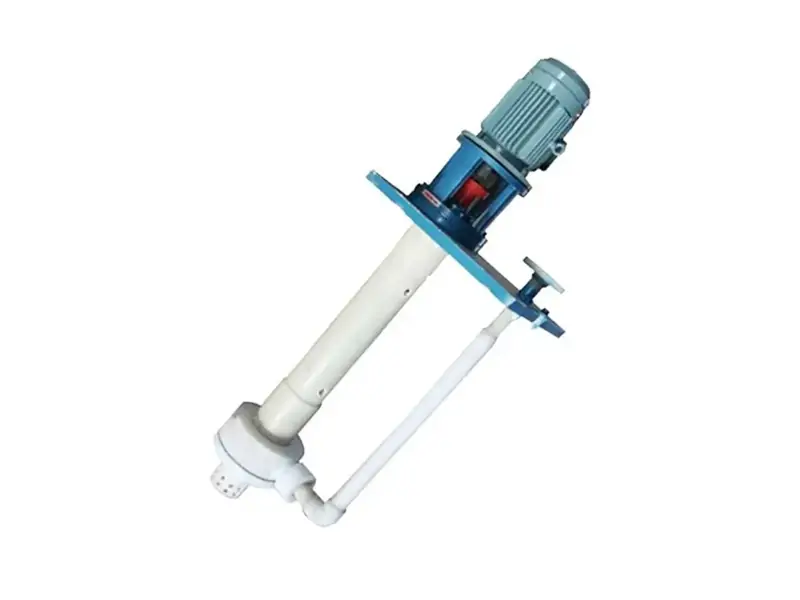
5) مضخة غاطسة فلورية غاطسة
هذا هو المنتج الأكثر صلة بمناولة حمض الهيدروفلوريك في الحفر، والصهاريج، ومناطق التجميع تحت الأرض. عندما يكون مصدر السائل أقل من مستوى تركيب المضخة، قد يكون التكوين الغاطس الفلوري أكثر عملية من بناء ترتيب شفط خارجي.
قيمته في المقالة واضحة جداً:
- فهي تحل مشاكل التخطيط المغمور بشكل أكثر فعالية من المضخة فوق الأرض.
- يوسع الصفحة من خدمة خط النقل إلى خدمة منطقة التحصيل.
- يوفر للقارئ خيارًا مقاومًا للتآكل للمناولة تحت الدرجة.
تشمل التطبيقات الموصى بها ما يلي:
- حفر تجميع HF.
- نقاط التعامل مع قاع الخزان.
- واجب النقل من رتبة أقل من الرتبة.
- مناولة السوائل المغمورة حيث تكون بساطة جانب الشفط مهمة.
| لا | الطراز | التدفق (متر مكعب/ساعة) | الرأس (m) | المراجعة (ص/دقيقة) | الطاقة | العيار (مم) | |
| محوري الطاقة | المحرك الطاقة | ||||||
| 1 | 32FYH-5-20 | 5 | 20 | 2900 | 0.8 | 2.2 | 32×25 |
| 2 | 32FYH-10-15 | 10 | 15 | 2900 | 1.17 | 2.2 | |
| 3 | 40FYH-10-20 | 10 | 20 | 2900 | 1.5 | 3 | 40×32 |
| 4 | 40FYH-15-20 | 15 | 20 | 2900 | 2.34 | 3 | |
| 5 | 50FYH-10-25 | 10 | 25 | 2900 | 3.4 | 4 | 50×40 |
| 6 | 50FYH-10-30 | 10 | 30 | 2900 | 4.1 | 5.5 | |
| 7 | 50FYH-15-30 | 15 | 30 | 2900 | 5.3 | 5.5 | |
| 8 | 50FYH-20-20-20 | 20 | 20 | 2900 | 4.6 | 5.5 | |
| 9 | 50FYH-20-25 | 20 | 25 | 2900 | 5.45 | 5.5 | |
| 10 | 50FYH-10-40 | 10 | 40 | 2900 | 6.1 | 7.5 | |
| 11 | 50FYH-20-30 | 20 | 30 | 2900 | 6.54 | 7.5 | |
| 12 | 65FYH-25-25-25 | 25 | 25 | 2900 | 5.68 | 7.5 | 65×50 |
| 13 | 65FYH-25-30 | 25 | 30 | 2900 | 6.8 | 7.5 | |
| 14 | 65FYH-30-20 | 30 | 20 | 2900 | 5.8 | 7.5 | |
| 15 | 65FYH-40-20 | 40 | 20 | 2900 | 6.82 | 7.5 | |
| 16 | 65FYH-30-25 | 30 | 25 | 2900 | 5.84 | 7.5 | 65×50 |
| 17 | 65FYH-30-30-30 | 30 | 30 | 2900 | 6.5 | 7.5 | |
| 18 | 65FYH-25-40 | 25 | 40 | 2900 | 7.79 | 11 | |
| 19 | 65FYH-30-40 | 30 | 40 | 2900 | 9.35 | 11 | |
| 20 | 65FYH-35-30 | 35 | 30 | 2900 | 8.2 | 11 | |
| 21 | 65FYH-30-50 | 30 | 50 | 2900 | 11.7 | 15 | |
| 22 | 80FYH-60-15 | 60 | 15 | 2900 | 6.2 | 7.5 | 80×65 |
| 23 | 80FYH-60-20 | 60 | 20 | 2900 | 9.3 | 11 | |
| 24 | 80FYH-50-25 | 50 | 25 | 2900 | 9.7 | 11 | |
| 25 | 80FYH-50-30 | 50 | 30 | 2900 | 10.6 | 11 | |
| 26 | 80FYH-40-30 | 40 | 30 | 2900 | 10.4 | 11 | |
| 27 | 80FYH-60-25 | 60 | 25 | 2900 | 11.5 | 15 | |
| 28 | 100FYH-60-30 | 60 | 30 | 2900 | 14 | 15 | 100×80 |
| 29 | 100FYH-80-15 | 80 | 15 | 2900 | 12.8 | 15 | |
| 30 | 100FYH-100-10 | 100 | 10 | 2900 | 13.6 | 18.5 | |
مرجع الحالة: نقل حمض الهيدروفلوريك بمضخة مغناطيسية مقاومة للتآكل
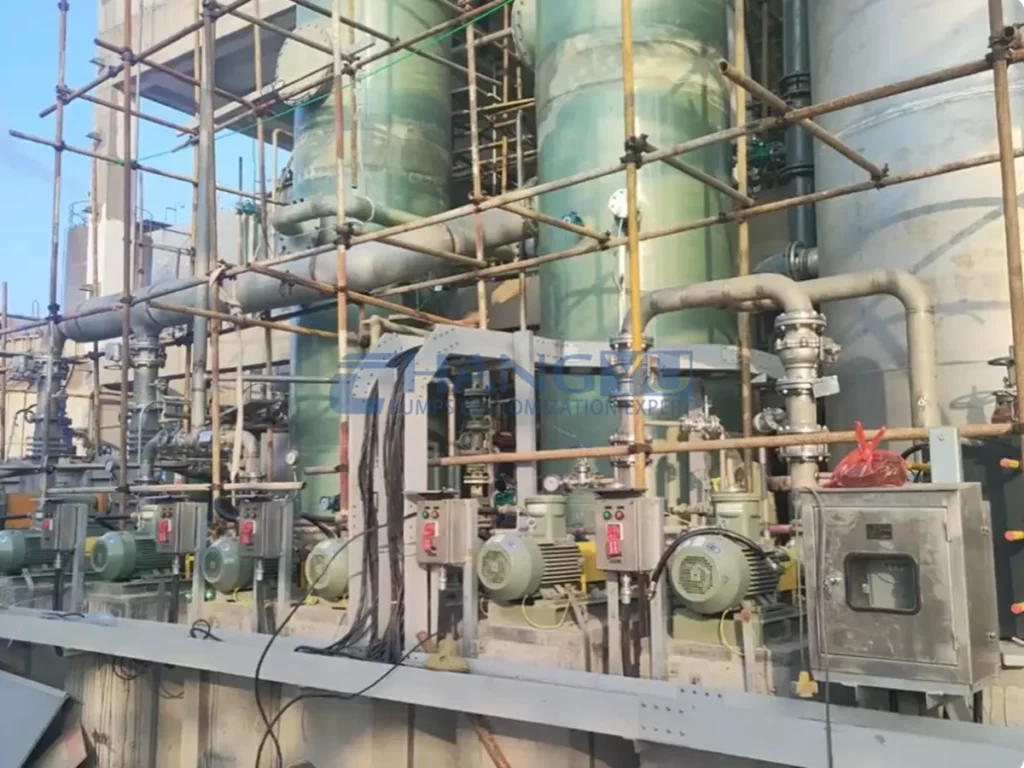
في أحد تطبيقات نقل حمض الهيدروفلوريك، احتاج العميل إلى تشغيل مستمر في ظل معايير صارمة لمقاومة التآكل والتحكم في التسرب. تطلبت العملية أداءً هيدروليكيًا مستقرًا، ولكن الأولوية الأهم كانت تقليل مخاطر التسرب في خدمة الحمض الخطرة.
بعد مراجعة التركيز، ودرجة حرارة التشغيل، والتخطيط، ودورة التشغيل، تم اختيار تكوين مضخة مغناطيسية مقاومة للتآكل كحل مفضل. لم تكن الميزة الرئيسية هي المقاومة الكيميائية فقط، ولكن أيضًا القدرة على تقليل الاعتماد على ترتيب الختم الديناميكي التقليدي.
من خلال مطابقة هيكل المضخة مع حالة نقل التردد العالي الفعلي، حقق النظام تشغيلًا أكثر أمانًا ونقلًا أكثر استقرارًا على المدى الطويل وتدخلًا أقل في الصيانة. هذا هو بالضبط سبب يوصي مهندسو مضخة تشانغيو بما يلي انتقاء مضخات حمض الهيدروفلوريك من العملية إلى الخارج، وليس من الكتالوج إلى الداخل.
أخطاء الشراء الشائعة التي يجب تجنبها
عادةً ما تكون أخطاء مضخة حمض الهيدروفلوريك الأكثر شيوعاً قابلة للوقاية منها:
- الاختيار حسب السعر قبل التأكد من التوافق.
- بافتراض أن كل مضخة حمض مناسبة لخدمة HF.
- فحص مادة الغلاف فقط وتجاهل المسار المبلل بالكامل.
- التغاضي عن المواد المتعلقة بالسدود واستراتيجية التحكم في التسرب.
- إجبار مضخة طرد مركزي على القيام بمهمة أكثر ملاءمة للتشغيل الذاتي التحضير أو الغشائي أو الغاطس.
- تجاهل درجة الحرارة مع التركيز فقط على التركيز.
- التعامل مع المضخة المغناطيسية أو المبطنة على أنها مناسبة عالميًا دون مراجعة فنية نهائية.
يجب أن يقارن قرار الشراء الاحترافي دائمًا بين الحالة الكيميائية, نوع المضخة, المواد المبللة, و الصيانة العملية معًا.
الأسئلة الشائعة حول مضخات حمض الهيدروفلوريك
ما هي مضخة حمض الهيدروفلوريك؟
مضخة حمض الهيدروفلوريك هي مضخة كيميائية مصممة للنقل الآمن لحمض الهيدروفلوريك باستخدام مواد مناسبة مقاومة للتآكل وطريقة إحكام مناسبة.
ما نوع المضخة المفضلة عادةً لنقل حمض الهيدروفلوريك؟
غالبًا ما يفضل استخدام مضخة الدفع المغناطيسي عندما يكون التحكم في التسرب أمرًا بالغ الأهمية، في حين أن مضخات الطرد المركزي المبطنة أو الغشائية أو الغاطسة قد تكون مناسبة أيضًا اعتمادًا على المهمة.
لماذا يكون اختيار مضخة حمض الهيدروفلوريك أكثر صعوبة من الضخ الكيميائي العادي؟
تتطلب خدمة HF مراجعة أدق للمواد، وموثوقية الختم، والتركيز، ودرجة الحرارة، ومخاطر السلامة أكثر من النقل الكيميائي العام.
هل تُستخدم المضخات المبطنة بالفلور لحمض الهيدروفلوريك؟
يمكن استخدامها في ظروف مختارة بعد مراجعة التوافق، خاصةً عندما تكون مقاومة التآكل هي الأولوية الأولى.
هل يمكن استخدام مضخة غشائية لحمض الهيدروفلوريك؟
نعم. في بعض تطبيقات التفريغ أو التفريغ المتقطع أو النقل على دفعات، قد تكون المضخة الغشائية هي الحل الأكثر عملية.
متى تكون المضخة الغاطسة هي الخيار الأفضل؟
غالبًا ما تكون المضخة الغاطسة الفلورية هي الخيار الأفضل عندما يجب التعامل مع حمض الهيدروفلوريك في الحفر أو الخزانات أو مناطق التجميع تحت الدرجة.
ما المعلومات التي يجب إعدادها قبل طلب توصية المضخة؟
إعداد تركيز HF ودرجة الحرارة ومعدل التدفق والرأس وتخطيط التركيب ودورة التشغيل ومتطلبات التحكم في التسرب.
ما هو أكبر خطأ في اختيار مضخة حمض الهيدروفلوريك؟
أكبر خطأ هو افتراض أن المضخة الحمضية العامة مناسبة تلقائيًا لخدمة التردد العالي دون التحقق من المواد الكيميائية وظروف التشغيل الدقيقة.
الاعتبارات النهائية
إن اختيار مضخة حمض الهيدروفلوريك المناسبة ليس مجرد مسألة معدل التدفق أو نوع المضخة. فهو يتطلب مراجعة دقيقة للتوافق الكيميائي، واستراتيجية التحكم في التسرب، وتخطيط التركيب، والصيانة العملية على المدى الطويل. عندما يتم تقييم هذه العوامل معًا، تكون النتيجة نظام ضخ أكثر أمانًا وموثوقية يناسب بشكل أفضل المتطلبات الحقيقية لخدمة حمض الهيدروفلوريك.
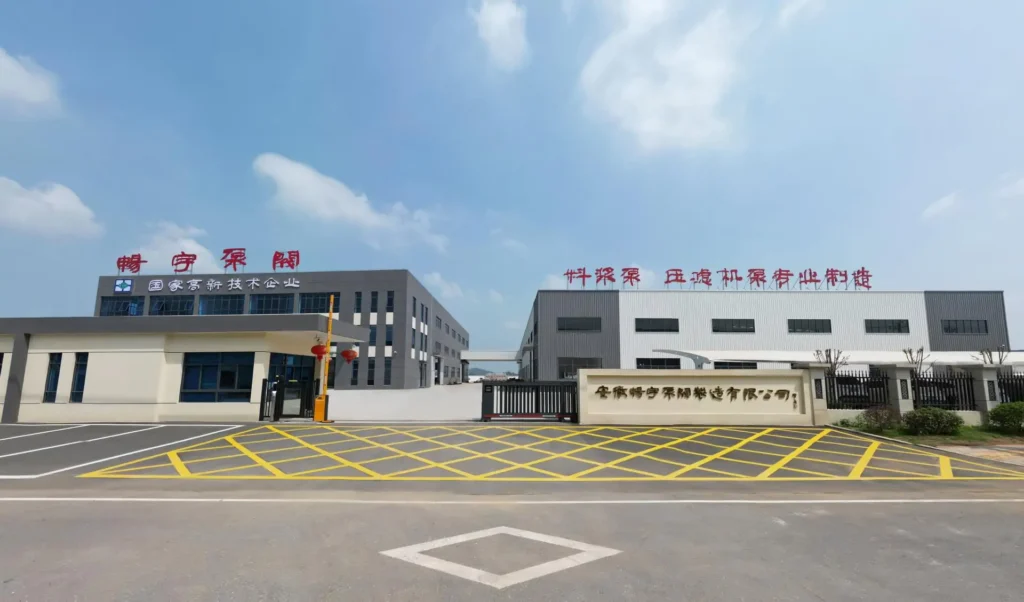
إذا كنت تقوم باختيار مضخة لنقل حمض الهيدروفلوريك أو تدويره أو تفريغه أو مهمة التجميع، يمكن أن تساعدك مضخة Changyu في تقييم الحل الأنسب بناءً على ظروف التشغيل الفعلية الخاصة بك. اتصل بفريقنا الهندسي مع التركيز، ودرجة الحرارة، ومعدل التدفق، والرأس، وتفاصيل التركيب للحصول على توصية مضخة أكثر دقة وعرض أسعار أكثر دقة.