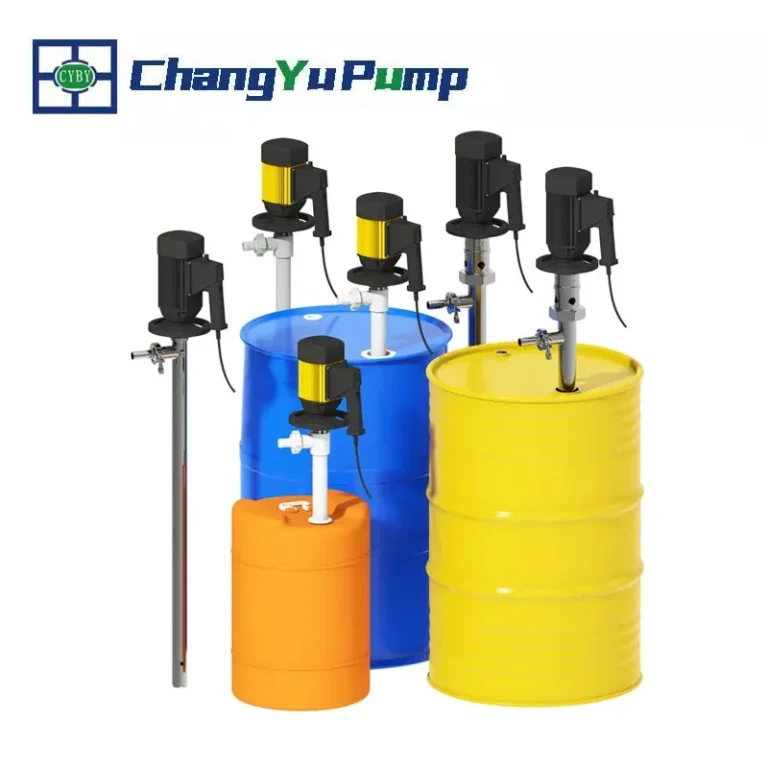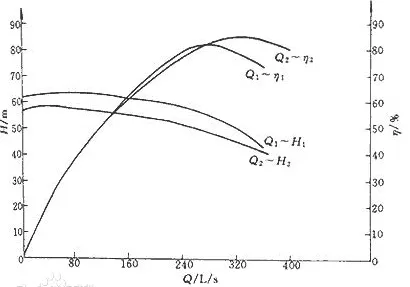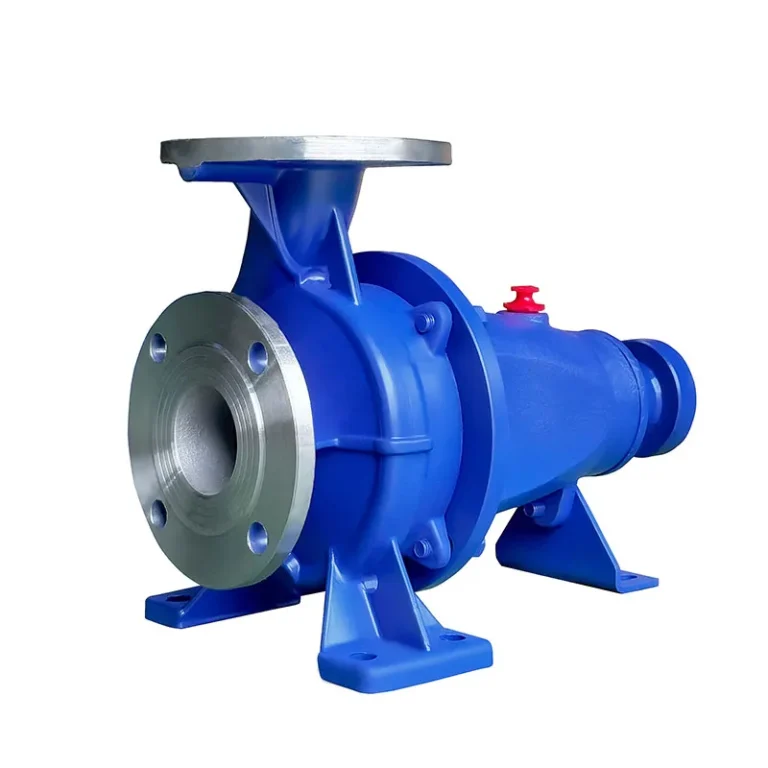
A sulfuric acid pump is a corrosion-resistant industrial pump designed to transfer sulfuric acid safely and reliably in chemical, fertilizer, metal finishing, and wastewater processes. For مضخة تشانغيو, with over 20 years of experience, the right solution is never just about moving liquid; it is about matching acid concentration, temperature, solids content, NPSH conditions, and material compatibility so the system runs safely, efficiently, and without hidden downtime costs.
What Is the Right Sulfuric Acid Pump for Your Process?
The best sulfuric acid pump depends on the acid concentration, temperature, flow requirement, suction condition, and whether the fluid is clean, contaminated, or abrasive. In practice, buyers usually compare a fluorine-lined centrifugal pump, a self-priming centrifugal pump, and a magnetic drive pump because each one solves a different operational risk.
Engineers at مضخة تشانغيو emphasize that sulfuric acid selection is not a generic “acid pump” decision. The wrong material can fail quickly due to rapid corrosion, while the wrong hydraulic design can create cavitation, seal wear, or unstable operation. What this means for you: the lowest-cost pump is often the most expensive option once downtime, maintenance, and replacement frequency are included.
Why Does Sulfuric Acid Destroy Ordinary Pumps?
Sulfuric acid is one of the most aggressive industrial media because corrosion behavior changes sharply with concentration and temperature. A material that works well in one acid concentration may fail quickly in another, which is why material selection must be based on the actual process condition rather than a generic “acid-resistant” label.
The first technical term worth understanding is corrosion, which means the gradual chemical destruction of a metal or material. For sulfuric acid service, corrosion resistance is usually the first failure mode, while seal failure, crystallization, abrasion, and thermal distortion follow close behind. What this means for you: if the wetted parts are wrong, the pump may look fine at startup but still fail early in real plant conditions.
How Does a Sulfuric Acid Pump Work?
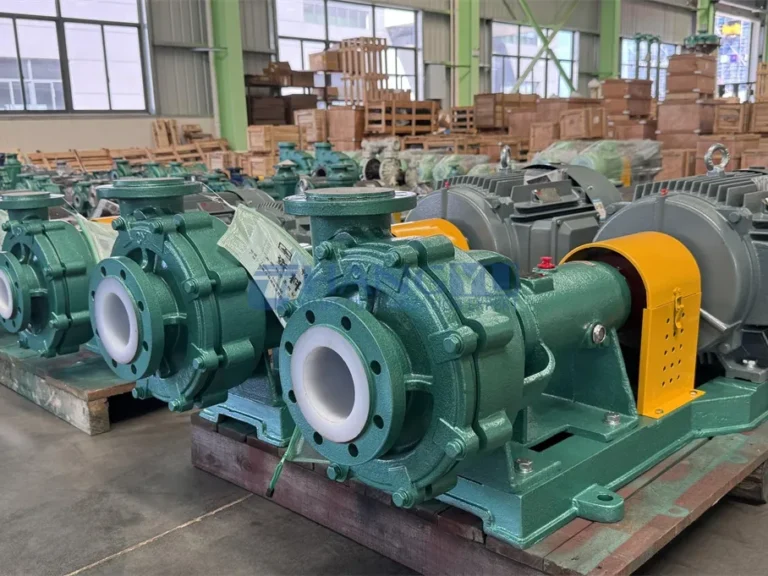
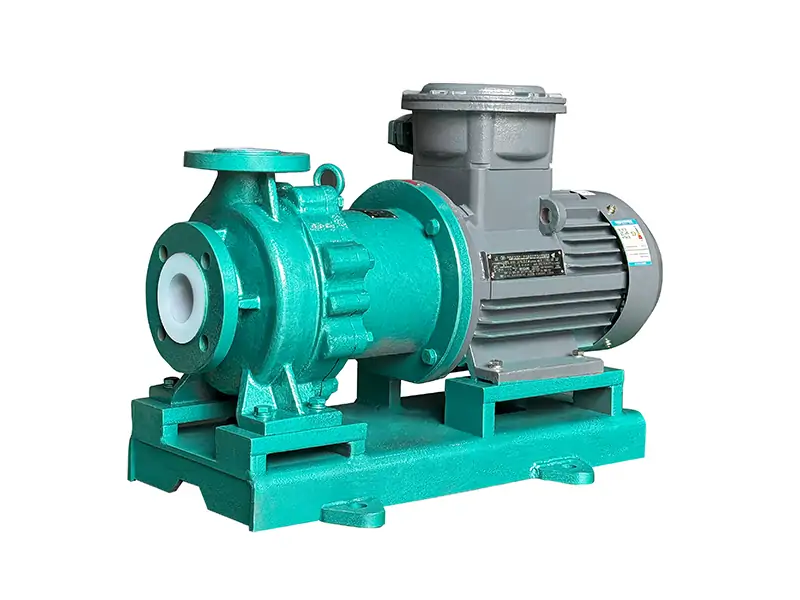
Most sulfuric acid transfer systems use a مضخة طرد مركزي, where the impeller adds energy to the liquid and pushes it through the discharge line. In acid service, the internal flow path is usually lined with fluoropolymer materials or built with special corrosion-resistant alloys to isolate the liquid from the pump body.
In seal-less designs such as a magnetic drive pump, torque is transferred through magnets rather than a mechanical shaft seal. That matters because shaft seals are a common leakage point in corrosive service. In simple business language, this means fewer leak risks, lower maintenance exposure, and better environmental control. What this means for you: if leakage risk is critical, a sealless design often delivers a lower total lifecycle cost even if the purchase price is higher.
How to Choose the Most Suitable Sulfuric Acid Pump?
Choosing the most suitable sulfuric acid pump starts with four questions: what is the acid concentration, what is the operating temperature, is the liquid clean or abrasive, and how much flow and head do you need? If you can answer those four questions accurately, the selection becomes much more precise.
A practical selection framework is below:
| Process Condition | Preferred Pump Type | Why It Fits |
|---|---|---|
| Clean sulfuric acid, leak control priority | Sulfuric acid magnetic drive pump | Sealless, low leakage risk |
| Corrosive acid with moderate flow demand | Fluorine-lined centrifugal pump | Strong chemical resistance |
| Acid with suction challenge or intermittent transfer | Fluorine-lined self-priming pump | Easier priming and startup |
| Higher solids or unstable feed | Application review required | Material and hydraulics must be verified |
Engineers at مضخة تشانغيو emphasize that the best pump is the one that matches the real process, not the one with the highest headline performance.
What this means for you: overbuying on flow or head can create inefficiency, while underbuying creates shutdown risk.
Which Materials Work Best for Sulfuric Acid Service?
Material choice is the core decision in sulfuric acid pumping. Common options include fluoroplastics, high-silicon iron, high-nickel alloys, and special magnetic drive isolation components, but the best choice depends on concentration and temperature. Reports and supplier technical guidance consistently show that sulfuric acid corrosion behavior is highly concentration-sensitive, especially as temperature rises.
For many sulfuric acid applications, fluoroplastic-lined pumps are preferred because they provide strong chemical resistance and a good balance of cost and reliability. For more severe duty or where zero leakage is important, a magnetic drive pump is often the better solution because it removes the mechanical seal from the equation. What this means for you: material mismatch is one of the fastest ways to turn a pump purchase into a replacement project.
Why NPSH Matters in Sulfuric Acid Pump Selection
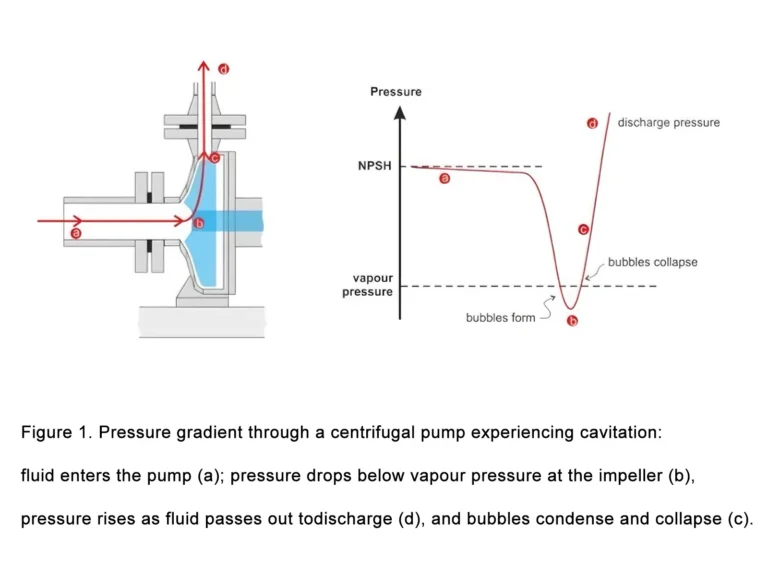
Another critical term is Net positive suction head (NPSH), which describes how much suction margin the pump has before cavitation begins. In simple terms, if the available suction pressure is too low, the liquid can vaporize inside the pump and damage the impeller, housing, and bearings.
For sulfuric acid service, NPSH becomes even more important when the liquid is hot, viscous, or running through long suction piping. Engineers should always ensure that NPSH available is greater than NPSH required, with a practical safety margin. What this means for you: better suction conditions usually mean longer pump life, quieter operation, and fewer emergency repairs.
Changyu Pump Sulfuric Acid Pump Solutions
Sulfuric Acid Pump – IHF Quality Lined Fluorine Centrifugal Pump
This sulfuric acid pump is designed for demanding corrosive transfer where fluorine-lined wetted parts provide strong resistance to aggressive media. It is a strong fit for chemical plants that need reliable centrifugal performance, good durability, and stable operation in acid handling lines. Engineers at مضخة تشانغيو often recommend this type when buyers need a balance of corrosion resistance and familiar pump behavior.
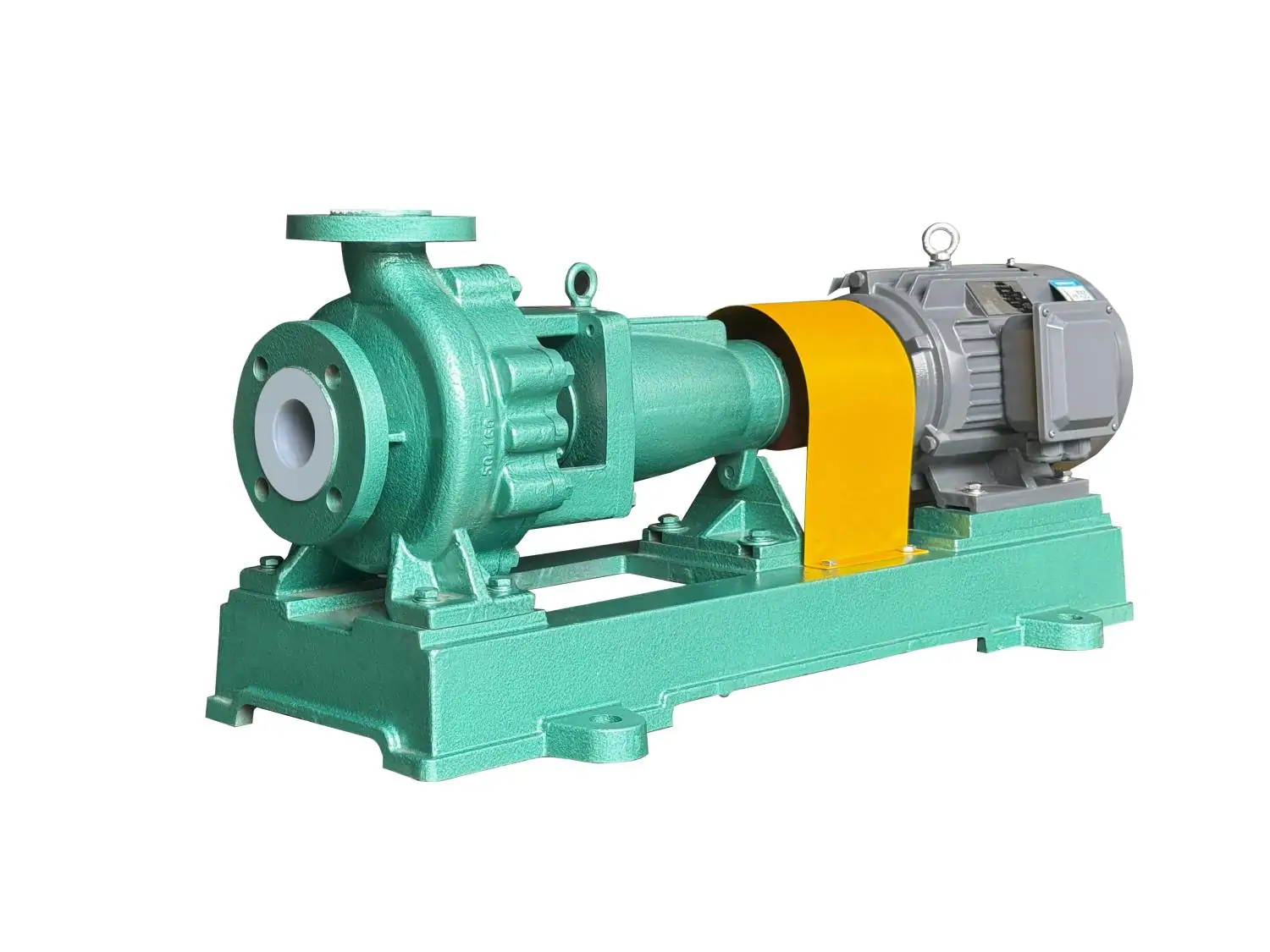
Lined Centrifugal Pump (IHF Series) Performance Table
| No. | الطراز | التدفق (متر مكعب/ساعة) | الرأس (م) | السرعة (ص/دقيقة) | Power (kW) | Inlet/Outlet (mm) |
|---|---|---|---|---|---|---|
| 1 | IHF40-25-125 | 4–10 | 18–21 | 2900 | 1.5 | 40×25 |
| 2 | IHF40-25-160 | 4–10 | 28–33 | 2900 | 2.2 | 40×25 |
| 3 | IHF40-25-200 | 4–10 | 47–51 | 2900 | 4 | 40×25 |
| 4 | IHF40-25-250 | 4–10 | 78–81 | 2900 | 11 | 40×25 |
| 5 | IHF50-32-125 | 7–15 | 16–22 | 2900 | 2.2 | 50×32 |
| 6 | IHF50-32-160 | 7–15 | 30–33 | 2900 | 4 | 50×32 |
| 7 | IHF50-32-200 | 7–15 | 47–51 | 2900 | 7.5 | 50×32 |
| 8 | IHF50-32-250 | 7–15 | 78–82 | 2900 | 11 | 50×32 |
| 9 | IHF65-50-125 | 15–35 | 18–22 | 2900 | 3 | 65×50 |
| 10 | IHF65-50-160 | 15–35 | 28–33 | 2900 | 5.5 | 65×50 |
| 11 | IHF65-40-200 | 15–35 | 40–51 | 2900 | 11 | 65×40 |
| 12 | IHF65-40-250 | 15–35 | 72–82 | 2900 | 18.5 | 65×40 |
| 13 | IHF80-65-125 | 35–60 | 18–22 | 2900 | 5.5 | 80×65 |
| 14 | IHF80-65-160 | 35–60 | 27–33 | 2900 | 11 | 80×65 |
| 15 | IHF80-50-200 | 35–60 | 45–52 | 2900 | 15 | 80×50 |
| 16 | IHF80-50-250 | 35–60 | 75–82 | 2900 | 30 | 80×50 |
| 17 | IHF80-50-315 | 40–60 | 120–127 | 2900 | 45 | 80×50 |
| 18 | IHF100-80-125 | 65–120 | 18–22 | 2900 | 11 | 100×80 |
| 19 | IHF100-80-160 | 65–120 | 26–35 | 2900 | 15 | 100×80 |
| 20 | IHF100-65-200 | 65–120 | 43–51 | 2900 | 30 | 100×65 |
| 21 | IHF100-65-250 | 65–120 | 65–82 | 2900 | 55 | 100×65 |
| 22 | IHF100-65-315 | 70–120 | 123–127 | 2900 | 75 | 100×65 |
| 23 | IHF125-100-160 | 130–180 | 26–34 | 2900 | 30 | 125×100 |
| 24 | IHF125-100-200 | 120–170 | 45–55 | 2900 | 55 | 125×100 |
| 25 | IHF125-100-250 | 150–240 | 78–82 | 2900 | 75 | 125×100 |
| 26 | IHF125-100-315 | 150–240 | 123–127 | 2900 | 110 | 125×100 |
| 27 | IHF150-125-250 | 150–240 | 18–21 | 1450 | 22 | 150×125 |
| 28 | IHF150-125-400 | 150–240 | 48–52 | 1450 | 55 | 150×125 |
| 29 | IHF200-150-250 | 250–480 | 18–21 | 1450 | 45 | 200×150 |
| 30 | IHF200-150-400 | 250–480 | 48–52 | 1450 | 90 | 200×150 |
| 31 | IHF250-200-315 | 400–700 | 28–34 | 1450 | 90 | 250×200 |
| 32 | IHF250-200-400 | 400–700 | 47–53 | 1450 | 132 | 250×200 |
| 33 | IHF300-250-315 | 800–1100 | 30–34 | 1450 | 160 | 300×250 |
| 34 | IHF300-250-400 | 800–1100 | 47–53 | 1450 | 185 | 300×250 |
| 35 | IHF400-350-600 | 2000 | 32 | 980 | 355 | 400×350 |
| 36 | IHF550-500-800 | 3600 | 36 | 750 | 710 | 550×500 |
Sulfuric Acid Pump – FZB Fluorine Lined Self-Priming Centrifugal Pump

This sulfuric acid self-priming pump is useful where suction conditions are difficult, liquid levels fluctuate, or startup simplicity matters. The self-priming function reduces installation complexity in some process layouts and helps when the suction line cannot stay fully flooded. What this means for you: it can reduce startup problems and make field operation easier for maintenance teams.
FZB Fluorine-lined Self-Priming Centrifugal Pump Specifications
| الطراز | التدفق (متر مكعب/ساعة) | الرأس (م) | Motor Power (KW) | السرعة (ص/دقيقة) | Self-priming Height(m) | Self-priming Time (s) | الكفاءة (%) | NPSHr(m) | Inlet | Outlet |
|---|---|---|---|---|---|---|---|---|---|---|
| 25FZB-20LP | 1.5-6 | 16-19 | 2.2 | 2900 | 0.7 | 180 | 10-25 | 3 | 25 | 25 |
| 40FZB-20P | 5-12 | 17-22 | 3 | 2900 | 1 | 180 | 35-46 | 3 | 40 | 50 |
| 40FZB-30L | 5-12 | 28-32 | 4 | 2900 | 3 | 150 | 34-48 | 3.5 | 40 | 50 |
| 50FZB-20P | 8-15 | 17-22 | 3 | 2900 | 1 | 180 | 35-42 | 3 | 50 | 50 |
| 50FZB-30L | 8-15 | 28-32 | 4 | 2900 | 3 | 150 | 24-30 | 3.5 | 50 | 50 |
| 50FZB-45L | 8-15 | 43-47 | 7.5 | 2900 | 3 | 150 | 24-35 | 3.5 | 50 | 40 |
| 50FZB-70L | 8-15 | 68-72 | 15 | 2900 | 3 | 150 | 20-26 | 4 | 50 | 32 |
| 65FZB-30L | 15-35 | 27-32 | 7.5 | 2900 | 3 | 200 | 37-42 | 4 | 65 | 50 |
| 65FZB-45L | 15-35 | 38-47 | 11 | 2900 | 3 | 180 | 30-44 | 4 | 65 | 40 |
| 65FZB-70L | 15-35 | 65-72 | 22 | 2900 | 3 | 180 | 30-42 | 4 | 65 | 40 |
| 80FZB-30L | 35-60 | 28-35 | 11 | 2900 | 3.5 | 180 | 51-63 | 4.5 | 80 | 65 |
| 80FZB-45L | 35-60 | 42-47 | 15 | 2900 | 3.5 | 200 | 45-53 | 4.5 | 80 | 65 |
| 80FZB-70L | 35-60 | 65-72 | 30 | 2900 | 3.5 | 250 | 43-50 | 5 | 80 | 50 |
| 100FZB-30L | 65-110 | 28-32 | 18.5 | 2900 | 3.5 | 200 | 56-80 | 6 | 100 | 80 |
| 100FZB-45L | 65-110 | 40-46 | 30 | 2900 | 4 | 250 | 48-55 | 6 | 100 | 80 |
CYQ Sulfuric Acid Magnetic Drive Centrifugal Pump
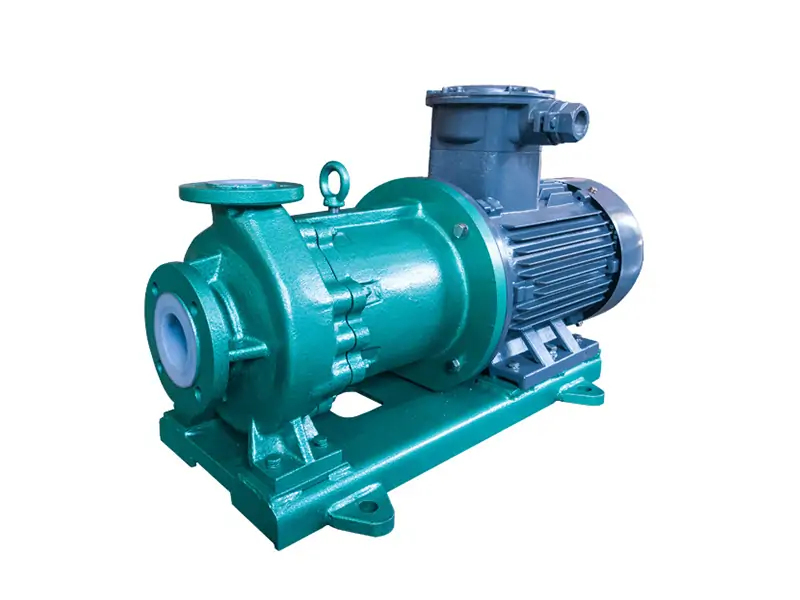
This sulfuric acid magnetic drive pump is a sealless solution for operations where leakage is unacceptable. The magnetic coupling removes the mechanical seal and lowers the risk of fugitive emissions, chemical escape, and seal maintenance. For hazardous acid service, this is often the most risk-conscious choice.
Sulfuric Acid Pump – CYF Series Fluoroplastic Centrifugal Pump
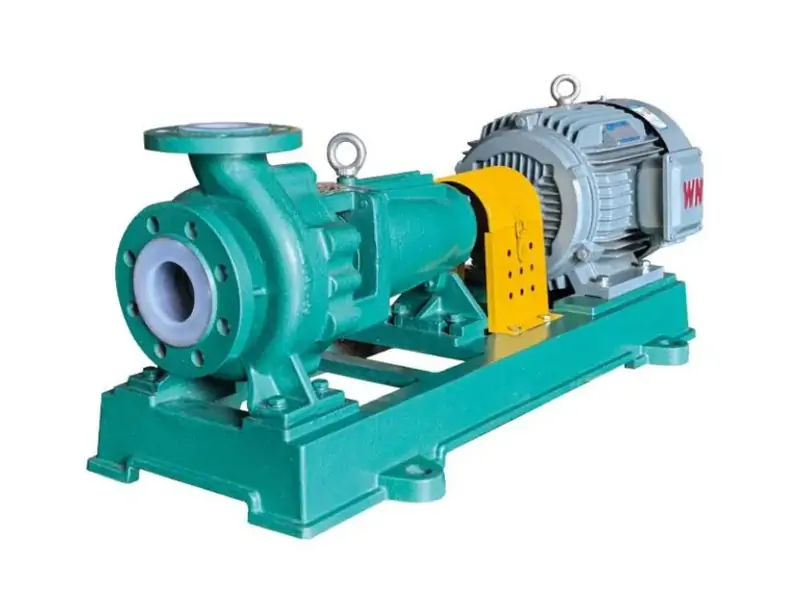
This fluoroplastic sulfuric acid pump is built for corrosive media where chemical resistance is the main priority. The fluoroplastic wetted materials help protect against acid attack while maintaining dependable centrifugal performance across a range of industrial duties. مضخة تشانغيو uses this type when chemical compatibility is the first engineering requirement.
المضخة المغناطيسية لنقل حامض الكبريتيك المركز من سلسلة CYQ
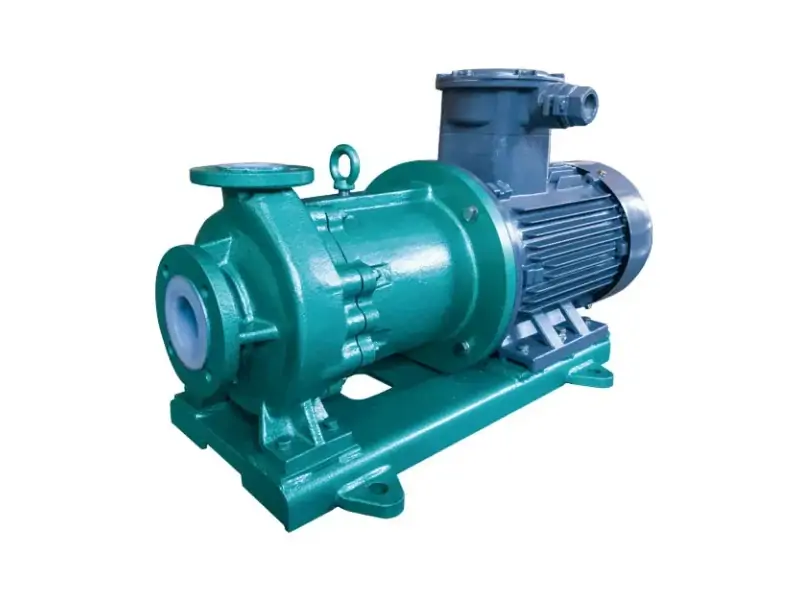
This sulfuric acid transfer solution is intended for users who need a magnetic drive acid pump with a strong focus on zero leakage and long-term reliability. It is especially relevant in chemical transfer, dosing, and closed-loop handling where environmental and safety standards are strict.
Case Study of Sulfuric Acid Pump: Solving Premature Failure in Sulfuric Acid Transfer
A fertilizer customer came to مضخة تشانغيو after repeated failure of their acid transfer unit. The original pump had a mismatch between acid concentration, operating temperature, and wetted material, which caused rapid corrosion and unstable flow. The plant also discovered that suction conditions were weaker than expected, which increased cavitation risk.
Our engineers first tested the process data, then changed the solution from a standard chemical pump to a fluorine-lined design with improved suction configuration. We also corrected the installation details that were causing low NPSH margin. After the redesign, the failure pattern stopped, maintenance frequency dropped sharply, and the customer avoided repeated emergency replacement orders. What this means for you: the technical fix is often not just the pump itself, but the full process match between materials, suction, and duty point.

How Does Changyu Pump Control Quality?
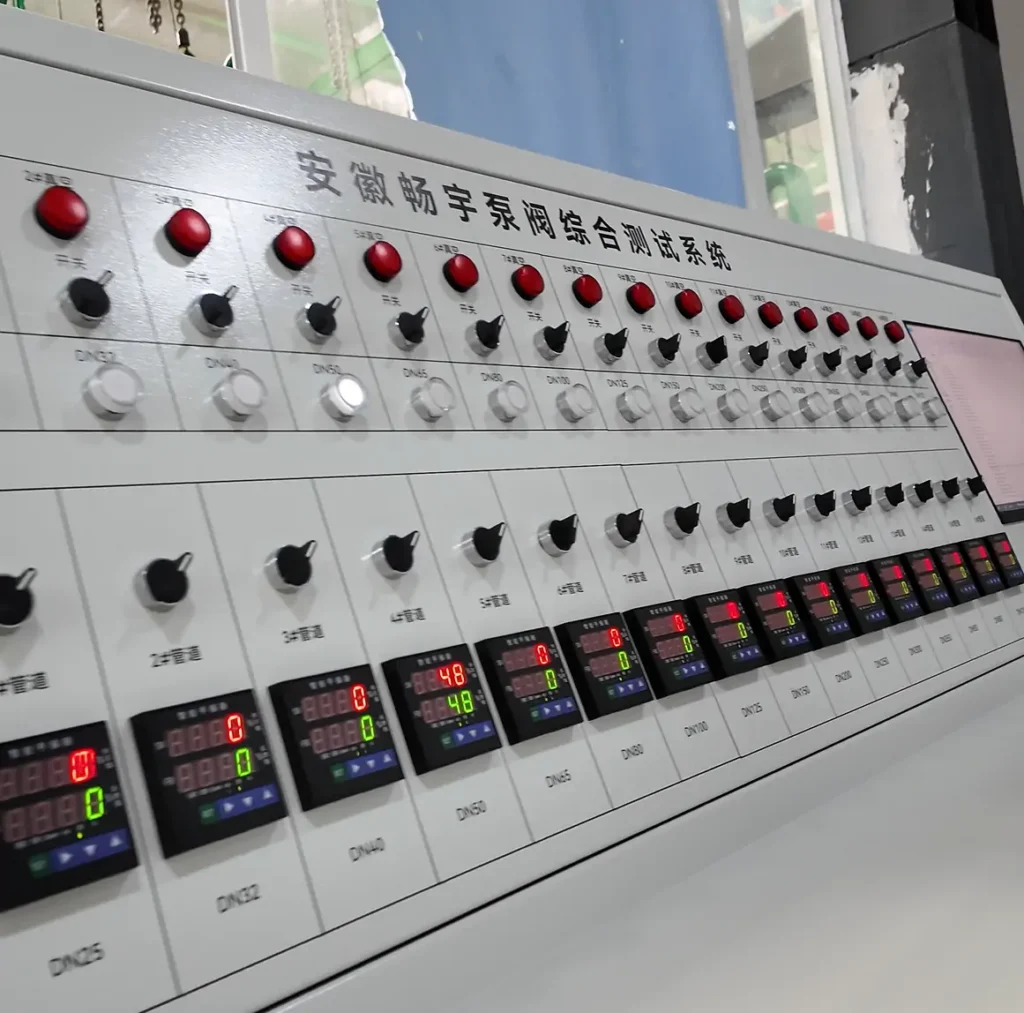
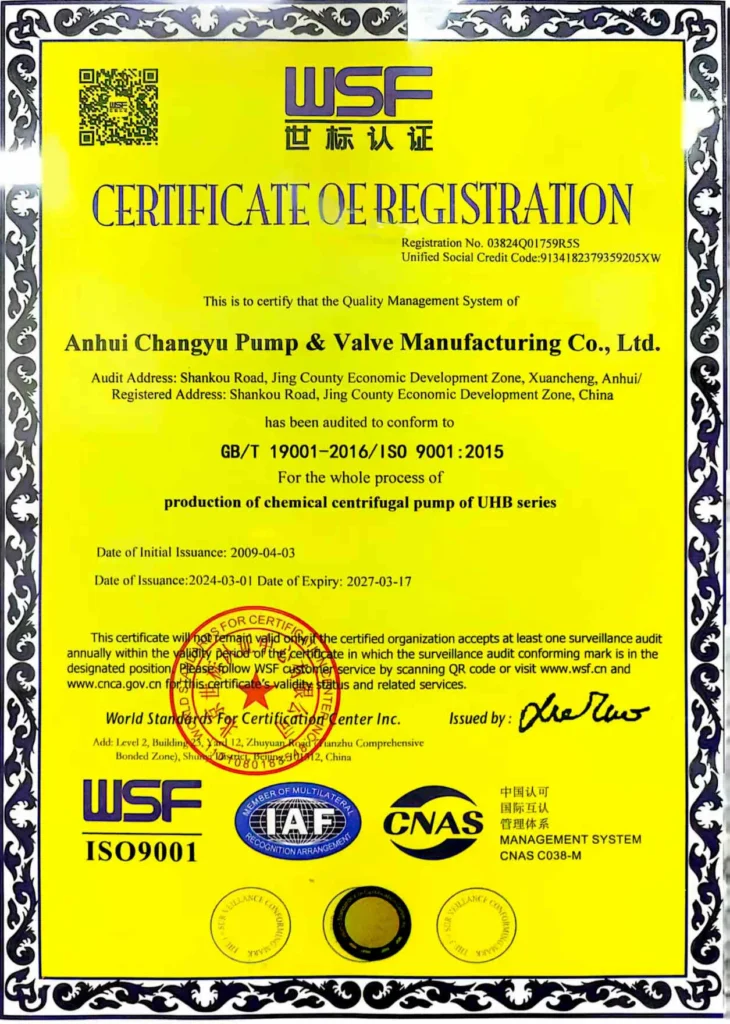
At مضخة تشانغيو, quality control for a sulfuric acid pump begins with material verification and continues through dimensional checks, pressure testing, and final run verification. This is especially important in acid service because a small defect in lining quality, seal alignment, or impeller balance can become a major field failure later. Engineers at مضخة تشانغيو emphasize that corrosion protection is only useful if the manufacturing process is consistent.
Our quality approach includes:
- Material confirmation for all wetted parts.
- Dimensional inspection of critical pump components.
- Pressure and leakage testing before shipment.
- Run testing to confirm stable performance.
- Final visual inspection for lining and assembly integrity.
What this means for you: better quality control reduces warranty risk, startup problems, and unplanned shutdowns after installation.


How to Avoid the Most Common Sulfuric Acid Pump Mistakes?
When buying a sulfuric acid pump, the most common mistakes are usually not about price; they are about mismatched chemistry and poor application data. If the buyer only sends flow and head without concentration, temperature, and solids information, the recommended pump may be wrong from the start.
Engineers at مضخة تشانغيو recommend checking the following before purchase:
- Confirm sulfuric acid concentration, not just “acid” type.
- Record actual operating temperature, not ambient temperature.
- Verify suction condition and NPSH margin.
- Identify whether the liquid contains solids or crystallization risk.
- Decide early whether leakage tolerance is zero or limited.
- Match lining or alloy choice to the real process, not to a generic catalog.
- Consider maintenance access and spare parts availability before ordering.
This matters because acid service failures are usually expensive, fast, and disruptive. A well-selected pump protects both production continuity and worker safety.
الأسئلة المتداولة
Q: What is the best sulfuric acid pump for concentrated sulfuric acid?
A: The best sulfuric acid pump for concentrated sulfuric acid depends on temperature and leakage requirements. In many cases, fluorine-lined or magnetic drive designs are preferred because they improve corrosion resistance and reduce seal-related failure risk in continuous chemical service.
Q: Is a sulfuric acid magnetic drive pump better than a sealed pump?
A: A sulfuric acid magnetic drive pump is often better when zero leakage matters. Because it does not use a mechanical seal, it reduces the most common leak point in corrosive service and can lower maintenance exposure in hazardous chemical plants.
Q: When should I use a sulfuric acid self-priming pump?
A: A sulfuric acid self-priming pump is useful when suction lines are difficult to flood or when the installation requires easier startup. It is a practical choice for certain transfer systems, but the suction and material conditions still need to be checked carefully.
Q: Which sulfuric acid pump material has the best corrosion resistance?
A: The best sulfuric acid pump material depends on acid concentration and temperature. Fluoroplastics, high-nickel alloys, and special lined pumps are commonly used, but the correct choice must match the actual process chemistry rather than rely on a generic resistance claim.
Q: How do I size a sulfuric acid transfer pump correctly?
A: To size a sulfuric acid transfer pump correctly, you need flow rate, total dynamic head, suction condition, acid concentration, temperature, and any solids information. That data allows the supplier to select a pump that avoids cavitation, corrosion, and underperformance.
Q: Why does sulfuric acid damage ordinary centrifugal pumps?
A: Sulfuric acid damages ordinary centrifugal pumps because many standard metals and seals are not built for its corrosion behavior. Without corrosion-resistant wetted parts, the pump can fail quickly through lining attack, seal leakage, impeller wear, and casing degradation.
Q: Can a sulfuric acid pump handle hot acid?
A: Yes, but only if the pump materials, seals, and hydraulic design are selected for the operating temperature. Hot sulfuric acid increases corrosion risk and can also reduce suction margin, so both material compatibility and NPSH must be checked.
Q: What causes sulfuric acid pump seal failure?
A: Sulfuric acid pump seal failure is often caused by chemical attack, dry running, poor alignment, or cavitation. In many corrosive applications, a magnetic drive pump is used to remove the mechanical seal altogether and reduce leak risk.
Changyu Pump Engineers’ 7 Decision Rules
- Never choose the pump before confirming acid concentration and temperature.
- Do not assume one corrosion-resistant material works for all sulfuric acid duties.
- Check NPSH margin before you finalize the installation layout.
- Use a magnetic drive design when leakage risk is unacceptable.
- Use a self-priming configuration only when the suction system actually needs it.
- Verify that the lining and seals are compatible with both the acid and the process temperature.
- Always ask for material traceability and testing records before purchase.
Engineers at مضخة تشانغيو apply these rules because they reduce failure risk, simplify maintenance planning, and improve lifecycle value.
A sulfuric acid pump should be selected as a process solution, not just as hardware. When the concentration, temperature, suction condition, and material choice are aligned, the result is safer transfer, lower maintenance, and far better uptime. That is the difference between buying a pump and buying reliability.
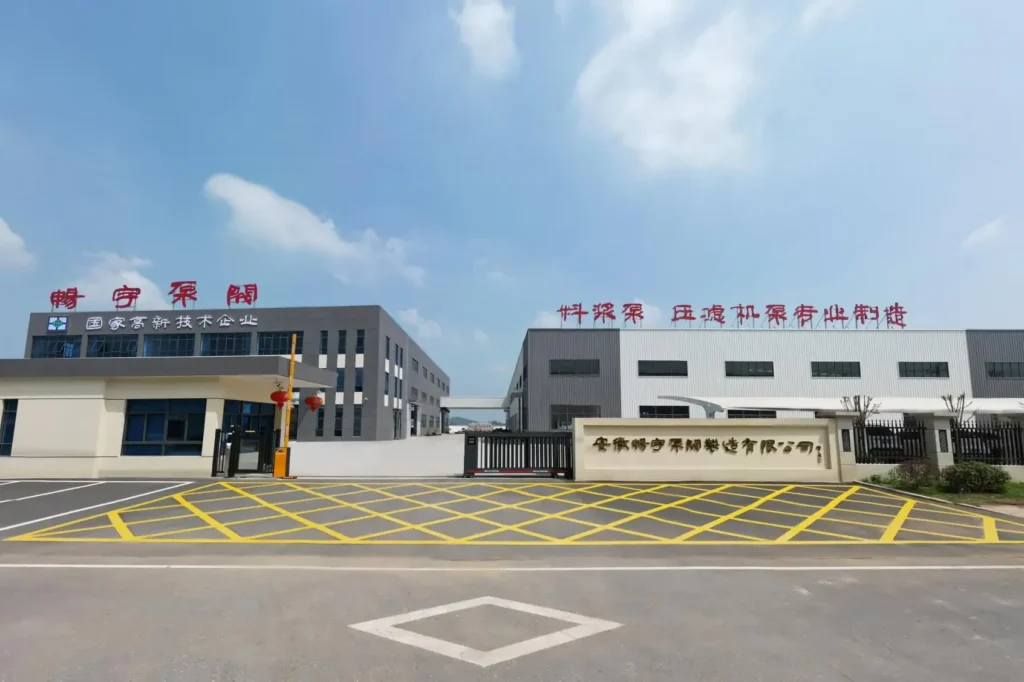
If you need help selecting the right sulfuric acid pump for your process, contact Changyu Pump for a quote and share your acid concentration, temperature, flow, and installation details. Our team can recommend the right corrosion-resistant solution for your application.