
إجابة سريعة
A مضخة اليوريا هي مضخة مصممة خصيصًا للتعامل مع محاليل اليوريا — من سائل عادم الديزل (AdBlue/DEF) بتركيز 32.5% إلى اليوريا المنصهرة عالية الحرارة في إنتاج الأسمدة. تمثل اليوريا تحديين هندسيين فريدين لا تستطيع المضخات الكيميائية القياسية معالجتهما: التبلور في درجات الحرارة المنخفضة أو الظروف الراكدة، وشرط استخدام مواد خالية من المعادن في التطبيقات عالية النقاء. عوامل الاختيار الرئيسية:
- توافق المواد يمنع التلوث والتآكل: تتطلب محاليل AdBlue واليوريا عالية النقاء مضخات خالية من النحاس والزنك والحديد الزهر والمعادن الأخرى التي ترشح أيونات إلى السائل. يتطلب الفولاذ المقاوم للصدأ تخميلًا سطحيًا مثبتًا وقد يظل يشكل خطر تلوث مقارنة بالبدائل غير المعدنية. توفر المضخات المبطنة بـ PP وPVDF والفلوروبلاستيك خمولًا كيميائيًا وتشغيلًا خاليًا من التلوث.
- منع التبلور يحدد الموثوقية: تتبلور اليوريا عندما تنخفض درجات الحرارة، أو عندما يتبخر الماء، أو عندما يتوقف التدفق. تتضمن مضخة اليوريا المحددة بشكل صحيح أنظمة تسخين أو شطف أو حماية الختم التي تمنع تكوين البلورات في رأس المضخة وحجرة الختم والصمامات.
- التطبيق يحدد التصميم: يتطلب إنتاج AdBlue ضخًا عالي النقاء وخاليًا من التلوث. تحتاج مصانع الأسمدة إلى مضخات تتعامل مع ملاط اليوريا الكاشط. تتطلب أنظمة SCR جرعات دقيقة. تتطلب خدمة اليوريا المنصهرة مواد عالية الحرارة وإدارة حرارية.
نقل اليوريا ليس مثل نقل الماء. يمكن لمضخة تعمل بشكل مثالي مع الماء النظيف أن تفشل في غضون أيام في خدمة اليوريا — ليس لأن المضخة كانت معيبة، ولكن لأن اختيار المواد سمح بالتلوث، أو أن تصميم الختم حبس البلورات، أو تم تحديد المضخة دون فهم سلوك تبلور اليوريا.
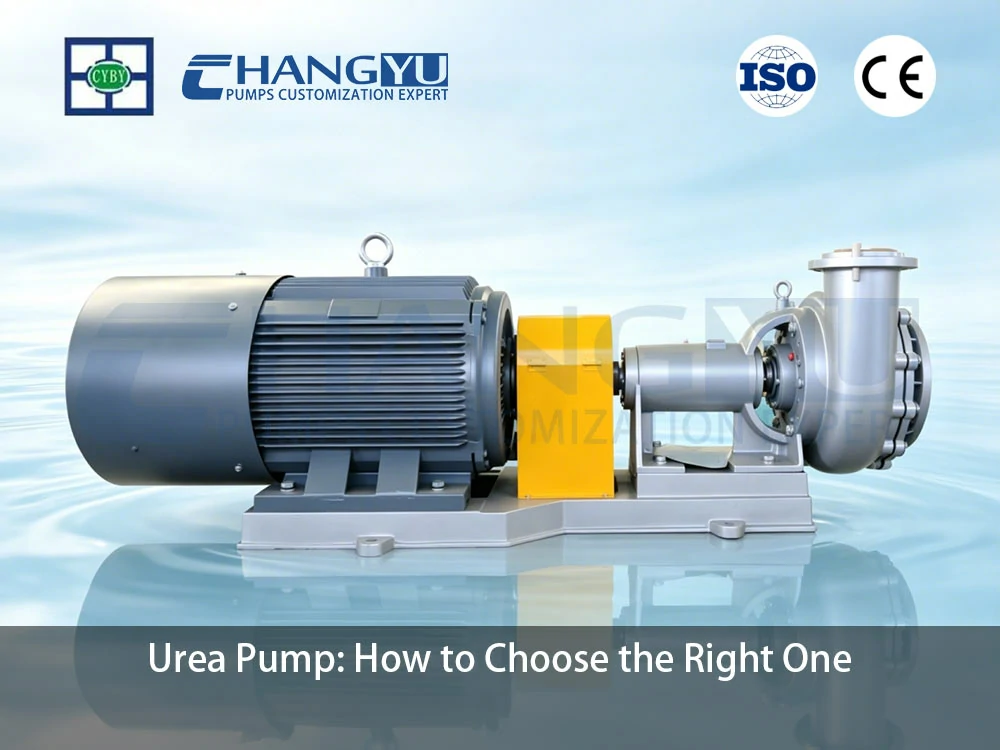
بعد قراءة هذا الدليل، ستفهم ما يميز مضخة اليوريا عن المضخة الكيميائية القياسية، وما هي المواد المتوافقة مع اليوريا عبر نطاق تركيزها ودرجة حرارتها الكامل، وكيفية منع تبلور اليوريا من إتلاف مكونات المضخة، وما هي المتطلبات الخاصة التي تنطبق على تطبيقات AdBlue واليوريا المنصهرة وSCR، وكيفية اختيار وتحديد حجم مضخة لمهمة معالجة اليوريا الخاصة بك. مع أكثر من 20 عامًا من الخبرة في تصنيع المضخات عبر التطبيقات الكيميائية والصناعية، تقدم مضخة تشانغيو دليل الاختيار المنظم هذا لمساعدتك في تحديد مضخة اليوريا الصحيحة من البداية.
ما هي مضخة اليوريا؟
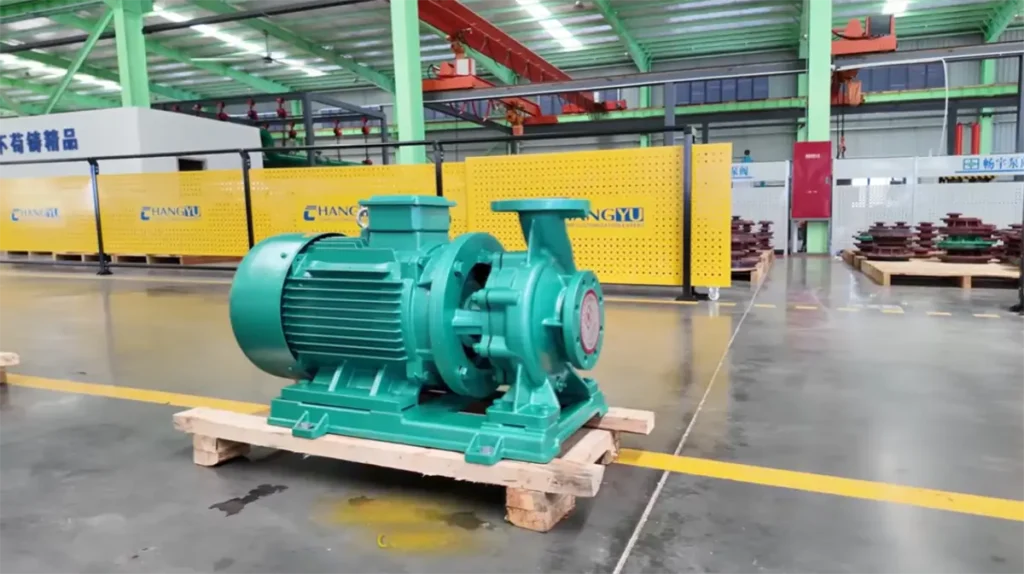
اليوريا هي مركب عضوي يستخدم على نطاق واسع كسماد نيتروجيني، وسائل عادم ديزل (AdBlue/DEF) لتقليل أكاسيد النيتروجين، ومادة خام في الإنتاج الكيميائي. تنقل مضخة نقل اليوريا محاليل اليوريا أو اليوريا المنصهرة بين خزانات التخزين ومعدات الإنتاج ونقاط التطبيق.
مضخة اليوريا مقابل المضخة الكيميائية القياسية
تم تصميم المضخة الكيميائية القياسية للخدمة التآكلية العامة. تضيف مضخة اليوريا ميزات تصميم محددة تعالج السلوك الفريد لليوريا:
| الميزة | مضخة كيميائية قياسية | مضخة اليوريا |
|---|---|---|
| اختيار المواد | مقاومة التآكل العامة | خالية من المعادن لـ AdBlue؛ متوافقة مع اليوريا عبر نطاق درجة الحرارة الكامل |
| حماية من التبلور | لا يوجد | سترات تسخين، أنظمة شطف، أو حماية الختم لمنع تكوين البلورات |
| إدارة درجة الحرارة | قياسي | مصممة لنطاق درجة حرارة محدد — من تخزين AdBlue البارد إلى اليوريا المنصهرة الساخنة |
| ترتيب الختم | مانع تسرب ميكانيكي قياسي | نظام شطف الختم لمنع تراكم البلورات على أسطح الختم |
| التطبيقات النموذجية | المواد الكيميائية العامة | إنتاج AdBlue، الأسمدة، جرعات SCR، اليوريا المنصهرة |
أين يهدد التبلور موثوقية المضخة
أكثر فشل شائع لمضخة اليوريا ليس التآكل — بل التبلور. عندما يبرد محلول اليوريا تحت نقطة التشبع، أو عندما يتبخر الماء من المحلول الراكد، أو عندما يتوقف التدفق ويبقى السائل في المضخة، تتشكل بلورات اليوريا. تنمو هذه البلورات على أسطح المروحة، في حجرات الختم، وحول مقاعد الصمامات. في غضون ساعات، يمكنها قفل دوار المضخة بالكامل أو منع صمامات الفحص من الجلوس. يمكن لمضخة تعمل بشكل مثالي يوم الجمعة أن تتوقف يوم الاثنين صباحًا ببساطة لأن محلول اليوريا تُرك في الغلاف خلال عطلة نهاية الأسبوع.
لا تعالج المضخات الكيميائية القياسية وضع الفشل هذا. تتضمن مضخات اليوريا ميزات تصميم — سترات تسخين، دورات شطف تلقائية، أو أنظمة حماية الختم — تمنع تكون البلورات في المقام الأول.
أين تُستخدم مضخات اليوريا؟
تخدم مضخات اليوريا ثلاث صناعات رئيسية، كل منها يفرض متطلبات مميزة على تصميم المضخة.
إنتاج وتوزيع AdBlue / DEF
أدبلو (المعروف باسم DEF في أمريكا الشمالية) هو محلول يوريا بنسبة 32.5% في ماء منزوع الأيونات، يُستخدم في أنظمة الاختزال التحفيزي الانتقائي (SCR) لتقليل انبعاثات أكاسيد النيتروجين من محركات الديزل. يحكم ISO 22241 جودة AdBlue، والمعيار واضح: يجب أن يكون AdBlue خاليًا من تلوث الأيونات المعدنية. يمكن للنحاس والزنك والحديد الزهر وحتى الفولاذ المقاوم للصدأ القياسي أن ترشح أيونات ضئيلة تسمم محفز SCR.
يجب بناء مضخات AdBlue من مواد خاملة كيميائيًا لليوريا ولا تطلق أيونات معدنية. PP (بولي بروبيلين)، PVDF (بولي فينيلدين فلوريد)، والمضخات المبطنة بالفلوروبلاستيك هي المواد القياسية لخدمة AdBlue. يجب أن تكون أي إيلاستومرات — حلقات O، حشوات، أختام — متوافقة أيضًا مع اليوريا ويجب ألا ترشح ملوثات.
إنتاج الأسمدة والمواد الكيميائية
يتضمن إنتاج سماد اليوريا محاليل يوريا بتركيزات من 20% إلى 95%+، ودرجات حرارة من المحيطة إلى 140 درجة مئوية، ووجود جزيئات يوريا صلبة، وكربامات الأمونيوم، وإضافات عملية. يجب أن تتعامل المضخات في هذه الخدمة مع المواد الصلبة الكاشطة، وتقاوم التآكل في درجات الحرارة المرتفعة، وتعمل بشكل مستمر خلال حملات الإنتاج.
في مصانع الأسمدة، تخدم مضخات اليوريا تغذية المفاعل، وتيارات إعادة التدوير، ونقل المنتج. لمحاليل اليوريا التي تحتوي على جزيئات صلبة — مثل ملاط حبيبات اليوريا أو المحاليل المتبلورة جزئيًا — يلزم وجود مضخات ذات بناء مقاوم للتآكل. لليوريا المنصهرة عالية الحرارة (120-140 درجة مئوية)، يجب أن تستوعب المضخات التمدد الحراري وتحافظ على سلامة الختم.
إزالة النتروجين SCR في محطات الطاقة
يتضمن إنتاج أسمدة اليوريا محاليل اليوريا بتركيزات تتراوح من 20% إلى 95%+، ودرجات حرارة من المحيطة إلى 140 درجة مئوية، ووجود جزيئات يوريا صلبة، وكربامات الأمونيوم، وإضافات المعالجة. يجب أن تتعامل المضخات في هذه الخدمة مع المواد الصلبة الكاشطة، وتقاوم التآكل في درجات الحرارة المرتفعة، وتعمل بشكل مستمر خلال دورات الإنتاج.
في مصانع الأسمدة، تعمل مضخات اليوريا كتغذية للمفاعل، وتيارات إعادة التدوير، ونقل المنتج. بالنسبة لمحاليل اليوريا التي تحتوي على جزيئات صلبة — مثل ملاط حبيبات اليوريا أو المحاليل المتبلورة جزئيًا — يلزم استخدام مضخات ذات بناء مقاوم للتآكل. بالنسبة لليوريا المنصهرة عالية الحرارة (120-140 درجة مئوية)، يجب أن تستوعب المضخات التمدد الحراري وتحافظ على سلامة المانع.
| التطبيق | إزالة النتروجين الانتقائية (SCR) في محطات الطاقة | نطاق درجة الحرارة | تستخدم محطات الطاقة التي تعمل بالفحم والغلايات الصناعية محلول اليوريا كعامل اختزال للتحكم في أكاسيد النيتروجين (NOx). يتم حقن اليوريا في غاز المداخن حيث تتحلل إلى أمونيا، والتي تتفاعل مع أكاسيد النيتروجين فوق محفز. يجب أن يوفر نظام جرعات اليوريا معدلات تدفق دقيقة وقابلة للتعديل ضد ضغط خلفي متغير. تؤثر موثوقية المضخة بشكل مباشر على الامتثال للانبعاثات — يمكن أن يؤدي فشل مضخة الجرعات إلى تجاوز أكاسيد النيتروجين وغرامة تنظيمية. |
|---|---|---|---|
| مقارنة التطبيقات | 32.5% | تركيز اليوريا | المتطلب الحرج |
| إنتاج أدبلو (AdBlue) | 32.5% | 10–40 درجة مئوية | عدم تلوث بأيونات المعادن؛ الامتثال لمعيار ISO 22241 |
| توزيع أدبلو (AdBlue) | -10–40 درجة مئوية | منع التبلور خلال فترات التوقف | محلول يوريا الأسمدة |
| 20–95%+ | 20–140 درجة مئوية | تركيز اليوريا | مقاومة درجات الحرارة العالية؛ التعامل مع المواد الصلبة |
| جرعات SCR | 95%+ | 5–40% | تحكم دقيق في التدفق؛ موثوقية مستمرة |
نقل اليوريا المنصهرة
120–140 درجة مئوية.
تحمل درجات الحرارة القصوى؛ العزل الحراري
| المواد | ما هي المواد المتوافقة مع مضخات اليوريا؟ | موصى به ل | يجب أن يأخذ اختيار المواد لخدمة اليوريا في الاعتبار كلاً من التوافق الكيميائي ومتطلبات النقاء المحددة للتطبيق. قد تكون المادة مقاومة كيميائيًا لليوريا ولكنها لا تزال غير مقبولة إذا كانت ترشح ملوثات إلى السائل. |
|---|---|---|---|
| فولاذ مقاوم للصدأ 316L | دليل توافق مواد اليوريا | التوافق مع اليوريا | تجنب لـ |
| بولي بروبيلين (بولي بروبيلين) | متوافق في درجات حرارة معتدلة؛ قد يرتشح معادن أثرية بدون تخميل مناسب | محاليل اليوريا الصناعية؛ التطبيقات غير الخاصة بأدبلو | ملامسة منتج أدبلو ما لم يتم التحقق من التخميل؛ البدائل غير المعدنية مفضلة |
| PVDF (Kynar) | متوافق في درجات حرارة معتدلة؛ قد يرتشح معادن أثرية بدون تخميل مناسب | ممتاز؛ خامل كيميائيًا | أدبلو؛ يوريا منخفضة الحرارة |
| مبطن بـ PTFE / PFA | مقاومة كيميائية شاملة | التطبيقات عالية الحرارة (> 80 درجة مئوية) | أدبلو؛ يوريا معتدلة الحرارة (حتى 120 درجة مئوية) |
| بطانة UHMW-PE | المحاليل القلوية القوية فوق 80 درجة مئوية؛ بعض المذيبات القطبية (الأسيتون، ثنائي ميثيل فورماميد) عند درجة حرارة مرتفعة | جميع تركيزات ودرجات حرارة اليوريا | معدلات تدفق عالية مع المواد الصلبة (قد يبلى البطانة) |
| ممتاز؛ مقاوم للتآكل | متوافق | ملاط اليوريا مع المواد الصلبة | التطبيقات عالية الحرارة (> 90 درجة مئوية) |
| EPDM (مانعات/حشوات) | مادة مانعة قياسية لليوريا | يوريا عالية الحرارة (> 120 درجة مئوية) | FKM / فيتون (مانعات/حشوات) |
| متوافق؛ قد ترتشح الدرجات القياسية معالجات أكسيد معدني | مانعات اليوريا ذات درجة الحرارة الأعلى (الدرجات المعالجة بالبيروكسيد فقط لأدبلو) | FKM المعالج بأكسيد معدني قياسي في أدبلو؛ فقط درجات البيروكسيد عالية النقاء مقبولة | PTFE (مانعات/حشوات) |
| حديد مصبوب | توافق عالمي | لا يوجد | مانعات عالية النقاء ودرجات الحرارة العالية |
| النحاس / النحاس الأصفر / البرونز | مانعات ديناميكية (مرونة منخفضة) | لا يوجد | غير متوافق — يتآكل ويلوث |
| الألومنيوم | جميع تطبيقات اليوريا | لا يوجد | مانعات عالية النقاء ودرجات الحرارة العالية |
غير متوافق — تلوث شديد
جميع تطبيقات اليوريا؛ محظور بموجب ISO 22241
- غير متوافق — يتآكل في محلول اليوريا
- متطلبات مواد أدبلو (ISO 22241)
- يفرض معيار ISO 22241 لأدبلو قيودًا صارمة على مواد البناء. يجب ألا تطلق أي مادة ملامسة لأدبلو أيونات النحاس أو الزنك أو الحديد أو غيرها من أيونات المعادن التي قد تسمم محفز SCR. من الناحية العملية، هذا يعني:
- يجب أن تكون مكونات المضخة المبتلة غير معدنية (PP، PVDF، PTFE/PFA) أو مصنوعة من درجات الفولاذ المقاوم للصدأ المعتمدة مع تخميل سطحي تم التحقق منه
يوصي مهندسو تشانغيو بومب بما يلي: يجب أن تكون الإيلاستومرات من EPDM المعالج بالبيروكسيد أو PTFE — وليس المطاط المعالج بالكبريت أو FKM القياسي المعالج بأكسيد معدني الذي يمكن أن يرتشح الملوثات.
الوصلات الملحومة أو الملحومة بالنحاس محظورة — أي نحاس أو زنك في سبائك اللحام سيلوث أدبلو
التبلور يجب تحديد تقارير اختبار المواد (MTRs) واختبار التلوث لجميع مكونات مضخة أدبلو.
بالنسبة لجميع تطبيقات أدبلو واليوريا عالية النقاء، حدد بناء مضخة من PP أو PVDF مع إيلاستومرات PTFE أو EPDM المعالج بالبيروكسيد. التكلفة الإضافية للبناء غير المعدني تفوق بكثير تكلفة دفعة أدبلو الملوثة — يمكن أن تكلف حمولة ناقلة واحدة مرفوضة من أدبلو أكثر بكثير من المضخة نفسها.
كيفية منع تبلور اليوريا في المضخات؟
- هو السبب الأكثر شيوعًا لفشل مضخة اليوريا. فهم الظروف التي تؤدي إلى التبلور يتيح التحديد الصحيح لتدابير الوقاية. كيف تتشكل بلورات اليوريا.
- تتبلور اليوريا في ثلاث ظروف، جميعها تحدث في تطبيقات المضخات: انخفاض درجة الحرارة:.
- عندما يبرد محلول اليوريا، تنخفض نقطة تشبعه. عندما تنخفض درجة الحرارة إلى ما دون نقطة التبلور لتركيز معين، تترسب البلورات من المحلول. يبدأ محلول أدبلو بتركيز 32.5% في التبلور عند حوالي -11 درجة مئوية. تبخر الماء:.
يفقد محلول اليوريا المعرض للهواء الماء من خلال التبخر. مع انخفاض محتوى الماء، يزداد تركيز اليوريا حتى يتم تجاوز نقطة التشبع وتتشكل البلورات. يحدث هذا عادةً في حشوات صناديق الحشو، حول أسطح الموانع الميكانيكية، وعلى أسطح الأعمدة المكشوفة حيث يتبخر فيلم رقيق من محلول اليوريا.
ركود التدفق:
عندما يبقى محلول اليوريا ساكنًا في غلاف المضخة، أو غرفة المانع، أو صمام الفحص، فإن التبريد والتبخر الموضعي يعززان نمو البلورات. تتشكل البلورات على الأسطح، وتنمو بمرور الوقت، وتسد في النهاية الممرات أو تقفل الأجزاء المتحركة.
الحلول الهندسية لمنع التبلور
تسخين المضخة والعزل:.
بالنسبة لمضخات اليوريا التي تعمل في بيئات باردة أو تتعامل مع محاليل قريبة من التشبع، تحافظ سترات التسخين الكهربائية أو التتبع بالبخار على درجة حرارة غلاف المضخة فوق نقطة التبلور. يقلل العزل فوق نظام التسخين من استهلاك الطاقة ويمنع البقع الباردة حيث يمكن أن تتشكل البلورات.
تستفيد الأختام الميكانيكية في خدمة اليوريا من شطف خارجي يحافظ على تدفق السائل حول أسطح الختم. يمنع الشطف ركود اليوريا وتبلورها بين أسطح الختم — وهو سبب شائع لفشل الختم عند إعادة التشغيل بعد فترات التوقف. يجب أن يكون سائل الشطف متوافقًا مع اليوريا وألا يلوث العملية.
صمامات الفحص المُسخَّنة:
صمامات الفحص على خطوط تصريف مضخة اليوريا معرضة بشكل خاص للتبلور لأنها تحبس حجمًا صغيرًا من محلول اليوريا عند توقف المضخة. تمنع صمامات الفحص المُسخَّنة كهربائيًا أو المُسخَّنة بالبخار تكوّن البلورات على مقعد الصمام والكرة. عندما لا تكون الصمامات المُسخَّنة عملية، تسمح ترتيبات الصمامات ذات السد المزدوج والتفريغ بتصريف جسم الصمام بعد الإغلاق.
يوصي مهندسو تشانغيو بومب بما يلي: بالنسبة لأي مضخة يوريا تعمل بشكل متقطع — بما في ذلك مضخات الاحتياط، ومضخات توزيع أدبلو، ومضخات الاختزال التحفيزي الانتقائي الموسمية — حدد نظام شطف مائي تلقائي ينشط عند توقف المضخة. يتم استرداد تكلفة نظام الشطف خلال أول استدعاء خدمة يتم تجنبه متعلق بالتبلور. بالنسبة للمضخات التي تعمل باستمرار، حدد نظام شطف الختم وصمامات فحص مُسخَّنة كحد أدنى للحماية من التبلور.
ما هي المتطلبات الخاصة لليوريا ذات درجة الحرارة العالية؟
اليوريا المنصهرة — عادةً بتركيز 95% عند 120-140 درجة مئوية — تمثل مجموعة متميزة من التحديات الهندسية تتجاوز تلك الخاصة بمحاليل اليوريا في درجة الحرارة المحيطة. توجد خدمة اليوريا ذات درجة الحرارة العالية في إنتاج الأسمدة، وتحبيب اليوريا، وبعض عمليات الوسائط الكيميائية.
سلوك المواد عند درجة حرارة مرتفعة
تصبح اليوريا أكثر تآكلًا مع ارتفاع درجة الحرارة. عند 120-140 درجة مئوية، تتحلل اليوريا جزئيًا، مكونة آثارًا من الأمونيا وثاني أكسيد الكربون وكربامات الأمونيوم. مزيج درجة الحرارة العالية ومنتجات التحلل المسببة للتآكل يهاجم درجات الفولاذ المقاوم للصدأ القياسية التي تعمل بشكل جيد في درجة الحرارة المحيطة.
الفولاذ المقاوم للصدأ 316L، المقبول لليوريا في درجة الحرارة المحيطة، يعاني من تآكل متسارع في خدمة اليوريا ذات درجة الحرارة العالية. أيون الكربامات عدواني بشكل خاص تجاه طبقة الأكسيد السلبية على الفولاذ المقاوم للصدأ. بالنسبة لخدمة اليوريا المنصهرة، يجب ترقية المكونات المبتلة إلى الفولاذ المقاوم للصدأ المزدوج، أو البناء المبطن بـ PFA/PTFE، أو السبائك المتخصصة المصممة لمقاومة الكربامات.
إدارة التمدد الحراري
فرق درجة الحرارة بين المحيطة (20 درجة مئوية) والتشغيل (140 درجة مئوية) يخلق تمددًا حراريًا كبيرًا في مكونات المضخة. يجب تصميم غلاف المضخة، والمروحة، والعمود، وحلقات التآكل بخلوصات تستوعب هذا التمدد دون انحشار أو تسرب داخلي مفرط. المضخات المحددة لخدمة درجة الحرارة المحيطة والتي يتم تشغيلها بعد ذلك عند درجة حرارة مرتفعة قد تتعرض للانحشار أو فقدان الكفاءة.
اختيار الختم لدرجة الحرارة العالية
الأختام الميكانيكية القياسية ذات المطاط الصناعي EPDM أو FKM محدودة بحوالي 120 درجة مئوية. بالنسبة لخدمة اليوريا المنصهرة فوق هذه الدرجة، يلزم استخدام أختام ذات أختام ثانوية من PTFE أو منفاخ معدني. يجب أن يوفر نظام شطف الختم سائل شطف متوافق عند درجة حرارة لا تصدم أسطح الختم حراريًا.
العزل والتسخين التتبعي
تتطلب مضخات اليوريا المنصهرة العزل والتسخين التتبعي للحفاظ على درجة الحرارة أثناء التشغيل العادي — والأهم — أثناء الإغلاق. إذا بردت مضخة اليوريا المنصهرة إلى ما دون نقطة التبلور، يجب إذابة كتلة اليوريا المتصلبة في الغلاف قبل إعادة تشغيل المضخة. يحافظ التسخين التتبعي مع التحكم في درجة الحرارة على المضخة في درجة حرارة الاستعداد، جاهزة لإعادة التشغيل الفوري.
ملخص متطلبات مضخة اليوريا ذات درجة الحرارة العالية
| المتطلبات | مضخة يوريا قياسية | مضخة يوريا ذات درجة حرارة عالية |
|---|---|---|
| المواد | PP، PVDF، 316L | مبطن بـ PFA/PTFE، فولاذ مقاوم للصدأ مزدوج، سبائك متخصصة |
| مطاطيات الختم | EPDM، FKM | PTFE، منفاخ معدني |
| التمدد الحراري | خلوصات قياسية | خلوصات متزايدة للتشغيل عند 120 درجة مئوية+ |
| العزل | اختياري | إلزامي — مع تسخين تتبعي للاستعداد |
| التطبيقات النموذجية | أدبلو، جرعات الاختزال التحفيزي الانتقائي، نقل محلول اليوريا | نقل مصهور الأسمدة، التحبيب، تغذية المفاعل |
كيفية اختيار مضخة اليوريا المناسبة؟
يتبع اختيار مضخة اليوريا عملية منظمة تبدأ بتحديد التطبيق وتستمر من خلال اختيار المواد، والحماية من التبلور، وتحديد حجم المضخة.
الخطوة 1: تحديد التطبيق.
حدد تركيز اليوريا، ونطاق درجة حرارة التشغيل، ومعدل التدفق، وضغط التفريغ، ودورة التشغيل. هل هذا أدبلو (32.5%، درجة حرارة محيطة، نقاوة عالية)، أو يوريا أسمدة (تركيز متغير، حتى 140 درجة مئوية، قد تكون كاشطة)، أو جرعات الاختزال التحفيزي الانتقائي (تحكم دقيق في التدفق، مستمر أو متقطع)؟
الخطوة 2: اختيار المواد بناءً على النقاوة ودرجة الحرارة.
- أدبلو ويوريا عالية النقاوة → مضخات من PP، PVDF، أو مبطن بـ PFA/PTFE. لا نحاس، زنك، حديد زهر، أو فولاذ مقاوم للصدأ قياسي.
- محاليل اليوريا الصناعية (غير أدبلو) → الفولاذ المقاوم للصدأ 316L مقبول لدرجة الحرارة المحيطة؛ ترقية إلى مزدوج أو مبطن لدرجة الحرارة العالية.
- ملاط اليوريا مع المواد الصلبة → مبطن بـ UHMW-PE أو فولاذ مقاوم للصدأ مزدوج مع بناء مقاوم للتآكل.
- يوريا منصهرة (120-140 درجة مئوية) → مبطن بـ PFA/PTFE أو فولاذ مقاوم للصدأ مزدوج مع ترتيب ختم لدرجة حرارة عالية.
الخطوة 3: اختيار نوع المضخة.
- مضخة طرد مركزي: مناسبة لنقل اليوريا عالي التدفق، وإنتاج أدبلو، وتدوير محلول الأسمدة. متوفرة في بنيات من PP، PVDF، والمبطن بالفلوروبلاستيك.
- مضخة الدفع المغناطيسي: توفر تشغيلًا بدون ختم وبدون تسرب لأدبلو والتطبيقات عالية النقاوة. لخدمة أدبلو، تحقق من أن الدوار المغناطيسي الداخلي مغلف بالكامل بـ PFA/PTFE — الدوارات المعدنية المكشوفة قد ترشح ملوثات.
- مضخة غشائية: مناسبة لجرعات الاختزال التحفيزي الانتقائي الدقيقة وتطبيقات القياس منخفضة التدفق.
- مضخة التجويف التقدمي: تتعامل مع محاليل اليوريا عالية اللزوجة وملاط اليوريا مع المواد الصلبة.
الخطوة 4: تحديد مواصفات الحماية من التبلور.
حدد ما إذا كانت المضخة ستعمل بشكل مستمر أو متقطع. للخدمة المتقطعة، حدد نظام شطف مائي تلقائي، وصمامات فحص مُسخَّنة، وشطف الختم. للخدمة المستمرة، حدد نظام شطف الختم وصمامات فحص مُسخَّنة. للتركيبات الخارجية في المناخات الباردة، أضف تسخين غلاف المضخة والعزل.
الخطوة 5: التحقق من تحديد حجم المضخة.
احسب معدل التدفق المطلوب والرأس الديناميكي الكلي. طبق عوامل تصحيح اللزوجة لمحاليل اليوريا عالية التركيز فوق 50%. بالنسبة لـ AdBlue، قم بالتحجيم بشكل متحفظ — التجاوز بنسبة 10-15% يوفر هامشًا للقدرة المستقبلية دون خطر التبلور من التشغيل بسرعة منخفضة.
يوصي مهندسو تشانغيو بومب بما يلي: لتطبيقات AdBlue، حدد دائمًا مضخة مصنوعة من PP أو PVDF أو مواد مبطنة بالفلوروبلاستيك — وليس الفولاذ المقاوم للصدأ القياسي. تكلفة المواد الإضافية ضئيلة مقارنة بتكلفة دفعة منتج ملوثة. لأي مضخة يوريا ستكون خاملة لأكثر من 8 ساعات بين العمليات، نظام الشطف التلقائي ليس اختياريًا — بل مطلوب لمنع التبلور.
حلول مضخات اليوريا من Changyu Pump
تصنع Changyu Pump ثلاث سلاسل مضخات مناسبة لتطبيقات معالجة اليوريا، كل منها مصممة لمجموعة محددة من متطلبات النقاء ودرجة حرارة التشغيل وخصائص السائل.
دليل اختيار منتج مضخة اليوريا
| التطبيق | تحدي السائل | السلسلة الموصى بها | الميزة الرئيسية |
|---|---|---|---|
| نقل AdBlue / اليوريا عالية النقاء | عدم تحمل التلوث | سلسلة CYB-ZKJ | مبطنة بـ FEP/PFA؛ المكونات المعدنية معزولة عن السائل |
| ملاط اليوريا مع المواد الصلبة | جزيئات كاشطة في محلول اليوريا | سلسلة UHB | مبطنة بـ UHMW-PE؛ مقاومة للتآكل والتآكل |
| اليوريا المنصهرة عالية الحرارة | 120-140 درجة مئوية، تركيز 95%+ | سلسلة CYG | بطانة PFA سميكة (8-20 مم)؛ عملية تلبيد بالقولبة |
سلسلة CYB-ZKJ — مضخة مبطنة بالفلوروبلاستيك لليوريا عالية النقاء وAdBlue
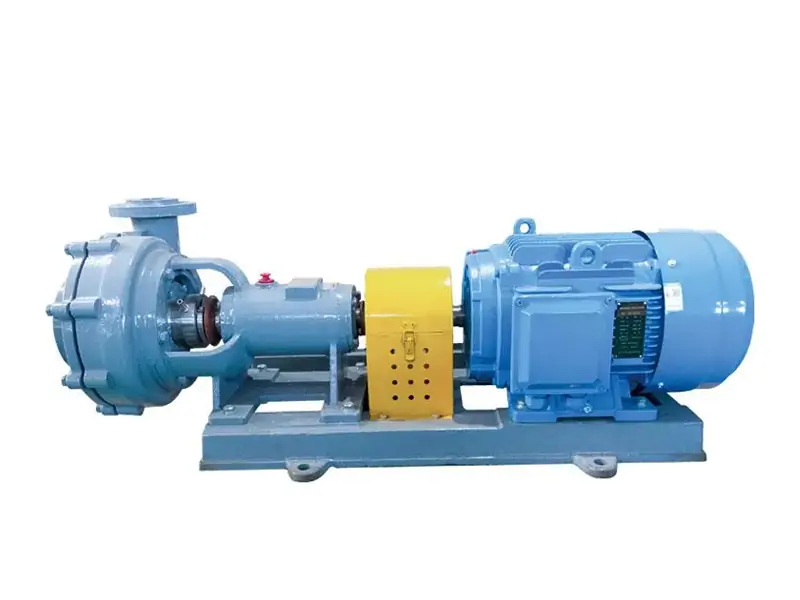
تتميز سلسلة CYB-ZKJ ببطانة FEP (إيثيلين بروبيلين مفلور) أو PFA تعزل السائل الذي يتم ضخه تمامًا عن غلاف المضخة المعدني. لتطبيقات إنتاج AdBlue واليوريا عالية النقاء، يلغي هذا البناء خطر تلوث الأيونات المعدنية تمامًا — لا يمكن تسرب النحاس أو الزنك أو الحديد أو غيرها من سموم المحفزات إلى المنتج.
توفر بطانة FEP/PFA مقاومة كيميائية عبر نطاق تركيز ودرجة حرارة اليوريا الكامل (-80 درجة مئوية إلى 120 درجة مئوية). يحافظ تصميم المروحة شبه المفتوحة على الكفاءة مع استيعاب لزوجة محاليل اليوريا. تدعم خيارات الختم الميكانيكي أو الديناميكي كلاً من الخدمة المستمرة والمتقطعة.
| المعلمة | المواصفات |
|---|---|
| معدل التدفق | 3-2,600 متر مكعب/ساعة |
| الرأس | 5-100 m |
| قوة المحرك | 0.75-300 كيلوواط |
| السرعة | 968 - 3450 دورة/دقيقة |
| درجة الحرارة | -80 درجة مئوية إلى 120 درجة مئوية |
| مواد البطانة | FEP (قياسي)، PFA (خيار مخصص لدرجات الحرارة العالية) |
سلسلة UHB — مضخة ملاط مبطنة بـ UHMW-PE لتطبيقات أسمدة اليوريا
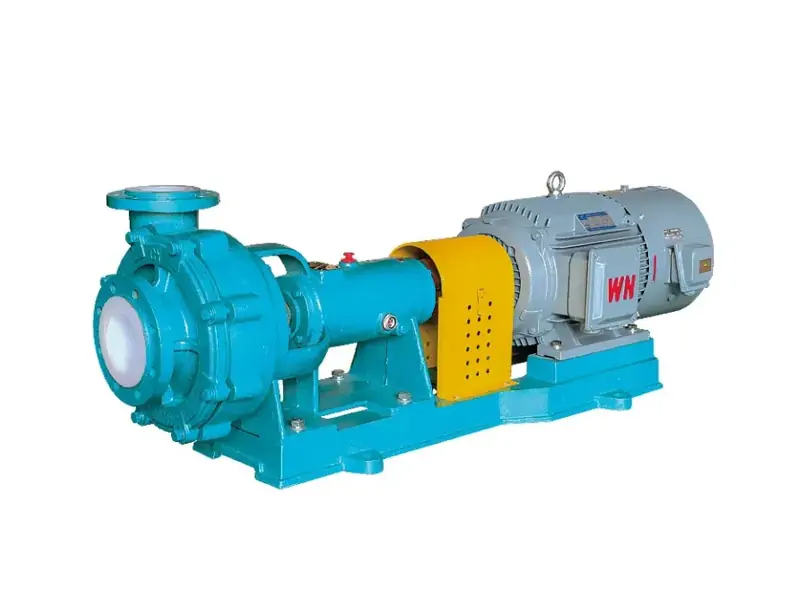
تجمع سلسلة UHB بين بطانة UHMW-PE (بولي إيثيلين عالي الوزن الجزيئي جدًا) مع غلاف فولاذي، مما يوفر مقاومة كيميائية لليوريا ومقاومة للتآكل ضد جزيئات اليوريا الصلبة. في إنتاج الأسمدة، غالبًا ما تحتوي محاليل اليوريا على غرامات حبيبات أو مواد صلبة متبلورة أو بقايا عملية من شأنها أن تؤدي إلى تآكل المضخات المبطنة القياسية.
بطانة UHMW-PE خاملة كيميائيًا لليوريا بجميع التركيزات حتى 90 درجة مئوية. توفر المروحة شبه المفتوحة سعة تدفق عالية وتمرر المواد الصلبة الصغيرة دون انسداد. تستخدم على نطاق واسع في الصناعات الكيميائية والمعدنية والأسمدة للوسائط المسببة للتآكل والكشط.
| المعلمة | المواصفات |
|---|---|
| معدل التدفق | 3-2,600 متر مكعب/ساعة |
| الرأس | 5-100 m |
| قوة المحرك | 0.75-300 كيلوواط |
| السرعة | 750-2,900 دورة/دقيقة |
| درجة الحرارة | -20 درجة مئوية إلى 90 درجة مئوية |
| مادة التبطين | UHMW-PE |
سلسلة CYG — مضخة مبطنة بـ PFA عالية الحرارة لليوريا المنصهرة
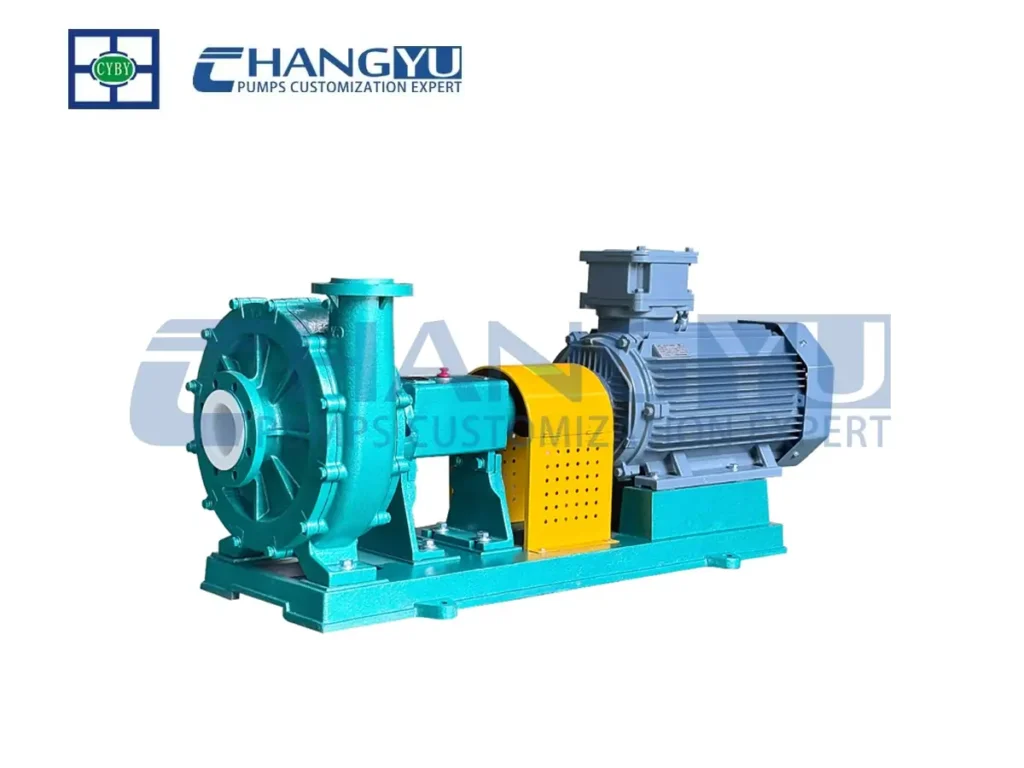
سلسلة CYG مصممة لظروف التشغيل القاسية التي تجمع بين درجات الحرارة العالية والسوائل المسببة للتآكل. لخدمة اليوريا المنصهرة عند 120-140 درجة مئوية وتركيز 95%+، توفر بطانة PFA (بيرفلوروألكوكسي) بسمك 8-20 مم مقاومة كيميائية شاملة مع عدم وجود خطر تلوث.
يتم دمج بطانة PFA مع جسم المضخة الفولاذي من خلال عملية تلبيد بالقولبة متقدمة. على عكس البطانات المربوطة ميكانيكيًا التي يمكن أن تتشقق تحت التدوير الحراري، تتمدد بطانة PFA الملبد وتنكمش مع الركيزة الفولاذية — محافظة على السلامة خلال دورات بدء التشغيل والتشغيل والإيقاف. تتعامل المروحة شبه المفتوحة مع ختم ميكانيكي مزدوج الطرف أو ختم ديناميكي من النوع K مع اليوريا عالية الحرارة التي تحتوي على مواد صلبة محتجزة.
| المعلمة | المواصفات |
|---|---|
| معدل التدفق | 3-2,600 متر مكعب/ساعة |
| الرأس | 5-100 m |
| قوة المحرك | 0.75-300 كيلوواط |
| السرعة | 968 - 3450 دورة/دقيقة |
| درجة الحرارة | -80 درجة مئوية إلى 160 درجة مئوية |
| مادة التبطين | PFA (سمك 8-20 مم) |
دراسة حالة لمضخة اليوريا: حل فشل تلوث AdBlue
استخدم منشأة إنتاج AdBlue في أوروبا مضخة طرد مركزي من الفولاذ المقاوم للصدأ لنقل AdBlue النهائي من خزان تخزين إلى محطة تحميل الناقلات. تم تحديد المضخة على أنها “فولاذ مقاوم للصدأ” دون تحديد الدرجة الدقيقة أو التحقق من التخميل السطحي.
بعد ثلاثة أشهر من التشغيل، كشف اختبار الجودة الروتيني عن مستويات مرتفعة من النحاس والزنك في منتج AdBlue — فوق حدود ISO 22241 لتلوث الأيونات المعدنية. تم رفض حمولة ناقلة كاملة، وتوقف الإنتاج بانتظار التحقيق.
حدد تحليل السبب الجذري من قبل مهندسي Changyu Pump مصدر التلوث: احتوى غلاف المضخة الفولاذي المقاوم للصدأ على آثار من النحاس من عملية الصب، واستخدم الختم الميكانيكي مقعدًا ثابتًا من النحاس الأصفر (سبائك النحاس والزنك) الذي كان يتآكل ببطء في محلول اليوريا. لم يتحقق مصنع المضخة ولا منتج AdBlue من توافق المواد مقابل متطلبات ISO 22241.
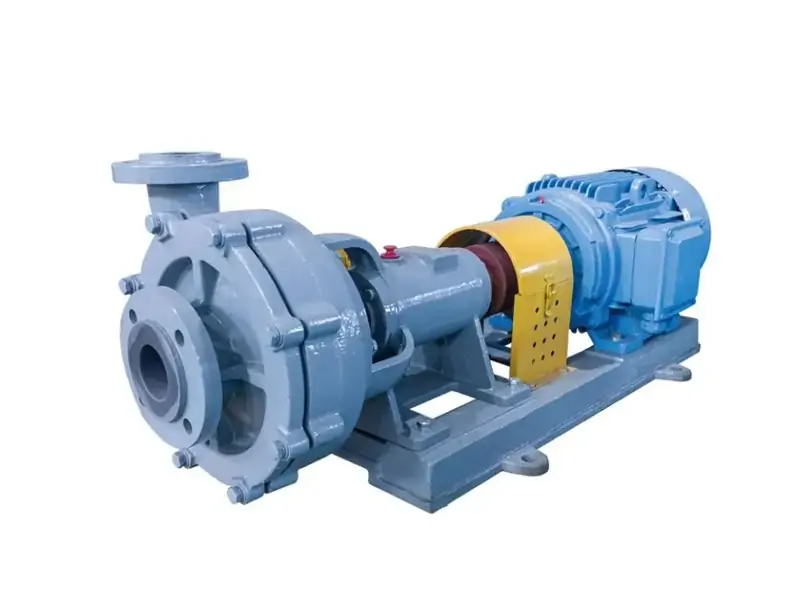
مضخة تشانغيو استبدل التركيب بمضخة من سلسلة CYB-ZKJ تتميز ببطانة فلوروبلاستيك PFA وختم ميكانيكي PTFE. عزلت بطانة PFA AdBlue تمامًا عن غلاف المضخة المعدني — مما ألغى أي احتمال لتسرب الأيونات المعدنية. استبدل ختم PTFE مكون النحاس الأصفر، مما أزال مصدر التلوث الثاني.
اثني عشر شهرًا بعد الاستبدال: لا حوادث تلوث، لا رفض للمنتج، والامتثال الكامل لـ ISO 22241 تم التحقق منه من خلال عمليات تدقيق الجودة الشهرية. قام منتج AdBlue بتوحيد استخدام مضخات Changyu المبطنة بالفلوروبلاستيك لجميع تطبيقات ملامسة المنتج.
النقطة الرئيسية: لتطبيقات AdBlue واليوريا عالية النقاء، “الفولاذ المقاوم للصدأ” ليس مواصفة مادية كافية. فقط تركيبات المضخات غير المعدنية أو المبطنة بالكامل تضمن عدم تلوث الأيونات المعدنية. يتم استرداد تكلفة المضخة المبطنة خلال أول رفض منتج يتم تجنبه.
الأسئلة الشائعة حول مضخات اليوريا
س: من أي مادة يجب أن تصنع مضخة اليوريا؟
ج: لـ AdBlue واليوريا عالية النقاء، مطلوب مضخات PP أو PVDF أو PTFE/PFA المبطنة لمنع تلوث الأيونات المعدنية. لمحاليل اليوريا الصناعية، الفولاذ المقاوم للصدأ 316L مقبول في درجات الحرارة المحيطة. لليوريا المنصهرة عالية الحرارة، مطلوب PFA/PTFE مبطنة أو الفولاذ المقاوم للصدأ المزدوج. يجب ألا يلامس الحديد الزهر أو النحاس أو النحاس الأصفر أو الألومنيوم محلول اليوريا أبدًا.
س: كيف أمنع اليوريا من التبلور في مضختي؟
ج: بالنسبة للمضخات ذات التشغيل المتقطع، قم بتركيب نظام شطف تلقائي بالماء يتم تنشيطه عند إيقاف المضخة لاستبدال محلول اليوريا قبل تكوّن البلورات. بالنسبة للمضخات ذات التشغيل المستمر، حدد نظام شطف للموانع وصمامات فحص مسخنة. في المناخات الباردة، أضف تدفئة وعزل لهيكل المضخة. لا تترك محلول اليوريا راكدًا في المضخة لأكثر من 8 ساعات دون حماية الشطف.
س: هل يمكنني استخدام مضخة فولاذ مقاوم للصدأ قياسية لـ AdBlue؟
ج: ليس بدون مخاطرة. قد يحتوي الفولاذ المقاوم للصدأ القياسي على آثار من النحاس من عملية الصب، وغالبًا ما تشتمل الموانع الميكانيكية على مكونات نحاسية تتآكل في محلول اليوريا. تفرض ISO 22241 فعليًا بناء مضخة غير معدنية أو مبطنة بالكامل لخدمة AdBlue لضمان عدم تلوث بأيونات معدنية.
س: ما نطاق درجة الحرارة الذي يمكن لمضخات اليوريا التعامل معه؟
ج: تتعامل مضخات اليوريا القياسية مع درجات حرارة من -20 درجة مئوية إلى 120 درجة مئوية حسب المواد. يقتصر PP على حوالي 80 درجة مئوية. يمتد PVDF إلى 120 درجة مئوية. تعمل المضخات المبطنة بـ PFA/PTFE من -80 درجة مئوية إلى 160 درجة مئوية، لتغطي خدمة اليوريا المنصهرة. لدرجات حرارة أقل من -10 درجة مئوية، تمنع تدفئة المضخة التبلور بدلاً من أن تكون المادة هي العامل المحدد.
س: ما الفرق بين مضخة AdBlue ومضخة يوريا الأسمدة؟
ج: تعطي مضخات AdBlue الأولوية للبناء الخالي من التلوث والخالي من المعادن لتلبية ISO 22241. تعطي مضخات يوريا الأسمدة الأولوية لمقاومة التآكل في درجات الحرارة العالية والقدرة على التعامل مع المواد الصلبة. قد تكون مضخة AdBlue غير مناسبة لخدمة الأسمدة بسبب قيود درجة الحرارة أو المواد الصلبة. قد تلوث مضخة الأسمدة AdBlue إذا كانت تحتوي على أجزاء مبللة معدنية.
س: كيف أحافظ على مضخة اليوريا أثناء التوقف المطول؟
ج: اشطف المضخة جيدًا بالماء النظيف لإزالة كل محلول اليوريا. صرف هيكل المضخة بالكامل — السائل المتجمع سوف يتبخر ويترك بلورات يوريا. إذا كانت المضخة ستكون خاملة لأكثر من أسبوع، فكر في ملء الهيكل بمحلول مثبط للتآكل أو تطهير بالنيتروجين الجاف لمنع التآكل الداخلي. قبل إعادة التشغيل، تحقق من أن المروحة تدور بحرية وأن صمامات الفحص تعمل دون التصاق.
قائمة مراجعة إجراءات الوقاية لمهندسي مضخات تشانغيو
- لا تحدد أبدًا الحديد الزهر أو النحاس أو البرونز أو الألومنيوم لأي تطبيق مضخة يوريا. هذه المواد تتآكل وتلوث المنتج.
- بالنسبة لـ AdBlue، حدد بناء مضخة غير معدنية أو مبطنة بالفلوروبلاستيك. تمنع ISO 22241 فعليًا ملامسة المعدن للسائل.
- قم بتركيب أنظمة شطف تلقائي بالماء على جميع مضخات اليوريا ذات التشغيل المتقطع. هذه الميزة الواحدة تمنع السبب الأكثر شيوعًا لفشل مضخة اليوريا.
- طابق مواد المضخة مع أقصى درجة حرارة تشغيل — وليس درجة الحرارة العادية. المضخة التي تعمل عند 40 درجة مئوية قد تفشل عند 80 درجة مئوية إذا كانت العملية تعمل أبدًا خارج الظروف العادية.
- حدد صمامات فحص مسخنة على خطوط تصريف مضخة اليوريا. صمامات الفحص القياسية تحبس محلول اليوريا وتتبلور خلال فترات الخمول.
- تحقق من تقارير اختبار المواد لجميع المكونات المبللة في خدمة AdBlue. تركيب نحاسي واحد في مضخة يمكن أن يلوث دفعة منتج كاملة.
- اعزل واستخدم التسخين الكهربائي لمضخات اليوريا المنصهرة لكل من التشغيل والاستعداد. مضخة اليوريا المتصلبة تتطلب ساعات من التسخين قبل إعادة تشغيلها.
- احتفظ بموانع وحشيات وصمامات فحص احتياطية في المخزون. مكونات مضخة اليوريا تشهد معدلات تآكل أعلى من أضرار التبلور مقارنة بمكونات المضخات الكيميائية القياسية.
الخاتمة
تُعرّف مضخة اليوريا بقدرتها على التعامل مع تحديين محددين لليوريا: التبلور — وبالنسبة للتطبيقات عالية النقاء — حساسية التلوث. تفشل المضخات الكيميائية القياسية في خدمة اليوريا ليس لأنها مصنوعة بشكل سيء، ولكن لأنها تفتقر إلى ميزات التصميم المحددة التي تمنع تكوّن البلورات وتسرب الأيونات المعدنية.
اختيار المواد هو القرار الأول. AdBlue واليوريا عالية النقاء تتطلب بناء غير معدني أو مبطن بالكامل. محاليل اليوريا الصناعية تقبل الفولاذ المقاوم للصدأ في درجات الحرارة المحيطة، لكن اليوريا المنصهرة عالية الحرارة تتطلب بناء من PFA/PTFE أو فولاذ مقاوم للصدأ مزدوج. حماية التبلور هي القرار الثاني — وبالنسبة للمضخات ذات التشغيل المتقطع، نظام الشطف التلقائي ليس اختياريًا. يتم استرداد تكلفة ميزات الحماية هذه خلال أول فشل يتم تجنبه متعلق بالتبلور أو دفعة منتج ملوثة.
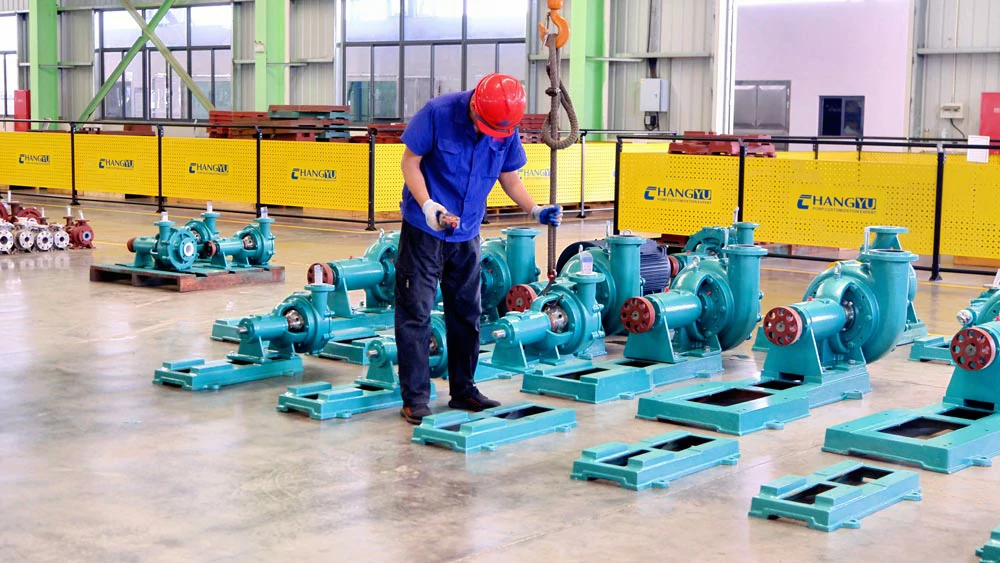
الفريق الهندسي لمضخة تشانغيو يوفر تقييمات تقنية مخصصة لتطبيقات مضخات اليوريا — تغطي تحليل تركيز اليوريا ودرجة الحرارة، والتحقق من توافق المواد، وتصميم حماية التبلور، واختيار المضخة المطابق لظروف التشغيل الخاصة بك. خبرة تصنيع تمتد لعقدين عبر القطاعات الكيميائية والأسمدة والصناعية تغذي كل توصية.