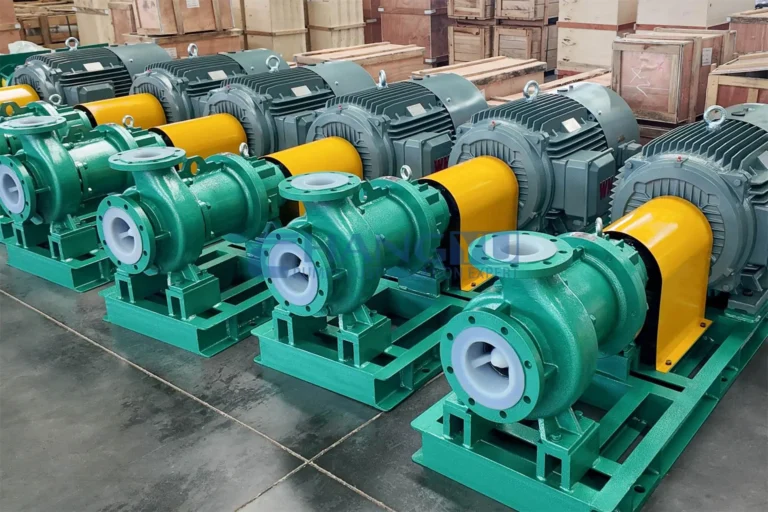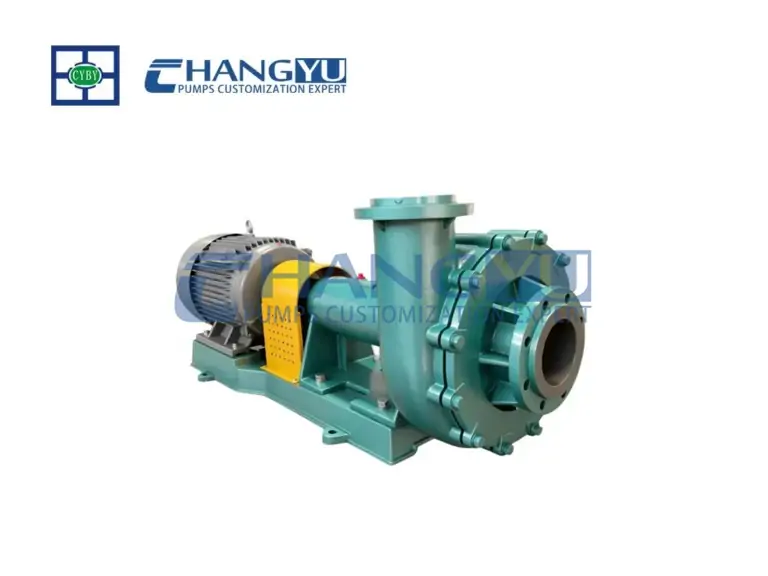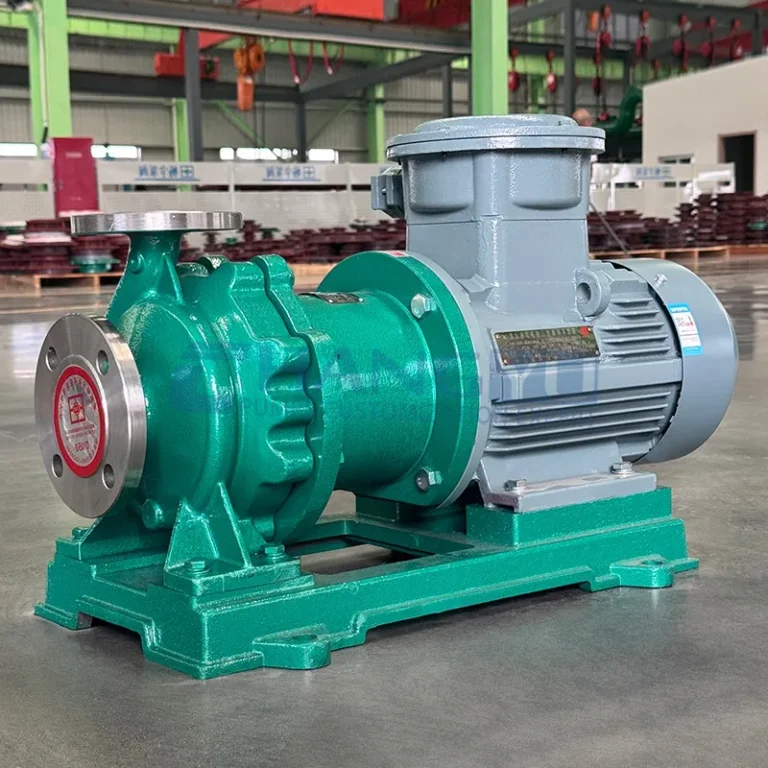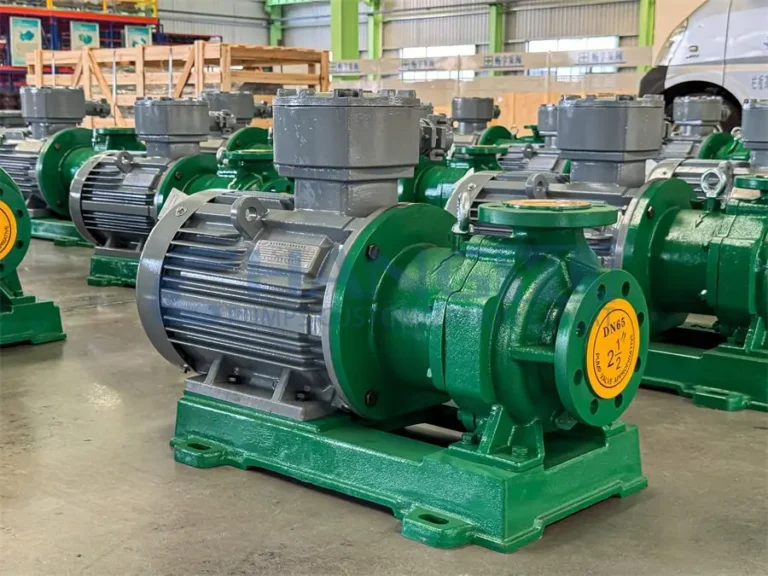
A bomba de transferencia de productos químicos is a specialized industrial system explicitly engineered to convey highly aggressive, toxic, or volatile fluids safely. Standard water pumps simply cannot withstand the severe corrosion, intense heat, and chemical attacks inherent to industrial process lines. By utilizing advanced metallurgy and zero-leakage sealing technologies, chemical transfer pumps safely handle hazardous acids, alkalis, and organic solvents. With over 20 years of manufacturing expertise, Bomba Changyu provides robust chemical pumping solutions that protect your personnel, prevent environmental contamination, and ensure continuous plant efficiency.
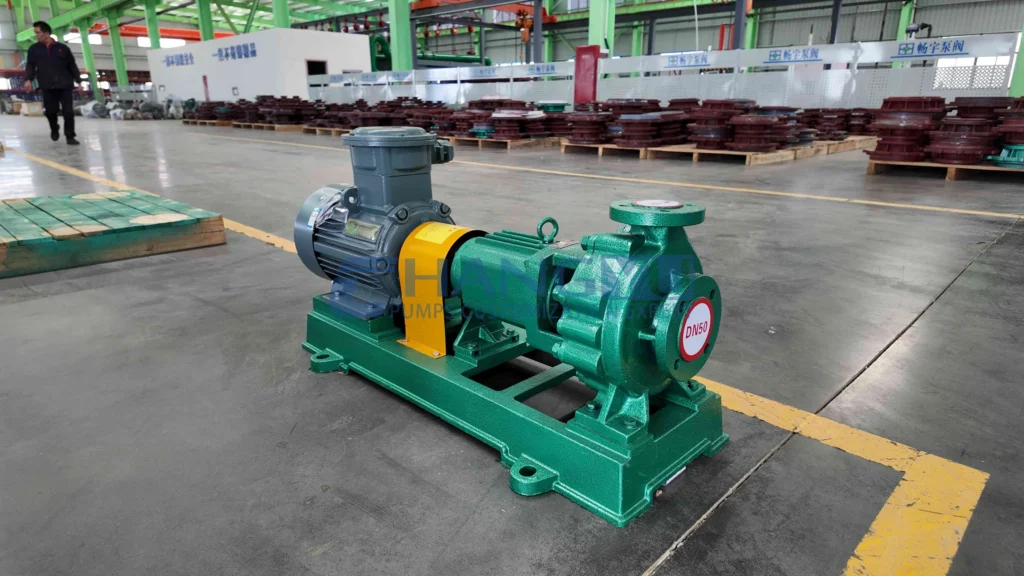
What is a Chemical Transfer Pump and How Does It Work?
A bomba de transferencia de productos químicos is an industrial device designed to move highly corrosive or hazardous liquids from one location to another without degrading the pump’s internal components. How does it work? Like most centrifugal systems, an electric motor drives a rotating impeller, creating kinetic energy that pulls the chemical fluid into the pump casing and pushes it out through the discharge piping.
However, the key difference lies in its construction. The wetted parts (impeller, casing, and shaft) are either manufactured from premium stainless steel or heavily lined with inert fluoroplastics (like PTFE, FEP, or PFA). This ensures that the aggressive chemicals never come into direct contact with reactive metals, drastically extending the equipment’s lifecycle and preventing catastrophic structural failures.
6 Top Chemical Transfer Pumps by Changyu Pump
Selecting the optimal chemical transfer pump requires perfectly matching the pump’s construction materials to your specific fluid dynamics. As a leading manufacturer, Changyu Pump offers a comprehensive bomba de transferencia de productos químicos collection. Here are our top six highly recommended models engineered for distinct industrial applications:
1. CYF Series Acid Transfer Chemical Centrifugal Pump
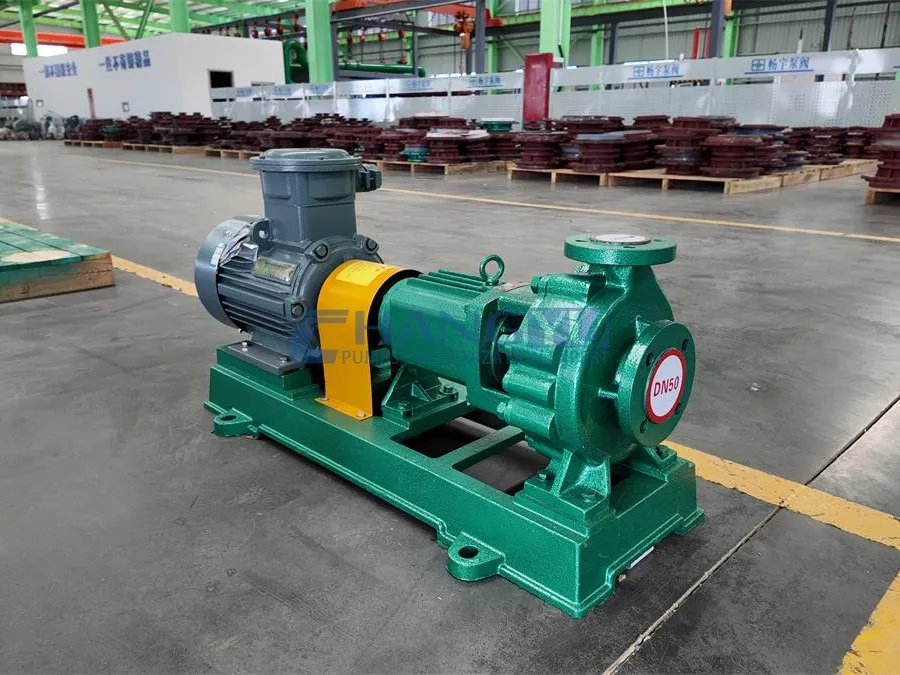
When dealing with general corrosive media in high-volume applications, the Bomba centrífuga química para transferencia de ácidos serie CYF delivers exceptional reliability. Constructed with high-performance fluoroplastic alloys, this pump provides excellent resistance to a wide spectrum of acids and alkalis. It utilizes advanced mechanical seals to ensure a secure, leak-resistant operation, making it ideal for chemical processing plants, electroplating, and wastewater neutralization.
2. CYQ Series Sulfuric Acid Transfer Magnetic Pump
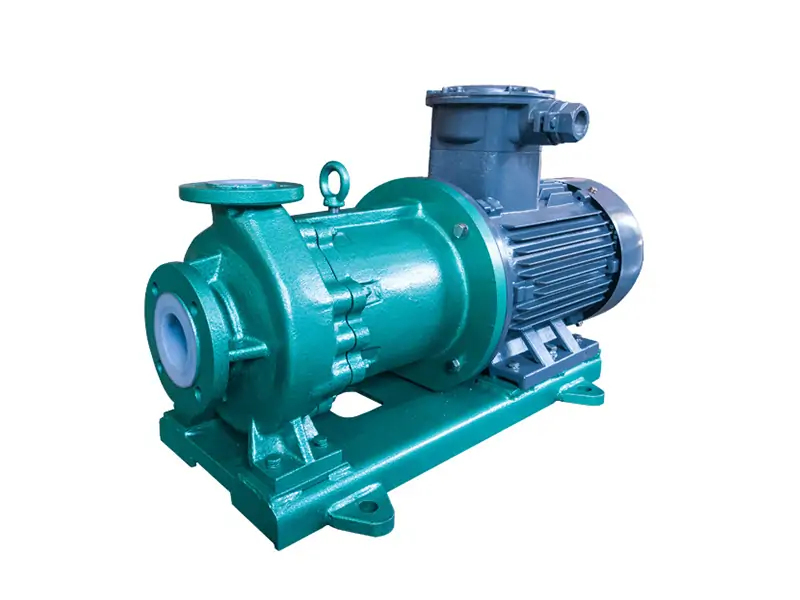
Sulfuric acid is notoriously difficult to handle due to its extreme corrosivity and density. The Bomba magnética para transferencia de ácido sulfúrico serie CYQ is specifically engineered for this harsh duty. Featuring a steel-lined F46 or PFA construction, it safely conveys varying concentrations of sulfuric acid. Its magnetic drive technology completely eliminates the mechanical shaft seal, ensuring a 100% leak-free operation that protects workers from toxic fumes.
3. CYF Hydrochloric Acid Centrifugal Transfer Pump
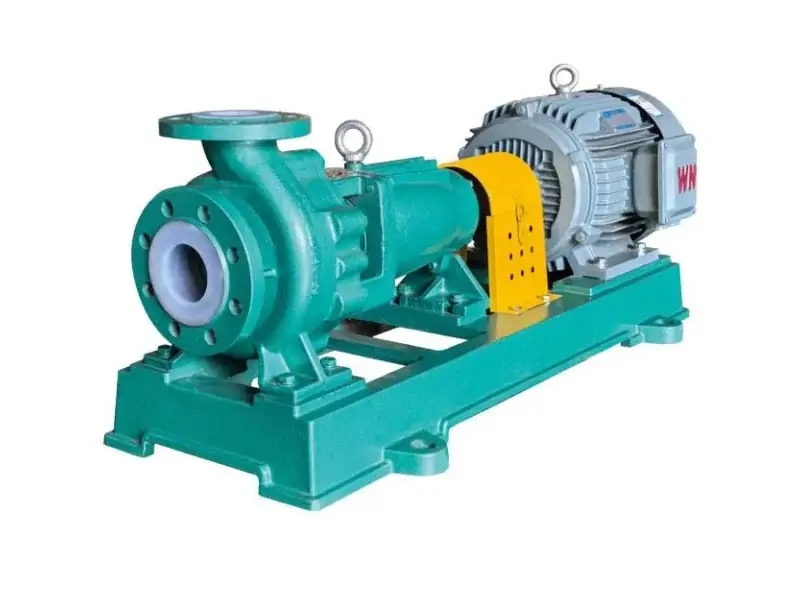
Hydrochloric acid fumes can quickly destroy standard pump exteriors. Our CYF Hydrochloric Acid Centrifugal Transfer Pump is a specialized plastic alloy centrifugal pump designed specifically to combat the highly volatile nature of hydrochloric acid. Developed through advanced structural optimization, this pump offers a highly robust casing to ensure stable, continuous transfer without vapor-induced corrosion.
4. CQZ Stainless Steel Self-Priming Magnetic Drive Pump
When you need to lift corrosive solvents from an underground tank while maintaining absolute zero leakage, the CQZ Stainless Steel Self-Priming Magnetic Drive Pump is the premium choice. It combines a self-priming casing (to evacuate air from the suction line) with a sealless magnetic drive. The stainless steel construction ensures structural rigidity and high resistance to organic solvents.
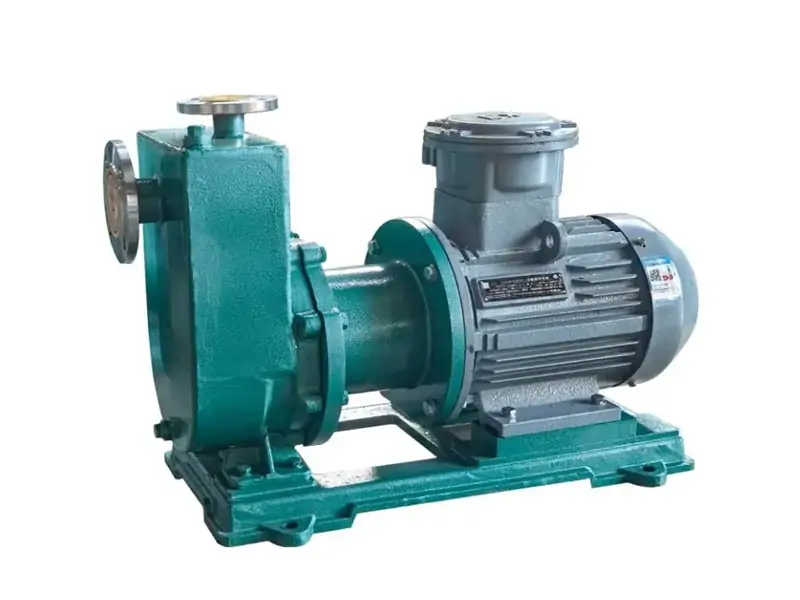
5. CYG-ZKN High Temperature Chemical Mortar Pump
For processes involving boiling, highly corrosive, and abrasive slurries, standard seals and linings will melt or degrade. The Bomba para mortero químico de alta temperatura CYG-ZKN is built with a steel-lined PFA architecture capable of withstanding extreme temperatures from -20℃ up to 180℃. It handles dense mineral slurries safely and efficiently in reactor environments.
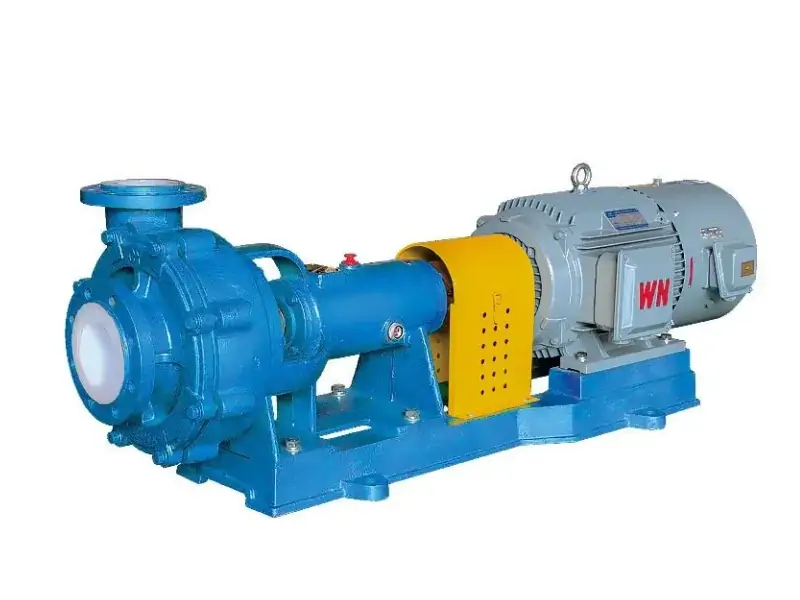
6. Fluoroplastic Centrifugal Self-Priming Pump
For lifting strong alkalis or aggressive acids from deep pits, the Fluoroplastic Centrifugal Self-Priming Pump is essential. It provides a powerful negative suction lift while utilizing a heavy-duty PTFE/FEP lining on all wetted components. It retains the mechanical strength of a cast-iron outer shell while providing absolute chemical inertness internally.

Cases of Our Chemical Transfer Pumps.
These specialized pumps are trusted across global chemical processing industries. Here is how our engineering solutions solve critical field challenges:
- Petrochemical Acid Transfer: A processing facility experienced severe leakage issues when pumping highly concentrated sulfuric acid. By upgrading to the CYQ Series Magnetic Pump, the zero-leakage magnetic coupling entirely eliminated acid spills and associated downtime, saving thousands in maintenance costs.
- Top-Hatch Tanker Unloading: A chemical plant needed to unload toxic solvents from tanker trucks without a flooded suction line. They installed the CQZ Stainless Steel Self-Priming Magnetic Drive Pump, achieving rapid fluid lift and ensuring zero fugitive emissions during the unloading process.
- Metal Finishing & Electroplating: An electroplating plant needed to continuously circulate aggressive hydrochloric acid baths. They installed the CYF Hydrochloric Acid Centrifugal Transfer Pump. The specialized plastic alloy resisted the volatile acid fumes, maintaining hydraulic efficiency without structural degradation.
How to Choose the Most Suitable Chemical Transfer Pump?
Selecting the wrong pump can lead to rapid corrosion, hazardous leaks, and expensive downtime. Follow these three critical steps before ordering:
- Step 1: Analyze Chemical Compatibility & Concentration: The fluid’s exact chemical makeup and concentration dictate the wetted materials. For example, fluoroplastics (F46/PFA) are required for concentrated sulfuric acid, while stainless steel may suffice for milder organic solvents.
- Step 2: Evaluate Leakage Tolerance: If you are transferring toxic, highly volatile, or expensive chemicals, a magnetic drive pump is mandatory. It eliminates mechanical seals, ensuring absolute zero-leakage operation.
- Step 3: Calculate Fluid Temperature & Specific Gravity: Hot chemicals dramatically increase corrosion rates and vapor pressure, while heavy fluids (high specific gravity) require more motor power. Always ensure the pump’s operating limits exceed your maximum fluid temperature and density.
Not sure which pump metallurgy matches your specific process fluids? Welcome to contact the Changyu Pump engineering team. Simply provide your chemical composition and working conditions, and we will offer targeted model selection and a tailored solution.
FAQs about Bomba de transferencia de productos químicos.
Q1: What makes a chemical transfer pump different from a standard water pump?
A: Chemical transfer pumps use highly specialized wetted materials (like fluoroplastics or high-grade stainless steel) and advanced sealing mechanisms to resist severe corrosion, whereas standard water pumps use basic cast iron that would dissolve in harsh acids.
Q2: Why should I choose a magnetic drive pump for chemical transfer?
A: Magnetic drive pumps use magnets to rotate the impeller, entirely eliminating the need for a mechanical shaft seal. This guarantees a 100% leak-free operation, making it the safest choice for hazardous or toxic fluids.
Q3: What is the best material for pumping concentrated sulfuric acid?
A: Fluoroplastics such as PTFE, F46, or PFA are the industry standard, as they offer absolute chemical inertness against highly concentrated and dense sulfuric acid.
Q4: Can a centrifugal chemical transfer pump run dry?
A: No. Running a centrifugal or magnetic drive chemical pump dry will quickly destroy the internal bearings and mechanical seals due to excessive friction and heat.
Q5: How does fluid temperature affect my pump selection?
A: Elevated temperatures accelerate chemical corrosion and can soften certain plastics. You must select a pump lined with high-temperature resistant materials (like PFA) if your process fluids are hot.
Q6: Can these pumps handle chemicals containing solid particles?
A: Standard magnetic drive pumps are designed for clean fluids. If your chemical contains abrasive solids, you should specify an open-impeller centrifugal pump with an abrasion-resistant mechanical seal.
Q7: How often should I inspect my chemical transfer pump?
A: Daily visual inspections for leaks and abnormal vibrations are recommended. A thorough maintenance check of the seals and bearings should occur every 6 to 12 months depending on usage severity.
Q8: What causes a chemical pump to vibrate excessively?
A: Excessive vibration is usually caused by shaft misalignment, a clogged suction line leading to cavitation, or bearing wear due to chemical attack.
Q9: Do I need an explosion-proof motor?
A: If you are transferring flammable or highly volatile chemicals (like certain solvents), installing an ATEX-certified explosion-proof motor is strictly required for facility safety.
Q10: Can Changyu Pump customize flange sizes and materials?
A: Yes. As a direct manufacturer, Changyu Pump provides extensive OEM/ODM customization, including specific flange standards, motor types, and wetted materials to perfectly match your piping system.
Ready to Upgrade Your Chemical Fluid Transfer System?
Handling dangerous industrial chemicals requires absolute precision and safety. Relying on inferior pumps leads to hazardous leaks, environmental fines, and catastrophic downtime. Chemical transfer pumps—especially our advanced fluoroplastic and zero-leakage magnetic drive pumps—deliver the ultimate defense against corrosion.
Are you currently struggling with rapid pump degradation, or do you need to specify a highly reliable acid transfer pump for a new facility? Contact Changyu Pump today. With 20 years of dedicated manufacturing experience, our engineering team will evaluate your exact fluid chemistry, temperature, and flow requirements to recommend the perfect solution. Reach out now for a free technical consultation and a highly competitive, factory-direct quotation!