
Jawaban Singkat
A pompa lumpur slip keramik adalah pompa khusus yang dirancang untuk menangani lumpur keramik yang sangat abrasif — termasuk slip pengecoran, glasir, dan kaolin — sambil mencegah kontaminasi logam yang dapat merusak produk keramik yang dibakar. Faktor pemilihan utama:
- Material aus non-logam wajib digunakan: Karet alam, poliuretan, UHMW-PE, dan pelapis keramik menahan abrasi dari partikel kuarsa dan feldspar (Mohs 6–7) tanpa menimbulkan kontaminasi besi. Pompa logam, termasuk baja tahan karat, tidak cocok.
- Jenis pompa tergantung pada proses: Pompa piston dan pompa rongga progresif memberikan tekanan tinggi dan aliran bebas pulsasi yang diperlukan untuk slip pengecoran. Pompa selang peristaltik adalah standar untuk jalur glasir. Pompa AODD menangani umpan filter press dengan padatan tinggi di mana pulsasi dapat diterima.
- Pencegahan kontaminasi besi sama pentingnya dengan ketahanan aus: Bahkan jejak besi dari keausan pompa mengubah warna glasir putih, menyebabkan bintik hitam, kekuningan, dan lubang jarum. Semua permukaan yang basah harus non-logam.
Lumpur keramik menghadirkan kombinasi tantangan yang unik. Partikel kuarsa, feldspar, dan alumina — dengan kekerasan mendekati batu gerinda — mengikis material pompa standar dalam hitungan minggu. Secara bersamaan, besi apa pun yang dilepaskan dari keausan pompa mengontaminasi slip atau glasir, menghasilkan cacat yang terlihat yang dapat memusnahkan seluruh batch produksi. Satu pompa yang tidak sesuai spesifikasi dapat secara bersamaan menghancurkan dirinya sendiri melalui keausan abrasif dan menghancurkan produk yang dipompanya melalui kontaminasi besi.
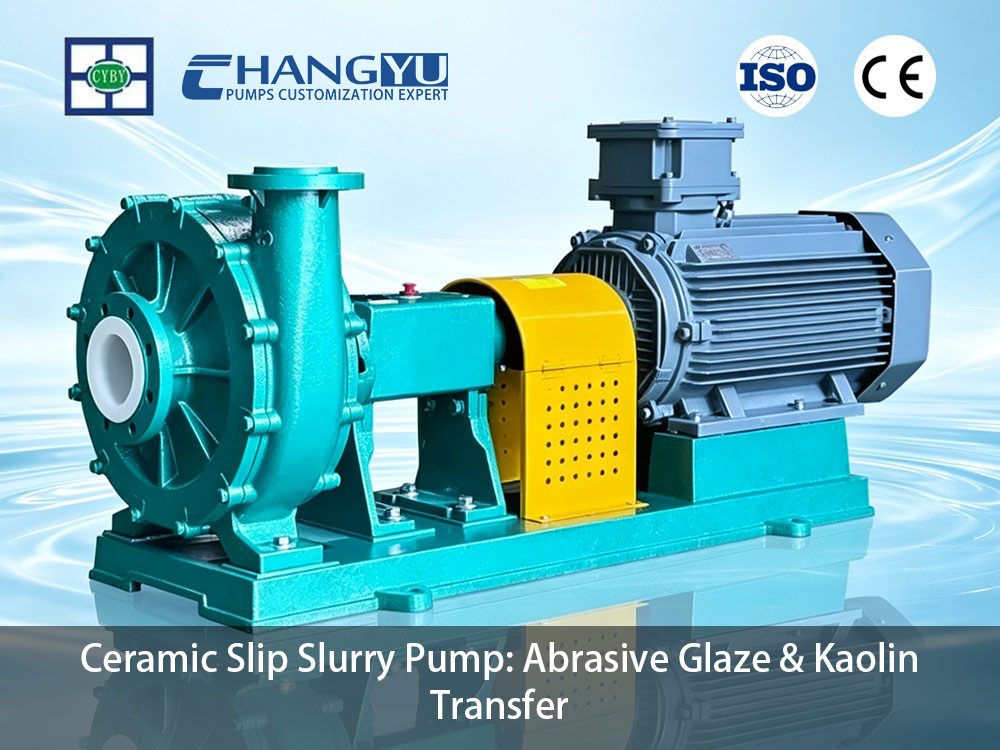
Changyu Pump telah memproduksi pompa tahan aus dan tahan korosi untuk industri keramik selama lebih dari dua dekade. Panduan ini mencakup pemilihan material, rekomendasi jenis pompa berdasarkan proses, dan pencegahan kontaminasi besi untuk transfer slip keramik, glasir, dan kaolin.
Apa yang Membuat Slip Keramik Begitu Abrasif untuk Pompa Lumpur?
Lumpur keramik terbagi dalam tiga kategori, masing-masing dengan karakteristik fisik yang berbeda:
- Slip pengecoran (slip badan): Suspensi kaolin, kuarsa, dan feldspar dengan kadar air 30–35%. Partikel kuarsa (Mohs 7) bersudut dan sangat abrasif. Viskositas tinggi, dan lumpur sering kali tiksotropik — mengental saat diam dan menipis di bawah geseran.
- Glasir: Suspensi frit kaca giling, lempung, dan pigmen. Partikel frit bersifat seperti kaca dan tajam. Glasir harus benar-benar bebas besi — kontaminasi apa pun muncul sebagai bintik hitam atau perubahan warna kuning setelah pembakaran.
- Lumpur kaolin: Partikel sangat halus (< 50 μm), viskositas sangat tinggi, terkadang seperti pasta. Pemompaan memerlukan desain geseran rendah yang tidak merusak struktur lempeng lempung.
Ketiganya membuat komponen pompa mengalami keausan potong dari partikel keras. Persyaratan simultan untuk kontaminasi besi nol menghilangkan pompa logam sepenuhnya — bahkan baja tahan karat dan paduan kromium tinggi tidak dapat diterima karena serpihan ausnya mengubah warna produk.
Material Apa yang Terbaik untuk Pompa Slip Keramik dan Glasir?
Pemilihan material harus memenuhi dua persyaratan: menahan abrasi dari partikel keramik keras dan menghilangkan risiko kontaminasi besi. Material berikut adalah standar untuk komponen basah pompa lumpur keramik:
| Bahan | Ketahanan Terhadap Abrasi | Risiko Kontaminasi Besi | Terbaik untuk |
|---|---|---|---|
| Karet alam | Sangat baik — menyerap benturan partikel secara elastis | Nol — tidak ada kandungan logam | Selang pompa peristaltik (glasir partikel halus hingga sedang); pompa sentrifugal berlapis (slip non-abrasif). Tidak untuk partikel frit kasar dan tajam. |
| Poliuretan | Baik — lebih keras dari karet, menahan potongan | Nol | Aplikasi dengan aditif organik yang mengembangbiakkan karet alam; partikel frit kasar |
| UHMW-PE | Sangat baik — menggabungkan ketahanan aus dengan kelembaman kimia | Nol | Pompa sentrifugal berlapis untuk kaolin, slip, dan glasir; keseimbangan biaya-kinerja terbaik |
| Keramik (Al₂O₃ / SiC) | Maksimum — kekerasan melebihi kuarsa | Nol | Aplikasi keausan ekstrem dan kecepatan tinggi seperti sirkulasi ball mill |
| Besi cor / baja tahan karat / CrMo | Buruk hingga sedang — keausan cepat dari partikel keras | Tinggi — serpihan aus mengontaminasi produk | Tidak direkomendasikan untuk aplikasi lumpur keramik apa pun |
Insinyur di Changyu Pump merekomendasikan: Industri keramik harus mengadopsi kebijakan “kontak logam nol” untuk semua pompa slip dan glasir. UHMW-PE dan karet alam memberikan keseimbangan optimal antara ketahanan aus, pencegahan kontaminasi, dan biaya untuk sebagian besar aplikasi. Pompa berlapis keramik dicadangkan untuk kondisi keausan paling ekstrem di mana biaya yang lebih tinggi diimbangi oleh masa pakai yang diperpanjang. Untuk partikel frit kasar dan tajam, poliuretan menawarkan ketahanan potong yang lebih baik daripada karet alam.
Jenis Pompa Mana yang Terbaik untuk Transfer Kaolin, Glasir, dan Slip?
Pemilihan pompa harus sesuai dengan proses manufaktur keramik tertentu. Setiap proses memberikan tuntutan berbeda pada tekanan, pulsasi, dan penanganan padatan.
Pengecoran Slip Tekanan Tinggi:
Pengecoran tekanan menyuntikkan slip ke dalam cetakan berpori pada 15–25 bar. Pompa harus memberikan tekanan tinggi dengan pulsasi nol — fluktuasi tekanan menyebabkan kepadatan badan yang tidak merata dan cacat laminasi pada benda cor.
- Pompa piston: Pilihan tradisional untuk aplikasi pengecoran slip pompa piston keramik. Desain dua silinder dengan peredam pulsasi memberikan aliran tekanan tinggi yang halus. Bagian basah harus dilapisi keramik atau polimer.
- Pompa rongga progresif: Alternatif untuk slip viskositas tinggi yang mengandung partikel kasar. Perkembangan rongga yang kontinu memberikan aliran bebas pulsasi pada tekanan sedang. Untuk aplikasi slip keramik, tentukan pompa rongga progresif dengan rotor berlapis keramik — rotor baja standar dapat menyebabkan kontaminasi besi jika stator aus.
Sirkulasi Glasir dan Jalur Glasir:
Glasir harus disirkulasikan secara terus-menerus untuk mencegah pengendapan dan dikirim ke stasiun semprot atau celup pada tekanan rendah tanpa pulsasi.
- Pompa selang peristaltik: Pompa selang peristaltik untuk jalur glasir keramik adalah standar yang mapan. Satu-satunya komponen basah adalah selang karet alam — kontaminasi besi nol, kebocoran segel nol. Pulsasi minimal, dan laju aliran menyesuaikan secara tepat dengan mengubah kecepatan rotor. Penggantian selang adalah tugas perawatan terjadwal yang selesai dalam hitungan menit.
- Pompa sentrifugal berlapis: Opsi ekonomis untuk sirkulasi glasir aliran tinggi. Rumah dan impeler harus sepenuhnya dilapisi dengan UHMW-PE atau karet alam. Tidak cocok untuk glasir abrasif yang mengandung partikel frit kasar.
Umpan Filter Press:
Filter press mengeringkan slip untuk menghasilkan bongkahan tanah liat. Pompa harus menangani konsentrasi padatan tinggi dan menghasilkan tekanan yang cukup untuk mengatasi resistansi kue filter yang semakin besar.
- Pompa diafragma yang dioperasikan dengan udara (AODD): Menangani partikel besar dan sumbat lumpur semi-padat tanpa tersumbat. Self-priming, dapat berjalan kering, dan berhenti terhadap saluran keluar yang tertutup — ideal untuk tahap akhir operasi filter press. Pompa AODD paling cocok untuk umpan filter press di mana pulsasi dapat diterima dan udara tekan tersedia. Untuk aplikasi yang memerlukan aliran lebih halus atau biaya operasi lebih rendah, pompa progressive cavity menyediakan alternatif. Material diafragma dan katup harus PTFE atau karet.
Matriks Pemilihan Tipe Pompa untuk Aplikasi Keramik:
| Proses | Jenis Pompa yang Direkomendasikan | Keuntungan Utama |
|---|---|---|
| Pengecoran slip tekanan tinggi | Pompa piston / Pompa progressive cavity | Tekanan tinggi, tanpa pulsasi |
| Sirkulasi glasir | Pompa selang peristaltik / Pompa sentrifugal berlapis | Tanpa kontaminasi besi, perawatan minimal |
| Transfer lumpur kaolin | Pompa sentrifugal berlapis UHMW-PE / Pompa progressive cavity | Ketahanan aus, geser rendah |
| Umpan filter press | Pompa AODD / Pompa progressive cavity | Lintasan padatan besar, self-priming |
Para insinyur di Changyu Pump mencatat: Pompa selang peristaltik telah menjadi pilihan utama untuk jalur glasir karena secara bersamaan memenuhi tiga persyaratan kritis: tanpa kontaminasi besi (selang karet), tanpa pulsasi (perpindahan positif), dan tanpa perawatan segel (desain tanpa segel). Untuk slip pengecoran, pilihan antara piston dan progressive cavity tergantung pada distribusi ukuran partikel — pompa piston menangani slip halus yang telah disaring dengan baik; pompa progressive cavity menangani slip yang lebih kasar dengan lintasan padatan yang lebih baik tetapi memerlukan rotor berlapis keramik untuk operasi bebas besi.
Cara Mencegah Kontaminasi Besi pada Pompa Slip Keramik
Kontaminasi besi adalah penyebab paling umum dari cacat glasir dalam pembuatan keramik. Mekanismenya sederhana: komponen pompa logam aus selama operasi, melepaskan partikel besi mikroskopis ke dalam slip atau glasir. Selama pembakaran, partikel-partikel ini teroksidasi dan bereaksi dengan komponen glasir, menghasilkan bintik hitam, perubahan warna kuning, dan cacat lubang jarum.
Sumber kontaminasi besi dalam sistem pemompaan meliputi: keausan rumah dan impeler pompa, keausan pegas segel mekanis dan rotor, serta korosi pada pipa besi di hulu pompa.
Pencegahan memerlukan tiga strategi yang saling melengkapi:
- Tentukan komponen basah non-logam: Semua permukaan yang bersentuhan dengan slip atau glasir harus karet, poliuretan, UHMW-PE, atau keramik. Ini termasuk rumah pompa, impeler, permukaan segel, dan lengan poros.
- Hilangkan logam pada segel mekanis: Segel mekanis standar mengandung pegas dan rotor baja tahan karat yang terkorosi dalam lumpur keramik. Tentukan segel dengan bellow non-logam atau tingkatkan ke pompa magnetic drive tanpa segel untuk tingkat pencegahan kontaminasi tertinggi.
- Pasang filter magnetik di stasiun glasir: Pemisah magnetik intensitas tinggi yang dipasang segera di hulu stasiun glasir menyediakan penghalang akhir terhadap besi asing sebelum glasir menyentuh produk. Ini lebih efektif daripada pemasangan di outlet tangki, karena menangkap besi apa pun yang masuk di mana pun di loop sirkulasi.
Studi Kasus: Mengatasi Krisis Kontaminasi Besi dan Keausan di Pabrik Sanitaryware
Sebuah pabrikan sanitaryware besar di Asia Tenggara menggunakan pompa sentrifugal besi cor untuk mensirkulasikan glasir putih ke stasiun penyemprotan robotik mereka. Pabrik menghadapi dua masalah secara bersamaan:
- Kontaminasi besi: Partikel besi mikroskopis dari keausan pompa telah mengontaminasi glasir putih, menghasilkan bintik hitam dan kekuningan yang tidak dapat diterima pada produk yang dibakar. Tingkat cacat mencapai 15%, dengan seluruh batch produksi dimusnahkan.
- Keausan pompa yang cepat: Frit glasir berbasis kuarsa (Mohs 6–7) mengikis rumah pompa besi cor dan impeler dalam waktu sekitar enam minggu. Pompa memerlukan penggantian setiap dua bulan, dengan setiap penggantian menyebabkan penghentian total jalur produksi.
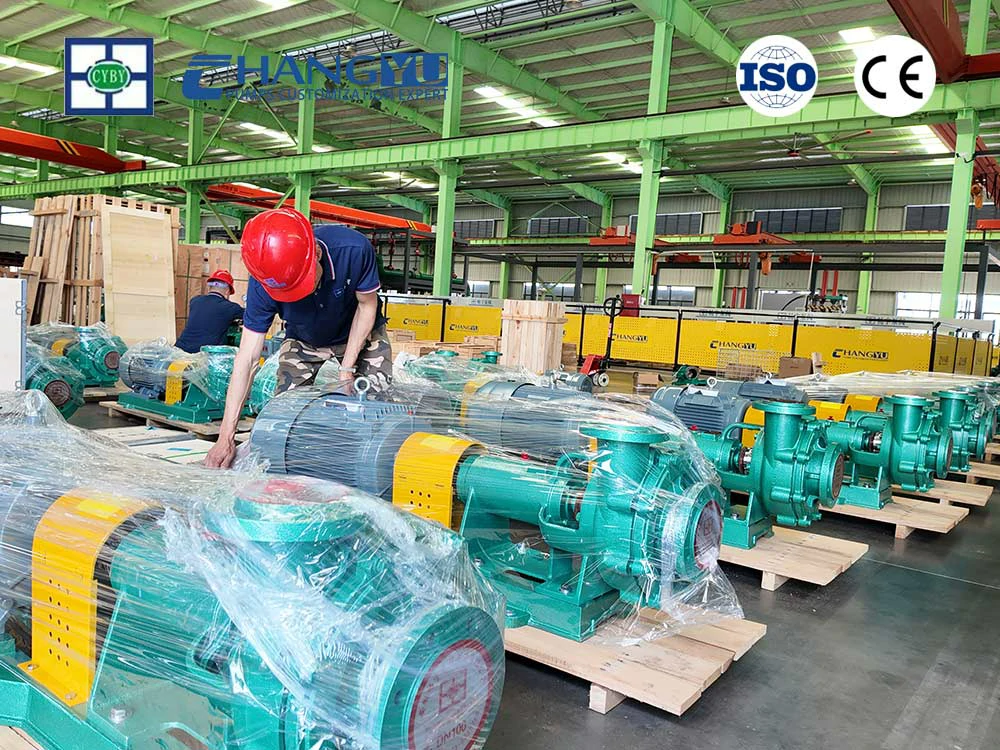
Pompa Changyu mengganti pompa besi cor dengan solusi dua bagian. Sirkulasi glasir diubah ke pompa selang peristaltik dengan selang karet alam — menghilangkan semua kontak logam dengan glasir dan memberikan aliran bebas pulsasi ke stasiun penyemprotan. Untuk transfer tangki penyimpanan glasir aliran tinggi, pompa sentrifugal berlapis UHMW-PE dipasang, dengan semua permukaan basah bersifat non-logam.
Hasil setelah 18 bulan operasi: Kontaminasi besi dihilangkan — tingkat cacat turun dari 15% menjadi di bawah 2%. Masa pakai pompa diperpanjang dari 6 minggu menjadi lebih dari 3 tahun. Biaya perawatan tahunan untuk pompa glasir berkurang sebesar 80%.
Poin penting: Kontaminasi besi dan keausan abrasif adalah masalah yang tidak terpisahkan dalam pemompaan lumpur keramik — keduanya memiliki akar penyebab yang sama (komponen pompa logam) dan solusi yang sama (material pompa non-logam).
Solusi Pompa Lumpur Slip Keramik dari Changyu Pump
| Aplikasi | Seri yang Direkomendasikan | Fitur Utama |
|---|---|---|
| Transfer kaolin, slip, dan glasir (aliran tinggi) | Seri UHB | Dilapisi UHMW-PE; tanpa kontak logam; ketahanan aus dan kimia yang sangat baik |
| Glasir dengan aditif korosif | Seri CYB-ZKJ | Dilapisi FEP/PFA; kelembaman kimia maksimum |
| Glasir kemurnian tinggi, pengecoran slip kritis | Seri CYQ | Pompa magnetic drive berlapis PFA; tanpa kebocoran, tanpa kontaminasi |
| Air cuci non-kritis, larutan pembersih | Seri HB | Konstruksi baja tahan karat |
Seri UHB — Pompa Sentrifugal Berlapis UHMW-PE
Pompa UHMW-PE berlapis baja untuk lumpur keramik abrasif. Semua permukaan basah bersifat non-logam. Laju aliran hingga 2.600 m³/jam. Kisaran suhu -20°C hingga 90°C.
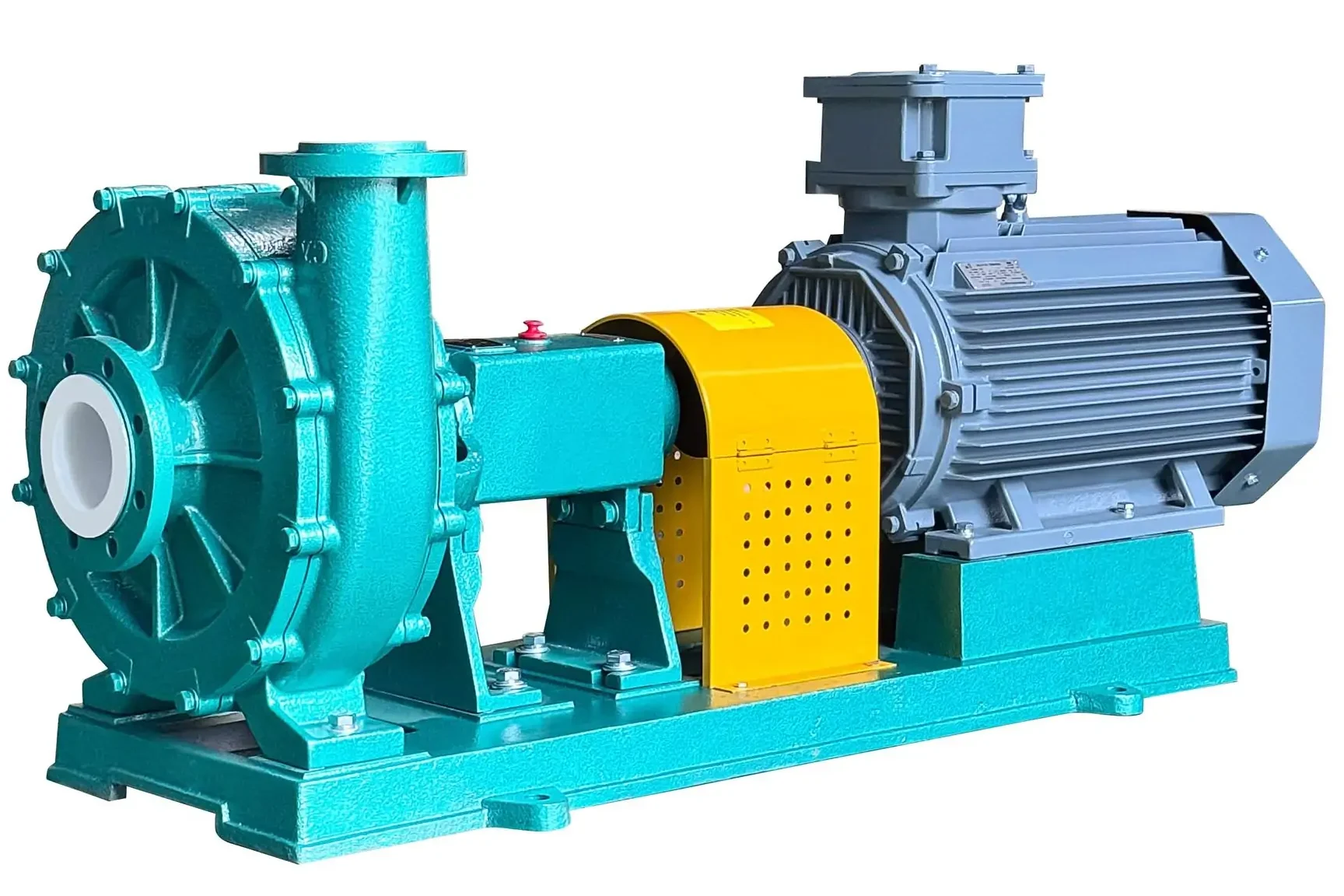
| Parameter | Spesifikasi |
|---|---|
| Laju aliran | 3-2.600 m³/jam |
| Kepala | 5-100 m |
| Daya motor | 0,75-300 kW |
| Suhu | -20°C hingga 90°C |
| Bahan pelapis | UHMW-PE |
Seri CYB-ZKJ — Pompa Sentrifugal Berlapis Fluoropolimer
Pompa berlapis FEP/PFA untuk glasir keramik yang mengandung aditif organik korosif atau pelarut. Lapisan fluoropolimer memberikan kelembaman kimia maksimum, membuatnya cocok untuk glasir khusus di mana bahkan interaksi material jejak pun tidak dapat diterima.
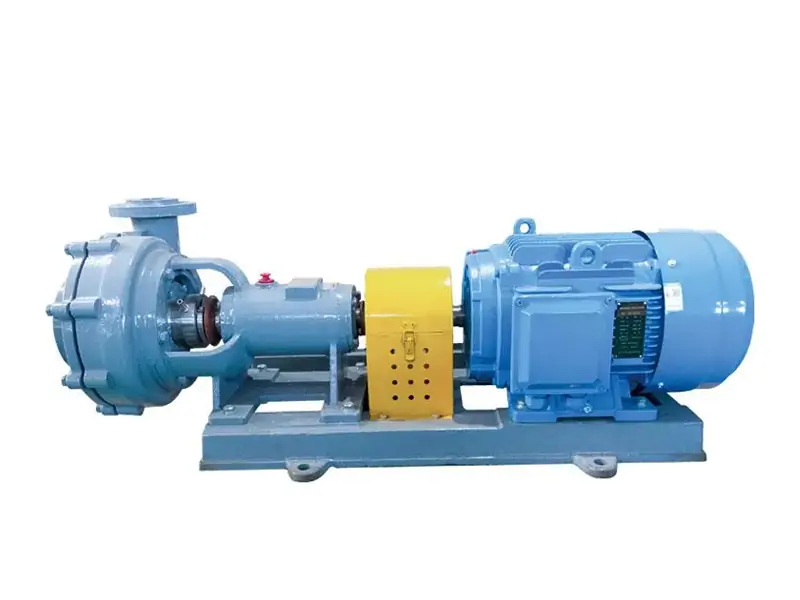
| Parameter | Spesifikasi |
|---|---|
| Laju aliran | 3-2.600 m³/jam |
| Kepala | 5-100 m |
| Daya motor | 0,75-300 kW |
| Suhu | -80°C hingga 120°C |
| Bahan pelapis | FEP (standar), PFA (opsi suhu tinggi) |
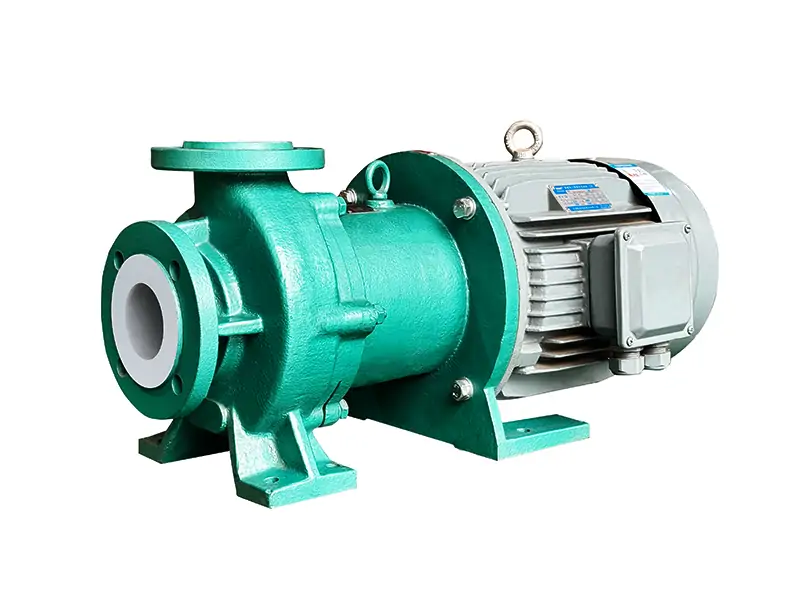
Seri CYQ — Pompa Magnetic Drive untuk Layanan Glasir Bebas Kontaminasi
Pompa penggerak magnetik berlapis PFA untuk aplikasi keramik paling kritis — glasir kemurnian tinggi, luster logam mulia, dan slip casting di mana kontaminasi atau kebocoran tidak dapat diterima. Kopling magnetik tanpa segel menghilangkan kontaminasi besi dari segel mekanis dan risiko kebocoran glasir.
| Parameter | Spesifikasi |
|---|---|
| Laju aliran | 3-800 m³/jam |
| Kepala | 15–125 m |
| Daya motor | 2,2–110 kW |
| Suhu | -20°C hingga 180°C |
| Bahan pelapis | FEP / PFA / PTFE |
Lihat Pompa Penggerak Magnetik CYQ →
FAQ tentang Pompa Slurry Slip Keramik
T: Mengapa pompa logam tidak cocok untuk slip dan glasir keramik?
J: Slurry keramik mengandung partikel kuarsa dan feldspar keras yang mengikis permukaan logam. Partikel besi yang dihasilkan mengontaminasi produk, menyebabkan bintik hitam, kekuningan, dan lubang jarum setelah pembakaran. Semua permukaan basah harus non-logam — karet, UHMW-PE, atau keramik.
T: Pompa apa yang terbaik untuk sirkulasi glasir?
J: Pompa selang peristaltik adalah standar untuk jalur glasir. Selang karet alam adalah satu-satunya komponen basah, menghilangkan kontaminasi besi dan kebocoran segel mekanis. Aliran bebas pulsasi dan dapat disesuaikan secara presisi.
T: Pompa apa yang menangani tekanan tinggi yang diperlukan untuk slip casting?
J: Pompa piston memberikan tekanan 15–25 bar yang diperlukan untuk pressure casting dengan pulsasi minimal. Pompa progressive cavity adalah alternatif untuk slip yang lebih kasar, menawarkan aliran bebas pulsasi pada tekanan sedang. Tentukan rotor berlapis keramik untuk operasi bebas besi.
T: Bagaimana cara mencegah kontaminasi besi dari segel mekanis?
J: Tentukan segel mekanis dengan bellow non-logam, atau tingkatkan ke pompa penggerak magnetik yang menghilangkan segel poros dinamis sepenuhnya.
T: Bahan apa yang kompatibel dengan glasir keramik?
J: Karet alam, poliuretan, UHMW-PE, PTFE/PFA, dan keramik (Al₂O₃/SiC) semuanya kompatibel dengan glasir. Karet alam tidak direkomendasikan untuk partikel frit kasar dan tajam — gunakan poliuretan sebagai gantinya. Kepatuhan REACH dan ISO 9001 harus diverifikasi untuk bahan yang bersentuhan dengan glasir keramik kontak makanan.
Daftar Periksa Pencegahan untuk Insinyur Pompa Changyu
- Jangan pernah menentukan pompa logam (besi cor, baja tahan karat, atau CrMo) untuk transfer slip atau glasir. Risiko kontaminasi besi lebih besar daripada keuntungan biaya apa pun.
- Untuk jalur glasir, pompa selang peristaltik memberikan kombinasi terbaik dari nol kontaminasi, nol kebocoran, dan perawatan minimal.
- Lapisan UHMW-PE menawarkan keseimbangan optimal antara ketahanan aus dan biaya untuk pompa sentrifugal yang menangani slurry keramik.
- Pasang pemisah magnetik intensitas tinggi segera di hulu stasiun glasir — bukan di outlet tangki — untuk memberikan penghalang akhir terhadap besi tramp sebelum glasir menyentuh produk.
- Bilas semua pompa dengan air bersih sebelum penghentian apa pun yang melebihi 8 jam. Slurry keramik mengeras dengan cepat saat diam dan dapat menyita komponen internal pompa.
- Untuk slip casting, verifikasi bahwa pompa memberikan aliran bebas pulsasi — pulsasi menyebabkan cacat laminasi pada benda cor.
- Saat menentukan pompa progressive cavity untuk aplikasi keramik, minta rotor berlapis keramik untuk mencegah kontaminasi besi dari keausan stator.
- Simpan selang cadangan (pompa peristaltik) atau liner (pompa sentrifugal) dalam persediaan. Keausan dapat diprediksi, dan penggantian terencana menghindari waktu henti yang tidak direncanakan.
Kesimpulan
Pompa slurry slip keramik pemilihan diatur oleh dua persyaratan yang tidak dapat dinegosiasikan: pompa harus tahan terhadap abrasi dari partikel keramik keras, dan pompa harus tidak memasukkan kontaminasi besi ke dalam produk. Persyaratan ini menghilangkan pompa logam dari pertimbangan dan mengarahkan pemilihan ke bahan non-logam — karet alam untuk selang peristaltik (partikel halus hingga sedang), poliuretan untuk partikel frit kasar, UHMW-PE untuk lapisan pompa sentrifugal, dan keramik untuk kondisi aus ekstrem. Jenis pompa — piston, progressive cavity, peristaltik, atau AODD — harus sesuai dengan persyaratan proses spesifik untuk tekanan, pulsasi, dan penanganan padatan.
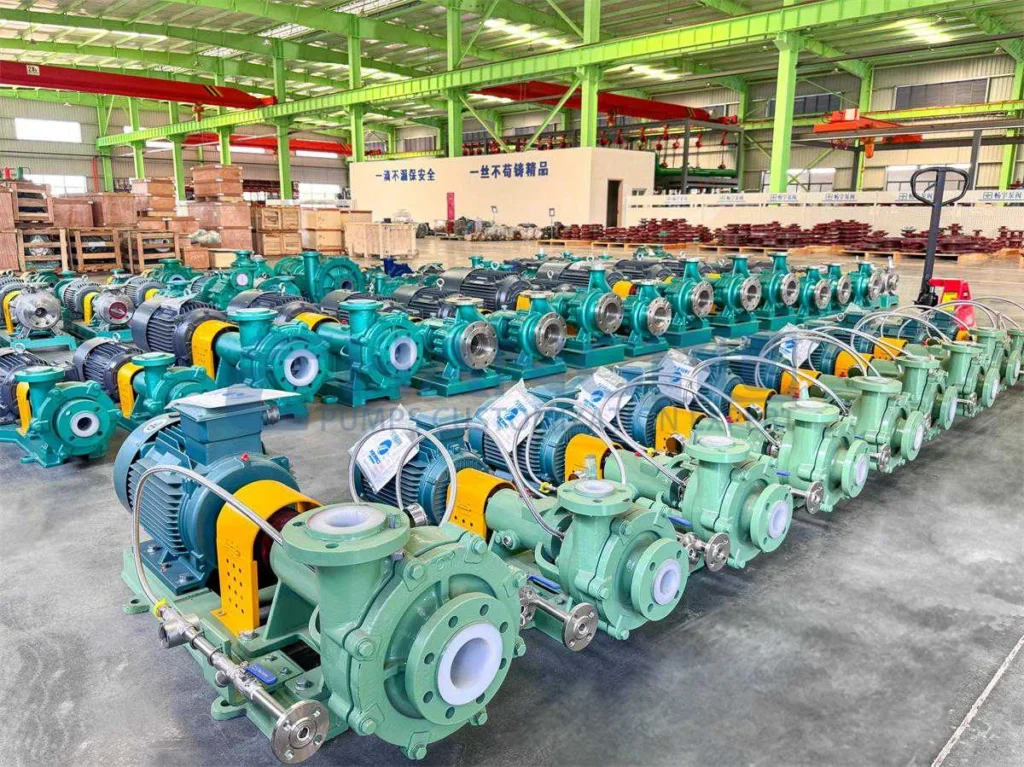
Tim teknik Changyu Pump menyediakan penilaian teknis khusus aplikasi untuk industri keramik, didukung oleh pengalaman 20 tahun dalam manufaktur pompa non-logam tahan aus.