
Bombas para polpas abrasivas industriais estão entre os equipamentos mais exigentes do ponto de vista mecânico em instalações de processamento químico, mineiro e industrial - e entre os mais frequentemente mal especificados. Ao contrário das bombas centrífugas normais concebidas para fluidos limpos, uma bomba de polpa tem de resistir simultaneamente ao desgaste abrasivo e à corrosão química, passar sólidos sem bloquear e manter um desempenho fiável em condições de processo difíceis. Se a especificação for correta, pode contar com anos de serviço sem problemas. Se não o fizer, estará a substituir os revestimentos da bomba de três em três meses e a perder sempre a produção.
Este guia abrange os fundamentos de engenharia subjacentes bomba de polpa industrial seleção: como a lama destrói os componentes da bomba, como ler um padrão de falha, como fazer corresponder os materiais à química da lama e como selecionar uma bomba construída para as suas condições de serviço. Cada recomendação baseia-se em mais de duas décadas de experiência em aplicações reais dos engenheiros da Bomba Changyu.
📌 Atualizado em 2026 - Abrange configurações de UHMW-PE, FEP/PTFE, borracha e ferro cromado para serviço de lamas abrasivas e corrosivas, com orientação para aplicações de FGD e processamento químico em 2026.

O que é uma bomba de polpa industrial e como ela funciona?
Um bomba de polpa industrial é um produto resistente bomba centrífuga concebidas para transportar misturas sólido-líquido em condições que danificam rapidamente os componentes normais das bombas. O principal desafio de engenharia é o transporte simultâneo de abrasão mecânica de partículas em suspensão e corrosão química de líquidos de transporte agressivos - duas forças destrutivas que as bombas normais não foram concebidas para suportar em conjunto.
Todos os elementos de design de uma bomba de polpa existem para lidar com estas forças: secções de parede mais pesadas absorvem o desgaste abrasivo, passagens mais largas do impulsor evitam o bloqueio de partículas, rolamentos sobredimensionados lidam com cargas radiais elevadas de polpa e sistemas de vedação reforçados mantêm a polpa fora da extremidade de acionamento.
| Elemento de conceção | Bomba centrífuga padrão | Bomba de polpa industrial |
|---|---|---|
| Impulsor | Passagens fechadas e estreitas | Aberta/semi-aberta, passagens largas, palhetas grossas |
| Invólucro | Parede fina, optimizada em termos de eficiência | Parede pesada com revestimento de desgaste sacrificial |
| Eixo | Diâmetro padrão | Sobredimensionado, reforçado para cargas radiais de lama |
| Rolamentos | Capacidade de carga standard | Sobredimensionado - o serviço de lamas impõe cargas radiais significativamente mais elevadas |
| Vedação | Vedante mecânico standard | Vedação mecânica de cartucho, dinâmica de tipo K ou mecânica com descarga |
| Folgas internas | Apertado | Largo - para passar o tamanho máximo de partículas sem formação de ponte |
Normas aplicáveis: ISO 5199, ASME B73.1, ISO 9908, ASTM A532
Quais são os principais tipos de bombas industriais para polpas abrasivas?
Cada tipo de bomba responde a uma geometria de instalação e a um requisito operacional específicos. Selecionar a configuração correta é tão importante como selecionar o material correto.
Bombas horizontais para polpas abrasivas
A configuração mais utilizada para o serviço de instalações de processamento acima do nível do solo. Integra-se diretamente nos sistemas de tubagem sem escavação do poço. O design de extração traseira permite a substituição completa da extremidade húmida sem desligar a tubagem - uma vantagem significativa em termos de custos de manutenção em instalações de produção contínua.
Bombas verticais para polpas abrasivas
Extremidade húmida submersa diretamente no poço; motor montado acima do nível. Elimina a necessidade de escorva. Utilizada no tratamento de águas residuais, poços de rejeitos mineiros e poços de recolha de produtos químicos onde os sólidos assentam quando a bomba pára.
Bombas submersíveis para polpas abrasivas
Conjunto de motor e bomba totalmente submerso para poços profundos, recuperação de inundações e minas subterrâneas. O motor é arrefecido por líquido - a seleção do material deve ter em conta a química da lama em todo o conjunto submerso.
Bombas de polpa auto-ferrantes
Rearranca automaticamente após a ingestão de ar de sucção. Selecionado para níveis de poço variáveis ou condições de sucção acima do nível do solo, em que o reinício fiável após uma paragem não planeada é operacionalmente crítico.
Bombas peristálticas / de mangueira
Utilizadas para concentrações de sólidos muito elevadas (acima de 60% p/p de pasta) ou lamas sensíveis ao cisalhamento que exijam uma dosagem precisa. Concorrem frequentemente com as bombas centrífugas para polpas abrasivas em aplicações de polpas abrasivas de alta densidade em que a conceção centrífuga atinge os seus limites práticos.
Por que as bombas de polpa industriais falham prematuramente?
Compreender o mecanismo de falha real no seu sistema é o ponto de partida para qualquer melhoria. O chorume destrói os componentes da bomba através de quatro mecanismos - a maioria das avarias no terreno envolve mais do que um a atuar simultaneamente.
Modo de falha 1: Desgaste abrasivo
As partículas duras batem e deslizam contra todas as superfícies molhadas, reduzindo progressivamente a espessura da parede do impulsor e da caixa. A taxa de desgaste aumenta substancialmente com a velocidade das partículas - uma relação bem documentada na prática de engenharia de bombas de polpa. Os minerais duros, como o quartzo (Dureza de Mohs 7) ou corindo (Mohs 9) provocam um desgaste rápido mesmo em componentes metálicos endurecidos. Os minerais mais macios, como a calcite (Mohs 3) ou o gesso (Mohs 2), provocam um desgaste mais controlável em revestimentos de borracha ou UHMW-PE.
Variáveis-chave: Dureza das partículas (escala de Mohs), tamanho das partículas (D50 e D100), concentração de sólidos (% w/w), velocidade da ponta do impulsor.
Modo de falha 2: Ataque corrosivo
Os líquidos de transporte ácidos, alcalinos ou oxidantes atacam quimicamente as superfícies molhadas. As taxas de corrosão aumentam com a temperatura e a concentração química. Em condições fortemente ácidas, os metais ferrosos desprotegidos corroem a taxas que os tornam inadequados para serviço contínuo - independentemente da resistência mecânica.
Variáveis-chave: Identidade química, concentração (%), pH, temperatura de funcionamento, potencial oxidante do líquido de transporte.
Modo de falha 3: Sinergia erosão-corrosão
Quando a abrasão e a corrosão actuam em conjunto, a perda combinada de material pode acelerar muito para além do que cada mecanismo produz independentemente. A abrasão remove continuamente a película protetora da superfície que confere ao aço inoxidável e a outras ligas a sua resistência à corrosão. O metal de base exposto é então corroído ao ritmo do material desprotegido, o que, por sua vez, amolece a superfície para o ciclo seguinte de desgaste abrasivo. Esta interação é a razão pela qual uma bomba que lida com um fluido corrosivo limpo sem dificuldade pode falhar rapidamente quando é introduzida uma concentração modesta de sólidos.
Modo de falha 4: Fadiga por impacto
Partículas grandes, fluxo de arrastamento ou cavitação geram cargas de impacto repetidas nas palhetas do impulsor e nas superfícies da caixa. Ao longo do tempo, estas cargas propagam microfissuras que podem levar à fratura - particularmente em materiais frágeis como o ferro branco com elevado teor de crómio. A borracha e o UHMW-PE absorvem a energia de impacto elasticamente, razão pela qual muitas vezes superam os materiais metálicos mais duros em serviços com cargas de impacto significativas.
💡 Diagnóstico do padrão de falha: Superfícies de desgaste lisas e polidas indicam falha dominante por abrasão. Superfícies ásperas, com buracos ou granulares indicam ataque por corrosão. Componentes rachados ou fracturados indicam fadiga por impacto. É essencial identificar o mecanismo antes de encomendar uma bomba de substituição - especificar novamente o mesmo material produz o mesmo resultado.
Como selecionar o material certo para uma bomba de polpa industrial
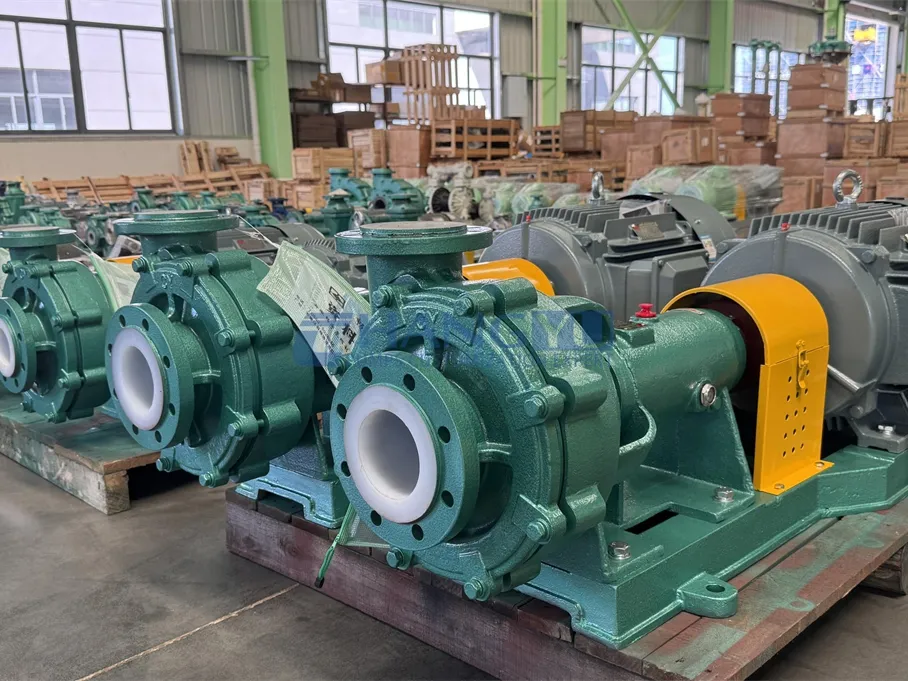
A seleção do material é uma das decisões de maior impacto na especificação da bomba de polpa. O material correto para o seu serviço pode proporcionar 18 meses ou mais de funcionamento fiável; um material incorreto pode falhar em semanas.
Passo 1: Caracterizar completamente o seu chorume
| Parâmetro | Porque é que é importante |
|---|---|
| Identidade dos sólidos (nome químico + mineralogia) | Determina a dureza (escala de Mohs) e a reatividade química da fase sólida |
| Tamanho das partículas (D50 e D100) | D50 reflecte a intensidade média de desgaste; D100 determina a folga mínima necessária para a passagem do impulsor |
| Concentração de sólidos (% w/w) | Acciona a densidade da lama, a intensidade do desgaste e os factores de correção hidráulica |
| Valor do pH | Indicador primário do mecanismo e da gravidade da corrosão |
| Identidade e concentração do líquido de transporte | O pH por si só é insuficiente - HCl e H₂SO₄ com o mesmo valor de pH requerem materiais diferentes |
| Temperatura de funcionamento (°C) | Determina o limite superior de serviço para todos os materiais de revestimento de polímero |
| Forma da partícula | As partículas angulares causam normalmente um desgaste significativamente maior do que as partículas arredondadas de dureza e tamanho equivalentes |
| Gravidade específica da lama | Dimensiona diretamente a potência necessária do motor - a subestimação deste valor conduz à sobrecarga do motor |
| Índice de abrasão (número Miller, ASTM G75) | Fornece um indicador quantitativo e padronizado da taxa de desgaste, quando disponível |
Passo 2: Corresponder o material ao mecanismo de falha
| Material | Abrasão | Ácido | Alcalino | Temperatura máxima | Serviço combinado | Recomendado para |
|---|---|---|---|---|---|---|
| UHMW-PE | ★★★★☆ | ★★★★★ | ★★★★★ | 90°C | ★★★★★ | Lama ácida/alcalina com sólidos ou cristais |
| Revestimento FEP/PTFE | ★★★☆☆ | ★★★★★ | ★★★★★ | 120°C | ★★★★☆ | Lama química corrosiva, sólidos flexíveis até 20% |
| Revestimento em PFA | ★★★☆☆ | ★★★★★ | ★★★★★ | 180°C | ★★★★☆ | Serviço químico corrosivo a alta temperatura |
| Borracha natural | ★★★★★ | ★★☆☆☆ | ★★★★☆ | 60°C | ★★☆☆☆ | Lama mineral neutra e macia |
| Neopreno / EPDM | ★★★☆☆ | ★★★☆☆ | ★★★★☆ | 120°C | ★★★☆☆ | Lama ligeiramente corrosiva |
| Ferro com elevado teor de crómio (Cr28) | ★★★★★ | ★★☆☆☆ | ★★☆☆☆ | 250°C | ★★☆☆☆ | Lama mineral dura e neutra |
| Aço inoxidável 316L | ★★☆☆☆ | ★★★☆☆ | ★★★★☆ | 200°C | ★★★☆☆ | Serviço ligeiramente corrosivo, baixo teor de sólidos |
Lógica de decisão:
- Corrosivo + sólidos ou cristais (pH 10, dureza das partículas Mohs <6): → Forro em UHMW-PE
- Produto químico corrosivo + sólidos flexíveis (até 20% w/w, partículas moles): → Revestimento em FEP ou PFA
- Neutro + altamente abrasivo (pH 4-9, partículas minerais duras, Mohs >6): → Ferro com alto teor de crómio (partículas grosseiras) ou borracha natural (partículas finas e moles)
- Ligeiramente corrosivo, baixo teor de sólidos (<5% w/w, partículas moles): → Aço inoxidável 316L
- Serviço corrosivo a alta temperatura (acima dos limites FEP): → Revestimento em PFA
Como selecionar a bomba de polpa industrial adequada: Processo em 5 etapas
Passo 1 - Preencher a ficha de dados do chorume
Documentar todos os nove parâmetros de polpa acima referidos antes de iniciar qualquer cálculo hidráulico. Este documento torna-se a base para todas as decisões técnicas a jusante - materiais, tipo de impulsor, seleção de vedantes e dimensionamento do motor. Não aceite uma proposta de bomba de um fornecedor que não tenha analisado os seus dados de polpa.
Passo 2 - Definir o ponto de funcionamento hidráulico
Calcular o caudal necessário (Q, m³/h) e a altura manométrica dinâmica total (H, m) utilizando factores de atrito corrigidos para o chorume. As perdas por atrito da tubagem em serviço de lamas são superiores ao caudal equivalente de água limpa - a magnitude depende da concentração de sólidos e das caraterísticas das partículas. Certifique-se de que o seu ponto de funcionamento se encontra dentro dos limites de 80-110% da BEP na curva da bomba; operar fora deste intervalo aumenta a recirculação interna, acelera o desgaste do impulsor e eleva a vibração. Inclua uma margem de segurança de 10-15% em Q e H para o envelhecimento da tubagem e a variação do processo.
Passo 3 - Verificar a margem NPSH
O NPSHa deve exceder o NPSHr em pelo menos 1,0 m em serviço com lamas - uma margem mais conservadora do que a prática de fluido limpo, porque as lamas com elevado teor de sólidos aumentam a turbulência e a libertação de gás, reduzindo o NPSHa efetivo. Calcule nas piores condições possíveis: temperatura máxima da lama, nível mínimo do reservatório e elevação máxima de sucção.
Passo 4 - Selecionar a configuração da vedação do veio
| Tipo de vedação | Utilizar quando | Limitação da chave |
|---|---|---|
| Vedante mecânico de cartucho | Meios corrosivos carregados de sólidos ou cristalinos | Requer uma instalação precisa; verificar com o fornecedor a compatibilidade dos sólidos |
| Vedante dinâmico tipo K | Lama corrosiva contínua, serviço acima do nível do solo | Requer um caudal mínimo contínuo; falha imediatamente em funcionamento a seco |
| Embalagem de glândulas | Lama abrasiva, pressão moderada | Requer um ajuste periódico no terreno; é normal uma ligeira fuga controlada |
| Vedante mecânico lavado | Conformidade ambiental de gotejamento zero exigida | Requer um fluido de lavagem limpo e fiável com um diferencial de pressão correto |
Passo 5 - Dimensionar o motor para a densidade máxima do chorume
P (kW) = (Q × H × SG) / (367 × η)
Onde Q = caudal (m³/h), H = altura manométrica (m), SG = gravidade específica da lama, η = eficiência da bomba. Calcular sempre a SG máximo da lama - concentração máxima de sólidos - e aplicar um 1,15-1,20× fator de serviço. Os motores subdimensionados disparam por sobrecarga durante o arranque de lamas de alta densidade, normalmente no momento mais inconveniente do ponto de vista operacional.
Qual é a bomba de polpa industrial certa para a sua aplicação? 3 soluções comprovadas
Bomba Changyu tem vindo a resolver os desafios das bombas de polpa para aplicações industriais corrosivas e abrasivas em todo o mundo há mais de duas décadas. Os três produtos que se seguem representam uma gama selecionada do nosso portfólio de bombas de polpas abrasivas industriais - escolhidas para condições de serviço exigentes combinadas com corrosão e abrasão. Para configurações especializadas, maiores capacidades de caudal ou requisitos de materiais não normalizados, a nossa equipa de engenharia recomendará a solução mais adequada a partir da nossa gama completa de produtos.
1. Bombas para polpas abrasivas industriais da série UHB

O Série UHB é uma bomba centrífuga monocelular em consola com um impulsor semi-aberto e vedante mecânico de cartucho, especificamente concebida para meios corrosivos sólidos ou cristalinos. O revestimento UHMW-PE oferece resistência ao desgaste, resistência ao impacto, resistência à fluência e resistência à corrosão em simultâneo - abordando condições de serviço combinadas em que as alternativas de material único normalmente não são suficientes.
Principais especificações:
| Parâmetro | Valor |
|---|---|
| Gama de caudais | 3-2,600 m³/h |
| Gama de cabeças | 5-100 m |
| Potência do motor | 0,75-300 kW |
| Velocidade | 750-2.900 r/min |
| Temperatura média | -20°C a 90°C |
| Vedação do veio | Vedante mecânico de cartucho |
| Material do forro | UHMW-PE (personalizável) |
Compatibilidade química:
- ✅ H₂SO₄ - várias concentrações
- HCl - todas as concentrações
- ✅ HNO₃ - várias concentrações
- NaOH - todas as concentrações
- Lama de FGD, resíduos de galvanoplastia, lamas de subprodutos de fundição, meios corrosivos cristalinos
Destaques de engenharia:
- Veio cantilever - sem rolamentos de extremidade húmida; a contaminação dos rolamentos por partículas de lama é estruturalmente evitada
- Impulsor semi-aberto - concebido para passar meios sólidos e cristalinos sem formação de pontes ou bloqueios
- Vedante mecânico de cartucho - ajuste de instalação repetível, tempo de manutenção reduzido
- Revestimento UHMW-PE - resistência ao desgaste, ao impacto, à fluência e à corrosão num único material
- Design de extração traseira - extremidade húmida completa acessível sem desconectar a tubagem
- Certificado CE; UHMW-PE personalizável de acordo com os requisitos da aplicação
2. Bomba de polpa horizontal resistente à corrosão da série CYB-ZKJ
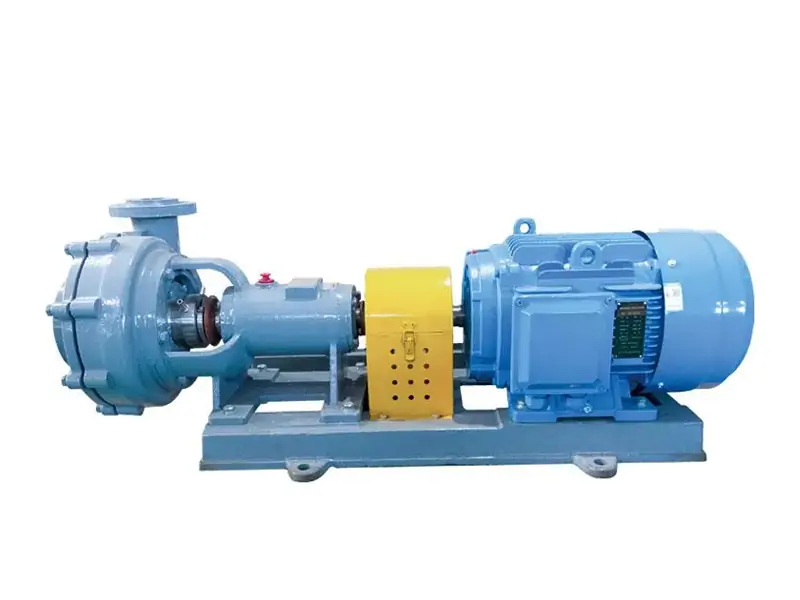
O Bomba de polpa horizontal resistente à corrosão da série CYB-ZKJ é uma bomba centrífuga importada FEP/PTFE concebidos para a transferência contínua de líquidos ácidos e alcalinos, lamas, polpas minerais corrosivas e esgotos em instalações de processamento acima do nível do solo. A configuração do vedante dinâmico do tipo K proporciona um funcionamento estável e sem fugas durante todo o período de serviço.
Principais especificações:
| Parâmetro | Valor |
|---|---|
| Gama de caudais | 3-2,600 m³/h |
| Gama de cabeças | 5-100 m |
| Potência do motor | 0,75-300 kW |
| Velocidade | 968-3.450 r/min |
| Temperatura média | -80°C a 120°C |
| Vedação do veio | Vedante dinâmico tipo K |
| Materiais húmidos | FEP/PTFE importado (personalizável) |
Destaques de engenharia:
- Componentes em húmido de FEP/PTFE importados - cobrem ácidos, álcalis, agentes oxidantes e polpas minerais corrosivas
- Vedante dinâmico tipo K - desempenho estável e sem fugas em serviço contínuo de lamas corrosivas
- Ampla gama de temperaturas (-80°C a 120°C) - adequada tanto para transferências criogénicas como para serviços químicos a temperaturas elevadas
- Design optimizado do invólucro e dos componentes de passagem para o manuseamento de fluidos altamente corrosivos
- Instalação em linha acima do nível do solo - não é necessária escavação do poço
- Certificado CE; material FEP personalizável por aplicação
3. Bomba de transferência de produtos químicos corrosivos da série CYB-ZKJ
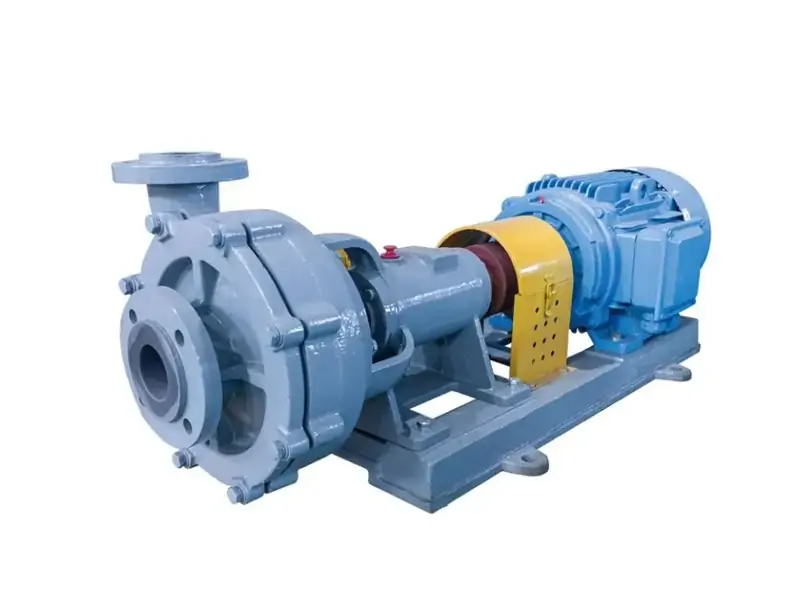
O Bomba de transferência de produtos químicos corrosivos da série CYB-ZKJ utilizações Revestimento em FEP - com revestimento PFA disponível para condições de temperatura mais elevada - para lidar com meios corrosivos em concentrações variáveis, incluindo líquidos com até 20% partículas sólidas flexíveis. Adequado para transferência de produtos químicos, lamas de fundição de minerais, ácido sulfúrico e fluxos de processo de fertilizantes fosfatados e aplicações de águas residuais ambientais.
Principais especificações:
| Parâmetro | Valor |
|---|---|
| Gama de caudais | 3-2,600 m³/h |
| Gama de cabeças | 5-100 m |
| Potência do motor | 0,75-300 kW |
| Velocidade | 968-3.450 r/min |
| Temperatura média | -80°C a 120°C |
| Material do forro | FEP standard; PFA opcional |
| Teor máximo de sólidos | Partículas sólidas flexíveis até 20% |
Destaques de engenharia:
- Revestimento FEP - ampla resistência química a ácidos, álcalis e agentes oxidantes em concentrações variáveis
- Opção de revestimento em PFA - para condições de serviço que exigem uma maior resistência à temperatura para além dos limites normais do FEP
- Lida com partículas sólidas flexíveis até 20% - abrangendo aplicações de lamas corrosivas para as quais as bombas químicas normais não foram concebidas
- A plataforma única abrange a lama mineral de fundição, o serviço de ácido diluído de ácido sulfúrico, os fluxos de fertilizantes fosfatados e as águas residuais ambientais
- Certificação CE; documentação de conformidade do material disponível para validação do processo e submissão regulamentar
Que indústrias utilizam bombas de polpa industriais?
| Indústria | Tipo de lama | Gama de pH | Desafio primário | Configuração recomendada |
|---|---|---|---|---|
| Dessulfurização de gases de combustão | Cal/calcário, pasta de gesso | 5-8 | Elevados sólidos, abrasivos, incrustações | UHB UHMW-PE ou borracha |
| Fabrico de produtos químicos | Lamas de processos ácidos/alcalinos | Variável | Corrosão + abrasão combinadas | Série UHB ou CYB-ZKJ |
| Eletrodeposição e acabamento de metais | Lama ácida, resíduos de galvanização | 0-3 | Altamente corrosivo, sólidos leves | CYB-ZKJ Revestido a FEP |
| Exploração mineira - drenagem ácida de minas | H₂SO₄ + rejeitos minerais | 1-4 | Combinação de corrosivo + abrasivo | UHB UHMW-PE |
| Fundição e metalurgia | Pastas minerais corrosivas | Variável | Sólidos minerais corrosivos | Série CYB-ZKJ |
| Produção de fertilizantes | Lama de ácido fosfórico | 1-3 | Ácido forte + sólidos abrasivos | CYB-ZKJ Revestido a FEP/PFA |
| Produção de eletricidade | Lama de cinzas, lama de carvão | 4-9 | Abrasivo, moderadamente corrosivo | UHB ou ferro cromado |
| Tratamento de águas residuais | Lamas, areia, lamas activadas | 6-8 | Sólidos fibrosos de densidade variável | Bomba de polpa horizontal |
| Cerâmica e vidro | Pasta cerâmica, pasta de esmalte | 6-9 | Abrasivo fino, requisitos de pureza | UHMW-PE ou borracha |
| Construção / civil | Pasta de cimento, calda de bentonite | 10-12 | Alta densidade, ligeiramente abrasivo | Horizontal para serviço pesado |
Estudo de caso: Prolongamento da vida útil da bomba de polpa em serviço de polpa ácida
Um produtor de ácido sulfúrico estava a operar várias estações de bombagem que lidavam com lama concentrada de H₂SO₄ com sólidos em suspensão. A vida útil média da bomba era de 3-4 meses. Os custos de manutenção eram elevados e as paragens de produção não planeadas eram frequentes.
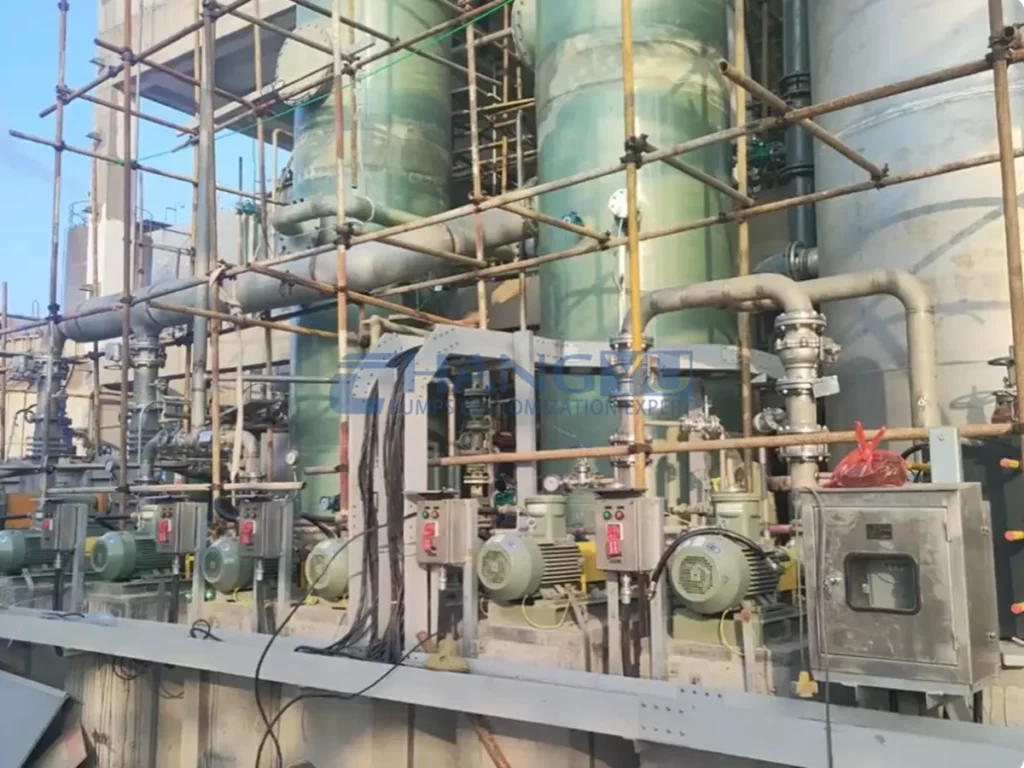
Diagnóstico: Interação erosão-corrosão. As bombas revestidas a borracha degradaram-se rapidamente no ambiente de H₂SO₄, enquanto os invólucros metálicos das bombas sofreram um ataque químico e abrasivo combinado. Nenhum dos materiais, por si só, resolvia ambos os mecanismos de falha.
Solução: Bombas revestidas a UHMW-PE da série UHB com impulsores semi-abertos dimensionados para o diâmetro das partículas D100 e vedantes mecânicos de cartucho selecionados para as condições de funcionamento.
Resultado: Os intervalos de manutenção aumentaram significativamente em comparação com a configuração anterior. As paragens de manutenção não planeadas foram substancialmente reduzidas. O revestimento em UHMW-PE tratou simultaneamente do ataque químico e abrasivo - o fator crítico que os materiais anteriores da bomba não tinham conseguido.
Este exemplo é representativo do tipo de desafio de serviço combinado para o qual a Série UHB foi concebida. Os resultados reais variam consoante as condições específicas da lama, os parâmetros de funcionamento e a instalação. Contacto Changyu Pump engineering com os dados do seu processo para uma avaliação específica do local.
Como prolongar a vida útil da bomba de polpa: 5 princípios de manutenção
1 - Estabelecer linhas de base de desgaste nas primeiras 500 horas de funcionamento
Medir a espessura das palhetas do impulsor, a espessura da parede do revestimento e o diâmetro externo da manga do veio aquando da entrada em funcionamento. Volte a medir às 500 horas. A taxa de desgaste inicial fornece uma base fiável para projetar o tempo de substituição e programar a manutenção planeada antes de ocorrer uma falha não planeada.
2 - Substituir na espessura original 50%, não na falha
A taxa de desgaste acelera à medida que a espessura da parede diminui. A substituição de componentes a 50% da espessura original requer uma paragem de manutenção planeada. Esperar por uma falha significa normalmente uma paragem de emergência, perda de produção e danos colaterais nos rolamentos, vedantes e eixo.
3 - Proteger o conjunto de rolamentos de forma consistente
A entrada de lama na caixa de rolamentos é uma causa comum de falha da bomba que pode ser evitada em grande parte. Ajuste a gaxeta em intervalos regulares. Inspecionar a folga do vedante dinâmico trimestralmente. Verificar os vedantes da caixa de rolamentos em cada ciclo de manutenção.
4 - Evitar o funcionamento a seco em todas as condições
Os selos dinâmicos e os selos mecânicos de cartucho dependem do fluido do processo para lubrificação e arrefecimento. Mesmo um breve funcionamento a seco pode marcar permanentemente uma manga de eixo e danificar a face do vedante. Instale um interrutor de baixo fluxo com desarme automático do motor para evitar condições de funcionamento a seco.
5 - Monitorizar a vibração e a temperatura da chumaceira como indicadores principais
Uma tendência crescente de vibração acima da linha de base (referência ISO 10816) ou um aumento sustentado da temperatura da chumaceira assinala o desenvolvimento de uma avaria. As falhas identificadas nesta fase são normalmente fáceis de corrigir. A mesma falha deixada até à avaria da bomba é consistentemente mais dispendiosa e perturbadora de resolver.
Pronto para resolver o seu desafio de bomba de polpa?
A bomba de polpa industrial correta não é simplesmente aquela que satisfaz os seus requisitos de caudal e altura manométrica. É a que é construída com o material certo, com o desenho correto do impulsor e a configuração correta do vedante, para as suas caraterísticas específicas de química e de sólidos. Essa correspondência é o que separa uma bomba que funciona de forma fiável durante 18 meses de uma que falha em seis semanas.
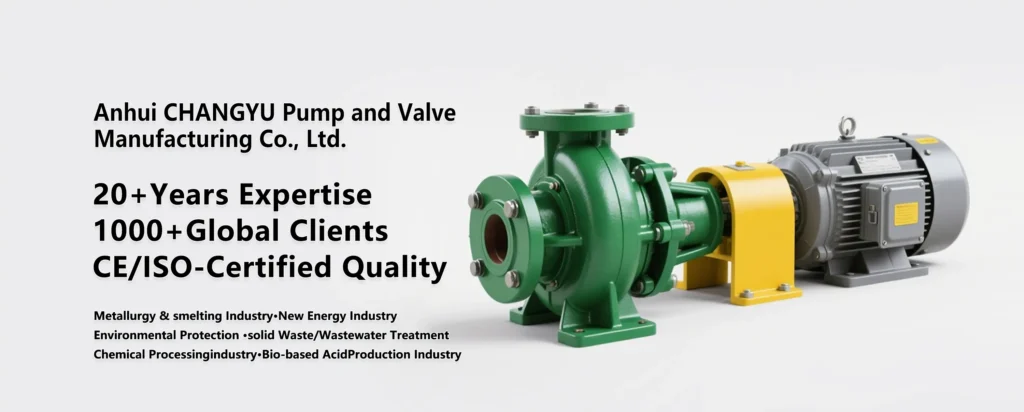
Se a sua configuração atual não está a proporcionar essa fiabilidade, traga os dados do seu processo para Bomba Changyu. Partilhe o seu condições da lama e requisitos de caudal com a nossa equipa de engenharia, e receberá uma recomendação de bomba tecnicamente verificada no prazo de 24 horas.
Perguntas frequentes sobre a bomba de polpa industrial: Perguntas comuns sobre seleção e manutenção
Q1: Que material é recomendado para uma bomba de polpa industrial que lida com polpa de ácido sulfúrico?
Para serviços que combinam corrosão ácida e sólidos abrasivos, Construção com revestimento UHMW-PE - como a Série UHB da Bomba Changyu - aborda ambos os mecanismos num único material de revestimento. O UHMW-PE oferece forte resistência ao H₂SO₄ em uma variedade de concentrações, enquanto suporta o desgaste abrasivo que degrada rapidamente os revestimentos de borracha ou componentes metálicos desprotegidos no mesmo serviço.
Q2: Quais são os principais tipos de bombas para polpas abrasivas industriais?
As configurações principais são: bombas horizontais de aspiração final (serviço de condutas acima do nível do solo), bombas de drenagem verticais (instalações de poços e fossas), bombas submersíveis (poços profundos e serviço subterrâneo), e bombas auto-ferrantes (condições de aspiração variáveis). A seleção entre configurações é determinada pela geometria da instalação, pelas caraterísticas de sedimentação de sólidos e pelos requisitos operacionais.
Q3: Quanto tempo deve durar uma bomba de polpa resistente em serviço ácido?
Com uma seleção correta do revestimento e uma colocação em funcionamento adequada, é possível obter intervalos de serviço de 12-18 meses entre a substituição planeada do revestimento e do impulsor no serviço de lamas ácidas concentradas. Uma vida útil consistente muito abaixo deste intervalo indica normalmente uma seleção incorrecta do material molhado, um funcionamento fora da BEP, ou ambos - problemas que podem ser corrigidos sem substituir a estrutura da bomba.
Q4: O que é que provoca um desgaste mais rápido no lado de descarga de uma bomba de polpa?
O desgaste acelerado na água de corte da voluta e no diâmetro externo do impulsor normalmente indica operação à direita do BEP na curva da bomba. Um caudal superior ao ponto de conceção da bomba cria uma recirculação interna de alta velocidade na água de corte, concentrando o desgaste nessa área. A abordagem corretiva consiste em reduzir o caudal de descarga para BEP ou selecionar um diâmetro de impulsor maior para o ponto de funcionamento real.
Q5: Quando é que devo utilizar o empanque em vez de um vedante mecânico numa bomba de polpa?
Embalagem de glândulas é geralmente preferido quando a lama contém sólidos abrasivos - as partículas que atingem a face de um vedante mecânico provocam um desgaste rápido da face e uma falha prematura do vedante. A selo mecânico lavado é adequado quando a vedação de gotejamento zero é necessária para a conformidade ambiental e quando um fluido de descarga limpo e quimicamente compatível está disponível de forma fiável no diferencial de pressão correto acima da pressão de sucção.
Q6: Uma bomba de polpa resistente à corrosão pode tratar simultaneamente sólidos ácidos e abrasivos?
Sim - com uma seleção de materiais adequada. Bombas com revestimento UHMW-PE como a série UHB, abordam o serviço combinado de ácido e abrasivo. Bombas revestidas a FEP/PTFE como a série CYB-ZKJ, lidam com lamas químicas corrosivas que contêm partículas sólidas flexíveis até 20% em peso. As bombas standard resistentes à corrosão sem revestimento resistente à abrasão não foram concebidas para serviço combinado e, normalmente, desgastam-se a um ritmo acelerado quando estão presentes sólidos.
Q7: Como posso evitar a cavitação numa instalação de bomba de polpa montada no poço?
Manter NPSHa ≥ NPSHr + 1,0 m em todas as condições de funcionamento. Mantenha o diâmetro do tubo de sucção grande, o comprimento do tubo de sucção curto e a válvula de isolamento de sucção totalmente aberta durante o funcionamento. Instale um desarme de poço de baixo nível para evitar que a bomba funcione contra o ar quando o poço esvaziar até o nível mínimo de operação.
Q8: Que indústrias utilizam extensivamente as bombas de polpa industrial?
Os sectores com elevada utilização incluem fabrico de produtos químicos, dessulfuração de gases de combustão, exploração mineira e processamento de minerais, fundição e metalurgia, produção de fertilizantes, galvanoplastia e acabamento de metais, e tratamento de águas residuais - cada um apresentando uma combinação distinta de abrasividade e corrosividade que conduz a requisitos específicos de seleção de materiais.