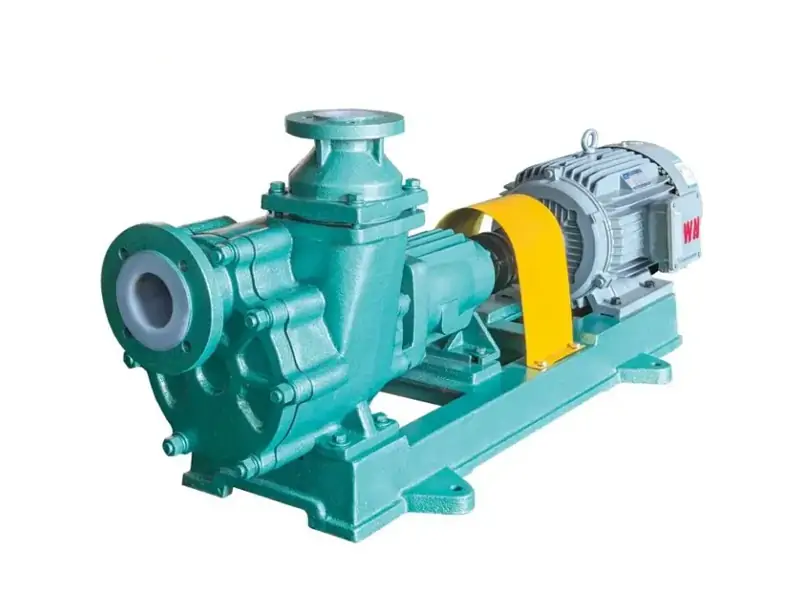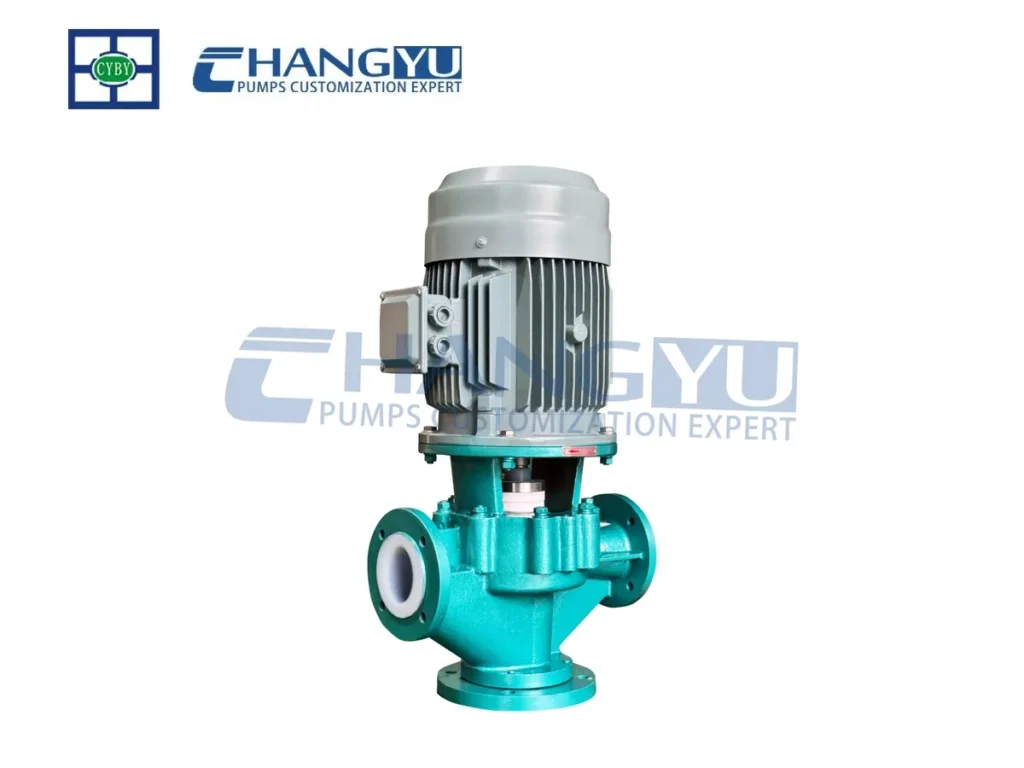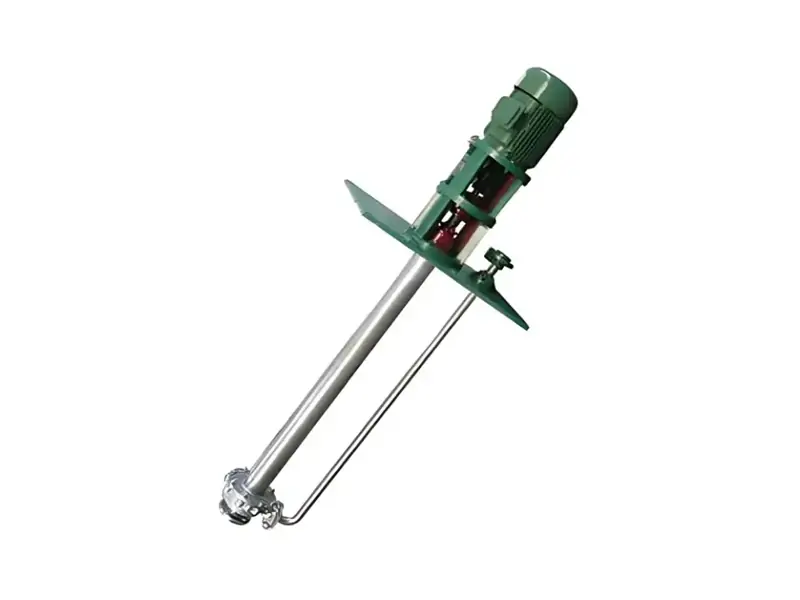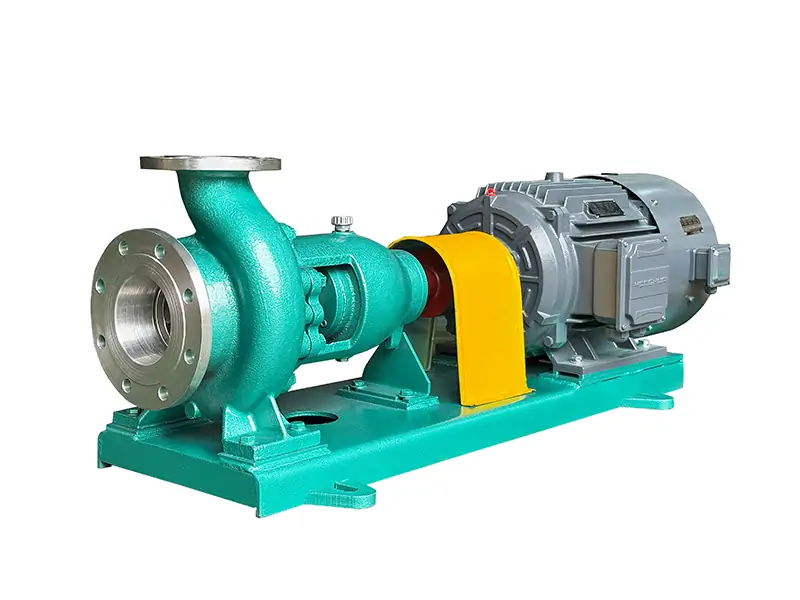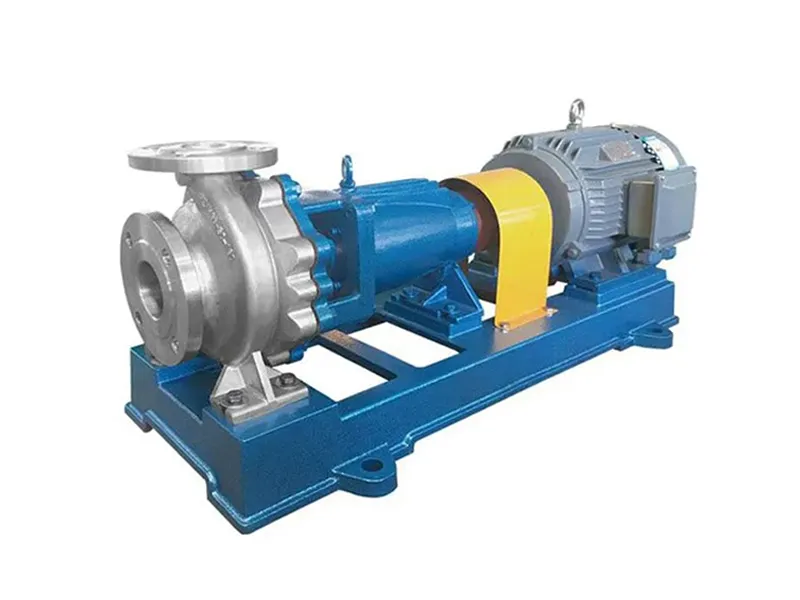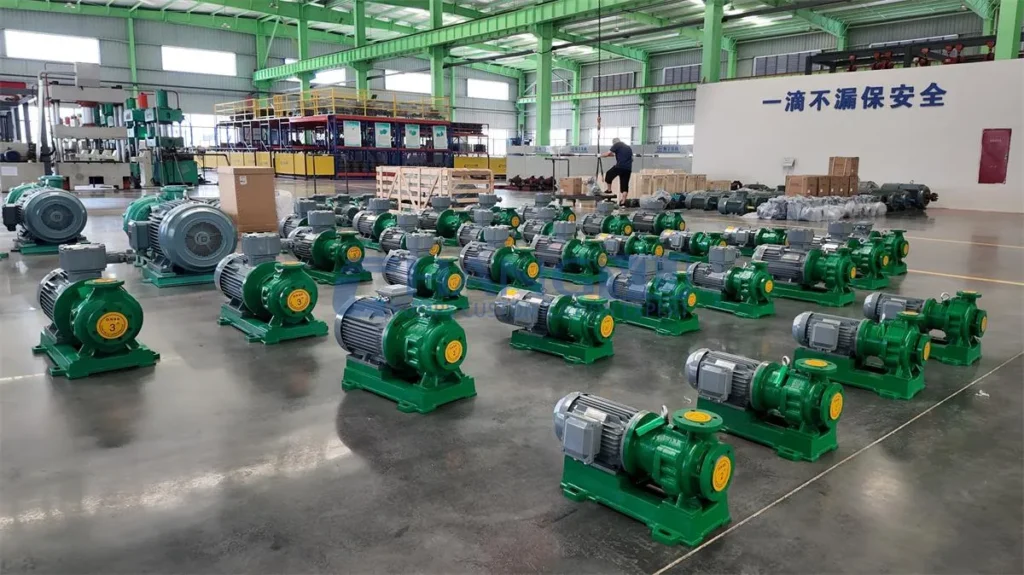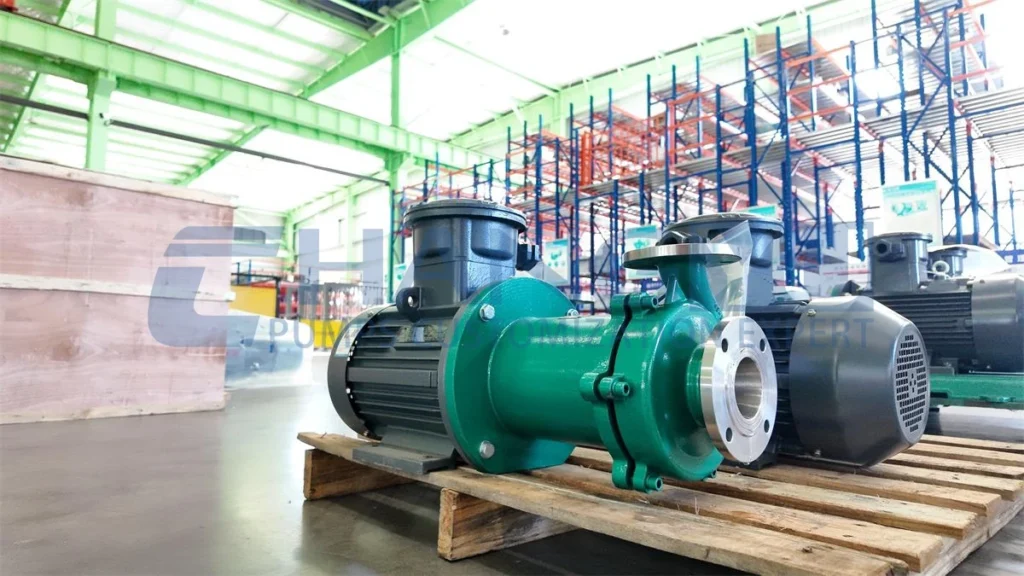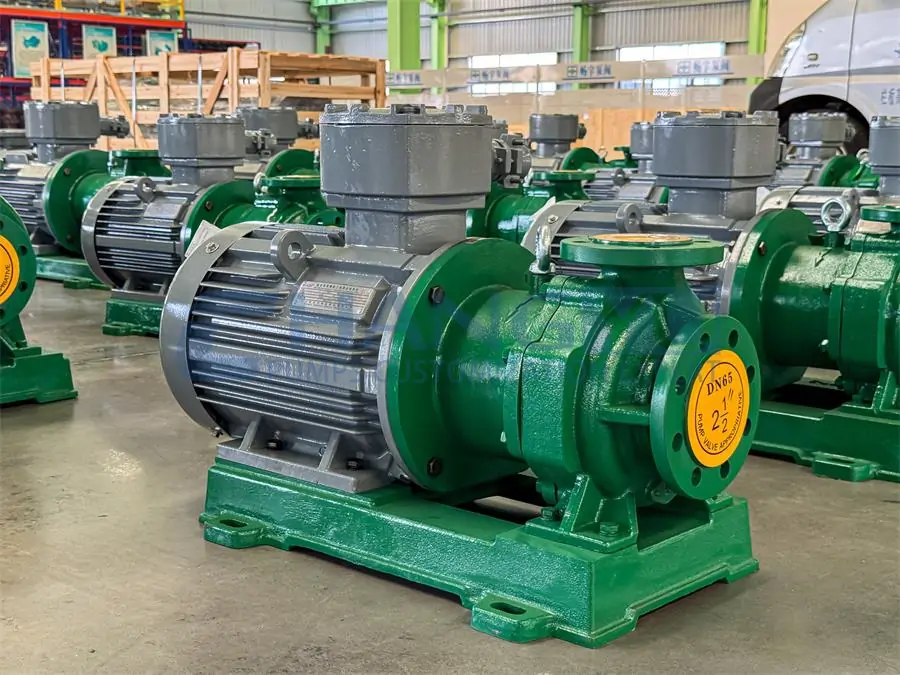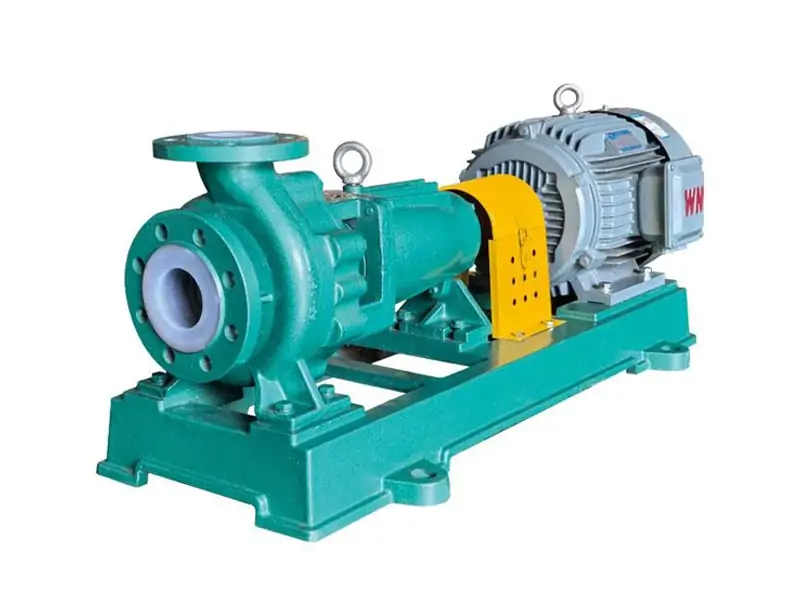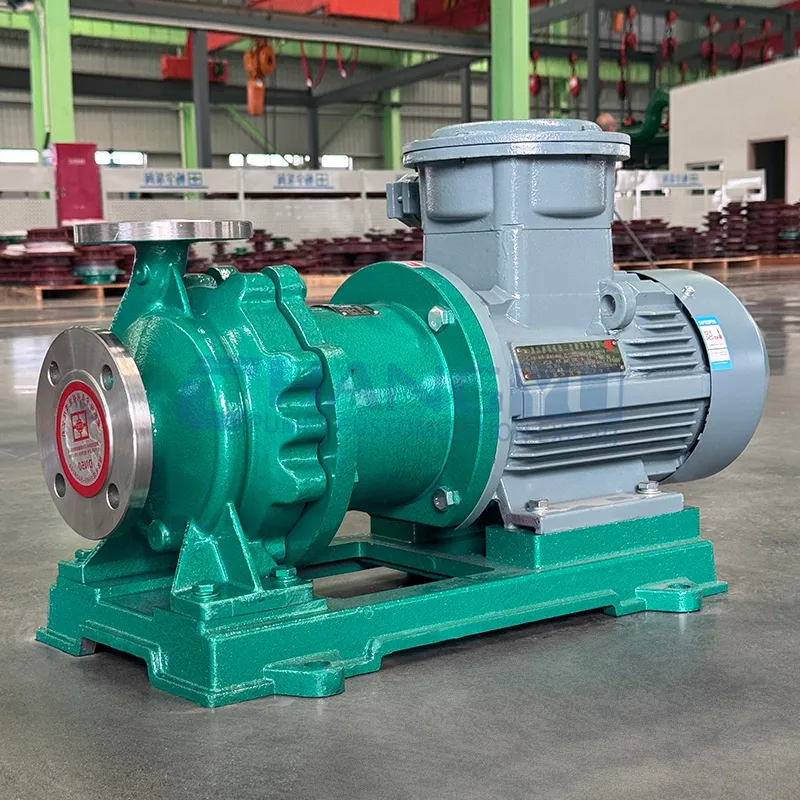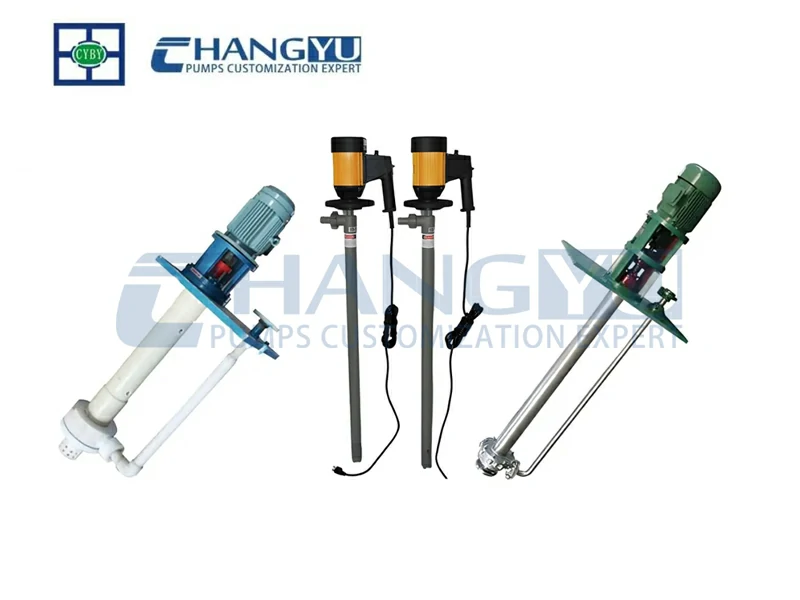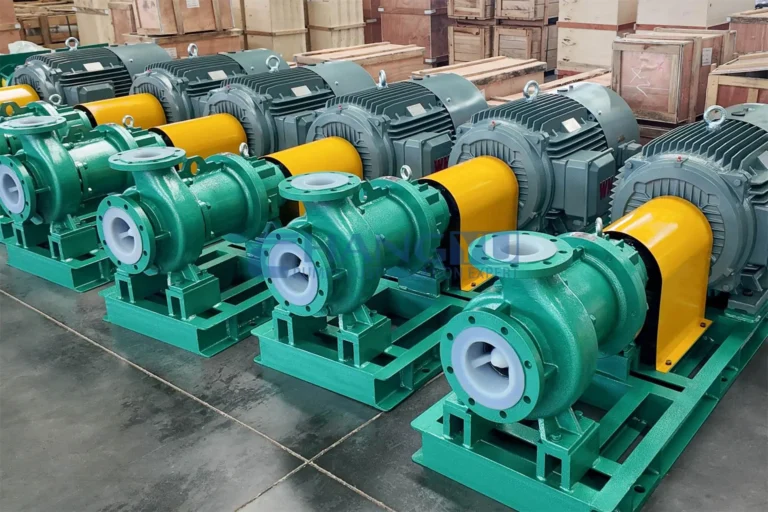
Acid resistant pumps are primarily used to transport corrosive acids and play a key role in industries such as chemical processing, environmental protection, electroplating, and metallurgy. In acidic environments, ordinary water pumps are easily corroded, may leak, or even become damaged. Therefore, companies usually choose corrosion-resistant industrial pumps or кислотные насосы to ensure stable system operation.
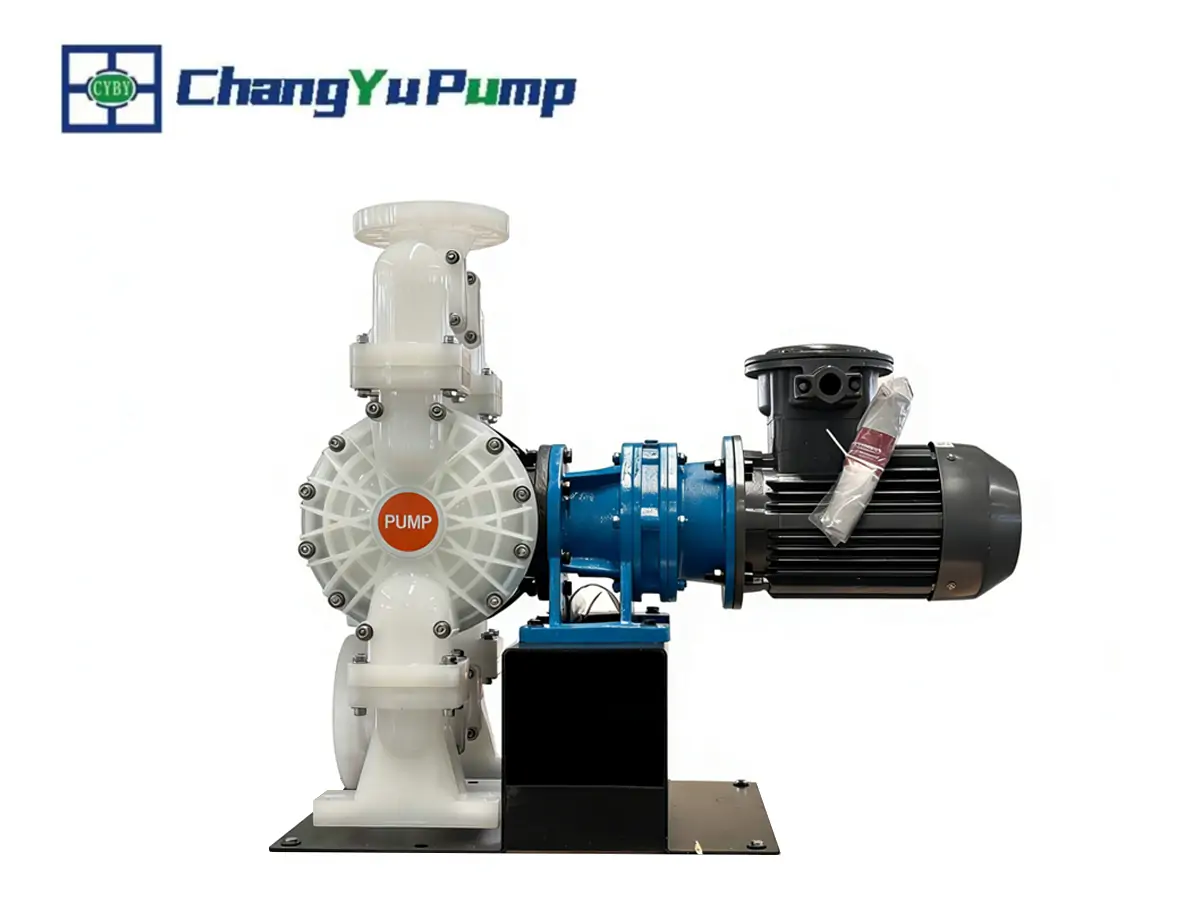
This article will comprehensively analyze the definition, types, materials, application scenarios, selection methods, and common questions related to acid transfer pumps, helping enterprises better understand and choose the appropriate acid-resistant pump for the chemical industry.
What is an Acid Resistant Pump
An acid resistant pump is an industrial pump specifically used to transport acidic or highly corrosive liquids. It is also commonly referred to as an acid-resistant chemical pump or corrosion resistant pump. Its core feature is that key components such as the pump body, impeller, and seals are made of corrosion-resistant materials, allowing the pump to operate stably in acidic environments for a long time.
Acid resistant pumps usually have the following characteristics:
- Strong corrosion resistance: can transport corrosive media such as sulfuric acid, hydrochloric acid, and nitric acid
- Stable structure: can work in high-temperature or complex chemical environments
- Good sealing performance: reduces leakage risks and improves safety
- Long service life: more durable than ordinary water pumps
These corrosion-resistant pumping systems are very critical equipment in chemical production and environmental protection projects.
Types of Acid Resistant Pumps
According to different structures and working principles, acid resistant pumps can be divided into the following types:
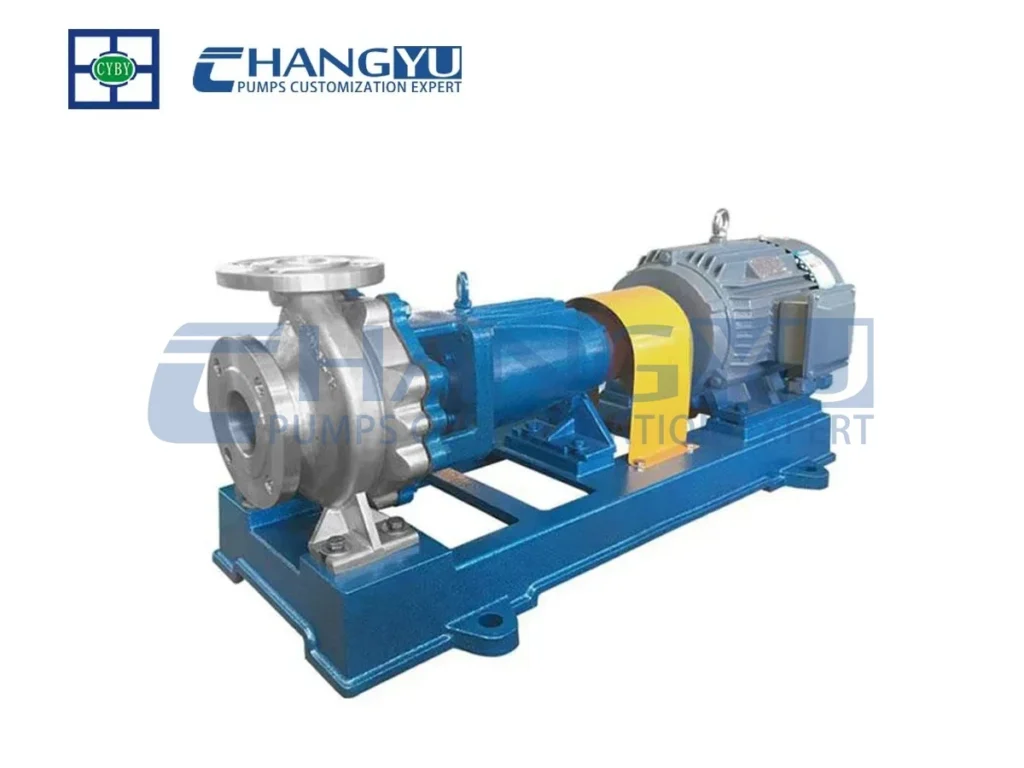
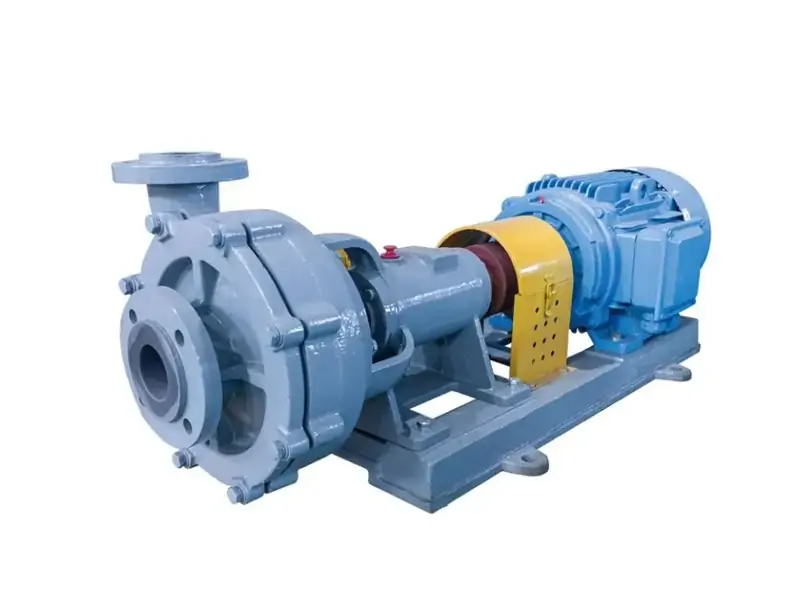
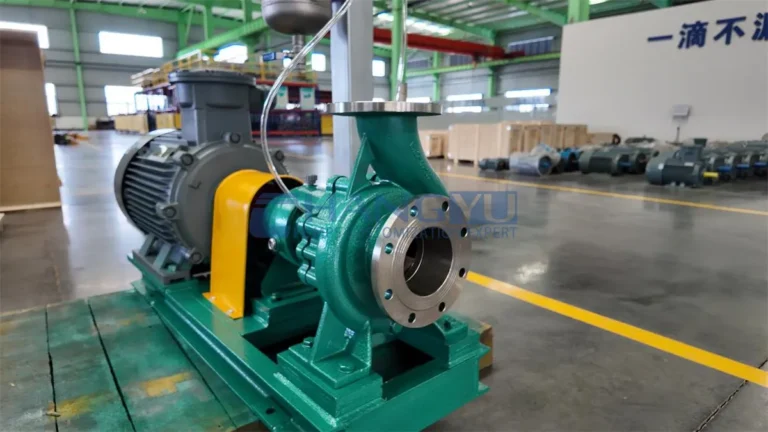
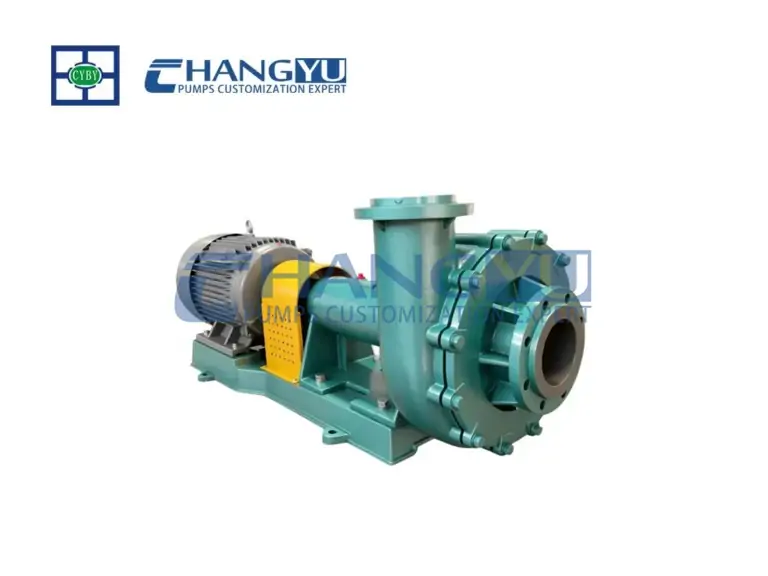
Acid Resistant Centrifugal Pump
The acid-resistant centrifugal pump is the most common type of chemical transfer pump. It transports liquid through the centrifugal force generated by the high-speed rotation of the impeller.
Особенности: large flow rate, simple structure, easy maintenance, and suitable for continuous operation.
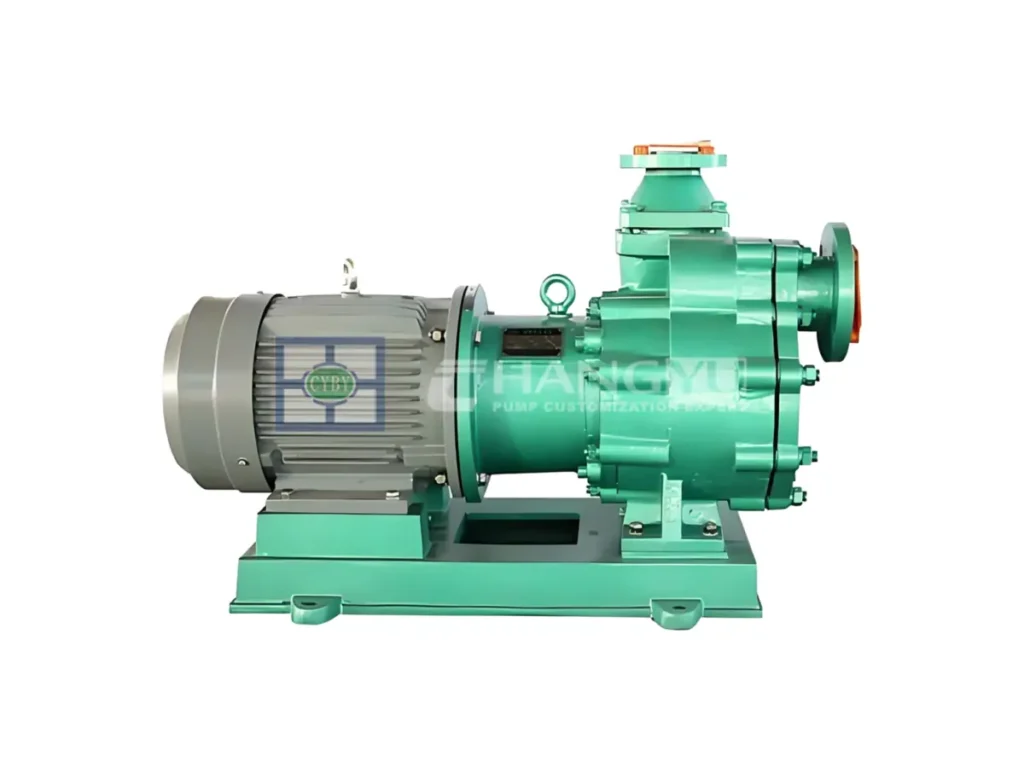
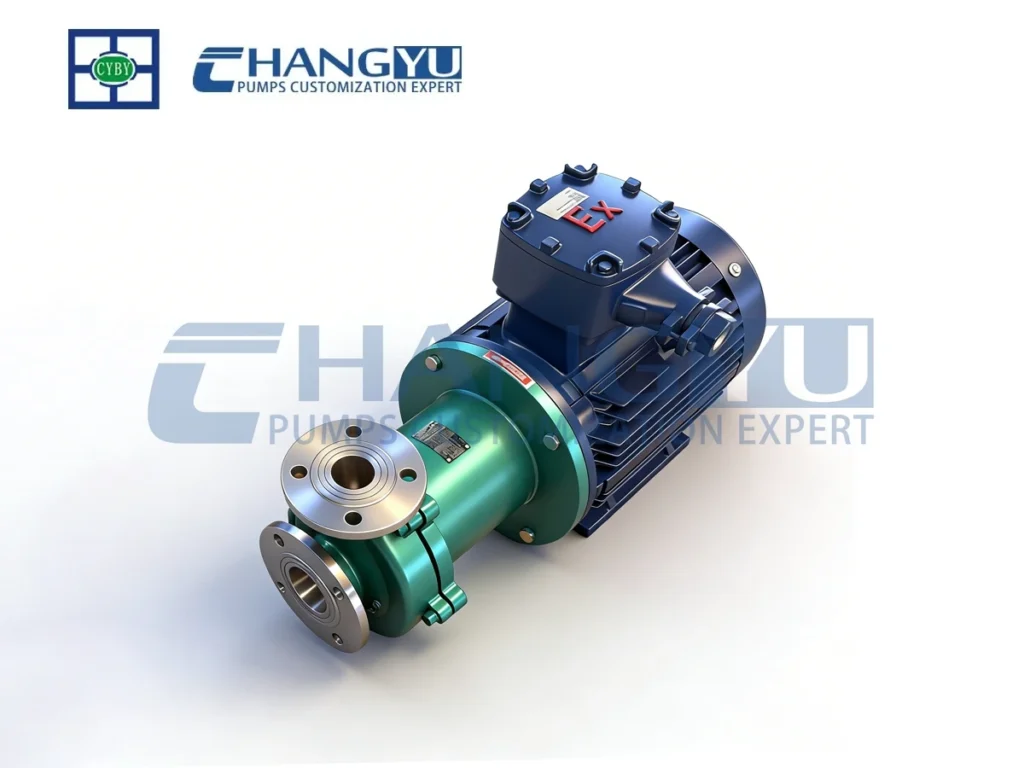
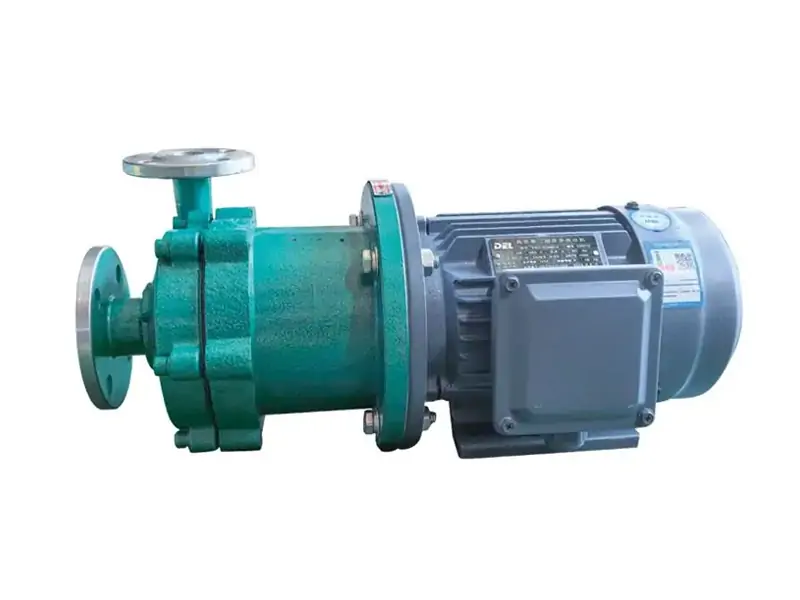
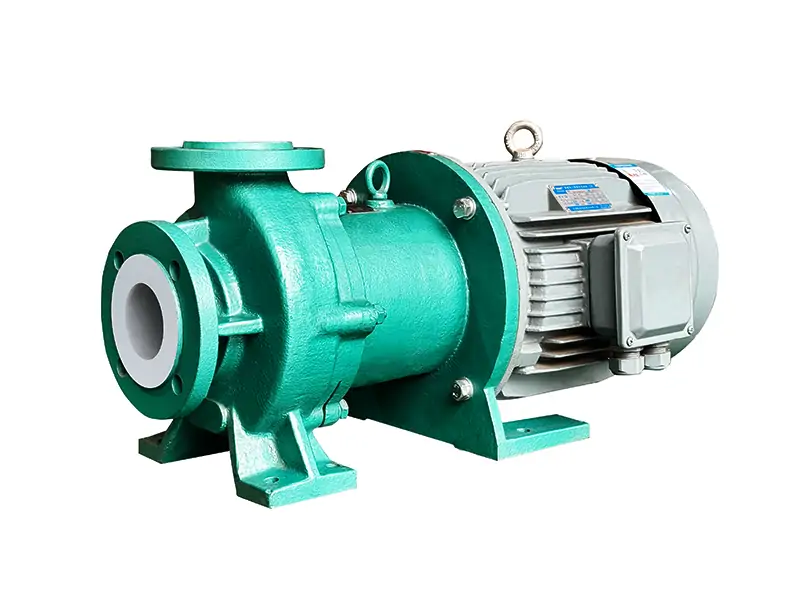
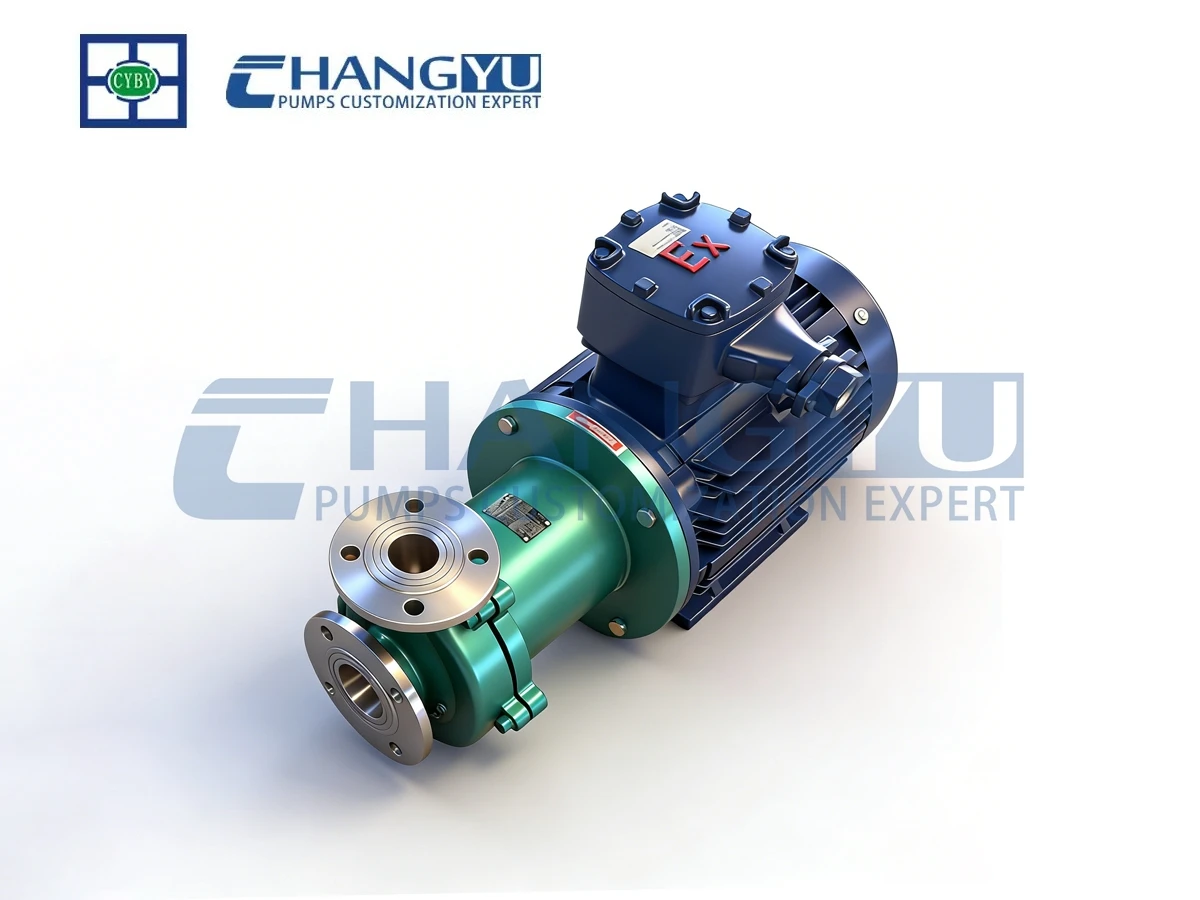
Acid Resistant Magnetic Pump
The acid resistant magnetic pump transmits power through magnetic coupling and realizes a seal-less structure.
Особенности: no leakage, high safety, suitable for hazardous chemicals.
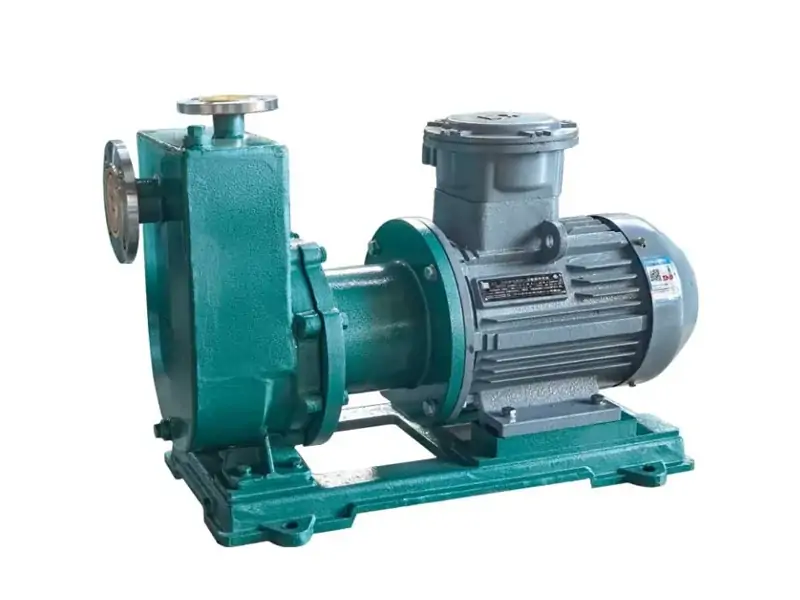
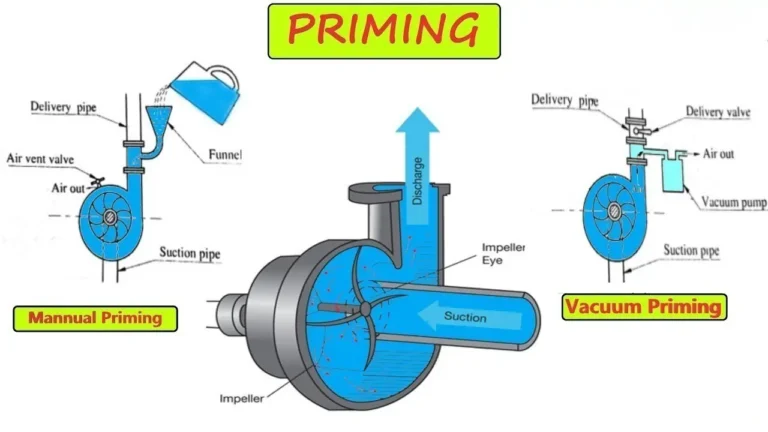
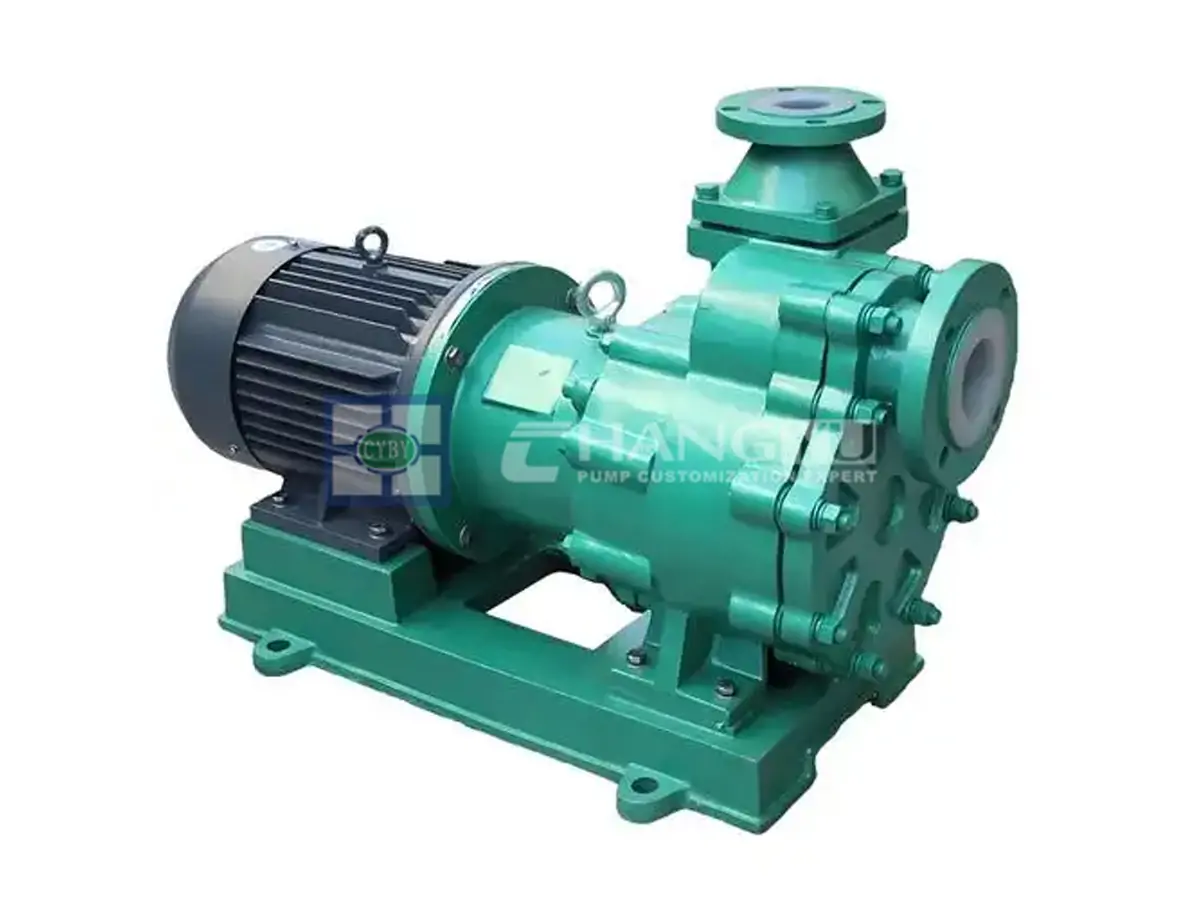
Acid Resistant Self-Priming Pump
The acid resistant self-priming pump has self-priming capability and can start without priming.
Особенности: easy start-up, suitable for intermittent operation, commonly used for sewage and acid liquid transfer systems.
Acid Resistant Diaphragm Pump
The acid resistant diaphragm pump transports liquid through the reciprocating movement of a diaphragm.
Особенности: capable of transporting liquids containing particles, can run dry, suitable for highly corrosive media.
Common Materials for Acid Resistant Pumps
Different acidic liquids have different levels of corrosiveness, so the material selection of corrosion-resistant pumps is very important. Common materials include:
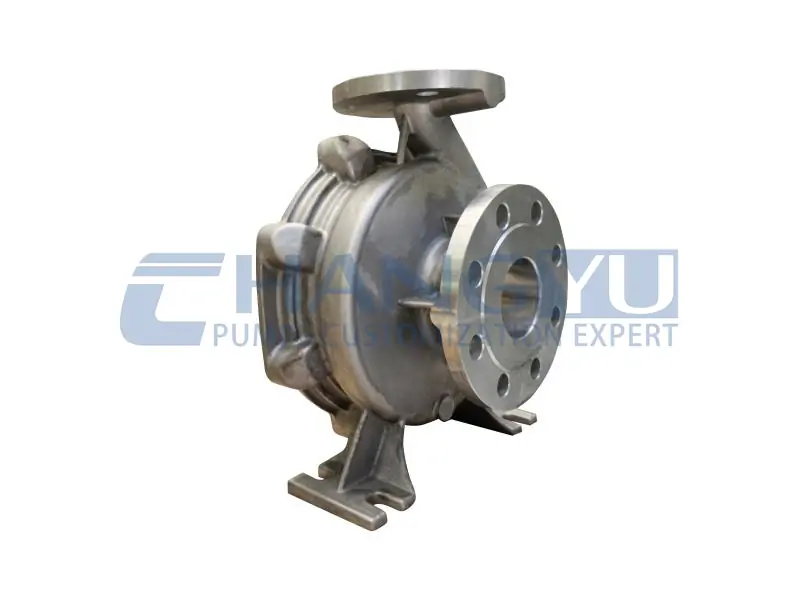
Stainless Steel
Common models: 304 stainless steel, 316 stainless steel, 316L stainless steel
Applicable media: weak acids and some chemical solutions
Преимущества: high strength and good temperature resistance.
Fluoroplastics
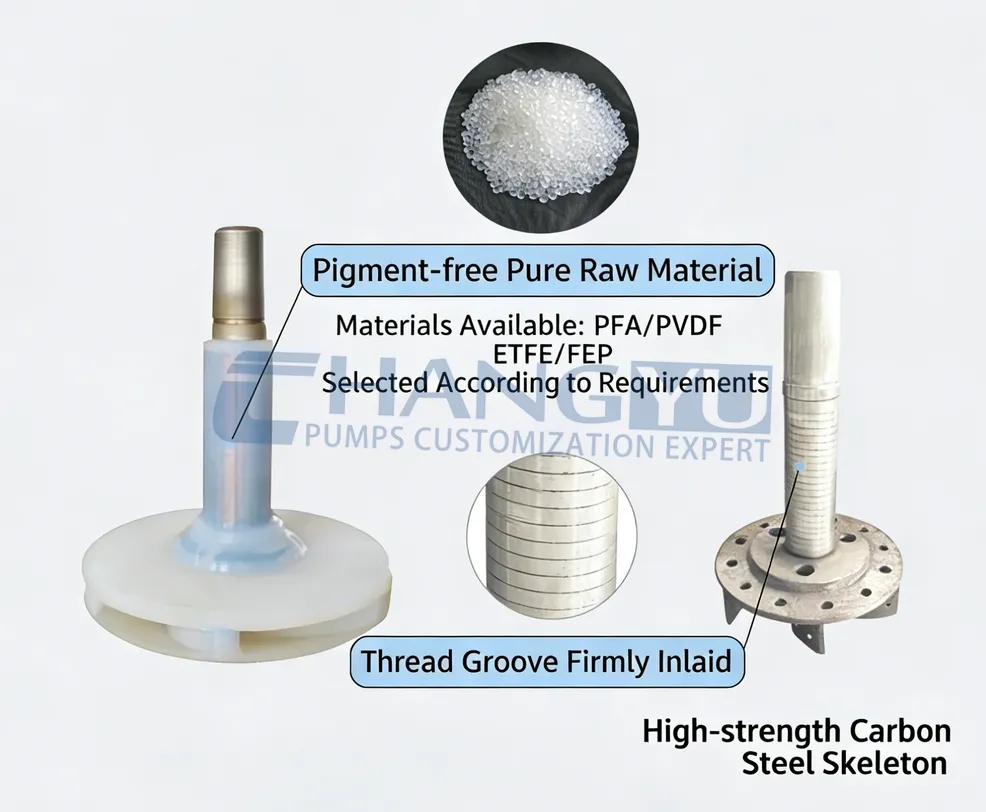
Common materials: PVDF (Polyvinylidene Fluoride), PTFE (Polytetrafluoroethylene), FEP (Fluorinated Ethylene Propylene, F46), PFA (Perfluoroalkoxy), UHMWPE (Ultra-High Molecular Weight Polyethylene) lined fluorine materials
Applicable media: strong acids, strong alkalis, organic solvents, strong oxidizing media, and highly corrosive mixed media.
Особенности: extremely strong corrosion resistance, high temperature resistance, low friction coefficient, and long service life.
Application Scenarios of Acid Resistant Pumps
Acid resistant pumps have important applications in many industries. We can briefly understand them through the following table.
| Промышленность | Application Scenarios |
|---|---|
| Chemical industry | Transport of sulfuric acid, hydrochloric acid, nitric acid, and phosphoric acid |
| Electroplating industry | Electroplating solution circulation and acid cleaning liquid transfer |
| Environmental protection industry | Waste acid treatment, wastewater treatment, desulfurization systems |
| Metallurgical industry | Acid pickling processes and corrosive liquid transfer |
Application Cases of Acid Resistant Pumps
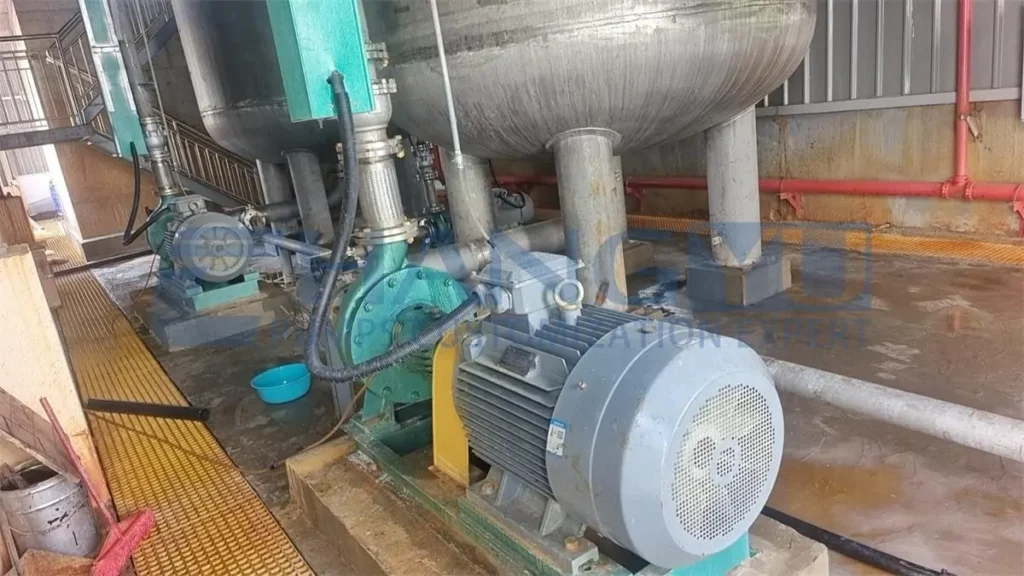
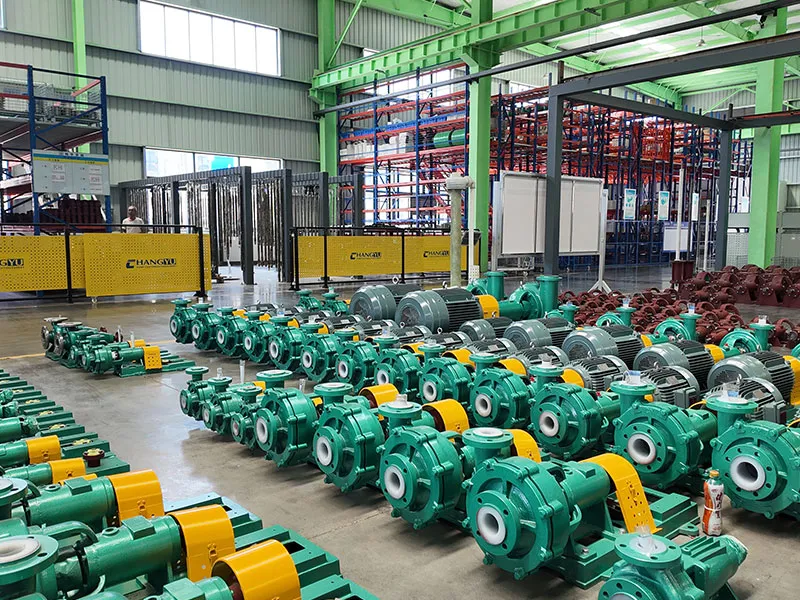
Acid resistant pumps are widely used in industrial fields. The following are several typical application cases of Chengyu Pump in corrosion-resistant pump solutions and real industrial environments.
Case 1: Sulfuric Acid Transfer Project in an Australian Chemical Plant
An Australian chemical company needed to transport 98% sulfuric acid. Previously, they used an ordinary stainless steel pump, but corrosion and leakage occurred in less than three months.
Chengyu provided a customized solution using a fluoroplastic centrifugal chemical pump with a PTFE-lined impeller. The pump has been running continuously for more than two years without corrosion problems, and maintenance costs have been reduced by 40%.
Case 2: Acid Circulation System in a German Electroplating Plant
A German electroplating company needed continuous circulation and transfer of acid cleaning liquid during the production process. The ordinary centrifugal pump originally used by the company developed seal corrosion and slight leakage after about four months of operation.
In response to this working condition, Chengyu recommended a solution using an acid-resistant magnetic drive pump. After being put into operation, the equipment has run continuously and stably for more than 12 months without leakage, and the maintenance frequency has been reduced by more than 50%.

How to Choose the Right Acid Resistant Pump
When selecting an acid resistant pump, companies need to consider the following key factors:
- Transported medium: Type of acid, concentration, temperature, whether it contains particles. Different media require different materials.
- Flow rate and head: Determine the flow rate (m³/h) and head (m) according to system requirements. These data are the core parameters for industrial chemical pump selection.
- Working environment: Temperature, pressure, whether explosion protection is required, and whether leak-free operation is required.
- Material selection:
- Strong acids → fluoroplastics
Common acids → PP or stainless steel
- Strong acids → fluoroplastics
- Maintenance cost: It is recommended to choose manufacturers whose pumps have simple structures, easily replaceable parts, and a complete after-sales service system.



Заключение
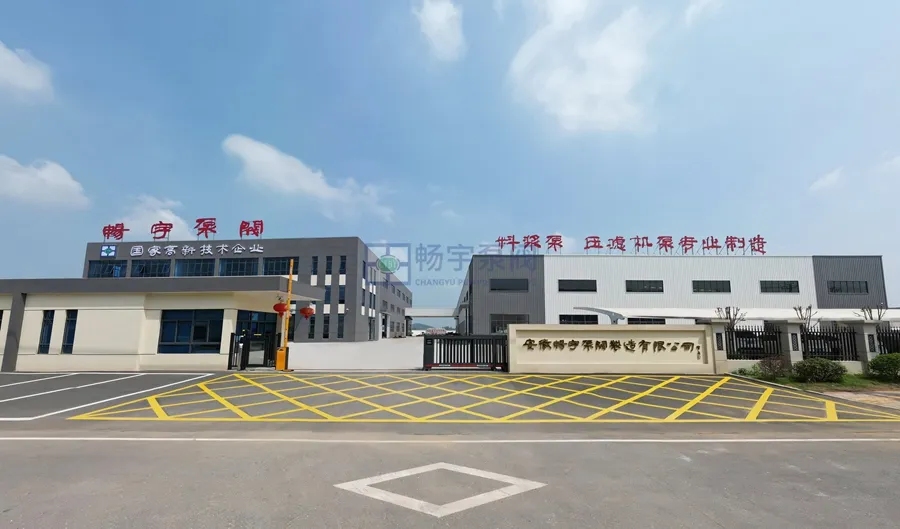
Choosing the right acid resistant pump is crucial for the stable operation of equipment and production safety. Changyu Pump has an experienced engineering and technical team that can provide professional corrosion-resistant pump selection recommendations and customized solutions according to the customer’s conveyed medium, flow rate, head, and working conditions.
Электронная почта: jade@changyupump.com
Phone: +86-13651913727