
Введение
Насос для аккумуляторной кислоты Выбор напрямую влияет на стабильность продукции и безопасность производства как на линиях по производству свинцово-кислотных аккумуляторов, так и на гигафабриках по производству литий-ионных аккумуляторов. Независимо от того, требуется ли перекачка серной кислоты 98% на заводе по производству свинцово-кислотных аккумуляторов или дозирование растворов электролита в чистом помещении для литиевых батарей, насос должен одновременно удовлетворять трем требованиям: полная химическая стойкость к кислоте при ее концентрации и температуре, отсутствие утечки в силу конструкции (или контроль утечки до уровня ниже применимого нормативного порога для механически герметичных насосов в неопасных условиях эксплуатации) и стабильная подача, несмотря на изменяющиеся характеристики жидкости.
Насос Чанъюй более двух десятилетий занимается разработкой коррозионностойких насосов для химически агрессивных отраслей промышленности по всему миру. В этом руководстве описаны типы насосов, соответствующие процессам производства аккумуляторов, данные о совместимости материалов, критерии выбора и протоколы технического обслуживания, которые инженеры могут применить непосредственно на своих производственных линиях. Свяжитесь с нами, указав параметры вашей кислоты, чтобы получить конкретные рекомендации.
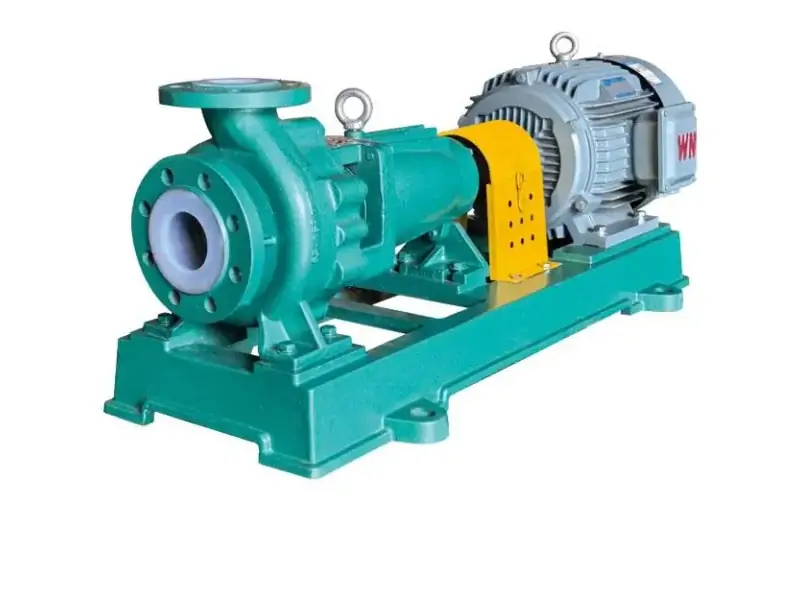
Что такое кислотно-аккумуляторный насос и для чего он нужен?
A аккумуляторный кислотный насос это коррозионностойкий насос, предназначенный для перекачки растворов серной кислоты и электролитов литий-ионных батарей на производственных предприятиях. Конкретные обязанности зависят от химического состава батареи и стадии производства.
На заводах по производству свинцово-кислотных аккумуляторов насос обычно перекачивает серную кислоту в двух диапазонах концентраций: разбавленную кислоту с концентрацией примерно 30-37% для заполнения сформированных батарей и концентрированную кислоту с концентрацией 98% для приготовления электролита. Высокий удельный вес концентрированной серной кислоты - примерно 1,84 при концентрации 98% - предъявляет к насосу дополнительные гидравлические требования, превышающие те, которые возникают при стандартной перекачке кислоты.
При производстве литий-ионных аккумуляторов аккумуляторный электролитный насос Работайте с растворами на основе LiPF₆, растворенными в органических карбонатных растворителях. Эта среда не только коррозионная, но и летучая, огнеопасная и чрезвычайно чувствительная к влаге - LiPF₆ реагирует с влагой по многоступенчатому пути гидролиза, в результате которого образуется плавиковая кислота (HF), которая агрессивно воздействует на металлы, стекло и стандартные материалы насосов.
Что отличает аккумуляторный кислотный насос от кислотного насоса общего назначения является конкретное сочетание среды и технологических требований. Аккумуляторные кислоты могут быть высококонцентрированными (98% H₂SO₄ для приготовления свинцово-кислотного электролита), кристаллизующимися (соли литиевого электролита могут образовывать твердые отложения при изменении температуры) или летучими и огнеопасными (литий-ионные электролиты содержат органические карбонатные растворители). Именно в таких случаях требуется насос для серной кислоты для производства аккумуляторов должна доказать свою состоятельность, как кислотостойкий насос для аккумуляторной промышленности Приложения должны справляться с этими характеристиками, сохраняя постоянный поток и абсолютную герметичность.
Какие материалы лучше всего подходят для работы с аккумуляторной кислотой?
Совместимость материалов - это инженерное решение, определяющее, будет ли аккумуляторный кислотный насос работает годами или выходит из строя в течение нескольких недель. В таблице ниже приведены наиболее часто используемые материалы и их проверенные пределы.
| Материал | Предельная температура | Совместимость с серной кислотой | Типичное применение батареи |
|---|---|---|---|
| PP (полипропилен) | ~80°C | Хорошая устойчивость к разбавленной H₂SO₄ до ~40% | Линии розлива аккумуляторов, перенос небольших бочек |
| ПВДФ (поливинилиденфторид) | ~100°C | Отличная устойчивость к концентрированной H₂SO₄ до 98% | Перенос концентрированной кислоты, подготовка электролита |
| PTFE (политетрафторэтилен) | ~120°C | Почти универсальная химическая стойкость | Сильные кислоты, смешанные химические потоки, растворители |
| ПФА (перфторалкокси) | ~160°C | Стойкость к высоким температурам на уровне ПТФЭ | Высокотемпературная циркуляция серной кислоты |
| UHMW-PE (полиэтилен сверхвысокой молекулярной массы) | ~90°C | Отличная прочность, исключительная ударная вязкость | Абразивно-коррозионные смеси, восстановление кислот |
| Нержавеющая сталь 316L | ~120°C | Провалы выше ~15% H₂SO₄ | Только для технической воды - не для аккумуляторной кислоты |
| Хастеллой C-276 | ~120°C | Широкая устойчивость, зависящая от концентрации/температуры | Горячая концентрированная H₂SO₄ (высокозатратный вариант) |
Для концентрированной серной кислоты с температурой 98% и удельным весом 1,84, используемой для приготовления электролита свинцово-кислотных аккумуляторов.Стандартный выбор - фторопласты PVDF и PFA. благодаря их превосходной коррозионной стойкости и механической прочности. При выборе насоса с магнитным приводом для серной кислоты 98% (SG 1,84) убедитесь, что номинальный крутящий момент магнитной муфты специально разработан и подтвержден производителем для работы в условиях высокой удельной гравитации. Стандартные магнитные муфты могут размагничиваться или перегреваться при такой плотности; роторы с редкоземельными магнитами (например, NdFeB с 35-45 MGOe) являются инженерным решением. При больших расходах, когда требуемый размер муфты становится нерентабельным, рекомендуется использовать центробежный насос с фторопластовой футеровкой и двойным механическим уплотнением.
Для переноса электролита литий-ионных батарей (растворы на основе LiPF₆ в органических карбонатных растворителях) среда является одновременно коррозионной и летучей. Фторполимер-подкладка Бессальниковые насосы с магнитным приводом и смачиваемыми дорожками из PFA или ETFE являются стандартным выбором: магнитная муфта исключает механическое уплотнение, предотвращая как утечку опасного электролита, так и загрязнение технологической жидкости внешней влагой. Для органических карбонатных растворителей (EC, DMC, EMC) в электролите убедитесь, что выбранный фторполимер, особенно эластомеры в уплотнениях и кольцах круглого сечения, устойчив к набуханию. Уплотнительные кольца из FFKM (перфторэластомера) являются стандартной спецификацией для работы с карбонатными растворителями; стандартные уплотнительные кольца из FKM (витона) могут значительно разбухнуть и потерять герметичность.
Какие типы насосов используются для аккумуляторной кислоты?
Кислотные насосы для аккумуляторов можно классифицировать по двум техническим критериям: принципу герметизации (механически герметичные или бессальниковые) и конфигурации установки (горизонтальные, вертикальные/полупогружные или переносные). Три конфигурации насосов покрывают большинство задач по перекачке кислоты при производстве аккумуляторов.
Насосы с магнитным приводом Представляют собой категорию бессальниковых устройств и являются основным выбором для передачи концентрированной кислоты при производстве как свинцово-кислотных, так и литиевых аккумуляторов. Благодаря передаче крутящего момента через неподвижную изолирующую оболочку с помощью магнитная муфта, Насосы с магнитным приводом полностью исключают механическое уплотнение. Рабочая жидкость полностью закрыта, что обеспечивает нулевую утечку, что критически важно для работы с опасными кислотами и электролитами. В аккумуляторной промышленности, где используются концентрированная серная кислота и литий-ионные электролиты, насосы с магнитным приводом и смачиваемыми компонентами из ПВДФ или ЭТФЭ обеспечивают бесперебойную работу без утечек, необходимую для безопасного и непрерывного производства.
Полупогружные насосы из фторопласта Представляют категорию вертикальных резервуаров, предназначенных для установки в резервуарах для хранения химикатов, кислотных отстойниках и емкостях для хранения электролита. Двигатель и подшипники устанавливаются над крышкой резервуара, а вал опускается вниз к погруженному в жидкость рабочему колесу. Все смачиваемые компоненты изготовлены из коррозионностойких фторопластовых материалов (FEP или UHMW-PE), что позволяет избежать отказов, связанных с коррозией, и ограничения срока службы уплотнений, которые характерны для металлических насосов в таких средах. Они надежно работают при широких колебаниях температуры от -20°C до 90°C.
Двухдиафрагменные насосы с пневматическим приводом (AODD) Представляют собой категорию портативных машин с пневматическим приводом для периодической работы. Работающие исключительно на сжатом воздухе, они по своей сути являются бессальниковыми, самовсасывающими и могут работать всухую без повреждений. Насосы AODD, корпус которых выполнен из полипропилена, ПВДФ и нержавеющей стали, обладают широкой химической совместимостью для работы с различными аккумуляторными кислотами - от концентрированной серной до смешанных моющих растворов. Они также служат в качестве аварийных резервных насосов для осушения отстойников и ликвидации разливов.
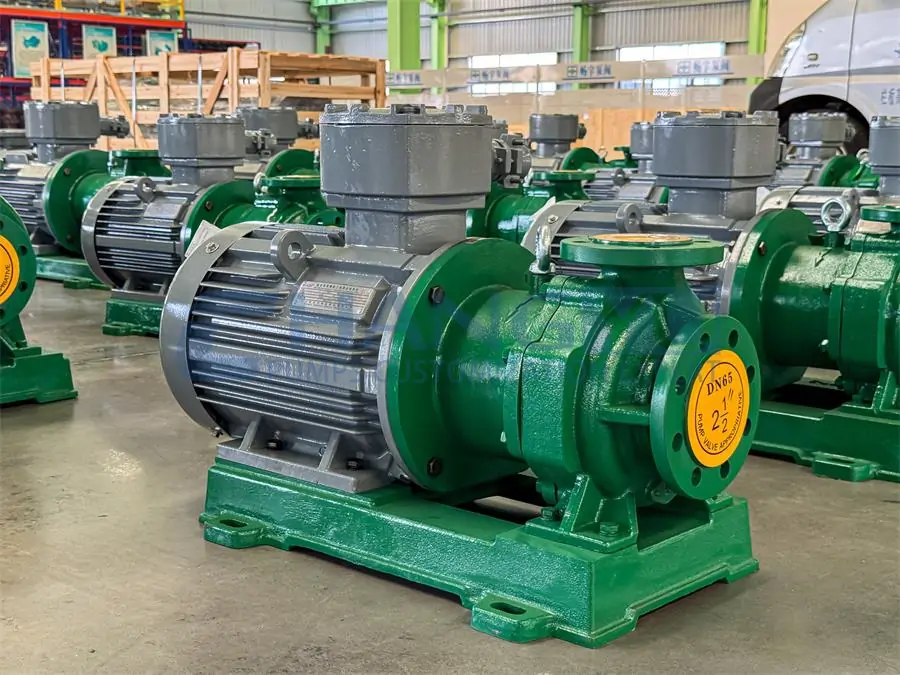
Основные области применения электролитных насосов в производстве
Приготовление и смешивание электролитов. Концентрированная серная кислота (98%) разбавляется примерно до 30-37% для заливки свинцово-кислотных аккумуляторов. Для этого процесса требуются насосы, способные выдерживать тепло, выделяемое при разбавлении, выдерживать весь диапазон концентраций кислоты и обеспечивать постоянный поток в смесительные баки. Важное замечание по безопасности: при разбавлении серной кислоты 98% выделяется значительное количество тепла; температура кислоты во время смешивания может кратковременно подниматься на 30-50°C выше нормальной. Материалы, из которых изготовлен насос, должны выдерживать такие температурные перепады. Центробежные насосы с облицовкой из ПВДФ или насосы с магнитным приводом являются стандартными для этой работы.
Точная заправка аккумуляторов. При сборке аккумулятора необходимо дозировать кислоту в отдельные элементы в контролируемых объемах с высокой повторяемостью. Эту функцию выполняют насосы AODD или небольшие насосы с магнитным приводом и возможностью дозирования. При производстве литий-ионных аккумуляторов требуется точность заполнения электролитом в пределах ±1% от заданного объема для обеспечения однородности и безопасности ячеек. Такой точности достигают насосы с магнитным приводом и регулируемой скоростью вращения или специальные дозирующие насосы. Заливка производится в сухих помещениях с уровнем влажности ниже 1% относительной влажности - материалы насоса не должны выделять газ или загрязняться.
Формирование и отделка. После заливки свинцово-кислотные батареи проходят процесс пластовой зарядки, во время которого температура кислоты может повышаться. Циркуляционные насосы в линиях формирования должны постоянно работать с теплой кислотой (до 60°C). Насосы с футеровкой из ПВДФ или ПФА обеспечивают термическую и химическую стабильность, необходимую для такой работы.
Восстановление и переработка кислот. Регенерация отработанной аккумуляторной кислоты предполагает перекачивание серной кислоты, которая может содержать частицы сульфата свинца, осадок и металлические загрязнения. Полупогружные насосы с футеровкой из UHMW-PE или насосы AODD с абразивостойкими диафрагмами справляются с этой смешанной коррозионно-абразивной задачей. Регенерированная кислота фильтруется, обрабатывается и возвращается в процесс.
Как выбрать кислотный насос для аккумулятора
Структурированный подход, учитывающий все характеристики жидкости, имеет решающее значение для выбора насоса, отвечающего требованиям химической стойкости, абсолютной герметичности и стабильности потока. При принятии решения о выборе руководствуйтесь четырьмя критериями.
Шаг 1: Полностью охарактеризуйте кислоту. Концентрация, температура, включая технологические отклонения и скачки, связанные с разбавлением, удельный вес (1,84 для 98% H₂SO₄), вязкость при рабочей температуре, наличие твердых частиц или склонность к кристаллизации, а также давление паров должны быть задокументированы. Насос, перекачивающий серную кислоту 30% при температуре окружающей среды, может потребовать полной модернизации материала, если в дальнейшем на этой же линии будет перерабатываться кислота 98% при повышенной температуре. Высокий удельный вес концентрированной кислоты должен быть учтен при выборе двигателя.
Шаг 2: Определите требуемый расход и напор. Рассчитайте требуемую скорость перекачки и общий динамический напор с учетом статического подъема из резервуаров или отстойников и потерь на трение в трубопроводе. Для дозирования укажите требуемую точность и повторяемость (±1% для заполнения литиевым электролитом).
Шаг 3: Подберите материалы для носителя при его максимальной рабочей температуре. Убедитесь, что все смачиваемые компоненты - корпус, рабочее колесо, вал, уплотнительные кольца, прокладки - совместимы при любых условиях эксплуатации, включая температурные перепады. ПП и ПВДФ хорошо подходят для большинства концентраций серной кислоты при умеренных температурах; ПТФЭ и ПФА расширяют температурный диапазон. Для литий-ионных электролитов используйте уплотнительные кольца из FFKM, чтобы предотвратить разбухание от органических карбонатов.
Шаг 4: Выберите принцип локализации в зависимости от уровня опасности. При работе с концентрированными кислотами, летучими электролитами или опасными химическими веществами предпочтение следует отдавать насосам с магнитным приводом или бессальниковым насосам AODD. Двойные механические уплотнения с барьерной жидкостью являются альтернативой механически герметичным насосам в опасных условиях эксплуатации, но усложняют конструкцию и повышают требования к текущему обслуживанию. Если допускается незначительная утечка, а перекачиваемая среда не является опасной, экономически эффективным вариантом являются центробежные насосы с механическим уплотнением с фторопластовой футеровкой.
Протоколы обслуживания и безопасности кислотно-аккумуляторных насосов
Безопасность и нормативные требования. Перед началом технического обслуживания аккумуляторный кислотный насос, Насос необходимо изолировать от процесса, слить всю кислоту и тщательно промыть чистой водой, пока pH промывочной воды не станет нейтральным. Обслуживающий персонал должен носить кислотостойкие перчатки, защитные щитки и защитные фартуки. Станция аварийного промывания глаз и душ безопасности должны быть доступны в пределах 10 секунд от места расположения насоса (согласно ANSI/ISEA Z358.1).
При производстве литий-ионных аккумуляторов предъявляется дополнительное критическое требование: зона насосов обычно классифицируется как опасная зона 1 или 2 из-за наличия в электролите легковоспламеняющихся органических растворителей. Двигатели насосов должны иметь сертификацию ATEX (ЕС) или IECEx (мировая), соответствующую классификации зоны. Перед закупкой необходимо подтвердить требуемый класс взрывозащиты с помощью чертежа классификации опасных зон объекта.
Обычная проверка. Ежедневные проверки включают в себя контроль тока двигателя (или температуры магнитной муфты для насосов с магнитным приводом), проверку на наличие необычной вибрации или шума, а также проверку отсутствия видимых утечек кислоты через уплотнения или прокладки. Еженедельные проверки включают температуру подшипников и состояние смазки. Ежемесячные проверки включают измерение зазора между крыльчаткой и корпусом и осмотр уплотнительных колец и прокладок на предмет признаков химического воздействия.
Общие сигналы о неисправностях. Постепенное снижение расхода или давления обычно указывает на износ рабочего колеса или внутреннюю рециркуляцию из-за чрезмерных зазоров. Внезапная вибрация или шум указывают на кавитацию или накопление твердых частиц на рабочем колесе. Видимые утечки через уплотнения требуют немедленного расследования - утечки кислоты быстро увеличиваются. Для насосов с магнитным приводом повышение температуры муфты указывает на сухой ход или накопление твердых частиц.
Реагирование на разлив. Пролитую аккумуляторную кислоту необходимо немедленно ликвидировать с помощью совместимых абсорбирующих материалов. Никогда не используйте воду непосредственно на пролитую концентрированную кислоту - это приводит к выделению тепла и распространению кислоты. Нейтрализуйте ее кальцинированной содой или известняком, затем соберите остатки для утилизации в соответствии с местными экологическими нормами.
Насосные решения Changyu для аккумуляторной кислоты
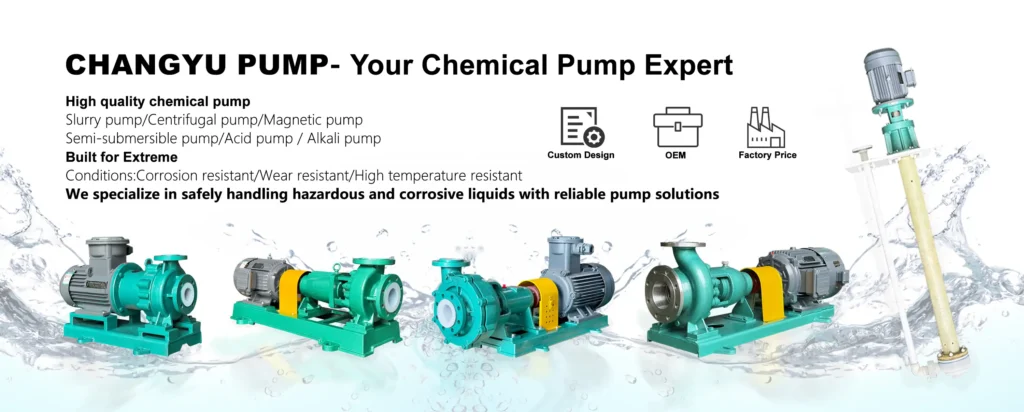
Компания Changyu Pump предлагает несколько платформ насосов, предназначенных для работы с аккумуляторными кислотами, каждая из которых соответствует конкретным технологическим задачам.
Химический насос с магнитным приводом серии CYQ
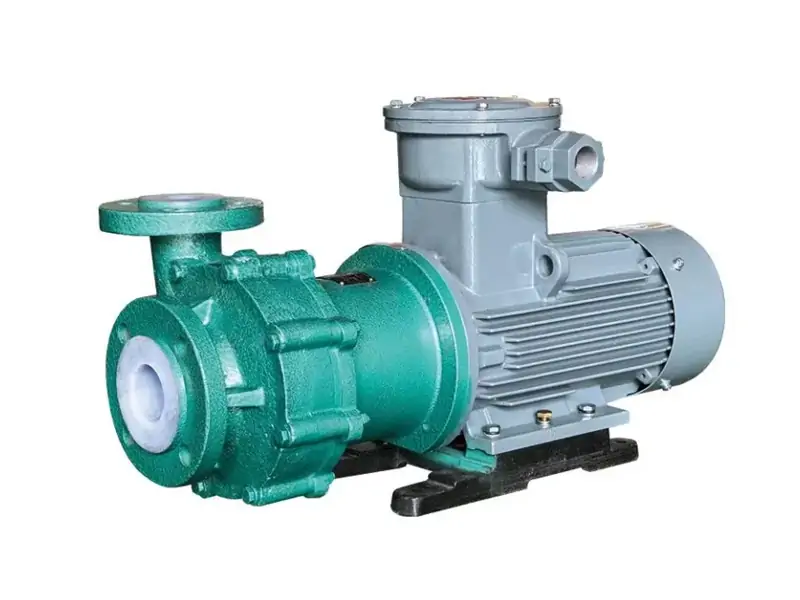
Серия CYQ обеспечивает герметичную передачу концентрированной серной кислоты, электролита литиевых батарей и других агрессивных химикатов без утечек. Ротор с редкоземельными магнитами NdFeB (35-45 МгОэ) передает крутящий момент через статический изоляционный кожух, облицованный FEP, PFA или PTFE-полностью исключает механическое уплотнение. Эта высокопрочная магнитная муфта специально разработана для работы с крутящим моментом в жидкостях с высокой удельной гравитацией, таких как серная кислота 98% (SG 1.84). Стационарная изолирующая муфта рассчитана на давление 1,6 МПа. Расход достигает 800 м³/ч, напор до 125 м, а температура от -20°C до 180°C.
Основные характеристики: Расход 3-800 м³/ч | Напор 15-125 м | Мощность 2,2-110 кВт | Скорость 2 950 об/мин | Температура -20°C - 180°C
Полупогружной насос из фторопласта серии FYH
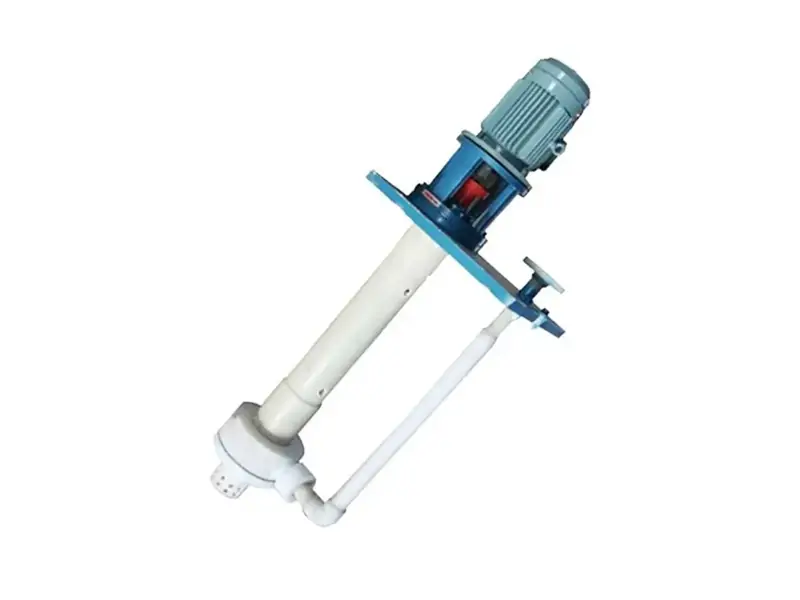
Серия FYH предназначена для установки в глубоких резервуарах для хранения серной кислоты, емкостях для хранения электролита и кислотных отстойниках. Все смачиваемые компоненты изготовлены из FEP или UHMW-PE, Устойчив к воздействию сильных кислот, щелочей, органических растворителей и окислителей. Вертикальная конструкция располагает двигатель над крышкой резервуара, исключая погружение подшипников и уплотнений. Насос стабильно работает при перепадах температур от -20°C до 90°C.
Основные характеристики: Расход 5-400 м³/ч | Напор 5-50 м | Мощность 0,75-90 кВт | Скорость 968-3,450 об/мин | Температура -20°C - 90°C
Двухдиафрагменный насос с пневматическим управлением серии BFQ

Серия BFQ предназначена для периодической перекачки кислоты, опорожнения бочек, аварийного обезвоживания и ликвидации разливов на аккумуляторных заводах. Работающие исключительно на сжатом воздухе, они по своей сути являются герметичными, самовсасывающими до высоты всасывания 7,6 м и могут работать всухую без повреждений. Материалы корпуса охватывают литая сталь, ковкий чугун, алюминиевый сплав, полипропилен, нержавеющая сталь и PVDF-позволяет точно подобрать материал для конкретной химии кислоты.
Основные характеристики: Расход до 1 041 л/мин | Рабочее давление 0,84 МПа | Высота всасывания 7,6 м | Проход для твердых частиц 9,4 мм
Часто задаваемые вопросы
Q1: Какой тип насоса лучше всего подходит для концентрированной серной кислоты на аккумуляторных заводах?
A: Для 98% концентрированная серная кислота (SG 1.84), насосы с магнитным приводом с смачиваемыми компонентами, облицованными ПВДФ или ПФА, и роторами с редкоземельными магнитами обеспечивают герметичность и отсутствие утечек. Магнитная муфта должна быть специально рассчитана на работу в условиях высокой удельной гравитации, чтобы предотвратить размагничивание. Для перекачки бочек меньшего объема портативным вариантом являются электрические бочковые насосы PP.
Вопрос 2: Может ли стандартный центробежный насос работать с аккумуляторной кислотой?
О: Только если все смачиваемые компоненты - корпус, рабочее колесо, уплотнения, уплотнительные кольца - проверены на совместимость с конкретной кислотой при ее рабочей температуре. Стандартные центробежные насосы с корпусом из нержавеющей стали 316L быстро выходят из строя в серной кислоте с концентрацией выше примерно 15%. Для такой работы требуются центробежные насосы с фторопластовой облицовкой и механическими уплотнениями.
Вопрос 3: Какие материалы совместимы с электролитом литий-ионных батарей?
A: Литий-ионный электролит (LiPF₆ в органических карбонатах) требования ПФА или ЭТФЭ смачиваемые компоненты в конфигурации бессальникового магнитного привода. Электролит чувствителен к влаге и образует плавиковую кислоту (HF) при контакте с водой в результате многоступенчатого гидролиза. Для уплотнительных колец стандартно используется FFKM (перфторэластомер); стандартный FKM (Viton) набухает в карбонатных растворителях и теряет целостность уплотнения. Металлические материалы, включая нержавеющую сталь, как правило, непригодны.
Вопрос 4: Почему для аккумуляторной кислоты предпочтительнее использовать насос с магнитным приводом, а не насос с механическим уплотнением?
A: A магнитный привод насоса исключает механическое уплотнение - наиболее распространенный путь утечки и место отказа при работе с кислотами. Конструкция без уплотнений обеспечивает нулевую утечку, не требует промывки уплотнений водой и исключает текущие эксплуатационные расходы на замену уплотнений. Для опасных кислот и электролитов такой подход к герметизации снижает как риск безопасности, так и эксплуатационные расходы на протяжении всего срока службы.
Q5: Как выбрать правильную толщину футеровки для насоса с фторопластовой футеровкой?
О: Для стандартного перекачивания серной кислоты при температуре ниже 80°C достаточно футеровки из PTFE или FEP толщиной 8-12 мм. Для концентрированной кислоты при повышенных температурах или для проникающих сред, таких как HCl, следует использовать футеровку из PFA толщиной не менее 15-20 мм, чтобы предотвратить коррозию стального корпуса с обратной стороны, вызванную прониканием.
Q6: Какое обслуживание требуется для аккумуляторных кислотных насосов?
A: Ежедневно: контролируйте ток двигателя и проверяйте наличие видимых утечек. Еженедельно: проверяйте температуру подшипников и смазку. Ежемесячно: измеряйте зазор в крыльчатке, проверяйте уплотнительные кольца и прокладки. Ежеквартально: полный осмотр мокрой части. Ежегодно: полная разборка и замена всех изнашивающихся компонентов. Перед разборкой насосы необходимо осушить, промыть и убедиться в нейтральности рН.
Q7: Может ли насос AODD справиться с перекачкой аккумуляторной кислоты?
О: Да.двухдиафрагменные насосы с пневматическим приводом с корпусом из полипропилена или поливинилденфторида справляются с периодическими работами с аккумуляторной кислотой, включая опорожнение бочек, разгрузку цистерн и устранение разливов. Бессальниковая конструкция, возможность работы всухую и самовсасывание делают их практичными для применения в условиях переменной нагрузки при наличии сжатого воздуха.
Q8: В чем разница между насосом для аккумуляторной кислоты и общим насосом для химических процессов?
A: A аккумуляторный кислотный насос специально разработаны для серной кислоты с концентрацией до 98% и литий-ионных электролитов, причем выбор материалов проверен именно для этих сред. Она учитывает совокупность таких проблем, как высокий удельный вес, склонность к кристаллизации, чувствительность к влаге и вызванное растворителями набухание эластомеров - факторы, которые не могут быть учтены в общей спецификации насосов для химических процессов.
Рекомендации по выбору от инженеров компании Changyu Pump Engineers
- Проверьте совместимость материалов при максимальной температуре процесса, включая температурные скачки, связанные с разбавлением. Скачок температуры на 30-50°C при разбавлении кислотой может привести к быстрому выходу из строя материалов, выбранных только для номинальных условий эксплуатации. Проверьте каждый смачиваемый компонент на соответствие наихудшему температурному и химическому сценарию.
- Для работы с концентрированными кислотами выбирайте бессальниковые насосы с проверенным моментом затяжки магнитной муфты. Для серной кислоты 98% с SG 1,84 стандартная магнитная муфта может размагнититься. Роторы с редкоземельными магнитами NdFeB (35-45 MGOe) обеспечивают необходимый крутящий момент. При больших расходах, когда размер муфты становится нерентабельным, рекомендуется использовать центробежный насос с фторопластовой футеровкой и двойным механическим уплотнением.
- При определении размера двигателя учитывайте удельный вес концентрированной кислоты. 98% серной кислоты с удельным весом 1,84 требует примерно на 80% больше мощности двигателя, чем вода при том же расходе и напоре. Недостаточно мощный двигатель, который срабатывает во время работы, создает угрозу безопасности, когда насос останавливается с кислотой в корпусе.
- Конструкция обеспечивает доступ для обслуживания, соответствие требованиям безопасности и сертификацию в опасных зонах. Обеспечьте достаточное пространство вокруг насоса для его демонтажа и разместите аварийные душевые и станции промывки глаз в пределах 10 секунд (согласно ANSI/ISEA Z358.1). При производстве литий-ионных аккумуляторов проверьте сертификацию электродвигателей по стандартам ATEX или IECEx в соответствии с классификацией опасной зоны объекта.
Заключение
A аккумуляторный кислотный насос определяется спецификой химического состава, с которым он работает - серная кислота с концентрацией от 30% до 98% или растворы литий-ионных электролитов, которые являются коррозионными, чувствительными к влаге и летучими. Выбор подходящего насоса требует систематической проверки совместимости материалов при всех рабочих температурах, включая температурные перепады, выбора принципа защиты, соответствующего уровню опасности, проверки крутящего момента магнитной муфты для жидкостей с высокой удельной гравитацией и расчета общей стоимости владения в течение всего срока службы оборудования. Независимо от того, требуется ли насос с магнитным приводом для перекачки концентрированной кислоты без утечек, фторопластовый полупогружной насос для установки в резервуаре или насос AODD для гибкой периодической работы, применяется одна и та же структурированная методология: полная характеристика кислоты, подбор материалов, проверка крутящего момента магнитного привода для тяжелых жидкостей, выбор защитной оболочки и обеспечение безопасности и соответствия опасной зоне.
Связаться с Чанъюй Насос с параметрами вашей аккумуляторной кислоты и требованиями к процессу. Наша команда инженеров предоставит подробные рекомендации по насосам и коммерческое предложение.