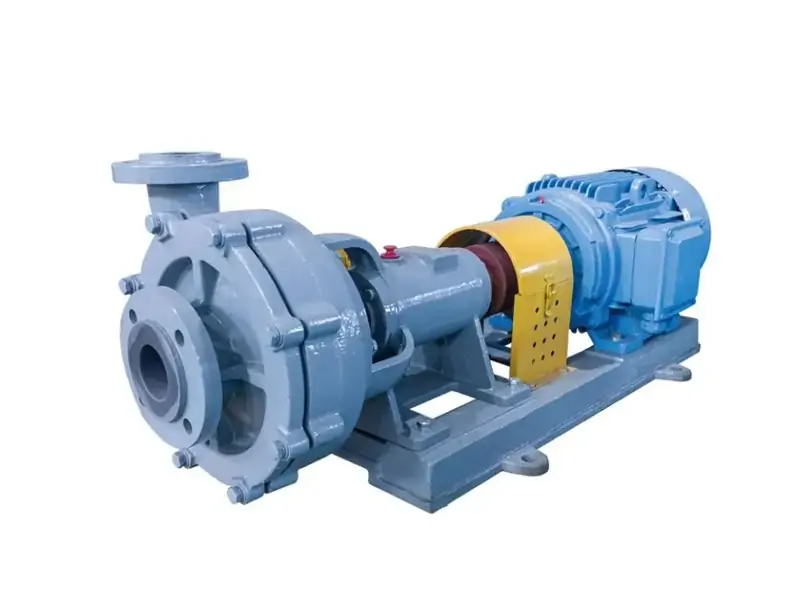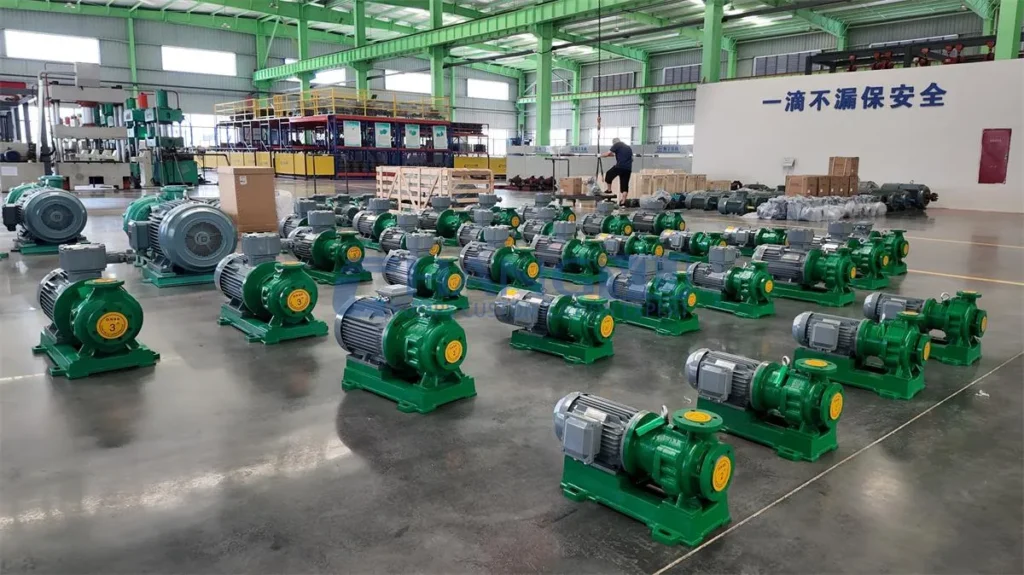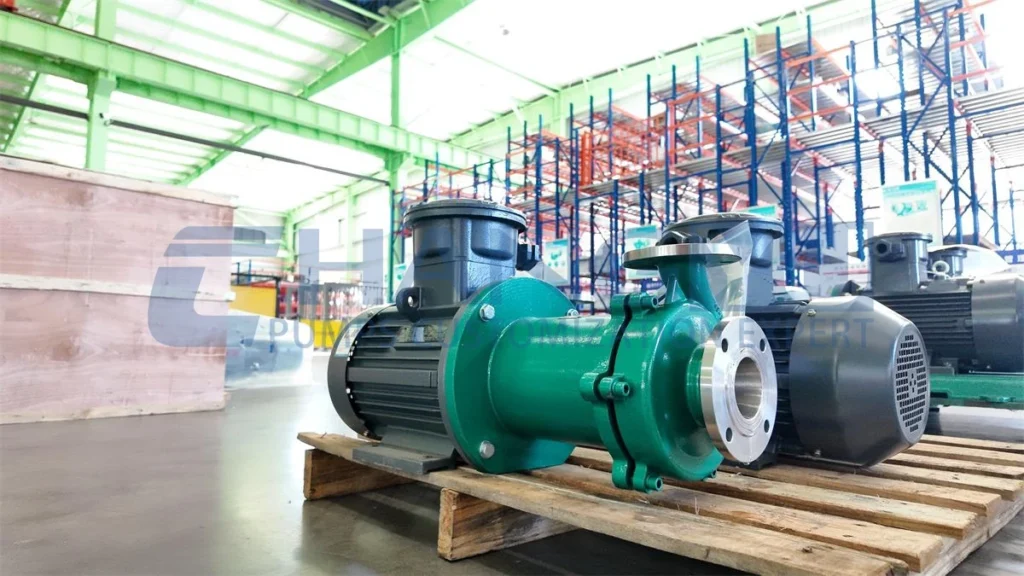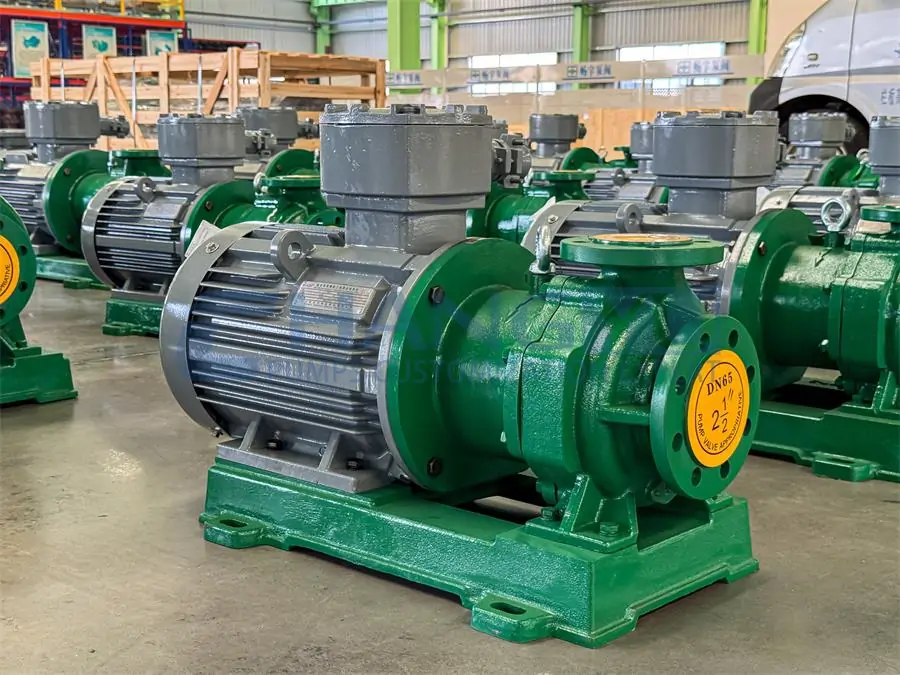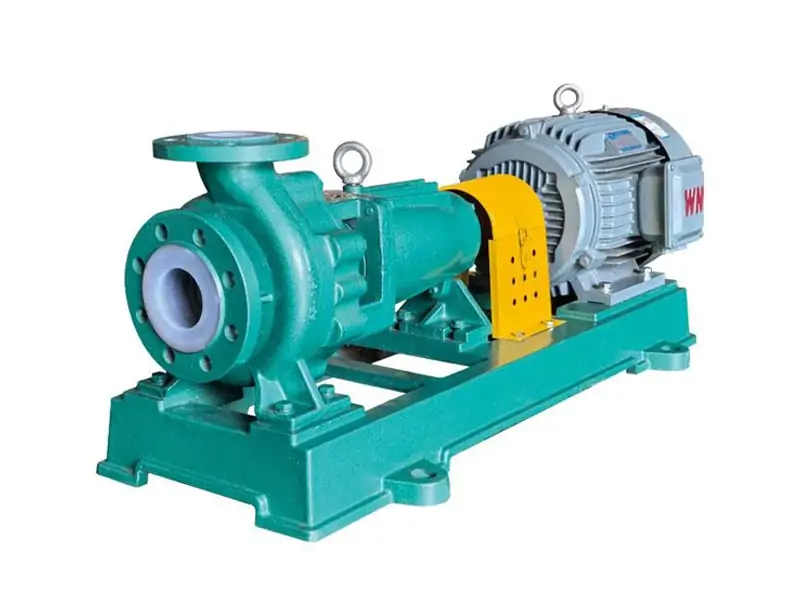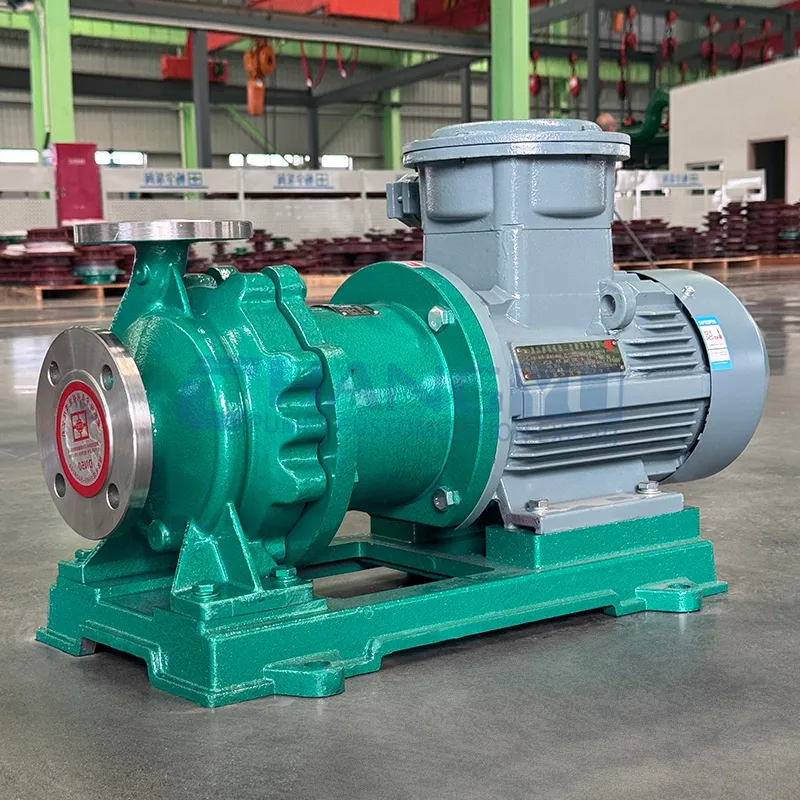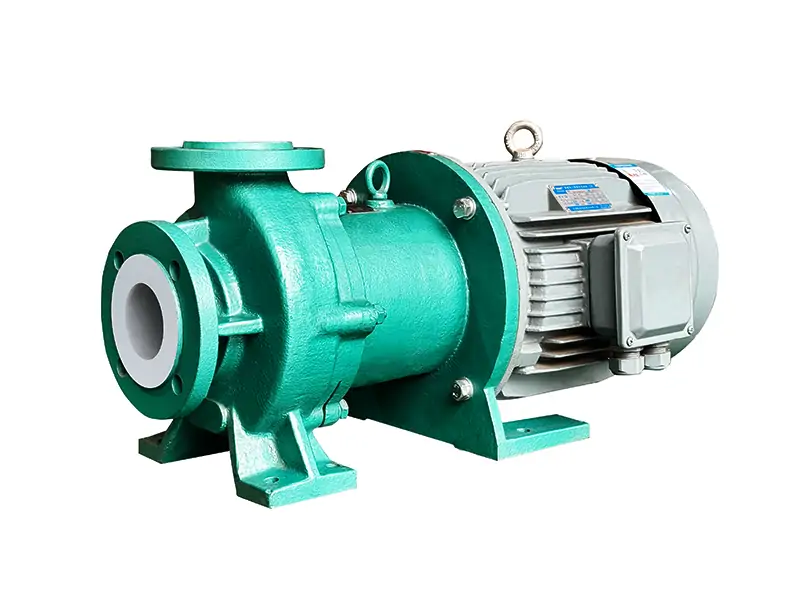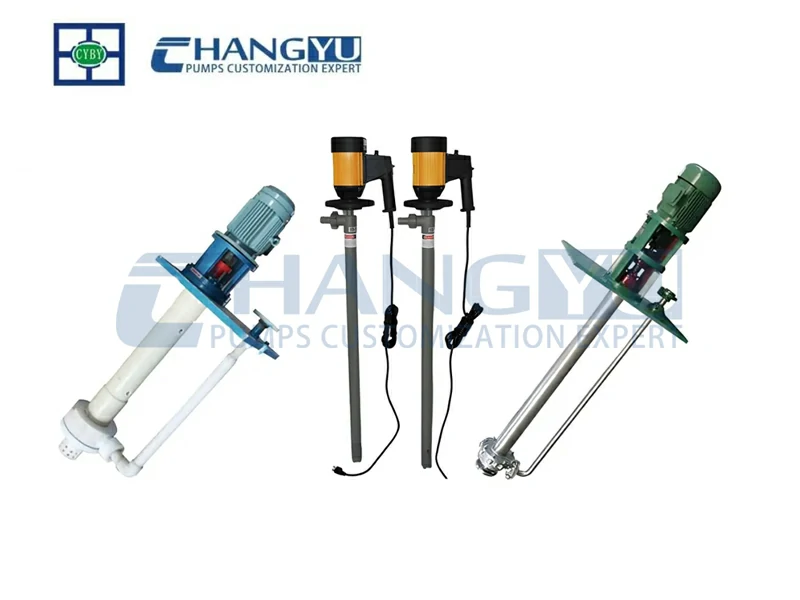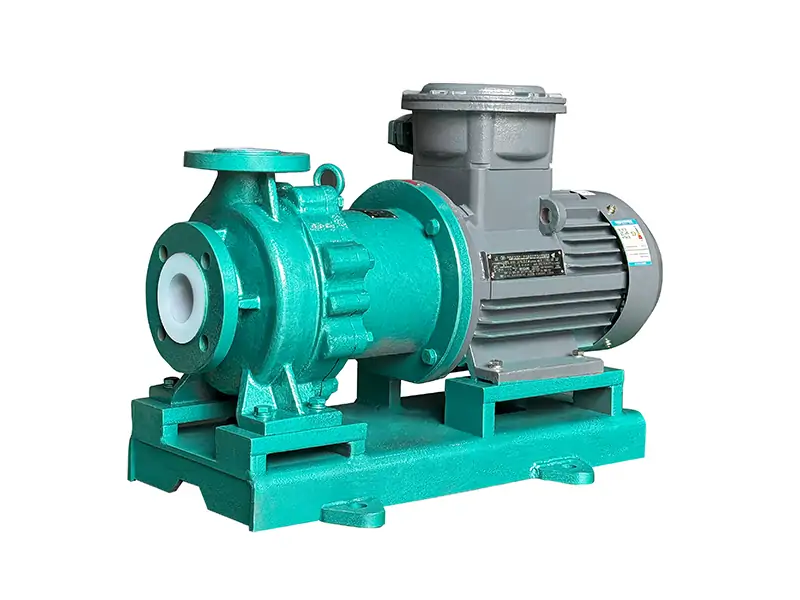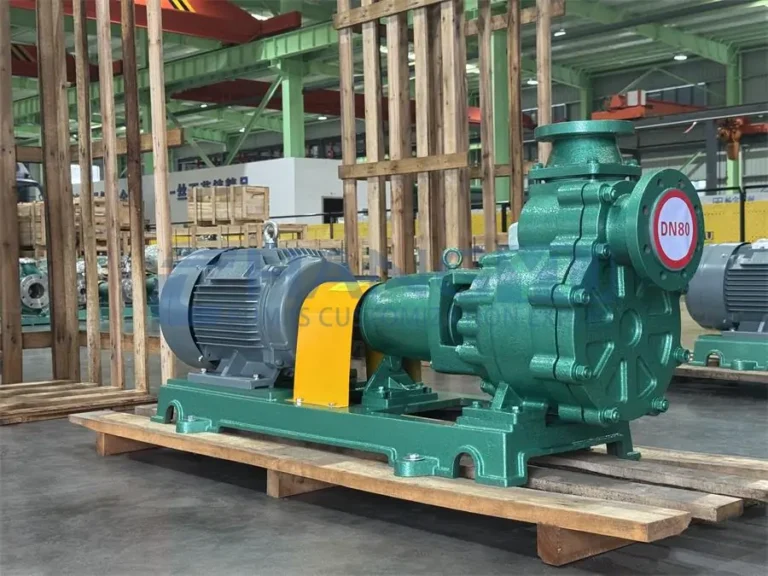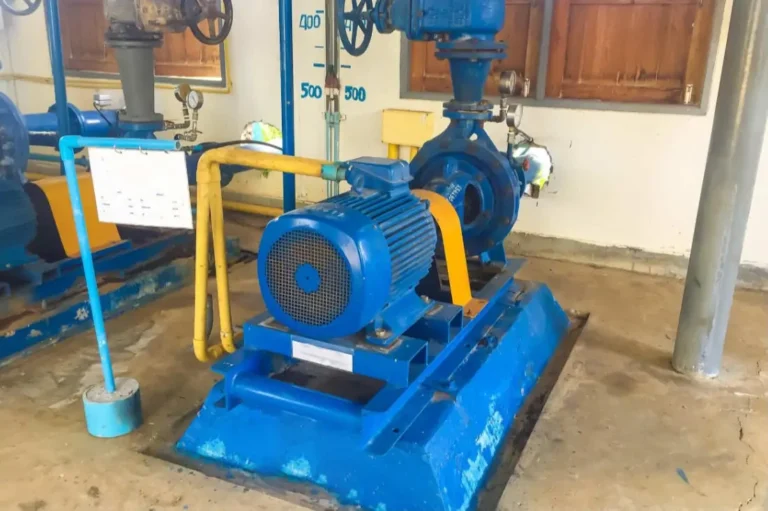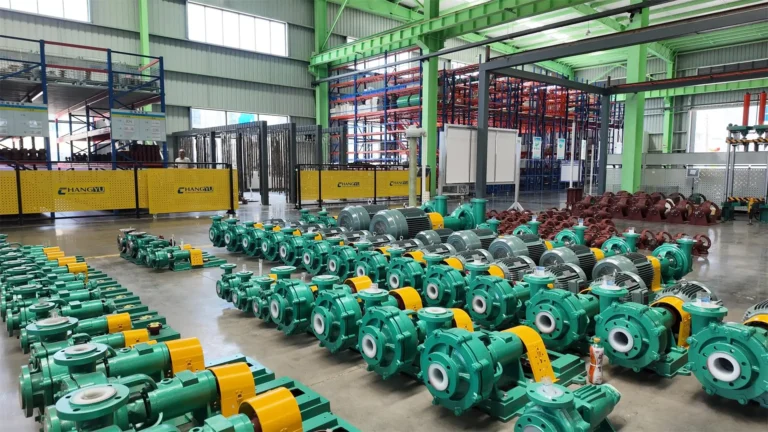
The core difference between a self priming chemical pump and a chemical центробежный насос lies in their self-priming ability. This directly affects start-up methods, structural design, and suitable applications. In chemical production, acid and alkali transfer, and industrial wastewater treatment, both types are widely used.
Many engineers and procurement professionals often face this question:
Should you choose a standard chemical centrifugal pump or a Self Priming Chemical Pump with automatic suction capability?
Below, we explain the main differences in terms of working principle, structure, start-up method, and application scenarios to help users select the most suitable chemical pump for their projects.
Self Priming Chemical Pump vs Chemical Centrifugal Pump: Working Principle
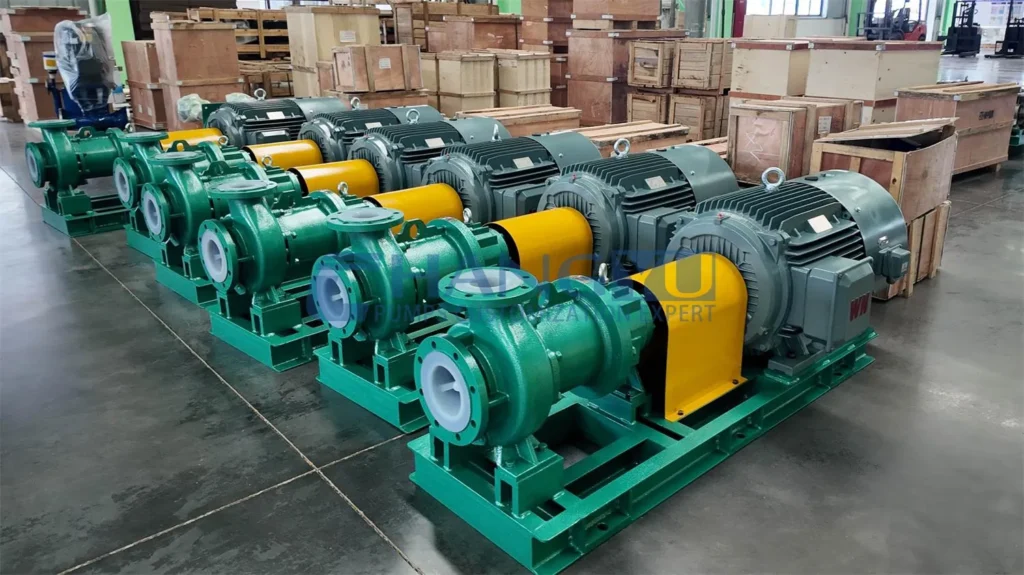
Chemical Centrifugal Pump:
It relies on the centrifugal force generated by the high-speed rotation of the impeller to move the liquid and create suction. The pump and suction pipe must be fully primed with liquid before starting; otherwise, the vacuum cannot form, and the pump cannot draw liquid. Many installations require a foot valve or vacuum device.
Self Priming Chemical Pump:
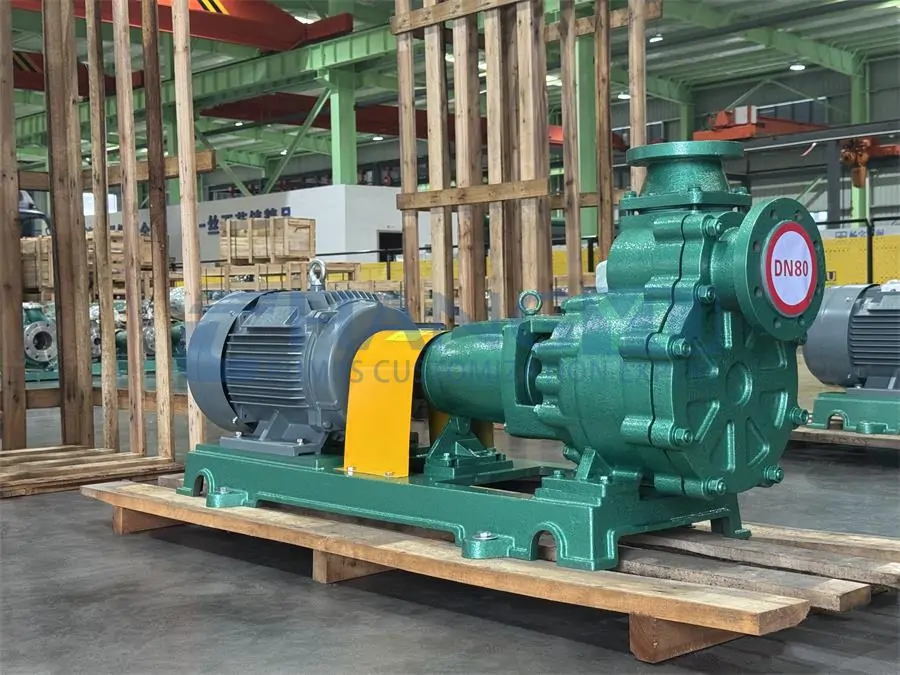
A self-priming chemical pump combines centrifugal pump principles with a self-priming structure (such as an air-liquid separation chamber and liquid storage chamber). Before the first start, only a small amount of liquid is needed in the pump. The rotating impeller mixes air and liquid, gradually forming a vacuum to draw liquid automatically. After the first start, subsequent operations usually do not require re-priming.
In scenarios requiring frequent start-stop cycles or poor suction conditions, a Self-Priming Chemical Pump is more convenient and reliable than a standard centrifugal pump.
Self Priming Chemical Pump vs Chemical Centrifugal Pump: Structure Differences
Chemical Centrifugal Pump:
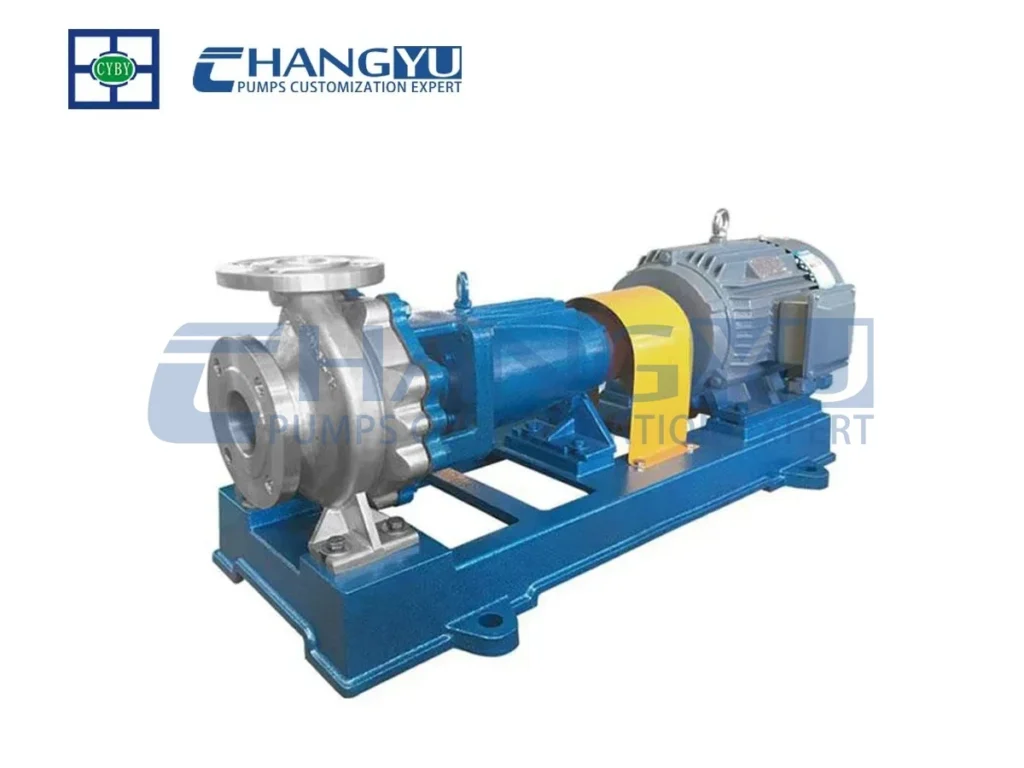
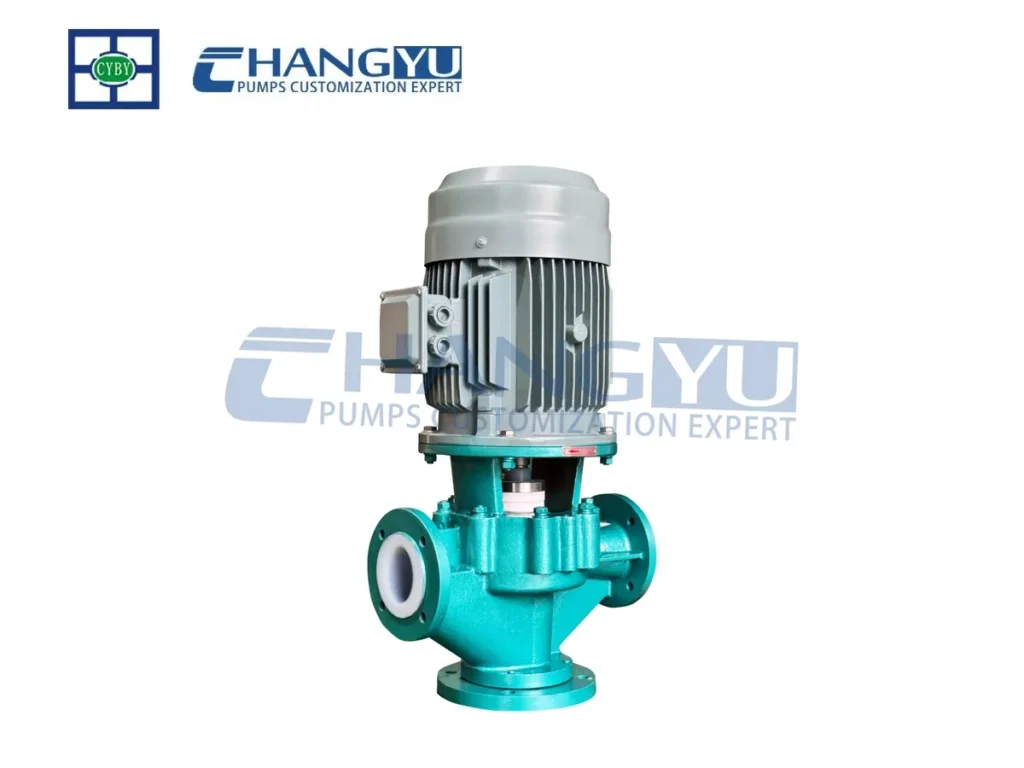
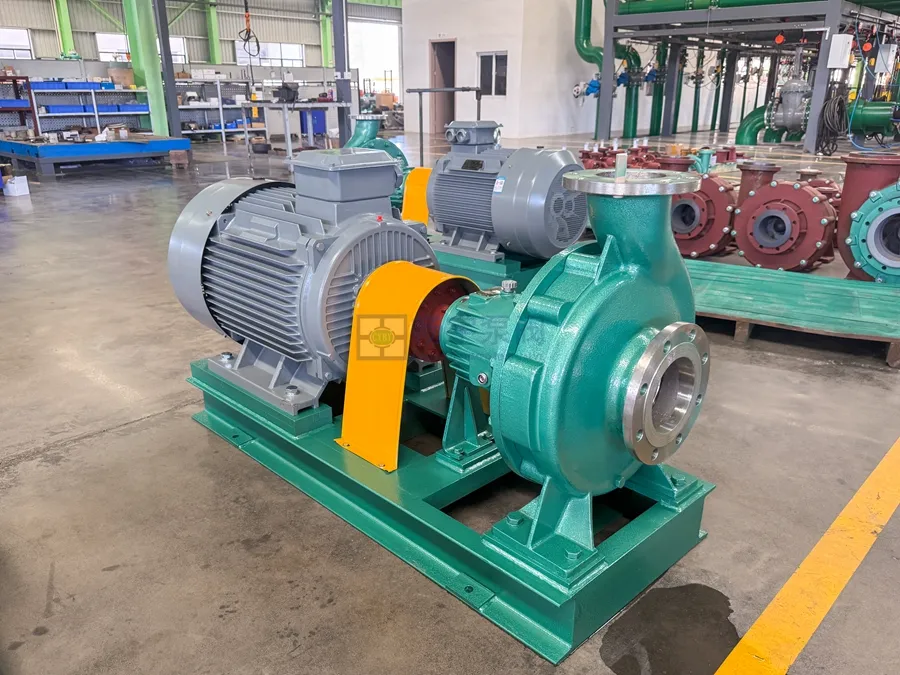
A relatively simple structure, mainly consisting of:
- Рабочее колесо
- Pump casing
- Shaft seal system
Its simplicity allows high efficiency and easier maintenance.
Self Priming Chemical Pump:
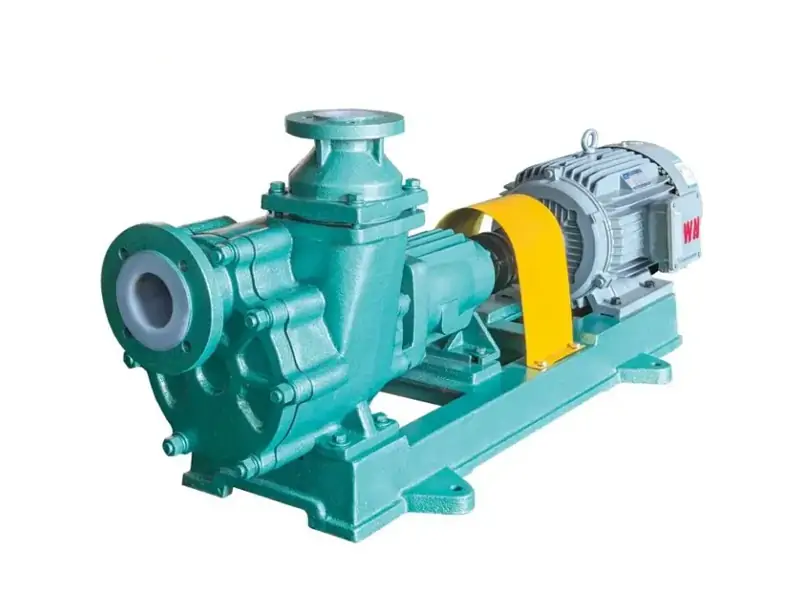
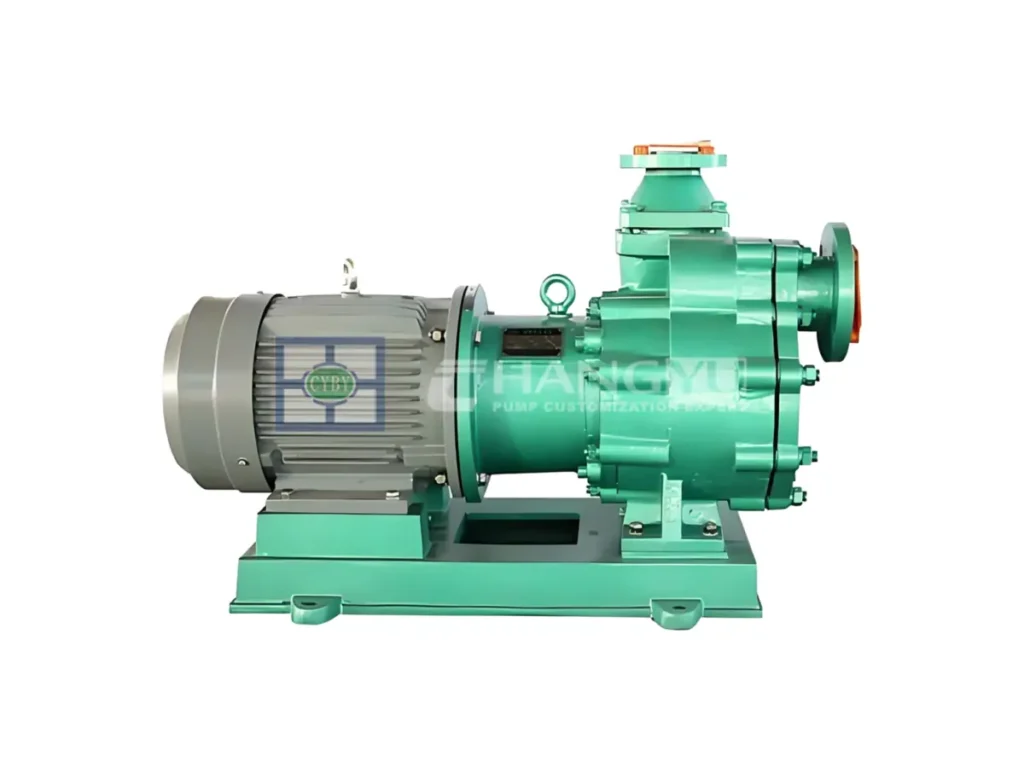
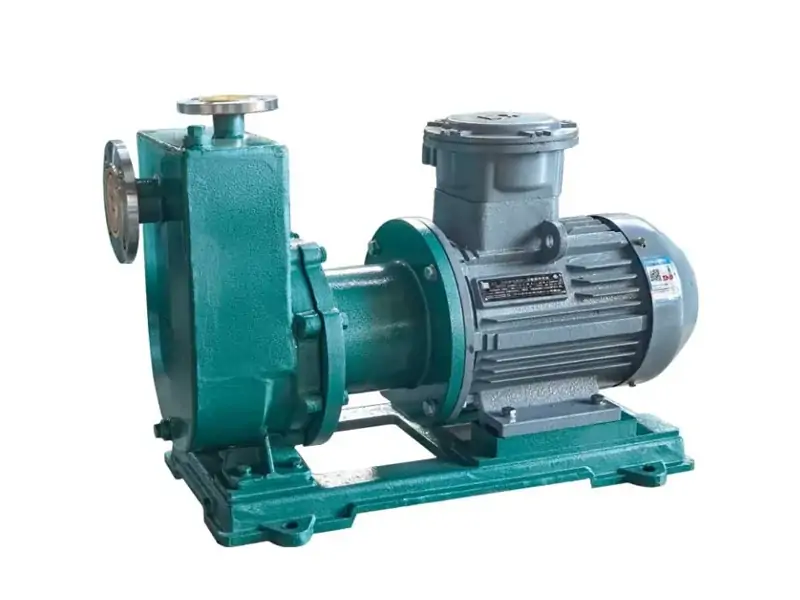
To achieve automatic suction, self-priming pumps include special structures such as:
- Air-liquid separation chamber (for air removal)
- Liquid storage chamber (for initial priming)
- Recirculation holes (for liquid flow)
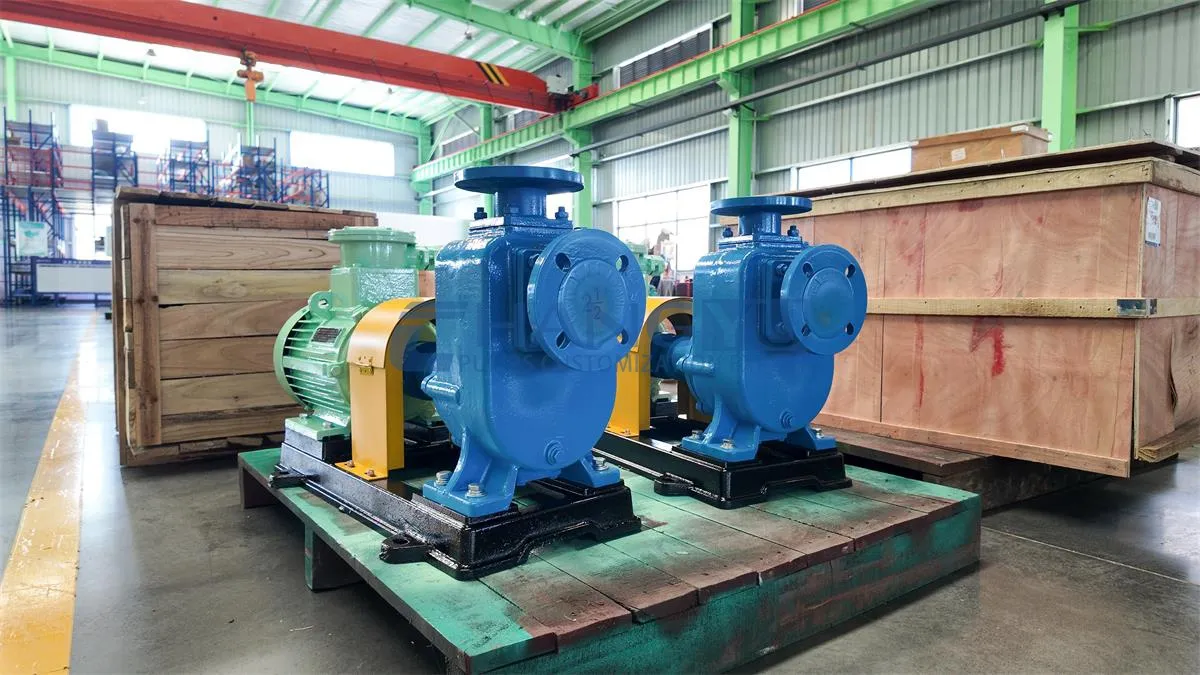
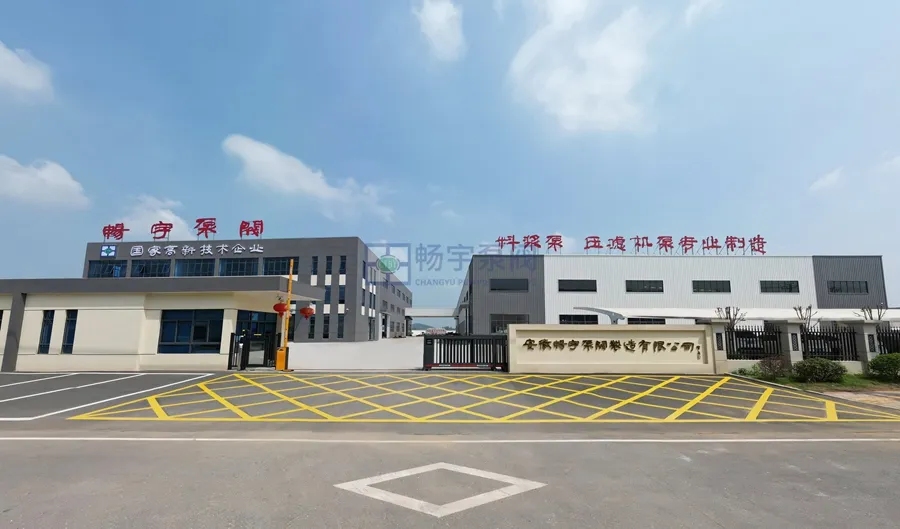
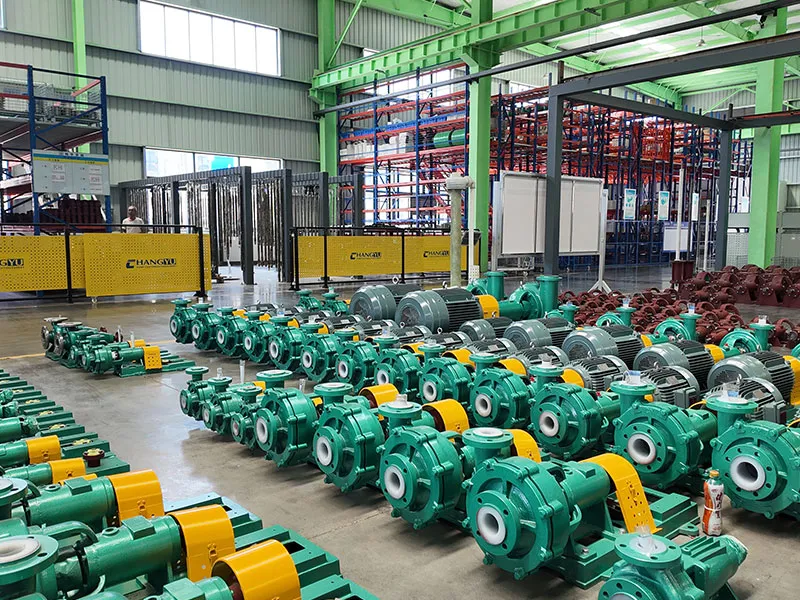
Some self-priming pumps have larger or even square-shaped casings to store liquid during start-up and improve gas separation. Manufacturers like Насос Чанъюй often optimize these structures based on fluid corrosion and operating conditions to improve stability and service life.
Start-Up Method
Chemical Centrifugal Pump:
Each start typically requires:
- Manual priming
- Foot valves to maintain a liquid-filled suction line
- Vacuum devices for air removal
If air is present, the pump may fail to draw liquid or run dry, causing damage.

Self-Priming Chemical Pump:
A Self Priming Chemical Pump usually only requires priming for the first start. Subsequent operation automatically draws liquid, making it more convenient for applications with frequent start-stop cycles.
Suitable Applications
Chemical Centrifugal Pump:
- Clean, low-viscosity liquids
- Chemical solutions or process liquids
- Suction liquid level higher than pump
With high efficiency (often above 70%), centrifugal pumps are widely used in high-flow and high-head systems.
Self Priming Chemical Pump:
- Liquids containing gas
- Liquids with small solid particles
- Suction level below pump
Examples:
- Chemical tank suction
- Wastewater treatment systems
- Gas-containing chemical materials
In these conditions, a Self Priming Chemical Pump can operate stably under low liquid levels.


Key Performance Comparison
| Parameter | Химический центробежный насос | Self Priming Chemical Pump |
|---|---|---|
| Suction Lift | Usually 3–4 m (requires priming) | Up to 6–10 m |
| Start-Up Condition | Requires priming or vacuum | Auto-priming after first start |
| Media Compatibility | Clean, low-viscosity liquids | Gas-containing, solids, or viscous liquids |
| Эффективность | Higher (usually >70%) | Moderate (30%–50%) |
Overall, chemical centrifugal pumps excel in efficiency, while Self Priming Chemical Pumps are more convenient to operate.
Заключение
In chemical fluid transfer systems, both Self Priming Chemical Pump and chemical centrifugal pumps are common.
Choose a Chemical Centrifugal Pump if:
- Liquid is clean
- Suction conditions are stable
- Liquid level is above the pump
- High operational efficiency is required
Choose a Self Priming Chemical Pump if:
- Liquid contains gas
- Suction level is below the pump
- Frequent start-stop cycles are required
- On-site priming is inconvenient
Regardless of pump type, when handling acids, alkalis, or other corrosive chemicals, choose suitable materials such as stainless steel or fluoroplastic-lined structures. Manufacturers like Changyu Pump offer multiple corrosion-resistant options to meet different chemical applications.



If you are unsure which pump to choose, contact us today—our professional team can provide the right solution for your project.
Электронная почта: jade@changyupump.com
Phone: +86-13651913727