
Краткий ответ
A центробежный насос из нержавеющей стали представляет собой коррозионностойкий насос, использующий вращающееся рабочее колесо для перемещения жидкостей, при этом все смачиваемые компоненты изготовлены из нержавеющей стали, а не из чугуна или пластика. Он выбирается, когда перекачиваемая жидкость является агрессивной, требует высокой чистоты или должна соответствовать санитарным нормам. Ключевые факторы выбора:
- Химический состав жидкости определяет пригодность: Центробежные насосы из нержавеющей стали работают с кислотами, щелочами, растворителями, соленой водой, пищевыми продуктами и фармацевтическими полупродуктами — жидкостями, которые разрушили бы стандартные чугунные насосы за считанные дни или недели.
- Область применения диктует конструкцию: Для общего химического переноса используются стандартные насосы из нержавеющей стали. Производство продуктов питания, напитков и фармацевтических препаратов требует санитарного исполнения с полированными поверхностями, конструкцией, совместимой с CIP, и материалами, соответствующими требованиям FDA.
- Выбор уплотнения предотвращает утечки: Стандартные механические уплотнения подходят для многих применений. Сдвоенные механические уплотнения или бессальниковые конструкции с магнитным приводом выбираются для опасных, легковоспламеняющихся или экологически регулируемых жидкостей, где утечка недопустима.
- Проверка материала защищает инвестиции: Не вся нержавеющая сталь одинакова. Проверка сертификатов материалов и проведение PMI-тестирования гарантирует, что насос соответствует указанной марке.
Выбор насоса для агрессивных или гигиенических жидкостей принципиально отличается от выбора насоса для воды или масла. Неправильный выбор материала не просто снижает эффективность — он вызывает коррозию, загрязнение и преждевременный выход из строя. Насос, указанный как “из нержавеющей стали” без определения марки, качества обработки поверхности и типа уплотнения, может выйти из строя в течение нескольких месяцев после установки.
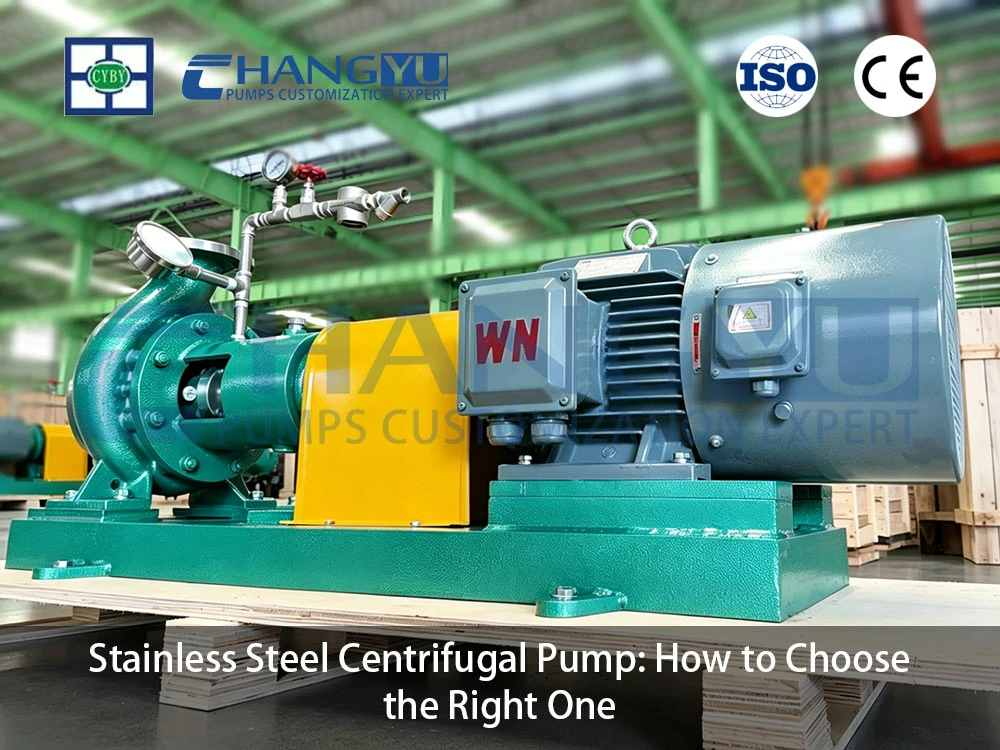
Прочитав это руководство, вы поймете, чем центробежный насос из нержавеющей стали отличается от стандартных аналогов, в каких областях применения требуется конструкция из нержавеющей стали, как выбрать правильную конфигурацию насоса для вашего процесса, какие санитарные нормы применяются к производству продуктов питания и фармацевтических препаратов, а также как проверить, что указанная вами нержавеющая сталь является полученным материалом. Имея более чем 20-летний опыт производства насосов, компания Changyu Pump представляет это структурированное руководство по выбору, которое поможет вам с самого начала правильно подобрать центробежный насос из нержавеющей стали.
Что такое центробежный насос из нержавеющей стали?
A центробежный насос перемещает жидкость, преобразуя кинетическую энергию вращения рабочего колеса в скорость и давление жидкости. Центробежный насос из нержавеющей стали использует нержавеющую сталь для всех смачиваемых компонентов — корпуса, рабочего колеса, вала и корпуса уплотнения — вместо чугуна, бронзы или пластика, используемых в стандартных насосах.
Центробежный насос из нержавеющей стали и чугуна
Разница в материалах определяет область применения. Чугун является стандартным материалом для воды, топочного мазута и промышленных жидкостей с нейтральным pH. Он экономичен и долговечен в пределах своих химических ограничений. Но чугун быстро корродирует в кислых средах, не может использоваться в производстве продуктов питания или фармацевтических препаратов и со временем ржавеет в присутствии воды и кислорода.
Нержавеющая сталь расширяет возможности центробежных насосов в широком диапазоне химических и гигиенических сред. Хром в нержавеющей стали образует на поверхности пассивный оксидный слой, который устойчив к коррозии под воздействием кислот, щелочей и солевых растворов. Этот же пассивный слой при полировке создает гладкую, непористую поверхность, на которой не могут размножаться бактерии, что делает нержавеющую сталь предпочтительным материалом для производства продуктов питания, напитков и фармацевтических препаратов.
| Характеристика | Чугунный центробежный насос | Центробежный насос из нержавеющей стали |
|---|---|---|
| Устойчивость к коррозии | Плохая — корродирует в большинстве кислот (кроме концентрированной серной), морской воде и многих химикатах | Отличная — устойчива к широкому спектру химикатов |
| Качество обработки поверхности | Шероховатая, пористая — ловушка для бактерий | Может быть отполирована до Ra ≤ 0,8 мкм — санитарная |
| Прочность материала | Умеренный | Более высокая прочность на разрыв — возможна более тонкая стенка |
| Диапазон температур | Ограничена уплотнениями и покрытиями | Широкий диапазон — до 165°C стандартно, 320°C со специальными конструкциями |
| Типичное применение | Вода, топочный мазут, нейтральные жидкости | Химикаты, продукты питания, фармацевтика, морская вода, вода высокой чистоты |
| Стоимость | Нижний | Выше — но более длительный срок службы в агрессивных средах |
Где используются центробежные насосы из нержавеющей стали?
Центробежные насосы из нержавеющей стали используются в тех случаях, когда перекачиваемая жидкость воздействует на стандартные материалы или когда чистота продукта имеет решающее значение. Каждая отрасль предъявляет к насосу особые требования.
Химическая обработка
На химических заводах перекачивают кислоты, щелочи, растворители и агрессивные полупродукты, которые разрушили бы чугунные насосы за считанные дни или недели. Насосы из нержавеющей стали устойчивы к этим химикатам и обеспечивают надежность, необходимую для непрерывного производства. Применение включает подачу в реактор, перекачку кислоты, рекуперацию растворителей и нейтрализацию сточных вод. Для опорожнения приямков или резервуаров с агрессивными жидкостями вертикальные погружные насосы исключают необходимость в сальниках ниже уровня жидкости. Выбор уплотнения имеет решающее значение — механические уплотнения с химически стойкими эластомерами для стандартных условий, сдвоенные механические уплотнения для опасных жидкостей и бессальниковые насосы с магнитным приводом для наиболее агрессивных или регулируемых химикатов.
Продукты питания и напитки
Производство продуктов питания требует насосов, которые не корродируют, не выделяют загрязняющих веществ и могут быть тщательно очищены между партиями. Центробежные насосы из нержавеющей стали с полированными поверхностями используются для перекачки растительного масла и сиропа, а также для обработки молочных продуктов, пива и соков. Санитарное исполнение с эластомерами, соответствующими требованиям FDA, бесщелевой конструкцией и совместимостью с CIP (очистка на месте) является стандартным требованием.
Фармацевтика
Фармацевтическое производство предъявляет самые высокие требования к чистоте и возможности очистки. Насосы должны соответствовать санитарным стандартам FDA, 3-A и EHEDG. Чистота обработки поверхности задается на уровне Ra ≤ 0,8 мкм, часто с электрополировкой для максимальной коррозионной стойкости и возможности очистки. Применение включает циркуляцию очищенной воды (PW), перекачку воды для инъекций (WFI) и обработку активных фармацевтических ингредиентов (API).
Очистка воды
Опреснительные установки, системы очистки воды и очистные сооружения используют насосы из нержавеющей стали для потоков с высоким содержанием хлоридов и коррозионно-активной воды. Установки обратного осмоса морской воды (SWRO) требуют насосов, устойчивых к совместному воздействию высокой концентрации хлоридов, растворенного кислорода и эрозионного воздействия взвешенных частиц.
Морское и оффшорное применение
Судовые и оффшорные насосы обрабатывают морскую воду для систем охлаждения, пожаротушения и балластных систем. Морская среда подвергает насосы постоянному воздействию соляного тумана и периодическому погружению. Конструкция из нержавеющей стали противостоит этой коррозии и обеспечивает надежность, необходимую для систем, критически важных для безопасности.
Руководство по подбору насоса под применение
| Приложение | Примеры жидкостей | Ключевое требование к насосу | Рекомендуемая конфигурация |
|---|---|---|---|
| Передача химикатов | Кислоты, щелочи, растворители | Устойчивость к коррозии | Стандартная нержавеющая сталь с механическим уплотнением или магнитным приводом; вертикальный погружной для опорожнения приямков |
| Пищевая переработка | Масла, сиропы, молочные продукты, пиво | Санитарное исполнение, совместимость с CIP | Полированная нержавеющая сталь с санитарным механическим уплотнением |
| Фармацевтика | Очищенная вода, WFI, API | Высочайшая чистота, электрополировка | Электрополированная нержавеющая сталь с бесщелевой конструкцией |
| Водоподготовка | Морская вода, рассол, хлорированная вода | Устойчивость к хлоридному питтингу | Нержавеющая сталь соответствующей марки для уровня хлоридов |
| Морской | Морская вода, трюмная вода | Устойчивость к коррозии от соляного тумана | Нержавеющая сталь с морским уплотнением |
| Высокотемпературные | Горячие масла, теплоносители | Устойчивость к тепловому расширению | Нержавеющая сталь с высокотемпературной компоновкой уплотнения |
Как рассчитать и выбрать центробежный насос из нержавеющей стали
Расчет насоса гарантирует, что насос обеспечивает требуемый расход при сопротивлении системы без избыточного или недостаточного размера. Для коррозионно-активных или опасных жидкостей процесс расчета также учитывает выбор уплотнения и совместимость материалов.
Шаг 1: Определите жидкость.
Полностью охарактеризуйте жидкость: химический состав, концентрация, pH, температура, вязкость, наличие твердых частиц и любые следовые загрязнители. Эта информация определяет совместимость материалов и выбор уплотнения. Жидкость, совместимая с нержавеющей сталью при 20°C, может стать агрессивной при 80°C.
Шаг 2: Рассчитайте расход и напор.
Flow rate is determined by the process requirement — the volume to be transferred divided by available time. Total dynamic head equals static lift plus friction losses in pipes, fittings, and valves. For viscous fluids, apply a viscosity correction factor — friction losses increase with viscosity compared to water. For a more detailed sequence covering flow, total head, suction conditions and layout, see our end suction centrifugal pump selection guide.
Шаг 3: Выберите компоновку уплотнения.
Выбор уплотнения определяется уровнем опасности жидкости и условиями эксплуатации:
- Стандартное одинарное механическое уплотнение: Подходит для неопасных, негорючих жидкостей при умеренных температурах и давлениях. Самый экономичный вариант.
- Двойное механическое уплотнение: Два уплотнения, установленные спина к спине, с циркулирующей между ними барьерной жидкостью под давлением выше, чем у перекачиваемой жидкости. Такая компоновка гарантирует, что любая утечка через внутреннее уплотнение будет барьерной жидкостью в насос, а не технологической жидкостью в атмосферу. Указывается для опасных, горючих или токсичных жидкостей.
- Бессальниковый магнитный привод: Полностью исключает механическое уплотнение, передавая крутящий момент двигателя через герметичную защитную оболочку. Указывается для наиболее агрессивных химикатов, применений с нулевым выбросом и горючих жидкостей, где предотвращение утечек обязательно.
Шаг 4: Проверьте NPSH.
Убедитесь, что доступный кавитационный запас превышает требуемый NPSH насоса с безопасным запасом. Горячие жидкости, летучие растворители и установки на большой высоте увеличивают риск кавитации и требуют больших запасов NPSH.
Шаг 5: Выберите характеристики двигателя.
Согласуйте мощность двигателя с потребляемой мощностью насоса в рабочей точке плюс запас прочности. Для непрерывной работы укажите минимальный коэффициент обслуживания 1,15. Для работы с горючими жидкостями укажите взрывозащищенные двигатели с сертификацией ATEX или IECEx, соответствующей классификации опасной зоны.
Инженеры Changyu Pump рекомендуют: Для опасных химикатов — горючих, токсичных или регулируемых экологически — укажите герметичный насос с магнитным приводом вместо насоса со стандартным механическим уплотнением. Дополнительные затраты на магнитный привод обычно окупаются при первом же предотвращенном отказе уплотнения. Протекающее механическое уплотнение на насосе для кислоты или растворителя — это не проблема технического обслуживания, а инцидент безопасности.
Каковы особые требования к гигиеническим применениям насосов из нержавеющей стали?
Производство продуктов питания, напитков и фармацевтических препаратов предъявляет требования к конструкции насоса, выходящие за рамки выбора материала. Насос должен не только противостоять технологической жидкости, но и быть очищаемым до проверенного стандарта, не иметь щелей, в которых могут размножаться бактерии, и быть изготовленным из материалов, которые не будут вымывать загрязнители в продукт.
Пассивный оксидный слой на нержавеющая сталь поверхностях обеспечивает основу для гигиенической конструкции — при полировке он создает гладкую, непористую поверхность, которая устойчива к адгезии бактерий и выдерживает многократные циклы очистки.
Обзор санитарных стандартов
| Стандарт | Область применения | Ключевые требования к насосам |
|---|---|---|
| FDA → Управление по контролю за продуктами и лекарствами США | Материалы конструкции для контакта с пищевыми продуктами | Все смачиваемые компоненты должны соответствовать требованиям FDA — принимаются марки нержавеющей стали 304 и 316L; эластомеры должны быть пищевого качества |
| 3-A Санитарные стандарты | Конструкция оборудования для молочной и пищевой промышленности | Бесщелевая конструкция, полированные поверхности до Ra ≤ 0,8 мкм, самотечная конструкция — после слива не остается скоплений жидкости, совместимость с CIP без разборки |
| EHEDG | Европейская гигиеническая конструкция оборудования | Аналогично 3-A с дополнительным акцентом на валидацию очищаемости и стерильную конструкцию для асептической обработки |
Ключевые особенности гигиенической конструкции
- Качество поверхности: Смачиваемые поверхности полируются до Ra ≤ 0,8 мкм по стандарту. Электрополировка дополнительно сглаживает поверхность и повышает коррозионную стойкость. Шероховатые поверхности являются средой для размножения бактерий и устойчивы к очистке.
- Бесщелевая конструкция: Все внутренние соединения, седла прокладок и торцы уплотнений должны быть заподлицо и не иметь щелей, где может накапливаться продукт и размножаться бактерии. Санитарные зажимные соединения заменяют резьбовые стыки труб.
- Совместимость с CIP (Clean-in-Place): Насос должен быть очищаемым без разборки. Очищающие растворы циркулируют через насос с заданными расходами, температурами и химическими концентрациями. Корпус насоса должен полностью самотечно дренироваться — после очистки не должно оставаться скоплений жидкости.
- Санитарное механическое уплотнение: Уплотнение должно быть спроектировано с гладкими поверхностями, безщелевыми эластомерными седлами и материалами, соответствующими требованиям FDA. Внешние промывочные соединения позволяют очищающему раствору достигать поверхностей уплотнения.
Инженеры Changyu Pump рекомендуют: Для любого применения, связанного с контактом с пищевыми продуктами, фармацевтическими ингредиентами или водой для инъекций, указывайте нержавеющую сталь 316L с электрополированными смачиваемыми поверхностями и эластомерами, соответствующими требованиям FDA, по всему изделию. Дополнительные затраты на электрополировку окупаются за счет сокращения времени очистки, увеличения срока службы уплотнения и устранения риска загрязнения.
Как проверить качество материала из нержавеющей стали?
Не вся нержавеющая сталь одинакова. Насос с маркировкой “304” или “316L” может содержать некачественный материал, если производитель не соблюдает строгие процедуры проверки материала. Замена материала — намеренная или случайная — является известным риском в глобальных цепочках поставок насосов.
Методы проверки материала
- Отчет об испытаниях материала (MTR): Также называемый сертификатом заводских испытаний, этот документ фиксирует химический состав и механические свойства конкретной плавки металла, использованной для изготовления компонентов насоса. Легитимный MTR прослеживается до завода, произведшего материал. Всегда запрашивайте MTR для компонентов, находящихся под давлением и смачиваемых.
- Положительная идентификация материала (PMI): PMI использует портативную рентгенофлуоресцентную (XRF) или оптическую эмиссионную спектроскопию (OES) для проверки элементного состава металлической детали без ее разрушения. PMI может подтвердить, содержит ли компонент с маркировкой 316L фактически указанное содержание хрома, никеля и молибдена. Для критических применений укажите, что тестирование PMI должно быть выполнено на каждом насосе перед отгрузкой.
- Визуальное и химическое точечное тестирование: Простые химические точечные тесты могут отличить 304 от 316 путем обнаружения молибдена. Эти тесты полезны для полевой проверки, но не могут количественно определить процентное содержание элементов, как PMI.
- Измерение чистоты поверхности: Для санитарных применений проверьте, что значение Ra соответствует спецификации, с помощью профилометра. Поверхность, которая выглядит отполированной, может не соответствовать числовому требованию Ra.
Инженеры Changyu Pump отмечают: Наиболее распространенной проблемой качества материала в полевых условиях является поставка нержавеющей стали 304 вместо указанной 316L — особенно на рынках, где ценовое давление стимулирует замену. 304 не содержит молибдена, который придает 316L стойкость к питтинговой коррозии в хлоридах. На пищевом предприятии, использующем хлорированные CIP-растворы, насос из 304, замененный на 316L, начнет питтинговую коррозию в течение нескольких месяцев. Всегда запрашивайте MTR для критических компонентов насоса и проверяйте прослеживаемость до завода-изготовителя.
Пример из практики: Решение проблемы коррозионного отказа в пищевой промышленности
Пищевое предприятие в Юго-Восточной Азии использовало центробежные насосы из нержавеющей стали для перекачки жидкого сахарного сиропа. Процесс включал цикл очистки на месте (CIP) с использованием хлорированного щелочного очищающего раствора при 70°C. Исходные насосы были указаны как “нержавеющая сталь” без определения марки или чистоты поверхности.
В течение восьми месяцев корпуса насосов и рабочие колеса подверглись питтинговой коррозии. На внутренних поверхностях появились мелкие язвы, особенно в щелях вокруг седел прокладок и поверхностей уплотнений. Язвы удерживали остатки сахара, которые сопротивлялись очистке, создавая риск для безопасности пищевых продуктов.
Анализ первопричин, проведенный инженерами Changyu Pump, подтвердил с помощью тестирования PMI, что исходные насосы были изготовлены из нержавеющей стали 304 — подходящей для самого сахарного сиропа, но не для хлорированного CIP-раствора. Сочетание ионов хлора при повышенной температуре превысило стойкость к питтингу нержавеющей стали 304, которой не хватает содержания молибдена, необходимого для стойкости к хлоридам.
Changyu Pump заменила установку на центробежные насосы из нержавеющей стали серии CYH, изготовленные из нержавеющей стали 316L с электрополированными смачиваемыми поверхностями. Материал 316L с содержанием молибдена обеспечил стойкость к питтинговой коррозии в хлоридах, необходимую для выдерживания CIP-цикла. Электрополировка создала пассивную поверхность, устойчивую как к коррозии, так и к прилипанию продукта.
Через восемнадцать месяцев после замены: нулевая питтинговая коррозия, нулевые инциденты загрязнения продукта, эффективность CIP подтверждена рутинным мазковым тестированием. Предприятие стандартизировало использование электрополированных насосов из 316L для всех применений, связанных с контактом с пищевыми продуктами, во время следующего цикла модернизации.
Ключевой вывод: “Нержавеющая сталь” — это не спецификация материала, а семейство сплавов с различной коррозионной стойкостью. Насос, который отлично работает в одной технологической жидкости, может быстро корродировать в очищающих химикатах, используемых на той же производственной линии. Всегда указывайте точную марку нержавеющей стали и проверяйте с помощью MTR и тестирования PMI.
Решения Changyu Pump по центробежным насосам из нержавеющей стали
Changyu Pump производит четыре серии насосов, подходящих для применения центробежных насосов из нержавеющей стали, каждая из которых спроектирована для определенных типов жидкостей и условий эксплуатации.
Руководство по выбору продукции центробежных насосов из нержавеющей стали
| Приложение | Проблема с жидкостью | Рекомендуемая серия | Ключевая особенность |
|---|---|---|---|
| Перекачка опасных химикатов | Легковоспламеняющиеся, токсичные или агрессивные химикаты | Серия CQZ | Бессальниковый магнитный привод с возможностью самовсасывания; нулевая утечка |
| Опорожнение коррозионных приямков или резервуаров | Коррозионные, высокотемпературные жидкости с частицами | Серия FY | Вертикальный погружной; вал поддерживается над жидкостью — нет подшипников или динамических уплотнений, погруженных в жидкость |
| Общая химическая и технологическая перекачка | Кислоты, щелочи, растворители | Серия CYH | Размерный стандарт ISO 2858; широкий диапазон материалов |
| Абразивная суспензия с коррозией | Коррозионные жидкости с твердыми частицами | Серия HB | Все смачиваемые детали из нержавеющей стали; дуплексные марки (2205/2507) обеспечивают комбинированную коррозионную и износостойкость |
Серия CQZ — Самовсасывающий насос с магнитным приводом из нержавеющей стали
Сочетает бессальниковую технологию магнитного привода с возможностью самовсасывания. Заменяет традиционные динамические уплотнения статическим уплотнением — полностью герметизируя путь потока насоса и устраняя риск утечки. Самовсасывающая конструкция исключает необходимость в донных клапанах или системах заливки. Широко используется для коррозионных, легковоспламеняющихся, взрывоопасных, токсичных и ценных жидкостей в химической, фармацевтической, гальванической и экологической отраслях.
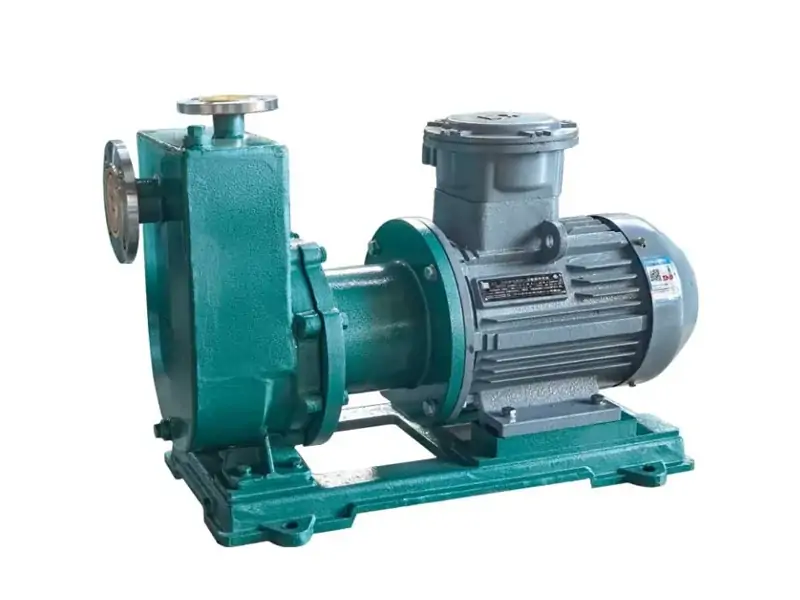
| Параметр | Технические характеристики |
|---|---|
| Скорость потока | 3-800 м³/ч |
| Глава | 12,5–130 м |
| Мощность двигателя | 1,5–160 кВт |
| Скорость | 968-3,450 об/мин |
| Температура | -120°C до 320°C |
| Материалы | 304, 304L, 316L, 2205/904L, TA2, HC276 |
Серия FY — Вертикальный погружной насос для коррозионных жидкостей
Разработан для перекачивания коррозионных, высокотемпературных и содержащих частицы жидкостей в сложных промышленных условиях. Герметичная вертикальная конструкция — вал насоса опирается выше уровня жидкости, что исключает подшипники и динамические уплотнения, контактирующие с перекачиваемой средой. Обеспечивает надежную, без утечек работу на химических заводах, в системах водоочистки, металлургии, фармацевтике и при работе с кислотами.
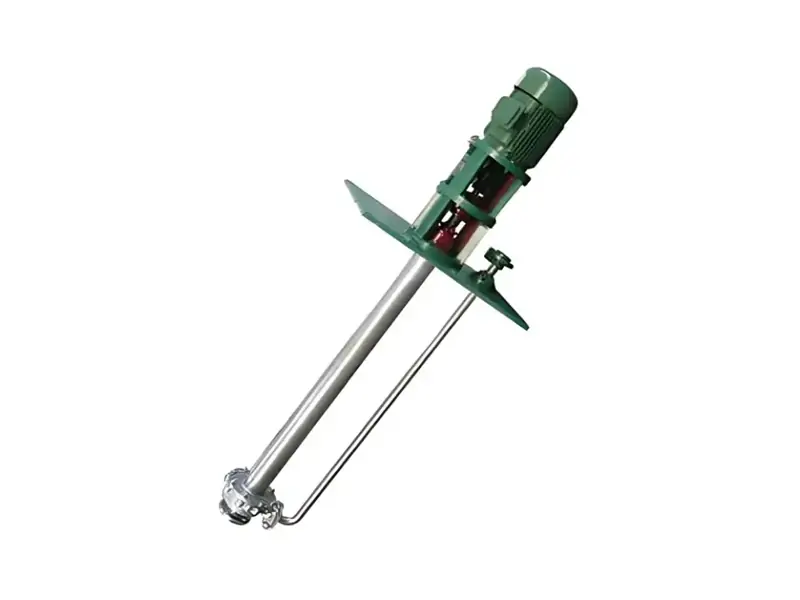
| Параметр | Технические характеристики |
|---|---|
| Скорость потока | 3,6-360 м³/ч |
| Глава | 16-40 m |
| Мощность двигателя | 1,5-22 кВт |
| Скорость | 2 900 об/мин |
| Температура | 0-105°C |
| Материалы | 304, 316, 316L, 2205, 2507, 904L, CD4MCU |
Серия CYH — Центробежный химический насос из нержавеющей стали
Одноступенчатый, одноопорный консольный центробежный насос, спроектированный и изготовленный в соответствии с ISO 2858-1975(E). Служит идеальной заменой традиционным коррозионностойким насосам с футеровкой из фторопласта в химической, фармацевтической и технологической промышленности. Доступен в исполнении из 304, 316, 316L и дуплексной нержавеющей стали.
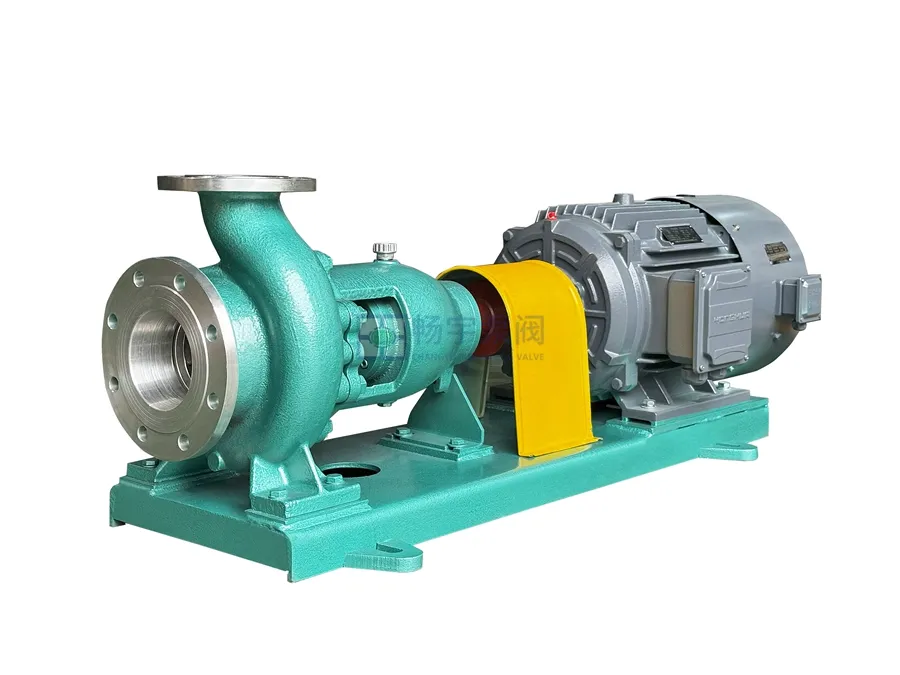
| Параметр | Технические характеристики |
|---|---|
| Скорость потока | 0,8–750 м³/ч |
| Глава | 3–130 м |
| Мощность двигателя | 2,2–110 кВт |
| Скорость | 968-3,450 об/мин |
| Температура | -20°C до 165°C |
| Материалы | 304, 316, 316L, дуплексная сталь |
Серия HB — Насос для шламов из нержавеющей стали для абразивных и коррозионных сред
Горизонтальный центробежный насос, спроектированный по ISO 2858, с проточной частью из нержавеющей стали. Специально разработан для абразивных шламов и среднекоррозионных жидкостей, где требуется как износостойкость, так и коррозионная стойкость. Доступен в исполнении из марок 304, 316, 316L, 2205 и 2507.
| Параметр | Технические характеристики |
|---|---|
| Скорость потока | 10-60 м³/ч |
| Глава | 20-120 m |
| Мощность двигателя | 3-45 кВт |
| Скорость | 2 900 об/мин |
| Температура | от -20°C до 120°C |
| Материалы | 304, 316, 316L, 2205, 2507 |
Часто задаваемые вопросы о центробежных насосах из нержавеющей стали
Вопрос: В чем разница между центробежным насосом из нержавеющей стали и стандартным центробежным насосом?
Ответ: В центробежном насосе из нержавеющей стали все смачиваемые компоненты — корпус, рабочее колесо, вал и камера уплотнения — изготовлены из нержавеющей стали. В стандартных насосах используется чугун, бронза или пластик. Нержавеющая сталь обеспечивает коррозионную стойкость для химикатов, пищевых продуктов, фармацевтических препаратов и соленой воды.
Вопрос: Когда следует выбирать герметичный магнитный насос вместо насоса со стандартным механическим уплотнением?
Ответ: Выбирайте магнитный насос, когда перекачиваемая жидкость является опасной, легковоспламеняющейся, токсичной или подлежит экологическому регулированию. Магнитный привод полностью исключает механическое уплотнение, устраняя основной путь утечки. Дополнительные затраты обычно окупаются уже при первой предотвращенной поломке уплотнения.
Вопрос: Какая чистота поверхности требуется для пищевых насосов из нержавеющей стали?
Ответ: Для пищевых насосов обычно требуется полировка смачиваемых поверхностей до Ra ≤ 0,8 мкм. Электрополировка дополнительно повышает коррозионную стойкость и способность к очистке. Поверхность должна быть без зазоров и самоочищающейся для совместимости с CIP.
Вопрос: Как я могу убедиться, что насос из нержавеющей стали изготовлен из указанной марки материала?
Ответ: Запросите сертификаты на материалы (MTR), которые прослеживают происхождение материала до завода-изготовителя. Для ответственных применений укажите тестирование PMI с использованием рентгенофлуоресцентного (XRF) или оптико-эмиссионного (OES) анализа для проверки элементного состава. Химические капельные тесты могут отличить 304 от 316 в полевых условиях.
Вопрос: Может ли центробежный насос из нержавеющей стали перекачивать твердые частицы?
Ответ: Стандартные центробежные насосы из нержавеющей стали предназначены для чистых жидкостей. Для жидкостей с твердыми частицами выбирайте насос с полуоткрытым или вихревым рабочим колесом и износостойкими материалами. Серия HB разработана для абразивных шламов с коррозионным содержимым.
Вопрос: Какой диапазон температур могут выдерживать центробежные насосы из нержавеющей стали?
Ответ: Стандартные центробежные насосы из нержавеющей стали выдерживают температуры от -20°C до 165°C в зависимости от материалов уплотнения и прокладок. Специальные конструкции расширяют этот диапазон — серия CQZ работает при температурах от -120°C до 320°C при соответствующем выборе материалов.
Вопрос: Как обслуживать центробежный насос из нержавеющей стали?
Ответ: Насосы из нержавеющей стали, работающие с коррозионными средами, требуют более частой проверки уплотнений и прокладок, чем водяные насосы. Проверяйте состояние механического уплотнения ежеквартально, контролируйте признаки коррозии в местах соединений прокладок и заменяйте эластомеры в установленные сроки. Для пищевых насосов проверяйте целостность поверхности после каждого цикла CIP.
Контрольный список мер по предотвращению неисправностей для инженеров компании Changyu Pump
- Полностью определите химический состав жидкости — не только основной компонент. Очищающие агенты, следовые загрязнители и технологические добавки могут быть более агрессивными, чем основная жидкость.
- Выбирайте схему уплотнения в зависимости от уровня опасности жидкости. Опасные, легковоспламеняющиеся или токсичные жидкости требуют двойных механических уплотнений или герметичных магнитных насосов — не стандартных одинарных уплотнений.
- Укажите точную марку нержавеющей стали — не просто “нержавеющая сталь”. Запросите MTR для всех компонентов, находящихся под давлением и смачиваемых.
- Для пищевых, напиточных или фармацевтических применений укажите 316L с электрополировкой и эластомерами, соответствующими FDA. Убедитесь, что чистота поверхности соответствует Ra ≤ 0,8 мкм.
- Учитывайте химикаты для очистки при выборе материала. Насос, совместимый с технологической жидкостью, может подвергаться коррозии в растворе CIP.
- Проверьте PMI для критических компонентов насоса перед приемкой. Насос из 304, маркированный как 316L, преждевременно выйдет из строя в среде, содержащей хлориды.
- Выбирайте насос с достаточным запасом NPSH — горячие жидкости, летучие растворители и установки на большой высоте требуют больших запасов.
- Храните запасные механические уплотнения, прокладки и рабочие колеса для критических технологических насосов. Насосы из нержавеющей стали в коррозионных средах требуют более частой замены уплотнений, чем водяные насосы.
Заключение
Центробежный насос из нержавеющей стали определяется не только материалом, но и инженерными решениями, принятыми при спецификации: химический состав жидкости, определяющий совместимость материалов; уровень опасности, определяющий выбор уплотнения; санитарные требования, определяющие чистоту поверхности и способность к очистке; и проверка материала, гарантирующая, что поставленный насос соответствует указанному.
Стандартные центробежные насосы экономично обслуживают воду и нейтральные жидкости. Центробежные насосы из нержавеющей стали расширяют возможности центробежных насосов в химической, пищевой, фармацевтической и морской промышленности, перекачивая жидкости, которые разрушили бы стандартные материалы в течение нескольких недель. Для опасных или регулируемых жидкостей герметичные конструкции с магнитным приводом полностью исключают путь утечки через механическое уплотнение. Для гигиенического производства полированные поверхности и конструкция без зазоров делают очистку проверяемой, а загрязнение — предотвратимым.
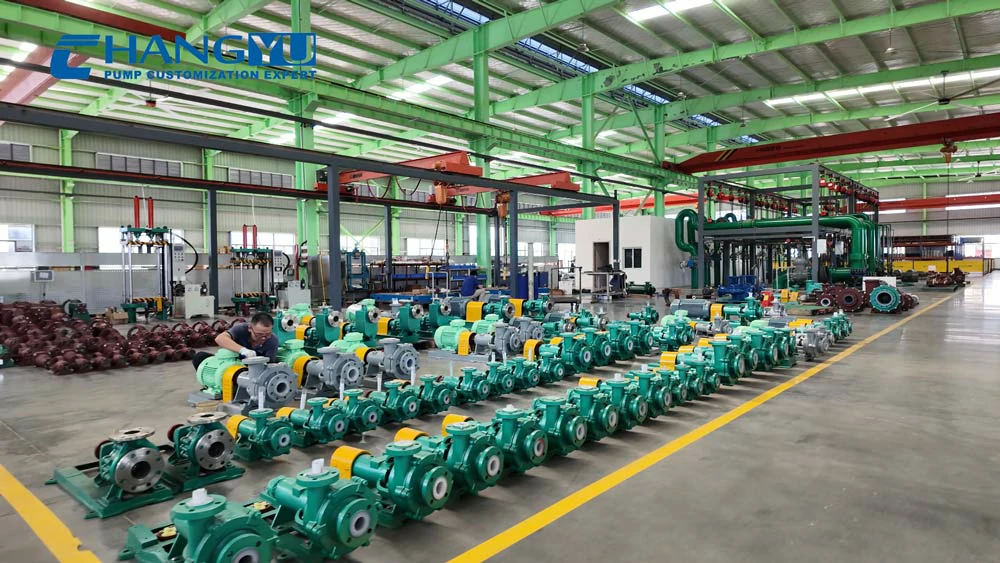
Инженерная команда Changyu Pump предоставляет индивидуальные технические оценки для применения насосов центробежных из нержавеющей стали — охватывая характеристику жидкости, выбор материала, спецификацию уплотнения и санитарное соответствие. Два десятилетия производственного опыта в химической, пищевой, фармацевтической и промышленной отраслях лежат в основе каждой рекомендации.
Свяжитесь с Changyu Pump для бесплатной технической оценки →