
إجابة سريعة
A مضخة الطين الطردية الأفقية هي مضخة ثقيلة الخدمة مصممة بعمود أفقي ومبيت مثبت على قاعدة في مستوى الأرض. هذا التكوين هو المعيار الصناعي لنقل الملاط عالي الكثافة والكاشط في التعدين ومعالجة المعادن والتجريف. على عكس المضخات الرأسية التي تغمر دفاعاتها في مصدر السائل، تعتمد المضخات الأفقية على شفط مغمور أو رفع شفط محسوب بعناية، ويكون تجميع الدوران بأكمله في متناول اليد على مستوى الأرض للصيانة. عوامل الاختيار الرئيسية:
- التصميم الهيكلي يحدد الموثوقية: البناء ذو الغلاف المزدوج مع بطانات التآكل القابلة للاستبدال يسمح بتبديل المكونات المتآكلة دون استبدال المضخة بالكامل. يمتص تجميع المحامل الثقيلة الخدمة المزلق بحمام زيت أو زيت قسري الأحمال الشعاعية والمحورية الشديدة التي تفرضها الملاط ذو الكثافة النوعية التي تتجاوز 1.5. تسمح آلية ضبط خلوص الدفاعة القابلة للتعديل خارجيًا بإعادة ضبط الفجوة الأمامية الحرجة إلى المواصفات المصنعية دون فتح مبيت المضخة.
- اختيار مادة التآكل يحدد عمر الخدمة: الحديد الزهر الأبيض عالي الكروم (CrMo، 600–700 HB) يظل المعيار للجزيئات الزاويّة الخشنة في التعدين الصخري الصلب. تحمي بطانات المطاط الطبيعي من الجزيئات الدقيقة المستديرة في الأس الهيدروجيني المتعادل. الفولاذ المقاوم للصدأ المزدوج (2205/2507، 250–300 HB / 25–30 HRC) يخدم الملاط المسبب للتآكل الذي يحتوي على كلوريدات أو أحماض حيث يتآكل CrMo القياسي. توفر المواد الخزفية أقصى صلابة ولكنها تقتصر عادةً على حماية التآكل الموضعي في المناطق عالية السرعة.
- يجب أن تتوافق طريقة إحكام غلق العمود مع خصائص الملاط: الطارد المركزي المدمج مع حشوة الغدة أو الختم الميكانيكي هو التكوين القياسي لمضخات الملاط الأفقية الكبيرة. يقلل الطارد من الضغط في صندوق الحشو أثناء التشغيل، مما يطيل عمر الختم بشكل كبير مقارنة بالمضخات التي لا تحتوي على هذه الميزة.
A مضخة طرد مركزي المضخات الأفقية هي أحد الأنواع السائدة لمضخات الملاط في مصانع معالجة المعادن حول العالم. عند المرور عبر معظم مصانع التركيز، ستجد مضخات تفريغ المطحنة، ومضخات تغذية الإعصار، ومضخات التدفق السفلي للمكثف، ومضخات المخلفات هي تصميمات أفقية في الغالب. السبب عملي: المضخة الأفقية تضع تجميع الدوران بأكمله — الدفاعة، والعمود، والمحامل، والختم — على مستوى المشغل، في متناول الفحص والصيانة دون الحاجة إلى رافعات أو دخول الأحواض التي تتطلبها خدمة المضخات الرأسية.
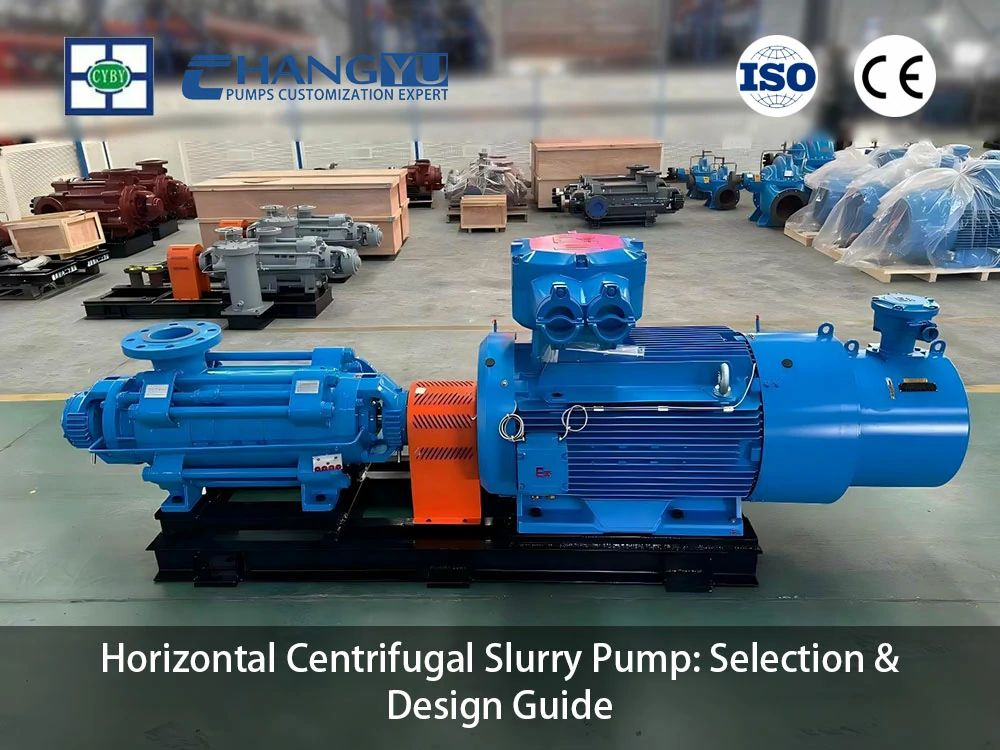
التكوين الأفقي يبسط أيضًا التصميم الميكانيكي للميزات التي تجعل مضخات الملاط متينة. الغلاف المزدوج مع البطانات القابلة للاستبدال أسهل في الهندسة عندما تنقسم المضخة على مستوى أفقي. آلية ضبط خلوص الدفاعة أكثر سهولة في الوصول عند تركيبها على عمود أفقي على مستوى الأرض. هذه الميزات التصميمية — وليس الاتجاه الأفقي نفسه، بل الهندسة التي يتيحها — هي ما يميز مضخة الملاط الأفقية المصممة خصيصًا عن المضخة الطاردة المركزية القياسية المستخدمة في الخدمة الكاشطة.
قامت Changyu Pump بتصنيع مضخات الملاط الأفقية للتطبيقات التعدينية والصناعية لأكثر من عقدين. يغطي هذا الدليل مزايا التصميم الهيكلي لمضخات الملاط الأفقية، ومواد التآكل المتاحة، وممارسات الاختيار والصيانة التي تحدد عمر خدمة المضخة.
لماذا تختار مضخة ملاط أفقية؟ مزايا التصميم الأساسية
أصبح تكوين مضخة الملاط الأفقية المعيار الصناعي لخدمة الملاط الكاشط ليس بسبب التقاليد، ولكن لأن الاتجاه يتيح ميزات تصميمية محددة يصعب أو يستحيل تنفيذها بفعالية في تصميمات المضخات الرأسية. فهم هذه الميزات — وكيف تساهم في موثوقية المضخة وقابليتها للصيانة — هو أساس الاختيار المستنير للمضخة.
البناء ذو الغلاف المزدوج مع البطانات القابلة للاستبدال
تستخدم مضخة الملاط الأفقية تصميم غلاف من طبقتين. الغلاف الخارجي — عادةً من الحديد الدكتايل أو الفولاذ المصبوب — يوفر السلامة الهيكلية واحتواء الضغط. يتكون الغلاف الداخلي من مكونات تآكل قابلة للاستبدال: بطانة حلزونية، وحلق حلق عند جانب الشفط، وبطانة لوحة الإطار على جانب القيادة. عندما يتآكل الملاط عبر هذه المكونات الداخلية، يتم استبدال البطانات فقط — وليس مبيت المضخة بالكامل.
مجموعة المحامل شديدة التحمل
تتعامل مضخات الملاط الأفقية مع كثافات السوائل التي تفرض متطلبات شديدة على المحامل. الملاط ذو الكثافة النوعية 1.5 — النموذجي لمخلفات خام الحديد — يفرض أحمالًا شعاعية ومحورية أعلى بنسبة 50% من نفس المضخة التي تتعامل مع الماء. يجب أن يمتص تجميع المحامل هذه الأحمال بشكل مستمر، 24 ساعة يوميًا، مع الحفاظ على محاذاة العمود في حدود أجزاء من الألف من البوصة.
تستخدم مضخات الملاط الأفقية الكبيرة محامل أسطوانية مفرطة الحجم، مزلقة بحمام زيت أو زيت قسري محامل بعمر مقدر L10 محسوب لكثافة الملاط المحددة وظروف التشغيل. مبيت المحمل مقسم أفقيًا — مطابقًا لانقسام مبيت المضخة — مما يسمح بإزالة النصف العلوي لفحص المحمل دون إزعاج العمود أو الدفاعة. في أكبر المضخات، يتم دمج مستشعرات درجة حرارة المحمل ومجسات الاهتزاز في المبيت، مما يوفر مراقبة حالة مستمرة تتيح الصيانة التنبؤية بدلاً من الإصلاح التفاعلي.
خلوص الدفاعة القابل للتعديل
الخلوص بين الغطاء الأمامي للدفاعة وحلق الشفط الجانبي هو أهم مواصفة أبعاد على مضخة الملاط الأفقية. عندما تكون المضخة جديدة، يتم ضبط هذا الخلوص على القيمة الدنيا للشركة المصنعة — عادةً 0.4–0.8 مم، حسب حجم المضخة. مع تآكل الدفاعة والحلق، يزداد هذا الخلوص. النتيجة هي إعادة تدوير داخلي: السائل الذي تم تسريعه بواسطة الدفاعة يتسرب مرة أخرى إلى جانب الشفط عبر الفجوة المتضخمة، مما يقلل من التدفق الفعال والكفاءة للمضخة.
A خلوص دفاعة مضخة الملاط الأفقية مع أعمار تشغيل محسوبة L10 وفقًا لكثافة الملاط المحددة وظروف التشغيل. حامل المحامل مقسم أفقيًا — بما يتوافق مع تقسيم غلاف المضخة — مما يسمح بإزالة النصف العلوي لفحص المحامل دون الإخلال بالعمود أو المروحة. في أكبر المضخات، يتم دمج مستشعرات حرارة المحامل ومجسات الاهتزاز في الحامل، مما يوفر مراقبة مستمرة للحالة تتيح الصيانة التنبؤية بدلاً من الإصلاح التفاعلي.
الخلوص بين الغطاء الأمامي للمروحة وجلبة الحلق على جانب الشفط هو أهم مواصفة أبعاد في مضخة الملاط الأفقية. عندما تكون المضخة جديدة، يتم ضبط هذا الخلوص على القيمة الدنيا للشركة المصنعة — عادة 0.4–0.8 مم، حسب حجم المضخة. مع تآكل المروحة وجلبة الحلق، يزداد هذا الخلوص. والنتيجة هي إعادة تدوير داخلي: السائل الذي تم تسريعه بواسطة المروحة يتسرب عائدًا إلى جانب الشفط عبر الفجوة المتضخمة، مما يقلل من التدفق الفعال وكفاءة المضخة.
خلوص مروحة مضخة الملاط الأفقية تسمح آلية الضبط بإعادة ضبط هذه الفجوة دون فتح غلاف المضخة. يقوم برغي خارجي أو لولب رفع بتحريك مجموعة حامل المحامل والعمود بالكامل محوريًا، مما يدفع المروحة أقرب إلى جلبة الحلق ويعيد الخلوص الأصلي. في مضخة مخلفات كبيرة، يمكن أن تؤدي استعادة خلوص المروحة من حالة التآكل إلى استرداد 3–5 نقاط مئوية من الكفاءة المفقودة — وهو ما يمثل عشرات الآلاف من الدولارات في توفير الطاقة السنوي لمضخة تستهلك مئات الكيلووات. نظام ختم العمود القائم على الطارد المركزي.
يجب أن يمنع ختم العمود في مضخة الملاط الأفقية تسرب الملاط الكاشط على طول العمود الدوار أثناء التشغيل عند ضغوط تفريغ يمكن أن تتجاوز 100 متر من الارتفاع. التكوين الأكثر موثوقية للمضخات الكبيرة يجمع بين طارد مركزي (يسمى أيضًا طاردًا أو ختمًا ديناميكيًا) مع حشوة غدة تقليدية أو ختم ميكانيكي. هذا.
ختم عمود مضخة الملاط الأفقية
الترتيب قياسي في مضخات تفريغ المطاحن ومضخات المخلفات الكبيرة.
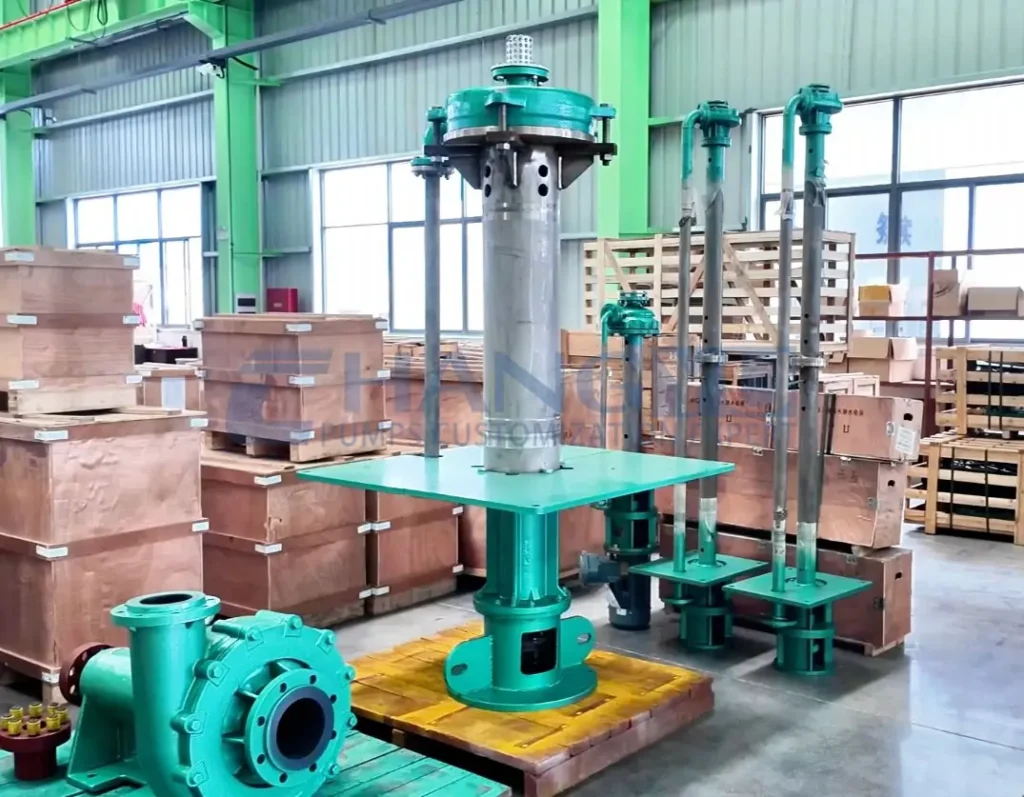
مقارنة التكوينات
| العامل | مضخة الطين الأفقية | الطارد هو مروحة صغيرة مفتوحة مثبتة على العمود خلف المروحة الرئيسية. عندما تعمل المضخة، يدور الطارد ويولد قوة طرد مركزي تدفع الملاط بعيدًا عن العمود وعائدًا نحو غلاف المضخة. هذا يقلل الضغط عند صندوق الحشو إلى قريب من الضغط الجوي — وأحيانًا حتى أقل من الجوي — أثناء التشغيل. عندها تحتاج حشوة الغدة أو الختم الميكانيكي فقط إلى توفير ختم ثابت أثناء الإيقاف، عندما لا يدور الطارد. هذا المزيج يطيل عمر الختم بشكل كبير مقارنة بمضخة تعتمد فقط على الحشوة أو ختم ميكانيكي ضد ضغط التفريغ الكامل. |
|---|---|---|
| بصمة التركيب | المضخات الأفقية مقابل الرأسية للملاط: أي تكوين؟ | غالبًا ما يتم تحديد الاختيار بين تكوين المضخة الأفقية والرأسية للملاط حسب موقع التركيب وليس حسب خصائص الملاط نفسه. يقدم كل تكوين مزايا مميزة لتطبيقات محددة. |
| إدارة NPSH | مضخة الملاط الرأسية | أكبر — تتطلب قاعدة ومبنى مضخات عند مستوى الأرض |
| الوصول إلى الصيانة | صغيرة عند مستوى الأرض؛ المحرك مرفوع فوق الحوض أو البئر الرطب | تتطلب تغذية غاطسة أو حساب NPSH دقيق |
| مرور المواد الصلبة | ميزة متأصلة — المراوح مغمورة في مصدر السائل | ميزة متأصلة — المراوح مغمورة في مصدر السائل |
| المضخة كاملة يمكن الوصول إليها عند مستوى الأرض؛ استبدال المروحة والبطانات دون رافعة | المحرك يمكن الوصول إليه عند مستوى الأرض؛ استخراج عنصر المضخة من الحوض يتطلب رافعة وفصل خطوط الأنابيب | متطابقة لتصميم مروحة مكافئ |
| ختم العمود | طارد بالإضافة إلى حشوة أو ختم ميكانيكي — قياسي وموثوق | العمود المغمور يتطلب محامل وأختام متعددة على طول العمود |
| الأفضل لـ | التكلفة الرأسمالية (المضخة فقط) | أقل لأداء هيدروليكي مكافئ |
أعلى — أنبوب عمودي، رأس تفريغ، هيكل حوض
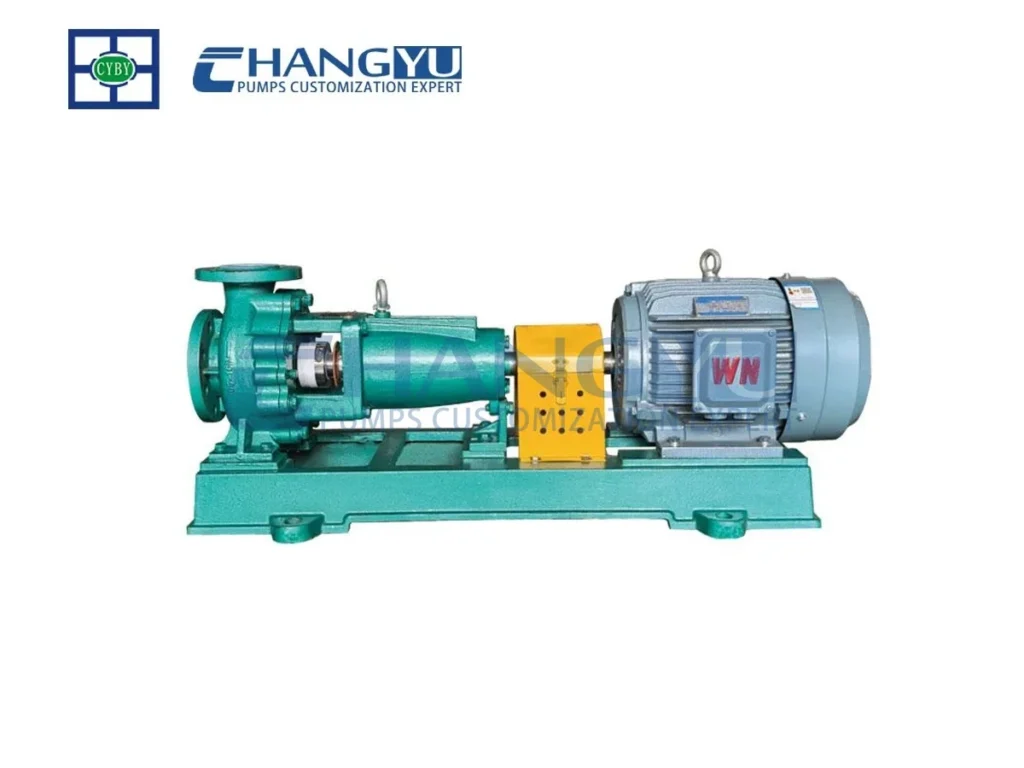
مضخات العمليات: تفريغ المطاحن، تغذية الأعاصير، المخلفات، تدفق أسفل المكثف.
مضخات الأحواض، نزح المياه من الآبار العميقة، تصريف أحواض الأرضيات.
متى يكون التكوين الأفقي هو الخيار المفضل
المضخات الأفقية هي المواصفة القياسية لمضخات العمليات الأساسية في مصنع معالجة المعادن. مضخات تفريغ المطاحن، ومضخات تغذية الأعاصير، ومضخات مخلفات التعويم، ومضخات نقل المركزات هي تقريبًا حصريًا تصميمات أفقية. السبب هو الصيانة: هذه المضخات تتعامل مع أعلى الملاطات تآكلًا في المصنع، ومكوناتها الرطبة تتطلب استبدالًا في فترات مجدولة. المضخة الأفقية تسمح بتنفيذ هذا العمل عند مستوى الأرض، مع وصول كامل إلى الغلاف والمروحة والعمود.
Engineers at Changyu Pump noteالمضخات الأفقية أيضًا تبسط تنفيذ ميزات التصميم الموصوفة في القسم 1. البناء مزدوج الغلاف، وضبط خلوص المروحة، والختم القائم على الطارد كلها أكثر عملية للهندسة على عمود أفقي. المضخة الرأسية ذات المروحة المغمورة في قاع عمود طويل لا يمكنها بسهولة دمج ضبط الخلوص الخارجي، وترتيب الختم الخاص بها يجب أن يتعامل مع مستوى السائل المتغير في الحوض.
متى قد يكون التكوين الرأسي أكثر ملاءمة مضخات الملاط الكبيرة: دليل شامل للاختيار والمواد.
ما هي أفضل مواد مقاومة للتآكل للمضخات الأفقية للطين؟
يجب أن يأخذ اختيار مواد مقاومة التآكل للمضخات الأفقية للطين في الاعتبار صلابة الجسيمات وشكلها وحجمها والبيئة الكيميائية للطين. تخدم أربع فئات من المواد غالبية التطبيقات، ولكل منها نقاط قوة وقيود مميزة.
كيفية اختيار مادة التآكل المناسبة لمضخات الطين في التعدين؟
الحديد الأبيض عالي الكروم (600–700 HB، KIC 25–35 MPa√m) هو المادة القياسية المقاومة للتآكل للمضخات الأفقية للطين في التعدين الصخري الصلب. بنيته الدقيقة — كربيدات الكروم الصلبة في مصفوفة مارتنزيتية — توفر الصلابة لمقاومة القطع بواسطة الجسيمات الزاويّة والمتانة لتحمل الصدمات العرضية من الجسيمات الكبيرة العابرة. للمضخات الأفقية التي تتعامل مع خام الحديد وخام الذهب ومخلفات النحاس الخشنة، فإن الكروم والموليبدينوم عالي الكروم هو المواصفة الافتراضية. توفر درجة الكروم 28% حجم كربيد إضافيًا لأكثر الدوائر الكاشطة بتكلفة إضافية معتدلة مقارنة بدرجة الكروم القياسية 26%.
المطاط الطبيعي
البطانات المطاطية تحمي من التآكل من خلال المرونة — المادة تتشوه مرنًا تحت تأثير الجسيمات وتتعافى دون فقدان المادة. تعمل هذه الآلية مع الجسيمات المستديرة في درجة حموضة محايدة عند درجات حرارة أقل من 70 درجة مئوية. تخدم المضخات الأفقية المبطنة بالمطاط تطبيقات محددة: مخلفات تعويم النحاس ذات الجسيمات الدقيقة، وطين تحضير الفحم، والرمال المعدنية. المطاط غير مناسب للجسيمات الزاويّة المكسورة حديثًا — فهي تقطع سطح المطاط عند التلامس.
الفولاذ المقاوم للصدأ المزدوج (2205/2507)
يعالج الفولاذ المقاوم للصدأ المزدوج قيدًا في الكروم والموليبدينوم عالي الكروم: ضعف مقاومته للتآكل في البيئات الحمضية أو عالية الكلوريد. في ترشيح النحاس بالكومة، حيث يمكن أن ينخفض الرقم الهيدروجيني للطين إلى أقل من 3، يتآكل الكروم والموليبدينوم القياسي بسرعة بغض النظر عن مقاومته للتآكل. في عمليات التعدين الساحلية، تهاجم المياه الجوفية عالية الكلوريد مكونات مضخة الكروم والموليبدينوم. يوفر المزدوج 2205 (PREN 33–36، 250–300 HB / 25–30 HRC، KIC ~50–100 MPa√m) والمزدوج الفائق 2507 (PREN 40–44) مقاومة التآكل والتلف المجمعة التي تتطلبها هذه التطبيقات. تتوفر مضخة الطين الأفقية من سلسلة HB من Changyu Pump في كلا الدرجتين.
الصلابة: أقل من 50 HB (يعتمد على المرونة، وليس الصلابة).
توفر المواد الخزفية صلابة (HV 1500–2800) تتجاوز بكثير أي جسيم معدني، مما يوفر أقصى مقاومة لتآكل القطع. ومع ذلك، فإن انخفاض متانة الكسر لديها (KIC 3–5 MPa√m) يجعلها عرضة للصدمات من الجسيمات التي يتجاوز حجمها 1–2 مم. في تطبيقات المضخات الأفقية، تُستخدم الخزفيات عادةً كحماية موضعية من التآكل — بلاطات أو إدخالات عند حافة قطع الحلزون والحواف الأمامية لريش الدفاعة — بدلاً من استخدامها كبطانات متراصة كاملة.
مقارنة مواد مقاومة التآكل للمضخات الأفقية للطين
| المواد | الصلابة | أفضل تطبيق | تحمل الصدمات | التكلفة النسبية |
|---|---|---|---|---|
| حديد الكروم العالي CrMo (26–28% Cr) | 600–700 هب | جسيمات زاويّة صلبة (Mohs > 5)؛ درجة حموضة محايدة | جيد — KIC 25–35 | 1× (الخط الأساسي) |
| المطاط الطبيعي | < 50 HB (مرن) | جسيمات مستديرة ناعمة (Mohs < 4)؛ درجة حموضة محايدة | ممتاز (مرن) | 0.8–1.2× |
| Duplex 2205 / 2507 | 250–300 HB (25–30 HRC) | طين تآكلي (درجة حموضة منخفضة، كلوريد مرتفع)؛ تآكل معتدل | جيد — KIC ~50–100 | 2–3× |
| السيراميك (SiC) | HV 2200–2800 | جسيمات دقيقة جدًا غير مصطدمة | ضعيف — KIC 3–5 | 5–8× |
يوصي مهندسو شركة Changyu Pump: لغالبية المضخات الأفقية للطين في التعدين الصخري الصلب — خام الحديد وخام الذهب ومخلفات النحاس مع الكوارتز — يعتبر الحديد الأبيض عالي الكروم (CrMo، 26–28% Cr) هو المواصفة المناسبة للمواد. يوفر أفضل توازن بين مقاومة تآكل القطع وتحمل الصدمات والتكلفة. يجب تحديد الفولاذ المقاوم للصدأ المزدوج عندما تتطلب كيمياء الطين مقاومة تآكل لا يمكن أن يوفرها CrMo — محاليل الترشيح الحمضية، أو المياه الجوفية عالية الكلوريد، أو مياه المعالجة المختلطة بمياه البحر. يُحجز المطاط الطبيعي للتطبيقات ذات الجسيمات الدقيقة المستديرة ذات الرقم الهيدروجيني المحايد حيث يمكن أن يوفر 18–24 شهرًا من عمر الخدمة دون تآكل القطع الذي تسببه الجسيمات الزاويّة.
للحصول على مقارنة شاملة لمواد مقاومة التآكل عبر النطاق الكامل لتطبيقات مضخات الطين وأنواع الخامات، راجع دليلنا حول مضخة الطين المقاومة للتآكل: دليل شامل للمواد والاختيار.
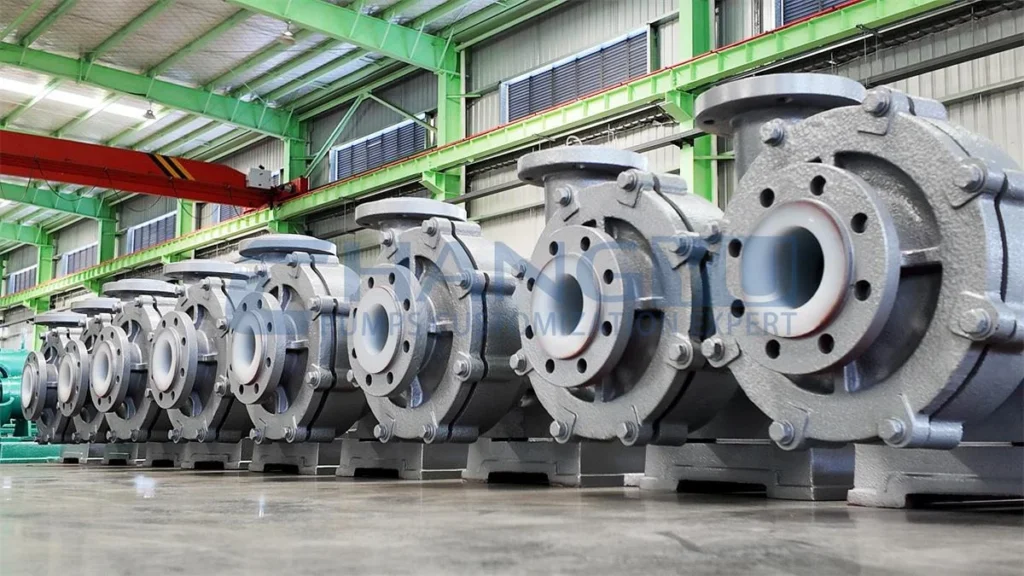
كيفية اختيار مضخة طين طرد مركزي أفقية؟
يتبع اختيار مضخة الطين الأفقية عملية منظمة. كل خطوة تقيد الخيارات المتاحة في الخطوات اللاحقة، والأخطاء التي تحدث مبكرًا في العملية — خاصة في توصيف الطين — تنتشر عبر عملية الاختيار بأكملها.
الخطوة 1: توصيف الطين
حدد تركيز المواد الصلبة (بالوزن والحجم)، وتوزيع حجم الجسيمات (d50 وd100)، وشكل الجسيمات (زاوي مقابل مستدير)، وصلابة الخام (مقياس موس)، ودرجة الحموضة للطين، وتركيز الكلوريد، ودرجة الحرارة. إن d100 — أكبر جسيم يجب أن تمرره المضخة — يحدد مباشرة الحد الأدنى لحجم ممر الدفاعة. قد تواجه مضخة تفريغ المطحنة جسيمات كبيرة عابرة تتجاوز 100 مم، بينما ترى مضخة المخلفات التي تتعامل مع فائض الإعصار المائي d100 أقل من 1 مم.
الخطوة 2: حساب المتطلبات الهيدروليكية
حدد معدل التدفق المطلوب وإجمالي الرأس الديناميكي. طبق عوامل تخفيض الطين لمراعاة تأثيرات المواد الصلبة على أداء المضخة. المضخة المختارة على منحنى أداء الماء دون تخفيض ستكون أصغر من اللازم لواجب الطين. للمضخات الأفقية، تحقق من أن NPSH المتاح يتجاوز NPSH المطلوب للمضخة بهامش أدنى قدره 1 متر عند تدفق التشغيل الفعلي.
الخطوة 3: اختيار مواد التآكل
طابق مادة مقاومة التآكل مع خصائص الخام باستخدام الإطار في القسم 3. يتدفق القرار من صلابة الجسيمات وشكلها: جسيمات زاويّة صلبة ← CrMo عالي الكروم؛ جسيمات دقيقة مستديرة ذات درجة حموضة محايدة ← مطاط؛ طين تآكلي ← فولاذ مقاوم للصدأ مزدوج؛ مناطق تآكل موضعية عالية ← إدخالات خزفية.
الخطوة 4: تحديد حجم المضخة والسرعة
اختر حجم مضخة حيث يقع تدفق التصميم ضمن 70–120% من تدفق نقطة الكفاءة المثلى (BEP). للمضخات الأفقية في الخدمة الكاشطة، اختر أدنى سرعة تشغيل عملية — عادة 400–600 دورة/دقيقة للمضخات الكبيرة، و800–1,200 دورة/دقيقة للمضخات المتوسطة. السرعات المنخفضة تقلل معدلات التآكل بشكل متناسب. المضخة التي تعمل عند 500 دورة/دقيقة ستحقق حوالي ضعف عمر الأجزاء المبللة مقارنة بمضخة مماثلة تعمل عند 700 دورة/دقيقة.
الخطوة 5: تحديد تكوين الختم والمحامل
اختر طريقة ختم العمود بناءً على ضغط التفريغ وخصائص السائل. لضغوط التفريغ فوق 30 مترًا، يكون الجمع بين الطارد والحشو هو المعيار. للتطبيقات عالية الضغط، يوفر ترتيب الطارد مع الختم الميكانيكي موثوقية إضافية للختم. حدد تزييت حمام الزيت أو الزيت القسري للمحامل، مع مراقبة درجة الحرارة والاهتزاز للمضخات التي تتجاوز 100 كيلوواط.
يوصي مهندسو شركة Changyu Pump: عند اختيار مضخة الطين الأفقية، يجب تضمين هامش تدفق يتراوح بين 10–15% فوق متطلبات التصميم لمراعاة التغيرات في العملية وفقدان الكفاءة التدريجي الذي يحدث مع تآكل مكونات الطرف الرطب. ومع ذلك، تجنب الإفراط في التحجيم — فالمضخة التي تعمل بأقل من 60% من تدفق نقطة الكفاءة المثلى (BEP) تتعرض لاهتزاز متزايد، وكفاءة منخفضة، وتآكل متسارع. يجب أن يضع الهامش نقطة التشغيل ضمن منطقة التشغيل المسموح بها، وليس دفعها خارجها.
كيفية صيانة مضخة الطين الأفقية ذات الطرد المركزي؟
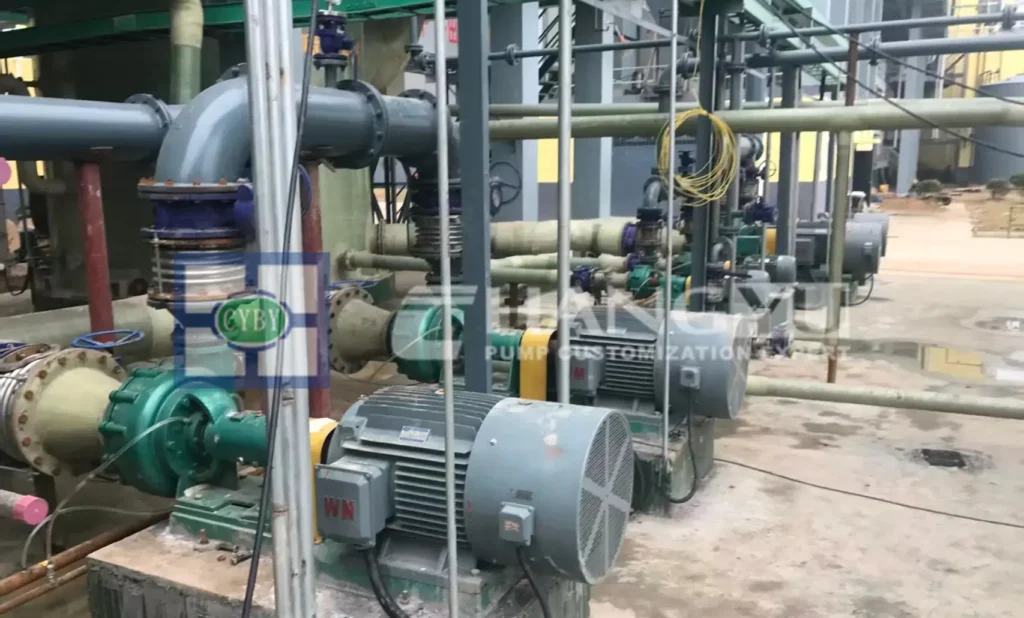
تركز صيانة مضخة الطين الأفقية على إدارة التآكل. على عكس مضخة المياه ذات الطرد المركزي، حيث قد تدوم المروحة والغلاف لعقود، فإن مكونات الطرف الرطب لمضخة الطين مصممة للتآكل والاستبدال. يجب أن يتتبع برنامج الصيانة معدلات التآكل، ويجدول عمليات الاستبدال، ويحافظ على الكفاءة بين عمليات الاستبدال من خلال ضبط خلوص المروحة.
استبدال مكونات الطرف الرطب
يتم تحديد فترات استبدال الطرف الرطب حسب كشط الخام، واختيار المواد، وظروف التشغيل. تتطلب مضخة CrMo عالية الكروم في خدمة مخلفات خام الحديد عادةً استبدالًا خلال 12–18 شهرًا. نفس المضخة في مخلفات النحاس الأقل كشطًا قد تعمل لمدة 24–36 شهرًا. مفتاح الصيانة المخطط لها هو تتبع معدل التآكل من خلال قياسات التدفق والضغط المنتظمة. عندما ينخفض التدفق عند سرعة وضغط تفريغ معينين بنسبة 10% عن خط الأساس المحدد بمكونات تآكل جديدة، يقترب الطرف الرطب من نهاية عمره التشغيلي.
ضبط خلوص المروحة
يجب فحص خلوص المروحة وضبطه على فترات مجدولة — وليس فقط عند تدهور الأداء. في المضخة الأفقية الكبيرة، تسمح آلية ضبط الخلوص بإجراء ذلك في أقل من ساعة دون فتح الغلاف. يحافظ الضبط المنتظم على الكفاءة ويمنع التآكل المتسارع الذي يحدث عندما يسمح الخلوص المتضخم بإعادة تدوير داخلي متزايد.
تزييت المحامل ومراقبتها
تتطلب المحامل المزيتة بحمام الزيت فحوصات مستوى الزيت أسبوعيًا وتغييرات الزيت على فترات تحددها الشركة المصنعة. تتطلب أنظمة الزيت القسري استبدال المرشحات وتحليل الزيت على فترات مجدولة. بالنسبة للمضخات التي تتجاوز 100 كيلوواط، توفر مستشعرات درجة حرارة المحامل ومجسات الاهتزاز إنذارًا مبكرًا للمشكلات النامية. قد تشير الزيادة التدريجية في درجة حرارة المحمل على مدى عدة أسابيع إلى تدهور الزيت أو تلف مبكر في المحمل. قد تشير الزيادة المفاجئة في الاهتزاز إلى تآكل المروحة، أو تراكم المواد الصلبة، أو فشل محمل وشيك.
Engineers at Changyu Pump note: الممارسة الأكثر فعالية لصيانة مضخات الطين الأفقية هي الضبط المنتظم لخلوص المروحة. في مضخة تعمل بقدرة 500 كيلوواط، يمكن أن يؤدي الحفاظ على الخلوص الصحيح إلى استعادة 3–5 نقاط مئوية من الكفاءة مقارنة بمضخة ذات خلوص متآكل — وهو ما يمثل 5,000–10,000 دولار في توفير الطاقة السنوي لكل مضخة. تم توفير آلية الضبط لسبب ما؛ استخدامها على فترات مجدولة هو أحد أنشطة الصيانة الأعلى عائدًا في مصنع معالجة المعادن.
للحصول على إرشادات الصيانة القابلة للتطبيق على جميع أنواع وأحجام مضخات الطين للتعدين، راجع دليلنا حول مضخات الملاط في التعدين: كيفية اختيار المضخة المناسبة لواجبات المناجم.
دراسة حالة لمضخة الطين الأفقية ذات الطرد المركزي: تحسين عمر التآكل في مضخة طين أفقية كبيرة لخام الحديد
قام مصنع تركيز خام الحديد في غرب أستراليا بتشغيل مضخة طين أفقية من سلسلة PGY في خدمة المخلفات — بقدرة 800 م³/ساعة عند رأس 65 مترًا، مدفوعة بمحرك 560 كيلوواط — مع مكونات طرف رطب قياسية من حديد الزهر الأبيض عالي الكروم بنسبة 26% Cr. احتوت مخلفات الطين على جزيئات مغنيتيت وكوارتز زاويّة (صلابة موس 5.5–7.0) بتركيز مواد صلبة 35%. كان استبدال الطرف الرطب مطلوبًا كل 6 أشهر تقريبًا.
أظهر فحص المكونات المتآكلة أن سبيكة 26% Cr كانت تُقطع بواسطة جزيئات الكوارتز الأكثر صلابة (صلابة موس 7) التي شكلت حوالي 20% من المواد الصلبة للمخلفات. تركز فقدان المواد عند حافة قطع الحلزون والحواف الأمامية لريش المروحة — وهي المناطق الأعلى سرعة.
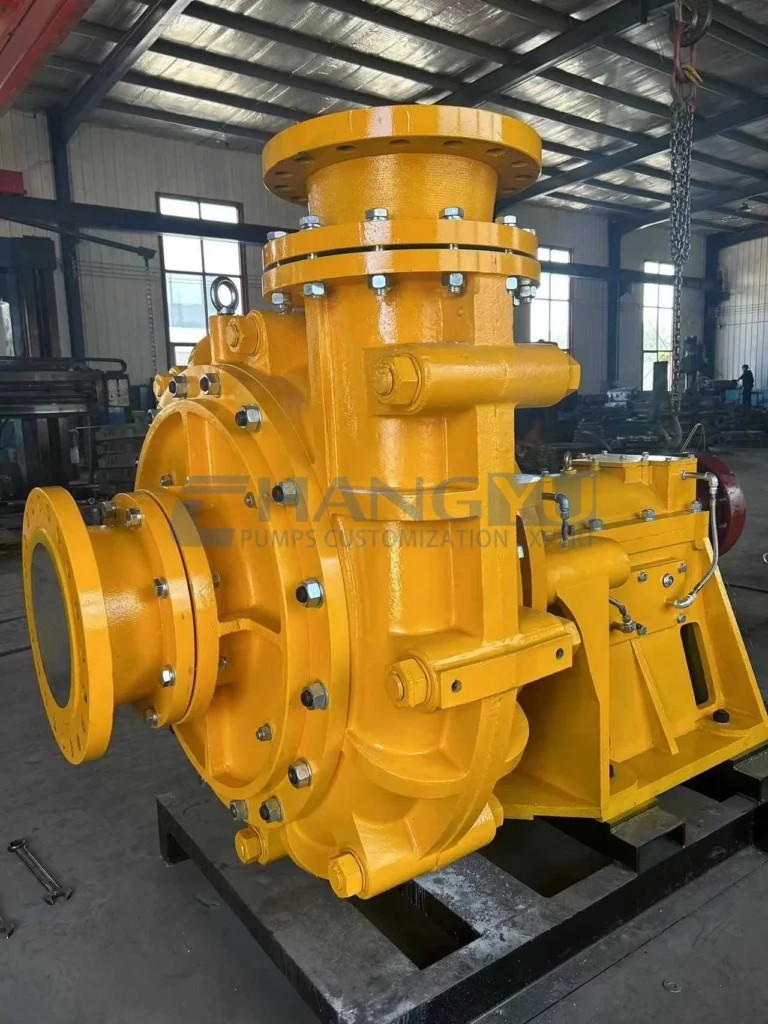
قامت مضخة Changyu بترقية الطرف الرطب إلى سبيكة 28% Cr مع طلاء كروم صلب (صلابة HV 850–1050) على الحواف الأمامية لريش المروحة وحافة قطع الحلزون. تم ضبط خلوص المروحة إلى الحد الأدنى للمواصفات. امتدت فترة استبدال الطرف الرطب من 6 أشهر إلى 18 شهرًا — تحسن بمقدار ثلاثة أضعاف. تم استرداد التكلفة الإضافية للمواد البالغة حوالي 15% خلال أول حدث استبدال تم تجنبه. تمت ترقية ثلاث مضخات مخلفات إضافية إلى نفس المواصفات خلال العام التالي.
النقطة الرئيسية: الاختلافات الصغيرة في درجة المواد تنتج اختلافات كبيرة في تكلفة التشغيل لمضخات الطين الأفقية. تتحسن الجدوى الاقتصادية للمواد الممتازة مع زيادة حجم المضخة — حيث تنمو تكلفة كل حدث استبدال مع قدرة المضخة، ومعدل التدفق، وأهميتها للإنتاج.
حلول مضخات الطين الأفقية ذات الطرد المركزي من مضخة Changyu
تصنع مضخة Changyu سلاسل مضخات الطين الأفقية المهيأة للطيف الكامل من التطبيقات الكاشطة والتآكلية. بصفتها شركة متخصصة في تصنيع مضخات الطين الأفقية, ، تعالج كل سلسلة مجموعة محددة من متطلبات التآكل والتآكل ودرجة الحرارة.
| التطبيق | التحدي الأساسي | السلسلة الموصى بها | المادة الرئيسية | عمر الأجزاء الرطبة النموذجي |
|---|---|---|---|---|
| ملاط مسبب للتآكل، مخلفات حمضية | تآكل + تآكل معتدل | سلسلة UHB | بطانة UHMW-PE | 2–3 سنوات |
| تعويم النحاس، العمليات الكيميائية | تآكل سطحي + تآكل كيميائي مشترك | سلسلة HB | فولاذ مقاوم للصدأ 304/316L/2205/2507 | 12–24 شهرًا |
| درجة حرارة عالية، تآكل قوي (ظروف قصوى، جزيئات دقيقة) | تآكل + درجة حرارة + مواد صلبة | سلسلة CYG | بطانة PFA (8–20 مم) | 3–5 سنوات |
سلسلة UHB — مضخة طرد مركزي أفقية للطين مقاومة للتآكل ومبطنة بـ UHMW-PE
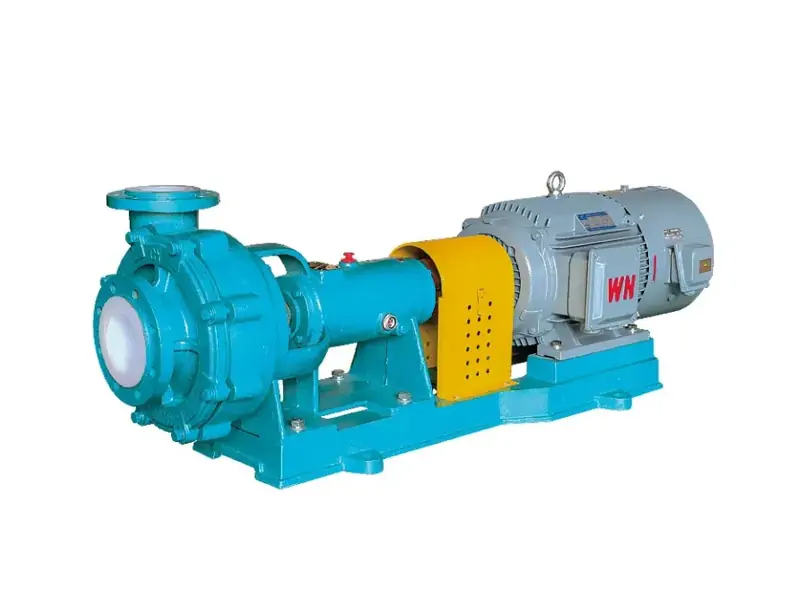
مضخة طرد مركزي أفقية ناتئة، أحادية المرحلة، أحادية الشفط، ببناء فولاذي مبطن بـ UHMW-PE. مصممة للسوائل والطين الكيميائي العدواني والتآكلي مع مواد صلبة معتدلة. توفر البطانة UHMW-PE مقاومة مدمجة للتآكل والتآكل، مع أجزاء مبللة سميكة وممرات تدفق واسعة. معدلات تدفق تصل إلى 2,600 م³/ساعة، ودرجات حرارة من -20°C إلى 90°C.
| المعلمة | المواصفات |
|---|---|
| معدل التدفق | 3-2,600 متر مكعب/ساعة |
| الرأس | 5-100 m |
| قوة المحرك | 0.75-300 كيلوواط |
| السرعة | 750-2,900 دورة/دقيقة |
| درجة الحرارة | -20 درجة مئوية إلى 90 درجة مئوية |
| مادة التبطين | UHMW-PE |
سلسلة HB — مضخة طرد مركزي أفقية للطين من الفولاذ المقاوم للصدأ
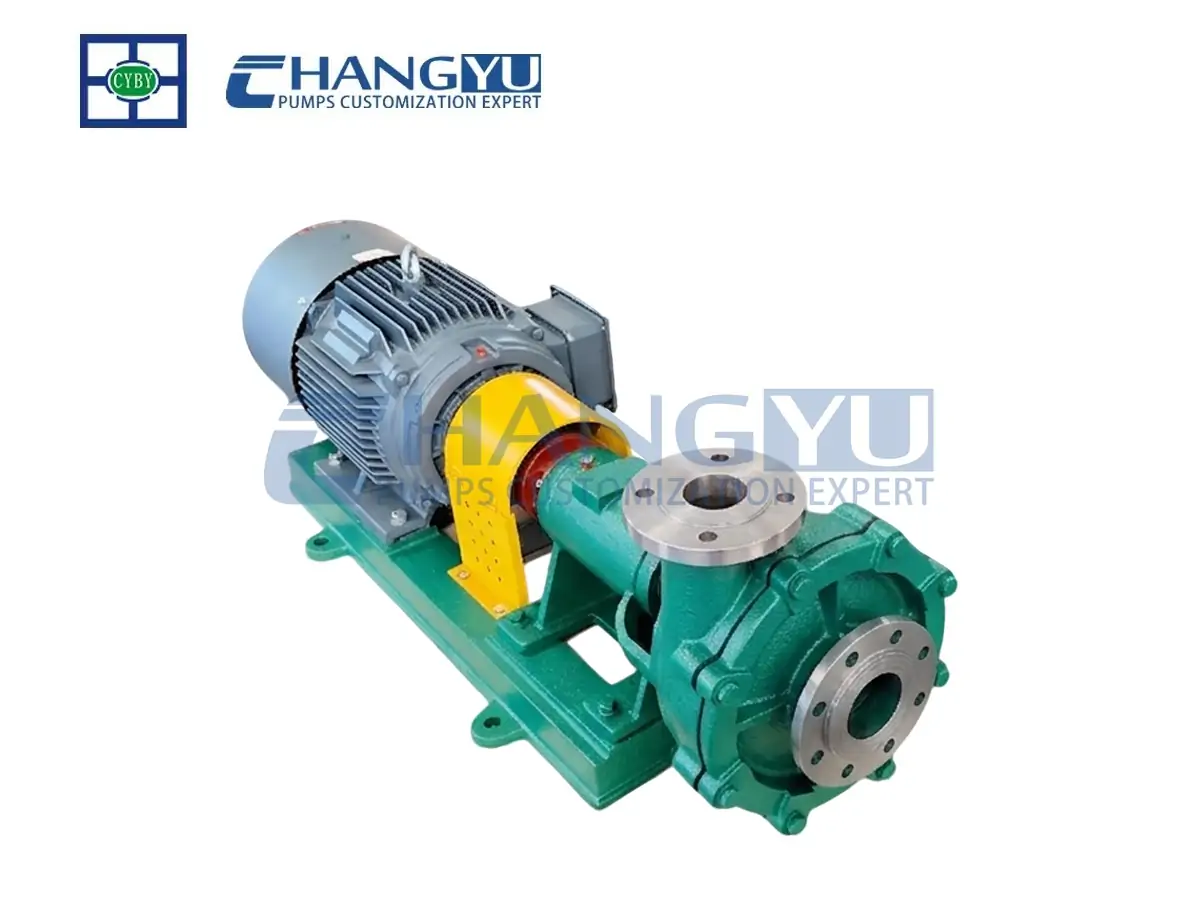
مضخة طرد مركزي أفقية متوافقة مع ISO 2858 ببناء كامل من الفولاذ المقاوم للصدأ للأجزاء المبللة. مصممة للطين الكاشط والسوائل متوسطة التآكل حيث تتطلب مقاومة التآكل والتآكل معًا. متوفرة بدرجات 304 و316L و2205 و2507 لتتناسب مع ملف التآكل المحدد للتطبيق. معدلات تدفق من 10 إلى 60 م³/ساعة، وارتفاعات رفع تصل إلى 120 مترًا.
| المعلمة | المواصفات |
|---|---|
| معدل التدفق | 10-60 م³/ساعة |
| الرأس | 20-120 m |
| قوة المحرك | 3-45 كيلوواط |
| السرعة | 2,900 دورة/دقيقة |
| درجة الحرارة | -20 درجة مئوية إلى 120 درجة مئوية |
| المواد | 304 / 316L / 2205 / 2507 |
سلسلة CYG — مضخة طرد مركزي أفقية للطين من الفولاذ المقاوم للصدأ لدرجات الحرارة العالية
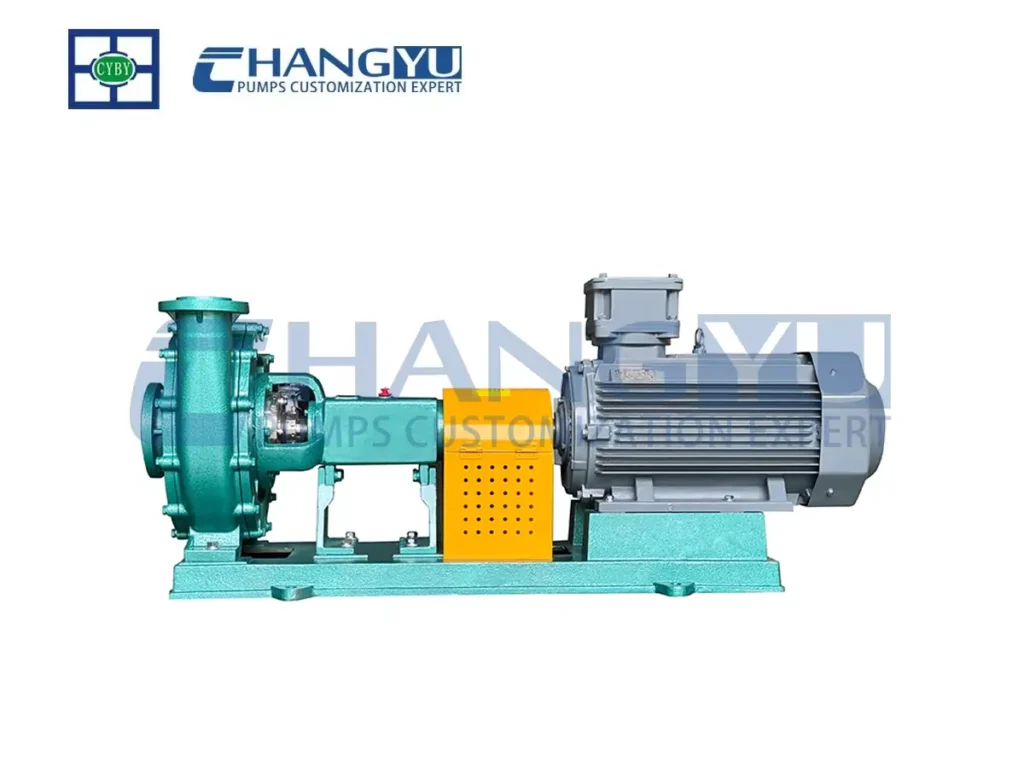
مضخة طرد مركزي أفقية مبطنة بـ PFA للظروف القاسية: المواد شديدة التآكل، ودرجات الحرارة العالية، والمحتوى العالي من المواد الصلبة. يتم دمج البطانة PFA بسماكة 8–20 مم مع الجسم الفولاذي من خلال عملية تلبيد مقولبة، مما يلغي خطر تشقق الفلوروبلاستيك. مناسبة للتعدين المائي، وإزالة الكبريت، ونقل الطين التآكلي عالي الحرارة. غير مخصصة للتطبيقات ذات الجسيمات الكبيرة عالية التأثير.
| المعلمة | المواصفات |
|---|---|
| معدل التدفق | 3-2,600 متر مكعب/ساعة |
| الرأس | 5-100 m |
| قوة المحرك | 0.75-300 كيلوواط |
| السرعة | 968 - 3450 دورة/دقيقة |
| درجة الحرارة | -80 درجة مئوية إلى 160 درجة مئوية |
| مادة التبطين | PFA (سمك 8-20 مم) |
الأسئلة الشائعة حول مضخات الطرد المركزي الأفقية للطين
س: ما هي المزايا الرئيسية لمضخة الطين الأفقية مقارنة بالتصميم الرأسي؟
ج: توفر المضخات الأفقية وصولًا كاملاً للصيانة عند مستوى الأرض — يمكن صيانة الدفاعات، والبطانيات، والمحامل، والأختام دون الحاجة إلى رافعات أو دخول إلى الحوض. كما تتيح بناءً مزدوج الغلاف مع بطانيات قابلة للاستبدال، وخلوص دفاعة قابل للضبط، وختم عمود قائم على الطارد — وهي ميزات أكثر عملية للتنفيذ على عمود أفقي مقارنة بعمود رأسي مغمور.
س: ما المادة التي يجب أن أحددها لدفاعة مضخة الطين الأفقية؟
ج: الحديد الأبيض عالي الكروم (CrMo، 26–28% Cr، 600–700 HB) هو المعيار للجسيمات الزاوية الصلبة في التعدين الصخري الصلب. للطين التآكلي ذو الأس الهيدروجيني المنخفض أو الكلوريد العالي، يتم تحديد الفولاذ المقاوم للصدأ المزدوج (2205 أو 2507). تقتصر دفاعات المطاط الطبيعي على الجسيمات الدقيقة المستديرة في الأس الهيدروجيني المحايد.
س: كم مرة يجب أن أضبط خلوص الدفاعة على مضخة الطين الأفقية؟
ج: تحقق من الخلوص على الأقل كل ثلاثة أشهر على المضخات في الخدمة الكاشطة. اضبط وفقًا لأدنى مواصفات الشركة المصنعة كلما زاد الخلوص بشكل ملحوظ. يحافظ الضبط المنتظم على كفاءة المضخة ويمنع التآكل المتسارع الذي يحدث مع إعادة التدوير الداخلي الموسع.
س: ما هي أفضل طريقة لختم العمود لمضخات الطين الأفقية؟
ج: الطارد الطرد المركزي مع حشوة الغدة أو الختم الميكانيكي هو التكوين القياسي للمضخات الكبيرة. يقلل الطارد من ضغط صندوق الحشوة أثناء التشغيل، مما يطيل عمر الختم. يتم تحديد الأختام الميكانيكية المزدوجة مع سائل حاجز للتطبيقات عالية الضغط أو الطين الخطير.
س: هل يمكن لمضخات الطين الأفقية التعامل مع المواد الصلبة الكبيرة؟
ج: نعم. مضخات الطين الأفقية ذات ممرات الدفاعة الواسعة تمرر المواد الصلبة حتى قطر 100–150 مم، اعتمادًا على حجم المضخة. لا يحد التكوين الأفقي من مرور المواد الصلبة — تحدد هندسة الدفاعة والحلزون الحجم الأقصى للجسيمات.
س: كيف يقارن الفولاذ المقاوم للصدأ المزدوج بـ CrMo عالي الكروم من حيث عمر تآكل مضخة الطين؟
ج: الفولاذ المقاوم للصدأ المزدوج (250–300 HB) لديه مقاومة تآكل أقل من CrMo عالي الكروم (600–700 HB) ولكنه يوفر مقاومة تآكل أساسية في الطين الحمضي أو عالي الكلوريد حيث يتآكل CrMo. حدد الفولاذ المقاوم للصدأ المزدوج عندما تتطلب كيمياء الطين ذلك، وليس كبديل عام لـ CrMo في التطبيقات الكاشطة ذات الأس الهيدروجيني المحايد.
قائمة مراجعة إجراءات الوقاية لمهندسي مضخات تشانغيو
- حدد التكوين الأفقي لجميع مضخات الطين العملية — تفريغ المطحنة، تغذية الإعصار، المخلفات، تدفق قاع المكثف. يبرر وصول الصيانة وتكامل ميزات التصميم البصمة الأكبر.
- تحقق من أن المضخة تحتوي على آلية خلوص دفاعة قابلة للضبط. يمكن لهذه الميزة وحدها استعادة 3–5 نقاط مئوية من الكفاءة على مضخة مهترئة وإطالة عمر الطرف الرطب بين عمليات الاستبدال.
- حدد ترتيب ختم عمود بطارد زائد حشوة أو بطارد زائد ختم. يقلل الطارد من ضغط صندوق الحشوة أثناء التشغيل، مما يطيل عمر الختم بعامل اثنين إلى ثلاثة مقارنة بمضخة بدونه.
- اختر أدنى سرعة تشغيل عملية. تحقق المضخة التي تعمل بسرعة 500 دورة/دقيقة تقريبًا ضعف عمر الطرف الرطب لمضخة مماثلة بسرعة 700 دورة/دقيقة. المضخة الأكبر والأبطأ لها تكلفة أولية أعلى ولكن تكلفة دورة حياة أقل.
- طابق مادة مقاومة التآكل مع أصلب جسيم في الطين — وليس المعدن المستهدف. الصخر المضيف من الكوارتز يتطلب مواد مختارة للكوارتز، بغض النظر عما إذا كان الهدف هو الحديد أو النحاس أو الذهب.
- للطين التآكلي، تحقق من أن المادة المحددة توفر مقاومة التآكل ومقاومة التآكل معًا. يتآكل CrMo القياسي بسرعة عند درجة حموضة أقل من 4. يتطلب الفولاذ المقاوم للصدأ المزدوج أو المضخات المبطنة للخدمة الحمضية أو عالية الكلوريد.
- قم بتضمين مراقبة درجة حرارة المحمل والاهتزاز على المضخات التي تتجاوز 100 كيلوواط. يتم استرداد تكلفة المستشعرات في المرة الأولى التي تمنع فيها فشل محمل غير مخطط له.
- احتفظ بمجموعة كاملة من قطع غيار الجزء الرطب في المخزون لكل موضع مضخة حرج. يمكن أن تمتد فترات التسليم للمسبوكات الكبيرة عالية الكروم إلى أشهر. يحول التجميع الاحتياطي انقطاعًا محتملًا طويلًا إلى استبدال مجدول.
الخاتمة
أصبحت المضخة الطاردة المركزية الأفقية للملاط المعيار الصناعي لخدمات الملاط الكاشط، لأن تكوينها يتيح ميزات تصميمية تعمل مباشرة على تحسين الموثوقية وقابلية الصيانة. إن البناء مزدوج الغلاف مع البطانات القابلة للاستبدال يحوّل تآكل الغلاف من استبدال رئيسي إلى مهمة صيانة مجدولة. إن ضبط خلوص المروحة يحافظ على كفاءة المضخة مع تآكل المكونات. يعمل نظام إحكام العمود القائم على الطارد على إطالة عمر مانع التسرب عن طريق تقليل الضغط الذي يجب أن يحتويه المانع. هذه الميزات — وسهولة الوصول للصيانة التي يوفرها الاتجاه الأفقي — تجعل التكوين الأفقي الخيار الصحيح لمضخات الملاط في عمليات المعالجة عبر مصنع معالجة المعادن. إن اختيار المواد — الكروم عالي المحتوى CrMo للملاط الكاشط ذي الأس الهيدروجيني المتعادل؛ والفولاذ المقاوم للصدأ المزدوج للملاط المسبب للتآكل؛ والمطاط للجزيئات الدقيقة المستديرة — يحدد المدة التي يمكن أن تحافظ بها ميزات التصميم هذه على أداء المضخة قبل الاستبدال المجدول التالي للطرف الرطب.
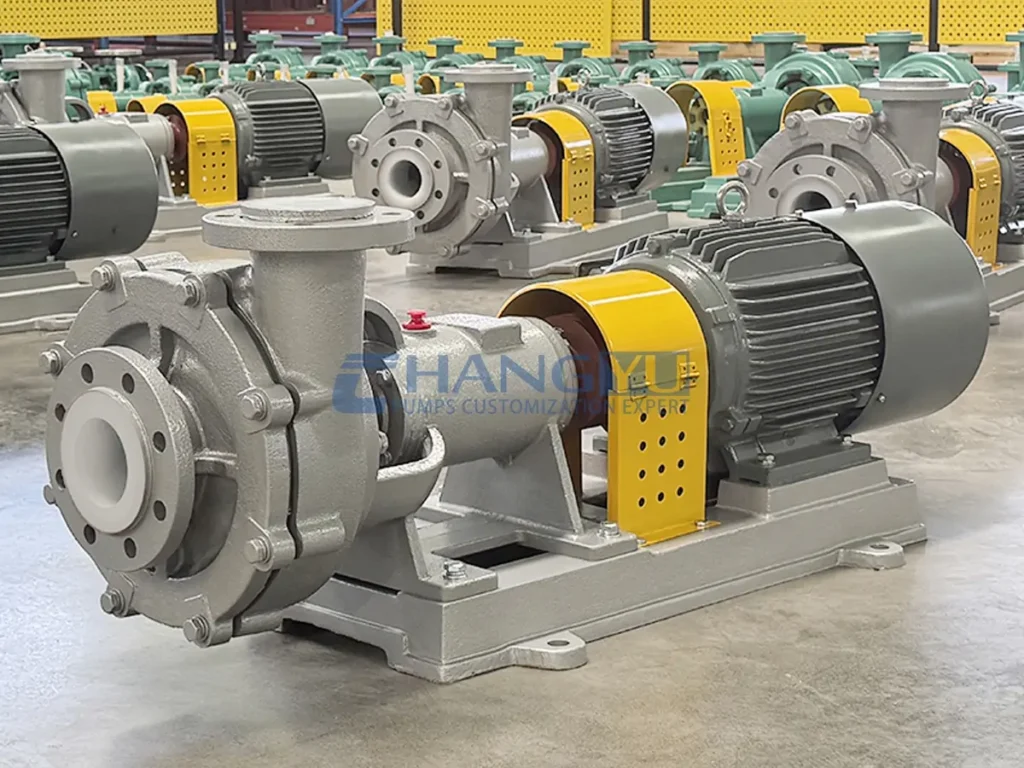
يقدم فريق الهندسة في Changyu Pump توصيات محددة التطبيق لمضخات الملاط الأفقية، مدعومة بأكثر من 20 عامًا من الخبرة في تصنيع المضخات عبر كامل نطاق تطبيقات التعدين ومعالجة المعادن والملاط الصناعي.