
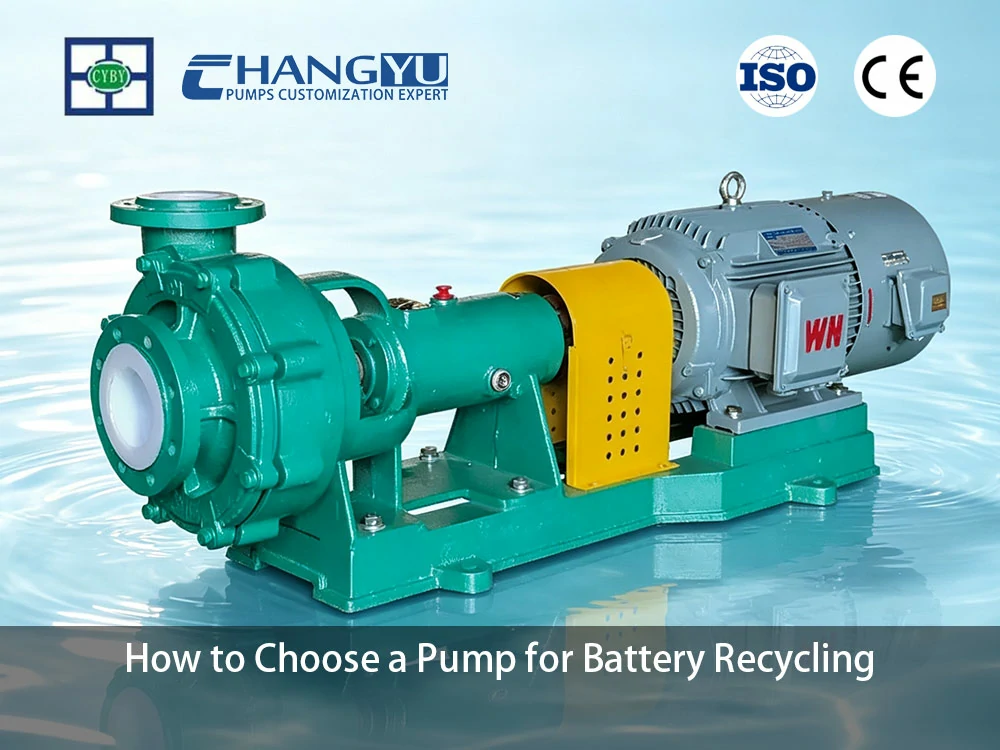
اختيار المضخة المناسبة لإعادة تدوير البطاريات يعتمد على ثلاثة مبادئ: معرفة الوسط، فصل الملوث عن النظيف، ومطابقة المادة مع ظروف التشغيل. مرافق إعادة تدوير بطاريات الرصاص الحمضية تتعامل مع مزيج من السوائل العدوانية — حمض الكبريتيك النفايات، السائل المتداول الحمضي، إلكتروليت البطارية، والملاط الحمضي المحتوي على طين الرصاص والجسيمات العالقة. هذه الوسائط تهاجم المضخات كيميائيًا وميكانيكيًا. مضخة تشانغيو متخصصة في حلول المضخات المقاومة للتآكل والتآكل السطحي وتقدم خطوط إنتاج مستهدفة تعالج كل تحدٍّ مميز في الضخ.
اعرف وسطك: ما الذي تضخه؟
مادة المضخة هي العامل الأكثر أهمية — وتبدأ بفهم تركيب السائل. إعادة تدوير البطاريات تتضمن أربعة أنواع متميزة من الوسائط، كل منها يفرض متطلبات مختلفة على مواد المضخة:
- حمض الكبريتيك النفايات — شديد التآكل، نظيف نسبيًا → التحدي الأساسي: التآكل
- السائل المتداول الحمضي — تآكل، قد يحتوي على شوائب صلبة → التحدي: تآكل + تآكل سطحي خفيف
- الملاط الحمضي مع طين الرصاص — تآكل وتآكل سطحي شديدان معًا → التحدي: تآكل سطحي + تآكل
- إلكتروليت البطارية — حمضي بدرجة عالية، نظيف → التحدي: التآكل
الخلاصة: قبل اختيار أي مضخة، حلل كل تدفق سائل في مصنعك — محتوى المواد الصلبة، حجم الجسيمات، تركيز الحمض، ودرجة الحرارة. المضخة التي تعمل مع الحمض النظيف ستفشل خلال أسابيع عند التعامل مع الملاط المحتوي على طين الرصاص.
التحدي المزدوج: التآكل والتآكل السطحي
أكبر تهديدين لعمر المضخة في إعادة تدوير البطاريات هما التآكل والتآكل السطحي، وغالبًا ما يعملان معًا.
- التآكل يهاجم الأسطح المعدنية عند ملامسته لحمض الكبريتيك والإلكتروليت، مسببًا التنقر والترقق والفشل الهيكلي النهائي
- التآكل من طين الرصاص والجسيمات العالقة يؤدي إلى تآكل الدفاعات والأغلفة والأختام — حتى في المواد المقاومة للتآكل
- المضخات الكيميائية القياسية المصممة للسوائل النظيفة تفشل بسرعة تحت هذا الهجوم المزدوج
- النتيجة هي إصلاحات متكررة وتوقف غير مخطط له وارتفاع تكاليف الصيانة
الخلاصة: الحل ليس إيجاد مضخة واحدة تقوم بكل شيء بشكل كافٍ — بل مطابقة كل نوع سائل مع مضخة مصممة خصيصًا لمتطلباته.
استراتيجية المضختين: لماذا تعمل؟
النهج الفعال يفصل الملاط الملوث عن الحمض النظيف ويطابق كلًا منهما مع مضخة مصممة لمتطلباته المحددة.
- الملاط الحمضي مع طين الرصاص والمواد الصلبة → يحتاج إلى مضخة تعطي الأولوية لـ مقاومة التآكل السطحي مع الحفاظ على مقاومة التآكل
- تدفقات الحمض الأنظف (حمض الكبريتيك النفايات، الحمض المتداول، الإلكتروليت) → تحتاج إلى مضخة محسّنة لـ مقاومة التآكل مع القدرة على التعامل مع الشوائب الصلبة
- استخدام مضختين متخصصتين يطيل عمر المعدات بشكل كبير ويقلل تكاليف الصيانة الإجمالية مقارنة بمضخة واحدة متعددة الأغراض
1 للملاط الحمضي ← مضخة الملاط المقاومة للتآكل UHB-ZK
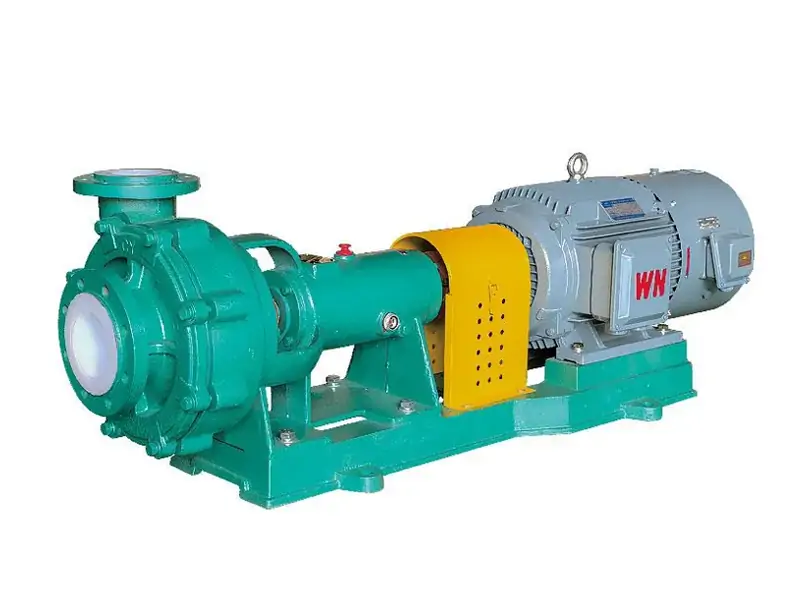
للملاط الحمضي المحتوي على جسيمات صلبة، توفر المضخة ذات مكونات التدفق من البولي إيثيلين عالي الوزن الجزيئي (UHMW-PE) وPTFE الأداء الأكثر موثوقية. مضخة الملاط المقاومة للتآكل والتآكل السطحي UHB-ZK من Changyu Pump مصنوعة بدقة من هذه المواد بالضبط.
الميزات الرئيسية:
- المادة: مكونات تدفق UHMW-PE + PTFE — مقاومة استثنائية للتآكل السطحي ضد المواد الصلبة العالقة، مقاومة كيميائية قوية ضد الأحماض
- تصميم الختم: هيكل ختم مانع للتسرب لدوران الحمض المستمر وإنتاج الرصاص
- المعلمات النموذجية:
| نطاق معدل التدفق : | 3 م³/ساعة ~ 2600 م³/ساعة |
|---|---|
| نطاق الرأس: | 5 م ~ 100 م |
| قوة المحرك : | 0.75 كيلو واط ~ 300 كيلو واط |
| السرعة: | 750 ~ 2900 دورة/دقيقة |
| نطاق درجة الحرارة المتوسطة: | -20℃~90℃ |
| مواد قابلة للتخصيص: | UHMW-PE / PTFE |
الخلاصة: هذا المزيج من المواد والتصميم يسمح لـ UHB-ZK بالتعامل مع الظروف التي قد تدمر المضخات المعدنية القياسية بسرعة.
2 للأحماض النظيفة ← مضخة CYF الطاردة المركزية المبطنة بالفلوروبلاستيك
بالنسبة لتيارات الأحماض النظيفة، توفر المضخة المبطنة بالفلوروبلاستيك الحل الأكثر موثوقية على المدى الطويل. مضخة تشانغيو CYF تتميز المضخة الطاردة المركزية المبطنة ببطانة F46 عالية الأداء داخل الهيكل.
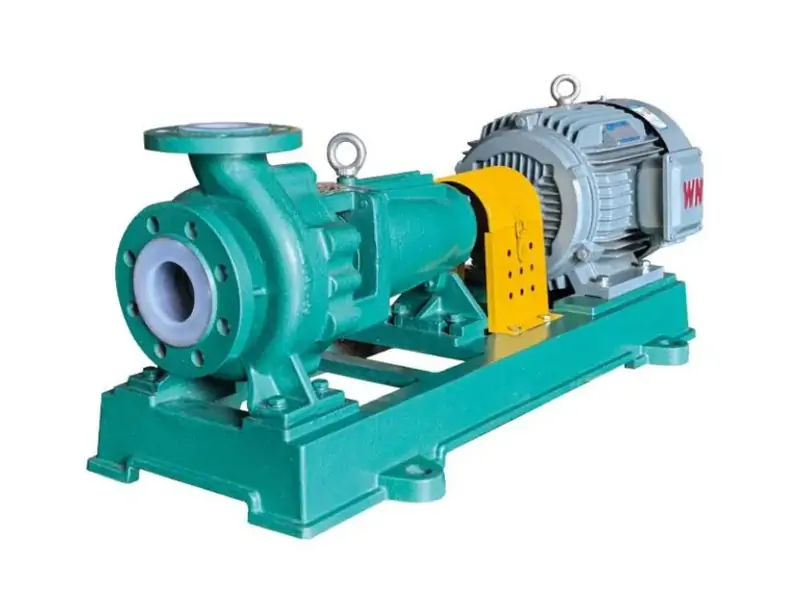
الميزات الرئيسية:
| نطاق معدل التدفق : | 1.6 م³/ساعة - 2600 م³/ساعة |
|---|---|
| نطاق الرأس: | 5 م-130 م |
| قوة المحرك : | 1.5 كيلوواط - 110 كيلوواط |
| السرعة: | 1450 - 2900 دورة/دقيقة |
| نطاق درجة الحرارة المتوسطة: | -20 درجة مئوية ~ 180 درجة مئوية |
| مواد قابلة للتخصيص: | فولاذ مبطن بـ FEP, أو PFA أو PTFE |
الخلاصة: تمنع مادة البطانة التآكل بشكل فعال، وتطيل عمر الخدمة، وتقلل من تكرار تدخلات الصيانة.
جدول القرار: طابق وسيطك مع المضخة المناسبة
| الوسيط الخاص بك | المضخة الموصى بها | المادة الرئيسية | لماذا يعمل |
|---|---|---|---|
| الملاط الحمضي مع طين الرصاص والمواد الصلبة | تشانغيو UHB-ZK مضخة الطين | UHMW-PE / PTFE | مقاومة التآكل + مقاومة التآكل الكاشط |
| حمض الكبريتيك النفايات، الحمض الدائر، الإلكتروليت | تشانغيو CYF مضخة طاردة مركزية مبطنة | بطانة F46 من الفلوروبلاستيك | مقاومة التآكل + تحمل الجسيمات الدقيقة |
| الخدمة المختلطة (الطين والأحماض النظيفة معًا) | مزيج UHB-ZK + CYF كلا المادتين | يغطي النطاق الكامل دون أي تنازل | حالات حقيقية: ما يقدمه نظام المضخات المطابق بشكل صحيح |
المضخات المختارة بشكل صحيح تحقق تحسينات ملموسة في كل من الاستقرار التشغيلي وخفض التكاليف.
في تطبيق حقيقي لمصنع إعادة تدوير البطاريات، أظهر الترقية من المضخات الكيميائية العامة إلى مزيج مستهدف من UHB-ZK + CYF نتائج واضحة:. نقل حمض مستقر
- ✅ دون توقفات غير متوقعة انخفاض ملحوظ في تآكل المكونات
- ✅ مؤكد بالفحص البصري دورات صيانة ممتدة
- ✅ — تدخلات أقل، وقت تعطل أقل انخفاض تكاليف الصيانة الإجمالية
- ✅ — انخفض استهلاك قطع الغيار القضاء على التوقفات غير المخطط لها
- ✅ — تحسن استمرارية الإنتاج هذه النتائج قابلة للتحقيق عندما يعتمد اختيار المضخة على فهم شامل للوسيط، وليس على افتراضات عامة.
الخلاصة: الأسئلة الشائعة.
هل يمكن لمضخة واحدة التعامل مع كل من الطين الحمضي والأحماض النظيفة في مصنع إعادة تدوير البطاريات؟
استخدام مضخة واحدة لكلاهما ممكن ولكنه ليس الأمثل. الطين يحتاج إلى مقاومة التآكل الكاشط (UHMW-PE)، بينما الحمض النظيف يحتاج إلى مقاومة التآكل (بطانة الفلوروبلاستيك). المضخة الواحدة تتنازل على أحد الجبهتين أو كلتيهما. إن
- مزيج UHB-ZK + CYF من مضخات تشانغيو يغطي كلا المهمتين دون أي تنازل. ما هي أفضل مادة لضخ الطين الحمضي مع طين الرصاص؟.
يوفر UHMW-PE المدمج مع PTFE أفضل توازن بين مقاومة التآكل الكاشط والمقاومة الكيميائية. هذه هي المادة المستخدمة في
- مضخة الطين. مضخة الملاط المقاومة للتآكل والتآكل السطحي UHB-ZK من Changyu Pump ما الذي يسبب فشل أختام المضخات في مصانع إعادة تدوير البطاريات؟.
مزيج تآكل حمض الكبريتيك والجسيمات الكاشطة من طين الرصاص يهاجم أسطح الأختام والمواد المرنة. اختيار مضخات ذات مقاومة للتآكل الكاشط بالإضافة إلى مقاومة التآكل الكيميائي يعالج هذا النمط من الفشل مباشرة.
- كيف تقرر بين مضخة الطين ومضخة طاردة مركزية مبطنة؟.
العامل الحاسم هو
- محتوى المواد الصلبة . إذا كان السائل يحتوي على جسيمات معلقة مثل طين الرصاص، اختر مضخة طين مثل UHB-ZK. إذا كان السائل حمضًا نظيفًا نسبيًا، فإن مضخة طاردة مركزية مبطنة مثل CYF كافية وأكثر فعالية من حيث التكلفة.. احصل على المضخة المناسبة لمصنع إعادة تدوير البطاريات الخاص بك.
احصل على المضخة المناسبة لمصنع إعادة تدوير البطاريات
لست متأكدًا من تكوين المضخة الذي يناسب تطبيق إعادة تدوير البطاريات الخاص بك؟ اتصل بنا مضخة تشانغيو لمناقشة ظروف الوسيط لديك، ومتطلبات التدفق، وأهداف التشغيل.
كيف يمكننا المساعدة:
- تحليل تيارات السوائل لديك — محتوى المواد الصلبة، تركيز الحمض، درجة الحرارة، معدل التدفق
- التوصية بمجموعة المضخات المثلى — UHB-ZK، CYF، أو نظام متكامل
- توفير الدعم الهندسي للدمج في تخطيط مصنعك الحالي
للتواصل مع مضخة تشانغيو لاستشارة مخصصة لظروف مصنعك.