
مقدمة
مضخة تفريغ المواد الكيميائية يبدأ الاختيار بالمادة الكيميائية - تركيزها ودرجة حرارتها وتوافق المواد التي تتطلبها - ولكن أصعب القرارات الهندسية هي التي تعتمد على كيفية تغير الظروف أثناء دورة التفريغ. في البداية، ترفع المضخة السائل من قاع الصهريج أو البرميل أو حاوية المواد السائبة الممتلئة مقابل رفع الشفط. مع تفريغ الحاوية، يتناقص الرأس الساكن، وقد يدخل الهواء أو البخار إلى خط الشفط، وقد تجف المضخة لفترة وجيزة قبل أن يغلقها المشغل. يمكن للمضخة المتوافقة كيميائيًا والتي تعمل بشكل جيد ضد حاوية ممتلئة أن تتجوف أو تفقد السدادات أو تدمر موانع التسرب في تلك الثواني الأخيرة من التفريغ.
من بين طرق التفريغ المتاحة، يوفر التفريغ بالمضخة مزايا أكثر من التفريغ بالضغط والبطانة عندما يمكن تجهيز المضخة بشكل موثوق والتحقق من التوافق الكيميائي. الشواغل الثلاثة الرئيسية عند تحديد مضخة التفريغ هي: تحضير المضخة قبل بدء التشغيل، وحماية الوحدة عند تفريغ الحاوية، وإدارة أحمال الفوهة والقوى من الخراطيم المتصلة. أصبحت مضخات الدفع المغناطيسي معتمدة على نطاق واسع لتطبيقات التفريغ السامة والخطرة لأنها تتميز باحتواء فقدان البخار الصفري - حيث يتم إحاطة السائل الذي يتم ضخه وأي أبخرة بالكامل داخل الغلاف المحكم الإغلاق.
مضخة تشانغيو أمضت أكثر من عقدين من الزمن في هندسة معدات مناولة السوائل المقاومة للتآكل لنقل المواد الكيميائية والتفريغ وتطبيقات المعالجة. ويغطي هذا الدليل أنواع المضخات المطابقة لمهام التفريغ، وتوافق المواد، واعتبارات السلامة، وإطار اختيار من أربع خطوات للمهندسين الذين يحددون أو يطورون تركيبات مضخات التفريغ. اتصل بنا مع معلمات التفريغ الخاصة بك للحصول على توصية محددة.
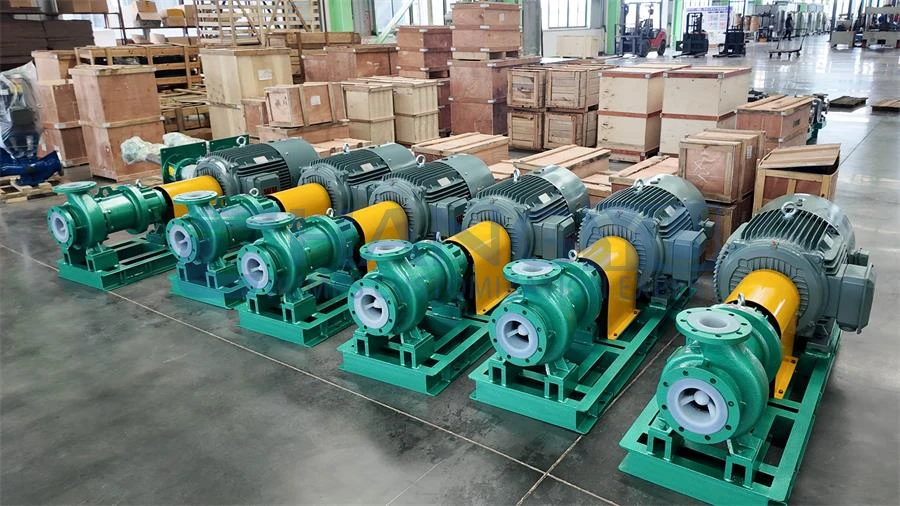
ما هي مضخة تفريغ المواد الكيميائية؟
A مضخة تفريغ المواد الكيميائية هي مضخة مصممة خصيصًا لاستخراج المواد الكيميائية المسببة للتآكل أو السامة أو الخطرة من حاويات النقل - صهاريج الطرق، وعربات الصهاريج بالسكك الحديدية، وحاويات حاويات المواد الكيميائية السائبة متوسطة الحجم، والبراميل، والبراميل - ونقلها إلى صهاريج التخزين في الموقع أو أو أوعية المعالجة. يتم تحديد المهمة من خلال ظروف التشغيل التي يجب أن تتحملها المضخة: رفع الشفط، وتغيير مستويات السوائل أثناء التفريغ، وشبه اليقين من التشغيل الجاف لفترة وجيزة في نهاية كل دورة.
متطلبات التمهيدي والتهيئة الذاتية والتشغيل الجاف
يجب تحضير المضخة قبل التشغيل. بالنسبة لمضخات الطرد المركزي، يجب ملء خط الشفط وغلاف المضخة بالسائل قبل أن تبدأ المضخة في التفريغ. يمكن لتصميمات الإزاحة الإيجابية مثل مضخات الإزاحة الموجبة والمضخات التمعجية أن تهيئ نفسها ذاتيًا من الشفط الجاف. هناك ثلاثة طرق للتعامل مع متطلبات التحضير: التحضير بالجاذبية، حيث يتم وضع خزان التخزين في موضع أقل من الصهريج للسماح بالتدفق الطبيعي؛ وتصميمات المضخات ذاتية التحضير التي يمكنها تفريغ الهواء من خط الشفط دون تدخل يدوي؛ والتفريغ باستخدام مضخات الإزاحة الموجبة أو المضخات ذات القنوات الجانبية التي يمكنها تفريغ خط الشفط من الهواء.
أنواع الحاويات والتوصيل المحكم الضغط (PTC)
تندرج مهمة التفريغ عادةً تحت تكوين نظام ضخ بسيط - مصدر إدخال واحد (الصهريج أو الحاوية) ووجهة واحدة (صهريج التخزين). بالنسبة لتفريغ الصهريج، يجب أن تعمل المضخة بالتنسيق مع نظام إرجاع البخار ونظام التوصيل المحكم الضغط (PTC) في الصهريج. يعد إحكام غلق PTC أحد متطلبات السلامة الأساسية لناقلات التفريغ العلوي: فهو يضمن أن تكون فتحة الصهريج محكمة الغلق أثناء التفريغ، مما يمنع إطلاق الأبخرة الخطرة إلى الغلاف الجوي ويحتوي أي تناثر أو اندفاع أثناء النقل.
| سيناريو التفريغ | حاوية نموذجية | نطاق التدفق | المتطلبات الرئيسية |
|---|---|---|---|
| تفريغ حمولة الشاحنة الصهريج | 20,000-40,000 L | 10-500 متر مكعب/ساعة | تدفق عالي، ذاتي التحضير أو تغذية ذاتية أو تغذية بالجاذبية، متوافق مع PTC |
| تفريغ حاوية السوائب الوسيطة للسوائب | 1,000 L | 1-20 م³/ساعة | محمول، ذاتي التحضير، متحمل للتشغيل الجاف |
| تفريغ البراميل والبراميل | 200 L | 10-175 لتر/دقيقة | مسار مبلل محمول ومقاوم للمواد الكيميائية |
| تفريغ حمولة عربة صهريج السكك الحديدية | 50,000-150,000 L | 20-320 م³/ساعة | تدفق عالي، شفط طويل، تركيب ثابت |
يجب أن تكون مضخة نقل التفريغ بالشاحنات ذات حجم مناسب لتقديم معدل التدفق المطلوب مع الحفاظ على ضغوط التشغيل الآمنة. يمكن تحقيق معدلات التدفق من 1 متر مكعب/ساعة إلى 320 متر مكعب/ساعة باستخدام مضخات الدفع المغناطيسي في تفريغ الصهاريج، مع إمكانية التباين من خلال التحكم في العاكس. بالنسبة للأنظمة المعبأة في حاويات مثل حاويات الحاويات الوسيطة للسوائب والبراميل، فإن المضخات الكهربائية أحادية الطور أو التي تعمل بالهواء مع إمكانية النقل على عربة هي التكوين القياسي.
ما هي الأنواع الرئيسية لمضخات تفريغ المواد الكيميائية والناقلات؟
أربعة أنواع من المضخات تغطي معظم تطبيقات تفريغ المواد الكيميائية. لكل منها قدرات متميزة لرفع الشفط، وتحمل التشغيل الجاف، والتوافق الكيميائي.
مضخات الطرد المركزي ذاتية التحضير
طارد مركزي ذاتي التحضير مضخات تفريغ المواد الكيميائية مصممة لإخلاء الهواء من خط الشفط، مما يخلق التفريغ اللازم لسحب السائل إلى المضخة دون تحضير يدوي. يتم استخدامها حيث يتم تركيب المضخة فوق مستوى السائل - وهو أمر شائع في منشآت تفريغ الصهاريج حيث يتم وضع المضخة على مستوى الصف ويسقط خط الشفط في الصهريج من أعلى. تجمع مضخات الطرد المركزي ذاتية التحضير المبطنة بالفلور البلاستيك بين هذه القدرة الهيدروليكية ومقاومة التآكل لبطانات FEP أو PFA، ومعالجة الأحماض والمذيبات القوية في درجات حرارة تصل إلى 150 درجة مئوية.
مضخات الدفع المغناطيسي
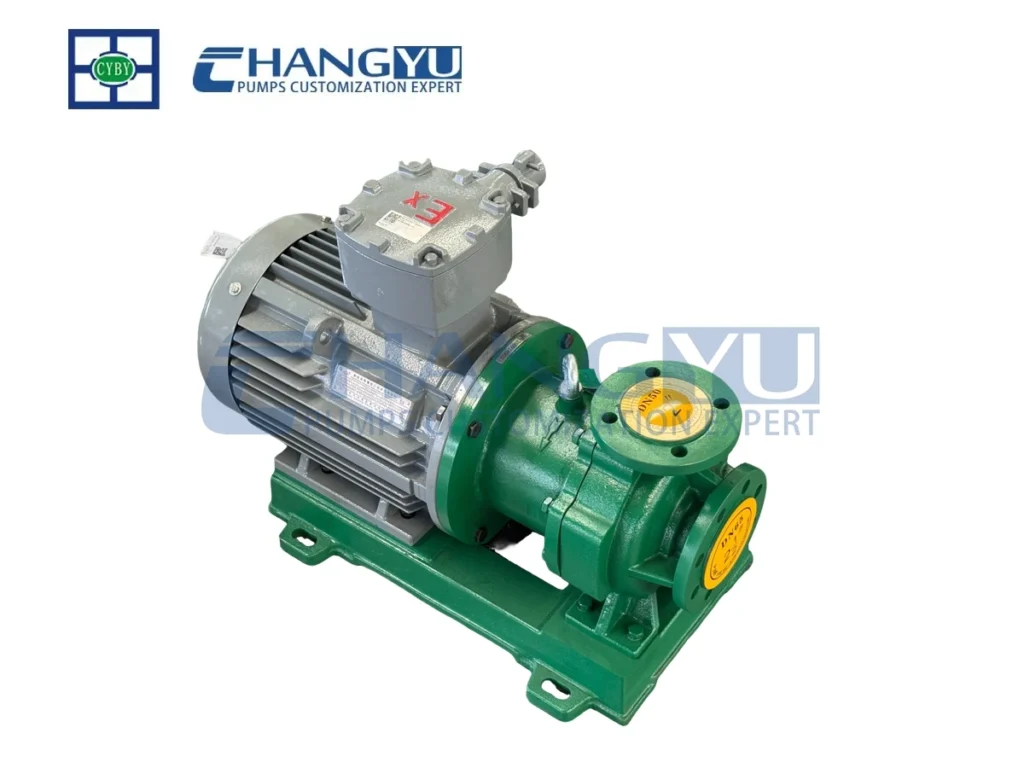
محرك مغناطيسي مضخات التفريغ توفر احتواءً منعدم التسرب للمواد الكيميائية الخطرة والسامة وعالية القيمة. يتم نقل عزم الدوران عبر غلاف عزل ثابت باستخدام اقتران مغناطيسي, مما يزيل مانع تسرب العمود الميكانيكي. تعمل مضخات الدفع المغناطيسي المبطنة بالبولي بروبيلين أو ETFE على زيادة نطاق التوافق الكيميائي لتطبيقات التفريغ. توفر تقنية المحمل الآمن للتشغيل الآمن حماية إضافية ضد التشغيل الجاف لفترة وجيزة - وهي قدرة حاسمة عند تفريغ الناقلة. API 685 هو المعيار الحاكم لمضخات الطرد المركزي غير القابلة للغلق، مكملًا ل API 610 خصيصًا لتصميمات المحرك المغناطيسي والمحركات المعلبة.
مضخات الحجاب الحاجز المزدوج المشغلة بالهواء (AODD)
AODD مضخات تفريغ المواد الكيميائية عديمة التسرب، وذاتية التحضير، ويمكن أن تعمل جافة لفترات طويلة دون تلف - وهي خصائص تعالج مباشرةً أنماط الفشل الأساسية في خدمة التفريغ. وهي تعمل بالكامل بالهواء المضغوط، وهي مناسبة للنقل في المناطق الخطرة لأن المضخة نفسها لا تحتوي على محرك كهربائي ولا تنتج شرارة، مما يجعلها مناسبة للبيئات التي توجد فيها مواد خطرة أو قابلة للانفجار أو قابلة للاشتعال بسهولة. تتعامل مضخات AODD مع السوائل التي تتراوح من المذيبات الرقيقة إلى الراتنجات عالية اللزوجة مع المواد الصلبة العالقة، ويمكن إيقاف التفريغ مقابل صمام مغلق دون ارتفاع درجة الحرارة.
بالنسبة لـ ATEX المناطق الخطرة في المنطقة 1 أو المنطقة 2، مضخات AODD المصنفة ATEX هي مواصفات قياسية. يجب تحديد المضخة لمنع مصادر الإشعال من خلال التراكم الاستاتيكي أو الاحتكاك الميكانيكي أو الشرر الصدمي أو الأسطح الساخنة. تعتبر مواد مبيت المضخة الموصلة (على سبيل المثال، البولي بروبيلين البولي بروبيلين الموصّل أو PVDF أو البنية المعدنية) وأحكام التأريض المؤكدة إلزامية - التفريغ الكهروستاتيكي هو أحد أهم مخاطر الاشتعال في العالم الحقيقي مع المضخات الغشائية في خدمة السوائل القابلة للاشتعال. يجب مراعاة فئة درجة الحرارة (T1-T6 درجة حرارة السطح القصوى) في الاختيار.
مضخات البراميل والبراميل
مضخات البراميل والبراميل عبارة عن مضخات محمولة عمودية الاتجاه مصممة لتفريغ البراميل سعة 200 لتر والحاويات الأصغر حجمًا. وهي متوفرة في تكوينات محكمة الغلق ميكانيكيًا أو غير محكمة الغلق ومقترنة مغناطيسيًا أو في تكوينات أحادية المرحلة أو متعددة المراحل، وهي توفر معدلات تدفق تصل إلى 175 لتر/دقيقة مع رؤوس توصيل تصل إلى 30 مترًا. بالنسبة للسوائل القابلة للاشتعال أو السوائل القابلة للانفجار، يلزم وجود مضخات معتمدة من ATEX أو مضخات مقاومة للانفجار.
مقارنة نوع مضخة تفريغ المواد الكيميائية
| نوع المضخة | التمهيد الذاتي | تحمّل التشغيل الجاف | نطاق التدفق | أفضل تطبيق |
|---|---|---|---|---|
| طارد مركزي ذاتي التحضير | نعم (تلقائي) | محدود (يرتدي الختم) | 2.5-500 متر مكعب/ساعة | تفريغ الصهاريج الكبيرة، تركيب ثابت فوق الناقلة |
| محرك مغناطيسي | يتطلب تحضيرًا تمهيديًا | موجز (مع محامل آمنة للتشغيل) | 1-320 م³/ساعة | تسرب صفري للمواد الكيميائية السامة والخطرة وعالية القيمة |
| AODD | نعم (من الشفط الجاف) | ممتاز (غير محدد) | حتى 1,041 لتر/دقيقة | العمل المتقطع، المناطق الخطرة، تفريغ البراميل/حاويات السوائب الوسيطة |
| مضخة طبلية | نعم (محمول) | محدودة | حتى 198 لتر/دقيقة | تفريغ البراميل والبراميل، ونقل المواد الكيميائية المحمولة |
ما هي المواد ومعايير السلامة المطبقة على مضخات تفريغ المواد الكيميائية؟
توافق المواد
يتم تحديد اختيار المواد حسب المادة الكيميائية المحددة في تركيز التشغيل ودرجة حرارة التشغيل. ويغطي ما يلي معظم تطبيقات التفريغ الكيميائي:
بولي بروبيلين (بولي بروبيلين) يوفر مقاومة جيدة لحمض الكبريتيك المخفف (≤40%) والعديد من المحاليل القلوية في درجات حرارة أقل من 80 درجة مئوية. أما مقاومته لحمض الهيدروكلوريك فتعتمد على التركيز: في درجة حرارة الغرفة، يتوافق الـ PP بشكل عام حتى 35% HCl تقريبًا، ويتعرض للهجوم بتركيزات أعلى.
PVDF (فلوريد البوليفينيلدين متعدد الفلوريدات) يوفر مقاومة ممتازة لحمض الكبريتيك المركز (حتى 98%) وحمض الهيدروكلوريك ومعظم المذيبات العضوية في درجات حرارة تصل إلى 100 درجة مئوية. بالنسبة لحمض النيتريك، فإن PVDF متوافق عند تركيزات معتدلة (<50%) ودرجات حرارة؛ أما بالنسبة لحمض النيتريك الذي يزيد عن 86%، فإن حمض النيتريك المدخن سيهاجم PVDF.
PTFE (متعدد رباعي فلورو الإيثيلين) يوفر مقاومة شبه شاملة للمواد الكيميائية حتى 120 درجة مئوية تقريبًا، بما في ذلك جميع تركيزات حمض الهيدروكلوريك والكبريتيك والنتريك. PFA (بيرفلورو ألكوكسي) يمتد هذا الخمول الكيميائي إلى ما يقرب من 160 درجة مئوية، والأهم من ذلك أنه يُظهر نفاذية أقل بكثير من PTFE للأحماض ذات الجزيئات الصغيرة مثل HCl وHF في درجات الحرارة المرتفعة - مما يجعل PFA البطانة المفضلة لتفريغ الأحماض في درجات الحرارة العالية.
UHMW-PE (البولي إيثيلين فائق الوزن الجزيئي) يوفر صلابة متميزة في الصدمات ومقاومة للتآكل في درجات حرارة معتدلة (حتى 90 درجة مئوية)، والتعامل مع الخلائط الكاشطة المسببة للتآكل.
الفولاذ المقاوم للصدأ (316L، 2205، 2507) يخدم المذيبات العضوية والمواد الكيميائية الخفيفة. وبالنسبة لحامض الكبريتيك الذي يزيد عن 15% تقريباً، لا يوصى باستخدام الفولاذ المقاوم للصدأ؛ وينبغي تحديد المضخات المبطنة بالفلور.
مرجع سريع للتوافق الكيميائي
| المواد الكيميائية | التركيز | ص | PVDF | PTFE | الاتحاد الفلسطيني لكرة القدم | UHMW-PE | 316L SS |
|---|---|---|---|---|---|---|---|
| حمض الكبريتيك | ≤40%، ≤25 درجة مئوية | ✅ | ✅ | ✅ | ✅ | ✅ | ❌ |
| حمض الكبريتيك | 40-98% | ❌ | ✅ | ✅ | ✅ | ✅ | ❌ |
| حمض الهيدروكلوريك | ≤35%، ≤25 درجة مئوية | ✅ | ✅ | ✅ | ✅ | ✅ | ❌ |
| حمض الهيدروكلوريك | >35% أو ساخن | ❌ | ✅ | ✅ | ✅ | ✅ | ❌ |
| حمض النيتريك | ≤25%، ≤25 درجة مئوية | ⚠️ | ✅ | ✅ | ✅ | ✅ | ❌ |
| حمض النيتريك | 25-86% | ❌ | ✅ | ✅ | ✅ | ✅ | ❌ |
| دُخان HNO₃ | >86% | ❌ | ❌ | ✅ | ✅ | ✅ | ❌ |
| هيدروكسيد الصوديوم | ≤50% | ✅ | ✅ | ✅ | ✅ | ✅ | ✅ |
| المذيبات العضوية | متنوع | ⚠️ | ✅ | ✅ | ✅ | ✅ | ✅ |
معايير السلامة والامتثال
شهادة ATEX/IECEx. يجب أن تمتثل مضخات تفريغ المواد الكيميائية المستخدمة في المناطق الخطرة لتوجيهات ATEX (2014/34/EU) لسوق الاتحاد الأوروبي، أو IECEx للأسواق الدولية. بالنسبة للسوق المحلية الصينية، تطبق معايير GB 3836 المقاومة للانفجار.
لوائح ADR و IMDG. تخضع عمليات نقل البضائع الخطرة عن طريق البر والبحر للوائح ADR و IMDG، وكلاهما يؤثر على مواصفات المضخات وأنظمة الاحتواء في مرافق التفريغ.
API 685. بالنسبة لتطبيقات التفريغ للخدمة الشاقة في مصانع البتروكيماويات والكيماويات، يوفر API 685 المعيار الحاكم لمضخات الطرد المركزي غير القابلة للتسرب، مكملاً لـ API 610 خصيصًا لتصاميم المحرك المغناطيسي والمحركات المعلبة.
كيفية اختيار مضخة تفريغ المواد الكيميائية المناسبة: إطار عمل من 4 خطوات
نهج اختيار منهجي يطابق المضخة مع ظروف التفريغ.
الخطوة 1: توصيف المادة الكيميائية وإعداد التفريغ
توثيق التركيب الكيميائي والتركيز واللزوجة والجاذبية النوعية ودرجة الحرارة وضغط البخار. حدد نوع الحاوية (صهريج، حاوية سوائب وسيطة للسوائب، أسطوانة)، ورافعة الشفط، وما إذا كان موقع التفريغ مزودًا بالكهرباء أو الهواء المضغوط. إذا كانت المادة الكيميائية قابلة للاشتعال، فقم بتصنيف المنطقة الخطرة (المنطقة 1 أو المنطقة 2 للأجواء الغازية) وحدد ما إذا كانت شهادة ATEX أو IECEx مطلوبة.
الخطوة 2: تحديد معدل التدفق والرأس الديناميكي الكلي
احسب معدل تدفق التفريغ المطلوب والرأس الديناميكي الكلي (TDH)، مع مراعاة الرفع الاستاتيكي من قاع الحاوية، وفقد الاحتكاك من خلال أنابيب الشفط والتفريغ، وأي ضغط وجهة.
الخطوة 3: حدد نوع المضخة بناءً على ظروف التفريغ
طابق نوع المضخة مع حالة الشفط ومخاطر التشغيل الجاف ومتطلبات التدفق. بالنسبة لتفريغ الصهاريج من الشفط من أعلى الدرجة، فإن مضخة الطرد المركزي ذاتية التحضير أو مضخة الدفع المغناطيسي المزودة بأحكام التحضير تتولى المهمة. بالنسبة لتفريغ حاويات المواد السائبة الوسيطة للسوائب والأسطوانات، توفر مضخة الطرد المركزي ذاتية التحضير أو مضخة الأسطوانة المحمولة إمكانية التحضير الذاتي المطلوبة، وتحمل التدفق الجاف. بالنسبة للمواد الكيميائية الخطرة أو السامة أو عالية القيمة، توفر مضخة الدفع المغناطيسي احتواءً خالٍ من التسرب حسب التصميم. بالنسبة للمذيبات القابلة للاشتعال، تأكد من شهادة ATEX لجميع المعدات في المنطقة الخطرة.
الخطوة 4: مطابقة المواد والتحقق من حجم المحرك
اختر المواد بناءً على جدول التوافق الكيميائي أعلاه، مع التأكد من كل مكون مبلل مقابل المادة الكيميائية المحددة عند درجة حرارة التشغيل القصوى. تحقق من تصنيف طاقة المحرك مقابل الثقل النوعي للسائل عند معدل التدفق التصميمي.
ما هي التطبيقات الرئيسية ومعايير السلامة لتفريغ المواد الكيميائية؟
توزيع المواد الكيميائية ومعالجتها. تفريغ الصهاريج للأحماض والقلويات والمذيبات في مرافق خلط المواد الكيميائية وتوزيعها. توفر مضخات الدفع المغناطيسي احتواءً خالياً من التسرب، مما يلغي الحاجة إلى أجهزة تنقية الأبخرة لأنه يمكن إعادة الأبخرة بأمان إلى الصهريج.
محطات البتروكيماويات والوقود. تفريغ المواد الهيدروكربونية والإيثانول والوقود الحيوي والمنتجات البترولية من ناقلات الطرق إلى مخازن المحطات. وتخدم مضخات الإزاحة الموجبة ذاتية التحضير هذه المهام، مع شهادة ATEX الإلزامية لتفريغ الإيثانول والبنزين.
تصنيع المستحضرات الصيدلانية والمواد الكيميائية الدقيقة. تفريغ الأسطوانة وحاوية المواد الوسيطة عالية القيمة والمركبات السامة للخلايا وسلائف المكونات الصيدلانية النشطة. توفر مضخات المحرك المغناطيسي المبطنة بالفلوروبوليمر احتواءً خالٍ من التسرب وحماية نقاء المنتج.
معالجة المياه ومياه الصرف الصحي. تفريغ مواد التخثر والمطهرات والمواد الكيميائية لتعديل الأس الهيدروجيني من حاويات السوائب الوسيطة والبراميل. وتوفر مضخات AODD مضخات AODD عملية ذاتية التحضير بدون غلق لهذه المهام المتقطعة لنقل المواد الكيميائية.
بروتوكولات صيانة مضخة تفريغ المواد الكيميائية وبروتوكولات السلامة
سلامة ما قبل التشغيل
قبل توصيل المضخة، تحقق من أن المضخة متوافقة كيميائياً مع سائل التفريغ. تأكد من أن جميع وصلات الخرطوم آمنة وخالية من التسرب. في حالة السوائل القابلة للاشتعال، تحقق من مسار التأريض الساكن: يجب ربط المضخة ورمح الشفط وخرطوم التفريغ وخزان الاستقبال وتوصيلها بأرضية أرضية مؤكدة. قم بتوصيل خط إرجاع البخار إذا لزم الأمر. يجب أن تكون محطة غسيل العين في حالات الطوارئ ودش السلامة متاحة في غضون 10 ثوانٍ من موقع التفريغ (وفقًا لمعيار ANSI/ISEA Z358.1).
أثناء التفريغ
راقب ضغط تصريف المضخة وتدفقها. قد يشير انخفاض الضغط إلى أن الصهريج على وشك التفريغ، أو أن مصفاة الشفط مسدودة، أو أن وصلة الخرطوم مفكوكة. بالنسبة لمضخات AODD، راقب إمدادات الهواء بحثًا عن الرطوبة التي يمكن أن تسبب تجمد الصمام. بالنسبة للمضخات ذات المحرك المغناطيسي، راقب درجة حرارة غلاف الاحتواء - قد يشير ارتفاع درجة الحرارة إلى جفاف التشغيل أو تراكم المواد الصلبة.
حماية نهاية الدورة
يجب إيقاف المضخة بمجرد تفريغ الحاوية لتقليل التشغيل الجاف. يمكن لجهاز مراقبة الحمل الرقمي المزود برحلة منخفضة الطاقة أن يوقف المضخة تلقائيًا عند تفريغ الحاوية. بالنسبة لمضخات الطرد المركزي ذاتية التحضير، قم بتفريغ غلاف المضخة بعد الاستخدام إذا كانت المضخة ستكون خاملة لأكثر من 24 ساعة لمنع تبلور البقايا الكيميائية.
الفحص الدوري
شهريًا: قياس خلوص الدفاعة (مضخات الطرد المركزي)، وفحص الأغشية وصمامات الفحص (مضخات AODD)، وفحص الحلقات الدائرية والحشيات بحثًا عن أي هجوم كيميائي. كل ثلاثة أشهر: فحص كامل للأطراف الرطبة واستبدال زيوت التشحيم للمحمل. سنويًا: التفكيك الكامل للمضخة واستبدال جميع مكونات التآكل. يجب شطف المضخات بشكل كامل والتأكد من تعادل الأس الهيدروجيني قبل أي تفكيك.
حلول مضخة تشانغيو لتفريغ المواد الكيميائية
تقدم Changyu Pump خمس منصات مضخات مصممة لمهام تفريغ المواد الكيميائية، كل منها يتناسب مع أنواع معينة من الحاويات ومتطلبات المعالجة.
مضخة UHB سلسلة UHMWPE UHMWPE المقاومة للتآكل
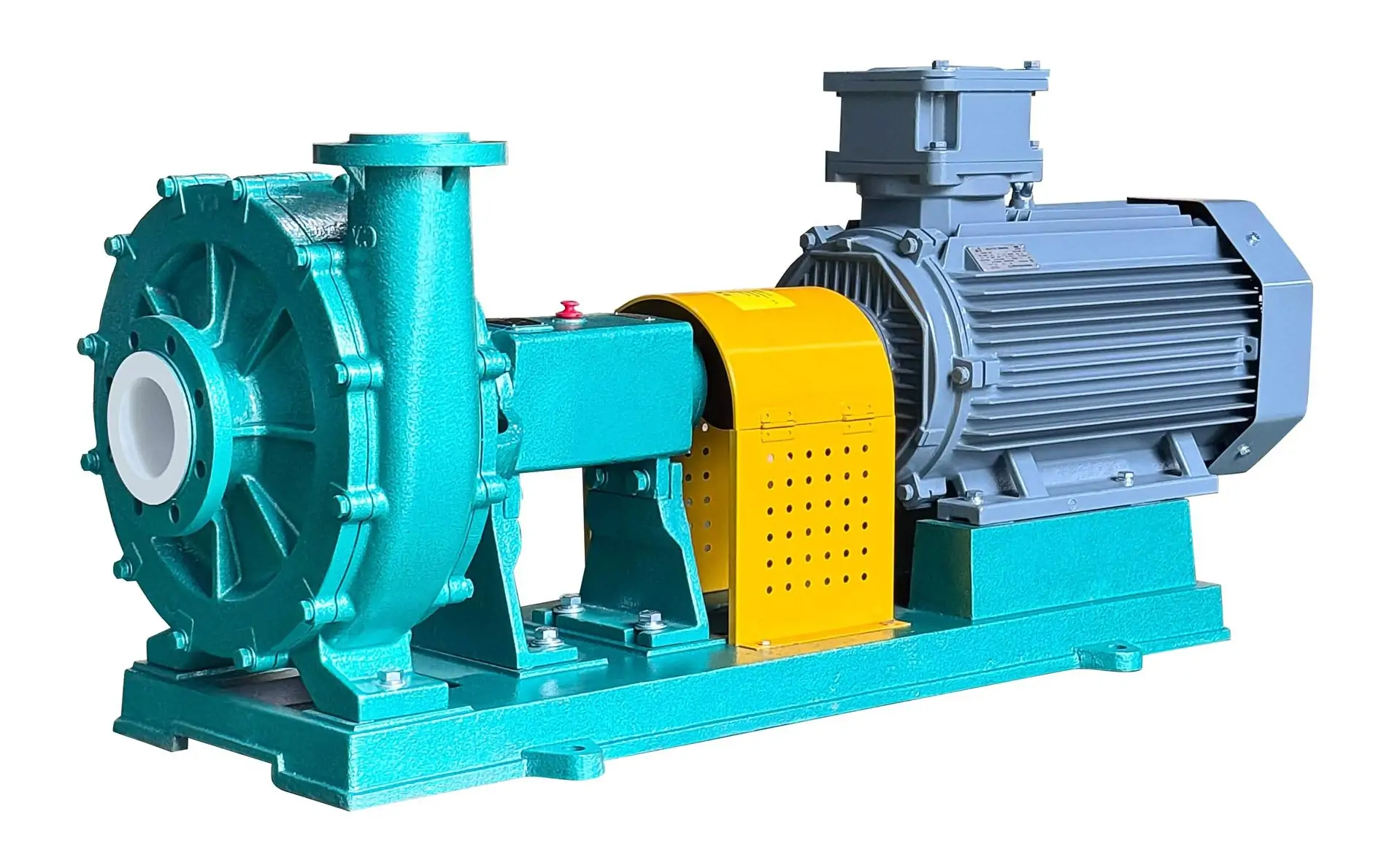
سلسلة UHB عبارة عن مضخة طرد مركزي أحادية المرحلة ناتئ مع بطانة UHMW-PE غلاف مصمم للسوائل العدوانية كيميائياً والمسببة للتآكل الكاشطة. تضمن الأجزاء المبللة المستوردة السميكة المستوردة وممرات التدفق الموسعة التشغيل المستقر طويل الأجل في نقل الأحماض والدوران القلوي وتفريغ مياه الصرف الصحي المسببة للتآكل وتفريغ الملاط الكيميائي.
المواصفات الرئيسية: تدفق 3-2600 متر مكعب/ساعة | رأس 5-100 متر | طاقة 0.75-300 كيلوواط | درجة حرارة -20 درجة مئوية إلى 90 درجة مئوية
سلسلة CYC مضخة مغناطيسية من الفولاذ المقاوم للصدأ شديدة التحمل
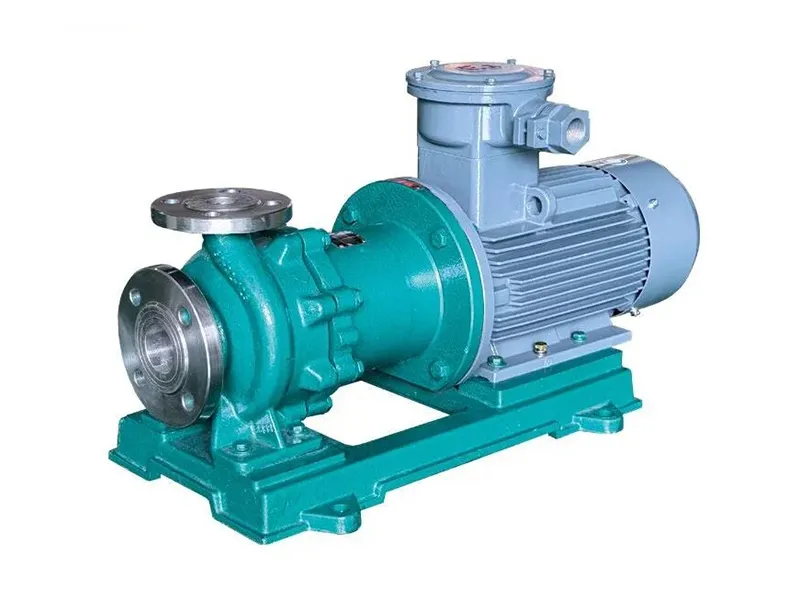
سلسلة CYC عبارة عن مضخة ذات محرك مغناطيسي للخدمة الشاقة مصممة وفقًا لـ API 685, مع معدل ضغط شفة يبلغ 1.6 ميجا باسكال. مصنوعة من 304 أو 316 أو 316L أو تيتانيوم 304 أو 316 أو 316L أو تيتانيوم, ، فإن قارنة التوصيل المغناطيسية الخالية من السدادات تلغي مانع تسرب العمود لاحتواء الوسائط الخطرة في مجال البتروكيماويات والطب الحيوي وتفريغ المواد الكيميائية في مجال الطاقة الجديدة.
المواصفات الرئيسية: تدفق 3.6-100 متر مكعب/ساعة | رأس 20-80 م | طاقة 1.1-55 كيلوواط | درجة حرارة -20 درجة مئوية إلى 100 درجة مئوية
مضخة الدفع المغناطيسي ذات المحرك المغناطيسي عالي الحرارة من سلسلة CYQ
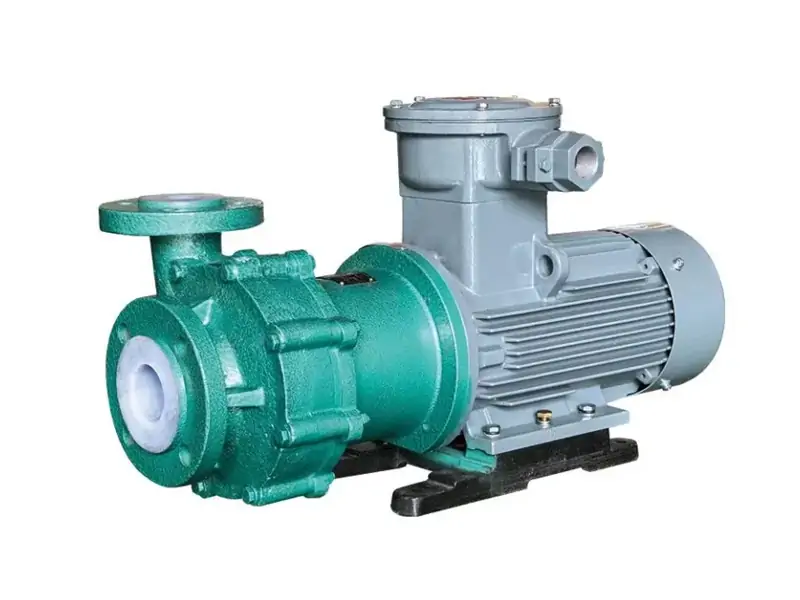
سلسلة CYQ عبارة عن مضخة ذات محرك مغناطيسي عديم العزل مع مكونات مبللة مبطنة FEP أو PFA أو PTFE. تم تصنيفها للتشغيل المستمر من -20 درجة مئوية إلى 180 درجة مئوية، وهي تتعامل مع حمض الكبريتيك وحمض الهيدروكلوريك وحمض النيتريك والوسائط العدوانية الأخرى في درجات حرارة مرتفعة حيث تصل المضخات المبطنة بـ FEP القياسية إلى حدها الحراري.
المواصفات الرئيسية: تدفق 3-800 م³/ساعة | رأس 15-125 م | طاقة 2.2-110 كيلوواط | درجة حرارة -20 درجة مئوية إلى 180 درجة مئوية
مضخة البراميل الكيميائية سلسلة HD
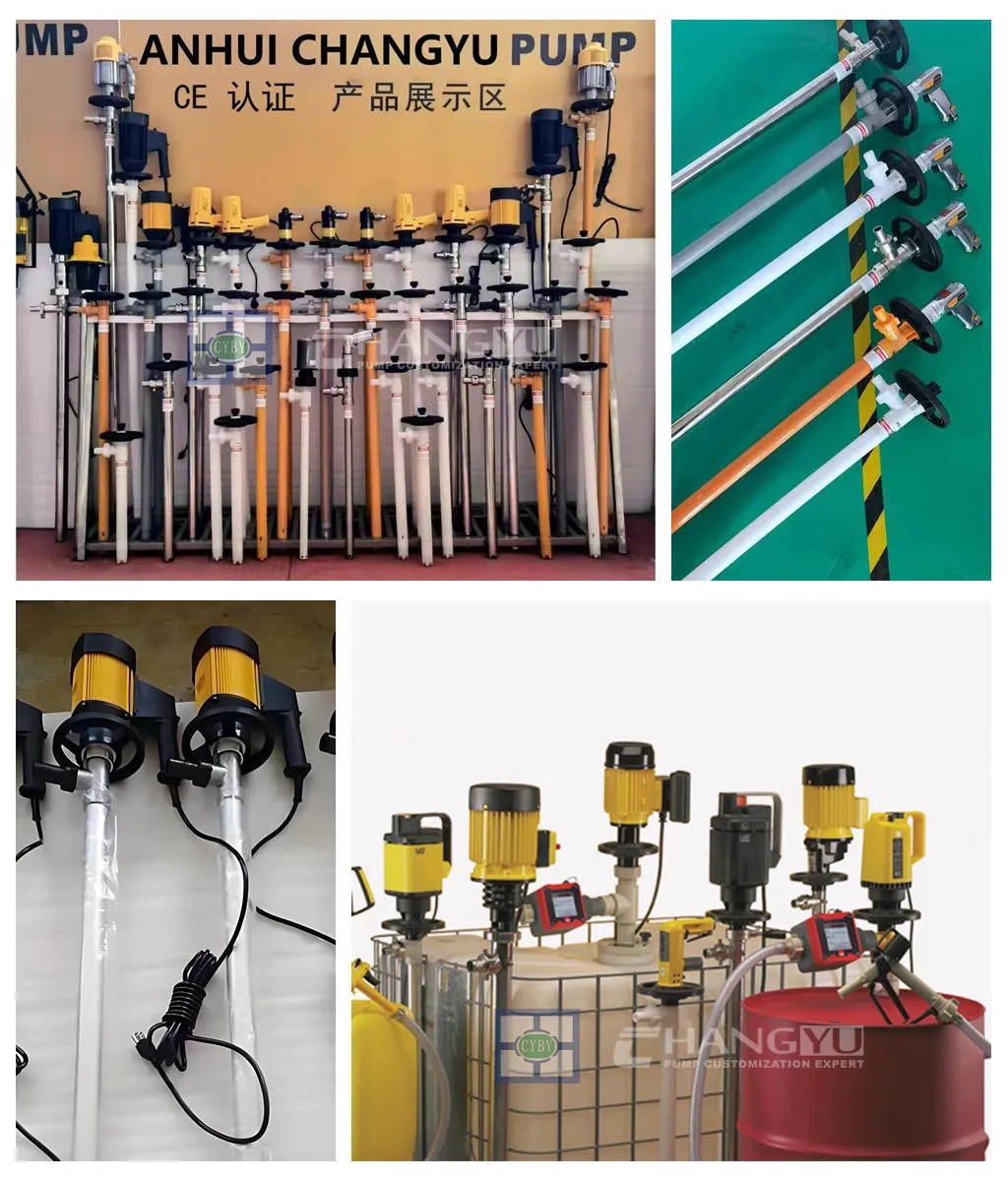
سلسلة HD هي مضخة براميل شبه غاطسة لاستخراج الأحماض والمذيبات والسوائل المسببة للتآكل من البراميل والبراميل. المكونات المبللة متوفرة في 304، 316L، وPVDF، وPP، وسبائك الألومنيوم، والـ Hastelloy، واللدائن المصممة هندسيًا, مع تحكم في السرعة المتغيرة من 0-12,000 دورة/دقيقة.
المواصفات الرئيسية: تدفق يصل إلى 198 لتر/دقيقة | رأس يصل إلى 30 متر | طاقة 0.12-7.5 كيلوواط | درجة حرارة | 110 درجة مئوية
سلسلة FZB مضخة ذاتية التحضير بالفلور والبلاستيك
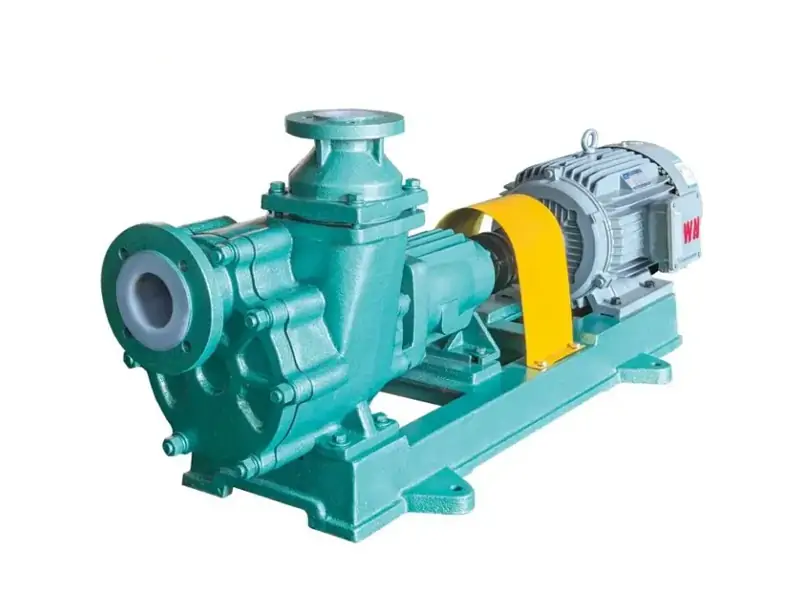
سلسلة FZB هي سلسلة مقاومة للتآكل مضخة طرد مركزي ذاتية التحضير مع FEP (F46) أو PFA بطانة. يحقق رأس ذاتي التحضير يصل إلى 5 أمتار ويتطلب تعبئة أولية فقط. بالنسبة لتفريغ الصهاريج وحاوية المواد السائبة (IBC) فوق الصف، فهي تجمع بين هيدروليكية ذاتية التحضير مع مقاومة التآكل الفلورية الكاملة.
المواصفات الرئيسية: تدفق 2.5-100 متر مكعب/ساعة | رأس 15-50 م | طاقة 0.75-55 كيلوواط | درجة حرارة -20 درجة مئوية إلى 150 درجة مئوية
الأسئلة المتداولة
س1: ما هي مضخة تفريغ المواد الكيميائية؟
ج: أ: أ مضخة تفريغ المواد الكيميائية تستخرج المواد الكيميائية المسببة للتآكل أو السامة أو الخطرة من الصهاريج أو الحاويات الوسيطة للسوائب أو البراميل وتنقلها إلى التخزين في الموقع. يجب أن تتعامل مع رفع الشفط، وتغيير مستويات السوائل، والتشغيل الجاف لفترة وجيزة في نهاية كل دورة.
س2: ما نوع المضخة الأفضل لتفريغ ناقلة مواد كيميائية؟
A: مضخات الدفع المغناطيسي توفير احتواء خالٍ من التسرب ومعالجة تدفقات تصل إلى 320 متر مكعب/ساعة - وهو معيار تفريغ ناقلات المواد الكيميائية الخطرة. مضخات طرد مركزي ذاتية التحضير و مضخات AODD بمثابة بدائل فعالة من حيث التكلفة اعتمادًا على متطلبات رفع الشفط والتدفق.
س3: هل يمكن استخدام مضخة AODD لتفريغ المواد الكيميائية؟
ج: نعم. مضخات AODD عديمة التسرب وذاتية التحضير من بداية جافة، ويمكن أن تعمل جافة إلى أجل غير مسمى. بالنسبة لتفريغ المذيبات القابلة للاشتعال المصنفة من ATEX، فإن أغطية مضخة AODD الموصلة والتأريض المؤكد إلزامي.
س4: كيف يمكنني اختيار المادة المناسبة لمضخة تفريغ المواد الكيميائية الخاصة بي؟
ج: طابق المادة مع المادة الكيميائية عند تركيزها التشغيلي ودرجة حرارة التشغيل. يتعامل PP مع الأحماض والقلويات المخففة حتى ~ 80 درجة مئوية وHCl حتى ~ 35% في درجة الحرارة المحيطة. يتعامل PVDF مع حمض الكبريتيك المركز، وHCl، والمذيبات حتى 100 درجة مئوية. يوفر كل من PTFE وPFA مقاومة شبه شاملة، مع تفضيل PFA لتفريغ الأحماض في درجات الحرارة العالية بسبب انخفاض نفاذية هذه المادة.
س5: هل المضخة ذاتية التحضير ضرورية لتفريغ المواد الكيميائية؟
ج: مضخة ذاتية التحضير ضرورية إذا كانت المضخة موضوعة فوق مستوى السائل - وهو التكوين القياسي لتفريغ الصهاريج. إذا كان التدفق بالجاذبية يمكن أن يملأ خط الشفط، يمكن استخدام مضخة طرد مركزي قياسية ذات شفط مغمور.
س6: كيف يمكنني منع التسريبات عند تفريغ المواد الكيميائية الخطرة؟
ج: حدد محرك مغناطيسي أو مضخة AODD للاحتواء بدون تسرب حسب التصميم. تحقق من جميع وصلات الخراطيم وتجهيزات قفل الكامات والحشيات قبل كل دورة. بالنسبة للصهاريج ذات التحميل العلوي، تأكد من تشغيل مانع تسرب PTC لاحتواء الأبخرة والرذاذ.
س7: ما هي شهادات السلامة المطلوبة لمضخات تفريغ المواد الكيميائية؟
ج: بالنسبة للمذيبات القابلة للاشتعال في المناطق الخطرة، يجب أن تحمل المضخة ATEX (الاتحاد الأوروبي), IECEx (دولي)، أو شهادة GB 3836 (الصين). تعتبر مواد المضخة الموصلة ومسار التأريض الساكن المعتمد إلزامية.
س8: كم مرة يجب صيانة مضخة تفريغ المواد الكيميائية؟
ج: يوميًا: افحص يوميًا: افحص بحثًا عن تسرب مرئي وراقب ضغط التفريغ. شهريا: قياس خلوص المكره (الطرد المركزي) أو فحص الأغشية (AODD). ربع سنوي: فحص كامل للطرف الرطب. سنويًا: التفكيك الكامل واستبدال جميع المكونات البالية. يجب شطف المضخات جيدًا قبل أي تفكيك.
توصيات الاختيار من مهندسي مضخة تشانغيو
- طابق نوع المضخة مع ظروف التفريغ، وليس فقط المادة الكيميائية. تحدد القدرة على التحضير الذاتي، وتحمل التشغيل الجاف، ورفع الشفط ما إذا كانت المضخة ستصمد في مهمة التفريغ. المضخة المتوافقة كيميائيًا ولكن لا يمكنها التعامل مع ظروف الشفط ستفشل بغض النظر عن مواصفات المواد الخاصة بها.
- حدد المواد للمادة الكيميائية المحددة عند درجة حرارة التشغيل القصوى. يمكن أن تؤدي الارتفاعات في درجات الحرارة أثناء التفريغ إلى دفع المواد إلى ما هو أبعد من حدودها المقدرة. تحقق من التوافق في أسوأ الحالات الحرارية. بالنسبة لتفريغ الأحماض في درجات الحرارة العالية، يفضل استخدام بطانات PFA على PTFE بسبب انخفاض نفاذية الأحماض ذات الجزيئات الصغيرة.
- تحديد احتواء صفري التسرب للمواد الكيميائية الخطرة أو السامة. تعمل مضخات الدفع المغناطيسي ومضخات AODD على التخلص من مانع التسرب الميكانيكي للعمود - وهو مسار التسرب الأكثر شيوعًا. يتم استرداد التكلفة الرأسمالية الإضافية من خلال التخلص من استبدال مانع التسرب وتجنب الإبلاغ عن الانبعاثات.
- تحقق من مسار التأريض الساكن لجميع عمليات تفريغ السوائل القابلة للاشتعال. تعتبر المواد الموصلة للمضخة وكابل التأريض المعتمد الذي يربط المضخة ورمح الشفط وخرطوم التفريغ وخزان الاستقبال بالأرضية الأرضية إلزامية - بغض النظر عن نوع المضخة أو الشهادة.
الخاتمة
تحديد مضخة تفريغ المواد الكيميائية يتطلب أولاً فهم متطلبات الشفط والمواد الكيميائية والسلامة في موقع التفريغ. وسواء كان التطبيق يستدعي مضخة طرد مركزي ذاتية التحضير للتعامل مع نقل الأحماض من الصهريج إلى التخزين، أو مضخة ذات محرك مغناطيسي توفر احتواءً بدون تسرب للمواد الوسيطة السامة، أو مضخة AODD لإدارة تفريغ براميل المذيبات القابلة للاشتعال، أو مضخة براميل محمولة لاستخراج المواد الكيميائية على نطاق صغير، فإن نفس النهج الهندسي ينطبق: توصيف المادة الكيميائية وإعداد التفريغ، واختيار نوع المضخة المطابقة لظروف الشفط والتشغيل الجاف، والتحقق من توافق المواد عند درجة حرارة التشغيل القصوى، وتأكيد شهادات السلامة المطلوبة لتصنيف المنطقة الخطرة.
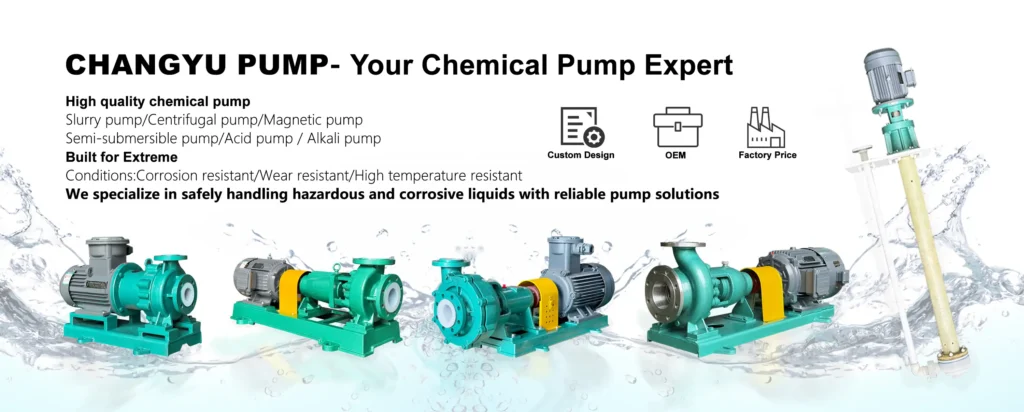
للتواصل مع مضخة تشانغيو مع معايير التفريغ والخصائص الكيميائية الخاصة بك. سيقدم فريقنا الهندسي توصية مفصلة بالمضخة وعرض أسعار مفصل.