
مقدمة
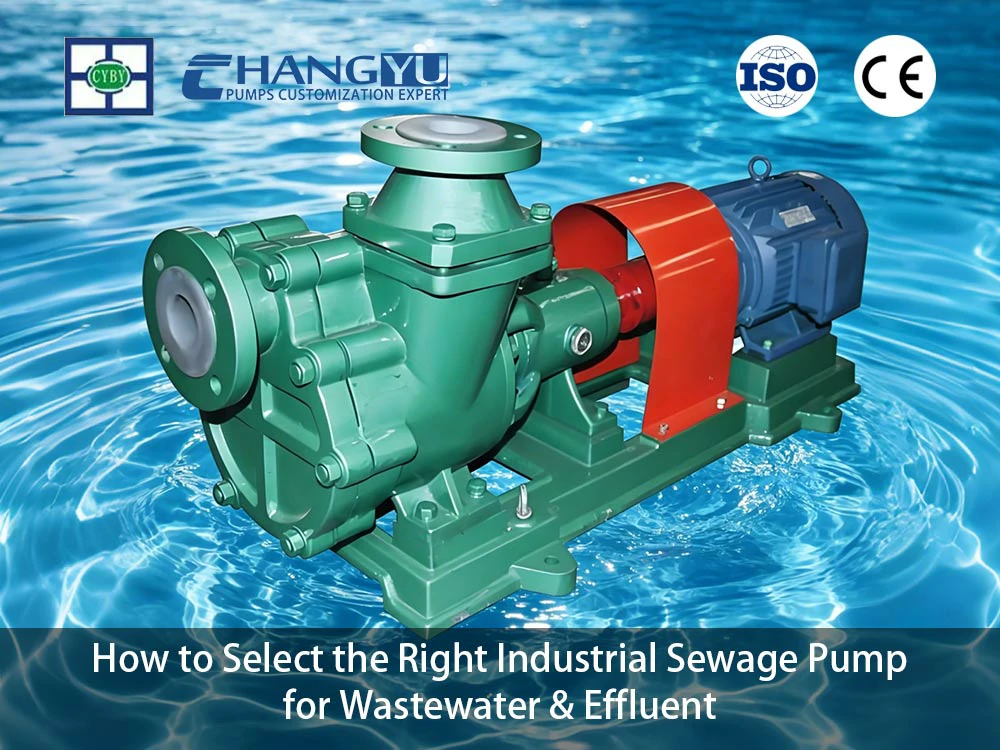
مضخة الصرف الصحي الصناعية يعتمد الاختيار على شرط أساسي واحد: يجب أن تنقل المضخة السوائل المحملة بالمواد الصلبة والألياف الطويلة والمواد الكيميائية العدوانية غالبًا—دون انسداد ودون تسرب. مضخات الصرف الصحي هي مضخات طرد مركزي مصممة خصيصًا لنقل السوائل التي تحتوي على جزيئات صلبة أو ألياف طويلة. وهي متوفرة عمومًا بتكوينات أفقية أو غاطسة وتوفر أداءً ممتازًا مضادًا للانسداد. دوارات ومسارات التدفق لمضخات المياه التقليدية ليست محسّنة للتعامل مع المواد الصلبة. عند استخدام المضخات القياسية لنقل مياه الصرف الصحي، غالبًا ما يصبح مدخل المضخة مسدودًا، كما تسد الألياف الطويلة والحطام في مياه الصرف الصحي الدوار بشكل متكرر. تعالج مضخات الصرف الصحي الصناعية هذا من خلال ممرات تدفق موسعة وهندسات دوارة متخصصة ومواد مقاومة للتآكل لا توفرها المضخات الطاردة المركزية القياسية.
تفسر هذه المتطلبات لماذا يختلف اختيار مضخة الصرف الصحي الصناعية اختلافًا جوهريًا عن اختيار مضخة المياه النظيفة. تحتاج الأنظمة السكنية إلى وحدات مدمجة وهادئة؛ تعطي التطبيقات البلدية الأولوية للتدفق العالي ومقاومة الانسداد؛ غالبًا ما تتضمن الإعدادات الصناعية سوائل أكالة أو كاشطة. قد تفشل المضخة التي تتعامل مع مياه الصرف الصحي البلدية المصفاة في غضون أسابيع عند إعادة تعيينها إلى النفايات السائلة الصناعية غير المصفاة التي تحتوي على حبيبات كاشطة أو مياه معالجة حمضية أو نفايات ليفية خيطية.
يوفر هذا الدليل مرجعًا منظمًا يغطي أنواع دوارات مضخات الصرف الصحي الصناعية وتقنية عدم الانسداد والمواد والأختام وتكوينات التركيب وإطار اختيار من ست خطوات وبروتوكولات الصيانة ودراسة حالة كمية. بالاستفادة من أكثر من عقدين من الخبرة في هندسة المضخات، تقدم مضخة تشانغيو خبرة عميقة في تحديد حلول المضخات المقاومة للتآكل والتآكل لتطبيقات مياه الصرف الصحي الصعبة.
ما هي مضخة الصرف الصحي الصناعية؟
1.1 التعريف الأساسي
أن مضخة الصرف الصحي الصناعية هي مضخة طرد مركزي مصممة خصيصًا لنقل مياه الصرف الصحي الخام أو المعالجة جزئيًا والنفايات السائلة الصناعية والحمأة في المنشآت الصناعية. على عكس مضخات المياه الطاردة المركزية القياسية—التي تستخدم دوارات مغلقة بممرات ضيقة محسّنة لكفاءة المياه النظيفة—تستخدم مضخات الصرف الصحي الصناعية ممرات تدفق موسعة وهندسات دوارة متخصصة لتمرير المواد الصلبة دون انسداد. يحسّن المهندسون الدوار ومسار التدفق لمضخة الصرف الصحي عن طريق زيادة قطر الدوار وتوسيع قناة التدفق، مما يحقق قدرة ممتازة مضادة للانسداد.
لتلبية احتياجات النقل طويل الأمد للمواد الكاشطة، يستخدم المهندسون عادةً مواد سبائك عالية المقاومة للتآكل لتصنيع مضخات الصرف الصحي، وبالتالي زيادة عمر خدمة مضخات الصرف الصحي إلى أقصى حد. تُستخدم عادةً محركات ثقيلة لمنع الانسداد عند نقل مياه الصرف الصحي اللزجة المحملة بالمواد الصلبة. تمنع الأختام المتينة والمقاومة للتآكل والتآكل فشل الختم وتسرب السوائل بسبب التلامس طويل الأمد مع السائل.
2 كيف يختلف تصميم مضخة الصرف الصحي الصناعية عن المضخات الطاردة المركزية القياسية
| الميزة | مضخة طرد مركزي قياسية | مضخة مياه الصرف الصحي الصناعية |
|---|---|---|
| نوع المكره | دافع مغلق مع ممرات ضيقة (كفاءة عالية) | دوامة، قناة واحدة، قناتان، شبه مفتوحة، مطحنة، أو قاطعة (مرور المواد الصلبة) |
| عرض ممر التدفق | ضيقة؛ مُحسّنة لكفاءة المياه النظيفة | مكبرة؛ بحجم يتناسب مع الحد الأقصى لقطر الجسيمات الصلبة المتوقعة |
| مناولة المواد الصلبة | الحد الأدنى (سوائل نظيفة فقط) | مواد صلبة كروية 65-80 مم لتصميمات الدوامة؛ حتى 100 مم لدافعات القنوات الكبيرة |
| بناء الغلاف | حلزوني قياسي للكفاءة | حلزوني بخلوص قطع مائي موسع؛ سبيكة مقاومة للتآكل أو فولاذ مقاوم للصدأ |
| نظام الختم | مانع تسرب ميكانيكي واحد؛ المطاط الصناعي القياسي | ختم ميكانيكي مزدوج مع غرفة زيت؛ وجوه كربيد السيليكون؛ إيلاستومرات مقاومة للمواد الكيميائية؛ كشف رطوبة غرفة الزيت لمراقبة الختم للإنذار المبكر |
| الحماية من التآكل | الحد الأدنى | حلقات تآكل قابلة للاستبدال، وشفاه حلزونية مقواة، وألواح تآكل مضحية |
3 أنواع مياه الصرف الصحي الصناعية النموذجية وتحديات الضخ
| الصناعة | خصائص النفايات السائلة النموذجية | التحدي الرئيسي في مجال الضخ | المواد الموصى بها |
|---|---|---|---|
| الطلاء الكهربائي وتشطيب المعادن | حمضية (pH 1–5)، تحتوي على أيونات معادن ثقيلة | تآكل كيميائي؛ تلوث بأيونات المعادن | PP، PVDF، مبطن بالفلوروبلاستيك |
| المعالجة الكيميائية | درجة حموضة متغيرة (0–14)، مذيبات عضوية، أحماض مختلطة | مقاومة كيميائية واسعة الطيف | مبطن بـ PTFE/PFA أو UHMW-PE |
| تخليل الفولاذ | HCl أو H₂SO₄ ساخن (حتى 90 درجة مئوية) مع قشور أكسيد الحديد | تآكل مشترك في درجات الحرارة العالية وتآكل الجسيمات | فولاذ مقاوم للصدأ مزدوج CD4MCu أو UHMW-PE |
| صباغة المنسوجات | قلوية (pH 9–12)، لون عالٍ، وبر ليفي | انسداد بالألياف؛ هجوم كيميائي قلوي | حديد زهر أو فولاذ مقاوم للصدأ مع دوار دوامة |
| الأطعمة والمشروبات | مواد صلبة عضوية، دهون، زيوت، pH متغير | التعامل مع الشحوم والمواد الصلبة؛ تآكل من مواد التنظيف الكيميائية | فولاذ مقاوم للصدأ 316L |
| التعدين ومعالجة المعادن | مياه مخلفات حمضية أو قلوية، تآكل عالٍ | تآكل شديد مشترك وتآكل معتدل | طاردة مركزية مبطنة بال UHMW-PE |
كيف تؤثر أنواع الدوارات على أداء مضخة الصرف الصحي؟
يحدد نوع الدوار ما إذا كانت مضخة الصرف الصحي تعمل بشكل مستمر أو تتطلب تدخلات متكررة لإزالة الانسداد. يمثل كل تصميم حلاً هندسيًا مختلفًا بين مقاومة الانسداد والكفاءة الهيدروليكية والقدرة على التعامل مع المواد الصلبة. يحدد نوع الدوار (دوامة، قناة، شبه مفتوحة، مطحنة) قدرات المضخة على التعامل مع المواد الصلبة.
1 الدوارات الدوامية
الدوارات الدوامية تكون غائرة خارج مسار التدفق الرئيسي، مما يخلق دوامة تسحب السائل والمواد الصلبة المعلقة عبر المضخة بينما يتلامس جزء فقط من المواد الصلبة مع الدوار. ينتج الدوار الدوامي دوامة (تأثير دوامي) تسمح بمرور الملاط والمواد الليفية الطويلة والنفايات الصلبة، دون ملامسة الدوار.
الميزة الأساسية هي أقصى مقاومة للانسداد—تمرر الدوارات الدوامية مواد صلبة أكبر بكثير مما يمكن أن تستوعبه دوارات القناة ذات الحجم المكافئ. المقايضة هي الكفاءة الهيدروليكية، عادةً 40–55% مقابل 60–75% لدوار قناة مماثل. في تطبيقات الصرف الصحي الصناعية، يتم قبول عقوبة الكفاءة هذه لأن تكلفة حدث انسداد واحد—استدعاء المشغل، استرجاع المضخة، التنظيف اليدوي—تتجاوز بكثير تكلفة الطاقة الإضافية للدوار الأقل كفاءة.
2 الدوارات أحادية القناة
تتميز الدوارات أحادية القناة بممر تدفق كبير واحد من عين الدوار إلى المحيط. يوفر التصميم أحادي القناة ممرًا حرًا كبيرًا يقلل من خطر الانسداد مع الحفاظ على كفاءة هيدروليكية أعلى من البدائل الدوامية (60–75%).
3 الدوارات ثنائية القناة
توفر الدوارات ثنائية القناة توازنًا بين الكفاءة (65–78%) ومرور المواد الصلبة، لكن التصميمات المغلقة ثنائية القناة معرضة بشدة للانسداد بالمواد الليفية التي تلتف حول ريش الدوار. لهذا السبب، من الأفضل حجز الدوارات ثنائية القناة لتطبيقات النفايات السائلة المعالجة ومياه الصرف الصحي المصفاة حيث يكون محتوى المواد الصلبة قابلاً للتنبؤ وتمت إزالة المواد الليفية.
4 مضخات المطاحن والقواطع
مضخات الطحن تحتوي على آلية قطع أمام الدفاعة تقوم بطحن المواد الصلبة إلى ملاط ناعم قبل دخول السائل إلى المضخة. وهي مزودة بآليات قطع لتفتيت المواد الصلبة ومثالية لأنظمة الصرف الصحي المضغوطة حيث يشكل الانسداد مصدر قلق. تستخدم مضخات القطع حلقة قطع ثابتة تقوم شفرات الدفاعة بقص المواد الصلبة الواردة ضدها. كلا النوعين يلغي تمامًا قيود حجم الممر ولكنهما يستهلكان طاقة إضافية ويتطلبان استبدالًا دوريًا لأسطح القطع.
5 الدفاعات شبه المفتوحة
الدفاعات شبه المفتوحة تفتقر إلى الغطاء الأمامي، مما يعرض الشفرات من جانب واحد. هذا التصميم أقل عرضة للانسداد من الدفاعات المغلقة لعدم وجود ممر محصور لاحتجاز المواد الصلبة بين الأغطية. يوفر تصميم الدفاعة شبه المفتوحة ذات الانحناء الخلفي توازنًا بين قدرة تمرير المواد الصلبة والكفاءة لمياه الصرف الصناعي ذات المحتوى المختلط من المواد الصلبة.
6 مقارنة أنواع الدفاعات
| نوع المكره | ممر المواد الصلبة | مقاومة الانسداد | الكفاءة | أفضل تطبيق |
|---|---|---|---|---|
| الدوامة | حتى 80 مم كروي | ممتاز | 40–55% | مياه الصرف الصحي الخام غير المنخل، الحمأة، النفايات الليفية/الخيطية |
| قناة واحدة | حتى 100 مم (S-tube®) | جيد | 60-75% | مياه الصرف الصحي التي تم فرزها، الحمأة الأولية |
| ثنائي القناة | حتى قطر ممر المكرهة | معتدلة (يمكن أن تسد المواد الصلبة الليفية) | 65-78% | نفايات سائلة معالجة، مياه الصرف الصحي المعالجة والمفروزة |
| طاحنة/قاطعة | مواد صلبة ماكر - لا يوجد حد للمرور | ممتاز (مواد صلبة مدمرة) | أقل (سحب طاقة إضافية) | أنظمة الصرف الصحي المضغوطة، خطوط الضغط الرئيسية ذات القطر الصغير |
| شبه مفتوح | مواد صلبة ناعمة إلى متوسطة | معتدل | 55-70% | مياه الصرف الصناعي، والسوائل المحملة بالحصى |
ما هي المواد والأختام الأفضل لمياه الصرف الصناعي؟
1 مواد الهيكل والدفاعة
يجب أن يعالج اختيار المواد لمضخة مياه الصرف الصناعي التآكل المتزامن من الحصى، والتآكل من مياه الصرف ذات الرقم الهيدروجيني المتغير، والإجهاد الميكانيكي من تأثير المواد الصلبة.
الحديد الزهر هو المادة الأساسية لتطبيقات الصرف الصحي البلدي القياسية، مما يوفر مقاومة جيدة للتآكل بتكلفة معتدلة. الحديد المرن يوفر مقاومة محسنة للصدمات ويتم تحديده لهياكل المضخات الأكبر. بالنسبة لمياه الصرف المسببة للتآكل أو العدوانية، هناك حاجة إلى مواد ذات درجة أعلى.
فولاذ 316L المقاوم للصدأ يوفر مقاومة جيدة للمخلفات الحمضية أو القلوية الخفيفة ولكن له حدود موثقة مع التيارات الغنية بالكلوريد.
الفولاذ المقاوم للصدأ المزدوج CD4MCu مصمم خصيصًا لخدمة التآكل والتآكل المشتركة.
UHMW-PE (البولي إيثيلين فائق الوزن الجزيئي) توفر المضخات المبطنة حاجزًا كيميائيًا يعزل هيكل المضخة عن الوسائط العدوانية مع امتصاص طاقة تأثير الجسيمات. في ظل ظروف اختبار التآكل الكاشطة الموحدة، تكون مقاومة التآكل لـ UHMW-PE حوالي 7–10 أضعاف مقاومة الفولاذ الكربوني والفولاذ المقاوم للصدأ. بالنسبة لأصعب واجبات التآكل والتآكل المشتركة—مياه الصرف الصناعي الحمضية مع المواد الصلبة الكاشطة—توفر المضخات المبطنة بـ UHMW-PE أفضل حماية مشتركة.
2 أنظمة الختم الميكانيكي
الختم الميكانيكي هو المكون الأكثر ضعفًا في مضخة الصرف الصحي. بالنسبة لخدمة الصرف الصناعي، تعتبر الأختام الميكانيكية المزدوجة مع غرفة حاجز مملوءة بالزيت هي المواصفة القياسية. نظام الختم المزدوج، غالبًا مع غرفة زيت بينهما، يضيف تكرارًا ويحمي من ارتفاعات الضغط أو حركة العمود غير المتوقعة. تعمل مجموعتان من أسطح ختم كربيد السيليكون مقابل مقاعد كربيد السيليكون، مع توفير غرفة الزيت للتزييت والتبريد والكشف المبكر عن تدهور الختم من خلال تحليل الزيت.
3 اختيار مواد الختم والمرن
| نوع المطاط الصناعي | الأفضل لـ | نطاق الأس الهيدروجيني | درجة الحرارة القصوى | التطبيق النموذجي |
|---|---|---|---|---|
| EPDM | مياه الصرف الصحي القلوية، مياه الصرف الصحي العامة | الأس الهيدروجيني 5-14 | ~120°C | مياه الصرف الصحي البلدية القياسية، والحلقات الدائرية، وموانع التسرب الساكنة |
| فيتون (FKM) | مياه الصرف الصحي الحمضية، المذيبات | الأس الهيدروجيني 2-10 | ~150°C | مياه الصرف الصناعي ذات المحتوى الكيميائي |
| FFKM (كالريز) | أقصى مقاومة للمواد الكيميائية | الأس الهيدروجيني 0-14 | ~200°C | النفايات السائلة الصناعية العدوانية، النفايات الكيميائية المختلطة |
| النتريل (NBR) | المياه العادمة المحتوية على النفط | الأس الهيدروجيني 3-10 | ~100°C | محطات الضخ التي بها تلوث بترولي |
3.4 مرجع سريع لاختيار المواد
| المواد | الأفضل لـ | نطاق الأس الهيدروجيني | درجة الحرارة القصوى | التطبيق النموذجي |
|---|---|---|---|---|
| حديد مصبوب | مياه المجاري البلدية العامة | الأس الهيدروجيني 5-10 | ~120°C | مياه الصرف الصحي الخام القياسية الخام، النفايات السائلة المفحوصة |
| 316L SS | مياه الصرف الصحي المسببة للتآكل المعتدل | الأس الهيدروجيني 3-10 | ~120°C | النفايات السائلة الصناعية، مياه الصرف الصحي في المصانع الكيميائية |
| CD4MCu Duplex SS | الجمع بين التآكل والتآكل | الأس الهيدروجيني 2-12 | ~110°C | مياه الصرف الصحي المحملة بالحصى، ومياه الصرف الصحي المملوءة بالحصى، ومياه الصرف الصحي المملوءة بالحصى |
| بطانة UHMW-PE | الجمع بين التآكل الحاد + التآكل الشديد | واسع (حمض، قلوي، ملح) | ~90°C | المياه العادمة الصناعية الحمضية ذات المواد الصلبة الكاشطة |
ما هو تكوين التركيب المناسب لتطبيقك؟
1 مضخات الصرف الصحي الغاطسة
تعمل مضخات الصرف الصحي الطاردة المركزية الغاطسة مغمورة بالكامل في مياه الصرف المجمعة، مع دمج المحرك والمضخة في وحدة واحدة محكمة الغلق. تُستخدم في البيئات السكنية والبلدية والصناعية، وتوفر مضخات الصرف الصحي الغاطسة حلولًا متعددة الاستخدامات وفعالة من حيث التكلفة. يسمح تصميمها بأن تكون مغمورة بالكامل في السائل، مما يقلل الضوضاء، ويبسط التركيب، ويلغي الحاجة إلى التحضير الخارجي. لا يتطلب التركيب حفرة جافة أو لوحة قاعدة—يتم إنزال المضخة ببساطة في البئر الرطب على قضبان توجيه.
2 مضخات الصرف الصحي الأفقية للحفرة الجافة
يتم تركيب مضخات الصرف الصحي الطاردة المركزية الأفقية للحفرة الجافة في غرفة جافة مجاورة للبئر الرطب. يوفر هذا التكوين وصولاً كاملاً للمضخة للصيانة دون الحاجة إلى استرجاع الوحدة من وضع مغمور. توفر مضخات الحفرة الجافة عادةً كفاءة أعلى من البدائل الغاطسة، ويعمل المحرك في بيئة نظيفة وجافة.
3 مضخات الصرف الصحي ذاتية التحضير
يمكن لمضخات الصرف الصحي الطاردة المركزية ذاتية التحضير إخلاء الهواء من خط الشفط وسحب السائل لأعلى دون تحضير يدوي. يتم تركيبها فوق مستوى السائل—عادةً عند مستوى الأرض—مع خط شفط يمتد إلى البئر الرطب أو الحوض.
4 مضخات الصرف الصحي العمودية الكابولية
تضع المضخات العمودية الكابولية المحرك والمحامل فوق غطاء الحوض، مع عمود طويل يمتد لأسفل إلى دفاعة مغمورة. لا تعمل أي محامل أو أختام تحت مستوى السائل، مما يجعل هذا التصميم مناسبًا للأحواض العميقة ومياه الصرف المسببة للتآكل أو ذات درجة الحرارة العالية.
5 دليل اختيار تكوين التركيب
| التكوين | الوصول للصيانة | متطلبات المساحة | أفضل تطبيق |
|---|---|---|---|
| غاطسة | يتطلب استرجاع المضخة | الحد الأدنى (لا توجد حفرة جافة) | الآبار الرطبة، ومحطات الرفع، والأحواض العميقة |
| حفرة جافة أفقية | وصول كامل في الغرفة الجافة | تتطلب حفرة جافة مجاورة | المحطات الدائمة، تطبيقات العمل المستمر |
| التمهيد الذاتي | الوصول الكامل على مستوى الصفوف | البصمة فوق الأرض | محطات الرفع، والضخ الجانبي، والتطبيقات المحمولة |
| ناتئ عمودي | محرك يمكن الوصول إليه فوق الحوض | الحد الأدنى من المساحة الأرضية | أحواض عميقة ومياه الصرف الصحي المسببة للتآكل/مرتفعة الحرارة |
كيفية اختيار مضخة الصرف الصناعي المناسبة: إطار عمل من 6 خطوات
تضمن عملية الاختيار المنظمة التوافق بين أداء المضخة والمتطلبات الواقعية.
الخطوة 1: توصيف مياه الصرف الصحي
وثّق الملف الفيزيائي والكيميائي الكامل: نوع المواد الصلبة (عضوية، ليفية، حصى)، الحد الأقصى لحجم الجسيمات الصلبة، الرقم الهيدروجيني، درجة الحرارة، محتوى الرمل/الحصى، ووجود أي مواد كيميائية صناعية. هل هي مياه رمادية، مياه سوداء، جريان مياه الأمطار، أو مخلفات صناعية؟ سيؤثر محتوى المواد الصلبة والتركيب الكيميائي ودرجة الحرارة على خيارات المواد والتصميم. يحدد ملف المواد الصلبة نوع الدفاعة؛ يحدد الملف الكيميائي نطاق توافق المواد.
نقاط البيانات الرئيسية: نوع المواد الصلبة، الحد الأقصى لحجم الجسيمات، الرقم الهيدروجيني، درجة الحرارة، محتوى الحصى.
الخطوة 2: تحديد نقطة الواجب
احسب معدل التدفق المطلوب والرأس الديناميكي الكلي، مع مراعاة الرفع الثابت من الحوض أو البئر الرطب، وفقدان الاحتكاك عبر أنابيب التفريغ، وأي متطلبات ضغط عند الوجهة. حدد نقطة التشغيل لنظامك (التدفق والضغط). استخدم الحسابات الهيدروليكية أو استشر المهندسين لتقدير دقيق.
نقاط البيانات الرئيسية: معدل التدفق (جالون في الدقيقة أو متر مكعب في الساعة)، الرأس الديناميكي الكلي، الرفع الثابت، فقدان الاحتكاك.
الخطوة 3: مطابقة نوع المكره مع ملف تعريف المواد الصلبة
بالنسبة لمياه الصرف الصحي الخام غير المنخل ذات المواد الليفية والخيطية → دفاعة دوامية. بالنسبة لمياه الصرف المنخلة أو الحمأة الأولية → دفاعة أحادية القناة. بالنسبة لأنظمة الصرف الصحي المضغوطة ذات خطوط الضغط الرئيسية ذات القطر الصغير → مضخة طحن. بالنسبة لمياه الصرف الصناعي المختلطة → دفاعة شبه مفتوحة. يحدد اختيار الدفاعة موثوقية المضخة على المدى الطويل.
منطق القرار: الألياف الصلبة → دوامة؛ مياه الصرف الصحي المصفاة → قناة واحدة؛ شبكة الصرف الصحي المضغوطة → مطحنة؛ الوسائط المختلطة → شبه مفتوح.
الخطوة 4: تحديد المواد وتهيئة الختم
طابق مواد الغلاف والمروحة مع كيمياء مياه الصرف الصحي عند درجة حرارة التشغيل القصوى. لمياه الصرف الصحي البلدية العامة، الحديد الزهر كافٍ. لمياه الصرف الصحي الصناعية المسببة للتآكل أو الكاشطة، حدد الفولاذ المقاوم للصدأ المزدوج CD4MCu أو المكونات المبطنة بـ UHMW-PE. اختر أختام ميكانيكية مزدوجة مع وجوه كربيد السيليكون لجميع تطبيقات الصرف الصحي الصناعية ذات التشغيل المستمر.
منطق القرار: الرقم الهيدروجيني 5–10، محتوى رملي منخفض → حديد زهر؛ الرقم الهيدروجيني 2–12، محتوى رملي عالٍ → فولاذ مقاوم للصدأ مزدوج CD4MCu؛ الرقم الهيدروجيني 0–14، مواد صلبة كاشطة → مبطن بـ UHMW-PE.
الخطوة 5: اختر تكوين التركيب
طابق نوع التركيب مع ظروف الموقع. هل التركيب في بئر رطب ضيق؟ هل تتعامل مع أجواء مسببة للتآكل، أو مناطق متفجرة، أو درجات حرارة قصوى؟ المضخات الغاطسة لا تتطلب حفرة جافة؛ المضخات ذاتية التحضير توفر وصولاً فوق الأرض؛ المضخات الكابولية العمودية تلغي المحامل المغمورة.
منطق القرار: بئر رطب ضيق → غاطسة؛ الحاجة إلى وصول فوق الأرض → ذاتية التحضير؛ بئر عميق مسبب للتآكل → كابولية عمودية؛ محطة دائمة → أفقية جافة.
الخطوة 6: تقييم التكلفة الإجمالية للملكية
لا تقيم سعر الشراء فقط. ضع في اعتبارك فترات الصيانة، وإمكانية الوصول إلى الختم، وتوفر الأجزاء، ومتوسط الوقت بين الأعطال (MTBF). مضخة ذات مروحة دوارة بكفاءة أقل ولكن بدون انسدادات ستوفر عادةً تكلفة إجمالية للملكية (TCO) أقل من مضخة عالية الكفاءة تتطلب تدخلات متكررة لإزالة الانسدادات.
العوامل الرئيسية: الطاقة (60–70% من تكلفة العمر الافتراضي)، أجزاء التآكل، تكاليف الصيانة، تكلفة وقت التوقف.
الصيانة، واستكشاف الأخطاء وإصلاحها، وإدارة تكلفة دورة الحياة
6.1 أنماط الفشل الشائعة
أنماط الفشل الأكثر شيوعًا في خدمة مضخات الصرف الصحي الصناعية هي: انسداد المروحة من الألياف الصلبة أو الحطام الكبير؛ تسرب الختم من دخول الرمال بين وجوه الختم؛ فشل المحمل من تلوث المياه بسبب تدهور الختم؛ تلف التجويف من هامش NPSH غير كافٍ؛ والاهتزاز المفرط من عدم توازن المروحة بسبب التآكل غير المتساوي أو تراكم المواد الصلبة.
6.2 جدول الصيانة الوقائية 6.2
| الفاصل الزمني | المهمة |
|---|---|
| يومياً | مراقبة تيار المحرك وضغط التفريغ؛ تحقق من وجود اهتزاز أو ضوضاء غير عادية |
| أسبوعياً | تحقق من حالة زيت مانع التسرب (ابحث عن وجود تلوث بالمياه - يشير الزيت اللبني إلى وجود تسرب داخلي في مانع التسرب)؛ تحقق من درجة حرارة المحمل |
| شهرياً | قياس خلوص الدافعة إلى الغلاف؛ فحص حلقات التآكل بحثًا عن وجود حز أو ترقق؛ فحص حالة الحلقة الدائرية والحشية |
| ربع سنوي | فحص كامل للطرف الرطب؛ استبدال مادة تشحيم المحمل؛ التحقق من سلامة مانع التسرب من خلال اختبار الضغط |
| سنوياً | التفكيك الكامل للمضخة؛ قياس واستبدال جميع مكونات التآكل (الدافع، حلقات التآكل، موانع التسرب، المحامل)؛ التحقق من سلامة الغلاف والعمود |
6.3 مرجع سريع لاستكشاف الأخطاء وإصلاحها
| العَرَض | السبب المحتمل | الإجراء الموصى به |
|---|---|---|
| انسداد المضخة بشكل متكرر | نوع المكره غير مطابق لملف المواد الصلبة | الترقية إلى المكره الدوامي؛ تحقق من أن قطر الممر الحر يتجاوز أكبر حجم للجسيمات الصلبة |
| انخفاض التدفق التدريجي | تآكل الدفاعة أو زيادة الخلوص الداخلي | ضبط خلوص الدافعة؛ استبدل حلقات التآكل إذا تجاوزت الفجوة حد الشركة المصنعة |
| تسرب مانع التسرب | دخول الحصباء بين أوجه الختم؛ المطاط الصناعي المتدهور | افحص واجهات مانع التسرب بحثًا عن وجود نقاط؛ افحص حجرة الزيت بحثًا عن وجود تلوث؛ استبدل مانع التسرب |
| الاهتزاز المفرط | دفاعة غير متوازنة؛ تجويف؛ تدهور المحمل | تنظيف الدافعة؛ التحقق من هامش الضغط المجاري الصافية للضغط السطحي؛ فحص المحامل بحثًا عن وجود تنقر أو تشقق |
| رحلة التحميل الزائد للمحرك | انحشار المواد الصلبة؛ زيادة اللزوجة؛ نوبة المحمل | تنظيف المكره؛ التحقق من لزوجة النفايات السائلة ضمن تصنيف المضخة؛ فحص المحامل |
4 تقييم تكلفة دورة الحياة
يجب أن يأخذ تقييم تكلفة دورة الحياة لمضخة الصرف الصحي الصناعية في الاعتبار التكلفة الرأسمالية، واستهلاك الطاقة (عادةً 60–70% من تكلفة العمر الافتراضي)، وتكرار استبدال أجزاء التآكل، وتكاليف الصيانة، وتكلفة الإنتاج لوقت التوقف غير المخطط له الناتج عن الانسداد أو الفشل. يمكن للمحركات عالية الكفاءة والتوافق مع VFD تقليل تكاليف التشغيل طويلة الأجل. المضخة ذات السعر الأولي الأعلى ولكن عمر الخدمة الأطول بشكل كبير في كيمياء مياه الصرف الصحي المحددة توفر عادةً تكلفة إجمالية للملكية (TCO) أقل من البديل منخفض التكلفة الذي يتطلب إصلاحات متكررة.
حلول مضخات الصرف الصحي الصناعية من Changyu Pump
تعالج سلسلة مضخات Changyu التالية التحديات الرئيسية لضخ مياه الصرف الصحي التي تمت مناقشتها أعلاه - كل منها يتوافق مع خصائص نفايات سائلة محددة ومتطلبات تشغيلية.
مضخة طرد مركزي مبطنة بالطرد المركزي من سلسلة UHB UHMW-PE

سلسلة UHB هي مضخة طرد مركزي كابولية، أحادية المرحلة، أحادية الشفط مع غلاف مبطن بالفولاذ. UHMW-PE يستفيد بناؤها المتقدم “المبطن بالفولاذ والبلاستيك” من مقاومة التآكل الاستثنائية لـ UHMW-PE—حوالي 7–10 أضعاف الفولاذ الكربوني والفولاذ المقاوم للصدأ تحت ظروف اختبار التآكل القياسية—مقترنة بتوافق كيميائي واسع عبر نطاق الرقم الهيدروجيني الكامل عند درجات حرارة تصل إلى 90 درجة مئوية. لتطبيقات مياه الصرف الصحي الصناعية حيث يحتوي التدفق على مواد كيميائية عدوانية ومواد صلبة كاشطة—مثل مياه مخلفات التعدين، ومياه الصرف الصحي لحمض الفوسفوريك، ومياه الصرف الصحي للمصانع الكيميائية—توفر البطانة UHMW-PE حماية مشتركة من التآكل والتآكل لا يمكن لمضخة معدنية نقية أو مضخة بلاستيكية نقية توفيرها بمفردها.
المواصفات الرئيسية: التدفق 3-2,600 متر مكعب/ساعة | الرأس 5-100 متر | الطاقة 0.75-300 كيلوواط | درجة الحرارة -20 درجة مئوية إلى 90 درجة مئوية
سلسلة FZB مضخة طرد مركزي ذاتية التحضير مبطنة بالفلورين
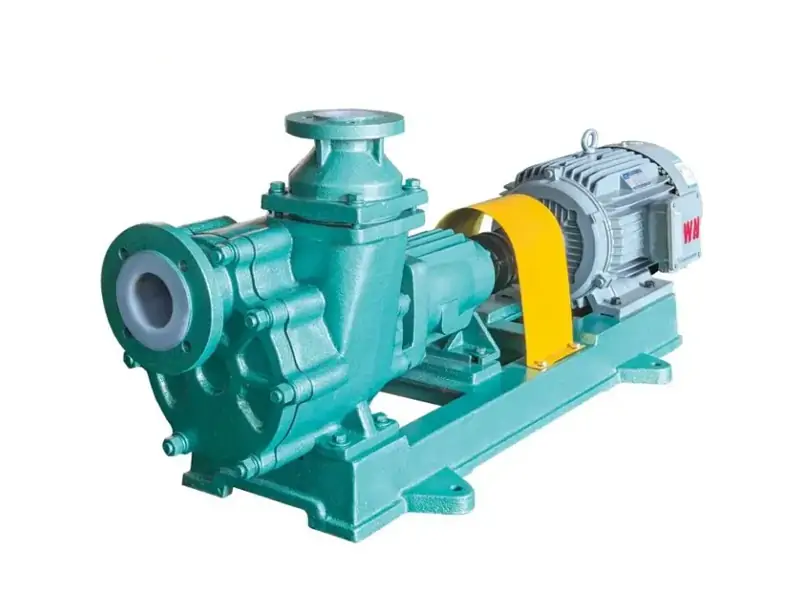
سلسلة FZB عبارة عن مضخة طرد مركزي ذاتية التحضير مزودة بمكونات تدفق مبطنة في FEP (F46) أو PFA. وهي مصممة لنقل السوائل المسببة للتآكل حيث تكون ظروف الشفط صعبة أو يكون مستوى السائل أقل من مدخل المضخة. بعد التعبئة الأولية، يمكن للمضخة تفريغ الهواء تلقائيًا من خط الشفط والحفاظ على التشغيل المستمر تحت ظروف كيميائية صعبة. لتطبيقات الصرف الصحي الصناعية حيث يجب على المضخة رفع مياه الصرف الصحي المسببة للتآكل أو العدوانية كيميائيًا من الأحواض أو الحفر تحت الأرض، توفر سلسلة FZB المزايا المجمعة للهيدروليكيا ذاتية التحضير، ومقاومة التآكل للبلاستيك الفلوري، وإمكانية الوصول للصيانة فوق الأرض.
المواصفات الرئيسية: التدفق 2.5-100 متر مكعب/ساعة | الرأس 15-50 م | الطاقة 0.75-55 كيلوواط | درجة الحرارة -20 درجة مئوية إلى 150 درجة مئوية
سلسلة CYQ مضخة بدون أختام بمحرك مغناطيسي
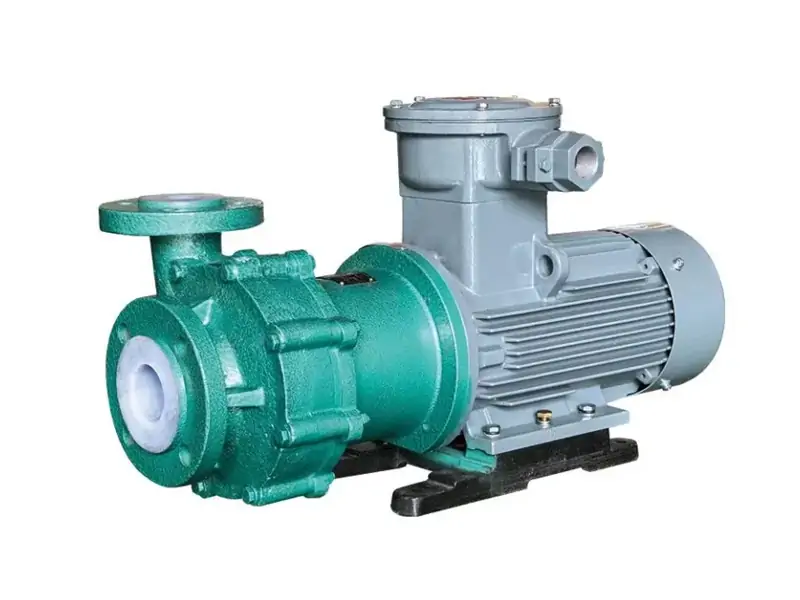
سلسلة CYQ عبارة عن مضخة ذات محرك مغناطيسي عديم العزل مع مكونات مبللة مبطنة FEP أو PFA أو PTFE. ينتقل عزم الدوران من محرك قياسي عبر جلبة عزل ثابتة بواسطة دوار مغناطيسي دائم، مما يحيط بسائل العملية في غرفة مغلقة بالكامل ويحقق تسربًا صفريًا بالتصميم. لتطبيقات الصرف الصحي الصناعية التي تحتوي على مواد كيميائية سامة أو قابلة للاشتعال أو عالية القيمة—حيث يكون حتى تسرب الختم الميكانيكي البسيط غير مقبول—يزيل التصميم ذو المحرك المغناطيسي الختم الميكانيكي ومسار التسرب المرتبط به تمامًا، مما يوفر الاحتواء الخالي من التسرب المطلوب للتشغيل الآمن والمتوافق.
المواصفات الرئيسية: التدفق 3-800 متر مكعب/ساعة | الرأس 15-125 م | الطاقة 2.2-110 كيلوواط | السرعة 2,950 دورة/دقيقة | درجة الحرارة -20 درجة مئوية إلى 180 درجة مئوية
مضخة كيميائية بطرد مركزي من الفولاذ المقاوم للصدأ من سلسلة CYH
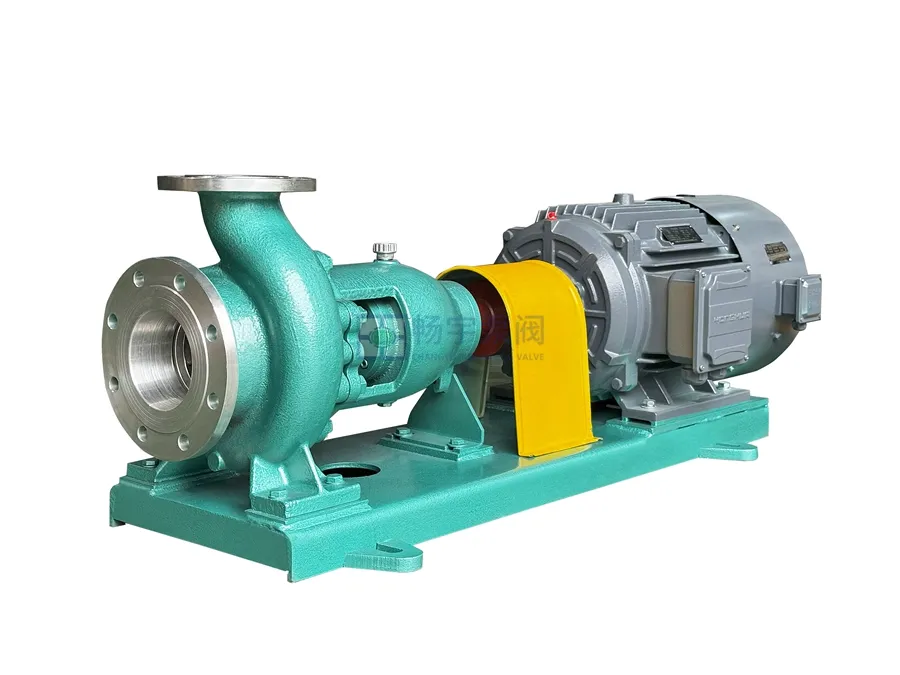
سلسلة CYH عبارة عن مضخة طرد مركزي أحادية المرحلة أحادية الشفط ذات شفط واحد مصممة وموسومة وفقًا ل أيزو 2858-1975(هـ). مصنوعة من الفولاذ المقاوم للصدأ -304، أو 316، أو 316L، أو الفولاذ المقاوم للصدأ المزدوج—إنه بمثابة بديل مثالي لمضخات الفلورين المبطنة التقليدية المقاومة للتآكل. لتطبيقات مياه الصرف الصحي الصناعية حيث تكون الكيمياء متوسطة التآكل ويكون المسار المبلل المعدني متوافقًا مع تيار العملية، توفر سلسلة CYH حلاً متينًا ومتوافقًا مع المعايير.
المواصفات الرئيسية: التدفق 0.8–750 م³/ساعة | الرأس 3–130 م | الطاقة 2.2–110 كيلوواط | درجة الحرارة -20°م إلى 165°م
مرجع سريع لاختيار مضخة الصرف الصحي الصناعية
| سلسلة المضخات | النوع | أفضل تطبيق | المواد الأساسية |
|---|---|---|---|
| UHB | طاردة مركزية مبطنة بال UHMW-PE | مياه الصرف الصحي الصناعية ذات التآكل والتآكل المشترك مع مواد صلبة دقيقة | UHMW-PE |
| FZB | مضخة طرد مركزي ذاتية التحضير مبطنة بالفلورين | مياه الصرف الصحي المسببة للتآكل تحت الأرض؛ يتطلب رفع شفط | FEP (F46)، PFA |
| سي واي كيو | محرك مغناطيسي غير مغناطيسي | مياه الصرف الصحي الكيميائية السامة والقابلة للاشتعال وعالية القيمة | FEP، PFA، PTFE |
| CYH | طارد مركزي من الفولاذ المقاوم للصدأ | مياه الصرف الصحي الصناعية متوسطة التآكل | 304، 316، 316L، دوبلكس |
دراسة حالة: حل مشاكل الانسداد في محطة معالجة مياه الصرف الصحي الصناعية
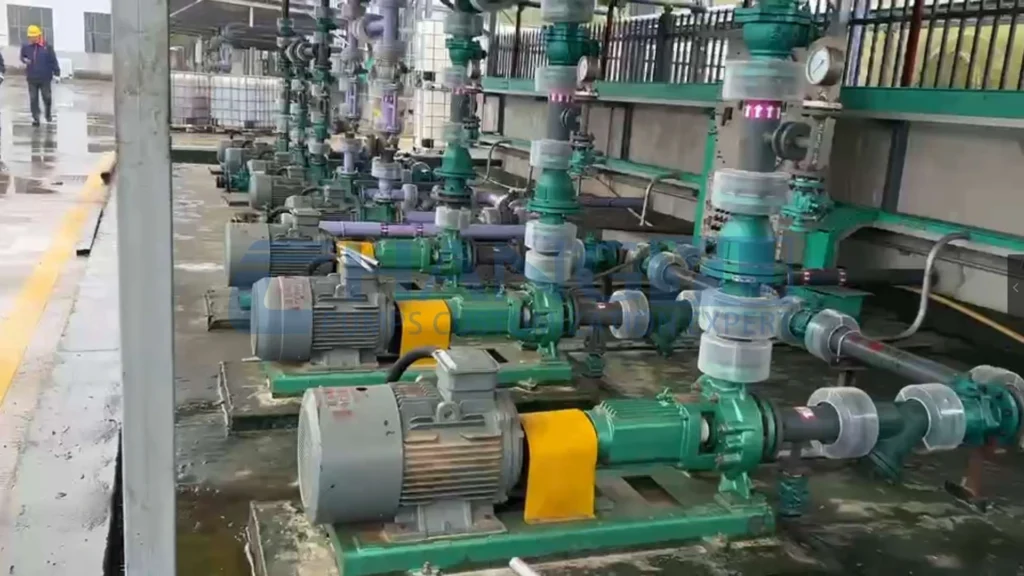
تحدي العميل: كان مصنع معالجة كيميائية في جنوب شرق آسيا يعاني من انسداد مزمن لمضخات الطرد المركزي القياسية التي تتعامل مع التدفق الصناعي. احتوى تيار مياه الصرف الصحي على خليط من مياه المعالجة الحمضية (الرقم الهيدروجيني 3–5)، ومواد صلبة ليفية من وسائط الترشيح، وجزيئات محفزة كاشطة. كانت المضخات مزودة بمروحة مغلقة ثنائية القناة، والتي انسدت بشكل متكرر على المواد الليفية. انسدت المضخات ثلاث إلى أربع مرات شهريًا، مما تطلب تدخل المشغل في كل مرة. بعد 14 شهرًا من التشغيل، أدى تآكل المروحة من الهجوم الكيميائي الميكانيكي المشترك إلى تقليل كفاءة المضخة بنسبة 35% تقريبًا، وفشلت الأختام الميكانيكية ثلاث مرات بسبب هجوم الحمض على إيلاستومرات الختم.
التحليل الهندسي: قام مهندسو مضخة Changyu بتقييم بيانات التشغيل والملف الكيميائي والفيزيائي الكامل لمياه الصرف الصحي. كان السبب الجذري للانسداد هو المروحة المغلقة ذات القناتين، والتي كانت عرضة لالتفاف المواد الصلبة الليفية حول الريش. كما كان سائل النقل الحمضي (درجة الحموضة 3-5) يهاجم غلاف الحديد الزهر ومواد الختم المطاطية القياسية من نوع EPDM، مما أدى إلى تسريع فقدان المواد من خلال آلية التآكل والتآكل المشتركة.
تم نشر الحل: استبدلت مضخة تشانغيو المضخات الحالية بما يلي سلسلة UHB سلسلة UHMW-PE المبطنة بمضخات الطرد المركزي المبطنة UHMW-PE تتميز بتغييرات التصميم التالية:
- غلاف مبطن بـ UHMW-PE: قضى تمامًا على ملامسة الحمض لغلاف المضخة، مما أزال عنصر التآكل من معادلة التآكل مع امتصاص طاقة تأثير الجسيمات من المواد الصلبة الكاشطة الحفازة.
- دافعة دوامة مع ممر حر 65 مم: سمحت المروحة الغائرة بمرور المواد الصلبة الليفية عبر المضخة دون ملامسة مباشرة للمروحة، مما قضى على الانسداد الذي كان يعاني منه تصميم القناة المغلقة.
- ختم ميكانيكي مزدوج من كربيد السيليكون مع مواد ختم FFKM: وفرت حلقات O من FFKM (Kalrez) توافقًا كيميائيًا مثبتًا مع سائل النقل الحمضي عند درجة حرارة التشغيل، ووفرت غرفة الحاجز المملوءة بالزيت تكرارًا ضد فشل الختم مع قدرة الكشف المبكر عن الرطوبة.
نتائج محددة كمياً (تقييم لمدة 18 شهراً):
| متري | قبل الترقية | بعد الترقية | التحسينات |
|---|---|---|---|
| فعاليات الانسداد شهرياً | 3–4 | < 0.2 (واحد كل 5-6 أشهر) | انخفاض بنسبة ~94% |
| عمر خدمة الدفاعة | 14 شهرًا | > 30 شهرًا (لا يزال قيد الخدمة) | 2×2+ تمديد |
| أعطال الأختام في السنة | 2.6 | صفر | تخفيض 100% |
| تكلفة الصيانة السنوية | 15,600 دولار أمريكي | 5,200 دولار أمريكي | انخفاض بنسبة ~67% |
| توافر المحطة | 91% | > 99% | 8+ نقاط مئوية |
الأسئلة الشائعة حول مضخات الصرف الصحي الصناعية
س1: ما الفرق بين المضخة الطاردة المركزية القياسية ومضخة الصرف الصحي الصناعية؟
ج: تستخدم المضخات الطاردة المركزية القياسية مراوح مغلقة ذات ممرات ضيقة محسّنة لكفاءة المياه النظيفة. تستخدم مضخات الصرف الصحي الصناعية مراوح دوامية أو أحادية القناة أو شبه مفتوحة ذات ممرات تدفق موسعة ومواد مقاومة للتآكل لتمرير مياه الصرف الصحي المحملة بالمواد الصلبة دون انسداد. المراوح ومسارات التدفق لمضخات المياه التقليدية ليست محسّنة للتعامل مع المواد الصلبة؛ فالألياف الطويلة والحطام تسد المراوح القياسية بشكل متكرر.
س2: ما نوع المكره الأفضل لمياه الصرف الصحي الخام غير المفحوصة؟
ج: توفر المراوح الدوامية أفضل مقاومة للانسداد لمياه الصرف الصحي الخام غير المصفاة. تكون المروحة غائرة خارج مسار التدفق الرئيسي، مما يخلق دوامة تمرر المواد الصلبة دون ملامسة مباشرة للمروحة. يمكن للمراوح الدوامية تمرير مواد صلبة كروية يصل قطرها إلى 80 مم وهي المواصفة القياسية لمياه الصرف الصحي الخام، والحمأة ذات المواد الصلبة الليفية، ومياه الصرف الصناعي ذات المحتوى الصلب غير المتوقع.
س3: ما المواد التي تقاوم كلاً من التآكل والتآكل في الصرف الصحي الصناعي؟
ج: يوفر الفولاذ المقاوم للصدأ المزدوج CD4MCu مقاومة مشتركة للتآكل والتآكل لمياه الصرف الصحي الحمضية قليلاً المحملة بالحصباء عند درجات حرارة تصل إلى 110 درجة مئوية. توفر المضخات المبطنة بـ UHMW-PE أفضل حماية مشتركة لمياه الصرف الصحي الحمضية أو القلوية القوية ذات المواد الصلبة الكاشطة عند درجات حرارة تصل إلى 90 درجة مئوية. مقاومة التآكل لـ UHMW-PE تبلغ حوالي 7-10 أضعاف مقاومة الفولاذ الكربوني والفولاذ المقاوم للصدأ.
س4: ما الفرق بين مضخة الطحن ومضخة القطع؟
ج: تستخدم مضخات الطحن قرص قطع وحلقة طحن لهرس المواد الصلبة إلى ملاط ناعم قبل دخول السائل إلى المروحة. وهي مثالية لأنظمة الصرف الصحي المضغوطة. تستخدم مضخات القطع حلقة قطع ثابتة تقوم ريش المروحة بقص المواد الصلبة الواردة مقابلها. كلاهما يزيل الانسداد ولكنه يتطلب استبدالًا دوريًا لأسطح القطع.
س5: متى يجب أن أختار مضخة غاطسة بدلاً من مضخة ذاتية التحضير؟
ج: اختر مضخة غاطسة للآبار الرطبة العميقة والمحصورة حيث يجب أن تعمل المضخة مغمورة بالكامل ولا تتوفر مساحة لحفرة جافة. اختر مضخة ذاتية التحضير عندما تكون هناك حاجة للوصول للصيانة فوق الأرض، أو عندما يكون شفط الرفع ضمن قدرة المضخة (عادةً حتى 25 قدمًا)، أو عندما يجب أن تكون المضخة محمولة لتطبيقات التحويل.
س6: ما تكوين الختم الموصى به للصرف الصحي الصناعي؟
ج: الأختام الميكانيكية المزدوجة مع غرفة حاجز مملوءة بالزيت ووجوه من كربيد السيليكون هي المواصفة القياسية لتطبيقات الصرف الصحي الصناعي ذات الخدمة المستمرة. توفر غرفة الزيت التزييت والتبريد والكشف المبكر عن تدهور الختم. يجب تحديد حلقات O من FFKM (Kalrez) لمياه الصرف الصحي العدوانية كيميائيًا.
س7: كم مرة يجب صيانة مضخة الصرف الصحي الصناعية؟
ج: يوميًا: مراقبة تيار المحرك وضغط التفريغ. أسبوعيًا: فحص حالة زيت مانع التسرب ودرجة حرارة المحمل. شهريًا: قياس خلوص المكره وفحص حلقات التآكل. ربع سنوي: فحص كامل للطرف الرطب. سنويًا: التفكيك الكامل واستبدال المكونات البالية وتجديد تشحيم المحمل.
س8: ما الذي يسبب فشل أختام مضخة الصرف الصحي وكيف يمكن منعه؟
ج: آليات الفشل الأساسية هي تسرب الحصباء بين وجوه الختم والهجوم الكيميائي على مواد الختم المطاطية. توفر الأختام الميكانيكية المزدوجة مع غرفة حاجز مملوءة بالزيت تكرارًا - إذا فشل الختم الخارجي، يحافظ الختم الداخلي على الاحتواء، ويوفر تلوث الزيت إنذارًا مبكرًا. مطابقة مواد الختم المطاطية (EPDM، Viton، FFKM) لكيمياء مياه الصرف الصحي المحددة يمنع التدهور الكيميائي.
توصيات الاختيار الخبيرة من مهندسي مضخة Changyu
- طابق نوع المروحة مع ملف المواد الصلبة، وليس مع منحنى الكفاءة. المروحة الدوامية ذات الكفاءة الهيدروليكية المنخفضة التي تعمل دون انسداد ستحقق تكلفة إجمالية للملكية أقل من مروحة مغلقة عالية الكفاءة تنسد أسبوعيًا. تكلفة حدث انسداد واحد - استدعاء المشغل، واسترجاع المضخة، والتنظيف اليدوي - تتجاوز بكثير تكلفة الطاقة الإضافية.
- اختر المواد لبيئة التآكل والتآكل المشتركة. عندما يكون الرقم الهيدروجيني أقل من 4 أو أعلى من 10، يتآكل الحديد الزهر القياسي عند حدود الحبيبات، ويمكن أن يتجاوز معدل فقدان المواد المشترك تآكل التآكل الخالص بعامل 2-5. توفر المضخات المبطنة بـ UHMW-PE أو الفولاذ المقاوم للصدأ المزدوج CD4MCu الحماية المشتركة المطلوبة.
- حدد أختامًا ميكانيكية مزدوجة مع غرف زيت لتطبيقات الخدمة المستمرة. فشل ختم واحد على مضخة صرف صحي صناعية يخلق كلاً من إطلاق بيئي وخطر تلوث المحمل. توفر الأختام المزدوجة مع وجوه كربيد السيليكون ومواد ختم FFKM المتطابقة مع كيمياء مياه الصرف الصحي التكرار والمقاومة الكيميائية المطلوبة.
- اختر تكوين التركيب بناءً على الوصول للصيانة، وليس فقط قيود المساحة. سيتم صيانة مضخة ذاتية التحضير مع وصول فوق الأرض بشكل متكرر وشامل أكثر من مضخة غاطسة تتطلب استرجاع الرافعة من بئر رطب عميق.
- قم بتقييم التكلفة الإجمالية للملكية على مدى فترة تتراوح بين 3 و5 سنوات، لا تقتصر على سعر الشراء وحده. ضع في الاعتبار الطاقة (60–70% من تكلفة دورة الحياة)، وقطع الغيار، وتكاليف الصيانة، وتكلفة الإنتاج الناتجة عن التوقف بسبب الانسداد. المضخة ذات السعر الأولي الأعلى ولكن عمر الخدمة الأطول بشكل كبير في كيمياء مياه الصرف الصحي المحددة تحقق عادةً تكلفة إجمالية للملكية أقل.
11. خاتمة
أن مضخة الصرف الصحي الصناعية يتم تعريفها من خلال تصميم المروحة واختيار المواد—وهما قراران يحددان ما إذا كانت المضخة تعمل بشكل مستمر أو تتطلب تدخلات متكررة ومكلفة لإزالة الانسداد. توفر المراوح الدوامية أقصى مرور للمواد الصلبة ومقاومة للانسداد لمياه الصرف الصحي الخام غير المصفاة. توفر المراوح أحادية القناة أفضل توازن بين الكفاءة ومرور المواد الصلبة لمياه الصرف الصحي المصفاة. تقضي مضخات الطحن والقطع على الانسداد في تطبيقات الصرف الصحي المضغوط.
يكتمل تحديد المواصفات باختيار المواد. الحديد الزهر يخدم مياه الصرف الصحي البلدية العامة. الفولاذ المقاوم للصدأ المزدوج CD4MCu يوفر مقاومة مشتركة للتآكل والتآكل لمياه الصرف الصحي الصناعية. توفر المضخات المبطنة بـ UHMW-PE أفضل حماية مشتركة للمخلفات الكيميائية العدوانية مع المواد الصلبة الكاشطة. الأختام الميكانيكية المزدوجة مع وجوه كربيد السيليكون وحواجز الزيت المملوءة هي المعيار للخدمة المستمرة.
توضح دراسة الحالة الكمية ما يلاحظه المهندسون عمليًا: المضخة التي تنسد ثلاث إلى أربع مرات شهريًا تكلف أكثر بكثير في الملكية الإجمالية من مضخة غير مسدودة محددة جيدًا. المروحة الدوامية مع بطانة UHMW-PE قللت من أحداث الانسداد بنسبة حوالي 94%، وضاعفت عمر خدمة المروحة أكثر من مرتين، وقللت تكلفة الصيانة السنوية بنسبة حوالي 67%.
للتواصل مع مضخة تشانغيو مع معلمات مياه الصرف الصحي الخاصة بك ومتطلبات العملية. سيوفر فريقنا الهندسي توصية مفصلة بالمضخة وعرض أسعار مخصص لتطبيق مضخة الصرف الصحي الصناعية الخاصة بك.