
إجابة سريعة
A المضخة ذات التجويف التقدمي مقابل المضخة اللولبية لا يتعلق الأمر باختيار بين نوعين مختلفين من المضخات — بل هو مسألة مصطلحات ونطاق. والعلاقة الأساسية هي:
- (1) مضخة ذات تجويف متدرج (PC) هو مضخة لولبية — وبالتحديد، مضخة أحادية اللولب. وهي إحدى أنواع المضخات اللولبية.
- (2) “المضخة اللولبية” هو مصطلح شامل يشمل أيضًا المضخات ثنائية اللولب والمضخات ثلاثية اللولب، التي تتميز كل منها بهندسة داخلية وخصائص أداء مختلفة.
- (3) في تطبيقات المياه ومياه الصرف الصحي والتطبيقات الصناعية العامة، يُقصد بـ“المضخة اللولبية” في الغالب مضخة ذات لولب واحد أو مضخة ذات تجويف متدرج. أما في تطبيقات النفط والغاز والوقود البحري والتطبيقات الهيدروليكية، فإنها تشير في الغالب إلى التكوينات ذات اللولبين أو الثلاثة لولب.
- (4) ينشأ هذا الالتباس لأن مختلف القطاعات والمناطق تستخدم المصطلحات بطرق مختلفة — فمهندسو المياه في أمريكا الشمالية عادةً ما يستخدمون مصطلح “مضخة PC”، بينما يفضل مهندسو النفط والغاز في الشرق الأوسط في الغالب مصطلح “مضخة لولبية”.”
- (5) عند قراءة المواصفات أو طلبات عروض الأسعار أو الوثائق الفنية، تأكد دائمًا مما إذا كان مصطلح “مضخة لولبية” يشير تحديدًا إلى مضخة أحادية اللولب/PC أم إلى الفئة الأوسع نطاقًا — فهذا التوضيح البسيط يمنع وقوع أخطاء مكلفة في عمليات الشراء.
يحدد مهندس مشاريع في محطة لمعالجة مياه الصرف الصحي استخدام “مضخات لولبية” لنقل الحمأة. ويقوم مسؤول المشتريات بشراء مضخات ثنائية اللولب من مورد يفسر المصطلح بمعناه الأوسع. تصل المضخات ويتم تركيبها، لكنها تتعطل في غضون ثلاثة أشهر لأن الحمأة الكاشطة تدمر الفراغات الدقيقة لتصميم اللولب المزدوج. هذا ليس سيناريو افتراضيًا — إنه نوع من الالتباس المصطلحي المكلف الذي واجهه مهندسو Changyu Pump وحلوه عبر مشاريع دولية. عندما اتصلت المحطة بشركة Changyu Pump، كان الحل بسيطًا: استبدال المضخات اللولبية المزدوجة بمضخات من النوع G ذات لولب واحد/تجويف تدريجي مصممة للعمل مع الحمأة الكاشطة. استغرق توضيح المصطلحات خمس دقائق. وأدى هذا التصحيح إلى تجنب خسائر أخرى تصل إلى خمسة أرقام.
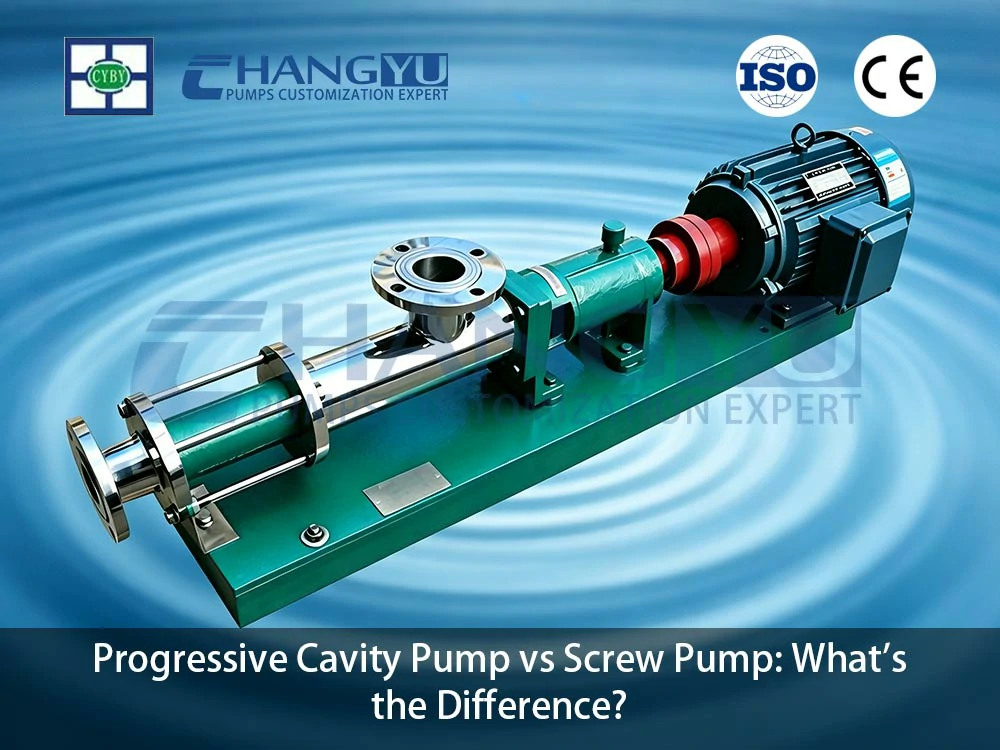
بفضل خبرة تزيد عن 20 عامًا في تصنيع المضخات ذات الإزاحة الإيجابية، أدركت شركة Changyu Pump عن كثب كيف أن توضيح هذه المسألة المصطلحية البسيطة يمكن أن يمنع أخطاء الشراء، ويقلل من فترات التعطل غير المخطط لها، ويضمن استخدام تكوين المضخة المناسب في التطبيق المناسب. يقدم لك هذا الدليل توضيحًا كاملاً — ماذا يعني كل مصطلح، وكيف يرتبطان ببعضهما، ولماذا يوجد هذا الالتباس، وكيفية التعامل مع كلا المصطلحين بشكل صحيح في المواقف الفنية والتجارية.
1. ما هي المضخة اللولبية؟
A مضخة لولبية هي مضخة دوارة ذات إزاحة موجبة تستخدم لولبًا دوارًا واحدًا أو أكثر لنقل السائل على طول محور اللولب. يدخل السائل من طرف الشفط، ويُحتجز في التجاويف المتكونة بين سن اللولب والهيكل، ثم يُدفع محوريًّا نحو طرف التفريغ مع كل دورة. وتتمثل السمة المميزة لهذه المضخة في أن السائل يتحرك على طول حول المسمار بدلاً من حوله.
مصطلح “المضخة اللولبية” هو اللقب, ، وليس مجرد تكوين واحد للمضخة. تضم مجموعة المضخات اللولبية ثلاثة أنواع متميزة، لكل منها هندسة داخلية ومجالات تطبيق تختلف اختلافًا جوهريًا:
- مضخة أحادية اللولب — دوار واحد يدور بشكل غير مركزي داخل جزء ثابت مصنوع من المطاط الصناعي. هذه هي المضخة ذات التجويف المتدرج.
- مضخة ثنائية اللولب — برغيان متوازيان لا يتلامسان، يتم ضبط توقيتهما بواسطة تروس خارجية، ويدوران داخل غلاف محكم الإغلاق.
- مضخة ثلاثية اللولب — برغي محرك مركزي واحد يتشابك مع برغيين عاكسين، يُستخدم لنقل السوائل النظيفة والزيتية تحت ضغط عالٍ.
عندما يستخدم مهندس أو مورد مصطلح “مضخة لولبية” دون توضيح، فقد يكون يقصد أيًا من هذه الأنواع الثلاثة — أو قد يكون يقصد بشكل افتراضي النوع أحادي اللولب، وهو الأكثر شيوعًا في الاستخدامات الصناعية العامة. عادةً ما يكشف السياق والقطاع والتطبيق عن النوع المقصود. هذا الغموض هو أصل الالتباس المصطلحي الذي يتم تناوله في هذا الدليل.
2. ما هي المضخة ذات التجويف المتدرج؟
A مضخة التجويف التدريجي — وتُعرف أيضًا باسم مضخة PC أو المضخة الأحادية أو المضخة أحادية اللولب — تستخدم دوارًا معدنيًا أحادي اللولب يدور بشكل غير مركزي داخل جزء ثابت مصنوع من المطاط الصناعي ذي الشكل الحلزوني المزدوج. ويحجز كل دورة حجمًا ثابتًا من السائل في غرف محكمة الإغلاق بزاوية 180 درجة، والتي تتقدم بشكل مستمر من مرحلة الشفط إلى مرحلة التفريغ. يخلق التداخل بين الدوار والجزء الثابت خطوط الإحكام التي تجعل عملية الضخ هذه ممكنة.
مبدأ التشغيل الأساسي
يحتوي الدوار على سن خارجي واحد ذي خطوة كبيرة وارتفاع سن مرتفع. أما الجزء الثابت فيحتوي على سن داخلي مزدوج تبلغ خطوته ضعف خطوة الدوار. وعندما يدور الدوار، تتحرك التجاويف الموجودة بين الدوار والجزء الثابت محوريًّا دون أن يتغير شكلها أو حجمها — ومن هنا جاء مصطلح “التجويف التقدمي”. ينتج عن ذلك تدفق سلس وخالٍ من النبضات بحجم يمكن التنبؤ به لكل دورة، بغض النظر عن ضغط التفريغ.
الأسماء المستعارة الشائعة
تُعرف المضخات ذات التجويف التقدمي بعدة أسماء في مختلف الصناعات والمناطق:
| المصطلح | المصدر / السياق |
|---|---|
| مضخة التجويف التقدمي (مضخة PC) | تُستخدم بشكل رئيسي في قطاعات المياه والصرف الصحي والصناعات العامة في أمريكا الشمالية |
| مضخة أحادية اللولب / مضخة أحادية | شائعة في الأسواق الأوروبية والآسيوية |
| مضخة موينو | اسم تجاري معروف على نطاق واسع، يعود أصله إلى المراحل الأولى لتسويق تصميم "موانو" |
| مضخة لولبية غير مركزية | مصطلح وصفي يبرز الحركة اللامركزية للدوار |
تشير المصطلحات الأربعة جميعها إلى نفس تكوين المضخة بالضبط: دوار واحد، وجسم ثابت واحد، وحركة غير مركزية، وتجاويف متدرجة. وفهم هذا التماثل هو الخطوة الأولى في توضيح الالتباس بين “المضخة ذات التجاويف المتدرجة والمضخة اللولبية”.
3. هل المضخات ذات التجويف التقدمي والمضخات اللولبية هما نفس الشيء؟
هذا هو السؤال الذي يقع في صميم استفسار البحث: هل المضخة التجويفية التقدمية هي نفس المضخة اللولبية؟ وتتطلب الإجابة على هذا السؤال إجابة موجزة وشرحًا مفصلاً.
الإجابة المختصرة: مضخة ذات تجويف متدرج هو مضخة لولبية — وبالتحديد، مضخة أحادية اللولب. وهي نوع واحد ضمن فئة المضخات اللولبية الأوسع نطاقاً. وتتمثل العلاقة في الفئة والعضو: جميع مضخات التجويف التقدمي هي مضخات لولبية، ولكن ليست كل المضخات اللولبية مضخات تجويف تقدمي.
جدول: مقارنة بين المضخة ذات التجويف التقدمي والمضخة اللولبية — توضيح العلاقة
| سؤال | الإجابة |
|---|---|
| هل المضخة ذات المحرك الكهربائي هي مضخة لولبية؟ | نعم — إنها مضخة أحادية اللولب |
| هل جميع المضخات اللولبية هي مضخات PC؟ | لا يوجد — المضخات ثنائية اللولب وثلاثية اللولب هي أيضًا مضخات لولبية |
| هل يمكنني استخدام المصطلحين بالتبادل؟ | أحيانًا — فقط عندما يشير السياق بوضوح إلى تصميم ذي لولب واحد |
| ما هو المصطلح “الصحيح” في المواصفات؟ | كلاهما يمكن أن يكون صحيحًا — لكن مصطلح “المضخة ذات التجويف التقدمي” أو “المضخة أحادية اللولب” لا يرقى إلى أي لبس |
أسباب هذا الالتباس: نبذة تاريخية
يعود سبب الالتباس في المصطلحات إلى التطور المتوازي لتقنية المضخات اللولبية في قارات مختلفة:
- أمريكا الشمالية (ثلاثينيات القرن العشرين): ابتكر رينيه موينو تصميم المضخة ذات التجويف المتدرج. وأصبح مصطلح “المضخة ذات التجويف المتدرج” هو المصطلح القياسي في أسواق المياه والصرف الصحي والأسواق الصناعية في أمريكا الشمالية، ثم انتشر استخدامه لاحقًا بفضل العلامة التجارية «موينو».
- أوروبا (تطوير موازٍ): طورت الشركات المصنعة الأوروبية، ولا سيما في ألمانيا والدول الاسكندنافية، تصميمات لمضخات متعددة اللولب (ثنائية وثلاثية اللولب) للاستخدامات النفطية والبحرية والهيدروليكية. وفي هذه الأسواق، أصبح مصطلح “المضخة اللولبية” مصطلحًا شاملاً لجميع مضخات الإزاحة الإيجابية من النوع اللولبي الدوار.
- تأثير العولمة: مع تداخل أنشطة شركات الهندسة الدولية ومقاولي EPC وموردي المعدات العالميين في الأسواق، أصبح كلا المصطلحين شائعين الاستخدام — غالبًا دون سياق يوضح أي تكوين محدد للمسمار هو المقصود.
ماذا تعني عبارة “مضخة لولبية”؟: أربعة احتمالات
عندما يقول أحدهم “مضخة لولبية” دون تحديد، فقد يكون يقصد أيًا مما يلي:
جدول: معاني مصطلح “المضخة اللولبية” — أنواع المضخات المحتملة
| نوع المضخة | المعروف أيضًا باسم | المعرف الرئيسي | الصناعات الشائعة |
|---|---|---|---|
| مضخة أحادية اللولب | مضخة التجويف التقدمي، مضخة PC، مضخة أحادية | جزء ثابت من المطاط الصناعي، جزء دوار غير مركزي | المياه/مياه الصرف الصحي، الحمأة، النفط والغاز، الصناعات الكيميائية، الأغذية |
| مضخة ثنائية اللولب | مضخة ثنائية اللولب، مضخة لولبية موقوتة | مسامير معدنية لا تلامسية، تروس توقيت خارجية | نقل النفط، تفريغ الخزانات، العمليات متعددة المراحل، العمليات البحرية |
| مضخة ثلاثية اللولب | مضخة ثلاثية اللولب | محرك واحد + برغيان تثبيت، السوائل النظيفة فقط | التشحيم، النظام الهيدروليكي، حقن الوقود |
| مضخة المسمار اللولبي لأرخميدس | مضخة لولبية (في السياق القديم/القنوات المفتوحة) | برغي مائل ذو قطر كبير، تدفق في قناة مفتوحة | محطات رفع مياه الصرف الصحي، والري، والصرف ذو الارتفاع المنخفض |
ملاحظة: تُعد مضخات المسمار اللولبي لأرخميدس فئة مختلفة تمامًا من المضخات — فهي عبارة عن أجهزة نقل ذات قناة مفتوحة تتميز بارتفاع ضغط منخفض وسعة كبيرة، ولا علاقة لها بمضخات المسمار اللولبي ذات الإزاحة الإيجابية المستخدمة في الصناعات التحويلية. وقد أُدرجت هنا فقط لأنها تسبب أحيانًا لبسًا في المصطلحات في سياقات مياه الصرف الصحي والهندسة المدنية.
في مجالات المياه ومياه الصرف الصحي والتطبيقات الصناعية العامة، يُقصد بـ“المضخة اللولبية” في الغالب مضخة ذات لولب واحد أو مضخة ذات تجويف متدرج. أما في مجالات النفط والغاز، ومناولة الوقود البحري، والتطبيقات الهيدروليكية، فإن مصطلح “المضخة اللولبية” يشير غالبًا إلى التكوينات ذات اللولبين أو الثلاثة لولب. لذا، يجب دائمًا التحقق من المعنى المقصود في ضوء سياق الاستخدام.
4. ما هي الأنواع المختلفة للمضخات اللولبية؟
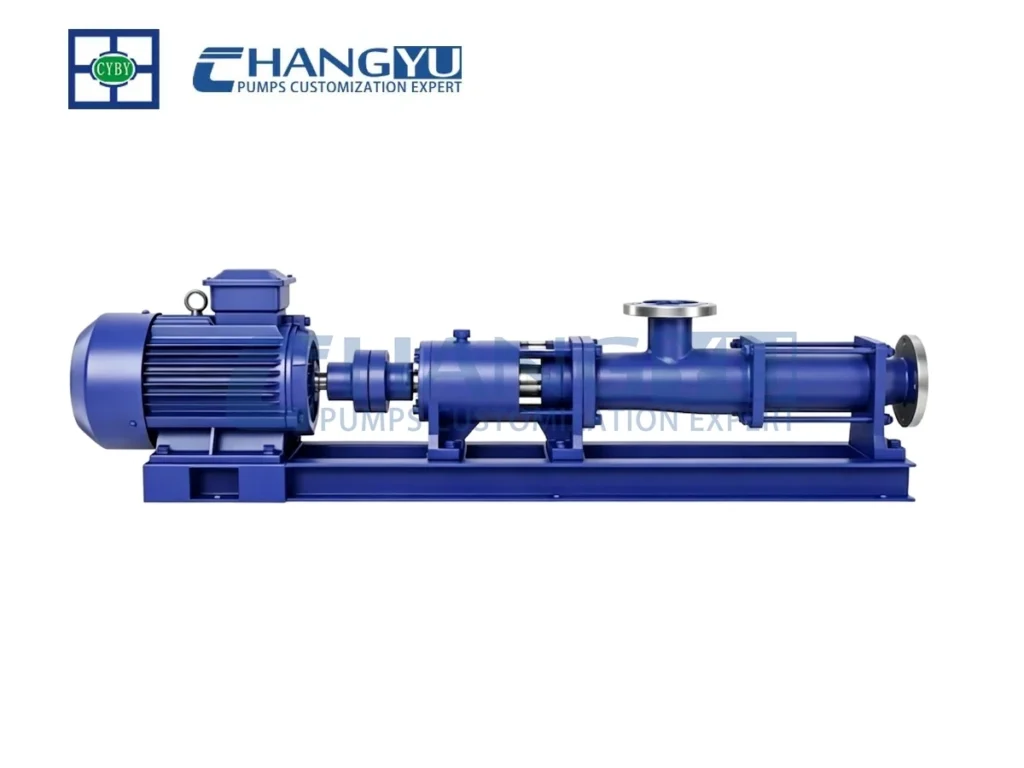
إن فهم مكانة المضخة ذات التجويف التقدمي ضمن عائلة المضخات اللولبية يتطلب رؤية واضحة لجميع أنواع هذه العائلة. ويقدم الجدول أدناه مقارنة موجزة بين التكوينات الثلاثة الرئيسية للمضخات اللولبية.
جدول: عائلة المضخات اللولبية — مقارنة الأنواع
| الميزة | مضخة أحادية اللولب (مضخة PC) | ثنائي اللولب | ثلاثي اللولب |
|---|---|---|---|
| عدد البراغي | 1 دوار + 1 جزء ثابت | برغيان متوازيان | برغي محرك واحد + برغيان عاطلان |
| هل هناك تلامس بين البراغي؟ | نعم — يلامس الدوار الجزء الثابت | لا — المسامير لا تلامس | نعم — عجلات التوجيه ذات المسمار اللولبي |
| آلية الإغلاق | التركيب بالضغط بين الدوار والجزء الثابت | المسافة الدقيقة بين البراغي والهيكل | المسافة الدقيقة بين البراغي |
| قدرة تحمل الضغط | 6–12 بار (ارتفاع ضغط يصل إلى 120 مترًا) | ما يصل إلى 40 بارًا وأكثر | ما يصل إلى 200+ بار |
| نطاق اللزوجة | 20–1,000,000+ سنتيمتر سكانتي | 1–100,000 سنتيمتر مكعب في الثانية | 1–5,000 سنتي ستوك |
| معالجة المواد الصلبة | ممتاز | ضعيف — يحتاج إلى سائل نظيف | لا شيء — سوائل تشحيم نقية فقط |
| معالجة الغاز | معتدل (حتى حوالي 20%) | ممتاز (حتى 1001 رصاصة من طراز TP3T) | فقير |
| القص | منخفض جدًا | منخفضة إلى متوسطة | معتدل |
| الجزء الثابت؟ | نعم — مادة مرنة، مادة قابلة للاستهلاك | لا — مصنوع بالكامل من المعدن | لا — مصنوع بالكامل من المعدن |
| التطبيقات الشائعة | الحمأة، الملاط، النفط الخام، المواد الغذائية، المواد الكيميائية | نقل الوقود، تفريغ الخزانات، العمليات متعددة المراحل | زيت التشحيم، الأنظمة الهيدروليكية، حقن الوقود |
مكانة مضخة الكمبيوتر الشخصي ضمن العائلة
تُعد المضخة ذات التجويف التقدمي هي النوع الوحيد من المضخات اللولبية الذي يستخدم جزءًا ثابتًا مصنوعًا من المطاط الصناعي. ويحدد هذا الاختيار التصميمي نطاق تطبيقاتها بالكامل: فهي تضحي بقدرة الضغط وتحمل التشغيل الجاف (مقارنةً بالتصميمات المعدنية بالكامل ذات اللولبين أو الثلاثة لولب) مقابل قدرة لا مثيل لها على معالجة المواد الصلبة والتعامل مع السوائل عالية اللزوجة للغاية. وهي المضخة اللولبية المخصصة لـ السوائل الصعبة — السوائل شديدة اللزوجة أو شديدة الكشط أو شديدة الألياف أو شديدة الحساسية للقص، بحيث لا يمكن استخدام أي نوع آخر من المضخات الدوارة معها. وعلى عكس المضخات الطردية التي تعتمد على الطاقة الحركية وتفقد كفاءتها عند ارتفاع اللزوجة، فإن مضخات التجويف التقدمي هي أجهزة إزاحة موجبة تحافظ على كفاءة حجمية ثابتة عبر نطاق اللزوجة بأكمله.
5. كيف يُعرّف المعيار API 676 المضخات ذات التجويف التقدمي والمضخات اللولبية؟
عندما تكون المصطلحات غامضة في الاستخدام اليومي، تُعد المعايير الصناعية المرجع الموثوق. بالنسبة للمضخات اللولبية المستخدمة في الخدمات الصناعية، فإن المعيار الرئيسي الذي يحكمها هو API 676 — “المضخات الدوارة ذات الإزاحة الإيجابية”. كما تشمل معايير ANSI/HI 3.1-3.5 المضخات أحادية اللولب والمضخات ذات التجويف التقدمي، والتي توفر إرشادات خاصة بالتطبيقات لاختيار واختبار المضخات ذات التجويف التقدمي.
تصنيف API 676 و ANSI/HI
يصنف المعيار API 676 المضخات الدوارة ذات الإزاحة الإيجابية إلى فئات متميزة. وبموجب هذا المعيار، تُعد المضخات اللولبية أحد أنواع المضخات الدوارة ذات الإزاحة الإيجابية المعترف بها، وتُقسم بدورها حسب شكل اللولب:
- مضخة أحادية اللولب = المضخة ذات التجويف التقدمي (تغطي المواصفة API 676 بشكل أساسي المضخات ثنائية وثلاثية اللولب المستخدمة في صناعة النفط؛ أما المضخات أحادية اللولب/PC فتتناولها المواصفات ANSI/HI 3.1-3.5 بشكل شامل)
- مضخة ثنائية اللولب — تم تناوله بالتفصيل في المعيار API 676 فيما يتعلق بالتطبيقات البترولية
- مضخة ثلاثية اللولب — تم تناولها بالتفصيل في معيار API 676 فيما يتعلق بالسوائل النظيفة والاستخدامات عالية الضغط
ماذا يعني ذلك بالنسبة لعمليات الشراء الخاصة بك
يقدم مهندسو شركة Changyu Pump، استنادًا إلى خبرة تزيد عن 20 عامًا في التعامل مع المواصفات الدولية للمضخات، الإرشادات التالية: عند صياغة المواصفات الفنية أو الرد عليها، استخدم مصطلح “مضخة أحادية اللولب” أو “مضخة التجويف التقدمي” لتحقيق أقصى قدر من الوضوح. إذا استخدمت المواصفات مصطلح “مضخة لولبية” دون توضيح، فاطلب دائمًا توضيحًا كتابيًا حول ما إذا كانت التكوين المقصود هو لولب واحد أم لولبان أم ثلاثة لولب. إذا لم يتمكن المورد من تقديم إجابة واضحة حول تكوين اللولب، فقم بإجراء تقييم فني لخصائص السائل بدلاً من الاعتماد على مصطلحات المورد — فهذا بحد ذاته علامة تحذيرية. إن توضيحًا مدته خمس دقائق أثناء تقديم العطاءات يمنع تصحيحًا بمبلغ خمسة أرقام أثناء التشغيل.
المعايير الأخرى ذات الصلة
| قياسي | الأهمية |
|---|---|
| API 676 | المعيار الأساسي للمضخات ثنائية وثلاثية اللولب المستخدمة في قطاع النفط والغاز الطبيعي |
| ANSI/HI 3.1-3.5 | معيار شامل لاختيار المضخات ذات التجويف التقدمي/المضخات أحادية اللولب واختبارها وتطبيقاتها |
| آيزو 9001 | إدارة الجودة — شهادة التصنيع الأساسية |
| ASTM D471 | اختبار توافق المطاط الصناعي — أمر بالغ الأهمية لاختيار مواد الجزء الثابت |
| ISO 15136 | مضخات PC المستخدمة في آبار النفط للرفع الاصطناعي — تستخدم مصطلح “PCP” (مضخة التجويف التقدمي) |
6. ما هي الاختلافات التقنية الرئيسية بين مضخات PC والمضخات اللولبية الأخرى؟
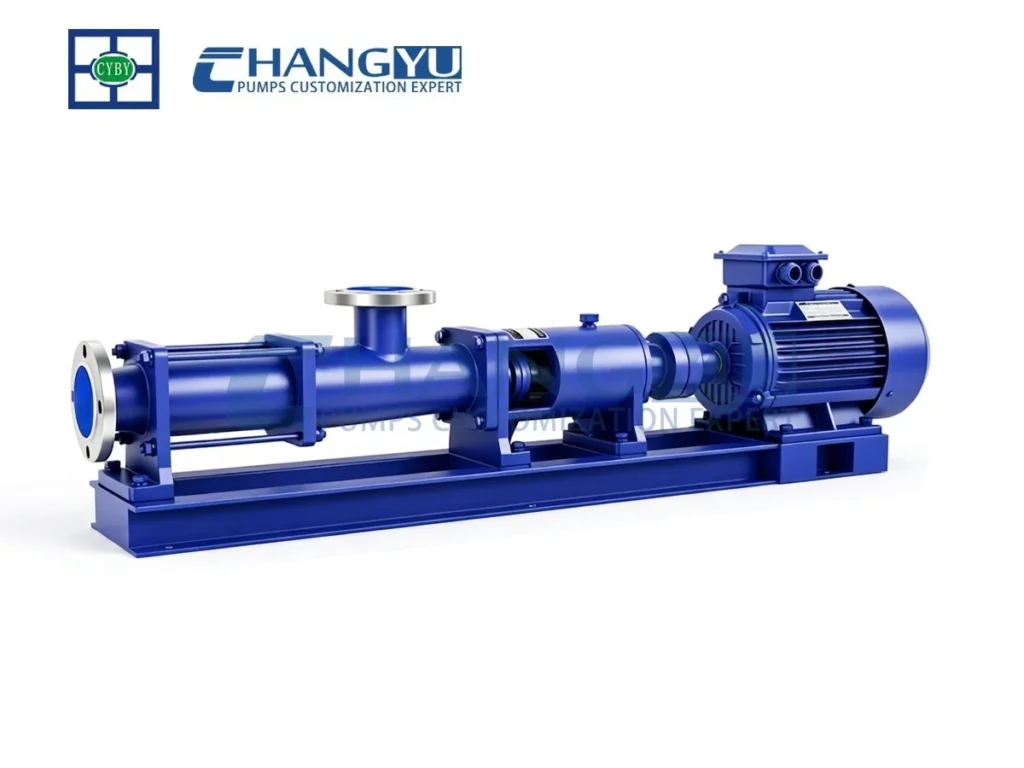
في حين أن مضخة الكمبيوتر الشخصي هو فيما يتعلق بالمضخات اللولبية، تختلف خصائص أداء المضخة أحادية اللولب/PC اختلافًا جوهريًا عن نظيراتها ثنائية اللولب وثلاثية اللولب. وتفسر هذه الاختلافات أهمية التمييز بينها — على الرغم من تداخل المصطلحات.
مقارنة الأداء: المضخة ذات المحرك الكهربائي مقابل المضخة ثنائية اللولب
ونظرًا لأن المضخات ثنائية اللولب تُعد ثاني أكثر أنواع المضخات اللولبية شيوعًا (وهي النوع الذي غالبًا ما يُخلط بينه وبين مضخات PC في حالات الأخطاء الشائعة في عمليات الشراء)، فإن المقارنة المباشرة بينهما تُعد مفيدة.
جدول: مقارنة بين المضخة أحادية اللولب والمضخة ثنائية اللولب — الاختلافات التقنية الرئيسية
| المعلمة | مضخة PC (أحادية اللولب) | مضخة ثنائية اللولب | ما أهمية ذلك |
|---|---|---|---|
| المواد الصلبة | تتعامل مع الجسيمات (يعتمد الحجم على شكل المضخة)؛ الملاط الكاشطة | يتطلب سائلًا نظيفًا؛ فالجسيمات تتسبب في تلف الفراغات | إذا كان السائل يحتوي على حبيبات أو رمل أو محفز — مضخة PC فقط |
| الغاز | ما يصل إلى حوالي 20% من نسبة الغاز | ما يصل إلى 100% من الكتل الغازية العابرة | تفريغ الخزانات والمعالجة متعددة المراحل → المسمار المزدوج |
| الضغط | 6–12 بار | ما يصل إلى 40 بارًا وأكثر | حقن عالي الضغط → ثنائي اللولب |
| الحد الأقصى للزوجة | > 1,000,000 سنتيمتر سكانتي | حوالي 100,000 سنتيمتر مكعب في الثانية | البوليمر المنصهر، الخام الثقيل → مضخة PC |
| القص | منخفض جدًا | منخفضة إلى متوسطة | البوليمرات، المستحلبات → مضخة PC |
| الصيانة | استبدال الجزء الثابت (متوقع) | صيانة التروس والمحامل | صيانة مضخات الكمبيوتر أسهل |
| تحمل التشغيل الجاف | لا يوجد | محدود (بالدقائق) | خطر التشغيل التجريبي المتقطع → ثنائي اللولب |
المفاضلة الأساسية في التصميم: تستخدم مضخات PC جزءًا ثابتًا مصنوعًا من المطاط الصناعي (إيلاستومر) قادر على التعامل مع المواد الصلبة، ولكن على حساب الضغط وتحمل التشغيل بدون سائل. تستخدم المضخات ثنائية اللولب لولبين معدنيين بالكامل لا يتلامسان، وهما يتعاملان مع الغاز والضغط على حساب عدم تحمل المواد الصلبة. ولهذا السبب، فإن توضيح نوع “المضخة اللولبية” المحددة ليس مجرد مسألة لغوية — بل إنه يحدد ما إذا كانت المضخة ستصمد أمام التطبيق أم لا.
7. متى ينبغي استخدام “المضخة ذات التجويف التقدمي” مقابل “المضخة اللولبية”؟
وبعيدًا عن الجانب التقني، هناك سؤال عملي: في السياقات الهندسية والمشتريات الواقعية، أي مصطلح ينبغي عليك استخدامه — وكيف ينبغي عليك تفسيره عندما يستخدمه الآخرون؟
الأجواء الرسمية مقابل الأجواء غير الرسمية
| الإعداد | المصطلح الموصى به | الأساس المنطقي |
|---|---|---|
| المواصفات الفنية / ورقة البيانات | “المضخة ذات التجويف التقدمي” أو “المضخة أحادية اللولب” | لا لبس فيه؛ ولا يترك مجالاً للتأويل الخاطئ |
| طلب عرض أسعار / استفسار | “مضخة التجويف التقدمي (من النوع أحادي اللولب)” | يوضح التكوين الدقيق في المستندات التجارية |
| العقد / أمر الشراء | التوافق التام مع المواصفات | لا تستبدل المصطلحات الواردة في الوثائق الملزمة |
| البريد الإلكتروني / المحادثة غير الرسمية | يُقبل أي من المصطلحين إذا كان السياق واضحًا | “مضخة لولبية للحمأة” تعني بوضوح مضخة PC |
| اجتماع الموردين | نود أن نوضح منذ البداية: “نعني بمصطلح ”مضخة لولبية" المضخة أحادية اللولب/ذات التجويف التقدمي» | يمنع الخطأ الأكثر شيوعًا في مجال المشتريات |
تفضيلات القطاع
طورت مختلف القطاعات مصطلحات قياسية مختلفة على مدى عقود من الممارسة:
| الصناعة | المدة الافتراضية | الملاحظات |
|---|---|---|
| المياه والصرف الصحي | مضخة التجويف التقدمي / مضخة PC | المعيار الأمريكي الشمالي؛ قد يُخلط بين مصطلح “المضخة اللولبية” و«برغي أرخميدس» |
| النفط والغاز (المرحلة الأولية) | مضخة لولبية / PCP (مضخة التجويف التقدمي) | “يُستخدم ”PCP" بشكل شائع في تطبيقات قاع البئر وفقًا للمعيار ISO 15136 |
| النفط والغاز (قطاع التكرير والتسويق) | مضخة لولبية | يُقصد به غالبًا المسمار المزدوج أو الثلاثي في عمليات تزويد الوقود/زيوت التشحيم النظيفة |
| المعالجة الكيميائية | مضخة التجويف التقدمي | التركيز على التوافق الكيميائي ودقة القياس |
| الأطعمة والمشروبات | مضخة التجويف التقدمي / مضخة PC | التصميمات الصحية؛ “المضخة اللولبية” أقل شيوعًا |
| البحرية | مضخة لولبية | يُقصد به عادةً المسمار المزدوج المستخدم في مناولة الوقود والبضائع |
الاختلافات الإقليمية
| المنطقة | الاستخدام الشائع |
|---|---|
| أمريكا الشمالية | “تُستخدم ”المضخة ذات التجويف التقدمي» على نطاق واسع في قطاعات المياه ومياه الصرف الصحي والصناعة العامة |
| أوروبا (الناطقة بالألمانية) | “مضخة لولبية غير مركزية” (مضخة لولبية غير مركزية) أو “مضخة أحادية” |
| أوروبا (المملكة المتحدة/أيرلندا) | “يُستخدم مصطلحا ”المضخة ذات التجويف التقدمي“ و”المضخة اللولبية» بالتبادل |
| الشرق الأوسط | “المضخة اللولبية” هي الخيار السائد في مواصفات قطاع النفط والغاز |
| آسيا والمحيط الهادئ | الاستخدامات المتنوعة؛ يُعد مصطلح “المضخة اللولبية” شائعًا، بينما يزداد استخدام مصطلح “مضخة PC” في قطاع المياه |
القاعدة الذهبية
عندما تتلقى وثيقة تشير إلى “مضخة لولبية”، لا تفترض شيئًا. اطرح سؤالًا توضيحيًا واحدًا: “هل هذه مضخة أحادية اللولب/ذات تجويف متدرج، أم مضخة ثنائية اللولب؟” إذا لم يتمكن المورد من تقديم إجابة واضحة بشأن تكوين اللولب، فهذا بحد ذاته علامة تحذيرية — تابع بإجراء تقييم فني لخصائص السائل بدلاً من الاعتماد على مصطلحات المورد. لقد ساهم هذا السؤال الذي يستغرق خمس ثوانٍ في منع عدد لا يحصى من أخطاء الشراء وفقًا لتجربة شركة Changyu Pump.
8. ما هي منتجات مضخات التجويف التقدمي التي تنتجها شركة Changyu Pump؟
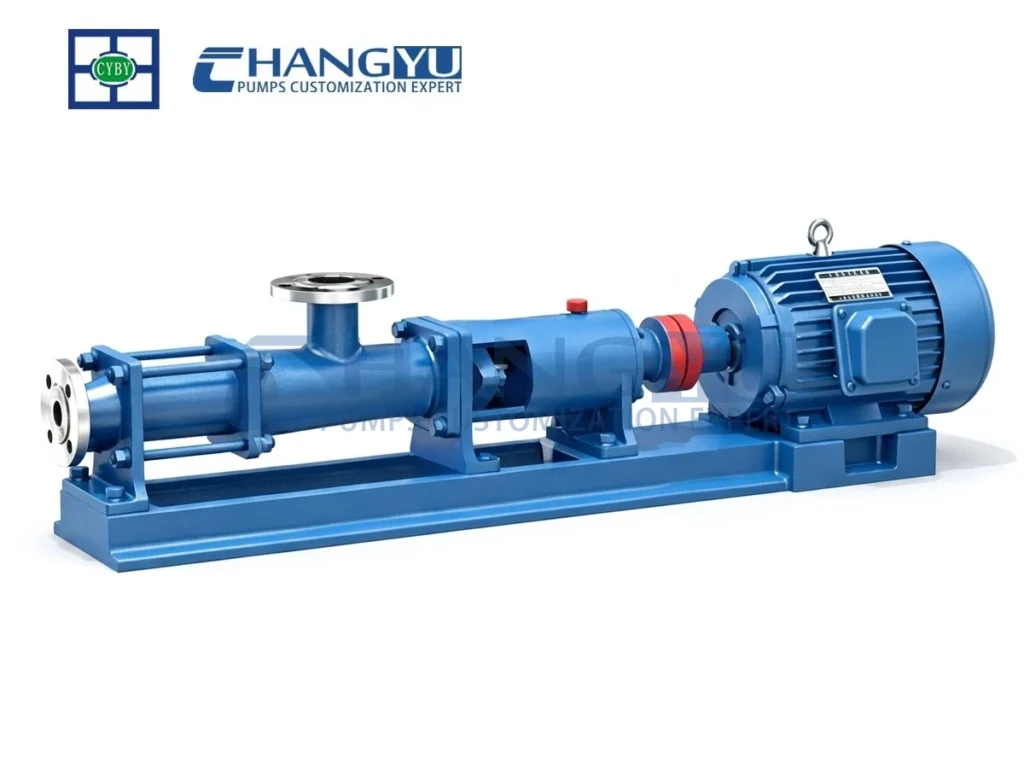
تقوم شركة Changyu Pump بتصنيع المضخة أحادية اللولب من النوع G — وهي مضخة دوارة ذات إزاحة موجبة تُعرف بثلاثة أسماء شائعة، وهي: مضخة التجويف التقدمي، والمضخة أحادية اللولب، كما أنها تنتمي إلى عائلة المضخات اللولبية الأوسع نطاقًا. تم تصميم سلسلة النوع G للتطبيقات التي تتطلب استخدام تكنولوجيا مضخات PC: السوائل عالية اللزوجة، والملاط الكاشطة، والوسائط الحساسة للقص، وتدفقات العمليات المحملة بالمواد الصلبة.
المصطلحات الأساسية لنظام Changyu من النوع G
عندما ترى مضخة Changyu من النوع G موصوفة بأي من الطرق التالية، فإنها تشير إلى نفس المضخة:
| المصطلح المستخدم | المعنى |
|---|---|
| “مضخة لولبية من النوع G” | تصميم أحادي اللولب / تجويف متدرج |
| “مضخة التجويف التقدمي من النوع G” | نفس المضخة |
| “مضخة أحادية اللولب من النوع G” | نفس المضخة |
| “مضخة أحادية من النوع G” | نفس المضخة — المصطلحات الأوروبية |
ما يميز سلسلة Changyu من النوع G هو الجمع بين نطاق سرعة يتراوح بين 400 و960 دورة في الدقيقة — وهو نطاق منخفض عن قصد لإطالة عمر الجزء الثابت في ظروف التشغيل الكاشطة — وتوافر جميع أنواع المطاط الصناعي الأربعة الرئيسية المستخدمة في الجزء الثابت (NBR، EPDM، FKM، PTFE) من مصدر تصنيع واحد، مما يزيل مخاطر عدم التوافق بين الموردين المتعددين.
مواصفات مضخة Changyu G-Type أحادية اللولب
الجدول: المواصفات الفنية لمضخة التجويف التقدمي من طراز G
| المعلمة | المواصفات |
|---|---|
| نوع المضخة | ذو لولب واحد / ذو تجويف متدرج |
| نطاق معدل التدفق | 0–200 متر مكعب في الساعة |
| نطاق الرأس | 60–120 متر (حسب الطراز ومراحل الجزء الثابت) |
| قوة المحرك | 0.55–37 كيلوواط |
| نطاق السرعة | 400–960 دورة في الدقيقة |
| درجة حرارة متوسطة | -20 درجة مئوية إلى 150 درجة مئوية |
| مواد بناء قابلة للتخصيص | حديد مصبوب، فولاذ مقاوم للصدأ |
| المواد المطاطية المتاحة للجزء الثابت | NBR، EPDM، FKM، PTFE |
عرض مواصفات مضخة التجويف التقدمي من طراز Changyu G-Type →
9. ما هي المضخة التي تحتاجها فعليًّا — المضخة ذات التجويف التقدمي أم المضخة اللولبية؟
بعد فهم المصطلحات، يبقى السؤال العملي: عندما تواجه تطبيقًا حقيقيًّا، كيف تحدد تكوين المضخة اللولبية الذي تحتاجه؟
قرار يستند إلى خصائص السوائل
يتم تحديد الإعداد الصحيح للمضخة بناءً على السائل المستخدم — وليس بناءً على المصطلحات المستخدمة في أي وثيقة معينة.
- يحتوي السائل الخاص بك على مواد صلبة أو ألياف أو جزيئات كاشطة → أنت بحاجة إلى مضخة التجويف التقدمي (مضخة أحادية اللولب). تسمح بنية الجزء الثابت المصنوع من المطاط الصناعي والجزء المتحرك غير المركزي بمرور المواد الصلبة دون الإضرار بالأسطح المعدنية الدقيقة. وهذا هو نطاق تطبيقات Changyu من النوع G.
- يحتوي السائل الخاص بك على كمية كبيرة من الغاز المحبوس (> 20%) أو كتل غازية → أنت بحاجة إلى مضخة ثنائية اللولب. تسمح البراغي المعدنية غير الملامسة بمرور جيوب الغاز دون التسبب في ارتفاع درجة حرارة الجزء الثابت أو فقدان الضخ.
- السائل الخاص بك نظيف، ومنخفض اللزوجة، ويتطلب ضغطًا عاليًا → أنت بحاجة إلى مضخة ثنائية أو ثلاثية اللولب. يوفر التصميم المعدني بالكامل والفجوات الدقيقة ضغطًا عاليًا بكفاءة لتزييت السوائل.
- تبلغ لزوجة السائل الخاص بك أكثر من 100,000 سنتي ستوكس → أنت بحاجة إلى مضخة التجويف التقدمي (مضخة أحادية اللولب). تفقد المضخات ثنائية اللولب كفاءتها عند مستويات اللزوجة الفائقة؛ بينما تحافظ مضخات PC على كفاءة حجمية ثابتة فوق 1,000,000 سنتي ستوكس.
- السائل الخاص بك حساس للقص (البوليمرات، المستحلبات، المنتجات الغذائية) → أنت بحاجة إلى مضخة التجويف التقدمي (مضخة أحادية اللولب). يؤدي التقدم المستمر للتجويف إلى قوة قص منخفضة جدًّا مقارنةً بقيم القوة القصية المتقطعة في المضخات ثنائية اللولب.
التوصية النهائية من فريق الهندسة في شركة Changyu Pump: لا تقبل أبدًا مصطلح “المضخة اللولبية” كمواصفة كاملة. فهذا المصطلح يشير إلى فئة من المضخات، وليس إلى مضخة بعينها. احرص على تحديد تكوين اللولب — سواء كان أحاديًا أو ثنائيًا أو ثلاثيًا — قبل الشروع في عملية الاختيار أو طلب العروض أو الشراء. دع خصائص السائل تحدد نوع المضخة، واستخدم مصطلحات دقيقة لضمان وصول التكوين المناسب إلى تطبيقك.
عندما تكون مستعدًا لتحديد المضخة المناسبة لعمليتك، يمكن لفريق الهندسة في Changyu Pump تقديم تقييم فني مجاني — يشمل تحليل خصائص السوائل، وتوصيات بشأن نوع المضخة، وتقديرًا لتكلفة الملكية الإجمالية لمدة 5 سنوات وفقًا لمعايير التشغيل الخاصة بك. بفضل خبرة تزيد عن 20 عامًا في مجال التصنيع، ومخزون كامل من المطاط الصناعي للجزء الثابت، والتصنيع المتوافق مع معيار API 676، نضمن أن يكون اختيارك صحيحًا من الناحية الفنية منذ البداية.
الأسئلة الشائعة حول المضخات ذات التجويف التقدمي مقابل المضخات اللولبية
س: هل المضخة ذات التجويف المتدرج هي نفسها المضخة اللولبية؟
ج: مضخة تجويفية متدرجة هو مضخة لولبية — وبالتحديد، مضخة أحادية اللولب. وهي تنتمي إلى فئة المضخات اللولبية، التي تشمل أيضًا المضخات ثنائية اللولب وثلاثية اللولب. ولا يمكن استخدام هذه المصطلحات بشكل متبادل تمامًا، لأن مصطلح “مضخة لولبية” قد يشير إلى أي من هذه الأنواع الثلاثة.
س: لماذا يطلق عليها البعض اسم «مضخة PC» بينما يطلق عليها آخرون اسم «مضخة لولبية»؟
ج: هذا اختلاف إقليمي ومهني. فمهندسو المياه والصرف الصحي في أمريكا الشمالية عادةً ما يستخدمون مصطلح “مضخة PC” أو “مضخة التجويف التدريجي”، بينما يفضل مهندسو النفط والغاز في أوروبا والشرق الأوسط استخدام مصطلح “مضخة لولبية”. وكلا المصطلحين صحيحان عندما يشير السياق بوضوح إلى تصميم أحادي اللولب.
س: ما الفرق بين المضخة ذات المحور الواحد والمضخة ذات اللولبين؟
ج: تستخدم مضخة PC دوارًا واحدًا داخل جزء ثابت مصنوع من المطاط الصناعي — وهي مثالية للمواد الصلبة والمواد الكاشطة والسوائل عالية اللزوجة. تستخدم المضخة ثنائية اللولب لولبين معدنيين غير متلامسين — وهي مثالية للسوائل النظيفة التي تحتوي على غاز محبوس والضغط العالي. تتعامل مضخة PC مع السوائل الصعبة؛ بينما تتعامل المضخة ثنائية اللولب مع ظروف التدفق الصعبة.
س: ما الفرق بين المضخة ذات التجويف التقدمي والمضخة الطردية؟
ج: المضخة ذات التجويف المتدرج هي مضخة إزاحة موجبة تحافظ على كفاءة ثابتة عند مستويات اللزوجة العالية وتستطيع التعامل مع المواد الصلبة. تعتمد المضخة الطردية على الطاقة الحركية وتفقد كفاءتها عند مستويات لزوجة تزيد عن 200-300 سنتي ستوكس. بالنسبة للسوائل الرقيقة والنظيفة ذات معدلات التدفق العالية، تعتبر المضخات الطردية خيارًا فعالاً من حيث التكلفة. أما بالنسبة للسوائل اللزجة أو المحملة بالمواد الصلبة، فإن المضخات ذات التجويف التقدمي هي الخيار الصحيح.
س: هل يمكنني استخدام مصطلحي “المضخة ذات التجويف التقدمي” و“المضخة اللولبية” بالتبادل في المواصفات الفنية؟
ج: لا، ما لم يتم توضيح الأمر. في الوثائق الرسمية، استخدم عبارة “مضخة تجويفية متدرجة (من النوع أحادي اللولب)” لتحقيق أقصى قدر من الوضوح. إذا تلقيت مواصفات تقتصر على عبارة “مضخة لولبية”، فاطلب توضيحًا كتابيًا حول ما إذا كان المقصود هو مضخة أحادية اللولب أم ثنائية أم ثلاثية اللولب.
س: ماذا تنص المواصفة API 676 بشأن هذه المصطلحات؟
ج: تصنف المواصفة API 676 المضخات اللولبية ضمن فئة المضخات الدوارة ذات الإزاحة الإيجابية، وتقسمها حسب شكل اللولب. كما تشمل معايير ANSI/HI 3.1-3.5 المضخات أحادية اللولب/ذات التجويف التقدمي. يستخدم معيار API 676 مصطلح “مضخة أحادية اللولب” كمصطلح رسمي لما يُعرف عمومًا بمضخة التجويف التقدمي.
س: أي مضخة أحتاج — مضخة PC أم مضخة لولبية؟
ج: هذا السؤال لا يقتصر على خيارين فقط. إذا كان السائل يحتوي على مواد صلبة أو ألياف أو كانت لزوجته أعلى من 100,000 سنتي ستوكس، فستحتاج إلى مضخة تجويفية متدرجة (أحادية اللولب). أما إذا كان السائل نظيفًا ويحتوي على غاز محبوس أو يتطلب ضغطًا عاليًا، فقد تحتاج إلى مضخة ثنائية اللولب. حدد تكوين اللولب أولاً.
قائمة مراجعة إجراءات الوقاية لمهندسي مضخات تشانغيو
استنادًا إلى خبرة ميدانية تمتد لأكثر من 20 عامًا في التعامل مع المواصفات والمصطلحات الدولية الخاصة بالمضخات، يوصي مهندسو شركة Changyu Pump باتباع الإرشادات التالية:
- لا تفترض أبدًا أن مصطلح “مضخة لولبية” يعني مضخة التجويف التدريجي. تأكد دائمًا مما إذا كان التكوين المطلوب هو ذو لولب واحد أم لولبين أم ثلاثة لولب قبل الشروع في الاختيار أو تقديم عرض الأسعار.
- في المواصفات الرسمية، استخدم عبارة “مضخة التجويف التدريجي (من النوع أحادي اللولب)” أو “مضخة أحادية اللولب” لضمان أقصى قدر من الوضوح. يرجى تجنب استخدام مصطلح “مضخة لولبية” دون تحديد في الوثائق الملزمة.
- عندما تتلقى طلب عرض أسعار يتضمن عبارة “مضخة لولبية”، قم بتحليل سياق الاستخدام. الطين أو الملاط → من شبه المؤكد استخدام مضخة PC/أحادية اللولب. زيت الوقود النظيف تحت ضغط عالٍ → تحقق مما إذا كان المقصود هو مضخة ثنائية اللولب.
- لا تستبدل مصطلح “مضخة PC” بمصطلح “مضخة لولبية” في العقد ما لم يكن لديك تأكيد كتابي بأن المصطلحين يُستخدمان بالتبادل في ذلك المستند المحدد.
- إذا لم تكن متأكدًا من نوع المسمار المطلوب، فاطلب توضيحًا كتابيًا. رسالة بريد إلكتروني تستغرق خمس دقائق تمنع وقوع خطأ في المشتريات يكلف مئات الآلاف. إذا لم يتمكن المورد من الإجابة بوضوح، فقم بتقييم خصائص السائل بنفسك.
- يرجى الانتباه إلى الاختلافات في المصطلحات بين المناطق. قد يستخدم الموردون الأوروبيون والشرق أوسطيون مصطلح “مضخة لولبية” بشكل افتراضي؛ بينما قد يستخدم الموردون في أمريكا الشمالية مصطلح “مضخة PC” بشكل افتراضي. يمكن سد هذه الفجوة باستخدام كلا المصطلحين في الاتصالات الأولية.
- يرجى الرجوع إلى المواصفات القياسية API 676 و ANSI/HI 3.1-3.5 حيثما ينطبق ذلك. وهذا يرسخ المصطلحات في معايير القطاع ويوفر مرجعاً مشتركاً لجميع الأطراف.
- احرص على إتاحة هذا الدليل لفرق المشتريات والهندسة. يكون الالتباس في المصطلحات أكثر تكلفةً عندما يحدث بين التخصصات المختلفة — فقد يختلف تفسير مصطلح “المضخة اللولبية” بين المهندس الذي كتب المواصفات والمشتري الذي يتولى شراء المضخة.
الخاتمة
تتضح العلاقة بين المضخة ذات التجويف التقدمي والمضخة اللولبية بمجرد توضيحها: فالمضخة ذات التجويف التقدمي هي مضخة أحادية اللولب، والمضخة أحادية اللولب هي أحد الأنواع ضمن عائلة المضخات اللولبية الأوسع نطاقًا. هذه المصطلحات ليست قابلة للتبادل تمامًا لأن مصطلح “مضخة لولبية” يمكن أن يشير أيضًا إلى التكوينات ثنائية اللولب وثلاثية اللولب. يوجد هذا الالتباس لأسباب تاريخية وإقليمية مفهومة — التطور المتوازي في قارات مختلفة، والمصطلحات الافتراضية المختلفة للصناعة، وعولمة سلاسل التوريد الهندسية — ولكنه لا يجب أن يتسبب في أخطاء في المشتريات. من خلال الفهم الواضح للمصطلحات، والالتزام بطرح أسئلة توضيحية عندما تكون المصطلحات غامضة، واتباع نهج قائم على السوائل في اختيار المضخات، يمكنك التعامل مع كلا المصطلحين بثقة في أي موقف تقني أو تجاري.


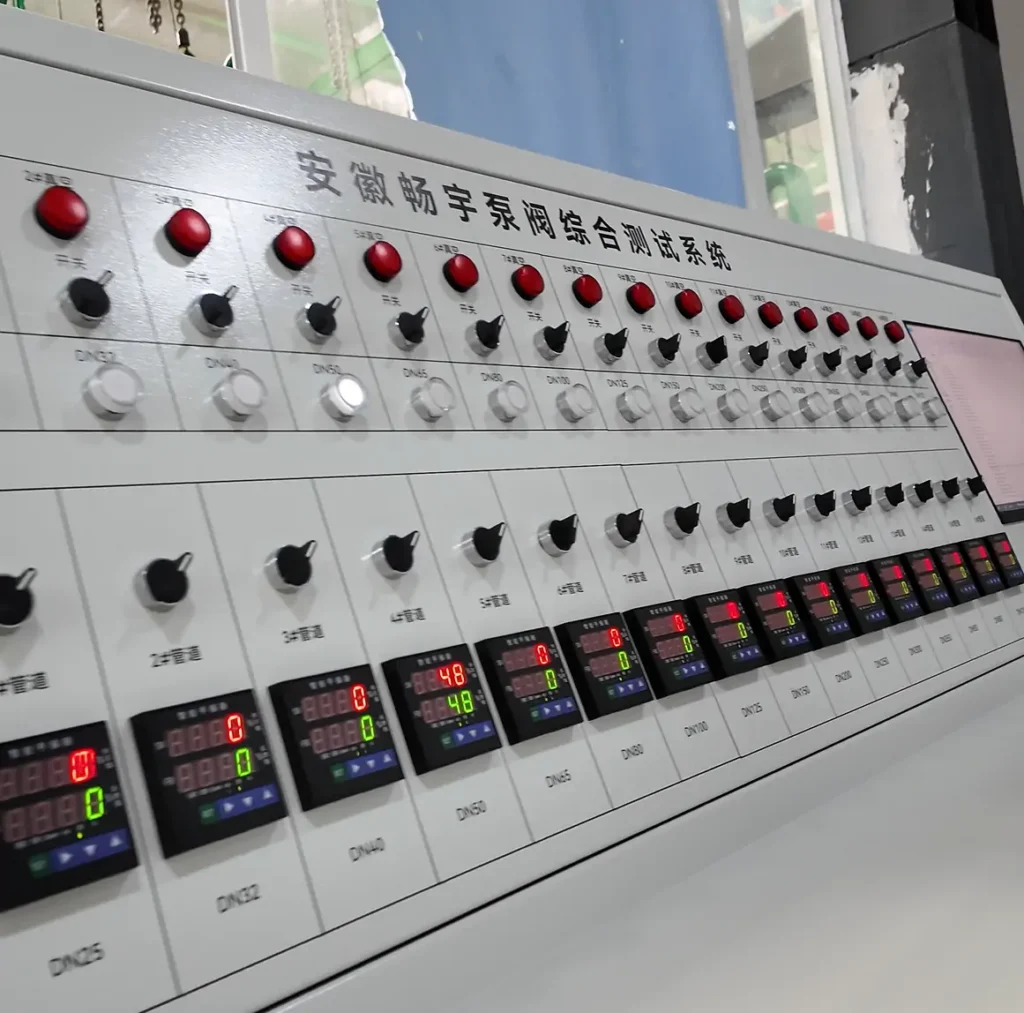
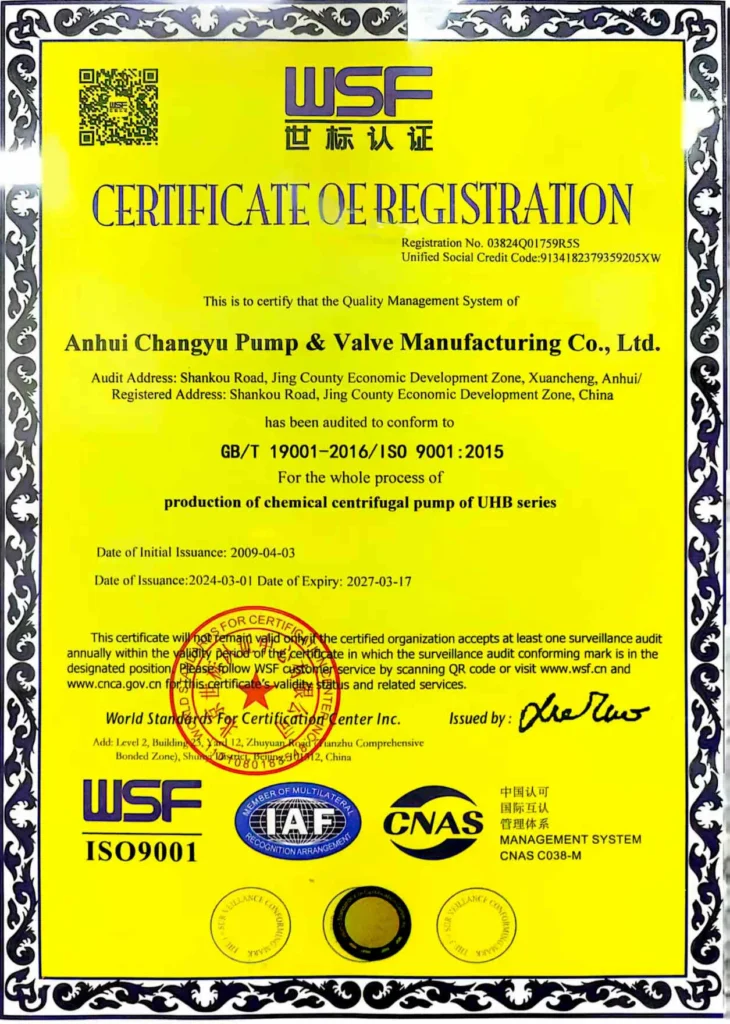
عندما تكون مستعدًا لاختيار مضخة تجويفية متدرجة لعملية التشغيل الخاصة بك، يمكن لفريق الهندسة في Changyu Pump تقديم تقييم تقني مجاني — يشمل تحليل خصائص السوائل، وتوصيات بشأن تكوين المضخة، وتقديرًا لتكلفة الملكية الإجمالية لمدة 5 سنوات. بفضل خبرة تزيد عن 20 عامًا، ومجموعة كاملة من اللدائن المرنة للجزء الثابت، والتصنيع المتوافق مع معيار API 676، نضمن توفير المضخة المناسبة لتطبيقك.