
إجابة سريعة
ضخ ملاط الجير المطفأ يمثل مجموعة من التحديات التي لا تضاهيها سوى القليل من السوائل الصناعية الأخرى: سائل عالي القلوية وعرضة للترسب يحمل جزيئات كاشطة تستقر بسرعة وتتصلب عند ملامستها للهواء. المضخات في هذه الخدمة لا تفشل بسبب سبب واحد بل بسبب تراكم مشاكل مترابطة — أختام ميكانيكية تدمرها بلورات الجير، ودفاعات تتآكل بسبب الجزيئات الكاشطة، وأغلفة تتآكل بسبب الهجوم القلوي، وخطوط أنابيب تسدها المواد الصلبة المترسبة. يتطلب حل هذه المشاكل الانتباه إلى ثلاثة مجالات مترابطة:
- يجب أن يتوافق اختيار نوع المضخة مع تركيز الملاط ونظام التدفق: المضخات الخرطومية التمعجية تتعامل مع معدلات تدفق منخفضة إلى متوسطة مع صيانة صفرية للأختام وتحمل للمواد الصلبة الكبيرة. مضخات التجويف التقدمي توفر تدفقًا سلسًا خاليًا من النبضات للتطبيقات ذات الضغط العالي. المضخات الطاردة المركزية ذات أنظمة التحريك القوية تخدم واجبات التدفق العالي والتركيز العالي في إزالة الكبريت من غاز المداخن والتليين واسع النطاق.
- يجب أن تقاوم اختيارات المواد التآكل القلوي والتآكل الكاشط في وقت واحد: بطانات البولي إيثيلين عالي الوزن الجزيئي توفر أفضل مقاومة مجتمعة بتكلفة أقل من المعادن عالية السبائك. المطاط الطبيعي يتعامل مع الجزيئات الدقيقة من خلال المرونة. PTFE/PFA يخدم ملاط الجير عالي الحرارة أو العدواني كيميائيًا. لا ينبغي تحديد الفولاذ المقاوم للصدأ 316L لخدمة ملاط الجير المطفأ — البيئة القلوية تسبب التنقر والتشقق الناتج عن التآكل الإجهادي القلوي.
- يحدد تصميم النظام ما إذا كانت المضخة ستعيش شهرها الأول أو عامها العاشر: التحريك المستمر للخزان، وخطوط الأنابيب المائلة بسرعة تدفق لا تقل عن 1.5 م/ث، وجدران الأنابيب الملساء غير المعدنية، والغسيل التلقائي بالمياه العذبة بعد كل إيقاف تشغيل يمنع الترسيب والترسب الذي يسبب معظم أعطال مضخات ملاط الجير.
هيدروكسيد الكالسيوم slurry — known throughout industry as hydrated lime or slaked lime — is one of the most widely used chemical reagents in water treatment, flue gas desulfurization, and industrial pH adjustment. It is also one of the most reliably troublesome fluids to pump. Water treatment plants fight constant battles with clogged lime lines. FGD systems watch pump casings erode under the combined assault of abrasive particles and corrosive chemistry. Maintenance crews dismantle mechanical seals encrusted with rock-hard lime deposits.
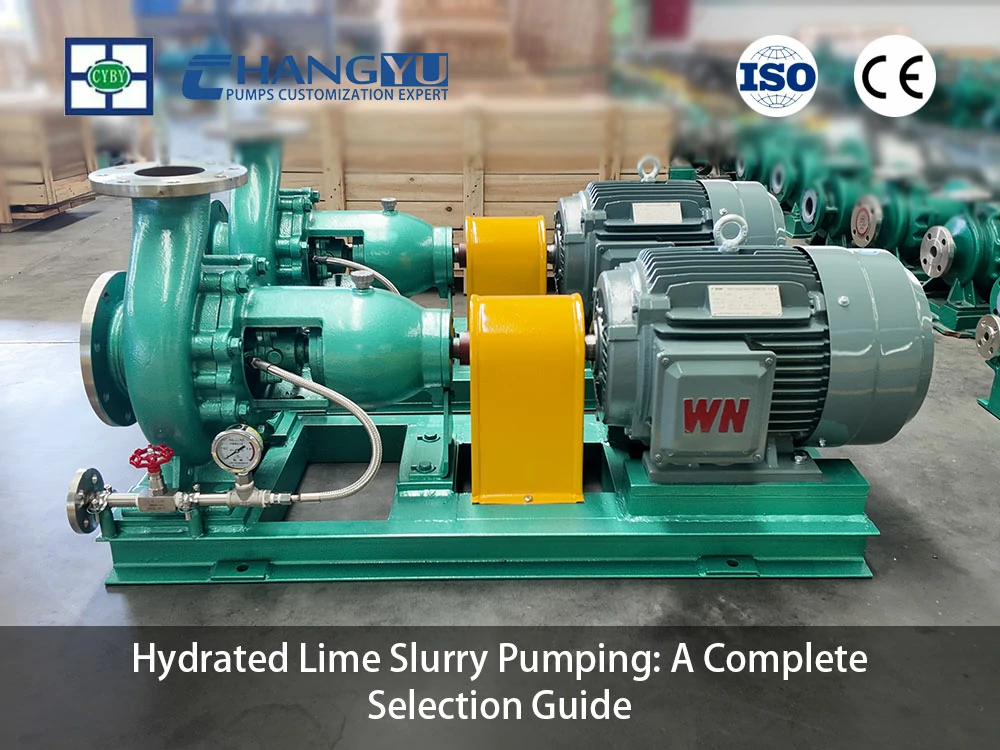
The underlying problem is rarely the pump alone. It is the interaction between the pump, the slurry, and the system in which both operate. A peristaltic pump installed without adequate tank agitation will still clog its suction line with settled solids. A centrifugal pump with correctly selected wear materials will still destroy its mechanical seal if the system allows lime slurry to sit stagnant in the stuffing box during shutdown. A complete selection guide for hydrated lime slurry pumping must address three interdependent areas: pump type selection, material compatibility, and system design — including tank agitation, piping layout, and automated flushing. That is the approach this guide takes.
Changyu Pump has manufactured pumps for hydrated lime slurry service in water treatment, FGD, and chemical processing applications for over two decades. This guide covers pump type selection, wear and corrosion resistant materials, and the system design practices that determine whether a hydrated lime slurry pump operates reliably between scheduled maintenance intervals or requires constant emergency attention.
Why Is Hydrated Lime Slurry So Difficult to Pump?
A hydrated lime pump faces three simultaneous challenges, each of which would be manageable on its own. Their combination is what makes lime slurry pumping uniquely difficult.
Settlement and compaction: Hydrated lime particles have a specific gravity of approximately 2.2 and begin settling within seconds of leaving suspension. In a stagnant pump casing or a horizontal pipe run, a layer of settled lime can accumulate to a thickness of several centimeters in under an hour. Once settled, the particles compact under their own weight, forming a dense, clay-like deposit that resists re-suspension by flow alone. This deposit blocks impeller passages, clogs check valves, and reduces the effective diameter of pipelines.
التآكل القلوي والترسيب: عند درجة حموضة تتراوح بين 12 و13، يكون ملاط الجير المطفأ قلويًا بشدة. هذه البيئة تهاجم المعادن غير المحمية من خلال مزيج من التآكل العام — وفي الفولاذ المقاوم للصدأ — التشقق الناتج عن التآكل الإجهادي القلوي عند درجات الحرارة المرتفعة. في الوقت نفسه، يتفاعل هيدروكسيد الكالسيوم المذاب مع ثاني أكسيد الكربون في الهواء لتكوين ترسبات كربونات الكالسيوم — وهي نفس الرواسب البيضاء التي تتشكل على الحنفيات في المناطق ذات المياه العسرة. تتراكم هذه الترسبات على أسطح الأختام الميكانيكية وأكمام الأعمدة والأسطح الداخلية للمضخات، مما يقلل تدريجيًا من الخلوصات ويؤدي في النهاية إلى الاحتباس.
التآكل الكشطي: جزيئات الجير، على الرغم من أنها ليست صلبة مثل الكوارتز أو السيليكا، إلا أنها زاويّة وكاشطة. عند سرعات التدفق المطلوبة لمنع الترسيب — عادةً 1.5–2.5 م/ث في خطوط الأنابيب — تسبب هذه الجزيئات تآكلًا تآكليًا على أغلفة المضخات والدفاعات وأسطح الأختام. يتركز التآكل عند نقاط تغير اتجاه التدفق: حواف قطع الحلزون، والحواف الأمامية لريش الدفاعة، وفوهة التفريغ.
The failure pattern in lime slurry pumps follows a predictable sequence. Settlement during a shutdown creates a partial blockage. The blockage increases flow velocity in the remaining open area, accelerating localized wear. The increased wear changes clearances, reducing pump efficiency. Reduced efficiency leads to longer run times, which generates more heat, which accelerates scale formation. The pump enters a downward spiral that ends with a seized rotor, a failed seal, or a perforated casing — and another emergency maintenance call.
How to Design a Lime Slurry System That Prevents Clogging?
The majority of lime slurry pump maintenance تنشأ المشكلات في الغالب ليس في المضخة نفسها بل في النظام المحيط بها. فالمضخة المحددة بشكل صحيح والمثبتة في نظام سيئ التصميم ستفشل بنفس سرعة فشل المضخة المحددة بشكل غير صحيح.
التحريك في الخزان: إبقاء المواد الصلبة معلقة
يجب أن يحافظ خزان التغذية أو خزان التشغيل اليومي على تحريك كافٍ لإبقاء جزيئات الجير في حالة تعليق موحدة. يُعد المحرك الميكانيكي العلوي ذو الشفرة المائلة، والمصمم لتوفير سرعة طرفية دنيا تبلغ حوالي 2.5–3.0 م/ث، هو التكوين القياسي. يجب وضع المحرك بعيدًا عن المركز لمنع تكوين دوامة مركزية، والتي من شأنها سحب الهواء إلى الملاط وتقليل فعالية التحريك.
بالنسبة للخزانات الأصغر أو أنظمة الاستخدام المتقطع، يمكن لحلقة إعادة التدوير مع مضخة مخصصة أن تكمل التحريك الميكانيكي أو تحل محله. يجب سحب تدفق إعادة التدوير من قاع الخزان — حيث يكون الترسيب أكثر شدة — وإعادته إلى الأعلى، مما يخلق نمط دوران رأسي يبقي المواد الصلبة معلقة.
تصميم خط الأنابيب: السرعة، الميل، والمواد
يجب تصميم خط الأنابيب الذي يربط خزان ملاط الجير بشفط المضخة ومن تفريغ المضخة إلى نقطة التطبيق لمنع الترسيب أثناء التشغيل والسماح بالتصريف الكامل أثناء التوقف.
سرعة التدفق هي الدفاع الأساسي ضد الترسيب. بالنسبة لملاط الجير المطفأ، تحافظ سرعة دنيا تبلغ 1.5 م/ث في مقاطع الأنابيب الأفقية على الجزيئات معلقة. تحت هذا الحد، يبدأ الترسيب خلال دقائق. يجب حساب السرعة عند الحد الأدنى لمعدل التدفق المتوقع — وليس تدفق التصميم — لأن الترسيب يحدث عند تقليل التدفق، وليس عندما يعمل النظام بكامل طاقته.
يوفر ميل الأنبوب دفاعًا ثانويًا. يجب أن تنحدر جميع مقاطع الأنابيب الأفقية نحو الأسفل باتجاه خزان الوجهة أو نحو نقطة تصريف، وبميل أدنى يبلغ 5% (5 سم من الهبوط الرأسي لكل متر من الامتداد الأفقي). يسمح هذا الميل للخط بالتصريف الكامل أثناء التوقف، دون ترك ملاط راكد ليترسب وينضغط.
تؤثر مادة الأنبوب بشكل كبير على سلوك ملاط الجير. فالأنابيب غير المعدنية الملساء مثل UPVC، PPH (بولي بروبيلين متجانس)، أو HDPE (بولي إيثيلين عالي الكثافة) تقاوم الالتصاق وتراكم القشور التي تحدث على الأسطح المعدنية الخشنة أو المتآكلة. يقلل الجدار الداخلي الأملس لهذه المواد من خسائر الاحتكاك ويلغي التآكل الذي من شأنه أن يخشّن سطح الأنبوب المعدني بمرور الوقت. الأنابيب الفولاذية — حتى الفولاذ المقاوم للصدأ — تطور خشونة سطحية أثناء تآكلها، مما يخلق نقاط تثبيت لتراكم قشور الجير.
أنظمة الشطف الآلية: حماية المضخة أثناء التوقف
الاستثمار الأكثر فعالية في موثوقية مضخة ملاط الجير هو نظام شطف آلي بالمياه العذبة يتم تشغيله عند إيقاف المضخة. التسلسل بسيط: عندما تتوقف المضخة، يفتح صمام كهرومغناطيسي، مما يسمح بدخول مياه نظيفة إلى شفط المضخة. تستمر المضخة في العمل لفترة محددة مسبقًا — عادة 2–5 دقائق — لشطف ملاط الجير من غلاف المضخة، وحجرة الختم، وأنابيب التفريغ. تحمل مياه الشطف الملاط المزاح إلى نقطة التطبيق أو إلى مصرف، اعتمادًا على تكوين النظام.
يتطلب نظام الشطف ثلاثة عناصر تصميمية: مصدر موثوق للمياه العذبة بضغط كافٍ للتغلب على الرأس الهيدروليكي للنظام، وصمام يعمل تلقائيًا مع تغذية راجعة للموضع لتأكيد التشغيل، وقفل تحكم يمنع المضخة من إعادة التشغيل حتى اكتمال دورة الشطف. للأنظمة التي تكون فيها المياه العذبة نادرة، يمكن استخدام مصدر مياه معاد تدويره منخفض المواد الصلبة كبديل، على الرغم من انخفاض فعالية الشطف.
لاحظ مهندسو مضخات Changyu: الحفاظ على سرعة خط أنابيب دنيا تبلغ 1.5 م/ث أثناء التشغيل، مقترنة بميل أنبوب يبلغ 5% وشطف آلي بالمياه العذبة بعد كل توقف، يلغي الغالبية العظمى من مكالمات الخدمة المتعلقة بالانسداد في أنظمة ضخ ملاط الجير المطفأ. تكلفة تنفيذ هذه الميزات التصميمية الثلاث هي جزء بسيط من تكلفة إصلاح مضخة طارئ واحد.
ما هي أفضل المضخات لملاط الجير المطفأ؟
تخدم ثلاثة أنواع من المضخات غالبية تطبيقات ملاط الجير المطفأ. لكل منها نقاط قوة مميزة تجعلها الخيار المفضل لظروف تشغيل محددة.
المضخات التمعجية (الخرطوم)
A المضخة التمعجية تستخدم بكرات دوارة أو أحذية لضغط خرطوم مطاطي مقوى، مما يدفع الملاط للأمام مع كل دورة ضغط. الخرطوم هو المكون الوحيد الملامس للسائل — لا توجد أختام ميكانيكية، ولا صمامات، ولا حشوات، ولا أجزاء معدنية تلامس ملاط الجير. يوفر هذا التصميم ثلاث مزايا حاسمة لخدمة ملاط الجير.
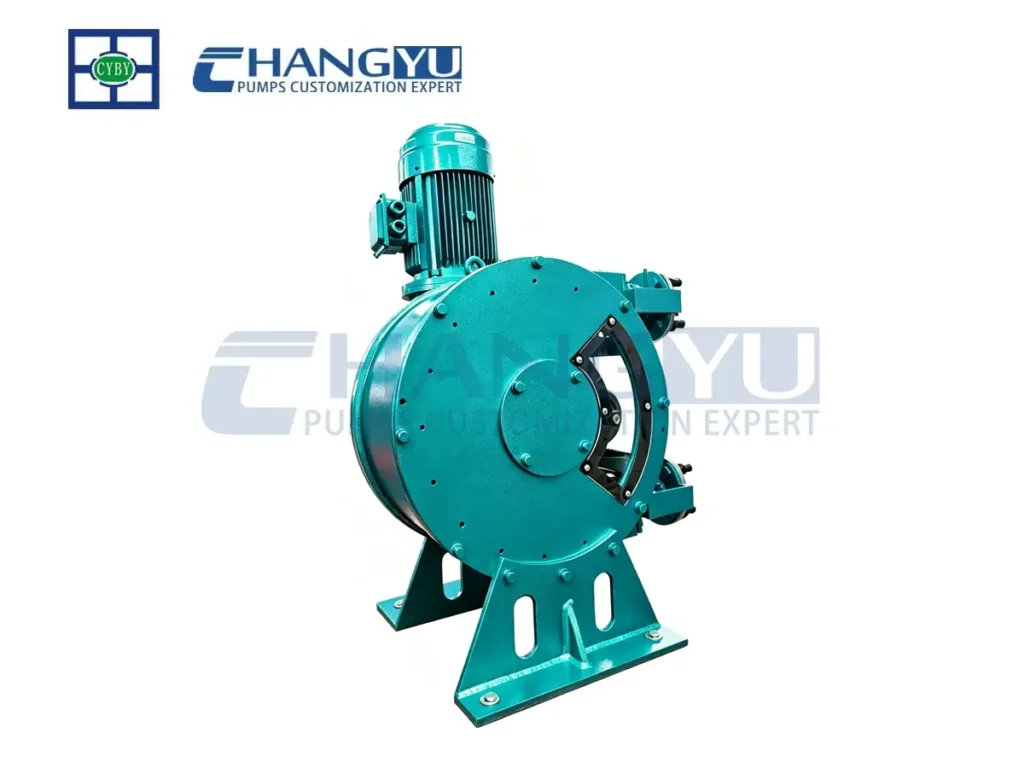
أولاً، غياب الختم الميكانيكي يلغي المكون الأكثر عرضة للتلف بسبب قشور الجير. في المضخة الطاردة المركزية، يسبب تراكم القشور عند أسطح الختم تسربًا وفشلًا نهائيًا للختم. المضخة التمعجية لا تحتوي على ختم يمكن أن يفشل.
ثانيًا، يمكن للخرطوم تمرير الجزيئات الكبيرة والتكتلات اللينة التي من شأنها أن تسد الخلوصات الضيقة لمضخة التجويف التقدمي أو دفاعة المضخة الطاردة المركزية. هذا التحمل للكتل العرضية يجعل المضخات التمعجية متسامحة مع التغيرات في العمليات المنبعية.
ثالثًا، المضخة ذاتية التحضير ويمكن أن تعمل جافة دون تلف — وهي خصائص تبسط تصميم النظام وتحمي المضخة خلال فترات التشغيل والإيقاف الحرجة عندما يكون ترسيب الجير أكثر احتمالًا.
الخرطوم هو مكون استهلاكي يتآكل. في خدمة ملاط الجير المطفأ بتركيزات 5–10%، وبسرعات تشغيل معتدلة، يدوم خرطوم المطاط الطبيعي عادة 2,000–4,000 ساعة قبل الاستبدال. للتطبيقات ذات التشغيل المتقطع الشائعة في معالجة المياه، يكون الفاصل الزمني للاستبدال التقويمي عادة 6–12 شهرًا، حيث تتدهور مادة الخرطوم بمرور الوقت حتى عندما لا تكون قيد التشغيل. التركيزات الأعلى والسرعات الأعلى وضغوط التفريغ الأعلى تقلل من عمر الخرطوم بشكل متناسب. استبدال الخرطوم هو مهمة صيانة مجدولة تستغرق حوالي 15–30 دقيقة للمضخة الصغيرة إلى المتوسطة.
الأفضل لـ: معدلات تدفق منخفضة إلى متوسطة (حتى حوالي 50 م³/ساعة)، وتليين معالجة المياه وضبط درجة الحموضة، والتطبيقات التي تكون فيها الأولوية لعدم التسرب تمامًا وتقليل الوصول للصيانة.
مضخات التجويف التقدمي (PC)
توفر مضخات التجويف التقدمي تدفقًا سلسًا خاليًا من النبضات مع قدرة ضغط أعلى من المضخات الحلزونية — عادةً حتى 24 بار للتصاميم القياسية. وهذا يجعلها مناسبة لتطبيقات ملاط الجير التي تتطلب ضغوط تفريغ أعلى، مثل النقل لمسافات طويلة أو الحقن ضد ضغط العملية.
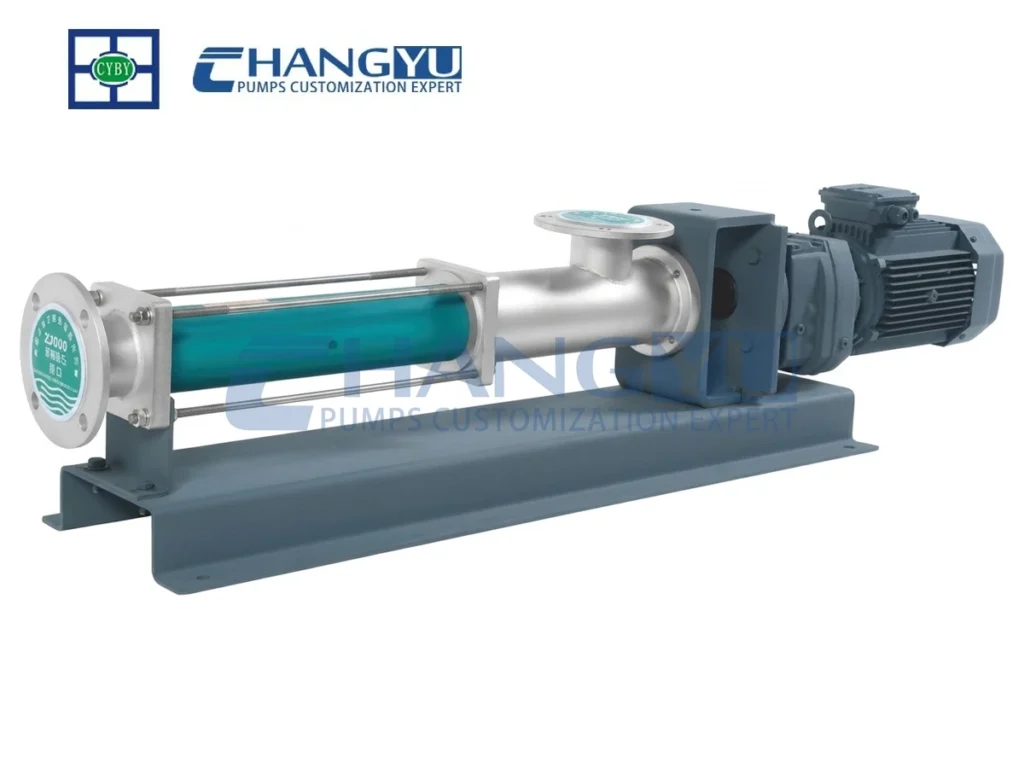
الجزء الثابت (الستاتور) هو مكوّن من الإيلاستومر يجب أن يقاوم الكيمياء القلوية للجير المطفأ. بالنسبة لملاط الجير النقي دون زيوت أو ملوثات عضوية، يُعد EPDM (مونومر إيثيلين بروبيلين ديين) المادة المفضلة للستاتور — فهو يوفر مقاومة ممتازة للهجوم القلوي ومقاومة جيدة للتآكل. أما لملاط الجير الذي قد يحتوي على زيوت أو شحوم أو مركبات عضوية — الشائعة في معالجة مياه الصرف الصناعي — فإن NBR (مطاط النتريل) يوفر مقاومة أفضل للزيوت، وإن كانت مقاومته القلوية أقل قليلاً.
الجزء الدوار (الروتور) عادةً ما يكون مطليًا بالكروم الصلب أو بطبقة سيراميكية لمقاومة التآكل. في خدمة ملاط الجير، يؤدي الجمع بين الجسيمات الكاشطة والكيمياء القلوية إلى تسريع تآكل الروتور مقارنة بالتطبيقات ذات الأس الهيدروجيني المتعادل. توفر الروتورات المطلية بالسيراميك ضعف عمر الخدمة تقريبًا مقارنة بالروتورات المطلية بالكروم في خدمة ملاط الجير المستمرة.
الأفضل لـ: تطبيقات الضغط المتوسط إلى العالي، وتغذية مكابس الفلترة، والتطبيقات التي تتطلب تحكمًا دقيقًا في التدفق خاليًا من النبضات.
المضخات الطاردة المركزية مع أنظمة التحريك
تخدم المضخات الطاردة المركزية تطبيقات ملاط الجير عالية التدفق وعالية التركيز — تغذية ممتصات إزالة الكبريت من غاز المداخن (FGD)، وتليين المياه على نطاق واسع، ونقل ملاط الجير بالجملة. المضخة نفسها هي تصميم أفقي أو عمودي قياسي طارد مركزي مع مواد طرف مبلل مقاومة للتآكل. ما يميز مضخة ملاط الجير الطاردة المركزية عن مضخة النقل القياسية هو نظام التحريك والتغذية الذي يغذيها.
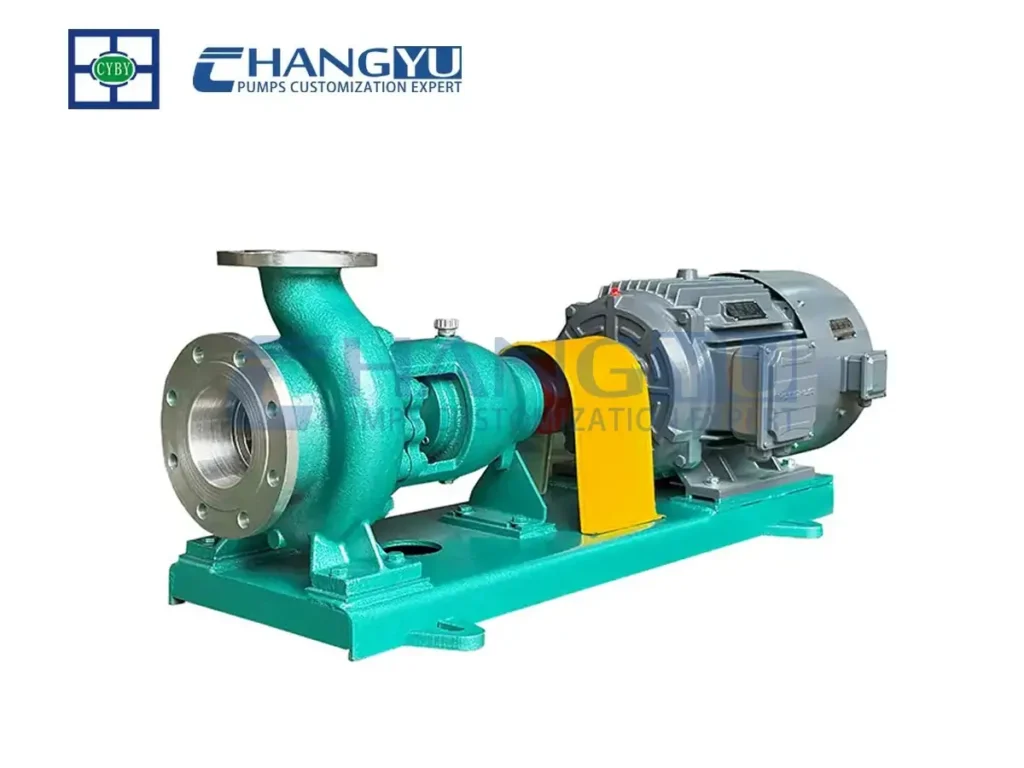
يتم توصيل شفط المضخة بخزان تغذية أو حوض تجميع مزود بمحرك ميكانيكي بحجم يضمن الحفاظ على تعليق المواد الصلبة بشكل موحد عند معدل التدفق التصميمي للمضخة. بدون تحريك كافٍ، تسحب المضخة تراكيز متفاوتة من الملاط — من سائل رقيق منخفض المواد الصلبة إلى حمأة كثيفة مترسبة — مما يسبب عدم استقرار التدفق والاهتزاز والتآكل المتسارع. يجب أن يكون حجم المحرك مناسبًا ليس فقط لحجم الخزان ولكن لمعدل سحب المضخة: يجب أن يوصل المحرك الملاط إلى شفط المضخة بسرعة لا تقل عن سرعة إزالة المضخة له، مع الحفاظ على التعليق في جميع أنحاء الخزان.
بالنسبة لأكبر تطبيقات FGD، فإن المضخات العمودية الكابولية ذات الدفاعة المغمورة مباشرة في الملاط المحرّك تلغي أنابيب الشفط تمامًا، مما يزيل المكوّن الأكثر عرضة لترسب الجير.
الأفضل لـ: تطبيقات التدفق العالي (فوق حوالي 50 م³/ساعة)، وتغذية ممتصات FGD، وتليين المياه على نطاق واسع.
مقارنة أنواع المضخات لملاط الجير المطفأ
| نوع المضخة | نطاق التدفق | القدرة على الضغط | مخاطر الختم | الصيانة | الأفضل لـ |
|---|---|---|---|---|---|
| تمعجي (خرطوم) | منخفض إلى متوسط (حتى ~50 م³/ساعة) | حتى ~15 بار | منخفض جدًا — تصميم بدون ختم؛ تمزق الخرطوم هو مسار التسرب الوحيد | استبدال الخرطوم (2,000–4,000 ساعة تشغيل مستمر) | تليين معالجة المياه، ضبط درجة الحموضة، الأنظمة الصغيرة إلى المتوسطة |
| مضخة تجويف تقدمي | منخفض إلى مرتفع (حتى ~200 م³/ساعة) | حتى ~24 بار (قياسي) | منخفض — ختم ميكانيكي واحد | استبدال الجزء الثابت (في فترات زمنية محددة مسبقًا) | النقل عالي الضغط، تغذية مكابس الفلترة، التطبيقات الحساسة للنبضات |
| طاردة مركزية مع محرك تحريك | مرتفع (فوق ~50 م³/ساعة) | حتى ~80 متر عمود | متوسط — يتطلب شطفًا | استبدال الأجزاء المبللة (12–24 شهرًا) | تغذية ممتصات FGD، التليين واسع النطاق، النقل بالجملة |
يوصي مهندسو شركة Changyu Pump: بالنسبة لتطبيقات ملاط الجير في معالجة المياه بمعدلات تدفق أقل من حوالي 50 م³/ساعة — والتي تشمل غالبية أنظمة التليين وضبط درجة الحموضة — توفر مضخة الخرطوم الحلزونية الحل الأكثر موثوقية والأقل صيانة. التصميم بدون ختم يلغي أعطال الختم الميكانيكي التي تمثل مشكلة الصيانة الأكثر شيوعًا في مضخات ملاط الجير الطاردة المركزية، وجدول استبدال الخرطوم يوفر صيانة مخططة ويمكن التنبؤ بها بدلاً من الإصلاح الطارئ. بالنسبة لتطبيقات FGD التي تتطلب معدلات تدفق تصل إلى مئات الأمتار المكعبة في الساعة، تظل المضخة الطاردة المركزية مع نظام تحريك بحجم مناسب وشطف تلقائي الخيار المناسب، مع اختيار مكونات الطرف المبلل من UHMW-PE المقاوم للتآكل أو سبائك الكروم العالية بناءً على كيمياء الملاط المحددة.
كيفية اختيار المواد المقاومة للتآكل والتآكل الكاشط لمضخات ملاط الجير؟
يجب أن يعالج اختيار المواد لمضخات ملاط الجير المطفأ في وقت واحد التآكل من الجسيمات الكاشطة والتآكل من البيئة القلوية. المادة التي تقاوم أحدهما دون الآخر ستفشل قبل الأوان — إما من خلال الهجوم الكيميائي أو من خلال التآكل الميكانيكي.
UHMW-PE (البولي إيثيلين فائق الوزن الجزيئي): توفر هذه المادة أفضل مقاومة مجمعة لكل من التآكل الكاشط والتآكل القلوي لملاط الجير المطفأ. بنيتها الجزيئية مقاومة بطبيعتها للهجوم القلوي عند أي تركيز ودرجة حرارة تصل إلى حوالي 90 درجة مئوية، وصلابة سطحها ومعامل الاحتكاك المنخفض يوفران مقاومة ممتازة للتآكل. يُستخدم UHMW-PE كمادة تبطين في المضخات ذات الهيكل الفولاذي، حيث يوفر الفولاذ احتواء الضغط ويوفر UHMW-PE السطح المبلل المقاوم للتآكل والتآكل الكاشط. بالنسبة لغالبية تطبيقات ملاط الجير المطفأ، يُعد UHMW-PE المواصفة الموصى بها لأغلفة المضخات والدفاعات وألواح التآكل.
المطاط الطبيعي: تحمي البطانات المطاطية من التآكل الكاشط من خلال المرونة — المادة تتشوه بشكل مرن تحت تأثير الجسيمات وتتعافى دون فقدان المادة. تعمل هذه الآلية بفعالية مع حجم الجسيمات الناعم إلى المتوسط النموذجي لملاط الجير المطفأ. المطاط أيضًا مقاوم بطبيعته للهجوم القلوي. المضخات المبطنة بالمطاط مناسبة لتطبيقات ملاط الجير متوسطة التدفق ومتوسطة الضغط، على الرغم من أن حد درجة حرارتها حوالي 70 درجة مئوية يحد من استخدامها في بعض عمليات FGD والعمليات عالية الحرارة.
PTFE/PFA (الفلوروبوليمرات) : These fully fluorinated polymers provide maximum chemical resistance — essentially inert to hydrated lime at any concentration or temperature within the pump’s operating range. They are specified for the most aggressive conditions: high-temperature lime slurries, slurries containing chemical additives or contaminants that might attack UHMW-PE or rubber, and applications where absolute purity of the wetted surface is required. The material cost premium over UHMW-PE is justified when the application conditions exceed UHMW-PE’s temperature or chemical compatibility limits.
Ceramic Coatings (Al₂O₃ / SiC) : For high-velocity, high-wear zones such as volute cutwaters and impeller vane leading edges, ceramic coatings or inserts provide wear resistance exceeding that of any polymer material. Ceramics are applied as targeted protection rather than as full pump linings, combining the wear resistance of ceramic at high-wear locations with the more economical UHMW-PE or rubber at lower-wear surfaces.
Engineers at Changyu Pump note: 316L stainless steel should not be specified for hydrated lime slurry service. The alkaline environment attacks stainless steel through a combination of general corrosion and — at elevated temperatures — caustic stress corrosion cracking. A 316L pump casing or impeller in continuous lime slurry service typically develops pitting corrosion within 3–6 months, and the corrosion products contaminate the slurry with iron and chromium ions. Non-metallic materials — UHMW-PE, rubber, or PTFE/PFA — are the appropriate specification for all wetted surfaces in hydrated lime slurry pumps.
كيف تكيّف اختيار مضخة ملاط الجير المطفأ بين التليين وإزالة الكبريت من الغازات؟
تنقسم تطبيقات ملاط الجير المطفأ إلى فئتين عريضتين بمتطلبات هيدروليكية مختلفة جوهريًا. يبدأ اختيار المضخة الصحيحة بتحديد الفئة التي يقع فيها التطبيق.
تليين الماء وضبط درجة الحموضة
تستخدم محطات معالجة المياه الجير المطفأ لإزالة عسر الكربونات (تليين الجير) ولضبط درجة الحموضة في التخثر والتحكم في التآكل. تتميز هذه التطبيقات بمعدلات تدفق متوسطة إلى منخفضة — عادةً 1–50 م³/ساعة — وتركيزات جير تتراوح بين 1–10% من المواد الصلبة بالوزن.
المحرك الأساسي لاختيار المضخة في هذه التطبيقات هو الموثوقية مع الحد الأدنى من التدخل التشغيلي. غالبًا ما تكون محطات معالجة المياه غير مأهولة خارج ساعات العمل العادية، وقد يؤدي فشل مضخة الجير الذي لا يُكتشف لساعات إلى مياه معالجة لا تلبي المعايير التنظيمية لدرجة الحموضة أو العسر أو التطهير.
تضخ مضخات الخرطوم التمعجية على هذا التطبيق لأن تصميمها الخالي من الحشوات يلغي أعطال الختم الميكانيكي التي تُعد أكثر مشاكل الصيانة شيوعًا في مضخات الجير الطاردة المركزية. يتيح جدول استبدال الخرطوم المتوقع — عادةً كل 6–12 شهرًا في هذه الخدمة — التخطيط للصيانة خلال ساعات العمل العادية. تُعد مضخات التجويف التقدمي بديلًا عندما يكون ضغط التفريغ الأعلى مطلوبًا، مثل الحقن في خط رئيسي مضغوط أو النقل لمسافات طويلة.
إزالة الكبريت من غاز المداخن (FGD)
تستخدم أنظمة إزالة الكبريت من غاز المداخن في محطات الطاقة التي تعمل بالفحم والغلايات الصناعية ملاط الجير المطفأ لامتصاص ثاني أكسيد الكبريت من غاز المداخن. تتميز هذه التطبيقات بمعدلات تدفق عالية — عادةً مئات إلى آلاف الأمتار المكعبة في الساعة — وتركيزات جير تتراوح بين 15–25٪ من المواد الصلبة بالوزن.
المحرك الأساسي لاختيار المضخة في أنظمة إزالة الكبريت هو القدرة على التعامل مع معدلات التدفق العالية بموثوقية عالية، حيث قد يؤدي انقطاع نظام إزالة الكبريت إلى إجبار وحدة التوليد على تقليل الإنتاج أو الإغلاق تمامًا. تُعد المضخات الطاردة المركزية ذات أنظمة التحريك القوية ومكونات التلامس مع السائل المصنوعة من البولي إيثيلين عالي الوزن الجزيئي أو سبائك الكروم العالية هي المعيار لهذه الخدمة.
دليل الاختيار حسب التركيز
| تركيز الجير | التطبيق النموذجي | نوع المضخة الموصى به | الاعتبار الرئيسي |
|---|---|---|---|
| 1–5٪ مواد صلبة | تليين المياه، ضبط درجة الحموضة | مضخة خرطوم تمعجية أو مضخة طاردة مركزية ببطانة غير معدنية (بولي إيثيلين عالي الوزن الجزيئي أو مطاط) | تآكل منخفض؛ التركيز على موثوقية الختم ومنع الانسداد |
| 5–15٪ مواد صلبة | الجرعات الكيميائية، التحكم الصناعي في درجة الحموضة | مضخة خرطوم تمعجية أو مضخة تجويف تقدمي | تآكل معتدل؛ عمر الخرطوم أو العضو الدوار يحدد فترة الصيانة |
| 15–25٪ مواد صلبة | تغذية ممتص إزالة الكبريت، ملاط الجير عالي الكثافة | مضخة طاردة مركزية مع نظام تحريك قوي | تآكل عالي؛ يتطلب مكونات تلامس مع السائل من البولي إيثيلين عالي الوزن الجزيئي أو سبائك الكروم العالية |
للحصول على إرشادات حول ضخ الملاط عالي التركيز والمواد الشبيهة بالمعجون، راجع دليلنا حول مضخة الملاط الكثيف: دليل شامل للاختيار والتعامل.
دراسة حالة: حل أزمة انسداد في محطة تليين مياه بلدية
A municipal drinking water treatment plant operated a cold lime softening process, using hydrated lime slurry at approximately 8% solids concentration to precipitate calcium carbonate hardness from raw water. The original lime slurry pumps were 316L stainless steel centrifugal pumps with single mechanical seals.
Within six months of commissioning, the plant experienced chronic problems. The mechanical seals failed every 4–6 weeks, with disassembly revealing heavy lime scale deposits on the seal faces. The pump casings showed pitting corrosion on the stainless steel surfaces. Most critically, the suction lines clogged repeatedly — the plant maintenance crew was disassembling and cleaning the suction piping approximately every two weeks.
Root cause analysis identified a combination of system design deficiencies. The lime slurry day tank had an undersized agitator that could not maintain uniform solids suspension — settled lime accumulated at the bottom of the tank, directly above the pump suction outlet. The suction piping was a horizontal run with no slope toward the pump, providing an ideal settling zone for solids. During shutdowns, lime slurry remained stagnant in the pump casing and seal chamber, where it settled, compacted, and formed a hard deposit on the seal faces.
استبدلت مضخات تشانغيو المضخات الطاردة المركزية بمضخات سلسلة UHB المبطنة بـ UHMW-PE، مما أدى إلى القضاء على مشكلة تآكل الفولاذ المقاوم للصدأ. وأعيد تصميم خط أنابيب الشفط بميل 5% نحو المضخة واستُبدل بأنابيب HDPE ذات تجويف أملس. وتم تركيب نظام شطف أوتوماتيكي بالمياه العذبة، يُفعَّل عند إيقاف المضخة، لإزالة ملاط الجير من المضخة وخطوط الأنابيب بعد كل دورة تشغيل. وتمت ترقية محرك خزان الجير اليومي إلى وحدة بحجم مناسب قادرة على الحفاظ على التعليق بمعدل السحب التصميمي للمضخة.
بعد ثلاث سنوات من الترقية، لم تشهد المحطة أي أحداث انسداد تتطلب تفكيك خط الشفط. وامتد عمر الختم الميكانيكي من 4-6 أسابيع إلى أكثر من 18 شهرًا. وأفاد مشرف الصيانة في المحطة أن المضخات المبطنة بـ UHMW-PE لم تُظهر أي تآكل قابل للقياس بعد ثلاث سنوات من التشغيل المتقطع المستمر.
النقطة الرئيسية: غالبية مشاكل ضخ ملاط الجير المطفأ هي مشاكل نظام، وليست مشاكل مضخة. معالجة تحريك الخزان، وميل الأنابيب، ومواد الأنابيب، وشطف الإيقاف تعالج الأسباب الجذرية للانسداد وفشل الختم. استبدال المضخة دون إصلاح النظام ينقل ببساطة الفشل من المضخة القديمة إلى الجديدة.
حلول ضخ ملاط الجير المطفأ من مضخات تشانغيو
تصنع مضخات تشانغيو سلاسل مضخات مهيأة لخدمة ملاط الجير المطفأ عبر تطبيقات معالجة المياه، وإزالة الكبريت من غاز المداخن (FGD)، والمعالجة الكيميائية. تعالج كل سلسلة مجموعة محددة من تركيز المواد الصلبة، ومعدل التدفق، ومتطلبات مقاومة التآكل.
| تطبيق ملاط الجير | التحدي الأساسي | السلسلة الموصى بها | المادة الرئيسية |
|---|---|---|---|
| تليين المياه، ضبط الأس الهيدروجيني (1-10% مواد صلبة) | مقاومة التآكل + منع الانسداد | سلسلة UHB | بطانة UHMW-PE؛ قابلة للتكوين مع شطف أوتوماتيكي |
| ملاط جير عالي الحرارة أو عدواني كيميائيًا | مقاومة التآكل + درجة الحرارة | سلسلة CYB-ZKJ | بطانة FEP/PFA؛ درجة حرارة حتى 120 درجة مئوية |
| محطات الجرعات الأساسية، متطلب عدم التسرب | مقاومة التآكل + السلامة + الدقة | سلسلة CYQ | بطانة PFA + محرك مغناطيسي؛ عدم تسرب |
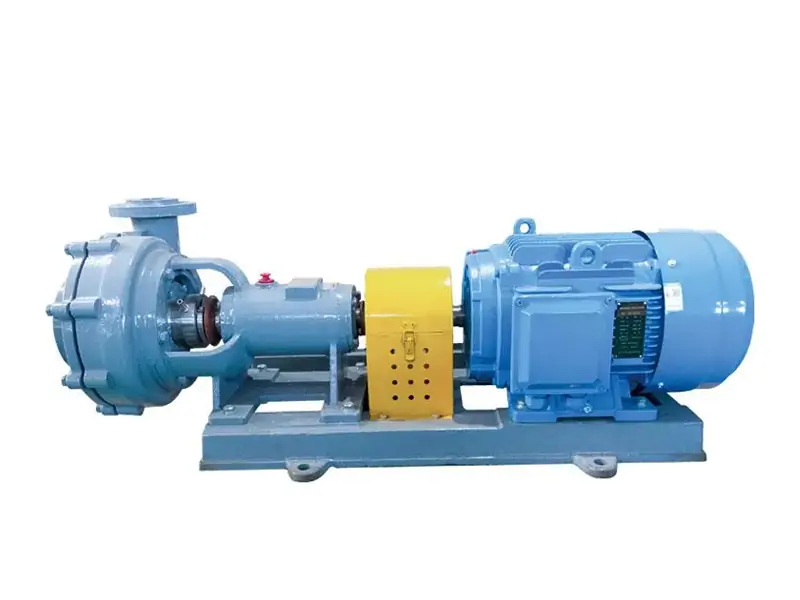
سلسلة UHB — مضخة ملاط الجير المطفأ المقاومة للتآكل والمبطنة بـ UHMW-PE
مضخة طرد مركزي مبطنة بالفولاذ وUHMW-PE لملاط الجير الكاشط والمسبب للتآكل. توفر بطانة UHMW-PE مقاومة مشتركة للتآكل والتآكل بتكلفة أقل من المعادن عالية السبائك. تقلل قنوات التدفق الواسعة من خطر الانسداد. قابلة للتكوين مع نظام شطف أوتوماتيكي بالمياه العذبة للحماية عند الإيقاف. معدلات تدفق حتى 2,600 م³/ساعة.

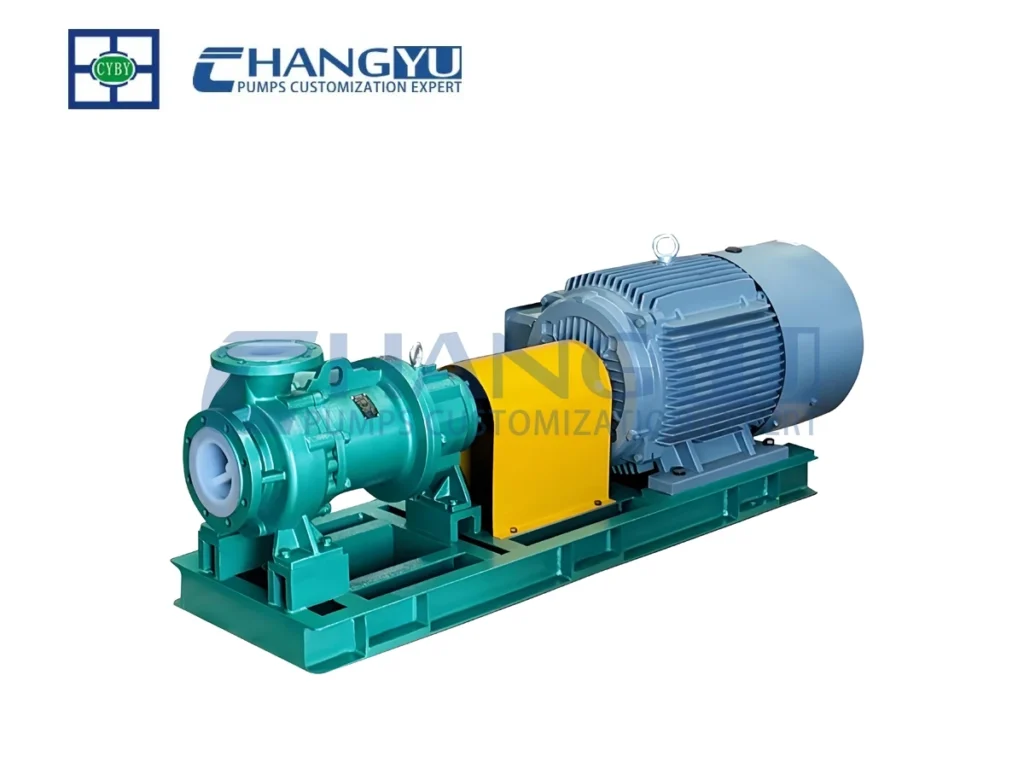
سلسلة CYB-ZKJ — مضخة ملاط الجير المطفأ المبطنة بالبوليمر الفلوري
مضخة مبطنة بـ FEP/PFA لملاط الجير عالي الحرارة والسوائل المعالجة القائمة على الجير العدوانية كيميائيًا. تقاوم بطانة البوليمر الفلوري ليس فقط ملاط الجير القلوي ولكن أيضًا الأحماض والمذيبات وعوامل التنظيف التي قد تكون موجودة في أنظمة معالجة الجير الصناعية. نطاق درجة الحرارة -80 درجة مئوية إلى 120 درجة مئوية (FEP) أو 180 درجة مئوية (PFA).
سلسلة CYQ — مضخة ملاط الجير ذات المحرك المغناطيسي
مضخة محرك مغناطيسي مبطنة بـ PFA لتطبيقات جرعات ملاط الجير الحرجة حيث يكون أي تسرب غير مقبول. يلغي الاقتران المغناطيسي بدون ختم الختم الميكانيكي — المكون الأكثر استهلاكًا للصيانة في مضخات ملاط الجير. توفر المكونات الداخلية من السبائك الفائقة أو عالية السبائك مقاومة للتآكل لخدمة ملاط الجير المستمرة.
الأسئلة الشائعة حول ضخ ملاط الجير المطفأ
س: لماذا تستمر مضخة الجير الخاصة بي في الانسداد؟
ج: يحدث الانسداد في مضخات ملاط الجير بسبب ترسب المواد الصلبة أثناء التشغيل أو الإيقاف. أكثر ثلاث تدابير وقائية فعالية هي: الحفاظ على سرعة خط أنابيب لا تقل عن 1.5 م/ث أثناء التشغيل، وميل جميع مقاطع الأنابيب الأفقية بحد أدنى 5% نحو الوجهة أو الصرف، وتنفيذ شطف أوتوماتيكي بالمياه العذبة بعد كل إيقاف للمضخة.
س: هل يمكنني استخدام مضخة من الفولاذ المقاوم للصدأ لملاط الجير المطفأ؟
ج: لا ينبغي تحديد 316L من الفولاذ المقاوم للصدأ لخدمة ملاط الجير المطفأ. تسبب البيئة القلوية تآكلًا تنقريًا — وفي درجات الحرارة المرتفعة — تشققًا بالتآكل الإجهادي القلوي. المواد غير المعدنية مثل UHMW-PE أو المطاط الطبيعي أو PTFE/PFA هي المواصفة المناسبة لجميع الأسطح المبللة.
س: ما هي أفضل مضخة لجرعات ملاط الجير في معالجة المياه؟
ج: مضخات الخرطوم التمعجية هي الخيار المفضل لجرعات ملاط الجير في معالجة المياه بمعدلات تدفق تصل إلى حوالي 50 م³/ساعة. يلغي تصميمها بدون ختم فشل الختم الميكانيكي، ويسمح جدول استبدال الخرطوم المتوقع بالصيانة المخطط لها بدلاً من الإصلاح الطارئ.
س: كم مرة يجب أن أستبدل الخرطوم في مضخة الجير التمعجية؟
ج: في خدمة الجير المطفأ بتركيز 5-10% مواد صلبة وسرعة تشغيل معتدلة، يدوم خرطوم المطاط الطبيعي عادةً 2,000-4,000 ساعة من التشغيل المستمر. للتطبيقات ذات التشغيل المتقطع، يكون الفاصل الزمني للاستبدال التقويمي عادةً 6-12 شهرًا، حيث تتحلل مادة الخرطوم بمرور الوقت حتى عندما لا تكون قيد التشغيل.
س: كيف أمنع ترسبات الجير من إتلاف الختم الميكانيكي للمضخة؟
ج: الوقاية الأكثر فعالية هي شطف أوتوماتيكي بالمياه العذبة يُفعَّل عند إيقاف المضخة. يزيل الشطف ملاط الجير من حجرة الختم قبل أن تترسب المواد الصلبة وتشكل ترسبات. للمضخات ذات الختم الميكانيكي الفردي، يوفر تحديد خطة API 62 مع تبخير أو غمر بالماء على الجانب الجوي من الختم حماية إضافية.
س: ما هي أفضل مادة أنابيب لخطوط ملاط الجير؟
ج: يُوصى باستخدام أنابيب ناعمة غير معدنية مثل UPVC أو PPH أو HDPE. تقاوم جدرانها الداخلية الناعمة التصاق ترسبات الجير وتلغي التآكل الذي يخشّن أسطح الأنابيب المعدنية بمرور الوقت، مما يخلق نقاط تثبيت لتراكم الترسبات.
قائمة مراجعة إجراءات الوقاية لمهندسي مضخات تشانغيو
- لا تحدد أبدًا 316L أو أي فولاذ مقاوم للصدأ للأسطح المبللة بملاط الجير المطفأ. ستسبب البيئة القلوية والجزيئات الكاشطة تآكلًا وتلفًا سريعًا. استخدم UHMW-PE أو المطاط أو PTFE/PFA.
- قم بحجم محرك الخزان وفقًا لأقصى معدل سحب للمضخة، وليس فقط حجم الخزان. يسمح المحرك صغير الحجم بترسب المواد الصلبة بالقرب من شفط المضخة، مما يسبب تغيرات في التركيز وانسدادًا في النهاية.
- حافظ على سرعة خط أنابيب لا تقل عن 1.5 م/ث أثناء التشغيل. تحت هذا الحد، تستقر جزيئات الجير خلال دقائق. يجب تحديد قطر الأنبوب لتحقيق هذه السرعة عند الحد الأدنى لمعدل التدفق المتوقع.
- قم بميل جميع مقاطع الأنابيب الأفقية بمنحدر لا يقل عن 5%. يتيح ذلك تصريفًا كاملاً أثناء الإيقاف، مما يلغي وجود الملاط الراكد الذي قد يستقر وينضغط بخلاف ذلك.
- قم بتركيب نظام شطف تلقائي بالمياه العذبة يتم تفعيله عند إيقاف المضخة. هذا الاستثمار الواحد يلغي الغالبية العظمى من أعمال الصيانة المرتبطة بالانسداد في أنظمة ضخ ملاط الجير.
- استخدم أنابيب ناعمة غير معدنية (UPVC أو PPH أو HDPE) لجميع خطوط ملاط الجير. تقاوم الجدران الناعمة التصاق القشور وتلغي التآكل كمصدر للخشونة السطحية.
- بالنسبة للمضخات الحلزونية (الخرطومية)، تتبع ساعات تشغيل الخرطوم وحدد موعد الاستبدال قبل حدوث العطل. يؤدي عطل الخرطوم أثناء التشغيل إلى تسرب ملاط الجير داخل هيكل المضخة، مما يتطلب تنظيفًا مكثفًا واحتمال تلف المحامل.
- تحقق من أن مصدر مياه الشطف موثوق ومحمي من التجمد. نظام الشطف الذي يفشل أثناء الطقس البارد يترك المضخة وخطوط الأنابيب غير محمية ضد ترسب الجير وأضرار التجمد.
الخاتمة
ضخ ملاط الجير المطفأ هو مشكلة نظام متكامل، وليس مجرد مشكلة مضخة. يجب تحديد المضخة والمواد والنظام — التحريك في الخزان، وتصميم الأنابيب، وحماية الإيقاف — كوحدة متكاملة. المضخة الحلزونية الخرطومية المختارة لموثوقيتها الخالية من الموانع الميكانيكية ستظل تنسد إذا كان محرك التحريك في الخزان أصغر من المطلوب. المضخة الطاردة المركزية ذات البطانات المصنوعة من UHMW-PE المحددة بشكل صحيح ستظل تدمر مانعها الميكانيكي إذا لم يقم النظام بشطف ملاط الجير من حجرة المانع بعد الإيقاف.
بالنسبة لغالبية تطبيقات معالجة المياه بمعدلات تدفق أقل من 50 م³/ساعة، توفر المضخات الحلزونية الخرطومية الحل الأكثر موثوقية — مما يلغي المانع الميكانيكي الذي يمثل نقطة الفشل الأكثر شيوعًا في مضخات ملاط الجير. بالنسبة لتطبيقات إزالة الكبريت من الغازات (FGD) والتطبيقات واسعة النطاق، تظل المضخات الطاردة المركزية ذات أنظمة التحريك والشطف المصممة هندسيًا بشكل صحيح الخيار المناسب. في جميع الحالات، يجب أن يعالج اختيار المواد التأثيرات المجتمعة للتآكل القلوي والتآكل الكاشط: UHMW-PE والمطاط الطبيعي وPTFE/PFA هي المواد المناسبة للأسطح الملامسة لملاط الجير المطفأ، ولا ينبغي تحديد الفولاذ المقاوم للصدأ بأي درجة.
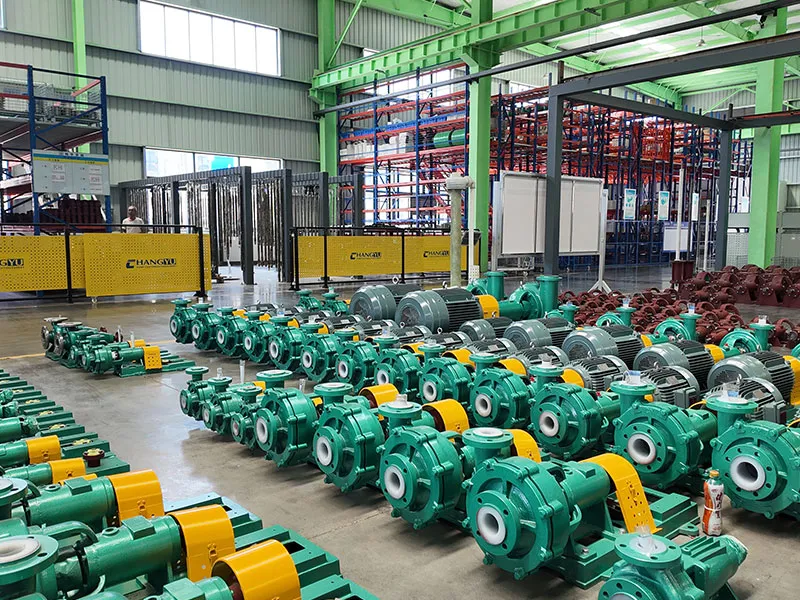
يوفر الفريق الهندسي لشركة Changyu Pump إرشادات كاملة لاختيار المضخات لتطبيقات ملاط الجير المطفأ، مدعومًا بأكثر من 20 عامًا من الخبرة في تصنيع المضخات عبر معالجة المياه وإزالة الكبريت من الغازات والمعالجة الكيميائية.