
Respuesta Rápida
A bomba de manguera de servicio pesado es una bomba peristáltica industrial diseñada para operación continua bajo alta presión, alta abrasión y condiciones químicamente agresivas que superan los límites de diseño de las bombas de manguera estándar. Los factores clave de selección incluyen:
- Material de la manguera para condiciones extremas: NR reforzado multicapa para lodos abrasivos de alta presión; CSM (Hypalon) para ácidos oxidantes concentrados; EPDM para cetonas, alcoholes e hipoclorito; NBR para fluidos a base de solventes y que contienen hidrocarburos.
- Límites de velocidad de operación: Las aplicaciones de servicio pesado requieren velocidades de bomba reducidas — típicamente 40 r/min o menos — para prolongar la vida útil de la manguera bajo alta presión de descarga y ciclos de trabajo continuos.
- Especificación basada en la aplicación: Los relaves mineros, la transferencia de lodos químicos y la inyección de lechada en construcción imponen demandas distintas en la construcción de la manguera, el diseño de los rodillos y los sistemas de lubricación.
Las bombas de manguera estándar encuentran límites de rendimiento cuando se enfrentan a la combinación de alta presión de descarga, sólidos abrasivos y operación continua. En líneas de relaves mineros que operan por encima de 1.6 MPa, plantas químicas que manejan lodos de ácido concentrado y construcción de túneles que bombean lechada de cemento, una bomba estándar puede experimentar fallas en la manguera en semanas — no debido a defectos de fabricación, sino porque la aplicación exige un diseño de servicio pesado.
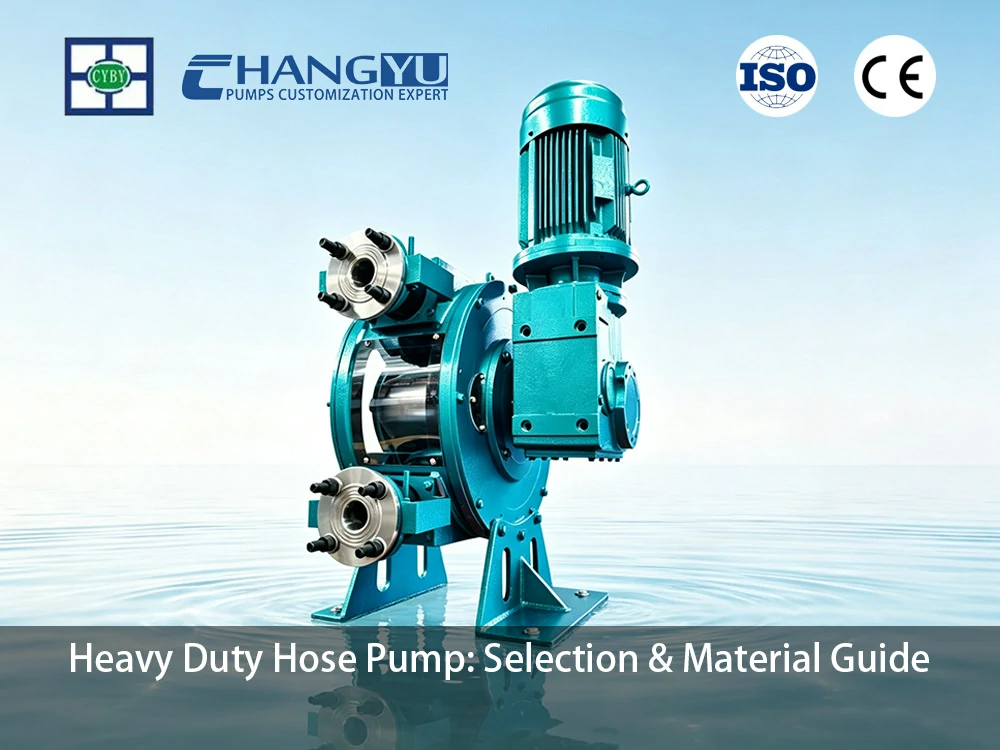
Changyu Pump ha fabricado bombas peristálticas industriales para aplicaciones exigentes en los sectores minero, químico y de construcción durante más de dos décadas. Esta guía se centra en los criterios de selección de materiales y especificación únicos para el servicio de bombas de manguera de servicio pesado.
¿Qué es una Bomba de Manguera de Servicio Pesado?
Una bomba de manguera de servicio pesado es una bomba de desplazamiento positivo rotativa construida sobre el principio peristáltico — rodillos giratorios comprimen una manguera de elastómero reforzado, creando succión y desplazamiento positivo. Lo que distingue a un modelo de servicio pesado es su construcción para operación continua bajo condiciones que aceleran el desgaste en diseños estándar: mayor rigidez de la carcasa, mangueras reforzadas multicapa, rodillos y cojinetes sobredimensionados, y lubricación forzada con refrigeración.
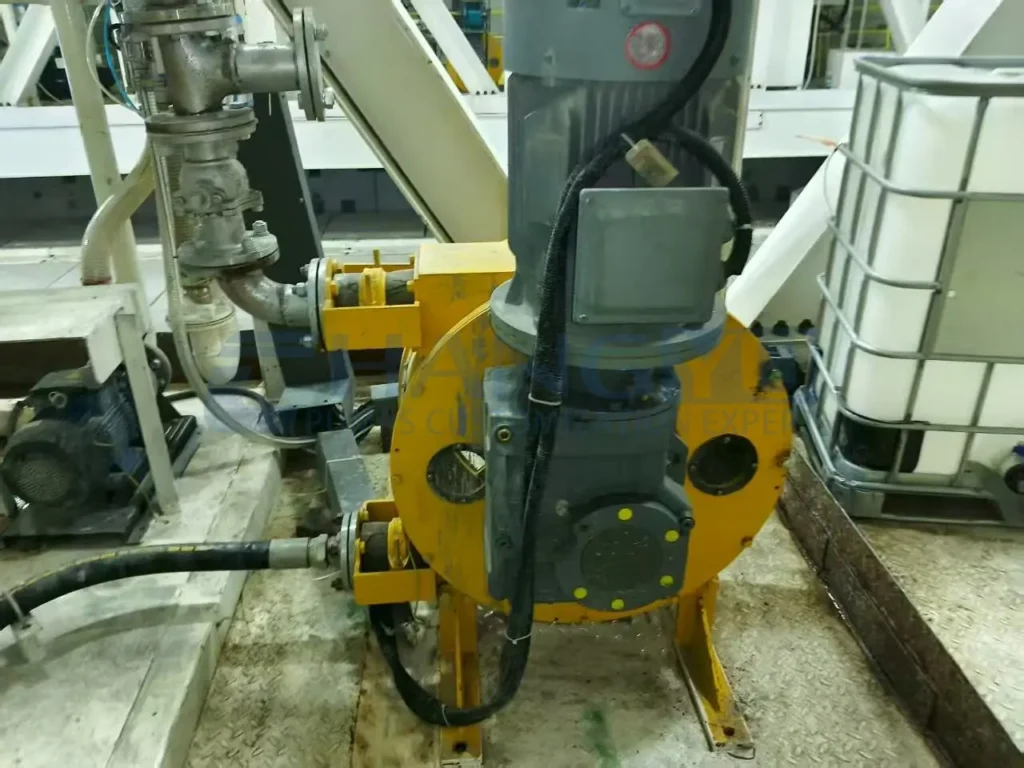
Estas bombas manejan presiones de descarga de hasta 2.4 MPa y caudales de hasta 50 m³/h. Como todas las bombas de manguera peristálticas, el fluido contacta solo la pared de la manguera — no hay sellos mecánicos, empaquetaduras ni válvulas expuestas al medio bombeado.
¿Dónde se Utilizan las Bombas de Manguera de Servicio Pesado?
Las bombas de manguera de servicio pesado sirven en aplicaciones donde las bombas estándar alcanzan sus límites de rendimiento.
- Transporte de relaves y concentrados mineros: Transferencia a alta presión de lodos abrasivos que contienen sílice, sulfuros metálicos y partículas de roca con una concentración de sólidos del 30–60%. Las presiones de descarga de 1.6–2.4 MPa son comunes en tuberías de relaves de larga distancia.
- Transferencia de lodos químicos: Bombeo de ácido sulfúrico concentrado con partículas de catalizador, hidróxido de sodio con sólidos cristalinos y lodos químicos a base de solventes. El diseño sin sello elimina las fallas por corrosión del sello del eje que ocurren en bombas con sello mecánico.
- Inyección de lechada en construcción y desagüe de túneles: Lodo de bentonita, lechada de cemento y lodo de perforación con alto contenido de sólidos y tamaños de partícula variables.
- Dosificación de químicos en tratamiento de agua: Lechada de cal, lechada de carbón activado y coagulante de cloruro férrico donde están presentes tanto la abrasión como el ataque químico.
¿Cómo Elegir el Material de Manguera Adecuado para Servicio Pesado?
La selección del material de la manguera determina la confiabilidad y el costo de mantenimiento de una bomba de manguera de servicio pesado. La manguera es el único componente en contacto con el fluido bombeado, y en servicio pesado debe resistir simultáneamente el ataque químico, la fatiga por pulsaciones de alta presión y el desgaste abrasivo. La compatibilidad debe validarse mediante ASTM D471 pruebas de inmersión.
Opciones de Material de Manguera para Servicio Pesado en Condiciones Extremas
| Material de la manguera | Ideal para | Temperatura máxima | No compatible con |
|---|---|---|---|
| NR | Lodos abrasivos, relaves mineros, lechada de cemento, lodos con alto contenido de sólidos | 80 °C | Aceites, solventes, ácidos oxidantes fuertes |
| CSM (Hypalon) | Ácidos oxidantes concentrados, peróxido de hidrógeno, ácido sulfúrico concentrado | 85°C | Hidrocarburos aromáticos fuertes — compatibilidad limitada; verificar según ASTM D471 |
| EPDM | Cetonas, alcoholes, ácidos concentrados, hipoclorito, cloruro férrico | 100°C | Aceites minerales, solventes hidrocarbonados |
| NBR | Aceites, grasas, fluidos a base de petróleo, lodos que contienen hidrocarburos | 80 °C | Ácidos oxidantes fuertes (nítrico, crómico, sulfúrico concentrado), ozono |
| F-NR | Productos alimenticios, bebidas, lácteos, medios farmacéuticos | 80 °C | Aceites, solventes, ácidos fuertes |
| F-NBR | Productos alimenticios grasos, medios alimenticios que contienen aceite | 80 °C | Ácidos oxidantes fuertes, ozono |
Cómo la Alta Presión Acelera la Degradación de la Manguera
En servicio pesado, la falla de la manguera resulta del efecto combinado de tres mecanismos que se refuerzan entre sí. La alta presión de descarga aumenta la tensión mecánica en la pared de la manguera con cada ciclo de compresión, creando microgrietas en el revestimiento interno. Estas grietas exponen la superficie de elastómero fresco al ataque químico del fluido bombeado, acelerando la pérdida de material. Simultáneamente, las partículas abrasivas en el lodo erosionan la superficie químicamente debilitada a una velocidad acelerada.
La implicación práctica: un material de manguera que funciona bien a 0.6 MPa puede fallar rápidamente a 2.0 MPa — no porque la química cambió, sino porque la fatiga inducida por la presión amplifica los otros mecanismos de degradación. Esta es la razón por la cual las mangueras reforzadas multicapa son estándar en servicio pesado, y por qué la velocidad de operación debe reducirse a medida que aumenta la presión.
Los ingenieros de Changyu Pump recomiendan: Para aplicaciones de lodos abrasivos de alta presión, como relaves mineros, especifique manguera de NR reforzado multicapa y opere a 40 r/min o menos. Las capas de refuerzo adicionales resisten el agrietamiento por fatiga inducido por la presión. Para ácido sulfúrico concentrado y químicos oxidantes fuertes, CSM (Hypalon) proporciona la mejor resistencia. Para aplicaciones que involucran cetonas, alcoholes e hipoclorito, EPDM ofrece la compatibilidad química más amplia con una tolerancia de temperatura de hasta 100°C.
¿Cómo Seleccionar una Bomba de Manguera de Servicio Pesado?
La selección de una bomba de manguera de servicio pesado sigue un proceso estructurado que tiene en cuenta las condiciones extremas de operación que estas bombas deben soportar.
Proceso de Selección en Cinco Pasos para Bombas de Manguera de Servicio Pesado
Paso 1: Caracterizar el fluido.
La selección de bombas de manguera para servicio pesado sigue un proceso estructurado que tiene en cuenta las condiciones operativas extremas que estas bombas deben soportar.
Paso 2: Determinar los requisitos de presión y caudal.
Proceso de selección en cinco pasos para bombas de manguera para servicio pesado.
Paso 3: Seleccionar el material de la manguera.
Paso 1: Caracterizar el fluido.
Paso 4: Determinar la velocidad de operación.
Mida la concentración de sólidos, el tamaño y la forma de las partículas, el pH, la temperatura, la viscosidad y la presencia de disolventes o productos químicos oxidantes. Para lodos mineros, el contenido de sílice y la angularidad de las partículas son los principales impulsores del desgaste.
Las bombas de manguera para servicio pesado operan hasta una presión de descarga de 2.4 MPa y un caudal de 50 m³/h. Si la aplicación supera estos límites, es posible que se requiera una bomba de diafragma de pistón o una bomba de cavidad progresiva para la sección de alta presión del circuito.
Haga coincidir el elastómero de la manguera con la química completa del fluido y la temperatura de operación utilizando la tabla de selección de materiales en la Sección 3. Para aplicaciones que combinan abrasión con ataque químico, priorice el material que resista el mecanismo de falla dominante — en la mayoría de las aplicaciones mineras, la resistencia a la abrasión tiene prioridad; en aplicaciones químicas, la compatibilidad química es la que rige.
Para servicio pesado, limite la velocidad de la bomba a 40 r/min o menos. Cada reducción de 10 r/min en el rango de 30–60 r/min puede extender la vida útil de la manguera en un 20–30% bajo alta presión de descarga. El efecto es más pronunciado al reducir la velocidad por debajo de 50 r/min. Seleccione un modelo de bomba más grande que opere a menor velocidad en lugar de un modelo más pequeño que funcione cerca de su clasificación máxima.
Paso 5: Evaluar los requisitos de control de pulsaciones.
La acción peristáltica genera pulsaciones de flujo. Para aplicaciones que requieren un flujo constante, como la dosificación de productos químicos o la alimentación de filtros prensa, especifique amortiguadores de pulsaciones en la línea de descarga. Esto es particularmente importante a altas presiones de descarga donde la amplitud de la pulsación aumenta.
| Intervalo | Acción | Propósito |
|---|---|---|
| Semanal | ¿Cómo mantener una bomba de manguera para servicio pesado? | Las bombas de manguera para servicio pesado requieren un mantenimiento más atento que los modelos estándar debido a las cargas mecánicas más altas y las consecuencias de una falla en procesos continuos. |
| Programa de mantenimiento de la bomba de manguera para servicio pesado | Verifique el nivel y la condición del lubricante en la carcasa de la bomba | Los sistemas de lubricación forzada requieren un lubricante limpio y adecuado para la refrigeración; el lubricante contaminado acelera el desgaste de la manguera |
| Mensual | Mensual a trimestral | Verifique el espacio de compresión de la manguera y ajústelo si es necesario (mensual para lodos abrasivos) |
| Basado en condición | Un espacio incorrecto — demasiado apretado o demasiado flojo — reduce la vida útil de la manguera en un 30–50% | Inspeccione el estado de los rodillos y la temperatura de los cojinetes |
Los rodillos desgastados crean una compresión desigual de la manguera, lo que reduce la vida útil de la manguera
- Reemplace la manguera cuando el caudal disminuya un 10% por debajo del valor base a velocidad constanteEl reemplazo programado evita la rotura catastrófica durante la operación.
- Diferencias clave de mantenimiento con las bombas de manguera estándarSistema de lubricación forzada.
- : Las bombas para servicio pesado utilizan circulación forzada en lugar de lubricación por salpicadura. El lubricante enfría la manguera durante la compresión a alta presión. Verifique la claridad del lubricante semanalmente — el lubricante turbio indica residuos de desgaste de la manguera.Precisión del espacio del rodillo.
: Las bombas para servicio pesado operan con tolerancias de compresión más ajustadas. Una desviación del espacio de 0.5 mm con respecto a la especificación puede reducir significativamente la vida útil de la manguera. Use galgas de espesores en lugar de inspección visual para la verificación del espacio.
Monitoreo de la temperatura de los cojinetes.
: Bajo operación continua a alta presión, los rodamientos de los rodillos generan más calor. Instale sensores de temperatura en las carcasas de los cojinetes para bombas que funcionen por encima de 1.6 MPa de presión de descarga.
Caso práctico de bomba de manguera para servicio pesado: Mina de oro detiene roturas de manguera con bomba para servicio pesado.
Una mina de oro en Australia Occidental transportaba lodos de relaves lixiviados con cianuro (SG 1.45, 40% de sólidos, partículas ricas en sílice) a una presión de descarga de 2.0 MPa a través de una tubería de 3 km utilizando una bomba de manguera estándar con manguera de NR de una sola capa. La bomba operaba 24/7 a 50 r/min.
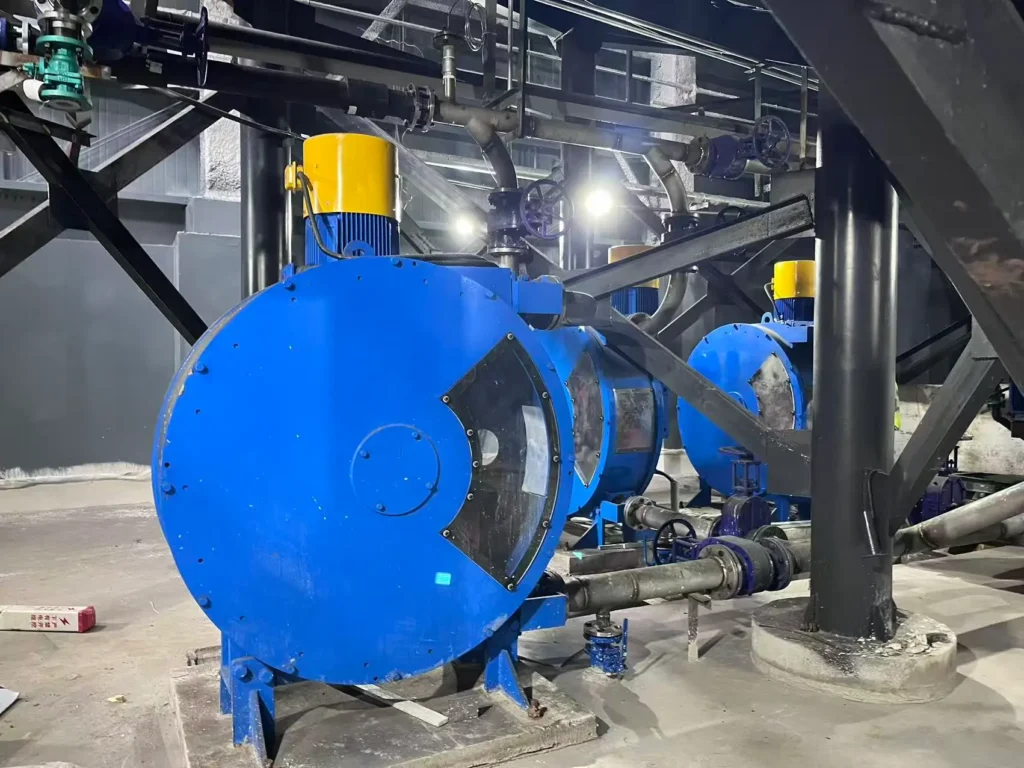
La manguera de NR fallaba aproximadamente cada 500–1,000 horas de operación (4–6 semanas de operación continua). Cada falla costaba $1,200 en manguera de reemplazo, más 6–8 horas de tiempo de inactividad no planificado para purgar la línea, reemplazar la manguera y reiniciar. En 12 meses, la mina experimentó 10 fallas de manguera, totalizando $12,000 en piezas y aproximadamente 80 horas de producción perdida.
Conclusión claveEl análisis de causa raíz identificó que la presión de descarga de 2.0 MPa estaba provocando el agrietamiento por fatiga en la manguera de NR reforzada de una sola capa. Las microgrietas luego aceleraron el desgaste abrasivo de las partículas de sílice. La bomba operaba dentro de su presión nominal, pero la construcción de la manguera era inadecuada para la carga combinada de fatiga por presión y abrasión.
La bomba estándar fue reemplazada por una bomba de manguera para servicio pesado Changyu equipada con manguera de NR reforzada de múltiples capas y refrigeración por lubricación forzada. La velocidad de la bomba se redujo de 50 r/min a 35 r/min para reducir aún más la fatiga cíclica.
Durante 24 meses de operación: el intervalo de reemplazo de la manguera se extendió de 4–6 semanas a 14–16 meses. El costo anual de reemplazo de la manguera se redujo de $12,000 a aproximadamente $1,000. Se eliminó el tiempo de inactividad no planificado relacionado con fallas de la manguera. El costo inicial más alto de la bomba para servicio pesado se recuperó en 5 meses gracias a la eliminación de reemplazos de manguera y las interrupciones de producción.
: En aplicaciones de lodos a alta presión, la construcción de la manguera debe coincidir tanto con el entorno químico como con la carga mecánica. La manguera reforzada de múltiples capas operada a velocidad reducida es la solución de ingeniería para extender la vida útil de la manguera más allá de los límites de la construcción estándar de una sola capa.
| Rango de caudal: | La Serie ZJP-Z cuenta con una cámara de bomba de funcionamiento en seco que no requiere lubricación con aceite o grasa, eliminando el riesgo de contaminación por lubricante y reduciendo el mantenimiento rutinario. La carcasa de la bomba y las tapas de los extremos están mecanizadas con precisión con una tolerancia de ajuste controlada a 0,1 mm, lo que garantiza superficies internas lisas que reducen el desgaste de la manguera. Los rodamientos del rotor están configurados en un arreglo de voladizo de doble soporte para una rotación estable bajo altas cargas radiales. Las conexiones de descarga están reforzadas para presiones de hasta 2,5 MPa. |
|---|---|
| Rango de cabezas: | Especificaciones de la bomba de manguera industrial Serie ZJP-Z de Changyu |
| Potencia del motor: | 0,06 m³/h~50 m³/h |
| Velocidad: | Hasta 160 m |
| Rango de temperatura medio: | 0,55–22 kW |
| Materiales personalizables: | 34–50 r/min |
Soluciones de bombas de manguera para servicio pesado de Changyu Pump
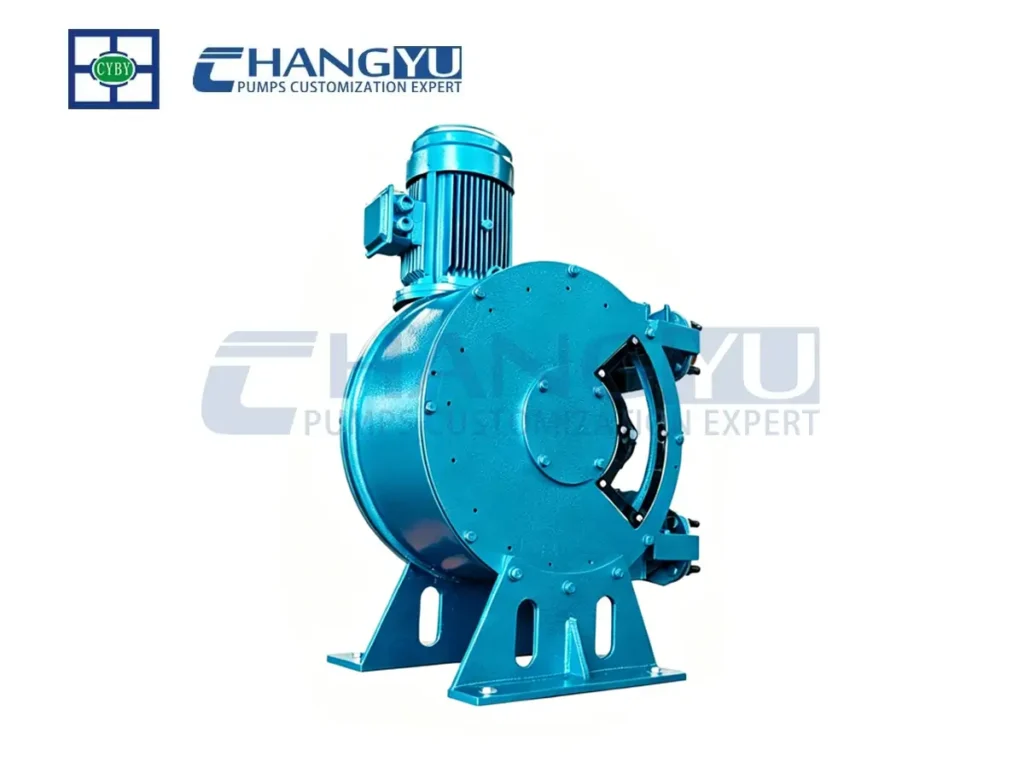
Changyu Pump fabrica bombas de manguera industriales diseñadas para aplicaciones de alta presión, abrasivas y corrosivas. La bomba cuenta con una carcasa de hierro fundido para servicio pesado, opciones de manguera reforzada de múltiples capas y lubricación forzada para una vida útil prolongada de la manguera en servicio continuo. La manguera es el único componente de desgaste — hay múltiples opciones de material disponibles para adaptarse a las características específicas del fluido.
Especificaciones de la bomba de manguera industrial Changyu
R: Las bombas de manguera de servicio pesado cuentan con mangueras reforzadas de múltiples capas, rodillos y cojinetes sobredimensionados, lubricación forzada con enfriamiento y una mayor rigidez de la carcasa. Están diseñadas para operación continua a presiones superiores a 1.6 MPa y con fluidos abrasivos o corrosivos que aceleran el desgaste en bombas estándar.
P: ¿Qué material de manguera dura más en aplicaciones de relaves mineros?
R: El NR (caucho natural) reforzado de múltiples capas proporciona la mejor combinación de resistencia a la abrasión y vida a la fatiga para relaves mineros. A presiones de descarga superiores a 1.6 MPa, se recomienda encarecidamente el refuerzo de múltiples capas; las mangueras de una sola capa pueden fallar debido al agrietamiento por fatiga inducido por la presión.
P: ¿Cómo afecta la velocidad de la bomba a la vida útil de la manguera en servicio pesado?
R: Reducir la velocidad de la bomba de 50 r/min a 35 r/min puede extender la vida útil de la manguera en un 50–80% bajo alta presión de descarga. Cada revolución comprime la manguera, y a alta presión, cada ciclo de compresión contribuye al daño por fatiga. Para aplicaciones de servicio pesado, opere a 40 r/min o menos.
P: ¿Puede una bomba de manguera de servicio pesado manejar ácido sulfúrico concentrado?
R: Sí, con material de manguera CSM (Hypalon) o EPDM. CSM proporciona la mejor resistencia para ácido sulfúrico de alta concentración y condiciones oxidantes fuertes. EPDM maneja ácido sulfúrico y una amplia gama de productos químicos, incluyendo cetonas y alcoholes, a temperaturas de hasta 100°C.
P: ¿Con qué frecuencia se debe reemplazar la manguera en servicio pesado?
R: Los intervalos de reemplazo de la manguera varían de 8 a 24 meses, dependiendo de la abrasividad del fluido, la presión de descarga y la velocidad de operación. Monitoree el caudal a velocidad constante: una caída del 10% con respecto al valor base indica que la manguera se acerca al final de su vida útil y debe reemplazarse en la próxima ventana de mantenimiento programada.
P: ¿Una bomba de manguera de servicio pesado requiere amortiguadores de pulsaciones?
R: No para la mayoría de las aplicaciones, pero se recomiendan amortiguadores de pulsaciones para dosificación de alta presión, alimentación de filtros prensa o cualquier proceso donde las pulsaciones de flujo afecten la calidad del producto o el equipo aguas abajo. La amplitud de las pulsaciones aumenta con la presión de descarga.
Lista de verificación de prevención del ingeniero de Changyu Pump
- Especifique manguera reforzada de múltiples capas para presiones de descarga superiores a 1.6 MPa. Las mangueras de una sola capa son adecuadas para presiones más bajas, pero pueden fallar por agrietamiento por fatiga en condiciones de servicio pesado.
- Limite la velocidad de la bomba a 40 r/min o menos en servicio pesado. Las velocidades más altas agravan los efectos de la fatiga por presión y el desgaste abrasivo en la vida útil de la manguera.
- Verifique el estado del lubricante semanalmente en sistemas de lubricación forzada. El lubricante turbio indica residuos de desgaste de la manguera y requiere investigación. Mantenga el nivel de lubricante dentro del rango especificado por el fabricante.
- Verifique la brecha de compresión del rodillo con galgas mensualmente para lodos abrasivos. Una desviación de la brecha de 0.5 mm puede reducir la vida útil de la manguera en un 30–50%. No confíe únicamente en la inspección visual.
- Instale sensores de temperatura en los cojinetes para bombas que operen por encima de 1.6 MPa. La operación continua a alta presión genera más calor en los cojinetes de los rodillos que el servicio estándar.
- Reemplace la manguera en un intervalo programado basado en el monitoreo del flujo, no cuando se rompa. Una rotura de la manguera durante la operación libera fluido de proceso en la carcasa de la bomba y el sistema de lubricación.
- Adapte el material de la manguera a la química completa del fluido, incluyendo componentes traza. Un contenido de disolvente del 5% puede reducir significativamente la vida útil de la manguera si el material de la manguera es incompatible.
- Mantenga una manguera de repuesto y lubricante en inventario para bombas críticas. El cambio de manguera toma de 1 a 2 horas con las piezas disponibles, frente a días si las piezas deben pedirse después de una falla.
Conclusión
La especificación de la bomba de manguera de servicio pesado requiere atención a tres factores que interactúan en condiciones operativas extremas: selección del material de la manguera adaptada a la química completa del fluido, velocidad de operación reducida para limitar la fatiga inducida por presión, y prácticas de mantenimiento que detecten el desgaste antes de que ocurra una falla. La manguera de NR reforzado de múltiples capas operada a 35–40 r/min proporciona la vida útil más larga en lodos mineros abrasivos. CSM (Hypalon) maneja ácidos oxidantes concentrados y productos químicos corrosivos a alta temperatura. EPDM ofrece la compatibilidad química más amplia para cetonas, alcoholes e hipoclorito a temperaturas de hasta 100°C.
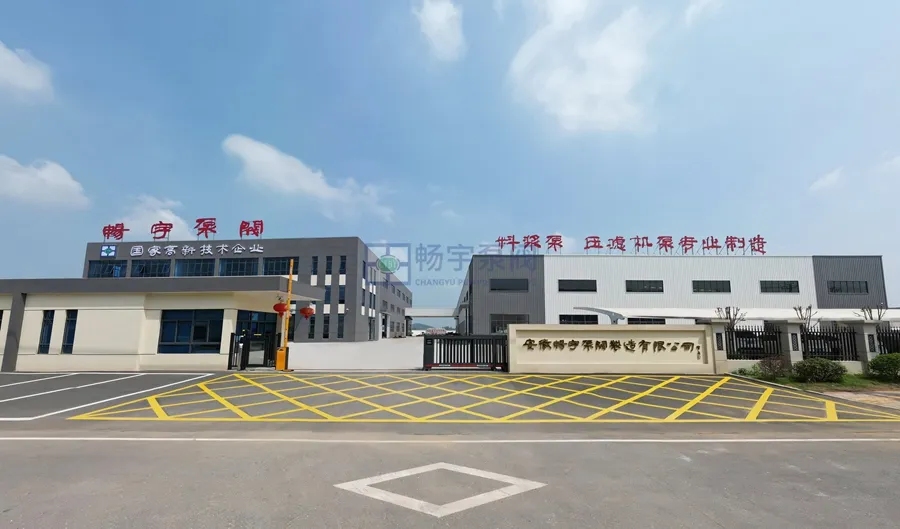
El equipo de ingeniería de Changyu Pump proporciona evaluaciones técnicas para aplicaciones de bombas de manguera de servicio pesado, respaldado por dos décadas de experiencia en fabricación de bombas en los sectores minero, químico y de construcción.
Contacte a Changyu Pump para una evaluación técnica gratuita →