
Un pompe de puisard industrielle est une pompe à usage intensif spécialement conçue pour évacuer automatiquement l'eau accumulée, l'eau à haute teneur en oxygène et l'eau de pluie. produits chimiques corrosifs, boues abrasives, Les systèmes de traitement des eaux usées sont conçus pour traiter les eaux usées industrielles et les eaux de ruissellement à partir de fosses de collecte de faible hauteur ou de puisards. Avec plus de 20 ans d'expérience dans l'industrie, Pompe Changyu Les ingénieurs de la DGCCRF utilisent ces systèmes robustes pour gérer les exigences opérationnelles extrêmes et les fluides agressifs, afin de prévenir les inondations catastrophiques des installations, d'assurer la conformité environnementale et d'éliminer les coûteux temps d'arrêt de la production.
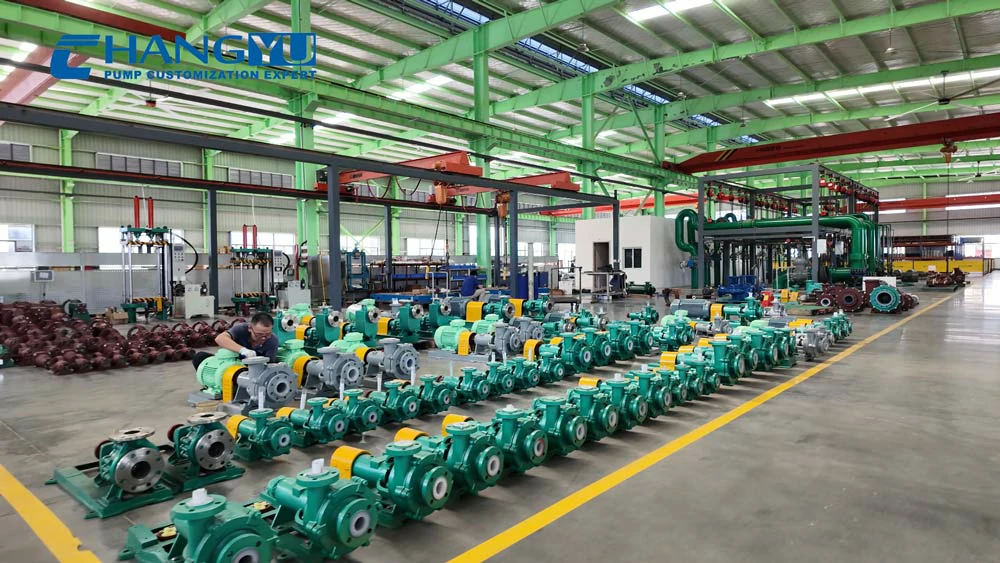
Qu'est-ce qu'une pompe de puisard industrielle et pourquoi en avez-vous besoin ?
Dans les environnements B2B exigeants tels que les raffineries pétrochimiques, les exploitations minières et les usines de traitement des eaux usées, la gestion des fluides est une question de sécurité critique. Une pompe commerciale standard ne peut tout simplement pas survivre à ces environnements. A pompe de puisard industrielle à usage intensif constitue la première ligne de défense contre l'accumulation de fluides agressifs qui peuvent rapidement corroder l'infrastructure de votre usine.
Contrairement aux pompes de puisard résidentielles qui sont généralement fabriquées en plastique de base et conçues pour une utilisation intermittente d'eau propre, pompes de puisard industrielles sont fabriqués à partir d'alliages robustes et résistants à la corrosion, de plastiques fluorés ou d'acier inoxydable duplex. Ils sont conçus pour traiter des produits chimiques agressifs, des températures élevées et des solides abrasifs sur un cycle de travail continu. Pour les responsables des achats et les ingénieurs d'usine, la véritable décision d'achat ne se résume pas au prix d'achat. Dans de nombreuses applications de pompage industriel, la consommation d'énergie, la fréquence de la maintenance et l'exposition aux temps d'arrêt peuvent largement dépasser le coût initial au cours du cycle de vie de la pompe.
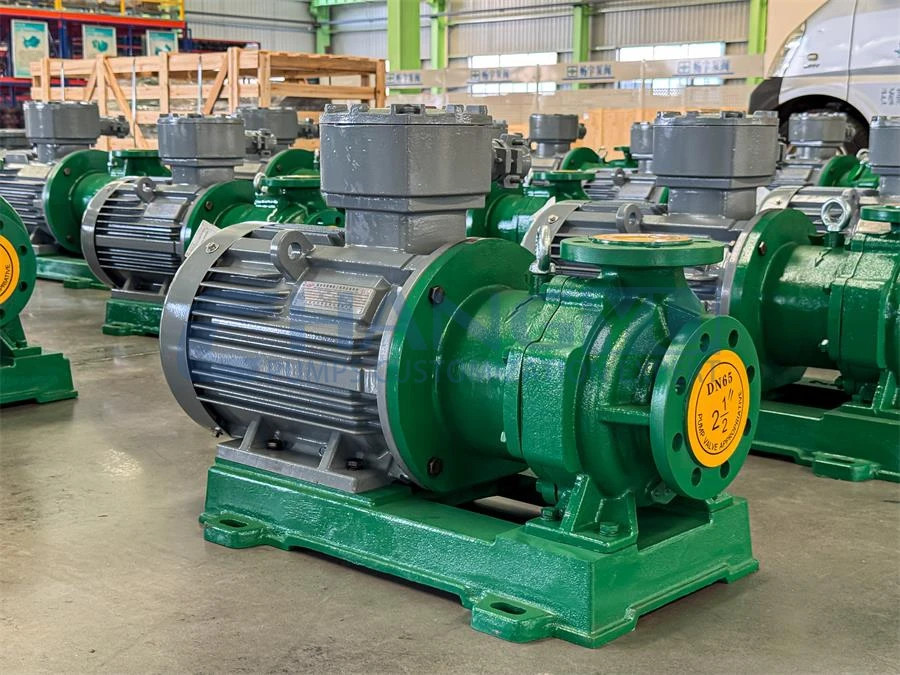
Comment une pompe de puisard industrielle fonctionne-t-elle dans des conditions extrêmes ?
Pompes de puisard industrielles sont disponibles dans des configurations verticales suspendues et horizontales. Dans les configurations verticales, le moteur est généralement monté en toute sécurité au-dessus du puisard pour le protéger des liquides agressifs, tandis qu'un arbre allongé relie le moteur à la roue immergée dans le fluide. Lorsque le niveau du liquide déclenche un interrupteur à flotteur ou un capteur de niveau robuste et résistant aux produits chimiques, le moteur active la roue. Ce système fonctionne comme un pompe centrifuge, La force centrifuge qui en résulte entraîne le liquide vers le haut, dans le tuyau d'évacuation.
Pour maintenir une efficacité et une longévité optimales, les ingénieurs doivent calculer avec soin les éléments suivants Hauteur d'aspiration positive nette (NPSH) disponible dans le système. Ce que cela signifie pour vous : Correct Calculs NPSH prévenir cavitation-La cavitation est la formation et l'effondrement violents de bulles de vapeur qui rongent littéralement la roue métallique. En évitant la cavitation, vous économisez des dizaines de milliers de dollars en remplacement prématuré de la roue et en arrêts imprévus de l'usine. Les ingénieurs de Pompe Changyu soulignent que la combinaison d'une ingénierie NPSH optimale avec des conceptions d'arbres renforcés réduit considérablement les vibrations mécaniques, garantissant un débit de liquide continu même lors de la manipulation de liquides denses. boues industrielles.
Quels sont les coûts cachés des pompes de puisard industrielles ?
De nombreuses installations se concentrent uniquement sur les dépenses d'investissement initiales, sans tenir compte des coûts opérationnels à long terme. Les coûts cachés les plus importants dans les systèmes de pompage industriels proviennent de trois domaines :
- Corrosion chimique : Si une pompe est fabriquée selon des normes métallurgiques insuffisantes, des produits chimiques hautement corrosifs dégraderont rapidement les pièces en contact avec le liquide.
- Consommation d'énergie : Les pompes surdimensionnées fonctionnent en dehors de leur Point de rendement optimal (BEP). Le fonctionnement d'une pompe mal dimensionnée gaspille continuellement une quantité excessive d'électricité, ce qui détruit discrètement les marges bénéficiaires de votre établissement.
- Temps d'arrêt pour maintenance : Les pannes fréquentes entraînent l'arrêt des chaînes de production, ce qui constitue souvent le coût caché le plus onéreux.
Pour y remédier, l'ingénierie de précision et la sélection des matériaux doivent être alignées sur les normes de l'Union européenne. ISO 2858 et ANSI B73.1 Les normes industrielles sont obligatoires. Si vous avez des doutes sur l'efficacité à long terme de votre installation actuelle, n'hésitez pas à nous contacter. contactez notre équipe d'ingénieurs professionnels pour des services d'experts.
Comment choisir la pompe de puisard industrielle adaptée à votre application ?
Sélection de l'option optimale pompe de puisard centrifuge pour produits chimiques nécessite une évaluation méticuleuse des paramètres opérationnels de votre système. Vous devez définir avec précision les Hauteur dynamique totale (TDH), le nombre requis de débit, viscosité du fluide, et la composition chimique exacte du fluide.
Les pompes standard en fonte tombent rapidement en panne si elles sont exposées à des acides agressifs ou à des particules solides abrasives. Pour les applications à haute température, Le choix des matériaux est donc primordial. Alors que les pompes standard de l'industrie fonctionnent en toute sécurité jusqu'à 120°C (250°F), les processus spécialisés dépassent souvent ces limites. Pour des applications aussi sévères, la sélection de revêtements en plastique fluoré (PTFE/PFA) ou spécialisés acier inoxydable duplex n'est pas négociable.
Ce que cela signifie pour vous : Le choix du bon matériau peut prolonger la durée de vie de votre pompe de 5 à 10 ans, ce qui réduit considérablement la fréquence de remplacement et le risque d'immobilisation. Contactez notre équipe dès aujourd'hui pour obtenir des tests précis de compatibilité des matériaux en fonction de vos données sur les fluides.
Solutions de pompes de puisard industrielles haut de gamme de Changyu Pump
Répondre aux conditions diverses et sévères de l'industrie manufacturière moderne, Pompe Changyu propose une gamme complète de pompes industrielles de haute technicité. Voici nos principales solutions adaptées à des défis industriels spécifiques :
Pompe de puisard industrielle - Pompe de transfert de produits chimiques corrosifs série CYB-ZKJ
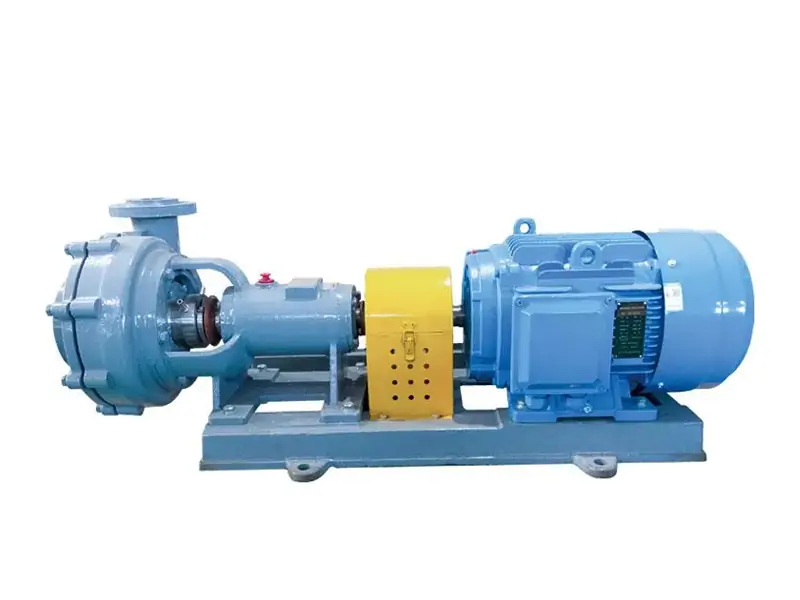
Conçu spécifiquement pour les industries pétrochimiques, des semi-conducteurs, et de galvanoplastie, cette pompe excelle dans le traitement des acides et alcalis agressifs. Grâce à une technologie avancée composants plastiques fluorés (FEP/PFA), Il offre une résistance inégalée à la dégradation chimique, garantissant une durée de vie opérationnelle sans fuite, même en cas d'utilisation continue hautement corrosive. C'est le choix ultime pour un déchargement sûr et fiable des produits chimiques.
| Modèle | Débit m³ | Tête m | Vitesse r/min | Efficacité | Puissance lorsque la gravité spécifique est égale à 1 | Diamètre de la roue mm |
| 32CYB | 5~10 | 10~30 | 2900 | 17~28% | 1,1~3KW | 100~165 |
| 40CYB | 10~15 | 10~30 | 2900 | 25~35% | 2,2~4KW | 140~165 |
| 50CYB | 10~20 | 15~40 | 2900 | 20~35% | 4~7.5KW | 140~190 |
| 65CYB | 10~30 | 10~60 | 1450~2900 | 20~35% | 1,5~15KW | 155~220 |
| 80CYB | 40~60 | 10~80 | 1450~2900 | 22~50% | 5,5~30KW | 145~400 |
| 100CYB | 50~110 | 10~80 | 1450~2900 | 20~50% | 15~55KW | 160~400 |
| 125CYB | 100~140 | 6~80 | 1450~2900 | 20~48% | 11~75KW | 180~268 |
| 150CYB | 150~280 | 20~80 | 1450 | 40~52% | 22~90KW | 260~380 |
| 200CYB | 200~450 | 6~50 | 980~1450 | 25~58% | 22~90KW | 325~380 |
| 250CYB | 300~650 | 6~60 | 750~1450 | 28~65% | 11~160KW | 280~420 |
Pompe de puisard industrielle - Pompe chimique à haute température de la série CYG
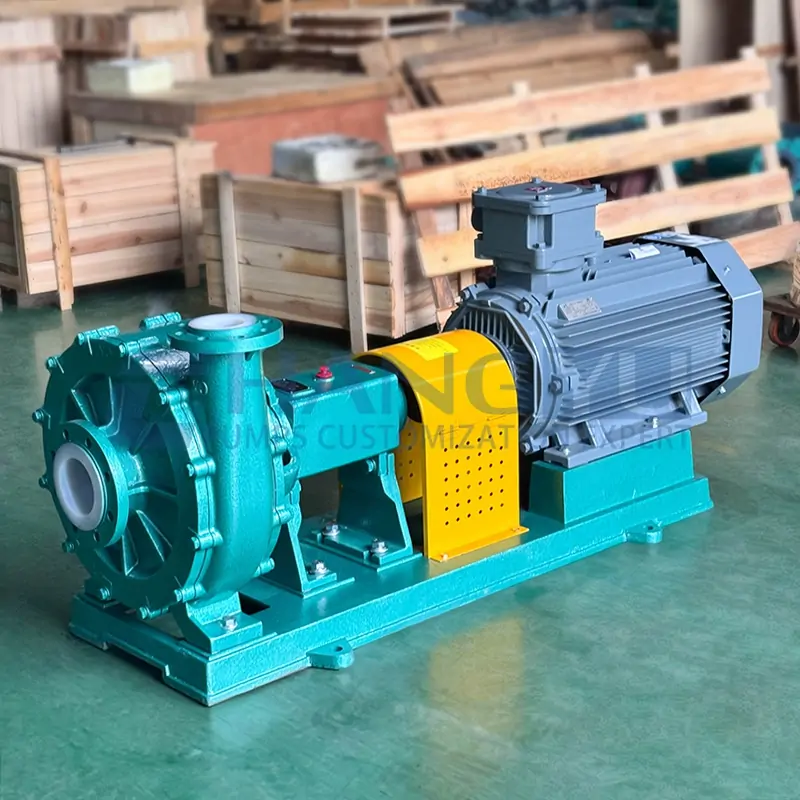
Lorsque votre processus implique des fluides extrêmement chauds et corrosifs, les pompes standard tombent en panne à cause de la déformation thermique. Cette déformation pompe chimique à haute température est conçu avec des alliages spécialisés résistants à la chaleur et des enveloppes de refroidissement avancées pour les garnitures mécaniques. Il transfère en toute sécurité et en continu des fluides industriels à haute température sans compromettre l'intégrité structurelle ou les performances des joints. Idéal pour les processus dépassant 120°C.
| Paramètres | Spécifications |
|---|---|
| Type de pompe | Pompe centrifuge horizontale / pompe à mortier |
| Matériau de la doublure | Fluoroplastique PFA (Perfluoroalkoxy) |
| Plage de température | -20°C ~ ≤180°C |
| Contenu solide maximal | ≤30% (standard) / ≤40% (conception améliorée) |
| Taille maximale des particules | ≤2 mm |
| Pression de service | ≤1,6 MPa (standard) |
| Option haute pression | >1,6 MPa (structure en acier renforcée sur mesure) |
| Type d'étanchéité | Garniture mécanique (double face) / Garniture dynamique de type K |
| Support de joint | Système de rinçage API 682 (en option) |
| Type de roue | Roue semi-ouverte |
| Épaisseur du revêtement | 8-20 mm (PFA moulé et fritté) |
| Type d'installation | Horizontal |
| Mode de fonctionnement | Service continu |
| Niveau de bruit | Conception à faible vibration et à faible bruit |
Pompe de puisard industrielle - Pompe à boues horizontale pour acide phosphorique de la série UHB
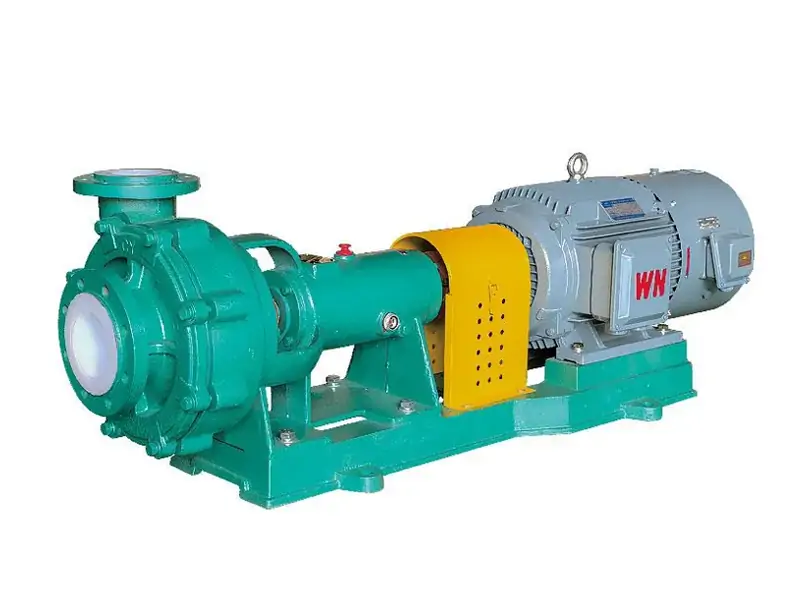
Le pompage d'acide phosphorique mélangé à des solides de gypse abrasifs détruit les roues standard en quelques semaines. Cette roue très résistante pompe à boues intègre des alliages trempés résistants à l'abrasion et une conception optimisée de la roue semi-ouverte pour traiter les eaux usées. concentrations élevées de solides sans colmatage ni usure mécanique rapide. Il est idéal pour les usines d'engrais et le traitement des minerais. Envoyez-nous vos données sur les boues pour obtenir une aide professionnelle au dimensionnement.
| Modèle | Plage de débit (m³/h) | Hauteur de chute (m) | Vitesse (r/min) | Plage d'efficacité (%) | Gamme de puissance | Plage de diamètre de la roue (mm) |
|---|---|---|---|---|---|---|
| 32UHB | 5 - 10 | 10 - 30 | 2900 | 17% - 28% | 1,1KW-2 - 3KW-2 | 100 - 165 |
| 40UHB | 10 - 15 | 10 - 30 | 2900 | 25% - 35% | 2,2KW-2 - 4KW-2 | 140 - 165 |
| 50UHB | 10 - 20 | 15 - 40 | 2900 | 20% - 35% | 4KW-2 - 7,5KW-2 | 140 - 190 |
| 65UHB | 25 - 30 | 20 - 60 | 2900 | 25% - 35% | 5,5KW-2 - 18,5KW-2 | 155 - 235 |
| 80UHB | 20 - 60 | 10 - 80 | 2900 | 22% - 50% | 5,5 kW-4 - 30 kW-2 | 145 - 260 |
| 100UHB | 50 - 110 | 10 - 80 | 2900 | 20% - 45% | 15KW-2 - 55KW-2 | 160 - 250 |
| 125UHB | 100 - 140 | 18 - 80 | 2900 | 34% - 48% | 22KW-2 - 75KW-2 | 180 - 268 |
| 150UHB | 150 - 280 | 20 - 50 | 1450 | 40% - 52% | 22KW-4 - 75KW-4 | 260 - 380 |
| 200UHB | 200 - 450 | 6 - 50 | 1450 / 980 | 25% - 58% | 22KW-6 - 90KW-4 | 325 - 380 |
| 250UHB | 300 - 650 | 6 - 60 | 1450 / 980 / 750 | 28% - 65% | 11KW-8 - 160KW-4 | 280 - 420 |
Pompe de puisard industrielle - Pompe à entraînement magnétique haute température de la série CYQ
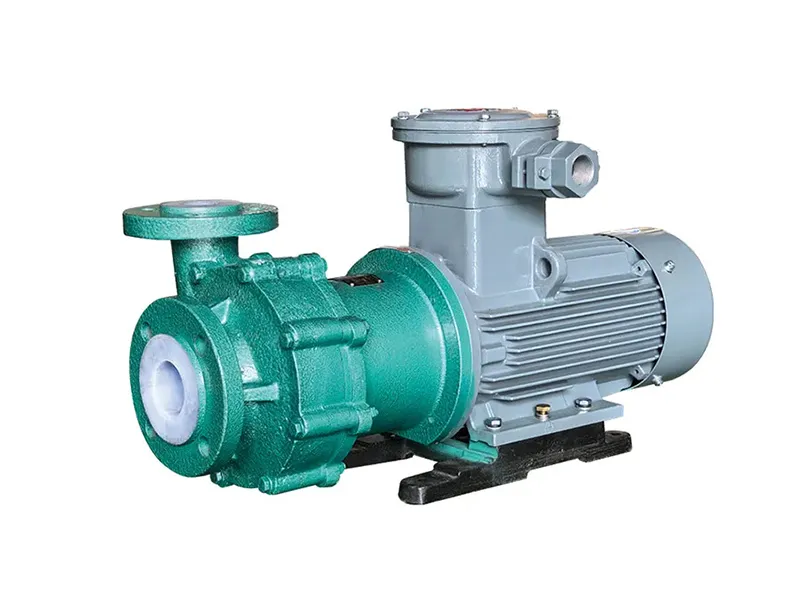
Pour les liquides hautement toxiques ou inflammables nécessitant une absence totale de fuite, ce système est idéal. pompe à entraînement magnétique est la norme de l'industrie. Il utilise une conception sans joint alimentée par des aimants en terres rares à haute résistance, éliminant complètement le joint mécanique - le point de défaillance le plus courant. Il est parfaitement adapté au transfert de produits chimiques dangereux à haute température, où la sécurité environnementale est primordiale.
Pompe de puisard industrielle - Pompe centrifuge de transfert d'acide chimique de la série CYF
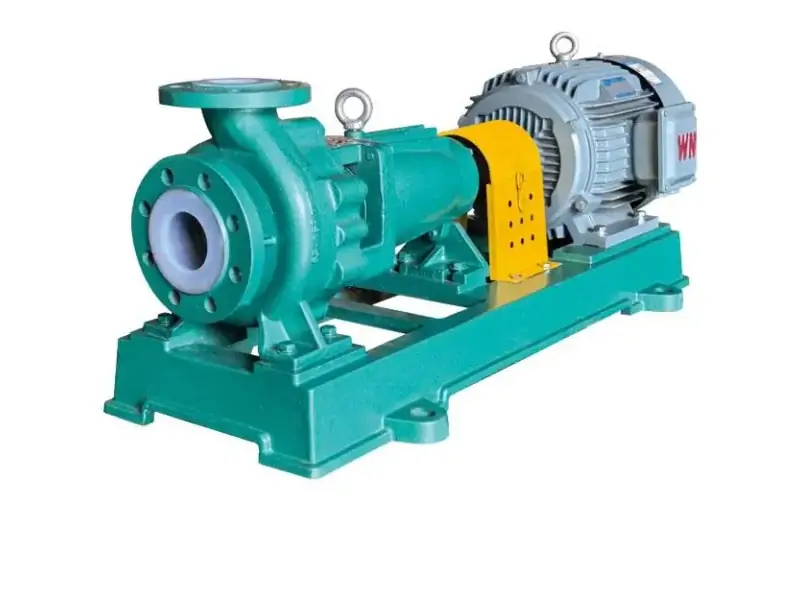
Conçue pour le transfert rapide de grands volumes de fluides acides, cette pompe centrifuge chimique donne la priorité aux débits élevés et à une efficacité énergétique exceptionnelle. Construit selon des normes ISO strictes, il assure un transfert de fluides fiable et à faibles vibrations pour la fabrication de produits chimiques en vrac, les installations de traitement de l'eau et les usines de transformation industrielle à grande échelle.
Cas d'une pompe de puisard industrielle : Élimination de la déformation de l'arbre dans les bassins chimiques à haute température
Le défi : Au début de l'année 2025, une raffinerie pétrochimique de premier plan a été confrontée à un goulot d'étranglement critique. La raffinerie pompes de puisard à haute température, L'unité de production d'acide sulfurique à 150°C souffrait de déformations récurrentes de l'arbre. Les contraintes thermiques sévères provoquaient le gauchissement des arbres, ce qui entraînait des vibrations mécaniques agressives, des fuites de joints catastrophiques et des retards de production inacceptables.
La décision et l'exécution : Pompe Changyu ont été dépêchés sur place pour analyser la défaillance. Les tests ont révélé que l'arbre standard en acier inoxydable 316L avait subi une dilatation thermique de 0,45 mm sous la charge extrême de 150 °C, ce qui avait directement provoqué l'éclatement des garnitures mécaniques. Nous avons résolument conçu une solution sur mesure : remplacer la métallurgie de l'arbre par un alliage duplex haute résistance breveté, renforcé par un revêtement de protection contre la corrosion. perfluoroalcoxy (PFA) et en augmentant le diamètre de l'arbre de 15% pour améliorer la rigidité.
Le résultat : La version améliorée système de pompe de puisard industriel a entièrement éliminé la déformation thermique. Cette intervention technique a porté le taux de réussite de l'exploitation en continu à 99,81 TTP3T et a réduit les temps d'arrêt imprévus de 651 TTP3T, ce qui a permis de préserver le calendrier de production très serré du client.
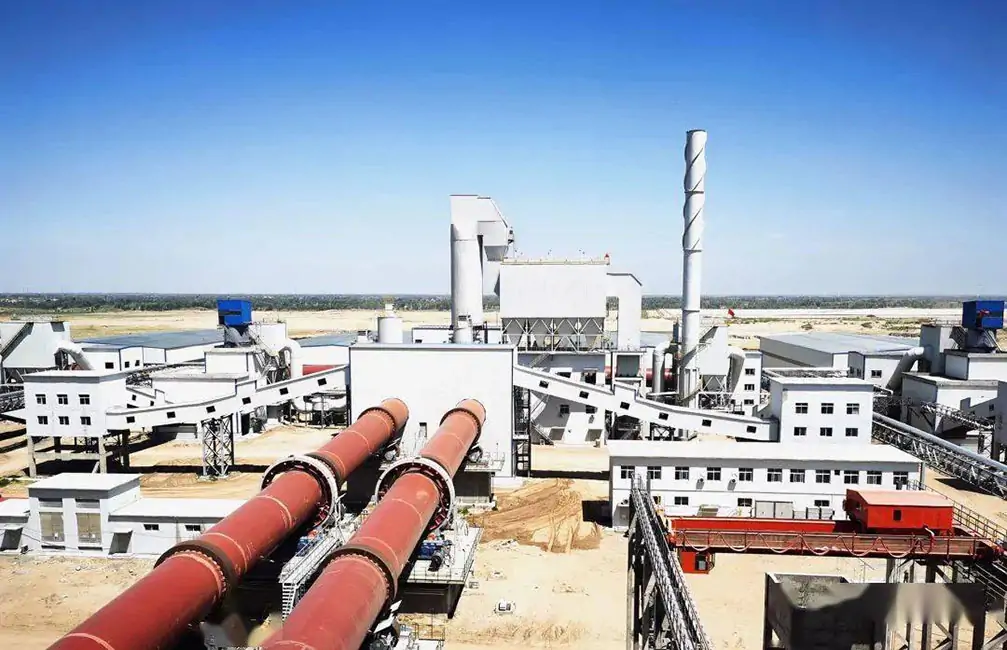
Normes de contrôle de la qualité sans compromis de Changyu Pump
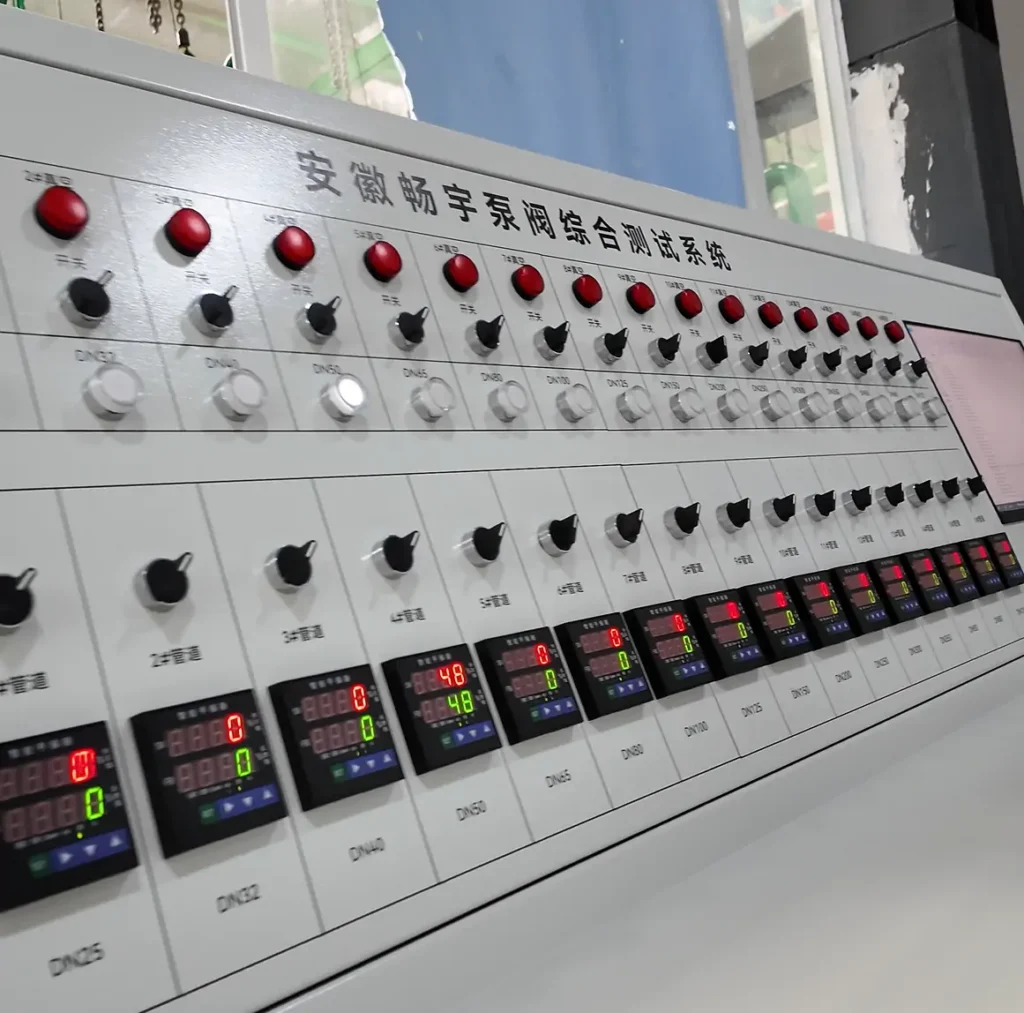
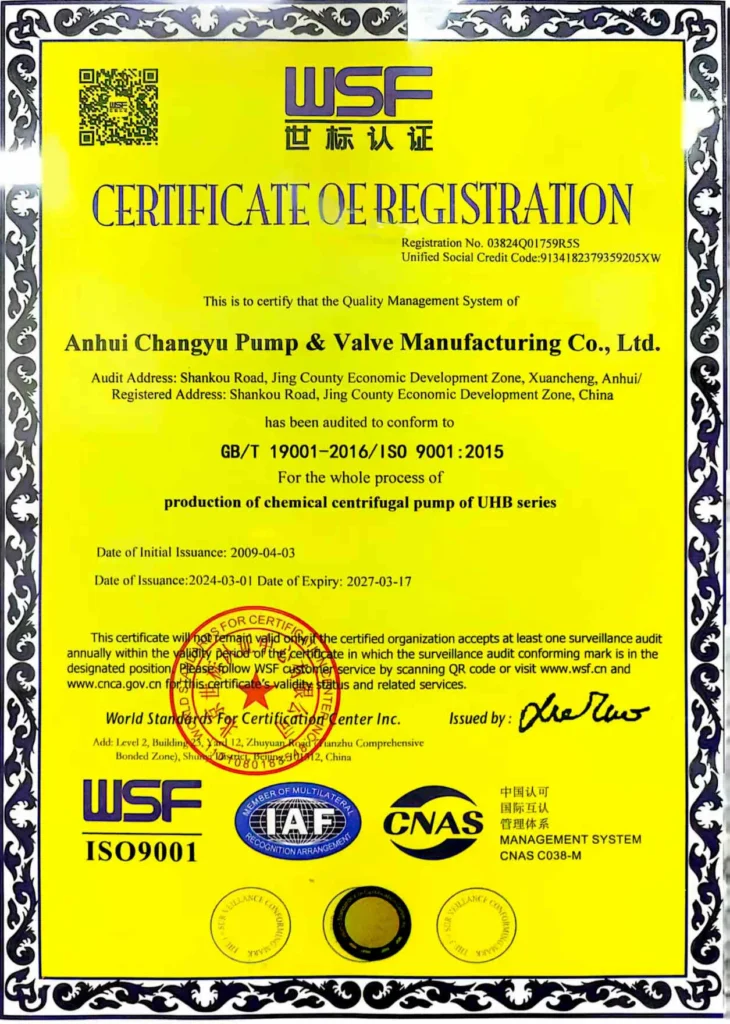
La fiabilité dans les environnements extrêmes est le fruit d'un contrôle de qualité sans compromis. A l'heure actuelle Pompe Changyu, Grâce à notre expertise de plus de 20 ans dans le domaine de la fabrication, chaque pompe de puisard industrielle est soumis à des tests rigoureux avant d'être expédié.
Nos protocoles rigoureux d'assurance qualité comprennent
- Inspection dimensionnelle : Mesure des coordonnées en 3D pour des tolérances précises de l'enveloppe (précision de ±0,05 mm).
- Essai de pression hydrostatique : Testé à 1,5 fois la pression maximale de fonctionnement pour garantir une absence totale de fuite.
- Équilibrage de la roue : Équilibrage dynamique de toutes les roues pour Normes ISO 1940-1 Grade 6.3.
- Traçabilité des matériaux : Certification complète et suivi de chaque composant en contact avec le sol.
- Vérification de la courbe de performance : Essais en direct par rapport aux données publiées sur la hauteur de chute et le débit.
Cette méthodologie exhaustive garantit que nos pompes offrent des performances à faible vibration et à haut rendement dès leur sortie de l'usine. Nous vous recommandons vivement de consulter notre des protocoles complets d'essai des pompes pour comprendre la profondeur de notre excellence en matière de fabrication.


7 pièges critiques que les ingénieurs de Changyu Pump veulent que vous évitiez
Pour éviter des erreurs coûteuses en matière de passation de marchés et garantir la meilleure sélection de pompes de puisard industrielles, Nos ingénieurs seniors recommandent de prêter une attention particulière aux facteurs de décision suivants :
- Ne pas négliger la gravité spécifique : Le pompage de fluides chimiques denses nécessite une puissance moteur nettement plus élevée que le pompage d'eau propre. Si la gravité spécifique n'est pas prise en compte dans le calcul du dimensionnement, la surcharge du moteur et sa défaillance prématurée sont beaucoup plus probables.
- Ne pas sous-estimer l'usure abrasive : Lorsque le fluide contient des solides, la fonte standard est rarement suffisante. Des alliages à haute teneur en chrome ou des revêtements épais en plastique fluoré sont souvent nécessaires pour réduire l'érosion de la roue et prolonger sa durée de vie.
- Ne pas ignorer la chimie à haute température : L'agressivité chimique augmente fortement avec la température. Un matériau qui fonctionne bien à 20°C peut se détériorer rapidement à 90°C, c'est pourquoi la compatibilité thermique doit toujours être vérifiée avant la sélection.
- Ne pas couper les coins des contrôles de niveau : La fiabilité d'une pompe dépend de celle de son système de contrôle. Les interrupteurs à flotteur de mauvaise qualité peuvent se corroder ou mal fonctionner en présence de produits chimiques, entraînant un fonctionnement à sec ou un débordement du puisard. Les capteurs résistants aux produits chimiques constituent un choix plus sûr.
- Ne pas sous-dimensionner le puisard : Une fosse de collecte trop petite oblige la pompe à effectuer des cycles trop fréquents. Les cycles courts augmentent l'usure des contacts du moteur, des roulements et des joints, ce qui réduit la durée de vie de la pompe.
- Ne pas négliger l'accès à la maintenance : Conception d'un système de pompe de puisard à usage intensif L'absence de bossoirs, de trappes d'accès ou d'un espace d'entretien suffisant peut transformer une inspection de routine en un arrêt d'exploitation majeur.
- Ne présumez pas que le surdimensionnement est plus sûr : Le choix d'une pompe dont le débit ou le TDH est bien supérieur à ce qu'exige l'application peut l'éloigner de ses objectifs. Point de rendement optimal (BEP). Il en résulte des vibrations, de la cavitation et une défaillance prématurée des roulements.
Si vous avez besoin d'aide pour dimensionner votre pompe avec précision, nous vous proposons consulter nos spécialistes techniques des pompes pour une analyse préliminaire gratuite.
FAQ sur la pompe de puisard industrielle
Q : Quelle est la température maximale qu'une pompe de puisard industrielle à haute température peut supporter ?
A : Une norme pompe de puisard industrielle à haute température peuvent gérer en toute sécurité des fluides allant jusqu'à 120°C (250°F). Cependant, des configurations spécialisées utilisant des revêtements fluoroplastiques avancés et des alliages sur mesure peuvent traiter de manière fiable des liquides extrêmement corrosifs atteignant jusqu'à 150°C sans risquer de déformation thermique ou de défaillance mécanique.
Q : À quelle fréquence les pompes de puisard industrielles à usage intensif doivent-elles être entretenues ?
A : Pompes de puisard industrielles à usage intensif nécessitent des inspections visuelles de routine tous les mois et un entretien complet tous les six mois. L'évaluation des interrupteurs à flotteur, la lubrification des roulements et le contrôle de l'usure abrasive de la roue permettent d'éviter les pannes imprévues et de prolonger la durée de vie du système.
Q : Une pompe de puisard industrielle centrifuge chimique peut-elle traiter des fluides à forte teneur en matières solides ?
R : Oui, un pompe de puisard industrielle centrifuge pour produits chimiques équipés d'une roue encastrée ou semi-ouverte peuvent transférer efficacement des fluides contenant beaucoup de matières solides. Cette conception évite le colmatage et minimise l'usure abrasive lors du pompage de boues industrielles lourdes, garantissant ainsi un débit de liquide fiable.
Q : Pourquoi la gravité spécifique est-elle importante lors du dimensionnement d'une pompe de puisard industrielle ?
A : Gravité spécifique a un impact direct sur la puissance requise par le moteur. Le pompage de fluides chimiques plus denses exige une puissance moteur nettement supérieure à celle de l'eau standard. La sous-estimation de la gravité spécifique entraîne une surcharge du moteur, une surchauffe et une panne soudaine de la pompe, ce qui perturbe la production.
Q : Quelles sont les causes d'une défaillance prématurée d'une pompe de puisard pour le transfert d'acides industriels ?
R : Les causes les plus courantes de défaillance prématurée d'un système d'alimentation en eau potable sont les suivantes pompe de puisard pour le transfert d'acides industriels comprennent une mauvaise compatibilité chimique, un fonctionnement à sec et des calculs NPSH incorrects conduisant à la cavitation. La sélection de matériaux résistants à la corrosion et l'utilisation de contrôles de niveau fiables réduisent considérablement ces risques.
Q : Comment la viscosité du fluide affecte-t-elle les performances d'une pompe de puisard industrielle ?
A : élevé viscosité du fluide crée un frottement interne plus important, ce qui réduit considérablement le débit et la hauteur dynamique totale (TDH) d'une pompe à eau. pompe de puisard industrielle. Les ingénieurs doivent appliquer des facteurs de correction de la viscosité précis au cours du processus de dimensionnement afin de garantir le débit souhaité.
Q : Quelle est la différence entre une pompe de puisard industrielle et une pompe submersible ?
A : Un pompe de puisard industrielle La pompe submersible comporte généralement un moteur monté au-dessus du niveau du liquide avec un arbre suspendu, ce qui protège le moteur des produits chimiques agressifs. À l'inverse, une pompe submersible fonctionne entièrement sous l'eau, ce qui rend les joints du moteur beaucoup plus vulnérables à la corrosion chimique agressive et à la dégradation du liquide.
Q : Les pompes de puisard industrielles à entraînement magnétique sont-elles adaptées au transfert de liquides hautement dangereux ?
R : Absolument. Pompes de puisard industrielles à entraînement magnétique utilisent une conception sans garniture qui élimine complètement le risque de fuite de la garniture mécanique. Ils constituent donc le choix le plus sûr et le plus respectueux de l'environnement pour le transfert de fluides chimiques hautement toxiques, inflammables ou dangereux dans des applications industrielles rigoureuses.
Investir dans le bon système de pompe de puisard industriel va bien au-delà du simple déplacement de fluides d'un point A à un point B ; il s'agit de protéger votre infrastructure, de minimiser les temps d'arrêt opérationnels et d'assurer la sécurité absolue de votre personnel dans des environnements à haut risque. En évaluant rigoureusement la gravité spécifique, la compatibilité chimique et les points de fonctionnement précis, les installations B2B peuvent entièrement éliminer les coûts cachés associés aux défaillances des pompes et à l'utilisation inefficace de l'énergie.
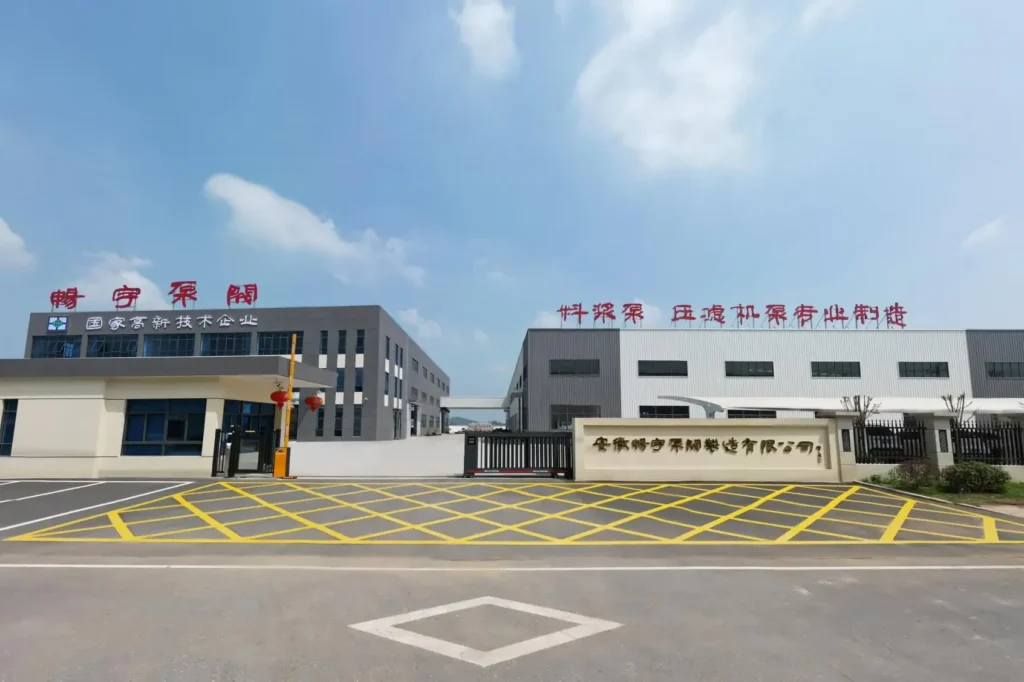
Si votre établissement a besoin d'une solution de gestion des fluides personnalisée et robuste qui ne cédera pas sous la pression, notre équipe d'ingénieurs est prête à vous aider. Contactez nous aujourd'hui pour obtenir un devis précis et laisser Pompe Changyu concevoir un pompe de puisard industrielle qui garantit des performances élevées, une durabilité inégalée et une tranquillité d'esprit absolue pour vos opérations en 2026 et au-delà.