
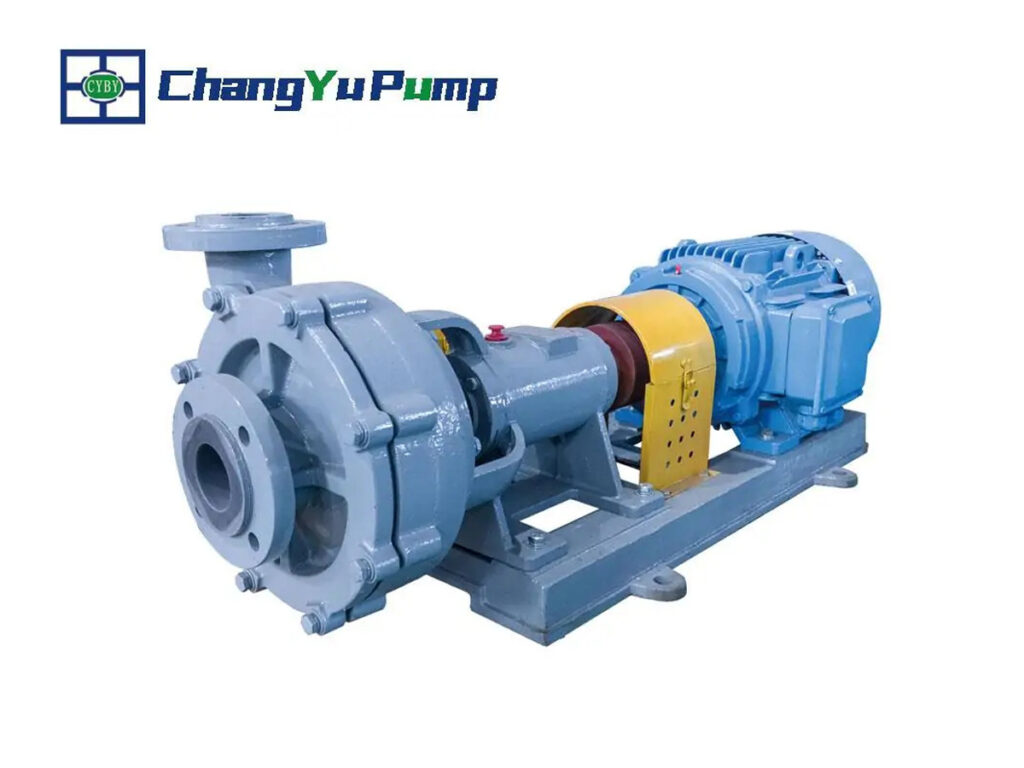
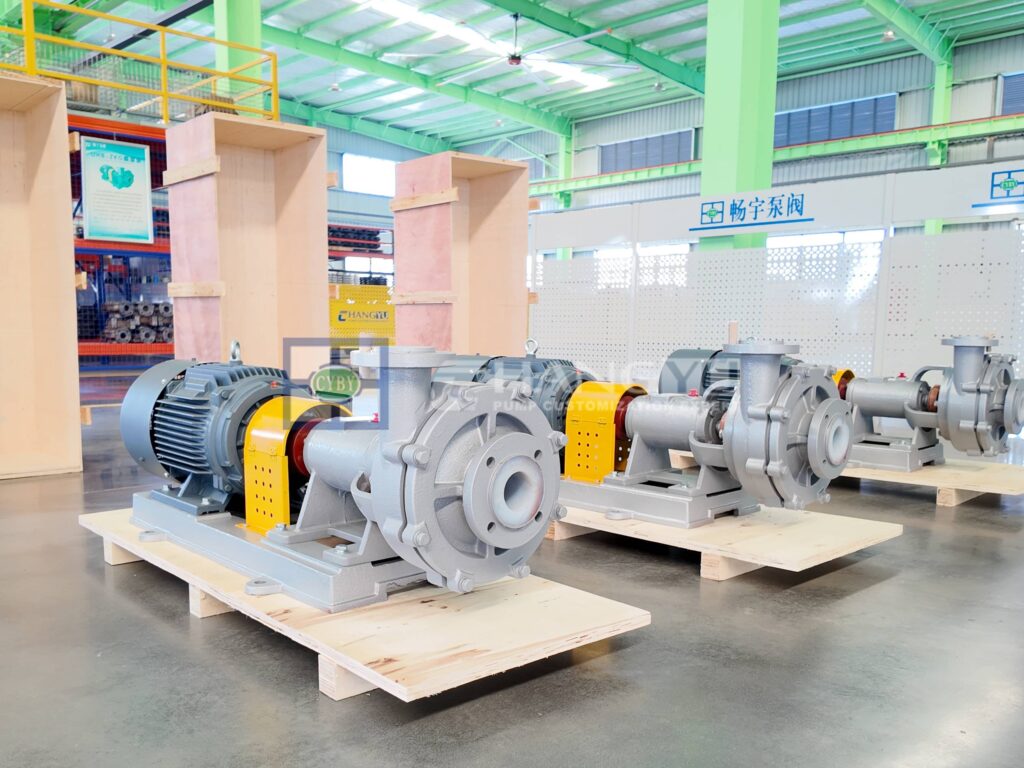


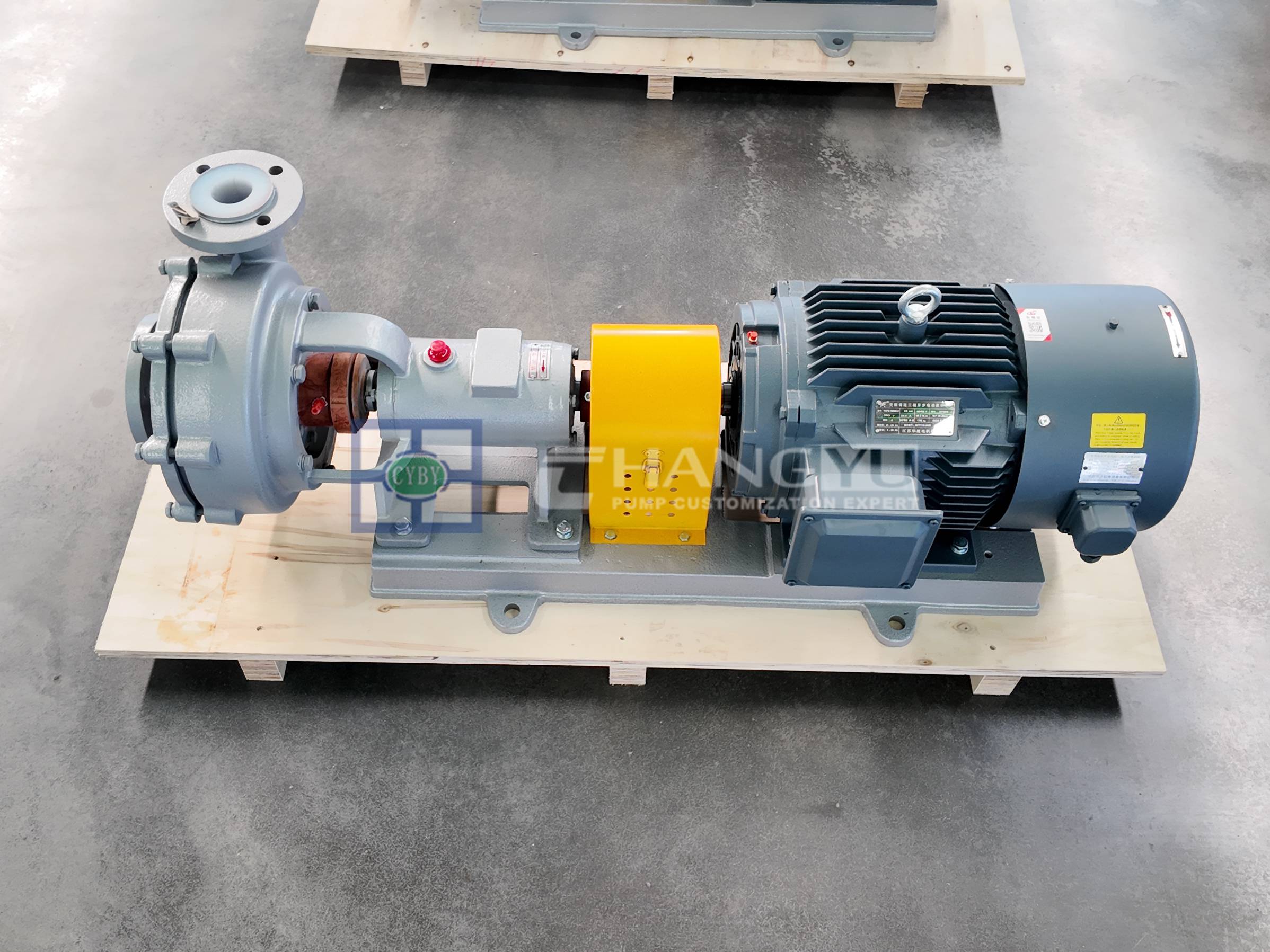
Pompa Transfer Bahan Kimia Korosif Seri CYB-ZKJ
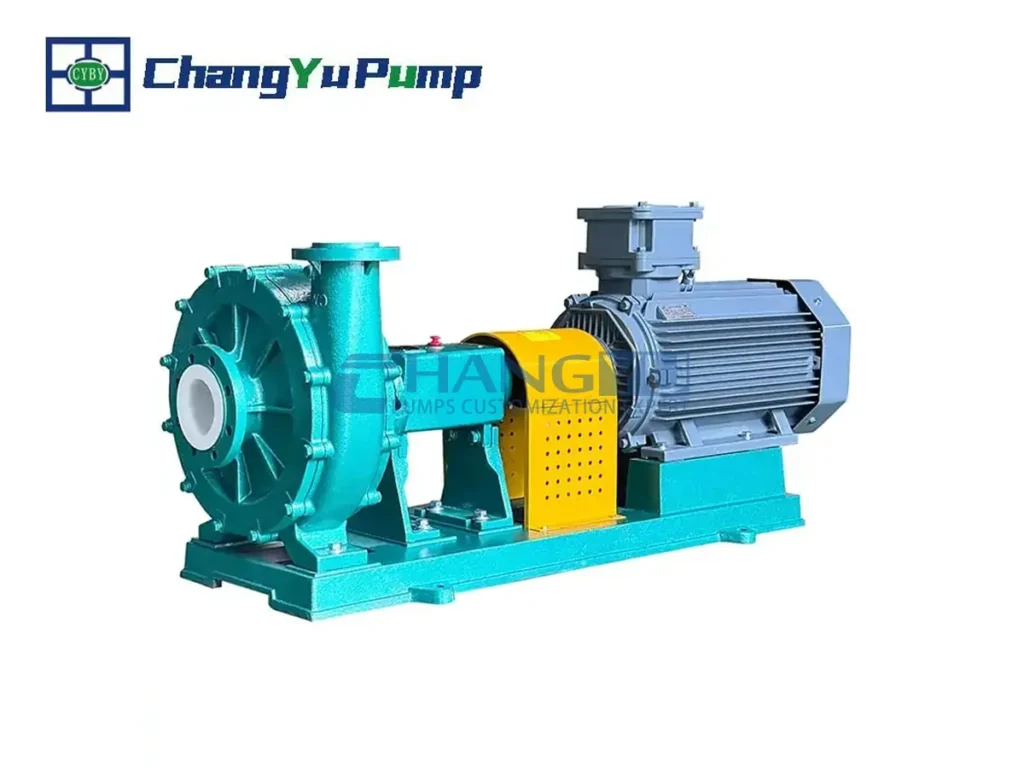
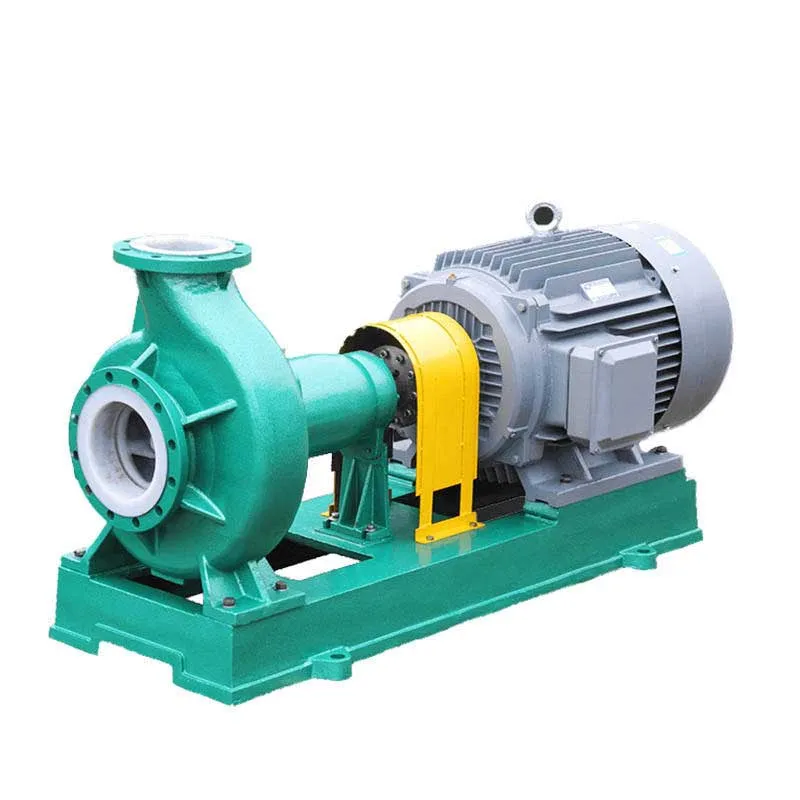
Pompa Transfer Bahan Kimia Korosif Seri CYB-ZKJ menggunakan bahan pelapis FEP, memungkinkan pengangkutan media korosif dengan berbagai konsentrasi dalam kisaran suhu -20 ° C hingga 120 ° C. Bahan pelapis PFA dapat dipilih untuk kondisi suhu tinggi.
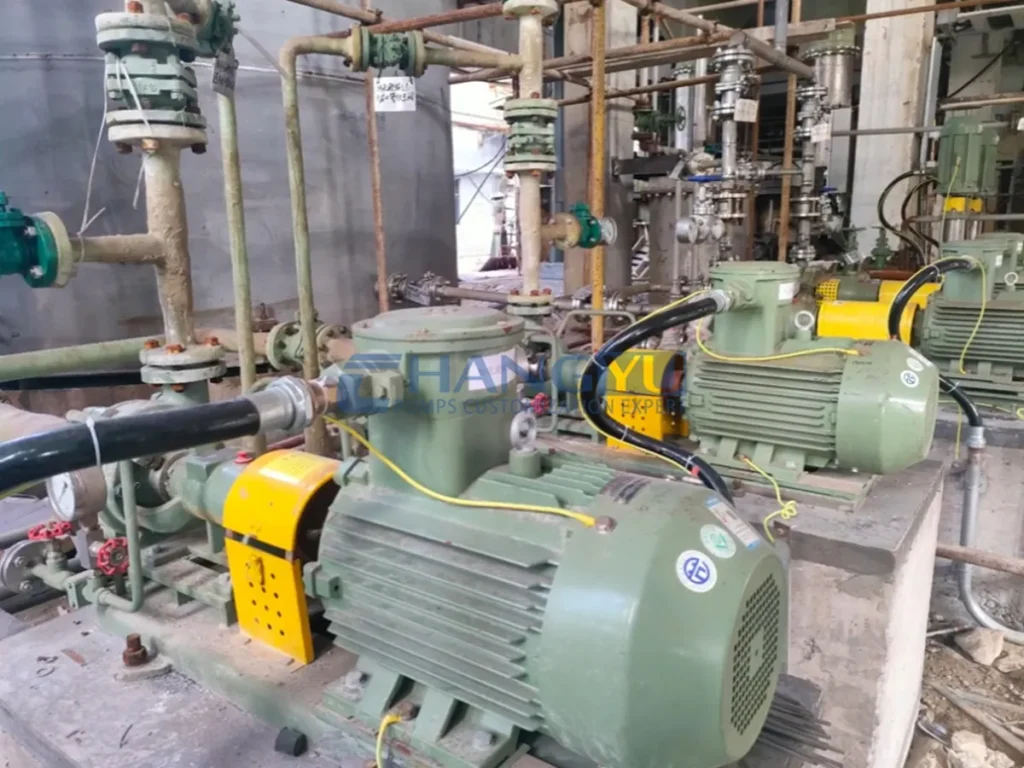
Pompa ini memiliki berbagai macam aplikasi, seperti mengalirkan cairan korosif seperti asam dan basa, serta cairan yang mengandung partikel padat fleksibel hingga 20%; berbagai lumpur mineral korosif dalam industri peleburan; berbagai asam encer dalam industri asam sulfat dan pupuk fosfat; dan berbagai air limbah dalam industri perlindungan lingkungan.
|
Rentang Laju Aliran: |
3m³ / jam ~ 2600m³ / jam |
|---|---|
|
Kepala Rentang: |
5m ~ 100m |
|
Tenaga Motor: |
0.75kw ~ 300kw |
|
Kecepatan: |
968-3450 r/menit |
|
Kisaran Suhu Sedang: |
-80℃~ 120℃ |
|
Bahan yang Dapat Disesuaikan: |
FEP |
Ikhtisar Produk
Seri CYB-ZKJ adalah pompa sentrifugal berkinerja tinggi dan sangat tahan korosi yang diproduksi oleh Cina Pompa Changyu. Dibangun dengan bahan fluoroplastik FEP impor, komponen yang dibasahi dioptimalkan untuk cairan yang sangat korosif dan dilengkapi dengan segel mekanis dual-end baru yang dikembangkan secara independen oleh Changyu, memastikan operasi bebas bocor dalam waktu lama. Pompa kimia ini menunjukkan ketahanan yang luar biasa terhadap asam, alkali, dan abrasi, sehingga cocok untuk mengalirkan asam sulfat, asam klorida, asam nitrat, dan bubur yang mengandung partikel halus.

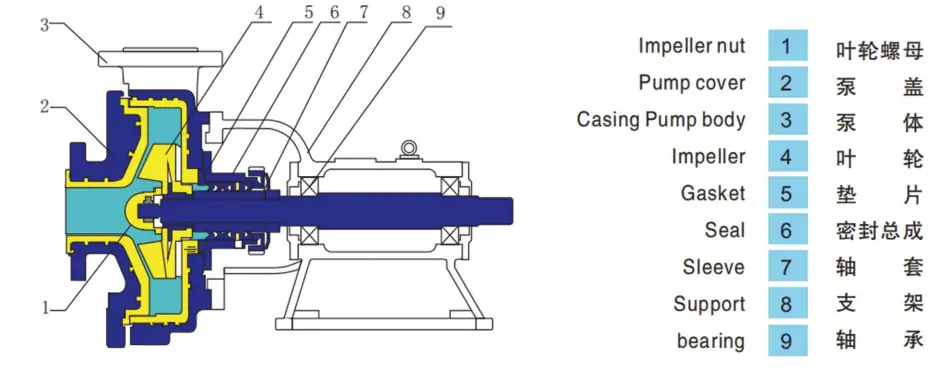
Bagian-bagian dari Pompa Transfer Bahan Kimia
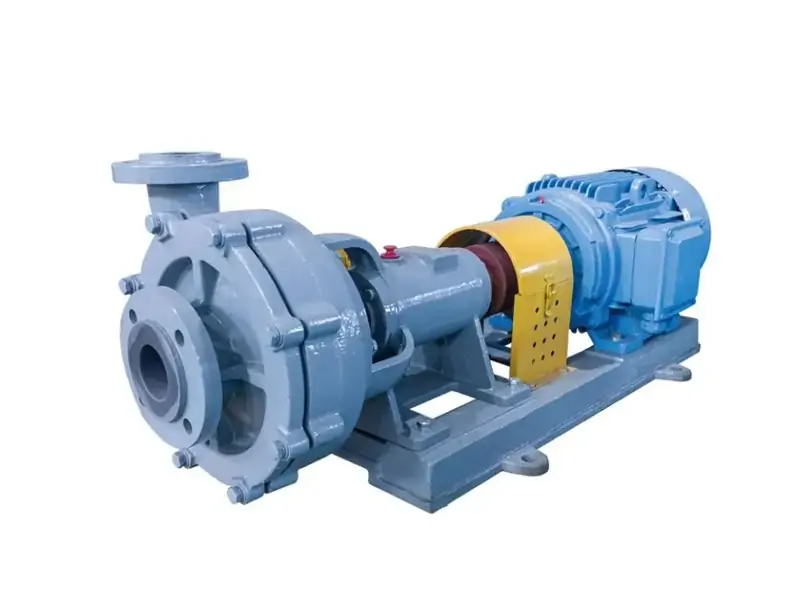
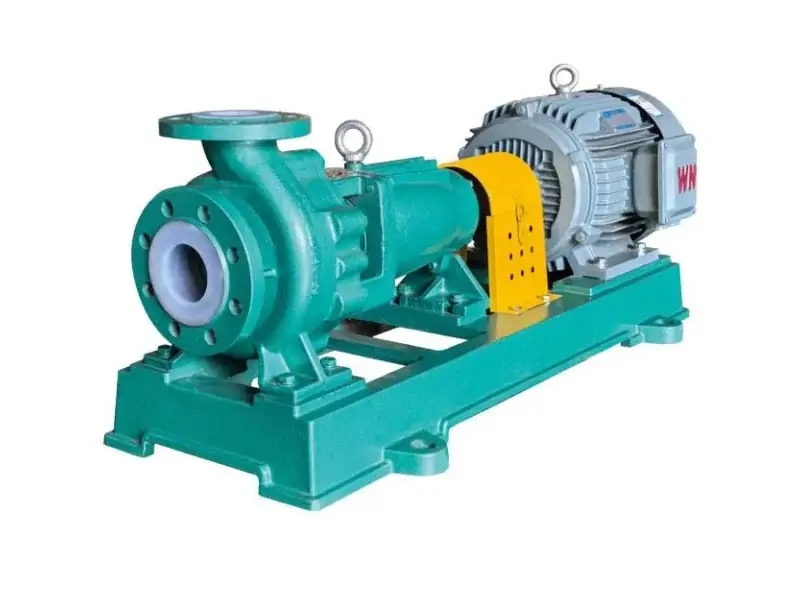
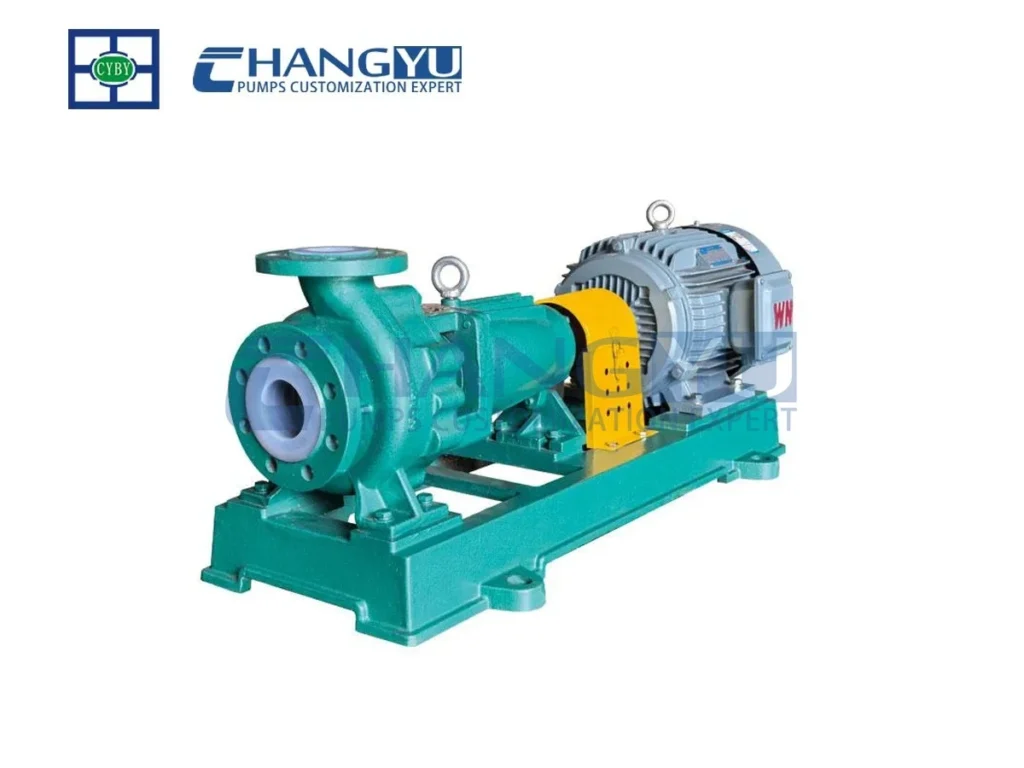
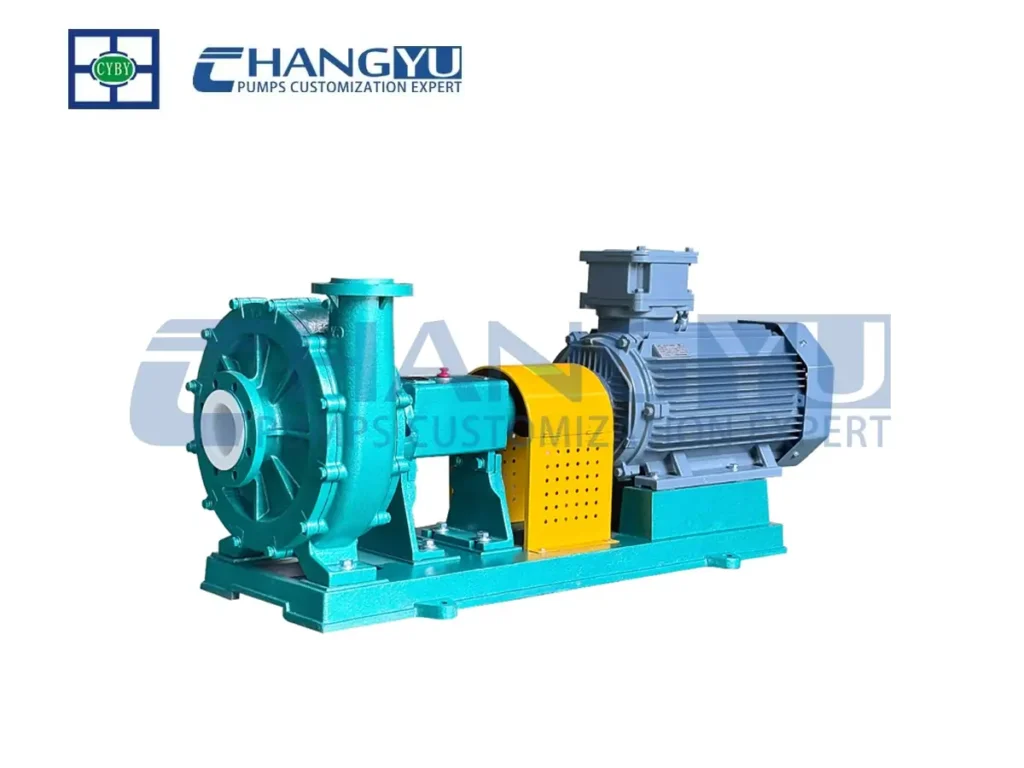
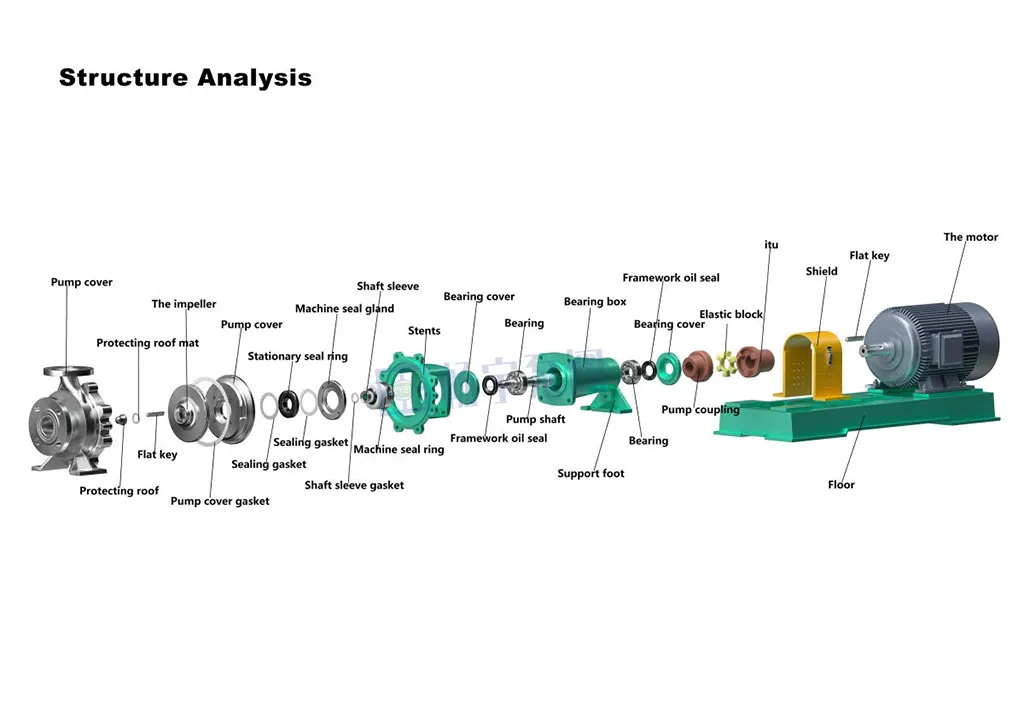
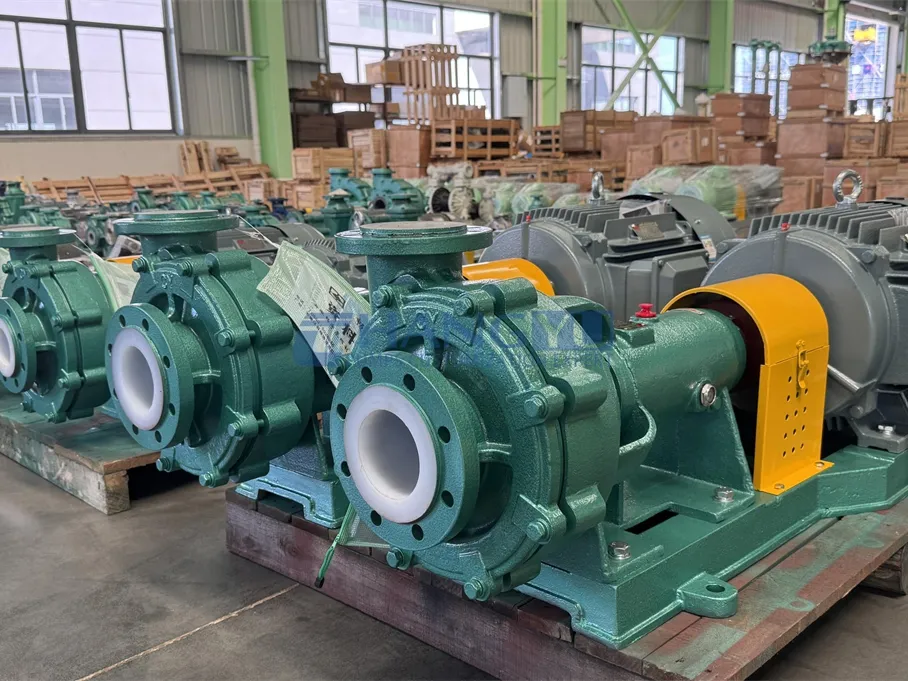
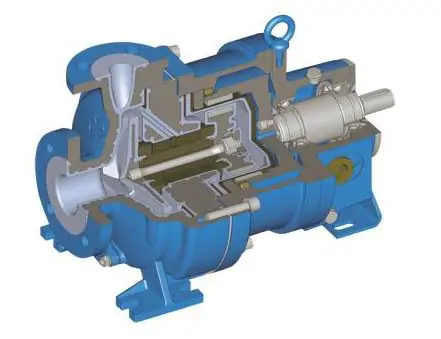
Komponen utama pompa transfer bahan kimia ini meliputi selubung pompa, selongsong poros, ruang segel, rakitan bantalan, poros pompa, dan impeler. Dibangun dari FEP tahan korosi dan dilengkapi dengan segel mekanis berujung ganda baru yang dikembangkan secara independen oleh Changyu, secara efektif mencegah masuknya partikel dan berbagai skenario kebocoran, memenuhi persyaratan lingkungan global setiap saat. Pompa lumpur ini dirancang khusus untuk menangani asam kuat, alkali kuat, dan lumpur korosif.

Bagian Tampilkan
 Baling-baling
 Poros Pompa
 Selongsong Penyegel Daya
 Penutup Pompa
Perbandingan Bahan Impeler
FEP: Keunggulan utamanya terletak pada ketahanan suhu yang luar biasa, ketahanan terhadap korosi kimia, dan sifat mekanis yang unggul. Karakteristik ini memungkinkan pengoperasian yang stabil di lingkungan yang ekstrem, sehingga memperpanjang masa pakai produk.
PFA: Manfaat utama meliputi:
- Kisaran suhu pengoperasian jangka panjang yang luas: -80°C hingga 260°C.
- Ketahanan korosi kimia yang luar biasa terhadap semua bahan kimia.
- Koefisien gesekan terendah, dengan isolasi listrik yang tidak terpengaruh oleh suhu.
Spesifikasi
Di bawah ini adalah spesifikasi standar untuk produk kami. Kami juga menawarkan pembuatan khusus untuk membuat pompa transfer bahan kimia yang disesuaikan dengan kebutuhan Anda.
Hubungi kami hari ini untuk menyesuaikan solusi pompa kimia industri Anda.
Arti Nomor Model Kami

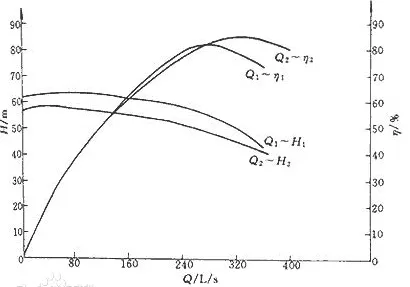
| Model | Aliran m³ | Kepala m | Kecepatan r / mnt | Efisiensi | Daya saat berat jenis = 1 | Diameter baling-baling mm |
| 32CYB | 5~10 | 10~30 | 2900 | 17~28% | 1.1 ~ 3KW | 100~165 |
| 40CYB | 10~15 | 10~30 | 2900 | 25~35% | 2.2 ~ 4KW | 140~165 |
| 50CYB | 10~20 | 15~40 | 2900 | 20~35% | 4 ~ 7.5KW | 140~190 |
| 65CYB | 10~30 | 10~60 | 1450~2900 | 20~35% | 1.5 ~ 15KW | 155~220 |
| 80CYB | 40~60 | 10~80 | 1450~2900 | 22~50% | 5.5 ~ 30KW | 145~400 |
| 100CYB | 50~110 | 10~80 | 1450~2900 | 20~50% | 15 ~ 55KW | 160~400 |
| 125CYB | 100~140 | 6~80 | 1450~2900 | 20~48% | 11 ~ 75KW | 180~268 |
| 150CYB | 150~280 | 20~80 | 1450 | 40~52% | 22 ~ 90KW | 260~380 |
| 200CYB | 200~450 | 6~50 | 980~1450 | 25~58% | 22 ~ 90KW | 325~380 |
| 250CYB | 300~650 | 6~60 | 750~1450 | 28~65% | 11 ~ 160KW | 280~420 |
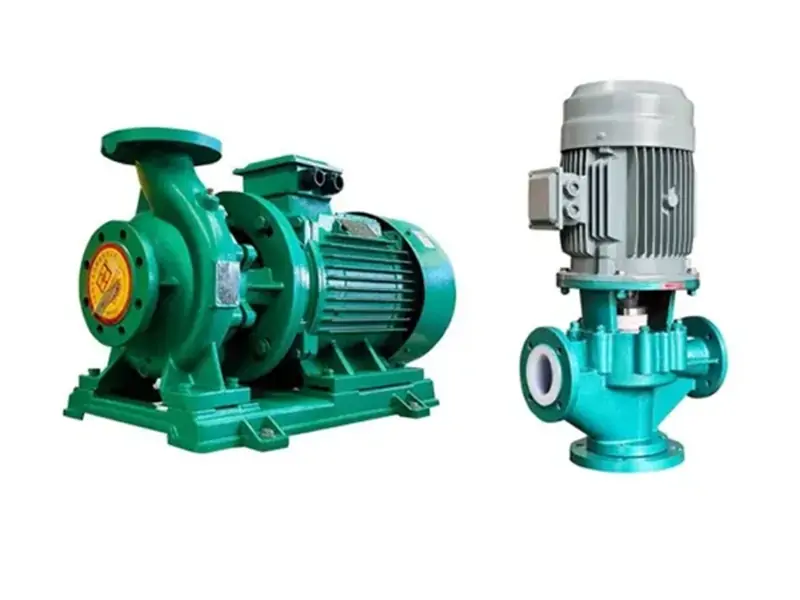
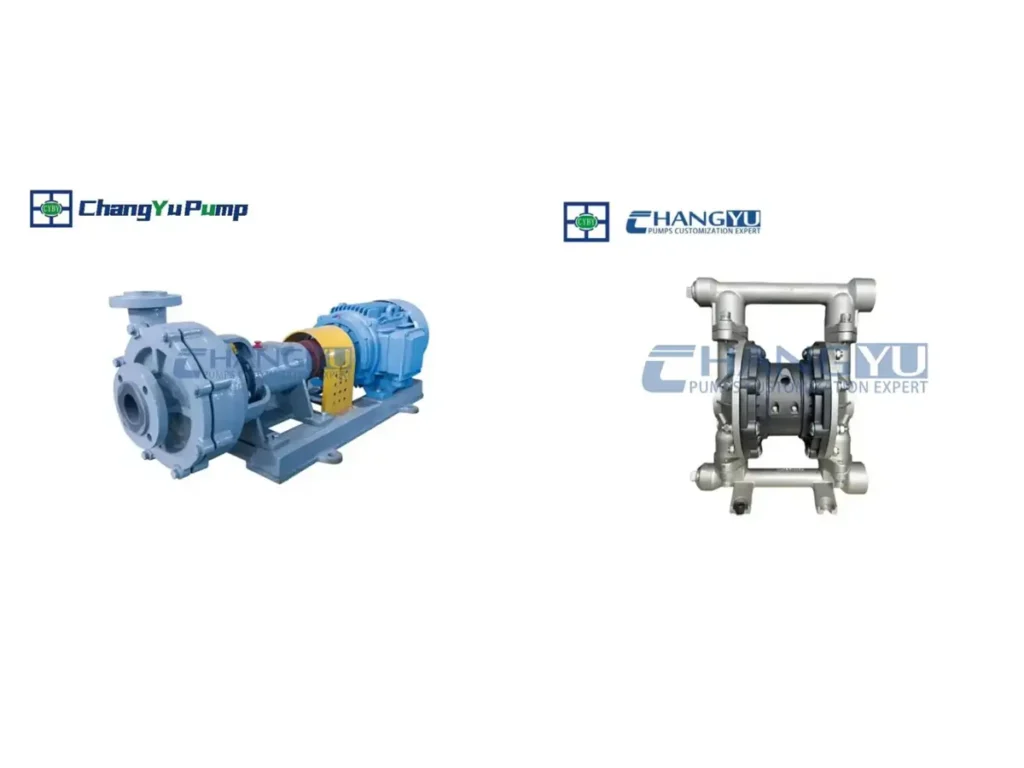
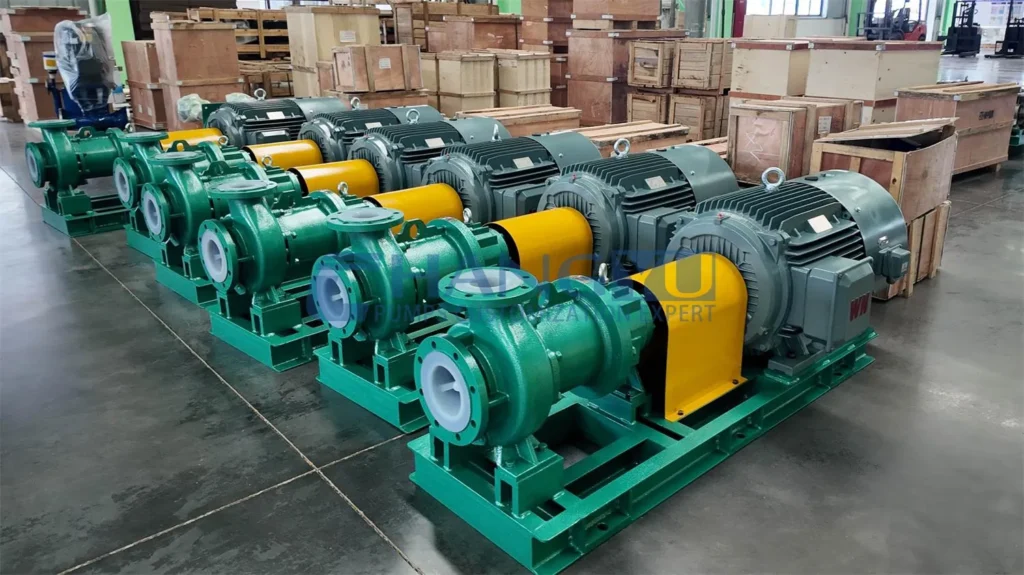
Di bawah ini adalah model-model kami untuk pilihan Anda
Video Tampilkan
Tonton video untuk mempelajari tentang pompa transfer bahan kimia dan melihat contoh aplikasinya.
Keuntungan dari Pompa Transfer Kimia
Ketahanan Korosi Tinggi
Bodi pompa dilengkapi lapisan fluoroplastik (FEP) yang tahan korosi, sehingga memungkinkan pengangkutan jangka panjang untuk media yang sangat korosif seperti asam sulfat (konsentrasi ≤80%), asam nitrat (konsentrasi ≤50%), asam klorida (konsentrasi apa pun), dan soda api cair
Tahan Suhu Tinggi
Model standar beroperasi dengan andal dalam kisaran suhu -20°C hingga 120°C
Penyegelan yang Andal
Dilengkapi dengan segel mekanis dual-end baru yang dikembangkan secara independen oleh Changyu atau segel mekanis yang mendukung protokol pembilasan API 682 untuk memastikan tidak ada kebocoran

Ketahanan aus yang sangat baik:
Desain impeler semi terbuka mengakomodasi bubur yang mengandung partikel halus dengan tetap mempertahankan saluran aliran yang tidak terhalang
Umur Lapisan yang Diperpanjang
Lapisan FEP setebal 8-20mm menggunakan teknologi pembentukan sinter untuk ketahanan terhadap retak dan masa pakai yang lebih lama
Aplikasi Serbaguna
Menangani larutan asam/alkali jernih, bubur korosif industri, asam encer, dan air limbah asam sulfat, pupuk fosfat, dan industri terkait
Kondisi Kerja
Untuk laju aliran, daya, atau parameter lain yang spesifik pada model tertentu, hubungi produsen untuk mendapatkan solusi khusus yang disesuaikan dengan kondisi pengoperasian Anda.
| Item | Kisaran / Persyaratan Standar | Kustomisasi / Catatan Khusus |
|---|---|---|
| Suhu | -20℃ ~ 120℃ | — |
| Konsentrasi Sedang | ≤80% Asam Sulfat, ≤50% Asam Nitrat, Asam Klorida / Alkali | Pelarut Organik Tertentu & Agen Pereduksi |
| Toleransi Partikel | Bubur dengan Partikel Lunak (Impeler Semi Terbuka) | Kekerasan Partikel Membutuhkan Validasi Khusus |
| Aliran / Kepala | Aliran: 5 ~ 2600 m³ / jam, Kepala: ≤80 m | Parameter yang Lebih Besar Memerlukan Desain Non-Standar |
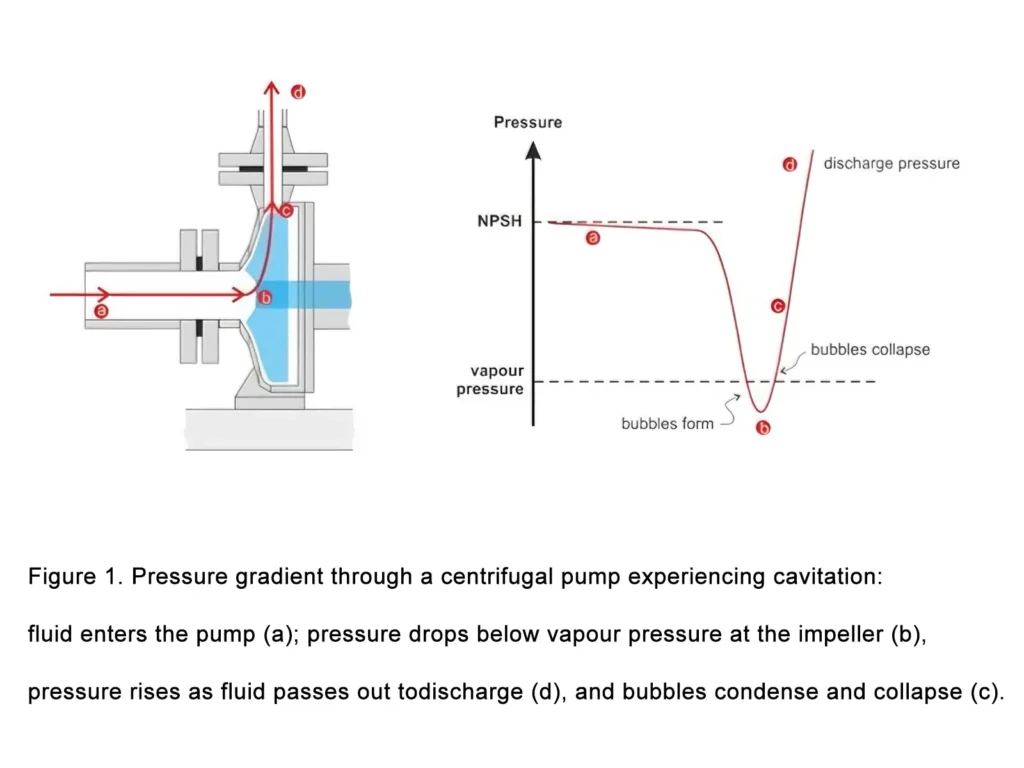
| Persyaratan Operasional | 1. 1. Jangan gunakan katup masuk untuk pengaturan aliran (untuk mencegah kavitasi) 2. Urutan Pematian: Tutup Katup Saluran Keluar → Potong Daya → Tutup Air Pendingin → Tutup Katup Saluran Masuk | — |
Pertimbangan Pemilihan Pompa Transfer Bahan Kimia Korosif Seri
- Detail Sedang: Menyediakan kandungan partikel, kekerasan, dan komposisi kimia yang sesuai dengan jenis seal dan struktur impeler (terbuka/tertutup).
- Persyaratan Tahan Ledakan: Tersedia motor tahan ledakan YA atau motor tahan api YB opsional.
- Persyaratan Pemeliharaan: Siram saluran aliran secara menyeluruh selama pemadaman jangka panjang. Kuras semua cairan di lingkungan bersuhu rendah untuk mencegah kerusakan akibat pembekuan.
Aplikasi
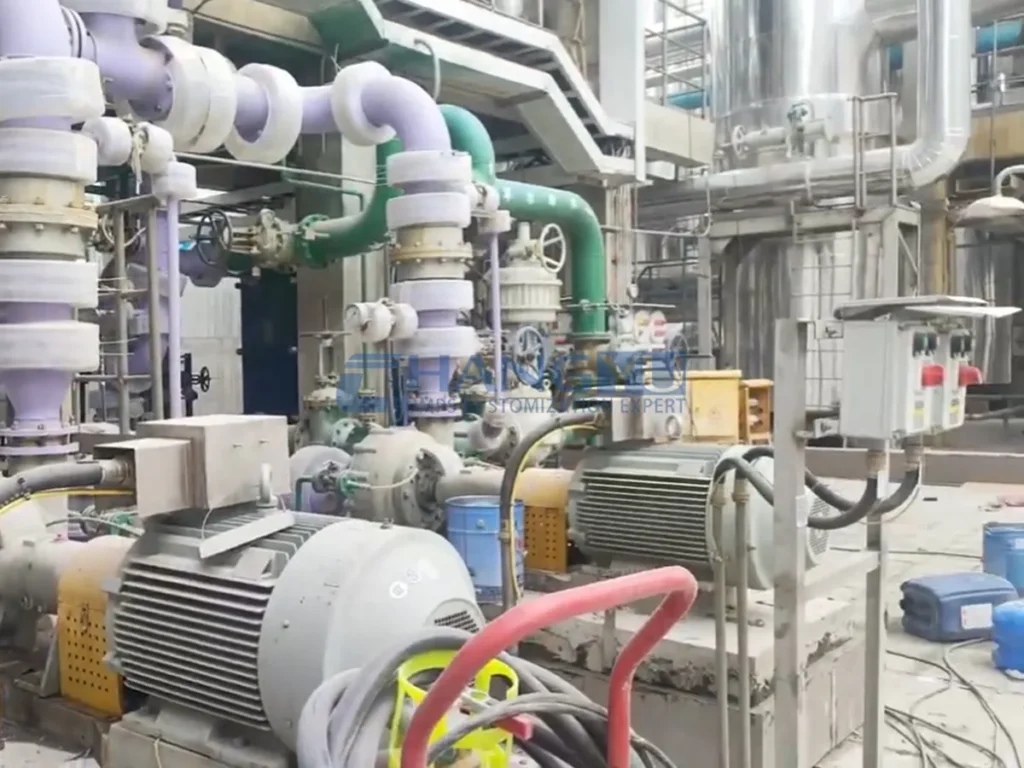
Pompa Transfer Kimia dirancang untuk lingkungan korosi yang ekstrem dan banyak digunakan di:

Industri Kimia
Transfer asam/alkali: asam sulfat, asam klorida, asam nitrat, aqua regia, soda api.
Pelarut organik korosif: benzena, alkohol, ester, dan cairan bubur.

Lingkungan & Energi
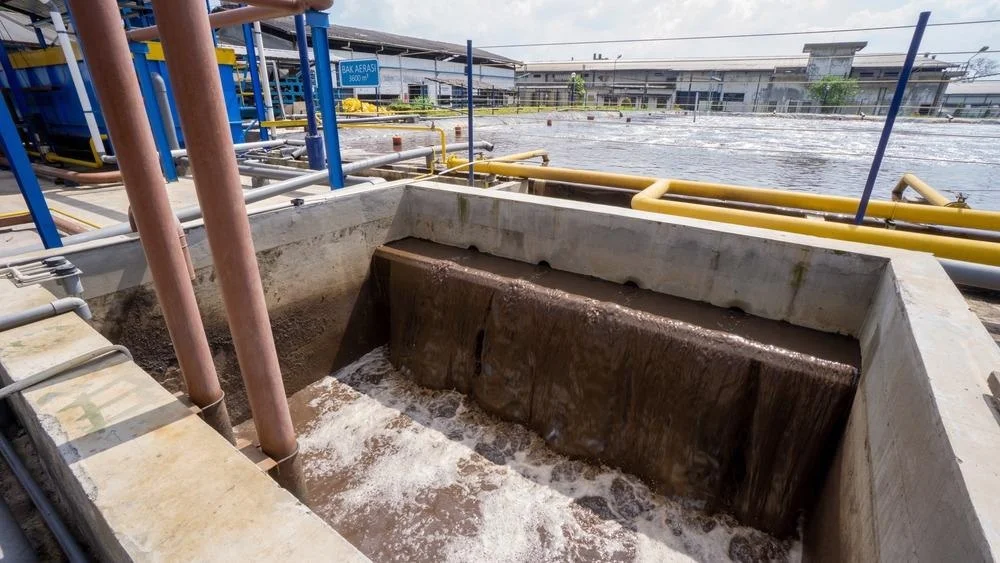
Desulfurisasi dan denitrifikasi gas buang: bubur FGD basah, air limbah yang mengandung sulfur.
Pengolahan air limbah industri: elektroplating, kulit, farmasi, dan air limbah berkorosi tinggi lainnya.

Metalurgi & Pertambangan
Peleburan basah: timbal, seng, bubur tembaga, dan elektrolit.
Industri batu bara: cairan korosif dan bubur batu bara dalam proses kimia batu bara.
Industri Lainnya
Cocok untuk transfer bubur higienis atau bahan kimia dalam industri makanan, farmasi, kertas, dan pencelupan.
Cina Produsen & Pabrik Pompa Transfer Kimia
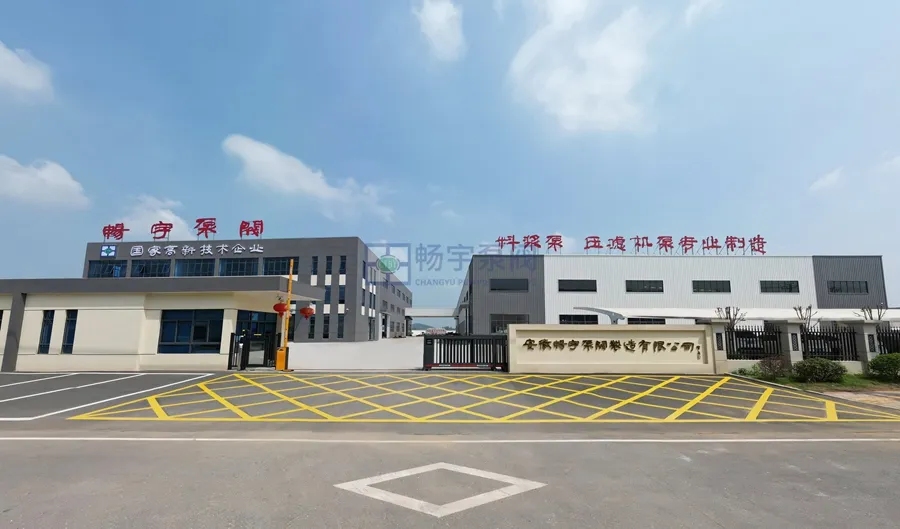
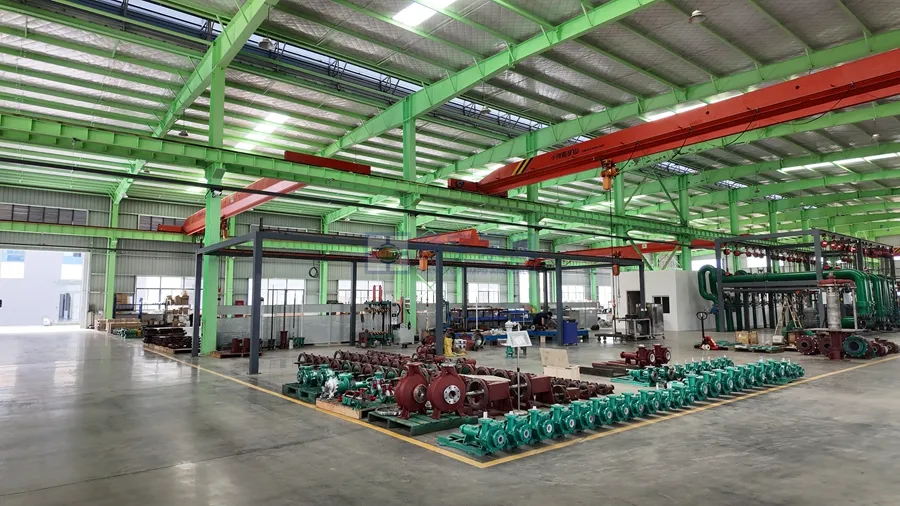
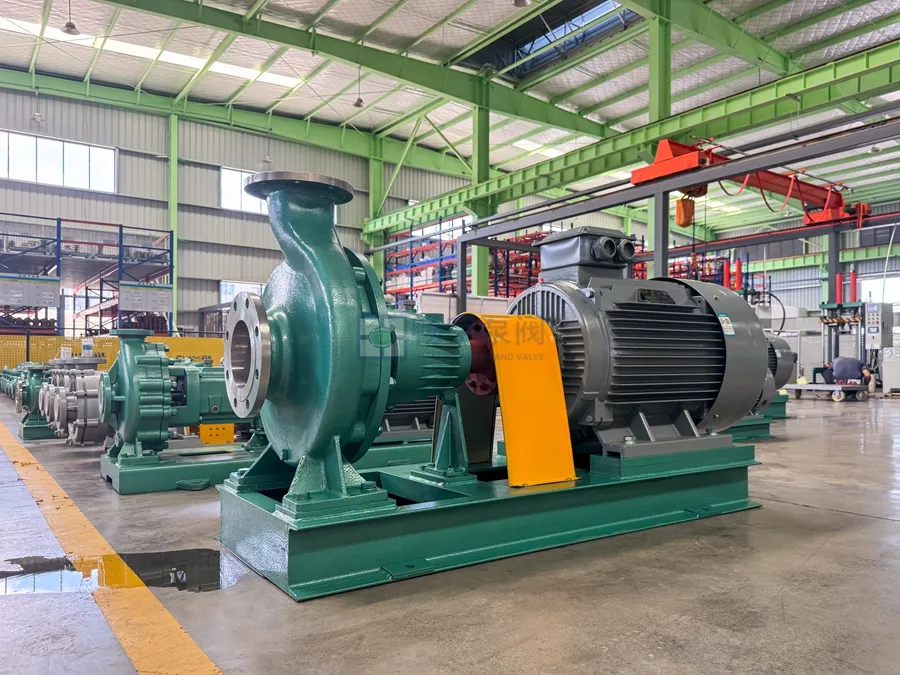
Changyu adalah produsen dan pabrik profesional yang berspesialisasi dalam pompa transfer bahan kimia, dilengkapi dengan fasilitas produksi yang canggih dan tim teknis yang berdedikasi. Perusahaan kami memegang sertifikasi sistem manajemen mutu internasional ISO 9001, dengan produk yang sesuai dengan standar CE, ATEX, EAC, dan API, dan telah mendapatkan 25 paten penemuan.
Pertunjukan Pabrik




Pertanyaan Umum

Artikel Terkait
Minta penawaran gratis
Silakan isi detail cairan yang Anda pompa, termasuk aliran, head, berat jenis, dan suhu, agar kami dapat merekomendasikan pompa terbaik dan memberikan penawaran yang tepat.