
Pompa Asam Sitrat memainkan peran penting dalam aman, stabil, dan transfer yang andal dari asam sitrat di sistem industri. Meskipun asam sitrat umumnya dianggap sebagai asam organik yang relatif ringan, faktor-faktor seperti konsentrasi, suhu, berat jenis, dan tugas operasi masih dapat berdampak langsung pada kompatibilitas material, kinerja hidraulik, dan keandalan pompa dalam jangka panjang.
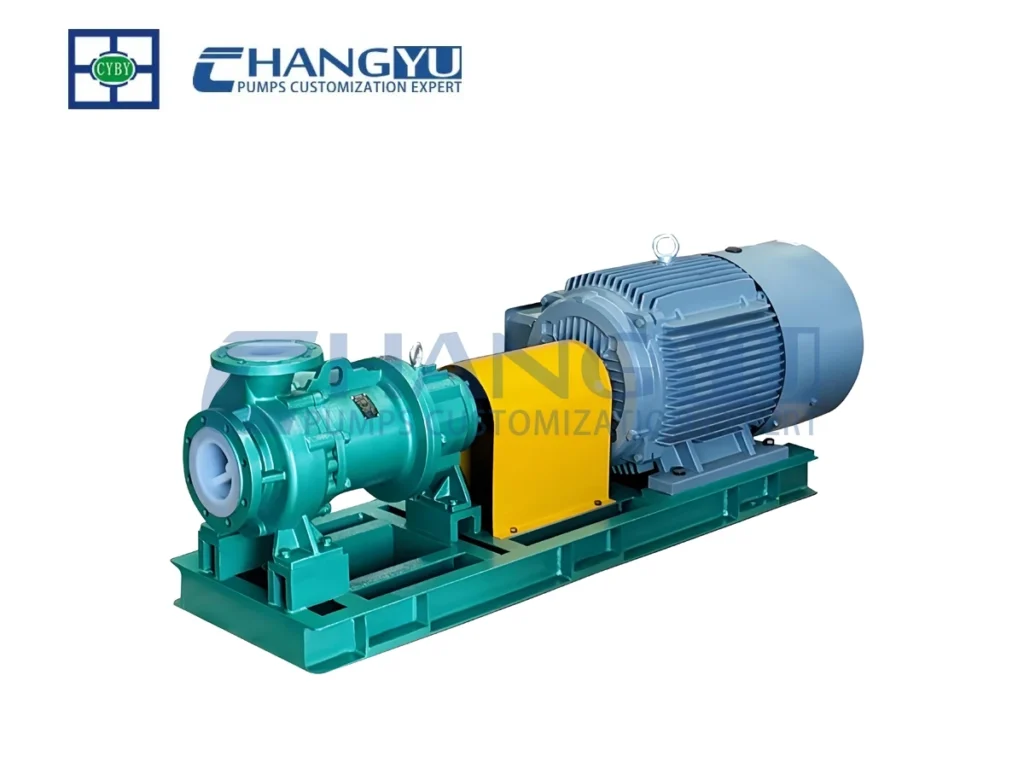
Karena alasan ini, Pompa Asam Sitrat tidak boleh diperlakukan sebagai pompa asam generik atau dipilih hanya berdasarkan nama kimianya. Solusi yang tepat harus disesuaikan dengan kondisi cairan aktual, metode transfer, pengaturan hisap, persyaratan penyegelan, dan ekspektasi pemeliharaan proses untuk memastikan operasi yang dapat diandalkan dan layanan jangka panjang yang praktis.
Tantangan Tersembunyi dalam Memompa Asam Sitrat
Sebelum menjelajahi jenis-jenis pompa, sangat penting untuk memahami bagaimana asam sitrat berperilaku di lingkungan industri. Memperlakukannya seperti air adalah penyebab paling umum dari kegagalan pompa awal.
- Konsentrasi dan Berat Jenis: Ketika konsentrasi asam sitrat meningkat, berat jenisnya meningkat. Jika ukuran motor pompa tidak tepat untuk cairan yang lebih berat ini, motor pompa akan cepat kelebihan beban dan trip.
- Lonjakan Suhu: Panas mempercepat korosi. Bahan seperti baja tahan karat standar mungkin dapat menangani asam sitrat konsentrasi rendah pada suhu kamar dengan sempurna, tetapi dapat rusak dengan cepat jika suhu proses meningkat.
- Risiko Kristalisasi: Ketika asam sitrat bocor dan airnya menguap, ia meninggalkan kristal yang lengket. Kristal-kristal ini dapat dengan mudah merusak segel mekanis tradisional, sehingga membuat desain pompa yang bebas bocor sangat diinginkan.
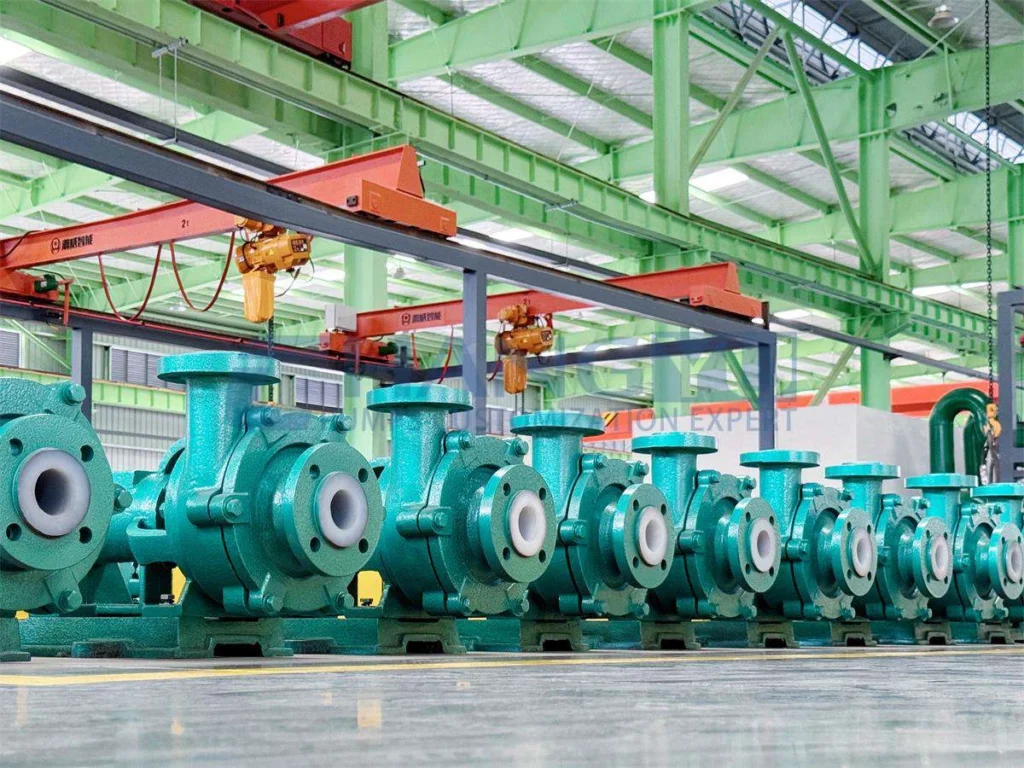
Bagaimana Memilih Pompa Asam Sitrat yang Tepat
Untuk memastikan keandalan jangka panjang, dasarkan pilihan Anda pada tinjauan sistematis atas aplikasi Anda, bukan pada tebakan.
1. Tentukan profil fluida yang tepat
Selalu pastikan konsentrasi maksimum dan suhu pengoperasian tertinggi terlebih dahulu. Untuk sebagian besar aplikasi asam sitrat industri, plastik rekayasa seperti PP, PVDF, dan bahan berlapis fluor memberikan ketahanan korosi yang sangat baik dan hemat biaya.
2. Sesuaikan teknologi pompa dengan siklus kerja
Transfer tangki-ke-tangki secara kontinu membutuhkan pompa yang sama sekali berbeda dari sistem yang digunakan untuk mengosongkan drum. Evaluasi apakah proses Anda memerlukan aliran kontinu yang stabil, batching yang terputus-putus, atau takaran bahan kimia yang tepat.
3. Menganalisis tata letak instalasi
Jangan abaikan pemipaan. Jika pompa Anda perlu menarik cairan dari bak penampungan di bawah tanah atau tangki di atas tanah, Anda harus menentukan desain pemancing otomatis. Mencoba memaksa pompa hisap-banjir standar ke dalam aplikasi hisap-angkat akan menghasilkan pengoperasian yang kering dan langsung gagal.
4. Tentukan persyaratan penahanan Anda
Jika fasilitas Anda memiliki standar lingkungan yang ketat, atau jika Anda ingin menghilangkan masalah pemeliharaan yang terkait dengan seal mekanis, prioritaskan teknologi pompa tanpa seal.
Panduan Pemilihan Cepat
| Kebutuhan Proses Anda | Tantangan Utama | Teknologi Pompa yang Direkomendasikan |
|---|---|---|
| Transfer massal berkelanjutan | Mempertahankan aliran dan efisiensi yang stabil | Pompa sentrifugal kimia |
| Pengangkatan hisap atau pembongkaran tangki | Mengatasi udara di saluran hisap | Pompa sentrifugal pemancing otomatis |
| Pengosongan drum atau penggunaan mobile | Kebutuhan akan penanganan yang fleksibel dan mampu dijalankan secara kering | Pompa diafragma yang dioperasikan dengan udara |
| Suhu tinggi atau keamanan yang ketat | Mencegah kebocoran berbahaya | Pompa penggerak magnetik suhu tinggi |
| Konsentrasi yang sangat agresif | Menahan serangan kimia yang parah | Konstruksi pompa berlapis fluorin |
Solusi Pompa Asam Sitrat yang Direkomendasikan
Daripada memaksakan satu pompa ke dalam setiap aplikasi, Changyu Pump menawarkan peralatan khusus yang dirancang untuk realitas proses tertentu.
Pompa Sentrifugal Pemancing Otomatis Berjajar Fluorin FZB
Ketika proses Anda melibatkan penarikan asam sitrat dari bak bawah tanah, tangki penyimpanan bongkar muat, atau menavigasi tata letak pengisapan yang rumit, pompa standar akan kesulitan. Seri FZB mengatasi hal ini dengan menggabungkan ketahanan kimiawi yang kuat dari lapisan FEP/PFA fluoroplastik dengan kemampuan pemancing otomatis yang kuat. Sebagai pompa khusus pompa sentrifugal, ini menghilangkan kebutuhan akan priming manual dan katup kaki, sehingga operasi harian menjadi jauh lebih efisien.
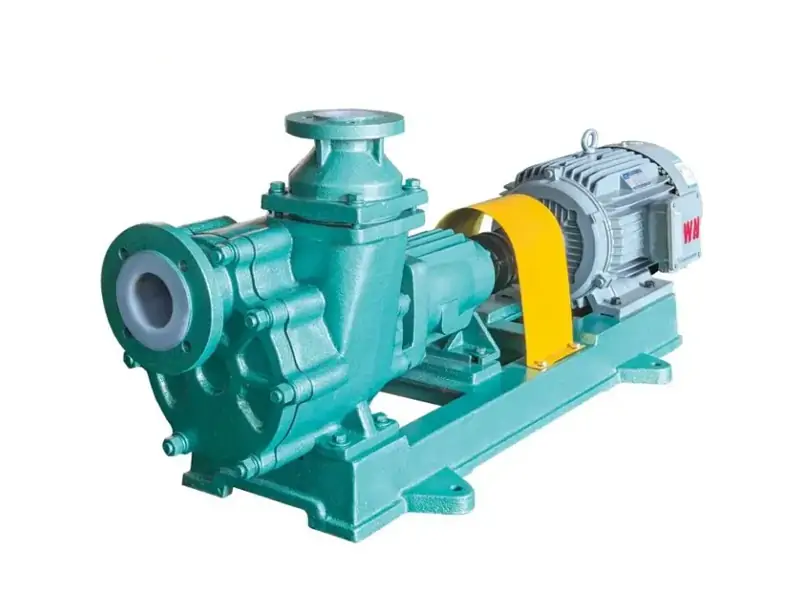
| Model | Aliran (m³/jam) | Kepala (m) | Daya Motor (KW) | Kecepatan (r/menit) | Ketinggian pemancing otomatis (m) | Waktu pemancing otomatis (detik) | Efisiensi (%) | NPSHr (m) | Saluran masuk | Outlet |
|---|---|---|---|---|---|---|---|---|---|---|
| 25FZB-20LP | 1.5-6 | 16-19 | 2.2 | 2900 | 0.7 | 180 | 10-25 | 3 | 25 | 25 |
| 40FZB-20P | 5-12 | 17-22 | 3 | 2900 | 1 | 180 | 35-46 | 3 | 40 | 50 |
| 40FZB-30L | 5-12 | 28-32 | 4 | 2900 | 3 | 150 | 34-48 | 3.5 | 40 | 50 |
| 50FZB-20P | 8-15 | 17-22 | 3 | 2900 | 1 | 180 | 35-42 | 3 | 50 | 50 |
| 50FZB-30L | 8-15 | 28-32 | 4 | 2900 | 3 | 150 | 24-30 | 3.5 | 50 | 50 |
| 50FZB-45L | 8-15 | 43-47 | 7.5 | 2900 | 3 | 150 | 24-35 | 3.5 | 50 | 40 |
| 50FZB-70L | 8-15 | 68-72 | 15 | 2900 | 3 | 150 | 20-26 | 4 | 50 | 32 |
| 65FZB-30L | 15-35 | 27-32 | 7.5 | 2900 | 3 | 200 | 37-42 | 4 | 65 | 50 |
| 65FZB-45L | 15-35 | 38-47 | 11 | 2900 | 3 | 180 | 30-44 | 4 | 65 | 40 |
| 65FZB-70L | 15-35 | 65-72 | 22 | 2900 | 3 | 180 | 30-42 | 4 | 65 | 40 |
| 80FZB-30L | 35-60 | 28-35 | 11 | 2900 | 3.5 | 180 | 51-63 | 4.5 | 80 | 65 |
| 80FZB-45L | 35-60 | 42-47 | 15 | 2900 | 3.5 | 200 | 45-53 | 4.5 | 80 | 65 |
| 80FZB-70L | 35-60 | 65-72 | 30 | 2900 | 3.5 | 250 | 43-50 | 5 | 80 | 50 |
| 100FZB-30L | 65-110 | 28-32 | 18.5 | 2900 | 3.5 | 200 | 56-80 | 6 | 100 | 80 |
| 100FZB-45L | 65-110 | 40-46 | 30 | 2900 | 4 | 250 | 48-55 | 6 | 100 | 80 |
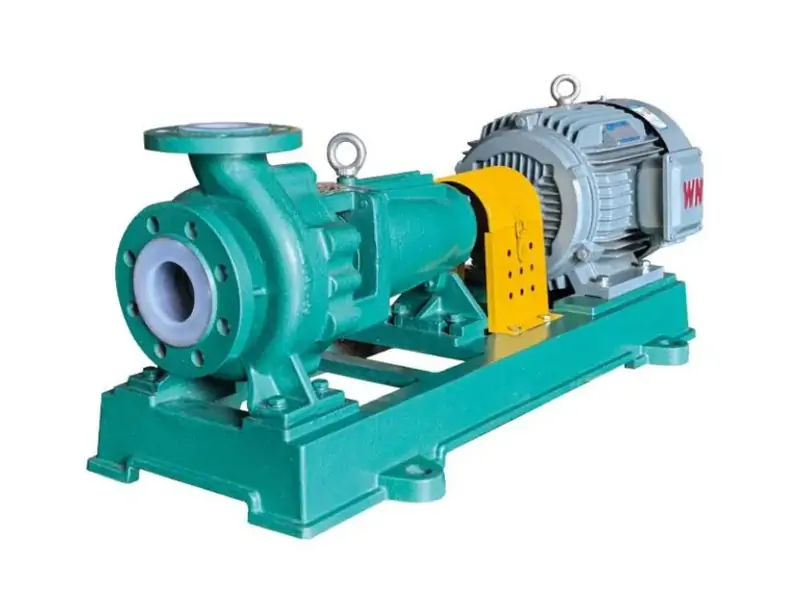
Pompa Sentrifugal Kimia Transfer Asam CYF
Untuk transfer asam sitrat bervolume tinggi dan kontinu di mana fluida mengalir secara alami ke pompa (hisap banjir), seri CYF adalah pekerja keras yang terbaik. Dirancang khusus untuk mengangkut cairan industri korosif, ia memberikan aliran yang lancar dan tidak terputus untuk transfer tangki-ke-tangki dan pengumpanan lini produksi. Jika proses Anda stabil dan terdefinisi dengan baik, ini adalah solusi yang paling andal dan hemat biaya.
Pompa Diafragma Ganda yang Dioperasikan dengan Udara Seri BFQ
Tidak semua proses berjalan 24/7. Untuk aplikasi yang memerlukan penyalaan dan penghentian yang sering, pembongkaran drum, atau penanganan bahan kimia bergerak, seri BFQ memberikan fleksibilitas yang tak tertandingi. Karena itu adalah pompa perpindahan positif ditenagai oleh udara bertekanan, alat ini dapat dengan aman mengeringkan, menangani variasi ketebalan fluida, dan beroperasi dengan aman di lingkungan di mana daya listrik tidak ideal.

Pompa Penggerak Magnetik Suhu Tinggi
Asam sitrat panas sangat agresif, dan cairan yang bocor dapat dengan cepat mengkristal dan menghancurkan segel mekanis. Pompa Penggerak Magnetik Suhu Tinggi menghilangkan risiko ini sepenuhnya. Dengan menggunakan kopling magnetik tanpa segel, ini menciptakan sistem transfer yang sepenuhnya tertutup. Ini adalah pilihan premium untuk fasilitas yang memprioritaskan kinerja tanpa kebocoran mutlak, keamanan lingkungan, dan perawatan minimal dalam kondisi yang menuntut.
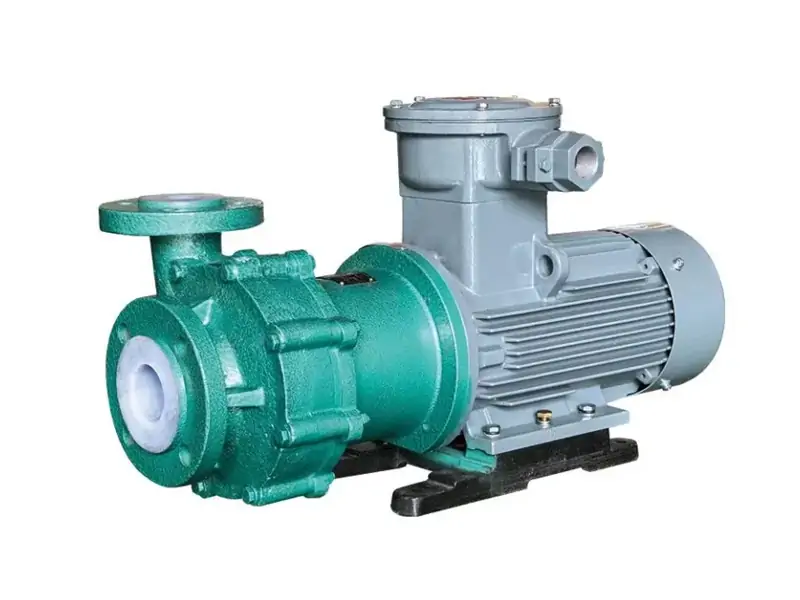
Kasus Pompa asam sitrat
Dalam peningkatan pemrosesan bahan kimia baru-baru ini, sebuah fasilitas yang diperlukan untuk mentransfer asam sitrat dari tangki penyimpanan di atas tanah ke dalam jalur produksi utama mereka. Awalnya, mereka berencana untuk menggunakan pompa transfer logam standar.
Namun, setelah mengevaluasi berat jenis fluida yang tinggi dan tata letak hisap-angkat yang diperlukan, teknisi kami menyadari bahwa pompa standar akan mengalami kelebihan beban motor dan kegagalan pemompaan. Solusinya adalah pompa Sentrifugal Self-Priming Berjajar Fluorin FZB. Lapisan fluoroplastik memberikan kekebalan total terhadap asam, desain pemancing otomatis dengan mudah menangani tata letak tangki, dan motor memiliki ukuran yang tepat untuk cairan yang berat. Hasilnya adalah startup yang sempurna dan bebas bocor tanpa waktu henti operasional.
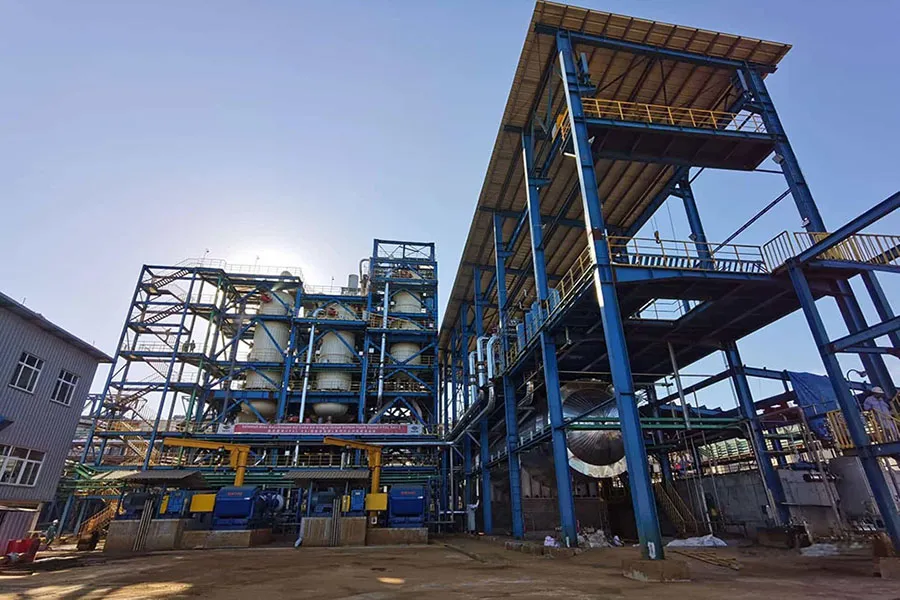
Saran Insinyur Pompa Changyu
Untuk menghindari kerusakan pompa yang terlalu dini dan pemborosan anggaran, tim teknisi kami sangat menyarankan untuk mengikuti praktik-praktik terbaik berikut ini:
- Jangan pernah mengabaikan berat jenis: Larutan asam sitrat lebih berat daripada air. Selalu pastikan motor pompa Anda memiliki tenaga kuda yang cukup untuk menangani berat jenis cairan yang tepat, atau motor akan terbakar.
- Waspadai kristalisasi: Jika proses Anda memungkinkan asam sitrat mengering pada segel mekanis, kristal yang dihasilkan akan merobek permukaan segel. Jika pembilasan seal tidak praktis, segera tingkatkan ke pompa penggerak magnetik tanpa seal.
- Jangan mengandalkan “baja tahan karat” secara membabi buta: Meskipun baja tahan karat kelas tertentu dapat menangani asam sitrat ringan, namun asam sitrat yang panas atau sangat pekat akan menyerangnya. Jika ragu, plastik industri seperti PVDF atau lapisan fluorin adalah investasi yang jauh lebih aman dan lebih tahan lama.
Tanya Jawab Tentang Pompa Asam Sitrat
Dapatkah baja tahan karat digunakan untuk pompa asam sitrat?
Dalam beberapa aplikasi asam sitrat, baja tahan karat dapat dipertimbangkan, tetapi keputusan harus tetap bergantung pada konsentrasi, suhu, dan kondisi operasi penuh daripada hanya pada nama material. Untuk layanan yang lebih menuntut, pembeli sering kali juga membandingkan konstruksi PP, PVDF, dan konstruksi berlapis fluoroplastik sebelum memastikan bahan pompa akhir.
Mengapa memilih pompa pemancing otomatis untuk pembongkaran asam sitrat?
Pompa self-priming biasanya merupakan pilihan yang lebih baik ketika sumber asam sitrat berada di bawah level pompa atau ketika aplikasi melibatkan pembongkaran tangki dan pengangkatan hisap. Dalam kondisi ini, kemampuan self-priming dapat membuat penyalaan lebih praktis dan mengurangi masalah yang disebabkan oleh tata letak sisi hisap yang kurang baik.
Bahan apa yang biasa digunakan untuk komponen yang dibasahi pompa asam sitrat?
Bahan yang umum dipertimbangkan untuk aplikasi pompa asam sitrat meliputi PP, PVDF, bahan berlapis fluoroplastik, dan konstruksi baja tahan karat yang sesuai, tergantung pada tugasnya. Pemilihan bahan akhir harus selalu mengikuti konsentrasi, suhu, dan siklus operasi proses yang sebenarnya.
Informasi apa yang harus disediakan sebelum memilih pompa asam sitrat?
Sebelum memilih pompa asam sitrat, yang terbaik adalah memastikan konsentrasi, suhu, laju aliran, head, kondisi hisap, tata letak instalasi, dan apakah tugasnya kontinu atau terputus-putus. Informasi ini memudahkan untuk mencocokkan jenis pompa dan jalur material dengan aplikasi yang sebenarnya, daripada mengandalkan label bahan kimia secara umum.
Apakah pompa penggerak magnetik diperlukan untuk setiap aplikasi asam sitrat?
Pompa penggerak magnetik tidak diperlukan untuk setiap aplikasi asam sitrat, tetapi merupakan pilihan yang kuat ketika risiko kebocoran yang lebih rendah, penahanan yang lebih baik, atau desain transfer yang lebih tertutup adalah penting. Untuk transfer rutin dengan kondisi proses yang lebih sederhana, jenis pompa lain mungkin lebih praktis tergantung pada tugasnya.
Apa yang dapat terjadi jika pompa asam sitrat yang salah dipilih?
Pompa asam sitrat yang tidak sesuai dapat menyebabkan masalah kompatibilitas material, operasi yang tidak stabil, penyalaan yang sulit, masalah yang berhubungan dengan segel, atau tekanan perawatan yang tidak perlu dari waktu ke waktu. Dalam banyak kasus, masalah utamanya bukanlah nama asam itu sendiri, tetapi ketidaksesuaian antara desain pompa dan kondisi proses yang sebenarnya.
Kesimpulan: Bermitra dengan Changyu Pump
Memilih pompa asam sitrat yang tepat berarti melihat lebih dari sekadar label “tahan asam”. Dengan mengevaluasi berat jenis, suhu, siklus kerja, dan risiko kebocoran dengan benar, Anda dapat menghindari kerusakan dini dan memastikan keamanan operasional jangka panjang.
Apakah pabrik Anda membutuhkan efisiensi berkelanjutan dari pompa sentrifugal kimia, daya hisap-angkat dari model pemancing otomatis, fleksibilitas pompa diafragma yang dioperasikan dengan udara, atau keamanan absolut dari desain penggerak magnetik, Pompa Changyu memiliki solusi yang direkayasa untuk Anda.
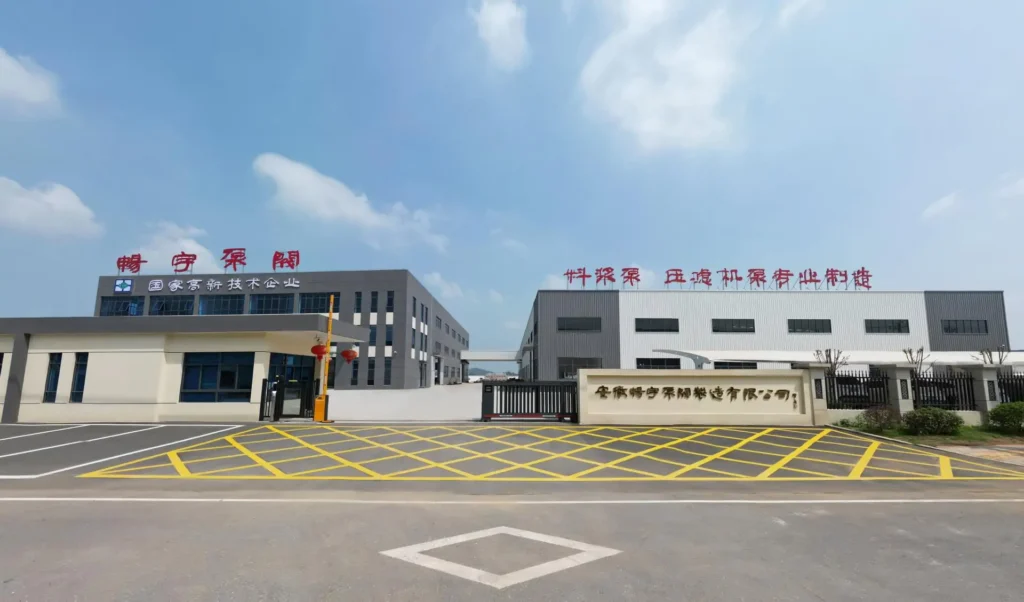
Berhentilah menebak-nebak dengan sistem transfer bahan kimia Anda. Hubungi Changyu Pump hari ini untuk mendapatkan rekomendasi pompa yang profesional dan sesuai dengan aplikasi dari tim teknisi ahli kami.