
Bơm axit xitric đóng vai trò quan trọng trong việc an toàn, ổn định, và chuyển khoản an toàn của axit citric trong hệ thống công nghiệp. Mặc dù axit citric thường được coi là một axit hữu cơ tương đối nhẹ, các yếu tố như nồng độ, nhiệt độ, tỷ trọng, và nhiệm vụ trực vẫn có thể tác động trực tiếp đến tính tương thích vật liệu, hiệu suất thủy lực và độ tin cậy lâu dài của máy bơm.
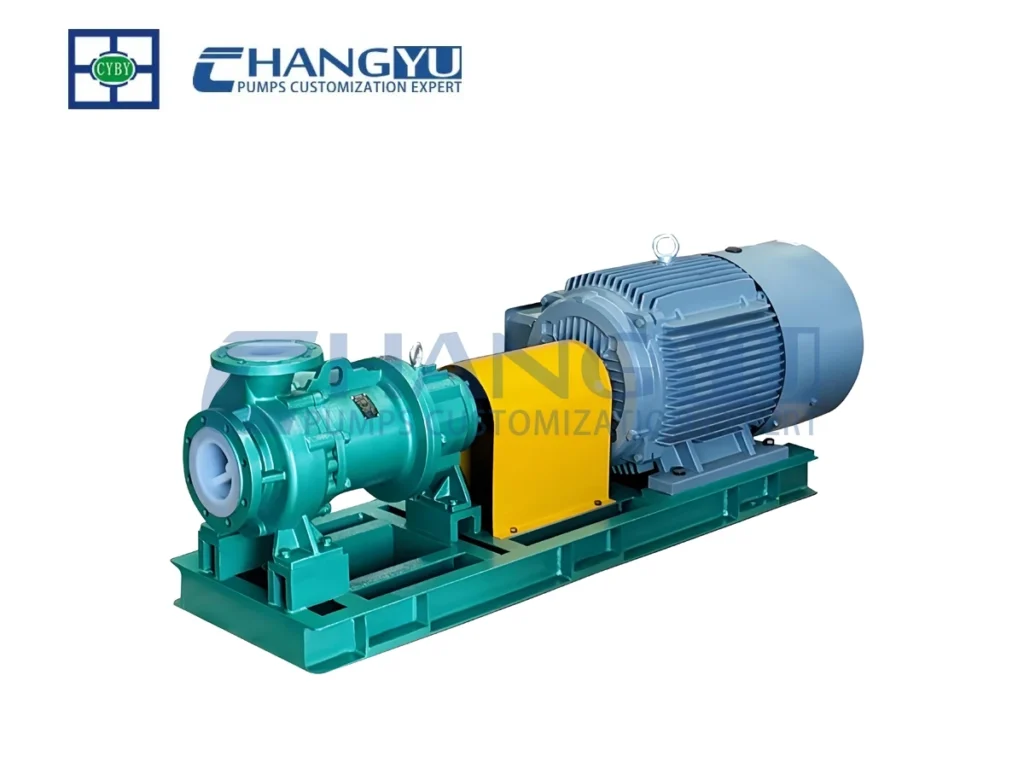
Vì lý do này, không nên coi bơm axit xitric như một loại bơm axit thông thường hay chỉ lựa chọn dựa trên tên hóa học. Giải pháp phù hợp cần phải được lựa chọn dựa trên điều kiện thực tế của chất lỏng, phương pháp bơm, cấu trúc hệ thống hút, yêu cầu về độ kín và kỳ vọng về bảo trì của quy trình, nhằm đảm bảo hoạt động đáng tin cậy và tuổi thọ lâu dài trong thực tế.
Những thách thức tiềm ẩn trong quá trình bơm axit xitric
Trước khi tìm hiểu các loại bơm, điều quan trọng là phải hiểu rõ tính chất của axit xitric trong môi trường công nghiệp. Coi axit xitric như nước là nguyên nhân phổ biến nhất dẫn đến hỏng hóc sớm của bơm.
- Nồng độ và tỷ trọng: Khi nồng độ axit xitric tăng lên, tỷ trọng của nó cũng tăng theo. Nếu công suất động cơ bơm không được lựa chọn phù hợp với loại chất lỏng có tỷ trọng cao hơn này, động cơ sẽ nhanh chóng bị quá tải và ngắt mạch.
- Nhiệt độ tăng đột biến: Nhiệt độ làm tăng tốc độ ăn mòn. Một vật liệu như thép không gỉ thông thường có thể chịu được axit xitric nồng độ thấp ở nhiệt độ phòng một cách hoàn hảo, nhưng nó có thể bị hư hỏng nhanh chóng nếu nhiệt độ quá trình tăng lên.
- Rủi ro liên quan đến quá trình kết tinh: Khi axit xitric rò rỉ và nước bay hơi, nó để lại những tinh thể dính. Những tinh thể này có thể dễ dàng làm hỏng các phớt cơ khí truyền thống, khiến các thiết kế máy bơm không rò rỉ trở nên rất được ưa chuộng.
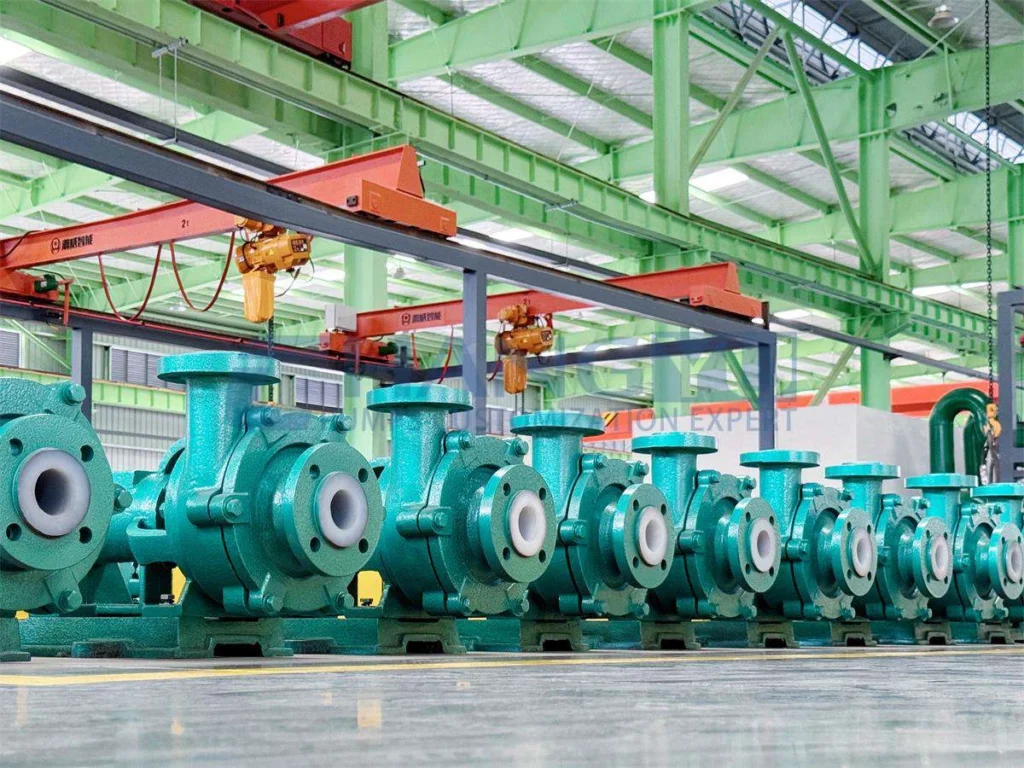
Cách chọn bơm axit xitric phù hợp
Để đảm bảo độ tin cậy lâu dài, hãy dựa vào việc đánh giá có hệ thống về ứng dụng của bạn thay vì chỉ dựa vào phỏng đoán.
1. Xác định chính xác thành phần chất lỏng
Luôn kiểm tra trước nồng độ tối đa và nhiệt độ hoạt động cao nhất. Đối với hầu hết các ứng dụng axit xitric trong công nghiệp, các loại nhựa kỹ thuật như PP, PVDF và vật liệu lót flo mang lại khả năng chống ăn mòn tuyệt vời và tiết kiệm chi phí.
2. Lựa chọn công nghệ bơm phù hợp với chu kỳ làm việc
Việc chuyển chất lỏng liên tục từ bể này sang bể khác đòi hỏi phải sử dụng loại bơm hoàn toàn khác so với hệ thống dùng để xả chất lỏng khỏi thùng phuy. Hãy đánh giá xem quy trình của bạn cần dòng chảy liên tục ổn định, chế độ xả theo đợt gián đoạn hay việc định lượng hóa chất chính xác.
3. Phân tích sơ đồ lắp đặt
Đừng bỏ qua hệ thống ống dẫn. Nếu máy bơm của bạn cần hút chất lỏng từ bể chứa ngầm hoặc bể chứa trên cao, bạn phải chọn loại máy bơm tự mồi. Việc cố gắng sử dụng máy bơm hút ngập tiêu chuẩn cho ứng dụng hút nâng cao sẽ dẫn đến tình trạng chạy khô và hỏng hóc ngay lập tức.
4. Xác định các yêu cầu về biện pháp ngăn chặn
Nếu cơ sở của bạn áp dụng các tiêu chuẩn môi trường nghiêm ngặt, hoặc nếu bạn muốn loại bỏ những rắc rối trong việc bảo trì liên quan đến phớt cơ khí, hãy ưu tiên sử dụng công nghệ bơm không phớt.
Hướng dẫn lựa chọn nhanh
| Yêu cầu về quy trình của quý vị | Thử thách chính | Công nghệ bơm được khuyến nghị |
|---|---|---|
| Vận chuyển khối lượng lớn liên tục | Duy trì lưu lượng ổn định và hiệu quả | Bơm ly tâm hóa chất |
| Hút nâng hoặc xả bồn | Loại bỏ không khí trong đường ống hút | Bơm ly tâm tự mồi |
| Xả thùng hoặc sử dụng di động | Yêu cầu về khả năng xử lý linh hoạt và có thể chạy thử | Bơm màng khí nén |
| Nhiệt độ cao hoặc các yêu cầu an toàn nghiêm ngặt | Phòng ngừa rò rỉ nguy hiểm | Bơm truyền động từ tính chịu nhiệt độ cao |
| Nồng độ cực kỳ cao | Chịu được sự ăn mòn mạnh của hóa chất | Cấu trúc bơm có lớp lót flo |
Các giải pháp bơm axit xitric được khuyến nghị
Thay vì áp dụng một loại máy bơm duy nhất cho mọi ứng dụng, Changyu Pump cung cấp các thiết bị chuyên dụng được thiết kế riêng cho các điều kiện thực tế cụ thể của từng quy trình.
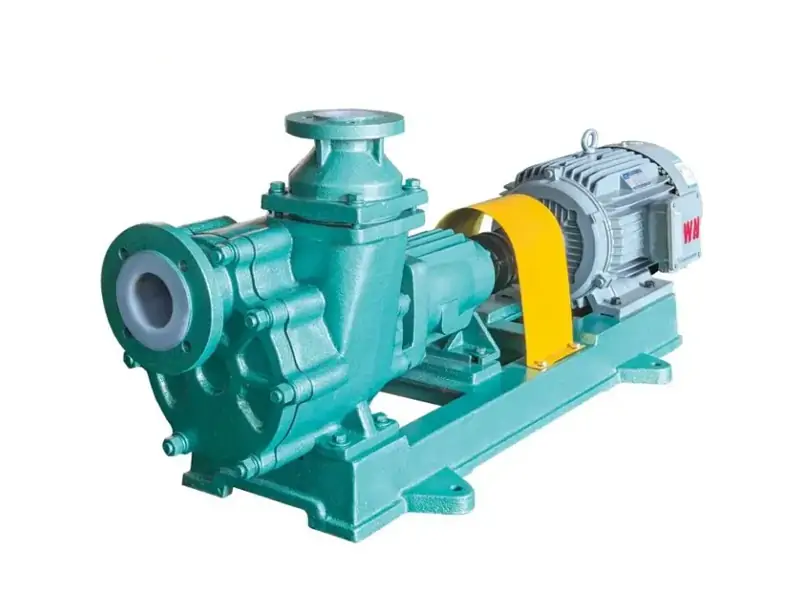
Bơm ly tâm tự mồi có lớp lót flo FZB
Khi quy trình của bạn đòi hỏi phải bơm axit xitric từ các bể chứa ngầm, bồn chứa xả trên đỉnh hoặc xử lý các hệ thống hút phức tạp, các loại bơm tiêu chuẩn thường gặp khó khăn. Dòng bơm FZB giải quyết vấn đề này bằng cách kết hợp khả năng chống hóa chất vượt trội của lớp lót nhựa fluoroplastic FEP/PFA với khả năng tự mồi mạnh mẽ. Là một dòng bơm chuyên dụng bơm ly tâm, nhờ đó loại bỏ nhu cầu bơm mồi thủ công và van chân, giúp các hoạt động hàng ngày trở nên hiệu quả hơn rất nhiều.
| Mẫu | Lưu lượng (m³/h) | Trưởng phòng (nam) | Công suất động cơ (kW) | Tốc độ (vòng/phút) | Chiều cao tự mồi (m) | Thời gian tự mồi (giây) | Hiệu quả (%) | NPSHr(m) | Cổng vào | Cửa hàng giảm giá |
|---|---|---|---|---|---|---|---|---|---|---|
| 25FZB-20LP | 1.5-6 | 16-19 | 2.2 | 2900 | 0.7 | 180 | 10-25 | 3 | 25 | 25 |
| 40FZB-20P | 5-12 | 17-22 | 3 | 2900 | 1 | 180 | 35-46 | 3 | 40 | 50 |
| 40FZB-30L | 5-12 | 28-32 | 4 | 2900 | 3 | 150 | 34-48 | 3.5 | 40 | 50 |
| 50FZB-20P | 8-15 | 17-22 | 3 | 2900 | 1 | 180 | 35-42 | 3 | 50 | 50 |
| 50FZB-30L | 8-15 | 28-32 | 4 | 2900 | 3 | 150 | 24-30 | 3.5 | 50 | 50 |
| 50FZB-45L | 8-15 | 43-47 | 7.5 | 2900 | 3 | 150 | 24-35 | 3.5 | 50 | 40 |
| 50FZB-70L | 8-15 | 68-72 | 15 | 2900 | 3 | 150 | 20-26 | 4 | 50 | 32 |
| 65FZB-30L | 15-35 | 27-32 | 7.5 | 2900 | 3 | 200 | 37-42 | 4 | 65 | 50 |
| 65FZB-45L | 15-35 | 38-47 | 11 | 2900 | 3 | 180 | 30-44 | 4 | 65 | 40 |
| 65FZB-70L | 15-35 | 65-72 | 22 | 2900 | 3 | 180 | 30-42 | 4 | 65 | 40 |
| 80FZB-30L | 35-60 | 28-35 | 11 | 2900 | 3.5 | 180 | 51-63 | 4.5 | 80 | 65 |
| 80FZB-45L | 35-60 | 42-47 | 15 | 2900 | 3.5 | 200 | 45-53 | 4.5 | 80 | 65 |
| 80FZB-70L | 35-60 | 65-72 | 30 | 2900 | 3.5 | 250 | 43-50 | 5 | 80 | 50 |
| 100FZB-30L | 65-110 | 28-32 | 18.5 | 2900 | 3.5 | 200 | 56-80 | 6 | 100 | 80 |
| 100FZB-45L | 65-110 | 40-46 | 30 | 2900 | 4 | 250 | 48-55 | 6 | 100 | 80 |
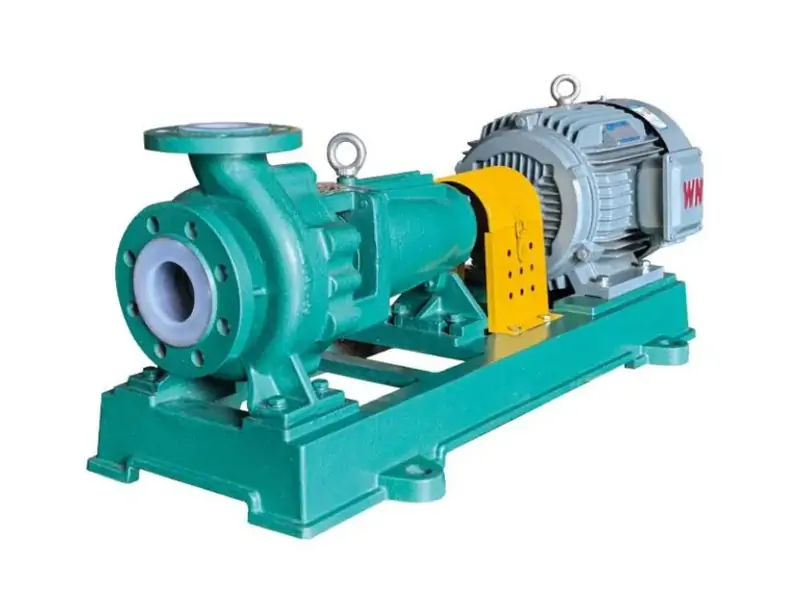
Bơm ly tâm hóa chất chuyển axit CYF
Đối với các ứng dụng bơm axit xitric liên tục với lưu lượng lớn, trong đó chất lỏng chảy tự nhiên vào bơm (hút ngập), dòng CYF là lựa chọn tối ưu. Được thiết kế chuyên biệt để vận chuyển các chất lỏng công nghiệp có tính ăn mòn, dòng bơm này đảm bảo dòng chảy êm ái và liên tục cho các quy trình chuyển chất lỏng giữa các bồn chứa và cấp liệu cho dây chuyền sản xuất. Nếu quy trình của bạn diễn ra ổn định và được xác định rõ ràng, đây chính là giải pháp đáng tin cậy và tiết kiệm chi phí nhất dành cho bạn.
Bơm màng đôi điều khiển bằng khí nén dòng BFQ
Không phải tất cả các quy trình đều hoạt động 24/7. Đối với các ứng dụng yêu cầu khởi động và dừng thường xuyên, dỡ hàng từ thùng phuy hoặc xử lý hóa chất di động, dòng sản phẩm BFQ mang lại sự linh hoạt vượt trội. Bởi vì đây là một bơm thể tích Hoạt động bằng khí nén, thiết bị này có thể vận hành an toàn ngay cả khi không có chất lỏng, thích ứng được với sự thay đổi về độ đặc của chất lỏng và hoạt động an toàn trong các môi trường mà nguồn điện không ổn định.

Bơm truyền động từ tính chịu nhiệt độ cao
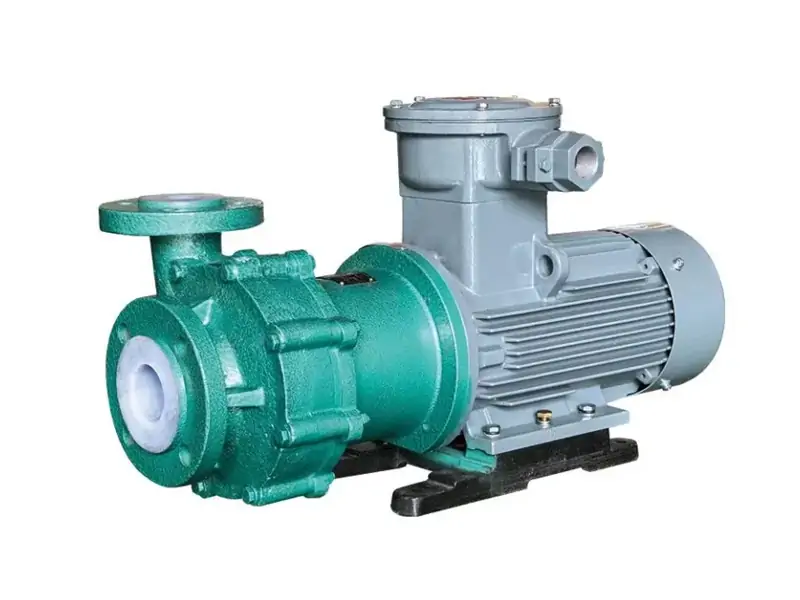
Axit citric nóng có tính ăn mòn rất cao, và chất lỏng rò rỉ có thể nhanh chóng kết tinh và làm hỏng các phớt cơ khí. Máy bơm truyền động từ tính chịu nhiệt độ cao loại bỏ hoàn toàn rủi ro này. Nhờ sử dụng bộ truyền động từ tính không cần phớt, máy tạo ra một hệ thống truyền dẫn hoàn toàn kín. Đây là lựa chọn hàng đầu cho các cơ sở ưu tiên hiệu suất không rò rỉ tuyệt đối, an toàn môi trường và nhu cầu bảo trì tối thiểu trong điều kiện khắc nghiệt.
Trường hợp của bơm axit xitric
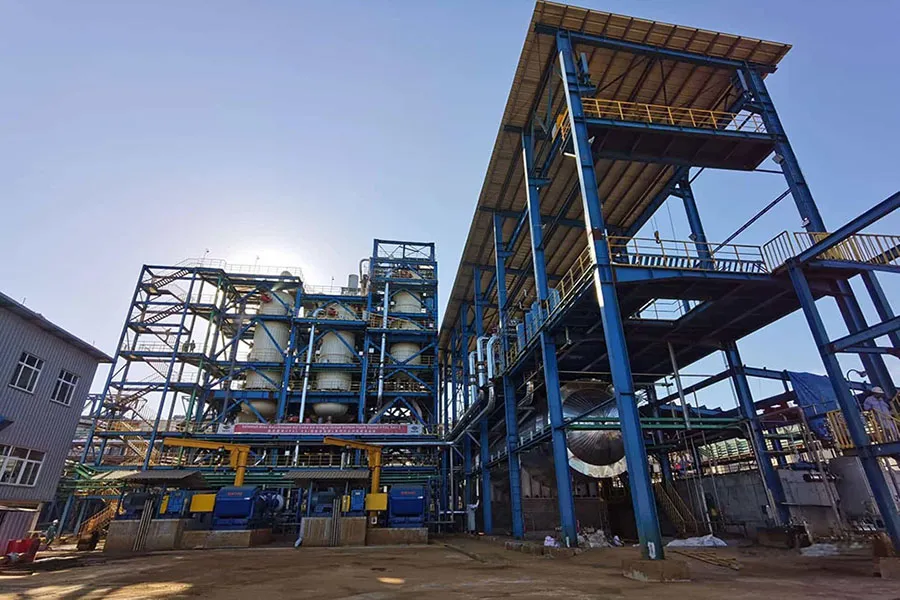
Trong một đợt nâng cấp quy trình chế biến hóa chất gần đây, một nhà máy cần phải chuyển một dung dịch có nồng độ rất cao axit citric dung dịch từ các bể chứa trên mặt đất vào dây chuyền sản xuất chính của họ. Ban đầu, họ dự định sử dụng một máy bơm chuyển tải kim loại tiêu chuẩn.
Tuy nhiên, sau khi đánh giá tỷ trọng cao của chất lỏng và bố trí độ cao hút cần thiết, các kỹ sư của chúng tôi nhận thấy rằng một máy bơm tiêu chuẩn sẽ gặp phải tình trạng quá tải động cơ và không thể tự mồi. Giải pháp là máy bơm ly tâm tự mồi có lớp lót fluorine FZB. Lớp lót fluoroplastic giúp máy bơm hoàn toàn không bị ảnh hưởng bởi axit, thiết kế tự mồi dễ dàng xử lý bố trí bể chứa, và động cơ có công suất phù hợp với chất lỏng nặng. Kết quả là quá trình khởi động diễn ra hoàn hảo, không rò rỉ và không có thời gian ngừng hoạt động.
Lời khuyên từ các kỹ sư của Changyu Pump
Để tránh tình trạng máy bơm hỏng sớm và lãng phí ngân sách, đội ngũ kỹ thuật của chúng tôi khuyến nghị mạnh mẽ nên tuân thủ các nguyên tắc tốt nhất sau đây:
- Đừng bao giờ bỏ qua tỷ trọng: Dung dịch axit xitric nặng hơn nước. Luôn đảm bảo động cơ bơm của bạn có công suất đủ để xử lý trọng lượng riêng chính xác của chất lỏng, nếu không động cơ sẽ bị cháy.
- Cẩn thận với hiện tượng kết tinh: Nếu quy trình của bạn để axit xitric bám khô trên các phớt cơ khí, các tinh thể hình thành sẽ làm rách các bề mặt tiếp xúc của phớt. Nếu việc rửa phớt không khả thi, hãy chuyển sang sử dụng bơm truyền động từ không cần phớt ngay lập tức.
- Đừng tin tưởng mù quáng vào “thép không gỉ”: Mặc dù một số loại thép không gỉ có thể chịu được axit xitric loãng, nhưng các mẻ axit nóng hoặc có nồng độ cao sẽ làm hỏng vật liệu này. Trong trường hợp không chắc chắn, các loại nhựa công nghiệp như PVDF hoặc lớp lót fluorine là những lựa chọn an toàn và bền bỉ hơn đáng kể.
Câu hỏi thường gặp về bơm axit xitric
Có thể sử dụng thép không gỉ cho máy bơm axit xitric không?
Trong một số ứng dụng liên quan đến axit xitric, thép không gỉ có thể là một lựa chọn, nhưng quyết định cuối cùng vẫn nên dựa trên nồng độ, nhiệt độ và toàn bộ điều kiện vận hành, chứ không chỉ dựa vào tên vật liệu. Đối với các điều kiện vận hành khắc nghiệt hơn, người mua thường so sánh các loại vật liệu như PP, PVDF và các cấu trúc được lót bằng nhựa fluorocarbon trước khi xác định vật liệu cuối cùng cho máy bơm.
Tại sao nên chọn máy bơm tự mồi để bơm dỡ axit xitric?
Bơm tự mồi thường là lựa chọn tốt hơn khi nguồn axit xitric nằm dưới mức mực nước của bơm hoặc khi quá trình vận hành liên quan đến việc xả bồn chứa và độ cao hút. Trong những điều kiện này, khả năng tự mồi giúp việc khởi động trở nên thuận tiện hơn và giảm thiểu các vấn đề do bố trí phía hút không thuận lợi gây ra.
Những vật liệu nào thường được sử dụng cho các bộ phận tiếp xúc với axit citric của bơm?
Các vật liệu thường được xem xét để tiếp xúc trực tiếp với axit citric trong các ứng dụng bơm bao gồm PP, PVDF, vật liệu lót nhựa fluorocarbon và các cấu trúc thép không gỉ phù hợp, tùy thuộc vào điều kiện làm việc. Việc lựa chọn vật liệu cuối cùng luôn phải dựa trên nồng độ thực tế, nhiệt độ và chu kỳ vận hành của quy trình.
Cần cung cấp những thông tin nào trước khi lựa chọn bơm axit xitric?
Trước khi lựa chọn bơm axit xitric, tốt nhất nên xác định rõ nồng độ, nhiệt độ, lưu lượng, cột áp, điều kiện hút, bố trí lắp đặt, cũng như chế độ vận hành là liên tục hay gián đoạn. Những thông tin này sẽ giúp việc lựa chọn loại bơm và vật liệu đường ống phù hợp với điều kiện ứng dụng thực tế trở nên dễ dàng hơn, thay vì chỉ dựa vào nhãn mác hóa chất chung chung.
Có nhất thiết phải sử dụng bơm truyền động từ tính cho mọi ứng dụng liên quan đến axit xitric không?
Không. Bơm truyền động từ không phải là thiết bị bắt buộc cho mọi ứng dụng liên quan đến axit xitric, nhưng đây là lựa chọn phù hợp khi cần giảm thiểu rủi ro rò rỉ, đảm bảo khả năng ngăn chặn tốt hơn hoặc yêu cầu thiết kế hệ thống chuyển tải kín khít hơn. Đối với các hoạt động chuyển tải thông thường trong điều kiện quy trình đơn giản hơn, các loại bơm khác có thể phù hợp hơn tùy thuộc vào yêu cầu cụ thể của công việc.
Nếu chọn sai bơm axit xitric thì sẽ xảy ra điều gì?
Việc sử dụng bơm axit xitric không phù hợp có thể dẫn đến các vấn đề về tính tương thích vật liệu, hoạt động không ổn định, khó khởi động, các sự cố liên quan đến phớt hoặc áp lực bảo trì không cần thiết theo thời gian. Trong nhiều trường hợp, vấn đề chính không phải là tên loại axit, mà là sự không phù hợp giữa thiết kế bơm và điều kiện thực tế của quy trình.
Kết luận: Hợp tác với Changyu Pump
Việc lựa chọn bơm axit xitric phù hợp đòi hỏi phải xem xét kỹ lưỡng hơn là chỉ dựa vào nhãn mác chung chung “chống axit”. Bằng cách đánh giá chính xác tỷ trọng, nhiệt độ, chu kỳ làm việc và nguy cơ rò rỉ, bạn có thể tránh được các sự cố hỏng hóc sớm và đảm bảo an toàn vận hành lâu dài.
Cho dù nhà máy của quý vị cần hiệu suất ổn định của máy bơm ly tâm hóa chất, khả năng hút và nâng cao của mẫu máy bơm tự mồi, tính linh hoạt của máy bơm màng khí nén, hay độ an toàn tuyệt đối của thiết kế truyền động từ tính, Bơm Changyu có giải pháp kỹ thuật phù hợp dành cho bạn.
Đừng phỏng đoán nữa khi sử dụng hệ thống chuyển hóa chất. Hãy liên hệ với Changyu Pump ngay hôm nay để nhận được lời khuyên chuyên nghiệp về loại bơm phù hợp với ứng dụng cụ thể từ đội ngũ kỹ sư chuyên gia của chúng tôi.