
Pompa Air DI sangat penting untuk stabilitas, kebersihan, dan keandalan jangka panjang sistem air ultra-murni. Meskipun air deionisasi tampak bersih dan sederhana, panduan aplikasi saat ini menunjukkan bahwa air deionisasi dapat menciptakan tantangan nyata dalam kompatibilitas material, masa pakai seal, operasi dengan pelumasan rendah, dan kontrol kontaminasi selama layanan pemompaan.
Untuk sistem yang sensitif terhadap kemurnian, a Pompa Air DI penggerak magnet tanpa sambungan tanpa seal sering kali merupakan arah yang lebih disukai, sementara pompa transfer baja tahan karat konvensional mungkin masih cocok untuk tugas yang stabil ketika kompatibilitas material, risiko penyegelan, dan persyaratan kebersihan telah ditinjau sepenuhnya. Inilah sebabnya mengapa Pompa Changyu pendekatan Air DI aplikasi dari perspektif teknik dan keandalan sistem daripada memperlakukannya sebagai proyek transfer air bersih biasa.
Secara praktis, hak Pompa Air DI harus dipilih sesuai dengan tugas aktual, target kemurnian, kondisi hisap, persyaratan penahanan, dan ekspektasi pemeliharaan sistem. Logika pemilihan itulah yang memungkinkan Changyu Pump merekomendasikan struktur pompa yang berbeda untuk tugas air DI yang berbeda alih-alih memaksakan satu model ke dalam setiap aplikasi.
Apa yang dimaksud dengan Pompa Air DI?
A Pompa Air DI digunakan untuk mentransfer, mengedarkan, membongkar, atau memasok air deionisasi dalam sistem di mana kemurnian air dan operasi yang bersih menjadi penting. Halaman pasar saat ini menghubungkan pemompaan air DI dengan elektronik, pelapisan, medis, laboratorium, farmasi, dan aplikasi air ultra-murni lainnya di mana kontrol kontaminasi menjadi perhatian utama.
Tidak seperti pompa air utilitas pada umumnya, pompa Pompa Air DI sering kali harus melakukan lebih dari sekadar memindahkan cairan. Mungkin juga perlu mengurangi jalur kebocoran, melindungi kebersihan sistem, dan tetap dapat diandalkan dalam kondisi pelumasan rendah yang lebih sulit pada seal dan beberapa komponen yang dibasahi.
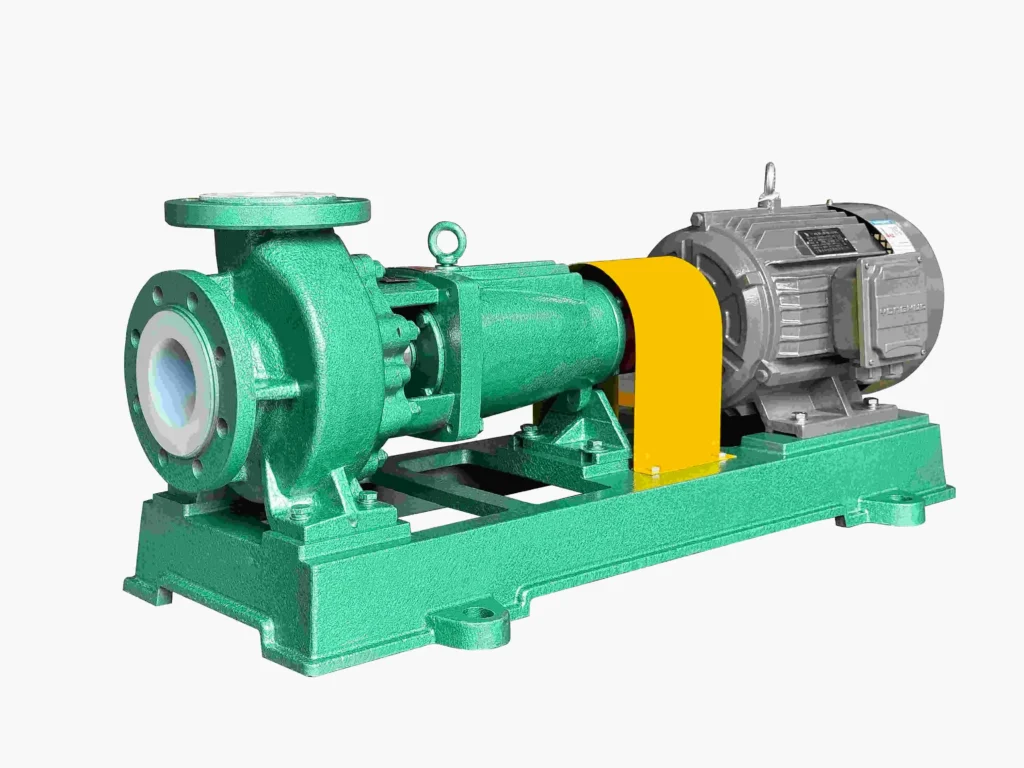
Di mana Pompa Air DI Digunakan
Pompa air DI digunakan dalam berbagai aplikasi cairan bersih, terutama di mana penanganan air yang sangat murni, sirkulasi yang stabil, dan risiko kontaminasi yang rendah adalah penting. Penggunaan yang umum termasuk sistem yang berhubungan dengan semikonduktor, jalur pelapisan, pasokan laboratorium, pencucian peralatan, dan proses industri lainnya yang membutuhkan transfer air dengan kemurnian tinggi yang andal.
| Aplikasi | Deskripsi Singkat |
|---|---|
| Transfer air yang sangat murni | Digunakan untuk pengiriman air DI yang bersih dan stabil dalam sistem dengan kemurnian tinggi. |
| Loop resirkulasi | Membantu menjaga kualitas air dan operasi sistem yang stabil. |
| Sistem pencucian peralatan | Mendukung proses pembilasan dan pembersihan yang memerlukan kontaminasi rendah. |
| Jalur pasokan laboratorium | Menghadirkan air DI untuk penggunaan di laboratorium dengan kemurnian dan keandalan yang konsisten. |
| Garis pelapisan | Digunakan untuk transfer bahan kimia, resirkulasi, filtrasi, dan penanganan air bilas dalam proses pelapisan. |
Karena sistem air DI dapat sangat berbeda dalam hal aliran, tekanan, dan persyaratan kebersihan, pilihan pompa terbaik harus selalu didasarkan pada aplikasi yang sebenarnya. Pompa yang sesuai dengan kebutuhan akan membantu meningkatkan keandalan, mengurangi risiko kontaminasi, dan mendukung kinerja yang stabil dalam jangka panjang.
Mengapa Air DI Sulit Dipompa
Salah satu kesalahan terbesar dalam pemilihan pompa adalah mengasumsikan Air DI berperilaku seperti air bersih biasa. Sumber-sumber saat ini menggambarkan air DI sebagai air yang luar biasa agresif dalam beberapa aplikasi dan juga mencatat bahwa pelumasannya yang rendah dapat mempercepat keausan seal, yang merupakan salah satu alasan desain pompa tanpa seal sering kali disukai dalam layanan dengan kemurnian tinggi.
Pemilihan bahan juga menjadi lebih penting karena kompatibilitas tergantung pada lingkungan proses yang sebenarnya, bukan hanya pada kata-kata “air deionisasi.” Referensi kompatibilitas umum dan halaman aplikasi air DI keduanya mengarahkan pengguna ke tinjauan yang cermat terhadap suhu, bahan, dan kondisi pengoperasian sebelum mengonfirmasi konfigurasi pompa akhir.
Masalah selanjutnya adalah kebersihan. Dalam sistem ultra-murni, bahkan kebocoran kecil atau peristiwa pemeliharaan yang dapat dihindari dapat menjadi lebih serius daripada dalam aplikasi transfer air standar, sehingga penahanan dan kemudahan servis harus diperlakukan sebagai faktor pemilihan inti, bukan detail sekunder.
Bagaimana Memilih Pompa Air DI
1. Mulailah dengan kompatibilitas material
Kompatibilitas bahan harus selalu ditinjau terlebih dahulu. Panduan aplikasi air DI secara khusus mengarahkan pengguna ke bahan non-logam yang sesuai seperti polipropilena, Kynar, dan Ryton dalam aplikasi yang sesuai, sementara sumber daya kompatibilitas yang lebih luas menekankan bahwa kondisi fluida, suhu, dan lingkungan semuanya memengaruhi pilihan bahan yang tepat.
Untuk Changyu Pump, ini berarti rekomendasi harus mengikuti kondisi proses yang sebenarnya daripada asumsi “pompa air” yang umum. Jika tugas melibatkan ekspektasi kemurnian yang lebih tinggi, suhu tinggi, atau kondisi operasi yang lebih menuntut, kisaran material yang dapat diterima mungkin lebih sempit.
2. Tinjau transfer tersegel vs tanpa segel
Metode penyegelan adalah titik keputusan utama untuk layanan air DI. Beberapa sumber industri menjelaskan bahwa pompa penggerak magnet tanpa segel mengurangi jalur kebocoran umum yang terkait dengan segel poros dan secara luas digunakan di mana emisi, kontaminasi, atau kebocoran tidak dapat ditoleransi.
Pompa yang disegel tidak secara otomatis salah, tetapi perlu dibenarkan. Jika prosesnya sensitif terhadap kemurnian, sensitif terhadap pemeliharaan, atau lebih peduli tentang penahanan jangka panjang, solusi penggerak magnetik sering kali merupakan pilihan teknik yang lebih objektif.
3. Sesuaikan pompa dengan tugas yang sebenarnya
Pompa Air DI harus dipilih berdasarkan tugas, bukan berdasarkan label saja. Sirkulasi terus menerus, pembongkaran tangki, transfer hisap-angkat, layanan utilitas terputus-putus, dan transfer yang sensitif terhadap penahanan, semuanya menciptakan tuntutan yang berbeda pada sistem pompa.
Di sinilah pentingnya data hidraulik dan instalasi. Laju aliran, head, kondisi hisap, kebutuhan pemancing otomatis, dan tata letak semuanya memengaruhi pompa sentrifugal atau desain pemancing otomatis magnetik lebih cocok untuk pekerjaan itu.
4. Melindungi kebersihan dan stabilitas pemeliharaan
Sistem dengan kemurnian tinggi sangat sensitif terhadap kebocoran, kontaminasi, dan waktu henti yang dapat dihindari. Referensi penggerak magnetik saat ini berulang kali mencatat bahwa konstruksi tanpa segel membantu menjaga penahanan cairan secara penuh dan sangat berguna di mana cairan yang sangat murni harus tetap terisolasi dari lingkungan.
Ini adalah poin penting untuk Pompa Changyu untuk disoroti. Dalam layanan air DI, pompa terbaik bukan hanya model dengan biaya terendah; pompa ini adalah pompa yang mendukung kebersihan jangka panjang, pemeliharaan yang dapat diprediksi, dan operasi yang stabil.
Daftar Periksa Pemilihan Pompa Air DI
Sebelum pemilihan akhir, insinyur Changyu Pump merekomendasikan untuk mengkonfirmasi poin-poin ini terlebih dahulu:
- Persyaratan kemurnian sistem air DI.
- Suhu pengoperasian.
- Laju aliran dan head.
- Tugas terus menerus, terputus-putus, atau bongkar muat.
- Instalasi penyedotan banjir atau penyedotan-angkat.
- Toleransi kebocoran dan target penahanan.
- Akses pemeliharaan dan ekspektasi layanan.
Tabel Pilihan Cepat
| Kondisi Aplikasi | Perhatian Utama | Arah yang Disarankan |
|---|---|---|
| Sirkulasi air DI yang terus menerus | Aliran yang stabil dan kebersihan sistem | Sentrifugal baja tahan karat atau pompa penggerak magnet |
| Transfer hisap-angkat atau pembongkaran tangki | Memulai lebih mudah dan mengurangi risiko kebocoran | Pompa penggerak magnetik pemancing otomatis |
| Tugas transfer yang sensitif terhadap kemurnian | Penahanan yang lebih bersih | Pompa penggerak magnet tanpa penutup |
| Transfer intermiten atau tugas utilitas pabrik | Pemasangan yang fleksibel | Pompa diafragma yang dioperasikan dengan udara |
| Sistem air ultra-murni dengan spesifikasi lebih tinggi | Risiko kontaminasi yang lebih rendah dan transfer yang disegel | Pompa dengan penggerak magnetik |
Solusi Pompa Changyu yang Direkomendasikan
Pompa Kimia Sentrifugal Baja Tahan Karat
Model ini paling cocok untuk transfer air DI yang stabil dan kontinu di mana tata letak perpipaannya mudah dan prosesnya tidak memerlukan pemancing otomatis atau desain tanpa segel. Ini sesuai dengan jenis tugas di mana sistem telah memastikan kompatibilitas material dan di mana solusi transfer konvensional masih dapat diterima dari sudut pandang kebersihan dan pemeliharaan.
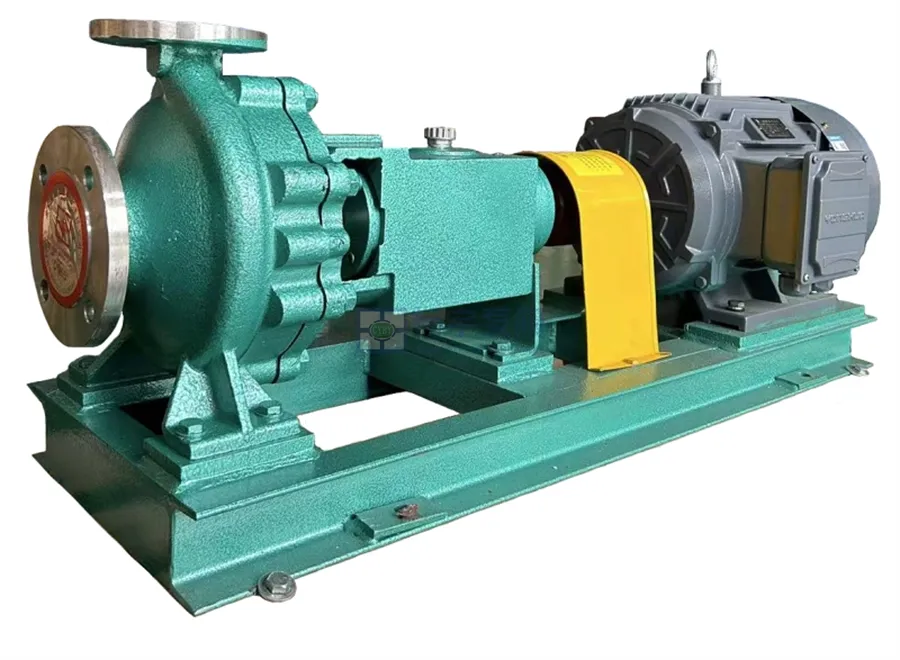
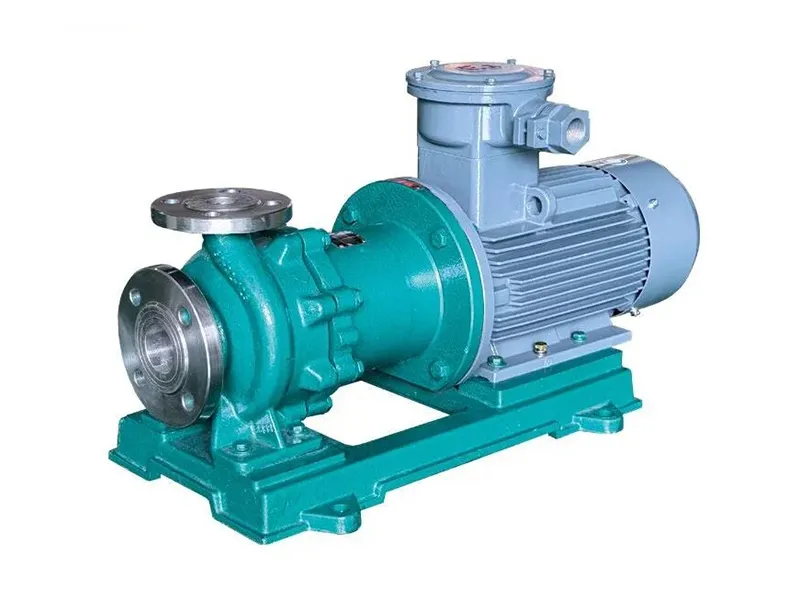
Pompa Pemancing Otomatis Magnetik Berjajar Fluorin Seri ZCQ
Ini adalah salah satu produk terkuat dalam jajaran produk untuk Aplikasi air DI yang menggabungkan kondisi pengisapan yang sulit dengan kebutuhan akan risiko kebocoran yang lebih rendah. Nilai seri ZCQ terletak pada kombinasi kemampuan pemancing otomatis dan penahanan penggerak magnetik, yang secara langsung mengatasi dua masalah air DI yang umum: penyalaan praktis dan mengurangi ketergantungan pada penyegelan poros konvensional.
Ini sangat cocok untuk pembongkaran tangki, transfer penyimpanan-ke-proses, dan instalasi di mana pompa harus menarik cairan dalam kondisi hisap yang kurang menguntungkan. Ini kurang cocok sebagai rekomendasi umum untuk setiap sistem air DI, tetapi ini adalah pilihan yang sangat kuat ketika pemancing otomatis dan penahanan yang lebih bersih perlu diselesaikan bersama.
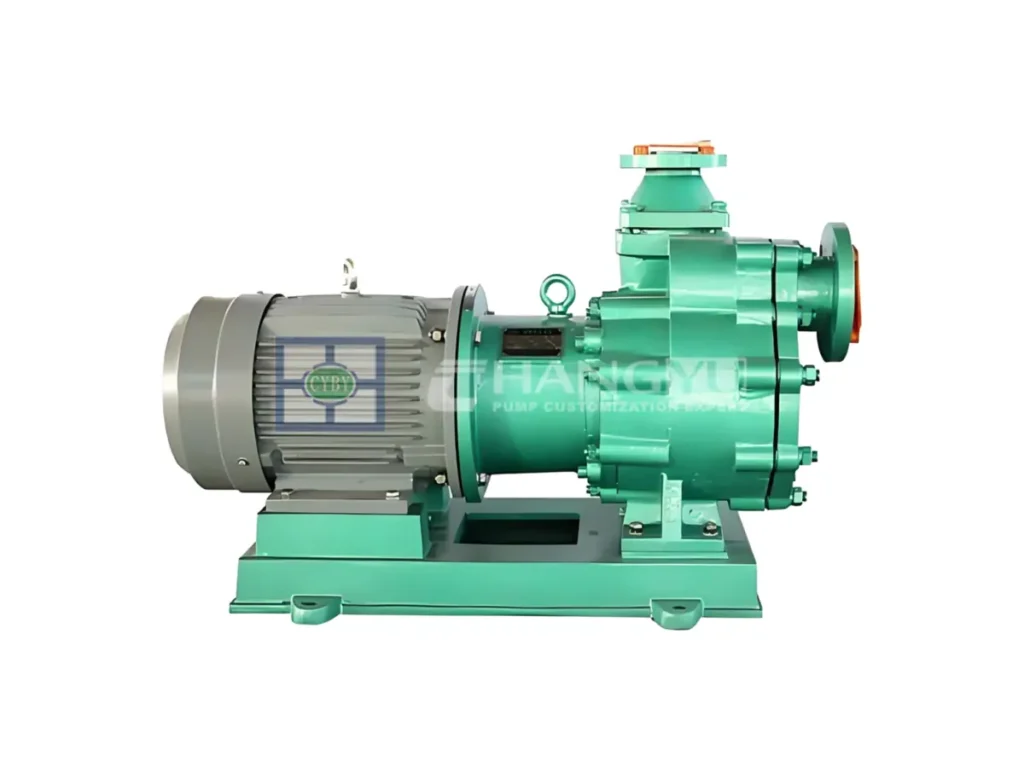
Pompa Penggerak Magnetik Pemancing Otomatis Baja Tahan Karat CQZ
Seri CQZ adalah solusi yang lebih khusus untuk pengguna yang menginginkan konstruksi baja tahan karat bersama dengan operasi pemancing otomatis dan penahanan penggerak magnetik. Kombinasi tersebut menjadikannya pilihan yang logis di mana sistem membutuhkan penyalaan yang lebih mudah tetapi masih menginginkan konsep transfer yang lebih tertutup daripada pompa yang disegel secara mekanis konvensional.
Model ini bekerja dengan baik sebagai jembatan antara kepraktisan pengoperasian dan desain yang sadar akan kemurnian. Model ini kurang ideal ketika pompa transfer hisap-banjir yang sederhana sudah memadai, tetapi menjadi lebih menarik ketika fleksibilitas instalasi dan penahanan yang lebih bersih harus ditangani.
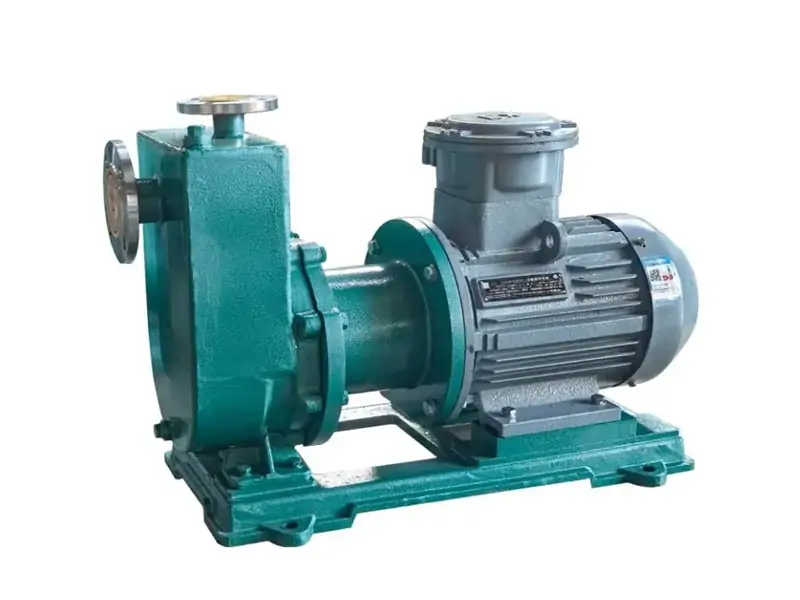
| Model | Aliran (m³/jam) | Kepala (m) | Efisiensi (%) | Daya Motor (kW) | Kecepatan (rpm) | Saluran masuk (mm) | Outlet (mm) |
|---|---|---|---|---|---|---|---|
| Aliran Kecil / Kecepatan Tinggi (2900 rpm) | |||||||
| 32-20-125 | 3.2 | 20 | 16 | 1.5 | 2900 | 32 | 20 |
| 32-20-160 | 3.2 | 32 | 15 | 2.2 | 2900 | 32 | 20 |
| 40-25-160 | 6.3 | 32 | 23 | 3.0 | 2900 | 40 | 25 |
| 50-32-200 | 12.5 | 50 | 30 | 7.5 | 2900 | 50 | 32 |
| 65-50-125 | 25 | 20 | 41 | 4.0 | 2900 | 65 | 50 |
| 65-40-250 | 25 | 80 | 24 | 30 | 2900 | 65 | 40 |
| Aliran Sedang / Kecepatan Tinggi (2900 rpm) | |||||||
| 80-65-125 | 50 | 20 | 56 | 5.5 | 2900 | 80 | 65 |
| 80-50-250 | 50 | 80 | 38 | 37 | 2900 | 80 | 50 |
| 100-80-160 | 100 | 32 | 47 | 22 | 2900 | 100 | 80 |
| 100-65-250 | 100 | 80 | 51 | 55 | 2900 | 100 | 65 |
| 125-100-200 | 200 | 50 | 59 | 55 | 2900 | 125 | 100 |
| Aliran Besar / Kecepatan Rendah (1450 rpm) | |||||||
| 150-125-250 | 200 | 20 | 51 | 22 | 1450 | 150 | 125 |
| 150-125-400 | 200 | 50 | 56 | 55 | 1450 | 150 | 125 |
| 200-150-250 | 400 | 20 | 68 | 37 | 1450 | 200 | 150 |
| 200-150-400 | 400 | 50 | 52 | 110 | 1450 | 200 | 150 |
| 250-200-400 | 600 | 50 | 47 | 185 | 1450 | 250 | 200 |
Pompa Diafragma Ganda yang Dioperasikan dengan Udara Seri BFQ
Pompa diafragma ganda yang dioperasikan dengan udara Seri BFQ adalah solusi perpindahan positif yang fleksibel yang dirancang untuk transfer intermiten, servis portabel, dan aplikasi bongkar muat. Pompa ini sangat cocok untuk kondisi operasi di mana kemampuan beradaptasi, kenyamanan, dan penanganan di tempat lebih penting daripada efisiensi proses yang berkelanjutan.

Pompa Magnetik Baja Tahan Karat Tugas Berat Seri CYC
Untuk transfer air DI kontinu di mana risiko kebocoran yang lebih rendah dan penahanan yang lebih stabil adalah penting, seri CYC harus menjadi salah satu rekomendasi utama. Changyu Pump sudah menempatkan seri CYC dalam konteks solusi industri kimia halus, yang mendukung perannya sebagai opsi pompa magnetik industri yang lebih serius.
Model ini sangat cocok untuk pengguna yang menginginkan pendekatan penggerak magnet baja tahan karat yang lebih kuat tanpa beralih ke arsitektur tekanan tinggi yang sama sekali berbeda. Model ini kurang ideal jika pompa transfer berbiaya rendah yang lebih sederhana sudah mencukupi, tetapi lebih cocok untuk sistem yang mengutamakan penahanan yang lebih bersih dan perawatan yang berhubungan dengan seal yang lebih rendah.
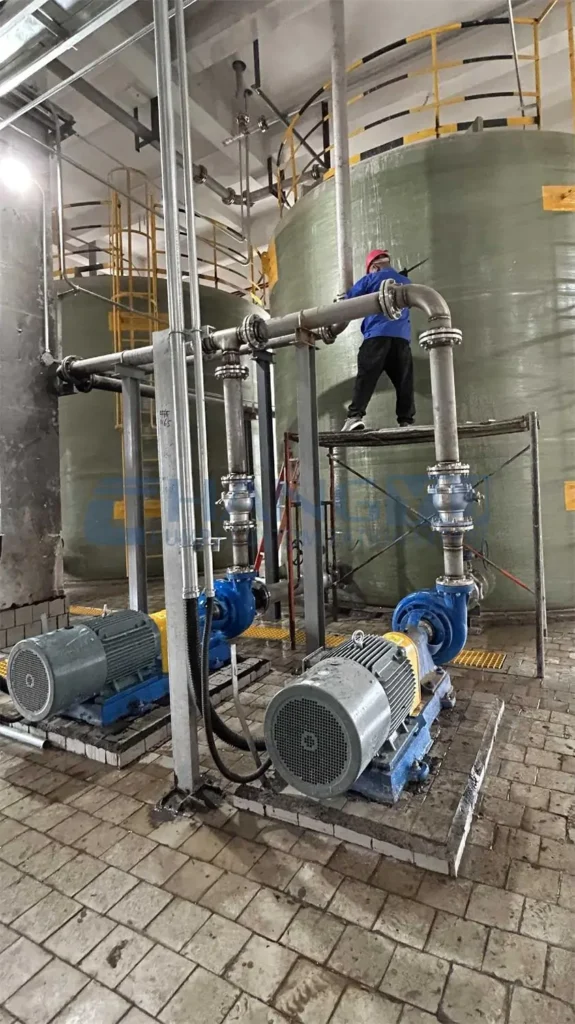
Kasus Pompa Air DI.
Dalam satu Proyek transfer air DI, pelanggan membutuhkan pompa untuk tugas penyimpanan-ke-proses di mana operasi yang bersih, aliran yang stabil, dan risiko kebocoran yang rendah merupakan hal yang penting. Rencana awalnya adalah menggunakan pompa transfer tertutup standar karena medianya tidak berbahaya dan sistemnya tampak sederhana.
Setelah meninjau tata letak, Pompa Changyu insinyur mengidentifikasi dua masalah praktis: instalasi membutuhkan penyalaan yang lebih andal dalam kondisi pengisapan yang tidak ideal, dan pabrik ingin mengurangi pemeliharaan terkait seal dalam jangka panjang. Berdasarkan persyaratan tersebut, rekomendasi bergeser ke arah solusi penggerak magnet pemancing otomatis daripada pompa bersegel konvensional, yang konsisten dengan panduan saat ini yang mendukung penahanan tanpa segel di mana kebocoran dan kontrol kontaminasi menjadi hal yang penting.
Setelah uji coba, pelanggan melaporkan perilaku pengaktifan yang lebih mulus dan lebih cocok untuk tugas air DI. Proyek ini mengkonfirmasi poin teknik yang penting: Air DI mungkin terlihat sederhana, tetapi pilihan pompa terbaik masih bergantung pada target kebersihan sistem, kondisi instalasi, dan logika penahanan.
Mengapa Pompa Changyu
- Cakupan produk yang luas. Changyu Pump menawarkan berbagai macam struktur pompa yang sesuai dengan aplikasi air DI yang berbeda, sehingga lebih mudah untuk menemukan solusi yang tepat untuk setiap kondisi kerja.
- Opsi yang berbeda untuk tugas yang berbeda. Alih-alih menggunakan satu pompa untuk setiap skenario, Changyu Pump merekomendasikan jenis yang paling sesuai berdasarkan tugas yang sebenarnya, termasuk pompa transfer sentrifugal stainless steel, pompa magnetik pemancing otomatis, pompa penggerak magnetik stainless steel, dan pompa transfer terputus-putus.
- Kecocokan yang lebih baik untuk persyaratan proses. Pendekatan ini membantu menyelaraskan pemilihan pompa dengan tingkat kemurnian, jenis tugas, pengaturan hisap, dan ekspektasi perawatan, sehingga peralatan sesuai dengan aplikasi secara lebih akurat.
- Panduan pemilihan yang lebih praktis. Dengan membandingkan struktur pompa sesuai dengan kebutuhan operasi nyata, Changyu Pump membuat proses pemilihan lebih jelas dan membantu pelanggan menghindari memilih model yang tidak sesuai.
- Dukungan teknik yang lebih kuat. Jika aplikasi Anda memiliki persyaratan khusus, tim teknisi profesional kami dapat memberikan solusi yang disesuaikan berdasarkan kondisi operasi Anda. Hubungi kami hari ini untuk mendapatkan dukungan ahli.
Saran Insinyur
Insinyur Changyu Pump merekomendasikan untuk meninjau aplikasi air DI dalam urutan tetap: pertama-tama konfirmasikan tingkat kemurnian dan suhu, kemudian tentukan jenis tugas, kemudian tinjau kondisi hisap, dan akhirnya putuskan apakah sistem dapat menerima pengaturan tertutup konvensional atau harus pindah ke penahanan penggerak magnet.
Ada tiga kesalahan umum yang harus dihindari. Jangan berasumsi bahwa air DI mudah dipompa hanya karena airnya bersih; jangan abaikan efek pelumasan rendah pada seal; dan jangan memilih baja tahan karat berdasarkan kebiasaan tanpa memeriksa kondisi proses penuh dan target kebersihan sistem.
PERTANYAAN YANG SERING DIAJUKAN
T1: Apa yang dimaksud dengan Pompa Air DI?
A1: Pompa Air DI digunakan untuk mentransfer, mengedarkan, membongkar, atau memasok air deionisasi dalam sistem di mana kemurnian dan operasi yang bersih adalah penting. Tergantung pada aplikasinya, solusi yang paling sesuai adalah pompa sentrifugal, pompa magnetik pemancing otomatis, pompa magnetik baja tahan karat, atau pompa diafragma yang dioperasikan dengan udara.
T2: Mengapa air DI lebih sulit dipompa daripada air biasa?
A2: Air DI dapat lebih menuntut karena sumber-sumber saat ini menggambarkannya sebagai pelumasan yang rendah dan lebih bermasalah untuk segel dan beberapa bahan daripada air biasa. Dalam sistem dengan kemurnian tinggi, kontrol kebocoran dan pencegahan kontaminasi juga menjadi lebih penting daripada layanan air pada umumnya.
T3: Apakah pompa penggerak magnetik lebih baik untuk air DI?
A3: Dalam banyak aplikasi air DI, pompa penggerak magnetik adalah pilihan yang kuat karena konstruksi tanpa segel membantu mengurangi jalur kebocoran dan mendukung penahanan yang lebih bersih. Ini menjadi sangat cocok ketika sistem sensitif terhadap kemurnian atau ketika pengguna ingin mengurangi pemeliharaan terkait segel.
T4: Dapatkah baja tahan karat digunakan untuk Pompa Air DI?
A4: Baja tahan karat dapat digunakan dalam beberapa sistem air DI, tetapi tidak boleh dipilih secara otomatis. Kompatibilitas material masih tergantung pada kondisi proses aktual, suhu, target kemurnian, dan desain sistem yang lebih luas.
T5: Kapan saya harus memilih Pompa Air DI pemancing otomatis?
A5: Pompa Air DI self-priming lebih cocok ketika sumber cairan berada di bawah level pompa, ketika instalasi melibatkan pengangkatan hisap, atau ketika penyalaan yang lebih mudah diperlukan dalam pembongkaran tangki dan tugas pemindahan. Dalam kasus-kasus ini, kemampuan self-priming dapat meningkatkan kepraktisan dan keandalan pengoperasian.
T6: Apakah pompa diafragma yang dioperasikan dengan udara cocok untuk air DI?
A6: Ini bisa cocok untuk transfer intermiten, bongkar muat, dan layanan utilitas pabrik yang fleksibel. Namun, biasanya ini bukan pilihan pertama untuk sirkulasi ultra-murni yang berkelanjutan ketika prioritas tertinggi adalah transfer tersegel yang stabil dan kinerja yang peka terhadap kontaminasi.
T7: Informasi apa yang harus disediakan sebelum memilih Pompa Air DI?
A7: Input yang paling penting adalah laju aliran, head, suhu, persyaratan kemurnian, kondisi pengisapan, tata letak instalasi, dan apakah tugasnya kontinu atau terputus-putus. Faktor-faktor ini memungkinkan untuk menilai bahan yang tepat, metode penyegelan, dan struktur pompa secara objektif.
T8: Apa kesalahan terbesar ketika memilih Pompa Air DI?
A8: Kesalahan yang paling umum adalah memperlakukan air DI sebagai air bersih biasa. Panduan saat ini menunjukkan bahwa keausan seal, kontrol kebocoran, kompatibilitas material, dan penahanan sering kali lebih penting dalam layanan air DI daripada yang diperkirakan oleh banyak pembeli.
Kesimpulan
Pompa Air DI pemilihan harus diperlakukan sebagai keputusan teknik, bukan pembelian air utilitas sederhana. Panduan industri saat ini menunjukkan bahwa air DI dapat menimbulkan tantangan dalam kompatibilitas material, masa pakai segel, kebersihan, dan penahanan jangka panjang, oleh karena itu jenis pompa, metode penyegelan, dan tugas pengoperasian perlu ditinjau secara bersama-sama.
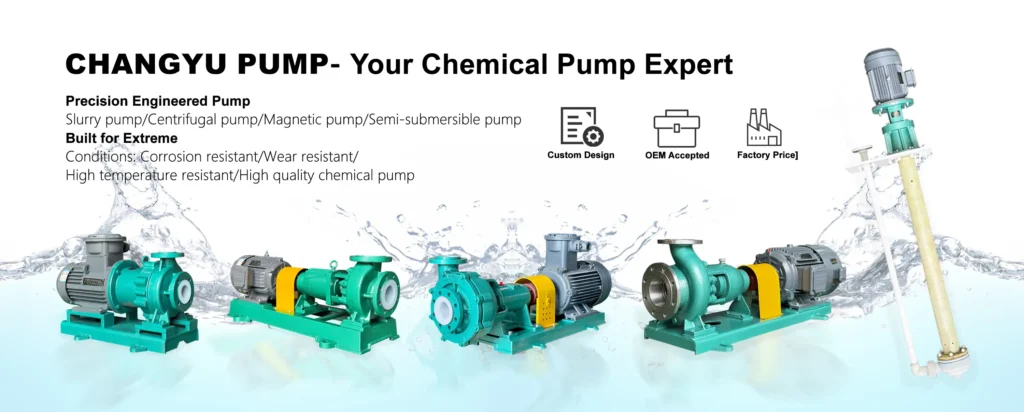
Changyu Pump menyediakan jalur yang lebih lengkap: transfer sentrifugal stainless steel untuk tugas konvensional yang stabil, solusi magnetik pemancing otomatis untuk layanan hisap-angkat dan layanan yang sensitif terhadap penahanan, pompa magnetik stainless steel tugas berat untuk transfer kontinu yang lebih kuat, dan pompa diafragma yang dioperasikan dengan udara untuk penanganan intermiten yang fleksibel.
Jika Anda memilih Pompa Air DI untuk sistem air ultra-murni, bagikan laju aliran, head, persyaratan kemurnian, dan tata letak instalasi Anda dengan Changyu Pump. Tim kami dapat merekomendasikan konfigurasi pompa yang paling sesuai untuk sistem Anda dan membantu Anda mengurangi risiko kebocoran, tekanan pemeliharaan, dan ketidakpastian operasi jangka panjang. Hubungi kami untuk mendapatkan penawaran sekarang.