
Jawaban Singkat
A pompa dewatering lumpur adalah pompa khusus yang dirancang untuk mengumpankan lumpur kental, tailing, atau bubur mineral ke dalam filter press, belt press, atau sentrifugal untuk pengurangan air secara mekanis. Tidak seperti pompa lumpur sentrifugal standar, pompa dewatering harus memberikan aliran yang stabil terhadap tekanan pelepasan yang meningkat tajam saat kue filter terbentuk. Empat faktor seleksi inti:
- Jenis pompa harus sesuai dengan kurva tekanan dewatering: Pompa rongga progresif dan pompa diafragma — keduanya merupakan desain perpindahan positif — mempertahankan aliran saat tekanan meningkat selama siklus dewatering. Pompa sentrifugal standar kehilangan aliran dengan cepat begitu tekanan sistem melebihi sekitar 70–80% dari titik efisiensi terbaik (BEP) pompa, membuatnya tidak cocok untuk tahap tekanan tinggi dan penahan tekanan pada operasi filter press.
- Material aus harus tahan terhadap abrasi tekanan tinggi dan serangan kimia: Kombinasi tekanan tinggi dan padatan abrasif — pasir, kerikil, tailing mineral — mempercepat keausan melampaui apa yang dapat ditahan oleh material pompa lumpur standar pada tekanan rendah. Elastomer stator, pelapis rotor, dan material casing harus dipilih sesuai dengan kimia lumpur spesifik dan karakteristik partikel.
- Pompa harus mengakomodasi seluruh siklus operasi: Umpan filter press berlangsung melalui pengisian cepat (tekanan rendah, aliran tinggi), tekanan tinggi (aliran berkurang), dan tahap penahan tekanan. Pompa dan sistem kontrolnya harus beradaptasi di seluruh rentang ini tanpa overheating, kelebihan beban, atau beroperasi dalam kondisi hidrolik yang tidak stabil.
- Operasi intermiten memerlukan langkah perlindungan khusus: Sebagian besar sistem dewatering beroperasi dalam siklus batch. Di antara siklus, lumpur tetap diam di casing pompa, menciptakan kondisi untuk pengendapan padatan, korosi, dan — dengan elastomer tertentu — degradasi kimia dari aditif pengolahan.
Pabrik pengolahan air limbah kota dan operasi pengolahan mineral memiliki tujuan bersama: mengubah bubur volume tinggi dengan padatan rendah menjadi kue filter yang kompak dan dapat diangkut. Pompa yang memberi makan peralatan dewatering adalah komponen yang paling sensitif secara operasional dalam proses ini. Pompa lumpur sentrifugal yang ditentukan dengan benar untuk pelepasan pabrik atau transfer tailing — aplikasi dengan tekanan pelepasan yang relatif stabil — akan menghadapi keterbatasan hidrolik mendasar saat terhubung ke filter press. Saat kue filter menumpuk dan resistansi aliran meningkat, pompa sentrifugal bergerak ke kiri pada kurva kinerjanya menuju shut-off. Aliran menjadi tidak stabil, getaran meningkat, dan pompa beroperasi di wilayah hidrolik yang tidak dirancang untuk dipertahankan. Kerusakan yang dihasilkan — kegagalan seal, kelebihan beban bantalan, defleksi poros — bukanlah cacat pompa tetapi konsekuensi yang dapat diprediksi dari penerapan jenis pompa yang salah pada aplikasi dewatering dengan tekanan variabel.
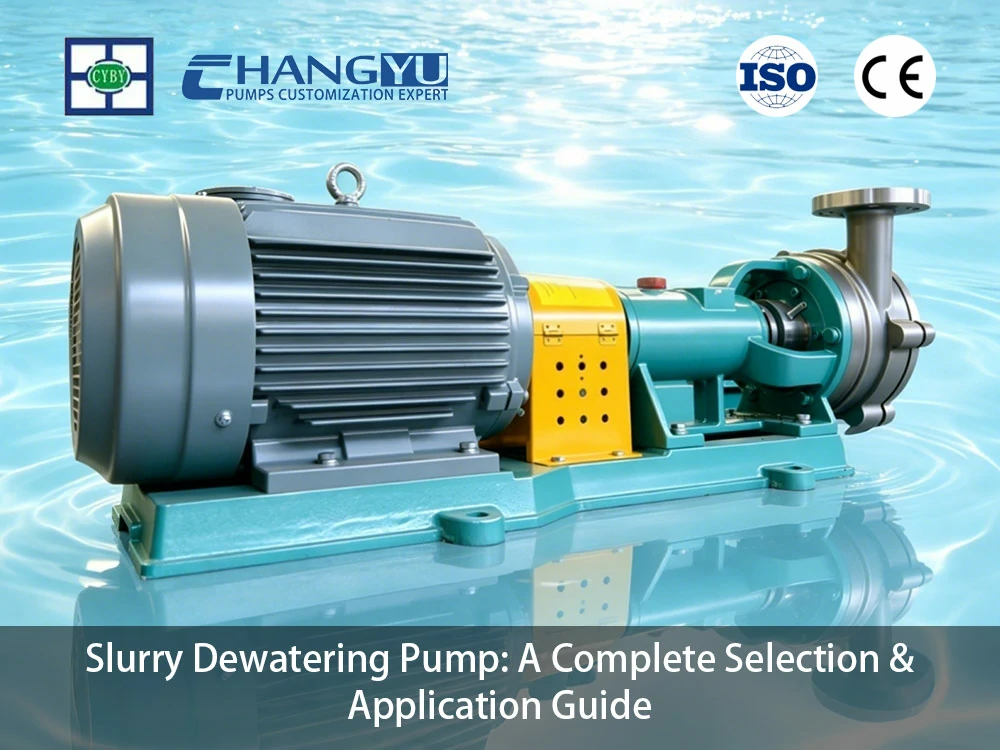
Changyu Pump telah menentukan dan memasok pompa untuk layanan dewatering di seluruh pengolahan lumpur kota dan pengolahan mineral selama lebih dari dua dekade. Panduan ini menyediakan kerangka kerja terstruktur untuk memilih jenis pompa, material aus, dan strategi kontrol untuk aplikasi dewatering lumpur.
Mengapa Pompa Dewatering Lumpur Memerlukan Desain Khusus?
Aplikasi dewatering memberlakukan tiga tuntutan simultan yang membedakannya dari tugas transfer lumpur umum.
Profil tekanan variabel: Tidak seperti transfer tailing atau pelepasan pabrik — di mana pompa beroperasi melawan tekanan pelepasan yang relatif konstan — tekanan umpan filter press meningkat dari hampir atmosfer menjadi 8–15 bar atau lebih tinggi selama satu siklus dewatering. Pompa harus terus memberikan aliran di seluruh rentang tekanan ini. Karakteristik aliran pompa sentrifugal secara inheren menurun dengan tekanan; pompa perpindahan positif memberikan aliran yang sebagian besar tidak tergantung pada tekanan pelepasan. Perbedaan hidrolik mendasar ini menentukan pemilihan jenis pompa untuk layanan dewatering.
Keausan yang dipercepat di bawah tekanan: Partikel abrasif dalam lumpur — pasir silika, kerikil mineral, endapan logam — menyebabkan keausan pada tingkat yang meningkat seiring dengan tekanan operasi. Partikel yang sama yang menghasilkan masa pakai aus yang dapat diterima pada 2–3 bar dalam aplikasi transfer dapat mengurangi masa pakai komponen menjadi minggu atau bulan pada 10–12 bar dalam layanan dewatering. Pemilihan material harus memperhitungkan percepatan keausan yang bergantung pada tekanan ini.
Paparan fluida stagnan di antara siklus: Dalam sistem dewatering yang dioperasikan secara batch, pompa mengalami periode operasi dan waktu idle yang bergantian. Selama periode idle, lumpur tetap berada di casing pompa dan ruang seal. Padatan mengendap dan memadat. Bahan kimia pengolahan — polimer, kapur, ferric chloride — dapat terus bereaksi dengan material pompa. Elastomer yang berkinerja baik selama operasi dinamis dapat terdegradasi saat terpapar lumpur stagnan yang aktif secara kimia untuk waktu yang lama.
Apa Jenis Pompa Terbaik untuk Aplikasi Dewatering Lumpur?
Tiga jenis pompa melayani aplikasi dewatering, masing-masing dengan karakteristik hidrolik yang berbeda yang menentukan kesesuaiannya untuk berbagai tahap siklus dewatering.
Pompa Rongga Progresif:
Rotor logam heliks tunggal berputar secara eksentrik di dalam stator elastomer heliks ganda. Setiap putaran memajukan volume fluida tetap melalui serangkaian rongga tertutup, menghasilkan aliran yang sebanding dengan kecepatan dan hampir tidak tergantung pada tekanan pelepasan. Karakteristik aliran konstan ini menjadikannya pompa rongga progresif pompa umpan utama yang disukai untuk dewatering filter press — ia memberikan aliran stabil dari pengisian atmosfer awal hingga tahap tekanan tinggi tanpa penurunan aliran yang membatasi kinerja pompa sentrifugal.
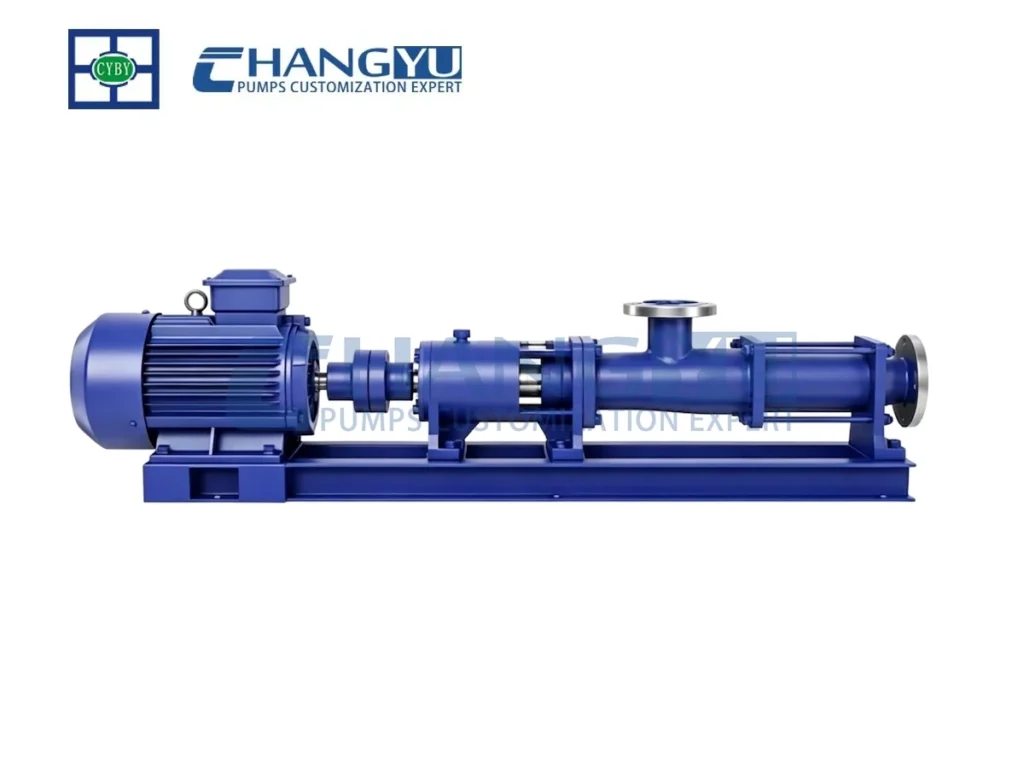
Stator merupakan komponen aus yang perlu diganti. Masa pakai stator ditentukan oleh tingkat abrasivitas lumpur, kecepatan operasi, dan pemilihan elastomer. Perlakuan permukaan rotor — pelapisan krom keras atau pelapisan keramik — secara langsung memengaruhi masa pakai aus rotor dan stator. Untuk aplikasi dewatering, rotor berlapis krom atau keramik yang dikombinasikan dengan elastomer stator tahan abrasi biasanya memperpanjang masa pakai hingga dua hingga tiga kali lipat dibandingkan kombinasi rotor-stator standar.
Pompa Diafragma (Dioperasikan dengan Udara atau Listrik):
Pompa diafragma menggunakan membran fleksibel yang digerakkan oleh udara bertekanan (AODD) atau motor listrik (EODD) untuk memindahkan fluida. Diafragma mengisolasi fluida yang dipompa dari mekanisme penggerak, menghilangkan segel poros dinamis — sebuah keunggulan saat memompa lumpur abrasif atau agresif secara kimia. Pompa diafragma menangani padatan besar, material berserat, dan lumpur viskositas tinggi tanpa tersumbat. Pompa ini dapat beroperasi melawan saluran keluar tertutup selama tahap penahan tekanan akhir — saat resistansi filter cake maksimum dan aliran mendekati nol.
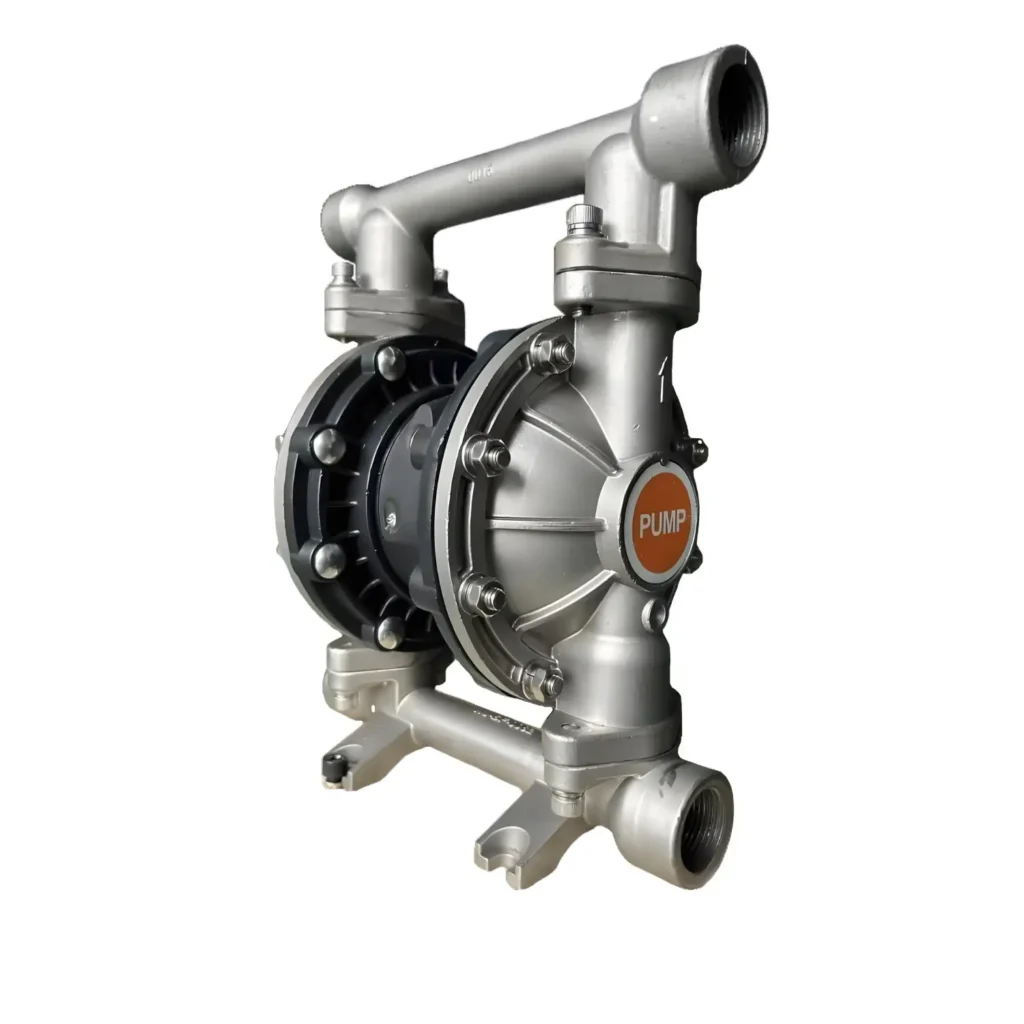
Aliran keluar pompa diafragma bersifat berdenyut, bukan kontinu. Peredam denyut direkomendasikan untuk aplikasi yang memerlukan akurasi pengukuran aliran di hilir atau di mana getaran pipa akibat denyut tekanan menjadi perhatian. Masa pakai diafragma bergantung pada efek gabungan dari tekanan operasi, frekuensi langkah, dan tingkat abrasivitas lumpur.
Pompa Sentrifugal (Impeler Terbuka atau Vortex):
Pompa sentrifugal melayani tahap pengisian cepat awal siklus dewatering, saat ruang filter press kosong dan tekanan keluar rendah. Kapasitas aliran tinggi pada head rendah mengisi press dengan cepat — wilayah hidrolik di mana pompa sentrifugal beroperasi secara efisien. Namun, begitu tekanan keluar naik ke kisaran di atas 70–80% BEP pompa, aliran menjadi tidak stabil, getaran meningkat, dan operasi berkelanjutan di wilayah ini menyebabkan kerusakan mekanis progresif.
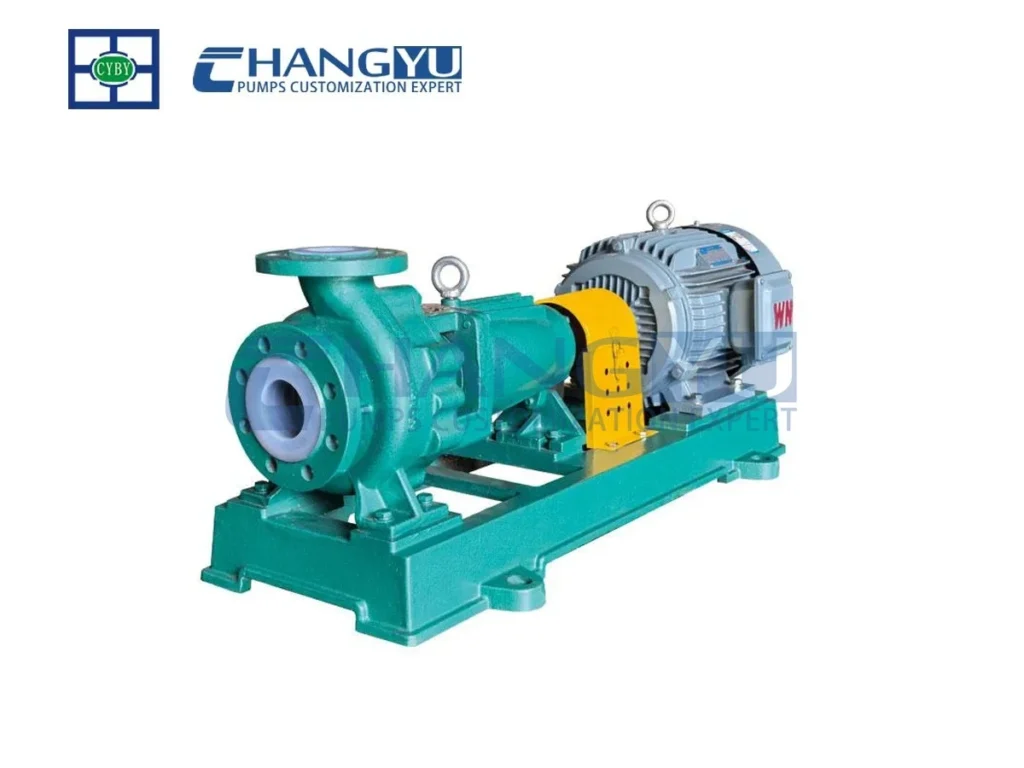
Pompa sentrifugal tidak direkomendasikan sebagai satu-satunya pompa umpan filter press untuk aplikasi di mana siklus dewatering mencakup tahap tekanan tinggi. Pompa ini tepat digunakan sebagai pompa pengisi yang mengisi press selama tahap awal bertekanan rendah, dengan pompa progressive cavity atau diafragma mengambil alih untuk tahap tekanan tinggi dan penahan tekanan.
Perbandingan Jenis Pompa untuk Aplikasi Dewatering:
| Jenis Pompa | Kapasitas Tekanan | Karakteristik Aliran | Penanganan Padatan | Aplikasi Terbaik |
|---|---|---|---|---|
| Rongga progresif | 6–24 bar (multi-tahap) | Hampir konstan terhadap tekanan | Baik — menangani grit, lumpur, dan tailing halus | Umpan utama filter press; semua tahap dewatering |
| Diafragma (AODD/EODD) | Hingga 8–15 bar | Berdenyut; hampir konstan terhadap tekanan | Sangat baik — melewatkan padatan besar, material berserat, dan partikel kasar | Lumpur padatan tinggi; umpan dewatering berserat atau kasar |
| Sentrifugal (impeler terbuka/vortex) | Aliran menurun di atas 70–80% BEP | Menurun terhadap tekanan | Baik pada tekanan rendah; kehilangan aliran pada tekanan tinggi | Hanya pengisian cepat awal; tidak untuk tahap tekanan tinggi |
Insinyur di Changyu Pump merekomendasikan: Untuk dewatering lumpur kota, pompa progressive cavity adalah pompa umpan utama yang lebih disukai. Pompa ini menangani seluruh siklus dewatering — dari pengisian awal hingga tekanan tinggi dan penahan tekanan — tanpa keterbatasan hidrolik yang memengaruhi pompa sentrifugal pada tekanan keluar yang tinggi. Mekanisme keausan stator yang dapat diprediksi memungkinkan penjadwalan perawatan terencana daripada perbaikan darurat. Pompa diafragma dipilih ketika lumpur mengandung padatan besar, material berserat, atau kain yang dapat tersangkut di antarmuka rotor-stator pompa progressive cavity. Pompa sentrifugal tepat digunakan sebagai pompa pengisi selama tahap pengisian awal bertekanan rendah dan tidak boleh ditentukan sebagai satu-satunya pompa untuk aplikasi yang melibatkan dewatering tekanan tinggi.
Material Apa yang Terbaik untuk Pompa Dewatering Lumpur Tekanan Tinggi?
Efek gabungan dari tekanan operasi tinggi dan padatan abrasif dalam layanan dewatering memerlukan pemilihan material yang mempertimbangkan keausan mekanis dan kompatibilitas kimia. Material yang berkinerja baik dalam aplikasi transfer tekanan rendah dapat gagal dengan cepat dalam kondisi dewatering.
Material Pompa Progressive Cavity:
| Komponen | Bahan | Aplikasi | Keterbatasan |
|---|---|---|---|
| Stator | Karet alam (NR) | Lumpur halus, non-berminyak; air limbah kota standar | Tidak untuk lumpur berminyak atau suhu di atas 70°C |
| Stator | Karet nitril (NBR) | Lumpur berminyak; air limbah industri dengan hidrokarbon; lumpur yang dikondisikan dengan polimer | Tidak untuk bahan kimia pengoksidasi kuat |
| Stator | Fluoroelastomer (FKM) | Lumpur suhu tinggi; dewatering industri kimia dengan asam atau hidrokarbon | Tidak kompatibel dengan keton atau ester; suhu layanan maksimum 120°C dalam aplikasi stator |
| Rotor | Baja berlapis krom keras | Lumpur abrasif standar; paling ekonomis untuk abrasi sedang | Lapisan krom aus seiring waktu; pelapisan ulang atau penggantian akhirnya diperlukan |
| Rotor | Berlapis keramik | Tailing mineral sangat abrasif; lumpur dengan kandungan pasir atau grit tinggi | Biaya awal lebih tinggi daripada berlapis krom |
| Rotor | Baja tahan karat dupleks | Lumpur korosif; dewatering industri asam | Ketahanan aus lebih rendah daripada rotor berlapis |
Material Pompa Sentrifugal untuk Layanan Dewatering:
| Komponen | Bahan | Aplikasi | Keterbatasan |
|---|---|---|---|
| Casing / impeler | CrMo krom tinggi (600–700 HB) | Tailing mineral abrasif; lumpur pH netral | Terkorosi dalam kondisi asam di bawah pH 4 |
| Casing / impeler | 316 baja tahan karat | Lumpur industri korosif; dewatering asam | Ketahanan aus lebih rendah daripada CrMo |
| Casing / impeler | lapisan UHMW-PE | Korosi dan abrasi sedang gabungan; pilihan ekonomis untuk tahap tekanan rendah hingga sedang (< 10 bar) | Tidak direkomendasikan untuk tahap tekanan tinggi di atas 10 bar — risiko deformasi atau pelepasan lapisan di bawah tekanan tinggi berkelanjutan |
| Segel poros | Segel mekanis ganda dengan fluida penghalang | Dewatering tugas kontinu; mencegah masuknya lumpur ke rumah bantalan | Memerlukan pasokan fluida barrier bersih dan pemantauan |
| Segel poros | Packing gland dengan expeller | Instalasi jarak jauh di mana pasokan fluida barrier tidak tersedia; mentolerir kebocoran kecil | Tidak untuk lumpur berbahaya atau beracun di mana kebocoran tidak dapat diterima |
Para insinyur di Changyu Pump telah mengamati di seluruh instalasi pompa dewatering: Pemilihan elastomer stator adalah faktor tunggal yang paling berpengaruh terhadap masa pakai pompa rongga progresif. Stator karet alam standar pada lumpur yang mengandung pasir halus atau grit mungkin memerlukan penggantian setelah 500–1.000 jam operasi. Menentukan elastomer dengan ketahanan abrasi tinggi yang dikombinasikan dengan rotor berlapis keramik dapat memperpanjang masa pakai stator hingga 3.000–5.000 jam atau lebih. Premi biaya material dapat diperoleh kembali melalui pengurangan frekuensi penggantian dan penghapusan kejadian downtime yang tidak direncanakan. Untuk pompa sentrifugal yang digunakan pada tahap pengisian awal, pelapis UHMW-PE memberikan perlindungan aus dan korosi gabungan yang efektif pada tekanan sedang, tetapi penggunaannya harus dibatasi pada tekanan di bawah 10 bar karena keterbatasan mekanis dari ikatan liner-ke-rumah di bawah beban berkelanjutan.
Bagaimana Cara Menyesuaikan Pompa Dewatering Slurry dengan Siklus Operasi Filter Press?
Siklus dewatering filter press berlangsung melalui tahapan yang berbeda, masing-masing memerlukan output pompa yang berbeda. Pompa yang tidak dapat beradaptasi di seluruh tahapan ini — atau sistem kontrol yang tidak mengelola transisi antar tahapan — akan mengorbankan produktivitas dewatering atau keandalan pompa.
Tahap 1 — Pengisian Cepat: Ruang tekan yang kosong memberikan resistensi aliran yang minimal. Pompa harus mengirimkan aliran maksimum untuk mengisi ruang dengan cepat — produktivitas waktu siklus bergantung pada meminimalkan tahap ini. Pompa pengisian sentrifugal dapat melengkapi pompa perpindahan positif utama selama pengisian cepat untuk mempercepat proses, asalkan diisolasi sebelum tekanan naik ke rentang operasinya yang tidak stabil.
Tahap 2 — Pemerasan Tekanan Tinggi: Saat kue filter menumpuk di pelat tekan, resistensi aliran meningkat secara progresif. Pompa harus terus mengirimkan aliran pada tekanan yang meningkat sementara laju aliran secara alami menurun. Pompa rongga progresif dengan penggerak frekuensi variabel (VFD) beradaptasi secara efektif — kecepatan pompa dikurangi saat tekanan naik, mencocokkan output pompa dengan permintaan tekan sambil secara bersamaan mengurangi laju keausan stator pada kecepatan yang lebih rendah.
Tahap 3 — Penahanan Tekanan: Aliran mendekati nol saat kue mencapai kepadatan praktis maksimumnya. Pompa harus mempertahankan tekanan sistem tanpa mengirimkan aliran yang signifikan. Katup pelepas tekanan atau jalur bypass melindungi pompa dari pengoperasian terhadap saluran keluar yang tertutup penuh. Untuk pompa diafragma, tahap ini dikelola secara inheren — pompa hanya berhenti terhadap tekanan saluran keluar tanpa kerusakan. Untuk pompa rongga progresif, VFD mengurangi kecepatan ke minimum, dan katup pelepas memberikan perlindungan tambahan.
Strategi Kontrol untuk Pompa Dewatering Kecepatan Variabel:
VFD dengan umpan balik transduser tekanan memungkinkan penyesuaian kecepatan otomatis di seluruh siklus dewatering. Logika kontrol mengikuti urutan sederhana: mulai pada kecepatan tinggi selama pengisian cepat; secara progresif kurangi kecepatan saat tekanan saluran keluar naik; pertahankan kecepatan minimum selama penahanan tekanan. Strategi ini secara bersamaan memaksimalkan throughput selama tahap pengisian — ketika pompa dapat beroperasi pada kecepatan produktif tertingginya — dan meminimalkan keausan stator selama tahap tekanan tinggi, ketika kecepatan yang lebih rendah mengurangi baik pembangkitan panas gesekan maupun beban mekanis pada elastomer.
Studi Kasus Pompa Dewatering Slurry: Memperpanjang Umur Pompa Umpan Filter Press di Pabrik Dewatering Lumpur Perkotaan
Sebuah pabrik pengolahan air limbah perkotaan mengoperasikan dua pompa sentrifugal yang memberi makan filter press pelat-dan-bingkai untuk dewatering lumpur primer dan sekunder campuran. Lumpur tersebut mengandung pasir halus dan grit dari sistem pengumpulan saluran pembuangan, dan pabrik menggunakan polimer kationik untuk pengkondisian sebelum dewatering.
Pompa sentrifugal berkinerja memadai selama tahap pengisian awal — ketika tekanan saluran keluar rendah dan aliran tinggi — tetapi mengalami masalah operasional yang signifikan saat setiap siklus dewatering berlangsung. Setelah tekanan saluran keluar melebihi sekitar 5 bar, pompa bergerak ke kiri pada kurva kinerjanya ke wilayah aliran rendah dan getaran tinggi. Segel mekanis gagal berulang kali — tiga penggantian segel per pompa tercatat dalam periode 12 bulan. Tingkat getaran melebihi batas yang direkomendasikan pabrikan pompa selama tahap pemerasan tekanan. Selain itu, impeller tertutup mengakumulasi material berserat dan memerlukan pembongkaran untuk pembersihan manual di antara batch dewatering.
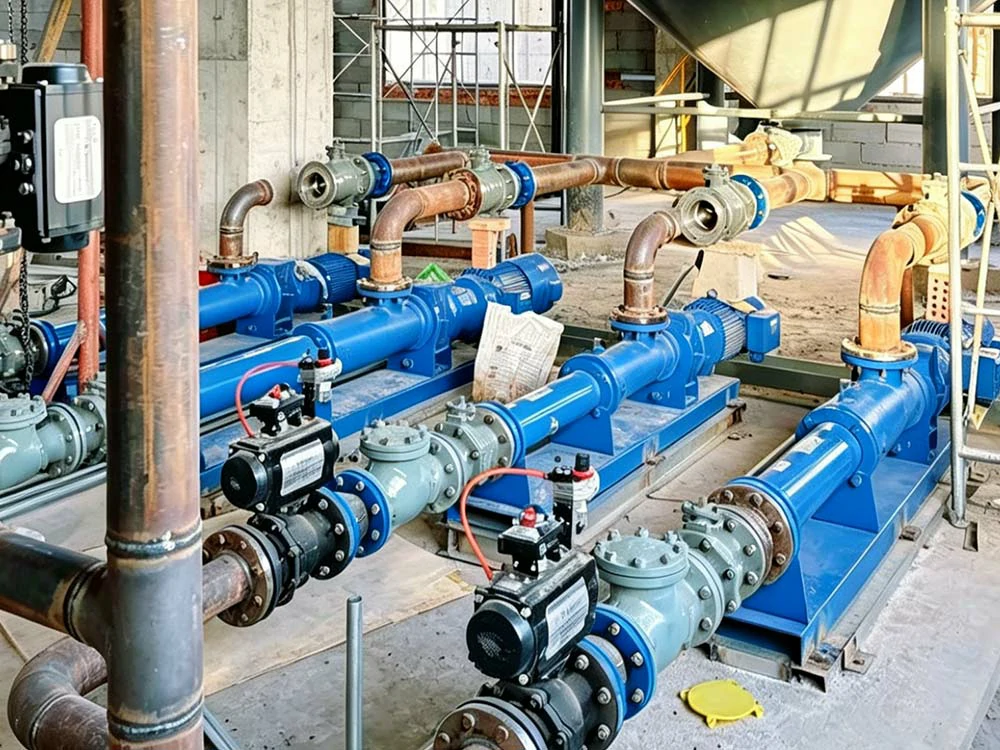
Changyu Pump mengganti pompa sentrifugal dengan pompa rongga progresif yang ditentukan dengan stator NBR — dipilih untuk kompatibilitas dengan lumpur yang dikondisikan polimer — dan rotor berlapis krom keras. VFD dengan umpan balik transduser tekanan dipasang untuk memungkinkan penyesuaian kecepatan otomatis melalui siklus dewatering. Sistem kontrol diprogram untuk memulai pompa pada kecepatan tinggi selama pengisian cepat, secara progresif mengurangi kecepatan saat tekanan saluran keluar naik, dan mempertahankan kecepatan minimum selama tahap penahanan tekanan.
Hasil setelah dua tahun operasi berkelanjutan: Kecepatan operasi yang lebih rendah dan desain hidrolik yang seimbang dari pompa rongga progresif secara signifikan mengurangi beban permukaan segel dibandingkan dengan pompa sentrifugal yang beroperasi di luar BEP mereka. Kegagalan segel mekanis dihilangkan. Interval penggantian stator stabil pada sekitar 18 bulan di bawah kondisi operasi pabrik. Waktu siklus filter press berkurang sekitar 15% — kinerja tekanan tinggi yang konsisten dari pompa rongga progresif, dikombinasikan dengan kontrol VFD, memampatkan durasi tahap pemerasan dibandingkan dengan operasi pompa sentrifugal sebelumnya, yang menjadi tidak efisien saat tekanan naik.
Poin penting: Pompa sentrifugal yang beroperasi di luar rentang tekanan desainnya dalam layanan dewatering mengalami keausan segel yang dipercepat, getaran yang meningkat, dan kerusakan mekanis progresif. Pompa rongga progresif — dengan karakteristik perpindahan positif aliran konstan, kontrol kecepatan variabel, dan keausan stator yang dapat diprediksi — memberikan kompatibilitas hidrolik dan prediktabilitas perawatan yang dibutuhkan aplikasi dewatering filter press.
Solusi Pompa Dewatering Slurry dari Changyu Pump
Changyu Pump memproduksi seri pompa yang dikonfigurasi untuk aplikasi dewatering di seluruh pengolahan lumpur kota dan pemrosesan mineral. Tabel produk di bawah ini mencocokkan setiap seri dengan aplikasi dewatering yang sesuai.
| Aplikasi | Tantangan Utama | Seri yang Direkomendasikan | Fitur Utama |
|---|---|---|---|
| Dewatering lumpur kota | Lumpur yang dikondisikan dengan pasir + polimer | Seri UHB | Dilapisi UHMW-PE; ketahanan aus dan korosi gabungan untuk tahap tekanan rendah hingga sedang |
| Lumpur korosif industri | Serangan kimia dari asam atau pelarut | Seri CYB-ZKJ | Dilapisi FEP/PFA; kelembaman kimia maksimum untuk filtrat dewatering agresif atau lumpur yang dikondisikan secara kimia |
| Dewatering tailing mineral | Abrasi ekstrem + tekanan tinggi | Seri PGY | Bagian basah paduan kromium tinggi; kemampuan tekanan tinggi untuk tahap penekanan filter press |
| Sistem pembersihan / pembilasan | Korosi dari air cuci dan bahan pembersih | Seri HB | Konstruksi baja tahan karat seluruhnya; berbagai tingkat paduan tersedia |
Seri UHB — Pompa Sentrifugal Berlapis UHMW-PE
Pompa sentrifugal UHMW-PE berlapis baja untuk tahap pengisian cepat dan tekanan rendah hingga sedang dari siklus dewatering. Semua permukaan basah bersifat non-logam, memberikan ketahanan aus dan korosi gabungan. Paling cocok untuk aplikasi di mana tekanan pelepasan tidak melebihi 10 bar — untuk tahap penekanan tekanan lebih tinggi, pompa rongga progresif atau paduan kromium tinggi direkomendasikan.
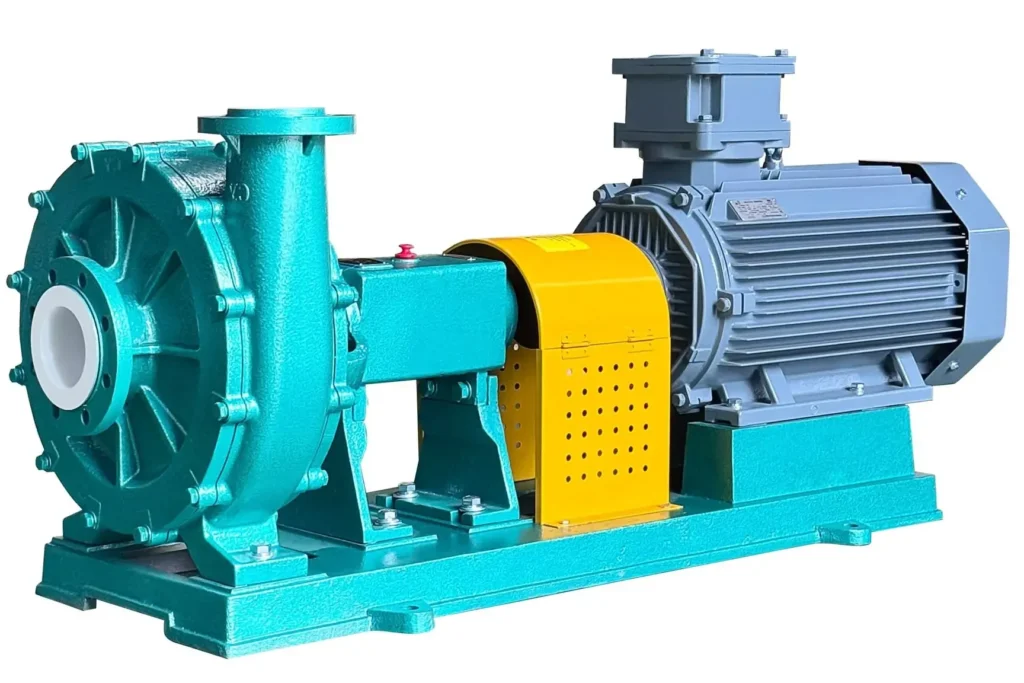
| Parameter | Spesifikasi |
|---|---|
| Laju aliran | 3-2.600 m³/jam |
| Kepala | 5-100 m |
| Daya motor | 0,75-300 kW |
| Suhu | -20°C hingga 90°C |
| Bahan pelapis | UHMW-PE |
Seri CYB-ZKJ — Pompa Sentrifugal Berlapis Fluoropolimer
Pompa sentrifugal berlapis FEP/PFA untuk aplikasi dewatering industri yang agresif secara kimia — filtrat asam, lumpur yang dikondisikan pelarut, atau bubur dewatering yang mengandung bahan kimia perawatan oksidatif. Lapisan fluoropolimer mengisolasi rumah pompa dari fluida yang dipompa, memberikan ketahanan kimia yang setara dengan konstruksi fluoropolimer padat.
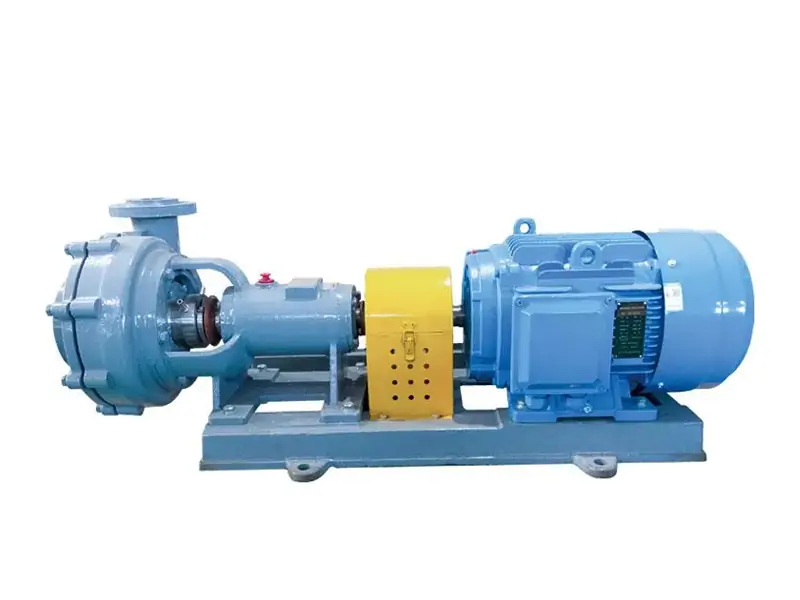
| Parameter | Spesifikasi |
|---|---|
| Laju aliran | 3-2.600 m³/jam |
| Kepala | 5-100 m |
| Daya motor | 0,75-300 kW |
| Suhu | -80°C hingga 120°C |
| Bahan pelapis | FEP (standar), PFA (opsi suhu tinggi) |
Seri PGY — Pompa Bubur Head Tinggi Tugas Berat
Dirancang untuk kondisi head tinggi dan aus parah dalam dewatering tailing mineral. Desain casing ganda memungkinkan penggantian bagian basah tanpa membongkar perpipaan — keuntungan perawatan yang signifikan dalam instalasi filter press di mana aksesibilitas pompa sering terbatas. Bagian basah paduan kromium tinggi (BTMCr27, Cr28, Cr33) memberikan ketahanan abrasi yang diperlukan untuk tahap penekanan tailing tekanan tinggi. Opsi baja tahan karat dupleks tersedia untuk aplikasi korosi dan abrasi gabungan.
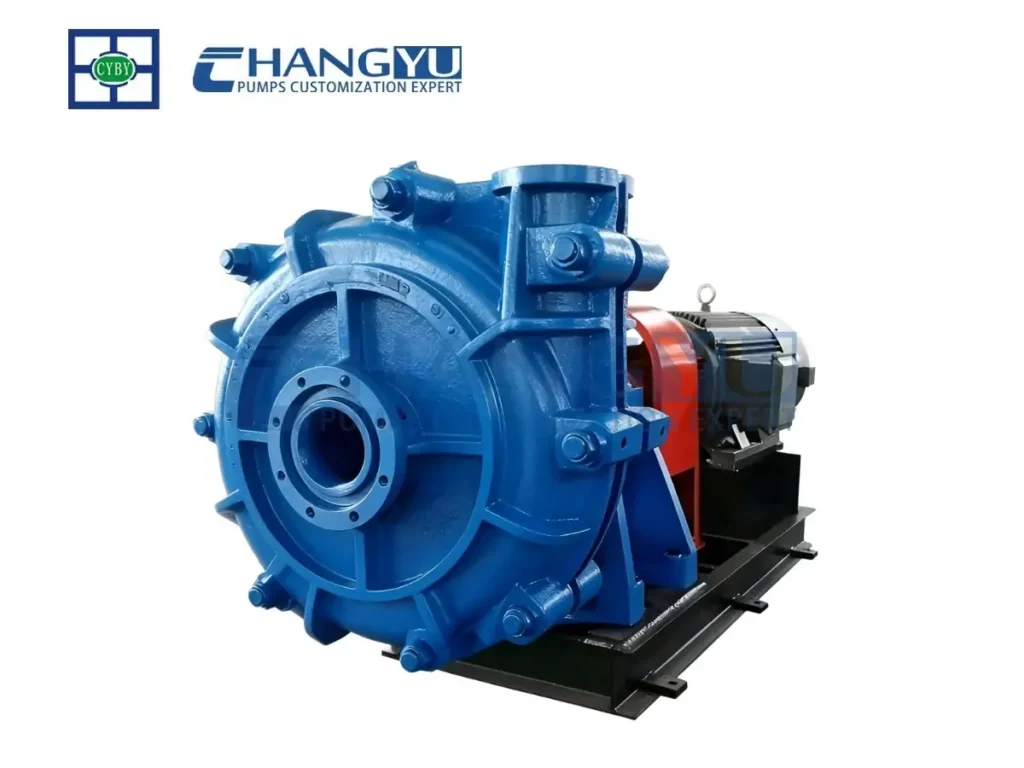
| Parameter | Spesifikasi |
|---|---|
| Laju aliran | 117–976 m³/jam |
| Kepala | 21,1–101,6 m |
| Daya motor | 22–560 kW |
| Kecepatan | 730 / 980 / 1.480 r/mnt |
| Bahan | BTMCr27 / BTMCr28 / BTMCr33 / baja tahan karat dupleks |
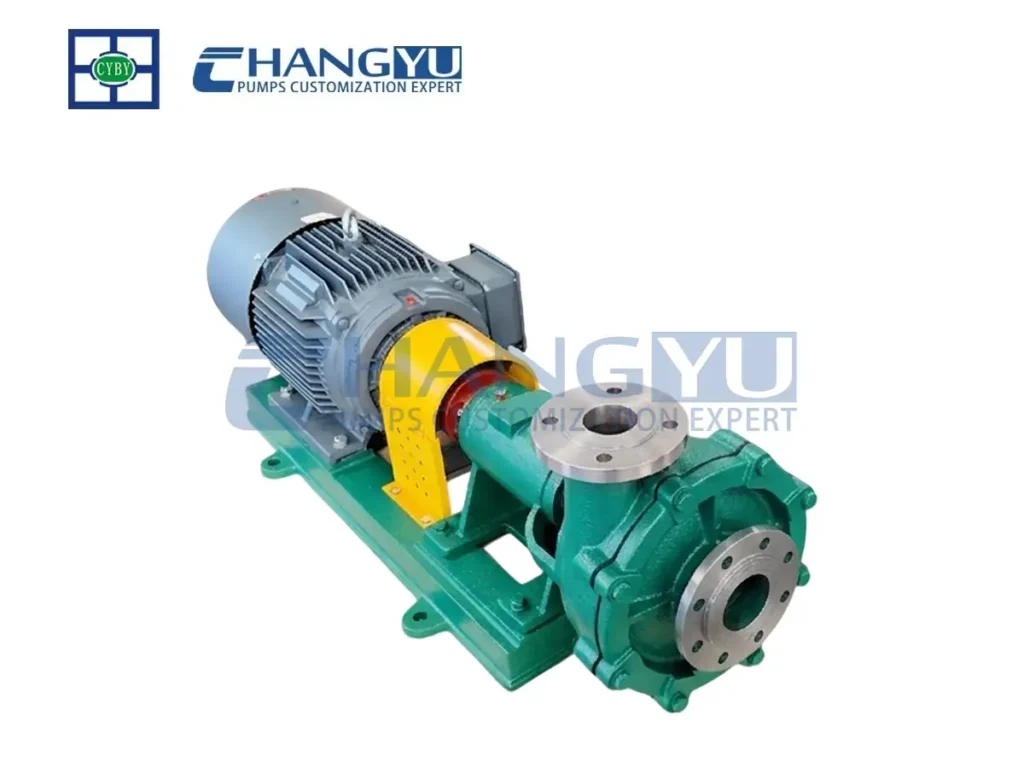
Seri HB — Pompa Sentrifugal Baja Tahan Karat
Pompa sentrifugal horizontal sesuai ISO 2858 dengan konstruksi basah seluruhnya dari baja tahan karat. Cocok untuk pembilasan sistem dewatering, sirkulasi larutan pembersih, dan transfer air servis non-abrasif di pabrik dewatering. Tersedia dalam tingkat 304, 316L, 2205, dan 2507 untuk mencocokkan profil korosi aplikasi spesifik.
| Parameter | Spesifikasi |
|---|---|
| Laju aliran | 10-60 m³/jam |
| Kepala | 20-120 m |
| Daya motor | 3-45 kW |
| Kecepatan | 2.900 r/menit |
| Suhu | -20°C hingga 120°C |
| Bahan | 304 / 316L / 2205 / 2507 |
FAQ tentang Pompa Dewatering Bubur
T: Mengapa pompa sentrifugal tidak dapat berfungsi sebagai satu-satunya pompa umpan filter press?
J: Aliran pompa sentrifugal menurun seiring meningkatnya tekanan pelepasan. Selama siklus dewatering filter press, tekanan meningkat dari hampir atmosferik menjadi 8–15 bar atau lebih tinggi saat kue filter terbentuk. Setelah tekanan sistem melebihi sekitar 70–80% dari BEP pompa, aliran menjadi tidak stabil, getaran meningkat, dan operasi berkelanjutan menyebabkan kerusakan progresif pada segel dan bantalan. Pompa sentrifugal dapat berfungsi sebagai pompa pengisi selama tahap pengisian tekanan rendah awal, tetapi pompa perpindahan positif — rongga progresif atau diafragma — harus menangani tahap penekanan tekanan tinggi dan penahan tekanan.
T: Apa jenis pompa yang lebih disukai untuk dewatering lumpur kota?
J: Pompa rongga progresif adalah standar yang mapan untuk umpan filter press kota. Karakteristik perpindahan positif aliran konstan mereka menangani seluruh siklus dewatering — dari pengisian awal hingga penekanan tekanan tinggi — tanpa keterbatasan hidrolik pompa sentrifugal. Penggantian stator adalah acara perawatan terencana dengan interval yang dapat diprediksi berdasarkan karakteristik lumpur dan jam operasi.
T: Berapa lama stator pompa rongga progresif bertahan dalam layanan dewatering?
J: Umur stator dalam layanan dewatering berkisar dari sekitar 500 jam operasi (lumpur abrasif dengan pasir atau grit, stator karet alam standar) hingga 5.000+ jam (lumpur halus, non-abrasif dengan elastomer tahan abrasi tinggi dan rotor berlapis keramik). Kandungan grit lumpur adalah faktor dominan yang menentukan interval penggantian stator.
T: Dapatkah pompa diafragma digunakan untuk umpan filter press?
J: Pompa diafragma adalah pilihan yang cocok untuk umpan filter press, terutama ketika lumpur mengandung padatan besar, bahan berserat, atau kain yang dapat tersangkut di pompa rongga progresif. Mereka mentolerir operasi melawan pelepasan tertutup selama tahap penahan tekanan akhir. Peredam pulsasi direkomendasikan untuk menghaluskan aliran pelepasan dan mengurangi getaran perpipaan.
T: Bagaimana saya harus mengontrol kecepatan pompa selama siklus dewatering?
J: Penggerak frekuensi variabel dengan umpan balik transduser tekanan memberikan penyesuaian kecepatan otomatis di seluruh siklus dewatering. Pompa mulai pada kecepatan tinggi selama pengisian cepat untuk memaksimalkan throughput, secara progresif mengurangi kecepatan saat tekanan pelepasan naik selama tahap penekanan — yang secara bersamaan mengurangi keausan stator — dan mempertahankan kecepatan minimum selama penahan tekanan. Strategi kontrol ini mengoptimalkan produktivitas dan umur pakai pompa.
Daftar Periksa Pencegahan untuk Insinyur Pompa Changyu
- Jangan menentukan pompa sentrifugal sebagai satu-satunya pompa umpan filter press untuk aplikasi yang melibatkan dewatering tekanan tinggi. Ini akan beroperasi di luar rentang desainnya saat tekanan meningkat, menyebabkan kerusakan segel dan bantalan yang dipercepat. Gunakan pompa sentrifugal hanya untuk tahap pengisian tekanan rendah awal, dilengkapi dengan pompa rongga progresif atau diafragma untuk tahap tekanan tinggi.
- Cocokkan elastomer stator dengan abrasivitas lumpur dan lingkungan kimia. NBR untuk lumpur berminyak atau yang dikondisikan polimer. Karet alam untuk lumpur kota halus, non-berminyak. FKM untuk dewatering suhu tinggi atau industri kimia — tetapi verifikasi kompatibilitas kimia, terutama dengan keton dan ester.
- Tentukan rotor berlapis krom atau berlapis keramik ketika lumpur mengandung pasir, grit, atau partikel mineral. Biaya pelapisan diperoleh kembali melalui umur stator yang diperpanjang dan frekuensi penggantian yang berkurang.
- Pasang katup pelepas tekanan atau jalur bypass untuk melindungi pompa selama tahap penahanan tekanan akhir, saat aliran mendekati nol dan pompa beroperasi melawan tekanan sistem maksimum.
- Gunakan kontrol VFD dengan umpan balik transduser tekanan. Investasi tunggal ini secara bersamaan mengurangi keausan stator (melalui kecepatan lebih rendah selama tahap tekanan tinggi), konsumsi energi, dan total waktu siklus.
- Bilas pompa dengan air bersih setelah setiap batch dewatering. Lumpur yang dibiarkan menggenang di rumah pompa di antara siklus akan mengendap, memadat, dan dapat menyebabkan kerusakan parah saat start — terutama pada elastomer stator dan permukaan segel mekanis.
- Sediakan stator, rotor, dan segel mekanis cadangan dalam inventaris. Penggantian stator dalam layanan dewatering adalah peristiwa perawatan yang dapat diprediksi. Memiliki suku cadang yang tersedia mengubahnya dari potensi penghentian tak terduga menjadi prosedur terjadwal.
- Untuk pompa sentrifugal berlapis UHMW-PE, batasi aplikasi pada tahap tekanan rendah dan sedang (di bawah 10 bar). Untuk tahap tekanan tinggi di atas 10 bar, tentukan konstruksi baja tahan karat dupleks atau krom tinggi all-metal.
Kesimpulan
Pemilihan pompa dewatering lumpur pada dasarnya didorong oleh karakteristik hidrolik dari siklus dewatering. Filter press, belt press, atau centrifuge memberikan profil tekanan yang meningkat — dari hampir atmosferik di awal siklus hingga 8–15 bar atau lebih tinggi pada penyelesaian — yang tidak dapat diikuti oleh pompa sentrifugal standar di seluruh rentang operasi. Pompa progressive cavity dan pompa diaphragm, dengan karakteristik aliran konstan perpindahan positifnya, memberikan kompatibilitas hidrolik yang diperlukan untuk siklus dewatering lengkap. Pemilihan material — elastomer stator, pelapis rotor, dan konstruksi casing — harus memperhitungkan efek gabungan dari abrasi tekanan tinggi dan lingkungan kimia lumpur atau tailing. Kontrol VFD dengan umpan balik tekanan melengkapi sistem, memaksimalkan throughput selama tahap pengisian sambil meminimalkan keausan selama tahap tekanan tinggi — secara bersamaan mengoptimalkan produktivitas dan masa pakai pompa.
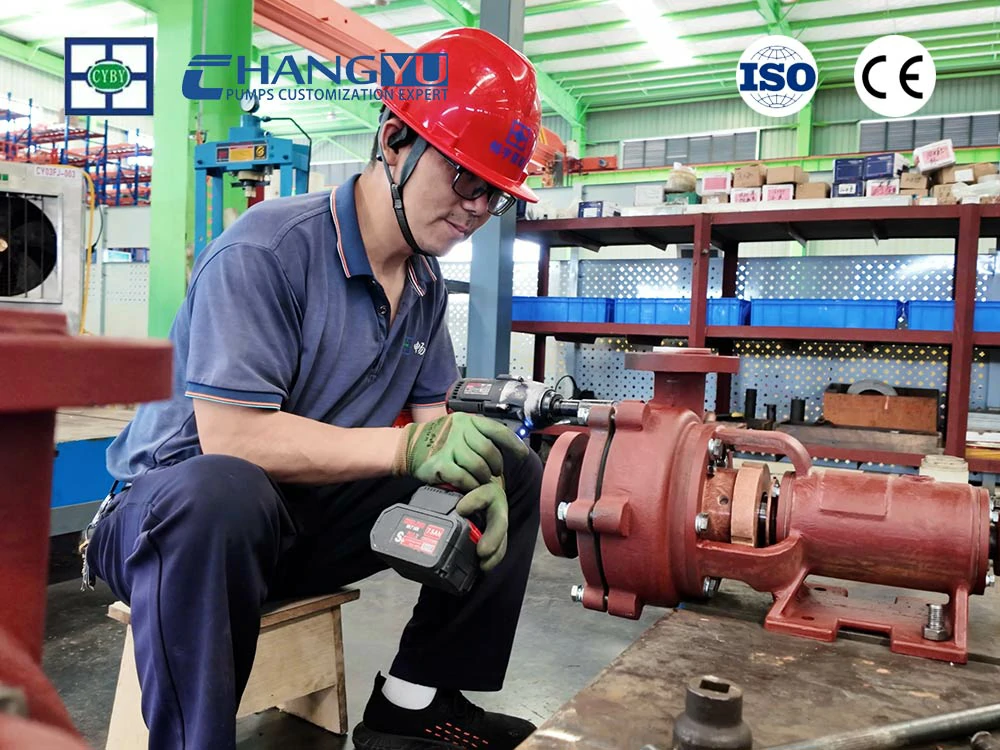
Tim teknik Changyu Pump menyediakan penilaian teknis khusus aplikasi untuk pemilihan pompa dewatering, didukung oleh pengalaman lebih dari 20 tahun di seluruh pengolahan lumpur kota dan aplikasi dewatering pemrosesan mineral.