
Jawaban Singkat
Memilih yang tepat pompa penanganan slurry memerlukan pencocokan jenis pompa dengan karakteristik slurry dan pemilihan material yang tahan terhadap efek gabungan abrasi dan korosi. Faktor seleksi kuantitatif utama:
- Pemilihan jenis pompa: Pompa sentrifugal menangani mayoritas aplikasi slurry — laju aliran hingga ribuan meter kubik per jam, konsentrasi padatan dari jumlah kecil hingga 40–70% berat (tergantung pada desain pompa dan reologi slurry), dan viskositas hingga sekitar 300 cSt. Pompa perpindahan positif — desain progressive cavity, diafragma, dan peristaltik — dispesifikasikan ketika viskositas melebihi rentang ini, ketika pengukuran presisi diperlukan, atau ketika slurry mengandung padatan besar yang dapat menyumbat pompa sentrifugal.
- Ketahanan material terhadap abrasi dan korosi: Partikel slurry menyebabkan keausan abrasif yang meningkat seiring dengan kekerasan partikel, angularitas, dan kecepatan aliran. Secara bersamaan, cairan pembawa mungkin bersifat asam, basa, atau kaya klorida, yang menyerang material pompa melalui korosi. Material yang dipilih harus tahan terhadap kedua mekanisme tersebut — paduan kromium tinggi untuk slurry abrasif dengan pH netral, pelapis UHMW-PE atau baja tahan karat dupleks untuk slurry korosif, dan pelapis fluoropolimer untuk asam kuat.
- Pengaruh viskositas terhadap kinerja hisap pompa: Viskositas slurry yang tinggi mengurangi net positive suction head yang tersedia (NPSHa), meningkatkan risiko kavitasi. Untuk slurry di atas 500 cSt, pipa hisap harus diperbesar dan kecepatan pompa dikurangi untuk mempertahankan kondisi hisap yang memadai.
- Pertimbangan nilai siklus hidup: Pompa yang dispesifikasikan dengan benar untuk karakteristik slurry — dengan jenis pompa, material, dan kecepatan operasi yang tepat — memberikan layanan yang andal selama bertahun-tahun. Pompa yang tidak sesuai dengan slurry dapat gagal dalam hitungan minggu, terlepas dari harga pembelian awalnya.
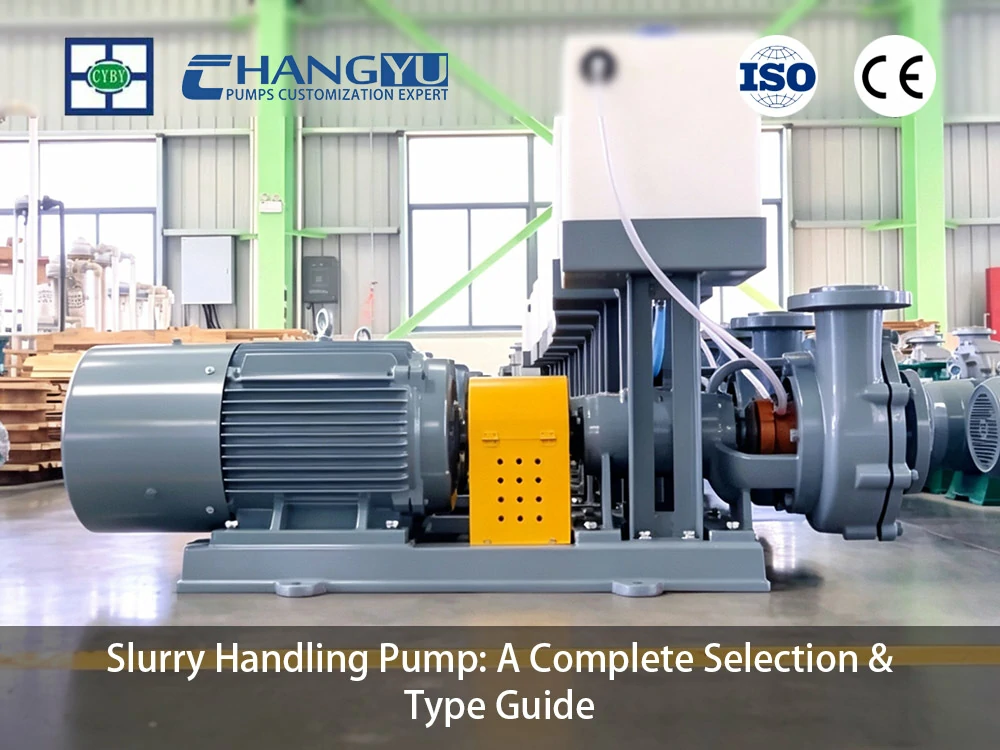
Penanganan slurry adalah salah satu aplikasi pompa paling menuntut di industri. Tidak seperti cairan bersih, slurry menggabungkan gaya erosif dari padatan tersuspensi dengan agresi kimia dari cairan pembawa. Pompa slurry harus secara bersamaan tahan terhadap keausan potong dari partikel tajam, erosi dari aliran kecepatan tinggi, dan korosi dari fluida proses asam atau basa.
Changyu Pump telah memproduksi pompa penanganan slurry untuk pertambangan, pemrosesan kimia, pembangkit listrik, pengolahan air, dan aplikasi industri selama lebih dari dua dekade. Panduan ini menyediakan kerangka kerja untuk pemilihan pompa slurry — dari keputusan jenis pompa dan material hingga pertimbangan khusus aplikasi yang menentukan keandalan jangka panjang.
Apa yang Membuat Penanganan Slurry Begitu Menantang bagi Pompa Slurry?
Slurry adalah campuran partikel padat yang tersuspensi dalam cairan. Padatan mungkin halus atau kasar, lunak atau keras, membulat atau bersudut. Cairan mungkin air netral, larutan pelindian asam, bahan kimia alkali, atau air proses asin. Kombinasi karakteristik partikel dan kimia cairan menentukan bagaimana slurry menyerang material pompa dan memengaruhi kinerja hidrolik.
Keausan Abrasif dari Padatan Tersuspensi
Partikel slurry mengikis permukaan pompa melalui tiga mekanisme. Keausan potong terjadi ketika partikel tajam dan bersudut meluncur melintasi permukaan pompa pada sudut dangkal, menghilangkan material. Keausan benturan terjadi ketika partikel yang lebih besar mengenai permukaan pada sudut curam, menyebabkan deformasi plastis pada material yang lebih lunak atau patah getas pada material yang lebih keras. Keausan erosi dihasilkan dari partikel halus yang terbawa dalam aliran kecepatan tinggi, secara bertahap mengikis permukaan melalui mikro-benturan berulang.
Laju keausan abrasif tergantung pada kekerasan partikel relatif terhadap material pompa, bentuk partikel, dan kecepatan aliran. Hubungan antara laju keausan dan kecepatan aliran mengikuti hubungan kubik perkiraan — menggandakan kecepatan dapat meningkatkan keausan dengan faktor 5–10, tergantung pada karakteristik partikel dan material pompa.
Korosi dari Cairan Pembawa
Cairan pembawa dapat menyerang material pompa melalui korosi kimia, bahkan ketika padatan abrasif mengikis permukaan. Sinergi korosi-erosi ini lebih destruktif daripada salah satu mekanisme saja: korosi melemahkan permukaan logam, dan partikel abrasif menghilangkan lapisan yang melemah, mengekspos logam segar untuk korosi lebih lanjut. Laju kehilangan material dapat beberapa kali lebih tinggi daripada yang diprediksi dari data korosi atau abrasi saja.
Pengaruh Viskositas terhadap Kinerja Pompa
Viskositas slurry yang tinggi mengurangi net positive suction head yang tersedia di saluran masuk pompa, meningkatkan risiko kavitasi. Untuk slurry di atas 500 cSt, diameter pipa hisap harus ditingkatkan dan kecepatan operasi pompa mungkin perlu dikurangi untuk mempertahankan kondisi hisap yang memadai.
Sentrifugal vs Perpindahan Positif: Jenis Pompa Penanganan Slurry Mana yang Tepat?
Keputusan pertama dalam pemilihan pompa slurry adalah apakah pompa sentrifugal atau pompa perpindahan positif adalah jenis yang tepat untuk aplikasi tersebut. Setiap kategori mencakup beberapa desain dengan karakteristik berbeda dan jendela aplikasi.
Pompa Slurry Sentrifugal
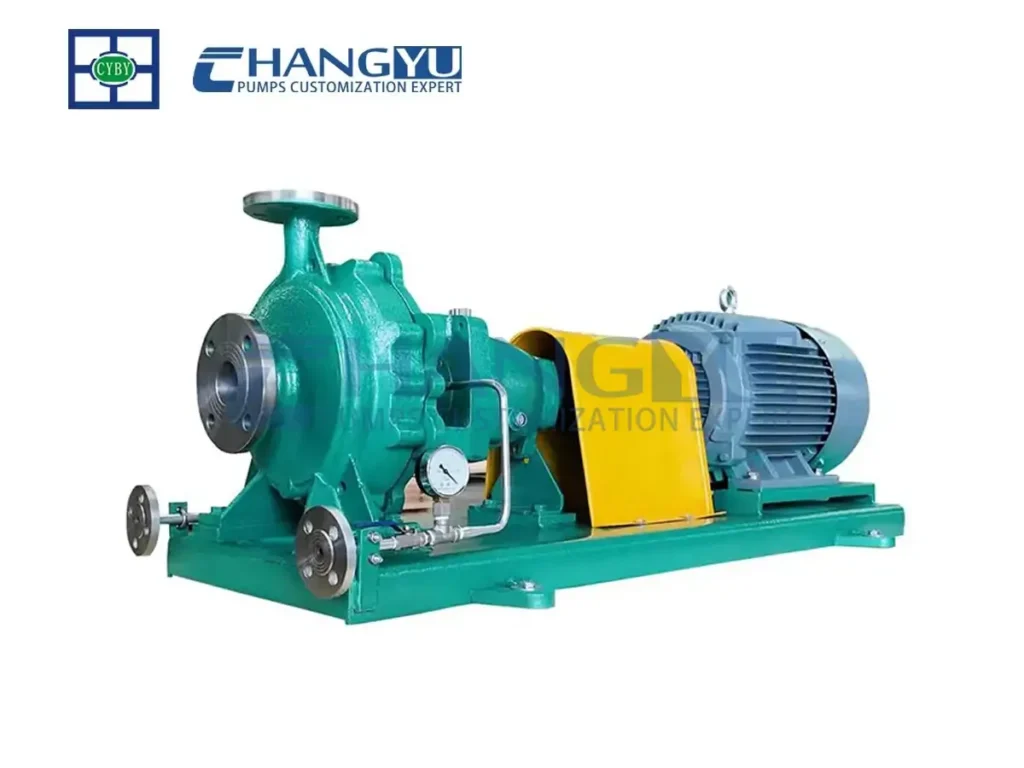
Pompa sentrifugal menggunakan impeler berputar untuk mempercepat slurry ke luar dengan gaya sentrifugal, mengubah energi kinetik rotasi menjadi kecepatan fluida dan kemudian menjadi tekanan. Pompa ini menangani laju aliran tinggi dan mentolerir berbagai konsentrasi padatan dan ukuran partikel. Konstruksinya memiliki lebih sedikit bagian bergerak daripada alternatif perpindahan positif, yang menjaga biaya modal dan pemeliharaan lebih rendah.
Pompa sentrifugal adalah standar untuk pembuangan pabrik, transportasi tailing, resirkulasi absorber FGD, underflow thickener, dan dewatering konstruksi — aplikasi dengan laju aliran tinggi, konsentrasi padatan sedang hingga tinggi, dan operasi berkelanjutan.
Pompa Slurry Perpindahan Positif
Pompa perpindahan positif menjebak volume slurry tetap dan mendorongnya secara mekanis melalui pompa. Tidak seperti pompa sentrifugal, di mana aliran menurun seiring dengan meningkatnya tekanan pembuangan, pompa perpindahan positif memberikan aliran yang hampir konstan terlepas dari tekanan.
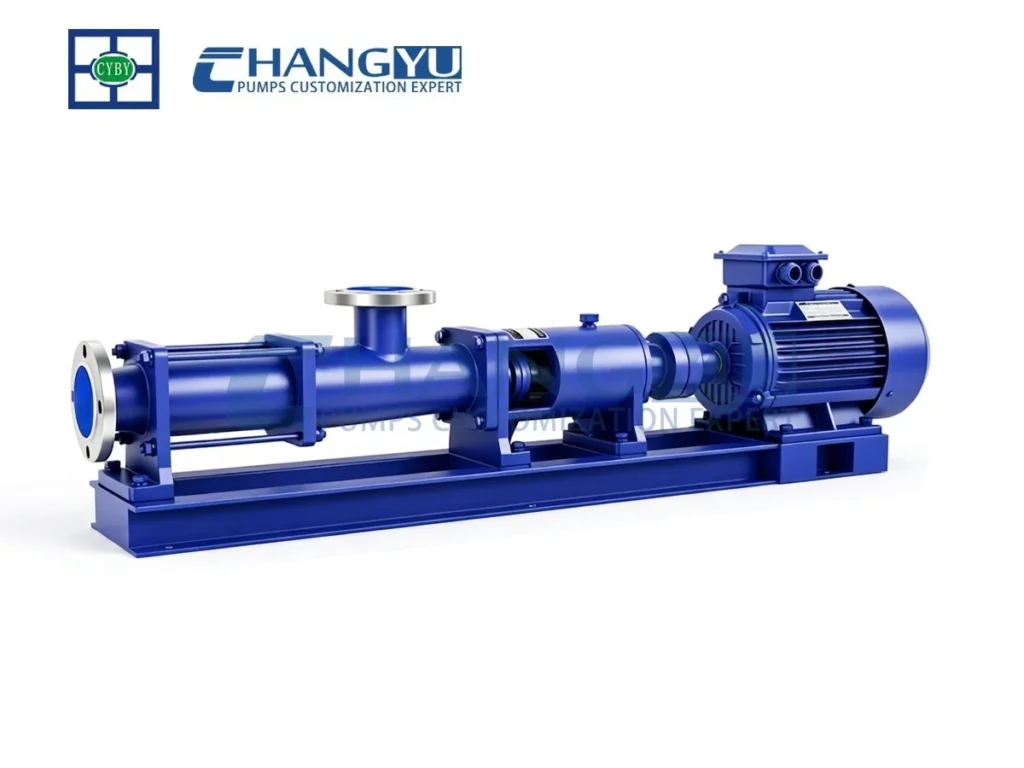
Pompa Progressive Cavity (Sekrup Tunggal):
Rotor logam berulir tunggal berputar di dalam stator elastomer heliks ganda, menciptakan rongga tertutup yang bergerak dari sisi hisap ke sisi buang. Pompa slurry progressive cavity menangani viskositas melebihi 1.000.000 cSt dan konsentrasi padatan di atas 60%, sehingga cocok untuk lumpur dewatering, larutan polimer, dan underflow thickener kepadatan tinggi. Pompa ini memberikan aliran bebas pulsasi dan geser rendah untuk emulsi serta flokulan yang sensitif terhadap geser. Stator elastomer adalah komponen aus yang dapat diganti pada interval yang dapat diprediksi.
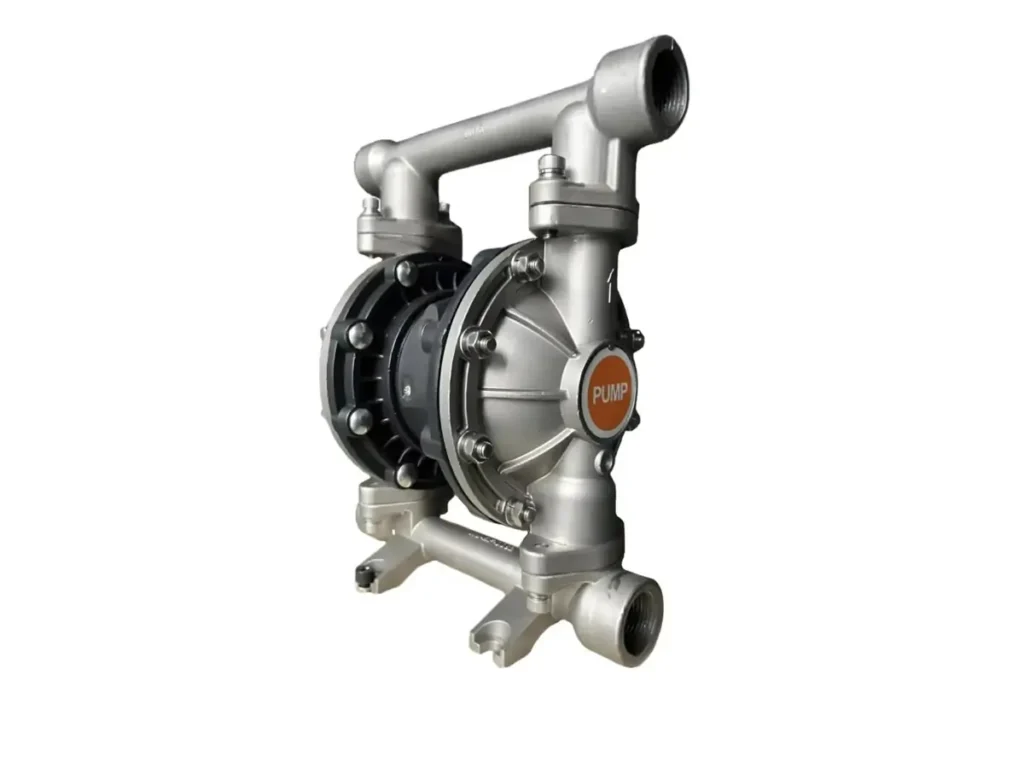
Pompa Diafragma:
Diafragma fleksibel bergerak bolak-balik untuk menciptakan hisapan dan pembuangan, dengan katup periksa yang mengontrol arah aliran. Pompa diafragma menangani padatan besar dan tahan terhadap penyumbatan dari serat berserat. Pompa ini dapat mempriming sendiri, beroperasi kering tanpa kerusakan, dan menangani fluida yang mengandung gas. Pompa diafragma yang dioperasikan dengan udara aman terhadap ledakan secara desain. Pompa diafragma listrik memberikan efisiensi lebih tinggi dan aliran stabil untuk aplikasi kontinu. Pompa diafragma digunakan untuk dewatering konstruksi, drainase sump, dosis kimia, dan aplikasi dengan padatan yang tidak dapat diprediksi serta aliran intermiten.
Pompa Peristaltik (Selang):
Rol berputar menekan tabung fleksibel, mendorong slurry ke depan. Satu-satunya komponen yang basah adalah tabung itu sendiri, menyederhanakan kompatibilitas material. Pompa peristaltik memberikan metering akurat, pemompaan geser rendah yang lembut, dan toleransi terhadap fluida yang mengandung gas. Pompa ini digunakan dalam dosis kimia, injeksi flokulan, dan transfer slurry aliran kecil.
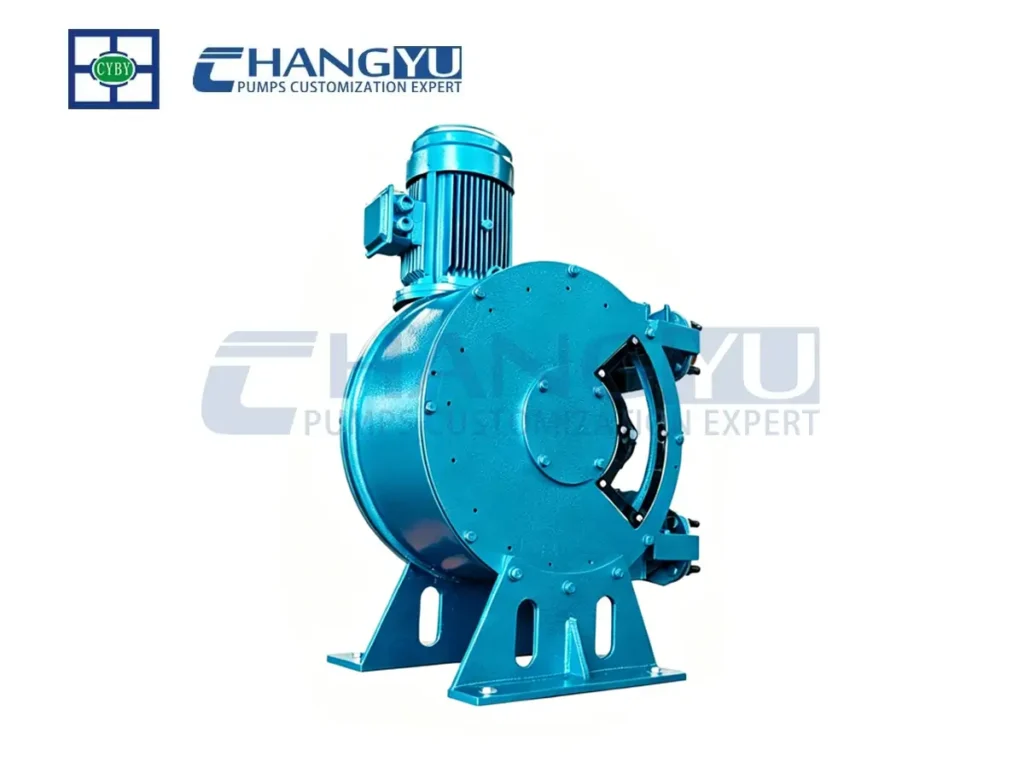
Matriks Pemilihan Tipe Pompa
Tabel: Pemilihan Jenis Pompa untuk Penanganan Slurry
| Karakteristik Lumpur | Pompa Sentrifugal | Pompa Rongga Progresif | Pompa Diafragma | Pompa Peristaltik |
|---|---|---|---|---|
| Aliran maksimum | Hingga 20.000+ m³/jam | Hingga 200 m³/jam | Hingga 60 m³/jam (AODD); 28 m³/jam (EODD) | Hingga 50 m³/jam |
| Konsentrasi padatan | Hingga 40–70% (tergantung desain dan reologi) | Penggantian stator — penyelarasan rotor sangat penting | Hingga 80% | Hingga 60% |
| Ukuran partikel maksimum | Hingga 100 mm (impeller vortex) | Hingga 6,5 mm (tergantung ukuran pompa) | Hingga 9,4 mm (katup bola) | Hingga diameter tabung |
| Rentang viskositas | Terbaik di bawah 300 cSt | 1–1.000.000+ cSt | 1–50.000 cSt | 1–100.000 cSt |
| Pemancing otomatis | Tidak. | Ya. | Ya. | Ya. |
| Toleransi uji coba kering | Tidak ada | Tidak ada — stator hancur | Tak terbatas | Terbatas — kerusakan tabung |
| Penanganan gas | Buruk (kehilangan hisapan di atas 3–5%) | Sedang (~20%) | Sangat Baik (100% gas slug) | Luar biasa |
| Aplikasi umum | Tailing, FGD, underflow thickener | Lumpur, polimer, transfer viskositas tinggi | Dewatering konstruksi, drainase sump, dosis kimia | Dosing kimia, injeksi flokulan |
Jalur Keputusan yang Disederhanakan
Untuk sebagian besar aplikasi slurry, mulailah dengan pompa sentrifugal. Jika viskositas slurry melebihi sekitar 300 cSt, konsentrasi padatan melebihi 60%, diperlukan dosing yang presisi, atau pompa harus mampu self-priming dari atas sumber fluida, maka pompa perpindahan positif menjadi pilihan yang tepat. Pompa progressive cavity menangani viskositas tertinggi dan memberikan pemompaan dengan geseran rendah. Pompa diafragma menawarkan ketahanan sumbatan maksimum dan kemampuan self-priming. Pompa peristaltik melayani aplikasi dosing aliran rendah di mana kompatibilitas material dan akurasi dosis menjadi prioritas.
Material Apa yang Tahan Abrasi dan Korosi pada Pompa Penanganan Slurry?
Pemilihan material adalah keputusan spesifikasi paling kritis untuk pompa slurry. Material harus tahan terhadap kombinasi spesifik dari keausan abrasif dan korosi kimia yang ada di setiap aplikasi.
Opsi Material untuk Konstruksi Pompa Slurry
Tabel: Pemilihan Material untuk Pompa Penanganan Slurry
| Bahan | Ketahanan Abrasi | Ketahanan Korosi | Biaya Relatif | Terbaik untuk |
|---|---|---|---|---|
| High-Chrome Cr27 (650–700 HB) | Tinggi | Buruk — korosi di bawah pH 5 | 1× (dasar) | pH netral, lumpur abrasi tinggi |
| High-Chrome Cr33 (700–750 HB) | Sangat Tinggi | Buruk — korosi di bawah pH 5 | Minyak, bahan bakar, gemuk, fluida berbasis minyak bumi, beberapa keton | Bijih silika tinggi; abrasi parah |
| Karet Alam | Sedang (partikel halus) | Baik (pH netral) | 1–1.3× | Partikel halus dan bulat; pH netral |
| Dilapisi UHMW-PE | Tinggi | Sangat Baik (pH 1–14) | 1,5–2× | Korosi dan abrasi gabungan |
| Baja Tahan Karat Duplex 2205 | Sedang | Sangat baik (asam, klorida tinggi) | 3–4× | Slurry korosif dengan abrasi sedang |
| Dilapisi FEP/PFA | Rendah — lunak, tidak untuk padatan kasar; memadai untuk endapan kimia halus | Sangat Baik (pH 1–14) | 5–8× | Asam kuat; aplikasi kemurnian tinggi |
| Lapisan Keramik (SiC) | Luar biasa | Luar biasa | 5–8× | Abrasi ekstrem, partikel halus |
Pemilihan Material berdasarkan Karakteristik Slurry
Tabel: Matriks Pemilihan Material untuk Penanganan Slurry
| Jenis Bubur | Kisaran pH | Kandungan Abrasif | Bahan yang Direkomendasikan | Masa Pakai Tipikal |
|---|---|---|---|---|
| Tailing tambang (pH netral) | 6-8 | Tinggi (silika, bijih besi) | High-chrome Cr33 | 6–12 bulan |
| Air asam tambang | 3–5 | Sedang hingga tinggi | Lapisan UHMW-PE atau Duplex 2205 | 12–24 bulan |
| Lumpur gipsum FGD | 5–6 | Sedang | Lapisan UHMW-PE atau Duplex 2205 | 6–10 tahun |
| Lumpur pabrik kimia | 1–12 | Variabel | Dilapisi FEP/PFA atau dilapisi UHMW-PE | Sesuai aplikasi |
| Air pasir konstruksi | 6-8 | Tinggi (kuarsa) | High-chrome Cr27 atau Cr33 | 12–24 bulan |
| Drainase pertanian | 6-8 | Rendah hingga sedang | Besi Cor atau Karet Alam | 12–24 bulan |
Para insinyur di Changyu Pump telah mengamati di seluruh instalasi pompa slurry: Pemilihan material adalah keseimbangan antara ketahanan abrasi dan ketahanan korosi. Paduan high-chrome yang memberikan masa pakai aus yang sangat baik dalam slurry tambang pH netral akan cepat gagal karena korosi dalam slurry kimia asam. Pompa berlapis fluoropolimer yang memberikan ketahanan korosi yang sangat baik akan aus sebelum waktunya jika slurry mengandung padatan sudut yang kasar. Sesuaikan material dengan mekanisme degradasi dominan — abrasi atau korosi — dan verifikasi kompatibilitas dengan kimia slurry spesifik pada suhu operasi.
Di Mana Pompa Penanganan Slurry Digunakan?
Pompa penanganan slurry beroperasi di berbagai industri di mana pun campuran padat-cair harus diangkut.
Pertambangan dan Pengolahan Mineral
Pasar terbesar untuk pompa slurry. Mill discharge, cyclone feed, underflow thickener, transfer konsentrat, dan pembuangan tailing semuanya memerlukan pompa slurry yang mampu menangani konsentrasi padatan tinggi dan bijih abrasif. Pompa sentrifugal dengan paduan high-chrome memberikan ketahanan aus untuk silika, bijih besi, dan partikel mineral keras lainnya. Pompa progressive cavity melayani underflow thickener kepadatan tinggi dan paste backfill di mana pompa sentrifugal kehilangan efisiensi.
Pemrosesan Kimia dan Industri
Pabrik kimia menangani slurry korosif — larutan pelindian asam, aliran proses alkali, dan campuran yang mengandung pelarut. Pemilihan material berfokus pada ketahanan korosi, dengan lapisan UHMW-PE, baja tahan karat dupleks, dan lapisan fluoropolimer ditentukan berdasarkan komposisi kimia. Pompa diafragma banyak digunakan untuk dosing kimia, drainase sump, dan transfer slurry berbahaya atau mudah menguap di mana perlindungan kebocoran sangat penting.
Pembangkit Listrik — Flue Gas Desulfurization
Sistem FGD di pembangkit listrik tenaga batu bara mensirkulasikan slurry batu kapur melalui menara absorber dan mentransfer slurry gipsum ke sistem dewatering. Pompa sentrifugal dengan baja tahan karat dupleks atau lapisan UHMW-PE menangani slurry asam yang kaya klorida. Pompa resirkulasi memindahkan volume besar pada head sedang.
Pengolahan Air dan Air Limbah
Penanganan lumpur, dosing slurry kapur, dan presipitasi kimia menghasilkan slurry yang memerlukan pemompaan yang andal. Pompa sentrifugal dengan impeller vortex menangani padatan yang tidak dapat diprediksi dalam air limbah kota. Pompa progressive cavity mentransfer lumpur dewatering ke pembuangan. Pompa diafragma menyediakan dosing kimia untuk flokulan, koagulan, dan desinfektan.
Konstruksi dan Pengolahan Agregat
Dewatering konstruksi, pencucian pasir dan kerikil, serta pengolahan agregat menghasilkan slurry abrasif. Paduan high-chrome dalam pompa sentrifugal menahan pasir kuarsa yang dengan cepat mengaus material standar. Pompa diafragma self-priming portabel menangani beban padatan yang bervariasi dan operasi intermiten yang khas di lokasi konstruksi.
Perbandingan Aplikasi Pompa Slurry
Tabel: Perbandingan Aplikasi Pompa Slurry
| Industri | Slurry Khas | Tantangan Utama | Jenis Pompa yang Direkomendasikan | Bahan yang Direkomendasikan |
|---|---|---|---|---|
| Pertambangan | Tailing bijih, konsentrat | Flowback tahap awal (pasir puncak, kecepatan tinggi) | Sentrifugal (high-chrome) | High-chrome Cr33 |
| Bahan kimia | Lumpur proses asam/basa | Korosi | Sentrifugal atau Diafragma | UHMW-PE atau Duplex 2205 |
| Daya (FGD) | Lumpur batu kapur/gipsum | Korosi klorida + abrasi | Sentrifugal | Duplex 2205 atau UHMW-PE |
| Air/Air Limbah | Lumpur, lumpur kapur | Padatan campuran + serpihan | Sentrifugal (vortex) atau Progressive Cavity | Besi Cor atau UHMW-PE |
| Konstruksi | Air mengandung pasir | Abrasi kuarsa | Sentrifugal atau Diafragma | Kromium tinggi Cr27/Cr33 |
Bagaimana Memilih Pompa Lumpur yang Tepat?
Pemilihan pompa lumpur memerlukan pencocokan jenis pompa, material, dan parameter operasi dengan karakteristik lumpur yang spesifik.
Masalah Umum Pompa Penanganan Lumpur dan Solusinya
Tabel: Masalah Umum Pompa Penanganan Lumpur dan Solusinya
| Masalah | Akar Penyebab | Solusi |
|---|---|---|
| Impeler aus dalam hitungan minggu | Material tidak memadai untuk kekerasan partikel | Tingkatkan ke paduan kromium lebih tinggi atau lapisan keramik |
| Pompa sering tersumbat | Jenis impeler tidak cocok dengan padatan | Ganti ke impeler vortex atau pompa diafragma |
| Perforasi casing | Korosi dari media pembawa asam/basa | Tingkatkan ke lapisan UHMW-PE atau baja tahan karat dupleks |
| Kebisingan dan getaran kavitasi | Viskositas mengurangi NPSHa; kecepatan pompa terlalu tinggi | Perbesar diameter pipa hisap; kurangi kecepatan pompa |
| Kegagalan seal dalam hitungan minggu | Partikel abrasif masuk ke ruang seal | Pasang flush API Plan 32 atau centrifugal expeller seal |
| Kelebihan beban motor | Densitas atau viskositas lumpur lebih tinggi dari desain | Verifikasi sifat lumpur aktual; kurangi diameter impeler |
Proses Pemilihan Pompa Lumpur Lima Langkah
Langkah 1: Karakterisasi bubur.
Tentukan konsentrasi padatan, distribusi ukuran partikel, bentuk dan kekerasan partikel (skala Mohs), kimia cairan pembawa (pH, konsentrasi klorida, suhu), dan viskositas lumpur.
Langkah 2: Pilih jenis pompa.
Gunakan kerangka keputusan di Bagian 2. Pompa sentrifugal untuk sebagian besar aplikasi hingga 300 cSt. Progressive cavity untuk viskositas tinggi dan padatan tinggi. Diafragma untuk padatan besar dan self-priming. Peristaltik untuk metering aliran rendah.
Langkah 3: Pilih material.
Cocokkan material basah dengan mekanisme degradasi dominan — abrasi atau korosi — sesuai matriks di Bagian 3. Verifikasi kompatibilitas material dengan kimia lumpur spesifik pada suhu operasi.
Langkah 4: Tentukan pengaturan seal.
Untuk lumpur abrasif, pasang API Plan 32 external flush untuk melindungi permukaan seal. Untuk lokasi terpencil tanpa air flush, seal ekspeller sentrifugal menghilangkan ketergantungan air eksternal. Pompa diafragma dan pompa peristaltik tidak memiliki seal poros dinamis — diafragma atau tabung mengisolasi fluida yang dipompa dari mekanisme penggerak.
Langkah 5: Verifikasi kondisi hidrolik.
Pastikan NPSHa melebihi NPSHr dengan margin yang memadai. Untuk lumpur viskositas tinggi, perbesar pipa hisap dan pertimbangkan untuk mengurangi kecepatan pompa. Untuk lumpur yang mengendap, verifikasi bahwa aliran minimum mempertahankan kecepatan pengendapan kritis di seluruh pipa pembuangan.
Langkah 5: Pilih Spesifikasi Motor. Ketika lumpur mengandung padatan abrasif dan bahan kimia korosif, pilih material untuk lingkungan korosif terlebih dahulu, kemudian verifikasi ketahanan abrasi. Material yang terkorosi akan gagal terlepas dari kekerasannya. Setelah ketahanan korosi terjamin, pilih material terkeras yang memberikan kompatibilitas kimia yang memadai.
Solusi Pompa Penanganan Lumpur Changyu Pump
Changyu Pump menawarkan seri pompa yang mencakup seluruh rentang aplikasi penanganan lumpur — dari pompa sentrifugal untuk lumpur abrasif aliran tinggi hingga pompa perpindahan positif untuk campuran viskositas tinggi yang sarat padatan.
Panduan Pemilihan Produk Pompa Penanganan Lumpur
Tabel: Panduan Pemilihan Produk Pompa Penanganan Lumpur
| Aplikasi | Tantangan Utama | Seri yang Direkomendasikan | Jenis Pompa | Fitur Utama |
|---|---|---|---|---|
| Lumpur tambang abrasif, tailing | Abrasi tinggi | Seri PGY | Sentrifugal | Krom tinggi Cr33; aliran 117–976 m³/jam; head hingga 101,6 m |
| Slurry kimia korosif | Korosi + abrasi | Seri UHB | Sentrifugal | Dilapisi UHMW-PE; aliran 3–2.600 m³/jam; pH 1–14 |
| Lumpur padatan tinggi dengan serpihan debris | Padatan besar + self-priming | Seri BFD | Diafragma (Positive Displacement) | Padatan hingga 9,4 mm; aliran 480 L/menit; penggerak listrik |
| Lumpur asam kuat / berbahaya | Korosi kuat + perlindungan kebocoran | Seri CYB-ZKJ | Sentrifugal | Dilapisi FEP/PFA; mechanical seal ganda; aliran 3–2.600 m³/jam |
Untuk aplikasi pompa progressive cavity — lumpur viskositas tinggi di atas 1.000 cSt, lumpur dewatering, paste backfill — hubungi Changyu Pump untuk solusi khusus.
Seri PGY — Pompa Lumpur Head Tinggi untuk Tugas Berat
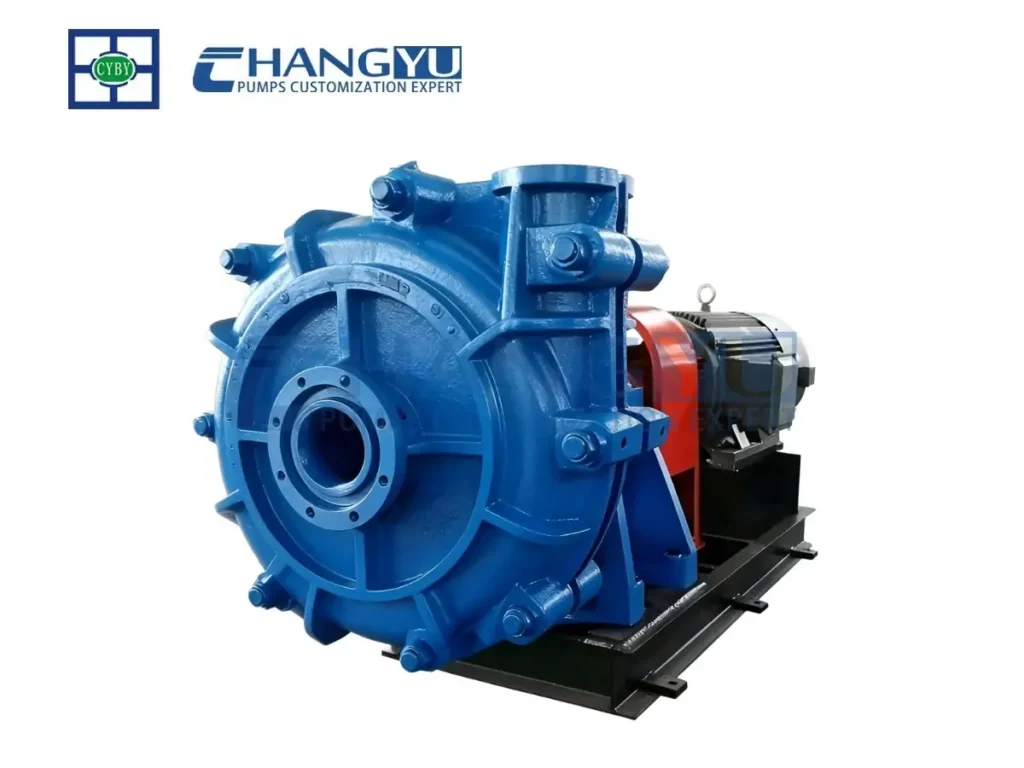
Dirancang untuk kondisi head tinggi dan keausan parah. Konstruksi double-casing memungkinkan penggantian bagian basah tanpa membongkar pipa. Rakitan bantalan berpelumas oli memastikan keandalan jangka panjang. Krom tinggi Cr33 memberikan ketahanan abrasi untuk tailing tambang, pasir dan kerikil, serta lumpur mineral industri.
| Parameter | Spesifikasi |
|---|---|
| Laju aliran | 117–976 m³/jam |
| Kepala | 21,1–101,6 m |
| Daya motor | 22–560 kW |
| Kecepatan | 730 / 980 / 1.480 r/mnt |
| Bahan | BTMCr27 / BTMCr28 / BTMCr33 / baja tahan karat dupleks |
Seri UHB — Pompa Lumpur Berlapis UHMW-PE untuk Lumpur Korosif
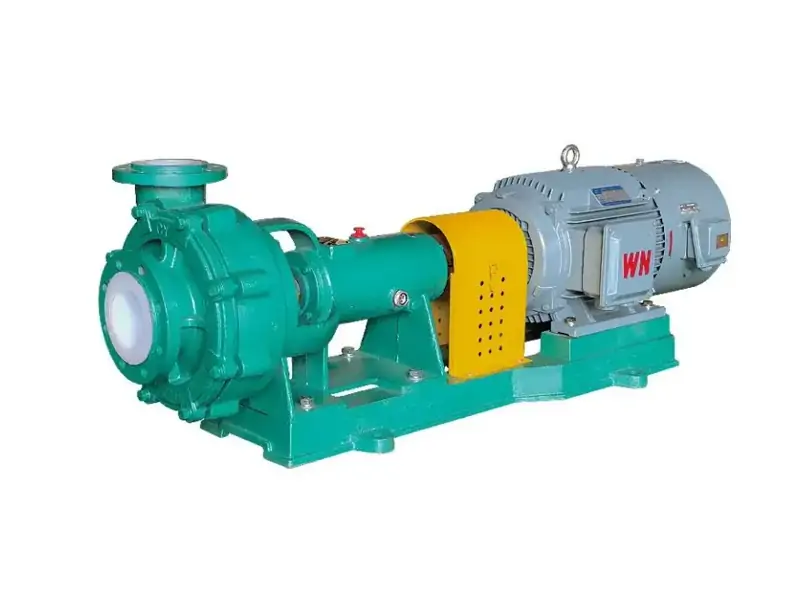
Pompa sentrifugal UHMW-PE berlapis baja untuk lumpur yang mengandung aditif kimia atau air proses asam. UHMW-PE memberikan ketahanan korosi gabungan (pH 1–14) dan ketahanan abrasi. Rentang aliran luas mencakup aplikasi dari pabrik percontohan hingga fasilitas industri besar.
| Parameter | Spesifikasi |
|---|---|
| Laju aliran | 3-2.600 m³/jam |
| Kepala | 5-100 m |
| Daya motor | 0,75-300 kW |
| Kecepatan | 750-2.900 r/menit |
| Suhu | -20°C hingga 90°C |
| Bahan pelapis | UHMW-PE |
Seri BFD — Pompa Lumpur Diafragma Listrik untuk Lumpur Padatan Tinggi

Pompa diafragma listrik dirancang untuk lumpur yang mengandung padatan besar, serat debris, dan konsentrasi padatan tinggi. Sebagai pompa positive displacement, Seri BFD mempertahankan aliran terlepas dari tekanan discharge. Lintasan padatan hingga 9,4 mm. Operasi self-priming.
| Parameter | Spesifikasi |
|---|---|
| Laju aliran | 480 L/menit |
| Kepala | 84 m |
| Daya motor | 75–45 kW |
| Kecepatan | 968-3.450 r/menit |
| Suhu | -20°C hingga 120°C |
| Bahan yang dapat disesuaikan | Baja tuang, besi ulet, paduan aluminium, PP, baja tahan karat, PVDF |
Lihat Pompa Diafragma Listrik Seri BFD →
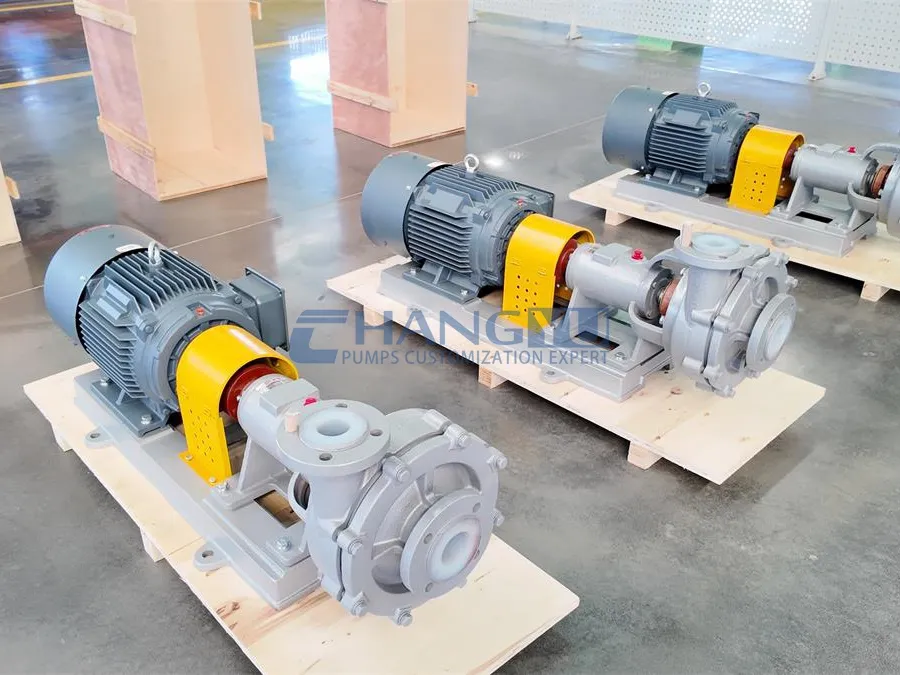
Seri CYB-ZKJ — Pompa Lumpur Berlapis Fluoropolimer
Pompa sentrifugal berlapis FEP/PFA dirancang untuk lumpur kimia asam kuat dan berbahaya. Lapisan fluoropolimer memberikan ketahanan kimia di seluruh rentang pH pada suhu hingga 120°C. Mechanical seal ganda dengan flush API Plan 32 atau Plan 53C memberikan penyegelan yang andal.
| Parameter | Spesifikasi |
|---|---|
| Laju aliran | 3-2.600 m³/jam |
| Kepala | 5-100 m |
| Daya motor | 0,75-300 kW |
| Suhu | -80°C hingga 120°C |
| Bahan pelapis | FEP (standar), PFA (opsi suhu tinggi) |
FAQ tentang Pompa Lumpur
T: Apa perbedaan antara pompa lumpur sentrifugal dan pompa lumpur positive displacement?
J: Pompa sentrifugal menggunakan impeler berputar untuk mempercepat lumpur ke luar — cocok untuk laju aliran tinggi, viskositas sedang (di bawah 300 cSt), dan operasi berkelanjutan. Pompa positive displacement menjebak dan mendorong volume tetap secara mekanis — cocok untuk viskositas tinggi (di atas 300 cSt), konsentrasi padatan tinggi, dan metering presisi.
T: Material apa yang terbaik untuk layanan pompa lumpur abrasif?
J: Krom tinggi Cr27/Cr33 (650–750 HB) memberikan ketahanan abrasi tertinggi untuk lumpur pH netral. Untuk lumpur asam, lapisan UHMW-PE atau baja tahan karat dupleks menggabungkan ketahanan korosi dengan ketahanan abrasi yang memadai.
T: Kapan saya harus memilih pompa diafragma dibandingkan pompa sentrifugal?
J: Pilih pompa diafragma ketika lumpur mengandung padatan besar, ketika pompa harus self-prime dari atas sumber fluida, ketika aplikasi memerlukan start dan stop yang sering, atau ketika viskositas lumpur melebihi sekitar 300 cSt.
T: Bagaimana viskositas lumpur memengaruhi pemilihan pompa?
J: Viskositas lumpur yang tinggi mengurangi NPSH yang tersedia pada hisapan pompa, meningkatkan risiko kavitasi. Di atas 500 cSt, perbesar pipa hisap dan kurangi kecepatan pompa. Di atas 300 cSt, efisiensi pompa sentrifugal menurun dan pompa positive displacement menjadi lebih sesuai.
T: Apa yang menyebabkan impeler pompa lumpur cepat aus?
J: Laju keausan abrasif meningkat kira-kira sebanding dengan pangkat tiga kecepatan aliran. Penyebab umum termasuk pengoperasian pada kecepatan berlebihan, penggunaan material yang tidak sesuai dengan kekerasan partikel, dan korosi yang melemahkan permukaan material sebelum partikel abrasif menghilangkannya.
T: Apakah satu jenis pompa dapat menangani semua aplikasi lumpur?
J: Tidak. Pompa sentrifugal menangani sebagian besar aplikasi tetapi dibatasi oleh viskositas dan padatan besar. Pompa diafragma menangani padatan besar dan self-prime tetapi memiliki kapasitas aliran lebih rendah. Pompa progressive cavity menangani viskositas ekstrem tetapi memiliki batas tekanan lebih rendah. Jenis pompa harus disesuaikan dengan karakteristik lumpur spesifik.
Daftar Periksa Pencegahan untuk Insinyur Pompa Changyu
- Sesuaikan jenis pompa dengan viskositas lumpur. Di atas 300 cSt, efisiensi pompa sentrifugal menurun dan pompa positive displacement harus dievaluasi.
- Sesuaikan material dengan padatan abrasif dan cairan pembawa korosif. Material yang tahan abrasi tetapi korosi akan gagal sama cepatnya dengan material yang tahan korosi tetapi aus.
- Untuk lumpur yang mengendap, pastikan aliran pompa minimum mempertahankan kecepatan pengendapan kritis di seluruh pipa discharge.
- Pasang perlindungan seal untuk lumpur abrasif. Flush eksternal API Plan 32 atau seal ekspeller sentrifugal mencegah partikel abrasif merusak permukaan mechanical seal.
- Untuk lumpur viskositas tinggi, perbesar pipa hisap dan kurangi kecepatan pompa untuk mempertahankan margin NPSH yang memadai dan mencegah kavitasi.
- Ketika lumpur mengandung padatan abrasif dan bahan kimia korosif, pilih material untuk ketahanan korosi terlebih dahulu, kemudian verifikasi ketahanan abrasi.
- Untuk aplikasi dengan padatan yang tidak dapat diprediksi, tentukan impeler vortex atau pompa diafragma yang toleran terhadap debris tanpa tersumbat.
- Simpan suku cadang komponen aus dalam inventaris. Dalam layanan lumpur, impeler, liner volute, dan seal adalah barang habis pakai. Penggantian terencana selama pemeliharaan terjadwal mencegah downtime yang tidak direncanakan.
Kesimpulan
Pompa lumpur adalah pompa yang dirancang khusus — bukan pompa standar yang dipaksakan untuk layanan lumpur. Dua keputusan menentukan keandalan pompa: jenis pompa yang disesuaikan dengan viskositas lumpur, konsentrasi padatan, dan kebutuhan aliran, serta material yang disesuaikan dengan efek gabungan dari keausan abrasif dan korosi kimia.
Pompa sentrifugal menangani sebagian besar aplikasi lumpur. Pompa positive displacement — progressive cavity, diafragma, dan peristaltik — memperluas kemampuan penanganan lumpur ke aplikasi viskositas tinggi, padatan tinggi, dan metering presisi yang tidak dapat dilayani oleh pompa sentrifugal. Pemilihan material harus mengatasi padatan abrasif dan cairan pembawa korosif.
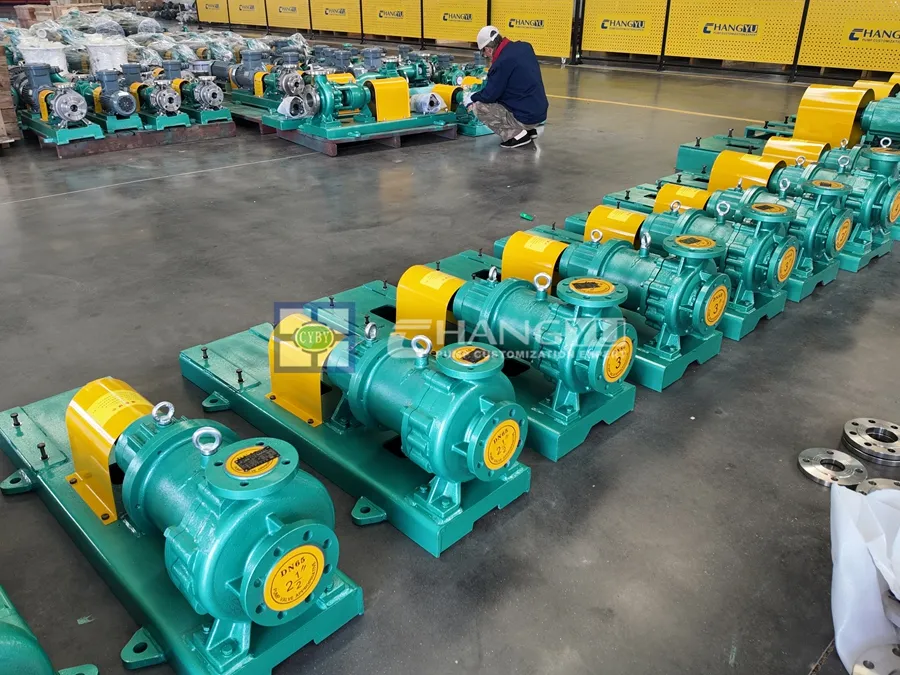
Ketika Anda siap untuk menentukan spesifikasi pompa penanganan lumpur untuk aplikasi Anda, tim teknik Changyu Pump dapat memberikan penilaian teknis yang mencakup karakterisasi lumpur, rekomendasi jenis pompa, dan pemilihan material yang disesuaikan dengan kondisi proses spesifik Anda. Dua dekade pengalaman manufaktur pompa di industri pertambangan, kimia, pembangkit listrik, dan aplikasi industri menjadi dasar setiap rekomendasi.