
Pompa asam fluorida membutuhkan tingkat tinjauan teknik yang lebih tinggi daripada transfer bahan kimia biasa. Dalam layanan asam fluorida, pompa harus dievaluasi sebagai sebuah sistem yang lengkap, termasuk bahan, metode penyegelan, suhu pengoperasian, konsentrasi, siklus kerja, dan persyaratan pengendalian kebocoran.
Asam fluorida adalah salah satu media yang paling banyak ditangani dalam pemrosesan industri. Bahkan ketika aliran dan head yang dibutuhkan tampak mudah, konfigurasi pompa yang salah dapat menyebabkan degradasi material yang cepat, kinerja penyegelan yang tidak stabil, perawatan yang sulit, dan risiko pengoperasian yang tidak dapat diterima.
Oleh karena itu, pompa asam fluorida yang tepat bukan hanya pompa asam yang paling murah atau jenis pompa yang paling dikenal. Ini adalah pompa yang paling sesuai dengan tugas HF yang sebenarnya, tata letak pabrik, dan standar keselamatan lokasi.
Dalam aplikasi praktis, pompa asam fluorida digunakan untuk transfer, sirkulasi, bongkar muat, dosis, dan tugas pengumpulan dalam sistem pemrosesan bahan kimia. Tergantung pada pemasangannya, solusi yang paling sesuai adalah pompa pemancing otomatis magnetik berlapis fluorin, pompa sentrifugal berlapis, pompa diafragma yang dioperasikan dengan udara, atau pompa submersible fluoroplastik.

Apa Itu Pompa Asam Fluorida?
A pompa asam fluorida adalah pompa kimia tahan korosi yang dirancang untuk transfer terkendali asam fluorida dalam layanan industri. Tujuannya tidak hanya untuk memindahkan cairan, tetapi juga untuk melakukannya dengan ketahanan kimia yang sesuai, kinerja hidraulik yang stabil, dan pendekatan pengendalian kebocoran yang sesuai untuk penanganan asam berbahaya.
Dari sudut pandang teknik, pompa harus memenuhi tiga persyaratan sekaligus. Pertama, komponen yang dibasahi harus sesuai dengan konsentrasi dan suhu HF yang sebenarnya. Kedua, pompa harus memberikan kapasitas dan debit head yang dibutuhkan. Ketiga, pengaturan penyegelan harus mendukung ekspektasi lingkungan dan keselamatan pabrik.
Sebagian besar sistem asam fluorida masih mengandalkan prinsip-prinsip hidraulik yang sudah dikenal seperti pompa sentrifugal. Perbedaannya adalah bahwa layanan HF menuntut perhatian yang lebih besar terhadap kompatibilitas bahan kimia dan keandalan penyegelan daripada transfer cairan biasa.
Mengapa Asam Fluorida Sulit Dipompa
Tantangan memompa asam fluorida tidak terbatas pada korosi saja. Kesulitan yang sebenarnya berasal dari kombinasi perilaku kimiawi yang agresif, sensitivitas kebocoran, dan kebutuhan akan stabilitas operasi jangka panjang dalam lingkungan layanan yang berbahaya.
Dalam banyak aplikasi kimia, pembeli pertama-tama berfokus pada bahan bodi pompa yang terlihat. Dalam layanan HF, pendekatan itu tidak lengkap. Jalur yang dibasahi penuh harus ditinjau, termasuk liner, impeler, area selongsong poros, antarmuka paking, diafragma, cincin-O, dan komponen lain yang mungkin bersentuhan dengan cairan atau uap.
Suhu dan konsentrasi juga penting. Pengaturan pompa yang terlihat dapat diterima pada satu titik tugas dapat menjadi tidak sesuai ketika konsentrasi meningkat atau suhu proses meningkat. Itulah sebabnya Insinyur Pompa Changyu merekomendasikan untuk memulai setiap pompa asam fluorida tinjau dengan data operasi yang tepat daripada kategori produk saja.
Kontrol kebocoran sama pentingnya. Dalam transfer asam fluorida, metode penyegelan sering kali sama pentingnya dengan pemilihan bahan. Bagi banyak pengguna, itulah alasan utama konfigurasi penggerak magnetik menjadi rute yang disukai.
Jenis Pompa Apa yang Digunakan untuk Asam Fluorida?
Beberapa jenis pompa dapat dipertimbangkan untuk layanan asam fluorida, tetapi tidak dapat dipertukarkan. Pilihan yang tepat tergantung pada konsentrasi, suhu, pola operasi, tata letak instalasi, dan standar pengendalian kebocoran di lokasi.
Perbandingan Jenis Pompa
| Jenis pompa | Paling cocok untuk | Keuntungan utama | Poin utama yang perlu ditinjau |
|---|---|---|---|
| Pompa penggerak magnetik | Transfer berkelanjutan di mana kontrol kebocoran sangat penting | Batas cairan tanpa sambungan dan mengurangi risiko kebocoran | Konfirmasikan kompatibilitas material aktual dan suhu pengoperasian |
| Pompa sentrifugal berjajar | Transfer berkelanjutan dengan kondisi layanan yang kompatibel | Performa hidraulik yang familier dan aliran kontinu yang stabil | Tinjau pengaturan segel, kesesuaian liner, dan rencana perawatan |
| Pompa diafragma yang dioperasikan dengan udara | Layanan transfer, bongkar muat, dan batch yang terputus-putus | Pengoperasian yang fleksibel dan perilaku pemancing otomatis yang praktis | Periksa kompatibilitas diafragma, suplai udara, dan pola siklus |
| Pompa submersible fluoroplastik | Lubang, tangki, dan area pengumpulan di bawah permukaan tanah | Menyederhanakan tata letak instalasi dan hisap yang terendam | Konfirmasikan tugas pencelupan, kondisi cairan, dan akses perawatan |
| Pompa pemancing otomatis magnetik | Transfer di atas tanah di mana diperlukan pemancing otomatis | Menggabungkan kontrol kebocoran dengan pemasangan sisi hisap yang lebih mudah | Tinjau kondisi pengangkatan, kompatibilitas, dan siklus tugas |
Pompa penggerak magnetik
A pompa penggerak magnetik sering kali menjadi pilihan terkuat di mana pengurangan risiko kebocoran menjadi prioritas utama. Karena menghilangkan segel mekanis dinamis konvensional dari batas cairan, ini dapat memberikan solusi yang lebih aman untuk transfer asam berbahaya di mana kebersihan lokasi dan keamanan proses menjadi penting.
Pompa sentrifugal berjajar
A pompa sentrifugal berjajar dapat digunakan di mana kondisi servis ditinjau sepenuhnya dan gaya operasi sentrifugal standar lebih disukai. Rute ini dapat bekerja dengan baik dalam sistem tugas kontinu yang dipilih, tetapi pengaturan seal dan pendekatan pemeliharaan harus dipertimbangkan dengan hati-hati.
Pompa diafragma yang dioperasikan dengan udara
A pompa diafragma adalah alternatif praktis ketika transfer terputus-putus, berbasis bongkar muat, atau terkait dengan operasi batch. Ini sangat berguna di mana perilaku pemancing otomatis dan fleksibilitas operasional lebih penting daripada aliran sentrifugal kontinu.
Pompa submersible fluoroplastik
A pompa submersible sering kali merupakan pilihan yang lebih baik ketika asam fluorida ditangani di dalam lubang, tangki, atau area pengumpulan di bawah permukaan tanah. Dalam tata letak ini, instalasi terendam dapat menyelesaikan masalah sisi hisap lebih efektif daripada pompa di atas tanah.
Bahan Apa yang Paling Penting?
Dalam asam fluorida layanan, bahan adalah keputusan teknis yang paling penting dalam keseluruhan sistem pompa. Tidak ada pilihan material universal yang harus diasumsikan cocok untuk setiap aplikasi HF. Kesesuaian akhir tergantung pada konsentrasi, suhu, kotoran, siklus kerja, dan konstruksi pompa yang tepat.
Dalam banyak sistem kimia korosif, pengguna mengevaluasi bahan yang dibasahi berbasis fluoropolimer karena ketahanan terhadap bahan kimia adalah prioritas utama. Bahan terkenal yang sering dibahas dalam konteks ini adalah PTFE, Namun demikian, pemilihan bahan tidak boleh didasarkan pada label umum saja. Ini harus diverifikasi dengan kondisi operasi yang sebenarnya.
Penting juga untuk memisahkan kekuatan struktural dari ketahanan terhadap cairan. Sebuah pompa mungkin memiliki cangkang luar logam untuk kekuatan mekanis sementara mengandalkan jalur aliran internal berlapis atau fluoroplastik untuk perlindungan bahan kimia. Pembeli terkadang mengabaikan perbedaan ini dan hanya berfokus pada bodi pompa yang terlihat.
Komponen yang berhubungan dengan seal harus ditinjau dengan perhatian yang sama. Gasket, cincin-O, diafragma, dan elemen penyegelan tambahan dapat menjadi titik lemah jika dipilih hanya berdasarkan kategori dan bukan kondisi servis yang tepat. Insinyur Changyu Pump merekomendasikan mengevaluasi seluruh sistem yang dibasahi daripada meninjau bahan casing secara terpisah.
Di Mana Pompa Asam Fluorida Digunakan?
Pompa asam fluorida digunakan dalam sistem industri yang memerlukan transfer HF terkontrol untuk penanganan proses, sirkulasi, takaran, pembongkaran, atau pengumpulan. Aplikasi yang tepat tergantung pada desain pabrik, tetapi titik tugas yang umum meliputi:
- Transfer antara tangki penyimpanan dan jalur proses.
- Sirkulasi proses yang berkelanjutan.
- Dosis batch atau titik umpan terputus-putus.
- Pembongkaran tangki dan pemindahan kontainer.
- Lubang pengumpulan dan sistem penanganan di bawah permukaan tanah.
- Saluran bahan kimia berbahaya yang memiliki risiko kebocoran lebih rendah merupakan persyaratan desain.
Yang paling penting adalah tugas lokal di setiap titik transfer. Satu bagian dari pabrik mungkin memerlukan solusi penggerak magnetik untuk transfer kontinu, sementara bagian lain mungkin memerlukan konfigurasi diafragma atau submersible karena siklus operasi atau geometri instalasi berbeda.
Bagaimana Memilih Pompa Asam Fluorida yang Tepat
Dapat diandalkan seleksi Proses untuk layanan asam fluorida harus mengikuti urutan teknis, bukan pendekatan yang mengutamakan katalog.
1. Konfirmasikan kondisi bahan kimia yang tepat
Mulailah dengan konsentrasi asam fluorida yang sebenarnya, suhu operasi, dan kotoran atau bahan kimia campuran di dalam aliran. Faktor-faktor ini secara langsung memengaruhi kesesuaian material jangka panjang dan menentukan apakah konfigurasi pompa yang diberikan layak dipertimbangkan.
2. Tentukan tugas hidraulik
Selanjutnya, konfirmasikan laju aliran, debit head, kondisi hisap, tata letak perpipaan, dan siklus operasi. Pompa yang kompatibel secara kimiawi tetapi tidak cocok secara hidraulik masih dapat mengalami kerusakan dini karena pengoperasian yang tidak stabil, getaran, perilaku pengisapan yang buruk, atau keausan yang berlebihan.
3. Mengevaluasi persyaratan pengendalian kebocoran
Dalam layanan HF, kontrol kebocoran harus diperlakukan sebagai persyaratan desain, bukan preferensi sekunder. Jika pabrik sangat menekankan pada kontrol emisi dan operasi yang lebih aman, rute penggerak magnetik mungkin lebih cocok daripada desain tertutup konvensional.
4. Meninjau geometri pemasangan
Tata letak instalasi sangat mempengaruhi pemilihan pompa. Jalur transfer di atas tanah, titik bongkar muat, lubang pengumpulan, dan tangki terendam tidak selalu membutuhkan arsitektur pompa yang sama. Insinyur Changyu Pump merekomendasikan memperlakukan tinjauan tata letak sebagai bagian dari pemilihan pompa dan bukan sebagai detail pemasangan di kemudian hari.
5. Periksa kepraktisan perawatan
Pompa akhir harus praktis untuk diperiksa dan dirawat di lingkungan pabrik yang sebenarnya. Akses untuk penggantian komponen yang aus, pemeriksaan komponen yang dilapisi, servis diafragma, dan perawatan rutin semuanya memengaruhi biaya pengoperasian yang sebenarnya.
Daftar Periksa Seleksi
| Faktor pemilihan | Mengapa ini penting | Apa yang harus dikonfirmasi sebelum penawaran |
|---|---|---|
| Konsentrasi HF | Menentukan kecocokan material | Rentang konsentrasi yang tepat |
| Suhu | Mempengaruhi stabilitas material dan segel | Suhu normal dan maksimum |
| Laju aliran | Menentukan ukuran hidraulik | Kapasitas yang dibutuhkan |
| Kepala | Menentukan kesesuaian kurva pompa | Total kepala dinamis |
| Tata letak instalasi | Mempengaruhi pilihan jenis pompa | Di atas tanah, tangki, lubang, atau terendam |
| Siklus tugas | Mengubah kesesuaian pompa | Terus menerus, terputus-putus, bongkar muat, pemberian dosis |
| Standar pengendalian kebocoran | Mempengaruhi strategi penyegelan | Preferensi untuk penggerak magnetik atau desain rendah kebocoran lainnya |
| Akses pemeliharaan | Mempengaruhi total biaya kepemilikan | Akses yang tersedia, metode servis, dan kepraktisan penggantian |
Solusi Pompa Asam Fluorida yang Direkomendasikan dari Changyu Pump
Untuk aplikasi asam fluorida, cara paling profesional untuk merekomendasikan produk adalah mencocokkan setiap model dengan tugas yang paling sesuai. Hal ini memberikan pembaca jalur rekayasa yang realistis daripada daftar produk yang umum.
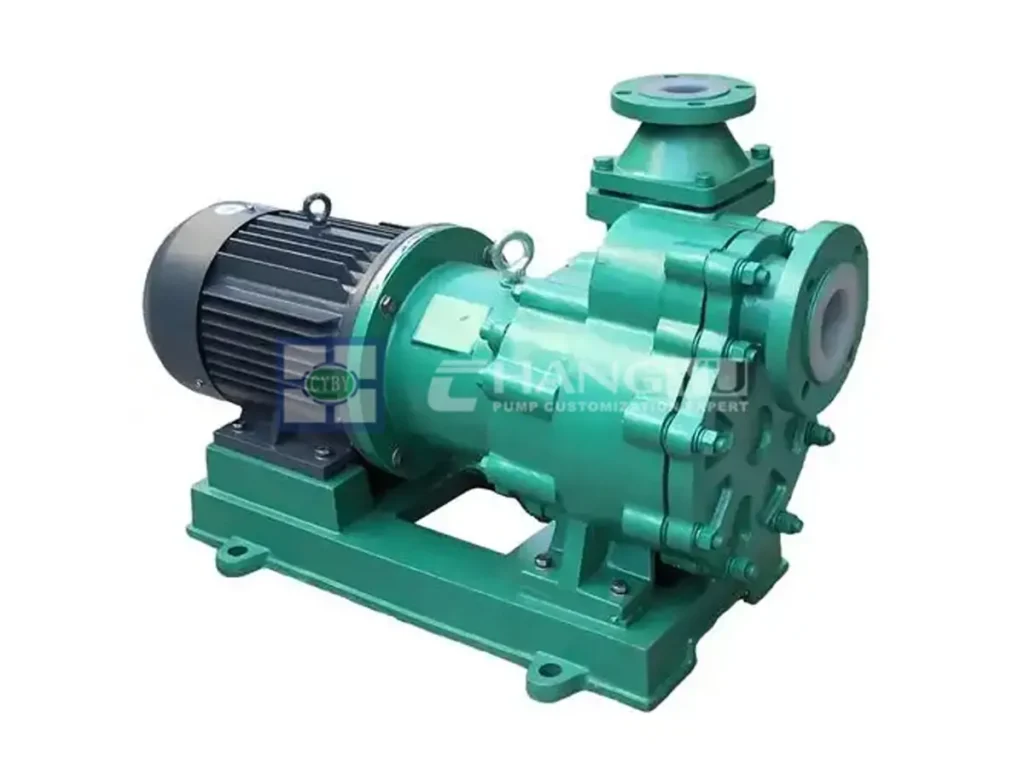
1) Pompa Pemancing Otomatis Magnetik Berjajar Fluorin Seri ZCQ
Ini adalah yang paling alami rekomendasi utama untuk banyak sistem transfer asam fluorida karena menggabungkan tiga fitur yang penting dalam layanan HF yang sebenarnya: ketahanan kimia berlapis fluor, kontrol kebocoran penggerak magnetik, dan kemampuan pemancing otomatis.
Secara praktis, pompa ini sangat berguna ketika pompa dipasang di atas sumber cairan dan hisap banjir tidak tersedia. Desain self-priming dapat menyederhanakan tata letak pemasangan, sementara struktur penggerak magnetik mengurangi ketergantungan pada segel mekanis dinamis konvensional. Kombinasi tersebut membuatnya sangat menarik dalam transfer asam berbahaya di mana risiko kebocoran yang lebih rendah dan pemasangan sisi hisap yang praktis diperlukan.
Aplikasi yang paling sesuai meliputi:
- Jalur transfer HF di atas tanah.
- Sistem pembongkaran tangki.
- Tugas pemindahan di mana perilaku pemanduan mandiri sangat berharga.
- Sistem sirkulasi bahan kimia yang membutuhkan desain dengan tingkat kebocoran yang lebih rendah.
Untuk strategi artikel dan untuk pemosisian dunia nyata, ini harus diperlakukan sebagai produk utama untuk layanan transfer asam fluorida.
2) Pompa Magnetik Baja Tahan Karat Tugas Berat Seri CYC
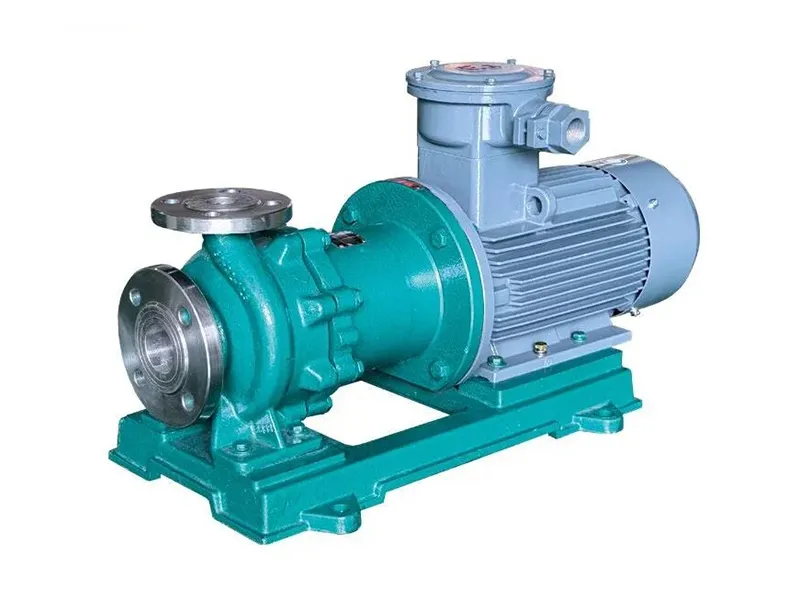
Model ini harus diperkenalkan secara lebih selektif. Nilai utamanya adalah magnetik struktur penggerak dan desain industri tugas berat, bukan kompatibilitas universal dengan asam fluorida. Dalam layanan HF, kesesuaian baja tahan karat harus selalu dikonfirmasi terhadap konsentrasi dan suhu aktual sebelum direkomendasikan.
Itu berarti produk ini bekerja paling baik dalam artikel sebagai opsi yang memenuhi syarat secara cermat. Hal ini membantu menunjukkan bahwa pemilihan pompa harus didasarkan pada tinjauan kompatibilitas yang nyata daripada asumsi kategori yang luas. Dengan cara ini, produk ini menambah kredibilitas teknis pada halaman.
Posisi terbaiknya dalam artikel ini adalah:
- Opsi drive magnetik dengan casing khusus.
- Produk untuk kondisi layanan yang ditinjau dengan cermat.
- Pengingat bahwa konfirmasi materi harus dilakukan sebelum rekomendasi.
Jenis pembingkaian yang cermat ini terdengar lebih profesional dan membangun lebih banyak kepercayaan dengan pembeli teknis.
3) Pompa Diafragma Ganda yang Dioperasikan dengan Udara Seri BFQ
Model ini memberikan halaman yang praktis tugas-batch dan opsi yang berfokus pada bongkar muat. Dalam sistem asam fluorida, pompa diafragma ganda yang dioperasikan dengan udara dapat berguna di mana tugasnya terputus-putus, di mana perilaku pemancing otomatis sangat membantu, atau di mana prosesnya lebih baik dilayani oleh transfer fleksibel daripada aliran sentrifugal kontinu.
Kekuatan utamanya dalam artikel ini adalah:
- Pengoperasian praktis untuk transfer yang terputus-putus.
- Cocok untuk titik bongkar muat dan penanganan terkait dosis.
- Pilihan yang lebih sederhana di mana ritme proses lebih penting daripada kinerja sentrifugal kontinu yang stabil.
Ini adalah produk yang penting untuk disertakan karena tidak semua aplikasi asam fluorida harus dipaksakan ke dalam larutan sentrifugal. Untuk beberapa pengguna, proses itu sendiri membuat pompa AODD menjadi pilihan yang lebih praktis.

4) Pompa Sentrifugal Fluorin Berjajar Kualitas IHF
Model ini adalah yang terkuat sentrifugal berjajar alternatif dalam artikel. Nilainya terletak pada penyediaan jalur aliran internal berlapis fluor untuk servis cairan korosif sambil mempertahankan perilaku hidraulik yang sudah dikenal dari pompa sentrifugal.
Produk ini paling cocok untuk:
- Tugas transfer berkelanjutan dalam layanan HF yang ditinjau secara teknis.
- Jalur proses yang mendukung operasi sentrifugal konvensional.
- Aplikasi di mana ketahanan kimia berlapis adalah prioritas desain utama.
Dalam artikel tersebut, produk ini harus berada tepat di samping rute penggerak magnetik sebagai alternatif yang jelas. Hal ini memberikan pembaca jalur perbandingan yang sederhana: penggerak magnetik ketika kontrol kebocoran ditekankan dengan sangat kuat, sentrifugal berjajar ketika kondisi servis mendukung tata letak sentrifugal yang lebih konvensional.

Tabel Kinerja Pompa Sentrifugal Berjajar (Seri IHF)
| Tidak. | Model | Aliran (m³/jam) | Kepala (m) | Kecepatan (r/menit) | Daya (kW) | Saluran Masuk/Saluran Keluar (mm) |
|---|---|---|---|---|---|---|
| 1 | IHF40-25-125 | 4-10 | 18-21 | 2900 | 1.5 | 40×25 |
| 2 | IHF40-25-160 | 4-10 | 28-33 | 2900 | 2.2 | 40×25 |
| 3 | IHF40-25-200 | 4-10 | 47-51 | 2900 | 4 | 40×25 |
| 4 | IHF40-25-250 | 4-10 | 78-81 | 2900 | 11 | 40×25 |
| 5 | IHF50-32-125 | 7-15 | 16-22 | 2900 | 2.2 | 50×32 |
| 6 | IHF50-32-160 | 7-15 | 30-33 | 2900 | 4 | 50×32 |
| 7 | IHF50-32-200 | 7-15 | 47-51 | 2900 | 7.5 | 50×32 |
| 8 | IHF50-32-250 | 7-15 | 78-82 | 2900 | 11 | 50×32 |
| 9 | IHF65-50-125 | 15-35 | 18-22 | 2900 | 3 | 65×50 |
| 10 | IHF65-50-160 | 15-35 | 28-33 | 2900 | 5.5 | 65×50 |
| 11 | IHF65-40-200 | 15-35 | 40-51 | 2900 | 11 | 65×40 |
| 12 | IHF65-40-250 | 15-35 | 72-82 | 2900 | 18.5 | 65×40 |
| 13 | IHF80-65-125 | 35-60 | 18-22 | 2900 | 5.5 | 80×65 |
| 14 | IHF80-65-160 | 35-60 | 27-33 | 2900 | 11 | 80×65 |
| 15 | IHF80-50-200 | 35-60 | 45-52 | 2900 | 15 | 80×50 |
| 16 | IHF80-50-250 | 35-60 | 75-82 | 2900 | 30 | 80×50 |
| 17 | IHF80-50-315 | 40-60 | 120-127 | 2900 | 45 | 80×50 |
| 18 | IHF100-80-125 | 65-120 | 18-22 | 2900 | 11 | 100×80 |
| 19 | IHF100-80-160 | 65-120 | 26-35 | 2900 | 15 | 100×80 |
| 20 | IHF100-65-200 | 65-120 | 43-51 | 2900 | 30 | 100×65 |
| 21 | IHF100-65-250 | 65-120 | 65-82 | 2900 | 55 | 100×65 |
| 22 | IHF100-65-315 | 70-120 | 123-127 | 2900 | 75 | 100×65 |
| 23 | IHF125-100-160 | 130-180 | 26-34 | 2900 | 30 | 125×100 |
| 24 | IHF125-100-200 | 120-170 | 45-55 | 2900 | 55 | 125×100 |
| 25 | IHF125-100-250 | 150-240 | 78-82 | 2900 | 75 | 125×100 |
| 26 | IHF125-100-315 | 150-240 | 123-127 | 2900 | 110 | 125×100 |
| 27 | IHF150-125-250 | 150-240 | 18-21 | 1450 | 22 | 150×125 |
| 28 | IHF150-125-400 | 150-240 | 48-52 | 1450 | 55 | 150×125 |
| 29 | IHF200-150-250 | 250-480 | 18-21 | 1450 | 45 | 200×150 |
| 30 | IHF200-150-400 | 250-480 | 48-52 | 1450 | 90 | 200×150 |
| 31 | IHF250-200-200-315 | 400-700 | 28-34 | 1450 | 90 | 250×200 |
| 32 | IHF250-200-400 | 400-700 | 47-53 | 1450 | 132 | 250×200 |
| 33 | IHF300-250-315 | 800-1100 | 30-34 | 1450 | 160 | 300×250 |
| 34 | IHF300-250-400 | 800-1100 | 47-53 | 1450 | 185 | 300×250 |
| 35 | IHF400-350-600 | 2000 | 32 | 980 | 355 | 400×350 |
| 36 | IHF550-500-800 | 3600 | 36 | 750 | 710 | 550×500 |
5) Pompa Submersible Fluoroplastik
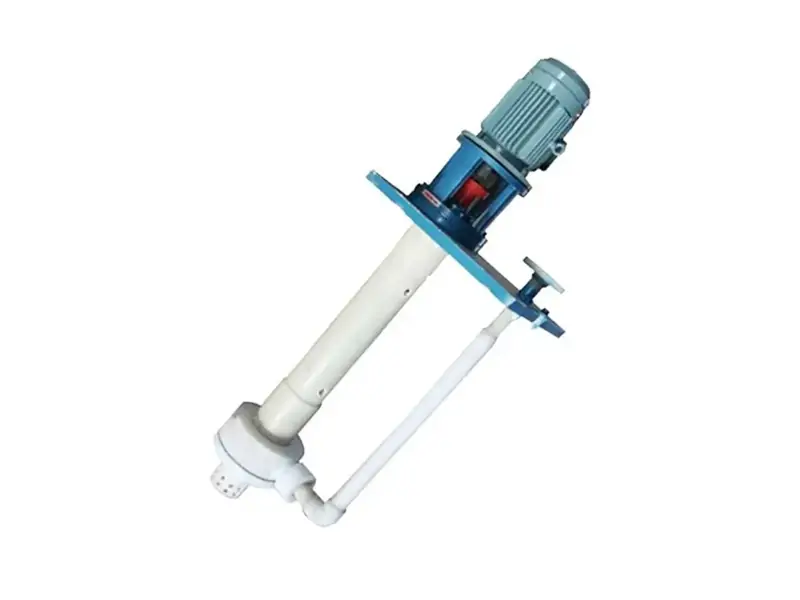
Ini adalah produk yang paling relevan untuk penanganan asam fluorida di lubang, tangki, dan area pengumpulan di bawah permukaan tanah. Ketika sumber cairan berada di bawah level instalasi pompa, konfigurasi submersible fluoroplastik mungkin lebih praktis daripada membangun pengaturan hisap eksternal.
Nilainya dalam artikel ini sangat jelas:
- Pompa ini memecahkan masalah tata letak terendam dengan lebih efektif daripada pompa di atas tanah.
- Ini memperluas halaman dari layanan transfer-line ke layanan area pengumpulan.
- Ini memberi pembaca opsi tahan korosi untuk penanganan di bawah permukaan.
Aplikasi yang direkomendasikan meliputi:
- Lubang pengumpulan HF.
- Titik-titik penanganan bagian bawah tangki.
- Tugas transfer di bawah kelas.
- Penanganan cairan terendam di mana kesederhanaan sisi hisap sangat penting.
| TIDAK | Model | Aliran (m³/jam) | Kepala (m) | Rev (r/menit) | Daya | Kaliber (mm) | |
| Aksial kekuatan | Motor kekuatan | ||||||
| 1 | 32FYH-5-20 | 5 | 20 | 2900 | 0.8 | 2.2 | 32×25 |
| 2 | 32FYH-10-15 | 10 | 15 | 2900 | 1.17 | 2.2 | |
| 3 | 40FYH-10-20 | 10 | 20 | 2900 | 1.5 | 3 | 40×32 |
| 4 | 40FYH-15-20 | 15 | 20 | 2900 | 2.34 | 3 | |
| 5 | 50FYH-10-25 | 10 | 25 | 2900 | 3.4 | 4 | 50×40 |
| 6 | 50FYH-10-30 | 10 | 30 | 2900 | 4.1 | 5.5 | |
| 7 | 50FYH-15-30 | 15 | 30 | 2900 | 5.3 | 5.5 | |
| 8 | 50FYH-20-20 | 20 | 20 | 2900 | 4.6 | 5.5 | |
| 9 | 50FYH-20-25 | 20 | 25 | 2900 | 5.45 | 5.5 | |
| 10 | 50FYH-10-40 | 10 | 40 | 2900 | 6.1 | 7.5 | |
| 11 | 50FYH-20-30 | 20 | 30 | 2900 | 6.54 | 7.5 | |
| 12 | 65FYH-25-25 | 25 | 25 | 2900 | 5.68 | 7.5 | 65×50 |
| 13 | 65FYH-25-30 | 25 | 30 | 2900 | 6.8 | 7.5 | |
| 14 | 65FYH-30-20 | 30 | 20 | 2900 | 5.8 | 7.5 | |
| 15 | 65FYH-40-20 | 40 | 20 | 2900 | 6.82 | 7.5 | |
| 16 | 65FYH-30-25 | 30 | 25 | 2900 | 5.84 | 7.5 | 65×50 |
| 17 | 65FYH-30-30 | 30 | 30 | 2900 | 6.5 | 7.5 | |
| 18 | 65FYH-25-40 | 25 | 40 | 2900 | 7.79 | 11 | |
| 19 | 65FYH-30-40 | 30 | 40 | 2900 | 9.35 | 11 | |
| 20 | 65FYH-35-30 | 35 | 30 | 2900 | 8.2 | 11 | |
| 21 | 65FYH-30-50 | 30 | 50 | 2900 | 11.7 | 15 | |
| 22 | 80FYH-60-15 | 60 | 15 | 2900 | 6.2 | 7.5 | 80×65 |
| 23 | 80FYH-60-20 | 60 | 20 | 2900 | 9.3 | 11 | |
| 24 | 80FYH-50-25 | 50 | 25 | 2900 | 9.7 | 11 | |
| 25 | 80FYH-50-30 | 50 | 30 | 2900 | 10.6 | 11 | |
| 26 | 80FYH-40-30 | 40 | 30 | 2900 | 10.4 | 11 | |
| 27 | 80FYH-60-25 | 60 | 25 | 2900 | 11.5 | 15 | |
| 28 | 100FYH-60-30 | 60 | 30 | 2900 | 14 | 15 | 100×80 |
| 29 | 100FYH-80-15 | 80 | 15 | 2900 | 12.8 | 15 | |
| 30 | 100FYH-100-10 | 100 | 10 | 2900 | 13.6 | 18.5 | |
Referensi Kasus: Transfer Asam Fluorida dengan Pompa Magnetik Tahan Korosi
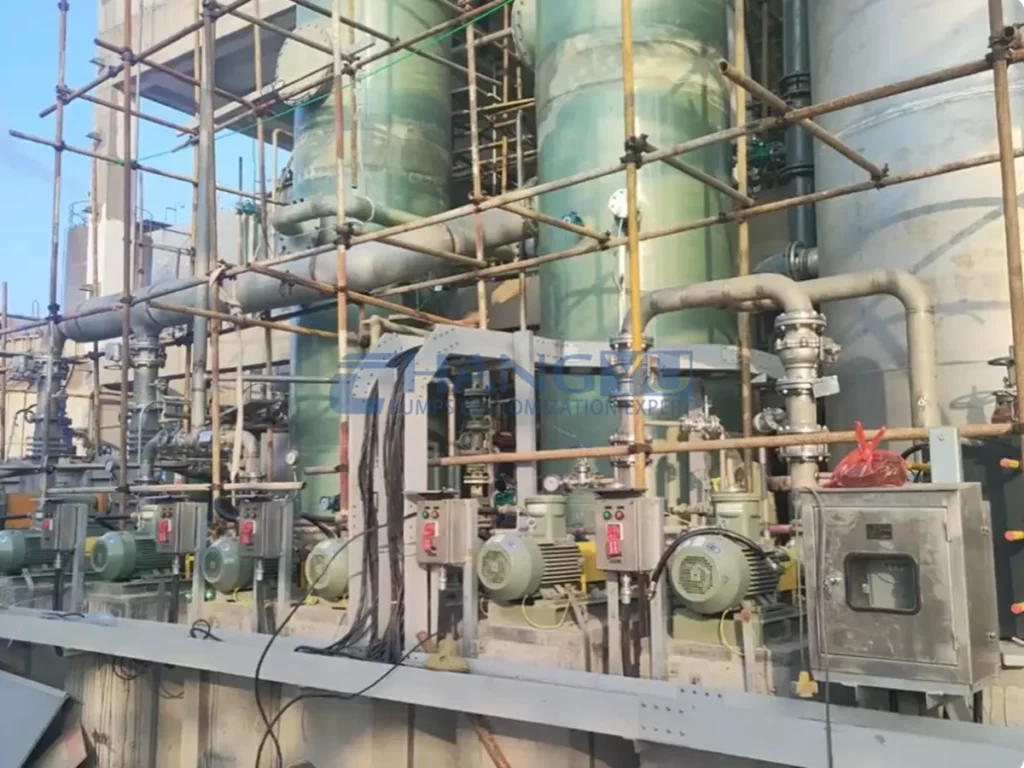
Dalam satu aplikasi transfer asam fluorida, pelanggan membutuhkan operasi berkelanjutan di bawah standar ketahanan korosi dan kontrol kebocoran yang ketat. Proses ini membutuhkan kinerja hidraulik yang stabil, tetapi prioritas yang lebih penting adalah mengurangi risiko kebocoran dalam layanan asam yang berbahaya.
Setelah meninjau konsentrasi, suhu pengoperasian, tata letak, dan siklus kerja, konfigurasi pompa magnetik yang tahan korosi dipilih sebagai solusi yang lebih disukai. Keuntungan utamanya bukan hanya ketahanan terhadap bahan kimia, tetapi juga kemampuan untuk mengurangi ketergantungan pada pengaturan penyegelan dinamis konvensional.
Dengan mencocokkan struktur pompa dengan kondisi transfer HF yang sebenarnya, sistem mencapai operasi yang lebih aman, transfer jangka panjang yang lebih stabil, dan intervensi pemeliharaan yang lebih rendah. Inilah alasannya mengapa Insinyur Changyu Pump merekomendasikan memilih pompa asam fluorida dari proses ke luar, bukan dari katalog ke dalam.
Kesalahan Umum dalam Membeli yang Harus Dihindari
Kesalahan pompa asam fluorida yang paling umum biasanya dapat dicegah:
- Memilih berdasarkan harga sebelum mengonfirmasi kompatibilitas.
- Dengan asumsi setiap pompa asam cocok untuk layanan HF.
- Memeriksa bahan casing saja dan mengabaikan jalur yang dibasahi sepenuhnya.
- Mengabaikan material yang berhubungan dengan segel dan strategi pengendalian kebocoran.
- Memaksa pompa sentrifugal ke dalam tugas yang lebih cocok untuk operasi pemancing otomatis, diafragma, atau submersible.
- Mengabaikan suhu dan hanya berfokus pada konsentrasi.
- Memperlakukan pompa magnetik atau pompa berlapis sebagai pompa yang cocok secara universal tanpa tinjauan teknis akhir.
Keputusan pembelian profesional harus selalu membandingkan kondisi kimiawi, jenis pompa, bahan yang dibasahi, dan kepraktisan perawatan bersama-sama.
Tanya Jawab Tentang Pompa Asam Fluorida
Apa yang dimaksud dengan pompa asam fluorida?
Pompa asam fluorida adalah pompa kimia yang dirancang untuk transfer asam fluorida yang aman dengan menggunakan bahan tahan korosi yang sesuai dan metode penyegelan yang tepat.
Jenis pompa apa yang sering dipilih untuk transfer asam fluorida?
Pompa penggerak magnetik sering kali lebih disukai di mana kontrol kebocoran sangat penting, sementara pompa sentrifugal, diafragma, atau pompa submersible berjajar mungkin juga cocok tergantung pada tugasnya.
Mengapa pemilihan pompa asam fluorida lebih sulit daripada pemompaan bahan kimia biasa?
Layanan HF memerlukan tinjauan yang lebih cermat terhadap bahan, keandalan penyegelan, konsentrasi, suhu, dan risiko keselamatan daripada transfer bahan kimia pada umumnya.
Apakah pompa berlapis fluor digunakan untuk asam fluorida?
Mereka dapat digunakan dalam kondisi tertentu setelah tinjauan kompatibilitas, terutama di mana ketahanan korosi adalah prioritas pertama.
Dapatkah pompa diafragma digunakan untuk asam fluorida?
Ya. Dalam aplikasi bongkar muat, intermiten, atau transfer batch tertentu, pompa diafragma mungkin merupakan solusi yang lebih praktis.
Kapan pompa submersible merupakan pilihan yang lebih baik?
Pompa submersible fluoroplastik sering kali merupakan pilihan yang lebih baik ketika asam fluorida harus ditangani di lubang, tangki, atau area pengumpulan di bawah permukaan.
Informasi apa yang harus dipersiapkan sebelum meminta rekomendasi pompa?
Siapkan konsentrasi HF, suhu, laju aliran, head, tata letak instalasi, siklus kerja, dan persyaratan pengendalian kebocoran.
Apa kesalahan terbesar dalam memilih pompa asam fluorida?
Kesalahan terbesar adalah mengasumsikan pompa asam umum secara otomatis cocok untuk layanan HF tanpa memeriksa kondisi kimia dan operasi yang tepat.
Pertimbangan Akhir
Memilih pompa asam fluorida yang tepat bukan hanya masalah laju aliran atau jenis pompa. Hal ini membutuhkan peninjauan yang cermat terhadap kompatibilitas bahan kimia, strategi pengendalian kebocoran, tata letak instalasi, dan kepraktisan pemeliharaan jangka panjang. Ketika faktor-faktor ini dievaluasi bersama-sama, hasilnya adalah sistem pemompaan yang lebih aman dan lebih andal yang lebih sesuai dengan kebutuhan layanan asam fluorida yang sebenarnya.
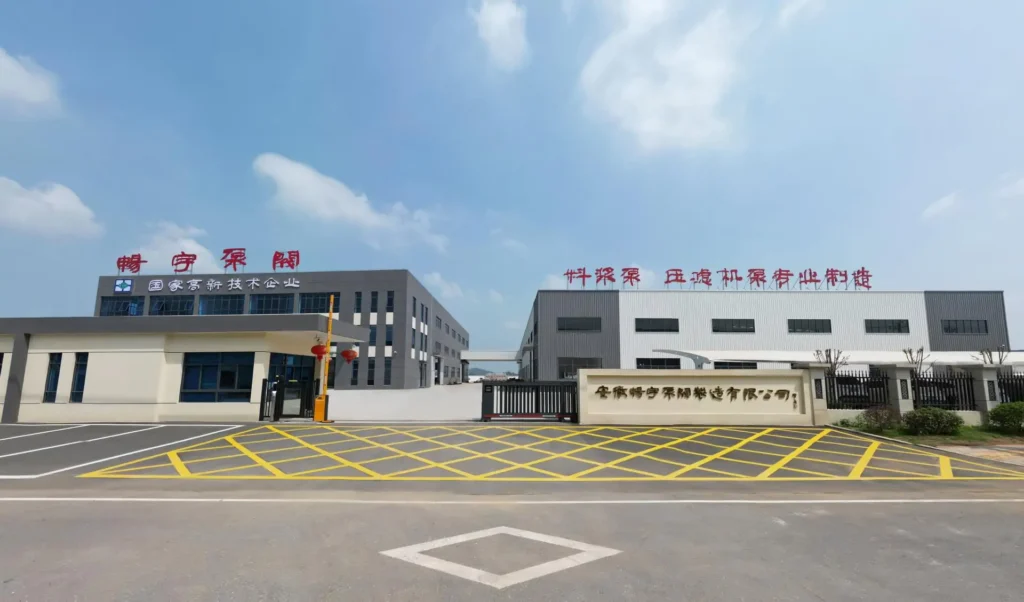
Jika Anda memilih pompa untuk transfer asam fluorida, sirkulasi, bongkar muat, atau tugas pengumpulan, Changyu Pump dapat membantu Anda mengevaluasi solusi yang paling sesuai berdasarkan kondisi operasi Anda yang sebenarnya. Hubungi tim teknik kami dengan konsentrasi, suhu, laju aliran, head, dan detail pemasangan Anda untuk mendapatkan rekomendasi dan kutipan pompa yang lebih akurat.