
Resposta rápida
Bombas para lamas na indústria mineira são predominantemente bombas centrífugas de alta resistência, concebidas para transportar misturas abrasivas e de alta densidade de partículas sólidas em suspensão num líquido. Em determinadas aplicações de alta concentração ou alta pressão, também são utilizadas bombas de deslocamento positivo. Os principais fatores de seleção — por ordem de prioridade técnica — incluem:
- (1) Características do minério — a granulometria, a forma, a dureza e a concentração determinam diretamente a escolha do material da parte em contacto com o fluido da bomba e a sua vida útil.
- (2) Requisitos dos circuitos de mineração — a descarga do moinho, o transporte de rejeitos, a alimentação da flotação e o manuseamento de concentrados impõem, cada um, exigências distintas em termos de caudal, queda e passagem de sólidos.
- (3) Escolha dos materiais de desgaste — as ligas com alto teor de cromo, a borracha natural e os revestimentos de poliuretano são adequados para tipos específicos de minério; a escolha do material adequado à mineralogia é a decisão mais determinante em termos de especificações.
- (4) Custo total de propriedade — na exploração de lamas de mineração, o consumo de energia, os intervalos de substituição das peças em contacto com o líquido e as paragens não planeadas representam, no seu conjunto, uma parte preponderante dos custos do ciclo de vida, muito superior ao preço de aquisição inicial.
- (5) Características de conceção para utilização em minas — revestimentos de desgaste substituíveis, folgas ajustáveis do impulsor, rolamentos sobredimensionados e carcaças com canal de fluxo largo distinguem as bombas de lama de nível industrial das bombas centrífugas padrão.
As avarias prematuras nas bombas de lama são comuns nas operações mineiras. Embora os custos de substituição de componentes sejam significativos, a despesa muito maior decorre das paragens não planeadas que interrompem circuitos de processamento inteiros e custam centenas de milhares de dólares em perda de produção. Este padrão dispendioso persiste em todo o setor sempre que as bombas são especificadas sem uma avaliação rigorosa das características do minério, da compatibilidade dos materiais e dos requisitos de funcionamento específicos do circuito.
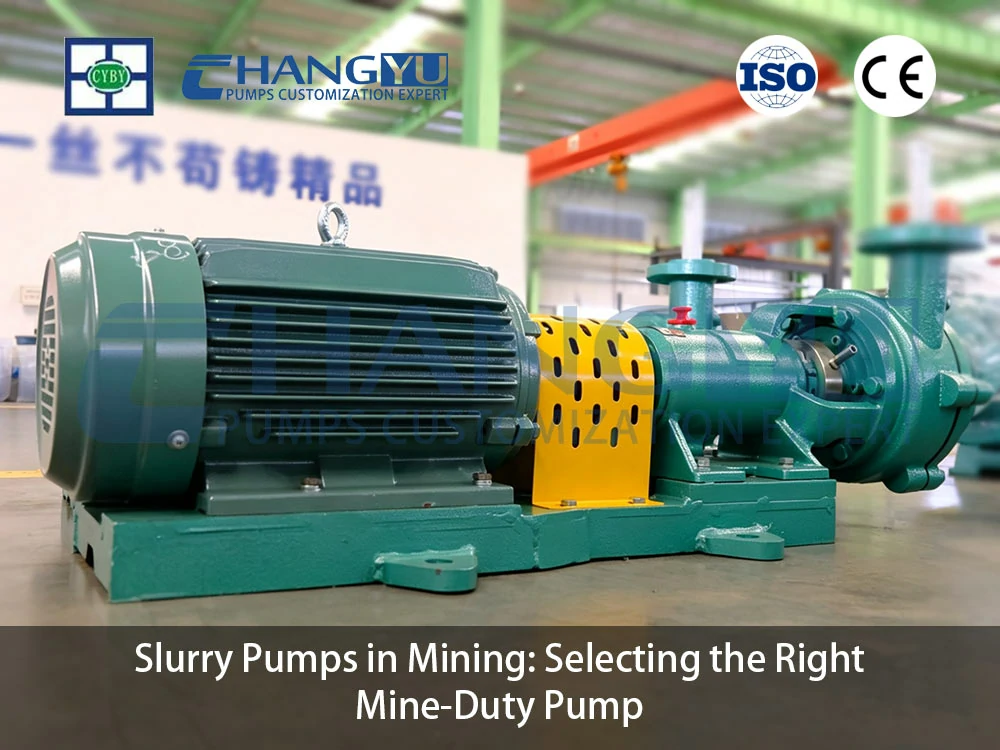
Com mais de 20 anos de experiência na fabricação de bombas e uma vasta experiência no terreno em aplicações mineiras, a Changyu Pump tem especificado, fornecido e prestado assistência a bombas de polpa em alguns dos circuitos de processamento mineral mais abrasivos e exigentes. Este guia fornece-lhe o quadro de seleção completo — desde compreender como uma bomba de polpa para mineração difere de uma bomba padrão, passando pela seleção de materiais de desgaste, até à realização de uma análise do custo total de propriedade específico para cada circuito. No final, saberá exatamente como especificar uma bomba de polpa que proporcione uma vida útil fiável na sua operação de mineração específica.
1. O que é uma bomba para lamas e como funciona na indústria mineira?
A bomba de polpa é uma bomba centrífuga especificamente concebida para bombear fluidos que contêm partículas sólidas em suspensão — lamas. Ao contrário das bombas de água convencionais, que são concebidas para fluidos finos e limpos, uma bomba para lamas é projetada com características de construção reforçada que resistem aos efeitos erosivos e corrosivos de misturas abrasivas de sólidos e líquidos. Na indústria mineira, as bombas para lamas não são um upgrade opcional — são um requisito fundamental do processo.
Como funciona uma bomba centrífuga para polpas abrasivas
O princípio de funcionamento segue o de uma bomba centrífuga: um impulsor rotativo acelera a pasta para fora por meio da força centrífuga, convertendo a energia cinética rotacional em velocidade do fluido e, posteriormente, em pressão na voluta ou na carcaça. O que distingue uma bomba para pastas não é o princípio, mas a execução. O impulsor, a carcaça e os componentes da parte molhada são construídos para resistir ao triplo desafio da abrasão (por partículas duras), da erosão (devido ao fluxo de alta velocidade) e da corrosão (devido à água de processo quimicamente agressiva ou à composição química do corpo mineral).
Principais diferenças de conceção: bomba para lamas vs. bomba centrífuga padrão
Tabela: Bomba para lamas vs. bomba centrífuga padrão — Comparação de conceção
| Caraterística | Bomba centrífuga padrão | Bomba para lamas de mineração |
|---|---|---|
| Espessura da carcaça | Parede padrão — margem de desgaste mínima | Carcaça resistente de secção espessa com revestimentos de desgaste substituíveis |
| Impulsor | Ferro fundido ou bronze padrão | Liga de metal duro (CrMo com elevado teor de cromo) ou revestida com elastómero |
| Proteção contra o desgaste | Nenhum | Revestimentos substituíveis da voluta, da garganta e da placa da estrutura |
| Conjunto de rolamentos | Rolamentos padrão | Rolamentos de grandes dimensões e alta resistência, concebidos para suportar cargas de lamas de alta densidade |
| Eixo | Diâmetro padrão | Diâmetro do eixo sobredimensionado — menor deformação sob elevada carga de sólidos |
| Canais de fluxo | Estreito — obstrução por partículas de grandes dimensões | Passagens largas e arredondadas — permitem a passagem de sólidos de grandes dimensões e resíduos fibrosos |
| Disposição das vedações | Gaxeta padrão ou vedação mecânica simples | Combinação de expulsor e vedante ou vedante mecânico duplo com sistema de lavagem |
| Folga do impulsor | Corrigido | Ajustável — mantém a eficiência à medida que se verifica desgaste |
Quando uma bomba de deslocamento positivo pode ser mais adequada
Embora as bombas centrífugas para lamas sejam utilizadas na maioria das aplicações mineiras, certas condições favorecem o uso de bombas de deslocamento positivo, tais como as bombas de cavidade progressiva ou as bombas de mangueira. Entre elas, destacam-se:
- Concentrações ultra-elevadas de pasta acima de 60–70 % em peso de sólidos — onde a eficiência centrífuga diminui drasticamente
- Fluidos veiculares altamente viscosos — onde a pasta se comporta mais como uma pasta do que como um líquido
- Requisitos de medição precisa — tais como a dosagem de floculantes ou a injeção de reagentes
Para aplicações em que as características da pasta excedem a capacidade das bombas centrífugas, consulte o nosso Guia de seleção de bombas de cavidade progressiva.
2. O que torna uma bomba de polpa adequada para aplicações na indústria mineira?
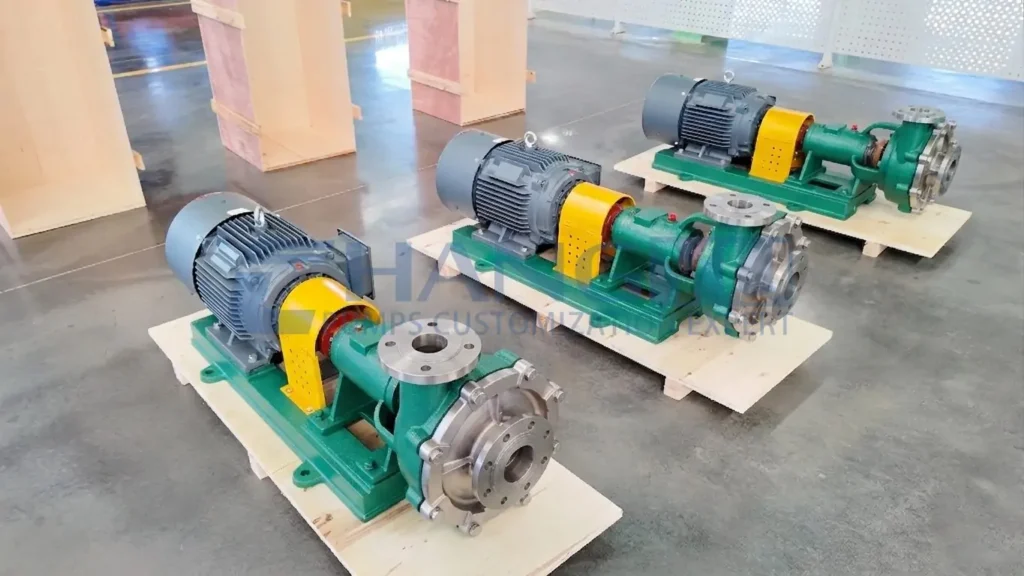
O termo “para uso em minas” não é um rótulo de marketing — descreve um conjunto de características de conceção específicas que permitem que uma bomba de polpa funcione de forma fiável nas condições adversas de uma unidade de processamento de minerais. Uma bomba industrial padrão utilizada numa aplicação de polpa de mineração avariar-se-á rapidamente, muitas vezes em poucas semanas. Uma bomba de polpa para mineração devidamente especificada proporcionará uma vida útil previsível e mensurável.
Principais características de conceção para utilização em minas
- Revestimentos de desgaste substituíveis: A carcaça em espiral está equipada com revestimentos substituíveis de metal ou elastómero. Quando se verifica desgaste, são substituídos os revestimentos — e não toda a carcaça da bomba —, o que implica uma fração do custo e do tempo de inatividade.
- Impulsor em metal duro ou elastómero: Os impulsores são fundidos em ferro branco com alto teor de cromo (normalmente 26–28% Cr, com dureza superior a 600 HB) ou revestidos com borracha natural para lamas com partículas finas. Os impulsores padrão de ferro fundido não são utilizados em aplicações com lamas de mineração.
- Eixo e rolamentos de grandes dimensões: As lamas de mineração podem ter densidades superiores a 1,5–2,0, o que impõe cargas radiais significativamente mais elevadas do que a água. As bombas para mineração utilizam eixos com diâmetros 30–50% maiores do que as bombas de água equivalentes, suportados por rolamentos de rolos de alta resistência concebidos para o funcionamento contínuo com lamas.
- Folga ajustável do impulsor: À medida que o impulsor e a carcaça se desgastam, a folga entre a cobertura frontal do impulsor e o revestimento do lado da sucção aumenta, causando recirculação interna e perda de eficiência. As bombas para minas permitem o ajuste externo dessa folga para restaurar a eficiência sem necessidade de abrir a bomba.
- Sistema hidráulico de grande diâmetro: As passagens de fluxo do impulsor e da voluta foram concebidas com secções transversais amplas e raios suaves para permitir a passagem de sólidos de grandes dimensões, resíduos fibrosos e lamas de alta densidade sem obstruções.
- Dispositivos de expulsão ou de vedação dupla: A vedação do eixo deve impedir a entrada de lama na caixa do rolamento. As bombas para minas utilizam um expelidor centrífugo (vedação dinâmica) combinado com uma gaxeta de vedação, ou uma vedação mecânica dupla com um sistema de lavagem com água limpa.
Bomba para lamas de mineração vs. bomba industrial para lamas: comparação
Tabela: Bomba para lamas de mineração vs. bomba para lamas industriais — Comparação de características
| Caraterística | Bomba de polpa industrial | Bomba de lamas para mineração |
|---|---|---|
| Material da carcaça | Ferro fundido padrão com margem de desgaste limitada | Ferro fundido dúctil de secção grossa com revestimentos totalmente substituíveis |
| Material do impulsor | Ferro fundido ou aço de baixa liga | Liga de CrMo com elevado teor de cromo (600+ HB) ou elastómero |
| Dimensionamento da vida útil do rolamento | Vida útil padrão L10 | Vida útil L10 para funcionamento contínuo 24 horas por dia, 7 dias por semana, com lamas |
| Ajuste da folga do impulsor | Corrigido | Ajustável a partir do exterior da bomba |
| Passagem de sólidos | Limitada | Conceção com passagem ampla; resistente ao tráfego intenso |
| Vida útil típica do circuito húmido em lamas abrasivas | Semanas a meses | 6 a 12 meses para minérios duros e angulares (sílica, minério de ferro); 18 a 24 meses para minérios macios e arredondados (carvão, fosfato) |
3. De que forma os materiais e os revestimentos afetam a vida útil das bombas para lamas de mineração?
A escolha dos materiais é a decisão mais crítica no que diz respeito às especificações de uma bomba para lamas de mineração. A interação entre a mineralogia do minério — a sua dureza, forma das partículas, pH e temperatura — e os materiais da parte molhada da bomba determina se esta terá uma vida útil de 2 000 ou 20 000 horas.
As três principais opções de materiais para a secção húmida
Ferro branco com alto teor de cromo (CrMo):
- Dureza normalmente entre 600 e 700 HB (Brinell)
- Microestrutura: carbonetos de cromo duros numa matriz martensítica
- Ideal para: Partículas duras e angulares (sílica, minério de ferro, minério de cobre) com pH neutro a alcalino
- Limitações: Frágil — vulnerável ao impacto de partículas de grandes dimensões; resistência limitada à corrosão em lamas ácidas com pH inferior a 4; suscetível a choques térmicos em caso de variações bruscas de temperatura
Borracha natural:
- Macio e resistente — absorve a energia do impacto das partículas
- Ideal para: Partículas finas e arredondadas (areia, minério moído) em suspensões com pH neutro
- Limitações: Temperatura limitada a aproximadamente 70 °C; degrada-se em ambientes com hidrocarbonetos ou ácidos fortes; não é adequado para partículas pontiagudas ou angulares que cortem a borracha
- Mecanismo de desgaste típico: as partículas ricocheteiam na superfície de borracha resiliente; o desgaste por corte ocorre com partículas pontiagudas
Poliuretano:
- Mais duro do que a borracha, mais macio do que o metal — combina alguma resistência ao corte com alguma elasticidade
- Ideal para: Partículas finas a médias, intervalo de pH moderado
- Limitações: Limitado em termos de temperatura; sensível à hidrólise em água quente a mais de 50 °C
Matriz de seleção de materiais para abrasão de minério
Tabela: Tipo de minério vs. recomendação de material de desgaste
| Tipo de minério | Dureza típica (Mohs) | Forma das partículas | Gama de pH | Material recomendado | Fundamentação |
|---|---|---|---|---|---|
| Minério de ferro (hematite, magnetite) | 5,5–6,5 | Angular, afiado | 6-8 | Liga de CrMo com elevado teor de cromo | As partículas duras e afiadas cortam a borracha; é necessário metal duro |
| Minério de cobre (circuito de flotação) | 3,5–4,0 | Mistura de ângulos e formas arredondadas | 9–11 (flotação alcalina) | Borracha (se for fina) ou CrMo com alto teor de cromo | O pH alcalino permite a utilização de borracha; metal para minério em bruto |
| Minério de cobre (circuito de lixiviação em pilha) | 3,5–4,0 | Mistura de ângulos e formas arredondadas | 1,5–3 (lixiviação ácida) | CrMo inoxidável ou liga resistente a ácidos | O ácido impede a utilização de CrMo padrão e de borracha |
| Minério de ouro (rico em sílica) | 7,0 (quartzo) | Muito angular | 5–9 | Liga de CrMo com elevado teor de cromo | O quartzo é extremamente abrasivo; é necessário utilizar metal |
| Minério de fosfato | 3,0–5,0 | Arredondado | 2–4 (ácido) | Borracha (se for fina) ou aço inoxidável CrMo | As condições ácidas limitam as opções de materiais |
| Carvão (betuminoso) | 1,0–2,0 | Arredondado | 5–7 | Borracha natural | Baixa dureza; a borracha garante uma longa vida útil |
| Areias minerais (ilmenita, rutilo) | 6,0–6,5 | Arredondado a subangular | 6-8 | CrMo com alto teor de cromo ou borracha (se for adequado) | Depende da distribuição granulométrica |
A Regra de Seleção de Materiais do Engenheiro
Os engenheiros da Changyu Pump, com base em 20 anos de experiência no terreno em aplicações de lamas de mineração, recomendam a seguinte abordagem de seleção: identificar as três características determinantes do minério — dureza (escala de Mohs), forma das partículas (angulares vs. arredondadas) e composição química da lama (pH e temperatura) — antes de especificar os materiais da bomba. Uma bomba de liga com alto teor de cromo instalada num circuito de lixiviação de cobre ácido sem correção do pH irá falhar devido à corrosão em poucos meses, independentemente da sua resistência à abrasão. O material deve resistir tanto ao desgaste mecânico causado pelas partículas como ao ambiente químico da lama.
Orientações fundamentais para a seleção de materiais:
- Partículas duras (> 5 na escala de Mohs), angulares → Liga CrMo com elevado teor de crómio (mínimo de 26% Cr). A borracha natural será cortada pelas arestas afiadas das partículas e deteriorar-se-á rapidamente.
- Partículas macias a médias (< 4 na escala de Mohs), arredondadas → A borracha natural oferece a maior durabilidade em relação ao custo. A sua elasticidade absorve os impactos sem se rasgar.
- Pasta ácida (pH < 4) → Liga de aço inoxidável ou CrMo especial resistente a ácidos. A borracha natural degrada-se em contacto com ácidos; o CrMo padrão sofre corrosão.
- Pasta a alta temperatura (> 70 °C) → Apenas metal duro. Os elastómeros (borracha, poliuretano) degradam-se rapidamente a temperaturas elevadas.
- Corpo de minério misto → Em caso de dúvida, opte pela liga CrMo com elevado teor de crómio. Esta liga oferece a maior compatibilidade com todos os tipos de minério, e o custo inicial mais elevado é compensado por uma vida útil prolongada e previsível.
4. Quais são os principais circuitos e aplicações de mineração para bombas de lama?
As bombas para lamas de mineração operam em circuitos distintos dentro de uma unidade de processamento de minerais, cada um dos quais impõe exigências diferentes à bomba. Uma bomba devidamente especificada para a eliminação de rejeitos não terá necessariamente um bom desempenho na descarga do moinho. Compreender estes requisitos específicos de cada circuito é a base para a seleção correta da bomba.
Os quatro circuitos essenciais das bombas de lama para a indústria mineira
Saída do moinho / Alimentação do ciclone:
- Características do fluido: Pasta de minério recém-moída — alta densidade (1,5–1,8 SG), partículas grossas (até 25 mm), granulometria variável dependendo do desempenho do moinho
- Requisitos da bomba: Alta altura manométrica para a classificação do ciclone; resistência extrema à abrasão; tolerância a partículas de grandes dimensões (meios de moagem partidos, fragmentos do revestimento do moinho)
- Seleção de materiais: É quase sempre necessária uma liga CrMo com elevado teor de cromo. A combinação de partículas grossas e alta velocidade impede a utilização de elastómeros.
Alimentação da flotação:
- Características do fluido: Pasta finamente moída — densidade moderada (1,2–1,4 de densidade relativa), partículas finas (< 300 μm), frequentemente com ar incorporado devido ao processo de condicionamento
- Requisitos da bomba: Fluxo estável e sem pulsações para uma cinética de flotação consistente; queda moderada; capacidade de tratamento de ar em caso de presença de espuma de flotação
- Seleção de materiais: Borracha ou poliuretano, adequados para partículas finas e não abrasivas. Metal, para tipos de minério mais duros.
Fluxo inferior do espessador / Concentrado:
- Características do fluido: Sólidos sedimentados de alta densidade — densidade muito elevada (1,5–2,0+ SG), partículas finas com consistência de pasta espessa
- Requisitos da bomba: Alta pressão de descarga para compensar as perdas por atrito na tubagem; tolerância a variações de densidade; capacidade de lidar com o comportamento tixotrópico (fluidez por cisalhamento) da pasta
- Seleção de materiais: CrMo com elevado teor de cromo para concentrados abrasivos; borracha para o subfluxo fino e não abrasivo.
Transporte de rejeitos:
- Características do fluido: Lama de resíduos de densidade variável — transportada por longas distâncias (muitas vezes quilómetros), com requisitos de queda de pressão moderados a elevados
- Requisitos da bomba: Capacidade de alta pressão (frequentemente com configuração de bombas de múltiplos estágios ou em série); funcionamento contínuo e sustentado; vida útil previsível para a definição de intervalos de manutenção
- Seleção de materiais: CrMo com alto teor de cromo para rejeitos de rocha dura; borracha para rejeitos finos e macios. As instalações de bombas em série requerem curvas de desempenho compatíveis.
Matriz de seleção específica do circuito
Tabela: Matriz de comparação entre circuitos de mineração e requisitos das bombas
| Circuito | Concentração de sólidos | Tamanho típico das partículas | Requisito principal | Grau de desgaste | Material preferido |
|---|---|---|---|---|---|
| Saída do moinho | 40–70% | Até 25 mm | Alto (30–60 m) | Extremo | CrMo com alto teor de cromo |
| Alimentação por ciclone | 40–60% | Até 25 mm | Alto (20–50 m) | Extremo | CrMo com alto teor de cromo |
| Alimentação da flotação | 25–40% | < 300 μm | Moderado (15–25 m) | Moderado | Borracha ou CrMo |
| Vazamento na parte inferior do espessador | 50–70% | < 500 μm | Alto (30–80 m) | Elevado | CrMo com alto teor de cromo |
| Resíduos (curta distância) | 30–50% | < 1 mm | Moderado (20–40 m) | Moderado a elevado | CrMo ou borracha (dependendo do minério) |
| Resíduos (longa distância) | 30–50% | < 1 mm | Muito elevada (50–150+ m, exigindo frequentemente uma configuração em série das bombas acima dos 80 m) | Moderado a elevado | CrMo com alto teor de cromo; frequentemente utilizado em bombas de série |
5. Em que circunstâncias é que uma bomba centrífuga para lamas é a escolha certa para a indústria mineira, em comparação com uma bomba de deslocamento positivo?
Embora as bombas centrífugas para lamas sejam predominantes nas aplicações mineiras, determinadas condições do processo levam a optar por alternativas de deslocamento positivo. Compreender esta distinção evita o erro dispendioso de instalar o tipo de bomba errado para a aplicação.
Bomba centrífuga para lamas: o padrão da indústria mineira
As bombas centrífugas para lamas são a escolha habitual para a maioria dos circuitos de lamas na indústria mineira, uma vez que oferecem:
- Elevada capacidade de fluxo — as bombas individuais têm um caudal de até milhares de m³/h, equiparando-se à capacidade de produção de grandes concentradores
- Tolerância a partículas de grandes dimensões — as amplas passagens do impulsor permitem a passagem de sólidos com mais de 100 mm nos modelos de grandes dimensões
- Construção simples e robusta — menos peças móveis do que as alternativas de deslocamento positivo
- Custo de capital mais baixo por unidade de caudal — economicamente viável para as necessidades de bombagem em grande escala da indústria mineira
Quando uma bomba de deslocamento positivo se torna a melhor opção
As bombas de deslocamento positivo — incluindo bombas de cavidade progressiva, bombas de mangueira e bombas de pistão e diafragma — são especificadas quando se verifica uma ou mais das seguintes condições:
- Concentração ultra-elevada da pasta (> 60–70 % de sólidos): A eficiência das bombas centrífugas diminui drasticamente em concentrações extremas de sólidos. As bombas de cavidade progressiva mantêm uma eficiência volumétrica estável em lamas pastosas.
- É necessário um controlo preciso do caudal: As bombas de deslocamento positivo fornecem um volume fixo por rotação, tornando-as adequadas para a dosagem de reagentes, a injeção de floculantes e a alimentação de filtros-prensa, aplicações em que a precisão do caudal é fundamental.
- Fluido de transporte altamente viscoso: Quando a fase líquida é viscosa (como acontece em algumas pastas de processamento químico), o desempenho das bombas centrífugas diminui. As bombas de cavidade progressiva suportam viscosidades superiores a 1 000 000 cSt.
- Transporte de pasta a longa distância: As bombas de diafragma de pistão geram as altas pressões (mais de 100 bar) necessárias para o preenchimento com pasta e para condutas de rejeitos de longa distância, em que as bombas centrífugas exigiriam configurações em série pouco práticas.
Tabela: Bomba centrífuga para lamas vs. bomba de deslocamento positivo — Limites de aplicação
| Condição de aplicação | Tipo de bomba recomendado | Fundamentação |
|---|---|---|
| Pasta padrão (10–50% de sólidos, partículas < 25 mm) | Bomba centrífuga para polpas abrasivas | Máxima eficiência, menor custo de capital |
| Pasta de alta concentração (> 60 % de sólidos) | Bomba de cavidade progressiva ou bomba de diafragma com pistão | A eficiência centrífuga desce drasticamente |
| Medição ou dosagem precisa | Bomba de cavidade progressiva ou bomba de mangueira | Fluxo sem pulsações e previsível por rotação |
| Resíduos transportados a longa distância (alta pressão) | Bomba de diafragma com pistão | As pressões excedem a capacidade centrífuga |
| Mistura de partículas grossas e finas com impurezas | Bomba centrífuga para polpas abrasivas | As passagens largas permitem o tráfego de veículos de grandes dimensões |
Para um guia de seleção completo sobre as aplicações das bombas de cavidade progressiva e a compatibilidade dos elastómeros do estator, consulte o nosso Guia de seleção de bombas de cavidade progressiva.
6. Como escolher a bomba para lamas adequada para aplicações na indústria mineira?
A seleção de bombas para lamas na indústria mineira é uma decisão de engenharia sistemática — não um simples exercício de consulta a catálogos. O processo segue uma lógica sequencial, desde as características do minério, passando pela configuração da bomba, até à seleção das vedações.
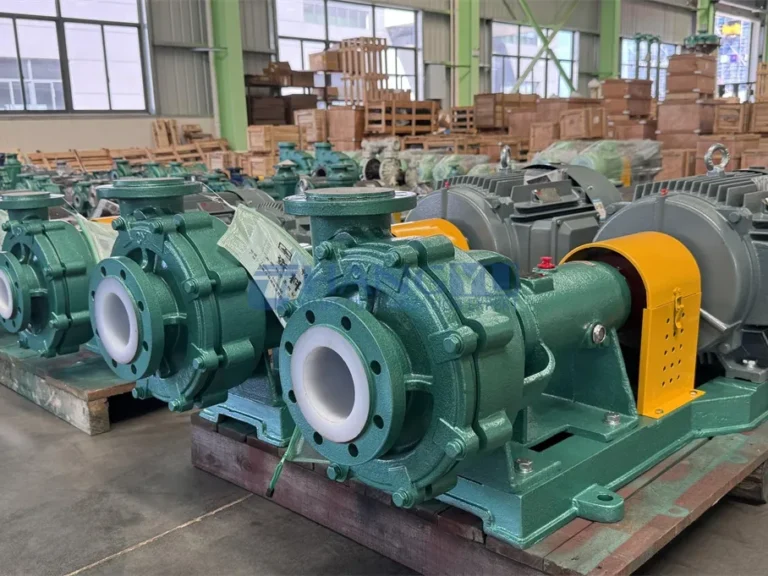
Processo de seleção passo a passo
Passo 1: Caracterizar o minério e a pasta
Antes de especificar qualquer bomba, defina estes parâmetros:
- Distribuição granulométrica (d50 e d100 — tamanho mediano e máximo das partículas)
- Forma das partículas (angular, arredondada, mista)
- Dureza do minério (escala de Mohs ou equivalente)
- Gravidade específica (SG) da pasta — a densidade da mistura sólido-líquido
- Concentração de sólidos em peso (Cw) e em volume (Cv)
- pH e temperatura da pasta
- Composição química do fluido de transporte (composição da água de processo, presença de agentes de lixiviação)
Passo 2: Definir a carga do circuito
Identifique o circuito de mineração específico (descarga do moinho, alimentação do ciclone, flotação, subfluxo do espessador, rejeitos). Cada circuito apresenta condições distintas em termos de pressão, caudal e desgaste. Utilize a matriz específica para cada circuito, apresentada na Secção 4, para restringir as opções de materiais.
Passo 3: Calcular a altura manométrica necessária
Os cálculos da altura manométrica das bombas para lamas de mineração diferem dos cálculos das bombas de água, uma vez que a densidade das lamas e as perdas por atrito na tubagem são significativamente mais elevadas. Aplique as seguintes correções:
- Altura manométrica: Multiplique a elevação vertical pela densidade da pasta (não pela densidade da água)
- Cabeça de fricção: Aplicar fatores de redução para o atrito da pasta em tubagens — as perdas por atrito da pasta podem ser 1,5 a 3 vezes superiores às perdas por atrito da água, dependendo do tamanho das partículas e da concentração
- Velocidade: Manter uma velocidade mínima na conduta superior à velocidade crítica de sedimentação das partículas maiores (normalmente 2,5–4,0 m/s para lamas de mineração)
Passo 4: Selecionar os materiais da parte molhada
Utilizando a matriz de materiais de minério apresentada na Secção 3, selecione a combinação de materiais para o impulsor, o revestimento da voluta e a bucha da garganta. Esta decisão é a que tem maior impacto na vida útil da bomba em termos de desgaste.
Passo 5: Especificar a disposição das juntas
Escolha o método de vedação do eixo:
- Expulsor + vedação da gaxeta: O expeller centrífugo (vedação dinâmica) impede que a pasta chegue à gaxeta durante o funcionamento. A gaxeta assegura a vedação estática. É comum em aplicações de descarga de moinhos e de rejeitos.
- Vedação mecânica dupla com lavagem: Proporciona uma vedação eficaz para aplicações de alta pressão, alta temperatura ou em ambientes sensíveis. Requer um abastecimento de água de lavagem limpa.
- Vedação mecânica simples: Utilizado em aplicações com lamas menos exigentes, com lavagem e resfriamento adequados.
Cinco erros comuns na seleção de bombas para lamas de mineração
Erro 1: Escolher o tamanho da bomba com base nas curvas de desempenho hidráulico.
A redução da potência nominal em caso de lamas diminui a eficiência e a altura manométrica da bomba. Uma bomba selecionada com base na sua curva de desempenho em água ficará subdimensionada para o serviço com lamas. Aplique sempre os fatores de correção para lamas à altura manométrica e à eficiência.
Erro 2: Ignorar a forma das partículas.
Duas pastas com distribuições granulométricas idênticas, mas com formas de partículas diferentes (areias minerais arredondadas vs. minério triturado angular), produzem taxas de desgaste muito diferentes. As partículas angulares cortam os elastómeros e exigem o uso de metal duro.
Erro 3: Especificar o mesmo material em todos os circuitos.
Um único concentrador pode necessitar de uma liga com elevado teor de crómio na descarga do moinho, borracha na alimentação da flotação e, novamente, metal duro nos rejeitos. A seleção de materiais específica para cada circuito otimiza os custos totais de desgaste da instalação.
Erro 4: Subestimar as perdas por atrito nas condutas.
As perdas por atrito nas condutas de lamas dependem do tamanho das partículas, da concentração e da velocidade. Uma conduta de dimensão insuficiente ou uma velocidade inferior à velocidade crítica de sedimentação provoca obstruções na conduta que interrompem o funcionamento de todo o circuito.
Erro 5: Escolher a bomba mais barata sem uma análise do custo total de propriedade (TCO).
Uma bomba de baixo custo com uma vida útil da parte molhada de 3 meses acaba por custar muito mais ao longo de 5 anos do que uma bomba de alta qualidade para minas com uma vida útil da parte molhada de 18 meses. Deve-se sempre fazer uma comparação do custo total de propriedade (TCO). Consulte a Secção 7 para uma análise quantificada.**
7. Quanto custa uma bomba para lamas de mineração ao longo da sua vida útil?
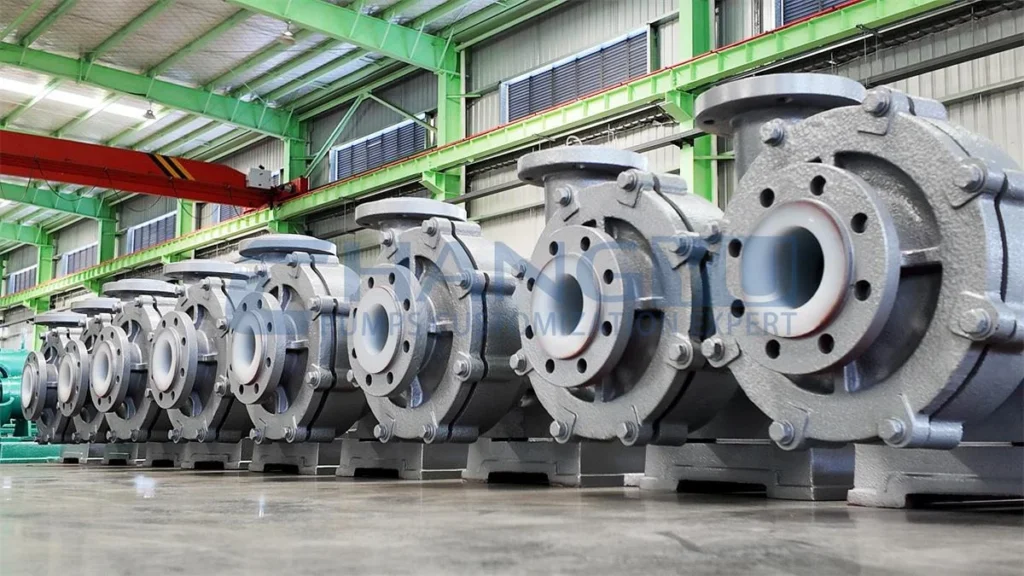
O preço de aquisição de uma bomba para lamas de mineração é apenas um dos elementos de uma equação de custos muito mais ampla. O consumo de energia, as peças de substituição da parte húmida e — o mais importante — o tempo de inatividade da produção associado à manutenção da bomba determinam, em conjunto, a economia do ciclo de vida. Esta secção apresenta uma comparação quantificada do custo total de propriedade (TCO) com base numa aplicação típica de rejeitos de minério de ferro.
Comparação do custo total de propriedade (TCO) ao longo de 5 anos: bomba para lamas para uso em minas vs. bomba de nível industrial
Pressupostos: Caudal de 200 m³/h com altura manométrica de 40 m, lama de rejeitos de minério de ferro (densidade relativa de 1,5, 351 % de sólidos em peso, partículas angulares ricas em sílica), 7 200 horas de funcionamento por ano, eletricidade a 0,08 €/kWh (tarifa típica de mineração). A bomba de nível industrial é uma bomba centrífuga padrão com parte molhada em ferro fundido e tolerância de desgaste limitada; a bomba para mineração possui camisas substituíveis em CrMo de alto teor de cromo e folga ajustável do impulsor.
Tabela: Custo total de propriedade ao longo de 5 anos — Bomba para mineração vs. bomba industrial em rejeitos de minério de ferro
| Componente de custo | Bomba de nível industrial | Bomba de lamas para mineração | Notas |
|---|---|---|---|
| Compra inicial | $15 000–$25 000 | $35 000–$55 000 | As bombas para uso em minas têm um custo de investimento mais elevado |
| Substituição do circuito húmido (5 anos) | $60.000–$100.000 (10–20 substituições da parte húmida a intervalos de 3–6 meses) | $15 000–$30 000 (2–3 substituições da parte húmida a intervalos de 18–24 meses) | O custo da unidade de tratamento de fluidos para aplicações mineiras é mais elevado (materiais de liga CrMo com elevado teor de cromo), mas as substituições são muito menos frequentes |
| Custo anual de energia | $18 000–$24 000 | $14 000–$18 000 | A bomba para uso em minas mantém uma eficiência superior graças à folga ajustável |
| Custo do tempo de inatividade não planeado (5 anos) | $150 000–$300 000 (10–20 interrupções não planeadas) | $20.000–$50.000 (2–3 interrupções programadas) | O tempo de inatividade não planeado custa entre 140 000 e 150 000 por ocorrência em termos de perda de produção |
| Custo total de propriedade estimado para 5 anos | $243 000–$449 000 | $84 000–$153 000 | A bomba para minas permite poupar entre 1 415 000 e 1 429 000 em 5 anos |
*Nota: Os componentes da parte húmida das bombas para aplicações mineiras têm um custo unitário de substituição mais elevado devido aos materiais de liga CrMo com elevado teor de cromo (aproximadamente 1 475–10 000 por evento contra 5 000–6 000 para o ferro fundido industrial). No entanto, a frequência de substituição significativamente mais baixa — 2–3 substituições contra 10–20 ao longo de 5 anos — determina a vantagem no custo total do ciclo de vida. O fator TCO dominante é o tempo de inatividade não planeado, que a bomba para uso em minas praticamente elimina.*
O Fator de Substituição da Parte Úmida
Os componentes da parte húmida — impulsor, revestimento da voluta, bucha da garganta e revestimento da placa da estrutura — são as principais peças sujeitas a desgaste numa bomba de polpa para mineração. A substituição completa da parte húmida custa entre 3 000 e 15 000 euros, dependendo do tamanho da bomba e dos materiais utilizados. O intervalo de substituição é determinado pela abrasividade do minério, pelas características das partículas e pela seleção de materiais. Em rejeitos de minério de ferro altamente abrasivos, uma bomba de nível industrial pode necessitar de substituição da parte molhada a cada 3–6 meses. Uma bomba para mineração com revestimentos de CrMo de alto teor de cromo na mesma aplicação atinge normalmente 18–24 meses entre substituições.
A principal conclusão sobre o TCO: o preço de aquisição inicial mais baixo da bomba de nível industrial é totalmente compensado pelos custos de substituição das peças em contacto com o fluido e pelas paragens não planeadas ainda no primeiro ano de funcionamento. O custo de capital mais elevado da bomba para mineração é recuperado no prazo de 6 a 12 meses, graças à redução da frequência de manutenção e à prevenção de perdas de produção. Nas operações de mineração de processo contínuo, o tempo de inatividade não planeado é o maior componente do TCO — e é o componente que pode ser reduzido de forma mais eficaz através da especificação correta da bomba.
8. Quais são as normas da indústria que regem as bombas para lamas de mineração?
As normas do setor definem os requisitos de conceção, ensaio e materiais que distinguem as bombas para lamas de nível industrial das alternativas de gama básica. Ao avaliar fabricantes para serviços de mineração, verifique a conformidade com as normas aplicáveis.
Visão geral das normas
Tabela: Normas do setor para bombas de lamas de mineração
| Padrão | Âmbito | Importância na seleção de bombas para lamas de mineração |
|---|---|---|
| ANSI/HI 12.1-12.6 | Bombas rotodinâmicas (centrífugas) para lamas — nomenclatura, definições, aplicação e funcionamento | A norma principal para a seleção de bombas para lamas, testes de desempenho e verificação do NPSH. Apresenta uma metodologia para o redimensionamento de bombas para lamas. |
| ISO 9001 | Sistemas de gestão da qualidade | Certificação de referência para garantir a consistência da produção, a rastreabilidade e o controlo dos processos |
| ISO 2858 | Bombas centrífugas de sucção lateral — dimensões e ponto de funcionamento nominal | Proporciona intercambiabilidade dimensional para a instalação da bomba e o projeto da tubagem |
| ASTM A532 | Ferros fundidos resistentes à abrasão | Define os requisitos relativos à composição química e à dureza do ferro branco com elevado teor de cromo utilizado nos componentes da parte húmida das bombas de polpa |
| ASTM D471 | Propriedades da borracha — efeito dos líquidos | Verifica a compatibilidade do revestimento de elastómero com os fluidos e produtos químicos do processo |
| Marcação CE | Conformidade europeia | Obrigatório para bombas vendidas nos mercados mineiros europeus e em muitos mercados mineiros internacionais |
O que isto significa para a sua especificação
Ao redigir um caderno de encargos para uma bomba de lamas de mineração, consulte a norma ANSI/HI 12.1-12.6 como referência para os ensaios de desempenho e a metodologia de redução da potência nominal para lamas. Especifique que os materiais da parte húmida devem estar em conformidade com a norma ASTM A532 para componentes de metal duro. Exija que o fabricante forneça curvas de teste de desempenho corrigidas para a densidade e viscosidade da lama — e não apenas dados de testes com água. A Changyu Pump fabrica bombas para lama de mineração em conformidade com a norma ANSI/HI 12.1-12.6 e aplica as especificações de materiais da norma ASTM A532 a todos os componentes da parte molhada com alto teor de cromo.
9. Estudo de caso da Changyu Pump: Resolução de uma falha crítica relacionada com a vida útil em rejeitos de minério de ferro
O caso a seguir documenta uma avaria numa bomba de lamas e a sua resolução pela equipa de engenharia da Changyu Pump. O cenário ilustra as consequências da escolha incorreta do material de desgaste — um dos desafios de manutenção de bombas de lamas para a indústria mineira mais comuns e dispendiosos do setor.
Caso: Bomba para rejeitos de minério de ferro — Falha no circuito de água em menos de 3 meses
Aplicação: Uma unidade de concentração de minério de ferro na Austrália Ocidental estava a transportar rejeitos de magnetite (densidade relativa de 1,55, 351 % de sólidos em peso, granulometria d50 = 200 μm, d100 = 1,5 mm) da parte inferior do espessador para a instalação de armazenamento de rejeitos. A pasta continha um elevado teor de sílica com morfologia de partículas angulares — típica do processamento de minério de ferro de rocha dura.
Parâmetros originais da falha:
- Bomba: Bomba industrial para lamas da marca Competitor, com corpo em ferro fundido e revestimento em borracha natural
- Caudal: 180 m³/h com uma altura manométrica de 35 m
- Horário de funcionamento: 7 200 horas por ano (funcionamento contínuo)
- Modo de falha: O revestimento da voluta em borracha e o impulsor apresentam desgaste por corte profundo e falha por fragmentação após aproximadamente 2 000 horas de funcionamento (menos de 3 meses)
- Consequência: Três substituições não planeadas do sistema de parte húmida nos primeiros 9 meses de funcionamento; cada substituição causou 24 a 36 horas de paragem, durante as quais a linha de rejeitos foi purgada, a bomba desmontada e os novos revestimentos instalados. As perdas de produção decorrentes de cada paragem ultrapassaram os 80 000 $.
Análise das causas fundamentais pelos engenheiros da Changyu Pump:
A investigação revelou uma incompatibilidade fundamental entre o material de desgaste e as características do minério. Os resíduos de magnetite continham partículas angulares de sílica com uma dureza de Mohs de 6,5–7,0 — significativamente mais duras do que o material de revestimento de borracha natural. Em vez de ricochetearem na superfície resiliente da borracha (o que ocorre com partículas arredondadas e mais macias), as partículas afiadas de sílica cortavam a borracha ao entrar em contacto, escavando progressivamente canais através do revestimento da voluta e da cobertura do impulsor. A escolha do revestimento de borracha — adequado para partículas macias e arredondadas — era completamente inadequada para rejeitos de minério de ferro angulares e de alta dureza.
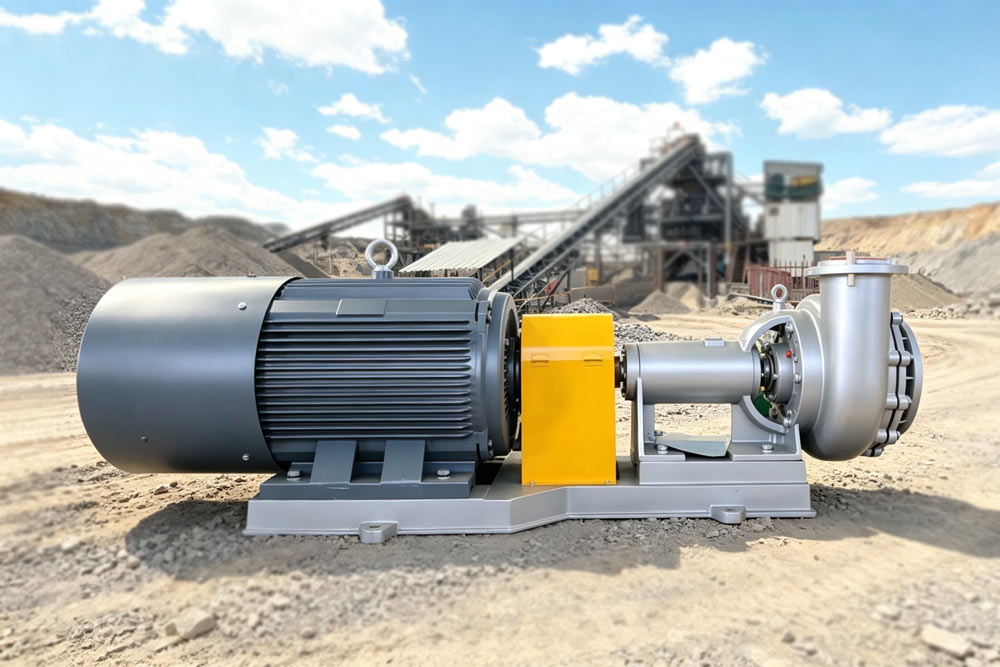
Solução de bombagem Changyu:
- Substituímos a bomba revestida a borracha por uma bomba de lamas para trabalhos em minas da Changyu, com as seguintes características: liga de CrMo com elevado teor de cromo (classe A05, 26% Cr, dureza superior a 650 HB) componentes da parte húmida
- Impulsor: Design fechado, CrMo com elevado teor de cromo, com mecanismo de folga ajustável
- Revestimento da voluta e bucha da garganta: revestimentos substituíveis de CrMo com elevado teor de cromo
- Vedante do eixo: Expulsor centrífugo combinado com vedante de gaxeta — eliminando a necessidade de água de lavagem na localização remota dos rejeitos
- Motor: 75 kW, 4 pólos — dimensionado para uma densidade relativa da pasta de 1,55
Resultados após a instalação:
- A primeira inspeção da parte molhada após 4.500 horas de funcionamento (aproximadamente 6 meses) revelou um desgaste uniforme e previsível — sem cortes nem fragmentação
- O intervalo de substituição da parte húmida foi alargado de 2 000 horas para mais de 14 000 horas (aproximadamente 20 meses) — um aumento de 7 vezes na vida útil
- Nenhuma paragem não planeada relacionada com a bomba de rejeitos nos primeiros 18 meses de operação
- Substituições planeadas na secção húmida, em simultâneo com as paragens programadas para manutenção do concentrador — eliminando perdas de produção
- A mina optou por utilizar bombas de lama Changyu de CrMo com alto teor de cromo para todos os serviços de descarga de rejeitos e da moagem, tendo substituído um total de seis posições de bombas no espaço de dois anos
Conclusão principal deste caso:
Deve-se sempre adequar o material de desgaste à forma e à dureza das partículas do minério — e não apenas ao tamanho das partículas. Partículas angulares de sílica com dureza de Mohs superior a 6 cortam os revestimentos de borracha natural, independentemente do tamanho das partículas. Para aplicações de mineração de rocha dura em que o minério contém quartzo ou sílica, a liga CrMo com alto teor de cromo é a especificação de material necessária. A diferença de custo entre uma bomba revestida a borracha e uma bomba de metal duro é recuperada muitas vezes graças ao prolongamento da vida útil e à eliminação de paragens não planeadas.


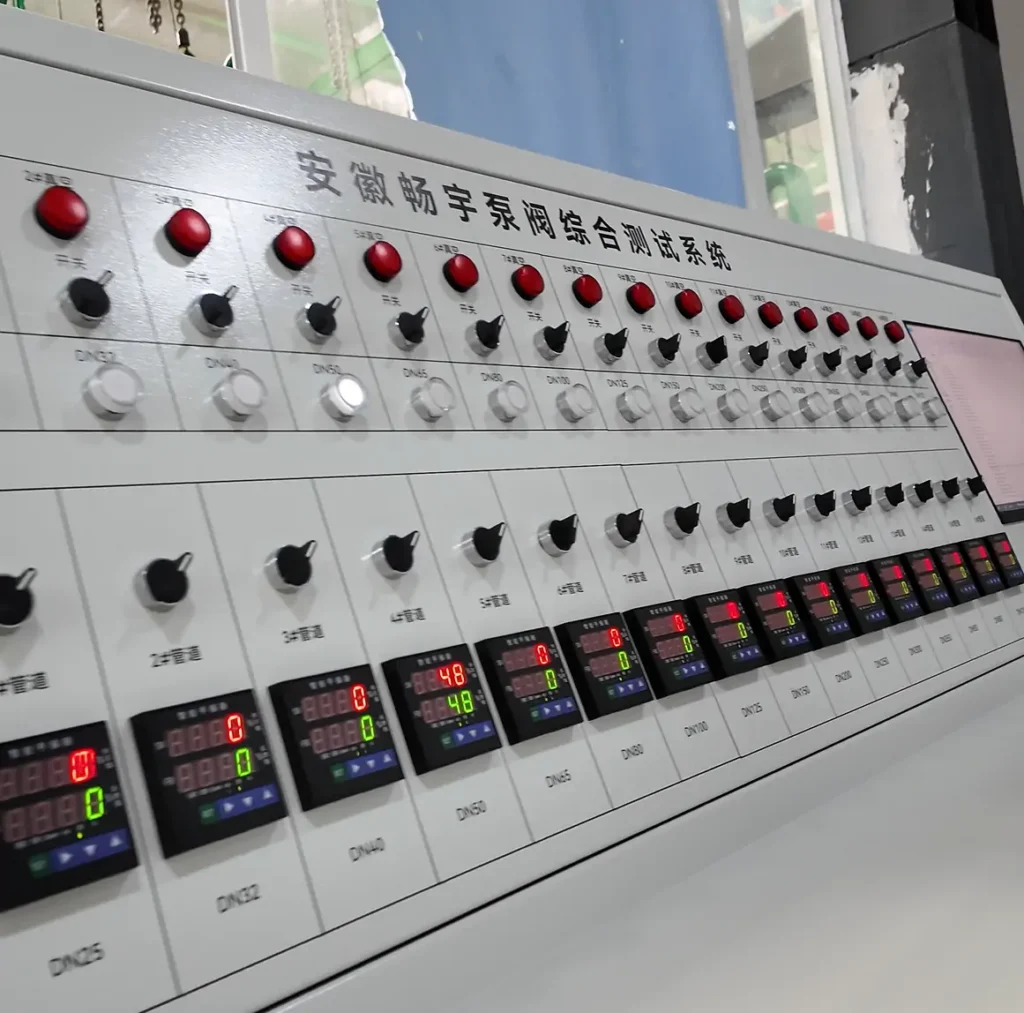
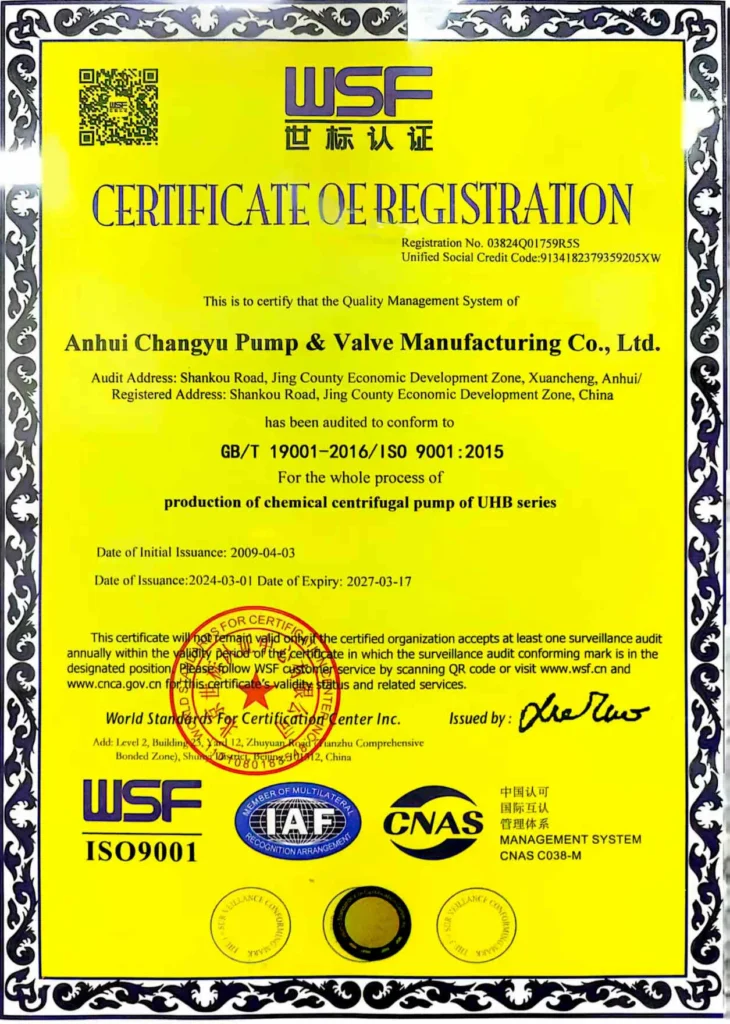
10. Quais são os produtos da Changyu Pump no segmento das bombas para lamas de mineração?
A Changyu Pump fabrica três séries de bombas especificamente concebidas para as condições exigentes do transporte de lamas mineiras. Cada série está preparada para lidar com uma combinação específica de abrasão, corrosão e temperatura com que as operações mineiras se deparam nos diferentes circuitos.
Guia de seleção de produtos para aplicações na indústria mineira
Tabela: Bomba para lamas de mineração Changyu — Compatibilidade de aplicações
| Circuito de mineração | Desafio primário | Série de bombas Changyu recomendada |
|---|---|---|
| Pasta de lixiviação ácida, pasta de processo químico | Corrosão + abrasão moderada | Série CYB-ZKJ |
| Resíduos abrasivos, areias minerais, pasta de minério fina | Abrasão + corrosão moderada | Série HB |
| Pasta química de alta temperatura, hidrometalurgia | Altas temperaturas + corrosão + sólidos | Série CYG |
Série CYB-ZKJ — Bomba para transferência de produtos químicos corrosivos
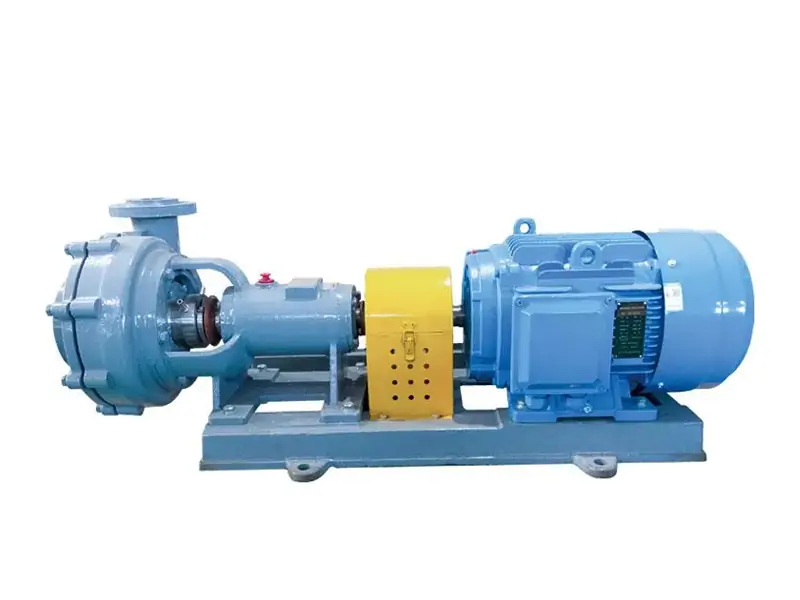
A série CYB-ZKJ foi concebida para lamas de mineração em que a agressão química constitui o principal desafio — soluções de lixiviação ácidas, águas de processo corrosivas e lamas de tratamento químico. A bomba possui revestimento em FEP (etileno-propileno fluorado), proporcionando resistência química num amplo espectro de pH, dentro de um intervalo de temperatura de -80 °C a 120 °C. Para condições corrosivas a altas temperaturas, o revestimento em PFA pode ser selecionado como uma opção de atualização.
Em aplicações mineiras, a série CYB-ZKJ é adequada para líquidos corrosivos, incluindo ácidos e álcalis, líquidos que contêm partículas sólidas flexíveis de até 20%, lamas minerais corrosivas em operações de fundição, ácidos diluídos em circuitos de ácido sulfúrico e de fertilizantes fosfatados, bem como vários fluxos de águas residuais em sistemas de controlo ambiental.
Tabela: Especificações técnicas da série CYB-ZKJ
| Parâmetro | Especificação |
|---|---|
| Tipo de bomba | Bomba centrífuga de transferência de produtos químicos com revestimento em FEP/PFA |
| Gama de caudais | 3-2,600 m³/h |
| Gama de cabeças | 5-100 m |
| Potência do motor | 0,75-300 kW |
| Gama de velocidades | 968-3.450 r/min |
| Temperatura média | -80°C a 120°C |
| Materiais personalizáveis | FEP (padrão), PFA (opção para altas temperaturas) |
Ver as especificações da bomba de transferência de produtos químicos corrosivos da série CYB-ZKJ →
Série HB — Bomba para lamas abrasivas
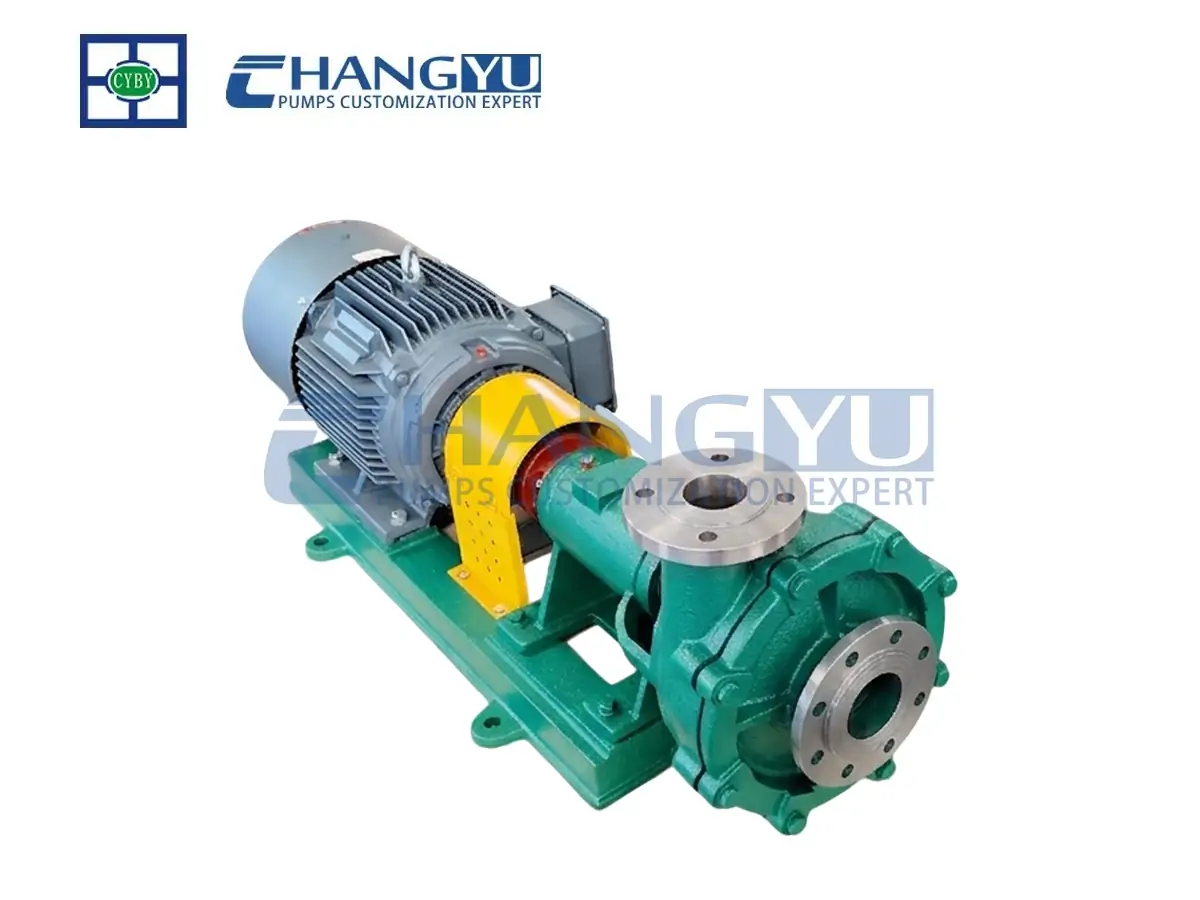
A Série HB é uma bomba centrífuga horizontal de alta eficiência, de fase única e sucção única, concebida em conformidade com a norma ISO 2858 e em conformidade com as normas CE. Construída com uma estrutura em contacto com o fluido totalmente em aço inoxidável, a Série HB foi especificamente concebida para lamas abrasivas e fluidos moderadamente corrosivos, onde são necessárias resistência ao desgaste e resistência à corrosão.
Em aplicações mineiras, a Série HB é adequada para rejeitos abrasivos, areias minerais, concentrados de minério finos e lamas de processo moderadamente corrosivas. A construção totalmente em aço inoxidável proporciona uma resistência à corrosão que as bombas de ferro fundido não conseguem igualar, enquanto a conformidade dimensional com a norma ISO 2858 garante a intercambiabilidade com as instalações de bombas existentes.
Tabela: Especificações técnicas da série HB
| Parâmetro | Especificação |
|---|---|
| Tipo de bomba | Bomba centrífuga horizontal para lamas em aço inoxidável |
| Gama de caudais | 10-60 m³/h |
| Gama de cabeças | 20-120 m |
| Potência do motor | 3-45 kW |
| Velocidade | 2.900 r/min |
| Temperatura média | -20°C a 120°C |
| Materiais personalizáveis | Aço inoxidável 304, 316, 316L, 2205, 2507 |
Ver as especificações da bomba para lamas abrasivas da série HB →
Série CYG — Bomba química para altas temperaturas
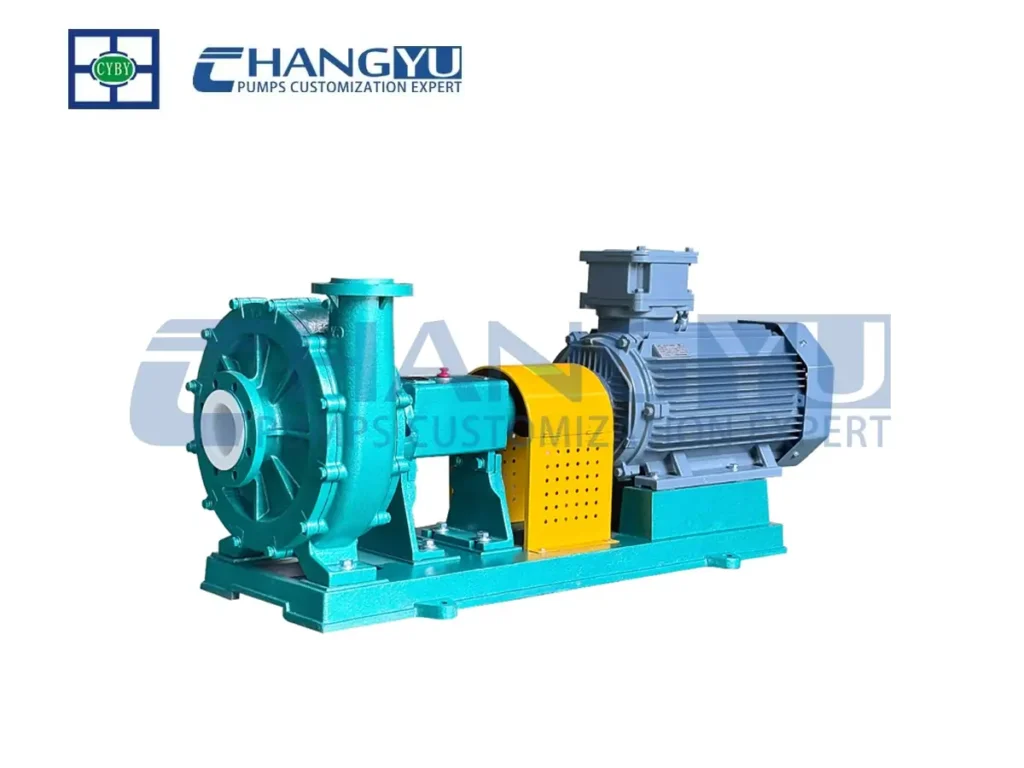
A Série CYG foi concebida especificamente para as condições operacionais mais extremas na indústria mineira — altas temperaturas, substâncias altamente corrosivas e elevado teor de sólidos. No seu núcleo encontra-se um revestimento de PFA (perfluoroalcoxi) com 8–20 mm de espessura, integrado no corpo de aço através de um processo avançado de sinterização moldada. Esta construção elimina eficazmente o risco de fissuração do fluoroplástico que pode ocorrer com revestimentos ligados mecanicamente sob ciclos térmicos.
Na indústria mineira, a Série CYG processa lamas ácidas e alcalinas a altas temperaturas contendo partículas sólidas, resíduos líquidos corrosivos provenientes de processos hidrometalúrgicos, lamas de dessulfurização ambiental e matérias-primas para novas fontes de energia. A combinação de um impulsor semiaberto com uma vedação mecânica de dupla extremidade ou uma vedação dinâmica do tipo K permite o manuseamento fiável de meios químicos complexos com sólidos arrastados.
Tabela: Especificações técnicas da série CYG
| Parâmetro | Especificação |
|---|---|
| Tipo de bomba | Bomba química para altas temperaturas com revestimento em PFA |
| Gama de caudais | 3-2,600 m³/h |
| Gama de cabeças | 5-100 m |
| Potência do motor | 0,75-300 kW |
| Gama de velocidades | 968-3.450 r/min |
| Temperatura média | -80°C a 160°C |
| Materiais personalizáveis | Revestimento em PFA (8–20 mm de espessura) |
Ver as especificações da bomba química para altas temperaturas da série CYG →
11. Como escolher um fabricante fiável de bombas para lamas de mineração?
Escolher a configuração adequada da bomba e os materiais resistentes ao desgaste é metade da decisão. A outra metade consiste em selecionar um fabricante cujas capacidades de engenharia, sistemas de qualidade e assistência pós-venda correspondam às exigências das operações de mineração contínua, onde as paragens não planeadas acarretam consequências financeiras extremamente graves.
Critérios de avaliação dos fabricantes
Tabela: Lista de verificação para avaliação de fabricantes de bombas para lamas de mineração
| Critério | O que procurar | Porque é que é importante |
|---|---|---|
| Experiência no setor mineiro | Mais de 15 anos de experiência no fornecimento de bombas para lamas de mineração; referências de obras comprovadas | Um conhecimento profundo da aplicação evita erros nas especificações |
| Competências em engenharia de materiais | Conhecimento metalúrgico interno; capacidade de recomendar materiais para tipos específicos de minério | A escolha do material é o principal fator determinante da vida útil da bomba |
| Conformidade com as normas | ANSI/HI 12.1-12.6, ISO 2858, ASTM A532, ISO 9001, Marcação CE | Garantem a consistência do projeto, a qualidade de fabrico e a intercambiabilidade dimensional |
| Testes de desempenho | Curvas de desempenho corrigidas para lamas — não apenas dados de ensaios com água | As curvas de água são enganadoras nas aplicações com lama; é necessário verificar a redução de potência para lama |
| Gama de materiais para a secção húmida | CrMo com alto teor de cromo, borracha natural, poliuretano, aço inoxidável — todos disponíveis | Fornecimento a partir de um único fornecedor para toda a gama de necessidades em matéria de compatibilidade com minérios |
| Disponibilidade de peças sobressalentes | Armazenamento regional; disponibilidade garantida de peças durante um período mínimo de 10 anos | O aumento dos prazos de entrega das peças traduz-se diretamente num aumento do tempo de inatividade |
| Assistência técnica no terreno | Engenheiros de assistência no terreno com experiência na área da mineração; supervisão da instalação e colocação em funcionamento | Reduz o risco associado à colocação em serviço e garante práticas de instalação corretas |
A recomendação definitiva da equipa de engenharia da Changyu Pump: opte por um fabricante que forneça curvas de desempenho corrigidas para lamas, de acordo com as características específicas do seu minério — e não apenas dados de ensaios com água. Verifique se o fabricante dispõe de uma gama completa de materiais para a parte molhada (opções de CrMo com alto teor de cromo, borracha natural e aço inoxidável) e se pode fornecer dados documentados sobre a vida útil em condições de desgaste provenientes de minas em operação com características de minério semelhantes. Um fabricante que não consiga fornecer referências de vida útil em condições de desgaste específicas para o seu tipo de minério não pode garantir adequadamente o desempenho da bomba na sua aplicação.
Perguntas frequentes sobre bombas para lamas na indústria mineira
P: Para que serve uma bomba de lamas na indústria mineira?
R: As bombas para lamas na indústria mineira transportam misturas sólidas-líquidas abrasivas em todas as instalações de processamento de minerais. As principais aplicações incluem descarga de moinhos, alimentação de ciclones, alimentação de flotação, subfluxo de espessadores, transporte de concentrados e eliminação de rejeitos. Estas bombas processam lamas com concentrações de sólidos de 10% a mais de 60% em peso.
P: Em que é que uma bomba para lamas difere de uma bomba de água normal?
R: As bombas para lamas apresentam carcaças robustas de secção espessa, revestimentos de desgaste substituíveis (liga com alto teor de cromo ou borracha), rolamentos e eixos sobredimensionados, folga ajustável do impulsor e passagens de fluxo amplas. As bombas de água padrão não possuem estas características e avariam-se rapidamente quando utilizadas com lamas abrasivas.
P: Quanto tempo dura uma bomba para lamas de mineração?
R: A vida útil dos componentes da secção de humidade varia entre 3 meses e mais de 2 anos, dependendo da abrasividade do minério, das características das partículas, da seleção dos materiais e da velocidade da bomba. O minério duro e angular (sílica, minério de ferro) tem normalmente uma duração de 6 a 12 meses com CrMo de alto teor de cromo. O minério macio e arredondado (carvão, fosfato) pode atingir 18 a 24 meses com revestimentos de borracha.
P: Qual é o melhor material para os impulsores das bombas de polpa?
R: O ferro branco com alto teor de cromo (26–281 % de Cr, dureza superior a 600 HB) é o padrão para partículas de minério duras e angulares. A borracha natural apresenta um bom desempenho com partículas finas, arredondadas e não abrasivas em pH neutro. A seleção do material deve corresponder à dureza do minério, à forma das partículas e à composição química da pasta.
P: Como posso escolher o tamanho adequado da bomba de lamas para a minha mina?
R: A seleção requer a definição das características do minério (tamanho das partículas, dureza, forma), das propriedades da pasta (densidade, concentração, pH), das condições do circuito (queda e caudal) e das perdas por atrito nas tubagens. Aplique sempre os fatores de redução de potência para a pasta às curvas de desempenho da bomba — nunca faça a seleção com base apenas no desempenho com água.
P: Quais são os problemas de manutenção mais comuns nas bombas de lamas na indústria mineira?
R: Os desafios mais comuns na manutenção de bombas de lamas na indústria mineira incluem o desgaste da parte húmida devido à seleção incorreta de materiais, a falha das vedações causada pela penetração de lamas, a falha dos rolamentos devido a uma carga excessiva no eixo e o bloqueio das condutas devido ao funcionamento abaixo da velocidade crítica de sedimentação. A maioria das falhas pode ser evitada através de uma especificação correta e de uma disciplina de operação adequada.
Lista de verificação de prevenção do engenheiro de bombas da Changyu
Com base em mais de 20 anos de experiência no terreno na especificação, instalação e manutenção de bombas para lamas em operações mineiras, os engenheiros da Changyu Pump recomendam as seguintes diretrizes de seleção e operação:
- Adapte o material de desgaste às características do minério — e não apenas ao tamanho das partículas. As partículas de sílica angulares com dureza superior a 5,5 na escala de Mohs requerem uma liga de CrMo com elevado teor de cromo. Os revestimentos de borracha só são adequados para partículas finas, arredondadas e macias em pH neutro.
- Aplique sempre os fatores de redução para suspensões às curvas de desempenho da bomba. Uma bomba selecionada com base na sua curva hidráulica ficará subdimensionada para o bombeamento de lamas. A altura manométrica e o rendimento devem ser ajustados de acordo com a densidade, a viscosidade e as características das partículas da lama, em conformidade com a norma ANSI/HI 12.1-12.6.
- Especifique a folga ajustável do impulsor. À medida que os componentes da parte húmida se desgastam, a folga aumenta e a eficiência diminui. O ajuste externo restaura o desempenho sem necessidade de desmontar a bomba e prolonga a vida útil da parte húmida entre substituições.
- Manter a velocidade no tubo acima da velocidade crítica de sedimentação. Abaixo desta velocidade, os sólidos depositam-se na conduta, causando obstruções e um desgaste acelerado no fundo do tubo. Para a maioria das lamas de mineração, a velocidade mínima situa-se entre 2,5 e 4,0 m/s, dependendo do tamanho das partículas.
- Selecione as configurações de vedação adequadas às condições específicas do circuito. Expulsor centrífugo e vedante de gaxeta para rejeitos remotos onde não há água de lavagem disponível. Vedante mecânico duplo com lavagem por água limpa para aplicações de alta pressão ou em ambientes sensíveis.
- Não escolha uma bomba com base no preço de compra inicial. Realize uma análise do custo total de propriedade (TCO) ao longo de 5 anos, incluindo os custos de substituição do sistema de lavagem, o consumo de energia e os custos decorrentes de paragens não planeadas, tendo em conta a taxa de produção da sua mina. A bomba com o preço de aquisição mais baixo quase nunca é a mais económica de manter.
- Mantenha em stock um conjunto completo de peças sobressalentes para a parte húmida para cada posição crítica da bomba. O custo de manutenção é insignificante quando comparado com a perda de produção resultante da espera por peças de substituição durante uma paragem não planeada.
- Solicite dados sobre a vida útil a minas em funcionamento com características de minério semelhantes. Os dados de desgaste obtidos em laboratório pelo fabricante não substituem o desempenho comprovado em condições reais com o seu tipo específico de minério.
Conclusão
A bomba de polpa para mineração é um ativo essencial em qualquer unidade de processamento mineral — não um produto de consumo. A especificação correta requer uma abordagem sistemática que começa com a caracterização do minério, passa pela análise das condições de funcionamento específicas do circuito e culmina na seleção de materiais de desgaste que correspondam à combinação única de abrasão, corrosão e morfologia das partículas presentes na polpa. Os dados relativos ao custo total de propriedade são inequívocos: uma bomba de polpa para mineração com materiais de extremidade molhada de alto cromo ou elastómero corretamente especificados proporciona um TCO de 5 anos que é uma fração do custo de uma bomba de nível industrial a operar além dos limites do seu projeto. O prémio de capital inicial é recuperado no prazo de 6 a 12 meses através da redução da frequência de manutenção e da eliminação de paragens de produção não planeadas.
Quando estiver pronto para especificar uma bomba de polpa para a sua operação mineira, a equipa de engenharia da Changyu Pump pode fornecer uma avaliação técnica gratuita — incluindo análise de caracterização do minério, recomendação de materiais de desgaste e uma projeção do custo total de propriedade (TCO) para um período de 5 anos, tendo em conta as condições específicas do seu circuito. Com mais de 20 anos de experiência, uma gama completa de materiais para a parte molhada e fabrico em conformidade com as normas ANSI/HI 12.1-12.6 e ASTM A532, garantimos que a sua escolha de bomba é tecnicamente correta desde o primeiro dia.
Contacte os engenheiros da Changyu Pump para uma avaliação técnica gratuita →