
Введение
A пропанный насос Разработан для работы с по своей природе летучей жидкостью, склонной к самопроизвольному кипению. Температура кипения пропана (C₃H₈) составляет −42 °C, что означает, что при стандартной температуре и давлении в атмосфере он находится в газообразном состоянии. Для хранения и перекачки в жидком состоянии пропан необходимо поддерживать под давлением — обычно около 8,5 бар (125 фунтов на кв. дюйм) при 20 °C. Это означает, что насос работает в условиях, очень близких к температуре кипения жидкости. Любое падение давления в всасывающей линии, любой рост температуры, любая кратковременная кавитация могут привести к мгновенному переходу жидкости в парообразное состояние внутри насоса, что вызовет паровую пробку, выход из строя механического уплотнения и прерывание потока.
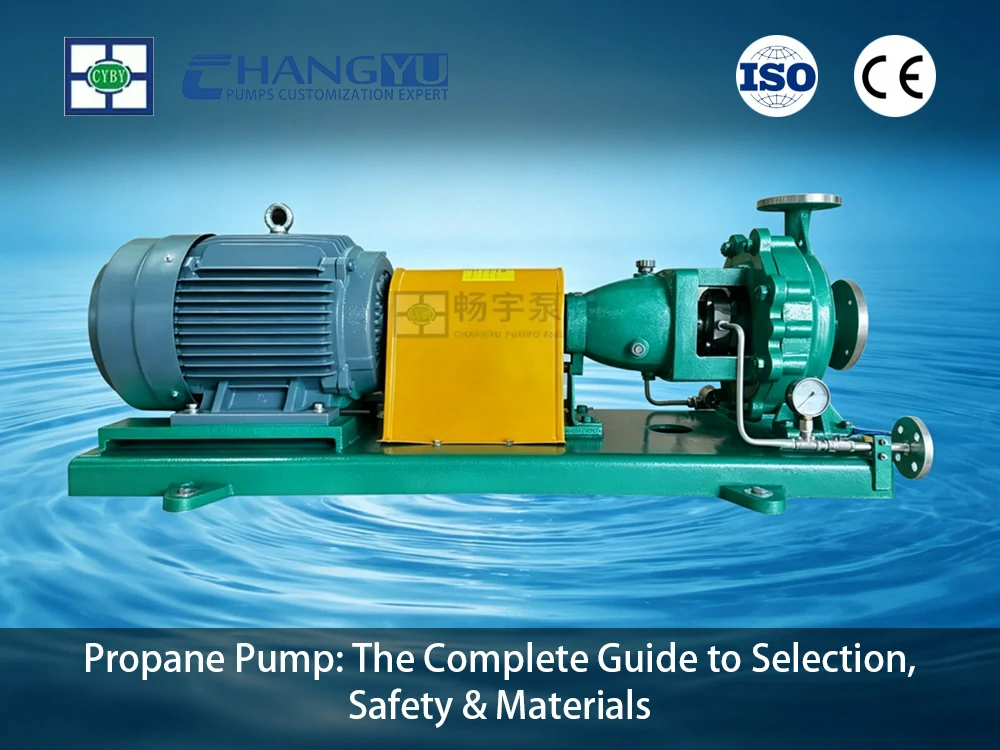
Опасные свойства пропана — он является легковоспламеняющимся газом с диапазоном взрываемости в воздухе 2,1–9,51 % — усугубляют эти гидравлические проблемы. Согласно классификации NFPA, пропан относится к классу 2.1 легковоспламеняющихся газов. Нормативный документ NFPA 58 «Сжиженный нефтяной газ» регулирует хранение, обращение и транспортировку пропана на территории Соединенных Штатов. В технических характеристиках каждого насоса должны учитываться как физические свойства жидкости, так и требования безопасности. Насос, который лишь “химически совместим” с пропаном, но не имеет надлежащей герметизации или системы регулирования NPSH, создает недопустимый риск для безопасности.
В данном руководстве рассматриваются типы насосов, технологии уплотнения, совместимость материалов, конструкция систем, а также пятиэтапная методика выбора для инженеров и операторов, работающих с пропаном, сжиженным нефтяным газом (LPG) и аналогичными сжиженными газами. Опираясь на более чем двадцатилетний опыт разработки насосов для опасных и коррозионных жидкостей, компания Changyu Pump предлагает проверенные технологии насосного оборудования для работы с пропаном. Свяжитесь с нами и сообщите параметры вашего применения пропана, чтобы получить конкретные рекомендации.
Почему для пропана требуется специальная конструкция насоса?
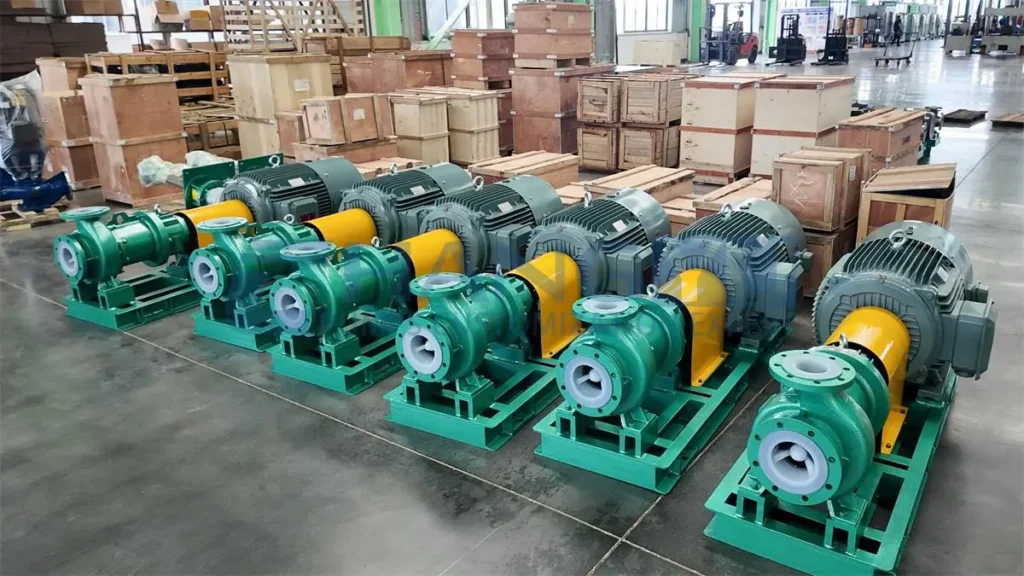
Физические свойства пропана определяют все аспекты выбора насоса. Понимание этих свойств является отправной точкой для безопасного подбора оборудования.
Низкий показатель NPSHa. При температуре 20 °C давление паров пропана составляет примерно 8,5 бар. Доступный NPSH (NPSHa) на всасывании насоса полностью зависит от давления в резервуаре и статического напора жидкости над входом насоса. Поскольку резервуары для хранения пропана работают при давлении насыщения — давлении паров жидкости при температуре резервуара — обычно нет запаса между давлением в резервуаре и давлением паров жидкости. Любая потеря давления в всасывающей линии — из-за трения, фитингов или перепада высот — может привести к мгновенному переходу жидкости в парообразное состояние на входе в насос.
Особую сложность представляет то, как показатель NPSHa изменяется в зависимости от температуры. По мере повышения температуры окружающей среды давление в резервуаре растет, но растет и давление пара. Без вклада статического напора жидкости NPSHa фактически остается равным нулю. Если насос установлен выше уровня жидкости в резервуаре, NPSHa становится отрицательным — это недопустимое состояние для любого центробежного насоса.
Низкая вязкость и плохая смазывающая способность. Вязкость пропана при комнатной температуре составляет примерно 0,1 сП — это примерно в десять раз меньше, чем у воды. Эта чрезвычайно жидкая среда обеспечивает незначительную гидродинамическую смазку для поверхностей механических уплотнений и подшипников. Стандартные механические уплотнения, которые хорошо работают в воде или масле, могут быстро выйти из строя в пропане, поскольку пленка жидкости между поверхностями уплотнения слишком тонкая, чтобы предотвратить износ при граничной смазке.
Высокая теплочувствительность. Плотность жидкого пропана быстро снижается с ростом температуры. При 20 °C плотность жидкости составляет примерно 500 кг/м³ — это примерно в два раза меньше плотности воды. При 40 °C плотность снижается до примерно 460 кг/м³. Это тепловое расширение необходимо учитывать при проектировании системы. Если жидкий пропан заперт между закрытыми клапанами, повышение температуры на 10 °C может создать давление более 100 бар (1450 фунтов на квадратный дюйм) — этого достаточно для разрыва корпусов насосов, трубопроводов или уплотнений. Защита от избыточного давления обязательна для любого участка трубопровода, где может произойти изоляция жидкого пропана.
Опасные свойства. Пропан обогащают одорантом (добавляют вещество, придающее ему характерный запах) для облегчения обнаружения утечек, однако утечки представляют непосредственную угрозу возгорания и взрыва. По этой причине герметичность с нулевым или практически нулевым уровнем утечек является стандартным требованием к пропанным насосам во всех установках, за исключением самых удаленных открытых объектов.
Узнайте больше о пропане: Пропан — Википедия
Какие существуют основные типы пропанных насосов?
В системах подачи пропана используются четыре типа насосов. Выбор зависит от требуемой производительности, давления на выходе и допустимого уровня утечки через уплотнения в конкретной установке.
Лопастные насосы
Лопастные насосы — это тип насосов прямого вытеснения, широко используемых для перекачки пропана и наполнения баллонов. Насос с подвижными лопастками, изобретенный Робертом Блэкмером в 1899 году, использует ротор с несколькими лопастками, которые входят и выходят из пазов, создавая камеры, которые расширяются на стороне всасывания для всасывания жидкости и сжимаются на стороне нагнетания для ее выталкивания. Современные лопастные насосы для работы с сжиженным нефтяным газом (LPG) используют самокомпенсирующиеся лопасти, которые сохраняют контакт со стенкой корпуса по мере износа, обеспечивая стабильный расход даже при увеличении зазоров в насосе со временем.
Лопастные насосы лучше справляются с жидкой консистенцией и отсутствием смазки у пропана, чем многие другие технологии объемного насоса. Лопасти, как правило, изготавливаются из углерод-графитовых или PEEK-материалов, которые обеспечивают достаточную смазку при работе с сухим пропаном. Эти насосы обеспечивают плавный поток без пульсаций при средних и высоких расходах, что делает их доминирующей технологией для перекачки наливных грузов и наполнения баллонов в сфере сжиженного нефтяного газа.
Центробежные насосы
Центробежные насосы для пропан-бутана разработаны с учетом низких требований к NPSH, что позволяет им безопасно работать при минимальном доступном напоре на всасывании. Как правило, это одноступенчатые насосы с торцевым всасыванием и рабочими колесами специальной формы, устойчивыми к кавитации. Центробежные насосы для пропана используются в системах с большим расходом, где требуется непрерывная подача — перекачка между резервуарными парками, подкачка в трубопроводах и подача в промышленные технологические процессы — и где насос может быть установлен при соблюдении надлежащих условий всасывания.
Основным ограничением центробежных насосов при работе с пропаном является их чувствительность к условиям всасывания. Если значение NPSHa опускается ниже значения NPSHr насоса, сразу же возникает кавитация. При работе с пропаном кавитация не только повреждает рабочее колесо — она может вызвать паровую пробку, которая полностью останавливает поток. По этой причине при установке центробежных насосов для работы с пропаном необходимо уделять особое внимание конструкции всасывающего трубопровода, высоте резервуара и требованиям к переохлаждению.
Насосы с магнитным приводом
Насосы с магнитным приводом для работы с пропаном полностью исключают использование механического уплотнения вала. Крутящий момент передается от двигателя к рабочему колесу через неподвижный защитный кожух с помощью магнитная муфта. Рабочее колесо и ротор с внутренним магнитом полностью заключены в герметичный корпус насоса — вращающийся вал не проходит через барьер давления.
Насосы с магнитным приводом, предназначенные для работы с пропаном, требуют использования материалов для внутренних подшипников, специально подобранных для низковязких, несмазываемых жидкостей — как правило, карбида кремния или ПТФЭ, армированного углеродным волокном, — чтобы предотвратить износ подшипников при непрерывной работе. Компания Changyu Pump Насосы с магнитным приводом серии CQ обеспечивают герметичную защиту при использовании пропана и сжиженного нефтяного газа.
Насосы с магнитным приводом применяются в системах с пропаном, где требуется полное отсутствие утечек — при перекачке в помещениях, где находятся люди, при установке внутри зданий, в морских системах, а также в любых установках, где даже незначительная утечка пропана создает недопустимый риск возгорания или взрыва.
Консервированные мотопомпы
В насосах с герметичным корпусом двигатель и насос объединены в единый герметичный узел. Ротор двигателя работает в погруженном состоянии в перекачиваемый пропан, а статор изолирован от жидкости тонким коррозионно-стойким корпусом. Такая конструкция обеспечивает дополнительный уровень защиты — внешний корпус удерживает технологическую жидкость даже в случае повреждения внутреннего корпуса.
Насосы с герметичным корпусом предназначены для работы с пропаном под высоким давлением, когда давление в системе превышает пределы прочности стандартного герметичного корпуса насоса с магнитным приводом. Они обеспечивают такую же герметичность, как и насосы с магнитным приводом, но при этом способны выдерживать более высокое давление. Тепло, выделяемое двигателем, необходимо отводить с помощью достаточного расхода пропана, так как обмотки двигателя охлаждаются перекачиваемой жидкостью.
Сравнение типов пропанных насосов
| Тип насоса | Метод герметизации | Риск утечки | Диапазон расхода | Лучшее приложение |
|---|---|---|---|---|
| Скользящая лопатка | Одинарное механическое уплотнение | Умеренный (зависимый от печати) | От умеренного до высокого | Перекачка навалом, розлив в баллоны |
| Центробежный | Одинарное механическое уплотнение | Умеренный (зависимый от печати) | Высокий | Перекачка на нефтебазе, бустер трубопровода |
| Магнитный привод | Без герметичности (статическая оболочка) | Ноль по замыслу | От низкого до умеренного | Перекачка без утечек, для использования в помещениях и на море |
| Консервированный двигатель | Безуплотнительный (герметичный) | Ноль по замыслу | От низкого до умеренного | Высокое давление, полная герметичность |
Как технологии уплотнения обеспечивают безопасность пропанных насосов?
Выбор технологии уплотнения является ключевым фактором, определяющим безопасность при разработке технических характеристик пропанного насоса. Выбор между механическим уплотнением — которое по своей конструкции является изнашиваемым элементом, который со временем начнет протекать, — и безуплотниковой конструкцией — которая полностью исключает возможность утечки — определяет уровень безопасности насоса.
Механические уплотнения выходят из строя при работе с пропаном по нескольким причинам. Низкая вязкость жидкости не обеспечивает достаточной смазки между уплотнительными поверхностями, что приводит к износу в условиях граничной смазки. В случае кавитации насоса возникающие вибрация и термический удар повреждают уплотнительные поверхности. Если насос работает всухую — что может произойти при опустошении резервуара или попадании паров в всасывающий трубопровод — поверхности уплотнения перегреваются в течение нескольких секунд и выходят из строя с катастрофическими последствиями.
Для установок, где недопустима любая утечка пропана, стандартной спецификацией являются насосы без уплотнений — с магнитным приводом или в герметичном корпусе. В таких конструкциях полностью исключено использование механического уплотнения, что обеспечивает полную герметичность.
Для установок, где допустимо использование механического уплотнения — как правило, удаленных наружных установок с хорошей вентиляцией — двойные механические уплотнения с барьерной жидкостью под давлением (API Plan 53) обеспечивают дополнительный уровень локализации утечки. Давление барьерной жидкости должно превышать давление пропана на поверхностях уплотнения, что гарантирует: в случае утечки через внутреннее уплотнение в технологический процесс попадет барьерная жидкость, а не пропан в атмосферу.
Инженеры компании Changyu Pump рекомендуют насосы с магнитным приводом в качестве стандартного оборудования для работы с пропаном в жилых помещениях, при установке внутри зданий, а также во всех случаях, когда утечка представляет недопустимый риск для безопасности.
Какие материалы совместимы с пропаном?
Совместимость материалов с пропаном регулируется простым набором правил.
Совместимые материалы:
- Ковкий чугун и обычный чугун являются стандартными материалами для изготовления корпусов насосов для сжиженного нефтяного газа. Чугун с высоким содержанием углерода обеспечивает прочность, необходимую для работы с пропаном, и широко применяется в производстве насосов для сжиженного нефтяного газа.
- Углеродистая сталь используется для изготовления валов насосов, рабочих колес и внутренних деталей, применяемых в системах сжиженного нефтяного газа. Он обеспечивает необходимую механическую прочность вращающихся деталей и совместим с пропаном при любых температурах и давлениях в пределах рабочего диапазона насоса.
- 316L нержавеющая сталь используется для изготовления валов насосов, изнашиваемых колец и других деталей, где помимо механической прочности требуется коррозионная стойкость. Данный материал совместим с пропаном и обеспечивает дополнительную устойчивость к воздействию влаги или загрязнений, которые могут присутствовать в потоке пропана.
- PTFE (политетрафторэтилен) является стандартным материалом для прокладок и уплотнительных колец, используемых в системах с пропаном. PTFE обладает практически универсальной химической совместимостью и широко применяется для изготовления статических уплотнений в насосах для сжиженного нефтяного газа. Его устойчивость к воздействию пропана любой концентрации при любых температурах в пределах рабочего диапазона насоса делает его стандартным эластомерным материалом.
- FFKM (перфторэластомер) — это эластомер премиум-класса, предназначенный для динамических уплотнений в системах, работающих на пропане. Он обладает самой широкой химической стойкостью и лучшими высокотемпературными характеристиками среди всех эластомерных материалов.
Несовместимые материалы:
- Алюминий химически совместим с пропаном, но, как правило, не используется для изготовления несущих элементов насосов для сжиженного нефтяного газа. В отрасли сжиженного нефтяного газа для изготовления несущих элементов насосов используют высокопрочное чугунное или углеродистое стальное изделие благодаря их превосходным характеристикам по сопротивлению давлению и усталостной прочности.
- Медь и медные сплавы не следует использовать для изготовления деталей, находящихся в прямом контакте с пропаном в условиях влажности или окисления. Хотя медь совместима с сухим пропаном, присутствие влаги может создавать условия, неблагоприятные для материалов, содержащих медь.
- EPDM (этилен-пропилен-диеновый мономер) не рекомендуется использовать с пропаном, так как при контакте с углеводородными жидкостями он значительно разбухает.
Краткий справочник по совместимости материалов
| Материал | Пропан (безводный) | Примечания |
|---|---|---|
| Ковкий чугун | ✅ Совместимость | Стандартный материал корпуса для заправочных колонок сжиженного нефтяного газа |
| Углеродистая сталь | ✅ Совместимость | Используется для валов, рабочих колес и внутренних деталей |
| 316/316L SS | ✅ Совместимость | Применяется в случаях, когда требуется повышенная коррозионная стойкость |
| PTFE | ✅ Совместимость | Стандартный материал прокладок и уплотнительных колец |
| FFKM (Kalrez®) | ✅ Совместимость | Высококачественный эластомер для динамических уплотнений |
| Алюминий | ✅ Химически совместим | Обычно не используется для изготовления конструктивных элементов заправочных колонок для сжиженного нефтяного газа |
| Медь/латунь/бронза | ⚠️ Условный | Подходит для использования с сухим пропаном; не рекомендуется при наличии влаги |
| EPDM | ❌ Не рекомендуется | Значительно расширяет сферу деятельности в сфере углеводородной промышленности |
Как выбрать пропанный насос: 5-шаговая инструкция
Шаг 1: Определение условий эксплуатации пропана
Зафиксируйте температуру пропана, соответствующее давление пара при данной температуре, давление в резервуаре и высоту статического напора жидкости над всасыванием насоса. Рассчитайте доступный NPSH (NPSHa) как сумму абсолютного давления в резервуаре и статического напора жидкости за вычетом давления паров жидкости при температуре перекачки. Этот расчет является наиболее важным этапом при выборе пропанного насоса — ошибка здесь приводит к кавитации и паровому блокированию.
Шаг 2: Определите скорость потока и общий динамический напор
Рассчитайте необходимый расход и полный динамический напор (TDH) с учетом статического напора, потерь на трение в нагнетательном трубопроводе и давления в точке назначения. При наполнении баллонов полный динамический напор включает давление, необходимое для преодоления давления в баллоне по мере его наполнения.
Шаг 3: Выбор технологии уплотнения в зависимости от класса безопасности
Классифицируйте установку по степени допустимой утечки пропана. Для установок в помещениях, в зонах пребывания людей, в морских условиях или в любых местах, где возможно скопление паров пропана, в качестве стандартного требования предусмотрены насосы без уплотнений — с магнитным приводом или герметичным двигателем. Для удаленных наружных установок с хорошей естественной вентиляцией может быть допустимо использование механического уплотнения с соответствующей схемой промывки, при условии, что уплотнение правильно подобрано с учетом низкой смазывающей способности пропана.
Шаг 4: Подберите тип насоса и материалы
С учетом выбора типа уплотнения, условий NPSH и требований к расходу следует определить тип насоса и материалы, контактирующие с рабочей средой. Насосы с подвижными лопастками являются наиболее широко используемой технологией для перекачки наливных грузов и наполнения баллонов. Центробежные насосы используются в системах с высоким расходом и достаточным значением NPSHa. Насосы с магнитным приводом используются в системах, где требуется полное отсутствие утечек. Проверьте все материалы, контактирующие с рабочей средой, по таблице совместимости с пропаном.
Шаг 5: Оцените общую стоимость владения
Стоимость приобретения насоса, как правило, составляет лишь небольшую часть его совокупной стоимости владения. Потребление энергии, частота замены уплотнений, затраты на техническое обслуживание и стоимость незапланированных простоев — или, в случае с пропаном, стоимость инцидентов, связанных с безопасностью — все это влияет на совокупную стоимость владения. Хотя насосы с безуплотнительным магнитным приводом имеют более высокую первоначальную стоимость, они избавляют от необходимости постоянного обслуживания механических уплотнений и связанного с этим риска для безопасности. Инженеры по производству насосов Чанъюй рекомендуется оценивать совокупную стоимость владения (TCO) в течение 5–10 лет при инвестировании в пропанные насосы, при этом вопросы безопасности должны учитываться в качестве обязательного требования.
В каких областях в основном используются пропанные насосы?
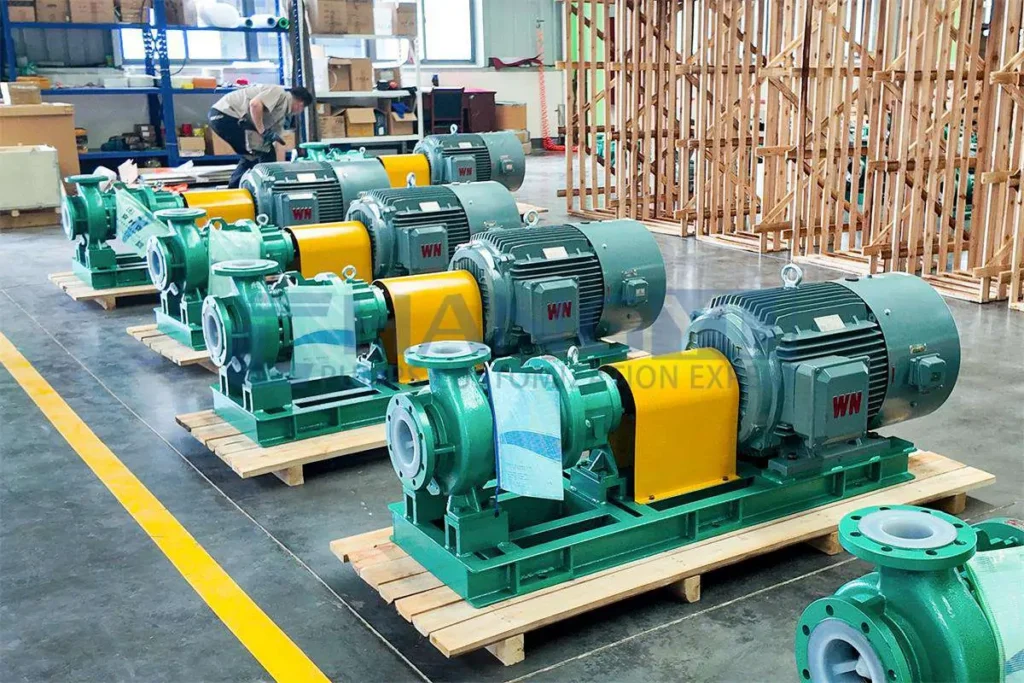
Наливная перекачка и разгрузка танкеров. Наиболее распространенная область применения насосов для перекачки пропана. Для разгрузки автоцистерн и железнодорожных вагонов требуются насосы, способные работать с жидким пропаном, не обладающим смазывающими свойствами, и обеспечивать расход, необходимый для быстрой перекачки. В данной области преобладают насосы с лопастными пазами.
Наполнение баллонов и бутылок. Для наполнения пропанных баллонов требуются насосы, способные обеспечивать точный и стабильный расход при растущем противодавлении по мере наполнения баллонов. Лопастные насосы с внутренними перепускными клапанами обеспечивают постоянное давление и переменный расход, необходимые для эффективного наполнения баллонов.
Поставка промышленного топлива. Пропан используется в качестве топлива для промышленного отопления, сушки и технологических процессов. Насосы, применяемые в этих областях, должны обеспечивать непрерывную и надежную подачу жидкости, при этом они часто работают в автоматическом режиме в течение длительного времени. В случаях, когда позволяют условия всасывания, для этих целей используются центробежные насосы; там, где требуется работа без утечек, применяются насосы с магнитным приводом.
Отопление сельскохозяйственных и коммерческих объектов. Пропан широко используется для отопления сельскохозяйственных зданий (птичников, теплиц) и коммерческих объектов. Насосы, предназначенные для таких целей, должны выдерживать переменные режимы работы и сезонную эксплуатацию.
Пропеллент для аэрозолей. Пропан высокой чистоты используется в качестве пропеллента в аэрозольных изделиях. Насосы, применяемые в таких системах, должны подавать чистый пропан, не содержащий примесей, без попадания в поток продукта смазочных материалов, частиц износа или остатков уплотнений. В данном случае оптимальным решением являются насосы с магнитным приводом, поскольку их безуплотнительная конструкция исключает источники загрязнения, характерные для механических уплотнений.
Как следует устанавливать и обслуживать пропанные насосы?
Безопасность и соблюдение нормативных требований
Установка пропанных насосов регулируется Кодексом по сжиженному нефтяному газу NFPA 58, который охватывает вопросы проектирования, строительства, монтажа и эксплуатации систем сжиженного нефтяного газа. Кодекс предписывает установку устройств сброса давления на любом участке трубопровода, где жидкий пропан может оказаться изолированным между закрытыми клапанами, а также определяет минимальные расстояния между оборудованием для сжиженного нефтяного газа и зданиями, границами участков и источниками возгорания.
Для установки в взрывоопасных зонах, где пары пропана могут создавать взрывоопасную атмосферу, требуются насосы, сертифицированные по стандарту ATEX (для европейского рынка) или IECEx (для международного рынка). Двигатель насоса, распределительные коробки и любое вспомогательное электрооборудование должны иметь соответствующий сертификат для взрывоопасных зон, соответствующий классификации зоны установки.
Лучшие практики установки
Проектирование всасывающего трубопровода имеет решающее значение. Всасывающий трубопровод должен быть максимально коротким и прямым, а его диаметр — не меньше диаметра всасывающего фланца насоса. Следует избегать образования высоких точек, в которых могут скапливаться пары. Трубопровод должен иметь непрерывный уклон вниз от резервуара к насосу, чтобы пары могли возвращаться обратно в резервуар.
Обеспечение сброса давления является обязательным. Любой участок трубопровода, на котором возможно образование скопления жидкого пропана, должен быть защищен клапаном сброса давления. Тепловое расширение скопившегося жидкого пропана может привести к повышению давления более чем на 100 бар при повышении температуры на 10 °C, что достаточно для разрыва корпусов насосов и трубопроводов.
Электрическое соединение и заземление. Пропан не проводит электричество. При прохождении потока по трубопроводам и насосам может возникать статическое электричество, которое накапливается на поверхностях насосов и трубопроводов. Все компоненты насосов и трубопроводов должны быть соединены между собой и подключены к проверенному заземлению для предотвращения разряда статического электричества.
Техническое обслуживание и мониторинг состояния
- Ежемесячно: Проверьте уплотнительные манжеты (при наличии) на предмет утечек; проверьте работоспособность клапана сброса давления; проверьте температуру и вибрацию подшипников; убедитесь, что соединения для электрического заземления надежно закреплены и не повреждены.
- Квартал: Провести полную проверку мокрой части; проверить качество промывочной воды уплотнения (если применимо); измерить зазор рабочего колеса.
- Ежегодно: Полностью разберите насос; замените все эластомерные компоненты (уплотнительные кольца, прокладки), независимо от их видимого состояния; проверьте целостность материала корпуса и рабочего колеса.
Устранение неисправностей в работе пропанного насоса
| Проблема | Вероятная причина | Решение |
|---|---|---|
| Паровая пробка (насос работает, но жидкость не подается) | Недостаточный NPSHa; скопление пара в всасывающем трубопроводе; высокая температура жидкости | Повысить высоту резервуара; укоротить всасывающий трубопровод; охладить пропан; установить отпарной сепаратор |
| Негерметичность механического уплотнения | Низкая смазывающая способность пропана, приводящая к износу в условиях граничной смазки; работа всухую; термический удар | Перейти на насос с магнитным приводом или с герметичным двигателем; установить защиту от работы всухую; убедиться в достаточности значения NPSHa |
| Кавитация (шум, вибрация, изъязвление крыльчатки) | NPSHa ниже NPSHr; забитый всасывающий фильтр; всасывающий трубопровод слишком длинный или имеет слишком малый диаметр | Увеличить NPSHa; очистить сетчатый фильтр; перепроектировать всасывающий трубопровод |
| Чрезмерная вибрация | Несоосность; дисбаланс рабочего колеса; кавитация; ослабление фундамента | Выполнить лазерную центровку насоса и привода; отбалансировать рабочее колесо; устранить кавитацию; затянуть болты фундамента |
| Работа всухую / перегрев подшипника | Резервуар опорожнен; попадание паров в всасывающий трубопровод; потеря герметичности; недостаточный расход охлаждающей жидкости | Установите датчик защиты от работы всухую; перед запуском проверьте уровень жидкости в резервуаре; выберите насос с конструкцией, допускающей работу всухую; обеспечьте достаточный расход охлаждающей жидкости |
Решения Changyu Pump для пропан-бутановых насосов
Компания Changyu Pump предлагает линейки центробежных насосов и насосов с магнитным приводом, разработанных специально для работы со сжиженным газом. Каждая серия может быть укомплектована материалами и уплотнительными системами, совместимыми с пропаном.
Центробежный химический насос из нержавеющей стали серии CYH
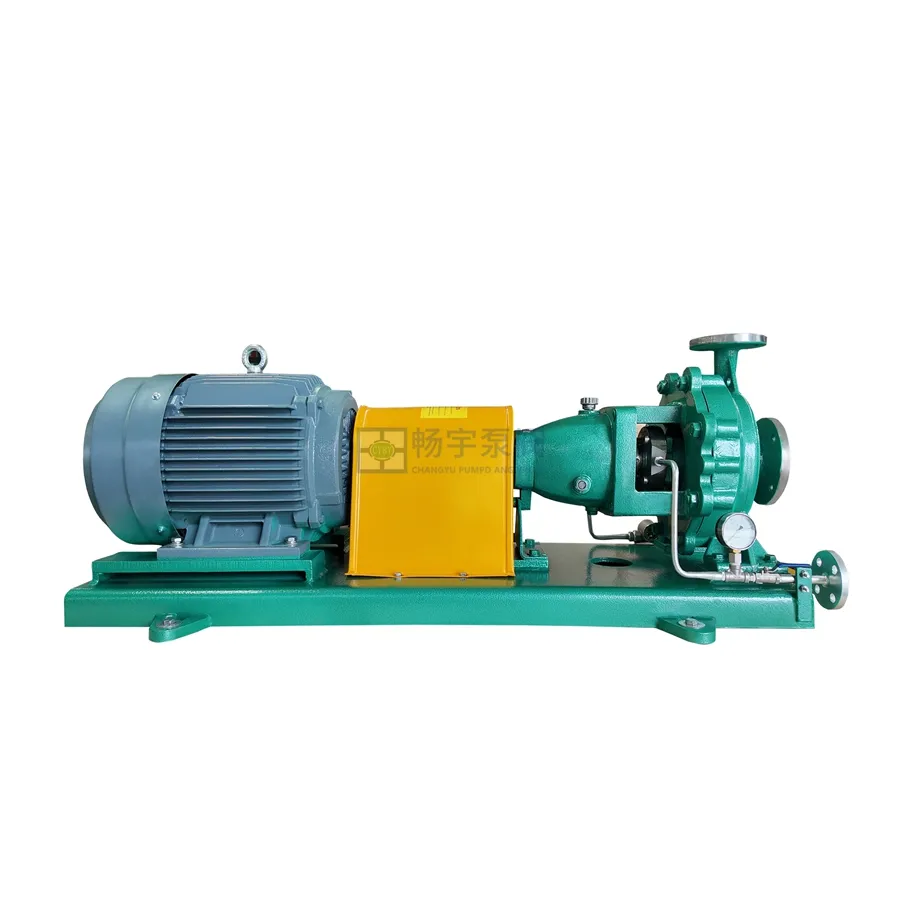
Сайт Серия CYH — это одноступенчатый центробежный насос с односторонним всасыванием и консольной конструкцией, разработанный и маркированный в соответствии с ISO 2858-1975(E). Изготовлен из нержавеющей стали — 304, 316, 316L или дуплексная сталь — он рассчитан на непрерывную работу в диапазоне температур от -20 °C до 165 °C (до 280 °C для высокотемпературных сред). Для систем циркуляции пропана серия CYH из нержавеющей стали 316L или дуплексной нержавеющей стали обеспечивает коррозионную стойкость и механическую прочность, необходимые для работы со сжиженным газом. Соответствие стандарту ISO 2858 гарантирует взаимозаменяемость размеров и предсказуемую производительность.
Основные характеристики: Расход 0,8–750 м³/ч | Напор 3–130 м | Мощность 2,2–110 кВт | Частота вращения 968–3450 об/мин | Температура от -20 °C до 165 °C
Горизонтальный центробежный водяной насос серии CYW
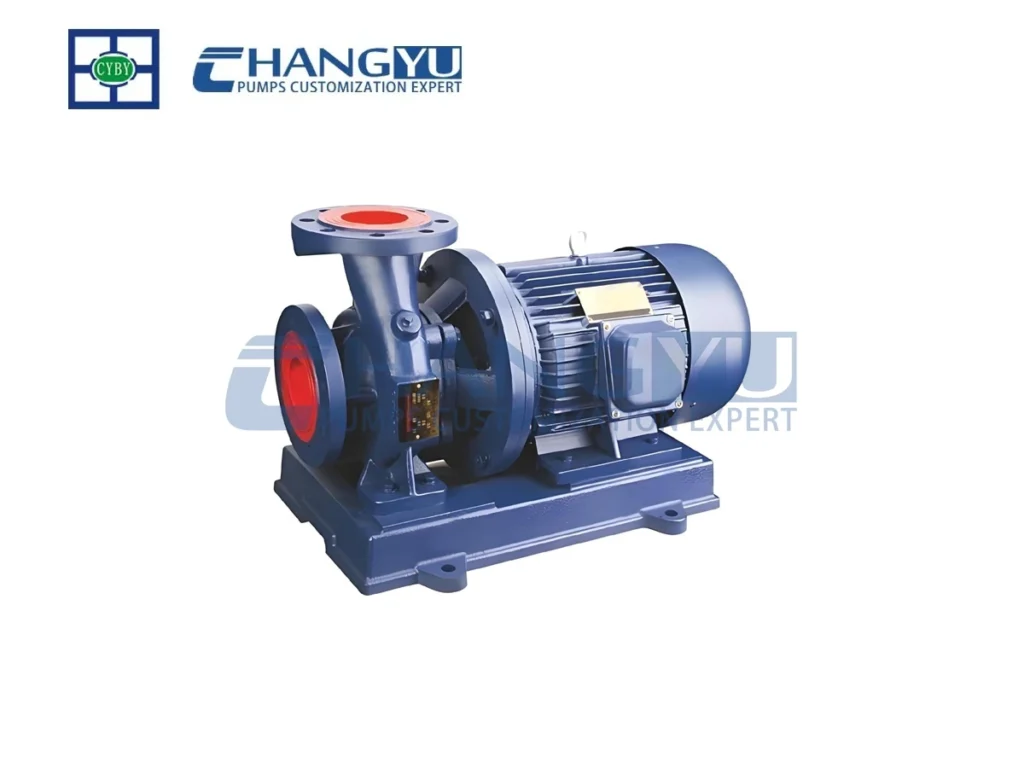
Сайт Серия CYW это высокоэффективный, одноступенчатый, одновсасывающий насос, разработанный в соответствии с требованиями ISO 2858 и JB/T53058-93 стандартов. Благодаря оптимизированной гидравлической конструкции и компактной сборке этот насос обеспечивает стабильную работу, низкое энергопотребление и длительный срок службы. Для перекачки пропана, когда условия всасывания допускают центробежный режим работы, насосы серии CYW обеспечивают экономичную и надежную работу.
Основные характеристики: Расход 4,5–1 660 м³/ч | Напор 5,2–150 м | Мощность 0,75–160 кВт | Частота вращения 1 450–2 900 об/мин | Температура от -10 °C до 85 °C
Насос с магнитным приводом из нержавеющей стали серии CQ
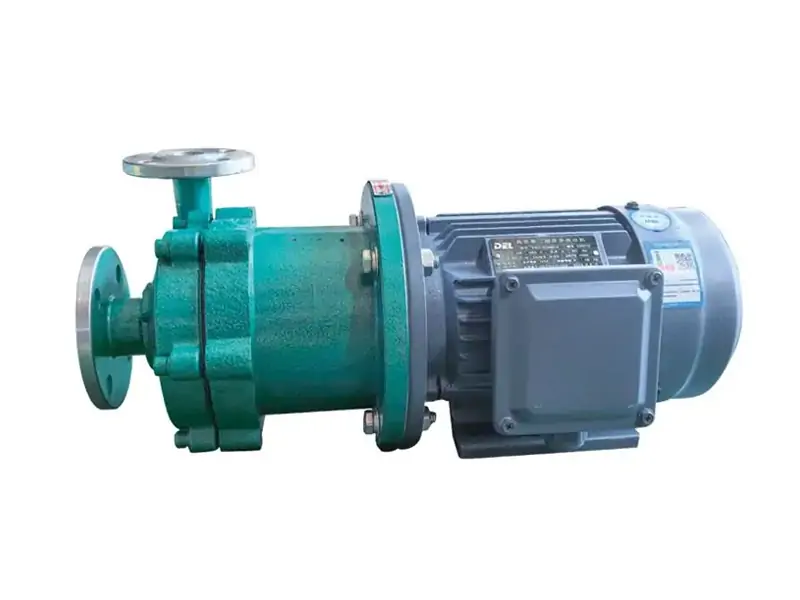
Сайт Серия CQ — это центробежный насос с безуплотнительным магнитным приводом, смачиваемые детали которого изготовлены из Нержавеющая сталь 304 или 316L. В данном насосе динамические механические уплотнения заменены статической защитной оболочкой, что обеспечивает полную герметичность — важнейшее требование безопасности при работе с пропаном в помещениях с людьми, при установке внутри зданий, а также в любых местах, где скопление паров пропана создает риск возгорания или взрыва. Конструкция с магнитной муфтой исключает необходимость в механическом уплотнении, устраняя как пути утечки, так и постоянную нагрузку на техническое обслуживание, связанную с заменой уплотнений.
Основные характеристики: Расход 1,2–60 м³/ч | Напор 5–50 м | Мощность 0,12–18,5 кВт | Частота вращения 968–3450 об/мин | Температура от -20 °C до 90 °C
Часто задаваемые вопросы о пропанных насосах
Вопрос 1: Какой тип насоса лучше всего подходит для перекачки пропана?
A: Лопастные насосы являются доминирующей технологией для перекачки пропан-бутана навалом и наполнения баллонов. Они эффективно справляются с низкой вязкостью пропан-бутана благодаря самокомпенсирующимся лопастям, обеспечивают плавный поток без пульсаций и являются отраслевым стандартом для систем перекачки сжиженного нефтяного газа (СНГ). Центробежные насосы с магнитным приводом являются стандартным оборудованием для применений, где требуется герметичность без утечек — установки в помещениях, зоны пребывания людей и любые места, где скопление паров пропана создает угрозу безопасности. Выбор зависит от класса безопасности установки и требуемой производительности.
Вопрос 2: Почему показатель NPSH имеет решающее значение при выборе пропанного насоса?
A: Пропан хранится в жидком состоянии под действием собственного давления паров. При температуре 20 °C это давление составляет примерно 8,5 бар. Доступный NPSH на всасывании насоса равен давлению в резервуаре плюс статический напор жидкости минус давление паров жидкости при температуре перекачки. Поскольку давление в резервуаре равно давлению паров, NPSHa зависит почти полностью от статического напора жидкости. Если насос установлен выше уровня жидкости в резервуаре — что часто встречается при разгрузке автоцистерн — NPSHa фактически равен нулю. Без достаточного NPSH пропан мгновенно превращается в пар на входе в насос, вызывая кавитацию и паровую пробку. Именно поэтому для безопасной работы многих пропанных насосов требуется положительный напор на всасывании или бустерный насос.
Вопрос 3: Какие материалы совместимы с пропаном?
A: Чугун с высоким содержанием углерода, углеродистая сталь и нержавеющая сталь 316/316L являются стандартными материалами для изготовления пропанных насосов. PTFE является стандартным материалом для прокладок и уплотнительных колец, обеспечивая практически универсальную химическую совместимость. FFKM (Kalrez®) — это эластомер премиум-класса, предназначенный для динамических уплотнений. EPDM не рекомендуется — он значительно разбухает при работе с углеводородами. Алюминий химически совместим с пропаном, но обычно не используется для изготовления конструкционных элементов насосов для сжиженного нефтяного газа. Медь и медные сплавы совместимы с сухим пропаном, но не рекомендуются в условиях, где может присутствовать влага.
Вопрос 4: Можно ли использовать насос с магнитным приводом для пропана?
A: Да. Насосы с магнитным приводом хорошо подходят для работы с пропаном, поскольку их безуплотнительная конструкция исключает механическое уплотнение вала — компонент, наиболее подверженный утечкам, — обеспечивая по конструкции полную герметичность. Это имеет решающее значение ввиду воспламеняемости пропана. Подробные рекомендации по выбору технологий уплотнения см. в разделе 4 данного руководства.
Вопрос 5: Какие стандарты безопасности применяются к пропанным насосам?
A: Нормативный документ NFPA 58 «Свод правил по сжиженному нефтяному газу» регулирует проектирование, изготовление, монтаж и эксплуатацию систем сжиженного нефтяного газа в США. Для установок в взрывоопасных зонах на европейском рынке требуются насосы с сертификатом ATEX, а на международных рынках — с сертификатом IECEx. Насосы, устанавливаемые в классифицированных зонах, должны иметь соответствующий сертификат для зон с повышенной опасностью, соответствующий классификации зоны установки. Защита от избыточного давления обязательна для любого участка трубопровода, где может произойти утечка жидкого пропана.
Вопрос 6: Как предотвратить образование парового затора в пропанном насосе?
A: Паровой затор возникает, когда пропан испаряется на всасывании насоса, что препятствует подаче жидкости. Для предотвращения этого необходимо поддерживать достаточный уровень NPSHa, по возможности устанавливая насос ниже уровня жидкости в резервуаре; минимизировать длину всасывающей линии, количество фитингов и перепады высоты; изолировать всасывающую линию для уменьшения поступления тепла; а для применений, где насос должен быть установлен над резервуаром, использовать вертикальный канистровый насос или погружной насос, в конструкции которого рабочее колесо расположено на уровне жидкости или ниже него.
Вопрос 7: Как часто следует проверять уплотнения пропанного насоса?
A: Механические уплотнения следует ежемесячно проверять на наличие видимых утечек, а также с той же периодичностью проверять расход и давление промывочной жидкости. Ежеквартальные проверки должны включать полный осмотр мокрой части и оценку состояния уплотнительных поверхностей. Для насосов с магнитным приводом и герметичных двигателей необходимо ежемесячно контролировать температуру защитной оболочки и состояние подшипников. Ежегодно все эластомерные компоненты — уплотнительные кольца, прокладки и мембраны — следует заменять независимо от их видимого состояния, так как низкая смазывающая способность пропана и его углеводородная природа могут приводить к износу эластомеров без видимых признаков.
Вопрос 8: В чём разница между перекачивающим насосом для пропана и бустерным насосом для пропана?
A: Перекачивающий насос перемещает пропан из одного места в другое — как правило, из резервуара-хранилища в автоцистерну или из автоцистерны в резервуар-хранилище. Он работает при умеренном давлении нагнетания и высоких расходах. Нагнетательный насос повышает давление пропана, которое и без того находится на высоком базовом уровне — например, для подачи пропана из резервуара-хранилища в трубопроводную распределительную систему. Нагнетательные насосы работают при высоком перепаде давления и более низких расходах. Эти два вида применения требуют разных конструкций насосов — для перекачивающих насосов приоритетом является расход, а для нагнетательных — давление.
Экспертные рекомендации от инженеров по насосам Changyu
- Сделайте NPSH основным критерием выбора для любого пропанного насоса. Рассчитайте показатель NPSHa с учетом фактического давления в резервуаре, статического напора жидкости и давления паров при максимальной температуре перекачиваемой жидкости. Если показатель NPSHa недостаточен, установите вертикальный насос с рабочим колесом, расположенным на уровне жидкости в резервуаре или ниже него, либо установите бустерный насос для обеспечения достаточного давления всасывания для основного насоса.
- В качестве стандарта для систем, работающих на пропане, в жилых помещениях, при установке внутри зданий, а также в любых местах, где возможно скопление паров пропана, следует использовать безарматурные насосы. Насосы с магнитным приводом и герметичные насосы с встроенным двигателем по своей конструкции обеспечивают полную герметичность и устраняют наиболее распространённую точку отказа в традиционных насосах — механическое уплотнение вала.
- Проверьте все материалы, контактирующие с жидкостью, на предмет их совместимости с пропаном. Стандартными конструкционными материалами являются чугун с высоким содержанием углерода и углеродистая сталь. Стандартными эластомерами являются PTFE и FFKM. EPDM не подходит для использования с пропаном. Необходимо проверить совместимость каждого уплотнительного кольца, прокладки и уплотнительного элемента с пропаном как при минимальной, так и при максимальной рабочей температуре.
- Установите устройства сброса давления на каждом участке трубопровода, где возможно отключение подачи жидкого пропана. Тепловое расширение запертого пропана может привести к образованию давления, превышающего 100 бар, что достаточно для разрыва корпусов насосов и трубопроводов. Согласно стандарту NFPA 58, такая защита является обязательной для всех систем сжиженного нефтяного газа.
- Проектируйте всасывающий трубопровод с той же тщательностью, что и при подборе насоса. Надежность работы пропанного насоса в большей степени зависит от условий всасывания, чем от каких-либо внутренних характеристик насоса. Следует свести к минимуму длину всасывающего трубопровода, количество фитингов и перепады высоты. Всасывающий трубопровод необходимо утеплить для уменьшения потерь тепла. Для защиты насоса от попадания мусора следует установить сетчатый фильтр.
Заключение
A пропанный насос необходимо обеспечить безопасную работу с жидкостью, находящейся на границе испарения. Процесс выбора начинается с изучения физических свойств пропана — в частности, взаимосвязи между температурой, давлением пара и доступным NPSH — и включает в себя выбор типа насоса, технологии уплотнения, совместимости материалов и конструкции системы.
Насосы с лопастными пазами широко используются для перекачки наливных грузов и наполнения баллонов. Центробежные насосы применяются в системах с большим расходом, если это позволяют условия всасывания. Насосы с магнитным приводом и герметичным двигателем обеспечивают полную герметичность, необходимую для установок с повышенными требованиями к безопасности. Для всех типов насосов инженерные принципы остаются неизменными: точно рассчитать NPSH, выбрать технологию уплотнения в соответствии с классификацией безопасности установки, проверить все материалы на соответствие данным о совместимости с пропаном, защитить каждый изолированный участок трубопровода с помощью устройства сброса давления и спроектировать всасывающий трубопровод так, чтобы он поддерживал работу насоса, а не подрывал ее.
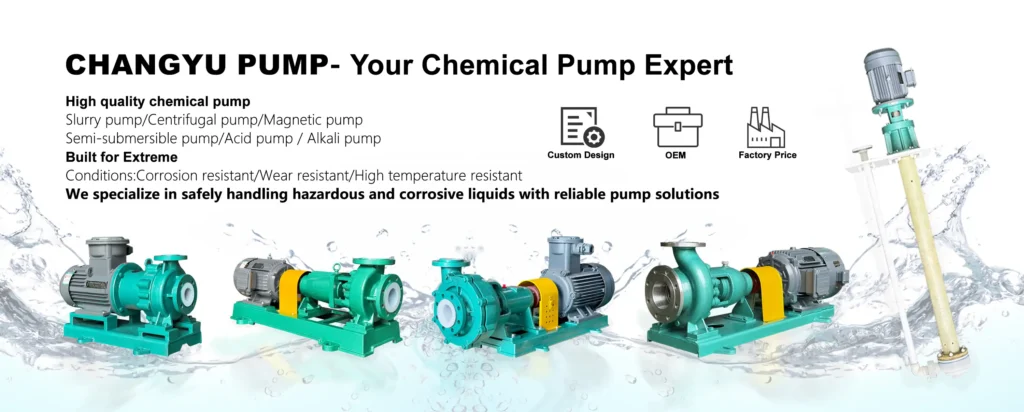
Насосы серий CYH, CYW и CQ компании Changyu Pump представляют собой центробежные насосы и насосы с безуплотнительным магнитным приводом, предназначенные для использования в системах сжиженного газа. Свяжитесь с нашей командой инженеров с учетом параметров вашего оборудования, работающего на пропане. Мы предоставим вам подробную рекомендацию по выбору насоса и коммерческое предложение, разработанное с учетом ваших конкретных требований.