
Краткий ответ
Выбор между винтовой насос против центробежного насоса все сводится к одной основной переменной: вязкости жидкости. К ключевым различиям — в порядке приоритетности при принятии решения — относятся:
- (1) Вязкостной диапазон — у центробежных насосов стандартной конструкции эффективность быстро снижается при вязкости выше 200–300 сСт, тогда как винтовые насосы сохраняют стабильную производительность в диапазоне от 20 сСт до более 1 000 000 сСт.
- (2) Характеристики расхода и давления — центробежные насосы обеспечивают высокий расход при умеренном давлении; винтовые насосы обеспечивают стабильный расход при изменяющемся давлении с минимальными пульсациями.
- (3) Перекачивание твердых частиц и газа — винтовые насосы выдерживают присутствие твердых частиц, волокон и увлеченного газа; центробежные насосы подвержены засорению, износу и потере самовсасывающей способности.
- (4) Чувствительность к сдвигу — центробежные насосы создают сильное сдвиговое усилие, которое может привести к порче чувствительных продуктов; винтовые насосы работают с минимальным сдвиговым усилием.
- (5) Общая стоимость владения — при работе с жидкостями вязкостью выше 200–300 сСт преимущество винтового насоса в энергоэффективности, как правило, окупает его более высокую стоимость в течение 4–6 месяцев.
Выбор между винтовым и центробежным насосом без четкой системы сравнения сопряжен с излишним риском, который может привести к значительной доле незапланированных затрат на техническое обслуживание. Центробежный насос, рассчитанный на жидкость вязкостью 500 сСт, может потреблять значительно больше энергии, чем правильно подобранный винтовой насос, при этом обеспечивая расход, значительно ниже номинальной производительности.
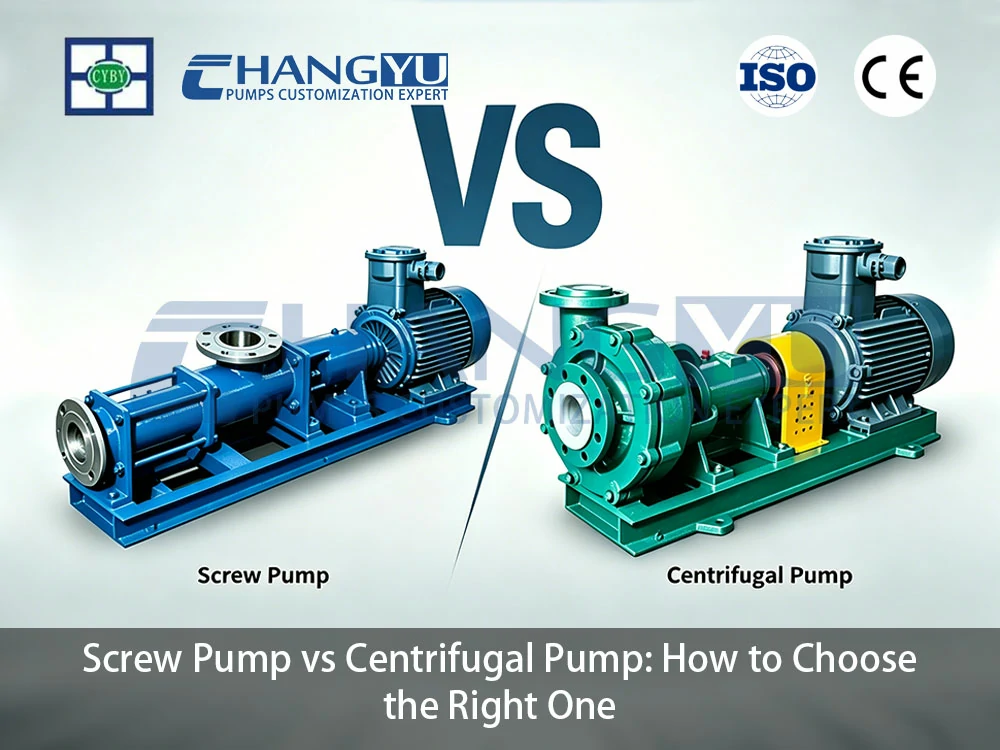
Обладая более чем 20-летним опытом в производстве насосов прямого вытеснения, компания Changyu Pump помогает клиентам из нефтяной, химической и экологической отраслей решать проблемы, связанные с неправильным выбором насосов — зачастую путем замены неэффективного центробежного насоса на одношнековый насос с подходящими техническими характеристиками. В данном руководстве представлена полная сравнительная таблица. К концу руководства вы точно узнаете, какой тип насоса подходит для ваших технологических параметров и почему.
1. Что такое винтовой насос и как работает центробежный насос?
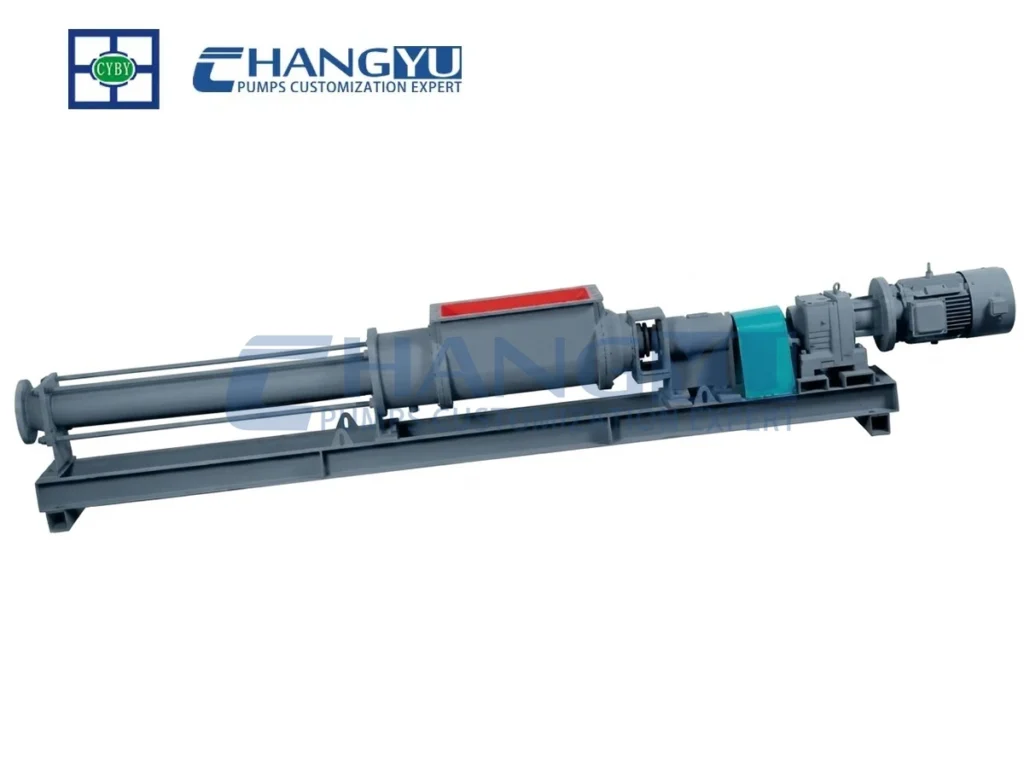
Прежде чем сравнивать эксплуатационные характеристики, необходимо понять основные принципы работы, которые отличают эти два типа насосов. Они перекачивают жидкость принципиально разными способами — и именно это различие лежит в основе всех последующих отличий в эксплуатационных характеристиках.
Как работает центробежный насос
Центробежный насос преобразует кинетическую энергию вращения рабочего колеса в скорость жидкости, а затем — в давление в спиральной камере или диффузоре. Рабочее колесо вращается с высокой скоростью, выбрасывая жидкость наружу под действием центробежной силы. Такая конструкция обеспечивает высокую пропускную способность при умеренном давлении и лучше всего работает с жидкими, чистыми жидкостями. По мере увеличения вязкости способность рабочего колеса ускорять жидкость снижается — потери на трение внутри насоса резко возрастают, а гидравлический КПД падает.
Как работает винтовой насос
Винтовой насос представляет собой ротационный насос прямого вытеснения. Один или несколько зацепляющихся винтов удерживают фиксированный объем жидкости в герметичных полостях и с каждым оборотом проталкивают его в осевом направлении от всасывающего к нагнетательному отверстию. Такая конструкция обеспечивает предсказуемый объем на оборот независимо от давления нагнетания, что делает ее по сути подходящей для вязких жидкостей, сред с твердыми частицами и применений, требующих потока без пульсаций.
Сравнение основных механизмов
Таблица: Винтовой насос и центробежный насос — сравнение принципов действия
| Характеристика | Центробежный насос | Винтовой насос |
|---|---|---|
| Классификация насосов | Кинетический / динамический | Роторный объемный насос |
| Как происходит перемещение жидкости | Рабочее колесо ускоряет жидкость за счет центробежной силы | Винты удерживают и проталкивают жидкость в герметичных полостях |
| Зависимость расхода от давления | С ростом давления расход уменьшается | Расход остается практически постоянным при изменении давления |
| Диапазон скоростей | 1 450–3 600 об/мин (типичное значение) | 400–960 об/мин (типичное значение) |
| Предельное значение вязкости | ~200–300 сСт — практический предел для стандартных конструкций | более 1 000 000 сСт |
2. Каковы преимущества и недостатки каждого типа насоса?
Каждый тип насоса сопряжён с определёнными компромиссами. В приведённом ниже сравнении каждый насос оценивается по критериям, имеющим наибольшее значение в промышленных условиях эксплуатации: диапазон вязкости, устойчивость к твердым частицам, сдвиговое усилие, стабильность потока и требования к техническому обслуживанию.
Таблица: Плюсы и минусы при прямом сравнении
| Критерий | Центробежный насос | Винтовой насос |
|---|---|---|
| Диапазон вязкости | Оптимальные показатели при вязкости ниже 200 сСт; при вязкости выше 300 сСт стандартные конструкции демонстрируют снижение эффективности | Наилучшие характеристики при вязкости выше 20 сСт; демонстрирует превосходные характеристики при вязкости до 1 000 000+ сСт |
| Пропускная способность | Высокая — до нескольких тысяч м³/ч | Средняя — как правило, до 200 м³/ч |
| Давление | Умеренная — многоступенчатые конструкции обеспечивают высокий напор | От среднего до высокого — до 120 м (одновинтовой) или более 200 бар (трёхвинтовой) |
| Допуск на твердые тела | Плохо — твердые частицы вызывают износ рабочего колеса и забивают спиральную камеру | Отлично — пропускает частицы и волокна |
| Сдвиг | Высокий — повреждает жидкости, чувствительные к сдвигу | Очень низкий — сохраняет целостность продукта |
| Работа с газом | Неудовлетворительно — потеря продуктивности при содержании газа в пласте > 3–51 TP3T | Хорошо — двухшнековая конструкция обеспечивает управление многофазным потоком |
| Пульсации потока | Плавный | Очень плавное — плавное увеличение объёма полости |
| Первоначальная стоимость | Низше для стандартных материалов | Более высокая точность благодаря деталям, изготовленным с высокой точностью |
| Профиль технического обслуживания | Уплотнения, подшипники, износ рабочего колеса | Замена статора через определенные промежутки времени |
| След | Компактный при заданном расходе | Больший размер при том же расходе |
В чем превосходство центробежных насосов
Для перекачки жидких и чистых жидкостей с высоким расходом центробежный насос по-прежнему остается наиболее экономичным решением с точки зрения капитальных затрат. Водоснабжение, циркуляция охлаждающей воды, системы отопления, вентиляции и кондиционирования воздуха, а также перекачка жидких химических веществ — это сфера применения центробежных насосов; в этих случаях использование винтового насоса привело бы к ненужным затратам и усложнило бы систему.
В чем превосходство винтовых насосов
Для вязких, содержащих твердые частицы, чувствительных к сдвигу или многофазных жидкостей винтовой насос является технически правильным выбором. К этой категории относятся сырая нефть с песком, обезвоженный шлам, растворы полимеров, пищевые пасты и химические суспензии. В таких условиях центробежный насос будет работать с низким КПД — или вообще выйдет из строя.
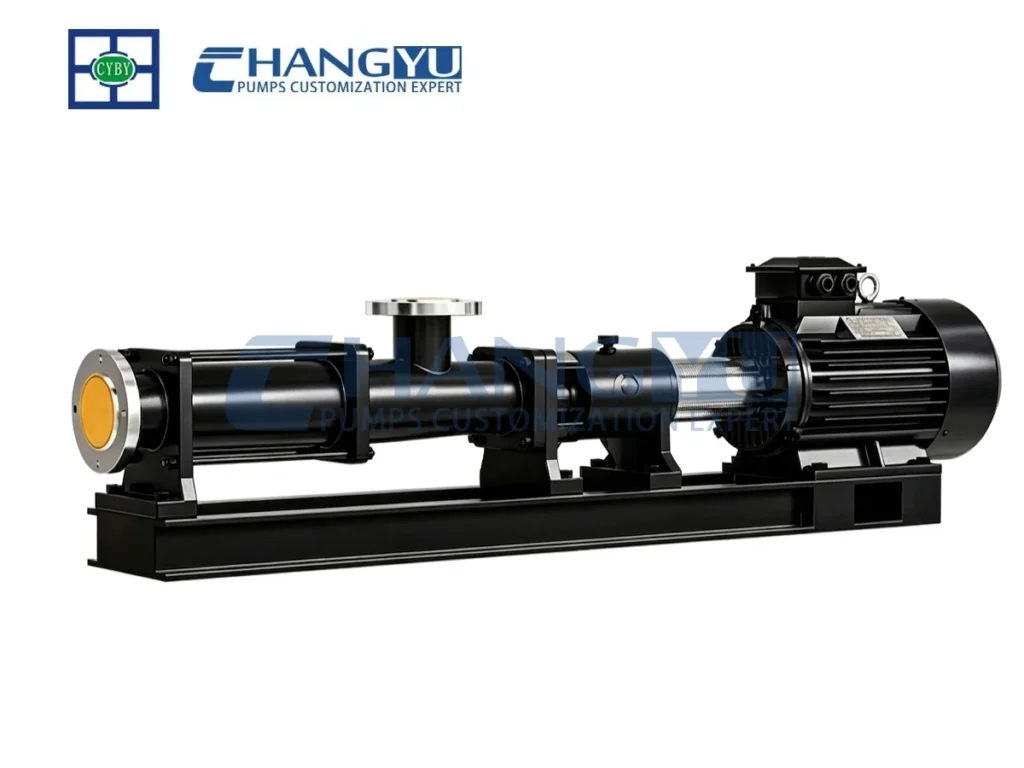
3. Как вязкость влияет на эффективность насоса?
Вязкость является главным фактором, определяющим выбор между винтовым и центробежным насосом. Именно здесь возникает разница в характеристиках, которая резко увеличивается по мере роста вязкости. Приведенные ниже данные основаны на типичных кривых производительности стандартных промышленных центробежных и одношнековых насосов, составленных на основе стандартов Гидравлического института (HI) и данных, опубликованных производителями. Согласно стандарту HI 9.6.7, производительность центробежного насоса должна быть скорректирована с учетом вязкости с использованием эмпирически полученных поправочных коэффициентов. Приведенные ниже диапазоны КПД представляют собой типичные скорректированные значения для стандартных промышленных насосов.
Почему центробежный насос теряет эффективность при высокой вязкости?
Снижение КПД центробежных насосов при повышенной вязкости обусловлено двумя факторами: усилением дискового трения между кожухами рабочего колеса и жидкостью, а также увеличением гидравлических потерь в проходных каналах. По мере повышения вязкости число Рейнольдса внутри насоса уменьшается, пограничный слой утолщается, и рабочему колесу приходится затрачивать больше энергии просто на преодоление трения жидкости — энергии, которая больше не способствует созданию потока и напора.
Инженеры компании Changyu Pump в ходе проверок на местах заметили, что в центробежных насосах, работающих при вязкости выше 200 сСт в течение более 501 часа, частота выхода из строя механических уплотнений в 3–4 раза превышает прогнозируемый производителем средний срок безотказной работы (MTBF). Основной причиной этого, как правило, является увеличение прогиба вала и вибрации из-за работы насоса вдали от точки максимальной эффективности — условия, которые резко ускоряют износ уплотнения.
Кривая зависимости эффективности от вязкости
Таблица: Гидравлический КПД в зависимости от вязкости — винтовой насос и центробежный насос
| Вязкость жидкости | Гидравлический КПД центробежного насоса | Гидравлический КПД винтового насоса | Победитель |
|---|---|---|---|
| 50 сСт (легкое масло) | 65–72% | 55–65% | Центробежный (очевидное преимущество при низкой вязкости) |
| 200 сСт (среднеплотный мазут) | 45–55% | 65–75% | Винтовой насос |
| 500 сСт (тяжелая нефть) | 35–45% | 70–80% | Винтовой насос (определяющий) |
| 1 000 сСт (раствор полимера) | Часто нежизнеспособны (< 30%) | 70–82% | Только винтовой насос |
| 5 000 сСт (густой полимер/смола) | Не применимо | 75–85% | Только винтовой насос |
*Примечание: Под гидравлическим КПД понимается способность насоса преобразовывать мощность вала в гидравлическую мощность без учета потерь в двигателе. Общий КПД «от провода до воды» будет на 3–71 TP3T ниже в зависимости от размера и типа двигателя.*
Точка перехода находится в диапазоне примерно 150–250 сСт. Ниже этого диапазона центробежный насос может обеспечить приемлемую эффективность при более низкой стоимости, при этом его преимущество особенно очевидно при вязкости ниже 50 сСт. Выше этого диапазона винтовой насос не просто является лучшим выбором — зачастую он является единственным приемлемым вариантом.
Что это означает для вашей закупочной деятельности
Если вязкость рабочей жидкости превышает 200 сСт при минимальной рабочей температуре насоса, то только за счет экономии энергии при использовании винтового насоса разница в цене окупается, как правило, за 4–6 месяцев. При вязкости свыше 500 сСт дальнейшая эксплуатация центробежного насоса приводит к прямым дополнительным затратам, которые увеличиваются с каждым часом работы.
4. В каких случаях следует отдать предпочтение винтовому насосу перед центробежным?
Выбор между винтовым и центробежным насосом основывается на логической последовательности вопросов, касающихся вашей жидкости и технологического процесса. Воспользуйтесь приведенным ниже схемой выбора, чтобы сузить круг вариантов, а затем ознакомьтесь с подробными критериями, приведенными далее.
Схема быстрого принятия решений
- Вязкость > 200 сС при температуре перекачки? → ДА → Винтовой насос является основным кандидатом
- Содержит твердые частицы, волокна или абразивные частицы? → ДА → Одношнековый насос
- Содержит увлеченный газ (> 3–5%) и вязкость < 5 000 сСт? → ДА → Двухшнековый насос
- Содержит увлеченный газ (> 3–5%) и вязкость > 5 000 сСт? → ДА → Одношнековый насос с геометрией статора, устойчивой к воздействию газа
- Жидкость чувствительна к сдвигу? → ДА → Винтовой насос (конструкция с низким уровнем сдвига)
- Вязкость < 50 сСт, чистая жидкость, высокий расход? → ДА → Центробежный насос является основным вариантом
- Вязкость 50–200 сСт? → Оцените дополнительные факторы (содержание твердых частиц, сдвиговое усилие, NPSH, TCO)
Если вы остановили свой выбор на винтовых насосах, подробную схему выбора всех типов таких насосов см. в нашем Руководство по выбору винтовых насосов: типы, области применения и технические характеристики.
Подробная матрица выбора
Таблица: Условия эксплуатации и рекомендации по выбору насоса
| Условие применения | Рекомендуемый насос | Обоснование |
|---|---|---|
| Тонкая, прозрачная жидкость (вода, растворители) | Центробежный | Минимальные капитальные затраты, высокая эффективность |
| Вязкая жидкость (> 200 сСт) | Винтовой насос | Падение эффективности центрифуги |
| Жидкость с взвешенными твердыми частицами | Винтовой насос | Эрозия и засорение центробежного рабочего колеса |
| Продукт, чувствительный к сдвигу (полимеры, пищевые продукты) | Винтовой насос | Прохождение продукта через камеру с низким сдвигом обеспечивает его сохранность |
| Многофазный (жидкость + газ) | Винтовой насос (двухшнековый) | Центробежный насос теряет герметичность |
| Высокий расход, умеренное давление, жидкая среда | Центробежный | Капитальные затраты на винтовой насос неоправданны |
| Применение в системах учета или дозирования | Винтовой насос | Отсутствие пульсаций, предсказуемый расход на оборот |
| Жидкость с абразивными частицами | Винтовой насос (одноступенчатый) | Частицы проникают сквозь; износ центробежного рабочего колеса |
Когда из-за ограничений центробежных насосов необходимо использовать винтовые насосы
- Потеря давления из-за попадания газа: Центробежные насосы теряют всасывающую способность, когда содержание газа превышает 3–5%. Винтовые насосы, особенно двухшнековые, способны перекачивать газовые пробки объемом до 100% без потери производительности.
- Кавитация в жидкостях с высокой вязкостью: Высокие потери на всасывании, характерные для вязких жидкостей, могут привести к тому, что доступный запас NPSH станет ниже требуемого для центробежного насоса, что вызовет повреждения в результате кавитации.
- Износ изделия под воздействием сдвига: Центробежные рабочие колеса создают высокие сдвиговые силы, способные разрывать полимерные цепи, эмульгировать чувствительные смеси или изменять текстуру пищевых продуктов.
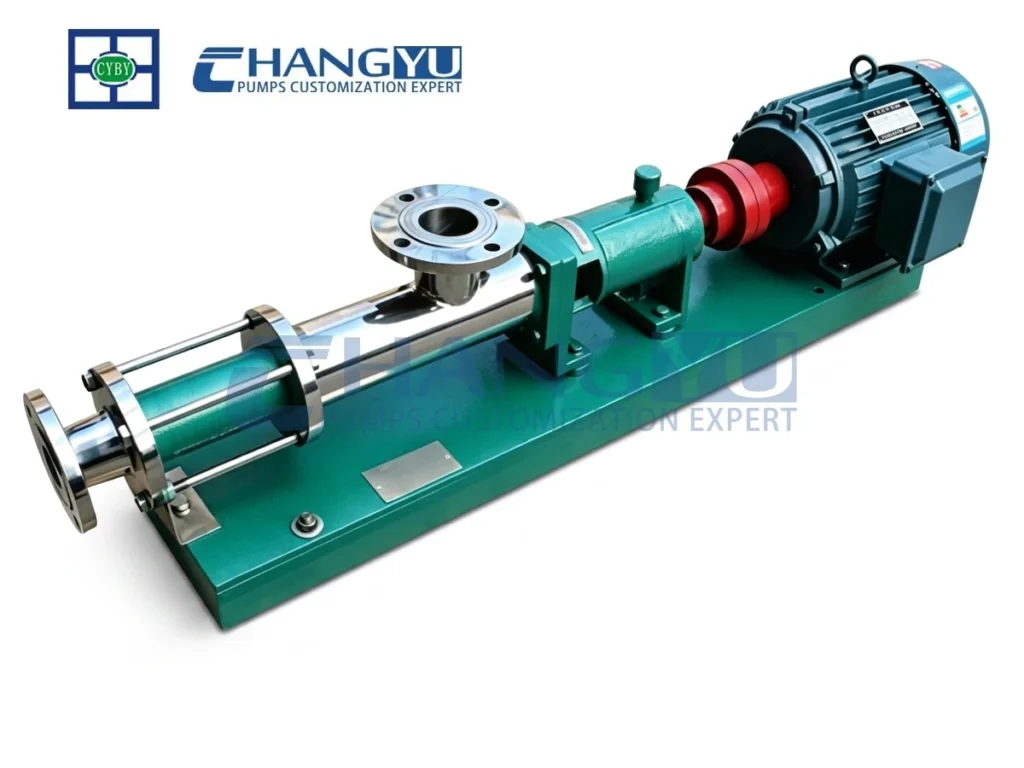
5. Каковы основные критерии выбора, помимо вязкости?
Вязкость является основным фактором, однако на окончательный выбор насоса влияют еще четыре критерия. Пренебрежение любым из них может привести к эксплуатационным проблемам, даже если выбор, основанный на вязкости, был правильным.
Требования к NPSH
К центробежным насосам обычно предъявляются более высокие требования к значению NPSH, чем к винтовым насосам, особенно при высоких расходах. Для жидкостей с высоким давлением пара или в условиях ограниченного всасывающего напора эта разница может оказаться решающей.
Таблица: Сравнение показателя NPSH — винтовой насос и центробежный насос
| Коэффициент NPSH | Центробежный насос | Винтовой насос |
|---|---|---|
| Требуемый NPSH (типичное значение) | 2–4 м (промышленные насосы средней производительности) | 1–3 м |
| Чувствительность к недостаточному значению NPSH | Высокий — кавитация приводит к повреждению рабочего колеса | Умеренный — требует запаса прочности, но менее чувствителен |
| Влияние вязкости на NPSH | Резко повышает NPSHr | Умеренное увеличение потерь на всасывающее трение |
Инженеры компании Changyu Pump, опираясь на 20-летний опыт эксплуатации, рекомендуют применять запас NPSH не менее 30% для винтовых насосов, перекачивающих жидкости с давлением пара выше 0,5 бар при рабочей температуре. Для центробежных насосов в тех же условиях следует увеличить запас до 50%, чтобы учесть более высокую чувствительность рабочего колеса к возникновению кавитации.
Рекомендации по температурному режиму
Температура по-разному влияет на оба типа насосов. В центробежных насосах высокие температуры в первую очередь сказываются на сроке службы уплотнений и подшипников. В винтовых насосах ограничивающим фактором является температурный диапазон эластомера статора — обычно от -20 °C до 150 °C в зависимости от выбора эластомера (NBR, EPDM, FKM, PTFE).
Место для установки и занимаемая площадь
Центробежные насосы, как правило, более компактны при одинаковом расходе. При замене центробежного насоса на винтовой необходимо убедиться, что имеющееся монтажное пространство позволяет разместить винтовой насос, который, как правило, занимает больше места. Подробную оценку возможности замены см. в разделе 7.
Шум и вибрация
Винтовые насосы работают на более низких оборотах (400–960 об/мин), чем центробежные насосы (1450–3600 об/мин), что обеспечивает более низкий уровень шума и меньшую вибрацию конструкции. В условиях, где важна низкая шумность, или при работе с хрупкими трубопроводами это может стать значимым преимуществом.
6. Сколько стоит эксплуатация каждого насоса?
Покупная цена отражает менее 15–20 % общей стоимости. Остальные 85–90 % затрат на весь срок службы насоса определяются энергопотреблением, затратами на запасные части, трудозатратами и незапланированными простоями. В данном разделе представлено количественное сравнение совокупной стоимости владения (TCO) на основе реалистичных промышленных допущений в соответствии с методологией расчета затрат на жизненный цикл, установленной Гидравлическим институтом в его руководстве “Затраты на жизненный цикл насосов: руководство по анализу LCC для насосных систем”.”
Сравнение совокупной стоимости владения за 5 лет
Предположения: Расход 50 м³/ч при напоре 60 м, вязкость жидкости 500 сСт (тяжелая нефть или полимерный раствор), плотность жидкости около 950 кг/м³, 8000 рабочих часов в год, стоимость электроэнергии $0,10/кВт·ч. Затраты на электроэнергию рассчитываются исходя из расчетной тормозной мощности в рабочей точке с учетом гидравлического КПД каждого типа насоса, зависящего от вязкости, плюс потери на КПД двигателя для общей мощности «от провода до воды».
Требуемая гидравлическая мощность: При расходе 50 м³/ч (0,01389 м³/с), напор 60 м и плотности 950 кг/м³ мощность жидкости составляет 0,01389 × 60 × 9,81 × 0,95 = 7,76 кВт.
При вязкости 500 сСт:
- Центробежный насос: гидравлический КПД ~381% → мощность на валу ~20,4 кВт; при КПД двигателя ~931% → КПД «от провода до воды» ~351%, общая потребляемая мощность ~22 кВт
- Винтовой насос: гидравлический КПД ~75 % → мощность на валу ~10,3 кВт; при КПД двигателя ~93 % → КПД «от провода до воды» ~70 %, общая потребляемая мощность ~11 кВт
Таблица: Общая стоимость владения за 5 лет — винтовой насос против центробежного насоса
| Составляющая затрат | Центробежный насос | Одношнековый насос | Примечания |
|---|---|---|---|
| Первая покупка | 1 000–10 000 | $8 000–$15 000 | Центробежные: более низкая начальная стоимость |
| Годовые расходы на энергию | $17 000–$18 500 | $8 500–$9 500 | Винтовой насос ~50%: меньшее энергопотребление при вязкости 500 сСт |
| Износостойкие детали (5 лет) | $2,000–$5,000 (уплотнения, подшипники, рабочее колесо) | $3 000–$6 000 (1–2 замены статора) | Стоимость сопоставимых запчастей |
| Риск незапланированных простоев | Высокий (кавитация, поломки уплотнений, засорение) | Низкий (предсказуемый износ статора) | Затраты, связанные с простоями, зачастую составляют основную часть совокупной стоимости владения |
| Расчетная совокупная стоимость владения за 5 лет | $95 000–$103 000 | $55 000–$65 000 | Винтовой насос позволяет сэкономить около 1 440 000 тенге за 5 лет |
Чтобы рассчитать затраты, связанные с простоями на вашем предприятии, умножьте часовые потери в производстве на среднее время ремонта для каждого типа насоса. В отраслях с непрерывным производством стоимость одного 8-часового внепланового простоя может превышать стоимость самого насоса.
При вязкости 500 сСт годовая экономия энергии, обеспечиваемая винтовым насосом, составляет примерно 14 500–14 900 евро, что позволяет окупить разницу в цене при покупке (3 000–5 000 евро) примерно за 4–6 месяцев. Каждый час работы после этого момента приносит чистую экономию.
Дорогая ошибка, которую инженеры компании Changyu Pump часто наблюдают: решения о закупке, основанные исключительно на первоначальной цене, при этом игнорируется тот факт, что при вязкости выше 200 сСт центробежный насос потребляет примерно в два раза больше энергии, чем аналогичный винтовой насос. Имея более чем 20-летний опыт работы с вязкими жидкостями, мы рекомендуем клиентам проводить анализ совокупной стоимости владения (TCO) как минимум на 3 года — винтовой насос неизменно оказывается более экономичным вариантом для работы с вязкими жидкостями.
Для более полного сравнения совокупной стоимости владения, в котором в качестве третьего варианта рассматриваются шестеренчатые насосы, см. наш Руководство по выбору винтовых насосов: типы, области применения и технические характеристики.
Сравнение профилей технического обслуживания
Таблица: Характеристики технического обслуживания — винтовой насос и центробежный насос
| Коэффициент технического обслуживания | Центробежный насос | Винтовой насос |
|---|---|---|
| Основной изнашиваемый элемент | Механическое уплотнение, подшипники, рабочее колесо | Статор |
| Периодичность замены изнашиваемых деталей | 1–3 года (уплотнения), срок службы зависит от степени износа рабочего колеса | 1–3 года (предсказуемый, в зависимости от состояния) |
| Сложность замены | Средняя — для замены уплотнителя требуется разборка | Уровень «Умеренный» — замена статора относится к плановому техническому обслуживанию |
| Время простоя на одно техническое обслуживание | Обычно 4–8 часов | Обычно 4–8 часов |
Основное отличие заключается в том, что износ статора в винтовом насосе можно предсказать и выявить с помощью мониторинга расхода. Повреждения уплотнений центробежных насосов часто возникают внезапно и непредвиденно, а затраты, связанные с внеплановыми простоями, в несколько раз превышают расходы на плановое техническое обслуживание.
7. Как перейти с одного типа насоса на другой?
Если вы подумываете о замене имеющегося центробежного насоса на винтовой, то помимо сравнения технических характеристик, целесообразность и стоимость такой замены определяют четыре практических фактора. Воспользуйтесь приведенным ниже контрольным списком, чтобы оценить вашу конкретную ситуацию.
Контрольный список для оценки перехода
Таблица: Замена центробежного насоса на винтовой — контрольный список для оценки осуществимости
| Элемент оценки | Типичная ситуация | Влияние |
|---|---|---|
| Диаметр всасывающего трубопровода | Центробежные установки часто имеют всасывающие трубопроводы меньшего диаметра | Шнековые насосы требуют использования всасывающих трубопроводов большего диаметра (не менее 1,5-кратного диаметра впускного отверстия) для снижения потерь на трение при высокой вязкости — может потребоваться увеличение диаметра трубопровода |
| Габариты установки | Винтовые насосы длиннее, чем аналогичные центробежные насосы | Убедитесь в наличии достаточной длины в отсеке насоса; возможно, потребуется модификация опорной плиты |
| Пересчет NPSH | Винтовые насосы требуют меньшего значения NPSH, однако с ростом вязкости жидкости увеличивается трение в всасывающей линии | Пересчитайте доступный NPSH с учетом фактической вязкости жидкости при минимальной температуре — не следует полагать, что существующая всасывающая система является достаточной |
| Совместимость двигателя и привода | Центробежные насосы работают со скоростью 1 450–3 600 об/мин; винтовые насосы — со скоростью 400–960 об/мин | Может потребоваться редуктор или частотно-регулируемый привод; учтите это при составлении бюджета на модернизацию |
| Интеграция систем управления | Шнековые насосы должны быть оснащены защитой от работы всухую | Установить реле расхода и/или датчик температуры статора; интегрировать в существующий ПЛК/СКП |
| Защита от избыточного давления | Центробежные системы могут использовать регулирующие клапаны, установленные после насоса | В винтовых насосах между насосом и первым запорным клапаном необходимо установить специальный предохранительный клапан |
| Фундамент и цементный раствор | Винтовые насосы характеризуются более низким уровнем вибрации | Существующий фундамент, как правило, подходит; может потребоваться лишь незначительная доработка опорной плиты |
Когда переход на новую систему является наиболее выгодным с экономической точки зрения
Переход с центробежного насоса на винтовой обеспечивает наиболее быструю окупаемость в следующих случаях:
- Вязкость жидкости постоянно превышает 200 сСт при температуре перекачки
- Частые поломки механического уплотнения на имеющемся центробежном насосе
- Проблемы, связанные с износом продукта под воздействием сдвига
- Повреждения от кавитации возникают вновь, несмотря на расчетный показатель NPSH, соответствующий требованиям
- Незапланированные простои, связанные с работой насосов, в количестве более двух раз в год
Важная рекомендация инженеров по техническому обслуживанию компании Changyu Pump: при переходе с центробежного насоса на винтовой всегда пересчитывайте доступный NPSH с учетом вязкости жидкости при минимальной ожидаемой рабочей температуре, а не при нормальной. Условия холодного запуска с высокой вязкостью создают потери на всасывании, в 2–3 раза превышающие потери при нормальной рабочей температуре, и именно в этот момент начинается кавиационное повреждение. Если существующий всасывающий трубопровод имеет недостаточный диаметр для данной вязкости, увеличьте его размер перед установкой нового насоса.
8. Пример из практики компании Changyu: переход с центробежных насосов на винтовые
В данном примере описывается замена центробежного насоса на одношнековый насос Changyu серии G. Данная ситуация типична для многих случаев: центробежный насос, рассчитанный на работу с жидкостями низкой вязкости, не справляется с задачей при изменении технологических условий в сторону повышения вязкости.
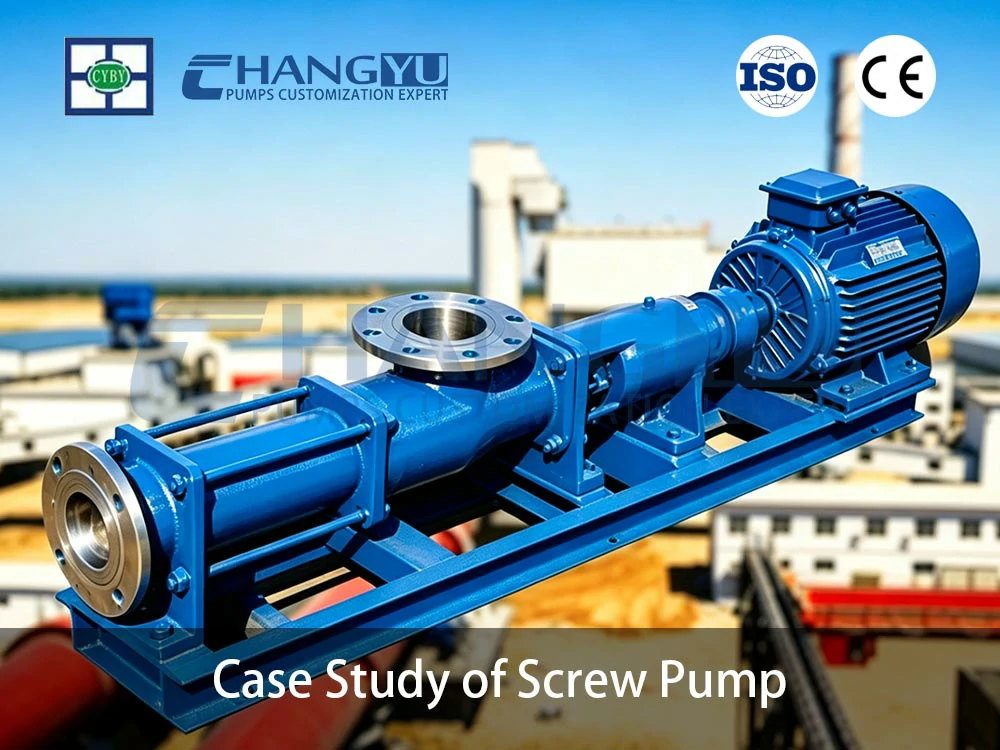
Пример: Перекачка мазута — выход из строя центробежного насоса при скачках вязкости
Применение: На морском терминале в Юго-Восточной Азии осуществлялась перекачка мазута (IFO 380) из резервуаров на бункерные баржи. Существующий центробежный насос был рассчитан на вязкость мазута при 100 °C (около 35 сСт), однако фактическая перекачка часто происходила при температуре 40–60 °C, при которой вязкость колебалась в диапазоне 180–380 сСт.
Исходные параметры неисправности:
- Насос: центробежный, двигатель мощностью 30 кВт, 2950 об/мин
- Номинальный расход: 80 м³/ч при напоре 60 м
- Фактическая рабочая вязкость: 180–380 сСт (холодный мазут при температуре 40–60 °C)
- Типы неисправностей: падение расхода до 30–40 м³/ч при холодном пуске; три случая выхода из строя механического уплотнения за 12 месяцев; срабатывание защиты от перегрузки двигателя в зимние месяцы
- Результат: время погрузки бункерной баржи в условиях использования холодного топлива увеличилось вдвое; каждый случай выхода из строя уплотнения приводил к простою продолжительностью 12–16 часов; накапливались сборы за простой
Анализ первопричин, проведенный инженерами компании Changyu Pump:
Центробежный насос был рассчитан на вязкость мазута в нагретом состоянии (100 °C), а не на самый неблагоприятный сценарий холодного запуска. При температуре 40–60 °C фактическая вязкость, составлявшая 180–380 сСт, в 5–10 раз превышала расчетные значения. При такой вязкости рабочее колесо испытывало значительные потери на трение, гидравлический КПД падал примерно до 40–45 %, а двигатель потреблял избыточный ток для поддержания скорости — работая с мощностью 28–32 кВт при номинальной мощности двигателя 30 кВт. Отказы механического уплотнения были вторичными — вызванными вибрацией от кавитации во время холодного пуска и увеличенным прогибом вала из-за работы вдали от точки максимальной эффективности насоса. Такая частота отказов — три замены уплотнений за 12 месяцев — соответствует ускорению MTBF в 3–4 раза, наблюдаемому инженерами Changyu Pump для центробежных насосов, работающих при вязкости выше 200 сСт (см. раздел 3).
Решение Changyu Pump:
- Центробежный насос был заменен на одношнековый насос Changyu серии G с производительностью 80 м³/ч при напоре 60 м
- Статор: NBR (нитрил) — совместим с топочным мазутом во всем диапазоне температур от 0 до 100 °C
- Двигатель: 22 кВт, 480 об/мин — потребляемая мощность ниже, чем у центробежного насоса, несмотря на одинаковые значения расхода и напора, благодаря значительно более высокому КПД при фактической рабочей вязкости. Рабочая скорость 480 об/мин является ключевым фактором, обеспечивающим более низкое энергопотребление
- Установлен датчик температуры статора с сигнализацией при 120 °C для защиты от работы всухую
- Существующий всасывающий трубопровод был достаточным (200 мм против 150 мм на входе насоса — соотношение 1,33:1, что является приемлемым для данного диапазона вязкости)
- Клапан сброса давления, установленный между насосом и первым запорным клапаном
Результаты после установки:
- Расход стабилизировался на уровне 78–82 м³/ч во всем диапазоне температур (40–100 °C) независимо от вязкости топлива
- Потребляемая мощность двигателя при 480 об/мин: 18–20 кВт (винтовой насос, в режиме установившегося режима) против 28–32 кВт (центробежный насос, в режиме перегрузки) — снижение энергопотребления на 35–40%
- За первые 18 месяцев эксплуатации не было зафиксировано ни одного случая выхода из строя механического уплотнения
- Время загрузки бункера сокращено на 40% при работе на холодном топливе
- В течение следующего года на терминале были установлены еще два насоса Changyu серии G для других линий перекачки топлива
Основной вывод из данного случая:
При подборе насоса для мазута или любой другой жидкости с широким диапазоном зависимости вязкости от температуры всегда следует исходить из максимальной вязкости при холодном пуске, а не из вязкости при работе с подогревом. Центробежный насос, рассчитанный на 35 сСт, выйдет из строя при 380 сСт. Винтовой насос справляется с обоими условиями, сохраняя стабильную эффективность. Только за счет экономии энергии затраты на замену насоса окупились за 14 месяцев.
9. Краткое сравнение
Прежде чем перейти к обзору продукта и окончательной рекомендации, в приведенной ниже таблице представлены наиболее важные критерии выбора в виде единого сравнительного таблицы, к которой можно быстро обратиться во время переговоров о закупке.
Таблица: Шнековый насос и центробежный насос — краткое сравнение
| Аспект принятия решений | Центробежный насос | Винтовой насос | Победитель |
|---|---|---|---|
| Оптимальный диапазон вязкости | < 200 сСт | > 200 сСт | Зависит от жидкости |
| Вязкость 500 сСт | 35–45% | 70–80% | Винтовой насос |
| Обрабатывает твердые вещества/частицы | Нет | Да | Винтовой насос |
| Обеспечивает удаление увлеченного газа | Нет (теряет статус «избранного») | Да (двухшнековый) | Винтовой насос |
| Жидкости, чувствительные к сдвигу | Нет (высокий сдвиг) | Да (низкий сдвиг) | Винтовой насос |
| Высокая пропускная способность (> 500 м³/ч) | Да | Ограниченный | Центробежный |
| Покупная цена | Нижний | Выше | Центробежный |
| Пятилетняя совокупная стоимость владения (при вязкости 500 сСт) | $95 000–$103 000 | $55 000–$65 000 | Винтовой насос |
10. Какие варианты продукции предлагает компания Changyu Pump?
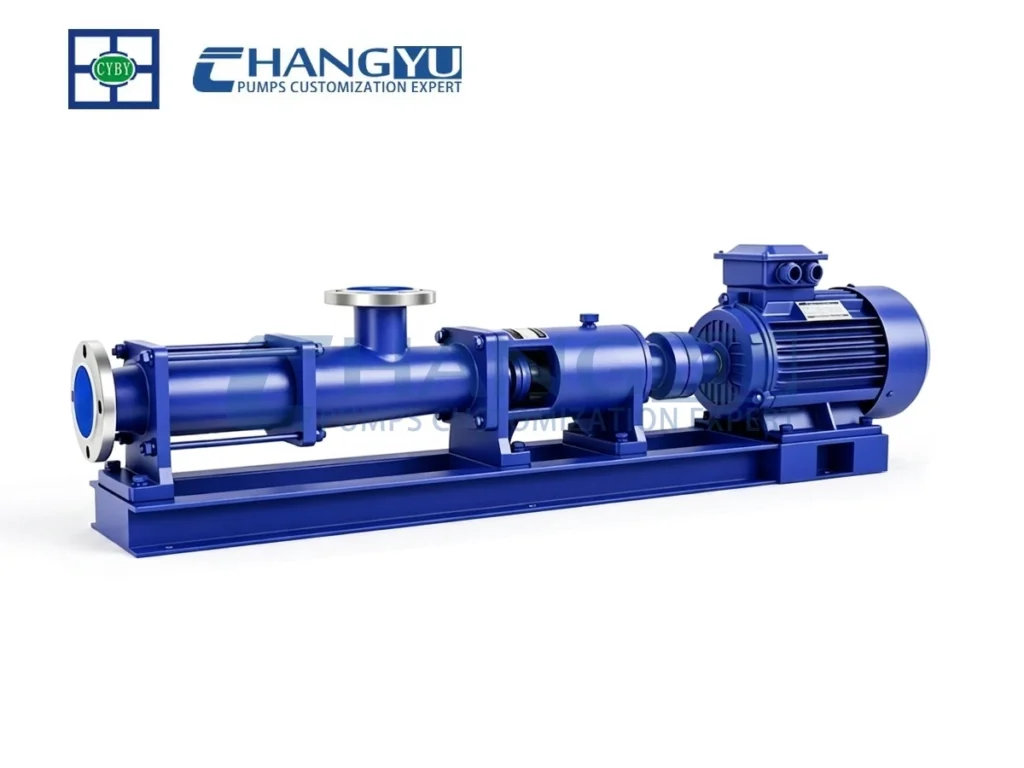
Компания Changyu Pump производит одношнековые насосы серии G — роторные насосы прямого вытеснения, специально разработанные для перекачки жидкостей с высокой вязкостью, содержащих твердые частицы, а также чувствительных к сдвигу. Для многих предприятий, эксплуатирующих центробежные насосы за пределами их оптимального диапазона вязкости, серия G представляет собой прямую альтернативу, обеспечивающую заметное повышение эффективности.
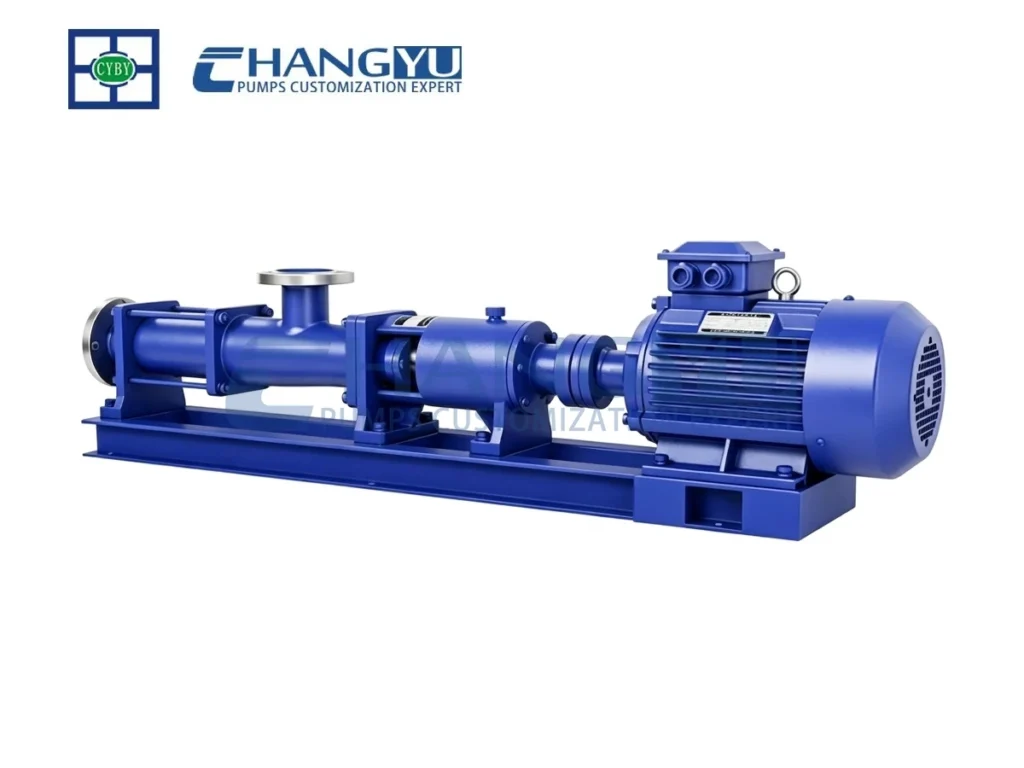
Отличительной особенностью серии Changyu G-type является сочетание диапазона скоростей 400–960 об/мин — намеренно заниженного по сравнению со стандартными скоростями центробежных насосов для увеличения срока службы статора — и наличия всех четырёх основных эластомеров статора (NBR, EPDM, FKM, PTFE) от одного производителя, что исключает риск несовместимости при использовании оборудования от разных поставщиков.
Технические характеристики одношнекового насоса Changyu серии G
Таблица: Технические характеристики винтового насоса типа G
| Параметр | Технические характеристики |
|---|---|
| Тип насоса | Одношнековый / винтовой |
| Диапазон расхода | 0–200 м³/ч |
| Диапазон голов | 60–120 м (в зависимости от модели и количества каскадов статора) |
| Мощность двигателя | 0,55–37 кВт |
| Диапазон скоростей | 400–960 об/мин |
| Средняя температура | -20°C до 150°C |
| Материалы для изготовления корпуса, поддающиеся индивидуальной настройке | Чугун, нержавеющая сталь |
| Доступные эластомеры статора | НБР, ЭПДМ, ФКМ, ПТФЭ |
Посмотреть технические характеристики винтового насоса Changyu G-Type →
11. Какой насос выбрать? Заключительная рекомендация
Выбор между винтовым и центробежным насосом не сводится к тому, что один из них универсально лучше другого — речь идет о подборе насоса с учетом характеристик перекачиваемой жидкости. Если жидкость жидкая, чистая и имеет высокую пропускную способность, центробежный насос остается более экономичным выбором. Если жидкость вязкая, содержит твердые частицы или газ либо чувствительна к сдвигу, винтовой насос является технически правильным выбором — и в большинстве случаев при вязкости выше 200 сСт — более экономичным.
Окончательная рекомендация инженерной группы Changyu Pump: если вязкость вашей жидкости при минимальной температуре перекачки превышает 200 сСт, выбирайте винтовой насос. Не позволяйте более низкой начальной стоимости покупки обернуться многолетним повышенным энергопотреблением, более частым техническим обслуживанием и повышенным риском внеплановых простоев. Перед принятием окончательного решения запросите сравнение совокупной стоимости владения (TCO) для ваших конкретных эксплуатационных параметров.
Когда вы будете готовы подобрать винтовой насос для вашего технологического процесса, команда инженеров компании Насос Чанъюй можем провести бесплатную техническую оценку, включая сравнение эффективности с учетом вязкости и расчет совокупной стоимости владения (TCO) на 5 лет с учетом ваших эксплуатационных параметров. Благодаря более чем 20-летнему опыту производства, полному ассортименту эластомеров статора (NBR, EPDM, FKM, PTFE) и документально подтвержденным испытаниям рабочих характеристик каждого насоса, мы гарантируем, что ваш выбор будет технически правильным с самого первого дня.
Часто задаваемые вопросы о винтовых и центробежных насосах
Вопрос: При какой вязкости следует переходить с центробежного насоса на винтовой?
A: Точка перехода составляет примерно 150–250 сСт. При вязкости ниже 150 сСт центробежный насос по-прежнему остается целесообразным выбором, обладая явным преимуществом в эффективности при низких вязкостях. При вязкости выше 250 сС винтовой насос обеспечивает более высокую эффективность и меньшие затраты на электроэнергию. При вязкости выше 500 сС центробежный насос, как правило, не рекомендуется.
Вопрос: Может ли центробежный насос перекачивать любые твердые частицы?
Ответ: Центробежные насосы способны прокачивать мелкие мягкие твердые частицы в ограниченных концентрациях, однако абразивные частицы приводят к эрозии рабочего колеса, а волокнистые материалы забивают спиральную камеру. Шнековые насосы справляются с обоими типами без повреждений — благодаря конструкции с прогрессивной полостью твердые частицы проходят сквозь насос, а не измельчаются.
Вопрос: Стоит ли винтовой насос дороже центробежного?
A: Первоначальная стоимость, как правило, выше, но совокупная стоимость владения при работе с вязкими жидкостями значительно ниже. При вязкости 500 сС экономия энергии сама по себе окупает разницу в цене за 4–6 месяцев. За 5 лет винтовой насос позволяет сэкономить примерно 40 000 фунтов стерлингов по сравнению с центробежным насосом при одинаковых условиях эксплуатации.
Вопрос: Можно ли заменить центробежный насос на винтовой насос без изменения трубопровода?
A: Это зависит от диаметра всасывающего трубопровода и имеющегося монтажного пространства. Винтовые насосы требуют более широких всасывающих трубопроводов (не менее 1,5-кратного диаметра впускного отверстия) и занимают больше места. Перед заменой рекомендуется провести оценку технической осуществимости, включая перерасчет NPSH с учетом вязкости при холодном пуске.
Вопрос: Какой насос требует меньшего объема технического обслуживания?
Ответ: Профили технического обслуживания различаются. В центробежных насосах могут возникать непредсказуемые поломки уплотнений и подшипников. В винтовых насосах износ статора носит предсказуемый характер и может быть выявлен с помощью мониторинга расхода. Плановая замена статора позволяет избежать внеплановых простоев, которые, как правило, обходятся в несколько раз дороже, чем плановое техническое обслуживание.
Вопрос: Может ли винтовой насос обеспечивать такой же высокий расход, как центробежный насос?
A: Производительность одношнековых насосов обычно составляет до 200 м³/ч. При расходе свыше 500 м³/ч более целесообразным выбором остаются центробежные насосы. Двухшнековые насосы частично восполняют этот пробел, но при этом требуют более высоких капитальных затрат.
Контрольный список мер по предотвращению неисправностей для инженеров компании Changyu Pump
Опираясь на более чем 20-летний практический опыт оценки и замены неправильно подобранных насосов, инженеры компании Changyu Pump рекомендуют следующий порядок действий при подборе оборудования:
- При проектировании всегда следует исходить из максимальной вязкости при холодном пуске, а не из вязкости при работе с подогревом. У мазута, полимеров и химических потоков кривые зависимости вязкости от температуры часто показывают, что вязкость увеличивается в 5–10 раз при переходе от рабочих условий к условиям запуска.
- Не следует полагать, что характеристики центробежного насоса по прокачке воды применимы к вашей жидкости. Запросите кривые эффективности, скорректированные с учетом фактической вязкости вашей жидкости в соответствии со стандартом HI 9.6.7. Многие производители предоставляют данные испытаний только на воде, что может ввести в заблуждение при эксплуатации с вязкими жидкостями.
- Прежде чем принимать решение о покупке, исходя из капитальных затрат, сравните совокупную стоимость владения (TCO). При вязкости свыше 200 сС энергозатраты центробежного насоса перевешивают его преимущество в стоимости уже в течение нескольких месяцев, а не лет.
- Проверьте доступный NPSH, используя вязкость при холодном пуске, а не вязкость при нормальной работе. Потери на трение в всасывающей линии увеличиваются пропорционально вязкости. Система, обеспечивающая достаточный запас давления NPSH при рабочей температуре, может подвергаться кавитации во время холодного запуска.
- Установите защиту от работы всухую на каждый винтовой насос. Реле расхода в сочетании с датчиком температуры статора предотвращает наиболее распространённую причину катастрофического отказа. Это не является опцией.
- При переходе с центробежного насоса на винтовой необходимо проверить диаметр всасывающего трубопровода. Для винтовых насосов, предназначенных для перекачки вязких жидкостей, диаметр всасывающих трубопроводов должен быть не менее чем в 1,5 раза больше диаметра впускного отверстия насоса. Трубопроводы слишком малого диаметра приводят к кавитации независимо от типа насоса.
- Держите на складе запасной статор и механическое уплотнение для насосов, используемых в критически важных технологических процессах. Расходы на хранение незначительны по сравнению с убытками от простоя, связанными с ожиданием запчастей во время внеплановой остановки.
- Подбирайте количество каскадов статора исходя из максимального давления нагнетания, а не из обычного давления. Это обеспечивает необходимый запас прочности на случай сбоев в технологическом процессе, не требуя при этом увеличения размеров насоса.
Заключение
Выбор между винтовым и центробежным насосом в конечном счете зависит от свойств перекачиваемой жидкости и экономической эффективности эксплуатации. Для перекачки жидких, чистых жидкостей с высоким расходом центробежный насос по-прежнему остается отраслевым стандартом — он компактен, экономичен и эффективен в рамках своих конструктивных ограничений. Но когда вязкость превышает 200 сСт, когда в поток попадают твердые частицы или газ, или когда для сохранения целостности продукта требуется низкое сдвиговое усилие, винтовой насос — это не просто альтернатива, а правильный инженерный выбор. Данные по совокупной стоимости владения подтверждают это: при вязкости 500 сС винтовой насос позволяет сэкономить примерно 140 000 фунтов стерлингов за 5-летний период по сравнению с центробежным насосом, при этом разница в первоначальной стоимости окупается в течение 4–6 месяцев за счет одной только экономии энергии.
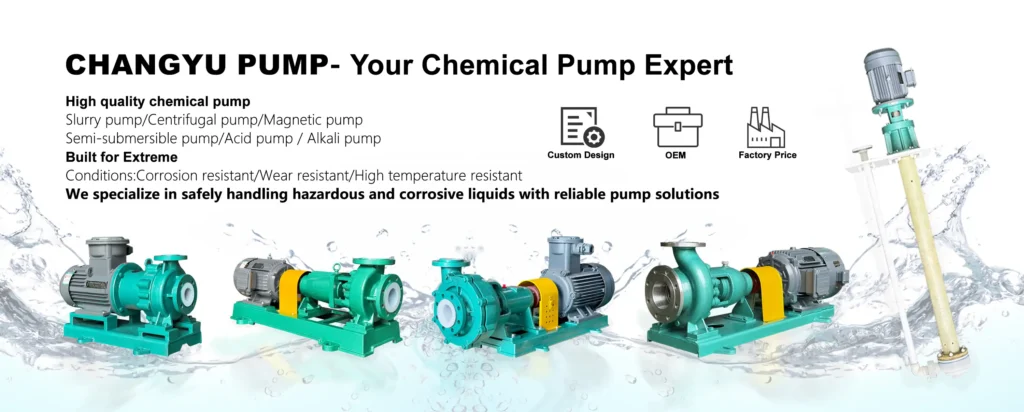
Когда вы будете готовы выбрать насос, подходящий для конкретных условий вашего технологического процесса, инженерная команда Changyu Pump готова провести бесплатную техническую оценку, включая сравнение эффективности с учетом вязкости жидкости и расчет совокупной стоимости владения (TCO) на 5 лет с учетом ваших эксплуатационных параметров. Благодаря более чем 20-летнему опыту, полному ассортименту эластомеров статора и производству в соответствии со стандартом API 676, мы гарантируем, что ваш выбор насоса будет правильным с самого начала.
Свяжитесь с инженерами компании Changyu Pump для получения бесплатной технической оценки →