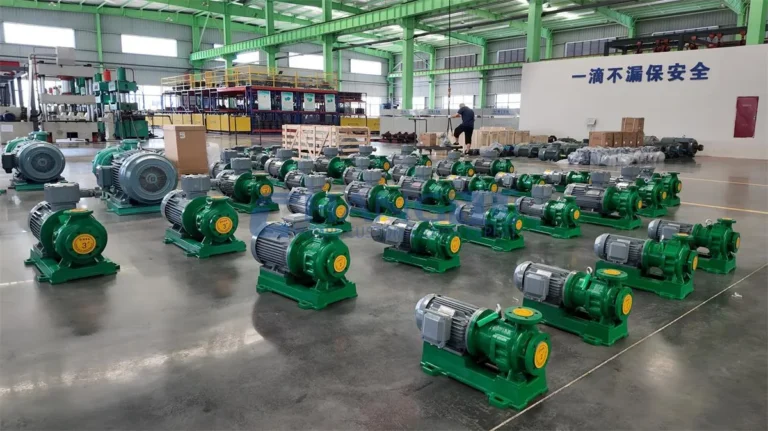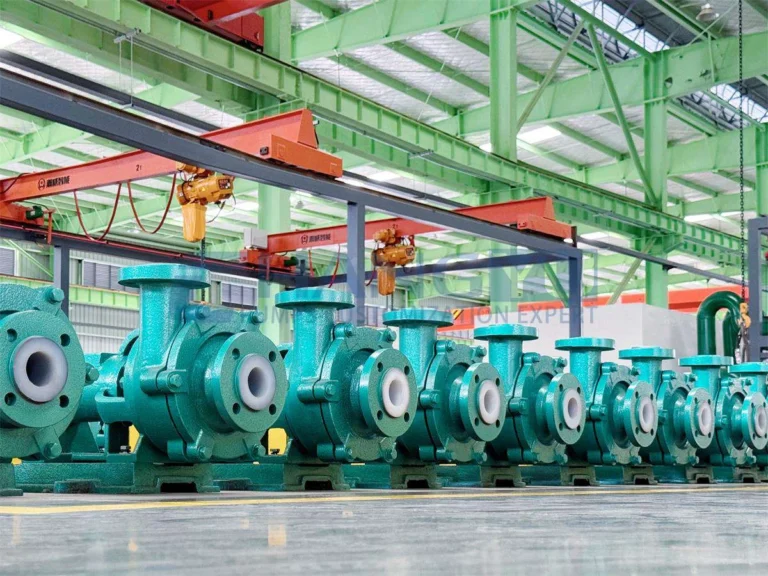
Vertical pump selection is driven by installation reality as much as by hydraulic performance. In many industrial systems, a vertical arrangement is chosen because the liquid source is below grade, the piping layout is strictly limited, or the application demands high pressure within a compact footprint.
A vertical pump is not a single, universal design. It is a broad category that encompasses vertical inline pumps, submersible pumps, sump pumps, multistage pumps, and turbine pumps. Each configuration solves a specific combination of pressure demand, installation geometry, and liquid handling requirements.
This guide explores what a vertical pump is, the primary pump types available, their industrial applications, and how to evaluate materials and duty points to select the most reliable solution for your facility.
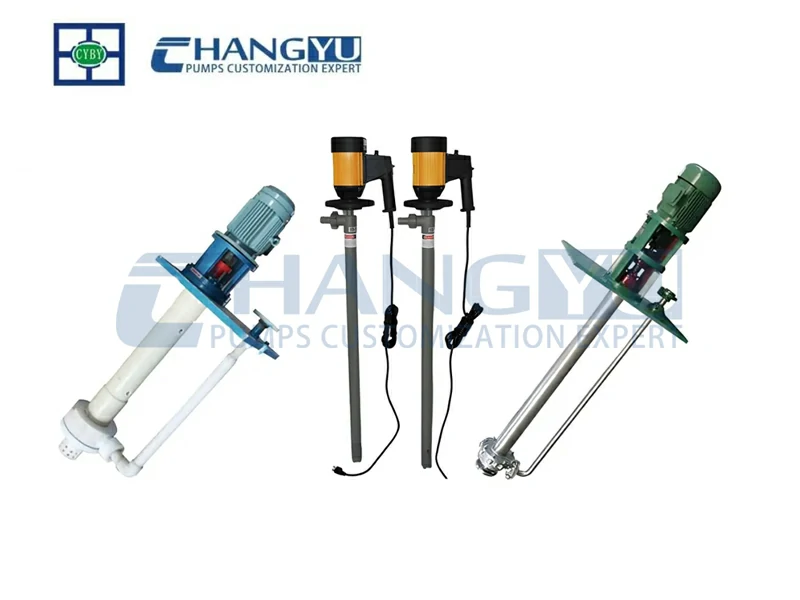
What Is a Vertical Pump?
A vertical pump features a vertical shaft arrangement and an upright structure. It is engineered for applications where space constraints, suction conditions, or deep-source liquid lifting make a traditional horizontal pump impractical or inefficient.
Most vertical pumps operate on the same core hydraulic principle as a standard центробежный насос—an impeller adds kinetic energy to the fluid. However, the vertical orientation fundamentally changes how the pump integrates into the system:
- It reduces the required floor footprint.
- It allows the wet end to be submerged directly into pits, tanks, or wells.
- It aligns naturally with vertical piping systems.
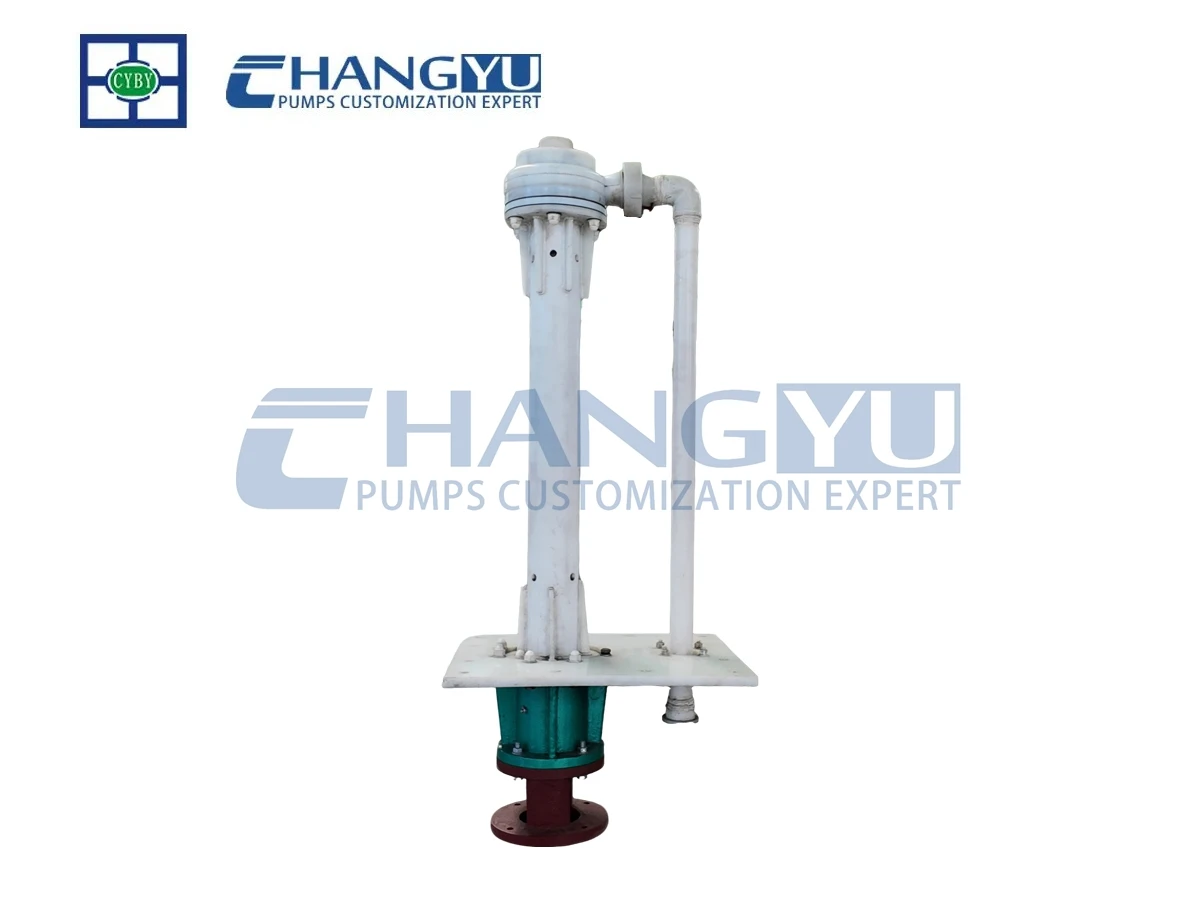
Main Types of Vertical Pumps
Not all vertical pumps serve the same purpose. Selecting the wrong type can lead to premature wear, cavitation, or excessive maintenance downtime. Below are the most common configurations used in industrial and chemical service.
Vertical Pump Type Comparison
| Pump Type | Best Suited For | Main Advantage | Key Selection Checkpoint |
|---|---|---|---|
| Vertical Inline Pump | Compact pipe-mounted fluid transfer | Saves floor space; integrates directly into the pipeline | Check pipe stress, liquid corrosiveness, and support structure |
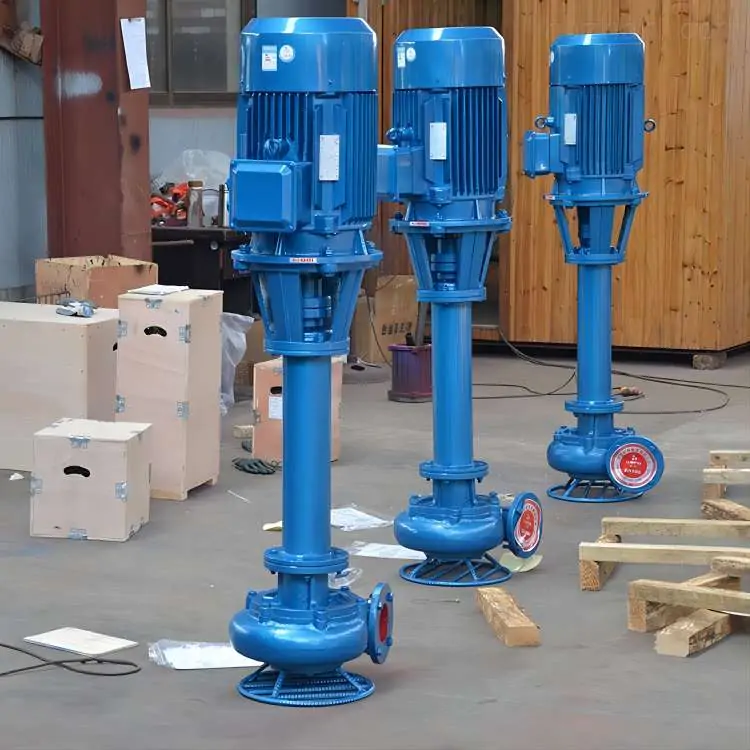
| Vertical Submersible Pump | Tanks, pits, and wet-well service | Practical immersed operation; eliminates suction lift issues | Check immersion depth, chemical compatibility, and cable sealing |
| Vertical Sump Pump | Collection pits and industrial sump duty | Ideal for lifting liquid from below-grade reservoirs | Confirm pit dimensions, shaft length, and solids handling |
| Vertical Multistage Pump | High-head and pressure-boosting | Delivers high pressure efficiently in a very compact footprint | Verify head requirement, NPSH available, and operating range |
| Vertical Turbine Pump | Deep wells and deep-source lifting | Effective for lifting water from extreme depths | Check setting depth, column design, and well straightness |
Where Are Vertical Pumps Used?
Vertical pumps are deployed across municipal water supply, chemical processing, HVAC cooling circuits, wastewater treatment, and power generation. The exact application dictates the required pump architecture:
- Compact Process Piping: Vertical inline pumps are used for circulation and transfer where floor space is at a premium.
- Below-Grade Liquid Storage: Vertical submersible and sump pumps handle industrial wastewater, chemical sumps, and drainage pits where the pump must operate in or above the liquid.
- High-Pressure Systems: Vertical multistage pumps are the standard choice for boiler feed, reverse osmosis (RO) systems, and industrial washdown stations.
- Deep Water Extraction: Vertical turbine pumps handle raw water intake from rivers, oceans, and deep underground aquifers.
How to Choose the Right Vertical Pump
With over 20 years of experience in fluid equipment manufacturing, the engineering team at Насос Чанъюй recommends evaluating vertical pumps through a strict step-by-step process.
1. Analyze the Liquid:
Clean water, abrasive wastewater, and corrosive chemicals require entirely different wetted materials. A pump that performs well in municipal water will fail rapidly in sulfuric acid service unless fluoroplastics or specialized alloys are used.
2. Define the Hydraulic Duty:
Determine the required flow rate and total dynamic head (TDH). If the head requirement is exceptionally high, a single-stage pump will be inefficient, and a vertical multistage pump becomes necessary.
3. Evaluate the Installation Layout:
- Is the liquid source in a deep pit? (Consider a submersible or sump pump).
- Is the pump being installed directly into an existing straight pipeline? (Consider an inline pump).
4. Consider Maintenance Access:
Vertical pumps—especially long-shaft sump pumps or deep-well turbines—require overhead clearance for lifting and maintenance. Ensure your facility has the necessary headroom and crane access before finalizing the design.
Recommended Vertical Pump Solutions from Changyu Pump
To match the diverse needs of chemical and industrial sectors, Насос Чанъюй engineers and manufactures several specialized vertical pump series.
Fluorine-Lined Vertical Centrifugal Pipeline Pumps
Designed specifically for corrosive liquid transfer, this vertical inline chemical pump features a robust fluorine lining. It is the ideal solution when you need to transfer aggressive chemicals but are strictly limited by floor space and require direct pipeline integration.

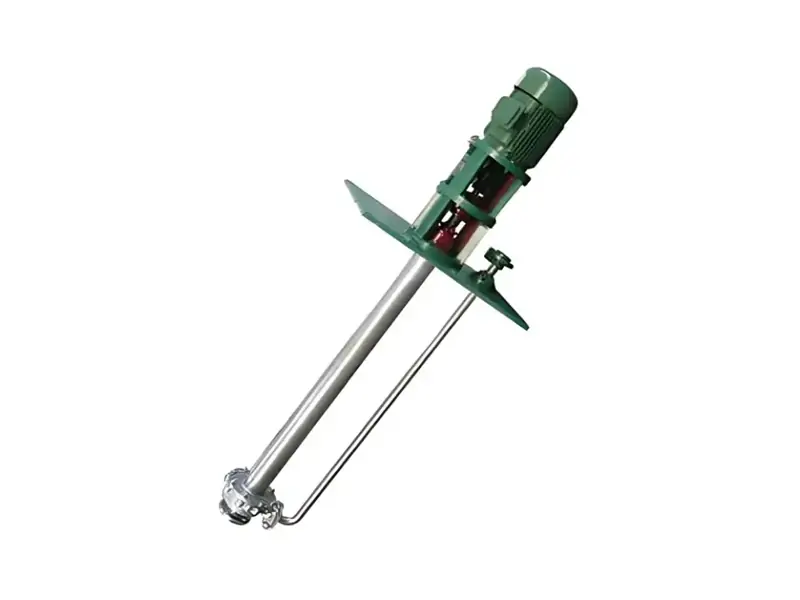
Stainless Steel Vertical Submersible Pump
For wet installations, tanks, and wastewater pits, this stainless steel vertical submersible pump offers excellent general corrosion resistance and durability. It completely eliminates the priming issues associated with surface-mounted pumps pulling from a deep pit.
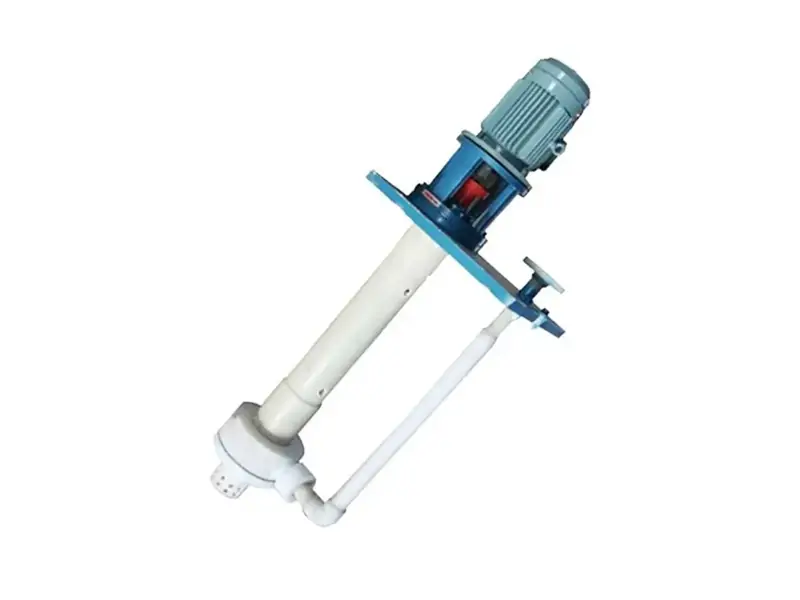
Погружной насос из фторопласта
When dealing with highly corrosive acids or alkalis stored in sumps or tanks, standard metals will fail. This fluoroplastic submersible pump provides extreme chemical resistance in a submerged configuration, making it a highly reliable choice for chemical plants and electroplating facilities.
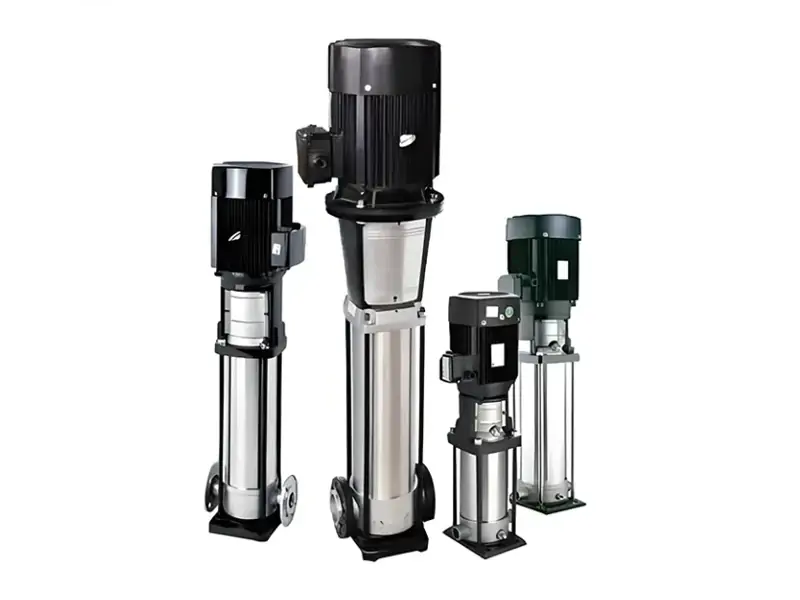
Вертикальный многоступенчатый центробежный насос
When your application requires significant pressure boosting—such as in filtration, high-pressure washing, or water treatment—this vertical multistage pump stacks multiple impellers to build high head efficiently while occupying minimal floor space.
Installation, Quality Control, and Maintenance
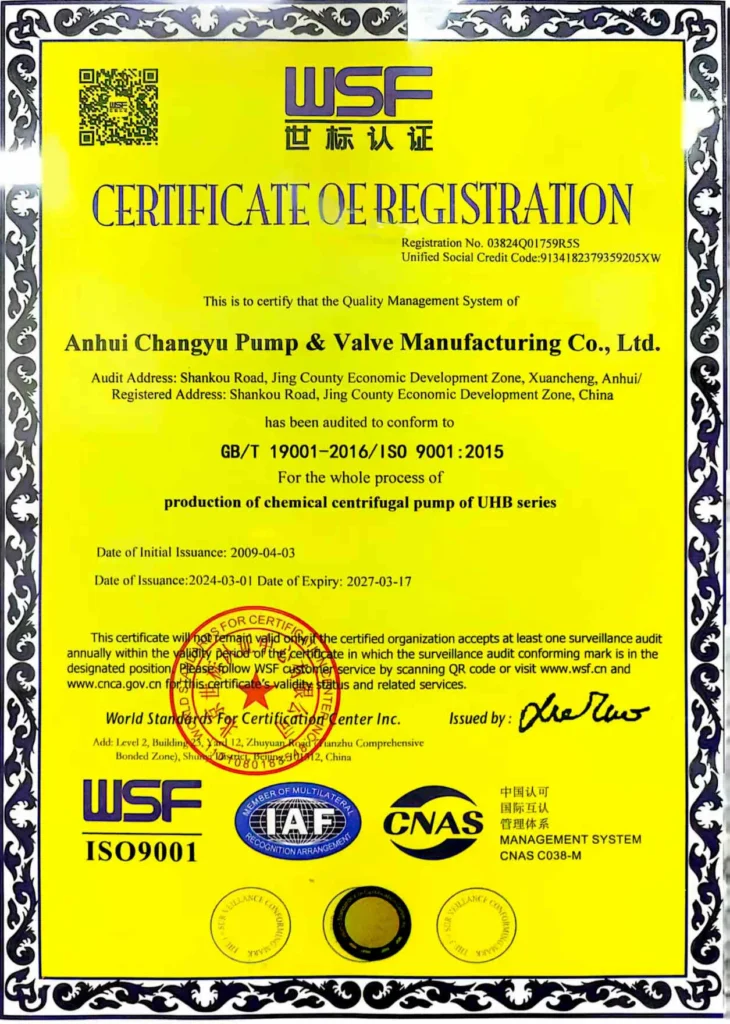
The reliability of a vertical pump is heavily dependent on proper installation and manufacturing quality. At Насос Чанъюй, strict quality control protocols ensure that shaft runout tolerances and dynamic balancing meet industry standards, which is critical for vertical configurations to prevent excessive vibration.
Key Installation Rules:
- Alignment & Piping Stress: For vertical inline pumps, the piping must be independently supported. The pump flanges should never bear the weight of the pipes, as this causes casing distortion and mechanical seal failure.
- Foundation: Vertical multistage and turbine pumps require a perfectly level foundation to prevent shaft deflection.
- Submerged Conditions: For submersible models, always verify the minimum submergence level to prevent the pump from drawing in air (vortexing) or running dry.
Routine maintenance should include monitoring vibration levels, checking mechanical seal integrity, and ensuring that motor bearings are properly lubricated according to the operating cycle.


Заключение
Choosing the right vertical pump means moving beyond basic flow and head parameters. It requires matching the pump’s architectural type—inline, submersible, sump, multistage, or turbine—to your exact installation geometry and fluid characteristics.
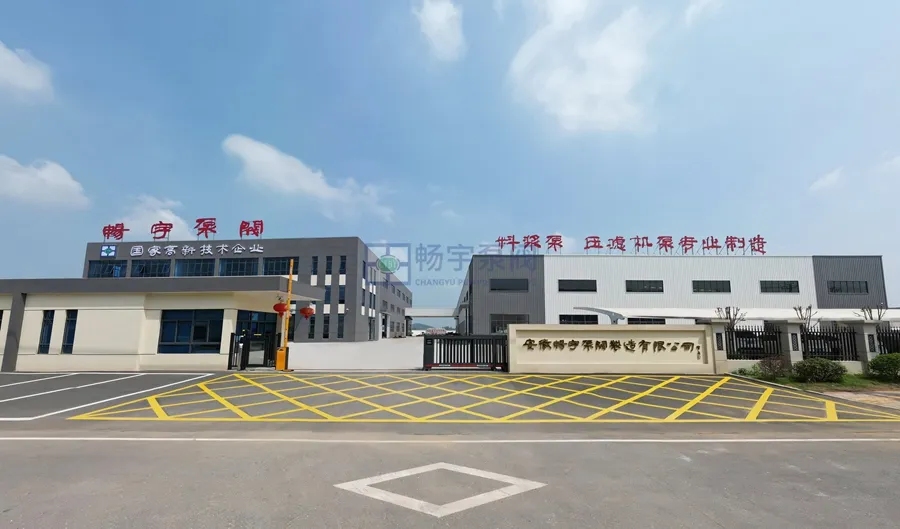
Whether you are handling clean water in a high-rise building or pumping corrosive acids from a collection pit, Насос Чанъюй has the manufacturing expertise to provide a reliable solution. Contact our engineering team today with your liquid specifications, head, flow rate, and layout details for a customized pump quotation.
FAQs about Vertical Pump.
Q1: What is a vertical pump used for?
A: A vertical pump is used to move liquids in applications where floor space is limited, the liquid is stored in a pit or tank, or the system requires high pressure in a compact, upright footprint.
Q2: What is the difference between a vertical inline pump and a vertical multistage pump?
A: A vertical inline pump is typically a single-stage pump installed directly into a pipeline for fluid transfer, while a vertical multistage pump contains multiple impellers to generate high pressure for boosting applications.
Q3: When should I choose a vertical submersible pump?
A: Choose a vertical submersible pump when the liquid is stored in a tank, wet well, or pit, and it is more practical or efficient to immerse the pump directly into the fluid than to use a suction pipe.
Q4: Can a vertical pump handle corrosive chemicals?
A: Yes, provided the wetted parts are manufactured from chemically compatible materials, such as fluoroplastics, PTFE linings, or high-grade stainless steel.
Q5: What are the main advantages of a vertical pump over a horizontal pump?
A: The primary advantages are a significantly smaller floor footprint, the ability to operate submerged (in certain designs), and easier integration into vertical piping systems.
Q6: Does a vertical pump need to be primed?
A: Vertical submersible, sump, and turbine pumps are typically self-priming because their hydraulic wet ends are submerged in the liquid. Vertical inline and multistage pumps installed above ground must be primed before operation.
Q7: What causes vibration in a vertical pump?
A: Vibration is commonly caused by poor foundation leveling, unsupported piping transferring stress to the pump casing, worn bearings, or operating the pump too far from its Best Efficiency Point (BEP).
Q8: What information is needed to size a vertical pump?
A: To accurately size a vertical pump, you must provide the liquid type, temperature, required flow rate, total dynamic head (TDH), and specific details about the installation layout (e.g., pit depth or inline pipe size).