
Giới thiệu: Tại sao việc lựa chọn bơm chuyển bùn lại quan trọng
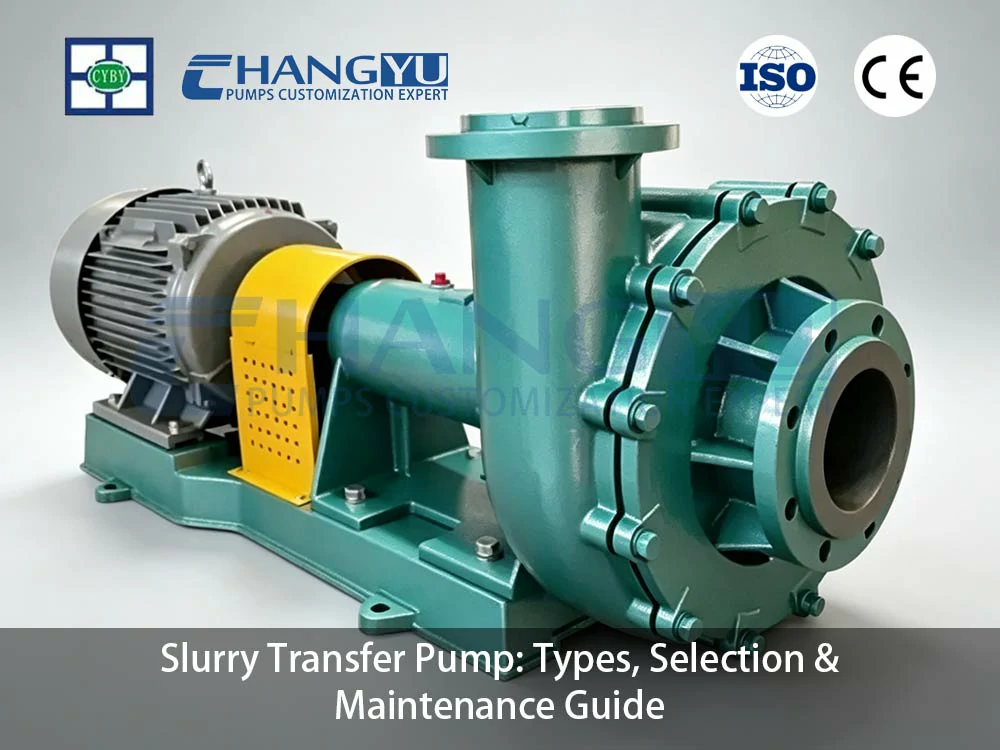
Bơm chuyển bùn Việc lựa chọn bơm là một trong những quyết định kỹ thuật quan trọng nhất trong bất kỳ hoạt động khai thác mỏ, chế biến hóa chất hay sản xuất công nghiệp nào liên quan đến việc xử lý các hỗn hợp rắn-lỏng có tính mài mòn. Bơm đóng vai trò trung tâm trong quy trình của bạn — nếu lựa chọn đúng, nó sẽ mang lại nhiều năm hoạt động đáng tin cậy với chi phí bảo trì có thể dự đoán được. Khi hỗn hợp đó chứa axit, kiềm hoặc các hóa chất ăn mòn khác, quyết định này càng trở nên quan trọng hơn: bạn cần một máy bơm bùn chống ăn mòn có thể chịu được cả sự ăn mòn hóa học lẫn mài mòn cơ học. Nếu lựa chọn không đúng, điều này sẽ trở thành nguyên nhân thường xuyên dẫn đến thời gian ngừng hoạt động ngoài kế hoạch, chi phí sửa chữa ngày càng tăng và tổn thất sản lượng. Các kỹ sư tại Changyu Pump đã quan sát qua hơn hai thập kỷ triển khai thực tế rằng việc lựa chọn đúng bơm chuyển bùn có thể có tuổi thọ cao hơn từ 3 đến 5 lần so với một thiết bị không được thiết kế đầy đủ trong cùng điều kiện vận hành. Cẩm nang này tổng hợp kinh nghiệm đó thành một khung tham chiếu có hệ thống, bao quát các loại sản phẩm, vật liệu, phương pháp lựa chọn, quy trình bảo trì và dữ liệu ứng dụng thực tế — cung cấp thông tin cần thiết để bạn có thể thiết kế một bơm chuyển bùn một cách tự tin.
Mục lục
- Bơm chuyển bùn là gì?
- Tại sao nên tin tưởng hướng dẫn này?
- Các loại bơm chuyển bùn chính là gì?
- Các loại vật liệu nào được sử dụng trong máy bơm chuyển bùn?
- Bơm chuyển bùn hoạt động như thế nào?
- Làm thế nào để chọn bơm chuyển bùn phù hợp?
- Bơm chuyển bùn có những ứng dụng nào?
- Làm thế nào để bảo dưỡng máy bơm chuyển bùn?
- Loại bơm chuyển bùn nào phù hợp với ứng dụng của bạn?
- Bơm Changyu đảm bảo độ tin cậy của bơm chuyển bùn như thế nào?
- Nghiên cứu điển hình: Bơm chuyển bùn của chúng tôi trong ứng dụng xử lý axit photphoric
- Khuyến nghị của các kỹ sư bơm Changyu
1. Bơm chuyển bùn là gì?
A bơm chuyển bùn là một máy bơm ly tâm công suất lớn được thiết kế để vận chuyển các hỗn hợp rắn-lỏng có tính mài mòn — bùn — từ vị trí này sang vị trí khác trong các hệ thống chế biến công nghiệp.
Không giống như các máy bơm chuyển nước thông thường, một bơm chuyển bùn được thiết kế chuyên dụng với các bộ phận vỏ gia cố, các chi tiết tiếp xúc với chất lỏng có khả năng chống mài mòn và các cụm ổ trục chắc chắn, nhằm chịu được lực xói mòn liên tục do các hạt rắn lơ lửng di chuyển với tốc độ cao qua cánh quạt và vỏ xoắn ốc của máy bơm. Khi thành phần lỏng của hỗn hợp bùn có tính axit hoặc kiềm, máy bơm cũng phải hoạt động như một máy bơm bùn chống ăn mòn, sử dụng các vật liệu chuyên dụng có khả năng chống lại sự phân hủy hóa học cũng như mài mòn cơ học. Những máy bơm này là xương sống hậu cần của các hoạt động cần vận chuyển một cách đáng tin cậy các vật liệu như quặng tinh, xỉ thải, cặn hóa học hoặc tro — thường là trên những quãng đường khá xa — mà không bị hỏng hóc thường xuyên. Để hiểu sâu hơn về cấu trúc chịu tải nặng, hãy tham khảo hướng dẫn của chúng tôi về Thiết kế và lựa chọn bơm bùn công suất lớn.
2. Tại sao nên tin tưởng hướng dẫn này?
Các khuyến nghị trong hướng dẫn này được đúc kết từ hơn 20 năm kinh nghiệm thực tiễn trong lĩnh vực kỹ thuật về thiết kế, sản xuất và triển khai tại hiện trường bơm chuyển bùn các giải pháp trong các lĩnh vực khai thác mỏ, chế biến hóa chất, sản xuất phân bón và sản xuất điện. Đội ngũ kỹ sư của chúng tôi đã ghi nhận các nguyên nhân gây hỏng hóc làm giảm tuổi thọ của máy bơm — hiện tượng mài mòn cánh quạt do các hạt có góc cạnh, hiện tượng thủng vỏ máy do sự kết hợp giữa ăn mòn và mài mòn, hỏng ổ trục do chất rắn xâm nhập, và hiện tượng rò rỉ vòng đệm kéo dài. Mỗi nguyên nhân hỏng hóc đều gây ra chi phí ngừng hoạt động thực tế cho các nhà vận hành — và mỗi nguyên nhân đó đều là cơ sở để chúng tôi cải tiến thiết kế trong các dòng sản phẩm hiện tại.
3. Các loại bơm chuyển bùn chính là gì?
Việc nắm rõ các cấu hình của máy bơm là điều cần thiết trước khi đánh giá các mẫu máy cụ thể. Loại bơm chuyển bùn Lựa chọn của bạn sẽ ảnh hưởng trực tiếp đến tính linh hoạt trong lắp đặt, khả năng tiếp cận để bảo trì và chi phí vận hành lâu dài.
3.1 Bơm chuyển bùn ngang
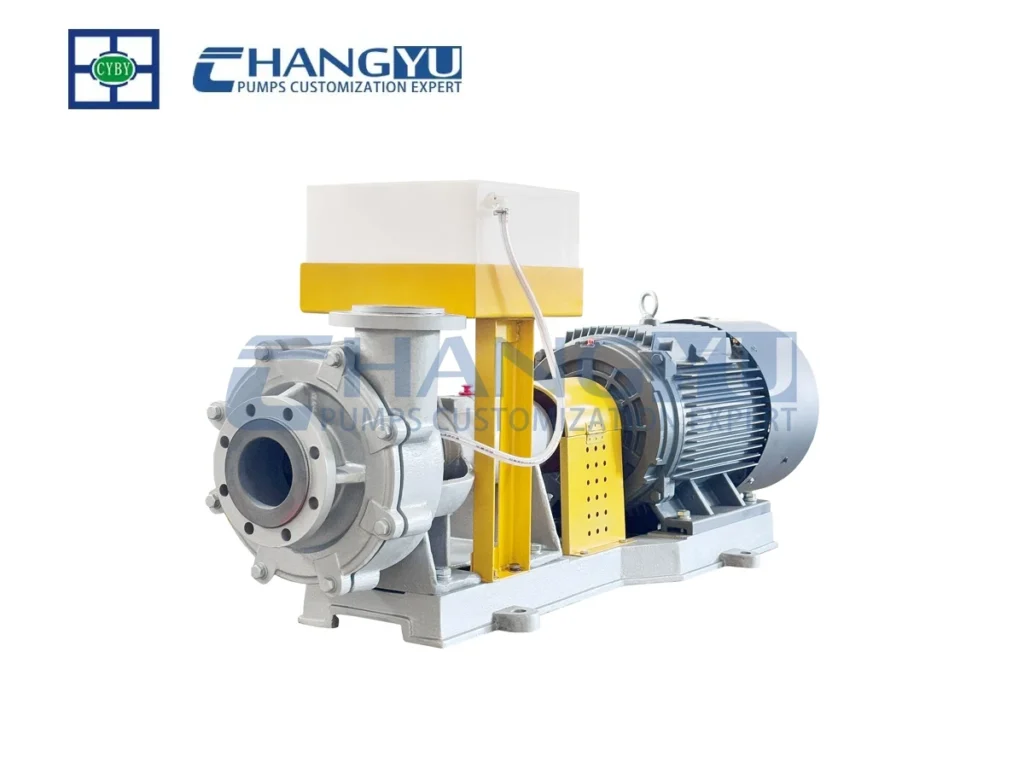
Chiều ngang bơm chuyển bùn là cấu hình được ứng dụng rộng rãi nhất trong các nhà máy khai thác và chế biến. Được lắp đặt khô trên tấm đế, với trục hướng ngang, các máy bơm này cung cấp lưu lượng cao ngay cả khi phải bơm ở cột áp lớn. Thiết kế ổ trục dạng đòn bẩy giúp cách ly cụm ổ trục khỏi phần tiếp xúc với chất lỏng — một đặc điểm quan trọng khi bơm các chất lỏng có tính mài mòn. Máy bơm ngang đặc biệt hiệu quả trong việc cấp liệu cho máy ly tâm thủy lực, vận chuyển bùn thải và xả sản phẩm từ máy nghiền — bất kỳ công việc nào yêu cầu chuyển tải khối lượng lớn liên tục.
3.2 Máy bơm chuyển bùn dạng đứng và dạng đòn bẩy
Dọc bơm chuyển bùn Các thiết kế này đặt động cơ ở vị trí cao hơn mực nước, với trục dài kéo dài xuống đáy bể. Cấu trúc đòn bẩy giúp loại bỏ hoàn toàn các ổ trục ngâm trong nước, khiến chúng trở thành lựa chọn lý tưởng cho việc thoát nước đáy bể, thu gom nước rửa sàn và thu hồi chất thải từ nhà máy, nơi máy bơm có thể hoạt động trong điều kiện ngâm một phần.
3.3 Máy bơm chìm chuyển bùn
Chìm bơm chuyển bùn Các thiết bị này tích hợp động cơ và bơm thành một cụm kín duy nhất, hoạt động hoàn toàn dưới nước. Được trang bị cánh khuấy để giữ cho các chất rắn lắng đọng ở trạng thái lơ lửng, các thiết bị hiện đại có thể xử lý nồng độ chất rắn lên đến 70% theo trọng lượng — là giải pháp không thể thiếu cho các hố thu nước sâu, khó tiếp cận và các hoạt động nạo vét.
3.4 Bảng so sánh các loại
| Yếu tố lựa chọn | Ngang | Cầu dầm đơn phía dọc | Chìm |
|---|---|---|---|
| Cài đặt | Lắp đặt khô trên tấm đế | Động cơ đặt trên mặt nước | Chìm hoàn toàn |
| Phù hợp nhất | Hệ thống xử lý cố định, công việc có cột áp cao | Hố thu nước, hố chứa, mực nước dao động | Hố sâu, nạo vét |
| Quyền truy cập bảo trì | Dễ dàng tiếp cận phần ướt | Có lối đi dành cho xe máy | Yêu cầu truy xuất đơn vị |
| Xử lý vật liệu rắn | Tối đa 40% theo trọng lượng | Tối đa 40% theo trọng lượng | Lên đến 70% kèm bộ khuấy |
| Dung sai trong quá trình chạy thử | Số lượng có hạn | Chịu được tình trạng ngắt quãng | Yêu cầu ngâm trong nước |
4. Những vật liệu nào được sử dụng trong máy bơm chuyển bùn?
Việc lựa chọn vật liệu quyết định xem một bơm chuyển bùn kéo dài trong nhiều năm hoặc nhiều tuần. Các bộ phận tiếp xúc với chất lỏng phải chịu tác động đồng thời của sự mài mòn cơ học và thường là sự ăn mòn hóa học. Đối với các ứng dụng liên quan đến bùn có tính axit hoặc kiềm, việc lựa chọn một máy bơm bùn chống ăn mòn Việc sử dụng vật liệu phù hợp không phải là một sự nâng cấp — đó là yêu cầu kỹ thuật quyết định sự khác biệt giữa hoạt động ổn định và sự cố nghiêm trọng.
4.1 Thép trắng hàm lượng crom cao
Thép trắng hàm lượng crom cao (25-30% Cr) đạt độ cứng Brinell vượt quá 600 BHN — là một trong những vật liệu đúc cứng nhất hiện có. Đây là lựa chọn hàng đầu cho các hạt thô, góc cạnh trong các hỗn hợp bùn khai thác và cốt liệu có độ pH trung tính. Tuy nhiên, khi độ pH dưới 4, quá trình ăn mòn sẽ làm gia tăng tốc độ hao mòn vật liệu theo cấp số nhân.
4.2 Lớp lót cao su
Đối với các hạt mịn, tròn như bùn thải hoặc bùn vôi, lớp lót cao su tự nhiên và polyurethane có khả năng hấp thụ năng lượng va đập. Máy bơm có lớp lót cao su chỉ hoạt động được ở nhiệt độ dưới 70°C và không tương thích với các dung môi mạnh.
4.3 Thép không gỉ hai pha
Thép không gỉ hai pha chẳng hạn như CD4MCu và 2205 giúp lấp đầy khoảng trống giữa lớp lót sắt chứa hàm lượng crom cao và lớp lót nhựa fluoroplastic — mang lại khả năng chống rỗ (pH 2-12) cùng độ cứng hợp lý (280–350 BHN). Điều này khiến chúng trở thành lựa chọn tiết kiệm cho một máy bơm bùn chống ăn mòn Xử lý các chất mang có tính axit nhẹ nhưng độ mài mòn cao, trong điều kiện mà thép chứa hàm lượng crom cao sẽ bị ăn mòn và các vật liệu cao su tổng hợp sẽ bị mòn quá nhanh.
4.4 Lớp lót bằng nhựa fluorocarbon
Đối với các ứng dụng kết hợp ăn mòn và mài mòn — axit mạnh chứa các hạt rắn mài mòn — PTFE, FEP, và UHMW-PE Lớp lót mang lại khả năng chống hóa chất gần như toàn diện. Công nghệ lớp lót đã được kiểm chứng trong thực tế của Changyu Pump sử dụng các lớp ngăn cách bằng nhựa fluorocarbon dày 8–20 mm, có khả năng hấp thụ lực va đập của các hạt đồng thời duy trì sự cách ly hóa học tuyệt đối với vỏ bơm. Đây chính là giải pháp tối ưu cho máy bơm bùn chống ăn mòn được lắp đặt trong các môi trường hóa chất khắc nghiệt. Để biết thêm chi tiết về việc lựa chọn vật liệu cho môi trường ăn mòn, vui lòng tham khảo hướng dẫn về vật liệu cho bơm bùn hóa chất của chúng tôi.
4.5 Bảng lựa chọn vật liệu
| Chất liệu | Độ cứng | Mài mòn | Sự ăn mòn | Nhiệt độ tối đa | Ứng dụng xuất sắc nhất |
|---|---|---|---|---|---|
| Thép có hàm lượng crom cao (Cr25-30%) | Hơn 600 BHN | Tuyệt vời | Thấp (<pH 4) | 110°C | Độ pH trung tính, hạt mài thô |
| Cao su tự nhiên | Elastomer | Tốt | Trung bình | 70°C | Các hạt nhỏ, tròn |
| Polyurethane | Elastomer | Rất tốt | Trung bình | 70°C | Các hạt mịn sắc nhọn |
| Thép không gỉ hai lớp (2205/CD4MCu) | 280–350 BHN | Trung bình | Tốt (pH 2–12) | 110°C | Sự kết hợp giữa ăn mòn và mài mòn |
| Nhựa fluorocarbon (PTFE/FEP/UHMW-PE) | Lớp lót | Trung bình | Tuyệt vời | 90–120°C | Axit mạnh, hỗn hợp bùn hóa chất |
5. Máy bơm chuyển bùn hoạt động như thế nào?
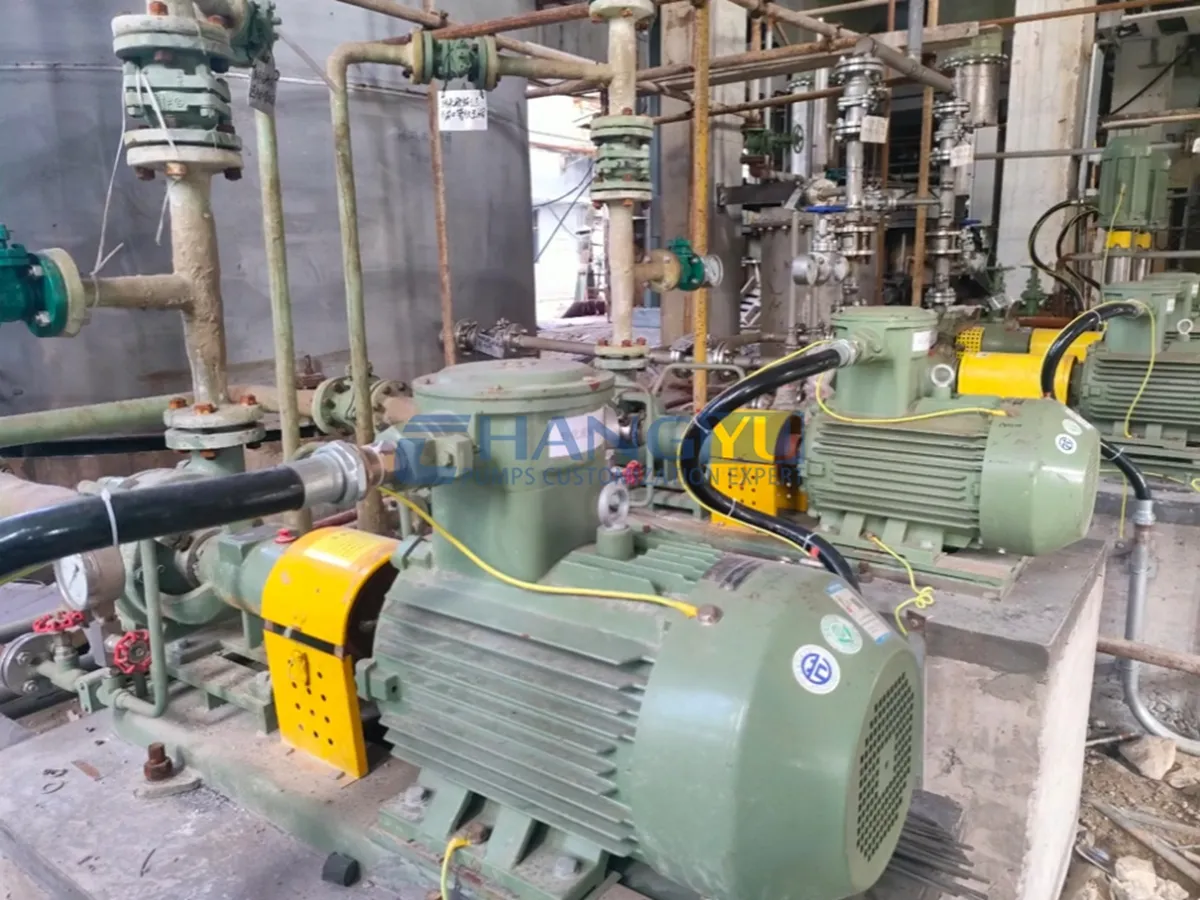
A bơm chuyển bùn hoạt động dựa trên nguyên tắc lực ly tâm — Một cánh quạt quay chuyển đổi năng lượng cơ học từ động cơ truyền động thành năng lượng động học trong chất lỏng. Khi cánh quạt quay với tốc độ thường dao động từ 750 đến 3.450 vòng/phút, hỗn hợp bùn được hút vào tâm cánh quạt và được văng ra ngoài theo hướng xuyên tâm. Hỗn hợp bùn giảm tốc trong vỏ xoắn ốc mở rộng, chuyển đổi vận tốc thành áp suất. Sự gia tăng áp suất này vượt qua độ cao hệ thống — hiệu ứng kết hợp của lực nâng tĩnh, ma sát đường ống và yêu cầu xả — đẩy hỗn hợp bùn qua đường ống đến đích.
Điều này có ý nghĩa như thế nào đối với bạn: Chính vận tốc tạo ra dòng chảy cũng là nguyên nhân gây ra sự mài mòn. Tốc độ đầu cánh quạt trong điều kiện vận hành với bùn thường dao động từ 15 đến 25 m/s, và mức độ mài mòn do xói mòn tỷ lệ thuận với khoảng lập phương của vận tốc này — có nghĩa là việc giảm tốc độ một chút sẽ mang lại hiệu quả giảm mài mòn đáng kể. Đây chính là lý do tại sao tốc độ vận hành của bơm thường là yếu tố có ảnh hưởng lớn nhất mà quý vị có thể kiểm soát. Để tìm hiểu thêm về thiết kế bơm ly tâm, vui lòng tham khảo Hướng dẫn lựa chọn bơm bùn ly tâm.
6. Làm thế nào để chọn máy bơm chuyển bùn phù hợp?
Lựa chọn đúng bơm chuyển bùn Yêu cầu phải lựa chọn thiết kế và vật liệu bơm phù hợp với điều kiện vận hành cụ thể của quý vị. Các kỹ sư ứng dụng của Changyu Pump khuyến nghị áp dụng khung hướng dẫn gồm năm bước sau đây.
Bước 1: Xác định tính chất của hỗn hợp bùn
Đo lường sáu thông số: nồng độ chất rắn, phân bố kích thước hạt, tỷ trọng, pH và thành phần hóa học, nhiệt độ, và độ nhớt. Chỉ cần bỏ sót một biến số cũng có thể làm giảm tuổi thọ dự kiến của máy bơm xuống 50% hoặc hơn. Nếu pH dưới 4 hoặc hỗn hợp chứa các chất oxy hóa mạnh, bạn sẽ cần một máy bơm bùn chống ăn mòn với lớp lót phù hợp hoặc cấu trúc hợp kim.
Bước 2: Xác định điểm làm việc của hệ thống
Tính toán tổng cột áp động (TDH) bằng cách tính đến cột áp tĩnh, tổn thất ma sát dọc theo toàn bộ đường ống (bao gồm các đoạn uốn cong và van), cột áp do vận tốc và các yêu cầu về áp suất xả.
Bước 3: Xác định tốc độ gửi tiền tối đa
Để lắng bùn, hãy duy trì tốc độ dòng chảy ở mức trên tốc độ lưu thông tiền gửi (LDV) — tốc độ tối thiểu mà tại đó các chất rắn vẫn lơ lửng. Hiện tượng này liên quan đến chất lỏng phi Newton hành vi. Hoạt động ở mức áp suất thấp hơn LDV sẽ dẫn đến tắc nghẽn đường ống và làm tăng tốc độ mài mòn.
Bước 4: Phù hợp cấu hình và vật liệu
Chọn loại bơm (ngang, dọc, chìm), vật liệu chế tạo (thép chứa hàm lượng crom cao, cao su tổng hợp, thép duplex, nhựa fluorocarbon) và loại phớt dựa trên các dữ liệu đã thu thập ở trên.
Bước 5: Đánh giá tổng chi phí sở hữu
Tiêu thụ năng lượng (chiếm 60–70% chi phí trong suốt vòng đời), tần suất thay thế các bộ phận hao mòn, chi phí nhân công bảo trì và chi phí ngừng hoạt động — được tính toán trên khoảng thời gian 3–5 năm — cho thấy bức tranh kinh tế thực sự vượt ra ngoài giá mua ban đầu.
7. Bơm chuyển bùn có những ứng dụng nào?
Khai thác và chế biến khoáng sản đây là thị trường lớn nhất, với các máy bơm chuyển bùn được sử dụng để xử lý chất thải từ nhà máy, cấp liệu cho máy ly tâm thủy lực, vận chuyển bùn thải và dẫn dòng quặng tinh — thường trên những quãng đường dài hàng kilômét.
Sản xuất hóa chất và phân bón liên quan đến các hỗn hợp bùn có tính ăn mòn chứa các chất rắn kết tinh. Các nhà máy sản xuất axit photphoric, titan dioxit và phân bón photphat yêu cầu sử dụng máy bơm lót nhựa fluoroplastic hoặc máy bơm thép không gỉ hai lớp — về cơ bản là một máy bơm bùn chống ăn mòn có thể chịu được sự tác động kết hợp của hóa chất và cơ học, vốn có thể làm hỏng các máy bơm bùn tiêu chuẩn chỉ trong vài tuần.
Sản xuất điện dựa vào quá trình khử lưu huỳnh khí thải (FGD) – các hệ thống trong đó bùn vôi được sử dụng để khử SO₂. Bùn thu được có tính axit nhẹ (pH 4–6) nhưng có tính mài mòn cao, do đó cần sử dụng bơm lót cao su hoặc bơm thép không gỉ hai lớp.
Kỹ thuật môi trường các ứng dụng — chuyển bùn thô, loại bỏ cát, xử lý bùn đã phân hủy — kiểm tra độ tin cậy của máy bơm thông qua vận hành liên tục và tải lượng chất rắn thay đổi.
8. Làm thế nào để bảo dưỡng máy bơm chuyển bùn?
Bảo trì phòng ngừa có hệ thống giúp kéo dài thời gian trung bình giữa các lần hỏng hóc thêm 200–400% so với các phương pháp xử lý sự cố.
| Khoảng thời gian | Nhiệm vụ |
|---|---|
| Hàng ngày | Kiểm tra nhiệt độ ổ trục, nước rửa phớt, độ rung |
| Hàng tuần | Kiểm tra tình trạng rò rỉ của gioăng đệm và tình trạng chất bôi trơn |
| Hàng tháng | Đo khe hở của cánh quạt (khe hở mũi), kiểm tra các tấm chống mài mòn |
| Hàng quý | Kiểm tra toàn bộ hệ thống ướt, thay dầu bôi trơn |
| Hàng năm | Tháo rời hoàn toàn, đo đạc tất cả các bộ phận bị mòn |
The khoảng cách giữa mũi — khe hở giữa vỏ che phía trước của cánh quạt và tấm chống mài mòn phía hút — là thông số điều chỉnh quan trọng nhất. Khi khe hở này tăng lên do mài mòn, hiện tượng tuần hoàn nội bộ sẽ làm giảm lưu lượng và hiệu suất. Changyu Pump khuyến nghị điều chỉnh vỏ ổ trục để khôi phục khe hở thiết kế bất cứ khi nào lưu lượng giảm 5-10% so với mức cơ bản ở tốc độ không đổi. Theo dõi năm dấu hiệu cảnh báo chính: lưu lượng giảm dần (xói mòn), rung động đột ngột (tắc nghẽn/xâm thực), công suất tiêu thụ tăng (ổ trục xuống cấp), rò rỉ phớt có thể nhìn thấy và vỏ bị rỗ (ăn mòn).
9. Loại bơm chuyển bùn nào phù hợp với ứng dụng của bạn?
Changyu Pump cung cấp ba dòng sản phẩm riêng biệt bơm chuyển bùn loạt sản phẩm, mỗi loại được thiết kế dành riêng cho từng loại bùn cụ thể.
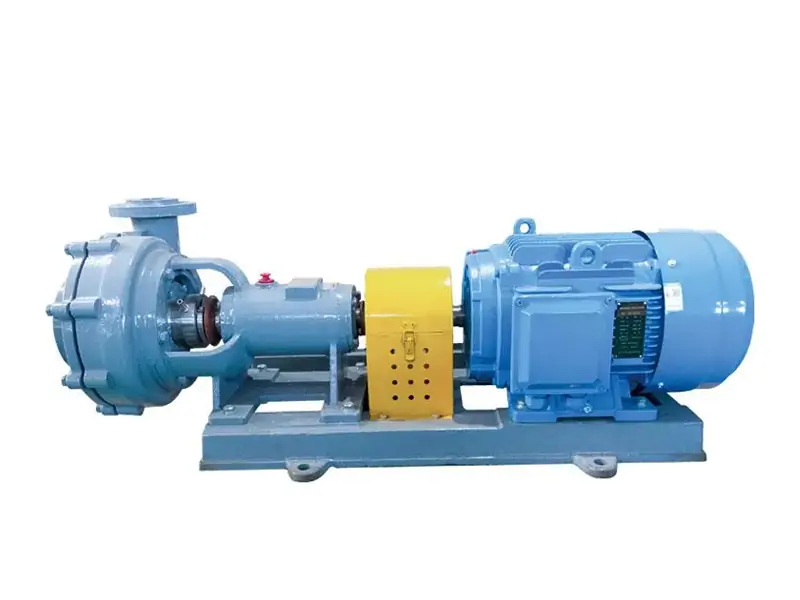
9.1 Bơm chuyển hóa chất ăn mòn series CYB-ZKJ
Được chế tạo với lớp lót FEP (có sẵn PFA cho môi trường nhiệt độ cao), dòng sản phẩm CYB-ZKJ là một máy bơm bùn chống ăn mòn có khả năng xử lý các chất ăn mòn chứa tối đa 20% chất rắn lơ lửng -80°C đến 120°C. Hệ thống này đặc biệt hiệu quả trong việc vận chuyển axit, kiềm, bùn khoáng ăn mòn trong quá trình luyện kim, axit loãng trong sản xuất phân bón và nước thải công nghiệp phức tạp.
Thông số kỹ thuật chính: Lưu lượng 3–2.600 m³/h | Chiều cao cột nước 5–100 m | Công suất 0,75–300 kW | Tốc độ 968–3.450 vòng/phút
9.2 Bơm bùn bằng thép không gỉ dòng HB

Được thiết kế để ISO 2858 và các tiêu chuẩn CE, dòng sản phẩm HB được thiết kế với toàn bộ phần tiếp xúc với chất lỏng bằng thép không gỉ — 304, 316, 316L, 2205, 2507 — dành cho bùn mài mòn và chất lỏng có tính ăn mòn trung bình với nồng độ lên đến 120°C. Máy bơm này mang lại giải pháp tiết kiệm chi phí trong những trường hợp không cần bảo vệ hoàn toàn bằng nhựa fluoroplastic nhưng các vật liệu tiêu chuẩn của máy bơm bùn vẫn có nguy cơ hỏng hóc sớm.
Thông số kỹ thuật chính: Lưu lượng 10–60 m³/h | Cột áp 20–120 m | Công suất 3–45 kW | Tốc độ 2.900 vòng/phút
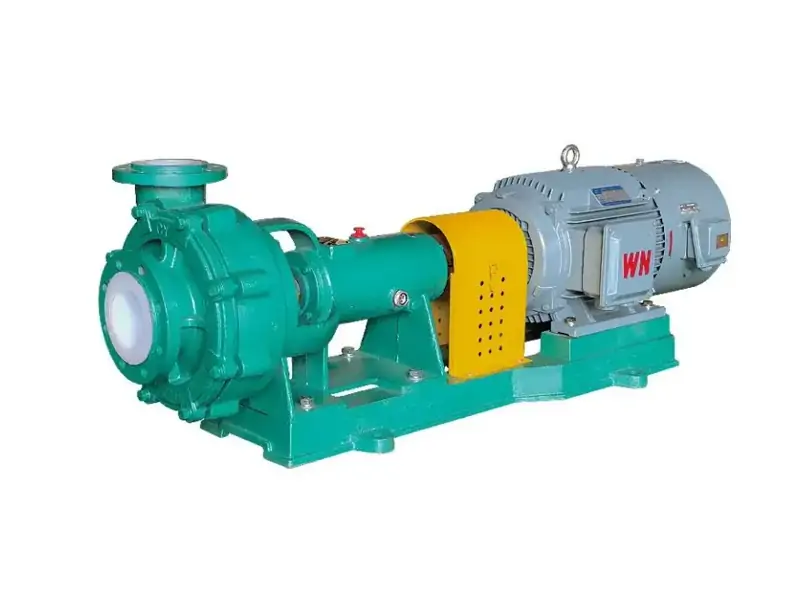
9.3 Bơm bùn axit photphoric ngang series UHB
Được lót bằng UHMW-PE Với độ dày từ 8–20 mm và ứng dụng công nghệ lưới vỏ rùa, dòng sản phẩm UHB là dòng sản phẩm được thiết kế chuyên dụng máy bơm bùn chống ăn mòn đối với axit photphoric, axit sunfuric (≤80%), axit nitric (≤50%), axit clohydric và các dung dịch kiềm lỏng có nồng độ khác nhau. Cánh quạt bán mở và phớt cơ khí dạng ống làm cho sản phẩm này trở thành lựa chọn hàng đầu cho các hỗn hợp bùn hóa chất ăn mòn chứa các chất rắn kết tinh.
Thông số kỹ thuật chính: Lưu lượng 3–2.600 m³/h | Chiều cao cột nước 5–100 m | Công suất 0,75–300 kW | Tốc độ 750–2.900 vòng/phút | Nhiệt độ từ -20°C đến 90°C
10. Changyu Pump đảm bảo độ tin cậy của máy bơm bùn như thế nào?
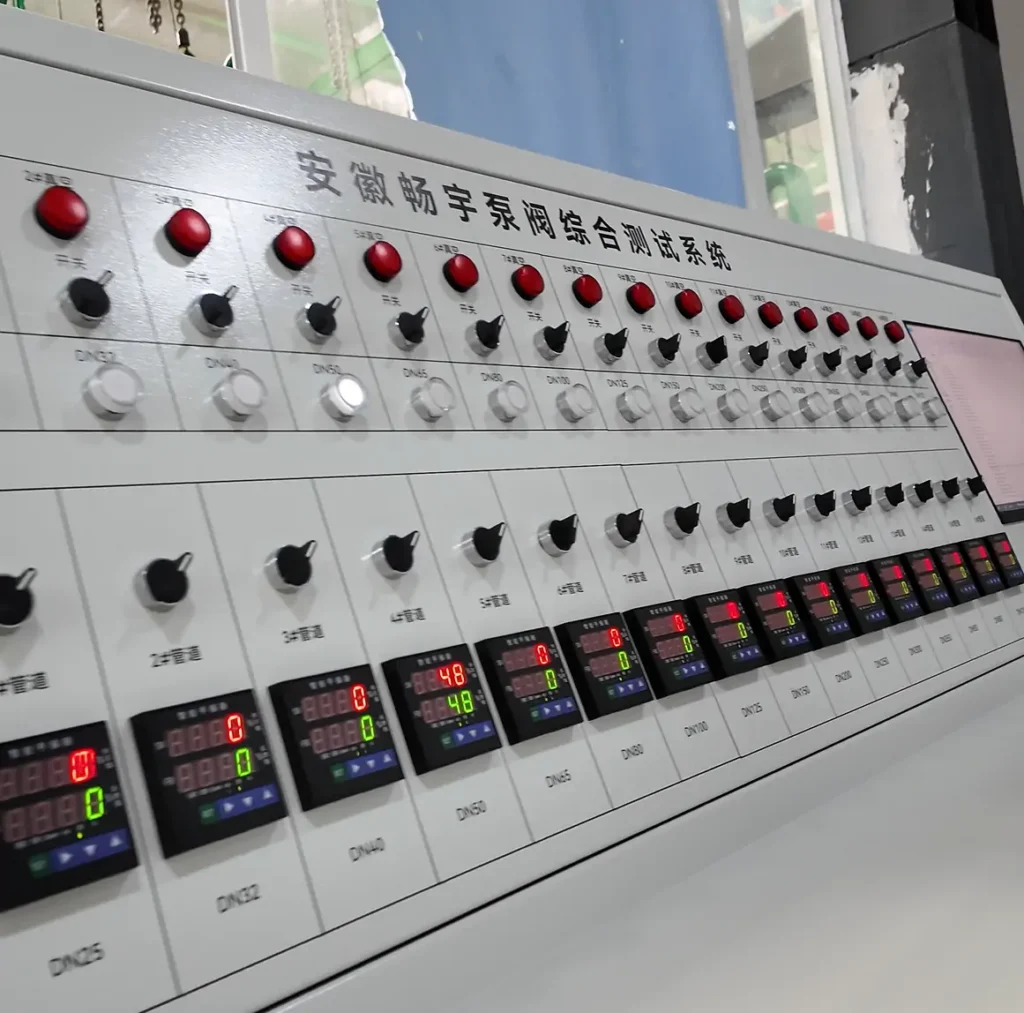
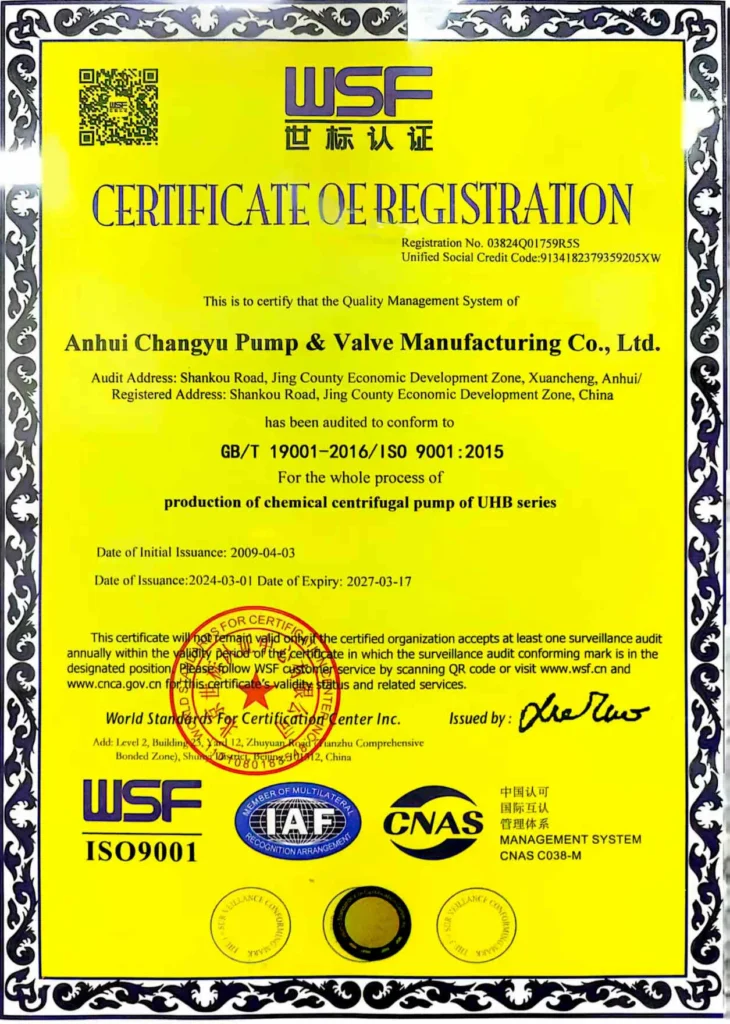
Mỗi bơm chuyển bùn trải qua một quy trình kiểm soát chất lượng nhiều giai đoạn. Phân tích quang phổ xác minh thành phần hóa học của tất cả các loại nhựa fluoroplastic, hợp chất UHMW-PE và các loại thép không gỉ — mỗi lô sản phẩm đều có thể truy xuất nguồn gốc đầy đủ. Kiểm tra trong quá trình sản xuất đo lường kích thước cánh quạt, dung sai vỏ bơm và độ dày lớp lót ở mọi giai đoạn sản xuất, đồng thời sử dụng kiểm tra siêu âm để xác nhận độ đồng đều của lớp phủ. Mỗi máy bơm sau khi lắp ráp đều được thực hiện kiểm tra hiệu suất thủy lực toàn diện tại nhiều điểm tải khác nhau, được đối chiếu với các đường cong đã công bố. Kiểm tra cuối cùng trước khi đóng gói xác nhận mô-men xoắn bu-lông, tính toàn vẹn của phớt, lực nén ban đầu của ổ trục và khả năng quay tự do.


11. Nghiên cứu điển hình: Bơm chuyển bùn của chúng tôi trong ứng dụng axit photphoric
Thách thức của khách hàng: Một nhà sản xuất phân lân ở Bắc Phi phải thay thế các bộ phận tiếp xúc với chất lỏng trên các máy bơm xử lý bùn axit photphoric (pH 1-2, hàm lượng chất rắn 40%, 70°C) cứ sau 5-6 tháng. Chi phí bảo trì hàng năm cho mỗi máy bơm đã vượt quá 52.000 USD.
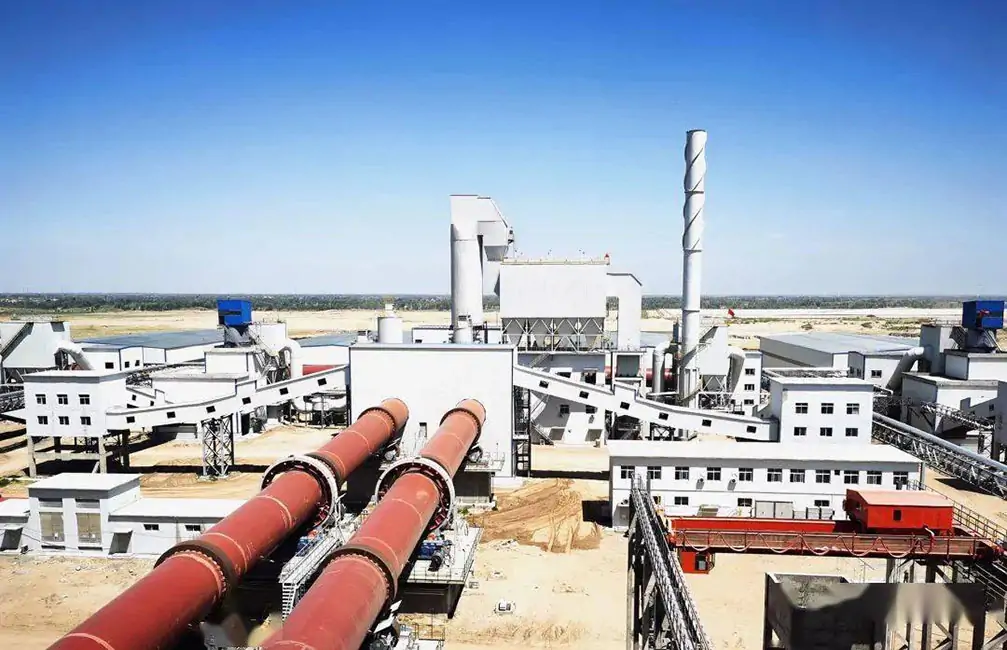
Quyết định kỹ thuật: Các kỹ sư của Changyu Pump đã so sánh vật liệu thép không gỉ siêu duplex 2507 với lớp lót UHMW-PE. Lựa chọn vật liệu nhựa fluorocarbon đã được chọn vì nó loại bỏ hoàn toàn yếu tố ăn mòn — chỉ còn lại mức mài mòn cơ học có thể kiểm soát được — trong khi ngay cả thép không gỉ siêu duplex cũng sẽ bị ăn mòn theo thời gian ở mức pH 1-2. Giải pháp được đề xuất là máy bơm bùn chống ăn mòn từ Dòng UHB với lớp lót UHMW-PE dày 15 mm và phớt cơ khí dạng ống.
Kết quả định lượng (đánh giá sau 18 tháng):
- Thời gian thay thế phần ướt: 5–6 tháng → trên 20 tháng (Cải tiến 300%+)
- Chi phí bảo trì hàng năm giảm khoảng 58%
- Thời gian ngừng hoạt động ngoài kế hoạch giảm hơn 70%
- Lượng nước tiêu thụ của Seal đã giảm 40%
12. Khuyến nghị của các kỹ sư bơm Changyu
Dựa trên hơn 20 năm kinh nghiệm thực tiễn trong lĩnh vực bơm chuyển bùn Đối với các hệ thống trong các ngành khai khoáng, hóa chất và phân bón, các kỹ sư của Changyu Pump đưa ra những khuyến nghị thiết thực sau:
- Hãy bắt đầu mỗi lần lấy mẫu bằng việc phân tích bùn hoàn chỉnh. Việc gửi một mẫu bùn đại diện đến nhà cung cấp máy bơm của quý vị để phân tích trong phòng thí nghiệm sẽ giúp loại bỏ sự phỏng đoán trong quá trình lựa chọn vật liệu. Điều này đặc biệt quan trọng khi xác định các thông số kỹ thuật cho một máy bơm bùn chống ăn mòn, nơi tính tương thích hóa học quyết định tuổi thọ của thiết bị. Chi phí cho phân tích này là không đáng kể so với chi phí phải chịu khi một chiếc bơm bị hỏng sớm.
- Hãy vận hành ở tốc độ thấp nhất đáp ứng được điểm làm việc của máy. Một máy bơm chạy ở tốc độ 1.200 vòng/phút có thể có lưu lượng thấp hơn 15% so với một máy bơm chạy ở tốc độ 1.450 vòng/phút, nhưng việc giảm tỷ lệ hao mòn hơn 30% sẽ trực tiếp giúp kéo dài khoảng thời gian bảo dưỡng và giảm chi phí bảo trì.
- Hãy lập lịch bảo dưỡng dựa trên kết quả đo khe hở mũi. Khoảng cách này — giữa vỏ bảo vệ phía trước của cánh quạt và tấm chống mài mòn phía hút — là chỉ số đáng tin cậy nhất để xác định thời điểm các bộ phận phần ướt cần được kiểm tra. Hãy đo khoảng cách này hàng tháng.
- Hãy luôn dự trữ sẵn các bộ phận dễ mòn quan trọng trên kệ hàng, chứ đừng chỉ để trong danh mục sản phẩm. Cần dự trữ sẵn các cánh quạt và tấm chống mài mòn ngay từ ngày đầu tiên đưa máy bơm vào vận hành. Khi đặt hàng các bộ phận thay thế, hãy chỉ định cùng loại vật liệu và lô sản xuất với máy bơm ban đầu để đảm bảo các vết mài mòn đồng nhất.
- Hãy xem xét tổng chi phí sở hữu trong khoảng thời gian 5 năm. Một chiếc máy bơm có giá ban đầu cao gấp đôi nhưng tuổi thọ cao gấp ba lần sẽ tiết kiệm chi phí hơn nhiều so với một chiếc máy bơm giá rẻ phải bảo dưỡng định kỳ hàng quý. Khi so sánh các lựa chọn, hãy tính đến các yếu tố như chi phí năng lượng, linh kiện, nhân công và thời gian ngừng sản xuất.
- Hãy coi việc lựa chọn phớt là một quyết định liên quan đến an toàn, chứ không phải là một quyết định dựa trên chi phí. Đối với các hỗn hợp bùn hóa chất nguy hiểm hoặc có giá trị cao, các giải pháp như phớt từ tính hoặc phớt cơ khí hai lớp kèm theo kế hoạch xả rửa phù hợp không phải là những lựa chọn tốn kém — mà đó chính là tiêu chuẩn tối thiểu cần thiết để đảm bảo hoạt động an toàn và tuân thủ quy định.
Câu hỏi thường gặp
Câu hỏi 1: Bơm chuyển bùn là gì?
A: A bơm chuyển bùn là một máy bơm ly tâm công suất lớn được thiết kế để vận chuyển các hỗn hợp rắn-lỏng có tính mài mòn từ vị trí này sang vị trí khác. Máy bơm này có vỏ được gia cố, các bộ phận tiếp xúc với chất lỏng có khả năng chống mài mòn và các cụm ổ trục chắc chắn để chịu được sự mài mòn do xói mòn.
Câu hỏi 2: Máy bơm chuyển bùn hoạt động như thế nào?
A: Thiết bị này hoạt động dựa trên lực ly tâm — cánh quạt quay đẩy hỗn hợp bùn ra ngoài, chuyển đổi năng lượng cơ học thành áp suất. Áp suất này đẩy chất lỏng chứa chất rắn qua vòi xả vào hệ thống đường ống để vận chuyển.
Câu hỏi 3: Máy bơm chuyển bùn khác với máy bơm nước thông thường như thế nào?
A: A bơm chuyển bùn có thành vỏ dày hơn, khoảng trống bên trong lớn hơn để cho các hạt rắn đi qua, và các bộ phận tiếp xúc với chất lỏng được gia cố để chống mài mòn (hợp kim crom cao hoặc lớp lót nhựa fluoroplastic). Các máy bơm nước tiêu chuẩn không có những cải tiến này nên nhanh hỏng.
Câu hỏi 4: Loại bơm nào là phù hợp nhất để bơm bùn?
A: Đối với hầu hết các ứng dụng bơm bùn công nghiệp, máy bơm ly tâm ngang sử dụng vật liệu chống mài mòn phù hợp sẽ mang lại sự cân bằng tối ưu giữa công suất lưu lượng và độ tin cậy. Đối với bùn có tính axit hoặc kiềm, một máy bơm bùn chống ăn mòn Sản phẩm có lớp lót bằng nhựa fluorocarbon chính là sự lựa chọn tối ưu.
Câu hỏi 5: Máy bơm ly tâm có thể bơm bùn có chứa các hạt rắn lớn không?
A: Đúng vậy, nếu được thiết kế đúng cách. Một máy ly tâm bơm chuyển bùn Với cấu trúc gia cố và cánh quạt bán mở, máy bơm có thể xử lý các chất rắn có trọng lượng lên đến 40%. Khi lựa chọn, cần phải xem xét cả kích thước hạt, nồng độ và tốc độ bơm.
Câu hỏi 6: Nguyên nhân nào dẫn đến việc bơm chuyển bùn bị hỏng sớm?
A: Các nguyên nhân phổ biến bao gồm sự không tương thích về vật liệu (sử dụng kim loại hoặc lớp lót không phù hợp với môi trường hóa chất), vận hành ở tốc độ lắng đọng dưới ngưỡng gây tắc nghẽn đường ống, tốc độ cánh quạt quá cao làm gia tăng mài mòn do xói mòn, và lượng nước rửa phớt không đủ.
Câu hỏi 7: Các loại vật liệu nào được sử dụng trong máy bơm chuyển bùn?
A: Các vật liệu thường được sử dụng bao gồm gang trắng hàm lượng crom cao (trên 600 BHN) cho môi trường mài mòn thuần túy, cao su tự nhiên và polyurethane cho các hạt mịn, thép không gỉ hai pha cho môi trường kết hợp ăn mòn và mài mòn, và lớp lót nhựa fluorocarbon (FEP/PTFE/UHMW-PE) cho máy bơm bùn chống ăn mòn trong các môi trường hóa học khắc nghiệt.
Câu hỏi 8: Làm thế nào để biết khi nào máy bơm chuyển bùn của tôi cần bảo dưỡng?
A: Các dấu hiệu cảnh báo chính bao gồm: lưu lượng hoặc áp suất giảm dần (do mòn cánh quạt hoặc tấm chống mài mòn), rung động tăng đột ngột (do tắc nghẽn hoặc hiện tượng xâm thực), tiêu thụ điện năng tăng cao (do ổ trục bị hư hỏng), rò rỉ rõ ràng ở bộ phận làm kín, và các vết rỗ trên vỏ ngoài do ăn mòn.
Kết luận
A bơm chuyển bùn là một tài sản sản xuất quan trọng — chứ không phải là một mặt hàng thông thường. Việc lựa chọn bơm có ảnh hưởng trực tiếp đến chi phí vận hành, thời gian hoạt động của dây chuyền sản xuất và độ tin cậy của quy trình. Chìa khóa để tối ưu hóa hiệu suất nằm ở việc phối hợp một cách có hệ thống giữa cấu hình bơm, vật liệu chế tạo và thiết kế thủy lực với các đặc tính cụ thể của bùn — đặc biệt là khi ứng dụng yêu cầu một loại bơm chuyên dụng máy bơm bùn chống ăn mòn dành cho môi trường hóa chất khắc nghiệt.
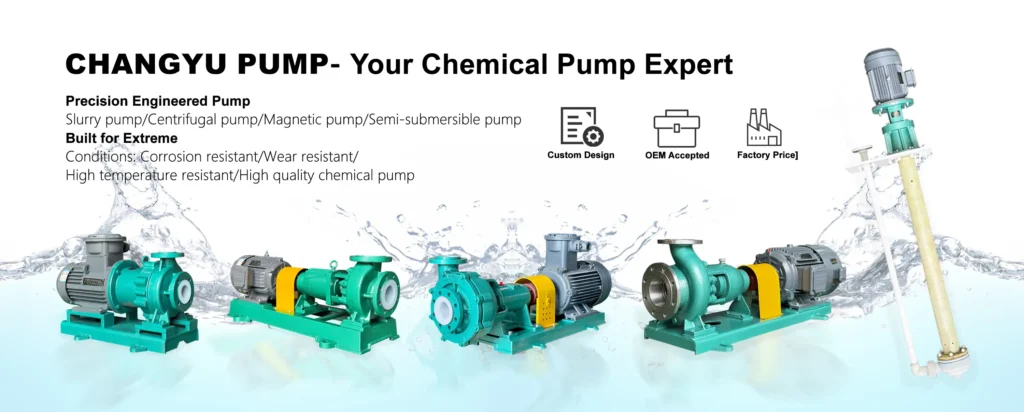
Hãy liên hệ với Changyu Pump ngay hôm nay dựa trên các thông số vận hành của quý khách. Đội ngũ kỹ thuật của chúng tôi sẽ cung cấp đề xuất chi tiết về máy bơm cùng báo giá phù hợp với nhu cầu sử dụng của quý khách.