
Trả lời nhanh
Một bơm bùn mạ điện là một máy bơm chuyển hóa chất được thiết kế để xử lý nước thải chứa axit hỗn hợp, kim loại nặng và chất rắn phát sinh từ quá trình mạ điện và xử lý bề mặt. Ba yếu tố lựa chọn cốt lõi:
- Tính tương thích của vật liệu: Các bộ phận tiếp xúc với chất lỏng phải chịu được axit hỗn hợp (hydrochloric, sulfuric, chromic, nitric và hydrofluoric) trên dải pH rộng, đồng thời chịu được mài mòn từ chất rắn hydroxit kim loại. UHMW-PE mang lại sự cân bằng hiệu quả giữa khả năng chống hóa chất và chịu mài mòn cho nhiều ứng dụng bùn mạ điện. PFA/PTFE được yêu cầu cho hỗn hợp axit nhiệt độ cao hoặc có tính oxy hóa mạnh.
- Lựa chọn loại bơm: Bơm ly tâm với cánh bơm hở hoặc bán hở xử lý hầu hết các nhiệm vụ bơm bùn mạ điện. Bơm màng khí nén phục vụ các ứng dụng cấp liệu cho máy ép lọc có hàm lượng chất rắn cao. Bơm truyền động từ loại bỏ rò rỉ trục bơm cho các dòng nước thải có độc tính cao như nước rửa chứa xyanua.
- Làm kín và an toàn: Phớt cơ khí kép với chất lỏng chắn hoặc khớp nối truyền động từ giải quyết các đường rò rỉ mà phớt đơn có thể không bảo vệ đáng tin cậy khi xử lý chất lỏng chứa axit và kim loại nặng. Hệ thống rửa phớt giúp ngăn ngừa kết tinh tại bề mặt phớt trong quá trình vận hành gián đoạn.
Nước thải mạ điện kết hợp nhiều thách thức ăn mòn mạnh mà bơm công nghiệp tiêu chuẩn không thể chịu được. Axit hỗn hợp — thường bao gồm hydrochloric, sulfuric, chromic và hydrofluoric — tấn công kim loại và làm suy giảm polyme thông thường. Kim loại nặng hòa tan (niken, crom, đồng, kẽm) kết tủa dưới dạng chất rắn hydroxit trong quá trình xử lý nước thải, tạo ra bùn mài mòn làm tăng tốc độ mài mòn các bộ phận bên trong bơm. Một máy bơm được chọn mà không tính đến sự kết hợp giữa tấn công hóa học và cơ học này có thể hỏng trong vòng vài tuần đến vài tháng — không phải do lỗi sản xuất, mà do sự không tương xứng cơ bản giữa vật liệu bơm và tính chất ăn mòn và xói mòn của chất lỏng.
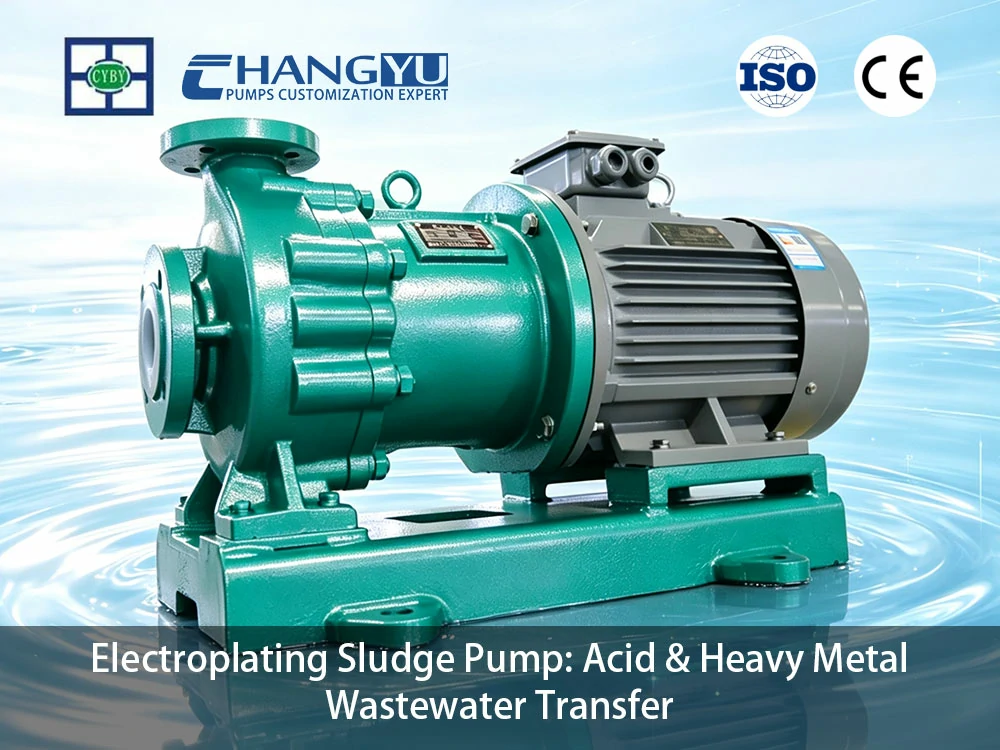
Bơm Changyu has manufactured corrosion-resistant pumps for chemical processing, electroplating, and hazardous wastewater treatment for over two decades. This guide provides the structured framework for electroplating sludge pump selection — from pump type and material compatibility to sealing technology and maintenance practices.
đã sản xuất máy bơm chống ăn mòn cho xử lý hóa chất, mạ điện và nước thải nguy hại trong hơn hai thập kỷ. Hướng dẫn này cung cấp khung cấu trúc để lựa chọn máy bơm bùn mạ điện — từ loại máy bơm và khả năng tương thích vật liệu đến công nghệ làm kín và thực hành bảo trì.
Why Electroplating Sludge Destroys Standard Pumps
1. Tại Sao Bùn Mạ Điện Phá Hủy Máy Bơm Tiêu Chuẩn
Understanding the unique composition of electroplating wastewater is the foundation of correct pump specification. The fluid entering a sludge transfer pump is not a single chemical — it is a complex mixture with multiple simultaneous degradation mechanisms.
Hiểu được thành phần độc đáo của nước thải mạ điện là nền tảng để xác định thông số máy bơm chính xác. Chất lỏng đi vào máy bơm chuyển bùn không phải là một hóa chất đơn lẻ — mà là một hỗn hợp phức tạp với nhiều cơ chế phân hủy đồng thời.
The Triple Threat: Corrosion, Abrasion, and Crystallization
Mối Đe Dọa Ba Mặt: Ăn Mòn, Mài Mòn và Kết Tinh
Chemical corrosion from mixed acids:
Ăn mòn hóa học từ hỗn hợp axit:
Electroplating processes use a range of acids for cleaning, pickling, and plating. Spent bath solutions and rinse waters combine these into a mixed acid stream. Unlike a single-acid application where material selection is straightforward, mixed acids can exhibit synergistic effects — a material resistant to sulfuric acid alone may degrade rapidly when nitric acid is also present. The pH of electroplating wastewater varies widely, from strong acid (pH 10) in degreasing rinse water. Pump materials must withstand this full pH spectrum.
Quy trình mạ điện sử dụng một loạt axit để làm sạch, tẩy gỉ và mạ. Dung dịch bể đã qua sử dụng và nước rửa kết hợp chúng thành một dòng hỗn hợp axit. Không giống như ứng dụng axit đơn lẻ nơi việc chọn vật liệu đơn giản, hỗn hợp axit có thể thể hiện hiệu ứng hiệp đồng — một vật liệu chịu được axit sulfuric đơn lẻ có thể phân hủy nhanh chóng khi có cả axit nitric. Độ pH của nước thải mạ điện thay đổi rộng, từ axit mạnh (pH 10) trong nước rửa tẩy dầu mỡ. Vật liệu máy bơm phải chịu được toàn bộ phổ pH này.
Abrasive wear from metal hydroxide solids:
Mài mòn do chất rắn hydroxit kim loại:
Trong quá trình trung hòa nước thải, các kim loại nặng hòa tan kết tủa dưới dạng hydroxit kim loại — thường là crom hydroxit, niken hydroxit, đồng hydroxit và kẽm hydroxit. Chúng tạo thành một lớp bùn sền sệt, dạng bông với nồng độ chất rắn từ 2–10% theo trọng lượng. Mặc dù các hạt riêng lẻ mịn và tương đối mềm, nhưng tác động mài mòn tích lũy lên các bộ phận bên trong máy bơm — đặc biệt là ở đầu cánh bơm và lưỡi cắt vỏ xoắn ốc — làm tăng tốc độ mài mòn vượt quá mức chỉ do môi trường hóa học gây ra. Các mảnh vụn rắn thỉnh thoảng — đồ gá mạ rơi, túi anốt bị vỡ hoặc tinh thể muối hình thành — gây ra tải trọng va đập có thể làm nứt vật liệu giòn.
Kết tinh trong thời gian ngừng hoạt động:
Khi máy bơm bùn mạ điện ngừng hoạt động, chất lỏng có tính axit bay hơi khỏi các mặt bít kín và bề mặt ướt, làm cô đặc các muối hòa tan. Các muối này kết tinh, tạo thành các cặn cứng có thể khóa cánh bơm, mài mòn các mặt bít kín cơ khí khi khởi động lại và chặn các đường ống xả bít kín đường kính nhỏ. Máy bơm hoạt động gián đoạn — phổ biến trong xử lý nước thải khi việc chuyển giao diễn ra theo mẻ — đặc biệt dễ bị hỏng hóc theo kiểu này.
Máy bơm tiêu chuẩn với vỏ bằng thép không gỉ 316, vỏ xoắn ốc bằng gang hoặc bít kín cơ khí tiêu chuẩn về cơ bản không tương thích với bất kỳ một trong ba thách thức này — và bùn mạ điện gây ra cả ba thách thức cùng một lúc. Tác động kết hợp của pH thấp và ion clorua có thể làm thủng thép không gỉ 316 trong vòng vài tuần đến vài tháng tùy thuộc vào nồng độ axit và nhiệt độ.
Cách Chọn Loại Máy Bơm Phù Hợp Cho Bùn Mạ Điện
Ba loại máy bơm phục vụ ngành mạ điện, mỗi loại được tối ưu hóa cho một sự kết hợp cụ thể về hàm lượng chất rắn, yêu cầu lưu lượng và yêu cầu an toàn. Chọn đúng loại là quyết định thông số kỹ thuật đầu tiên — trước vật liệu, trước bít kín, trước khi định cỡ.
So Sánh Loại Máy Bơm Cho Bùn Mạ Điện
| Loại bơm | Phù hợp nhất cho | Xử lý vật liệu rắn | Rủi ro rò rỉ | Các ứng dụng điển hình |
|---|---|---|---|---|
| Máy bơm ly tâm (cánh bơm hở/nửa hở) | Bơm bùn khối lượng lớn, cấp liệu máy ép lọc, thoát nước hố thu | Tốt — bánh công tác hở cho phép chất rắn lên đến 25 mm | Trung bình — yêu cầu phốt cơ khí đáng tin cậy | Chuyển từ bể trung hòa sang bể lắng; nước trong hồi lưu |
| Bơm màng khí nén (AODD) | Cấp liệu máy ép lọc hàm lượng rắn cao, chuyển mẻ gián đoạn | Xuất sắc — xử lý bùn dạng sệt có độ rắn lên đến 50% | Thấp — thiết kế không phốt; màng ngăn cách ly chất lỏng | Cấp liệu máy ép lọc; khử nước hố thu; chuyển di động |
| Bơm ly tâm truyền động từ | Chuyển rò rỉ bằng không cho nước thải có độc tính cao | Hạn chế — yêu cầu bảo vệ lọc; không dùng cho bùn mài mòn. Các hạt tinh thể cứng đặc biệt gây hại cho vòng bi truyền động từ. | Gần bằng không — không có phốt động | Nước rửa xi anua; dung dịch mạ crom; dung dịch mạ niken |
Lộ trình quyết định lựa chọn loại bơm
Chứa hàm lượng chất rắn cao (> 10%) hoặc bùn dạng sệt? → Bơm màng khí nén (AODD). Bơm AODD xử lý nồng độ chất rắn mà bơm ly tâm sẽ bị tắc nghẽn. Màng ngăn cách ly chất lỏng được bơm khỏi cơ cấu truyền động, loại bỏ rò rỉ qua phớt trục. Tuy nhiên, bơm AODD tạo ra dòng chảy xung động và có hiệu suất năng lượng thấp hơn bơm ly tâm — chúng phù hợp nhất cho các ứng dụng chuyển mẻ gián đoạn.
Chất lỏng có độc tính cao (xianua, crom hóa trị sáu) và yêu cầu bảo vệ chống rò rỉ tăng cường? → Bơm ly tâm truyền động từ. Bơm truyền động từ loại bỏ hoàn toàn phớt trục động, chứa chất lỏng được bơm trong một vỏ bọc tĩnh. Điều này cung cấp thêm một lớp bảo vệ cho các dung dịch mạ điện gây ung thư hoặc có độc tính cấp tính. Tuy nhiên, bơm truyền động từ yêu cầu bảo vệ bằng lưới lọc ở thượng nguồn — chất rắn trong chất lỏng được bơm sẽ làm hỏng các ổ đỡ bên trong được bôi trơn bằng chính chất lỏng đó.
Chuyển bùn tiêu chuẩn, hàm lượng chất rắn vừa phải (< 10%), vận hành liên tục hoặc theo mẻ thường xuyên? → Bơm ly tâm với bánh công tác hở hoặc bán hở. Đây là cấu hình chủ lực cho phần lớn các ứng dụng bơm bùn mạ điện. Bánh công tác hở chống tắc nghẽn từ chất rắn hydroxit mềm và cho phép các mảnh vụn nhỏ đi qua mà không gây hư hỏng. Các bộ phận tiếp xúc với chất lỏng phải được lót hoặc chế tạo hoàn toàn từ vật liệu phi kim loại tương thích — sẽ được thảo luận trong chương tiếp theo.
Các kỹ sư tại Changyu Pump đã quan sát qua hàng trăm hệ thống mạ điện: bơm ly tâm với bánh công tác hở và các bộ phận tiếp xúc chất lỏng bằng phi kim loại mang lại sự cân bằng hiệu quả về độ tin cậy, khả năng xử lý chất rắn và hiệu quả chi phí cho các nhiệm vụ chuyển bùn tiêu chuẩn. Bơm truyền động từ là lựa chọn được khuyến nghị cho các ứng dụng có độc tính cao và có thể được chỉ định cho bất kỳ dịch vụ mạ điện nào ưu tiên rò rỉ bằng không. Bơm màng khí nén phục vụ tốt nhất khi nồng độ bùn vượt quá khả năng của bơm ly tâm hoặc khi cần vận hành di động, gián đoạn.
Vật liệu Tốt nhất cho Bơm Bùn Mạ điện là gì?
Việc lựa chọn vật liệu cho bơm bùn mạ điện phải giải quyết các tác động kết hợp của ăn mòn axit hỗn hợp, mài mòn do chất rắn hydroxit và — đối với dung dịch xử lý được gia nhiệt — nhiệt độ cao. Vật liệu tối ưu phụ thuộc vào hỗn hợp axit cụ thể, nhiệt độ vận hành và tải lượng chất rắn.
Tại sao Kim loại bị Hỏng trong Dịch vụ Mạ điện
Các axit hỗn hợp có trong nước thải mạ điện tấn công kim loại thông qua các cơ chế khác nhau. Axit clohydric gây ra rỗ và ăn mòn tổng thể trong thép không gỉ. Axit sulfuric tấn công gang và thép cacbon. Axit nitric, một chất oxy hóa mạnh, làm tăng tốc độ ăn mòn của hầu hết các kim loại. Axit cromic thụ động hóa thép không gỉ ban đầu nhưng gây ra ăn mòn giữa các hạt tại các mối hàn và vùng ảnh hưởng nhiệt. Tác động kết hợp là sự mất mát kim loại nhanh chóng, khó lường.
Thép không gỉ 316 — thường được chỉ định không chính xác cho “nhiệm vụ hóa chất” — có thể bị thủng trong vòng vài tuần đến vài tháng trong dịch vụ nước thải mạ điện. Hàm lượng molypden của nó cung cấp một số khả năng chống rỗ, nhưng sự kết hợp của pH thấp, axit oxy hóa và ion clorua lấn át lớp thụ động của nó. Hastelloy C-276 cung cấp khả năng chống chịu được cải thiện đối với một số axit nhưng với chi phí vượt quá hầu hết các giải pháp thay thế phi kim loại mà không mang lại lợi thế bù đắp nào trong dịch vụ axit mạ điện hỗn hợp.
Ma trận Tương thích Vật liệu cho Bùn Mạ điện
| Chất liệu | HCl (37%) | H₂SO₄ (98%) | HNO₃ (68%) | HF (49%) | CrO₃ (50%) | Nhiệt độ tối đa | Khả năng chống mài mòn | Khuyến nghị |
|---|---|---|---|---|---|---|---|---|
| Thép không gỉ 316 | ❌ | ❌ | ❌ | ❌ | ❌ | Không áp dụng | Không áp dụng | Không sử dụng |
| PP | ✅ (chỉ ở nhiệt độ phòng) | ✅ (loãng, nhiệt độ phòng) | ❌ | ✅ (nhiệt độ phòng) | ❌ | 50°C | Kém | Không khuyến nghị — giới hạn nhiệt độ và oxy hóa |
| PVDF | ✅ (lên đến 40°C) | ✅ (lên đến 90°C) | ⚠️ (hạn chế, phụ thuộc nhiệt độ) | ✅ (lên đến 40°C) | ❌ | 90°C | Trung bình | Tốt cho dịch vụ axit thông thường không có chất oxy hóa mạnh |
| PFA/PTFE | ✅ | ✅ | ✅ | ✅ | ✅ | 120–180°C | Kém (mềm) | Khả năng chống hóa chất rộng nhất; yêu cầu bảo vệ chất rắn |
| UHMW-PE | ✅ | ✅ (lên đến 80°C) | ✅ (lên đến 20°C) | ✅ (lên đến 40°C) | ✅ (loãng) | 90°C | Tuyệt vời | Cân bằng hiệu quả — khả năng chống hóa chất + bảo vệ mài mòn |
| Hastelloy C-276 | ✅ (lên đến 40°C) | ✅ | ❌ (khả năng chống chịu hạn chế trên nồng độ 20°C) | ❌ | ✅ | 40°C | Tốt | Chấp nhận được cho một số axit nhưng chi phí vượt quá các lựa chọn phi kim loại; không dùng cho HNO₃ hoặc HF |
Lựa chọn Vật liệu theo Ứng dụng Mạ điện
| Quy trình Mạ điện | Axit Hiện diện | Hàm lượng chất rắn | Nhiệt độ | Tài liệu tham khảo |
|---|---|---|---|---|
| Nước thải hỗn hợp nói chung | HCl, H₂SO₄ (loãng) | Thấp đến trung bình | Nhiệt độ môi trường | UHMW-PE |
| Mạ crom | CrO₃, H₂SO₄ | Thấp | Môi trường xung quanh đến ấm | PFA/PTFE (axit cromic tấn công PE) |
| Mạ niken | H₂SO₄, HCl (vết) | Thấp | Ấm (40–60°C) | PVDF hoặc PFA |
| Tẩy gỉ axit | HCl, H₂SO₄, HF | Thấp đến trung bình | Môi trường xung quanh đến ấm | UHMW-PE hoặc PFA (nếu có HF) |
| Trung hòa bùn | Hỗn hợp (pH 2–12) | Từ trung bình đến cao | Nhiệt độ môi trường | UHMW-PE |
| Nước thải chứa xyanua | Kiềm (pH 9–11) | Thấp | Nhiệt độ môi trường | PVDF hoặc PFA (biên độ an toàn tăng cường) |
Các kỹ sư tại Changyu Pump đã quan sát qua hàng trăm hệ thống bơm mạ điện: UHMW-PE luôn mang lại sự cân bằng hiệu quả về khả năng chống hóa chất, khả năng chịu mài mòn và hiệu quả chi phí cho phần lớn các ứng dụng bùn mạ điện hỗn hợp. Sự kết hợp giữa khả năng chống axit rộng, bảo vệ mài mòn chống lại chất rắn hydroxit và khả năng hoạt động ở nhiệt độ môi trường xung quanh đến ấm bao phủ phạm vi vận hành tiêu chuẩn của hầu hết các hệ thống xử lý nước thải mạ điện. Đối với dung dịch mạ nhiệt độ cao trên 60°C, hỗn hợp axit oxy hóa mạnh (cromic, nitric bốc khói) hoặc các ứng dụng bơm truyền động từ không rò rỉ, lớp lót PFA/PTFE là lựa chọn phù hợp. Bơm kim loại — bao gồm thép không gỉ hoặc Hastelloy — không được khuyến nghị cho dịch vụ bùn mạ điện. Môi trường hóa chất quá khắc nghiệt và quá biến động để vật liệu kim loại có thể cung cấp tuổi thọ dịch vụ đáng tin cậy.
Cách Ngăn Tắc nghẽn trong Bơm Bùn Mạ điện
Bùn mạ điện — một hỗn hợp dạng keo của các hydroxit kim loại — hoạt động khác với bùn khoáng dạng hạt. Bản chất kết tụ, kết dính của nó khiến nó tích tụ trong các vùng chết bên trong vỏ bơm thay vì lắng xuống. Khi tắc nghẽn xảy ra, nó thường là do bùn bắc cầu qua các kênh dòng chảy hẹp hoặc tích tụ tại cửa vào của bánh công tác.
Thiết kế Bánh công tác cho Bùn Mạ điện
Bánh công tác hở:
Bánh công tác hở có các cánh gắn trực tiếp vào moay-ơ mà không có tấm che phía trước. Thiết kế này tạo ra khoảng trống lớn nhất cho chất rắn đi qua và cho phép vật liệu dạng sợi hoặc kết dính đi qua mà không có điểm neo để tích tụ. Bánh công tác hở xử lý chất rắn hydroxit mềm, dạng keo đặc trưng của bùn mạ điện mà không bị tắc nghẽn. Sự đánh đổi là hiệu suất thủy lực thấp hơn (50–60%) so với thiết kế kín. Đối với việc vận chuyển bùn mạ điện, sự giảm hiệu suất này là không đáng kể so với độ tin cậy vận hành đạt được.
Bánh công tác nửa hở:
Một tấm che một phần ở một phía của cánh tạo ra sự dung hòa giữa khả năng xử lý chất rắn của bánh công tác hở và hiệu suất của thiết kế kín. Bánh công tác nửa hở phù hợp cho bùn mạ điện có hàm lượng chất rắn thấp hơn (< 5%) hoặc khi cần một số hiệu suất bơm nhất định.
Bánh công tác xoáy (lõm):
Bánh công tác được lõm vào thành sau của buồng xoắn ốc, tạo ra một dòng xoáy hút chất lỏng và chất rắn qua bơm. Chỉ một phần chất lỏng tiếp xúc trực tiếp với bánh công tác. Bánh công tác xoáy có khả năng chống tắc nghẽn tốt nhất nhưng hiệu suất thấp nhất (35–50%). Chúng được chỉ định cho các ứng dụng nơi chất lỏng được bơm chứa các mảnh vụn lớn — túi anốt bị rách, đồ gá mạ bị rơi — có thể làm kẹt bánh công tác hở.
Cấu hình bơm để chống tắc nghẽn
- Bơm công xôn đứng loại bỏ ổ trục và phớt chìm thường thấy trong thiết kế bơm ngang. Bánh công tác kéo dài vào bể chứa từ phía trên, với động cơ và ổ trục nằm phía trên mực chất lỏng. Cấu hình này tự động xả và chống lại sự tích tụ bùn trong thời gian ngừng hoạt động.
- Bơm ngang với các đường hút lớn (đường kính tối thiểu 50 mm) giảm nguy cơ bùn bắc cầu tại đầu vào bơm. Đường ống hút nên được thiết kế với các đoạn cong bán kính lớn, mượt mà và tránh các đoạn chết nơi bùn có thể tích tụ.
- Kết nối xả tại đầu hút và đầu xả của bơm cho phép người vận hành làm sạch bùn lắng bằng nước hoặc chất lỏng quy trình sạch trước khi khởi động lại bơm đã ngừng hoạt động.
Cách Thiết Kế Bơm Bùn Mạ Điện An Toàn, Không Rò Rỉ
An toàn trong thiết kế bơm bùn mạ điện bao gồm ba yếu tố liên quan: tính toàn vẹn vật liệu để ngăn thủng vỏ bơm, công nghệ làm kín để ngăn rò rỉ trục, và hệ thống giám sát để cảnh báo sớm các vấn đề phát sinh. Mỗi yếu tố giải quyết một con đường hỏng hóc khác nhau.
So sánh công nghệ làm kín
| Công nghệ làm kín | Rủi ro rò rỉ | Bảo trì | Chi phí | Phù hợp nhất cho |
|---|---|---|---|---|
| Phốt cơ khí đơn | Trung bình | 6–12 tháng | $ | Các ứng dụng không quan trọng; chất lỏng có độc tính thấp |
| Phớt cơ khí kép với chất lỏng chắn | Thấp | 12–24 tháng | $$$ | Vận chuyển liên tục nước thải mạ điện nguy hại |
| Bơm truyền động từ tính | Gần như bằng không | 12–36 tháng (phụ thuộc vào ổ trục) | $$$$ | Dung dịch xyanua, crom hoặc niken nơi bất kỳ sự rò rỉ nào đều không thể chấp nhận |
Ngăn ngừa kết tinh tại bề mặt phớt
Dung dịch mạ điện dễ bị kết tinh trong thời gian ngừng hoạt động. Khi bơm dừng, chất lỏng còn lại tại bề mặt phớt bay hơi, để lại các muối axit cô đặc kết tinh. Khi khởi động lại, các tinh thể này mài mòn bề mặt phớt, gây ra rò rỉ ngày càng tồi tệ theo thời gian.
Ba chiến lược ngăn ngừa hư hỏng do kết tinh:
- Chất lỏng chắn trong phớt kép duy trì một màng chất lỏng tại cả hai bề mặt phớt, ngăn chất lỏng được bơm đến phớt ngoài nơi bay hơi và kết tinh sẽ xảy ra.
- Kế hoạch xả phốt (API Plan 32 hoặc Plan 54) cung cấp nước sạch hoặc chất lỏng tương thích đến bề mặt phớt trước, trong và sau khi vận hành bơm, thay thế chất lỏng quy trình và ngăn chặn sự lắng đọng muối.
- Quy trình xả trước khi dừng — cho nước sạch chảy qua bơm trong 2–3 phút trước khi dừng — xả sạch axit còn lại từ buồng phớt và ngăn kết tinh trong thời gian ngừng hoạt động.
Tính toàn vẹn vật liệu: Ngăn ngừa thủng vỏ bơm
Ngoài việc làm kín, tính toàn vẹn của vỏ bơm là một mối quan tâm an toàn trong dịch vụ mạ điện. Một lỗ rò rỉ nhỏ do ăn mòn hoặc xói mòn trong vỏ bơm kim loại có thể không được phát hiện trong nhiều ngày, giải phóng chất lỏng có tính axit, chứa kim loại nặng vào nhà bơm hoặc khu vực ngăn chứa. Bơm có lót phi kim loại — nơi vỏ bơm kết cấu được bảo vệ bởi một lớp lót trơ về mặt hóa học (UHMW-PE, PFA, PTFE) — loại bỏ chế độ hỏng hóc này. Lớp lót cách ly ranh giới áp suất khỏi chất lỏng ăn mòn, trong khi vỏ bơm kim loại cung cấp độ bền kết cấu.
Giám sát và cảnh báo sớm
- Giám sát áp suất hoặc mức buồng phớt phát hiện sự mất mát chất lỏng chắn báo hiệu hỏng phớt trước khi chất lỏng được bơm đến khí quyển.
- Cảm biến phát hiện rò rỉ trong đế bơm hoặc bể chứa ngăn cung cấp cảnh báo ngay lập tức khi có sự cố rò rỉ chất lỏng.
- Giám sát rung động phát hiện sự mất cân bằng bánh công tác do tích tụ chất rắn hoặc mài mòn trước khi xảy ra hư hỏng cơ học.
Cách Bảo Trì Bơm Bùn Mạ Điện
Bảo trì bơm bùn mạ điện khác với bảo trì bơm hóa chất tiêu chuẩn ở một khía cạnh quan trọng: tác động kết hợp của ăn mòn, mài mòn và kết tinh đòi hỏi phải kiểm tra các bộ phận tiếp xúc với chất lỏng thường xuyên hơn và thay thế các bộ phận mài mòn một cách chủ động.
Bảo trì định kỳ cho bơm bùn mạ điện
| Khoảng thời gian | Hành động | Mục đích |
|---|---|---|
| Hàng tuần | Kiểm tra rò rỉ nhìn thấy, tiếng ồn bất thường hoặc rung động; xác minh dòng xả phớt | Phát hiện sớm các vấn đề về phớt hoặc vòng bi |
| Hàng tháng | Kiểm tra hệ thống xả phớt; xác minh mức và tình trạng chất lỏng chắn; kiểm tra lưới lọc hút | Ngăn ngừa kết tinh phớt và hư hỏng bánh công tác do mảnh vụn |
| Hàng quý | Kiểm tra bánh công tác xem có mài mòn, tấn công hóa học hoặc tích tụ chất rắn không; kiểm tra lớp lót vỏ bơm xem có dấu hiệu xuống cấp không | Phát hiện sự xuống cấp vật liệu trước khi thủng vỏ bơm |
| Hàng năm | Thay phớt cơ khí; thay bánh công tác nếu độ mài mòn vượt quá giới hạn của nhà sản xuất | Thay thế theo kế hoạch ngăn ngừa thời gian chết ngoài kế hoạch |
| Dựa trên điều kiện | Thay phớt ngay khi có dấu hiệu rò rỉ đầu tiên; thay lớp lót nếu thấy có tấn công hóa học hoặc mài mòn | Giải quyết các vấn đề ở giai đoạn phát hiện sớm nhất |
Các thực hành bảo trì quan trọng
- Xả sau mỗi lần dừng: Cho nước sạch chảy qua bơm trong 2–3 phút trước khi dừng sẽ thay thế axit và bùn còn lại từ vỏ bơm, bánh công tác và buồng phớt. Một thực hành duy nhất này ngăn ngừa phần lớn các hỏng hóc phớt liên quan đến kết tinh và sự hóa rắn bùn trong các bộ phận bên trong bơm.
- Kiểm tra lưới lọc hút: Bùn mạ điện có thể chứa các mảnh vụn — túi anode bị rách, phụ kiện rơi, mảnh nhựa — có thể làm hỏng cánh bơm hoặc làm tắc các kênh dẫn nhỏ. Lưới lọc cần được kiểm tra và vệ sinh hàng tháng.
- Theo dõi tình trạng lớp lót: Lớp lót bơm phi kim loại (UHMW-PE, PTFE, PFA) trơ về mặt hóa học nhưng chịu mài mòn cơ học từ các hạt rắn mài mòn. Kiểm tra độ dày lớp lót hàng năm tại các vị trí mài mòn cao — đầu mút cánh bơm, lưỡi cắt volute và họng hút — cung cấp dữ liệu để dự đoán khoảng thời gian thay thế lớp lót.
- Thay thế đàn hồi chủ động: Vòng chữ O, gioăng và vật liệu màng trong dịch vụ mạ điện bị suy thoái do tấn công oxy hóa và tiếp xúc với axit. Thay thế theo chu kỳ 12 tháng hiệu quả hơn về chi phí so với thay thế phản ứng sau khi hỏng hóc.
Nghiên cứu điển hình về Bơm Bùn Mạ Điện: Giải quyết Sự cố Ăn mòn Axit
Một cơ sở mạ niken-crom ở miền Nam Trung Quốc vận hành ba bơm ly tâm ngang để chuyển bùn đã trung hòa từ hệ thống xử lý nước thải đến máy ép lọc. Các bơm ban đầu được chỉ định với vỏ bằng thép không gỉ 316 và phớt cơ khí đơn. Bùn bao gồm hỗn hợp hydroxit kim loại (niken, crom, đồng) ở nồng độ chất rắn khoảng 5%, với dung dịch axit dư ở pH 3–4. Nhiệt độ vận hành là môi trường xung quanh đến 40°C.
Trong vòng bốn tuần kể từ khi đưa vào vận hành, các nhân viên vận hành nhà máy phát hiện rò rỉ từ vỏ bơm của bơm chuyển chính. Kiểm tra cho thấy nhiều lỗ thủng dạng chân kim trên volute thép không gỉ 316, tập trung ở các vùng vận tốc thấp nơi lớp oxit thụ động đã bị tấn công bởi dung dịch có tính axit, chứa clorua. Phớt cơ khí đơn cũng đã hỏng — vòng chữ O EPDM đã phồng lên gấp đôi đường kính ban đầu do tấn công axit, và các tinh thể muối crom đã làm xước các bề mặt phớt.
Phân tích nguyên nhân gốc rễ xác định sự không tương thích vật liệu cơ bản: thép không gỉ 316, mặc dù chịu được nhiều môi trường hóa chất, không thể chịu được sự kết hợp của pH thấp, ion clorua và ion kim loại oxy hóa có trong nước thải mạ điện. Ăn mòn dạng lỗ chân kim là kết quả của sự kết hợp giữa ăn mòn chung từ pH thấp và ăn mòn rỗ do clorua gây ra, được tăng tốc bởi sự hiện diện của các ion crom và niken oxy hóa. Nếu rò rỉ không được phát hiện lâu hơn, nước thải chứa niken và crom sẽ làm ô nhiễm hệ thống thoát sàn của cơ sở.
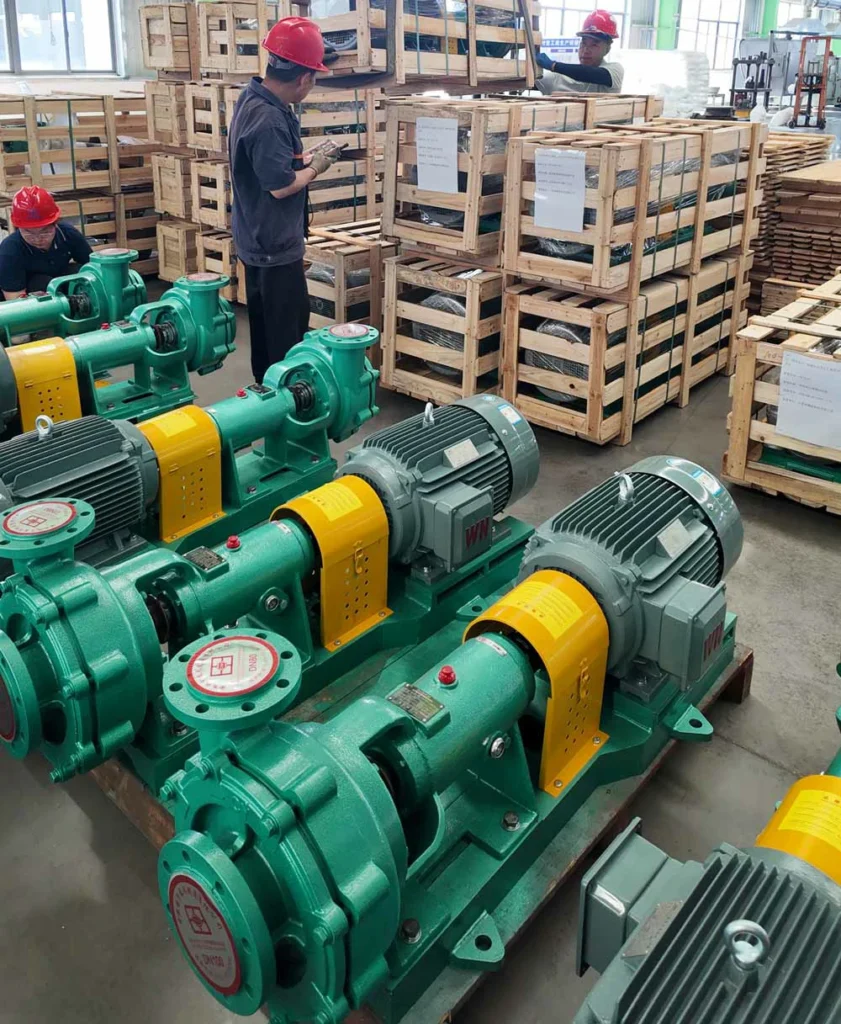
Cơ sở đã thay thế cả ba bơm bằng bơm dòng UHB của Changyu có vỏ lót UHMW-PE và cánh bơm hở. UHMW-PE được chọn thay vì PVDF hoặc PFA cho ứng dụng này vì tải lượng chất rắn vừa phải — khả năng chống mài mòn vượt trội của UHMW-PE so với fluoropolyme sẽ kéo dài tuổi thọ cánh bơm trong bùn hydroxit mài mòn. Phớt cơ khí kép với vòng chữ O bọc PTFE đã thay thế phớt đơn ban đầu. Quy trình xả trước khi dừng đã được thực hiện: mỗi bơm nhận một lần xả nước sạch trong 3 phút khi kết thúc mỗi lần chuyển mẻ.
Trong hơn ba năm vận hành kể từ khi nâng cấp: không rò rỉ vỏ bơm, không thay thế phớt ngoài kế hoạch và không có thời gian ngừng hoạt động nào do bơm chuyển bùn. Quản lý bảo trì của cơ sở báo cáo rằng chi phí thay thế bơm đã được thu hồi trong vòng 8 tháng nhờ loại bỏ các chi phí sửa chữa khẩn cấp, chi phí ngăn chặn tràn hóa chất và thời gian ngừng sản xuất.
Bài học chính: Thép không gỉ 316 không có chỗ trong dịch vụ bùn mạ điện. Sự kết hợp của pH axit, ion clorua và ion kim loại oxy hóa tạo ra môi trường ăn mòn lấn át lớp thụ động của thép không gỉ. Lớp lót UHMW-PE cung cấp cả khả năng chống hóa chất cho môi trường axit hỗn hợp và khả năng chống mài mòn cho chất rắn hydroxit — một sự kết hợp mà vật liệu kim loại không thể sánh kịp.
Giải pháp Bơm Bùn Mạ Điện từ Changyu Pump
Changyu Pump cung cấp ba dòng bơm phù hợp cho các ứng dụng bùn mạ điện và nước thải, mỗi dòng được tối ưu hóa cho một sự kết hợp cụ thể về khả năng chống hóa chất, xử lý chất rắn và yêu cầu an toàn.
Hướng dẫn Lựa chọn Sản phẩm Bơm Bùn Mạ Điện
| Đơn đăng ký | Solids | Thử thách chính | Các bộ phim được đề xuất | Tính năng chính |
|---|---|---|---|---|
| Chuyển bùn (số lượng lớn) | Vừa phải (< 10%) | Ăn mòn + mài mòn | Dòng UHB | Lót UHMW-PE để chống hóa chất và bảo vệ mài mòn |
| Hỗn hợp axit oxy hóa mạnh | Thấp | Ăn mòn (axit cromic, nitric) | Dòng CYB-ZKJ | Lót FEP/PFA; chống axit oxy hóa tấn công PE |
| Nước thải độc tính cao (xyanua, crom) | Thấp | An toàn rò rỉ bằng không | Dòng CYQ | Bơm truyền động từ lót PFA; không có phớt động |
| Dung dịch mạ nhiệt độ cao | Thấp | Nhiệt + ăn mòn | Dòng CYG | Lớp lót đúc PFA (8–20 mm); nhiệt độ lên đến 160°C |
| Cấp liệu máy ép lọc (chất rắn cao) | Cao (> 10%) | Tắc nghẽn + mài mòn | Bơm màng khí nén | Thiết kế không phớt; xử lý bùn dạng bột nhão |
Dòng UHB — Bơm lót UHMW-PE cho Chuyển Bùn Mạ Điện
Bơm ly tâm lót UHMW-PE vỏ thép được thiết kế cho bùn ăn mòn với chất rắn mịn đến vừa phải. Cánh bơm bán hở cung cấp khả năng thông qua chất rắn tốt, và lớp lót UHMW-PE mang lại sự kết hợp giữa khả năng chống hóa chất và bảo vệ mài mòn cần thiết cho bùn mạ điện hỗn hợp. Có sẵn với phớt cơ khí kép và hệ thống chất lỏng chắn.
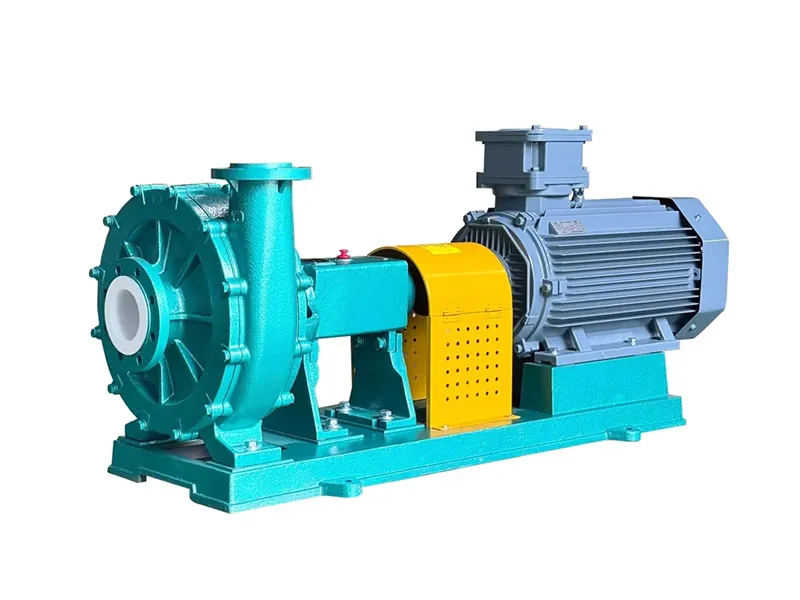
| Tham số | Thông số kỹ thuật |
|---|---|
| Lưu lượng | 3–2.600 m³/giờ |
| Trưởng phòng | 5–100 m |
| Công suất động cơ | 0,75–300 kW |
| Tốc độ | 750–2.900 vòng/phút |
| Nhiệt độ | -20°C đến 90°C |
| Chất liệu lót | UHMW-PE |
Dòng CYB-ZKJ — Bơm lót Fluoropolymer cho Axit Mạ Điện Oxy hóa Mạnh
Bơm ly tâm lót FEP/PFA cho dung dịch mạ điện chứa chất oxy hóa mạnh — axit cromic, axit nitric hoặc axit sulfuric bốc khói — có thể làm suy thoái UHMW-PE theo thời gian. Lớp lót fluoropolymer trơ về mặt hóa học với tất cả các axit được sử dụng trong mạ điện. Phớt cơ khí kép với chất lỏng chắn cung cấp vận hành đáng tin cậy, rò rỉ thấp.
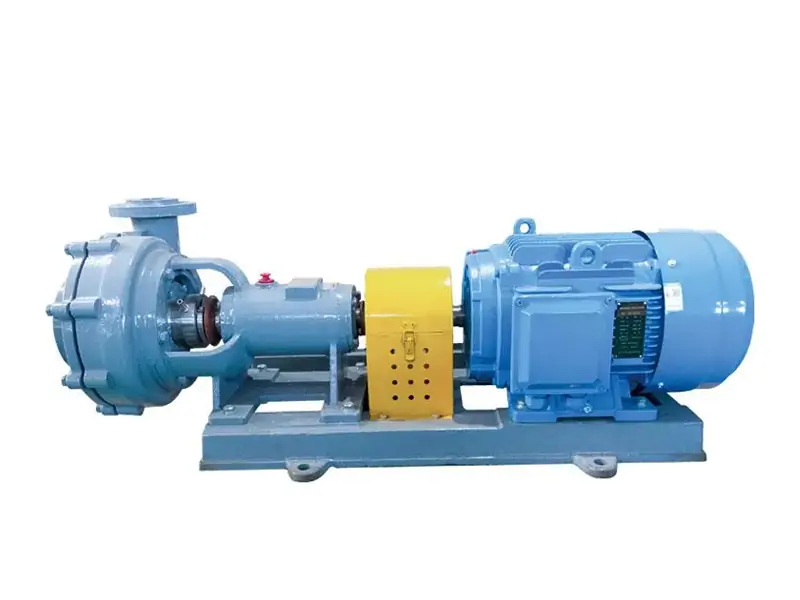
| Tham số | Thông số kỹ thuật |
|---|---|
| Lưu lượng | 3–2.600 m³/giờ |
| Trưởng phòng | 5–100 m |
| Công suất động cơ | 0,75–300 kW |
| Nhiệt độ | -80°C đến 120°C |
| Vật liệu lót | FEP (loại tiêu chuẩn), PFA (loại chịu nhiệt cao) |
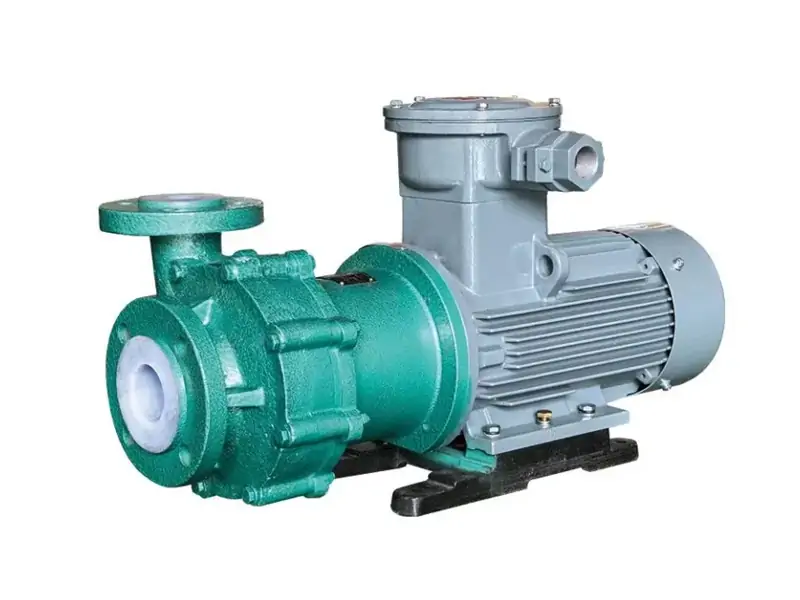
Dòng CYQ — Bơm Truyền động Từ cho Chuyển Hóa chất Mạ Điện Rò rỉ Bằng không
Bơm truyền động từ lót PFA được thiết kế để chuyển không rò rỉ các dung dịch mạ điện có độc tính cao — nước rửa chứa xyanua, dung dịch crom hóa trị sáu và bể mạ niken đậm đặc. Khớp nối từ đất hiếm loại bỏ hoàn toàn phớt trục động. Lớp lót PFA thành dày cung cấp tính trơ hóa học trên toàn bộ phổ hóa chất mạ điện.
| Tham số | Thông số kỹ thuật |
|---|---|
| Lưu lượng | 3–800 m³/giờ |
| Trưởng phòng | 15–125 m |
| Công suất động cơ | 2,2–110 kW |
| Tốc độ | 950 vòng/phút |
| Nhiệt độ | -20°C đến 180°C |
| Vật liệu lót | FEP / PFA / PTFE |
Câu hỏi thường gặp về Bơm Bùn Mạ Điện
Hỏi: Tôi có thể sử dụng bơm thép không gỉ cho bùn mạ điện không?
Đáp: Không. Thép không gỉ 316 bị ăn mòn rỗ nhanh chóng trong môi trường axit, có chứa clorua của nước thải mạ điện. Lỗ thủng dạng kim có thể xảy ra trong vòng vài tuần đến vài tháng. Chỉ sử dụng bơm lót phi kim loại — UHMW-PE cho vận chuyển bùn tiêu chuẩn, PFA/PTFE cho hỗn hợp axit oxy hóa mạnh.
Hỏi: Loại cánh bơm nào tốt nhất cho bùn mạ điện?
Đáp: Cánh bơm hở hoặc bán hở cung cấp khả năng chống tắc nghẽn tốt nhất cho các chất rắn hydroxit kim loại dạng keo trong bùn mạ điện. Việc không có tấm chắn trước giúp loại bỏ các bề mặt nơi bùn có thể tích tụ và cung cấp đường đi tự do lớn nhất cho chất rắn.
Hỏi: Làm thế nào để ngăn ngừa hư hỏng phớt bơm do kết tinh?
Đáp: Xả bơm bằng nước sạch trong 2–3 phút trước mỗi lần dừng. Sử dụng phớt cơ khí kép với chất lỏng ngăn cách. Chỉ định vòng đệm O bọc PTFE có khả năng chống lại sự tấn công của axit gây phồng và rò rỉ ở các chất đàn hồi tiêu chuẩn.
Hỏi: Khi nào tôi nên chọn bơm truyền động từ thay vì bơm có phớt cơ khí?
Đáp: Chọn bơm truyền động từ cho các dung dịch mạ điện có độc tính cao — nước rửa xyanua, bể crom hóa trị sáu, dung dịch niken đậm đặc — nơi yêu cầu bảo vệ chống rò rỉ tăng cường từ quan điểm an toàn và môi trường. Bơm truyền động từ cũng có thể được chỉ định cho bất kỳ dịch vụ mạ điện nào mà việc không rò rỉ là ưu tiên hàng đầu.
Hỏi: Vật liệu nào tốt nhất cho bơm dung dịch mạ crom?
Đáp: Yêu cầu lót PFA/PTFE. Axit cromic là chất oxy hóa mạnh có thể làm suy giảm UHMW-PE và PVDF theo thời gian, đặc biệt ở nhiệt độ cao. PFA/PTFE trơ về mặt hóa học với axit cromic ở mọi nồng độ và nhiệt độ sử dụng trong mạ điện.
Hỏi: Tôi nên kiểm tra bơm bùn mạ điện bao lâu một lần?
Đáp: Kiểm tra trực quan hàng tuần về rò rỉ và rung động. Kiểm tra hàng tháng hệ thống xả phớt và lưới lọc hút. Kiểm tra cánh bơm và lớp lót hàng quý. Thay thế phớt cơ khí hàng năm. Bơm trong dịch vụ mài mòn có thể yêu cầu thay thế cánh bơm thường xuyên hơn.
Danh sách kiểm tra phòng ngừa dành cho kỹ sư bơm Changyu
- Không bao giờ chỉ định bất kỳ bơm kim loại nào — bao gồm thép không gỉ 316, Hastelloy hoặc titan — cho các bộ phận tiếp xúc với bùn mạ điện. Môi trường axit hỗn hợp và ion kim loại oxy hóa không tương thích với vật liệu kim loại.
- Phù hợp vật liệu lót với hỗn hợp axit cụ thể. UHMW-PE cho bùn axit hỗn hợp tiêu chuẩn. PFA/PTFE cho axit oxy hóa mạnh (cromic, nitric) hoặc dung dịch mạ nhiệt độ cao.
- Chọn cánh bơm hở hoặc bán hở cho tất cả các ứng dụng bùn mạ điện. Cánh bơm kín sẽ bị tắc do tích tụ chất rắn hydroxit.
- Xả bơm bằng nước sạch trong 2–3 phút trước mỗi lần dừng. Thực hành đơn giản này ngăn ngừa phần lớn các hỏng hóc phớt liên quan đến kết tinh.
- Lắp đặt lưới lọc hút và kiểm tra chúng hàng tháng. Bùn mạ điện có thể chứa mảnh vụn — túi anốt bị vỡ, đồ gá bị rơi — có thể làm hỏng cánh bơm.
- Chỉ định phớt cơ khí kép với chất lỏng ngăn cách và vòng đệm O bọc PTFE cho tất cả các bơm bùn mạ điện hoạt động liên tục.
- Đối với dung dịch mạ xyanua, crom hoặc niken, sử dụng bơm truyền động từ để loại bỏ hoàn toàn đường rò rỉ qua phớt trục.
- Dự trữ cánh bơm, phớt cơ khí, vòng đệm O và miếng đệm trong kho. Dịch vụ mạ điện làm suy giảm chất đàn hồi nhanh hơn các dịch vụ hóa chất khác.
Kết luận
Bơm bùn mạ điện hoạt động tại điểm giao thoa giữa ăn mòn hóa học mạnh, mài mòn chất rắn và hư hỏng phớt do kết tinh — một sự kết hợp mà các bơm công nghiệp tiêu chuẩn không được thiết kế để chịu đựng. Ba quyết định về thông số kỹ thuật quyết định độ tin cậy và tuổi thọ của bơm: lựa chọn vật liệu phi kim loại phù hợp với hỗn hợp axit cụ thể, thiết kế cánh bơm hở cho việc vận chuyển bùn, và công nghệ phớt cơ khí kép hoặc truyền động từ để vận hành an toàn, không rò rỉ. Lớp lót UHMW-PE cung cấp giải pháp vật liệu hiệu quả cho phần lớn các ứng dụng vận chuyển bùn mạ điện, kết hợp khả năng kháng hóa chất rộng trên phổ axit mạ điện với khả năng chống mài mòn tốt đối với chất rắn hydroxit kim loại. Đối với dung dịch có độc tính cao hoặc oxy hóa mạnh, lớp lót PFA/PTFE và phớt truyền động từ cung cấp biên độ an toàn tăng cường mà các chất lỏng nguy hiểm này yêu cầu.
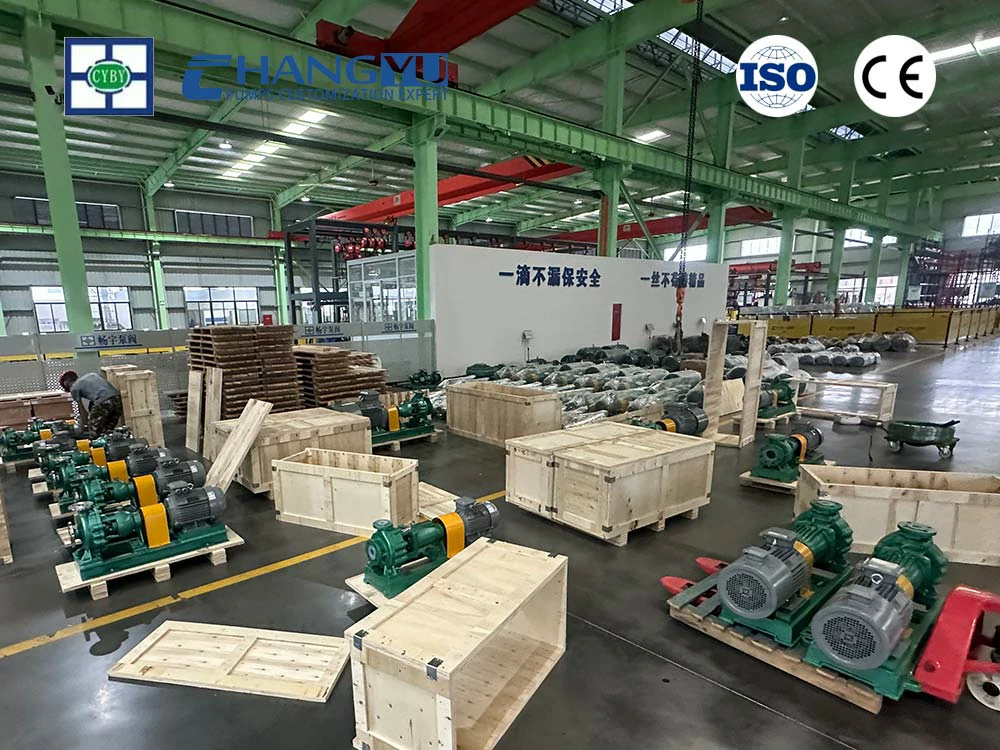
Khi bạn đã sẵn sàng chỉ định một bơm bùn mạ điện, đội ngũ kỹ thuật của Changyu Pump có thể cung cấp đánh giá kỹ thuật bao gồm lựa chọn vật liệu, thiết kế cánh bơm và công nghệ phớt phù hợp với hóa chất mạ điện và điều kiện vận hành cụ thể của bạn. Hai thập kỷ sản xuất bơm chống ăn mòn trong các lĩnh vực chế biến hóa chất, mạ điện và xử lý nước thải nguy hại là nền tảng cho mọi khuyến nghị.