

| Sản phẩm
Trang chủ >> Sản phẩm >> Bơm ly tâm
Danh mục sản phẩm
Yêu cầu báo giá
Bơm Ly Tâm là gì
A bơm ly tâm là một loại bơm động học sử dụng lực ly tâm được tạo ra bởi cánh quạt quay tốc độ cao để vận chuyển chất lỏng và tăng áp suất. Khi cánh quạt quay với tốc độ cao, nó tạo ra lực ly tâm đẩy chất lỏng từ tâm bơm ra mép ngoài. Quá trình này chuyển đổi năng lượng cơ học thành động năng, sau đó thành áp năng, cho phép vận chuyển chất lỏng liên tục. Với cấu trúc đơn giản và vận hành đáng tin cậy, nó là một trong những thiết bị truyền tải chất lỏng phổ biến nhất trong lĩnh vực công nghiệp.
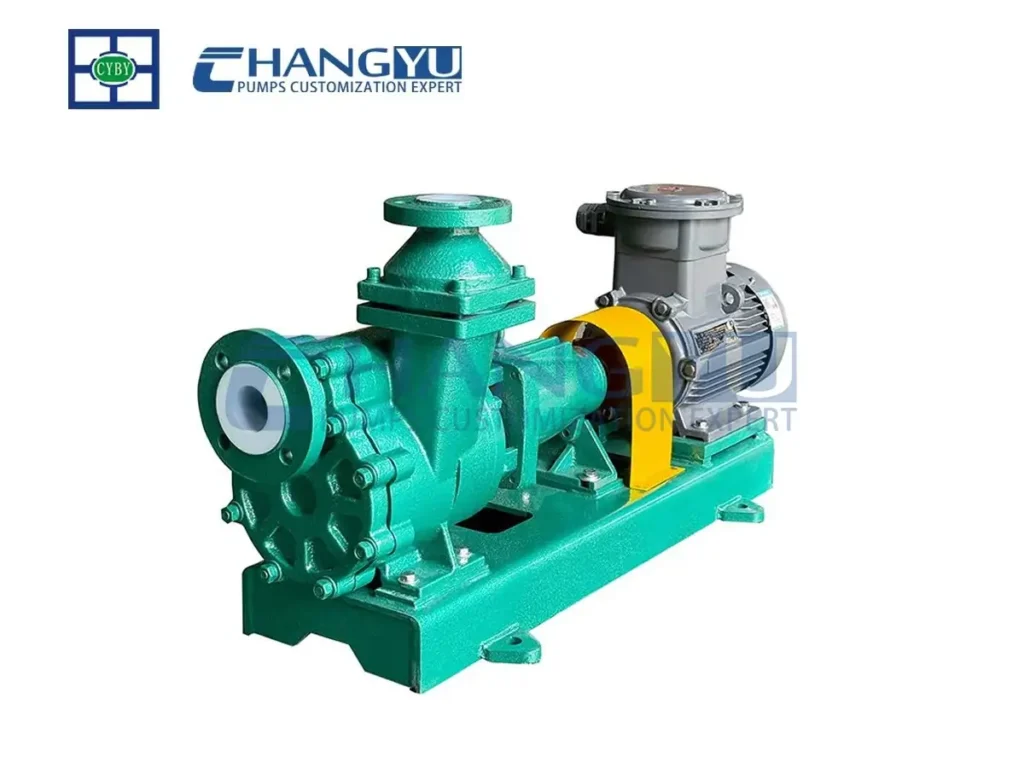
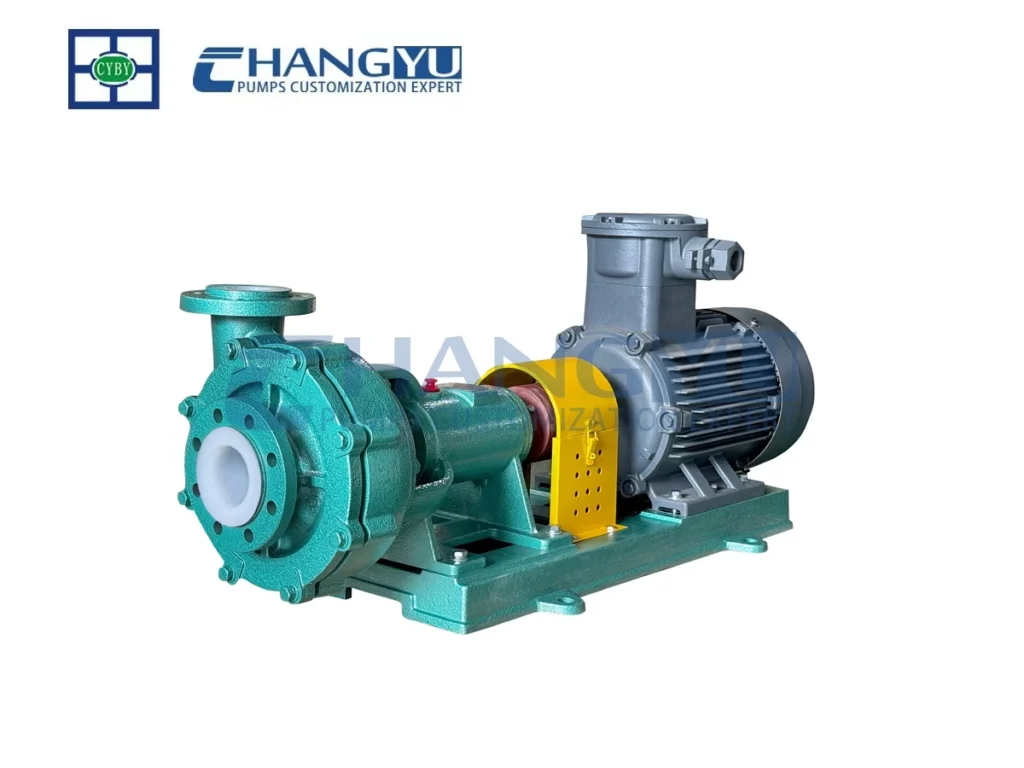
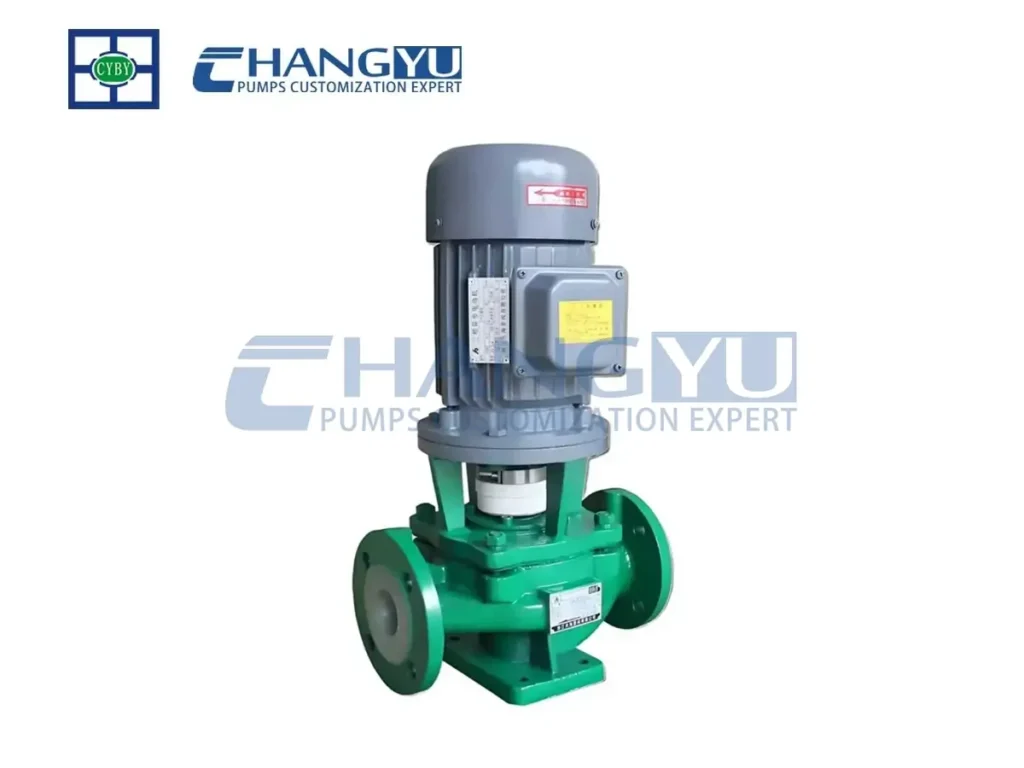
Bơm ly tâm mang lại những ưu điểm như vận hành liên tục hiệu suất cao, chi phí bảo trì thấp, phạm vi ứng dụng rộng và hiệu suất ổn định. Chúng có khả năng xử lý nước sạch, chất lỏng hóa chất, môi trường ăn mòn và một số loại bùn. Kết quả là, chúng được sử dụng rộng rãi trong các ngành công nghiệp như chế biến hóa chất, khai thác mỏ, xử lý nước, sản xuất phân bón, sản xuất công nghiệp và hóa dầu, đồng thời đóng vai trò là thiết bị cốt lõi trong các hệ thống truyền tải chất lỏng công nghiệp.
Các loại bơm ly tâm
Phân Loại Theo Vật Liệu
Bơm ly tâm bằng thép không gỉ
Bơm ly tâm inox mang lại khả năng chống ăn mòn tuyệt vời và độ bền cơ học cao, phù hợp để bơm nước sạch, chất lỏng ăn mòn nhẹ và môi trường tuần hoàn công nghiệp. Chúng được sử dụng rộng rãi trong các hệ thống hóa chất, chế biến thực phẩm và công nghiệp nói chung, và có thể duy trì hoạt động ổn định lâu dài trong môi trường ăn mòn vừa phải.
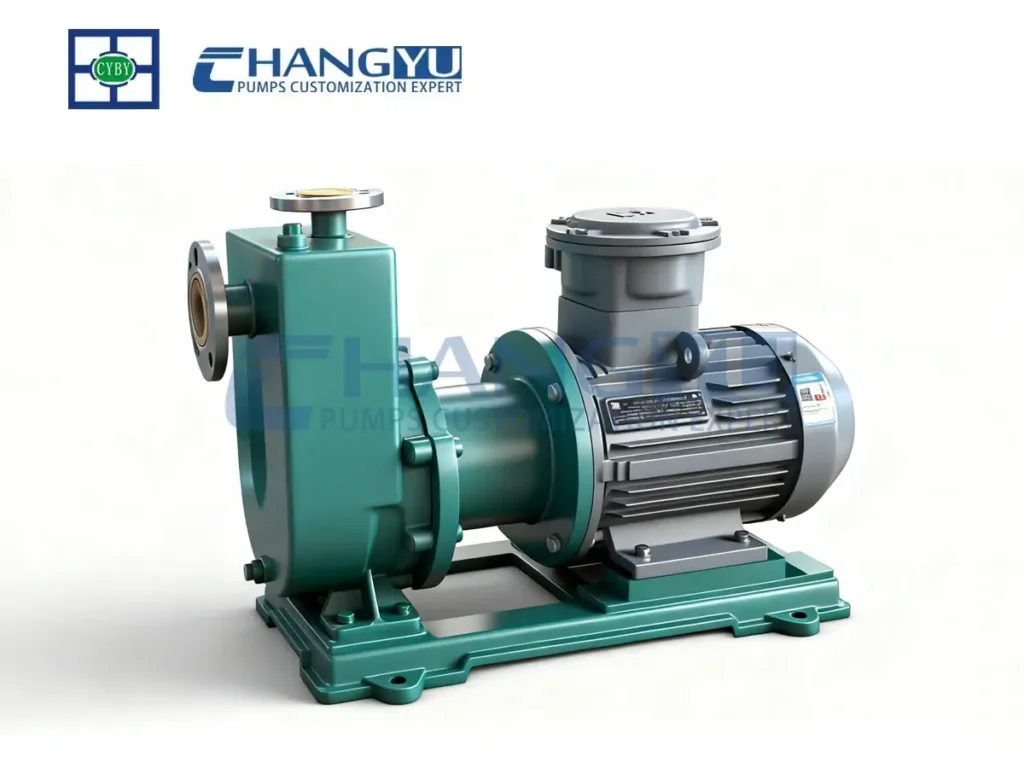
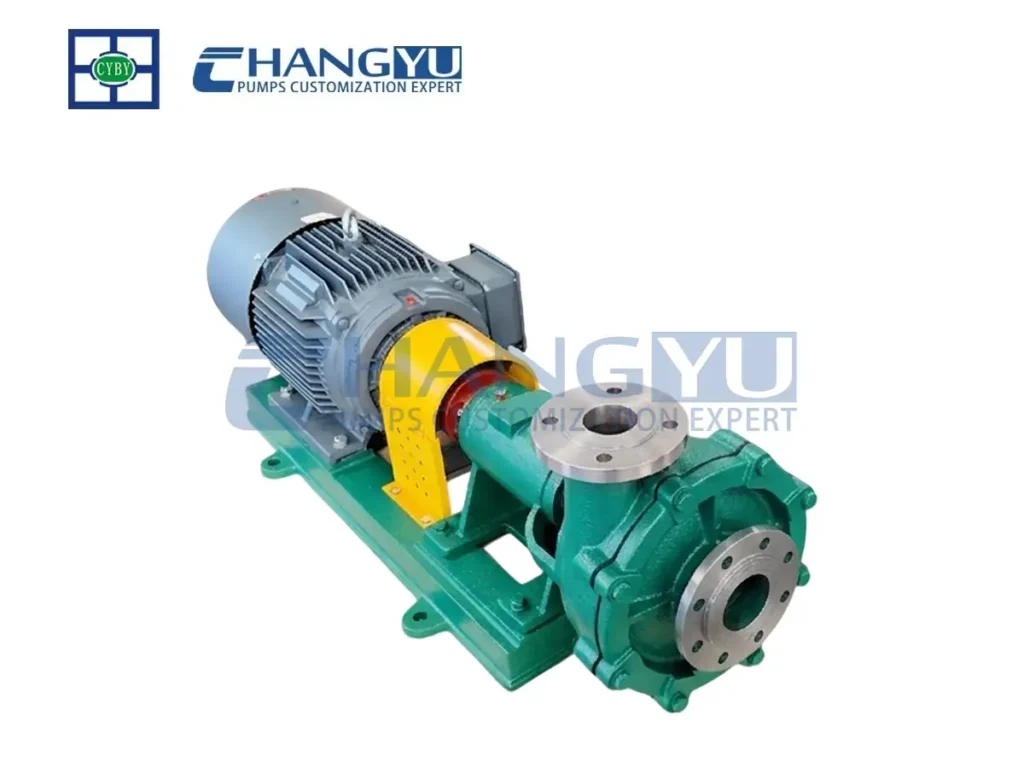

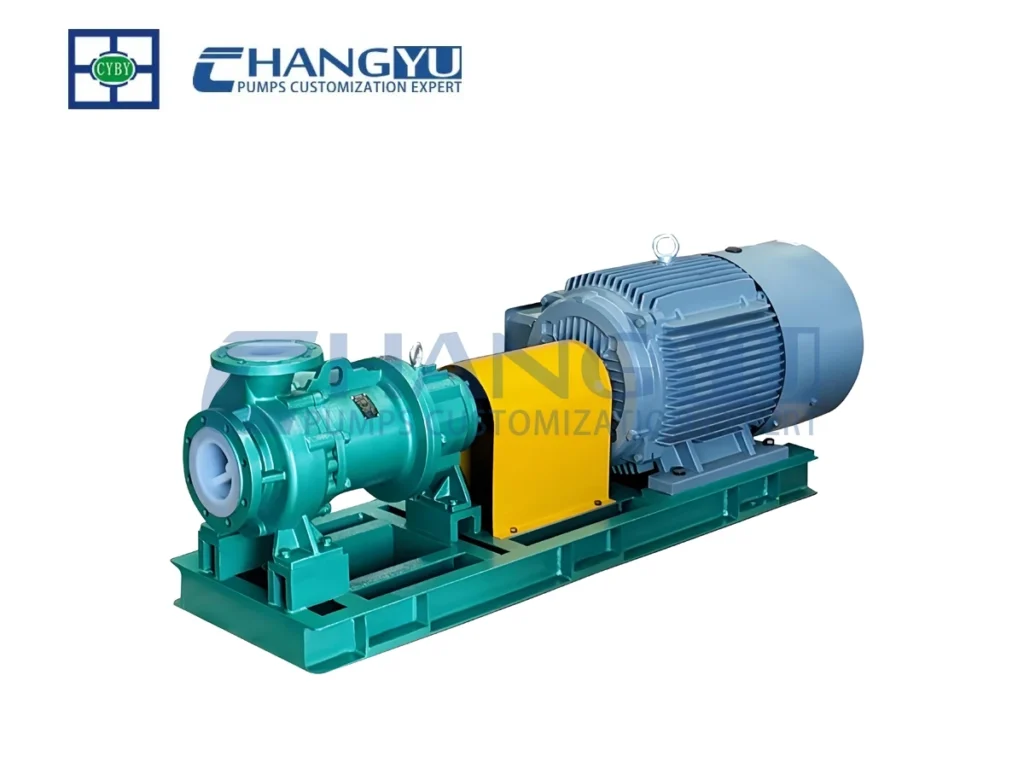
Bơm Ly Tâm Nhựa Fluoroplastic
Bơm ly tâm nhựa fluoroplastic được sản xuất từ các vật liệu chống ăn mòn cao như PTFE và được thiết kế đặc biệt để vận chuyển axit mạnh, kiềm mạnh và môi trường hóa chất ăn mòn cao, chẳng hạn như axit clohydric và axit sulfuric. Loại bơm này có khả năng chống hóa chất đặc biệt và phù hợp để sử dụng trong các ứng dụng chế biến hóa chất, mạ điện và xử lý vật liệu nguy hiểm.
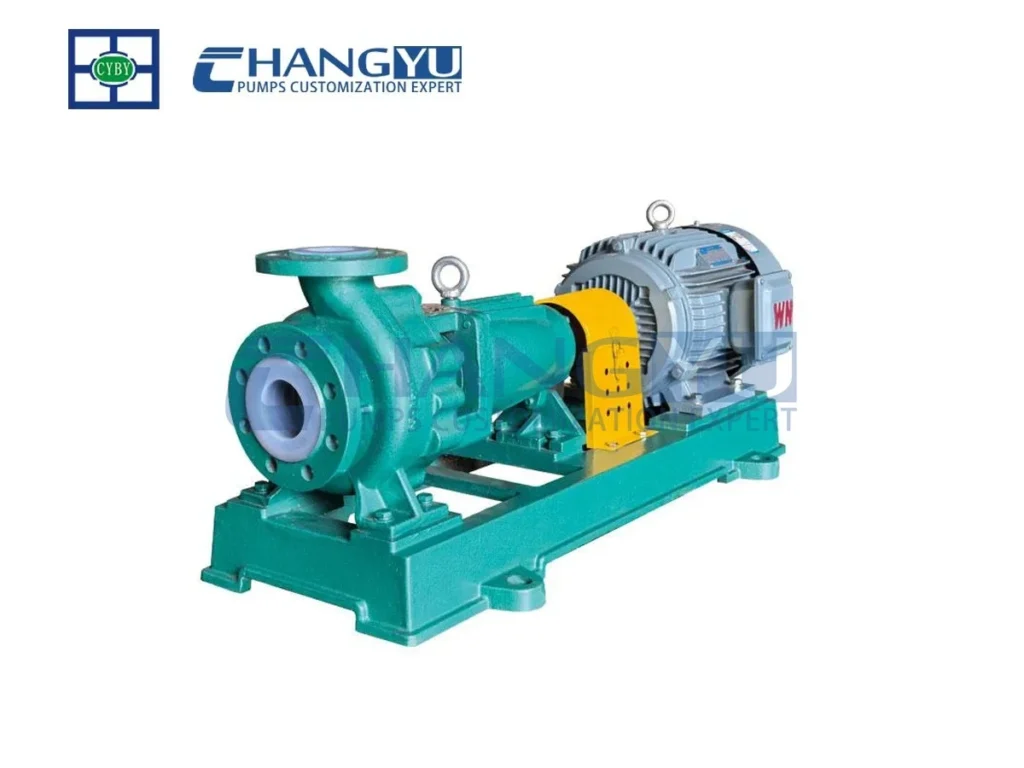
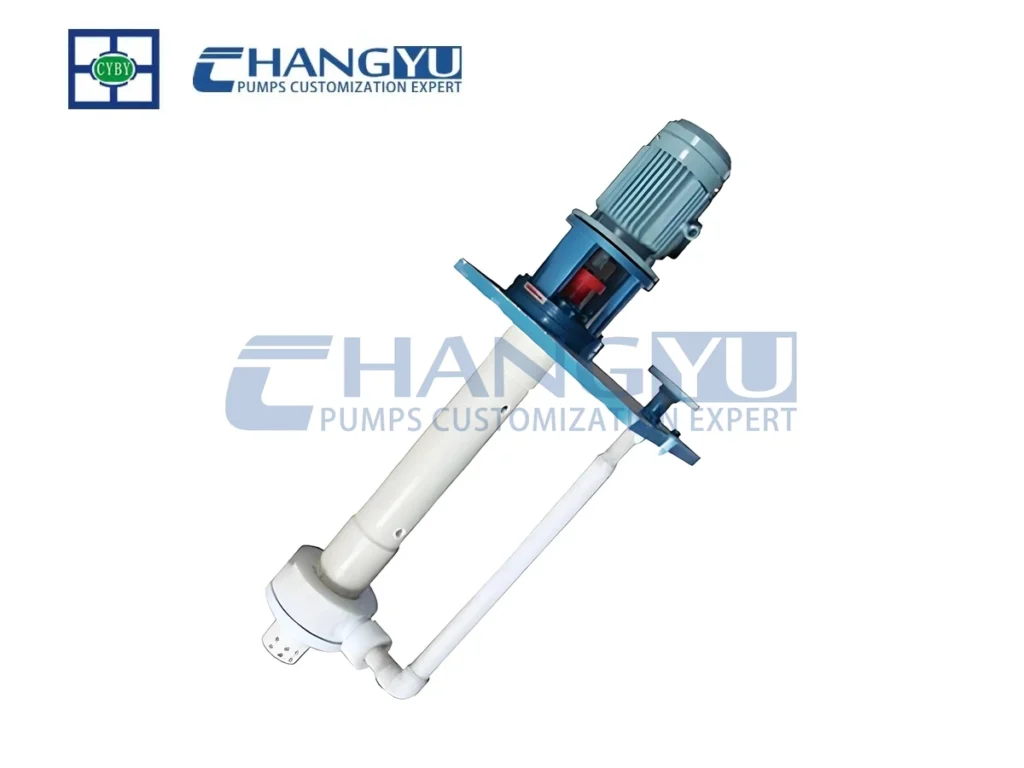
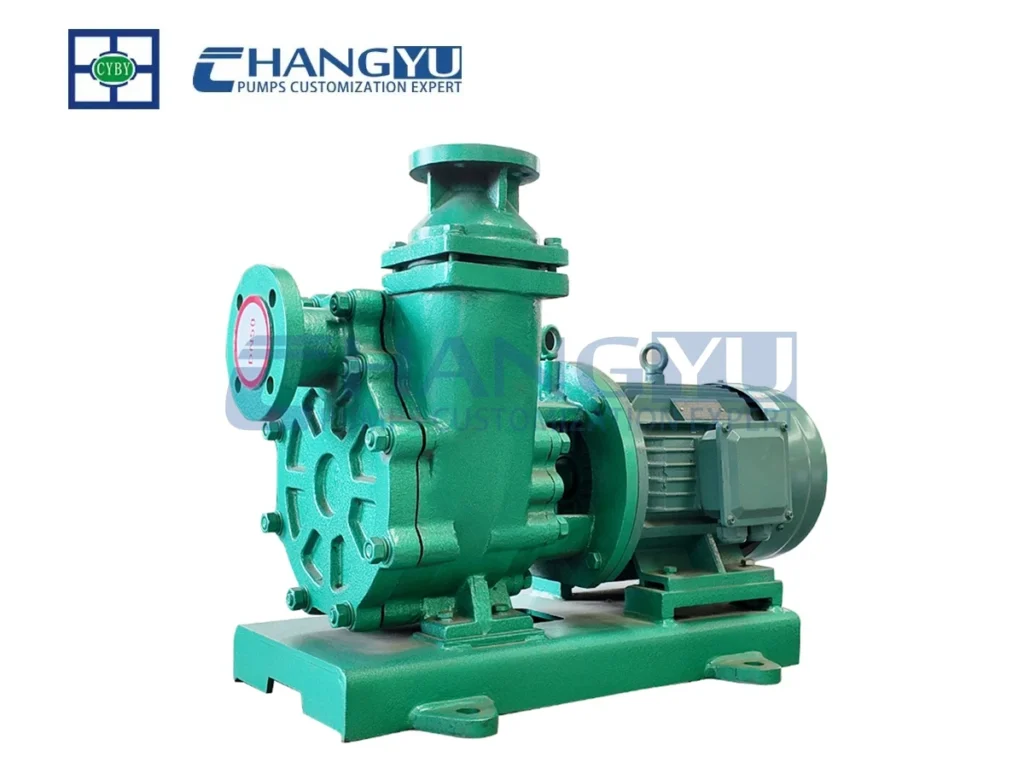
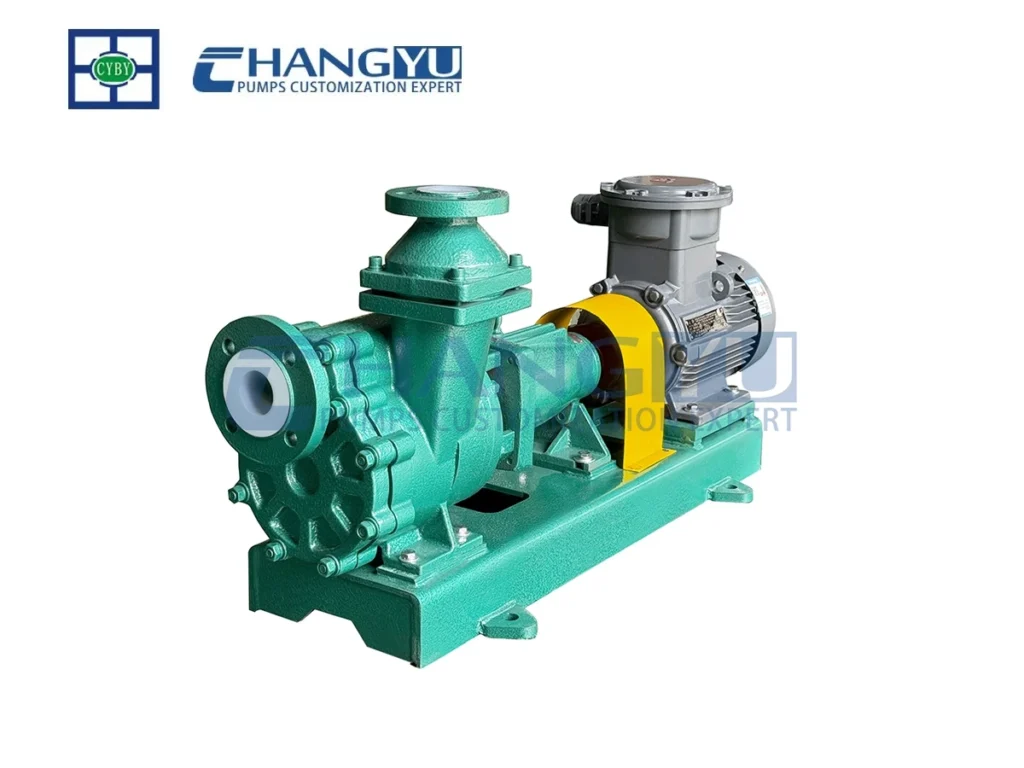
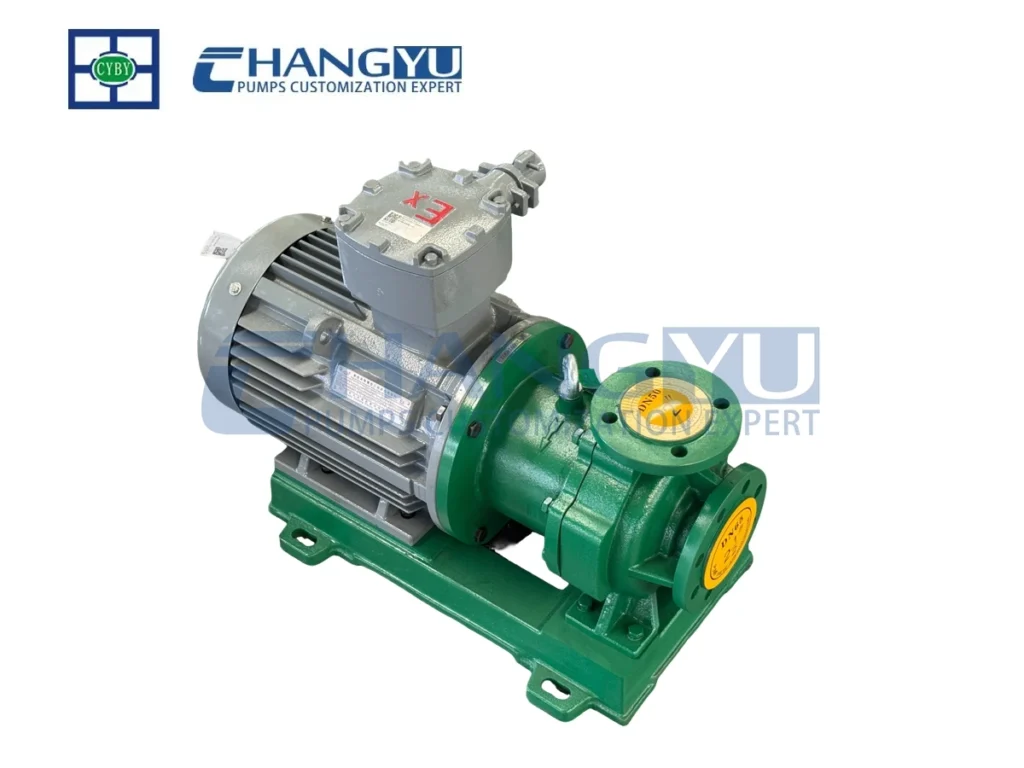
Đối với các lựa chọn thép không gỉ, hướng dẫn của chúng tôi về các loại bơm thép không gỉ công nghiệp giải thích cách định hướng, làm kín và yêu cầu mồi ảnh hưởng đến việc lựa chọn.
Phân Loại Theo Kiểu Kết Cấu
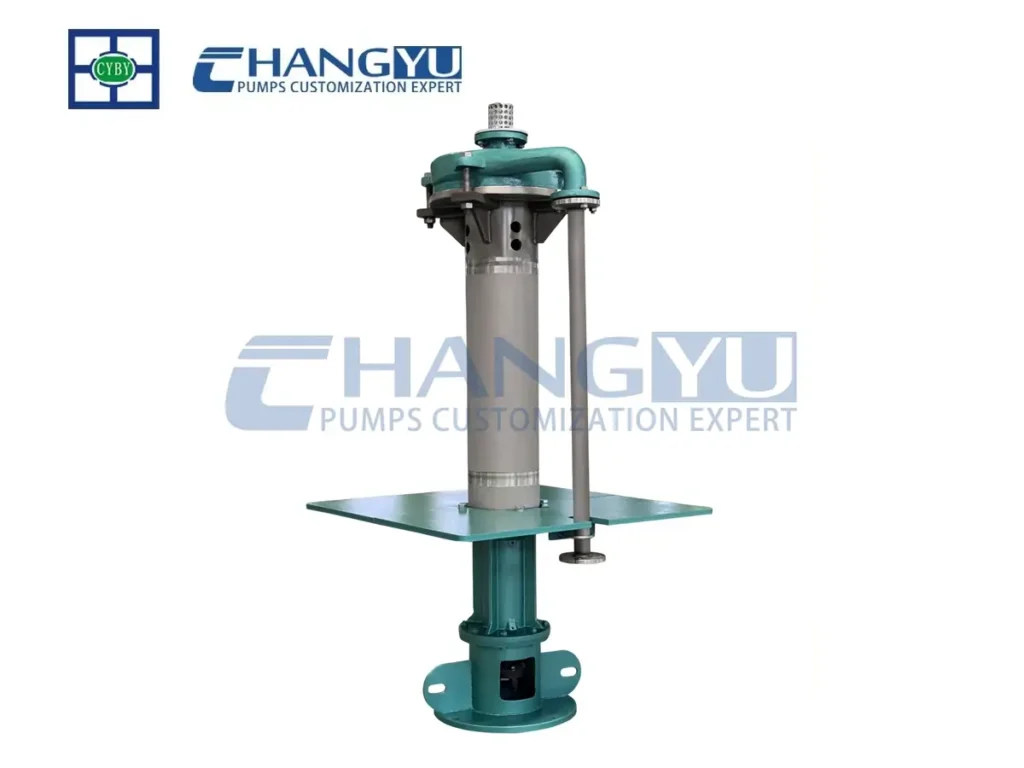
Bơm ly tâm đứng
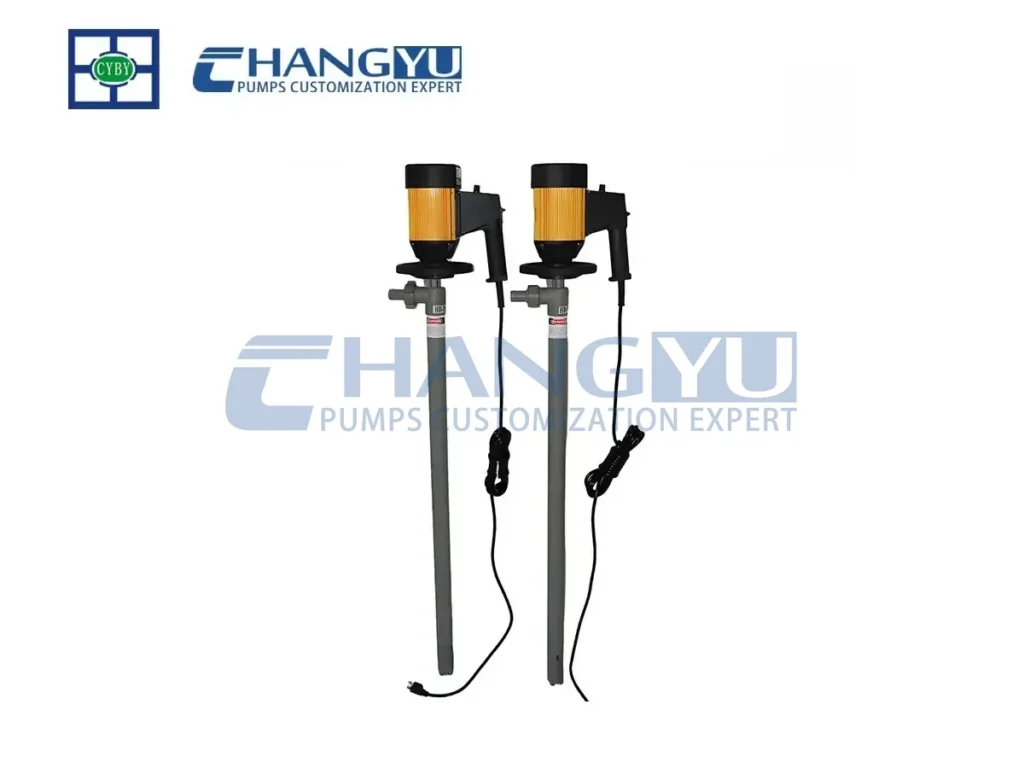
Bơm ly tâm đứng có thiết kế thẳng đứng giúp giảm thiểu diện tích lắp đặt, phù hợp với môi trường lắp đặt có không gian hạn chế. Chúng thường được sử dụng cho các hệ thống tăng áp đường ống, hệ thống tuần hoàn và hệ thống cấp nước công nghiệp, và được đặc trưng bởi việc lắp đặt dễ dàng và vận hành ổn định.
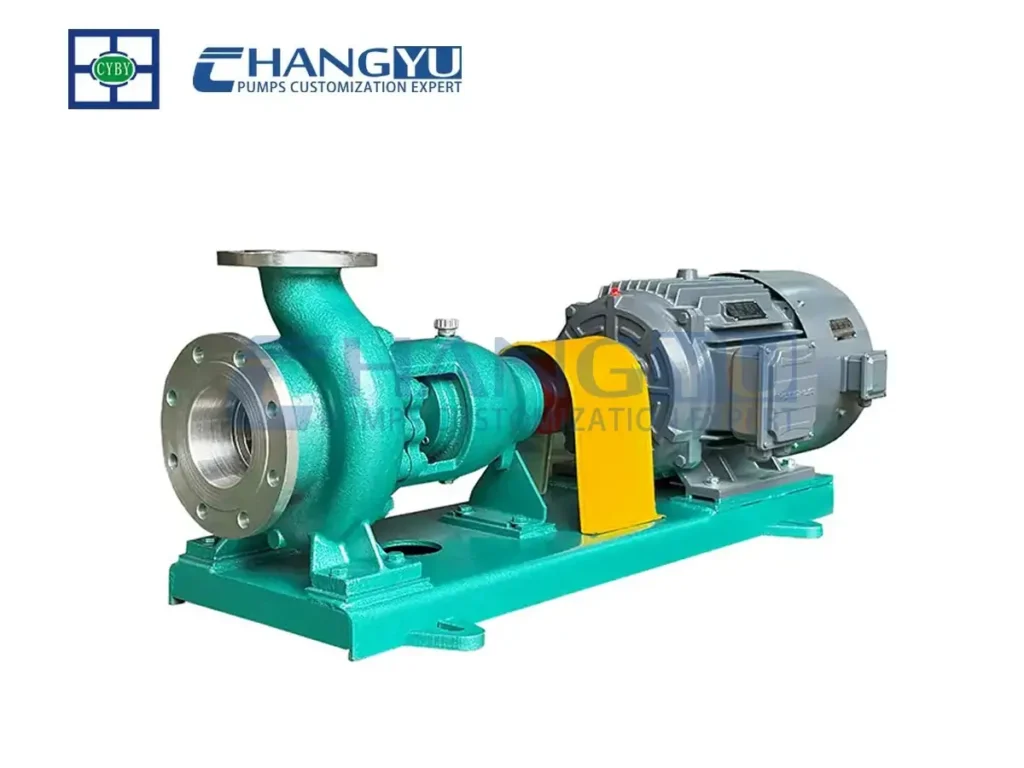
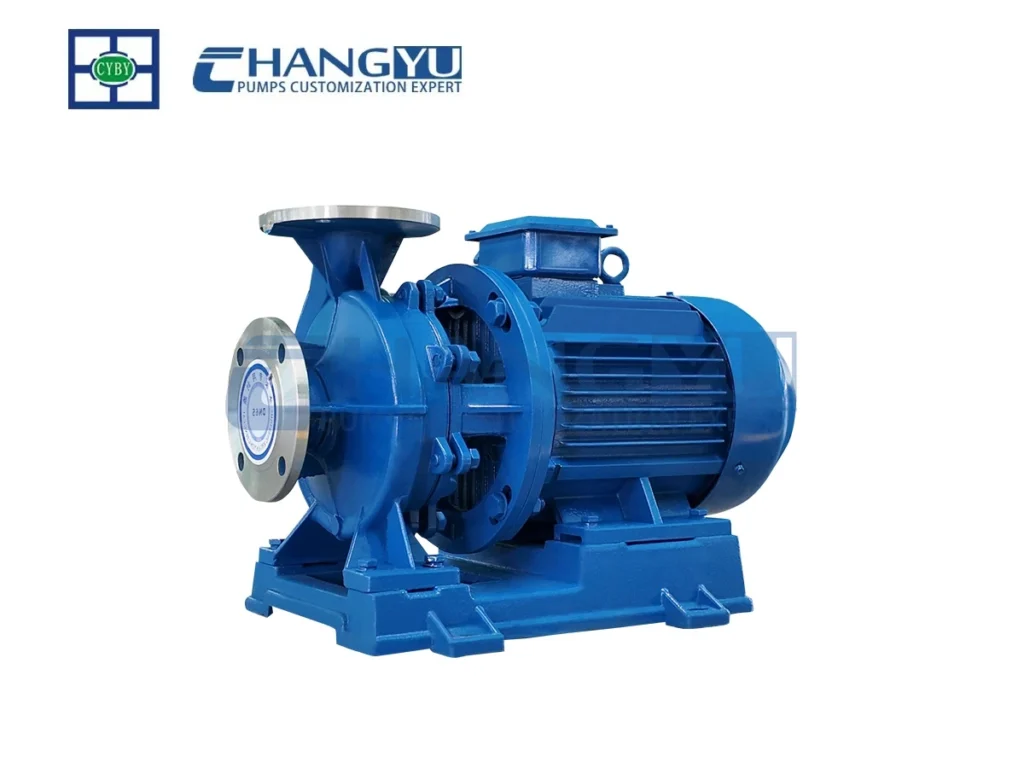
Máy bơm ly tâm ngang
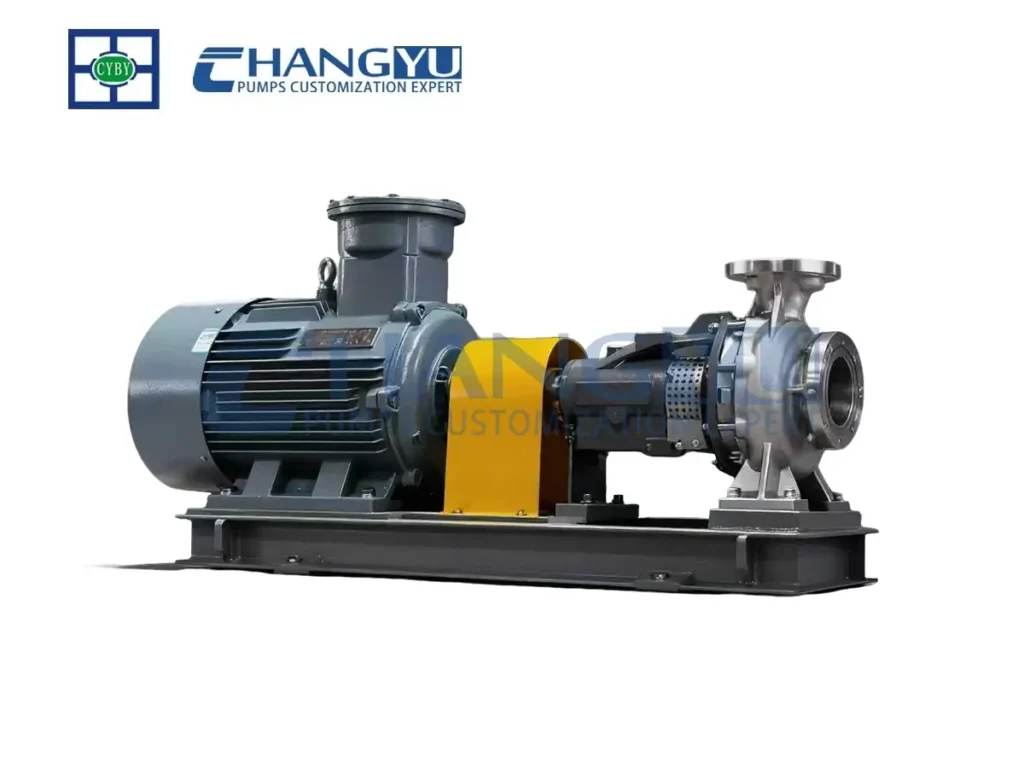
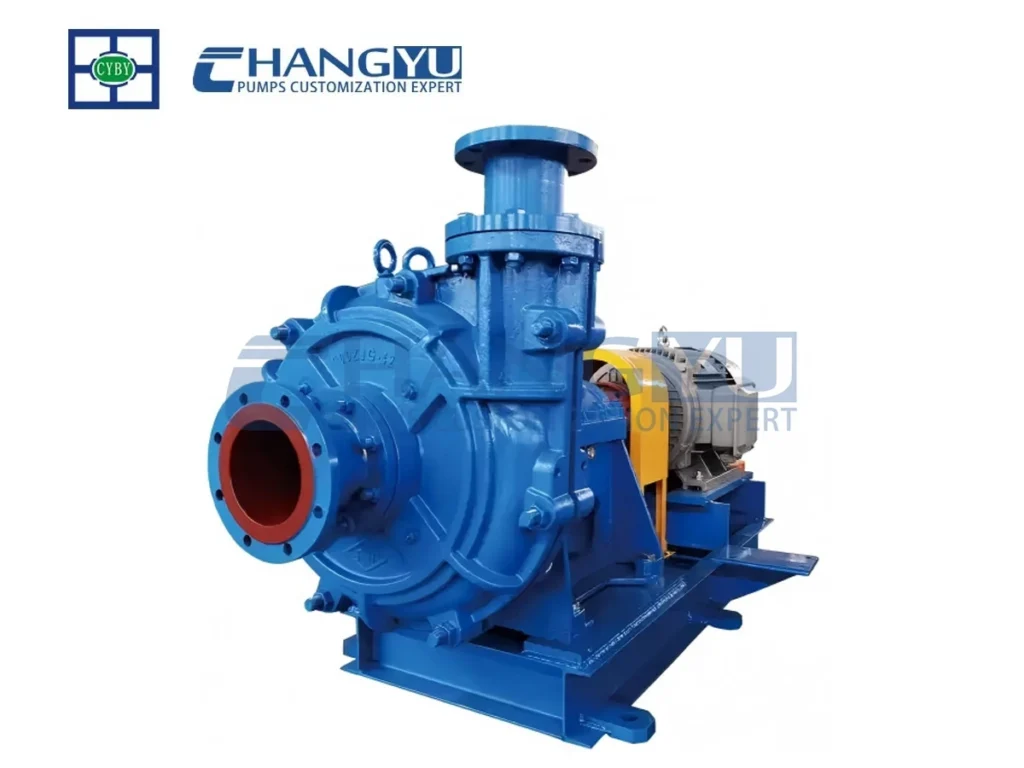
Bơm ly tâm ngang có cấu trúc ổn định và dễ bảo trì, là một trong những loại phổ biến nhất trong các ứng dụng công nghiệp. Chúng phù hợp với các điều kiện vận hành liên tục, lưu lượng lớn, chẳng hạn như vận chuyển hóa chất, tuần hoàn khai thác mỏ và hệ thống làm mát công nghiệp.

Phân Loại Theo Loại Chức Năng
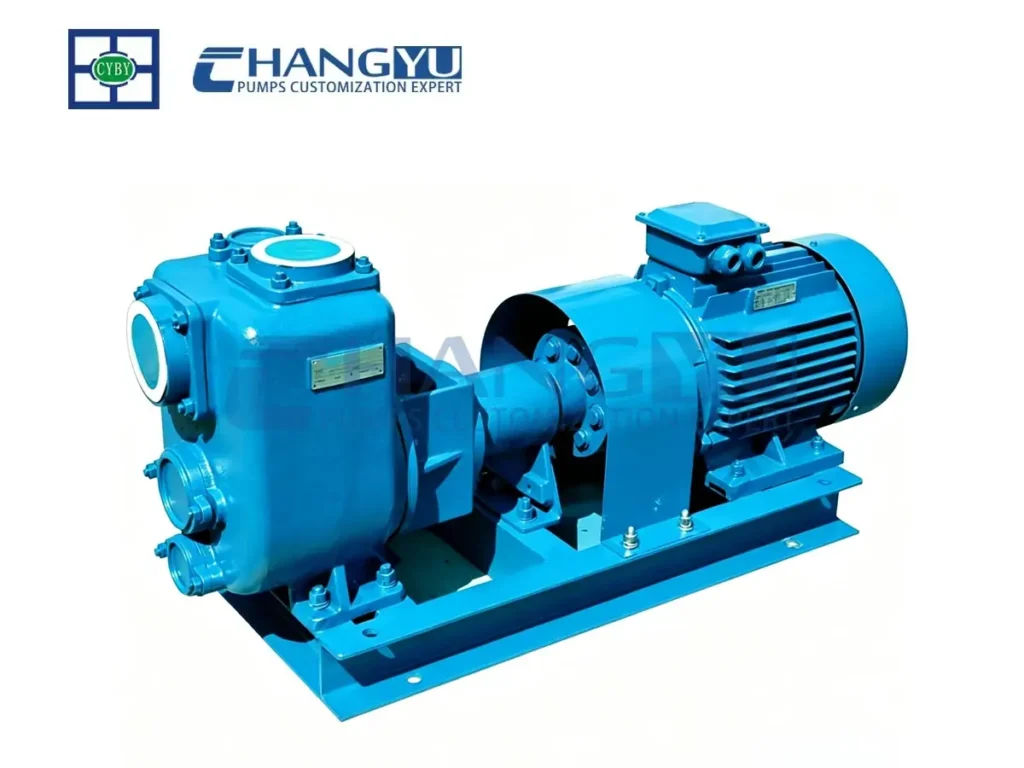
Bơm ly tâm tự mồi
Bơm ly tâm tự mồi có khả năng tự động hút chất lỏng và không cần mồi trước khi khởi động. Chúng đặc biệt phù hợp cho các ứng dụng yêu cầu vận hành gián đoạn hoặc chiều cao hút lớn. Chúng được sử dụng rộng rãi trong xử lý nước thải, vận chuyển hóa chất và các hệ thống thiết bị di động.
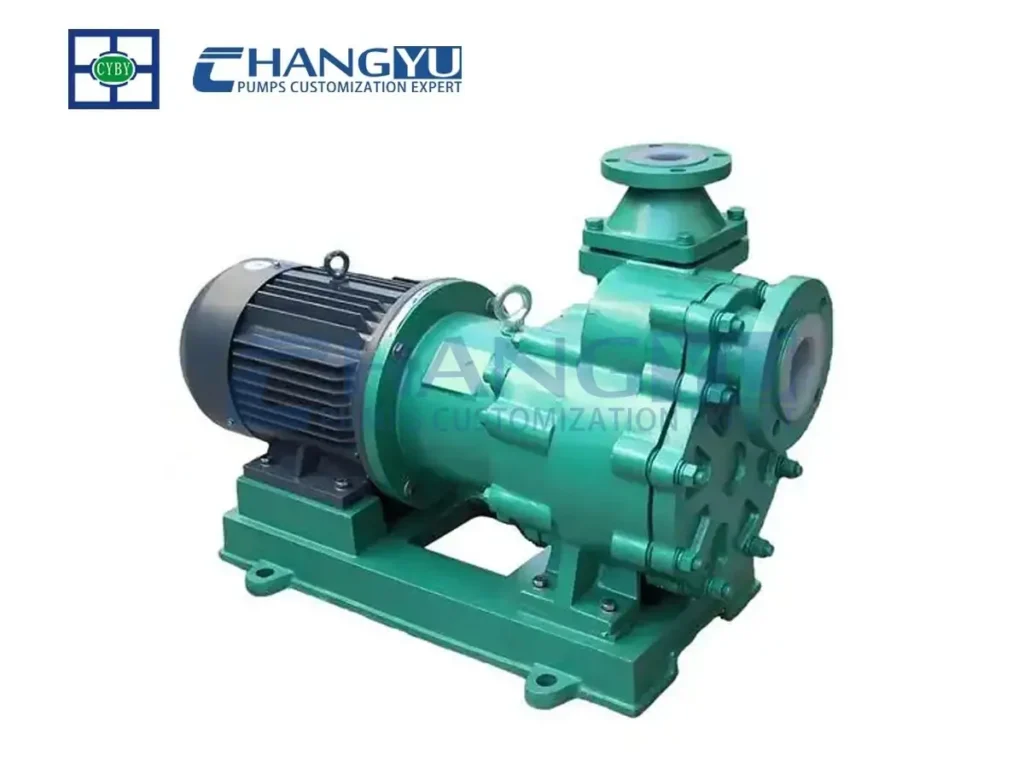
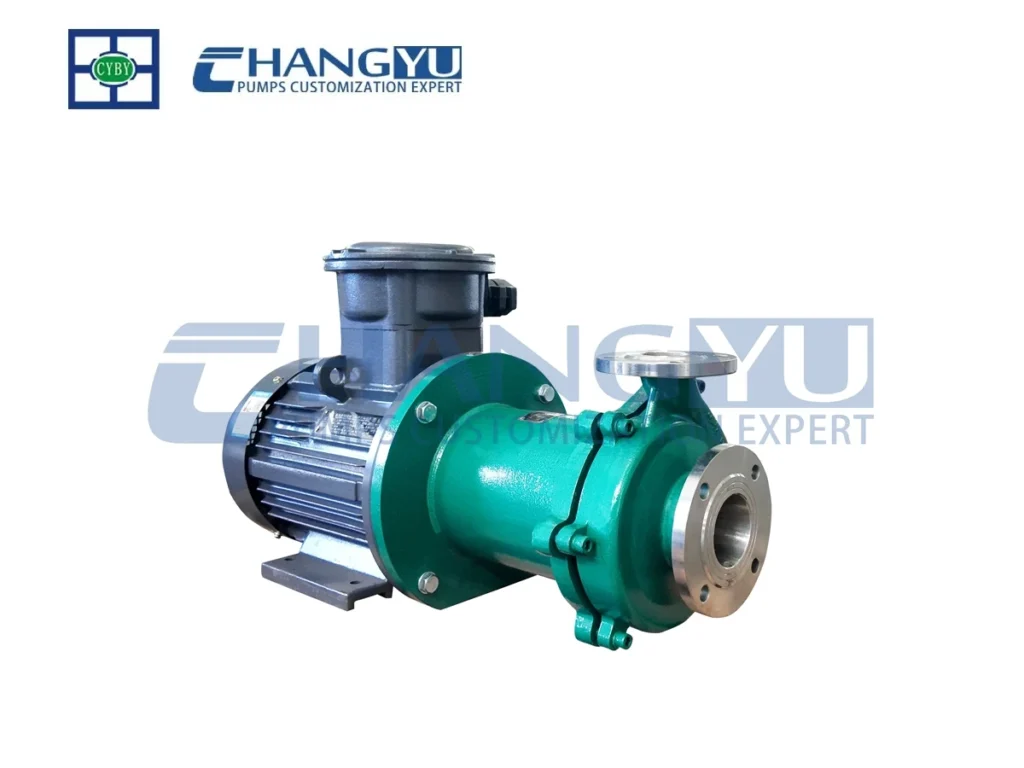
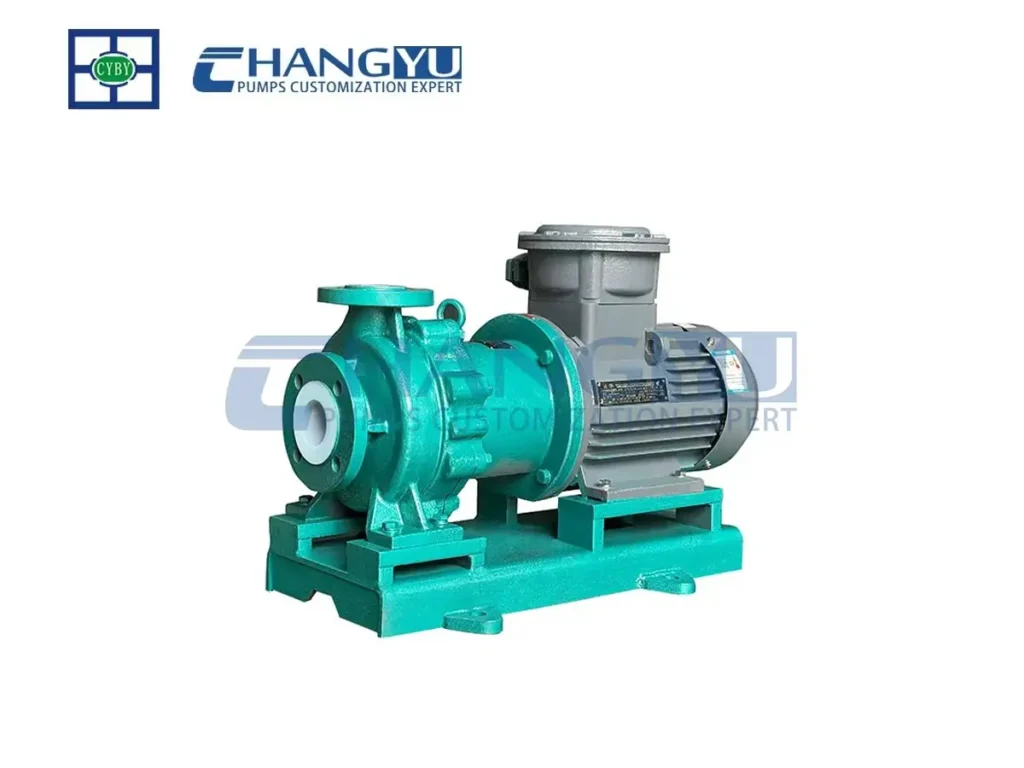
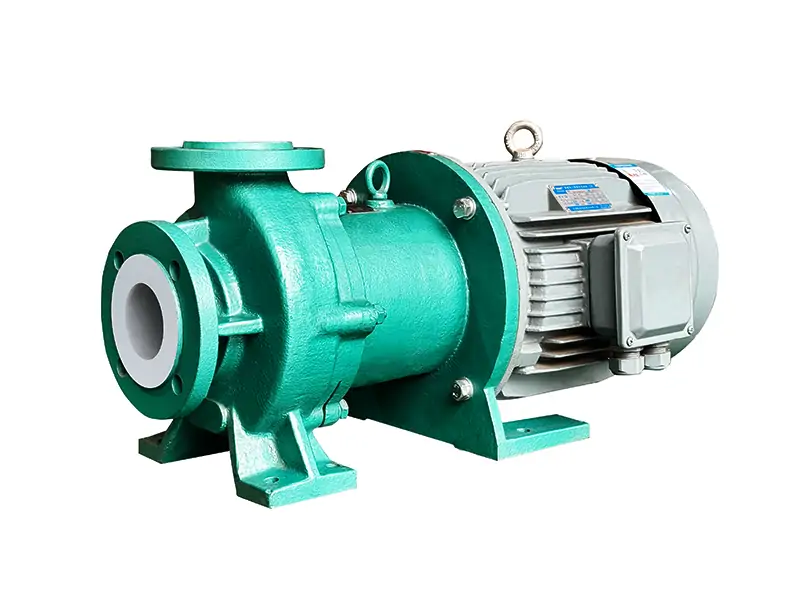
Bơm ly tâm truyền động từ
Bơm từ tính sử dụng khớp nối từ để truyền công suất, loại bỏ nhu cầu về phớt trục và do đó ngăn ngừa rò rỉ. Chúng phù hợp để xử lý các môi trường hóa chất độc hại, dễ bay hơi và nguy hiểm, và được sử dụng rộng rãi trong các ngành công nghiệp hóa chất và dược phẩm.
Phân Loại Theo Cấp Độ Ứng Dụng
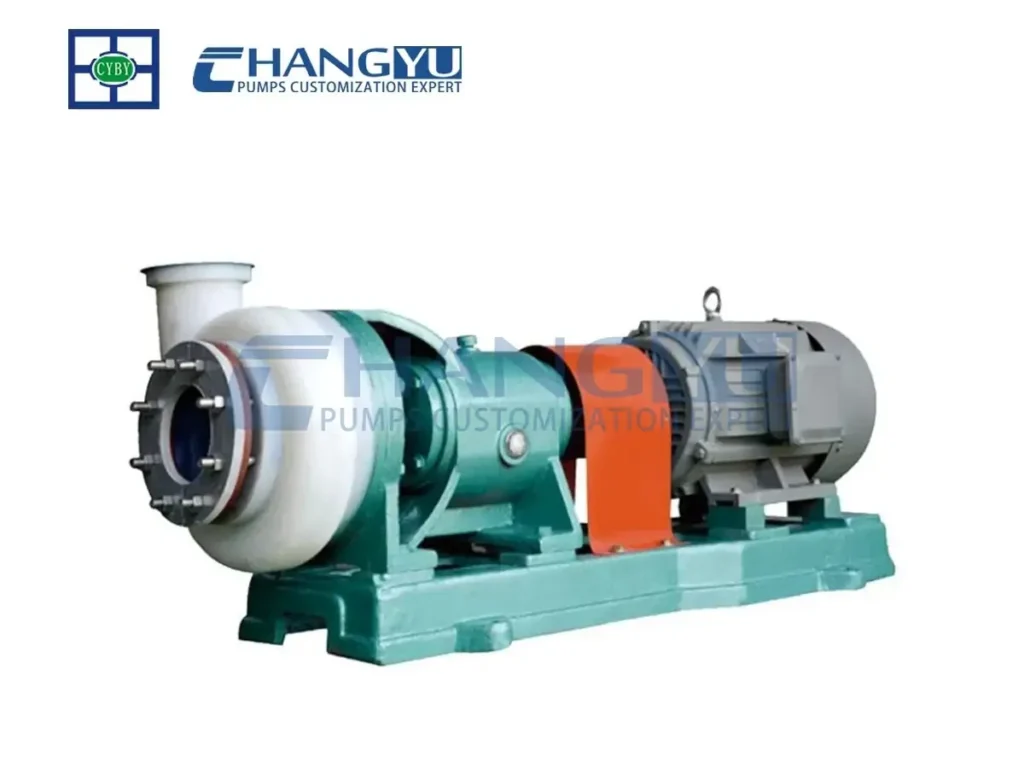
Bơm Ly Tâm Hóa Chất
Bơm ly tâm hóa chất được thiết kế đặc biệt cho các môi trường hóa chất ăn mòn và phức tạp. Chúng có khả năng chống axit và kiềm, chịu được nhiệt độ cao và có khả năng chống ăn mòn tuyệt vời. Chúng được sử dụng rộng rãi trong sản xuất hóa chất, vận chuyển axit và kiềm, và các hệ thống phản ứng.
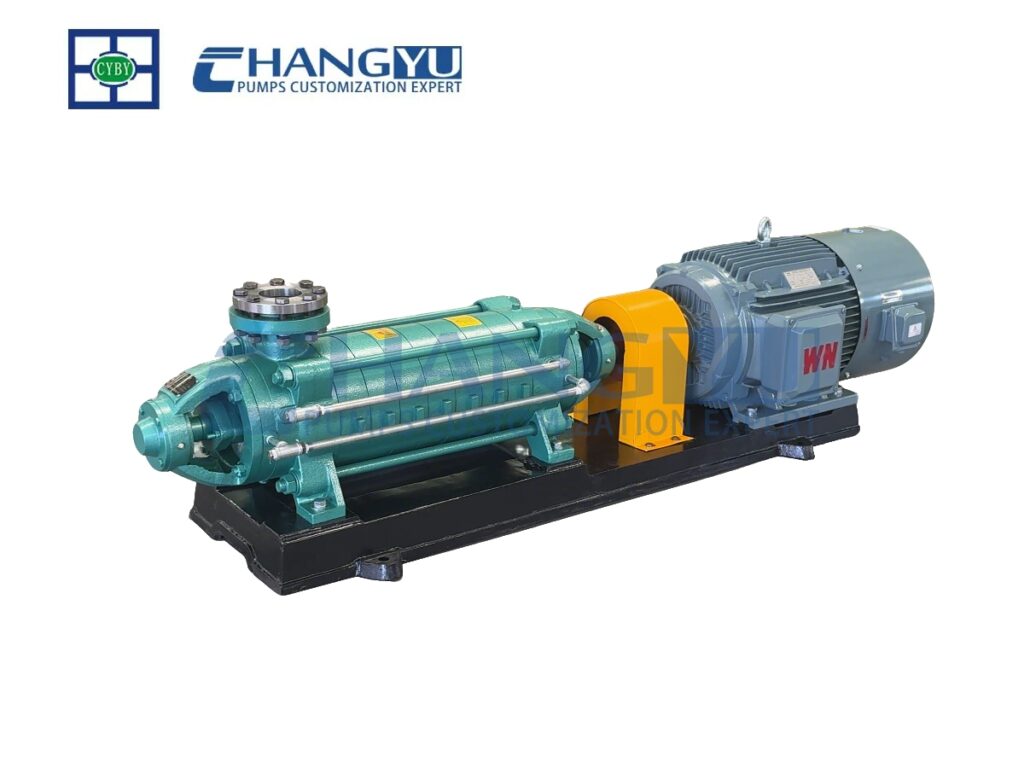
Bơm Ly Tâm Đa Tầng
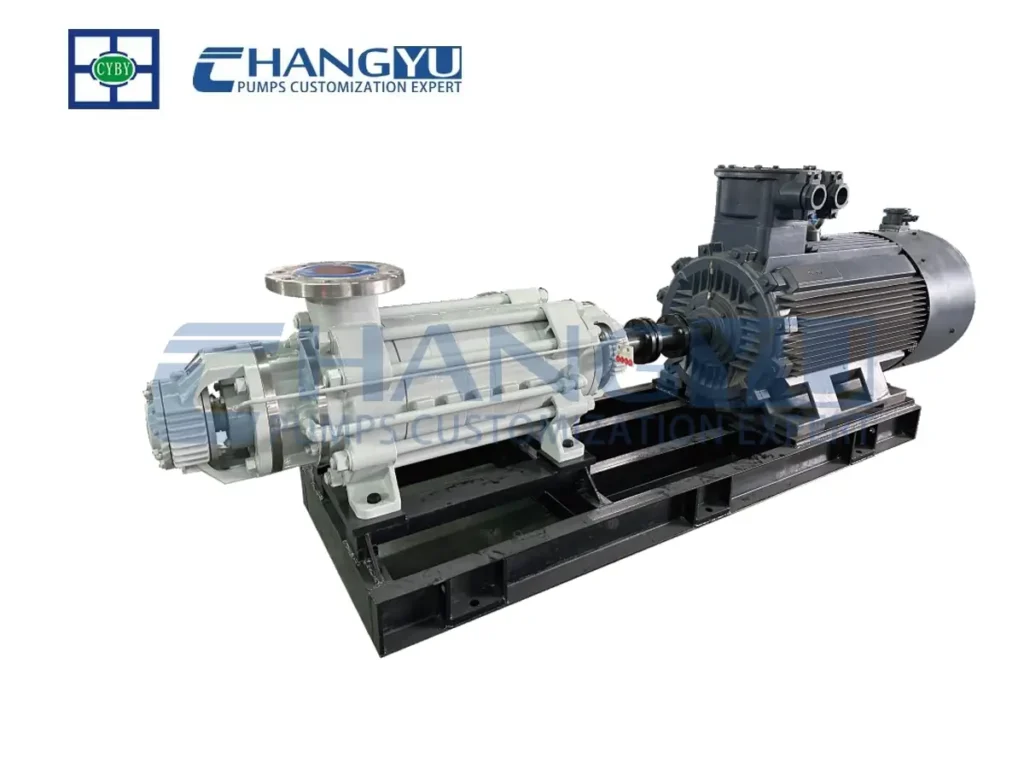
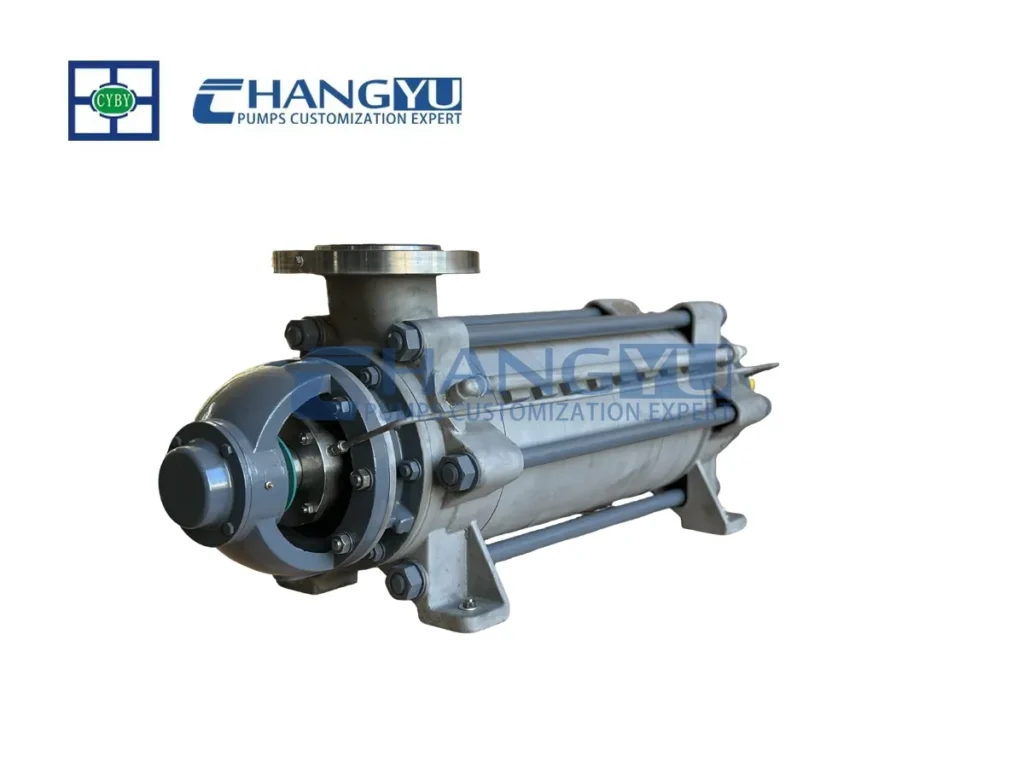
Bơm ly tâm nhiều tầng đạt được đầu ra cột áp cao thông qua sự kết hợp của nhiều bánh công tác. Chúng phù hợp cho hệ thống cấp nước áp suất cao, cấp nước lò hơi và hệ thống vận chuyển đường dài, và là một trong những thiết bị cốt lõi cho các ứng dụng công nghiệp áp suất cao.
Cách Thức Hoạt Động của Bơm Ly Tâm
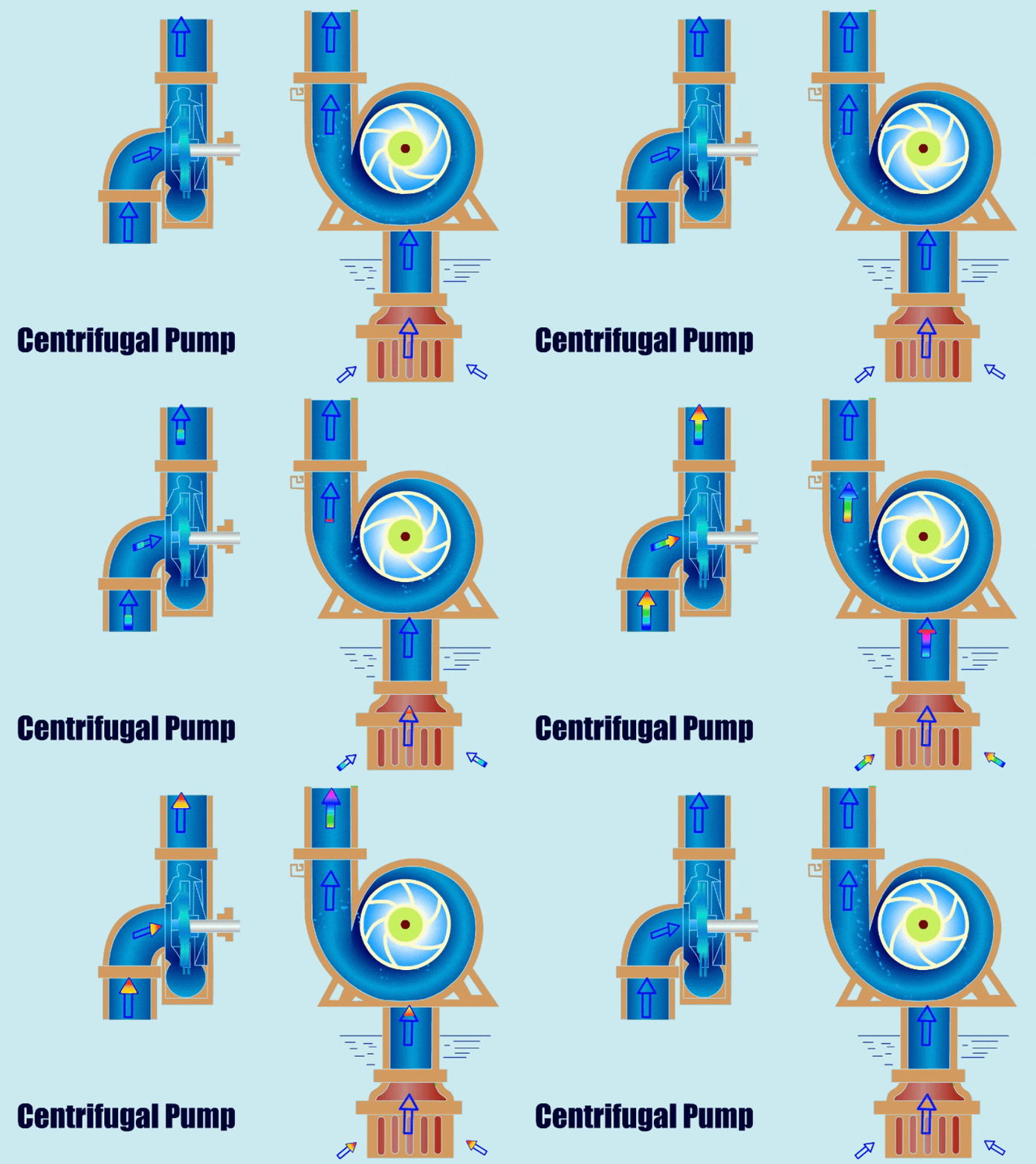
Bơm ly tâm hoạt động dựa trên nguyên lý lực ly tâm được tạo ra bởi sự quay tốc độ cao của cánh quạt, cho phép hút và xả chất lỏng liên tục. Quá trình vận hành có thể được tóm tắt trong bốn bước chính sau đây:
Bước 1
Chuẩn bị Mồi và Trước khi Khởi động: Bơm ly tâm không có khả năng tự mồi. Do đó, trước khi khởi động, thân bơm và ống hút phải được đổ đầy chất lỏng để đẩy không khí ra ngoài và ngăn ngừa hiện tượng “kẹt khí,” điều này sẽ ngăn bơm hút được chất lỏng.
Bước 2
Lực Ly Tâm Được Tạo Ra Bởi Sự Quay của Cánh Quạt: Khi động cơ dẫn động cánh quạt quay với tốc độ cao thông qua trục bơm, chất lỏng giữa các cánh quạt bị buộc phải quay theo cánh quạt. Dưới tác dụng của lực ly tâm, chất lỏng bị văng ra từ tâm cánh quạt (vùng áp suất thấp) về phía mép ngoài của cánh quạt. Trong quá trình này, cả động năng và áp năng của chất lỏng đều tăng lên đáng kể.
Bước 3
Chuyển Đổi Năng Lượng và Tăng Áp: Chất lỏng tốc độ cao bị văng ra từ cánh quạt đi vào vỏ bơm (thường có dạng xoắn ốc). Khi diện tích mặt cắt ngang của đường dẫn dòng trong vỏ bơm mở rộng dần, vận tốc của chất lỏng giảm xuống. Theo nguyên lý Bernoulli, phần lớn động năng của nó được chuyển đổi thành áp suất tĩnh (áp năng), cho phép chất lỏng được xả ra khỏi cửa xả ở áp suất cao hơn.
Bước 4
Hút Liên Tục Tạo Thành Một Chu Trình: Khi chất lỏng bị văng ra ngoài, một chân không cục bộ (vùng áp suất thấp) hình thành ở tâm cánh quạt. Được dẫn động bởi áp suất khí quyển tại bề mặt hút (hoặc chênh lệch áp suất khác), chất lỏng mới liên tục bị đẩy qua ống hút vào tâm cánh quạt, lấp đầy khoảng trống do chất lỏng đã xả để lại và do đó cho phép vận chuyển chất lỏng liên tục.
Một sự so sánh sinh động như sau: giống như những giọt mưa trên ô bị văng ra mép bởi lực ly tâm khi ô được quay, cánh quạt của bơm ly tâm hoạt động giống như một chiếc ô quay nhanh, và chất lỏng bị “văng” ra ngoài như những giọt mưa, từ đó thu được năng lượng.
Để biết thêm các bài viết về nguyên lý hoạt động và các bộ phận của bơm ly tâm, vui lòng đọc:
- Bơm ly tâm là gì? Các bộ phận, nguyên lý hoạt động và các loại bơm ly tâm
- Hiểu về các bộ phận và nguyên lý hoạt động của bơm ly tâm
Cách Chọn Đúng Loại Bơm Ly Tâm
Các ứng dụng công nghiệp khác nhau yêu cầu các thiết kế và vật liệu bơm ly tâm khác nhau. Bảng so sánh sau đây giúp người dùng nhanh chóng xác định loại bơm phù hợp nhất dựa trên đặc tính chất lỏng, điều kiện lắp đặt và yêu cầu vận hành.
| Loại bơm | Phù hợp nhất cho | Tính Năng Chính | Các ứng dụng điển hình |
|---|---|---|---|
| Bơm ly tâm bằng thép không gỉ | Nước sạch, hóa chất nhẹ và chất lỏng công nghiệp | Khả năng chống ăn mòn tuyệt vời, vệ sinh, bền bỉ | Xử lý nước, chế biến thực phẩm, tuần hoàn hóa chất |
| Bơm Hóa Chất Fluoroplastic | Axit mạnh, kiềm và hóa chất ăn mòn | Lớp lót PTFE, khả năng chống hóa chất vượt trội | Axit clohydric, axit sulfuric, ngành mạ điện |
| Bơm ly tâm truyền động từ | Chất lỏng độc hại, nguy hiểm hoặc nhạy cảm với rò rỉ | Thiết kế không có phớt cơ khí, không rò rỉ, vận hành an toàn | Nhà máy hóa chất, ngành dược phẩm, hóa chất tinh khiết |
| Bơm ly tâm tự mồi | Chất lỏng yêu cầu tự mồi | Khả năng tự mồi, khởi động dễ dàng, lắp đặt thuận tiện | Xử lý nước thải, vận chuyển hóa chất, dỡ hàng từ bồn chứa |
| Bơm Đường Ống Đứng | Hệ thống tăng áp và tuần hoàn đường ống | Diện tích nhỏ gọn, lắp đặt thẳng đứng, tiết kiệm năng lượng | Cấp nước tòa nhà, hệ thống HVAC, tuần hoàn công nghiệp |
| Bơm Hóa Chất Ngang | Vận chuyển chất lỏng công nghiệp liên tục | Vận hành ổn định, bảo trì dễ dàng, khả năng lưu lượng cao | Chế biến hóa chất, làm mát công nghiệp, tuần hoàn nước |
| Bơm đa cấp đứng | Vận chuyển áp suất cao và đường dài | Nhiều bánh công tác cung cấp cột áp cao và áp suất ổn định | Cấp nước lò hơi, cấp nước cao tầng, hệ thống thẩm thấu ngược |
Mẹo Lựa Chọn
- Xử lý hóa chất ăn mòn? → Chọn Bơm Hóa Chất Fluoroplastic.
- Cần vận hành không rò rỉ? → Bơm truyền động từ tính là giải pháp ưu tiên.
- Cần tự mồi mà không cần mồi thủ công? → Bơm tự mồi được khuyến nghị.
- Không gian lắp đặt hạn chế? → Bơm Đường Ống Đứng tiết kiệm diện tích sàn.
- Cần đầu ra áp suất cao? → Bơm Nhiều Tầng Đứng cung cấp hiệu suất cột áp cao hơn.
- Vận chuyển chất lỏng công nghiệp tổng quát? → Bơm Hóa Chất Ngang hoặc Bơm Thép Không Gỉ phù hợp với hầu hết các ứng dụng.
Lựa Chọn Nhanh Theo Môi Chất Vận Chuyển
| Loại chất lỏng | Máy bơm được khuyến nghị |
|---|---|
| Nước sạch | Bơm ly tâm bằng thép không gỉ |
| Axit clohydric | Bơm Hóa Chất Fluoroplastic |
| Axit sunfuric | Bơm Hóa Chất Từ |
| Hóa Chất Ăn Mòn | Bơm nhựa fluor |
| Nước Tuần Hoàn Công Nghiệp | Bơm Đường Ống Đứng |
| Cấp Nước Áp Suất Cao | Bơm đa cấp đứng |
Tất nhiên, việc lựa chọn máy bơm phù hợp không chỉ phụ thuộc vào một yếu tố duy nhất; bạn còn cần xem xét môi chất được bơm, cột áp, công suất, vật liệu, không gian và các yếu tố khác. Nếu bạn chưa chắc chắn cách lựa chọn, vui lòng liên hệ với các kỹ sư của chúng tôi—chúng tôi sẽ cung cấp hướng dẫn lựa chọn máy bơm để giúp bạn chọn được model máy bơm phù hợp nhất.
Email: [email protected]
TEL/WA: +86-13651913727
