
Trả lời nhanh
A Bơm bùn mật độ cao được thiết kế để vận chuyển bùn có tỷ trọng vượt quá 1,5 — môi trường nặng trong chế biến khoáng sản, bùn thải đặc trong san lấp dạng hồ, và bùn cô đặc trong luyện kim ướt. Bơm bùn tiêu chuẩn bị hỏng trong các điều kiện này không phải vì vật liệu chống mài mòn không đủ, mà vì vòng bi, trục và thân bơm không được thiết kế cho tải trọng hướng tâm và dọc trục cực lớn mà bùn mật độ cao gây ra. Bùn có mật độ gấp đôi nước tạo ra tải trọng thủy lực gấp đôi lên mọi bộ phận quay. Các yếu tố lựa chọn chính:
- Thiết kế vòng bi và trục quyết định bơm hoạt động được quý đầu tiên hay thập kỷ đầu tiên: Bùn mật độ cao nhân lên lực hướng tâm và dọc trục lên bánh công tác, truyền trực tiếp đến vòng bi và trục. Đối với vòng bi con lăn — loại phổ biến nhất trong ứng dụng bơm bùn — tuổi thọ L10 tỷ lệ nghịch với lũy thừa 10/3 của tải trọng động tương đương. Tăng gấp đôi tải trọng làm giảm tuổi thọ vòng bi xuống còn khoảng một phần mười giá trị định mức. Vòng bi phải được định cỡ cho mật độ bùn tối đa, và trục phải chịu được mô men uốn tăng thêm.
- Lựa chọn vật liệu phải giải quyết tác động kết hợp của mài mòn mật độ cao và tính chất hóa học cụ thể của bùn: Bùn môi trường nặng — magnetit, ferrosilicon và pyrit — vừa đặc vừa mài mòn. Khi bùn có tính axit, hợp kim chrome cao tiêu chuẩn bị ăn mòn. Khi bùn trung tính nhưng chứa hạt mịn vận tốc cao, gốm hoặc lớp phủ carbide cung cấp khả năng chống mài mòn mà CrMo không thể đạt được.
- Bơm và đường ống phải được thiết kế như một hệ thống tích hợp cho dịch vụ mật độ cao: Vận tốc lắng tới hạn cho bùn mật độ cao có thể vượt quá 2,5 m/s — cao hơn đáng kể so với 1,5 m/s điển hình của bùn thông thường. Bơm được định cỡ chính xác cho chế độ thủy lực nhưng kết nối với đường ống quá nhỏ hoạt động dưới vận tốc tới hạn sẽ gặp hiện tượng lắng đọng chất rắn và tắc nghẽn bất kể khả năng của bơm.
A Bơm bùn xử lý bùn có tỷ trọng 1,8 — điển hình của mạch tách môi trường đặc — chịu tải trọng hướng tâm và dọc trục cao hơn 80% so với cùng bơm xử lý nước. Trục uốn cong nhiều hơn trong mỗi vòng quay. Vòng bi chịu tải trọng lớn hơn 80% qua mỗi vòng quay. Bề mặt phớt cơ khí chịu áp suất cao hơn tương ứng. Và khi bơm dừng, bùn lắng nhanh hơn và nén chặt hơn bùn thông thường, làm tăng nguy cơ hư hỏng khi khởi động lại.
Các tác động này không cộng dồn — chúng nhân lên. Vòng bi cung cấp 25.000 giờ hoạt động trong bơm nước có thể hỏng trong vòng 3.000 giờ trong dịch vụ bùn mật độ cao nếu không được định cỡ cho mật độ vận hành thực tế. Trục cung cấp tuổi thọ mỏi đầy đủ ở SG 1,2 có thể bị biến dạng lũy tiến và cuối cùng gãy ở SG 1,8. Bơm không hỏng vì chế tạo kém — nó hỏng vì được định cỡ mà không tính đến mối quan hệ lũy thừa giữa tải trọng tác dụng và tuổi thọ vòng bi chi phối thiết bị quay trong dịch vụ mật độ cao.
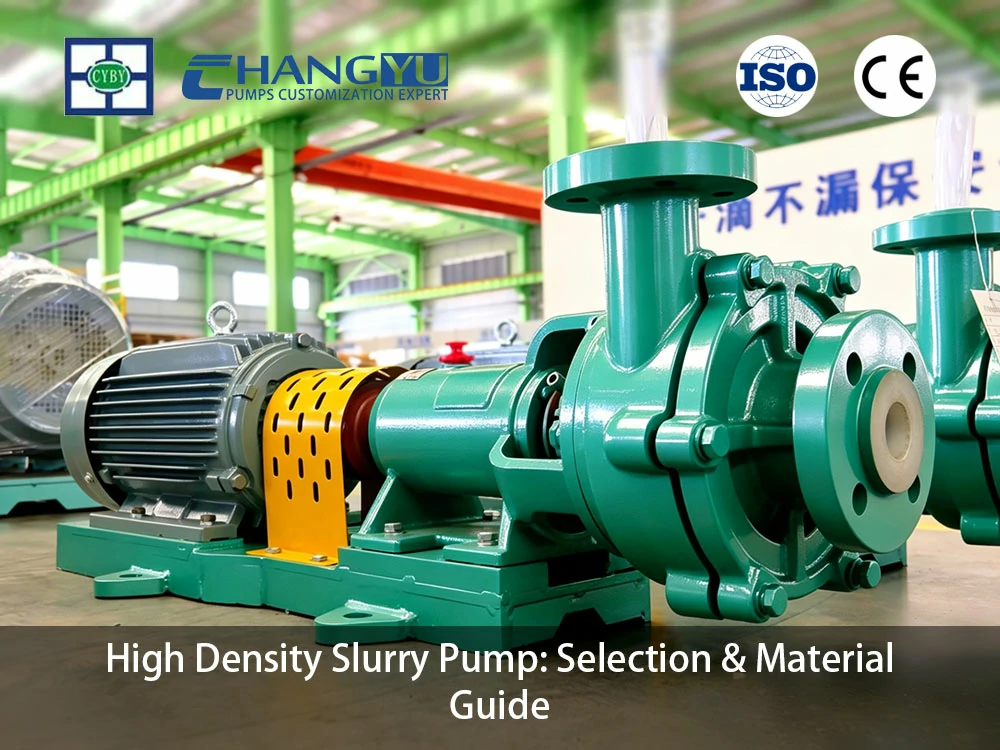
Changyu Pump đã sản xuất bơm bùn mật độ cao cho các ứng dụng tách môi trường đặc, san lấp dạng hồ và luyện kim ướt trong hơn hai thập kỷ. Hướng dẫn này bao gồm các yêu cầu thiết kế kết cấu, lựa chọn vật liệu chống mài mòn và cân nhắc tích hợp hệ thống quyết định liệu bơm bùn mật độ cao vận hành đáng tin cậy giữa các chu kỳ bảo trì theo lịch trình hay trở thành nguồn dừng máy ngoài kế hoạch tái diễn.
Điều gì khiến bùn mật độ cao phá hủy bơm đến vậy?
Bùn mật độ cao làm hỏng bơm thông qua ba cơ chế tăng mức độ nghiêm trọng khi mật độ bùn tăng. Hiểu các cơ chế này — và mối quan hệ phi tuyến của chúng với mật độ — là nền tảng của việc định cỡ bơm chính xác.
Tải trọng hướng tâm và dọc trục: Lực thủy lực tác dụng lên bánh công tác của bơm ly tâm tỷ lệ thuận với mật độ bùn. Bùn ở SG 1,8 tạo ra tải trọng hướng tâm gấp 1,8 lần và lực đẩy dọc trục gấp 1,8 lần so với nước ở cùng lưu lượng và cột áp. Các lực này truyền qua trục đến vòng bi. Đối với vòng bi con lăn — loại phổ biến nhất trong dịch vụ bơm bùn — tuổi thọ L10 tỷ lệ nghịch với lũy thừa 10/3 của tải trọng động tương đương. Tăng gấp đôi tải trọng làm giảm tuổi thọ vòng bi xuống còn khoảng một phần mười giá trị định mức. Đối với vòng bi cầu, mối quan hệ là bậc ba: tăng gấp đôi tải trọng làm giảm tuổi thọ xuống còn một phần tám. Trong cả hai trường hợp, bơm hoạt động đáng tin cậy trong dịch vụ bùn thông thường có thể gặp sự cố vòng bi lặp đi lặp lại khi cùng vật liệu được bơm ở mật độ cao hơn.
Mài mòn tăng tốc do tuần hoàn nội bộ: Mọi bơm ly tâm đều có rò rỉ nội bộ — chất lỏng đi từ phía áp suất cao của bánh công tác trở lại phía hút qua khe hở giữa bánh công tác và thân bơm. Trong bùn mật độ cao, chất lỏng tuần hoàn này mang khối lượng hạt mài mòn trên mỗi đơn vị thể tích cao hơn so với bùn thông thường. Mài mòn trên tấm che bánh công tác, lớp lót thân bơm và ống họng từ dòng chảy nội bộ này cao hơn tương ứng. Đây là lý do bơm bùn mật độ cao yêu cầu khe hở bánh công tác chặt hơn và điều chỉnh khe hở thường xuyên hơn so với bơm bùn tiêu chuẩn.
Lắng đọng đường ống và vận tốc tới hạn: Vận tốc tối thiểu cần thiết để giữ chất rắn ở trạng thái lơ lửng — vận tốc lắng tới hạn — tăng theo cả kích thước hạt và mật độ bùn. Đối với bùn mật độ cao chứa hạt thô, vận tốc tới hạn có thể vượt quá 2,5–3,0 m/s. Vận hành dưới ngưỡng này khiến chất rắn lắng đọng trong các đoạn ống nằm ngang, làm giảm đường kính ống hiệu dụng, tăng tổn thất ma sát và cuối cùng gây tắc nghẽn hoàn toàn. Bơm phải có khả năng cung cấp lưu lượng ở hoặc trên vận tốc tới hạn trong toàn bộ phạm vi vận hành — không chỉ tại điểm thiết kế.
Các kỹ sư tại Changyu Pump lưu ý: Khi lựa chọn bơm cho ứng dụng bùn tỷ trọng cao, hãy tính toán công suất trục yêu cầu dựa trên tỷ trọng bùn tối đa dự kiến — không phải tỷ trọng thiết kế. Động cơ bơm được định cỡ theo điều kiện thiết kế có thể bị quá tải trong quá trình vận hành khi tỷ trọng bùn tạm thời vượt quá giá trị thiết kế. Hệ số dịch vụ của động cơ phải cung cấp biên độ an toàn trên công suất tối đa tính toán, không chỉ tại điểm thiết kế.
Làm thế nào để thiết kế bơm bùn tỷ trọng cao cho tải trọng nặng?
Thiết kế hạng nặng cho bơm bùn tỷ trọng cao giải quyết ba bộ phận dễ bị tổn thương nhất do tải trọng gây ra bởi tỷ trọng: cụm ổ trục, trục bơm và hệ thống làm kín trục.
Lựa chọn ổ trục cho ứng dụng tỷ trọng cao
Cụm ổ trục trên bơm bùn tỷ trọng cao phải được lựa chọn theo tỷ trọng vận hành tối đa, không phải tỷ trọng thiết kế. Tính toán tuổi thọ L10 của ổ trục — theo ISO 281 hoặc tiêu chuẩn tương đương — phải sử dụng tải trọng động tương đương tính toán ở tỷ trọng bùn tối đa, áp dụng số mũ tuổi thọ phù hợp: 10/3 cho ổ lăn hoặc 3 cho ổ bi. Đối với ứng dụng tỷ trọng cao hoạt động liên tục, tuổi thọ L10 tối thiểu 25.000 giờ được khuyến nghị — phù hợp với yêu cầu API 610 cho bơm quy trình hoạt động liên tục.
Ổ lăn quá khổ, bôi trơn bằng dầu ngâm hoặc dầu cưỡng bức với thiết kế vỏ chia đôi cho phép kiểm tra và thay thế ổ trục mà không cần tháo bơm khỏi bệ đỡ — một yếu tố quan trọng khi bơm nặng vài tấn. Ổ lăn trụ ở đầu truyền động hấp thụ tải trọng hướng tâm. Ổ bi tiếp xúc góc ghép cặp ở đầu ướt hấp thụ lực đẩy dọc trục. Vỏ ổ trục phải được trang bị cảm biến nhiệt độ và đầu dò rung để giám sát tình trạng liên tục — trên bơm tỷ trọng cao, ổ trục chạy đến khi hỏng sẽ gây hư hỏng dây chuyền cho trục, cơ khí làm kín và thân bơm, vượt xa chi phí của bản thân ổ trục. Thiết kế trục cho mô men uốn tăng.
Trục trên bơm bùn tỷ trọng cao chịu mô men uốn tỷ lệ thuận với tỷ trọng bùn. Đối với thiết kế cánh quạt công xôn — cấu hình phổ biến nhất cho bơm bùn ngang — trục phải chịu được cả lực thủy lực hướng tâm tại cánh quạt và trọng lượng phần nhô ra của chính cánh quạt. Ở tỷ trọng 1,8, mô men uốn kết hợp có thể đạt gần gấp đôi giá trị ở tỷ trọng 1,0.
Đường kính trục là biện pháp phòng thủ chính chống lại mỏi uốn. Đối với ứng dụng tỷ trọng cao, đường kính trục thường lớn hơn 20–30% so với bơm bùn tiêu chuẩn ở cùng lưu lượng và cột áp. Vật liệu trục — thường là thép hợp kim cường độ cao — phải cung cấp khả năng chống mỏi đầy đủ ở mức ứng suất tăng cao. Độ võng trục tại bề mặt cơ khí làm kín phải được giới hạn dưới 0,05 mm để ngăn ngừa biến dạng bề mặt làm kín và rò rỉ sớm.
Làm kín trục cho bùn tỷ trọng cao.
Bùn tỷ trọng cao đặt ra hai thách thức làm kín mà bơm bùn tiêu chuẩn không gặp phải. Thứ nhất, áp suất xả cao hơn làm tăng chênh lệch áp suất qua các bề mặt làm kín, đẩy nhanh quá trình mài mòn. Thứ hai, nồng độ chất rắn cao hơn trong buồng làm kín — đặc biệt trong quá trình dừng máy khi chất rắn lắng xuống và nén chặt — tạo ra hỗn hợp mài mòn phá hủy bề mặt làm kín khi khởi động lại.
Cấu hình làm kín đáng tin cậy nhất cho bơm bùn tỷ trọng cao kết hợp bánh công tác ly tâm với đệm nhồi hoặc cơ khí làm kín. Bánh công tác ly tâm giảm áp suất tại hộp nhồi xuống gần áp suất khí quyển trong quá trình vận hành. Đệm nhồi hoặc cơ khí làm kín sau đó chỉ cần cung cấp làm kín tĩnh trong quá trình dừng máy. Sự kết hợp này kéo dài tuổi thọ làm kín gấp hai đến ba lần so với bơm chỉ dựa vào cơ khí làm kín chịu toàn bộ áp suất xả. Đối với ứng dụng tỷ trọng cao nhất — tỷ trọng trên 2,0 — cơ khí làm kín kép với chất lỏng chắn áp suất theo API Plan 54 cung cấp khả năng ngăn chặn tích cực, mặc dù chi phí vốn và bảo trì cao hơn.
: Đối với bơm bùn tỷ trọng cao hoạt động ở tỷ trọng trên 1,5, cấu hình bánh công tác ly tâm kết hợp đệm nhồi cung cấp giải pháp làm kín trục hiệu quả nhất về chi phí và độ tin cậy. Bánh công tác ly tâm loại bỏ sự mài mòn do áp suất gây ra — nguyên nhân dẫn đến hỏng cơ khí làm kín nhanh chóng trong các ứng dụng này — và đệm nhồi cung cấp làm kín tĩnh đơn giản, có thể thay thế tại hiện trường. Cơ khí làm kín kép nên được dành riêng cho các ứng dụng mà bất kỳ sự rò rỉ nào đều không thể chấp nhận được — bùn nguy hại hoặc độc hại, hoặc các hệ thống lắp đặt không có nguồn cấp nước làm kín cho đệm nhồi.
Các kỹ sư tại Changyu Pump khuyến nghịVật liệu tốt nhất cho bơm bùn tỷ trọng cao là gì?.
Lựa chọn vật liệu cho bơm bùn tỷ trọng cao phải giải quyết sự mài mòn tăng tốc do khối lượng hạt mài mòn tăng tiếp xúc với bề mặt bơm. Vật liệu tối ưu phụ thuộc vào đặc tính hạt, tính chất hóa học của bùn và vận tốc dòng chảy tại bề mặt mài mòn.
Gang trắng hợp kim crom cao (600–700 HB, KIC 25–35 MPa√m) là vật liệu chống mài mòn cơ bản cho bơm bùn tỷ trọng cao trong chế biến khoáng sản. Mác 28% Cr cung cấp tỷ lệ thể tích carbide cao nhất và được chỉ định cho các mạch mài mòn nhất — tách mật độ cao với ferrosilicon hoặc magnetit, quặng đuôi quặng sắt và xả nghiền thô. Đối với ứng dụng tỷ trọng cao nơi bùn có pH trung tính và hạt góc cạnh và cứng, CrMo cung cấp sự cân bằng tối ưu giữa khả năng chống mài mòn cắt, khả năng chịu va đập và chi phí.
Gang trắng crom cao (CrMo)
Lớp lót cao su tự nhiên bảo vệ chống mài mòn thông qua độ đàn hồi — vật liệu biến dạng đàn hồi dưới tác động của hạt và phục hồi mà không mất vật liệu. Cơ chế này hoạt động với hạt mịn ở vận tốc cao, miễn là hạt tròn và pH trung tính. Bơm lót cao su phục vụ các đường ống bùn quặng đuôi mịn tỷ trọng cao và tinh quặng sắt — các ứng dụng nơi tỷ trọng bùn cao nhưng kích thước hạt dưới khoảng 100 μm. Giới hạn nhiệt độ 70°C giới hạn cao su trong các ứng dụng nhiệt độ môi trường.
Cao su tự nhiên
Lớp phủ cacbua vonfram.
Đối với các vùng mài mòn cục bộ cao — lưỡi cắt xoắn ốc, mép vào cánh quạt và bề mặt họng bơm — lớp phủ cacbua vonfram (HV 1200–1800) cung cấp khả năng chống mài mòn gấp hai đến ba lần CrMo hợp kim crom cao. Lớp phủ được áp dụng bằng phun nhiệt hoặc phủ đắp hàn lên các bề mặt cụ thể chịu va đập hạt vận tốc cao nhất. Cacbua vonfram được chỉ định cho bùn tỷ trọng cao chứa silica hoặc các hạt cứng khác ở vận tốc dòng chảy trên 3 m/s, nơi sự kết hợp giữa khối lượng hạt cao và vận tốc cao tạo ra tốc độ mài mòn vượt quá khả năng của CrMo.
Đối với các vùng mài mòn cục bộ cường độ cao — lưỡi tách dòng thân bơm, mép dẫn của cánh bơm và bề mặt cổ họng — lớp phủ cacbua vonfram (HV 1200–1800) mang lại khả năng chống mài mòn gấp hai đến ba lần so với CrMo gang trắng hợp kim cao. Lớp phủ được ứng dụng bằng phương pháp phun nhiệt hoặc phủ đắp hàn lên các bề mặt cụ thể chịu va đập hạt ở vận tốc cao nhất. Cacbua vonfram được chỉ định cho bùn quặng mật độ cao chứa silica hoặc các hạt cứng khác ở vận tốc dòng chảy trên 3 m/s, nơi sự kết hợp giữa khối lượng hạt lớn và vận tốc cao tạo ra tốc độ mài mòn vượt quá khả năng của CrMo.
Lớp lót UHMW-PE
Đối với bùn quặng mật độ cao có tính ăn mòn hóa học — dung dịch axit rửa trôi, nước quy trình hàm lượng clorua cao hoặc bùn quặng hỗn hợp hóa học-mài mòn — lớp lót UHMW-PE cung cấp khả năng chống ăn mòn và chống mài mòn kết hợp. Lớp lót phi kim loại loại bỏ hiện tượng ăn mòn điện hóa làm tăng tốc độ mài mòn trong bơm kim loại xử lý bùn quặng mật độ cao dẫn điện.
Ma Trận Lựa Chọn Vật Liệu cho Bùn Quặng Mật Độ Cao
| Loại bùn | Mật độ (SG) | Kích thước hạt | pH | Tài liệu tham khảo |
|---|---|---|---|---|
| Môi trường đậm đặc (ferrosilicon) | 1.6–2.2 | Mịn đến trung bình | 6–8 | CrMo hợp kim cao (28% Cr) |
| Môi trường đậm đặc (magnetite) | 1.5–2.0 | Mịn đến trung bình | 6–8 | CrMo gang trắng hợp kim cao (28% Cr) hoặc cao su tự nhiên |
| Đường ống vận chuyển tinh quặng sắt | 1.6–2.0 | Rất mịn (<100 μm) | 6–8 | Cao su tự nhiên (chính); CrMo (phương án thay thế) |
| Bùn thải dạng paste | 1.5–1.8 | Từ mịn đến thô | Biến | CrMo hợp kim cao (28% Cr) |
| Bùn đặc có tính axit mật độ cao | 1.5–2.0 | Mịn | 2–4 | UHMW-PE hoặc thép không gỉ song pha |
| Hạt mịn vận tốc cao (>3 m/s) | 1.5–2.0 | Rất mịn | 6–8 | Lớp phủ cacbua vonfram trên CrMo |
Các kỹ sư tại Changyu Pump lưu ý: Trong các mạch truyền thông mật độ cao ferrosilicon, sự kết hợp giữa mật độ hạt cao và vận tốc tuần hoàn cao tạo ra điều kiện mài mòn mà CrMo tiêu chuẩn 26% Cr không thể chịu đựng được về mặt kinh tế. Nâng cấp lên 28% Cr với lớp phủ cacbua vonfram tại lưỡi cắt vỏ bơm và mép dẫn của cánh quạt kéo dài tuổi thọ phần ướt từ 3–4 tháng lên 12–18 tháng trong ứng dụng này. Chi phí vật liệu tăng thêm được thu hồi trong hai lần thay thế đầu tiên được tránh.
Để so sánh toàn diện về vật liệu chống mài mòn cho tất cả các ứng dụng bơm bùn và loại quặng, hãy xem hướng dẫn của chúng tôi về Hướng dẫn Toàn diện về Vật liệu & Lựa chọn Bơm Bùn Chống Mài mòn.
Làm thế nào để chọn bơm bùn mật độ cao?
Việc lựa chọn bơm bùn mật độ cao tuân theo một quy trình có cấu trúc. Mỗi bước giới hạn các lựa chọn có sẵn ở các bước tiếp theo, và các sai sót ở giai đoạn đầu — đặc biệt là trong việc xác định mật độ — sẽ lan truyền qua toàn bộ quá trình lựa chọn.
Bước 1: Xác định mật độ và lưu biến của bùn
Đo trọng lượng riêng tối đa, tối thiểu và thiết kế của bùn. SG tối đa — có thể xảy ra trong các sự cố vận hành, dao động mật độ dòng dưới đáy bể cô đặc, hoặc biến đổi quy trình mẻ — xác định kích thước ổ trục, trục và động cơ. SG thiết kế xác định điểm làm việc thủy lực.
Bước 2: Tính toán yêu cầu thủy lực ở mật độ tối đa
Xác định lưu lượng yêu cầu và cột áp tổng động. Đối với bùn mật độ cao, áp dụng hệ số giảm tải bùn để tính đến ảnh hưởng của chất rắn đến hiệu suất bơm. Tính công suất trục ở SG tối đa để xác minh rằng động cơ được định cỡ phù hợp.
Bước 3: Lựa chọn vật liệu chống mài mòn và cấu hình ổ trục
Khớp vật liệu chống mài mòn với đặc tính quặng và hóa học bùn bằng ma trận trong Mục 3. Xác định cụm ổ trục với tuổi thọ L10 được tính ở SG tối đa, sử dụng số mũ tuổi thọ chính xác (10/3 cho ổ lăn, 3 cho ổ bi). Đối với các ứng dụng mật độ cao làm việc liên tục, xác minh rằng tuổi thọ L10 của ổ trục vượt quá 25.000 giờ.
Bước 4: Xác định phương pháp làm kín trục và tích hợp đường ống
Chọn phương pháp làm kín trục dựa trên áp suất xả và đặc tính bùn. Đối với SG trên 1,5, kết hợp bánh công tác đẩy cộng với đệm nhồi là cấu hình hiệu quả nhất về chi phí. Xác minh rằng áp suất xả của bơm có thể duy trì vận tốc lắng tới hạn trong toàn bộ đường ống — đối với bùn mật độ cao, điều này thường yêu cầu vận tốc tối thiểu 2,5–3,0 m/s.
Bước 5: Xem xét các yêu cầu đặc thù của quy trình
Đối với các mạch tách mật độ cao, chọn bơm có thiết kế cánh quạt cắt thấp để giảm thiểu sự phân hủy của các hạt ferrosilicon hoặc magnetite. Các hạt bị phân hủy khó thu hồi hơn bằng tách từ, làm tăng tiêu thụ môi trường và chi phí vận hành. Đối với các ứng dụng bơm bùn quặng đuôi dạng hồ, xác minh rằng bơm có thể xử lý ứng suất chảy dẻo của hồ trong quá trình khởi động lại sau khi dừng.
Đối với các cân nhắc thiết kế cụ thể cho bơm khổ lớn trong các ứng dụng lưu lượng cao, cột áp cao, hãy xem hướng dẫn của chúng tôi về Bơm Bùn Cỡ Lớn: Hướng Dẫn Toàn Diện Về Lựa Chọn & Vật Liệu.
Nghiên cứu điển hình về bơm bùn mật độ cao: Kéo dài tuổi thọ ổ trục trong bơm cấp liệu cyclon mật độ cao
Một nhà máy chế biến than tại Úc vận hành cyclon mật độ cao sử dụng huyền phù ferrosilicon-nước ở trọng lượng riêng khoảng 1,8. Bơm cấp liệu cyclon là bơm bùn ly tâm trục ngang với ổ trục tiêu chuẩn được định cỡ cho các ứng dụng nước. Bơm xử lý khoảng 400 m³/h ở cột áp 35 m.
Trong vòng ba tháng sau khi đưa vào vận hành, bơm gặp sự cố hỏng ổ trục lặp đi lặp lại. Mỗi lần hỏng cần 24 giờ dừng máy để thay thế cụm ổ trục và căn chỉnh lại bơm và động cơ. Phân tích nguyên nhân gốc cho thấy các ổ trục đã được chọn dựa trên thông số hiệu suất nước của bơm, mà không tính đến mức tăng 80% tải trọng hướng tâm và dọc trục do bùn ferrosilicon SG 1,8 gây ra. Đối với ổ lăn trụ được lắp trong bơm này, mối quan hệ lũy thừa 10/3 giữa tải trọng và tuổi thọ có nghĩa là tuổi thọ L10 thực tế ở tải trọng vận hành khoảng 2.500 giờ — phù hợp với khoảng thời gian hỏng hóc 3 tháng quan sát được.
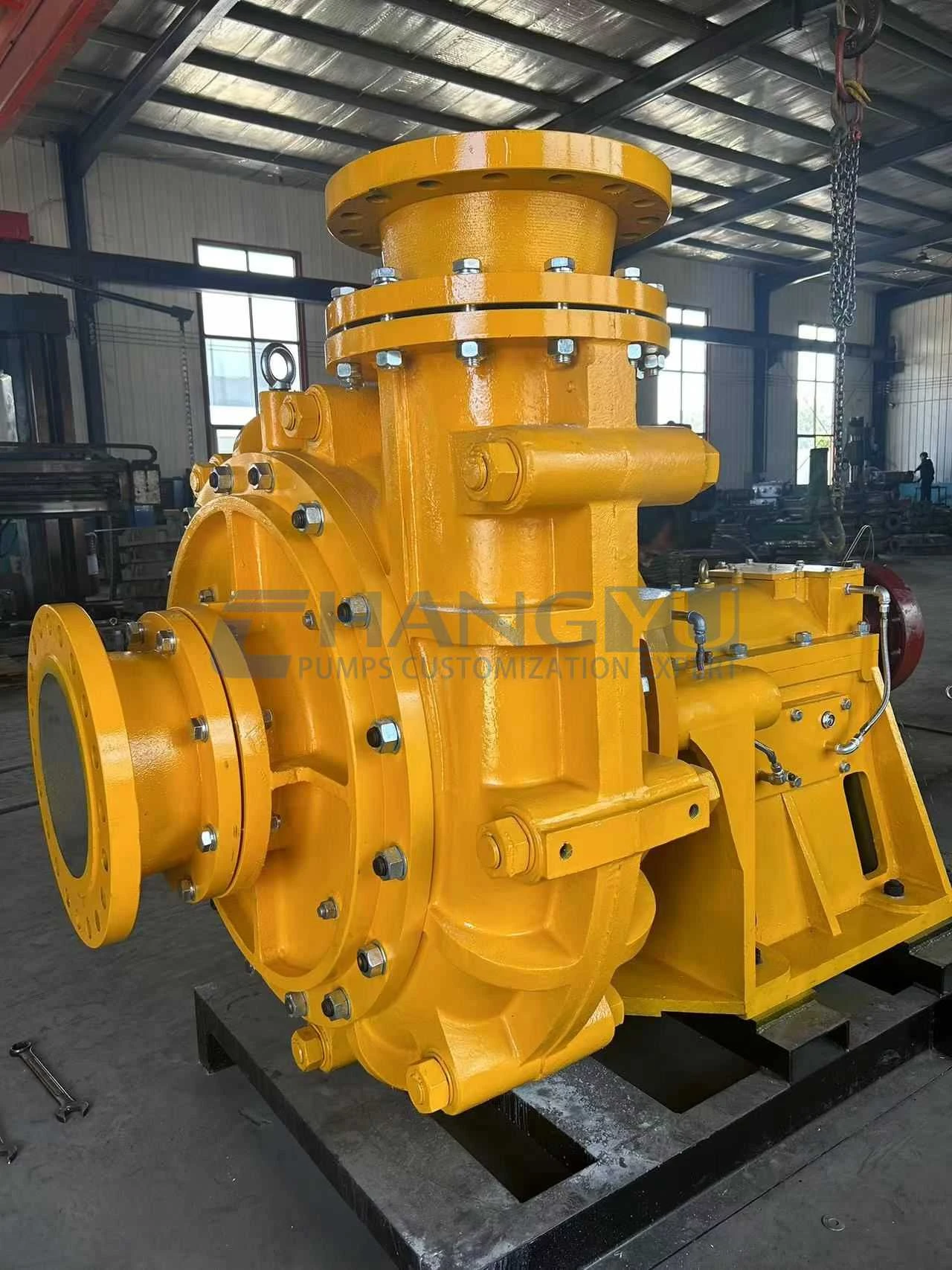
Changyu Pump đã nâng cấp bơm lên bơm bùn mật độ cao dòng PGY Series với ổ trục được định cỡ cho điều kiện vận hành thực tế SG 1,8. Cụm ổ trục được nâng cấp lên ổ lăn trụ bôi trơn bằng dầu ở đầu truyền động và cặp ổ bi tiếp xúc góc ở đầu ướt, với tuổi thọ L10 vượt quá 25.000 giờ ở tải trọng thiết kế. Đường kính trục được tăng thêm 25% để giảm độ võng và kéo dài tuổi thọ phớt cơ khí.
Sau khi nâng cấp, bơm vận hành 18 tháng mà không có sự cố hỏng ổ trục — vượt quá tuổi thọ thiết kế L10. Nhà máy đã thay thế thêm hai bơm cấp liệu cyclon mật độ cao bằng cùng thông số nâng cấp trong năm tiếp theo, tiêu chuẩn hóa cấu hình ổ trục và trục trên toàn bộ mạch mật độ cao.
Bài học chính: Việc lựa chọn ổ trục cho bơm bùn mật độ cao phải dựa trên mật độ vận hành tối đa — không phải điểm thiết kế và không bao giờ dựa trên thông số hiệu suất nước. Vì mối quan hệ giữa tải trọng và tuổi thọ ổ trục tuân theo quy luật lũy thừa (số mũ 10/3 cho ổ lăn), một bơm xử lý bùn ở mật độ gấp đôi sẽ có tuổi thọ ổ trục giảm xuống còn khoảng một phần mười — không phải một nửa — giá trị định mức. Mối quan hệ phi tuyến tính này chính là lý do khiến mật độ trở thành thông số quyết định trong việc xác định thông số ổ trục bơm.
Giải pháp bơm bùn mật độ cao từ Changyu Pump
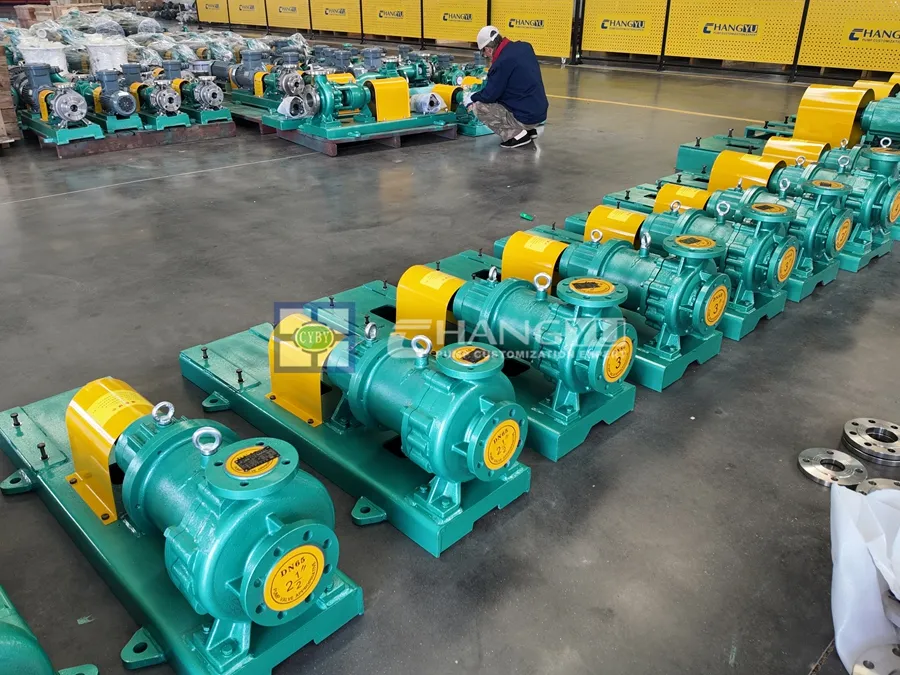
Changyu Pump sản xuất các dòng bơm được cấu hình cho các ứng dụng bùn mật độ cao trong tách mật độ cao, bơm bùn quặng đuôi dạng hồ và luyện kim ướt. Mỗi dòng giải quyết một tổ hợp cụ thể về mật độ, mài mòn và ăn mòn.
| Đơn đăng ký | Thử thách chính | Các bộ phim được đề xuất | Tính năng chính |
|---|---|---|---|
| Môi trường mật độ cao (ferrosilicon/magnetite) | Mài mòn cực độ + mật độ cao | Dòng UHB | Lớp lót UHMW-PE; kênh dẫn dòng mở rộng |
| Bùn mật độ cao chịu nhiệt độ cao hoặc có tính ăn mòn hóa học | Ăn mòn + nhiệt độ + mật độ | Dòng CYB-ZKJ | Lót FEP/PFA; nhiệt độ lên đến 120°C |
| Điều kiện khắc nghiệt (nhiệt độ cao + ăn mòn + hạt mịn) | Nhiệt độ + ăn mòn + mài mòn hạt mịn | Dòng CYG | Lớp lót PFA (8–20 mm); nhiệt độ đến 160°C |
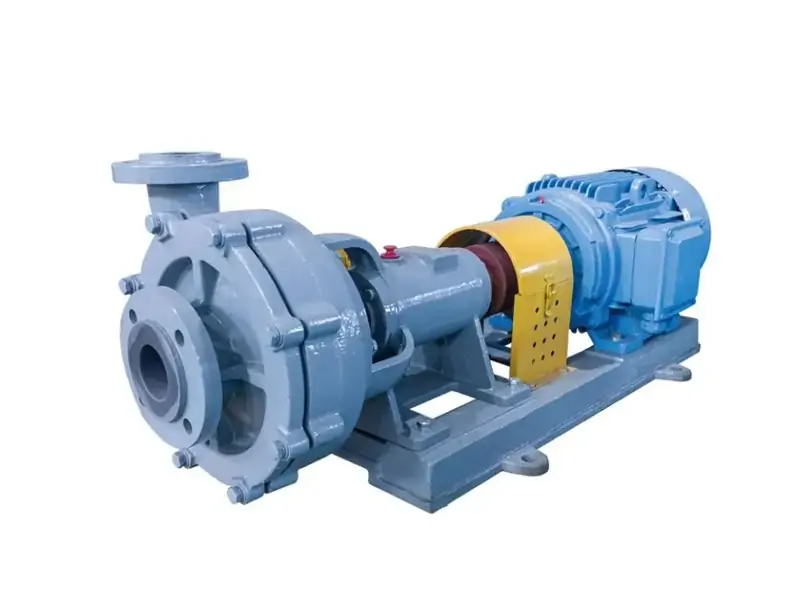
Dòng UHB — Bơm bùn tỷ trọng cao chống ăn mòn, lót UHMW-PE
Bơm ly tâm lót UHMW-PE vỏ thép cho bùn tỷ trọng cao kết hợp ăn mòn và mài mòn trung bình. Kênh dẫn dòng mở rộng giảm nguy cơ tắc nghẽn và đáp ứng vận tốc dòng chảy cao hơn cần thiết để duy trì huyền phù bùn tỷ trọng cao. Lưu lượng đến 2.600 m³/h.
| Phạm vi lưu lượng: | 3 m³/h ~ 2.600 m³/h |
|---|---|
| Phạm vi đầu: | 5m–100m |
| Công suất động cơ: | 0,75 kW ~ 300 kW |
| Tốc độ: | 750–2.900 vòng/phút |
| Phạm vi nhiệt độ trung bình: | -20°C đến 90°C |
| Vật liệu có thể tùy chỉnh: | UHMW-PE |
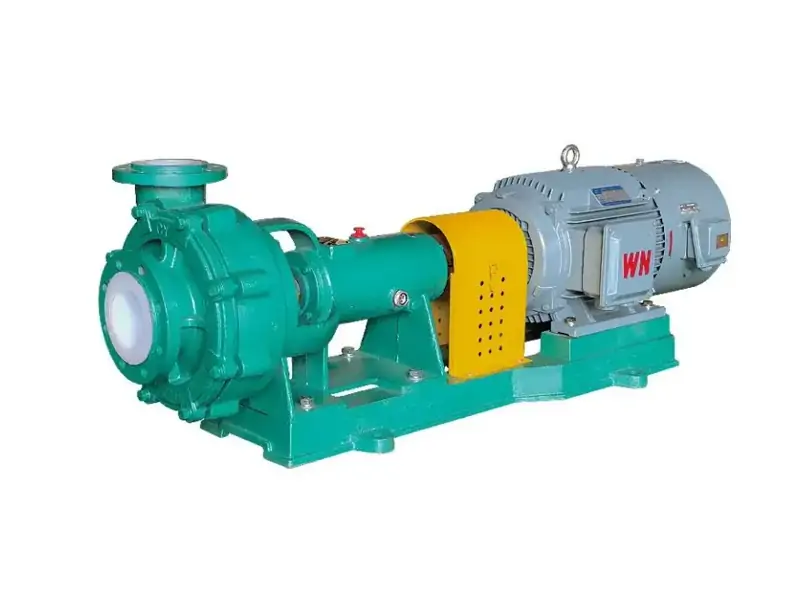
Dòng CYB-ZKJ — Bơm bùn tỷ trọng cao lót fluoropolymer
Bơm lót FEP/PFA cho bùn tỷ trọng cao, nhiệt độ cao, hoạt tính hóa học mạnh. Lớp lót fluoropolymer chống lại axit, kiềm và dung môi có thể xuất hiện trong các ứng dụng tỷ trọng cao của quy trình luyện kim ướt và hóa chất.
| Phạm vi lưu lượng: | 3 m³/h ~ 2.600 m³/h |
|---|---|
| Phạm vi đầu: | 5m–100m |
| Công suất động cơ: | 0,75 kW ~ 300 kW |
| Tốc độ: | 968-3450 vòng/phút |
| Phạm vi nhiệt độ trung bình: | -80°C đến 120°C |
| Vật liệu có thể tùy chỉnh: | FEP |
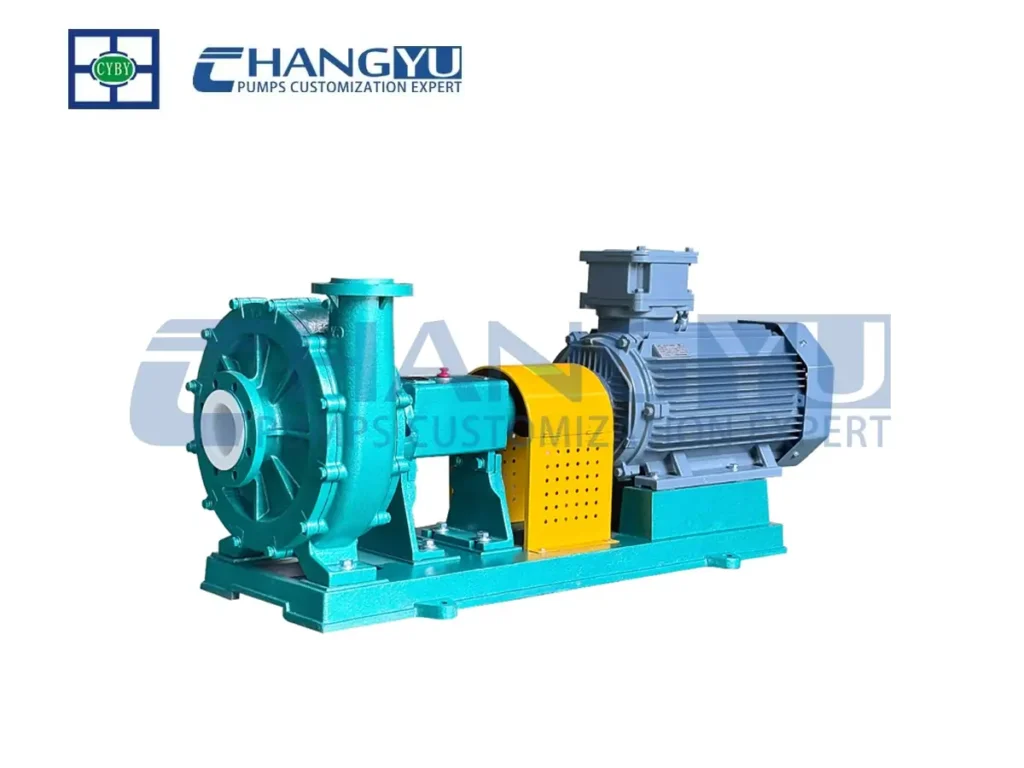
Dòng CYG — Bơm bùn tỷ trọng cao
Bơm ly tâm lót PFA cho điều kiện bùn tỷ trọng cao khắc nghiệt kết hợp nhiệt độ cao, chất ăn mòn và hạt mài mòn mịn. Lớp lót PFA dày 8–20 mm được liên kết với thân thép qua quy trình thiêu kết đúc, mang lại tính trơ hóa học tối đa và hiệu suất đáng tin cậy trong dịch vụ hạt mịn, nhiệt độ cao. Có thể cấu hình với phễu nạp khuấy trộn cho bùn đặc, tỷ trọng cao. Dải nhiệt độ từ -80°C đến 160°C.
| Phạm vi lưu lượng: | 3 m³/h ~ 2.600 m³/h |
|---|---|
| Phạm vi đầu: | 5 m ~ 100 m |
| Công suất động cơ: | 0,75 kW–300 kW |
| Tốc độ: | 968 ~ 3.450 vòng/phút |
| Phạm vi nhiệt độ trung bình: | -80°C đến 160°C |
| Vật liệu có thể tùy chỉnh: | PFA |
Câu hỏi thường gặp về bơm bùn tỷ trọng cao
Hỏi: Tỷ trọng bùn ảnh hưởng đến tuổi thọ ổ trục bơm như thế nào?
Đáp: Đối với ổ lăn — loại phổ biến nhất trong dịch vụ bơm bùn — tuổi thọ L10 tỷ lệ nghịch với lũy thừa 10/3 của tải trọng động tương đương. Tăng gấp đôi tỷ trọng bùn sẽ tăng gấp đôi tải trọng hướng tâm và dọc trục lên bánh công tác, làm giảm tuổi thọ L10 của ổ trục xuống còn khoảng một phần mười giá trị định mức. Đây là lý do ổ trục phải được chọn theo tỷ trọng vận hành tối đa, không phải theo điểm thiết kế.
Hỏi: Vật liệu tốt nhất cho bơm bùn mật độ cao là gì?
Đáp: Gang trắng hợp kim cao (28% Cr, 600–700 HB) là tiêu chuẩn cho ứng dụng môi trường đặc sử dụng ferrosilicon hoặc magnetite. Đối với vùng vận tốc cao như lưỡi phân tách vỏ bơm, lớp phủ cacbua vonfram cung cấp bảo vệ chống mài mòn bổ sung.
Hỏi: Lớp lót cao su tự nhiên có thể xử lý bùn tỷ trọng cao không?
Đáp: Có — đối với hạt mịn, tròn dưới khoảng 100 μm ở pH trung tính. Lớp lót cao su tự nhiên được sử dụng rộng rãi trong đường ống bùn tinh quặng sắt, nơi tỷ trọng có thể vượt quá SG 1.6 nhưng kích thước hạt rất mịn và hạt có dạng tròn.
Hỏi: Phương pháp bịt kín trục nào được khuyến nghị cho bơm bùn mật độ cao?
Đáp: Bộ phận ly tâm kết hợp với đệm nhồi cung cấp giải pháp bịt kín đáng tin cậy và tiết kiệm chi phí nhất cho bùn mật độ cao. Bộ phận ly tâm giảm áp suất hộp nhồi trong quá trình vận hành, và đệm nhồi tạo ra vòng bịt tĩnh khi dừng máy. Đối với các ứng dụng yêu cầu tuyệt đối không rò rỉ, cơ cấu bịt kín cơ khí kép với chất lỏng chắn có áp suất được chỉ định.
Hỏi: Vận tốc đường ống tối thiểu cho bùn mật độ cao là bao nhiêu?
Đáp: Đối với bùn mật độ cao chứa hạt thô, vận tốc lắng tới hạn có thể vượt quá 2,5–3,0 m/s — cao hơn đáng kể so với mức 1,5 m/s điển hình của bùn thông thường. Bơm phải có khả năng cung cấp lưu lượng ở hoặc trên vận tốc này trong toàn bộ dải vận hành để ngăn ngừa tắc nghẽn đường ống.
Danh sách kiểm tra phòng ngừa dành cho kỹ sư bơm Changyu
- Tính tuổi thọ L10 của ổ trục ở mật độ bùn tối đa bằng số mũ tuổi thọ chính xác — 10/3 cho ổ lăn, 3 cho ổ bi. Ổ trục được thiết kế cho SG 1.2 sẽ hỏng nhanh chóng ở SG 1.8 do mối quan hệ phi tuyến giữa tải trọng và tuổi thọ.
- Xác minh rằng động cơ được định cỡ cho công suất trục tối đa ở mật độ tối đa. Động cơ ngắt do quá tải trong quá trình dao động mật độ sẽ làm dừng toàn bộ quy trình.
- Chỉ định cơ cấu bịt kín trục dạng bộ phận ly tâm kết hợp đệm nhồi cho bùn mật độ cao trên SG 1.5. Bộ phận ly tâm loại bỏ mài mòn do áp suất gây ra, nguyên nhân dẫn đến hỏng hóc nhanh chóng của bịt kín cơ khí.
- Duy trì vận tốc đường ống trên vận tốc lắng tới hạn — thường là 2,5–3,0 m/s cho bùn mật độ cao. Dưới ngưỡng này, hiện tượng lắng đọng chất rắn và tắc nghẽn đường ống sẽ xảy ra bất kể khả năng của bơm.
- Đối với mạch môi trường đậm đặc, chọn thiết kế bánh công tác cắt thấp. Bơm cắt cao làm suy giảm hạt ferrosilicon và magnetite, giảm khả năng thu hồi môi trường và tăng chi phí vận hành.
- Điều chỉnh khe hở bánh công tác thường xuyên hơn so với bơm bùn tiêu chuẩn. Tuần hoàn nội bộ mật độ cao làm tăng tốc độ mài mòn tại khe hở giữa bánh công tác và vỏ bơm.
- Đối với môi trường đậm đặc ferrosilicon có SG trên 1.8, chỉ định hợp kim chrome cao 28% Cr với lớp phủ cacbua vonfram tại các vùng mài mòn tốc độ cao. Hợp kim 26% Cr tiêu chuẩn không đảm bảo tuổi thọ đầy đủ trong điều kiện vận hành này.
- Xả bơm và đường ống bằng chất lỏng mật độ thấp sau khi dừng máy. Bùn mật độ cao lắng đọng và nén chặt trong vỏ bơm sẽ gây hư hỏng nghiêm trọng khi khởi động lại.
Kết luận
Việc lựa chọn bơm bùn mật độ cao là một chuyên ngành kỹ thuật cơ khí được chi phối bởi mối quan hệ phi tuyến giữa mật độ bùn và tải trọng lên các bộ phận. Cụm ổ trục, trục và hệ thống bịt kín — những bộ phận vận hành đáng tin cậy trong nhiều năm ở bơm bùn tiêu chuẩn — có thể hỏng chỉ trong vài tháng khi cùng một bơm xử lý bùn có mật độ gấp đôi. Điều này là do mối quan hệ giữa tải trọng tác dụng và tuổi thọ ổ trục tuân theo quy luật lũy thừa: đối với ổ lăn, tuổi thọ L10 tỷ lệ nghịch với lũy thừa 10/3 của tải trọng. Tăng gấp đôi tải trọng làm giảm tuổi thọ ổ trục xuống còn khoảng một phần mười, không phải một nửa, giá trị định mức. Việc xác định thông số chính xác đòi hỏi tính toán tuổi thọ L10 của ổ trục ở mật độ vận hành tối đa với số mũ tuổi thọ phù hợp, định cỡ trục cho mô men uốn tăng lên, và lựa chọn cấu hình bịt kín trục — bộ phận ly tâm kết hợp đệm nhồi cho hầu hết các ứng dụng, bịt kín cơ khí kép cho yêu cầu nguy hiểm hoặc không rò rỉ — có khả năng chịu được áp suất và nồng độ chất rắn cao trong điều kiện vận hành mật độ cao.
Việc lựa chọn vật liệu phải giải quyết vấn đề mài mòn tăng tốc do khối lượng hạt mài mòn tiếp xúc với bề mặt bơm tăng lên. Gang trắng chrome cao (28% Cr) cung cấp nền tảng cơ bản cho môi trường đậm đặc và các ứng dụng mật độ cao đá cứng. Lớp phủ cacbua vonfram bảo vệ các vùng mài mòn tốc độ cao cục bộ. Cao su tự nhiên phục vụ cho đường ống bùn thải mịn mật độ cao và tinh quặng. Lớp lót UHMW-PE cung cấp khả năng chống ăn mòn và mài mòn kết hợp cho bùn mật độ cao có tính ăn mòn hóa học.
Đội ngũ kỹ thuật của Changyu Pump cung cấp các khuyến nghị bơm bùn mật độ cao theo từng ứng dụng cụ thể, dựa trên hơn 20 năm kinh nghiệm sản xuất bơm trong các ứng dụng tách môi trường đậm đặc, bơm nhão và luyện kim ướt.