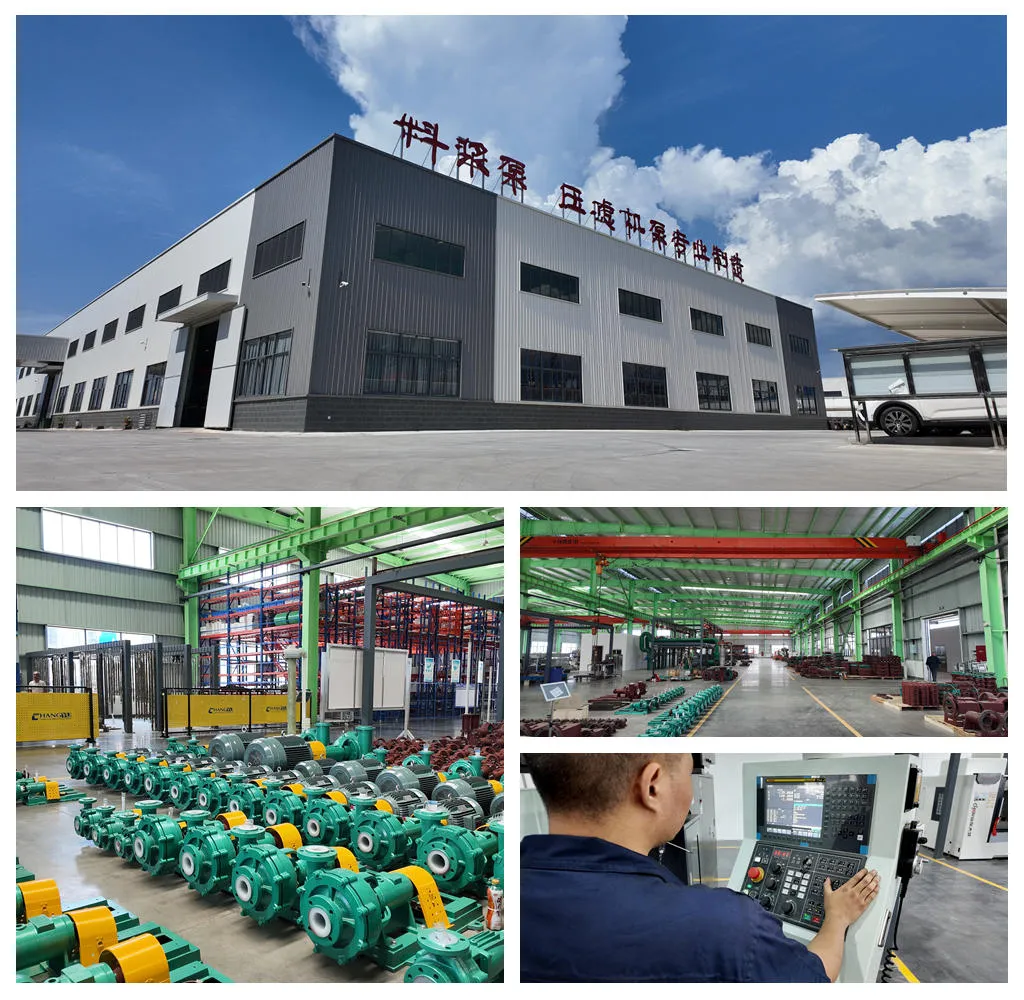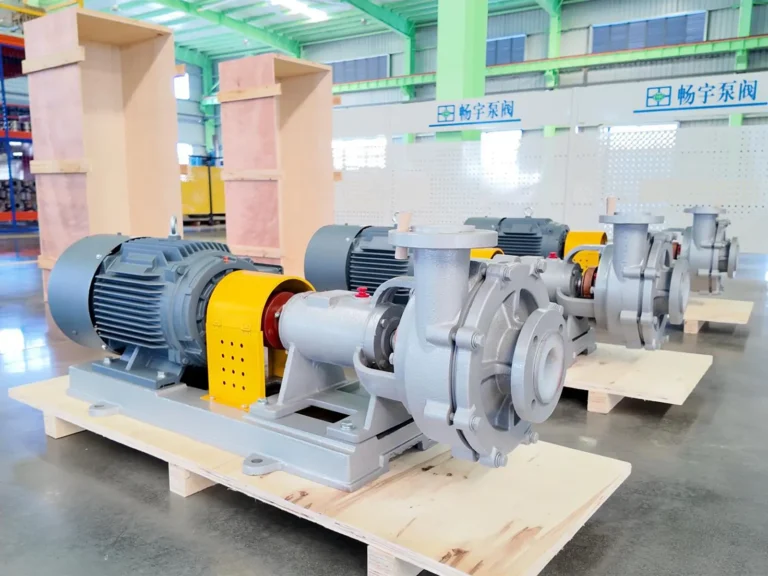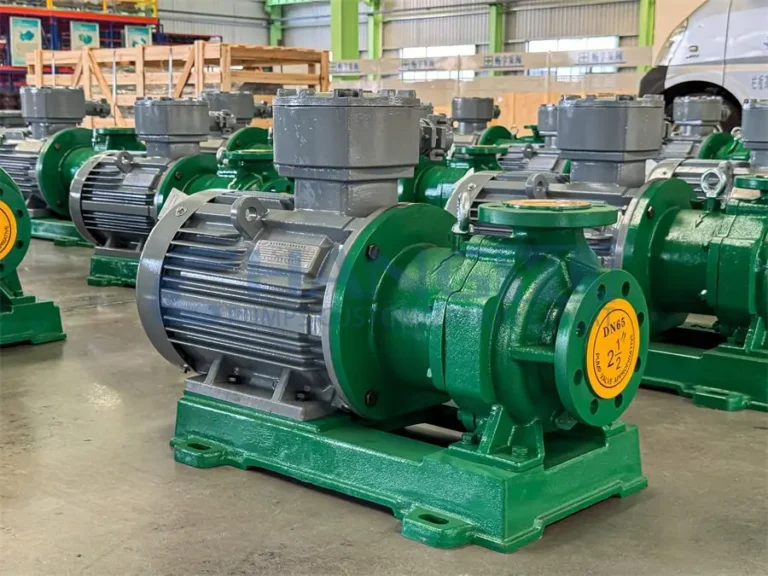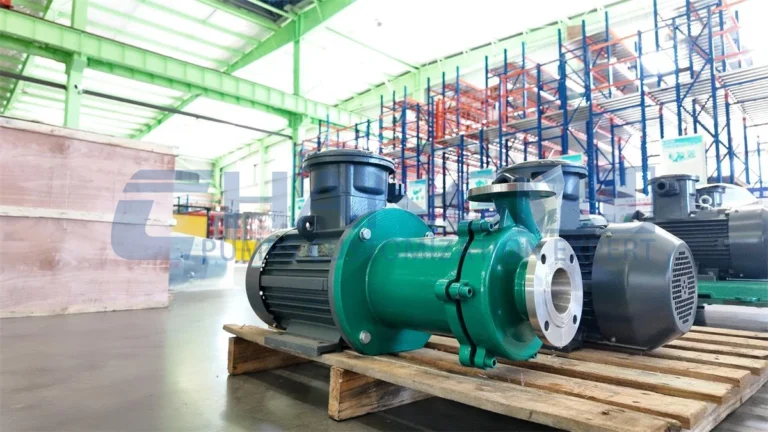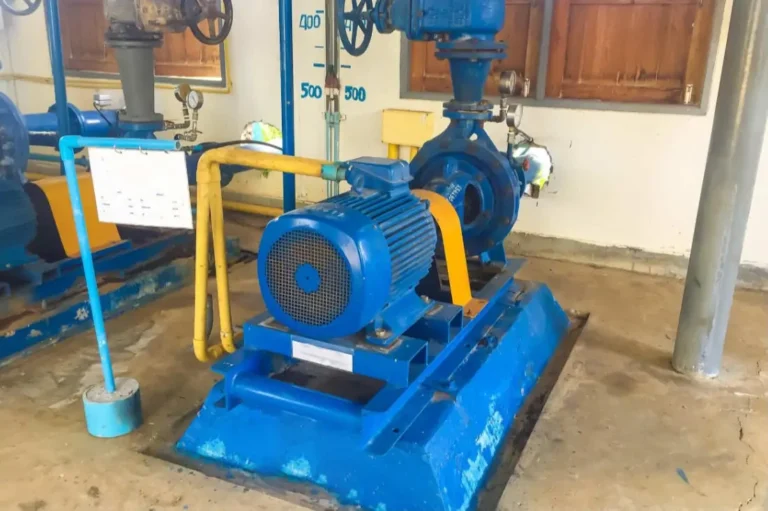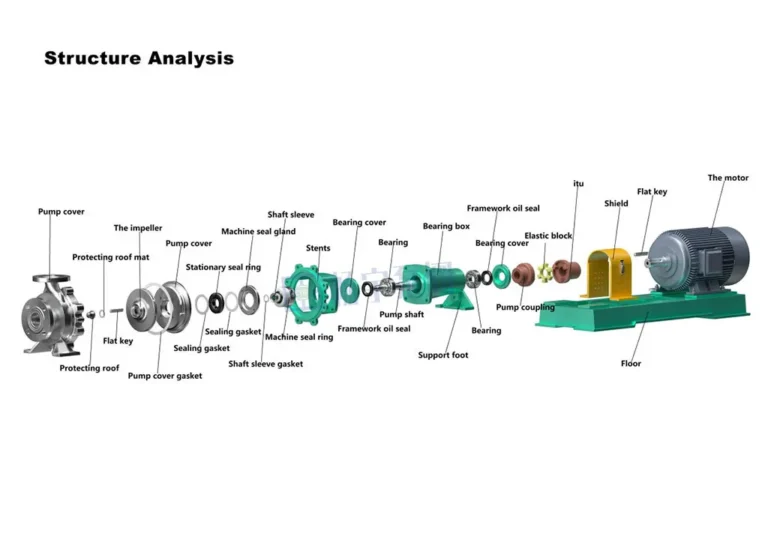
Horizontal slurry pumps are purpose-built engineering solutions designed to transfer heavy-duty mixtures of harsh chemicals and solid particles without suffering the rapid degradation typical of standard centrifugal water pumps. When managing industrial fluids characterized by high abrasiveness, extreme viscosity, or severe chemical corrosion, these robust systems are essential to prevent catastrophic equipment failure. Leveraging over 20 years of fluid engineering and manufacturing expertise, Changyu Pump delivers high-performance pumping solutions engineered for the most punishing industrial environments.
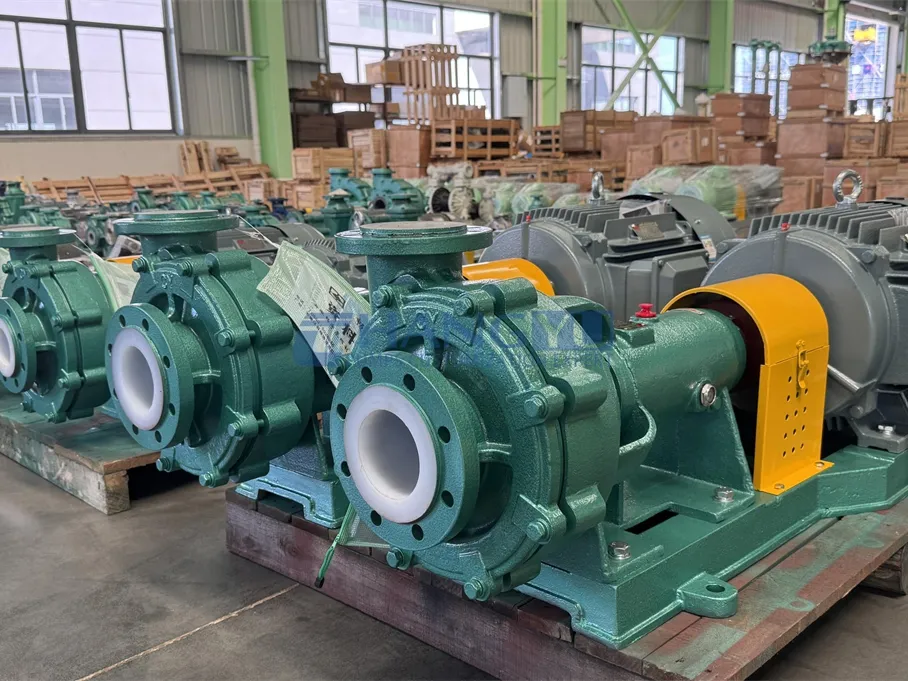
What is a Horizontal Slurry Pump and How Does It Work?
A Bơm bùn ngang is a heavy-duty centrifugal pump configured with its shaft parallel to the ground. How does it work? The operational mechanics rely on converting kinetic energy into hydrodynamic pressure. As the impeller rotates, it accelerates the slurry radially outward into the volute casing, effectively discharging the abrasive mixture into the pipeline. To prevent clogging and mitigate wear, these units are designed with expanded internal clearances, robust casing thicknesses, and specialized heavy-duty bearings capable of withstanding intense radial and thrust loads.
Which Materials Are Best for Horizontal Slurry Pump Components?
Extending the Mean Time Between Failures (MTBF) in slurry applications dictates a rigorous approach to material selection for all wet-end components.
- Impellers and Volute Casings: For heavily abrasive mining and mineral processing slurries, high-chrome white iron (up to 27% chromium) is the industry standard, offering exceptional metallurgical hardness to resist particle gouging.
- Fluoroplastic Linings: In aggressive chemical environments, steel-lined components utilizing PFA, PTFE, or FEP deliver unmatched resistance to strong acids, alkalis, and complex organic solvents.
- Elastomeric Linings: Natural and synthetic heavy-duty rubber linings are deployed for fine, non-sharp slurry particles, utilizing elastic rebound to absorb kinetic impact and prevent material loss.
How to Choose the Right Horizontal Slurry Pumps for Chemical Applications?
Selecting the optimal pump architecture requires precise calculation of the fluid’s thermal profile, chemical aggressiveness, and specific gravity. As an expert Nhà sản xuất bơm bùn ly tâm, we engineer specific solutions for critical process constraints:
1. Corrosive Chemical Transfer Pump
Continuous transfer of aggressive chemical media necessitates specialized wetted metallurgy. Our Corrosive Chemical Transfer Pump features premium fluoroplastic or high-grade stainless steel construction to eliminate the risk of casing degradation and impeller dissolution. Engineered with advanced dynamic sealing systems, this pump ensures leak-free, high-efficiency fluid handling for chemical processing, electroplating, and heavy industrial acid pickling lines.
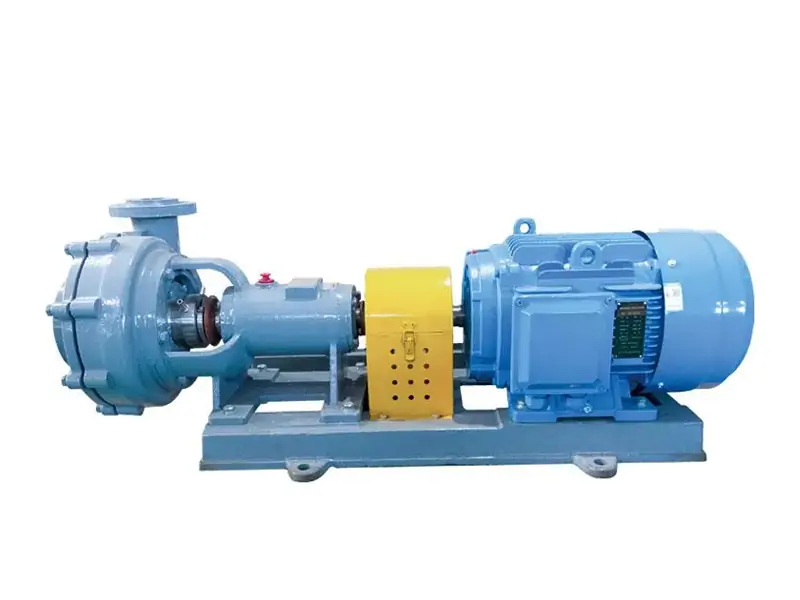
Specifications
| Model | Flow m³ | Head m | Speed r/min | Efficiency | Power when specific gravity=1 | Impeller diameter mm |
| 32CYB | 5~10 | 10~30 | 2900 | 17~28% | 1.1~3KW | 100~165 |
| 40CYB | 10~15 | 10~30 | 2900 | 25~35% | 2.2~4KW | 140~165 |
| 50CYB | 10~20 | 15~40 | 2900 | 20~35% | 4~7.5KW | 140~190 |
| 65CYB | 10~30 | 10~60 | 1450~2900 | 20~35% | 1.5~15KW | 155~220 |
| 80CYB | 40~60 | 10~80 | 1450~2900 | 22~50% | 5.5~30KW | 145~400 |
| 100CYB | 50~110 | 10~80 | 1450~2900 | 20~50% | 15~55KW | 160~400 |
| 125CYB | 100~140 | 6~80 | 1450~2900 | 20~48% | 11~75KW | 180~268 |
| 150CYB | 150~280 | 20~80 | 1450 | 40~52% | 22~90KW | 260~380 |
| 200CYB | 200~450 | 6~50 | 980~1450 | 25~58% | 22~90KW | 325~380 |
| 250CYB | 300~650 | 6~60 | 750~1450 | 28~65% | 11~160KW | 280~420 |
2. High Temperature Chemical Mortar Pump
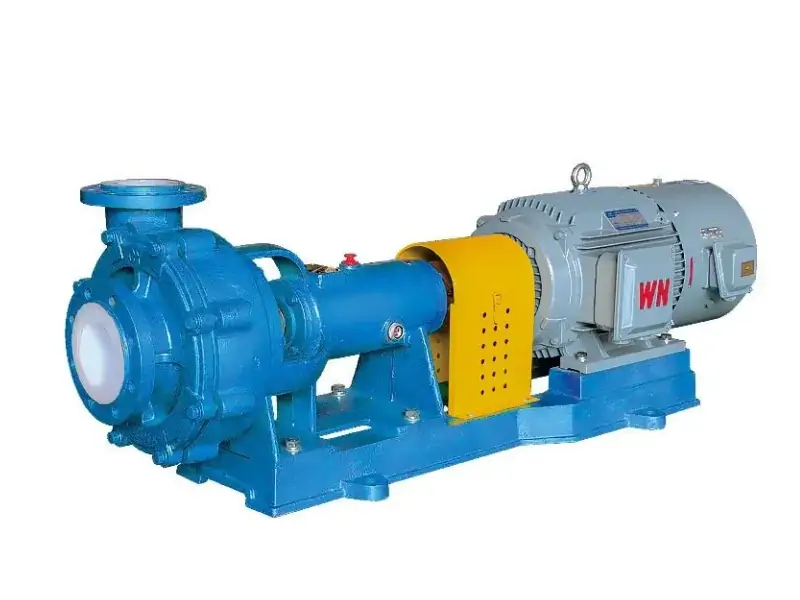
Standard elastomeric seals and linings undergo rapid thermal degradation when exposed to extreme process temperatures. The CYG-ZKN series High Temperature Chemical Mortar Pump is explicitly engineered to handle corrosive liquids and dense mineral slurries across a severe temperature spectrum of -20℃ to 180℃. Fortified with a steel-lined PFA architecture, this series achieves maximum flow capacities of 2600m³/h and discharge heads up to 120m, guaranteeing stable operation in high-heat chemical reactor environments.
Specifications
| Model | Flow Range (m³/h) | Head Range (m) | Speed (r/min) | Efficiency Range (%) | Power Range | Impeller Diameter Range (mm) |
|---|---|---|---|---|---|---|
| 32UHB | 5 – 10 | 10 – 30 | 2900 | 17% – 28% | 1.1KW-2 – 3KW-2 | 100 – 165 |
| 40UHB | 10 – 15 | 10 – 30 | 2900 | 25% – 35% | 2.2KW-2 – 4KW-2 | 140 – 165 |
| 50UHB | 10 – 20 | 15 – 40 | 2900 | 20% – 35% | 4KW-2 – 7.5KW-2 | 140 – 190 |
| 65UHB | 25 – 30 | 20 – 60 | 2900 | 25% – 35% | 5.5KW-2 – 18.5KW-2 | 155 – 235 |
| 80UHB | 20 – 60 | 10 – 80 | 2900 | 22% – 50% | 5.5kw-4 – 30KW-2 | 145 – 260 |
| 100UHB | 50 – 110 | 10 – 80 | 2900 | 20% – 45% | 15KW-2 – 55KW-2 | 160 – 250 |
| 125UHB | 100 – 140 | 18 – 80 | 2900 | 34% – 48% | 22KW-2 – 75KW-2 | 180 – 268 |
| 150UHB | 150 – 280 | 20 – 50 | 1450 | 40% – 52% | 22KW-4 – 75KW-4 | 260 – 380 |
| 200UHB | 200 – 450 | 6 – 50 | 1450 / 980 | 25% – 58% | 22KW-6 – 90KW-4 | 325 – 380 |
| 250UHB | 300 – 650 | 6 – 60 | 1450 / 980 / 750 | 28% – 65% | 11KW-8 – 160KW-4 | 280 – 420 |
3. Horizontal Phosphoric Acid Slurry Pump
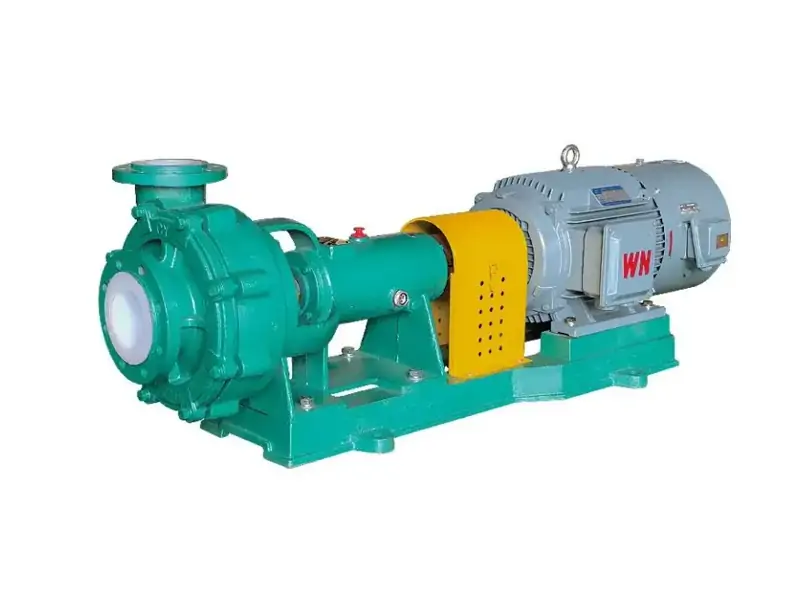
Phosphate fertilizer production poses unique challenges, as phosphoric acid combines extreme chemical corrosivity with the heavy abrasion of suspended gypsum solids. Our dedicated Horizontal Phosphoric Acid Slurry Pump features dual-action anti-abrasion and anti-corrosion linings. Its optimized hydraulic geometry significantly reduces internal fluid turbulence, minimizing the wear rate of critical components and extending service life during continuous, heavy-duty phosphate extraction processes.
Specifications
| Model | Flow Range (m³/h) | Head Range (m) | Speed (r/min) | Efficiency Range (%) | Power Range | Impeller Diameter Range (mm) |
|---|---|---|---|---|---|---|
| 32UHB | 5 – 10 | 10 – 30 | 2900 | 17% – 28% | 1.1KW-2 – 3KW-2 | 100 – 165 |
| 40UHB | 10 – 15 | 10 – 30 | 2900 | 25% – 35% | 2.2KW-2 – 4KW-2 | 140 – 165 |
| 50UHB | 10 – 20 | 15 – 40 | 2900 | 20% – 35% | 4KW-2 – 7.5KW-2 | 140 – 190 |
| 65UHB | 25 – 30 | 20 – 60 | 2900 | 25% – 35% | 5.5KW-2 – 18.5KW-2 | 155 – 235 |
| 80UHB | 20 – 60 | 10 – 80 | 2900 | 22% – 50% | 5.5kw-4 – 30KW-2 | 145 – 260 |
| 100UHB | 50 – 110 | 10 – 80 | 2900 | 20% – 45% | 15KW-2 – 55KW-2 | 160 – 250 |
| 125UHB | 100 – 140 | 18 – 80 | 2900 | 34% – 48% | 22KW-2 – 75KW-2 | 180 – 268 |
| 150UHB | 150 – 280 | 20 – 50 | 1450 | 40% – 52% | 22KW-4 – 75KW-4 | 260 – 380 |
| 200UHB | 200 – 450 | 6 – 50 | 1450 / 980 | 25% – 58% | 22KW-6 – 90KW-4 | 325 – 380 |
| 250UHB | 300 – 650 | 6 – 60 | 1450 / 980 / 750 | 28% – 65% | 11KW-8 – 160KW-4 | 280 – 420 |
Tip: The above is part of our model number. Our professional engineering team will develop the best solution for you based on your specific working conditions. Contact us.
How Do Horizontal Slurry Pumps Perform in Real-World Case Studies?
Horizontal slurry pumps are vital across multiple heavy industries. Here is how specialized pumping solutions resolve critical engineering failures in the field:
- Fertilizer Plant (Phosphoric Acid Processing): A facility struggled with catastrophic pump failures every few weeks due to highly corrosive phosphoric acid mixed with abrasive gypsum solids. By upgrading to our dedicated horizontal phosphoric acid slurry pump featuring specialized fluoroplastic linings, the plant eliminated chemical degradation and extended the pump’s operational lifespan by over 300%.
- Metallurgy & Smelting (High-Temperature Transfer): A smelting plant required the continuous transfer of high-temperature acidic mortar (150℃). Standard pumps suffered from rapid seal blowouts and casing deformation. The implementation of our CYG-ZKN High-Temperature Chemical Mortar Pump provided a stable, leak-proof solution, maintaining continuous operation without thermal distortion.
- Chemical Manufacturing (Acid Dosing Skid): A chemical processing plant faced severe safety risks from leaking highly concentrated acids. They installed our corrosive chemical transfer pump. The steel-lined PFA construction entirely resisted the acid, achieving zero-leakage continuous dosing and drastically reducing maintenance downtime.

How Do You Properly Install, Operate, and Maintain a Slurry Pump?
Implementing a strict predictive maintenance protocol maximizes hydraulic efficiency and safeguards your capital equipment.
- Mitigate Cavitation Risks: Ensure the Net Positive Suction Head Available (NPSHa) strictly exceeds the required threshold (NPSHr). Cavitation bubbles violently implode against the impeller, causing severe mechanical pitting and dramatic efficiency loss.
- Optimize Impeller Clearances: Abrasive wear inevitably widens the tolerance between the impeller and the suction liner. Performing routine mechanical adjustments to close this clearance restores the pump’s designed head and flow rates.
- Bearing and Seal Diagnostics: Bearing housing lubrication and mechanical seal integrity must be monitored continuously. Failures in these areas represent a primary cause of catastrophic pump failure and corrosive fluid leaks.
Note: If you have any further questions, please don’t worry. Our professional engineers will provide you with dedicated service. Liên hệ với chúng tôi now for professional solutions.
What Are the Most Frequently Asked Questions (FAQs) About Slurry Pumps?
Q1: How does a horizontal slurry pump hydraulically differ from a standard water pump?
A: Slurry pumps utilize heavier, wear-resistant volutes and larger impeller vane passages designed specifically to pass abrasive solids and highly viscous fluids without internal blockages.
Q2: What is the expected lifecycle of fluoroplastic or high-chrome wear liners?
A: Lifecycle depends on the slurry’s specific gravity and particle hardness. However, precise metallurgical matching and routine clearance adjustments frequently extend liner MTBF well beyond 18 to 24 months.
Q3: Is dry-running permissible for horizontal centrifugal slurry pumps?
A: Absolutely not. Dry-running instantly strips lubrication from the mechanical seals, resulting in rapid thermal expansion, seal destruction, and subsequent bearing failure.
Q4: What thermal constraints apply to the CYG-ZKN chemical mortar pump?
A: The CYG-ZKN series is engineered with thermal-resistant PFA linings, safely tolerating high-temperature corrosive slurries up to 180℃ (356℉).
Q5: What are the engineering advantages of horizontal configurations over vertical designs?
A: Horizontal geometries offer vastly superior accessibility for maintenance, simplified bearing inspections, and the structural capacity to handle significantly higher flow rates and discharge pressures.
Q6: What operational anomalies cause excessive slurry pump vibration?
A: Severe vibration is typically symptomatic of impeller imbalance (often due to uneven wear), cavitation from poor suction conditions, or impending bearing failure.
Q7: Which metallurgy is mandated for high-concentration acidic slurries?
A: Fluoroplastics (PFA, PTFE) and engineered duplex stainless steels are mandatory, as standard metals will suffer rapid galvanic or chemical corrosion in these environments.
Q8: What is the recommended maintenance interval for heavy-duty slurry pumps?
A: Visual, acoustic, and thermal inspections of bearings and seals should occur daily. Internal clearance checks and lubrication schedules must strictly follow the manufacturer’s operational hour metrics.
Q9: Why does hydraulic performance (flow and head) degrade over time?
A: Performance degradation is generally driven by abrasive wear increasing the internal pump clearances, or by frictional losses caused by partial pipeline blockages.
Q10: Does Changyu Pump offer custom OEM/ODM engineering services?
A: Yes. We provide comprehensive OEM/ODM engineering, modifying casing dimensions, flange standards, and wet-end metallurgy to seamlessly integrate into your existing plant infrastructure.
How Can You Contact Changyu Pump for a Selection & Quote?
If your facility requires horizontal slurry pumps capable of sustaining long-term reliability in highly corrosive or extreme-temperature slurry applications, contact us now. We will engineer an optimized selection—such as our robust CYG-ZKN series for thermal constraints—and supply a detailed, technically accurate quotation to ensure your project’s success.