
جدول المحتويات
- ما هي مضخة الطين الكيميائية؟
- مضخة الطين الكيميائية مقابل مضخة الطين القياسية: الاختلافات الرئيسية
- اختيار مواد مضخة الطين المسببة للتآكل: المعادن مقابل البلاستيك
- أنظمة منع التسرب للعجائن الكيميائية الخطرة
- تطبيقات مضخة الطين الكيميائية في الصناعات الرئيسية
- كيفية اختيار مضخة الطين الكيميائية: قائمة مراجعة من 4 خطوات
- مضخة تشانغيو لحلول مضخة الطين الكيميائية
- مراقبة الجودة: ضمان الموثوقية
- دراسة حالة: إطالة عمر الخدمة في معالجة ثاني أكسيد التيتانيوم
- الأسئلة المتداولة (FAQ)
- 5 معايير اختيار مهندسي مضخة تشانغيو للمضخات
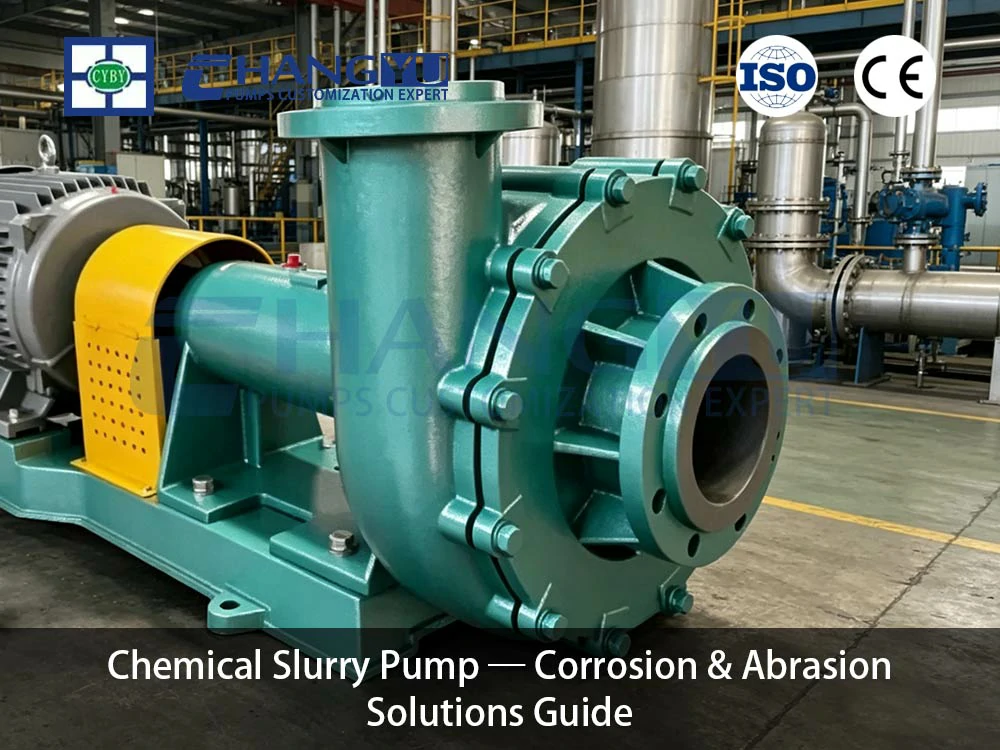
1. ما هي مضخة الطين الكيميائية؟
A مضخة الملاط الكيميائي هي مضخة طرد مركزي متخصصة مصممة لنقل مخاليط من السوائل المسببة للتآكل والجسيمات الصلبة الكاشطة - غالباً ما تسمى العجين الكيميائي - بأمان وموثوقية. على عكس مضخات الأغراض العامة، فإن مضخة مضخة الملاط الكيميائي يجمع بين قدرتين مهمتين: المقاومة الكيميائية لتحمل الأحماض والقلويات والمذيبات القوية، والمتانة الميكانيكية لمقاومة التآكل من المواد الصلبة العالقة. هذا الدفاع المزدوج هو ما يحافظ على استمرار الإنتاج في بعض بيئات المعالجة الأكثر تطلبًا في العالم.
تعد هذه المضخات ضرورية في الصناعات التي تتعايش فيها المواد الكيميائية المسببة للتآكل والمواد الصلبة الكاشطة: إنتاج حمض الفوسفوريك، وإزالة الكبريت من غاز المداخن (FGD) في محطات توليد الطاقة، وتصنيع ثاني أكسيد التيتانيوم، والمعالجة الهيدروميتالورجية. اختيار المناسب مضخة الملاط الكيميائي تؤثر بشكل مباشر على وقت تشغيل العملية وتكاليف الصيانة وسلامة مكان العمل.
مضخة تشانغيو إنسايت: لقد علمتنا أكثر من 20 عامًا من الخبرة الميدانية عبر مئات من تركيبات الطين الكيميائي درسًا واحدًا ثابتًا - الفرق بين المضخة التي تدوم لسنوات والمضخة التي تفشل في غضون أسابيع يعود دائمًا إلى اختيار المواد. في بيانات الخدمة الخاصة بنا، فإن المضخة المحددة بشكل صحيح مضخة الملاط المقاومة للتآكل مع بطانة من البلاستيك الفلوري عادةً ما تدوم أكثر من المضخة المعدنية المحددة بشكل غير صحيح بمعامل من 3 إلى 5 في خدمة الملاط الحمضي. تشكل هذه الملاحظة التي تم التحقق منها ميدانيًا أساس كل توصية في هذا الدليل.
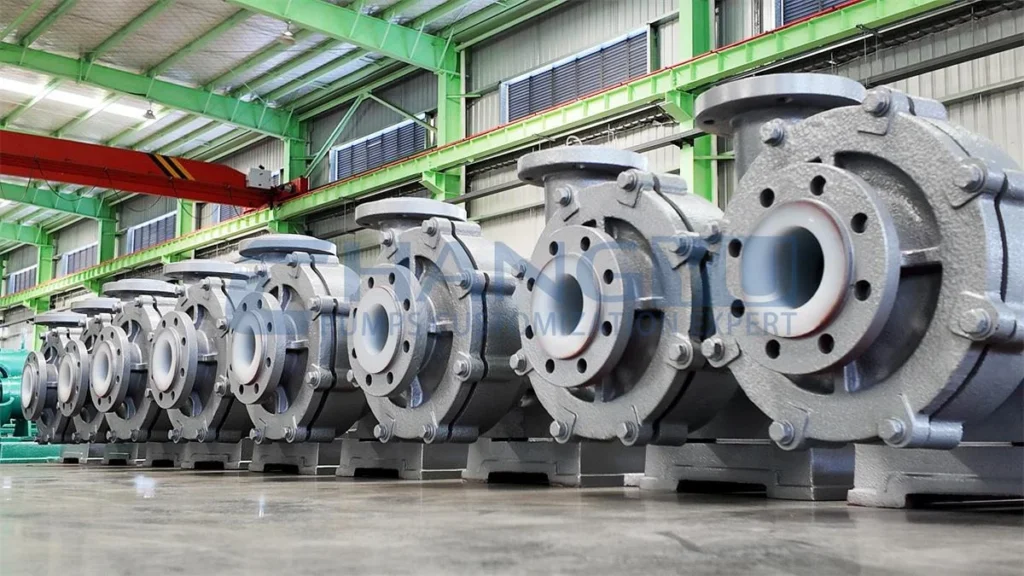
2. مضخة الطين الكيميائية مقابل مضخة الطين القياسية: الاختلافات الرئيسية
لا يمكن لكل مضخة ملاط التعامل مع المواد الكيميائية بأمان. فهم الاختلافات بين مضخة الملاط الكيميائي, ومضخة طين قياسية، ومضخة معالجة كيميائية تساعد على تجنب التطبيقات الخاطئة المكلفة.
| الميزة | مضخة الملاط الكيميائي | مضخة الطين القياسية | مضخة المعالجة الكيميائية |
|---|---|---|---|
| التحدي الأساسي | الجمع بين التآكل + التآكل + التآكل | التآكل فقط | التآكل فقط |
| المواد المبللة | اللدائن المفلورة (PTFE، FEP، UHMW-PE)، واللدائن الفلورية (PTFE، FEP، UHMW-PE)، واللدائن المزدوجة غير القابلة للصدأ | الحديد عالي الكروم، والمطاط، والبولي يوريثين | فولاذ مقاوم للصدأ، بلاستيك |
| مقاومة المواد الكيميائية | ممتاز (يتعامل مع الأس الهيدروجيني 0-14) | ضعيف إلى متوسط | ممتاز |
| مناولة المواد الصلبة | حتى 40% بالوزن حتى 40% بالوزن | حتى 70% بالوزن حتى 70% بالوزن | الحد الأدنى (سوائل نظيفة) |
| التطبيقات النموذجية | الملاط الحمضي، وإزالة الغازات الكبريتية الغازية، والأسمدة الفوسفاتية | التعدين والرمل والحصى | نقل الأحماض، ومناولة المذيبات |
ما يعنيه ذلك بالنسبة لك: يؤدي اختيار مضخة الملاط القياسية للاستخدامات الكيميائية المسببة للتآكل إلى ثقب سريع في الغلاف وفشل مانع التسرب - غالبًا في غضون أسابيع. المضخة المخصصة مضخة الملاط الكيميائي مع تبطين المواد المناسبة ليست ترقية باهظة الثمن؛ بل هي الحد الأدنى من المواصفات القابلة للتطبيق للتشغيل الآمن. للتعمق أكثر في تصاميم المواد الكاشطة شديدة التحمل، يرجى الاتصال فريقنا.
3. اختيار مواد مضخة الطين المسببة للتآكل: المعادن مقابل البلاستيك
يعد اختيار المواد هو القرار الوحيد الأكثر أهمية في تحديد مواصفات مضخة الملاط الكيميائي. وتواجه المكونات المبللة - الغلاف، والمكره، وألواح التآكل، وألواح التآكل، وأكمام العمود - هجومًا متزامنًا من التآكل الكيميائي والتآكل الميكانيكي.
3.1 السبائك عالية الكروم والفولاذ المقاوم للصدأ المزدوج
حديد أبيض عالي الكروم (25-30% Cr, 600 + BHN 600+) مقاومة ممتازة للتآكل ولكنها تفشل بسرعة تحت الرقم الهيدروجيني 4. الفولاذ المقاوم للصدأ المزدوج مثل CD4MCu توفر مقاومة محسنة للتآكل (نطاق الأس الهيدروجيني 2-12) مع الحفاظ على صلابة معقولة (280-350 BHN 280-350). تعمل هذه السبائك بشكل جيد في الملاط الحمضي المعتدل شديد الكشط - على سبيل المثال، ملاط الحجر الجيري في عملية إزالة الغازات الغازية المداخنة حيث يبقى الأس الهيدروجيني أعلى من 4.5.
ما يعنيه ذلك بالنسبة لك: تعمل المضخات المعدنية عندما يكون التآكل ثانويًا للتآكل. بالنسبة لتركيزات حمض الكبريتيك التي تزيد عن 10% أو حمض الهيدروكلوريك بأي تركيز، نادرًا ما تكون المضخات المعدنية قابلة للتطبيق - يتسارع فقدان المواد بشكل كبير مع انخفاض الأس الهيدروجيني.
3.2 بطانات الفلوروبلاستيك: المعيار الذهبي
بالنسبة للبيئات الكيميائية القاسية، توفر المضخات المبطنة بالفلور البلاستيك حماية لا مثيل لها. وتشمل مواد التبطين الشائعة ما يلي:
- PTFE (متعدد رباعي فلورو الإيثيلين): مقاومة شبه شاملة للمواد الكيميائية. درجة حرارة تشغيل تصل إلى 120°C.
- بروبيلين الإيثيلين المفلور (FEP): مقاومة كيميائية ممتازة مع ثبات حراري جيد. نطاق درجة الحرارة -20 درجة مئوية إلى 120 درجة مئوية.
- PFA (بيرفلورو ألكوكسي): أداء حراري فائق لخدمات الأحماض عالية الحرارة.
- UHMW-PE (البولي إيثيلين فائق الوزن الجزيئي): مقاومة الصدمات الاستثنائية ومقاومة التآكل إلى جانب التوافق الكيميائي الواسع. نطاق درجات الحرارة -20 درجة مئوية إلى 90 درجة مئوية.
كانت مضخة تشانغيو رائدة في البوليمر الفلوري تقنية التبطين في تطبيقات مضخة الطين، بسماكة بطانة تتراوح من 8 إلى 20 مم. على عكس الطلاءات التي تتآكل رقيقة، فإن هذه البطانات هي حواجز هيكلية كاملة السماكة - لا تتحلل المقاومة الكيميائية مع تآكل السطح. وهذا تمييز حاسم عند التعامل مع مضخة الملاط الحمضي التطبيقات التي ينشط فيها كل من التآكل والتآكل.
ما يعنيه ذلك بالنسبة لك: يمكن للمضخة المبطنة بالبلاستيك الفلوري أن تتعامل مع الملاط الحمضي الذي قد يدمر المكونات المعدنية في غضون أيام. تمتص البطانة طاقة تأثير الجسيمات مع توفير حاجز كيميائي مطلق. بالنسبة لمعظم تطبيقات الملاط الكيميائي التي تتضمن أحماض قوية، هذا هو الحل الموصى به. إن مضخة الطين للصناعة الكيميائية تطورت لتصبح البطانات البلاستيكية الفلورية هي الأساس وليس الاستثناء.
4. أنظمة منع التسرب للعجائن الكيميائية الخطرة
اختيار مانع التسرب هو قرار سلامة حاسم. يؤدي تسرب ملاط مائي نظيف إلى حدوث بركة؛ بينما يؤدي تسرب ملاط كيميائي أكّال إلى حدوث خطر.
4.1 الأختام الميكانيكية وتعبئة الغدة
تعتمد طرق منع التسرب التقليدية - موانع التسرب الميكانيكية المفردة وتعبئة الغدة - على مياه التدفق النظيفة للتبريد والتشحيم وإنشاء حاجز ضغط. إذا فشل ماء التدفق أو حدث دخول المواد الصلبة، يتدهور وجه مانع التسرب بسرعة. في خدمة الملاط الكيميائي، لا تكون النتيجة مجرد تسرب بل انبعاث محتمل لسائل أكّال أو سام.
4.2 مضخات الدفع المغناطيسي: حل التسرب الصفري
للعجائن الكيميائية الخطرة أو السامة أو عالية النقاء, مضخات الطرد المركزي ذات المحرك المغناطيسي التخلص من مانع التسرب الميكانيكي بالكامل. تنتقل الطاقة من المحرك إلى المكره من خلال اقتران مغناطيسي عبر غلاف احتواء صلب. والنتيجة: تسرُّب صفري حسب التصميم. لا مياه متدفقة، ولا تآكل في السدادات، ولا انبعاثات هاربة.
ما يعنيه ذلك بالنسبة لك: عند ضخ أحماض سامة أو منتجات كيميائية باهظة الثمن، حتى تسرب مانع تسرب بسيط يمثل خطرًا غير مقبول - على سلامة الأفراد والامتثال البيئي وقيمة المنتج. تعمل تقنية المحرك المغناطيسي على تحويل هذا الخطر إلى سيناريو غير موجود.
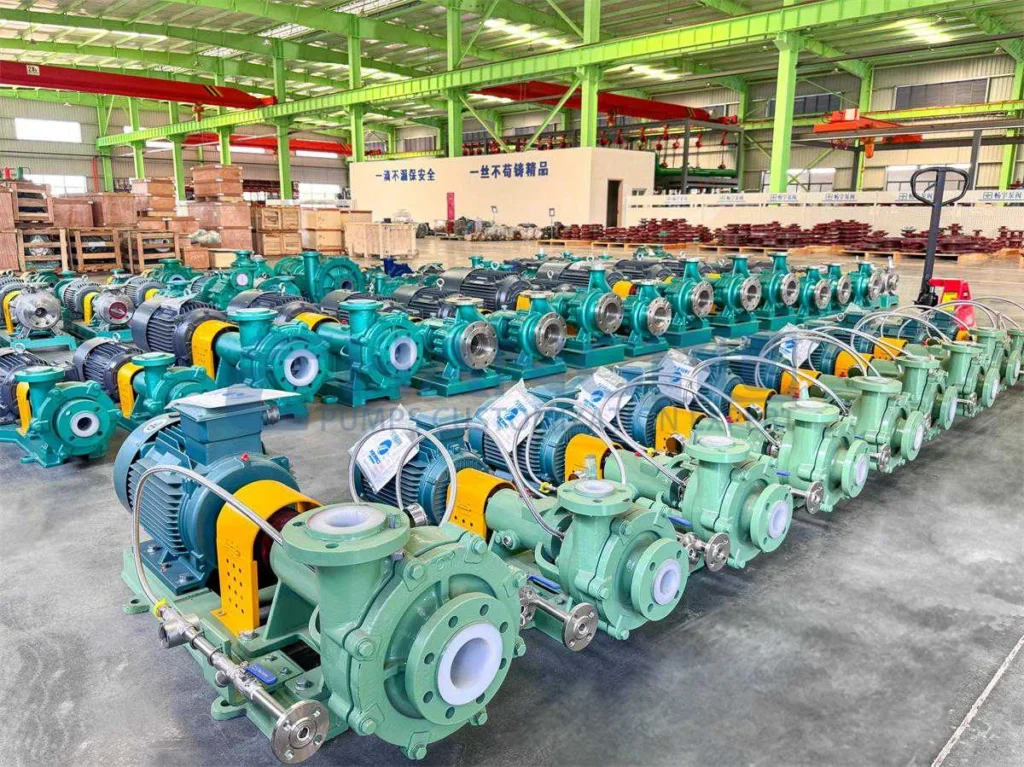
5. تطبيقات مضخة الطين الكيميائية في الصناعات الرئيسية
فهم كيف تضغط صناعات معينة على مضخة الملاط الكيميائي يكشف عن ميزات التصميم المهمة لتطبيقك.
5.1 إنتاج الأسمدة الفوسفاتية
يولد إنتاج حمض الفوسفوريك ملاطًا يحتوي على حمض الكبريتيك (5-30%) وحمض الفوسفوريك وبلورات الجبس. يجب أن تتعامل المضخات مع مستويات الأس الهيدروجيني أقل من 1, درجات حرارة تصل إلى 90°C, وجزيئات الجبس الكاشطة في وقت واحد. المضخات المبطنة بالفلور البلاستيك هي معيار الصناعة لهذا العمل المشترك.
5.2 إزالة الكبريت من غاز المداخن (FGD)
محطة توليد الكهرباء FGD تنتج الأنظمة ملاط الحجر الجيري الذي ينظف SO₂ من غازات المداخن. ويكون الملاط الناتج حمضيًا بشكل معتدل (درجة الحموضة 4-6) ولكنه شديد الكشط. تهيمن المضخات المبطنة بالمطاط أو المضخات المزدوجة المصنوعة من الفولاذ المقاوم للصدأ على هذه التطبيقات، مع تحديد المضخات المبطنة بالفلور البلاستيك حيث يؤدي محتوى الكلور إلى انخفاض الأس الهيدروجيني.
5.3 التعدين المائي ومواد البطاريات
ينطوي استخلاص النيكل والكوبالت والليثيوم على النض الحمضي في درجات حرارة مرتفعة. يحتوي الملاط الكيميائي على معادن ذائبة وحمض متبقي ومخلفات خام كاشطة. يجب أن تقاوم مواد المضخات كلاً من البيئة الكيميائية والمخلفات المتآكلة - بلاستيك فلوري أو غير قابل للصدأ على الوجهين حسب تركيز الحمض ودرجة الحرارة.
5.4 إنتاج ثاني أكسيد التيتانيوم
يؤدي إنتاج TiO₂ إلى توليد ملاط يحتوي على حمض الكبريتيك وجزيئات بلورية صلبة. هذه الظروف مجتمعة تدمر مضخات الحديد عالية الكروم بسرعة. وقد أظهرت مضخات UHMW-PE المبطنة عمر خدمة استثنائي في هذا التطبيق - توضح دراسة حالة في هذا الدليل النتائج.
6. كيفية اختيار مضخة الطين الكيميائية: قائمة مراجعة من 4 خطوات
يوصي المهندسون في شركة Changyu Pump بهذا النهج المنظم لـ اختيار مضخة الملاط الكيميائي.
الخطوة 1: تحديد البيئة الكيميائية
- نوع الحمض/القلوي: أحماض كبريتية، هيدروكلورية، فسفورية، أحماض مختلطة؟
- نطاق التركيز (% بالوزن)
- درجة حرارة التشغيل
- وجود عوامل مؤكسدة أو مذيبات
الخطوة 2: تحديد كمية المواد الصلبة
- تركيز المواد الصلبة (≤20% أو >20% بالوزن)
- صلابة الجسيمات وزاويتها
- توزيع حجم الجسيمات (PSD)
الخطوة 3: مطابقة المواد ونوع الختم
- التآكل الخفيف + التآكل العالي → الفولاذ المقاوم للصدأ المزدوج
- حمض قوي + مواد صلبة معتدلة ← حمض قوي + مواد صلبة معتدلة ← مبطنة بالفلور البلاستيك (FEP/PTFE/UHMW-PE)
- درجة حرارة عالية + حمض قوي ← حمض قوي ← PFA مبطن
- وسائط سامة/خطرة → تصميم محرك مغناطيسي بدون قفل
الخطوة 4: تقييم التكلفة الإجمالية للملكية (TCO)
- استهلاك الطاقة (عادةً 60-701 تيرابايت 3 تيرابايت من تكلفة العمر الافتراضي)
- تواتر استبدال مكونات التآكل
- عمالة الصيانة ووقت تعطل الإنتاج
- احسب على مدى 3 سنوات لإجراء مقارنة دقيقة
7. مضخة تشانغيو لحلول مضخة الملاط الكيميائية
تقدم مضخة تشانغيو ثلاثة أنواع متميزة مضخة الملاط الكيميائي السلسلة. صُمم كل منها خصيصًا لملفات طين محددة، مما يضمن حصولك على المادة المثلى والمطابقة الهيدروليكية.
7.1 مضخة نقل المواد الكيميائية المسببة للتآكل من سلسلة CYB-ZKJ
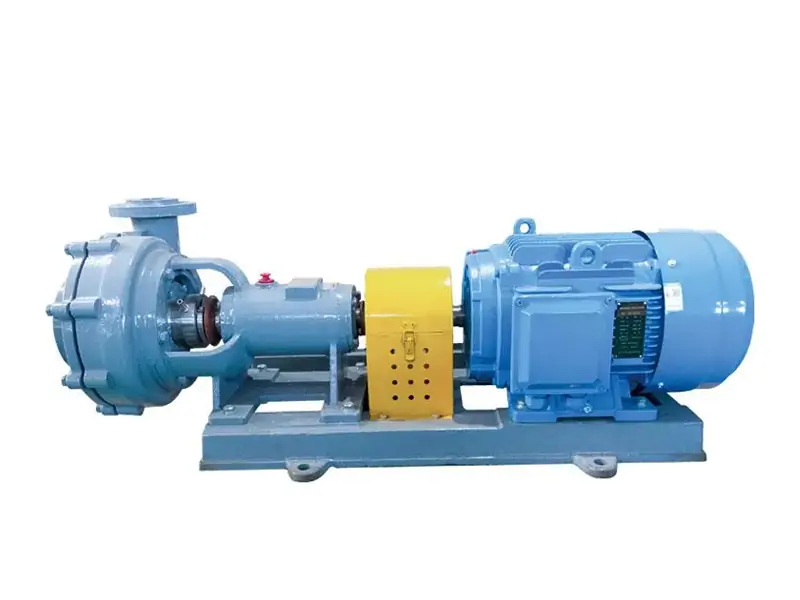
إن CYB-ZKJ عبارة عن جهاز CYB-ZKJ كامل المواصفات مضخة الملاط المقاومة للتآكل مبنية حول بطانة FEP (PFA اختياري لدرجات الحرارة العالية). تنقل الأحماض والقلويات والسوائل بمواد صلبة مرنة تصل إلى 20% على -80 درجة مئوية إلى 120 درجة مئوية النطاق. وتشمل المهام النموذجية أحماض الأسمدة، وملاط المصاهر، ومياه الصرف الصحي المسببة للتآكل - في أي مكان يجب أن تتحمل فيه مضخة واحدة خليطًا كيميائيًا مختلفًا دون شكوى.
المواصفات الرئيسية:
- معدل التدفق: 3-2,600 متر مكعب/ساعة
- الرأس: 5-100 m
- قوة المحرك: 0.75-300 كيلوواط
- السرعة: 968 - 3450 دورة/دقيقة
- البطانة: FEP (قياسي)، PFA (درجة حرارة عالية)
7.2 مضخة الملاط الفولاذ المقاوم للصدأ من سلسلة HB
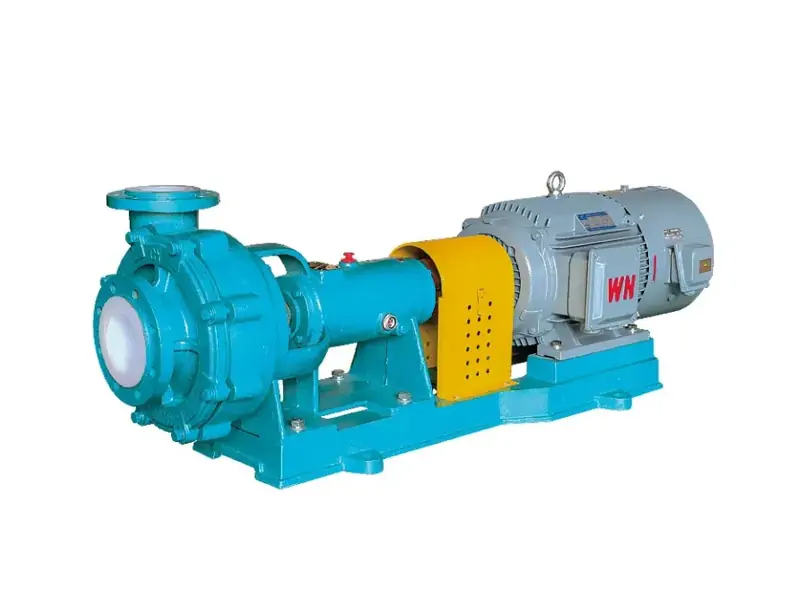
مصممة ل ISO 2858 ومعايير CE، تستخدم سلسلة HB جميع الأجزاء المبللة المصنوعة من الفولاذ المقاوم للصدأ - 304, 316, 316L, 2205, 2507 - للتعامل مع عجائن متوسطة التآكل ومتوسطة التآكل بفعالية من حيث التكلفة. هذا هو الخيار المنطقي عندما لا تتطلب البيئة الكيميائية حماية كاملة من البلاستيك الفلوري ولكن مواد مضخة الملاط القياسية ستظل مع ذلك معطلة.
المواصفات الرئيسية:
- معدل التدفق: 10-60 م³/ساعة
- الرأس: 20-120 m
- قوة المحرك: 3-45 كيلوواط
- السرعة: 2,900 دورة/دقيقة
- درجة الحرارة: -20 درجة مئوية إلى 120 درجة مئوية
7.3 مضخة الملاط الصناعية من سلسلة UHB

مبطن بـ UHMW-PE, ، فإن سلسلة UHB هي سلسلة UHB النهائية مضخة الملاط الكيميائي الكاشطة. تصميمها أحادي المرحلة الكابولي الكابولي مع دافع شبه مفتوح ومانع تسرب ميكانيكي خرطوشة يتعامل مع الوسائط الصلبة المتآكلة البلورية المحملة بالبلورات التي تدمر المضخات المعدنية. تمتص بطانة UHMW-PE تأثير الجسيمات بينما تظل خاملة كيميائياً - وهو مزيج ثبتت فعاليته في ثاني أكسيد التيتانيوم وحمض الفوسفوريك ومعالجة المعادن غير الحديدية.
المواصفات الرئيسية:
- معدل التدفق: 3-2,600 متر مكعب/ساعة
- الرأس: 5-100 m
- قوة المحرك: 0.75-300 كيلوواط
- السرعة: 750-2,900 دورة/دقيقة
- درجة الحرارة: -20 درجة مئوية إلى 90 درجة مئوية
8. مراقبة الجودة: ضمان الموثوقية


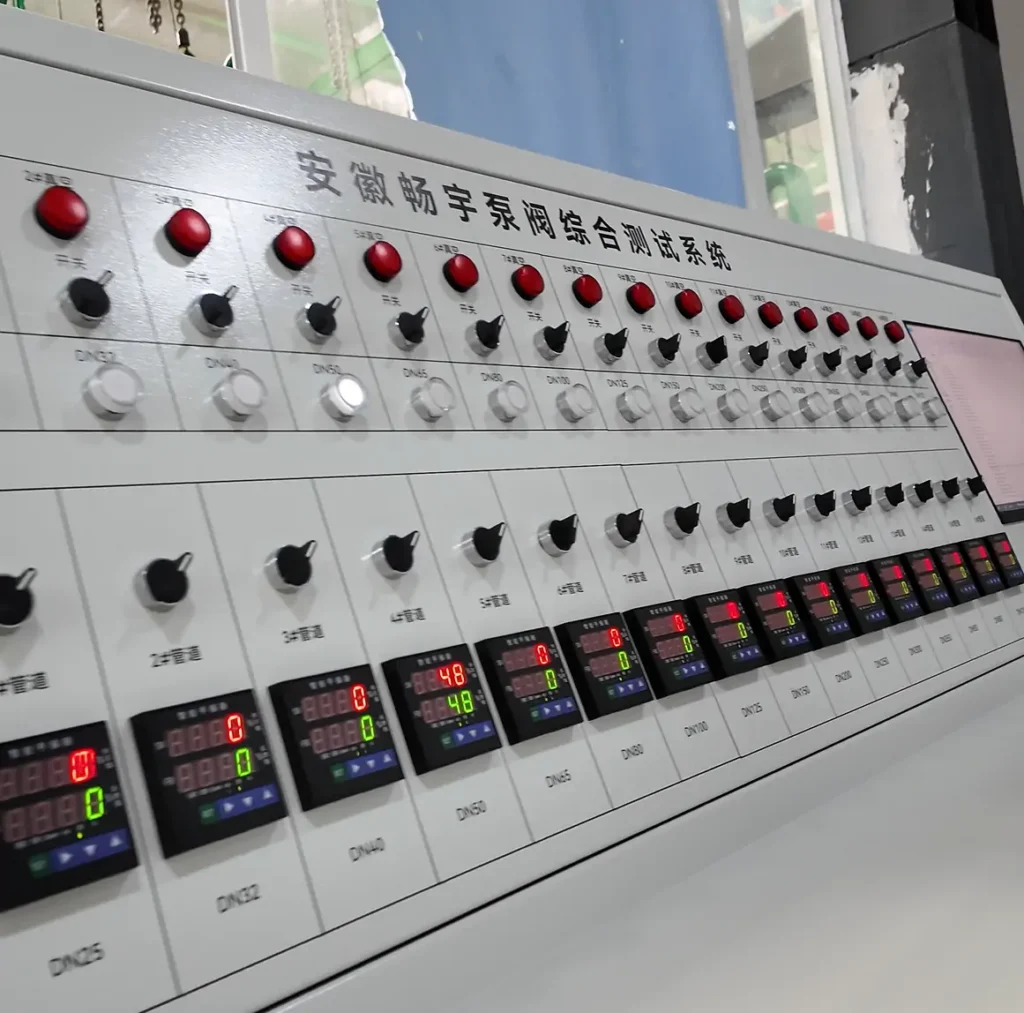
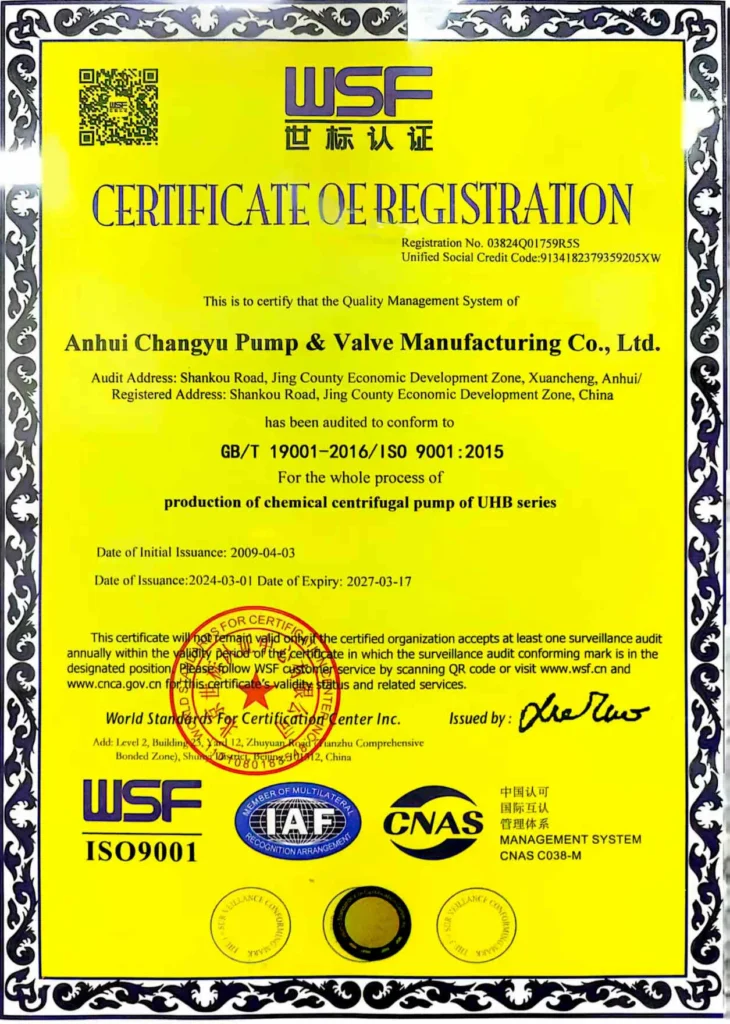
كل مضخة الملاط الكيميائي من Changyu Pump يخضع لبرنامج ضمان جودة متعدد المراحل يمنع العيوب قبل وصولها إلى الحقل.
- التحقق من المواد: يؤكد التحليل الطيفي التركيب الكيميائي لجميع راتنجات البلاستيك الفلوري، ومركبات UHMW-PE، ودرجات الفولاذ المقاوم للصدأ. كل دفعة تحمل وثائق تتبع كاملة.
- الفحص أثناء العملية: يتم قياس أبعاد الدفاعة وتفاوتات الغلاف وسُمك البطانة في كل مرحلة من مراحل الإنتاج. يتحقق الاختبار بالموجات فوق الصوتية من التغطية المنتظمة للبطانة - يمكن أن يصبح فراغ واحد أصغر من ظفر الإصبع نقطة فشل حرجة تحت الهجوم الكيميائي.
- اختبار الأداء الهيدروليكي: تُجري كل مضخة مجمعة اختبارًا هيدروليكيًا كاملاً عبر نقاط عمل متعددة. يتم التحقق من التدفق والرأس والطاقة والكفاءة مقابل المنحنى المنشور.
- التدقيق النهائي للتجميع النهائي: يتم التأكد من عزم دوران البرغي وسلامة مانع التسرب والتحميل المسبق للمحمل والدوران الحر قبل التعبئة.
9. دراسة حالة مضخة الطين الكيميائية: إطالة عمر الخدمة في معالجة ثاني أكسيد التيتانيوم
تحدي العميل: كان مصنع TiO₂ في جنوب شرق آسيا يستبدل الدفاعات والأغلفة في مضخات الملاط المصنوعة من سبائك الكروم العالية كل أربعة أشهر. تسبب ملاط TiO₂ (الأس الهيدروجيني 2-3، حمض الكبريتيك المتبقي) في فشل التآكل والتآكل المشترك عند حدود الحبيبات المعدنية. أجبر كل حدث استبدال على 8-12 ساعة من التوقف، مما أدى إلى تجاوز تكاليف الصيانة السنوية لكل مضخة 45,000 دولار أمريكي.
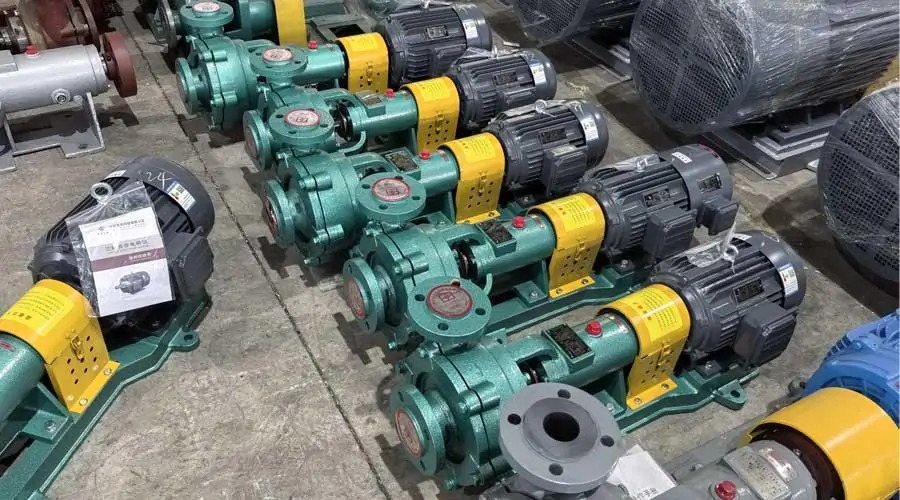
القرار الهندسي: نظر مهندسو مضخة Changyu في مسارين - الترقية إلى مضخة مزدوجة غير قابلة للصدأ (والتي من شأنها أن تقاوم الحمض ولكن لا تزال تتآكل تحت بلورات TiO₂ الصلبة) والتحول إلى مضخة مبطنة بالفلور البلاستيك. تم اختيار خيار الفلوروبلاستيك لأنه أزال عنصر التآكل تمامًا، تاركًا فقط التآكل الميكانيكي الذي يمكن التحكم فيه. كان الحل الموصى به هو سلسلة UHB مع بطانة UHMW-PE, ، مقترنة بخرطوشة خرطوشة ختم ميكانيكية للتخلص من احتياجات مياه الغدة.
نتائج محددة كمياً (تقييم لمدة 12 شهراً):
- تمديد الفترة الزمنية لاستبدال الدفاعة من من 4 أشهر إلى أكثر من 18 شهراً - تحسينات 350%+
- انخفاض تكلفة الصيانة السنوية بحوالي 62%
- خفض وقت تعطل الإنتاج غير المخطط له بأكثر من 70%
- تم التخلص من استهلاك مياه الختم - توفير ما يقرب من 1,200 متر مكعب لكل مضخة سنوياً
تستخدم المحطة الآن مضخات سلسلة UHB في جميع مهام الطين.
10. الأسئلة الشائعة (FAQ)
س1: ما هي مضخة الملاط الكيميائية؟
ج: أ: أ مضخة الملاط الكيميائي هي مضخة طرد مركزي تتعامل مع مخاليط من السوائل المسببة للتآكل والمواد الصلبة الكاشطة. وهي تستخدم مواد مقاومة للمواد الكيميائية مثل البلاستيك الفلوري أو الفولاذ المقاوم للصدأ المزدوج لمنع التآكل أثناء نقل الجسيمات التي من شأنها أن تدمر المضخات القياسية.
س2: هل يمكن لمضخة الطرد المركزي التعامل مع عجائن كيميائية أكالة؟
ج: نعم. محدد بشكل صحيح مضخة الملاط الكيميائي بالطرد المركزي مع بطانات FEP، أو PTFE، أو UHMW-PE تتعامل مع ما يصل إلى 40% من المواد الصلبة في السوائل المسببة للتآكل. اختيار المواد أمر حاسم - يؤدي الاختيار الخاطئ إلى فشل سريع.
س3: ما هي أفضل مادة لمضخة الطين الحمضي؟
ج: بالنسبة للأحماض القوية (مثل الكبريتيك والهيدروكلوريك) مع المواد الصلبة, البطانات الفلوروبلاستيكية (PTFE، FEP، UHMW-PE) هي المعيار الذهبي. للأحماض الأكثر اعتدالاً مع التآكل الشديد, الفولاذ المقاوم للصدأ المزدوج (2205، CD4MCu) يوازن بين التكلفة وعمر الخدمة.
س4: كيف تمنع مضخة الطين ذات المحرك المغناطيسي التسرب؟
ج: أ: أ مضخة الدفع المغناطيسي ينقل عزم الدوران من خلال غلاف احتواء صلب باستخدام اقتران مغناطيسي، مما يلغي مانع التسرب الميكانيكي بالكامل. وهذا يحقق ما يلي تسرُّب صفري - حرجة بالنسبة للعجائن الكيميائية السامة أو عالية القيمة.
س5: ما هي المشاكل الشائعة في مضخات الملاط الكيميائي؟
ج: الأعطال الأكثر شيوعًا هي: التآكل السريع في الغلاف/المكره من المواد الصلبة، وفشل مانع التسرب من الهجوم الكيميائي، وتفكك البطانة في المضخات سيئة التصنيع، وتلوث المحمل من مياه التدفق غير الكافية.
س6: هل الفولاذ المقاوم للصدأ مناسب لضخ الملاط الحمضي؟
ج: حدد الدرجات فقط. 316 مقاوم للصدأ يقاوم الأحماض الضعيفة ولكنه يفشل في حمض الكبريتيك أو حمض الهيدروكلوريك. الفولاذ المزدوج والفولاذ المزدوج الفائق الازدواج (2205، 2507) تحسين المقاومة، ولكن بالنسبة للأحماض القوية، فإن المضخات المبطنة بالفلور البلاستيك هي الخيار الموثوق به على المدى الطويل.
س7: كيف تحافظ على مضخة الملاط المبطنة بالفلور البلاستيك؟
ج: الممارسات الرئيسية: ضبط خلوص الدافعة شهريًا، وفحص تآكل البطانة كل ثلاثة أشهر، ومراقبة مياه تدفق مانع التسرب، واستبدال مادة تشحيم المحمل كل 2000 إلى 3000 ساعة. تجنب التغيرات السريعة في درجات الحرارة لحماية سلامة البطانة.
س8: ما هو مبدأ عمل مضخة الملاط الكيميائي؟
ج: إنها تستخدم قوة الطرد المركزي - حيث تعمل المكره الدوارة على تسريع الملاط إلى الخارج، وتحويل الطاقة الدورانية إلى ضغط. ويضمن الهيكل المقوى للمضخة والمواد المقاومة للتآكل بقاء المضخة على قيد الحياة في الوسط الذي تنقله.
11. 5 معايير اختيار مهندسي مضخة تشانغيو للمضخات
- التوافق الكيميائي أولاً. حدد نوع الحمض وتركيزه ودرجة حرارته قبل أي طراز مضخة. لا توجد خاصية ميكانيكية تعوض عن المواد الخاطئة.
- لا تفترض أن الفولاذ المقاوم للصدأ يصلح لجميع الأحماض. يهاجم حمض الهيدروكلوريك وحمض الكبريتيك الساخن المواد غير القابلة للصدأ القياسية بسرعة. وعادةً ما تكون البطانات الفلورية هي الحل الوحيد القابل للتطبيق على المدى الطويل.
- حدد كمية المواد الصلبة قبل اتخاذ قرار بشأن سُمك البطانة. تتطلب المواد الصلبة الكاشطة في بيئة متآكلة عمق تبطين كافٍ للنجاة من آلية التآكل المدمجة.
- طابق الختم مع متطلبات السلامة. بالنسبة للوسائط الخطرة، يزيل المحرك المغناطيسي مخاطر التسرب تمامًا. بالنسبة للمواد الكيميائية غير الخطرة، توفر الموانع الميكانيكية للخرطوشة مع خطط التدفق المناسبة موثوقية فعالة من حيث التكلفة.
- تقييم التكلفة الإجمالية للملكية وليس سعر الشراء. قد يكون للمضخة المبطنة بالفلور البلاستيك تكلفة أولية أعلى، ولكن عمر الخدمة الممتد عادةً ما يقلل من التكلفة الإجمالية للملكية بنسبة 40-60% مقابل الاستبدال المتكرر للمضخات المعدنية في المهام المسببة للتآكل.
الخاتمة
A مضخة الملاط الكيميائي حل مصمم هندسيًا حيث يتلاقى اختيار المواد ونوع مانع التسرب والتصميم الهيدروليكي لمطابقة الكيمياء المحددة وحمل المواد الصلبة في معالجتك. المضخة الصحيحة تقلل من وقت التعطل، وتحمي العاملين، وتقلل من التكلفة الإجمالية للملكية. المضخة الخاطئة تفشل بسرعة وبتكاليف باهظة.
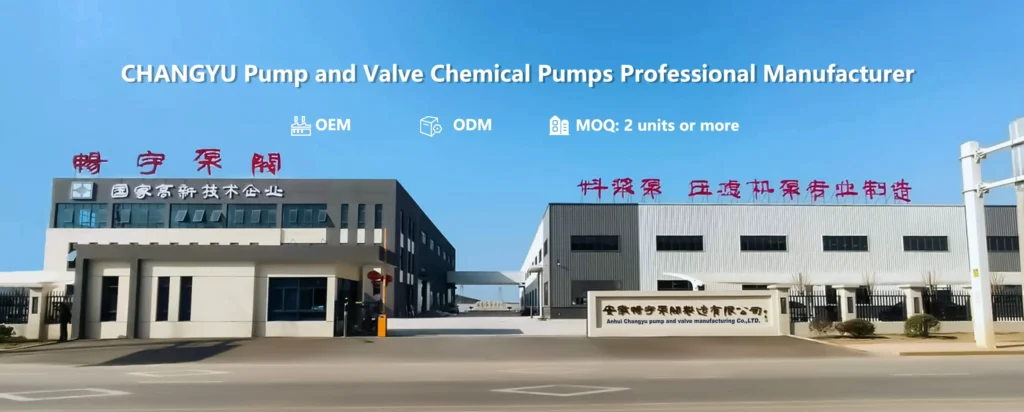
للتواصل مع مضخة تشانغيو اليوم بمعايير التشغيل الخاصة بك. سيقدم فريقنا الهندسي تحليلاً تفصيلياً لتوافق المواد وتوصية بمضخة مصممة خصيصاً لاستخدامك.