
إجابة سريعة
A مضخة تآكلية من الدرجة الغذائية تنقل المنتجات الغذائية الحمضية أو القلوية أو المالحة والمواد المضافة — من حمض الستريك والخل إلى المحاليل الملحية ومحاليل التنظيف من نوع CIP — دون تلويث المنتج أو التآكل من الداخل. على عكس مضخة الفولاذ المقاوم للصدأ القياسية، التي يمكن أن تتعرض للتنقر وتسرب المعادن إلى الأطعمة الحمضية، تجمع المضخة التآكلية الحقيقية من الدرجة الغذائية بين مواد غير سامة ومتوافقة مع إدارة الغذاء والدواء (FDA) ومقاومة كيميائية للتعامل مع الوسائط العدوانية. عوامل الاختيار الرئيسية:
- يجب أن تعمل سلامة المواد ومقاومة التآكل معًا: فولاذ 316L المقاوم للصدأ شائع في مصانع الأغذية ولكنه يتآكل في البيئات الدافئة أو الحمضية أو عالية الملوحة، مما يطلق أيونات معدنية في المنتج. المواد غير المعدنية مثل UHMW-PE (البولي إيثيلين عالي الوزن الجزيئي جدًا) خاملة بطبيعتها، ومتوافقة مع إدارة الغذاء والدواء (FDA)، ومحصنة ضد الأحماض والقلويات المستخدمة في معالجة الأغذية.
- تعامل مع المنتج بأكمله، وليس السائل فقط: العديد من المنتجات الغذائية عبارة عن ملاط — معجون طماطم مع بذور، ومحاليل مخلل مع رواسب، ومركزات صلصة مع ألياف. المضخة التي تقاوم التآكل يجب أن تقاوم أيضًا الانسداد. تحافظ الدفاعات شبه المفتوحة وممرات التدفق الواسعة على حركة المواد الصلبة دون حبس الحطام.
- صمم لدورة التنظيف، وليس فقط دورة الإنتاج: تقوم مصانع الأغذية بالتنظيف بمحاليل كاوية ساخنة وحمضية. يجب أن تتحمل مواد المضخة هذه المواد الكيميائية العدوانية من نوع CIP في درجات حرارة مرتفعة دون تدهور أو انتفاخ أو تسرب.
يعمل مصنع معالجة الأغذية 24 ساعة في اليوم. عندما تتعطل مضخة — سواء بسبب التآكل أو انسداد الختم أو تلوث المنتج — يتوقف الخط بأكمله. في تطبيقات الأغذية الحمضية، مضخات الفولاذ المقاوم للصدأ القياسية ليست حلاً طويل الأمد. إنها تعمل لفترة، ثم تتنقر وتتآكل وتفشل، وغالبًا ما تطلق تلوثًا معدنيًا في المنتج قبل أن يلاحظه أحد.
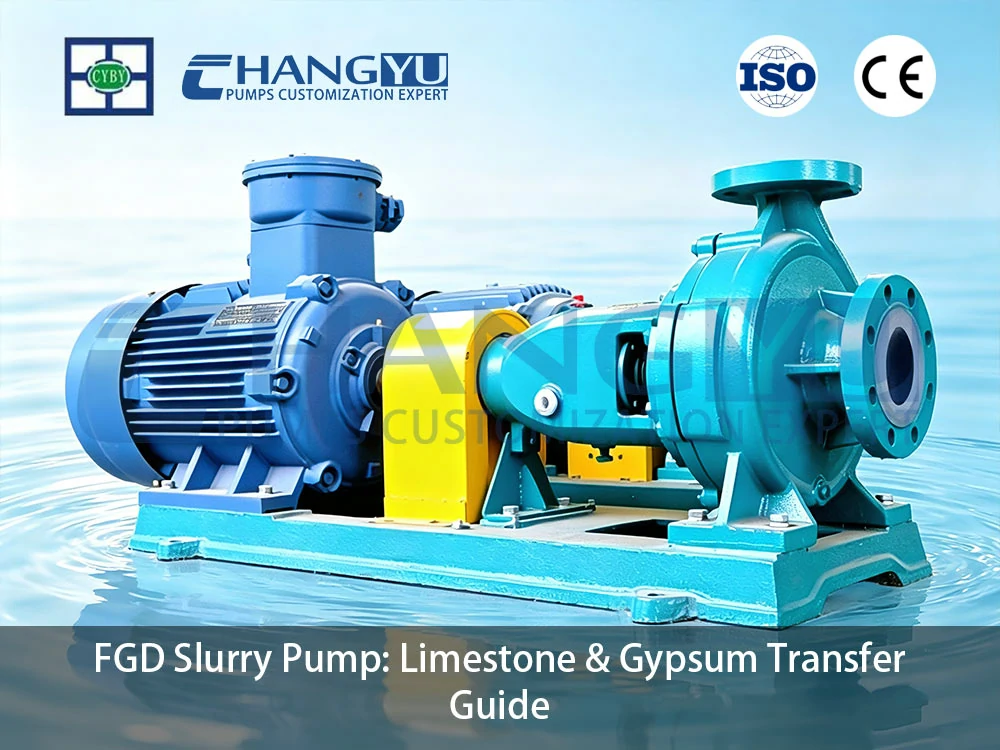
بعد قراءة هذا الدليل، ستفهم لماذا تفشل المعادن الشائعة من الدرجة الغذائية في الخدمة التآكلية، وما هي المواد غير المعدنية التي توفر مقاومة حقيقية طويلة الأمد، وكيفية اختيار مضخة لا تسد بسبب المواد الصلبة الغذائية، وكيفية ضمان بقاء المضخة في دورات التنظيف العدوانية من نوع CIP. مع أكثر من 20 عامًا من الخبرة في تصنيع المضخات، تقدم مضخة Changyu هذا الدليل الاختياري للتطبيقات التآكلية من الدرجة الغذائية.
ما هي المضخة التآكلية من الدرجة الغذائية؟
المضخة التآكلية من الدرجة الغذائية هي مضخة متخصصة تلبي متطلبات سلامة ملامسة الأغذية مع توفير مقاومة قوية للتآكل. وهي مصممة لنقل السوائل والملاط الصالحة للأكل ذات الخصائص الكيميائية العدوانية.
تقع في فئة منتج متميزة: إنها ليست مضخة صحية قياسية من الفولاذ المقاوم للصدأ للسوائل الخفيفة مثل الحليب أو البيرة، ولا مضخة كيميائية صناعية مصنوعة من مواد سامة لا يمكنها اجتياز التحقق من ملامسة الأغذية.
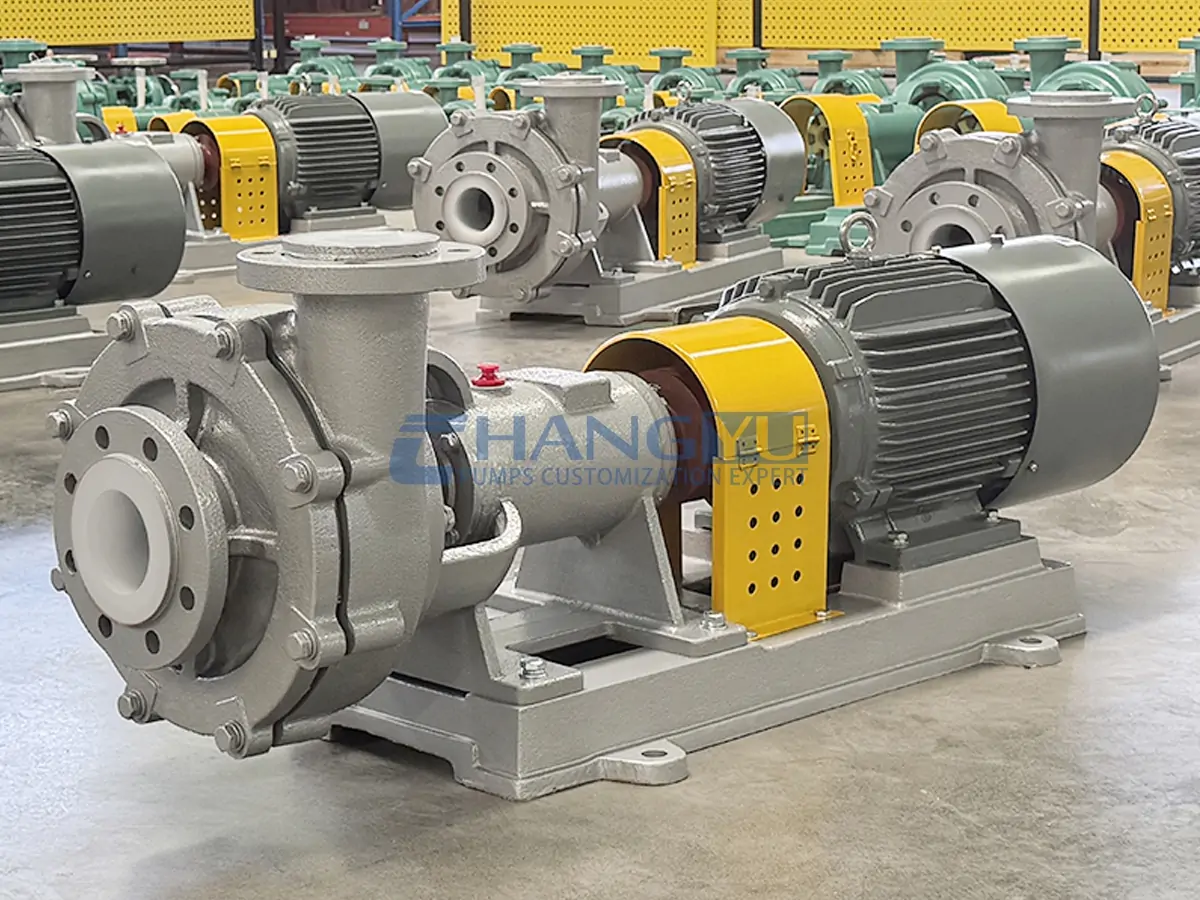
أين تُستخدم المضخات التآكلية من الدرجة الغذائية
تتضمن معالجة الأغذية عددًا مدهشًا من المواد الكيميائية العدوانية، سواء كمكونات أو كعوامل تنظيف:
- المواد المضافة الغذائية الحمضية: يتم ضخ حمض الستريك وحمض الفوسفوريك (مشروبات الكولا) وحمض الخليك (الخل) وحمض اللاكتيك (الأطعمة المخمرة) وحمض الماليك أثناء جرعات المكونات والخلط.
- المساعدات القلوية للمعالجة: يستخدم هيدروكسيد الصوديوم وهيدروكسيد البوتاسيوم لتقشير الفواكه والخضروات، وضبط درجة الحموضة، وفي محاليل التنظيف من نوع CIP.
- المحاليل الملحية عالية الملوحة: تحتوي محاليل المخلل ومحاليل الزيتون ومحاليل الجبن وصلصة الصويا على تركيزات عالية من الكلوريد تهاجم الفولاذ المقاوم للصدأ.
- ملاط الأغذية التآكلي: تجمع صلصات الطماطم ومعاجين الفول المخمرة والمنتجات المتبلة بين الحموضة والملح والمواد الصلبة الكاشطة، مما يخلق بيئة مضخة صعبة بشكل خاص.
لماذا تكافح مضخات الفولاذ المقاوم للصدأ القياسية
فولاذ 316L المقاوم للصدأ هو المادة الافتراضية في مصانع الأغذية، ولكن له نقاط ضعف محددة في الخدمة التآكلية. تهاجم أيونات الكلوريد من الملح والأطعمة الحمضية طبقة أكسيد الكروم السلبية التي تحمي الفولاذ. يؤدي هذا إلى تآكل تنقري — ثقوب صغيرة عميقة تخترق المعدن. بمجرد أن يبدأ التنقر، لا تتآكل المضخة فحسب، بل تطلق أيضًا أيونات الحديد والكروم والنيكل في المنتج الغذائي. غالبًا ما يكون التآكل غير مرئي من الخارج حتى يتطور تسرب أو يكشف اختبار جودة المنتج عن تلوث معدني.
ما هي المواد المتوافقة مع التطبيقات التآكلية من الدرجة الغذائية؟
اختيار مادة للخدمة التآكلية من الدرجة الغذائية هو عمل موازنة. يجب أن تكون المادة غير سامة ومعتمدة لملامسة الأغذية. يجب أن تقاوم الأحماض والقلويات والأملاح المحددة المستخدمة في العملية. يجب أن تتحمل درجة حرارة كل من المنتج ودورة التنظيف. وإذا كان المنتج يحتوي على مواد صلبة، يجب أن تقاوم التآكل الكاشط.
مقارنة المواد من الدرجة الغذائية
| المواد | سلامة الغذاء | مقاومة الحمض | مقاومة الكلوريد / الملح | مقاومة التآكل | حد درجة الحرارة |
|---|---|---|---|---|---|
| فولاذ مقاوم للصدأ 316L | متوافقة مع إدارة الغذاء والدواء (FDA)، مقبولة على نطاق واسع | معتدلة — عرضة للتنقر في الظروف الحمضية الدافئة | ضعيفة — خطر التنقر في المحاليل الملحية والأطعمة المالحة | معتدلة — تتآكل أسرع من UHMW-PE في الملاط الكاشط؛ مناسبة للسوائل النظيفة | > 200 درجة مئوية |
| بولي بروبيلين (بولي بروبيلين) | متوافقة مع إدارة الغذاء والدواء (FDA)، خاملة كيميائيًا | ممتازة — تقاوم معظم الأحماض الغذائية بتركيزات مستخدمة في معالجة الأغذية | ممتاز | معتدل | ~80°C |
| PVDF (Kynar) | متوافقة مع إدارة الغذاء والدواء (FDA)، خاملة كيميائيًا | ممتازة — تقاوم الأحماض القوية | ممتاز | جيد | ~120°C |
| بطانة UHMW-PE | متوافقة مع إدارة الغذاء والدواء (FDA)، خاملة كيميائيًا | ممتازة — تقاوم الأحماض والقلويات | ممتاز | ممتازة — عمر تآكل استثنائي في الملاط الكاشط | ~90°C |
| مبطن بـ PTFE / PFA | متوافقة مع إدارة الغذاء والدواء (FDA)، خاملة كيميائيًا | عالمية — تقاوم جميع المواد الكيميائية | شامل | متوسط — الأفضل للمواد الصلبة الناعمة | ~160°م (PFA) |
اختيار المواد حسب المنتج الغذائي
| المنتج الغذائي | الرقم الهيدروجيني النموذجي | محتوى الكلوريد / الملح | درجة الحرارة | المواد الموصى بها | السبب |
|---|---|---|---|---|---|
| الخل، محاليل التخليل | 2-4 | عالية جداً | درجة حرارة محيطة–60 درجة مئوية | بطانة UHMW-PE | محصنة ضد الحمض والكلوريد؛ تقاوم التآكل |
| محلول حمض الستريك (50%) | 1–2 | منخفضة | محيط–40 درجة مئوية | UHMW-PE أو PVDF | مقاومة ممتازة للأحماض |
| حمض الفوسفوريك (شراب الكولا) | 1–2 | منخفضة | درجة حرارة محيطة–30 درجة مئوية | بطانة UHMW-PE | يقاوم الحمض؛ متوافق مع إدارة الغذاء والدواء (FDA) |
| صلصة الصويا، المعاجين المخمرة | 4–5 | عالية جداً | درجة حرارة محيطة–80 درجة مئوية | بطانة UHMW-PE | يقاوم الملح والحمض؛ يتعامل مع المواد الصلبة |
| كاوي ساخن (CIP) | 13–14 | منخفضة | 70–85 درجة مئوية | مبطن بـ UHMW-PE (أقل من 90 درجة مئوية) | يقاوم القلوي في درجات حرارة CIP |
| صلصة الطماطم، الكاتشب | 3–4 | معتدل | 60–90 درجة مئوية | بطانة UHMW-PE | يقاوم الحمض وألياف الطماطم الكاشطة |
يوصي مهندسو تشانغيو بومب بما يلي: بالنسبة لغالبية التطبيقات التآكلية من الدرجة الغذائية — خاصة تلك التي تتضمن منتجات حمضية أو مالحة أو كاشطة — فإن UHMW-PE صلصة الطماطم، الكاتشب.
يقاوم الأحماض وألياف الطماطم الكاشطة
بالنسبة لغالبية تطبيقات التآكل من الدرجة الغذائية — خاصة تلك التي تتضمن منتجات حمضية أو مالحة أو كاشطة — فإن.
توفر المضخة المبطنة المزيج الأمثل من سلامة الغذاء، ومقاومة المواد الكيميائية، وعمر التآكل. على عكس الفولاذ المقاوم للصدأ، فإن UHMW-PE خامل كيميائيًا ومحصن ضد التنقر الكلوريدي. على عكس المضخات البلاستيكية الصلبة، توفر البطانة الفولاذية القوة الهيكلية اللازمة للخدمة الصناعية. حد درجة الحرارة 90 درجة مئوية متوافق مع معظم عمليات الغذاء ودورات CIP القياسية. للتطبيقات التي تتجاوز 90 درجة مئوية أو التي تتضمن مذيبات قوية، قم بالترقية إلى مضخة مبطنة بالفلوروبلاستيك FEP أو PFA.
| نوع المكره | مقاومة الانسداد | ممر المواد الصلبة | كيفية التعامل مع المواد الصلبة والألياف في الضخ التآكلي من الدرجة الغذائية؟ | أفضل تطبيق |
|---|---|---|---|---|
| دافع مغلق | العديد من المنتجات الغذائية المسببة للتآكل ليست سوائل نظيفة. تحتوي صلصات الطماطم على قشور وبذور. تحمل محاليل المخلل الرواسب. معاجين الفول المخمرة سميكة وليفية. المضخة التي تتعامل مع البيئة الكيميائية يجب أن تتعامل أيضًا مع المواد الصلبة الفيزيائية. | تصميم الدفاعة لملاط الغذاء | قص معتدل | سلامة المنتج |
| مروحة شبه مفتوحة | ضعيف — تلتف الألياف، تتكدس المواد الصلبة | ضيق — ينسد بسهولة | قص منخفض | سوائل نظيفة فقط |
| مروحة دوامية (غائرة) | ممتاز — المواد الصلبة تتجاوز المروحة | أكبر ممر حر | جيد — الممرات المفتوحة تقاوم الانسداد | واسع — يمرر البذور والقشور والألياف |
ملاط الغذاء مع مواد صلبة مختلطة — التصميم المفضل
أقل قص.
يوصي مهندسو تشانغيو بومب بما يلي: منتجات متكتلة، فواكه كاملة، مواد صلبة ناعمة كبيرة.
ميزة UHMW-PE في ملاط الغذاء
UHMW-PE ليس خاملًا كيميائيًا فحسب — بل هو أيضًا أحد أكثر البوليمرات مقاومة للتآكل المتاحة. في ملاط الغذاء الكاشط والمسبب للتآكل، يمكن للمضخة المبطنة بـ UHMW-PE أن تتفوق على مضخة الفولاذ المقاوم للصدأ بعامل يتراوح من ثلاثة إلى خمسة. في تطبيقات مثل معالجة الطماطم، حيث يقوم اللب الحمضي بكشط أسطح المضخة باستمرار، فإن معامل الاحتكاك المنخفض للمادة يقلل أيضًا من التصاق معاجين الطعام اللزجة، مما يسهل التنظيف.
بالنسبة لملاط الغذاء الذي يحتوي على محتوى صلب أعلى من 10% أو يحتوي على مواد ليفية، حدد دفاعة شبه مفتوحة مقترنة ببناء مبطن بـ UHMW-PE. تقاوم ممرات الدفاعة المفتوحة الانسداد، بينما تقاوم بطانة UHMW-PE كلاً من السائل المسبب للتآكل والمواد الصلبة الكاشطة. يوفر هذا المزيج أقل تكلفة إجمالية للملكية في تطبيقات ملاط الغذاء الصعبة.
كيفية صيانة وتنظيف المضخات التآكلية من الدرجة الغذائية؟ يجب تنظيف مضخات الغذاء جيدًا بين دورات الإنتاج لمنع نمو البكتيريا والتلوث المتبادل. عملية التنظيف نفسها عدوانية — الصودا الكاوية الساخنة، حمض الفوسفوريك — ويجب أن تتحمل المضخة هذه المواد الكيميائية في درجات حرارة مرتفعة. توافق CIP (التنظيف في المكان)
- بينما المضخات المبطنة بـ UHMW-PE ليست مصقولة وفقًا لمعايير Ra الصحية، يمكن تنظيفها بفعالية بواسطة نظامCIP.
- خارجي عند تصميمه بشكل صحيح:التحمل الكيميائي.
- : يقاوم UHMW-PE المواد الكيميائية القياسية لـ CIP — 1–2% هيدروكسيد الصوديوم حتى 85 درجة مئوية و0.5–1% حمض الفوسفوريك حتى 60 درجة مئوية — دون تدهور أو انتفاخ أو تسرب. لا يُنصح باستخدام حمض النيتريك مع UHMW-PE في درجات حرارة مرتفعة.سرعة الشطف.
- : يجب أن يوفر نظام CIP محلول التنظيف عبر المضخة بسرعة لا تقل عن 1.5 م/ث لإنشاء تدفق مضطرب يكشط الأسطح الداخلية.التصريف الكامل.
يوصي مهندسو تشانغيو بومب بما يلي: : بعد دورة CIP، يجب أن تصرف المضخة بالكامل. يمكن للمواد الكيميائية المنظفة المتجمعة أن تتحلل من الأختام واللدائن بمرور الوقت، ويخفف السائل المتبقي من الدفعة الإنتاجية التالية.
التحقق من الشطف
: تحقق من أن ماء الشطف يصل إلى درجة حموضة متعادلة قبل بدء دورة الإنتاج التالية. يمكن للمخلفات الكيميائية من الشطف غير الكافي أن تلوث المنتجات الغذائية.
بعد كل دورة CIP، تحقق من أن غلاف المضخة يصرف بالكامل. يساعد السطح غير اللاصق لـ UHMW-PE في التصريف، ولكن يجب تركيب المضخة بميل مناسب لمنع تجمع السائل. بالنسبة للمنتجات التي تترك مخلفات ثقيلة، فكر في تمديد مدة الغسيل بالصودا الكاوية أو زيادة معدل تدفق CIP لضمان التنظيف الشامل.
كيفية اختيار مضخة تآكلية من الدرجة الغذائية؟.
الخطوة 2: اختيار المواد.
يتبع الاختيار عملية منظمة بدءًا من توصيف المنتج مرورًا بتحديد المواد ووصولاً إلى تحديد حجم المضخة.
الخطوة 3: حدد نوع المروحة.
الخطوة 1: تحديد المنتج والعملية.
الخطوة 4: تحديد حجم المضخة.
قم بتوصيف المنتج الغذائي بالكامل: الحموضة (pH)، محتوى الملح (تركيز الكلوريد)، نوع وحجم المواد الصلبة، اللزوجة، ودرجة الحرارة. حدد جميع مواد التنظيف الكيميائية وتركيزاتها ودرجة حرارة دورة CIP. يجب أن تتحمل المضخة دورة التنظيف، وليس فقط دورة الإنتاج.
باستخدام إرشادات توافق المواد في القسم 2، حدد مادة المضخة بناءً على الحالة الأكثر عدوانية — والتي غالبًا ما تكون دورة CIP، وليس المنتج الغذائي. يوفر البناء المبطن بـ UHMW-PE التوازن الأمثل لغالبية تطبيقات التآكل من الدرجة الغذائية.
| طابق الدفاعة مع محتوى المواد الصلبة للمنتج. بالنسبة للسوائل النظيفة، توفر الدفاعة المغلقة أعلى كفاءة. بالنسبة لملاط الغذاء الذي يحتوي على ألياف أو مواد صلبة، توفر الدفاعة شبه المفتوحة مقاومة الانسداد اللازمة. بالنسبة للمنتجات المتكتلة مثل الفواكه أو الخضروات الكاملة، قد تكون الدفاعة الدوامية مطلوبة. | نطاق الأس الهيدروجيني | محتوى المواد الصلبة | درجة الحرارة | المواد الموصى بها | نوع المكره |
|---|---|---|---|---|---|
| احسب معدل التدفق المطلوب والرأس الديناميكي الكلي. بالنسبة للمنتجات الغذائية اللزجة، طبق عامل تصحيح اللزوجة. تأكد من أن المضخة تعمل ضمن حدود درجة حرارتها أثناء دورتي الإنتاج وCIP. | 2–5 | مبطنة بـ UHMWPE أو من الفولاذ المقاوم للصدأ | درجة حرارة محيطة–60 درجة مئوية | بطانة UHMW-PE | مغلق |
| مصفوفة اختيار مضخة معالجة الغذاء | تطبيق الغذاء | < 2% | محيط–40 درجة مئوية | بطانة UHMW-PE | مغلق أو شبه مفتوح |
| سوائل نظيفة حمضية (خل، حامض الستريك) | 3-5 | 5–20% | 60–90 درجة مئوية | بطانة UHMW-PE | شبه مفتوحة |
| محاليل ملحية وتتبيلات | 3–7 | 2–10% | صلصات ومعاجين (كاتشب، معجون فلفل حار) | بطانة UHMW-PE | شبه مفتوحة |
| منتجات مخمرة (صلصة الصويا، صلصة السمك) | 4–6 | مبطنة بـ UHMWPE أو من الفولاذ المقاوم للصدأ | درجة حرارة محيطة–50 درجة مئوية | بطانة UHMW-PE | مغلق |
| تدوير المواد الكيميائية لـ CIP | متغير | متغير | 90–120 درجة مئوية | مبطنة بـ FEP/PFA | 1–14 |
يوصي مهندسو تشانغيو بومب بما يلي: 60–85 درجة مئوية.
عمليات ساخنة (> 90 درجة مئوية)
شبه مفتوح أو مغلق.
بالنسبة لمصانع الأغذية التي تتعامل مع منتجات متعددة، حدد مضخة مبطنة بـ UHMW-PE مع دافع شبه مفتوح كتكوين قياسي. يوفر هذا المرونة للتعامل مع كل من السوائل النظيفة والملاط ذي المواد الصلبة المعتدلة مع مقاومة النطاق الكامل للأحماض والقلويات والمواد الكيميائية التنظيفية الغذائية. يلغي البناء المبطن خطر التلوث المرتبط بتآكل الفولاذ المقاوم للصدأ في المنتجات الحمضية والمالحة.
دراسة حالة لمضخة تآكلية من الدرجة الغذائية: حل فشل تآكل في خط إنتاج الصلصة.
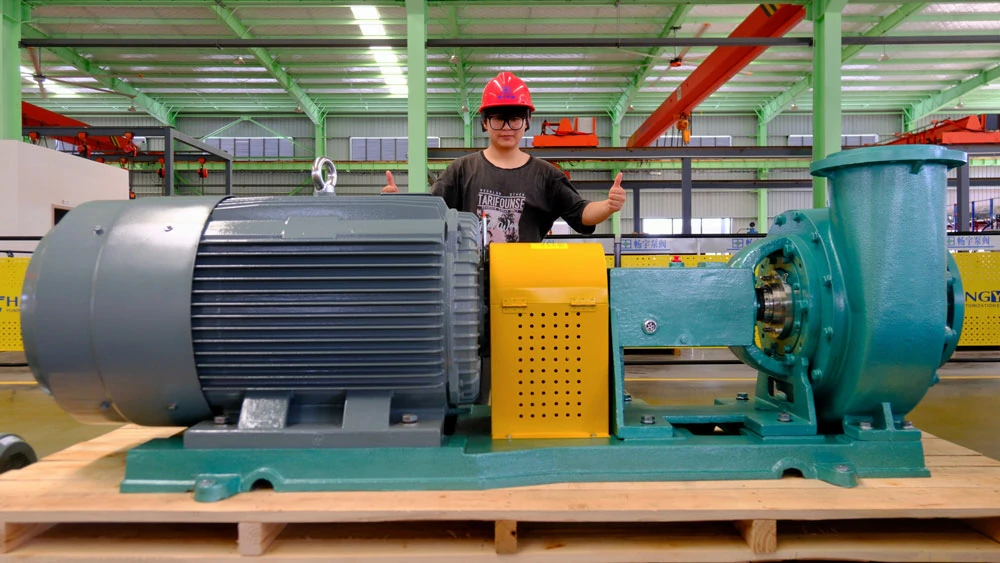
استخدم منتج صويا صوص وخل في آسيا مضخات طاردة مركزية من الفولاذ المقاوم للصدأ 316L لنقل المنتجات النهائية من خزانات الخلط إلى خط التعبئة. تضمنت المنتجات خل الأرز (درجة حموضة 2.8، كلوريد معتدل من أملاح التخمير) وصويا صوص (درجة حموضة 4.5، كلوريد > 15,000 ملجم/لتر). كانت درجة حرارة التشغيل 40–60 درجة مئوية أثناء الإنتاج، مع دورات CIP باستخدام NaOH بتركيز 2% عند 80 درجة مئوية بين الدفعات.
في غضون 12 شهرًا، طورت أغلفة ودفاعات المضخة 316L تآكلًا تنقريًا واسع النطاق. ظهرت النقرات أولاً في الشقوق حول مقاعد الحشيات وأسطح الأختام، ثم انتشرت إلى ريش الدافع. أطلق التآكل أيونات الحديد والكروم والنيكل في المنتج — تم اكتشافها أثناء اختبار الجودة الروتيني. بالإضافة إلى ذلك، فشلت أختام المضخة تقريبًا كل 4–6 أشهر، مما تطلب استبدالًا غير مجدول أوقف خط التعبئة.
النقطة الرئيسيةحدد تحليل السبب الجذري أن الفولاذ المقاوم للصدأ 316L كان غير مناسب بشكل أساسي لمزيج التركيز العالي للكلوريد ودرجة الحموضة الحمضية ودرجة الحرارة المرتفعة. كانت طبقة الأكسيد السلبية التي تحمي الفولاذ المقاوم للصدأ عادةً تتعرض للهجوم من أيونات الكلوريد، مما يبدأ التآكل التنقري الذي تسارع بسبب البيئة الحمضية.
استبدلت Changyu Pump مضخات 316L بمضخات مبطنة بـ UHMW-PE من سلسلة UHB. بطانة UHMW-PE محصنة ضد التآكل التنقري للكلوريد وتقاوم نطاق الأس الهيدروجيني الكامل لكل من المنتجات والمواد الكيميائية لـ CIP. أزال البناء غير المعدني خطر تلوث أيونات المعادن تمامًا. سمح تصميم الدافع شبه المفتوح للمضخات بالتعامل مع المواد الصلبة العرضية — بقايا فول الصويا وجزيئات التوابل — دون انسداد.
بعد ثلاث سنوات من الاستبدال: لا تآكل، ولا حوادث تلوث منتج، وتم تمديد عمر الختم لأكثر من 18 شهرًا. قام المصنع بتوحيد استخدام المضخات المبطنة بـ UHMW-PE لجميع خطوط المنتجات الحمضية وعالية الملح أثناء الترقيات اللاحقة.
: الفولاذ المقاوم للصدأ 316L غير مناسب للمنتجات الغذائية التي تجمع بين محتوى عالٍ من الكلوريد ودرجة حموضة حمضية عند درجات حرارة مرتفعة. المضخات المبطنة بـ UHMW-PE تلغي خطر التآكل والتلوث مع توفير المقاومة الكيميائية اللازمة لكل من الإنتاج وتنظيف CIP. يتم استرداد التكلفة الأولية الأعلى للمضخة المبطنة خلال السنة الأولى من خلال القضاء على حوادث جودة المنتج وتقليل وقت التوقف للصيانة.
| التطبيق | التحدي الأساسي | السلسلة الموصى بها | الميزة الرئيسية |
|---|---|---|---|
| حلول مضخات الدرجة الغذائية من Changyu Pump | تآكل + تآكل معتدل | سلسلة UHB | تصنع Changyu Pump سلاسل مضخات مصممة خصيصًا للتطبيقات التآكلية من الدرجة الغذائية، تجمع بين مواد غير سامة ومتوافقة مع إدارة الغذاء والدواء (FDA) مع المقاومة الكيميائية والتآكل المطلوبة من قبل عمليات الأغذية الصعبة. |
| دليل اختيار منتج مضخة الدرجة الغذائية | الأطعمة الحمضية، المحاليل الملحية، الصلصات، CIP | سلسلة CYB-ZKJ | مبطنة بـ UHMW-PE؛ متوافقة مع FDA؛ تتعامل مع مواد صلبة تصل إلى 30% |
الأطعمة الحمضية أو عالية الحرارة (> 90 درجة مئوية)
تآكل شديد + حرارة.
| المعلمة | المواصفات |
|---|---|
| معدل التدفق | 3-2,600 متر مكعب/ساعة |
| الرأس | 5-100 m |
| قوة المحرك | 0.75-300 كيلوواط |
| السرعة | 750-2,900 دورة/دقيقة |
| درجة الحرارة | -20 درجة مئوية إلى 90 درجة مئوية |
| مادة التبطين | UHMW-PE |
مبطنة بـ FEP/PFA؛ مقاومة كيميائية شاملة؛ حتى 120 درجة مئوية
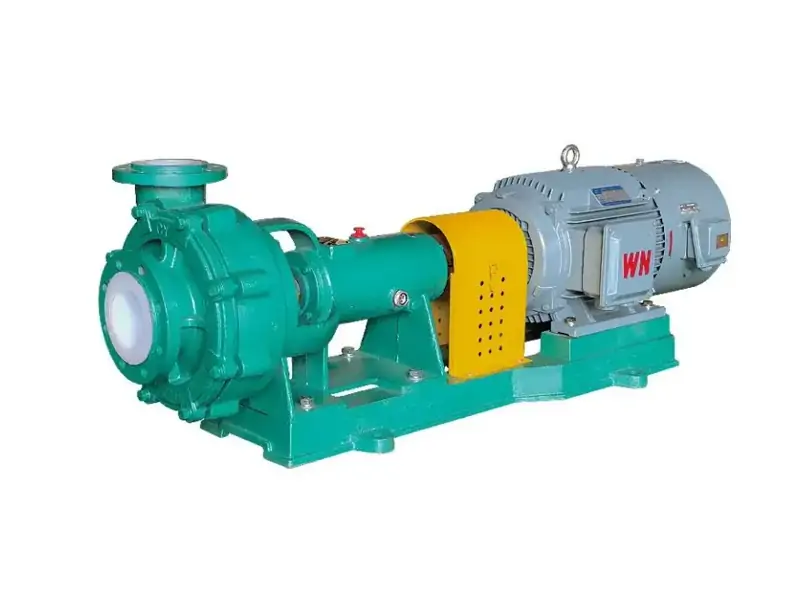
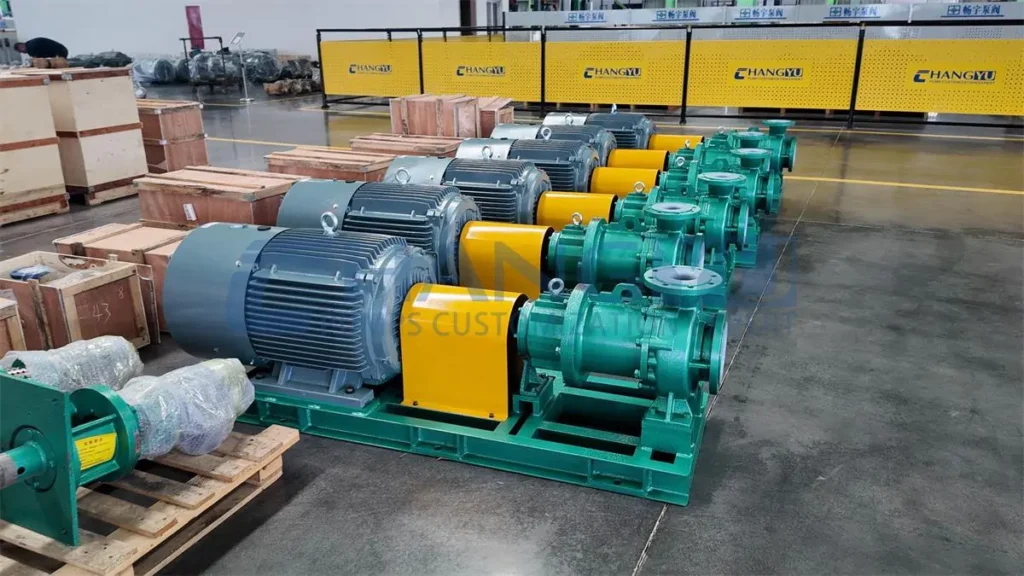
سلسلة UHB — مضخة تآكلية من الدرجة الغذائية مبطنة بـ UHMW-PE
مضخة طاردة مركزية من الفولاذ المبطن بـ UHMW-PE مصممة للتطبيقات التآكلية والكاشطة من الدرجة الغذائية. بطانة UHMW-PE متوافقة مع FDA، وخاملة كيميائيًا، وتوفر مقاومة ممتازة للأحماض الغذائية والقلويات والمحاليل الملحية والمواد الصلبة الكاشطة. يتعامل الدافع شبه المفتوح مع ملاط الأغذية الذي يحتوي على مواد صلبة تصل إلى 30%. يستخدم على نطاق واسع في إنتاج الصلصة، ونقل الخل، ودورة المحلول الملحي، وأنظمة تنظيف CIP.
الأسئلة الشائعة حول مضخات التآكل من الدرجة الغذائية
س: هل يمكنني استخدام مضخة قياسية من الفولاذ المقاوم للصدأ للمنتجات الغذائية الحمضية؟.
ج: الفولاذ المقاوم للصدأ 316L مقبول للأطعمة الحمضية الخفيفة ومنخفضة الملح في درجات حرارة منخفضة. لا ينصح به للمنتجات التي تجمع بين الحموضة العالية (درجة حموضة < 4) مع محتوى ملح عالٍ، أو للأطعمة الحمضية الدافئة فوق 40 درجة مئوية. التآكل التنقري للكلوريد وتلوث أيونات المعادن هما المخاطر الرئيسية.
س: هل UHMW-PE آمن للتلامس مع الطعام؟.
ج: نعم. UHMW-PE متوافق مع FDA للتلامس مع الطعام، وخامل كيميائيًا، ولا يتسرب منه الملدنات أو المثبتات أو أيونات المعادن إلى المنتجات الغذائية. يستخدم على نطاق واسع في معدات تجهيز الأغذية وألواح التقطيع ومكونات الناقلات.
س: ما درجة الحرارة التي يمكن أن تتحملها مضخة مبطنة بـ UHMW-PE؟.
ج: تعمل المضخات المبطنة بـ UHMW-PE بشكل مستمر في درجات حرارة تصل إلى 90 درجة مئوية. يغطي هذا معظم درجات حرارة تجهيز الأغذية ودورات CIP القياسية (عادةً 70–85 درجة مئوية للغسيل القلوي). للعمليات التي تتجاوز 90 درجة مئوية، يلزم استخدام مضخات مبطنة بـ FEP أو PFA.
س: كيف أنظف مضخة تآكلية من الدرجة الغذائية بين الدفعات؟.
ج: بالنسبة للمضخات التي يمكن تنظيفها في المكان، قم بتوصيلها بنظام CIP الخارجي للمصنع. تأكد من سرعة شطف لا تقل عن 1.5 م/ث عبر المضخة، وتحقق من أن المضخة تفرغ تمامًا بعد دورة الشطف. بالنسبة للمضخات التي لا يمكن تنظيفها بواسطة CIP، قم بتفكيك وتنظيف المكونات المبتلة يدويًا وفقًا لجدول الصرف الصحي للمصنع.
س: هل يمكن لمضخة UHMW-PE التعامل مع المنتجات الغذائية التي تحتوي على مواد صلبة؟.
قائمة مراجعة إجراءات الوقاية لمهندسي مضخات تشانغيو
- ج: نعم. UHMW-PE مقاوم للغاية للتآكل، وعند إقرانه بدافع شبه مفتوح، يتعامل مع ملاط الأغذية الذي يحتوي على مواد صلبة تصل إلى 30% — بما في ذلك قشور الطماطم وألياف الفاكهة وجزيئات التوابل وشظايا العظام.
- س: ما الفرق بين مضخة الدرجة الغذائية والمضخة الصحية؟.
- ج: المضخة الصحية (وتسمى أيضًا المضخة الصحية) لها أسطح داخلية مصقولة (خشونة ≤ 0.8 ميكرومتر)، وبناء خالٍ من الشقوق، ومعتمدة وفقًا لمعايير 3-A أو EHEDG — مطلوبة لمنتجات الألبان والبيرة والتطبيقات الصيدلانية. مضخة الدرجة الغذائية لها مواد متوافقة مع FDA آمنة للتلامس مع الطعام ولكن قد لا يكون لها أسطح مصقولة. إنها مناسبة لتطبيقات تجهيز الأغذية حيث لا تكون الأسطح المصقولة إلزامية، مثل نقل المكونات وجرعات المواد المضافة ودورة المواد الكيميائية لـ CIP.
- تأكد من أن المضخة تُفرغ بالكامل بعد التنظيف الموضعي (CIP). السوائل الكيميائية المتجمعة تُتلف الموانع وتلوث الدفعة التالية.
- اختر الدفاعات شبه المفتوحة للمواد الغذائية المعلّقة التي تحتوي على ألياف أو بذور أو مواد صلبة. الدفاعات المغلقة ستنسد.
- تأكد من أن جميع المواد المرنة (الحشيات، الحلقات الدائرية) متوافقة مع معايير FDA ومتوافقة مع كل من المنتج الغذائي والمواد الكيميائية للتنظيف الموضعي (CIP).
- حافظ على سرعة تدفق شطف لا تقل عن 1.5 متر/ثانية عبر المضخة أثناء التنظيف الموضعي (CIP). السرعات الأقل لا تولد اضطرابًا كافيًا لتنظيف الأسطح الداخلية.
- احتفظ بموانع ميكانيكية وحشيات احتياطية في المخزون. الأطعمة الحمضية والمالحة تُسرّع تدهور المواد المرنة مقارنة بالمنتجات المحايدة.
الخاتمة
تُعرّف مضخة التآكل المخصصة للاستخدام الغذائي بمادتها - وليس بسعرها. الفولاذ المقاوم للصدأ 316L، الخيار الافتراضي في العديد من مصانع الأغذية، له أنماط فشل محددة ويمكن التنبؤ بها في البيئات الحمضية والمالحة والدافئة. عندما يبدأ التآكل، غالبًا ما يكون غير مرئي حتى تتأثر جودة المنتج أو يتسبب تسرب في توقف الإنتاج.
برزت المضخات المبطنة بـ UHMW-PE كالحل الأمثل لغالبية تطبيقات التآكل المخصصة للاستخدام الغذائي. المادة متوافقة مع معايير FDA، وخاملة كيميائيًا، ومحصنة ضد التنقر الناتج عن الكلوريد، ومقاومة عالية للتآكل الكاشط. تتعامل مع المنتج الغذائي ودورة التنظيف الموضعي (CIP) بموثوقية متساوية. يغطي حد درجة الحرارة البالغ 90 درجة مئوية معظم عمليات الأغذية، وبالنسبة لدرجات الحرارة الأعلى، توفر المضخات المبطنة بـ FEP و PFA نفس الحماية في نطاق درجات الحرارة العالية.
بالنسبة لمصانع الأغذية التي تعالج منتجات حمضية أو مالحة أو كاشطة، يتم استرداد الاستثمار في مضخة مقاومة للتآكل محددة بشكل صحيح من خلال القضاء على مخاطر تلوث المنتج، وتقليل وقت التوقف للصيانة، وعمر خدمة طويل يمكن التنبؤ به.
يقدم فريق الهندسة في مضخة Changyu تقييمات فنية مخصصة لتطبيقات المضخات المخصصة للاستخدام الغذائي - تغطي تحليل كيمياء الأغذية، والتحقق من توافق المواد، واختيار الدفاعات، والتكامل مع التنظيف الموضعي (CIP). خبرة تصنيع تمتد لعقدين عبر قطاعات الأغذية والكيماويات والصناعة تدعم كل توصية.