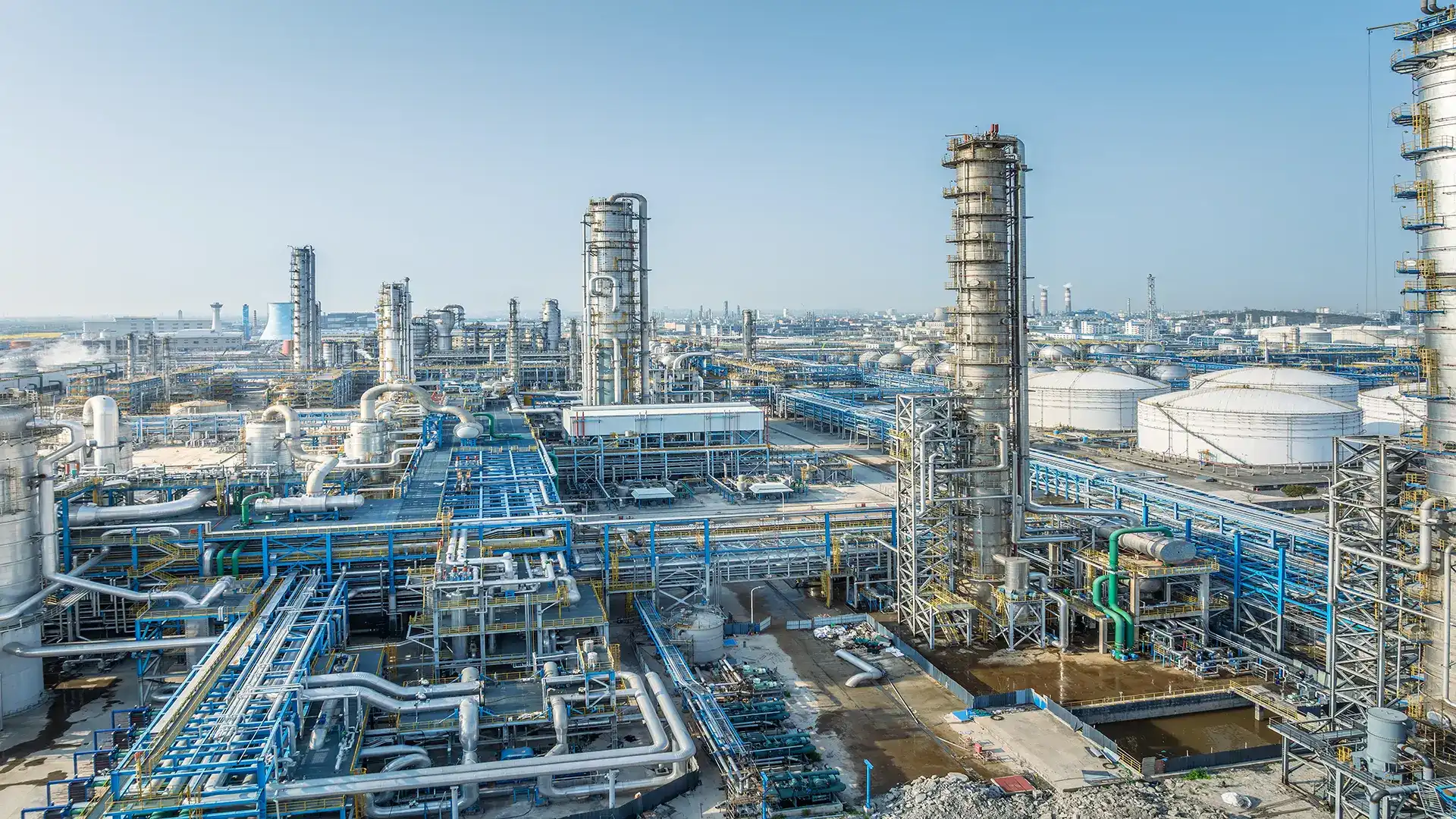
مضخات لصناعة الكلور والقلويات
إن صناعة الكلور والقلويات تستخدم التحليل الكهربائي لإنتاج الكلور والصودا الكاوية والهيدروجين من المحلول الملحي المنقى. وتشارك أنظمة الضخ في جميع مراحل تحضير المحلول الملحي والمعالجة الكيميائية ومعالجة المنتجات ومعالجة مياه الصرف. واعتمادًا على العملية، قد تتعامل المضخات مع المحلول الملحي الغني بالكلوريد وحمض الهيدروكلوريك والصودا الكاوية وهيبوكلوريت الصوديوم والسوائل المكلورة ومياه الصرف المسببة للتآكل.
تتطلب هذه التطبيقات دراسة دقيقة للتوافق الكيميائي ودرجة الحرارة والتركيز ومحتوى المواد الصلبة والتحكم في التسرب ومعدل التدفق والضاغط (الهيدروليكي). تشانجيو توفر حلول مضخات مقاومة للتآكل لمختلف مهام عمليات الكلور والقلويات، مع اختيار تكوين المضخة والمواد الملامسة للسائل وفقًا لظروف التشغيل الفعلية.
تطبيقات ضخ صناعة الكلور والقلويات
تتعامل الأقسام المختلفة في مصنع الكلور والقلويات مع سوائل مختلفة جدًا. فالمحلول الملحي المشبع المحتوي على طين الملح، والإلكتروليت الدائر، والصودا الكاوية عالية الحرارة مع بلورات الملح، وهيبوكلوريت الصوديوم، وحمض الهيدروكلوريك، كلها تضع متطلبات مختلفة على المضخة.
لهذا السبب، تختار Changyu المضخات وفقًا لمهمة العملية الفعلية، وليس فقط وفقًا للاسم الكيميائي. فمحتوى المواد الصلبة ودرجة الحرارة وتركيز الكلوريد والتبلور ومتطلبات التسرب وموقع تركيب المضخة، كلها تؤثر على الاختيار النهائي.
تغطي حلول مضخات الكلور والقلويات من Changyu أقسام العملية الرئيسية بما في ذلك:
تنقية المحلول الملحي / التحليل الكهربائي / تبخير وتركيز الصودا الكاوية / التعامل مع غاز الكلور وهيبوكلوريت / تخليق حمض الهيدروكلوريك
تنقية المحلول الملحي
التطبيق:
تعتبر تنقية المحلول الملحي من المراحل الأولى للضخ في إنتاج الكلور والقلويات. قد يحتوي المحلول الملحي المشبع على كمية معينة من طين الملح والشوائب العالقة الأخرى قبل وأثناء التنقية. لذلك تحتاج المضخة إلى التعامل مع كل من التآكل الكيميائي وتآكل الجسيمات بدلاً من معالجة السائل كمحلول كيميائي نظيف.
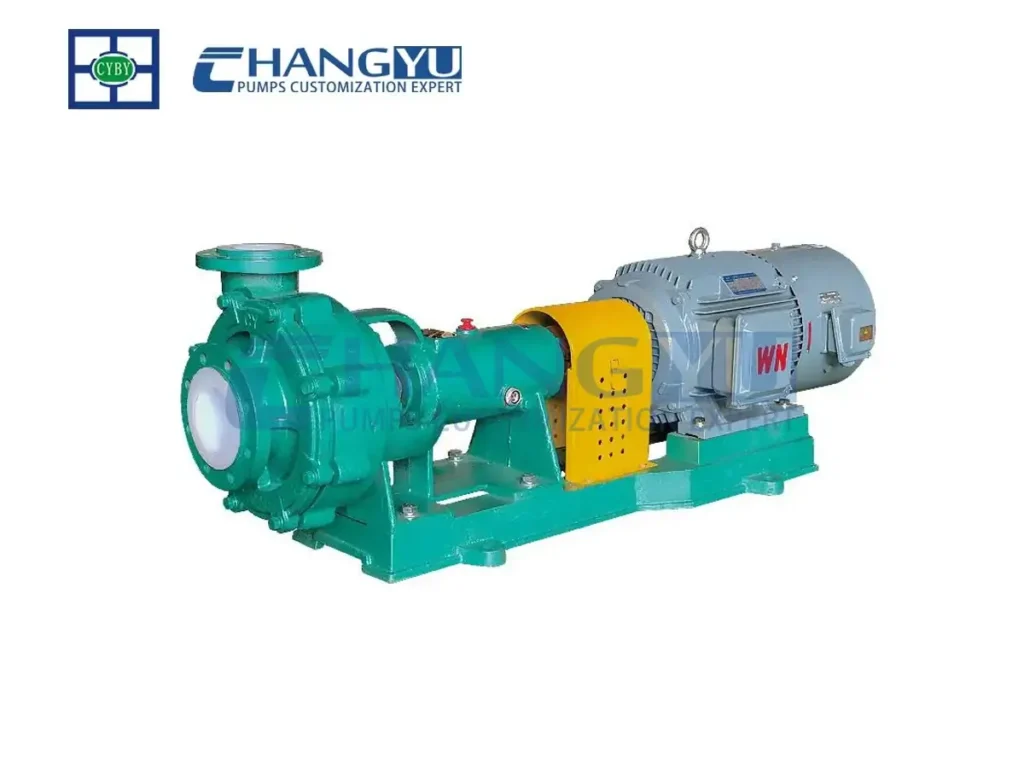
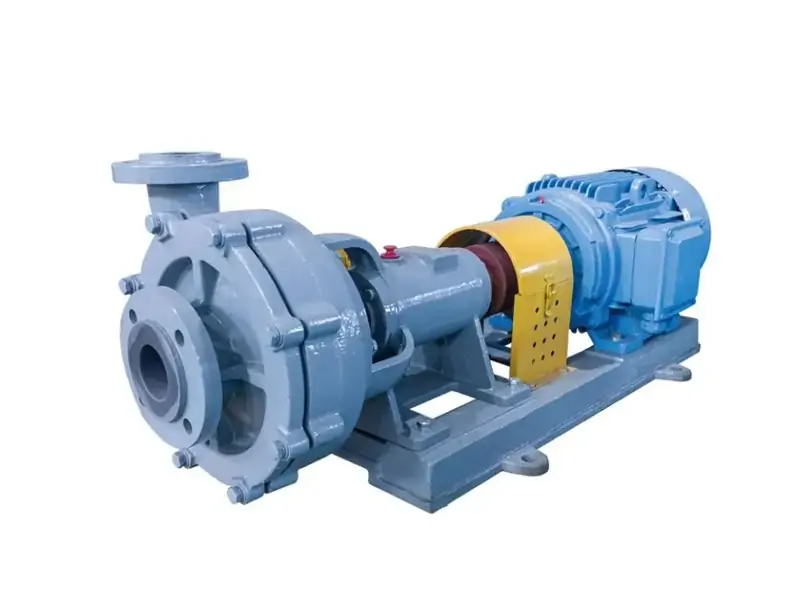
بالنسبة للمحلول الملحي المحتوي على طين الملح العالق، فإن مضخة الملاط المقاومة للتآكل من السلسلة UHB هي خيار مناسب. يمكن للسلسلة UHB التعامل مع الملاط المسبب للتآكل بمحتوى مواد صلبة أقل من 45%، مما يجعلها أكثر ملاءمة لهذا النوع من الخدمة المختلطة للسائل والصلب من المضخة الكيميائية التقليدية للسوائل النظيفة.
المضخات الموصى بها
عوامل الاختيار الرئيسية:
- مقاومة البلى
- تركيز المحلول الملحي المشبع
- طين الملح والمواد الصلبة العالقة
- محتوى المواد الصلبة
- معدل التدفق والضاغط (الهيدروليكي)
- تآكل الكلوريد
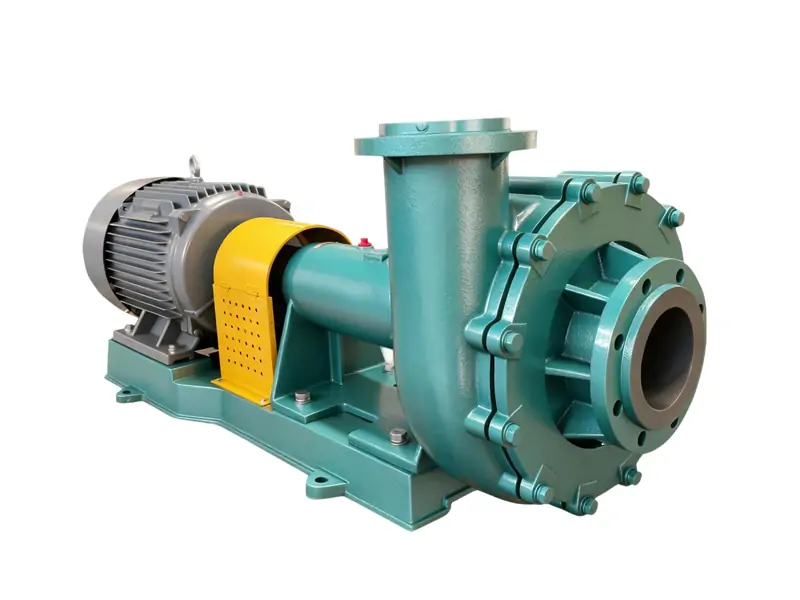
مضخات الملاط الصناعية من سلسلة UHB
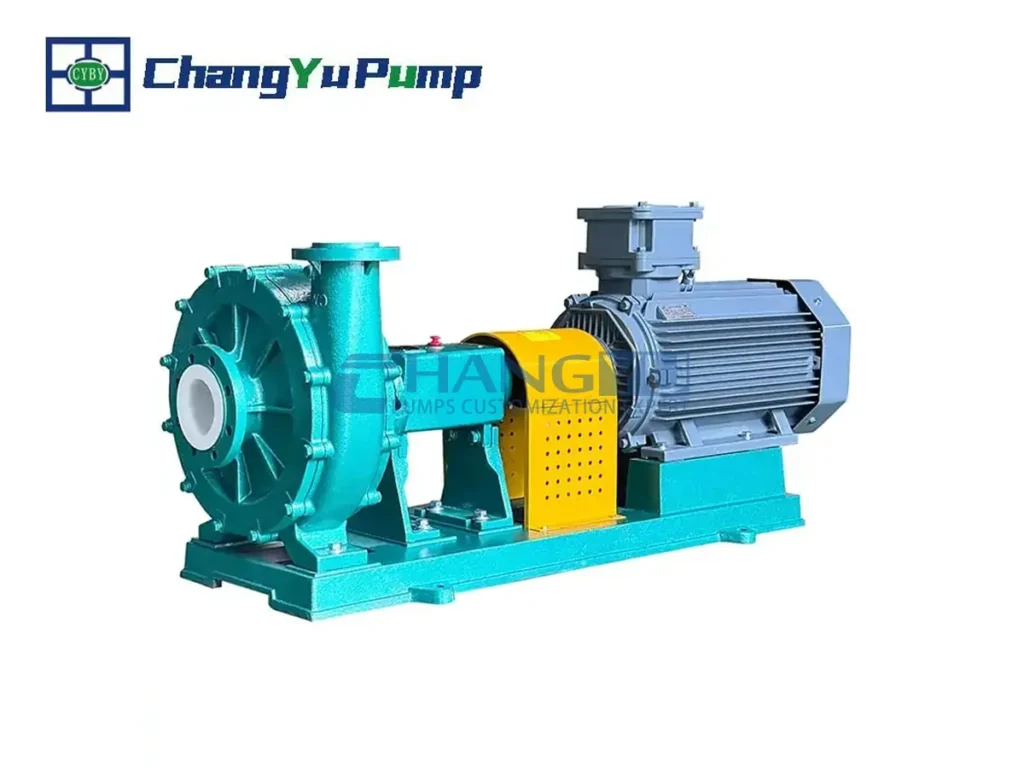
مضخة UHB سلسلة UHMWPE UHMWPE المقاومة للتآكل
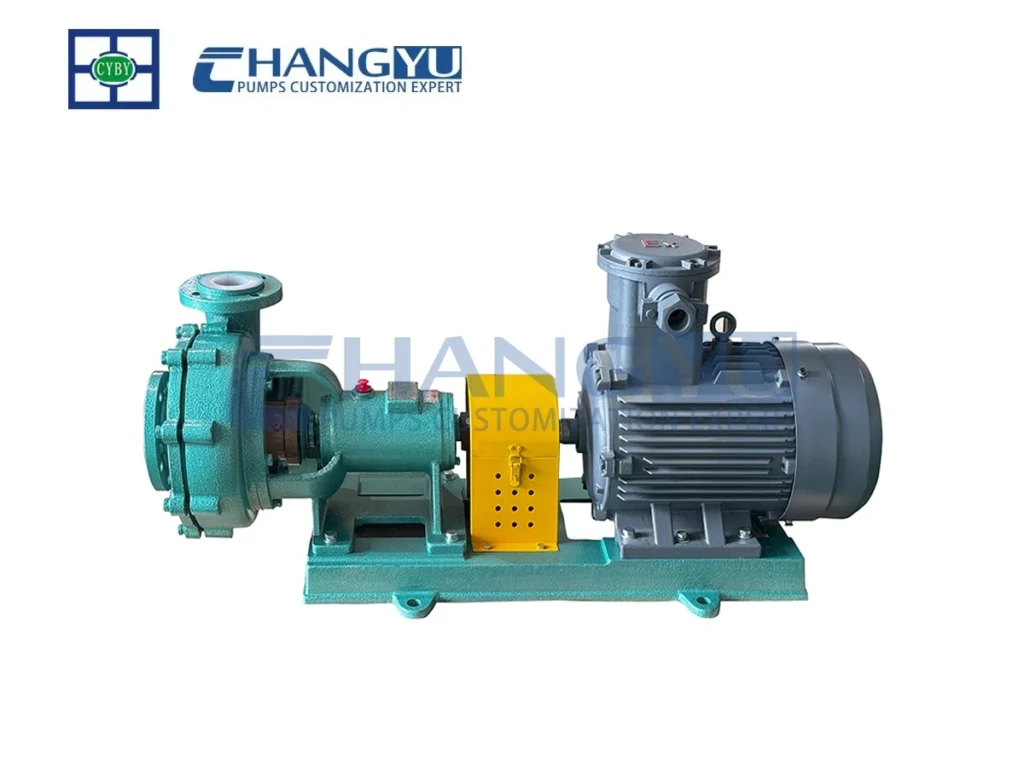
مضخة الملاط الكاشطة من سلسلة UHB
التحليل الكهربائي
التطبيق:
يتعامل قسم التحليل الكهربائي مع الأنوليت والكاثوليت المحتويين على أيونات الكلوريد، واعتمادًا على موقع العملية، الكلور الحر. يصبح التحكم في التسرب مهمًا بشكل خاص عند نقل الإلكتروليت المسبب للتآكل.
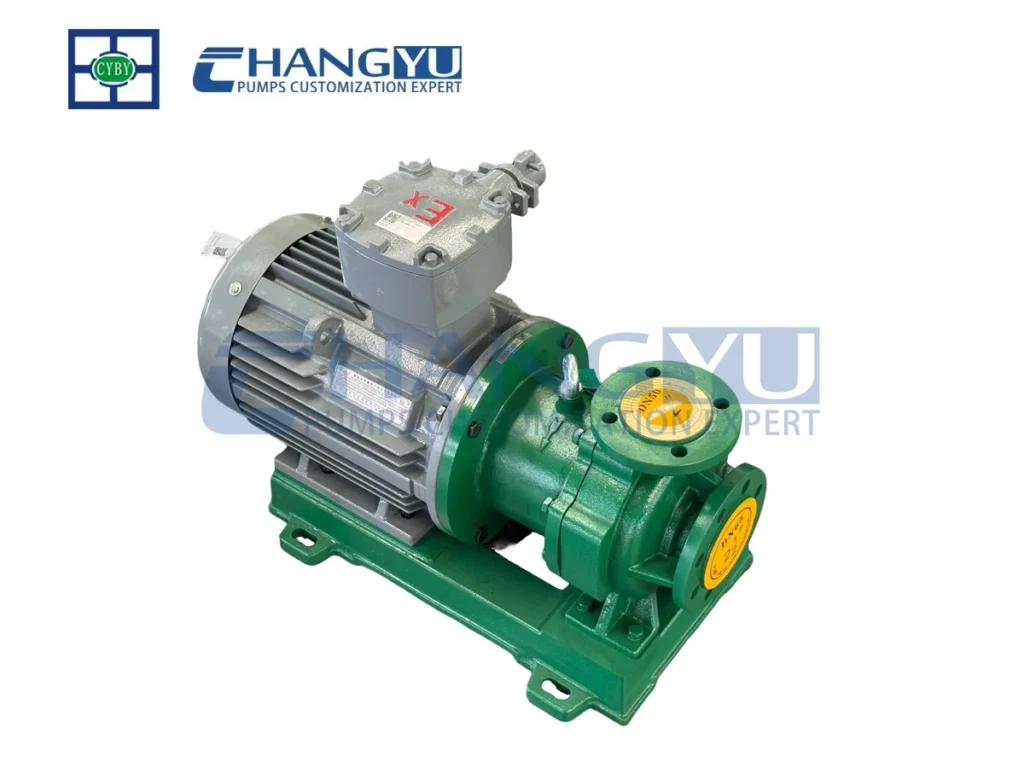
لهذه المهام، يمكن النظر في مضخة بمحرك مغناطيسي حيثما تكون هناك حاجة إلى عدم التسرب أو تقليل التسرب. يجب أن يعتمد الاختيار النهائي للمضخة على تركيبة الإلكتروليت ودرجة الحرارة والتدفق والضاغط (الهيدروليكي) وتوافق المواد.
المضخات الموصى بها:
عوامل الاختيار الرئيسية:
- تركيز الكلوريد
- محتوى الكلور الحر
- درجة الحرارة
- متطلبات التسرب
- معدل التدفق والضاغط (الهيدروليكي)
- توافق المواد الملامسة للسائل
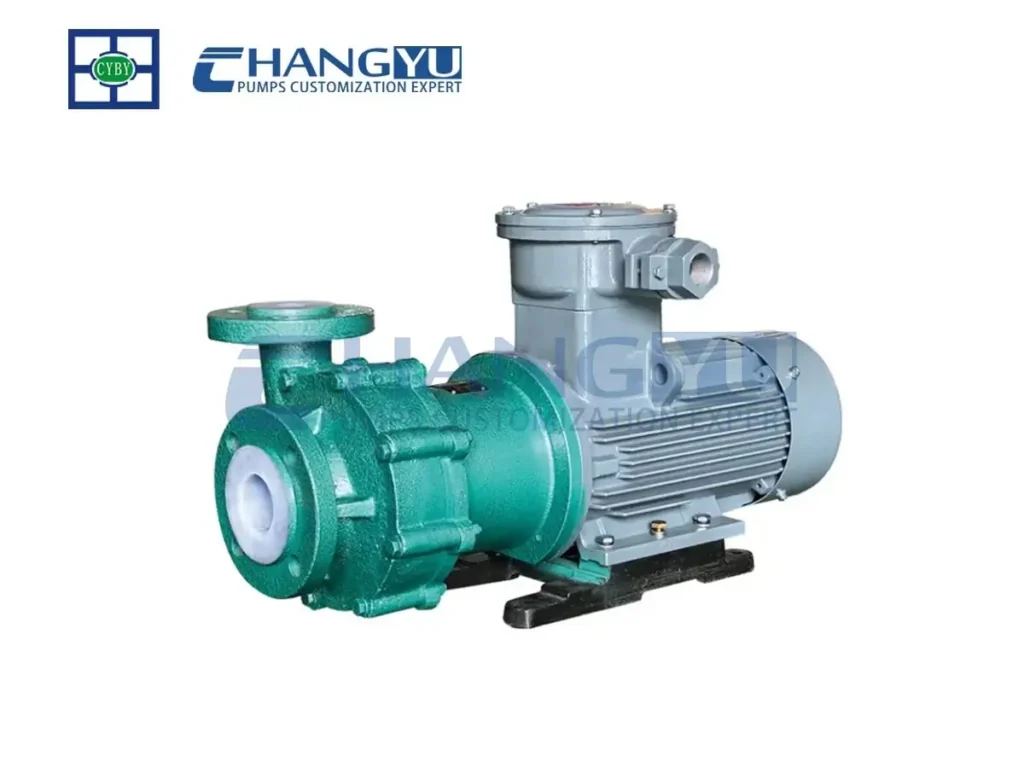
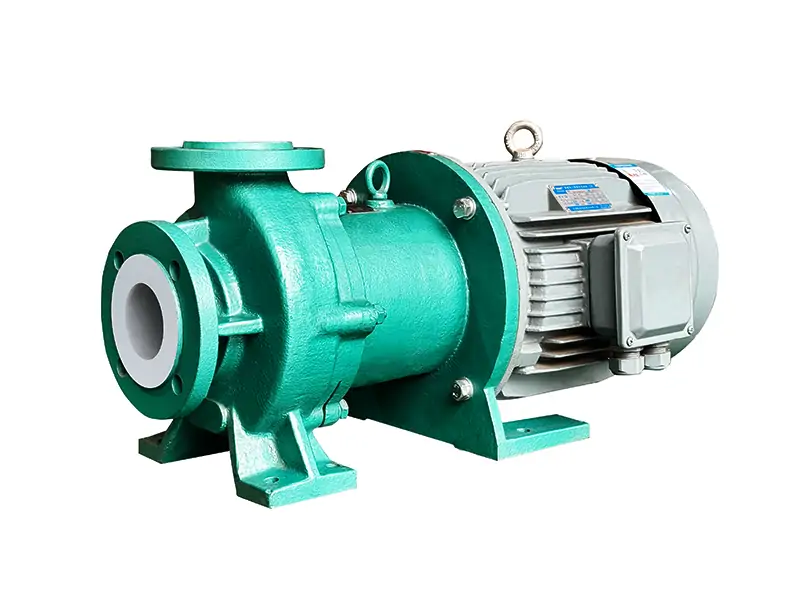
مضخة نقل حمض الكبريتيك من سلسلة CYQ
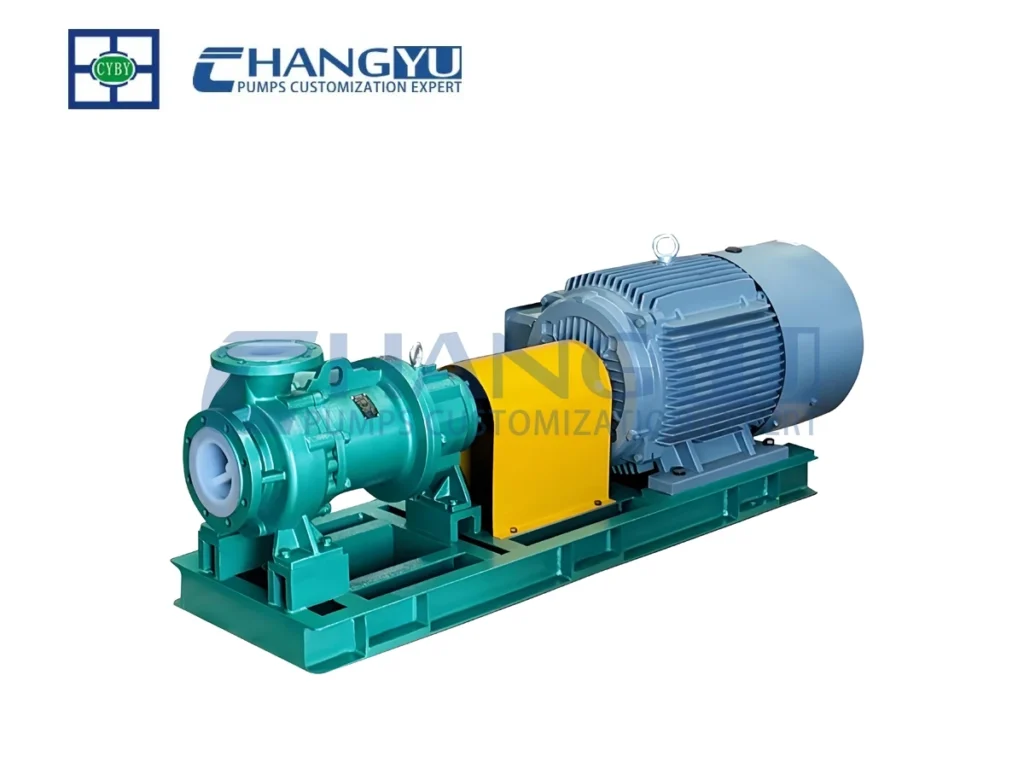
المضخة الكيميائية ذات المحرك المغناطيسي | مضخة نقل الأحماض المبطنة ب PTFE CYQ
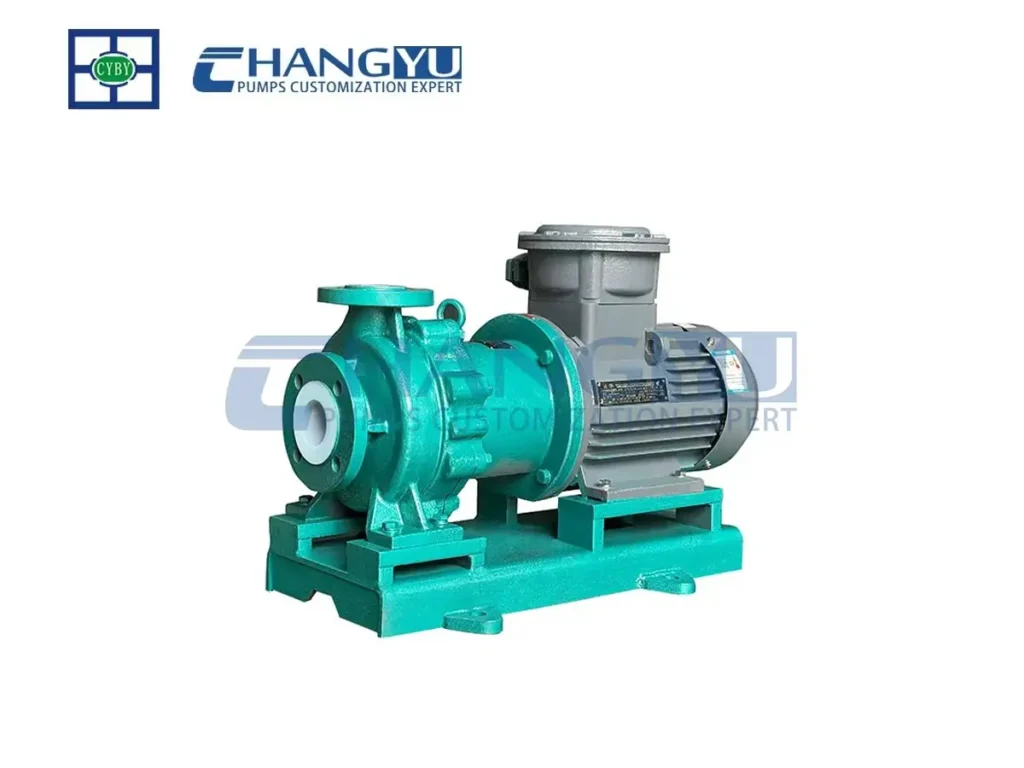
مضخة طرد مركزي ذات محرك مغناطيسي - سلسلة CYQ
تبخير وتركيز الصودا الكاوية
التطبيق:
يقدم قسم تركيز الصودا الكاوية تحديًا مختلفًا للضخ. يمكن أن يكون السائل ساخنًا وقد يحتوي على بلورات NaCl، لذلك يجب أن تتحمل المضخة كلاً من درجة الحرارة المرتفعة والتبلور المحتمل أو التآكل المرتبط بالمواد الصلبة.
لدوران الصودا الكاوية عالية الحرارة، توصي Changyu بمضخة CYG Series الكيميائية عالية الحرارة، بدرجة حرارة عمل تصل إلى 150 درجة مئوية وفقًا لتكوين المضخة.
يختلف هذا التطبيق عن نقل الصودا الكاوية العادي. لا يتم اختيار المضخة فقط للتوافق مع NaOH، ولكن أيضًا لظروف درجة الحرارة وبلورات الملح في نظام التدوير.
المضخات الموصى بها:
عوامل الاختيار الرئيسية:
- تركيز NaOH
- درجة حرارة التشغيل
- محتوى بلورات NaCl
- تدفق التدوير
- الضاغط (الهيدروليكي) المطلوب
- توافق المواد
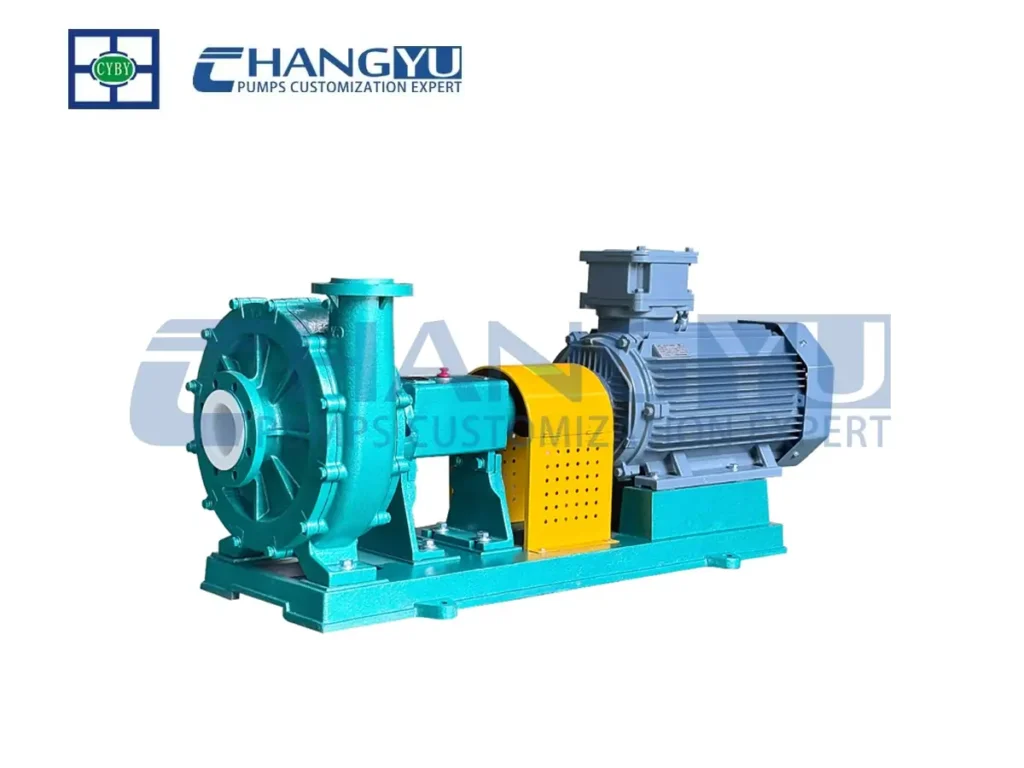
المضخة الكيميائية ذات درجة الحرارة العالية من سلسلة CYG
التعامل مع غاز الكلور وهيبوكلوريت
التطبيق:
يتضمن التعامل مع الكلور ظروفًا تختلف عن نقل السوائل الكيميائية العادية. يتطلب الكلور الرطب وهيبوكلوريت الصوديوم مواد ذات مقاومة جيدة للوسائط المحتوية على الكلور والمؤكسدة.
للتعامل مع سائل هيبوكلوريت الصوديوم، يمكن النظر في مضخة FYH Series الغاطسة المصنوعة من الفلوروبلاستيك.
المضخات الموصى بها:
عوامل الاختيار الرئيسية:
- تركيز الكلور الرطب أو هيبوكلوريت
- الظروف المؤكسدة
- درجة الحرارة
- عمق التركيب
- مقاومة التآكل
- ظروف الغاز والسائل
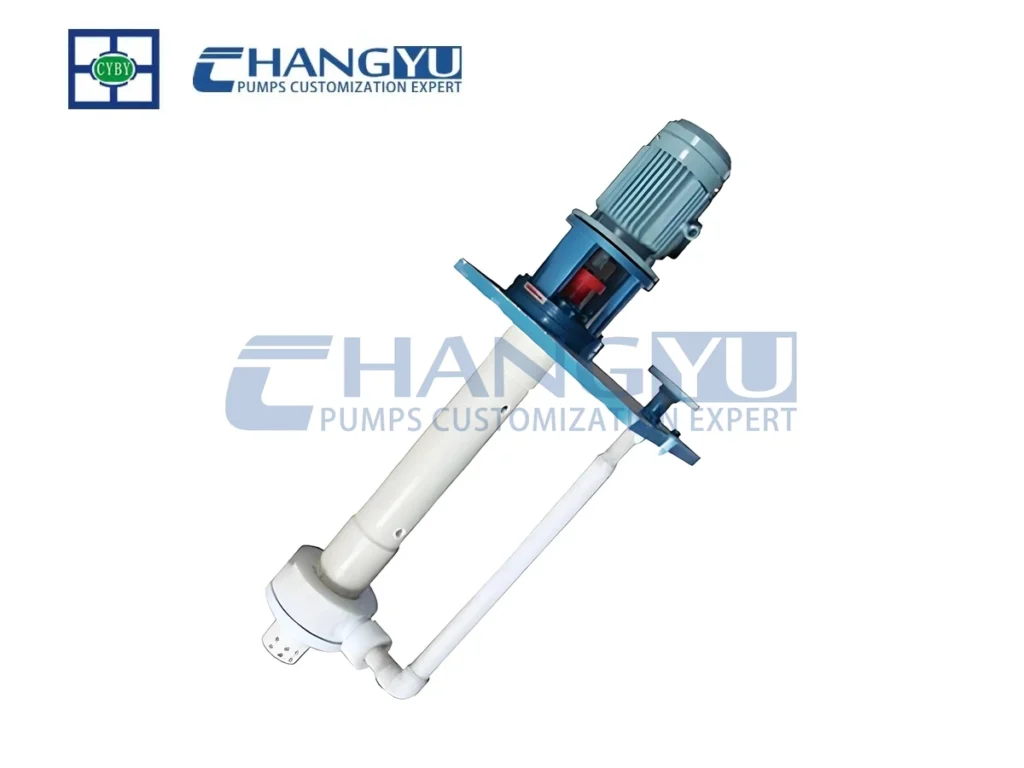
سلسلة FYH مضخة شبه غاطسة فلورية بلاستيكية فلورية: مضخة كيميائية عالية الكفاءة ومقاومة للتآكل
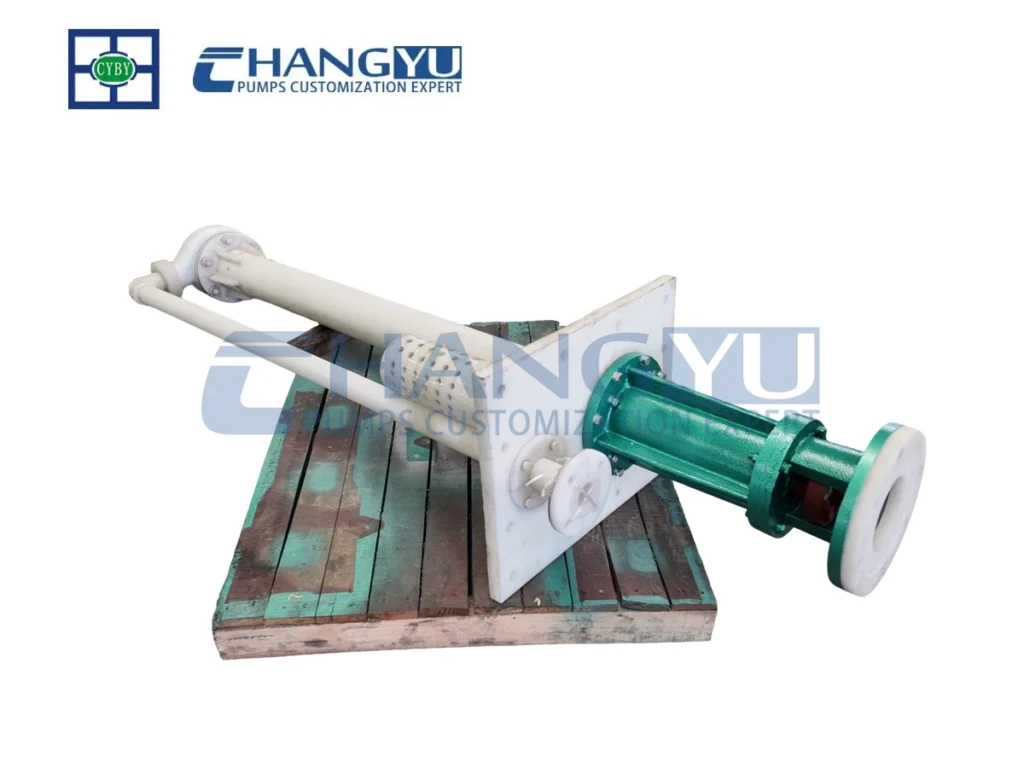
المضخة الغاطسة المقاومة للمواد الكيميائية من سلسلة FYH
تخليق حمض الهيدروكلوريك
التطبيق:
يتطلب تخليق حمض الهيدروكلوريك والتعامل معه مضخات يمكنها تحمل حمض الهيدروكلوريك والظروف الغنية بالكلوريد المرتبطة به. قد لا توفر مواد المضخات المعدنية التقليدية مقاومة كافية للتآكل لهذه المهام.
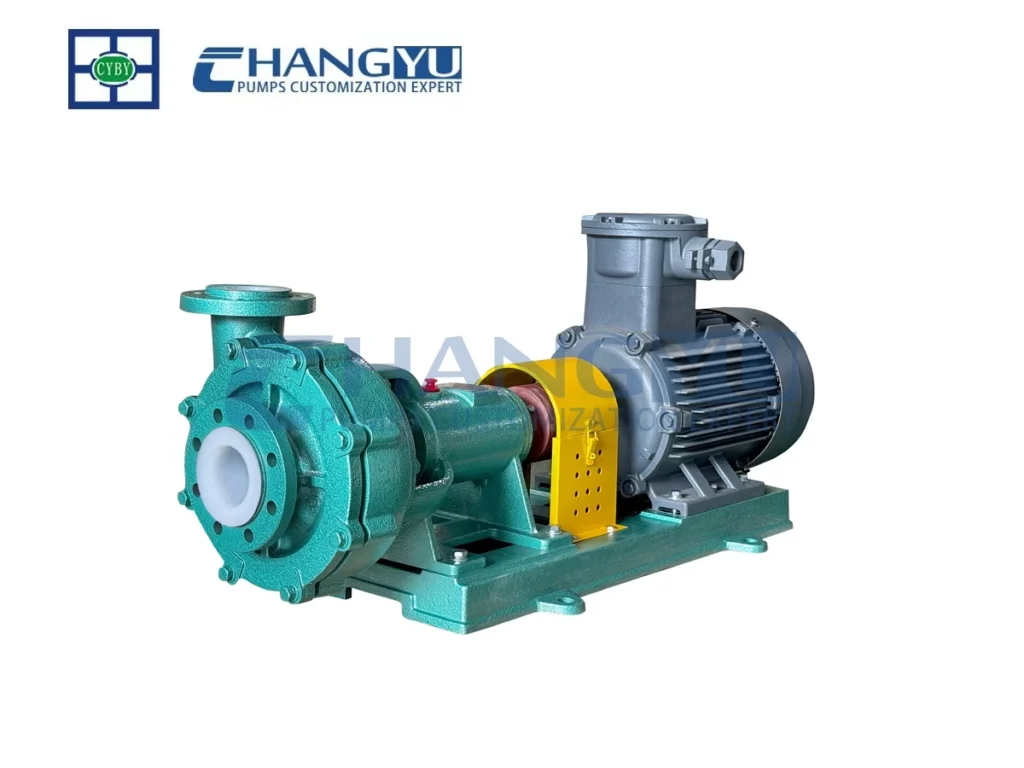
لنقل حمض الهيدروكلوريك، تعتبر المضخة الطاردة المركزية المبطنة بالفلوروبلاستيك تكوينًا مناسبًا حيث تتطلب العملية مقاومة عالية للتآكل.
المضخات الموصى بها:
عوامل الاختيار الرئيسية:
- تركيز حمض الهيدروكلوريك
- درجة الحرارة
- معدل التدفق
- الرأس
- مقاومة التآكل
- توافق البطانة والختم
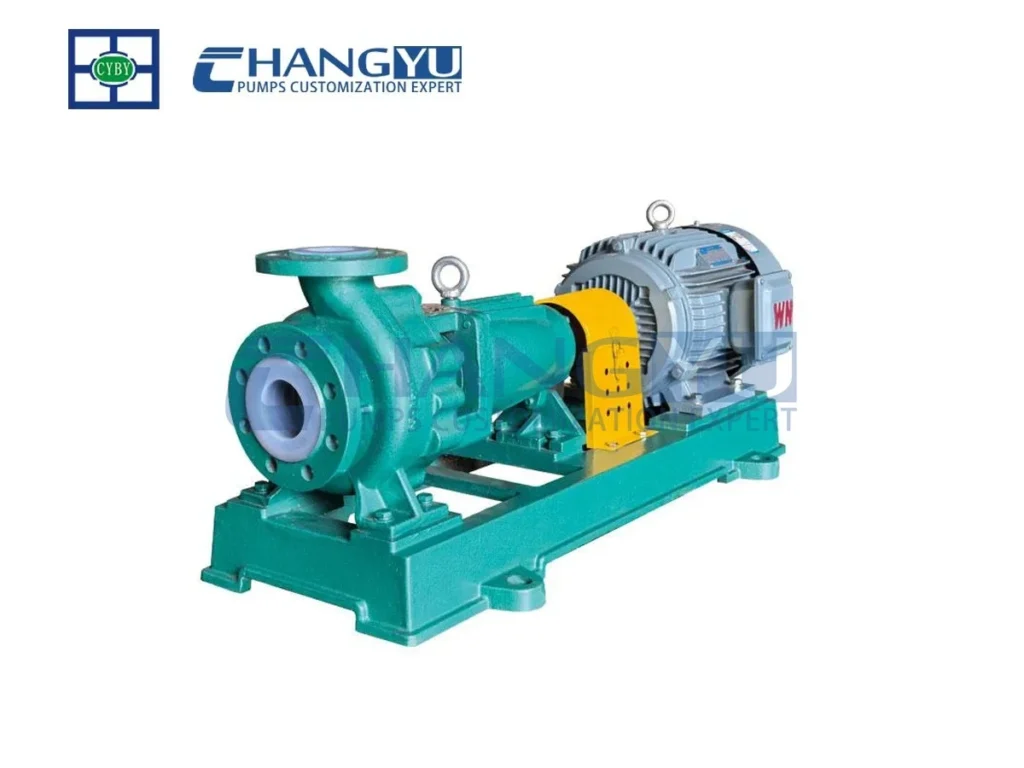
سلسلة CYF مضخة الطرد المركزي الفلوروبلاستيكية CYF
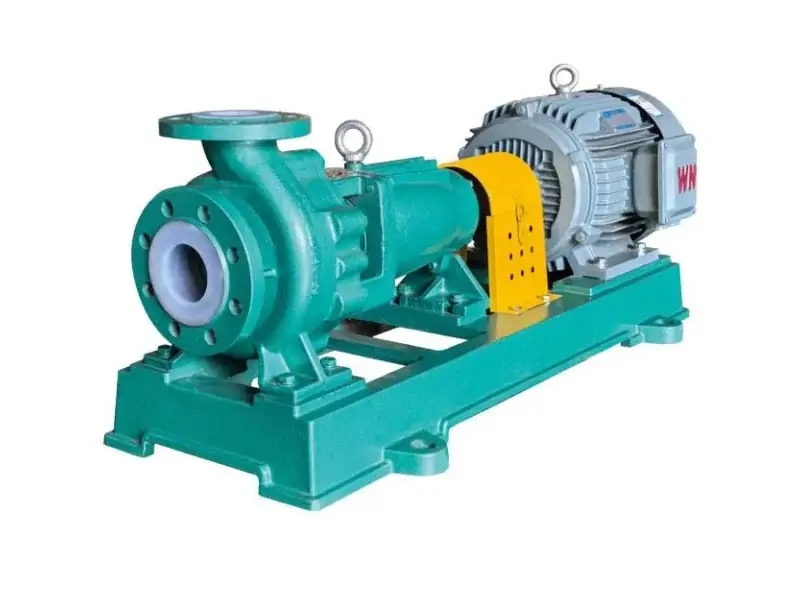
مضخة نقل حمض الهيدروكلوريك بالطرد المركزي من سلسلة CYF

مضخة الطرد المركزي الكيميائية لنقل الأحماض من سلسلة CYF
كيفية اختيار مضخة لصناعة الكلور والقلويات
الاسم الكيميائي وحده لا يكفي لتحديد المضخة الصحيحة. يمكن أن يكون لمضختين تتعاملان مع نفس المادة الكيميائية متطلبات مختلفة تمامًا عندما تتغير التركيز أو درجة الحرارة أو محتوى المواد الصلبة أو ظروف التركيب.
- يؤثر تركيز المحلول الملحي أو NaOH أو HCl أو هيبوكلوريت الصوديوم على توافق المواد ويجب تأكيده قبل اختيار المضخة.
- تعتبر درجة الحرارة مهمة بشكل خاص للصودا الكاوية المركزة وعمليات التبخير. يمكن أن تغير درجات حرارة التشغيل المرتفعة أداء المواد وظروف تشغيل المضخة.
- يقدم طين الملح وبلورات NaCl مكون تآكل غير موجود في نقل السوائل الكيميائية النظيفة. لذلك يجب النظر في بناء المضخة والتصميم الهيدروليكي معًا مع مقاومة التآكل. بالنسبة للإلكتروليت المسبب للتآكل والسوائل الكيميائية الخطرة الأخرى، يمكن أن يؤثر التحكم في التسرب على تكوين المضخة. يمكن النظر في المضخات ذات المحرك المغناطيسي حيثما كانت هذه المتطلبات كبيرة.
- تتطلب بعض التطبيقات مضخة غاطسة بدلاً من التكوين الأفقي التقليدي للطرد المركزي. يعد التعامل مع هيبوكلوريت الصوديوم أحد الأمثلة حيث يمكن أن تؤثر ظروف التركيب على تصميم المضخة المناسب.
- يحدد معدل التدفق والضاغط (الهيدروليكي) المطلوبان الأداء الهيدروليكي اللازم من المضخة.
يجب تأكيد هذه المعايير مع الظروف الكيميائية ودرجة الحرارة قبل الاختيار النهائي.
اختيار المضخة حسب عملية الكلور القلوي
| عملية الكلور القلوي | الوسيط الذي يتم ضخه | التحدي الرئيسي للضخ | المضخة الموصى بها |
|---|---|---|---|
| تنقية المحلول الملحي | محلول ملحي مشبع + طين ملحي | تآكل + مواد صلبة معلقة + اهتراء | سلسلة UHB |
| التحليل الكهربائي | أنوليت/كاثوليت | كلوريد + كلور حر + التحكم في التسرب | مضخة دافعة مغناطيسية / سلسلة CYQ |
| تبخير الصودا الكاوية | NaOH مركز ساخن + بلورات NaCl | درجة حرارة عالية + تبلور | سلسلة CYG |
| التعامل مع الكلور وهيبوكلوريت الصوديوم | كلور رطب/هيبوكلوريت الصوديوم | أكسدة + تآكل الكلوريد | سلسلة FYH |
| تخليق حمض الهيدروكلوريك | حمض الهيدروكلوريك / HCl | تآكل كيميائي قوي | مضخة مبطنة بالفلوروبلاستيك / سلسلة CYF |
ملاحظة: يجب اختيار المضخة وفقًا لظروف العملية الفعلية بدلاً من تخصيص نفس نوع المضخة لكل تطبيقات الكلور القلوي.
إذا لم تكن متأكدًا من كيفية الاختيار، يرجى تواصل مع فريقنا, ، وسنرد عليك خلال 24 ساعة.
الأسئلة الشائعة
اتصل بنا
حلول ضخ مرنة وفعالة ومخصصة بالكامل.
هل تبحث عن حل الضخ المثالي لاحتياجاتك الخاصة؟ يقدم فريق الخبراء لدينا حلول مضخات الطرد المركزي المخصصة المصممة خصيصًا للسوائل وظروف التشغيل ومتطلبات المشروع. احصل على استشارة شخصية وعرض أسعار اليوم!
أرسل استفسارك الآن
المضخات الموصى بها لصناعة الكلور القلوي
فيما يلي نماذج مضخات مختارة لإنتاج الكلور القلوي ومهام نقل المواد الكيميائية ذات الصلة. كل مضخة مناسبة لظروف عملية مختلفة، مثل المحلول الملحي المسبب للتآكل الذي يحتوي على مواد صلبة، والصودا الكاوية عالية الحرارة، وهيبوكلوريت الصوديوم، والإلكتروليت، وحمض الهيدروكلوريك. يعتمد الاختيار النهائي للمضخة على الوسط والتركيز ودرجة الحرارة ومحتوى المواد الصلبة ومعدل التدفق والرأس وظروف التركيب ومتطلبات منع التسرب. إذا لم تكن متأكدًا من المضخة المناسبة لعملية التشغيل لديك،, اتصل بنا الآن.