
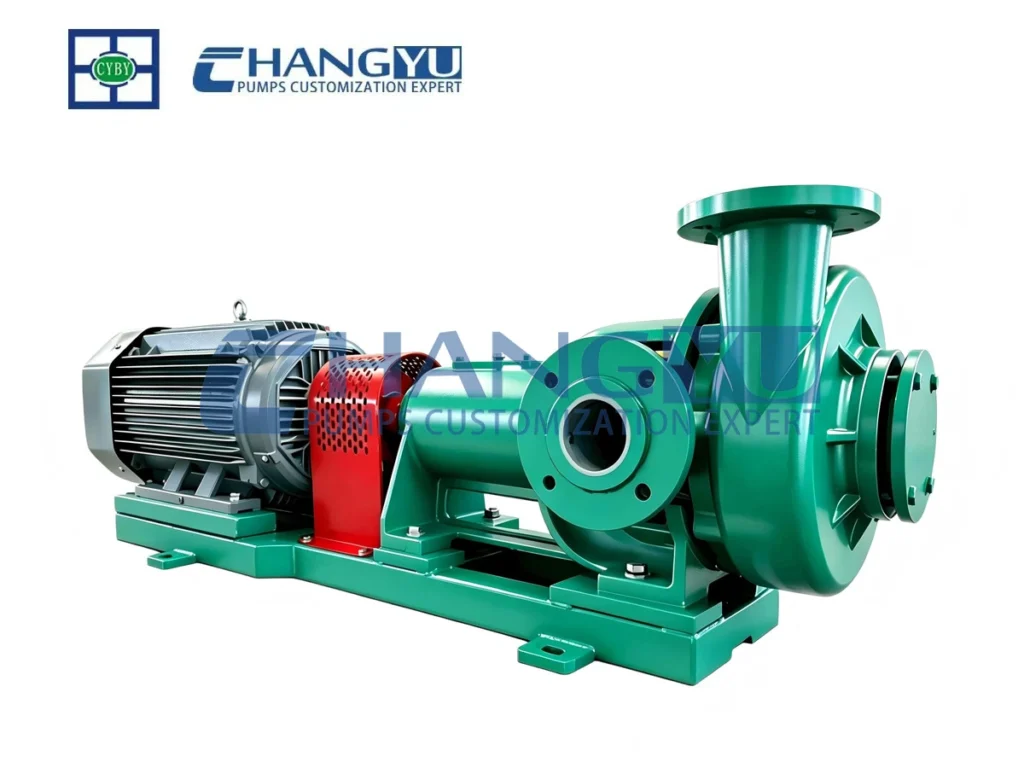
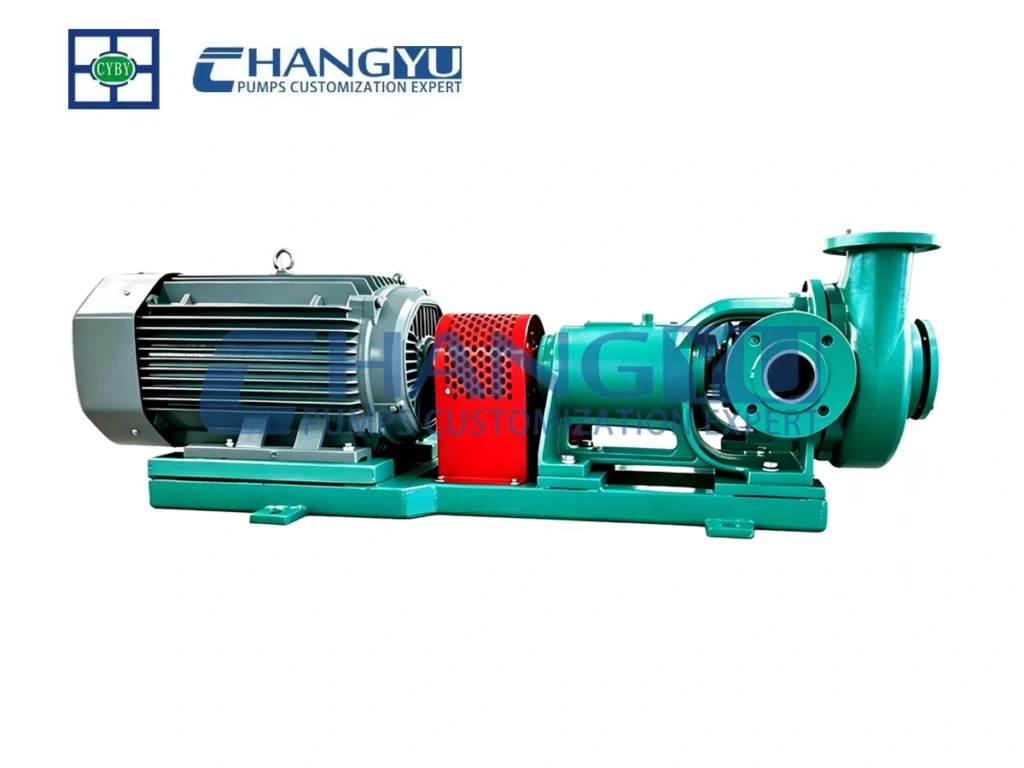
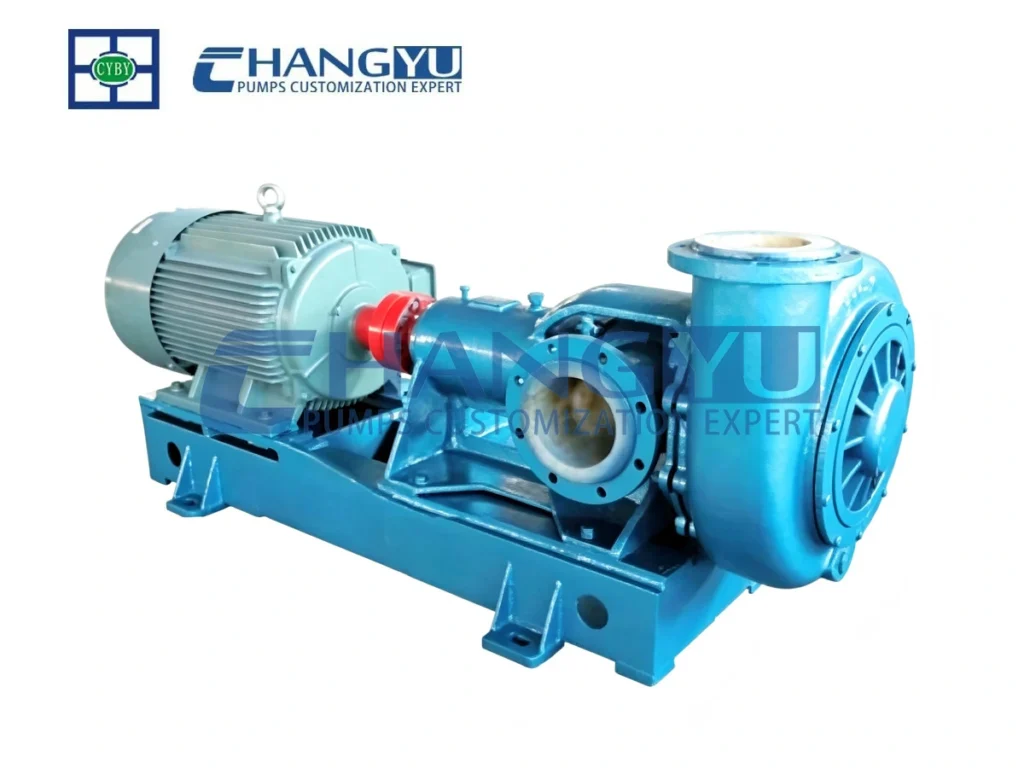
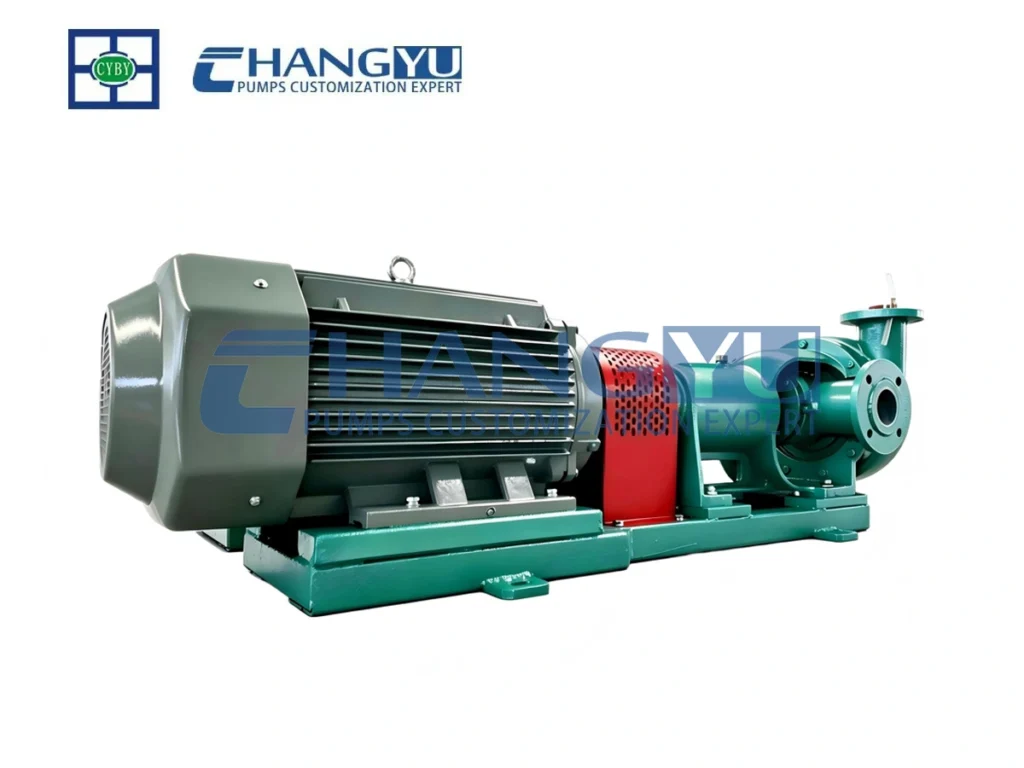
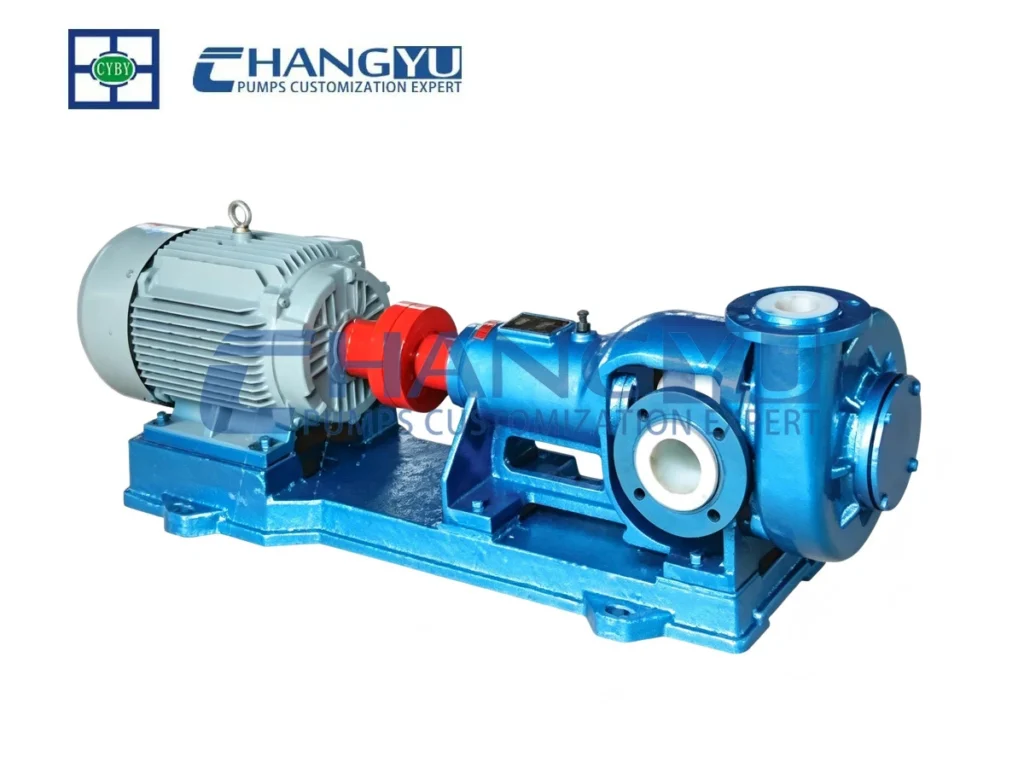
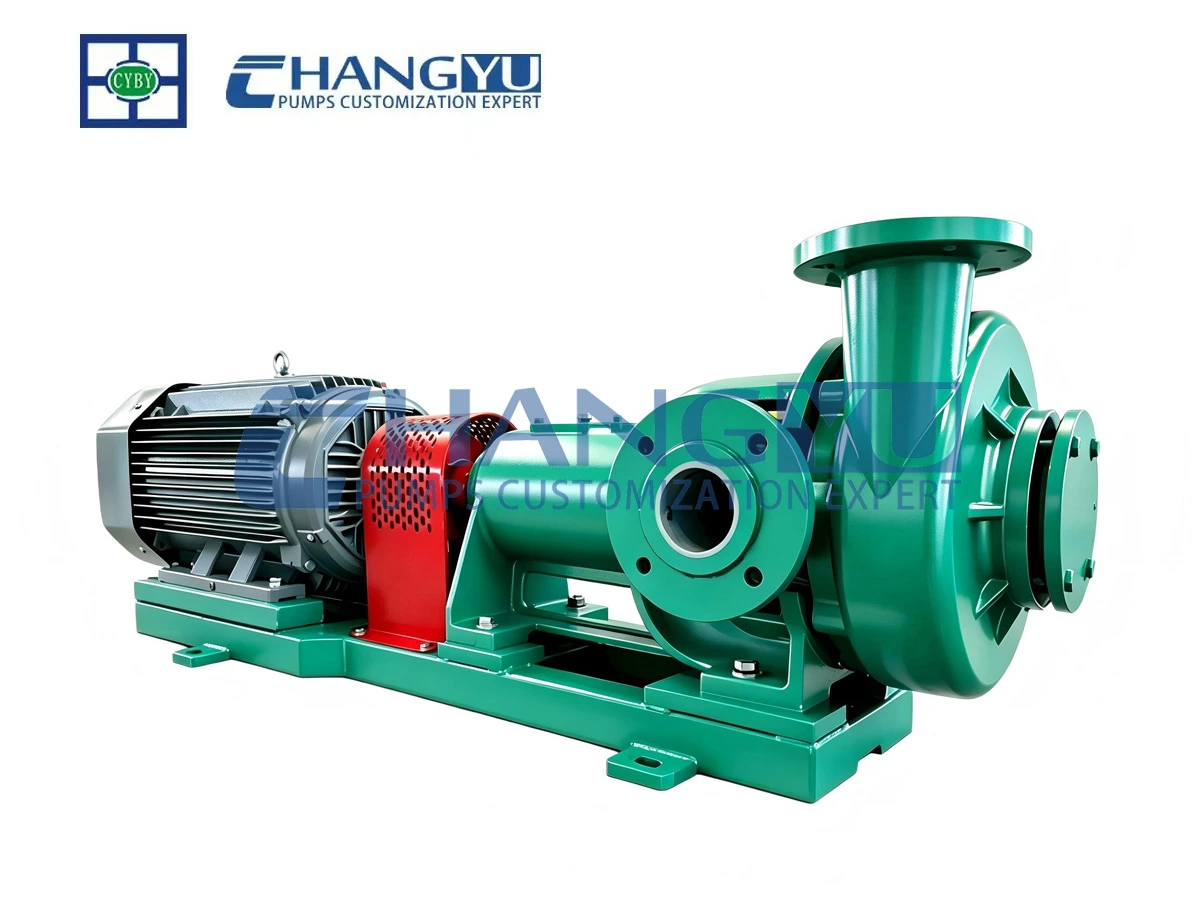
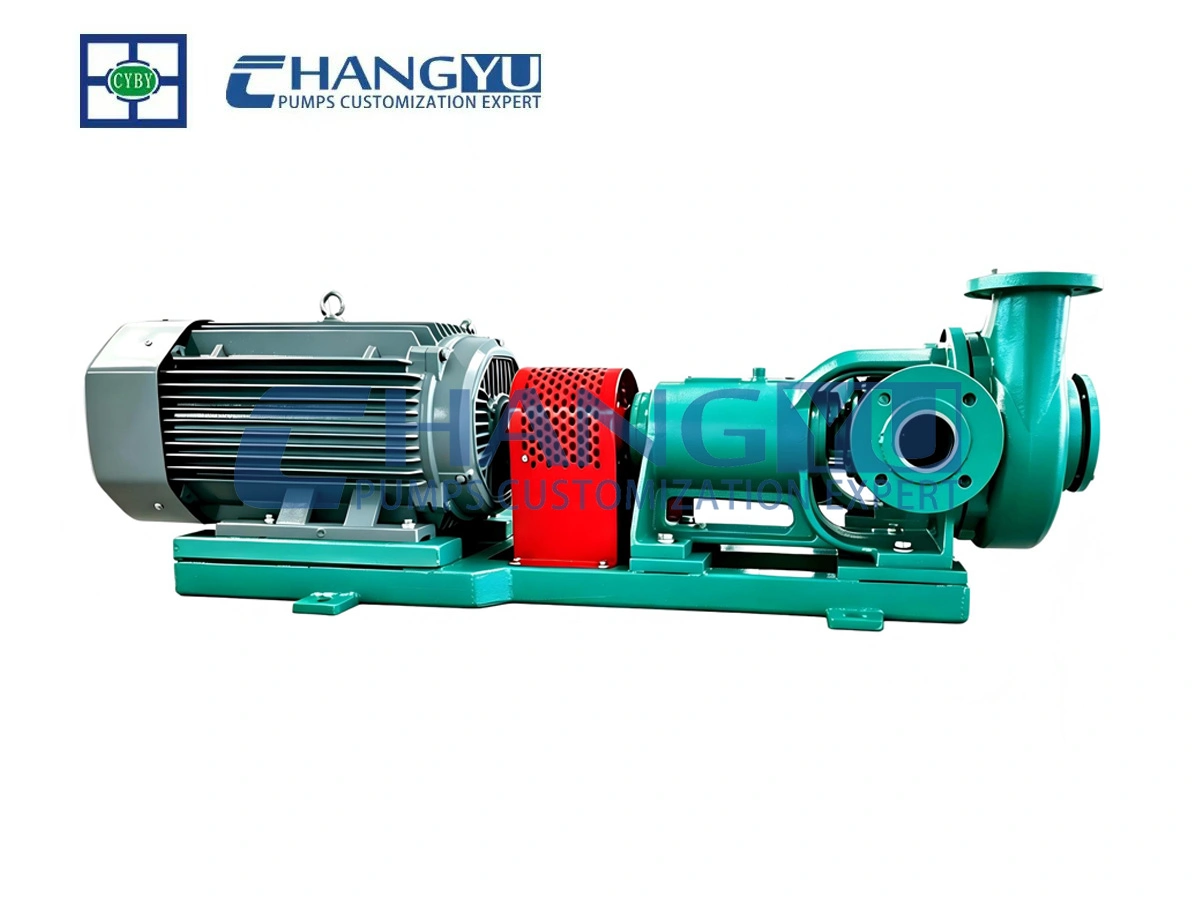
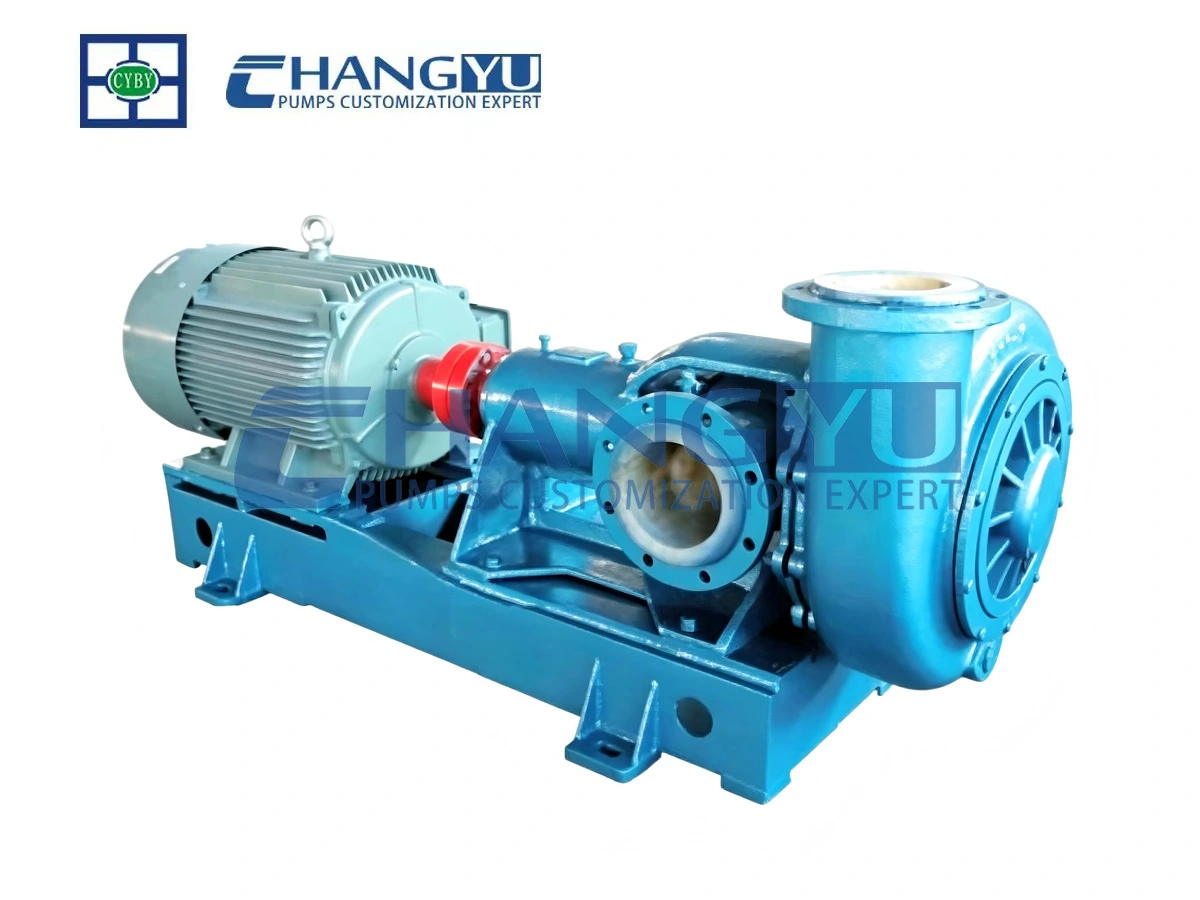
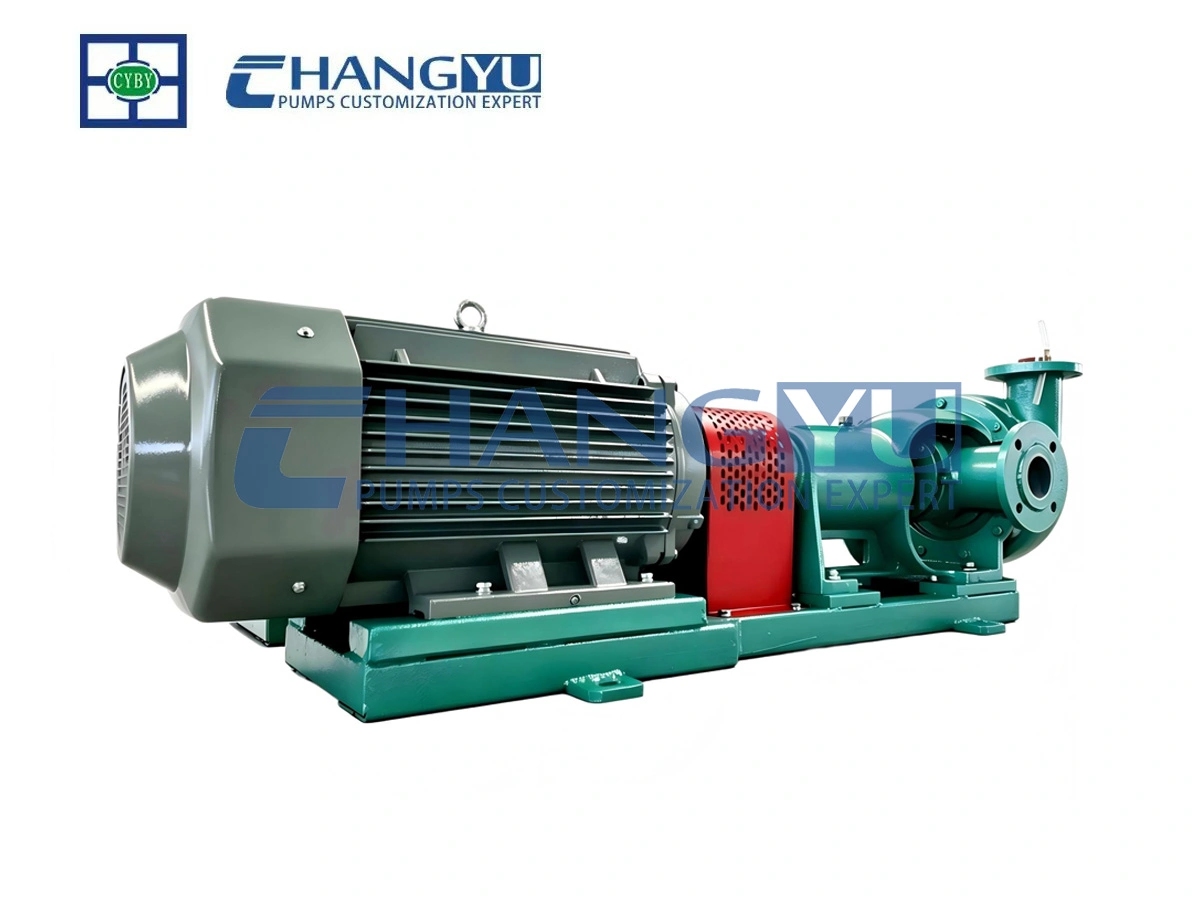
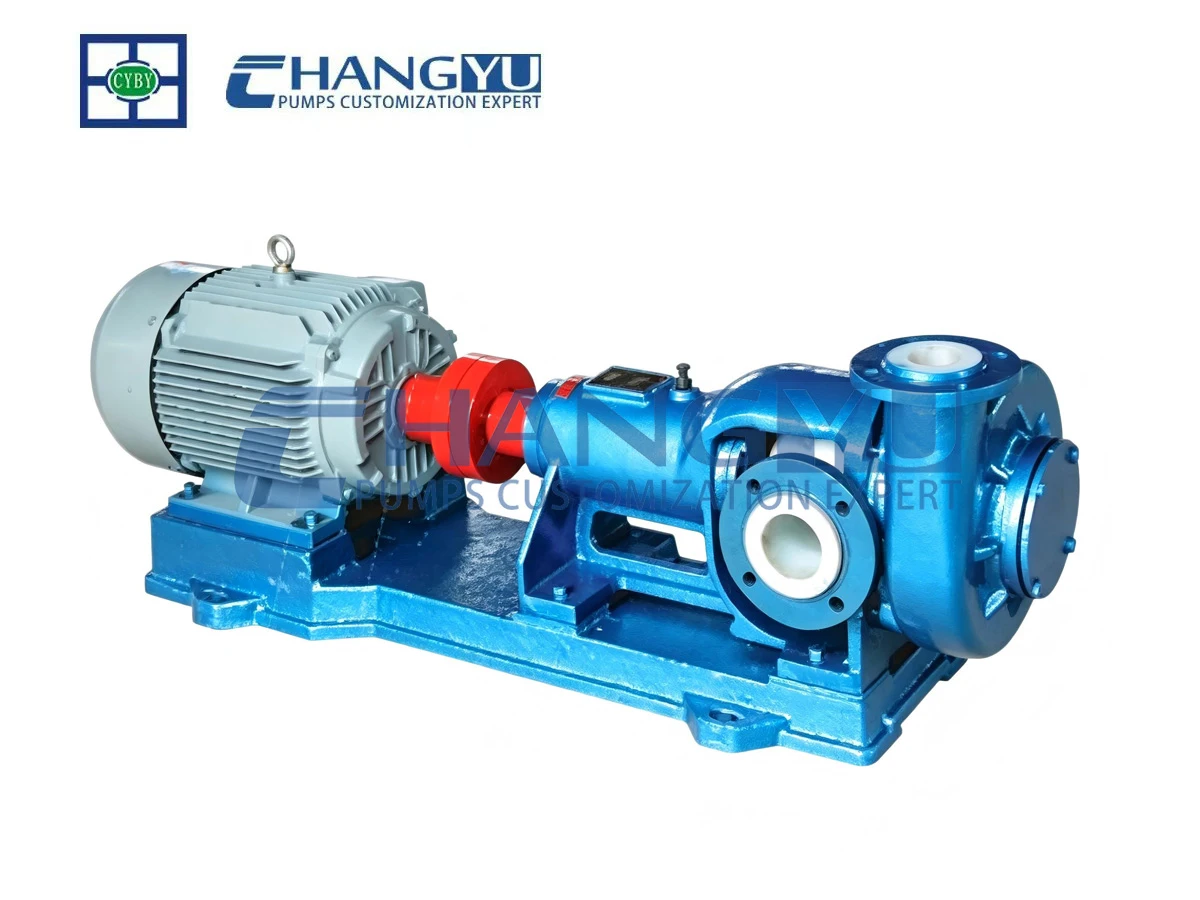
مضخة تغذية مكبس الترشيح للمعلقات الكاشطة والحمضية
تقوم مضخة تغذية مكبس الترشيح بنقل المعلق إلى مكبس ترشيح ذي إطار صفيحي أو غرفي وتتبع تلقائياً دورة التشغيل المتغيرة: تدفق عالٍ عند ضغط منخفض خلال ملء الغرف الأولي، ثم تدفق أقل مع ارتفاع الضغط مع تراكم كعكة الترشيح. توفر ChangYu تكوينات طرد مركزي أحادية المرحلة وثنائية المرحلة للمعلقات الكاشطة والحمضية والمحتوية على مواد صلبة.
يُشار إلى هذه المعدات أيضاً باسم مضخة مكبس الترشيح، أو مضخة تغذية مكبس الترشيح، أو مضخة المعلق لمكبس الترشيح، أو مضخة معلق مكبس الترشيح، ويتم اختيارها بناءً على دورة الترشيح الكاملة—وليس فقط عند نقطة تدفق وارتفاع واحدة.
|
نطاق معدل التدفق : |
3 م³/س – 600 م³/س |
|---|---|
|
نطاق الرأس: |
10–120 م |
|
قوة المحرك : |
75–220 كيلوواط |
|
السرعة: |
1450 / 2900 دورة/دقيقة |
|
نطاق درجة الحرارة المتوسطة: |
-20 درجة مئوية إلى 90 درجة مئوية |
|
مواد قابلة للتخصيص: |
تكوينات مبطنة بالصلب مع UHMWPE أو بلاستيكية بالكامل؛ خيارات إحكام من البلاستيك الفلوري، وكربيد السيليكون، و316L، ودوبلكس 2205 |
نظرة عامة على مضخة تغذية مكبس الترشيح
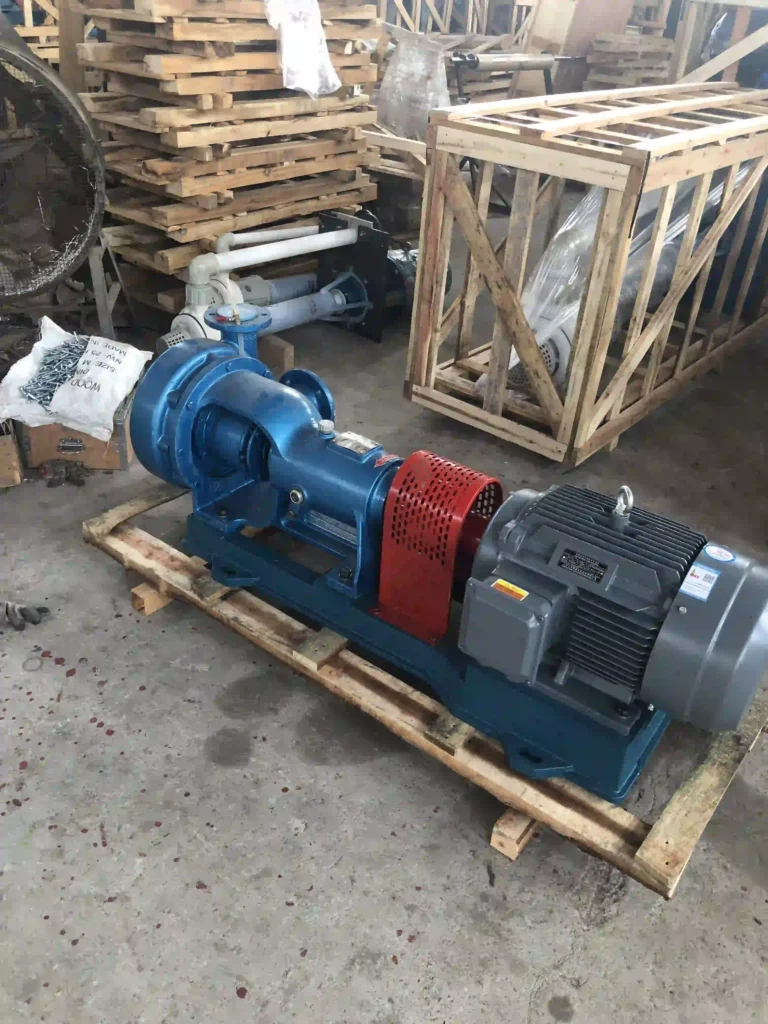
سلسلة UHFM لمضخة تغذية مكبس الترشيح المقاومة للتآكل والحمضية هي مضخة طرد مركزي متخصصة طُوّرت لمكابس الترشيح ومعدات الترشيح وتطبيقات نقل المعلقات عالية الضغط. تُستخدم هذه السلسلة بشكل رئيسي لمعالجة الوسائط الكاشطة والحمضية والمحتوية على مواد صلبة، وهي مناسبة بشكل خاص لتطبيقات مكبس الترشيح التي تتطلب ضغط تغذية أعلى وتشغيلاً مستقراً طوال دورة الترشيح.
تتميز سلسلة UHFM بتصميم هيكلي ذي شفط خلفي. ولمعالجة المشكلات الشائعة في المضخات التقليدية المقاومة للتآكل والحمضية، مثل تآكل المكونات وتسرب الوسيط أثناء التشغيل، أجرينا تحسينات مستهدفة على غلاف المضخة والمكونات الملامسة للوسيط وقطع التآكل. يوفر التصميم ذو الشفط الخلفي ترتيباً عملياً بين مدخل المضخة ومنطقة الصيانة الخلفية، مع تسهيل فحص المضخة واستبدال قطع التآكل.
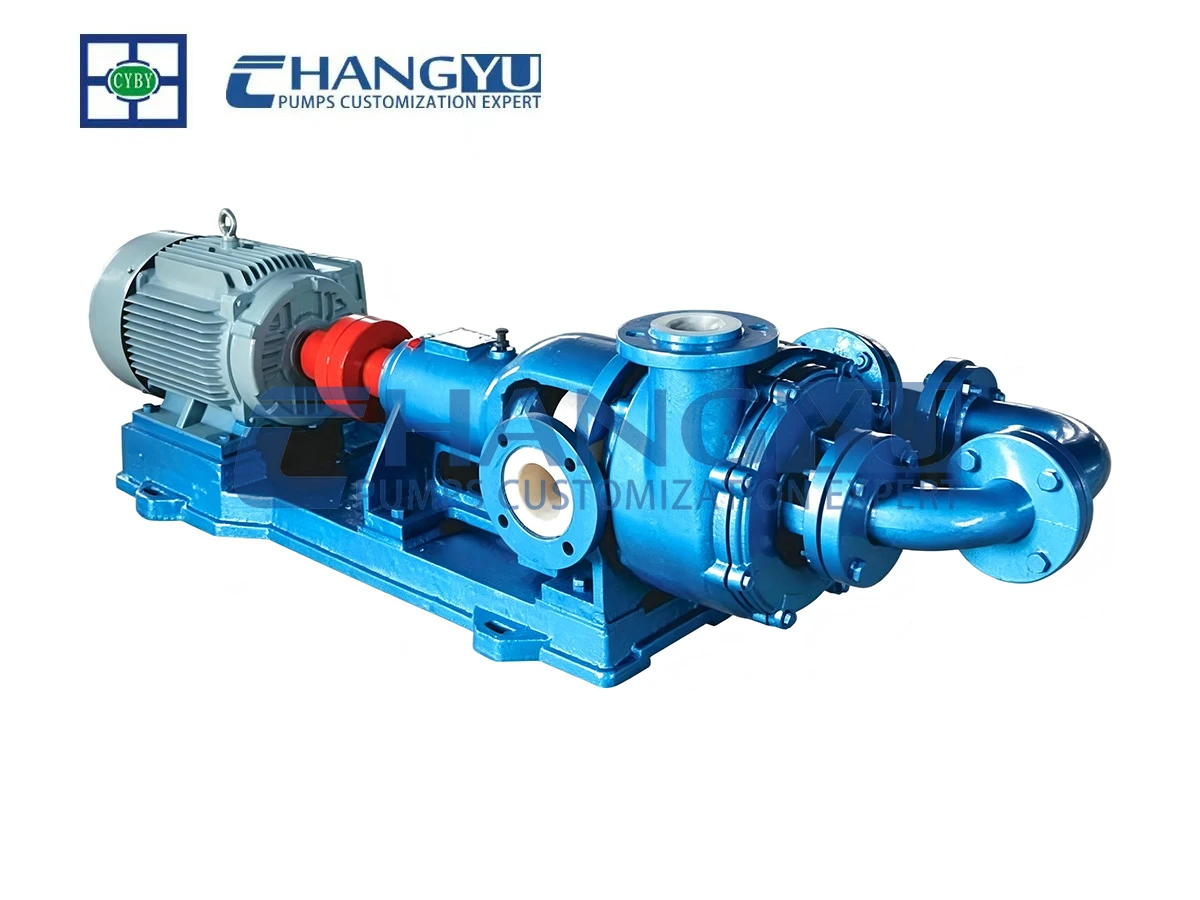
وفقاً لمتطلبات العملية، تتوفر مضخة مكبس الترشيح من سلسلة UHFM بتكوينين أحادي المرحلة وثنائي المرحلة. المضخة أحادية المرحلة مناسبة للنقل بالضغط التقليدي والتطبيقات التي تتطلب معدل تدفق مرتفع نسبياً. أما المضخة ثنائية المرحلة فترفع الضغط تدريجياً من خلال دافعين، مما يجعلها أكثر ملاءمة للترشيح عالي الضغط ونقل المعلقات عالي الضغط.
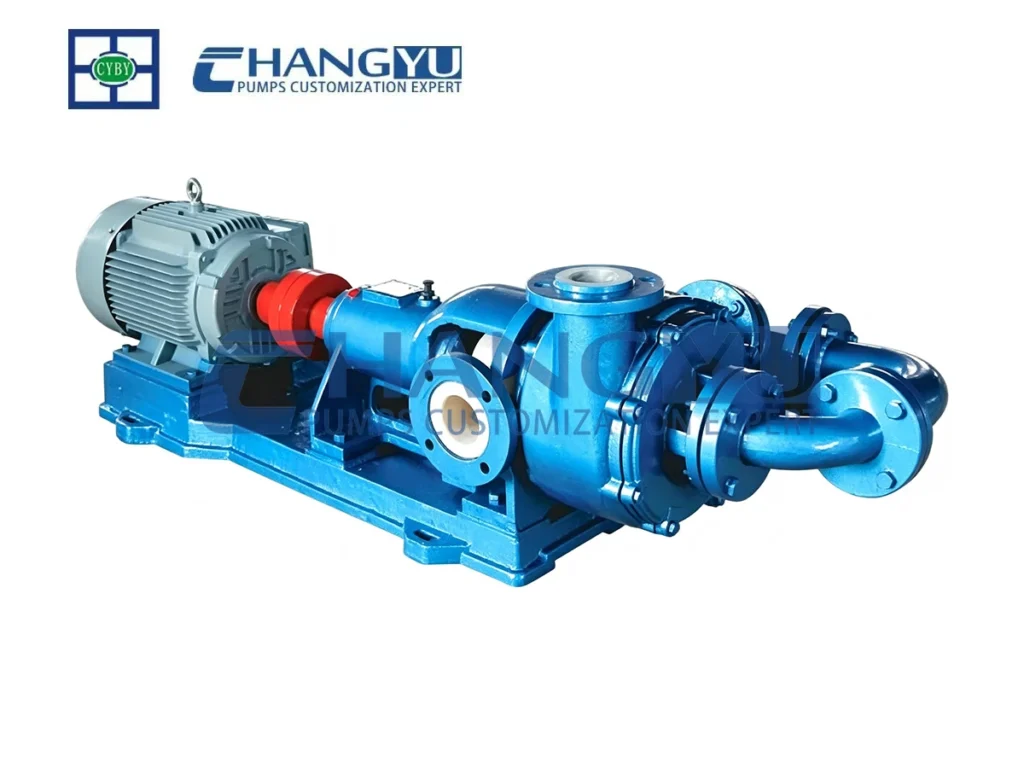 تعمل مضخة تغذية مكبس الترشيح عند تقاطع ثلاثة شروط صعبة: كيمياء تآكلية، مواد صلبة كاشطة، وتشغيل دوري عالي الضغط. تفشل المضخات العملية القياسية في هذه الخدمة لأنها مصممة لظروف الحالة المستقرة مع الموائع النظيفة — وليس للتحديات المجتمعة لتغذية مكبس الترشيح.
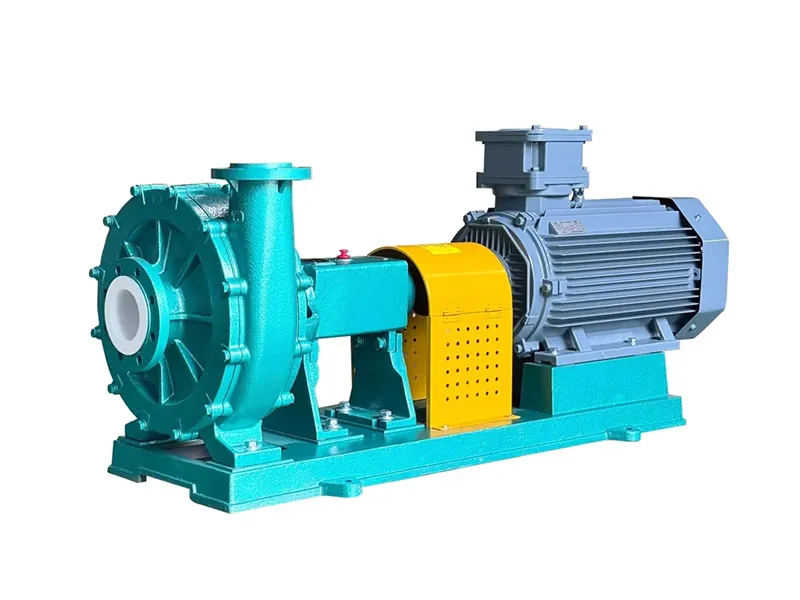 مضخة مقاومة للتآكل من النوع UHB UHMWPE
يمكن اختيار المواد والتكوين الهيكلي لسلسلة UHFM وفقاً لدرجة حمضية الوسيط وكشطه ومحتوى المواد الصلبة ودرجة الحرارة وضغط التشغيل. وهذا يمكّن المضخة من تلبية متطلبات النقل المستمر في ظروف تشغيل صناعية مختلفة. وباعتبارها مضخة تغذية مخصصة لمكبس الترشيح، يمكن أيضاً تكوينها كمضخة معلق لأنظمة مكبس الترشيح التي تتعامل مع معلقات عملية كاشطة أو حمضية.
إن Changyu سلسلة UHB هي أيضاً مضخة طرد مركزي مقاومة للتآكل والحمضية مصممة لنقل الوسائط الكاشطة والحمضية والمحتوية على مواد صلبة. وهي قابلة للتطبيق على نطاق واسع في المعالجة الكيميائية ومعالجة المعادن ومعالجة مياه الصرف الصحي ونقل الأحماض والقلويات وتدوير المعلقات وغيرها من التطبيقات الصناعية التي تتطلب مقاومة موثوقة للتآكل والكشط. يمكن اختيار تكوينات مختلفة من المواد والهياكل وفقاً لخصائص الوسيط وظروف التشغيل الفعلية.
مقارنةً بسلسلة UHB، طُوّرت سلسلة UHFM بشكل أكثر تحديداً كمضخة معلق لمكبس الترشيح. تُختار سلسلة UHB عموماً للنقل المستمر في العمليات والتدوير ومهام مناولة المعلقات التقليدية، بينما تركز سلسلة UHFM بشكل أكبر على متطلبات الضغط المتغيرة وظروف التغذية عالية الضغط واحتياجات صيانة أنظمة مكبس الترشيح. لنقل المعلقات الكاشطة أو الحمضية التقليدية، توفر سلسلة UHB حلاً عملياً ومتعدد الاستخدامات. أما لتغذية مكبس الترشيح أو التطبيقات الأخرى التي تتطلب ضغط تصريف أعلى أو هيكلاً أكثر تخصصاً أو خيارات ضغط أحادية وثنائية المرحلة، فعادةً ما تكون سلسلة UHFM الخيار الأكثر ملاءمة. يجب تأكيد اختيار المضخة النهائي وفقاً لمعدل التدفق المطلوب وضغط التصريف وخصائص المعلق ومحتوى المواد الصلبة ودرجة الحرارة والتركيب الكيميائي.
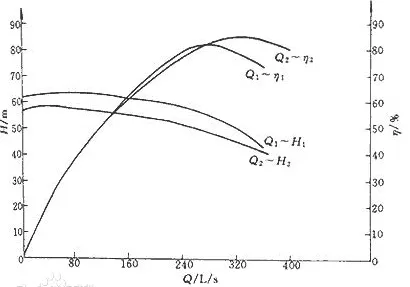
تغذية مكبس الترشيح هي عملية ذات حمل متغير. في بداية الدورة، تستقبل الغرف الفارغة المعلق بسرعة وتكون مقاومة النظام منخفضة. مع تراكم المواد الصلبة على قماش الترشيح، تزداد المقاومة ويرتفع ضغط التصريف المطلوب وينخفض معدل التدفق naturally. يجب أن تعمل المضخة المختارة بشكل مستقر عبر طرفي هذا المنحنى مع الحد من التسرب والتآكل المفرط والكهوفة وهدر الطاقة.
فيما يلي المعلمات الشائعة لمضخات مكبس الترشيح.
| التكوين | تصميم طرد مركزي أحادي المرحلة UHFM-I أو ثنائي المرحلة UHFM-II |
|---|---|
| حجم المدخل النموذجي | DN50–DN250 |
| نطاق التدفق النموذجي | حوالي 3–600 م³/س |
| نطاق الارتفاع النموذجي | حوالي 10–120 م |
| السرعة النموذجية | 1450 / 2900 دورة/دقيقة، مع بدائل خاصة بكل طراز |
| المواد المبللة | UHMWPE، البلاستيك الفلوري، البولي يوريثان، الفولاذ المقاوم للصدأ المقاوم للتآكل أو سبائك خاصة مختارة |
| الوسائط المعالجة | معلق حمضي، معلق كاشط، حمأة كيميائية ومعلق عملية يحتوي على مواد صلبة دقيقة |
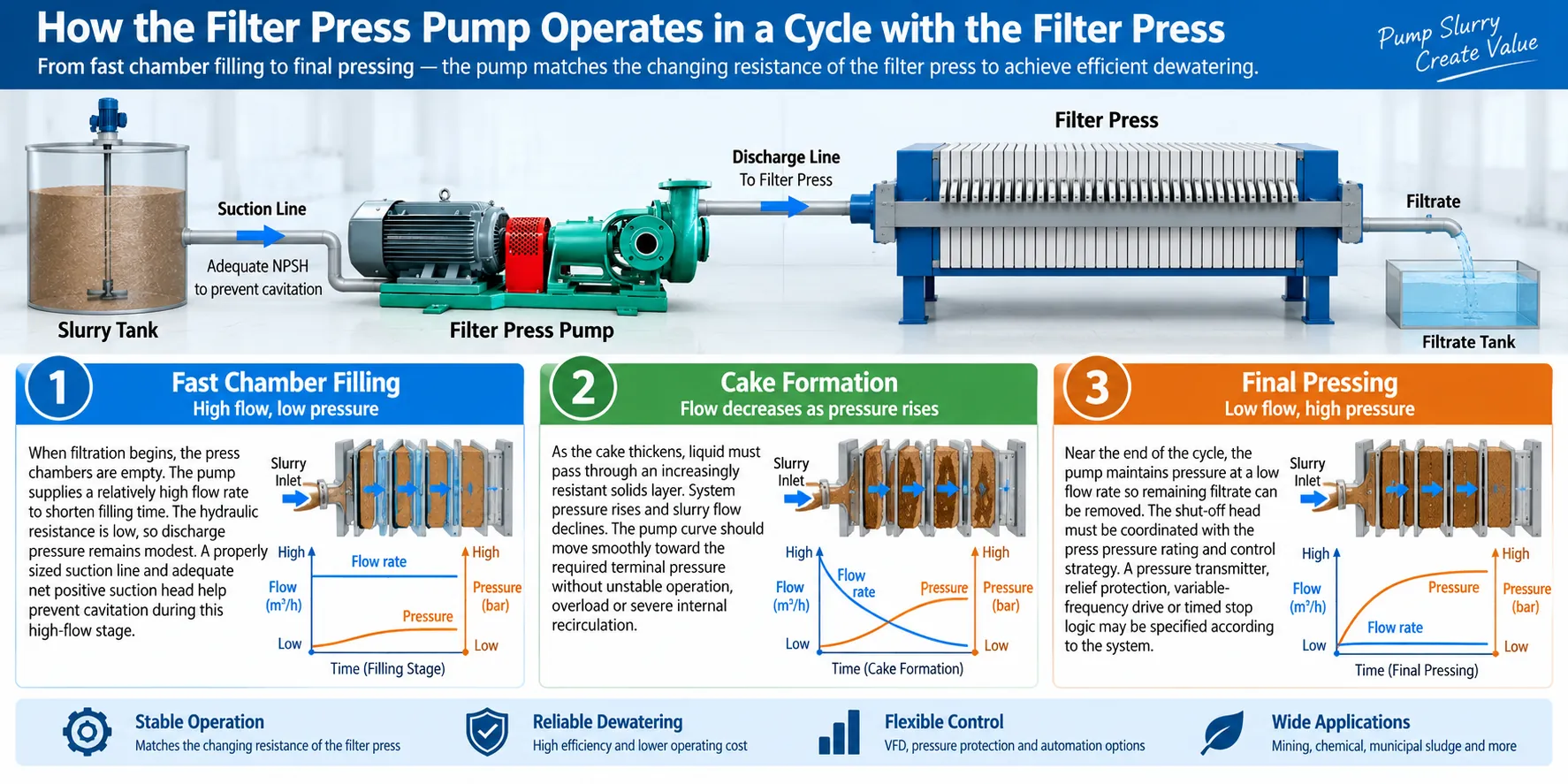
كيف تعمل مضخة مكبس الترشيح في دورة مع مكبس الترشيح
الخطوة 1. ملء سريع للغرف: تدفق عالٍ، ضغط منخفض
عند بدء الترشيح، تكون غرف المكبس فارغة. توفر المضخة معدل تدفق مرتفع نسبياً لتقصير وقت الملء. تكون المقاومة الهيدروليكية منخفضة، لذا يبقى ضغط التصريف معتدلاً. يساعد خط الشفط ذو الحجم المناسب والضغط الموجب الصافي الكافي للشفط على منع الكهوفة خلال مرحلة التدفق العالي هذه.
الخطوة 2. تكوّن الكعكة: ينخفض التدفق مع ارتفاع الضغط
مع تسمك الكعكة، يجب أن يمر السائل عبر طبقة مواد صلبة متزايدة المقاومة. يرتفع ضغط النظام وينخفض تدفق المعلق. يجب أن يتحرك منحنى المضخة بسلاسة نحو ضغط النهاية المطلوب دون تشغيل غير مستقر أو حمل زائد أو إعادة تدوير داخلية شديدة.
الخطوة 3. الضغط النهائي: تدفق منخفض، ضغط مرتفع
بالقرب من نهاية الدورة، تحافظ المضخة على الضغط عند معدل تدفق منخفض حتى يمكن إزالة الرشاحة المتبقية. يجب تنسيق رأس الإغلاق مع تصنيف ضغط المكبس واستراتيجية التحكم. قد يتم تحديد جهاز إرسال الضغط، وحماية التنفيس، ومحرك التردد المتغير أو منطق الإيقاف الموقوت وفقًا للنظام.
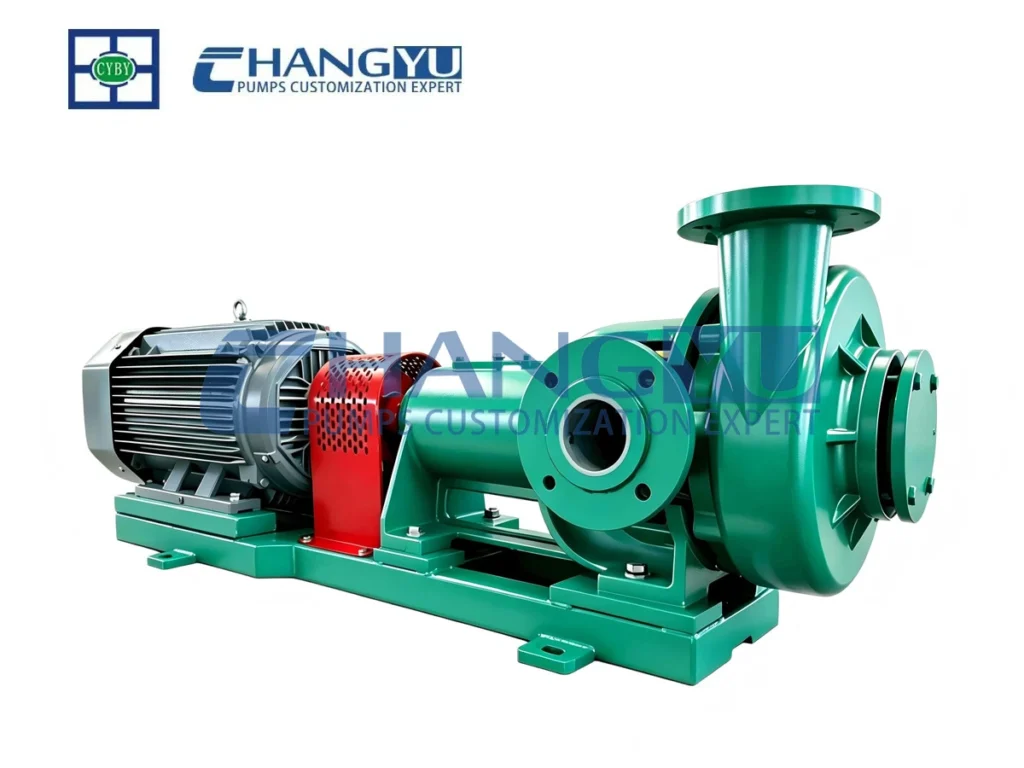 UHFM-I أحادي المرحلة
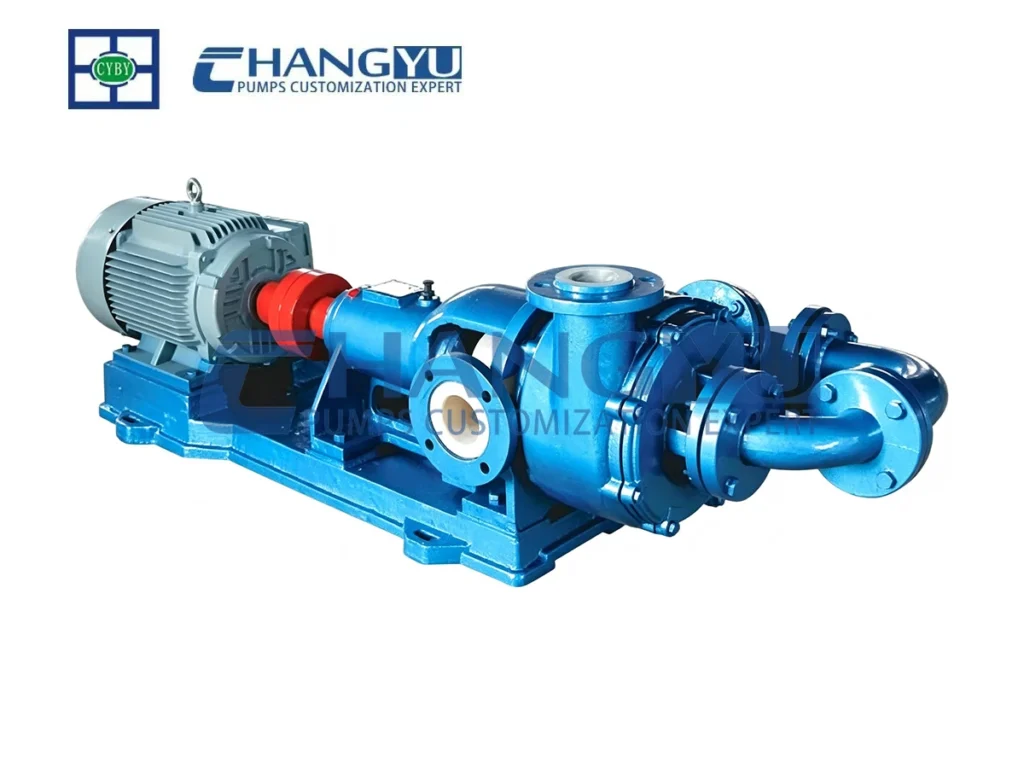 UHFM-II ثنائي المراحل
خيارات أحادية المرحلة وثنائية المراحل
| الخيار | الأنسب لـ | ملاحظات الاختيار |
|---|---|---|
| UHFM-I أحادي المرحلة | ضغط نهائي معتدل، أنابيب أقصر وتغذية عامة لمكبس الترشيح | مسار هيدروليكي أبسط وصيانة أسهل؛ يُختار عندما يمكن لمروحة واحدة تغطية تدفق التعبئة والضغط النهائي. |
| UHFM-II ثنائي المراحل | طلب ضغط أعلى، كعكات كثيفة، خطوط أنابيب طويلة أو دوائر ذات مقاومة أعلى | تساعد قدرة الضغط ثنائية المراحل في الحفاظ على تغذية مستقرة في نهاية الدورة دون اختيار مضخة أحادية المرحلة مفرطة الحجم. |
بالنسبة لمكبس موجود، تراجع ChangYu حجم الغرفة، ووقت الترشيح، والضغط الأقصى المسموح به، وفقدان الأنابيب الفعلي قبل التوصية بالتكوين. بالنسبة لنظام جديد، يمكن مطابقة المضخة وفلسفة التحكم مع منحنى التعبئة لمورد المكبس.
البريد الإلكتروني: [email protected]
الهاتف/واتساب: +86-13651913727
أجزاء مضخة تغذية مكبس الترشيح
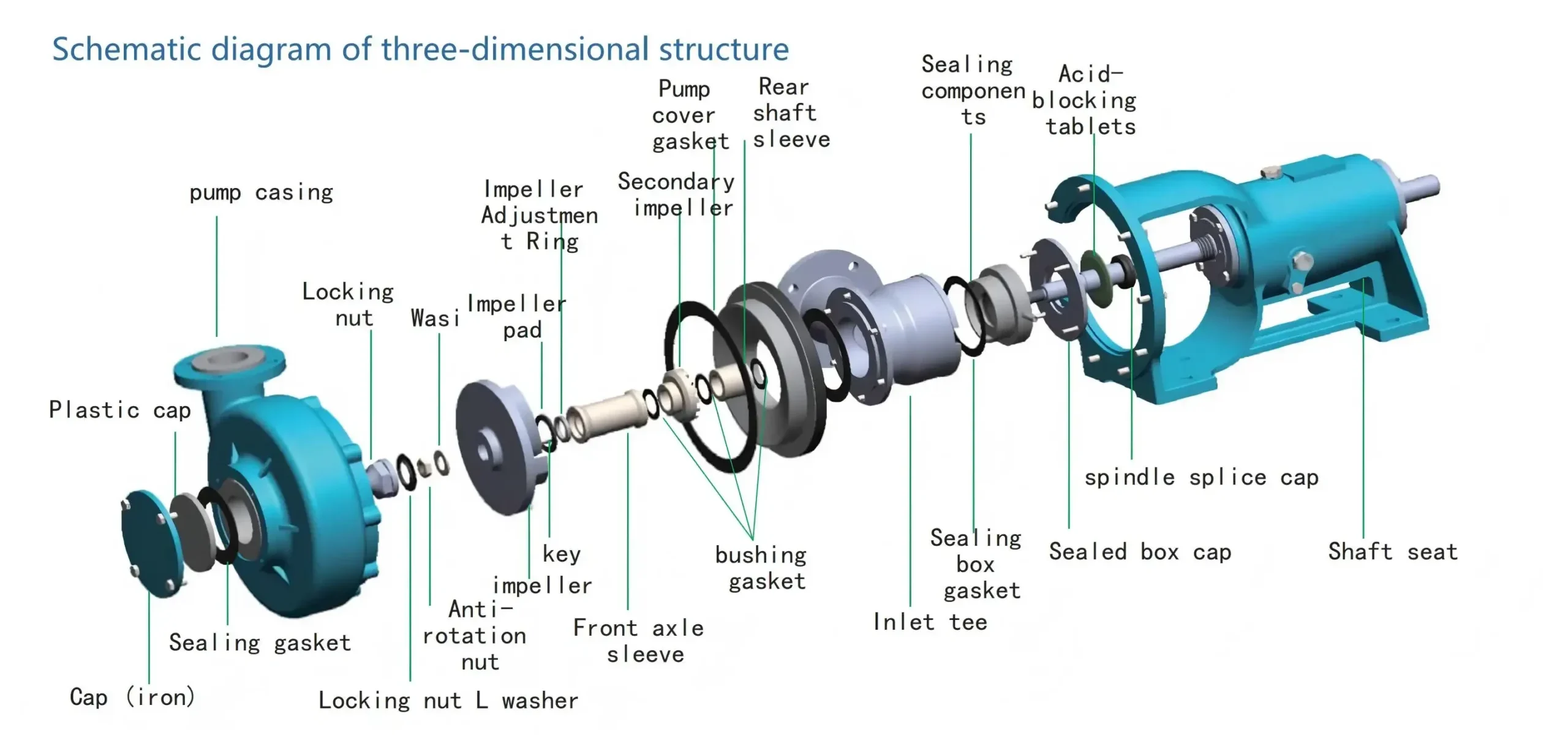
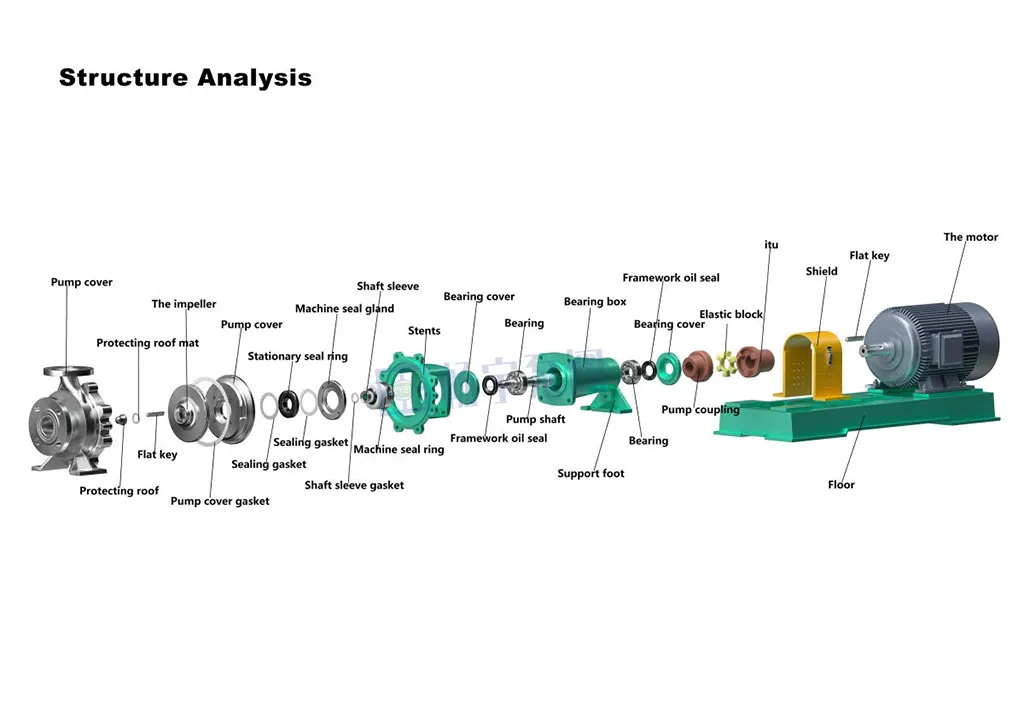
تتكون مضخة تغذية مكبس الترشيح من مكونات هيدروليكية وختمية ونقلية وداعمة مصممة للتعامل مع الملاط المسبب للتآكل والكاشط والمحتوي على مواد صلبة.
- غلاف المضخة: يشكّل ممر التدفق الرئيسي ويوجّه الملاط نحو المخرج.
- غطاء المضخة والحشوات: إغلاق الهيكل، ومنع التسرب، وتوفير إمكانية الوصول إلى الأجزاء الداخلية القابلة للتآكل.
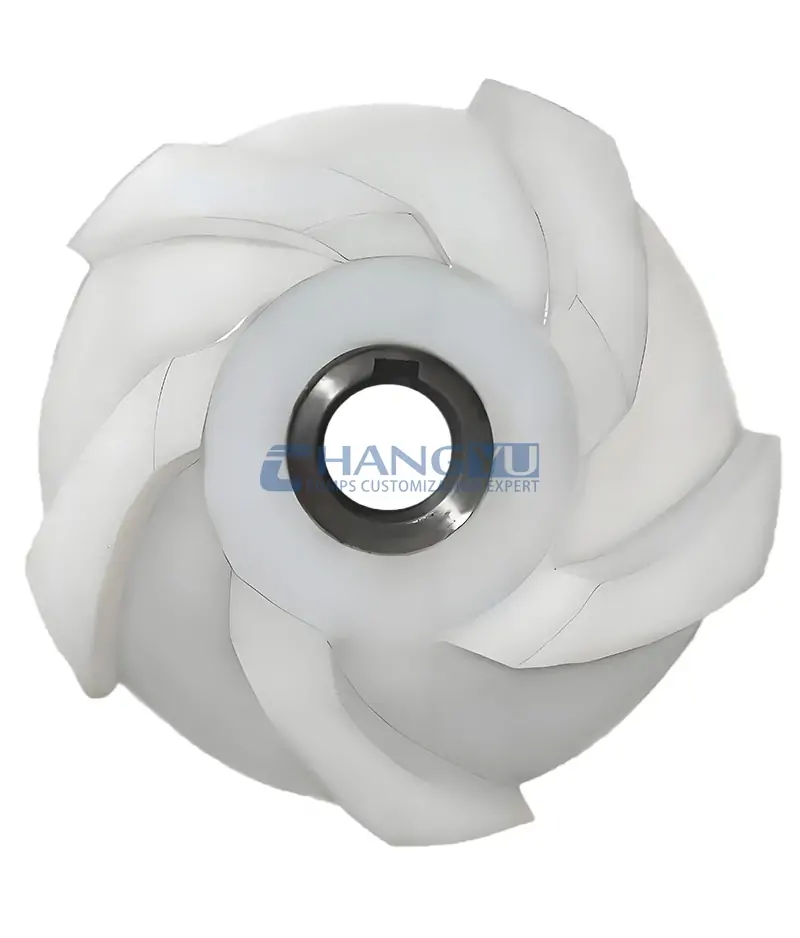
- المروحة الأولية: توليد التدفق والضغط اللازمين لتغذية الملاط في مكبس الفلترة.
- المروحة الثانوية: تُستخدم في الطرازات ثنائية المراحل لزيادة الضغط تدريجياً للترشيح عالي الضغط.
- مكونات ضبط المروحة: الحلقات، والحشوات، والصواميل، والغسالات، والمفاتيح تحافظ على الموضع الصحيح للمروحة والخلوص الداخلي.
- عمود المضخة: نقل القدرة من المحرك إلى مجموعة المروحة.
- أكمام العمود الأمامية والخلفية: حماية العمود من ملامسة الملاط وتقليل التآكل على العمود الرئيسي.
- ممر التدفق الوسيط: توجيه الملاط عبر المضخة أو بين مرحلتي المروحة.
- مجموعة الإحكام: تشمل غرفة الإحكام، وعناصر الإحكام، والجلبات، والغطاء، والحشوات للتحكم في تسرب العمود.
- حاجز الحمض: منع السائل المسبب للتآكل المتسرب أو المتناثر من الوصول إلى مكونات جانب الإدارة.
- مبيت المحمل: دعم العمود، والحفاظ على المحاذاة، وضمان التشغيل المستقر تحت الضغط المتغير.
- المثبتات والمكونات الواقية: تثبيت الأجزاء الداخلية وتسهيل فحص واستبدال الأجزاء القابلة للتآكل.
يمكن اختيار المواد والتكوينات أحادية المرحلة أو ثنائية المرحلة وفقاً للتدفق والضغط المطلوبين، ومقاومة التآكل الكيميائي، ومقاومة البري، ومحتوى المواد الصلبة، ودرجة حرارة التشغيل.
مواد الملاط المسبب للتآكل الكيميائي والبري
تتطلب مضخة الملاط الموثوقة لمكبس الفلترة كلاً من التوافق الكيميائي ومقاومة تآكل الجزيئات. يعتمد اختيار المادة على التركيب الكيميائي، والتركيز، ودرجة الحرارة، ونسبة المواد الصلبة، وحجم الجزيئات وشكلها، والكثافة، واللزوجة، واحتمالية التبلور.
| المواد | الاستخدام النموذجي | اعتبارات مهمة |
|---|---|---|
| UHMWPE | الملاطات الكيميائية الحمضية أو القلوية ذات المواد الصلبة الدقيقة الكاشطة | تجمع بين مقاومة التآكل الكيميائي ومقاومة البري القوية؛ يجب التحقق من درجة الحرارة والتركيز الكيميائي. |
| فلوروبلاستيك | المواد الكيميائية شديدة التآكل التي تتطلب توافقاً كيميائياً واسعاً | يعتمد الراتنج المحدد ودرجة الحرارة المسموح بها على الوسط وتصميم المضخة. |
| البولي يوريثين | المهام الكاشطة حيث يكون التوافق الكيميائي مناسباً | غالباً ما تُختار لأداء مقاومة البري؛ يجب التحقق من مقاومة المذيبات ودرجة الحرارة والتحلل المائي. |
| الفولاذ المقاوم للصدأ | الملاطات المتوافقة في العمليات التي تتطلب بناءً معدنيًا | يجب أن يراعي اختيار الدرجة الكلوريدات والأحماض والتآكل النقري والتآكل الشقي. |
| سبيكة خاصة | التوليفات الشديدة من التآكل ودرجة الحرارة والضغط | تُحدد حالة بحالة بعد تحليل تفصيلي للوسط. |
راجع دليل اختيار مواد المضخات الكيميائية للعوامل التي يجب التحقق منها قبل اختيار الأجزاء المبللة. اسم المادة وحده ليس ضماناً للأداء؛ يجب تأكيد التوافق عند التركيز ودرجة الحرارة الفعليين.
ميزات مضخة تغذية مكبس الفلترة
ممرات ملاط واسعة
يتم اختيار الممرات الهيدروليكية لتقليل الانسداد الموضعي والسرعة المفرطة عند التعامل مع المواد الصلبة الدقيقة.
بناء قادر على تحمل الضغط
يتم اختيار مراحل المضخة وتصميم الهيكل لزيادة مقاومة الدورة المتأخرة لمكبس الفلترة.
تصميم قابل للصيانة
الأجزاء القابلة للتآكل التي يمكن الوصول إليها والتفكيك العملي يساعدان في تقليل وقت التوقف بين حملات الترشيح.
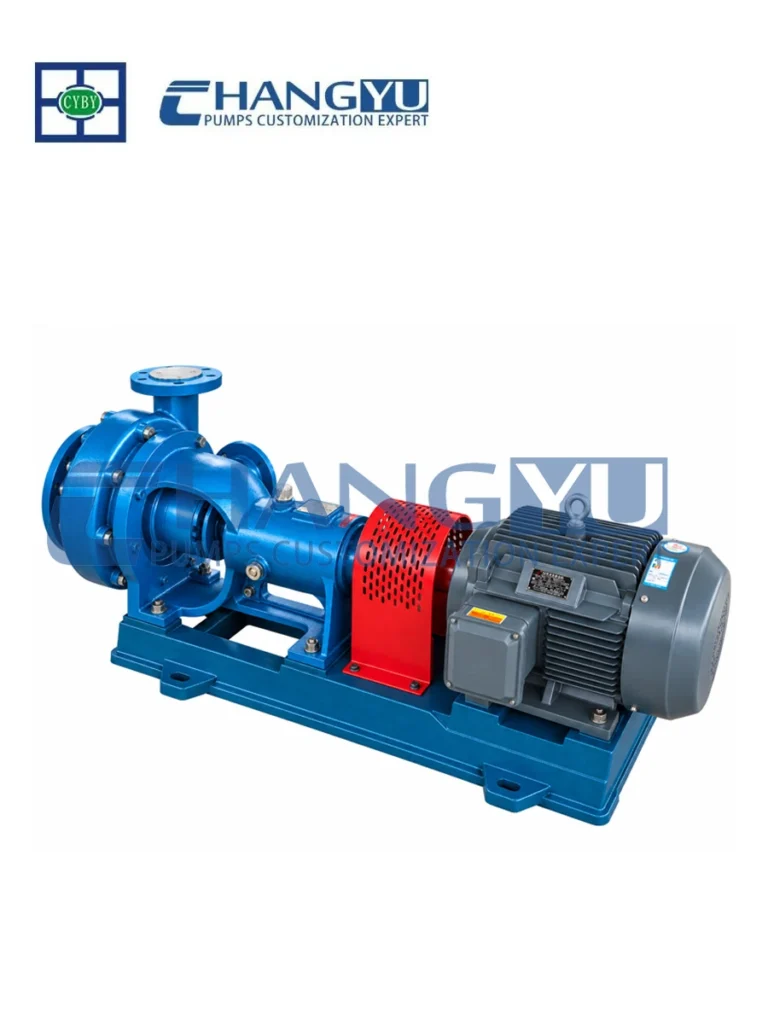
الطرف المبلل المقاوم للتآكل والبري
يتم مطابقة الهيكل والمروحة والمكونات القابلة للاستبدال مع كيمياء الملاط وقابليته للبري.
خيارات الإحكام
يمكن اختيار الإحكام الميكانيكي الخرطوشي HJ، أو الإحكام الديناميكي من النوع K، أو تكوينات إحكام أخرى مؤكدة وفقاً لخصائص الملاط وظروف التشغيل.
عناصر التحكم في النظام
يمكن دمج التحكم في التردد المتغير، وردود فعل الضغط، ومنطق الحماية لدعم دورات ترشيح قابلة للتكرار.
تطبيقات مضخة تغذية مكبس الترشيح
بصفتها شركة مصنعة لمضخات صناعية ذات خبرة،, مضخة تشانغيو توفر حلولاً مخصصة لمضخة تغذية مكبس الترشيح لتطبيقات الفصل بين المواد الصلبة والسوائل وتغذية الملاط عالي الضغط.
- لا يعمل مكبس الترشيح عند نقطة تشغيل ثابتة واحدة. أثناء الملء الأولي للغرفة، عادةً ما تضخ المضخة معدل تدفق أعلى عند ضغط أقل. مع تطور كعكة الترشيح، ينخفض التدفق بينما يزداد ضغط التغذية المطلوب. لذلك يجب اختيار المضخة لدورة الترشيح الكاملة.
- قد يجمع ملاط مكبس الترشيح بين جزيئات كاشطة ومواد كيميائية أكالة ومواد صلبة معلقة ووزن نوعي مرتفع نسبياً. قد تتعرض المضخة المختارة بشكل خاطئ للتآكل السريع أو التسرب أو ضغط نهائي غير كافٍ أو تغذية غير مستقرة.
- استناداً إلى خبرة تطوير منتجات UHFM التي تعود إلى عام 2004، تقدم Changyu Pump تكوينات مضخة تغذية مكبس الترشيح أحادية المرحلة وثنائية المرحلة. تُستخدم المضخات أحادية المرحلة لمهام الضغط التقليدية، بينما تزيد الطرازات ثنائية المرحلة الضغط تدريجياً لظروف الترشيح الأكثر تطلباً.
- يعتمد اختيار المضخة على تكوين الملاط الفعلي وتركيز المواد الصلبة وحجم الجزيئات والوزن النوعي ودرجة الحموضة ودرجة الحرارة ومعدل التدفق المطلوب وضغط التغذية النهائي ومقاومة خط الأنابيب وسعة مكبس الترشيح. يتم اختيار المواد الملامسة للسائل وترتيبات الإحكام وفقاً لظروف التآكل والاحتكاك المشتركة.
تطبيقات مضخة تغذية مكبس الترشيح حسب الصناعة
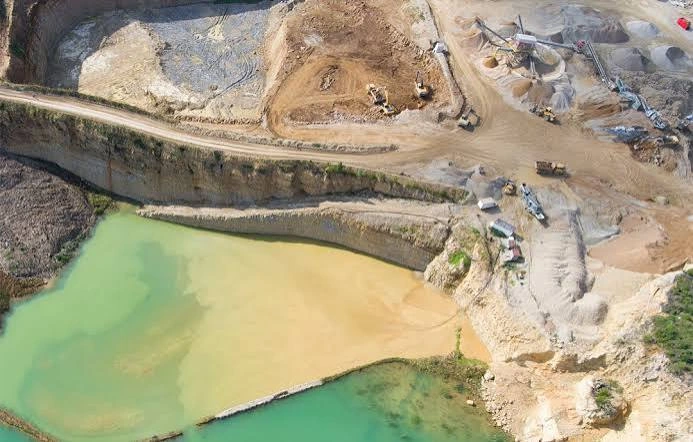 مخلفات المناجم
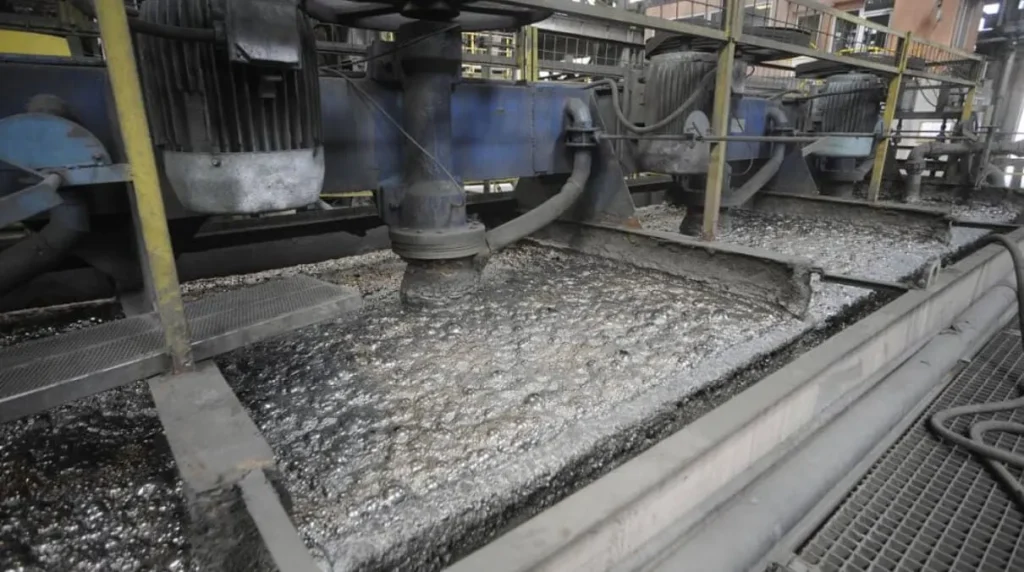 ملاط الرصاص والزنك
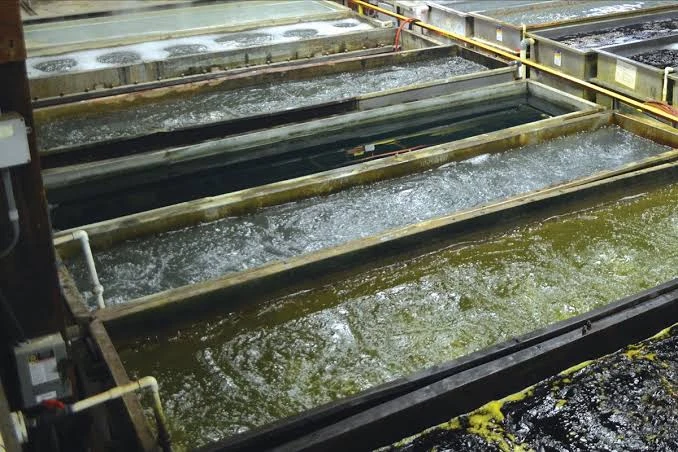 حمأة الطلاء الكهربائي
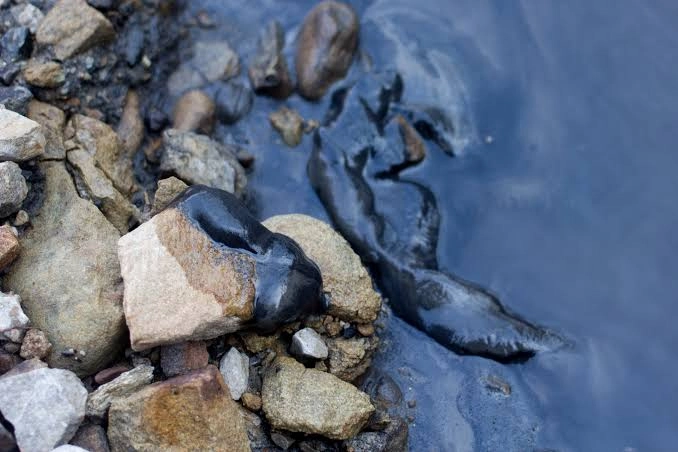 ملاط الفحم
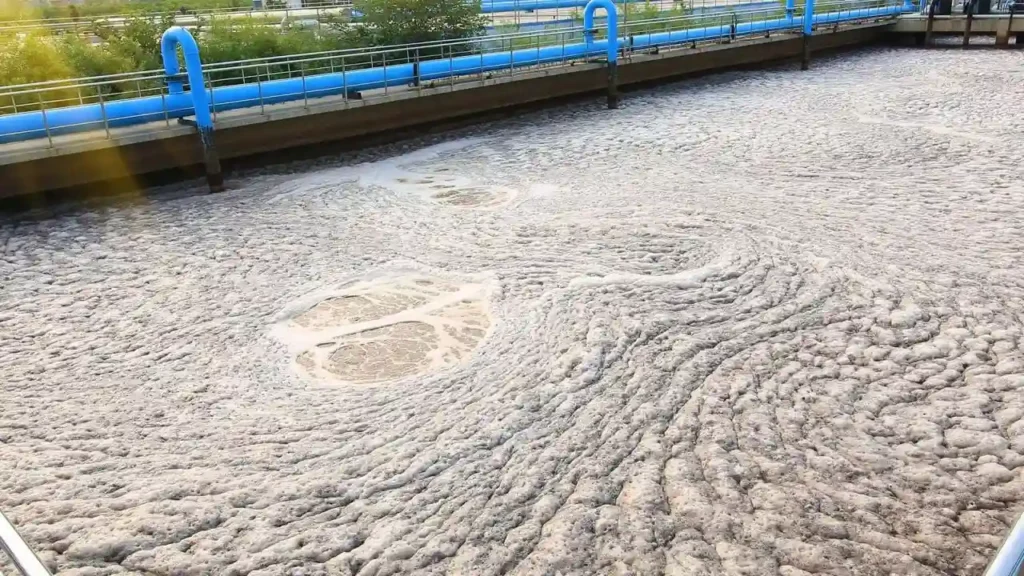 الحمأة الكيميائية
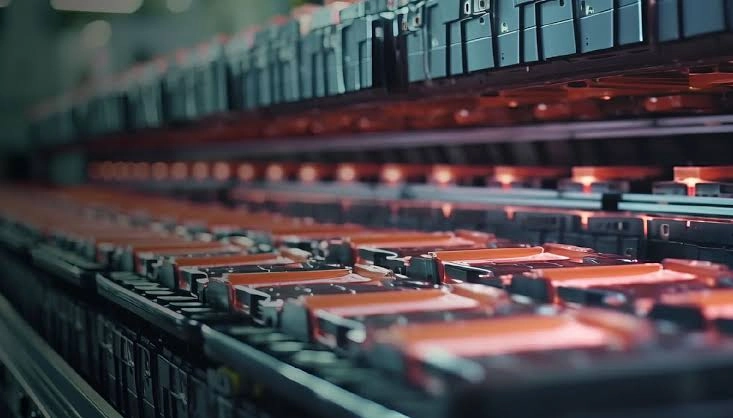 طين الكتلة السوداء
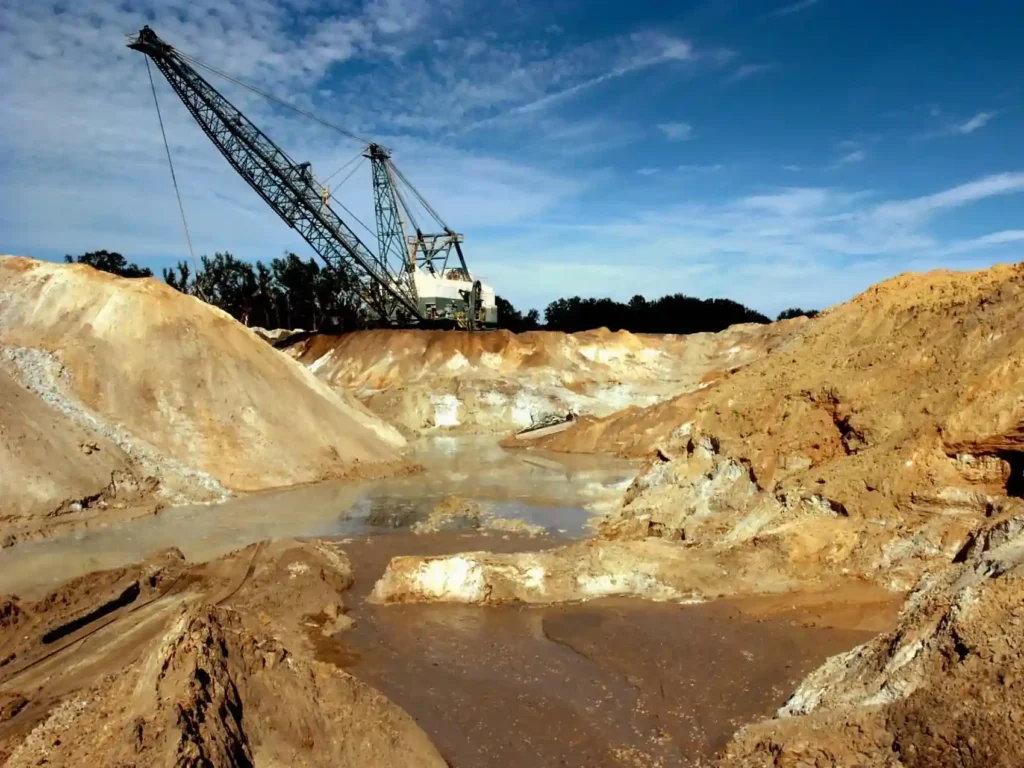 ملاط الفوسفات
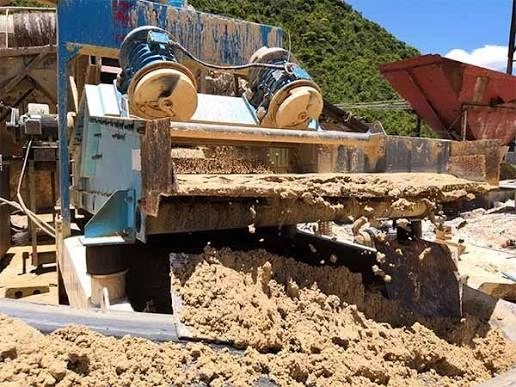 ملاط الغسيل
| الصناعة | التحديات النموذجية لمكبس الترشيح | نهج Changyu Pump | وسائل الإعلام النموذجية |
|---|---|---|---|
| التعدين ومعالجة المعادن | تآكل شديد وجزيئات معدنية ووزن نوعي مرتفع ومقاومة ترشيح متزايدة | تكوين مضخة ملاط مكبس الترشيح المقاومة للتآكل المختارة وفقاً لحجم الجزيئات وتركيز المواد الصلبة والضغط النهائي المطلوب | مخلفات المناجم، مخلفات التعويم، ملاط المركزات المعدنية |
| تجهيز الفحم | جزيئات فحم كاشطة ومواد صلبة مترسبة وتغير التدفق والضغط أثناء تكوين الكعكة | تكوين مضخة ملاط مبطنة بـ UHMWPE لتغذية ملاط الفحم، رهناً بحجم الجزيئات الفعلي وتركيز الملاط | ملاط الفحم، مخلفات التعويم، حمأة غسيل الفحم |
| المعالجة الكيميائية | حدوث التآكل والاحتكاك في الوقت نفسه، مع اعتماد توافق المواد على التركيز ودرجة الحرارة | يتم اختيار UHMWPE أو البلاستيك الفلوري أو الفولاذ المقاوم للصدأ أو غيرها من المواد الملامسة للسائل المناسبة من التركيب الكيميائي الفعلي | ملاط حمضي، ملاط قلوي، ملاط يحتوي على أملاح، مخلفات العمليات الكيميائية |
| التعدين المائي ومعالجة المعادن | سائل حمضي مقترن بخام كاشط أو مواد صلبة تحتوي على معادن | مضخة ملاط مقاومة للتآكل والاحتكاك لأنظمة مكبس الترشيح، مع اختيار تكوين أحادي المرحلة أو ثنائي المرحلة حسب الضغط | ملاط الرصاص والزنك، مخلفات الترشيح، ملاط يحتوي على معادن |
| معالجة الفوسفات والأسمدة | سائل عملية أكال ومواد صلبة معدنية معلقة واحتكاك بلوري محتمل | اختيار تكوين المواد والإحكام وفقاً لتركيز الحمض ودرجة الحرارة والمواد الصلبة وظروف التبلور | ملاط الفوسفات، ملاط حمض الفوسفوريك، ملاط يحتوي على الجبس |
| معالجة مياه الصرف الصناعي | محتوى مواد صلبة متغير وملوثات أكالة وخصائص حمأة غير مستقرة | اختيار مضخة مكبس الترشيح بعد تأكيد المواد الصلبة والألياف واللزوجة وحجم الجزيئات وضغط التجفيف المطلوب | الحمأة الكيميائية، حمأة المعالجة، ملاط الجير، مياه الصرف الصناعي |
| الطلاء الكهربائي والمعالجة السطحية | مياه صرف حمضية أو قلوية تحتوي على مواد صلبة من المعادن الثقيلة | اختيار المكونات الملامسة للسائل المقاومة للتآكل وفقاً لدرجة الحموضة والتركيب الكيميائي وتركيز الحمأة | حمأة الطلاء الكهربائي، مياه صرف تحتوي على معادن، حمأة المعادلة |
| معالجة ثاني أكسيد التيتانيوم | ملاط حمضي وجزيئات تيتانيوم كاشطة وتغيرات ضغط مرحلة الترشيح | تكوين مضخة مقاومة للتآكل والاحتكاك للغسيل وتغذية الترشيح ونقل الملاط المرتبط | ملاط يحتوي على التيتانيوم، ملاط حمض الميتاتيتانيك، حمأة عملية حمضية |
| إعادة تدوير بطاريات الليثيوم | سوائل الترشيح الحمضي مقترنة بجزيئات مواد بطاريات دقيقة وكاشطة | اختيار مواد المضخة ونظام الإحكام وفقاً لنوع الحمض ودرجة الحرارة وخصائص الجزيئات وضغط التغذية | ملاط الكتلة السوداء، مخلفات الترشيح، ملاط الغسيل، حمأة استرداد المعادن |
اقرأ دراسة حالة مضخة مكبس الترشيح للرصاص والزنك للحصول على تطبيق عملي لمضخة ملاط UHMWPE في نظام ترشيح الصهر. يمكنك أيضاً استكشاف المجموعة الأوسع من ChangYu مضخات الطين بالطرد المركزي.
إذا لم تكن صناعتك مدرجة أعلاه، فاتصل بنا مع تكوين الملاط وتركيز المواد الصلبة وحجم الجزيئات والوزن النوعي ودرجة الحرارة ومعدل التدفق المطلوب وضغط التغذية النهائي. ستقيّم Changyu Pump ما إذا كانت مضخة تغذية مكبس الترشيح UHFM مناسبة لظروف التشغيل لديك.
هل تحتاج إلى إجابة سريعة أو عرض سعر مخصص؟ يرجى أيضاً تقديم طراز مكبس الترشيح وحجم الغرفة ودورة الترشيح وطول خط الأنابيب وارتفاع التركيب لاختيار مضخة أكثر دقة.
البريد الإلكتروني: [email protected]
الهاتف/واتساب: +86-13651913727
مواصفات مضخة تغذية مكبس الترشيح
تغطي المعلمات التالية نطاق الأداء القياسي لمضخة تغذية مكبس الترشيح Changyu UHFM. يعتمد الأداء الفعلي على الطراز المختار، وخصائص الملاط، وضغط التشغيل، وتكوين المواد.
| المعلمة الرئيسية | النطاق القياسي |
|---|---|
| معدل التدفق | 3–600 م³/ساعة |
| الرأس | 10–120 م |
| ضغط العمل | حتى 1.4 ميجا باسكال |
| قوة المحرك | 75–220 كيلوواط |
| سرعة المضخة | 1450 / 2900 دورة في الدقيقة |
| درجة حرارة متوسطة | -20 درجة مئوية إلى 90 درجة مئوية |
| محتوى المواد الصلبة الموصى به | أقل من 30% |
| قطر المدخل | 50–250 مم |
| مادة الأجزاء المبللة القياسية | بولي إيثيلين عالي الوزن الجزيئي مبطن بالصلب |
| التكوينات المتاحة | خيارات مبطنة بالبلاستيك وبلاستيكية بالكامل |
نظرة عامة على طرازات مضخة مكبس الترشيح UHFM
| السلسلة | الهيكل | نطاق الضغط | الاستخدام الموصى به |
|---|---|---|---|
| سلسلة UHFM-I منخفضة الضغط | مرحلة واحدة | أقل من 0.5 ميجا باسكال | تغذية مكابس الترشيح التقليدية والتطبيقات ذات التدفق الأكبر |
| سلسلة UHFM-I عالية الضغط | مرحلة واحدة | 5–0.8 ميجا باسكال | الترشيح متوسط الضغط وتغذية الملاط المسبب للتآكل أو الكشط |
| سلسلة UHFM-II منخفضة الضغط | مرحلتان | 8–1.0 ميجا باسكال | مكابس الترشيح التي تتطلب زيادة تدريجية في ضغط التغذية |
| سلسلة UHFM-II عالية الضغط | مرحلتان | 0–1.4 ميجا باسكال | الترشيح عالي الضغط وظروف نقل الملاط الصعبة |
تُظهر الجداول أعلاه فقط نطاق الأداء الرئيسي والاختلافات بين السلاسل. تختلف طرازات مضخة تغذية مكبس الترشيح UHFM الفردية في التدفق، والرفع، وقدرة المحرك، وحجم المدخل، وحدود التشغيل.
تحميل كتالوج المضخات الكامل
للحصول على مواصفات الطراز التفصيلية، ومنحنيات الأداء، والأبعاد، والرسومات الإنشائية، وخيارات المواد، ومعلومات التركيب، يرجى تحميل كتالوج مضخة تغذية مكبس الترشيح UHFM الكامل.
المعلومات المطلوبة لاختيار المضخة
- بيانات مكبس الترشيح: نوع المكبس، وحجم الغرفة، وحجم اللوح، وعدد الغرف، والحد الأقصى لضغط التغذية المسموح به.
- متطلبات الدورة: وقت التعبئة المستهدف، وإجمالي وقت الترشيح، وتدفق البداية، وضغط النهاية المطلوب.
- كيمياء الملاط: المكونات، والتركيز، والأس الهيدروجيني، والتغيرات المحتملة بين الدفعات.
- بيانات المواد الصلبة: النسبة الوزنية أو الحجمية، وتوزيع حجم الجسيمات، والصلابة، والشكل، وميل الترسيب.
- الخصائص الفيزيائية: درجة حرارة التشغيل، والكثافة، واللزوجة.
- بيانات التركيب: مستوى الشفط، وقطر الأنبوب وطوله، والوصلات، والارتفاع، وظروف الخزان، ومصدر الطاقة المتاح.
- تفضيلات التشغيل: معيار الختم، والتحكم في السرعة، والأجهزة، وخطة الغسل، وحماية المحرك، والمواد أو الشهادات المطلوبة.
تستخدم ChangYu هذه المعلومات لحساب منحنى النظام، والتحقق من ظروف الشفط، والتوصية بمضخة يمكنها تغطية دورة المكبس الكاملة. يتجنب ذلك اختيار مضخة تغذية مكبس الترشيح من نقطة تشغيل اسمية واحدة قد لا تمثل التشغيل الفعلي.
للتواصل مع مضخة تشانغيو لاختيار الموديل والحصول على عرض سعر مخصص. سيساعدك مهندسونا في مطابقة المضخة والمحرك والمواد الملامسة للسائل وتكوين الإحكام مع دورة تشغيل مكبس الفلتر الفعلية لديك.
هل هذه المضخة المناسبة لمكبس الفلتر لديك؟
إذا كانت مضختك الحالية تملأ المكبس بسرعة لكنها لا تستطيع بناء ضغط كافٍ، أو تصل إلى الضغط المطلوب لكنها تستغرق وقتاً طويلاً لملء الغرف، فالمشكلة عادةً ليست مجرد “قدرة غير كافية”. يطلب مكبس الفلتر من المضخة أداء مهمتين مختلفتين تماماً في دورة واحدة. يجب أن توفر المضخة المناسبة التدفق أولاً ثم الضغط لاحقاً، بينما يصبح نقل الملاط أكثر صعوبة.
- تكون هذه المضخة مناسبة جداً عندما يحتوي السائل على مواد صلبة دقيقة ويرتفع الضغط تدريجياً أثناء الترشيح.
- تكون مفيدة بشكل خاص عندما يكون الملاط أكّالاً أو كاشطاً أو كليهما، بحيث تتآكل أو تتأكسد مضخات المياه المصنوعة من الحديد الزهر العادي بسرعة كبيرة.
- يمكن اختيارها لمكابس الفلتر الجديدة أو لاستبدال مضخة تعاني من بطء التغذية أو تسرب متكرر من الإحكام أو ضغط غير مستقر أو عمر قصير للجزء المبلل.
- لا يتم اختيارها بناءً على قدرة المحرك وحدها. فمساحة الترشيح وحجم الغرفة وخصائص الملاط وفواقد الأنابيب والضغط النهائي كلها عوامل مهمة.
قاعدة عملية: أخبرنا بما يحدث طوال دورة الترشيح الكاملة، وليس فقط الضغط الظاهر على المقياس في النهاية. هذه المعلومات أكثر فائدة بكثير لاختيار مضخة تغذية مكبس فلتر موثوقة.
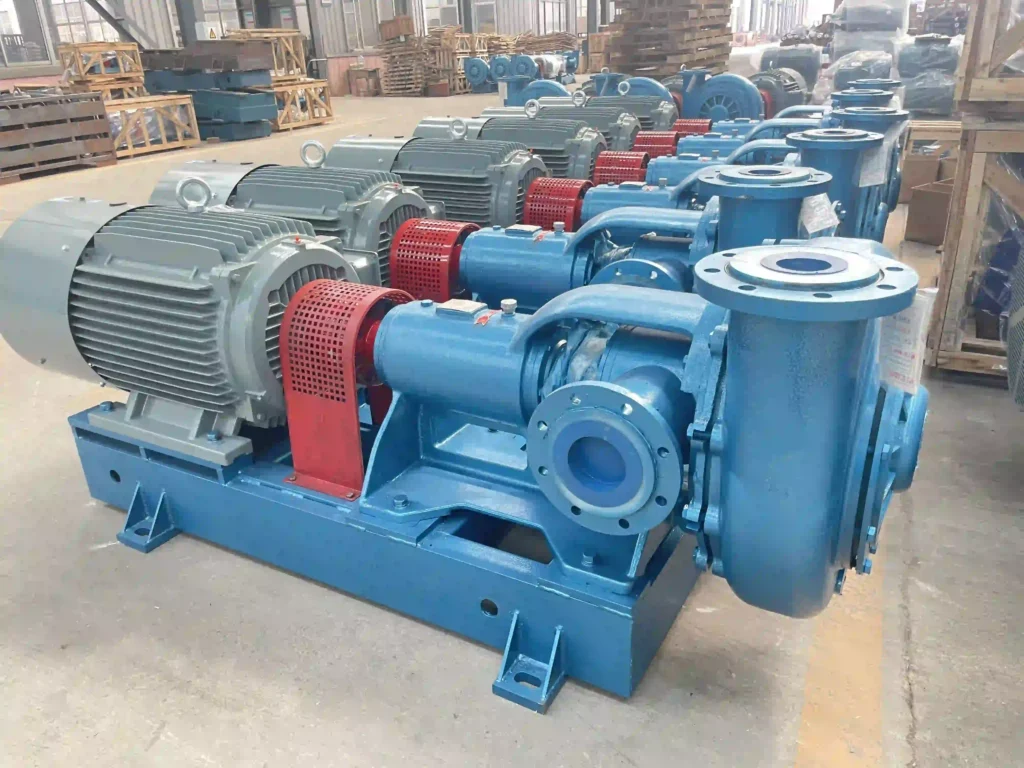
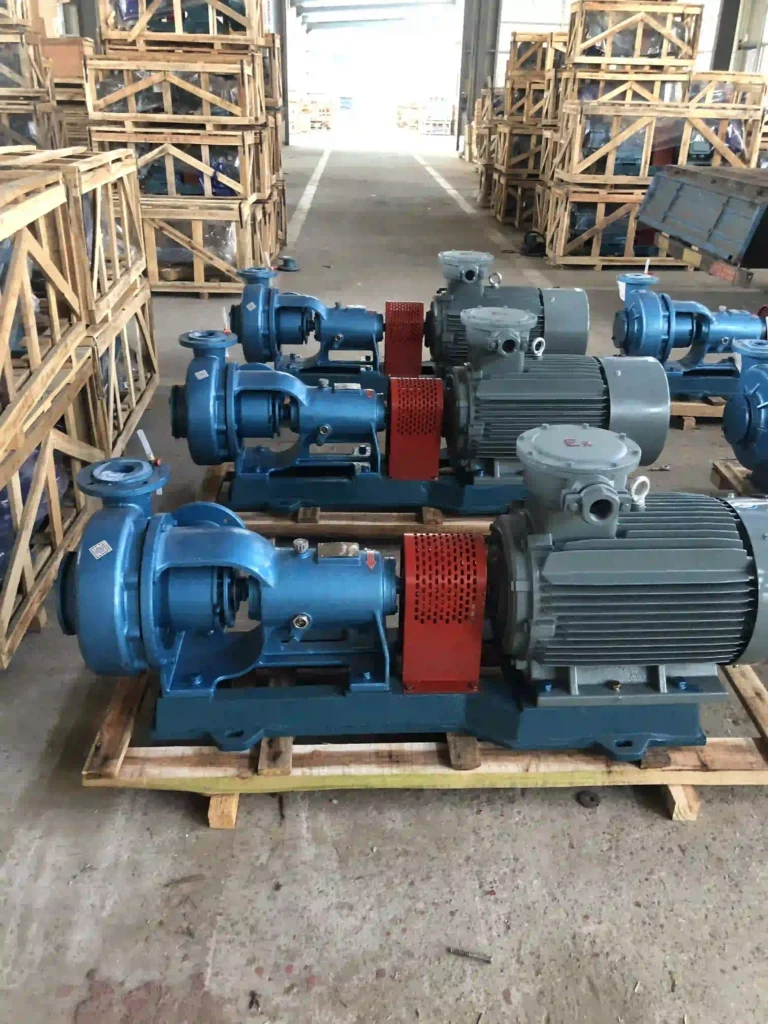
ما الذي يفحصه ChangYu قبل التوصية بمضخة
أمضى ChangYu 21 عاماً في التعامل مع السوائل الأكّالة ونقل الملاط. في مشاريع مكابس الفلتر، لا يبدأ مهندسونا بمطابقة رقم موديل. بل نسأل أولاً عن سلوك الملاط، وكيف يمتلئ المكبس، وأين يفقد النظام الحالي الوقت أو يتآكل فيه الأجزاء. هذه الخبرة مهمة لأن ملاطين بنفس درجة الحموضة يمكن أن يكون لهما سلوك تآكل وترسيب وإحكام مختلف تماماً.
- نفحص منحنى الترشيح الحقيقي. يكشف تدفق الغرفة الفارغة ووقت ارتفاع الضغط والضغط النهائي وزمن الدورة الكلي ما إذا كان النظام يحتاج إلى مضخة أحادية المرحلة أو مضخة ثنائية المراحل أو تحكم في السرعة.
- نفصل بين التآكل الكيميائي والتآكل الميكانيكي. التوافق الكيميائي يحمي المادة من الهجوم الكيميائي؛ ومقاومة التآكل تحميها من الجزيئات. يجب أن تتحمل المادة كليهما.
- نسأل عن الشكل الفعلي للمواد الصلبة. البلورات الدقيقة والحمأة اللينة وجزيئات المعادن الحادة والمواد الليفية لا تتحرك عبر المضخة بالطريقة نفسها.
- نراجع جانب السحب. لا يمكن للمضخة تغذية المكبس بشكل موثوق إذا ترسب الملاط في أنبوب سحب صغير القطر أو إذا كان الضغط المتاح للسحب منخفضاً جداً.
- نطابق الإحكام مع الملاط. يعتمد أفضل ترتيب للإحكام على حجم الجزيئات والتبلور والتسرب المسموح به ومياه الغسل المتاحة وعادات الصيانة.
- نفحص حد المكبس. يجب أن يبقى ضغط الإغلاق للمضخة ونقطة ضبط التحكم وحماية تصريف الضغط ضمن تصنيفات ضغط مكبس الفلتر والأنابيب.
يُستخدم هذا النهج الهندسي أيضاً في مشروع مضخة الملاط UHMWPE من ChangYu لنظام مكبس فلتر صهر الرصاص والزنك. تمنح الحالة المشترين مرجعاً حقيقياً من ChangYu بدلاً من ادعاء منتج عام.
مضخة تغذية مكبس الفلتر مقابل أنواع المضخات الأخرى
لا توجد تقنية مضخة واحدة مثالية لكل مكبس فلتر. السؤال المفيد هو: أي تصميم يوفر زمن الدورة المطلوب والضغط وعمر المادة وتكلفة الصيانة لملاطك؟
| نوع المضخة | حيث تعمل بشكل جيد | ما يجب الانتباه إليه |
|---|---|---|
| مضخة تغذية مكبس الفلتر الطردية ChangYu UHFM | تدفق متوسط إلى عالٍ، ضغط يرتفع تدريجياً، ملاط أكّال أو كاشط بجزيئات دقيقة؛ خيارات أحادية وثنائية المرحلة | يجب اختيارها عبر الدورة الكاملة؛ تجنب التشغيل المطوّل عند نقطة تدفق منخفض جداً غير مناسبة. |
| مضخة غشائية تعمل بالهواء | تدفق أقل، تحديد ضغط بسيط، تشغيل متقطع وبعض الملاطات الصعبة | استهلاك الهواء المضغوط والنبض والضوضاء وصيانة الغشاء يمكن أن تزيد تكلفة التشغيل. |
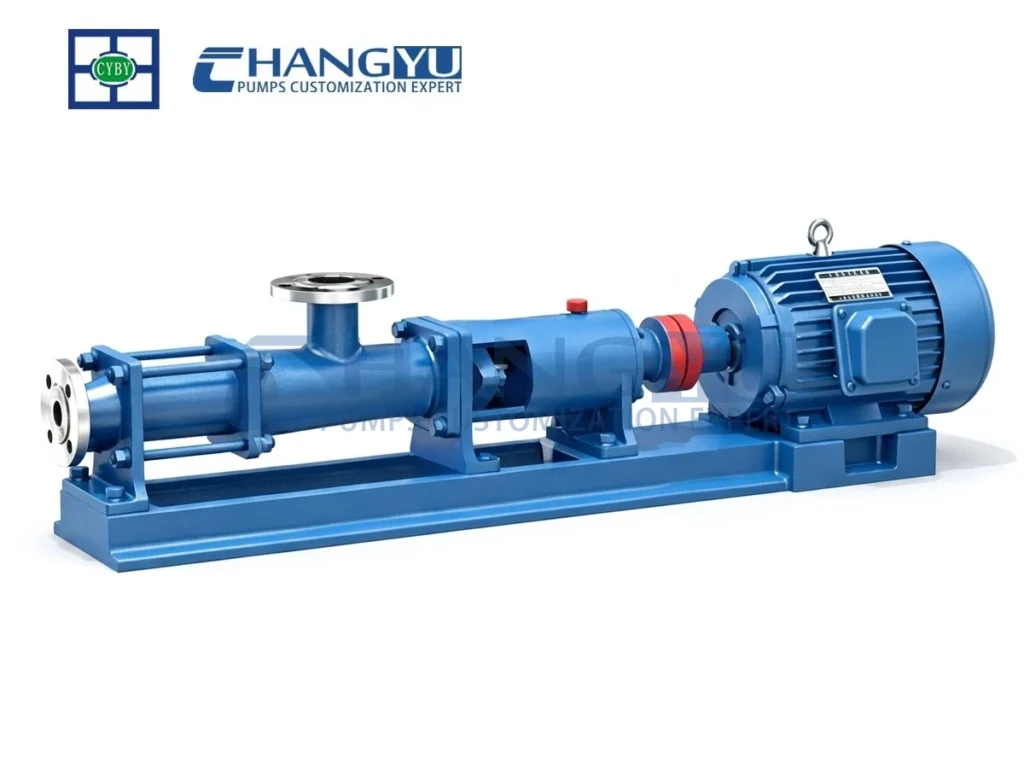
| مضخة لولبية | تغذية لزجة وحساسة للقص تتطلب إزاحة موجبة سلسة | تآكل الجزء الثابت والحساسية للتشغيل الجاف والمواد الصلبة الكاشطة يمكن أن ترفع تكلفة قطع الغيار. |
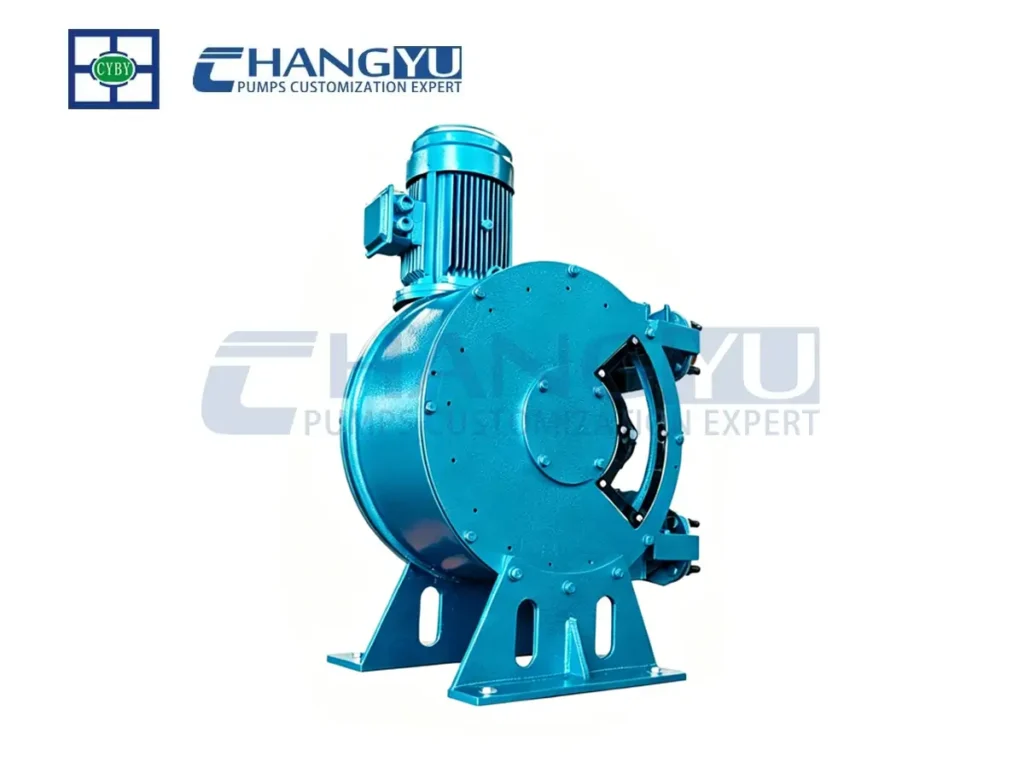
| مضخة خرطومية أو حلقية | ملاط شديد الكشط أو صعب عند تدفق محكوم، مع احتواء الوسط داخل الخرطوم | يجب مراعاة عمر الخرطوم والنبض وتوليد الحرارة وحدود السعة. |
| مضخة مياه طردية قياسية | سائل نظيف منخفض اللزوجة عند نقطة تشغيل مستقرة | عادةً ما تكون مطابقة سيئة للملاط الأكّال الكاشط ومنحنى نظام مكبس الفلتر المتغير بسرعة. |
إذا كانت عمليتك تتطلب تحملاً أعلى للمواد الصلبة أو مبدأ ضخ مختلف، فإن ChangYu يمكنها مقارنة البدائل بدلاً من فرض نموذج واحد على كل مشروع. الهدف هو دورة ترشيح مستقرة، وليس مجرد بيع أكبر محرك.
نصائح التشغيل والصيانة
معظم حالات الفشل المبكر مرتبطة بالنظام، وليس بعيب غامض داخل المضخة. بعض العادات العملية يمكن أن تطيل عمر الخدمة بشكل كبير.
- لا تشغّل المضخة جافة. فقدان السائل يمكن أن يضر بأسطح الإحكام ويسخّن المواد غير المعدنية للجزء المبلل.
- لا تترك الملاط المترسب أو المتبلور داخل المضخة بعد الإيقاف. اغسلها بسائل متوافق عندما تتطلب العملية ذلك.
- تابع تيار المحرك وزمن الدورة. قد تشير الزيادة التدريجية إلى تغيرات في سلوك الكيك أو انسداد الأنابيب أو كثافة ملاط أعلى أو تآكل داخلي.
- افحص الإحكام بحثاً عن تسربات صغيرة قبل أن تصبح كبيرة. ضغط الغسل الصحيح وخطوط دعم الإحكام النظيفة مهمة.
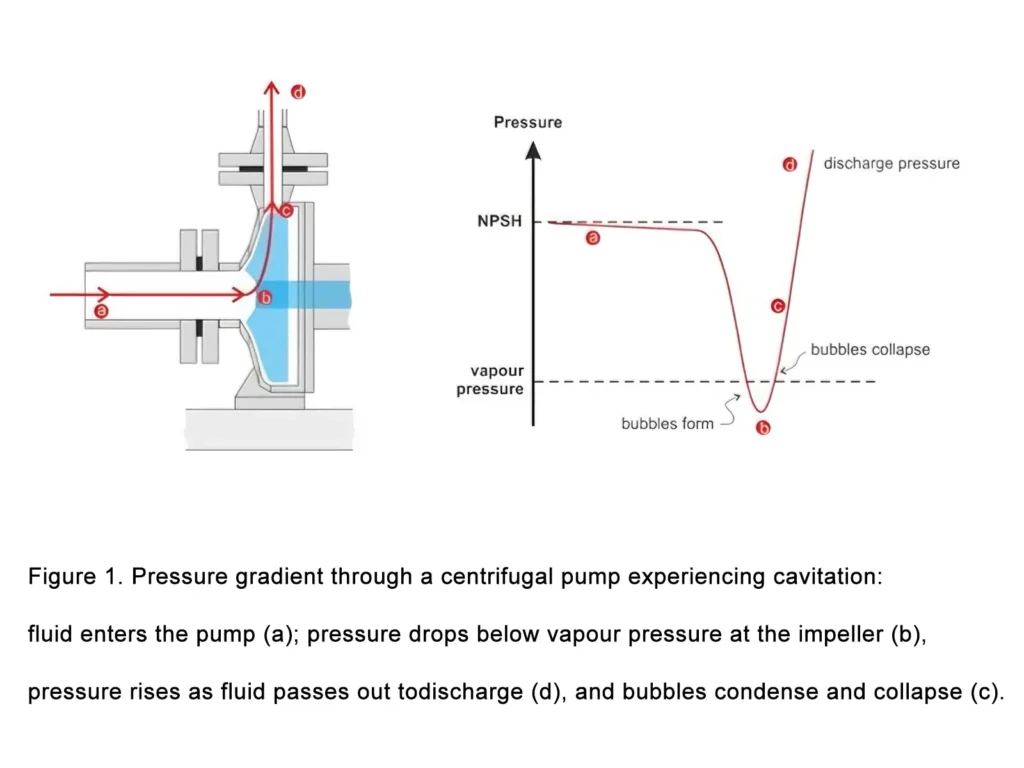
- استمع إلى أي ضجيج يشبه الحصى أو اهتزاز مفاجئ، والذي قد يشير إلى التكهف أو دخول الهواء أو الانسداد أو تلف المكره.
- احتفظ بسجل لتركيب الملاط وعمر قطع الغيار. يمكن لـ ChangYu استخدام هذا السجل لتحسين اختيار المواد أو الاختيار الهيدروليكي التالي.
المشاكل الشائعة وما تعنيه عادةً
| العَرَض | الأسباب المحتملة التي يجب فحصها | الخطوة العملية التالية |
|---|---|---|
| تمتلئ المكبس ببطء شديد | سرعة المضخة منخفضة، أو انسداد في الشفط، أو فقدان مفرط في الأنابيب، أو تآكل المكره، أو اختيار المضخة للضغط النهائي فقط | قم بقياس التدفق الفعلي في بداية الدورة وتيار المحرك؛ افحص الشفط وقارن مع المنحنى المختار. |
| لا يمكن الوصول إلى الضغط النهائي | ارتفاع ضغط غير كافٍ، أو تسرب جانبي، أو تآكل الطرف الرطب، أو دخول الهواء، أو تسرب المكبس | تحقق من قدرة الإغلاق للمضخة، ومواضع الصمامات، وما إذا كان فقدان الضغط في المضخة أو الأنبوب أو المكبس. |
| تسرب مانع التسرب بشكل متكرر | التشغيل الجاف، أو وجود مواد صلبة على أسطح مانع التسرب، أو التبلور، أو حركة العمود، أو إجهاد الأنابيب، أو ترتيب مانع تسرب غير مناسب | راجع سطح الفشل وتسلسل التشغيل قبل مجرد تركيب نفس مانع التسرب مرة أخرى. |
| اهتزاز أو ضجيج عالٍ | التكهف، أو احتجاز الهواء، أو تراكم المواد الصلبة، أو عدم المحاذاة، أو تلف المحمل، أو التشغيل بعيدًا عن النطاق المناسب | افحص ظروف الشفط والمحاذاة ونقطة التشغيل فورًا. |
| عمر الطرف الرطب قصير | مادة خاطئة، أو جزيئات حادة، أو سرعة مفرطة، أو انسداد موضعي، أو التشغيل عند تدفق منخفض جدًا | قدم صور القطع المتآكلة وبيانات الملاط حتى يمكن فصل أنماط التآكل والتآكل الكيميائي. |
| الحمل الزائد على المحرك أثناء التعبئة | تدفق البدء أعلى من المتوقع، أو زيادة كثافة الملاط، أو قطر/سرعة المكره مرتفعة جدًا | سجل التيار مقابل الضغط وتحقق من منحنى المضخة الكامل وهامش المحرك. |
ما تحصل عليه من ChangYu
يجب أن يساعدك عرض السعر المفيد على اتخاذ قرار، وليس فقط عرض السعر. بعد تلقي بيانات تشغيلية كافية، يمكن لـ ChangYu تقديم نموذج وتكوين موصى بهما، ونطاق الخدمة المتوقع، واقتراح المواد الملامسة للسائل، وخيار الإحكام، ومعلومات المحرك، ونقاط التشغيل التي يجب فحصها أثناء التشغيل التجريبي. يمكن مناقشة متطلبات التوثيق والتفتيش المخصصة قبل تأكيد الطلب. لمقارنة عروض الأسعار على نفس الأساس، استخدم قائمة التحقق لمورد مضخة تغذية مكبس الترشيح.
- مراجعة التطبيق بناءً على دورة مكبس الفلتر الكاملة
- توصية هيدروليكية أحادية المرحلة أو ثنائية المرحلة
- اختيار المواد لكل من التآكل الكيميائي وتآكل الجزيئات
- اقتراحات مانع التسرب والنظام المساعد
- تنسيق المحرك ومحرك التردد المتغير
- إرشادات التركيب وبدء التشغيل والصيانة
- توصية قطع الغيار بناءً على نمط التآكل المتوقع
عند الاتصال بنا، لا تحتاج إلى أن تكون مستعدًا بكل الإجابات. ابدأ بطراز المكبس، والضغط المطلوب، واسم الملاط، ومحتوى المواد الصلبة التقريبي. يمكن لفريقنا إرشادك خلال الأسئلة المتبقية بلغة واضحة.
البريد الإلكتروني: [email protected]
الهاتف/واتساب: +86-13651913727
الأسئلة الشائعة
ما هي مضخة تغذية مكبس الفلتر؟
تقوم مضخة تغذية مكبس الترشيح بنقل الملاط من خزان التغذية إلى مكبس الترشيح. يجب أن توفر تدفقًا أوليًا عاليًا لملء سريع وضغطًا متزايدًا تدريجيًا عند تدفق أقل مع تشكل كعكة الترشيح.
لماذا لا يمكنني اختيار المضخة باستخدام الضغط الأقصى فقط؟
تعمل المضخة عبر دورة كاملة، وليس عند نقطة ثابتة واحدة. قد يؤدي الاختيار بناءً على أقصى ضغط فقط إلى بطء في التعبئة، أو كفاءة منخفضة، أو تشغيل غير مستقر. يجب تقييم معدل التدفق الابتدائي، والضغط في المرحلة المتأخرة من الدورة، وفواقد الأنابيب، وخصائص الملاط معًا.
متى يجب استخدام مضخة ثنائية المرحلة؟
يُلجأ إلى التصميم ثنائي المراحل عندما يحتاج مرشح الضغط إلى ضغط نهائي أعلى مما يمكن أن توفره مضخة أحادية المرحلة مناسبة، خاصة مع الكعك الكثيف أو خطوط التفريغ الطويلة أو دوائر الترشيح عالية المقاومة.
هل يمكن للمضخة التعامل مع الملاط المسبب للتآكل؟
نعم، بشرط أن تكون المادة المبللة، والختم، والتصميم الهيدروليكي متوافقة مع التركيب الكيميائي الفعلي، ودرجة الحرارة، وحجم الجسيمات، ومحتوى المواد الصلبة. تتوفر UHMWPE، والفلوروبلاستيك، والبولي يوريثان، والفولاذ المقاوم للصدأ، وسبائك مختارة لظروف مختلفة.
هل يمكن لمحرك التردد المتغير تحسين التشغيل؟
يمكن لمحرك التردد المتغير تنظيم تدفق التعبئة، وتقليل الصدمة الهيدروليكية، وتنسيق خرج المضخة مع التغذية الراجعة للضغط. يجب أن يتضمن منطق التحكم النهائي تصنيف مكبس الفلتر، وحدود المحرك، والحد الأدنى لسرعة المضخة المستقرة.
ما البيانات التي يجب أن أرسلها للحصول على عرض سعر؟
أرسل تركيبة الملاط، ودرجة الحموضة، ودرجة الحرارة، والكثافة، واللزوجة، ومحتوى المواد الصلبة وحجم الجسيمات، بالإضافة إلى حجم غرفة الضغط، وزمن التعبئة المستهدف، والضغط النهائي، وظروف الشفط، وتخطيط الأنابيب، ومصدر الطاقة، والمواد المفضلة.
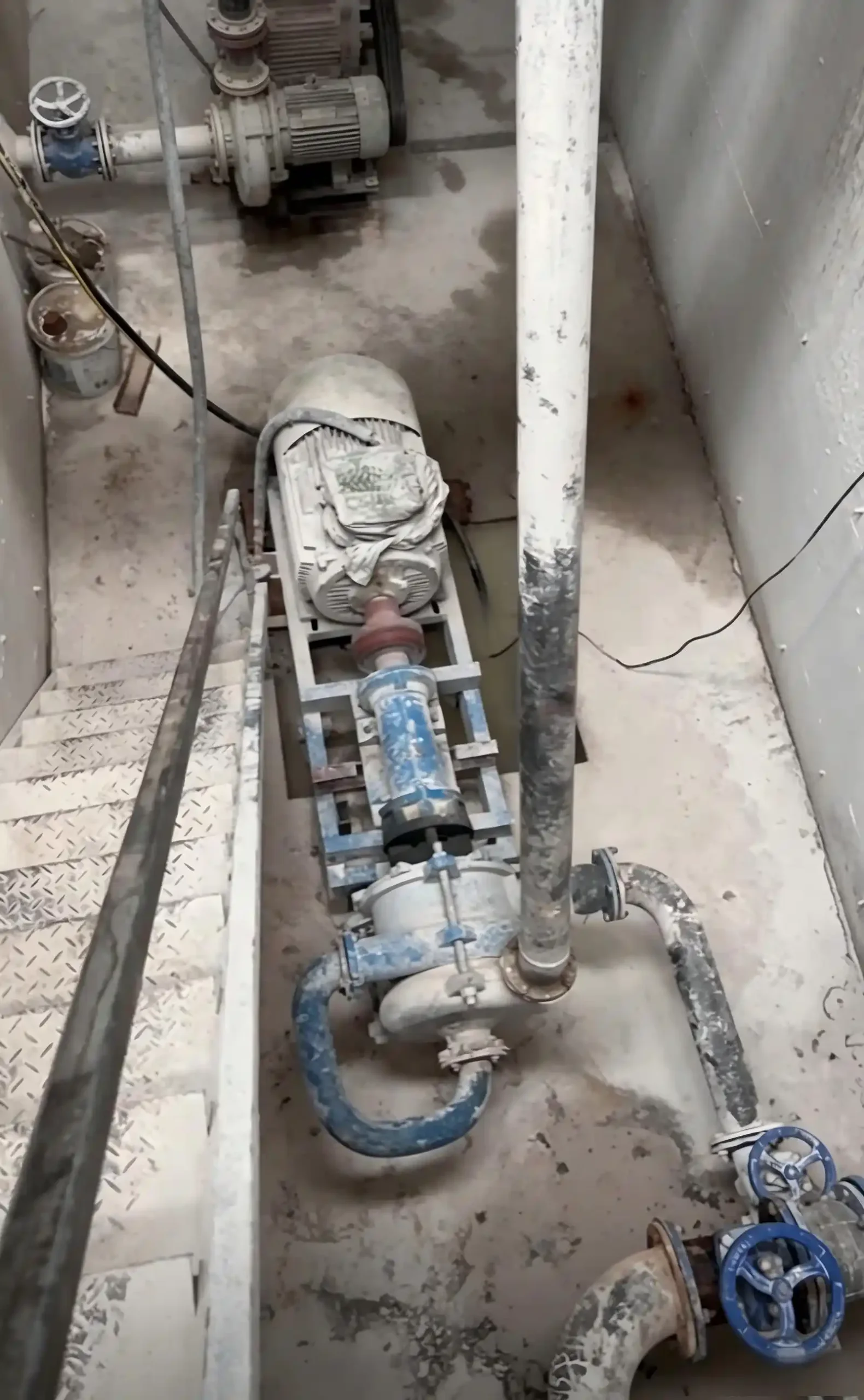
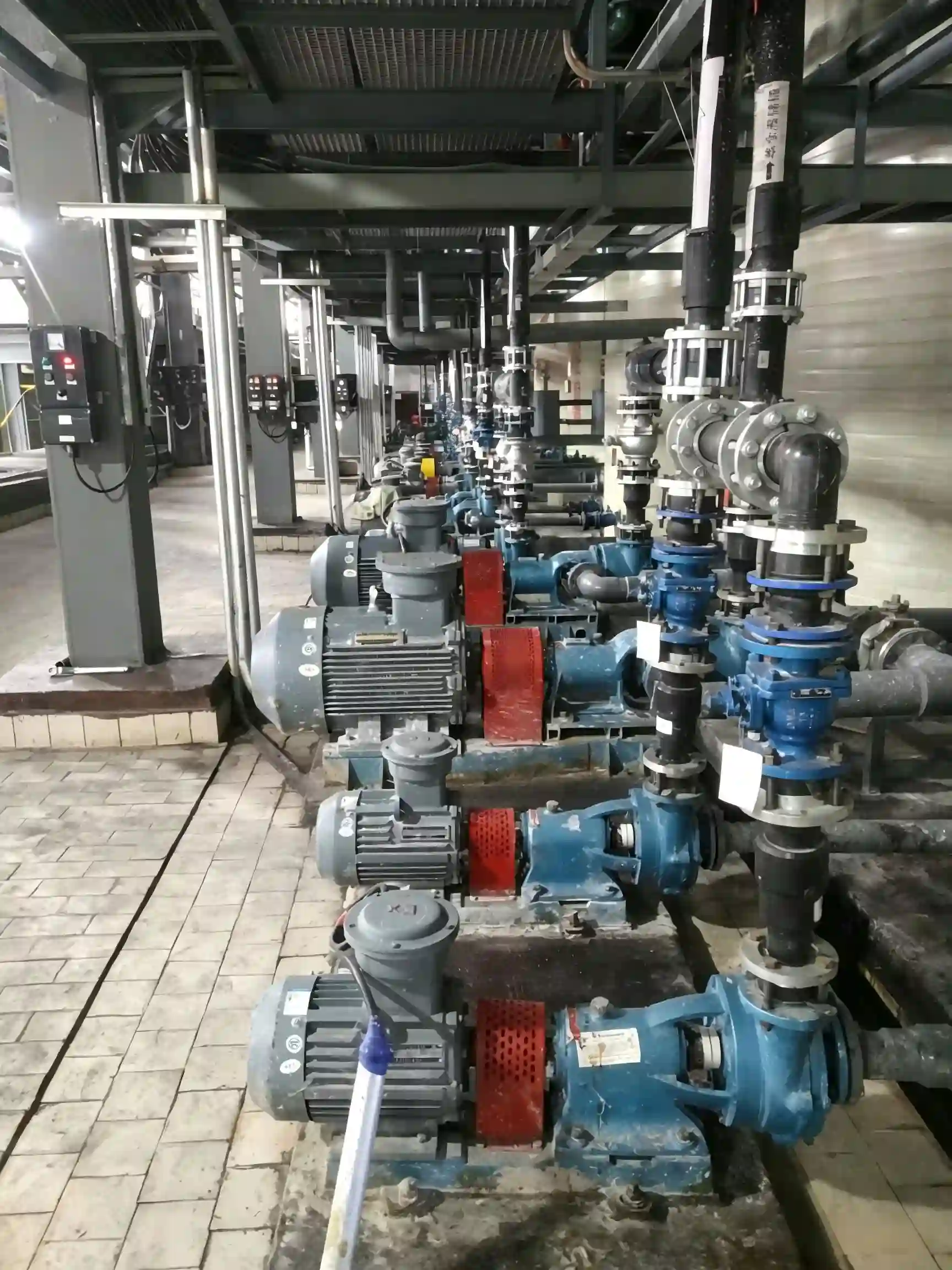
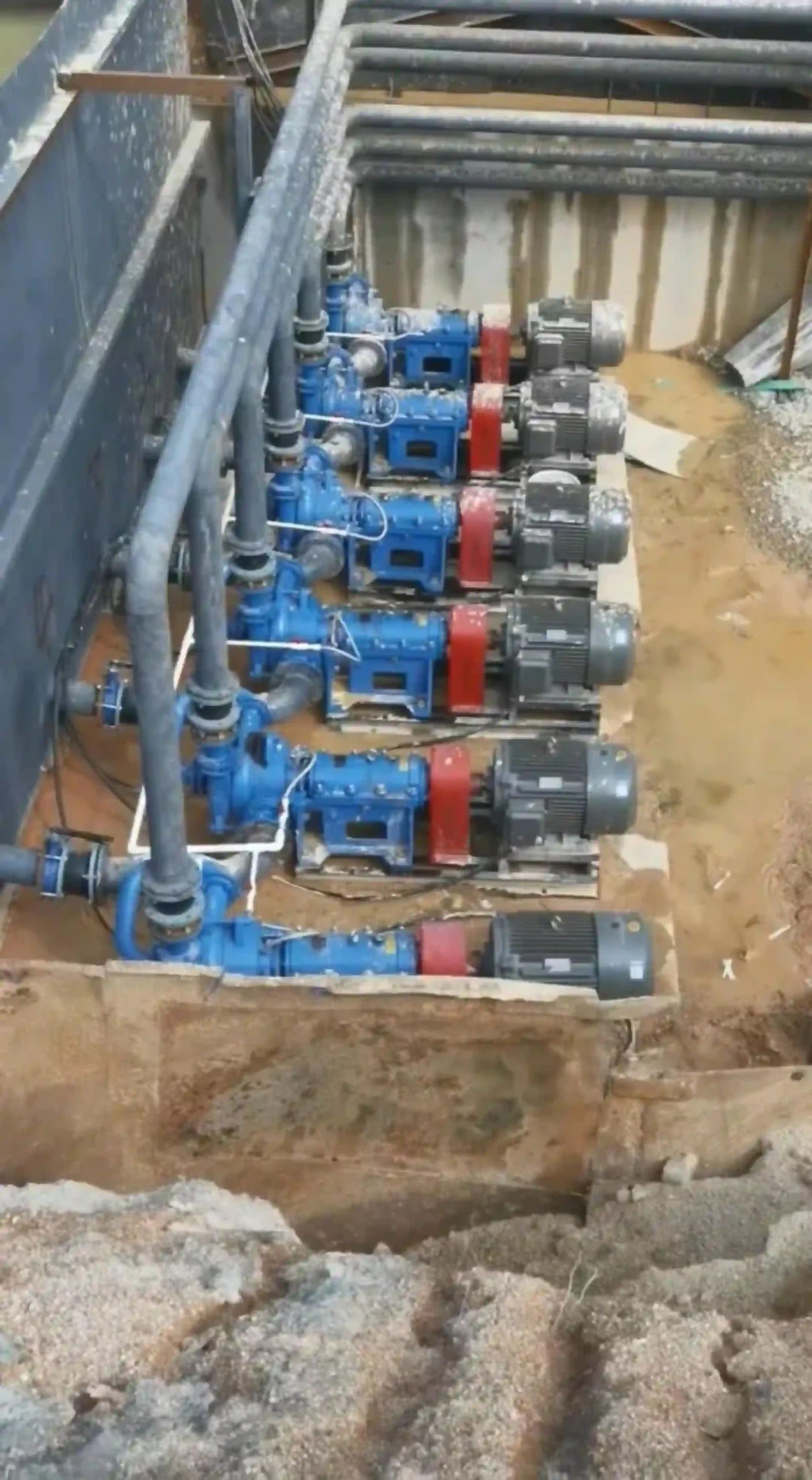
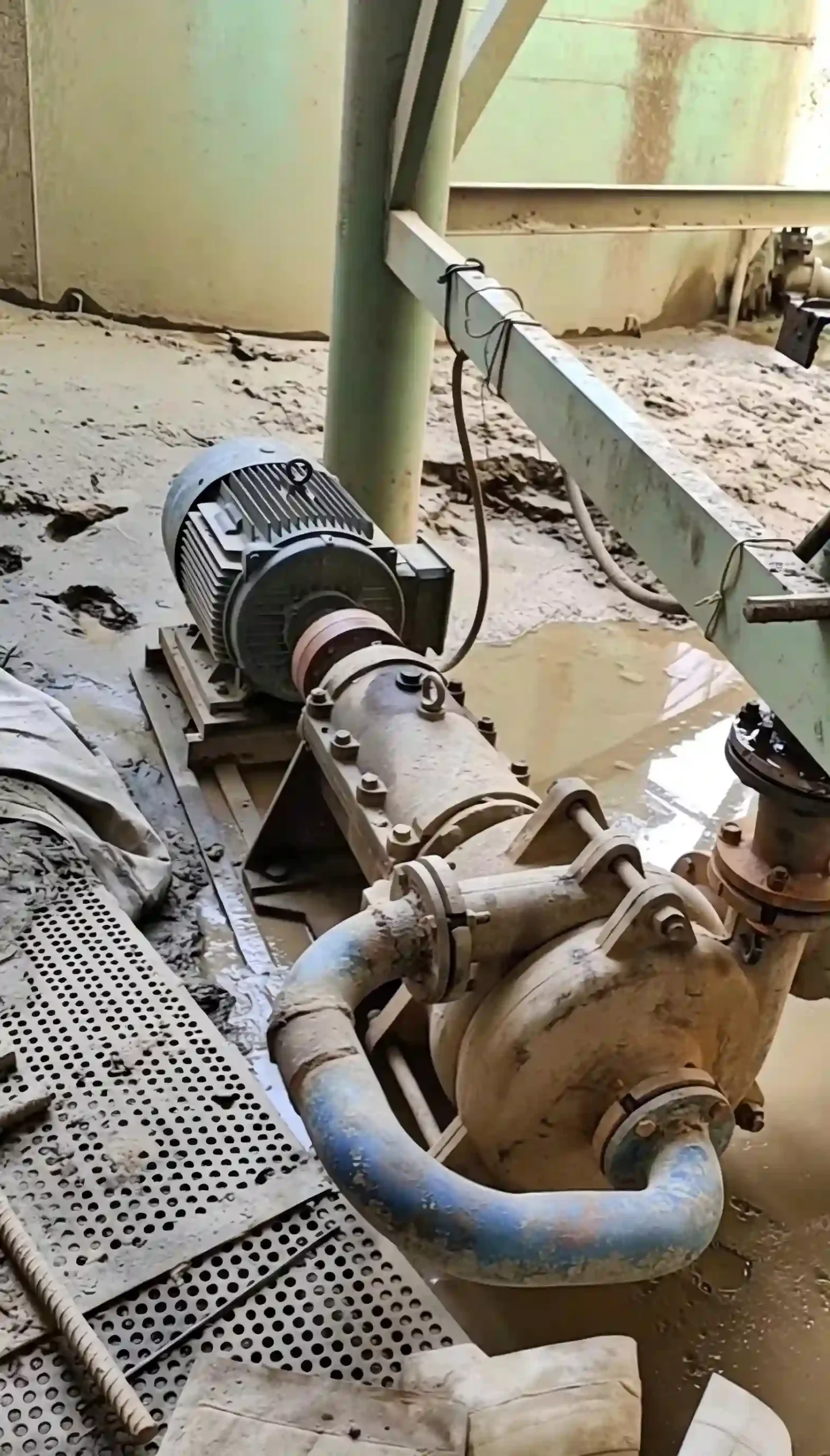
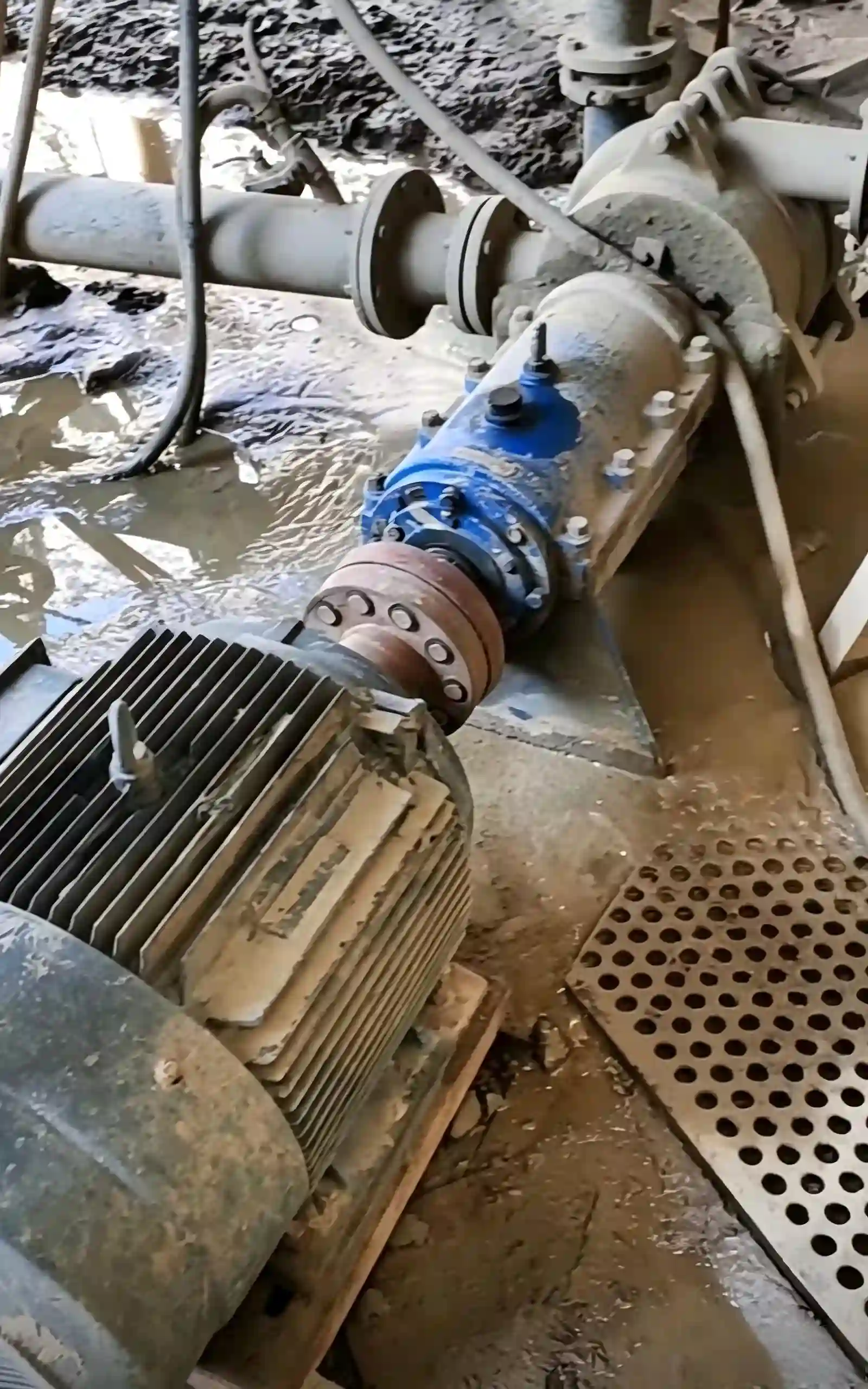
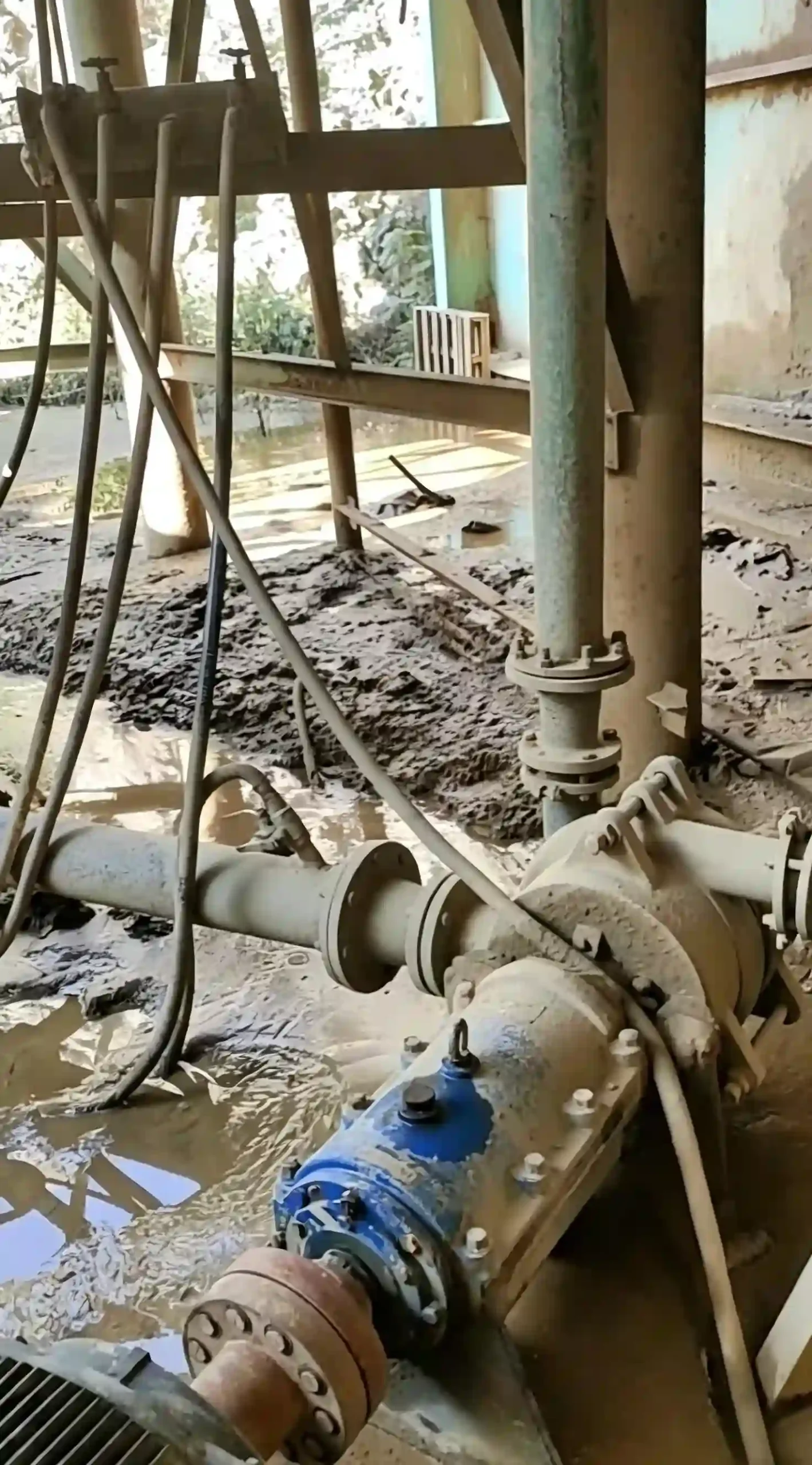
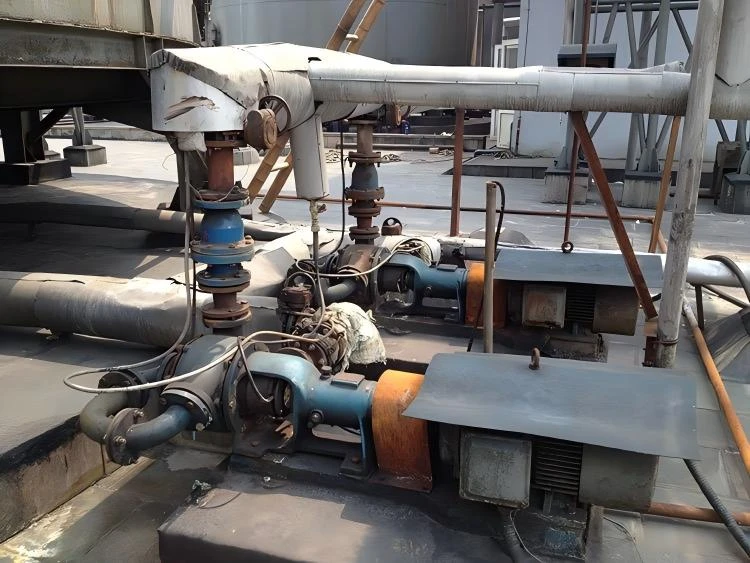
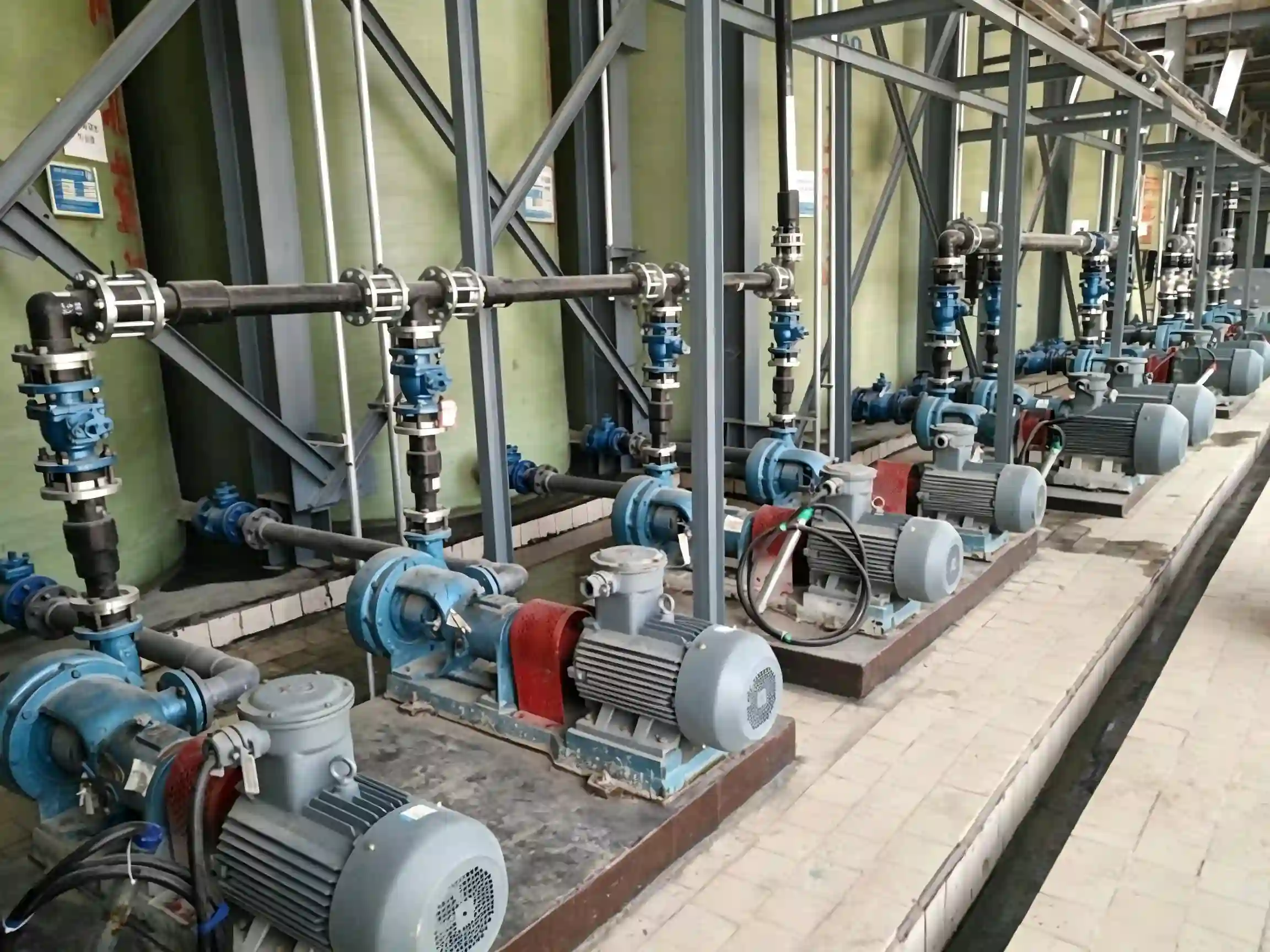
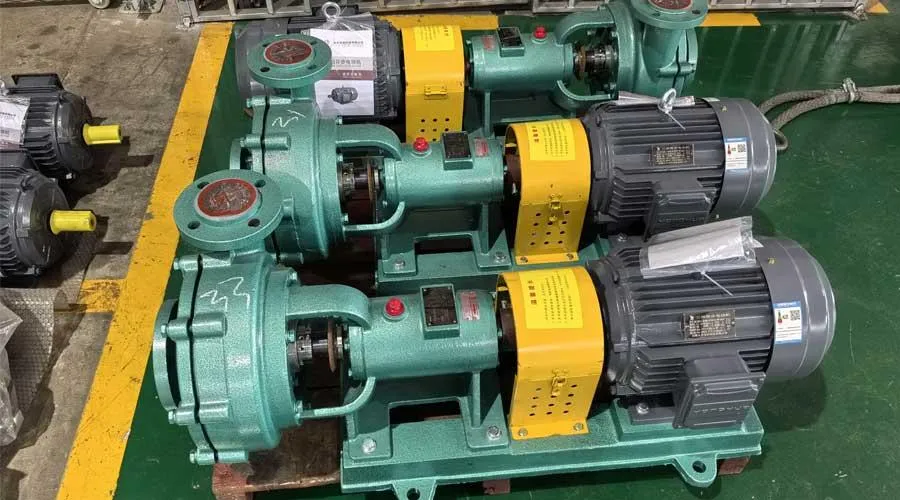
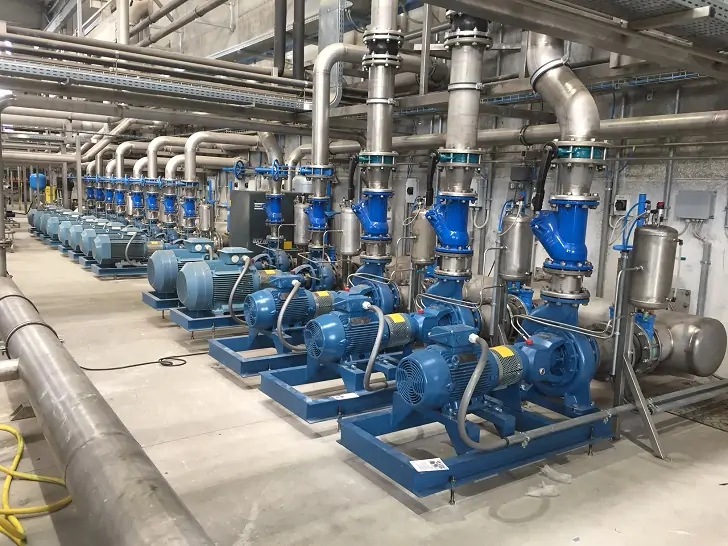
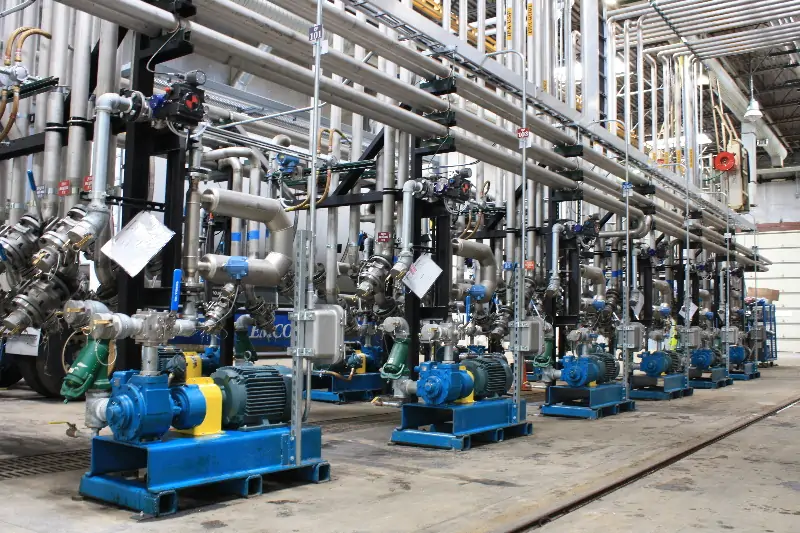
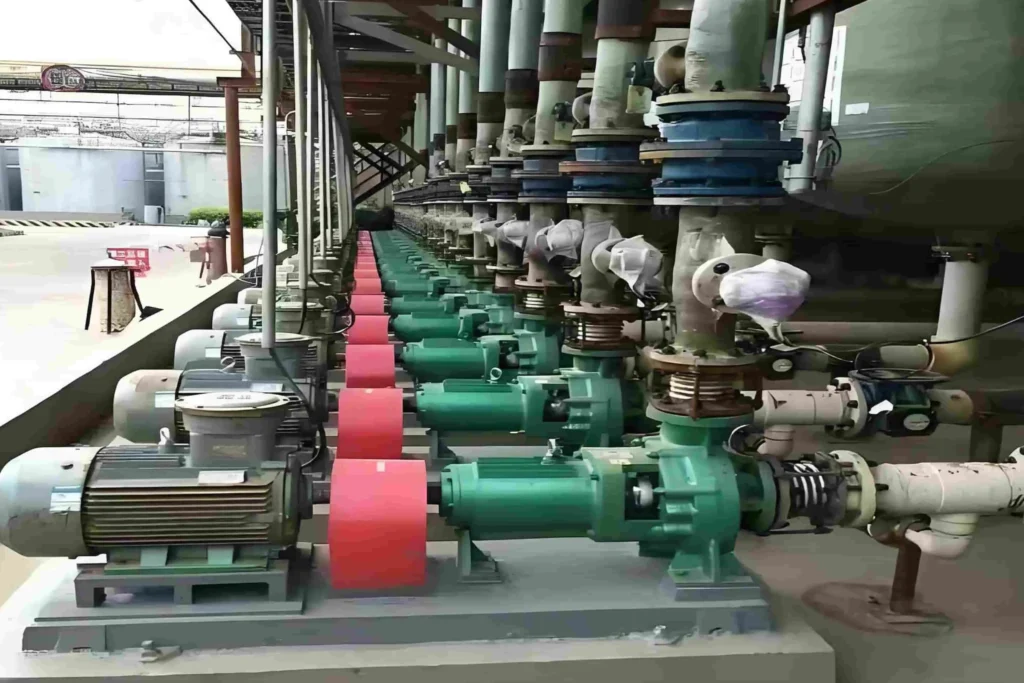
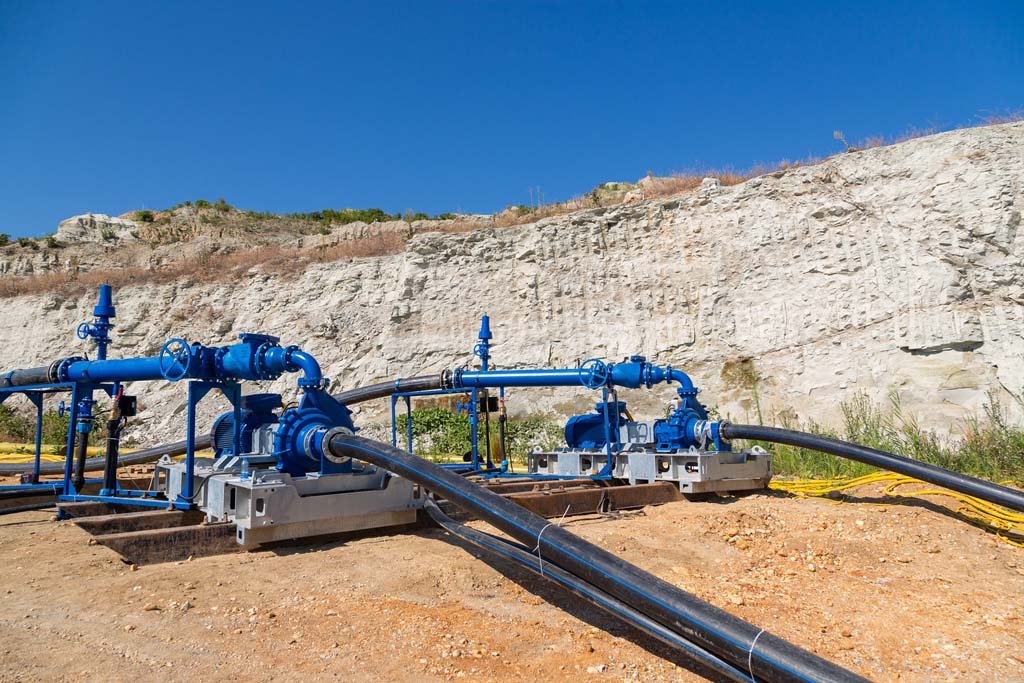
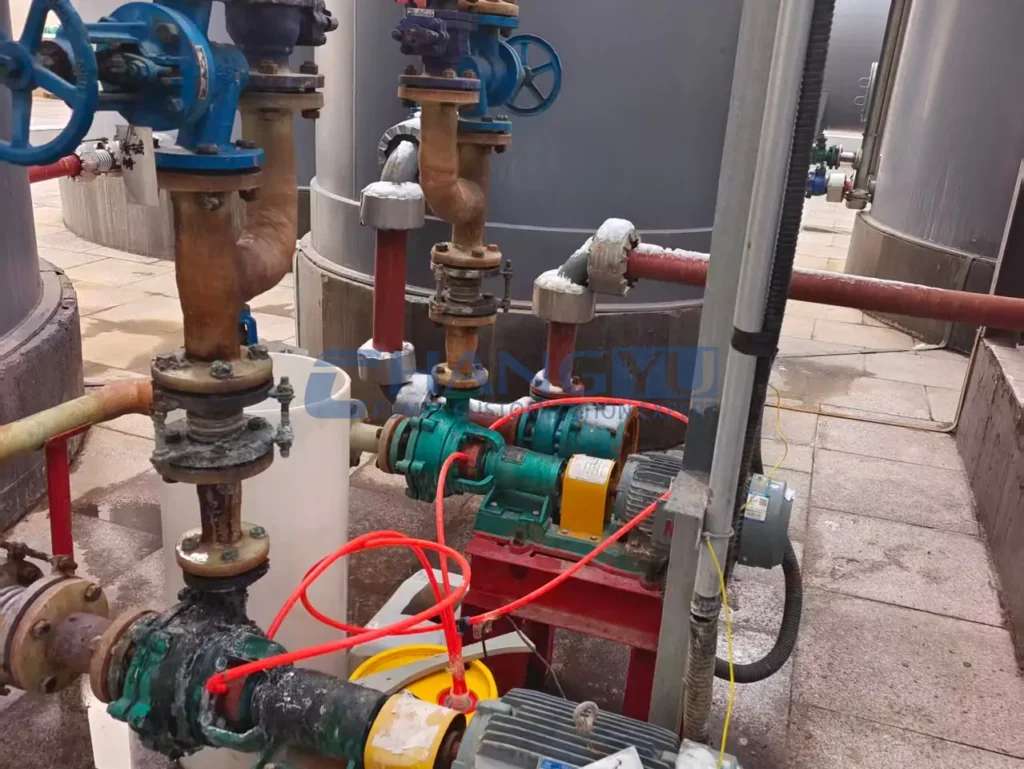
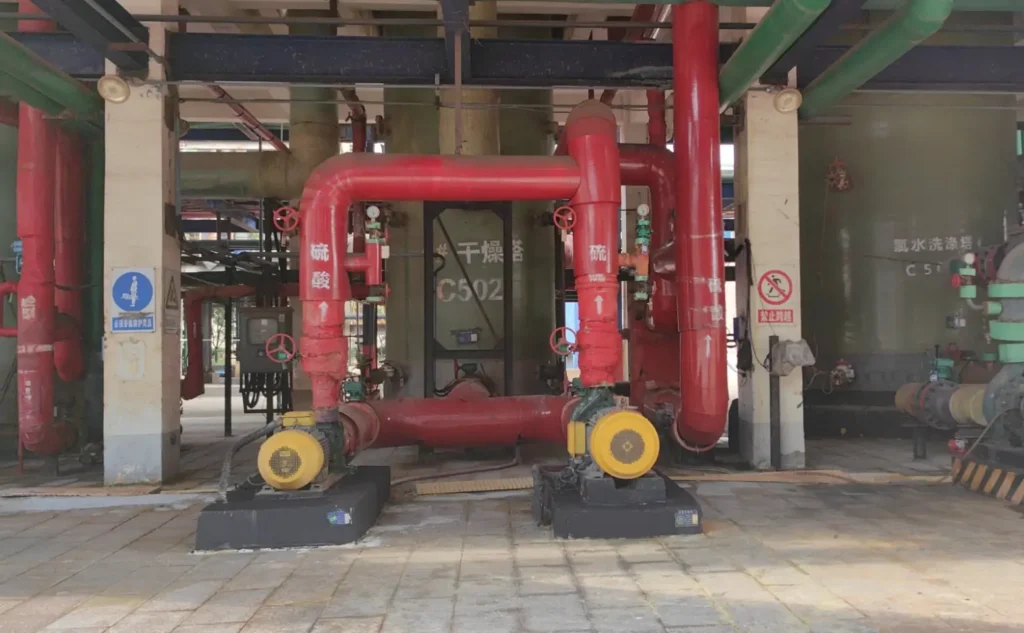
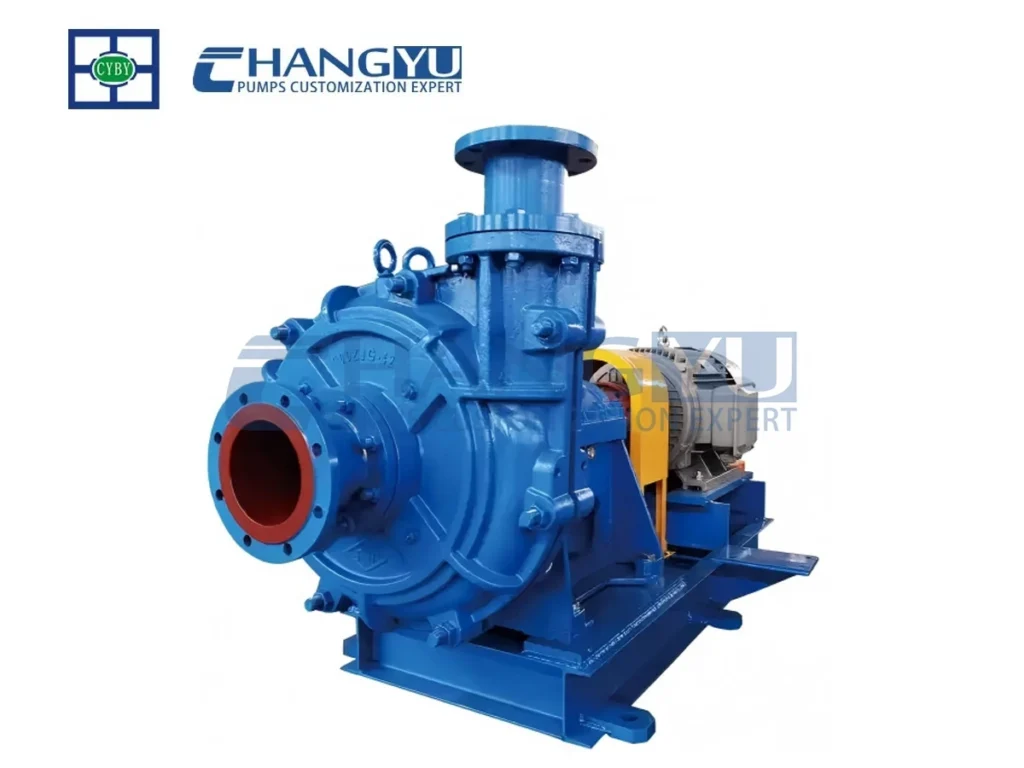
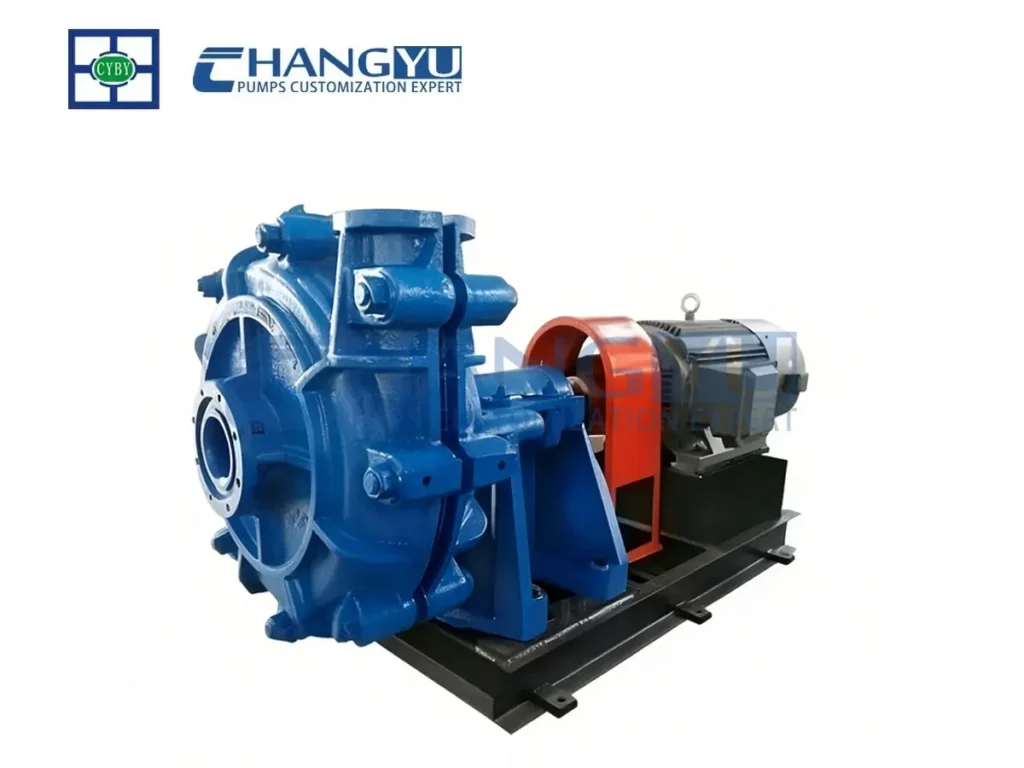
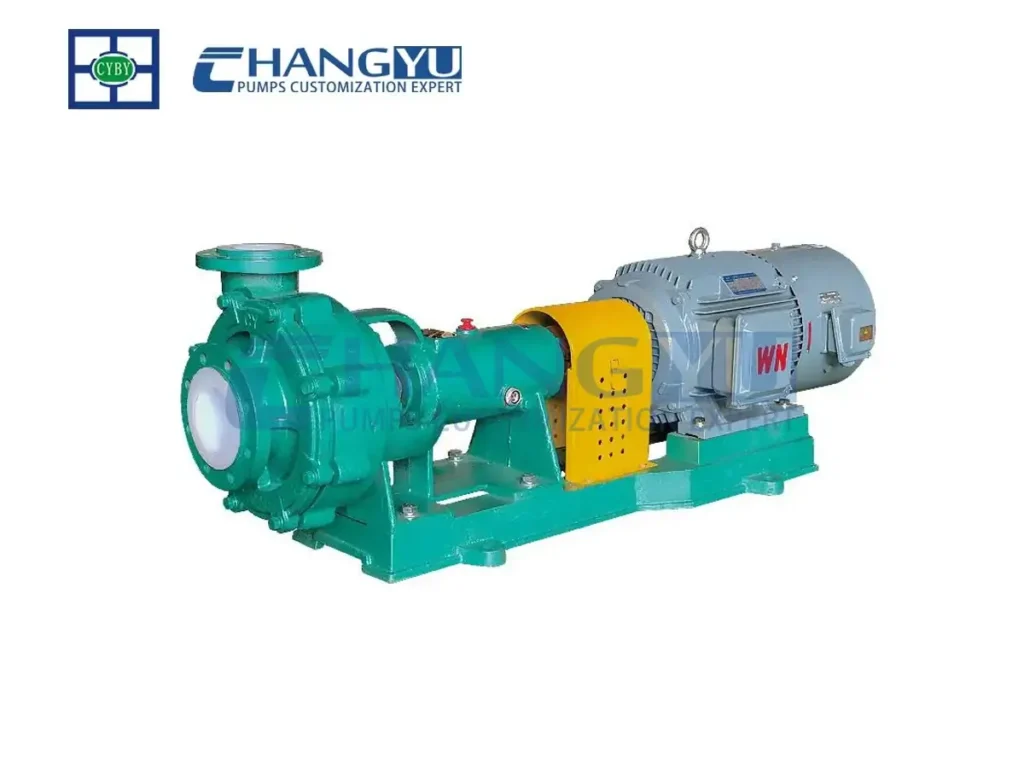
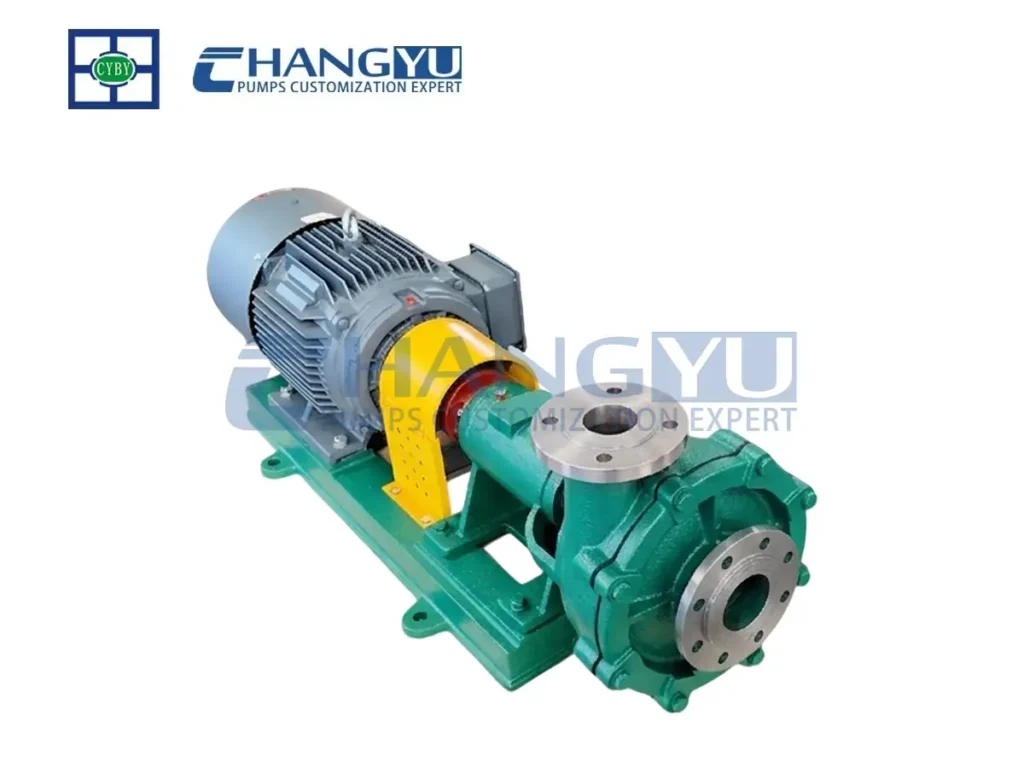
مضخة تغذية مكبس الفلتر أثناء التشغيل
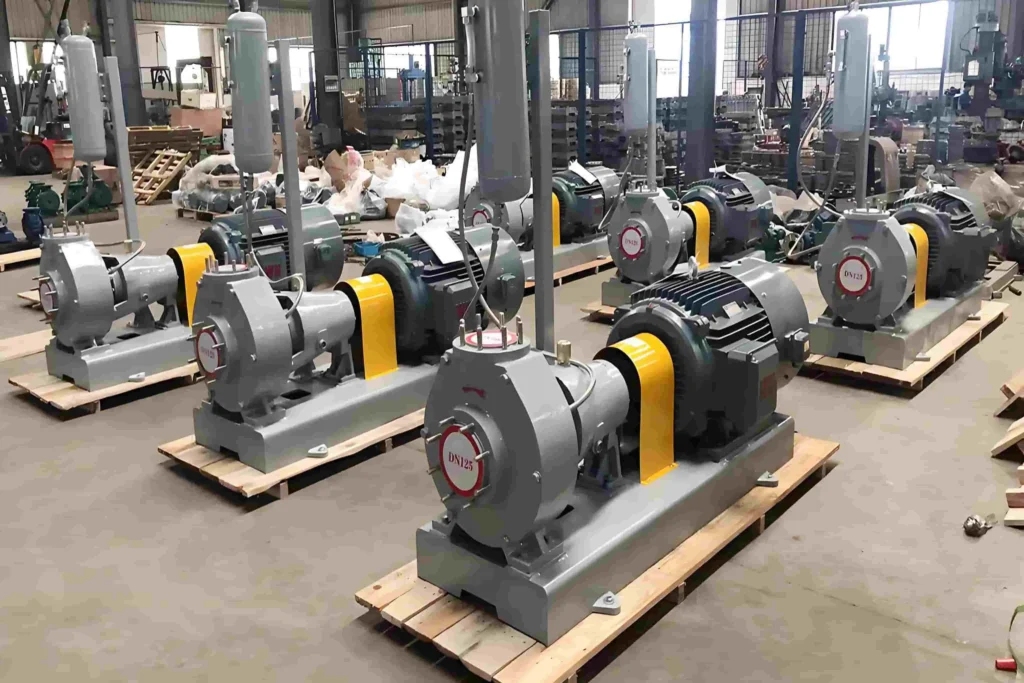
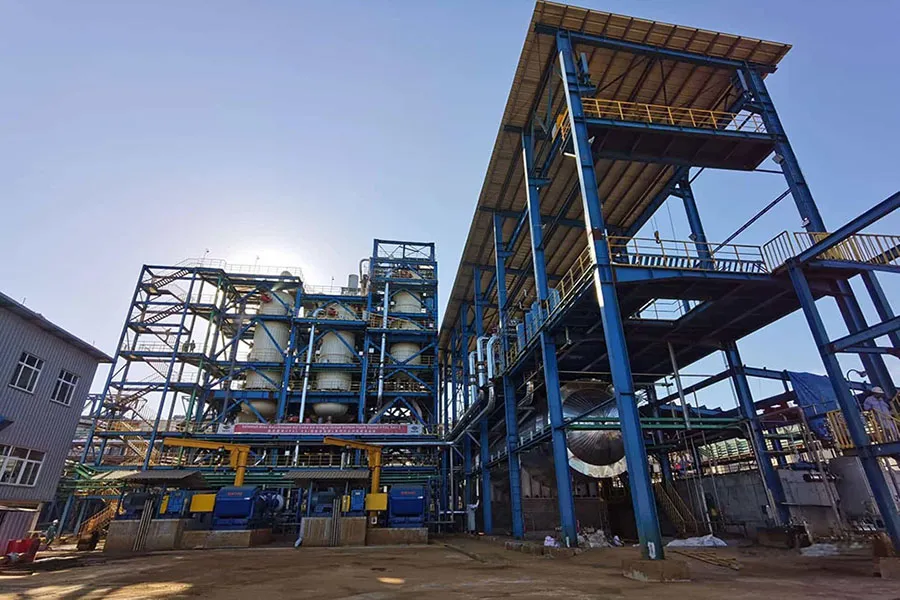
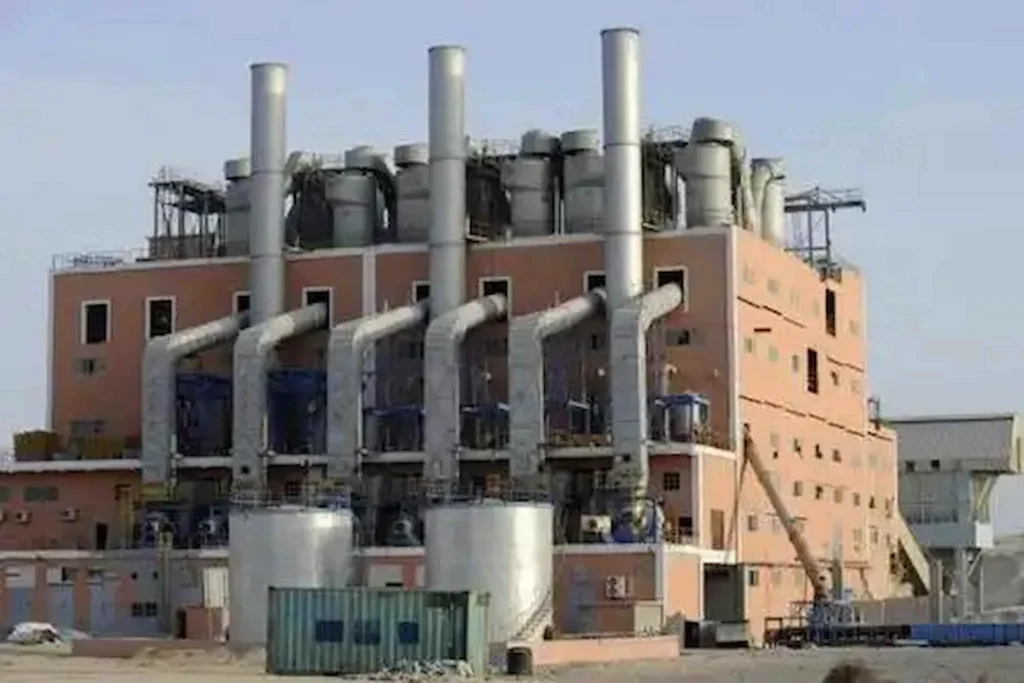
هذا القسم مخصص لتسع صور تشغيل ميدانية تُظهر مضخات تغذية مكبس الفلتر من ChangYu في أنظمة الترشيح ومناولة الملاط الفعلية. تختلف تكوينات المضخة النهائية وفقًا لتركيب الملاط، وتركيز المواد الصلبة، وضغط التغذية المطلوب، وسعة مكبس الفلتر، وتخطيط الموقع.
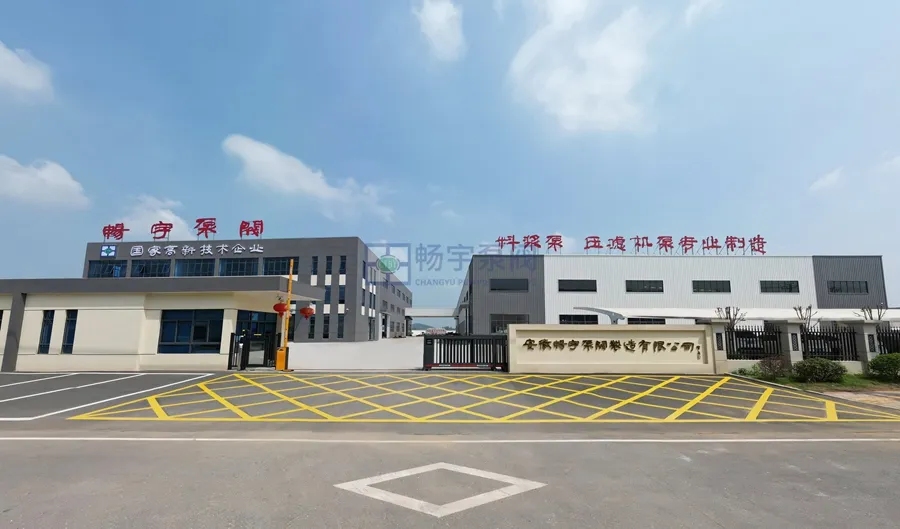
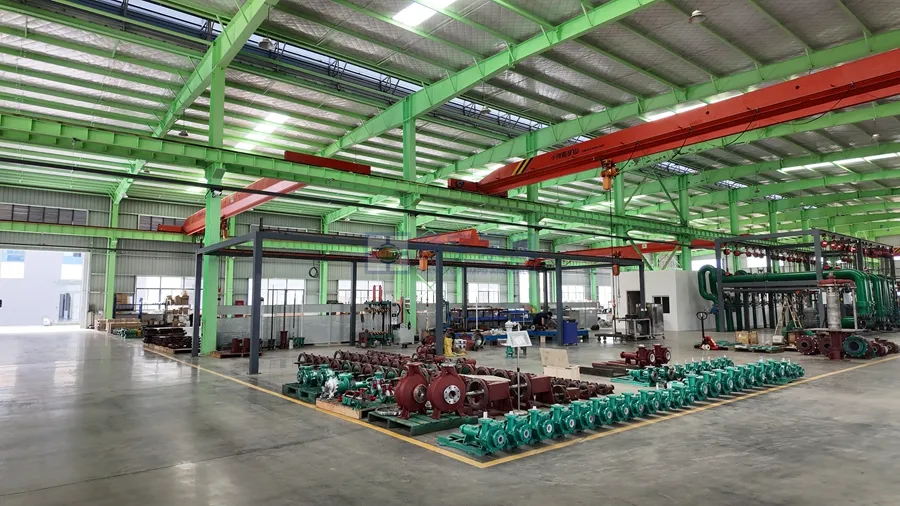
عرض المصنع




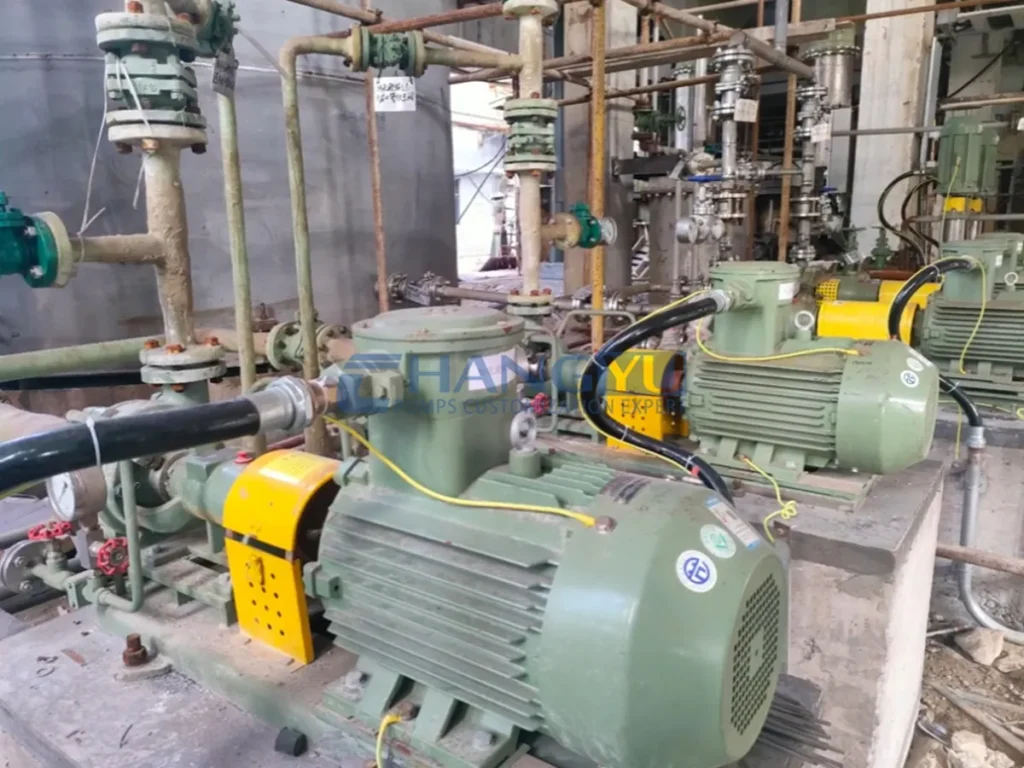
المشاريع

اطلب عرض أسعار مجاني
يُرجى ملء تفاصيل السائل الذي يتم ضخه، بما في ذلك التدفق والرأس والجاذبية النوعية ودرجة الحرارة، حتى نتمكن من التوصية بأفضل مضخة وتقديم عرض أسعار دقيق.