
إجابة سريعة
اختيار المناسب مضخة الحجاب الحاجز الصناعية يتطلب مطابقة المواد المبللة مع التركيب الكيميائي للسائل، واختيار مادة الحجاب الحاجز الصحيحة لآلية الفشل السائدة، وتقييم التكلفة الإجمالية للملكية بين خيارات التشغيل الهوائي والكهربائي. عوامل الاختيار الكمية الرئيسية:
- توافق المواد وعمر الحجاب الحاجز: تدوم أغشية PTFE عادةً من 2,000 إلى 4,000 ساعة في الخدمة الكيميائية؛ يوفر EPDM من 1,500 إلى 3,000 ساعة؛ ويوفر FKM وSantoprene من 1,500 إلى 2,500 ساعة مع مقاومة كيميائية متوسطة وعمر مرن. مطابقة مادة الحجاب الحاجز مع نمط الفشل السائد — الهجوم الكيميائي أو الإجهاد الميكانيكي — يحدد موثوقية المضخة.
- التشغيل الهوائي مقابل التشغيل الكهربائي: تقلل مضخات الحجاب الحاجز الكهربائية تكاليف الطاقة بنسبة 60-80% مقارنة بالموديلات الهوائية في تطبيقات التشغيل المستمر. تتفوق المضخات الهوائية في التشغيل المتقطع، والمواقع الخطرة، والتطبيقات التي تتطلب تشغيلًا مقاومًا للانفجار دون طاقة كهربائية.
- قدرة التحضير الذاتي والتشغيل الجاف: تقوم مضخات الحجاب الحاجز الصناعية بالتحضير الذاتي حتى 7.6 أمتار وتتحمل التشغيل الجاف دون تلف، مما يجعلها مناسبة لتفريغ الخزانات، وتصريف الأحواض، والتطبيقات التي قد تفقد فيها المضخة الشفط بشكل متقطع.
- معالجة المواد الصلبة والغازات: على عكس المضخات الطاردة المركزية التي تفقد الشفط مع الغاز المحتجز، تتعامل مضخات الحجاب الحاجز مع ما يصل إلى 100% من فقاعات الغاز وتمرر المواد الصلبة حتى 9.4 مم. تعمل مخمدات النبض على تثبيت التدفق، وحماية الأنابيب النهائية، ومنع ترسب المواد الصلبة في خطوط التفريغ.
تحتل مضخات الحجاب الحاجز الصناعية موقعًا فريدًا في معالجة السوائل: فهي تجمع بين المقاومة الكيميائية للمضخات المبطنة وقدرة التحضير الذاتي لتصميمات الإزاحة الإيجابية، مع إضافة القدرة على التشغيل الجاف ومعالجة السوائل المحتوية على الغاز التي قد تسبب انسدادًا بخاريًا في المضخة الطاردة المركزية. ومع ذلك، يأتي هذا التنوع مع ضعف حاسم — الحجاب الحاجز نفسه. يمكن أن يفشل الحجاب الحاجز غير المتوافق كيميائيًا مع سائل العملية في غضون أسابيع بسبب التورم أو التقصف. يمكن أن يفشل الحجاب الحاجز المتوافق كيميائيًا ولكن غير المناسب ميكانيكيًا للتطبيق بسبب التشقق الناتج عن الإجهاد بعد فترة مماثلة. فهم آلية الفشل المزدوجة هذه هو أساس المواصفات الصحيحة لمضخة الحجاب الحاجز.
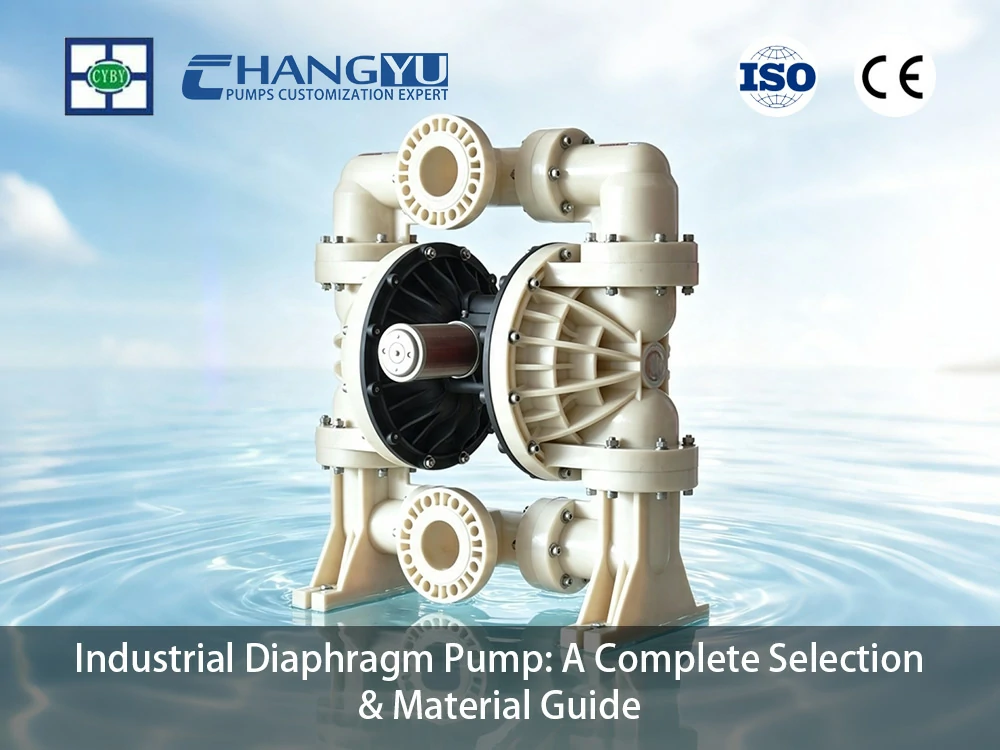
تقوم شركة Changyu Pump بتصنيع مضخات مقاومة للتآكل لمعالجة المواد الكيميائية، ومعالجة المياه، ومعالجة السوائل الصناعية لأكثر من عقدين. يغطي هذا الدليل اختيار المواد، وتحسين عمر الحجاب الحاجز، واقتصاديات التشغيل الهوائي مقابل الكهربائي، وميزات التصميم الخاصة بالتطبيق التي تحدد ما إذا كانت مضخة الحجاب الحاجز الصناعية تقدم خدمة موثوقة أم تصبح مشكلة صيانة متكررة.
ما هي مضخة الحجاب الحاجز الصناعية ولماذا هي مختلفة؟
مضخة صناعية مضخة الحجاب الحاجز تستخدم غشاءً مرنًا (حجاب حاجز) يتحرك تردديًا لإنشاء الشفط والتفريغ، مما ينقل السائل عبر المضخة دون أي أعمدة دوارة أو أختام ديناميكية تخترق غلاف المضخة. يمنح هذا الاختلاف الأساسي في التصميم مضخات الحجاب الحاجز أربع مزايا تشغيلية على المضخات الطاردة المركزية والدوارة التقليدية.
المزايا الأساسية لمضخات الحجاب الحاجز الصناعية
تصميم خالٍ من التسرب: يشكل الحجاب الحاجز ختمًا ثابتًا بين سائل العملية وآلية تشغيل المضخة. لا يوجد عمود دوار مع ختم ميكانيكي ديناميكي — وهو مسار التسرب الأكثر شيوعًا في المضخات الطاردة المركزية والتروس. بالنسبة للسوائل الخطرة أو السامة أو المنظمة بيئيًا، يوفر هذا التصميم بدون ختم حماية متأصلة من التسرب.
القدرة على التحضير الذاتي: تخلق مضخات الحجاب الحاجز شفطًا قويًا في كل شوط، وتقوم بالتحضير الذاتي حتى 7.6 أمتار دون الحاجة إلى شفط مغمور أو نظام تحضير. وهذا يجعلها مناسبة لتفريغ الخزانات، وتصريف الأحواض، والتطبيقات التي يتم فيها تركيب المضخة فوق مصدر السائل.
تحمل التشغيل الجاف: على عكس المضخات الطاردة المركزية التي تعتمد على السائل المضخوخ للتبريد والتزييت، تتحمل مضخات الحجاب الحاجز التشغيل الجاف لفترات طويلة دون تلف. يعمل الحجاب الحاجز والصمامات بشكل مستقل عن السائل، مما يجعل المضخة مناسبة للتطبيقات التي يكون فيها إمداد السائل متقطعًا أو غير متوقع.
معالجة الغاز والمواد الصلبة: تفقد المضخات الطاردة المركزية الشفط مع أكثر من 3-5% من الغاز المحتجز من حيث الحجم. تتعامل مضخات الحجاب الحاجز مع ما يصل إلى 100% من فقاعات الغاز — فهي ببساطة تضخ أي شيء يدخل مشعب الشفط. تسمح صمامات الفحص الكروية أو اللوحية بمرور المواد الصلبة حتى 9.4 مم، اعتمادًا على حجم المضخة وتصميم الصمام.
الاختلافات الرئيسية عن المضخات الكيميائية القياسية
جدول: مضخة الحجاب الحاجز الصناعية مقابل المضخة الكيميائية القياسية
| الميزة | مضخة كيميائية قياسية | مضخة الحجاب الحاجز الصناعية |
|---|---|---|
| تصميم الختم | ختم ميكانيكي ديناميكي | حجاب حاجز ثابت — لا يوجد ختم ديناميكي |
| فتيلة ذاتية التحضير | يتطلب شفطًا مغمورًا أو معززًا | تحضير ذاتي حتى 7.6 م |
| تحمل التشغيل الجاف | لا شيء — تلف الختم والمحمل | غير محدود — لا توجد مكونات تعتمد على السائل |
| معالجة الغاز | يفقد الشفط فوق 3-5% غاز | يتعامل مع 100% فقاعات غاز |
| أقصى مرور للمواد الصلبة | يعتمد على تصميم المروحة | حتى 9.4 مم مع الصمامات الكروية |
| خاصية التدفق | مستمر | نابض (يمكن تخميده) |
ما هي أفضل المواد لمضخات الحجاب الحاجز الصناعية؟
يتضمن اختيار المواد لمضخة الحجاب الحاجز الصناعية قرارين مستقلين: مادة جسم المضخة ومادة الحجاب الحاجز. تحكم هذه القرارات معايير مختلفة — يجب أن تقاوم مادة الجسم البيئة الخارجية وملامسة السائل الكلي، بينما يجب أن تنجو مادة الحجاب الحاجز من كل من الهجوم الكيميائي والثني الميكانيكي المتكرر.
فهم آليات فشل الحجاب الحاجز
ينقسم فشل الحجاب الحاجز إلى فئتين متميزتين، تتطلب كل منهما استراتيجية مواد مختلفة:
فشل الهجوم الكيميائي: يؤدي سائل العملية إلى تورم أو تقصف أو إذابة مادة الحجاب الحاجز. هذه مشكلة توافق كيميائي. PTFE توفر أغشية PTFE (بولي تترافلوروإيثيلين) مقاومة كيميائية شبه عالمية ويتم تحديدها عندما تكون كيمياء السائل عدوانية أو غير متوقعة. ومع ذلك، فإن PTFE لديه مقاومة محدودة لإجهاد الثني — يمكن أن يفشل بسبب التشقق الناتج عن الثني بعد 2,000–4,000 ساعة عند معدلات دورة معتدلة إلى عالية، حتى عندما يكون متوافقًا كيميائيًا مع سائل العملية.
فشل الإجهاد الميكانيكي: يتسبب سائل العملية في انتفاخ مادة الحجاب الحاجز أو هشاشتها أو إذابتها. هذه مشكلة توافق كيميائي.
توفر أغشية (بولي تترافلورو إيثيلين) مقاومة كيميائية شبه عالمية ويتم تحديدها عندما تكون كيمياء السائل عدوانية أو غير متوقعة. ومع ذلك، فإن PTFE لديه مقاومة محدودة للتعب الانثنائي — فقد يفشل بسبب التشقق الانثنائي بعد 2000–4000 ساعة عند معدلات دورة معتدلة إلى عالية، حتى لو كان متوافقًا كيميائيًا مع سائل العملية.فشل التعب الميكانيكي.
: يتشقق الحجاب الحاجز من الانثناء المتكرر، على الرغم من أن المادة متوافقة كيميائيًا مع السائل. هذه مشكلة تصميم ميكانيكي. توفر أغشية EPDM و Santoprene عمر انثناء ممتاز (غالبًا 2–3 أضعاف عمر PTFE)، لكن توافقها الكيميائي يقتصر على المحاليل المائية والأحماض الخفيفة والقلويات. يوفر FKM (Viton) موقعًا وسيطًا — مقاومة كيميائية أفضل من EPDM، وعمر انثناء أفضل من PTFE.
الرؤية الأساسية للاختيار
| : بالنسبة للتطبيقات ذات الكيمياء العدوانية (الأحماض القوية، المذيبات، المركبات المكلورة)، يتم تحديد PTFE على الرغم من محدودية مقاومة التعب الانثنائي لأن الهجوم الكيميائي سيدمر أي مادة أخرى بشكل أسرع. بالنسبة للتطبيقات المائية ذات الكيمياء الخفيفة، يوفر EPDM عمر خدمة أطول من خلال مقاومة التعب الفائقة. يخدم FKM التطبيقات الواقعة بين هذين الطرفين. | الأفضل لـ | القيود |
|---|---|---|
| البولي بروبلين (PP) | خيارات مادة جسم المضخة | جدول: اختيار مادة جسم المضخة |
| PVDF | الأحماض القوية، المذيبات، التطبيقات عالية النقاء | مادة الجسم |
| الأحماض القوية، القلويات، المحاليل المائية | حد درجة الحرارة 80 درجة مئوية؛ غير مناسب للمذيبات القوية أو الهيدروكربونات العطرية | تكلفة أعلى من PP؛ حد درجة الحرارة 100 درجة مئوية |
| الفولاذ المصبوب / الحديد الدكتايل | السوائل غير المسببة للتآكل ذات الضغط العالي | غير مناسب للمواد الكيميائية المسببة للتآكل بدون بطانة؛ يتطلب طلاء خارجي للبيئات المسببة للتآكل |
| الفولاذ المقاوم للصدأ | سبائك الألومنيوم | السوائل خفيفة الوزن وغير المسببة للتآكل |
غير مناسب للأحماض أو القلويات — تآكل سريع؛ يُستخدم عندما يكون الوزن قيدًا
درجات الحرارة العالية، الضغط العالي
| تكلفة أعلى؛ تحقق من الدرجة لمقاومة الكلوريد | خيارات مادة الحجاب الحاجز | مقاومة المواد الكيميائية | جدول: اختيار مادة الحجاب الحاجز | الأفضل لـ |
|---|---|---|---|---|
| PTFE | مادة الحجاب الحاجز | شبه عالمي | العمر النموذجي | مقاومة التعب الانثنائي |
| EPDM | 2,000–4,000 ساعة | منخفضة — يتشقق من الانثناء المتكرر | المواد الكيميائية العدوانية، المذيبات، الأحماض القوية | 1,500–3,000 ساعة |
| FKM (فيتون) | المحاليل المائية، الأحماض/القلويات الخفيفة | ممتازة — 2–3 أضعاف عمر انثناء PTFE | معالجة المياه، تجهيز الأغذية، المواد الكيميائية الخفيفة | 1,500–2,500 ساعة |
| أفضل من EPDM، أقل من PTFE | المحاليل المائية، الأحماض/القلويات الخفيفة | جيدة — أفضل من PTFE | ممتاز | الزيوت، الوقود، الأحماض المعتدلة |
Santoprene
مائي، مواد كيميائية خفيفة
| التطبيق | خصائص السائل | الملاط الكاشط، السوائل ذات الأساس المائي | مطابقة المواد حسب التطبيق |
|---|---|---|---|
| جدول: مطابقة المواد حسب التطبيق | الجسم الموصى به | PP أو PVDF | PTFE |
| الحجاب الحاجز الموصى به | نقل الأحماض القوية (HCl, H2SO4) | PP أو PVDF | درجة الحموضة < 2، لا مذيبات |
| نقل القلويات القوية (NaOH, KOH) | المذيبات العضوية | درجة الحموضة > 12، لا مذيبات | PTFE |
| PTFE أو EPDM | نقل المذيبات (الأسيتون، التولوين) | PVDF أو الفولاذ المقاوم للصدأ | مواد معالجة المياه |
| ملاط كاشط | درجة حموضة خفيفة، مائي | PP أو الألومنيوم | EPDM أو Santoprene |
| محمل بالجسيمات، درجة حموضة متغيرة | فولاذ مصبوب مع بطانة | الفولاذ المقاوم للصدأ | Santoprene أو EPDM |
نقل بدرجة غذائية متطلبات FDA.
EPDM أو PTFE (درجة غذائية)
لاحظ المهندسون في Changyu Pump عبر مئات من تركيبات مضخات الحجاب الحاجز:.
مضخات الحجاب الحاجز المزدوج المشغلة بالهواء (AODD)
السبب الأكثر شيوعًا لفشل الحجاب الحاجز المبكر هو تحديد PTFE لتطبيق حيث يكون التعب الميكانيكي — وليس الهجوم الكيميائي — هو آلية الفشل السائدة. يمكن أن تفشل أغشية PTFE بسبب التشقق الانثنائي بعد 2000–4000 ساعة حتى لو كانت متوافقة كيميائيًا، إذا كانت معدلات الدورة معتدلة إلى عالية. إذا كان سائل العملية يسمح بذلك، فإن أغشية EPDM أو FKM توفر عمر خدمة أطول بشكل ملحوظ من خلال مقاومة التعب الفائقة. احتفظ بـ PTFE للتطبيقات التي لا تترك فيها كيمياء السائل بديلاً.
- كيف تختار بين مضخات الحجاب الحاجز الصناعية AODD و EODD؟تتوفر مضخات الحجاب الحاجز الصناعية في تكوينين رئيسيين للقيادة: مضخة الحجاب الحاجز المزدوجة التي تعمل بالهواء (AODD) ومضخة الحجاب الحاجز المزدوجة التي تعمل بالكهرباء (EODD). يخضع الاختيار بينهما لتكلفة التشغيل، ودورة عمل التطبيق، وتوافر المرافق في الموقع.
- تستخدم مضخات AODD الهواء المضغوط لدفع حركة الحجاب الحاجز الترددية. يقوم صمام توزيع الهواء بالضغط على غرفتي الحجاب الحاجز بالتناوب، مما يخلق حركة الضخ. يوفر هذا التصميم العديد من المزايا التشغيلية:مقاومة للانفجار بطبيعتها.
- : لا توجد مكونات كهربائية في المضخة. مضخات AODD هي الخيار الافتراضي للمواقع الخطرة (الفئة الأولى، القسم 1) حيث تتطلب المعدات الكهربائية شهادة باهظة الثمن.قدرة غير محدودة على التوقف مع إغلاق المخرج.
- : يمكن لمضخة AODD أن تعمل ضد صمام تصريف مغلق إلى أجل غير مسمى — فهي تتوقف ببساطة عندما يساوي ضغط التصريف ضغط إمداد الهواء. لا حاجة لصمام تخفيف الضغط.التحكم البسيط في السرعة.
: يتناسب معدل تدفق المضخة مع ضغط إمداد الهواء وحجمه. يتطلب ضبط التدفق فقط منظم ضغط هواء، وليس محرك تردد متغير (VFD).
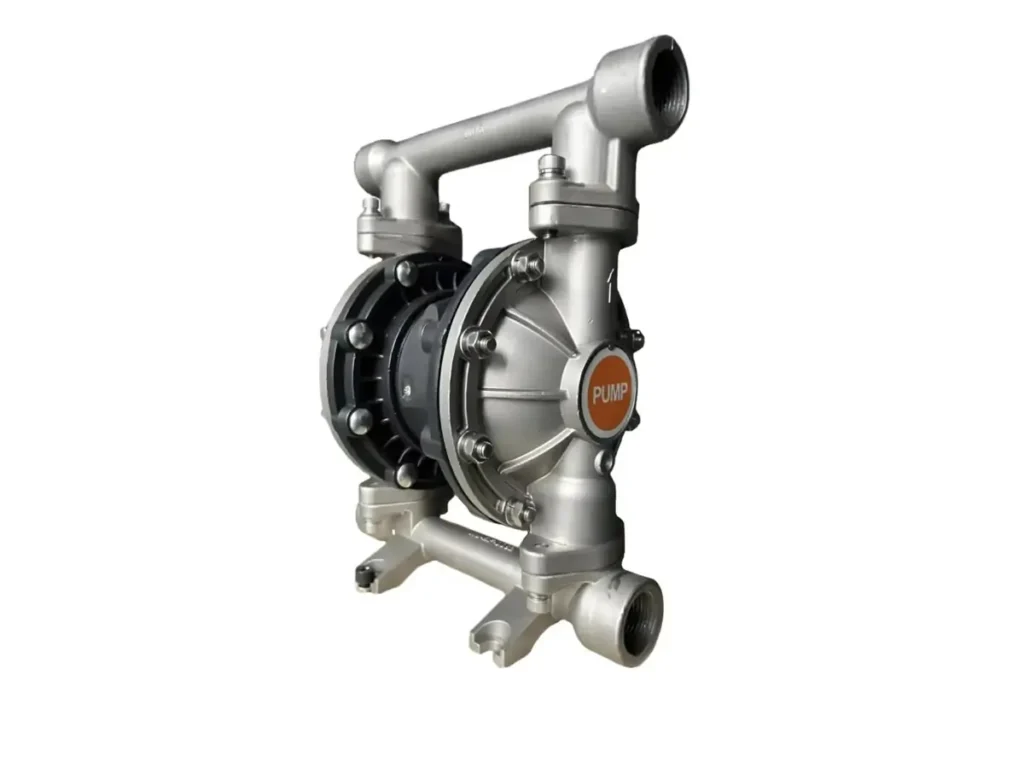
تُصنف مضخات الغشاء على نطاق واسع حسب آلية القيادة الخاصة بها. يؤثر الاختيار بين التشغيل الهوائي والتشغيل الكهربائي على تكلفة التشغيل، وقدرة التحكم، ومتطلبات التركيب.
لا حاجة للبنية التحتية الكهربائية.
- : تعمل مضخات AODD على الهواء المضغوط، وهو متوفر بشكل شائع في المصانع الكيميائية والمصافي ومرافق التصنيع.ومع ذلك، فإن مضخات AODD لها عيب واحد كبير: فهي غير فعالة في استهلاك الطاقة. الهواء المضغوط هو أحد أغلى أشكال الطاقة الصناعية. يؤدي تحويل الطاقة الكهربائية إلى هواء مضغوط، ثم إلى طاقة ضخ ميكانيكية، إلى كفاءة إجمالية للنظام تتراوح عادةً بين 20–35% — مقارنة بـ 75–95% لمضخة تعمل بمحرك كهربائي.
- تستخدم مضخات EODD محركًا كهربائيًا مع آلية دفع ميكانيكية لتحريك الحجاب الحاجز تردديًا. يلغي هذا التصميم صمام توزيع الهواء وفقدان الطاقة المرتبط بالهواء المضغوط.كفاءة الطاقة.
- : تقلل مضخات EODD تكاليف الطاقة بنسبة 60–80% مقارنة بمضخات AODD في تطبيقات الخدمة المستمرة. يحول المحرك الكهربائي طاقة الإدخال مباشرة إلى طاقة ضخ ميكانيكية بكفاءة أعلى بكثير من سلسلة التحويل الكهربائي-إلى-هوائي-إلى-ميكانيكي لمضخة AODD.التحكم المستقر في التدفق.
: يوفر المحرك الكهربائي معدل شوط ثابت بغض النظر عن تغيرات ضغط التصريف. عند دمجه مع محرك تردد متغير (VFD)، توفر مضخة EODD تحكمًا دقيقًا في التدفق عبر نطاق تشغيل واسع.

تقليل الضوضاء
: بدون عادم الهواء المضغوط، تعمل مضخات EODD بمستويات ضوضاء أقل بشكل ملحوظ — وهو اعتبار مهم للتركيبات الداخلية.
| عامل الاختيار | تستخدم مضخات EODD محركًا كهربائيًا وآلية قيادة ميكانيكية — عادةً كرنك وقضيب توصيل أو كام لامركزية — لتحريك الأغشية ذهابًا وإيابًا. يوفر المحرك الكهربائي العديد من المزايا مقارنة بالهواء المضغوط: كفاءة طاقة أعلى، ومعدل تدفق ثابت بغض النظر عن تقلبات ضغط الهواء، والتحكم الدقيق في التدفق من خلال محركات التردد المتغير. لا تتطلب مضخات EODD إمدادًا بالهواء المضغوط، مما يجعلها مناسبة للتركيبات البعيدة حيث يكون الهواء المضغوط غير متوفر. | المقابل هو التعقيد الميكانيكي. تتطلب آلية الكرنك ومحامل المحرك تزييتًا وصيانة دورية يتجنبها تصميم AODD الأبسط. مضخات EODD ليست مقاومة للانفجار بطبيعتها وتتطلب أغلفة محرك مناسبة للخدمة في المناطق الخطرة. |
|---|---|---|
| المقايضة: مضخات EODD لها تكلفة شراء أولية أعلى وتتطلب طاقة كهربائية في موقع المضخة. فهي ليست مقاومة للانفجار بطبيعتها ويجب تحديدها مع أغلفة المحرك المناسبة للمواقع الخطرة. | دليل اختيار AODD مقابل EODD | جدول: دليل اختيار AODD مقابل EODD |
| تكلفة الطاقة (الخدمة المستمرة) | عالية — كفاءة نظام تتراوح بين 20–35% | منخفضة — كفاءة محرك تتراوح بين 75–95% |
| تكلفة الطاقة (تشغيل متقطع) | كيف تختار بين مضخات الحجاب الحاجز الصناعية AODD و EODD؟ | منخفضة — لا توجد تكلفة للبنية التحتية الكهربائية |
| تكلفة الطاقة (نسبيًا) | متوسطة — كفاءة المحرك ولكن بتكلفة أولية أعلى | موقع خطير |
| يتطلب محركًا مقاومًا للانفجار | منظم ضغط الهواء | محرك تردد متغير (VFD) أو تعديل الشوط الميكانيكي |
| مستوى الضوضاء | أعلى — عادم هواء | أقل — لا يوجد عادم هواء |
| تكلفة الشراء الأولية | قدرة التشغيل مع إغلاق المخرج (Deadhead) | غير محدودة |
يتطلب صمام تخفيف ضغط أو تجاوز (bypass).
أقل*
أعلى* *تكلفة وحدة مضخة EODD أعلى، لكن مضخة AODD قد تتطلب استثمارًا في نظام الهواء المضغوط إذا لم يكن متوفرًا بالفعل. دور مخففات النبض (Pulsation Dampeners).
تنتج كل من مضخات AODD و EODD تدفقًا نابضًا — يتغير معدل التدفق من الصفر إلى الذروة مع كل شوط. يتسبب هذا النبض في اهتزاز الأنابيب، وارتفاعات الضغط، وقياس تدفق غير دقيق. يعمل.
يوصي مهندسو تشانغيو بومب بما يلي: مخفف النبض.
— وهو حجرة مضغوطة مزودة بحجاب حاجز مرن — على امتصاص قمم الضغط وتنعيم التدفق ليصبح شبه مستمر.
بالنسبة لتطبيقات القياس (metering)، يعتبر مخفف النبض ضروريًا لقياس التدفق بدقة. بالنسبة لخطوط الأنابيب الطويلة، يقلل المخفف من ارتفاعات الضغط التي يمكن أن تلحق الضرر بدعامات الأنابيب وأجهزة القياس. بالنسبة للموائع المحتوية على مواد صلبة، يحافظ المخفف على سرعة تدفق دنيا عبر أنابيب التفريغ، مما يقلل من خطر ترسب المواد الصلبة خلال الجزء منخفض التدفق من كل شوط.
بالنسبة لتطبيقات التشغيل المستمر (أكثر من 4–6 ساعات يوميًا)، فإن توفير الطاقة لمضخة EODD عادةً ما يعوض التكلفة الأولية الأعلى للشراء خلال 12–18 شهرًا. بالنسبة لتطبيقات التشغيل المتقطع، أو المواقع الخطرة، أو حيثما يتوفر الهواء المضغوط بسهولة وتكون التركيبات الكهربائية مكلفة، توفر مضخات AODD الحل الأكثر عملية وفعالية من حيث التكلفة. في كلتا الحالتين، قم بتركيب مخفف نبض على خط التفريغ لحماية المعدات النهائية وتمكين قياس التدفق بدقة.
التوافق الكيميائيكيفية إطالة عمر الحجاب الحاجز في مضخات الحجاب الحاجز الصناعية؟.
الحجاب الحاجز هو مكون التآكل الأساسي في أي مضخة حجاب حاجز صناعية. فهم العوامل التي تؤثر على عمر الحجاب الحاجز — وعلامات التحذير من الفشل الوشيك — يتيح إجراء استبدال مخطط له يتجنب التوقف غير المخطط له.العوامل المؤثرة على عمر الحجاب الحاجز.
ضغط التفريغ: العامل الأكثر أهمية على الإطلاق. مادة الحجاب الحاجز غير المتوافقة كيميائيًا مع مائع العملية ستفشل في غضون أيام أو أسابيع — ليس بسبب الإجهاد الميكانيكي، ولكن بسبب الهجوم الكيميائي. تحقق دائمًا من التوافق باستخدام قاعدة بيانات مقاومة المواد الكيميائية الخاصة بالشركة المصنعة للمادة للمائع المحدد وتركيزه ودرجة حرارته.
درجة حرارة السائلضغط الشفط.
المواد الصلبة الكاشطة: قوة الرفع للشفط المفرطة تجبر الحجاب الحاجز على العمل بجهد أكبر في كل شوط، مما يزيد من الإجهاد الميكانيكي. بالنسبة لارتفاعات الشفط التي تزيد عن 5 أمتار، فكر في تركيب المضخة بالقرب من مصدر المائع أو استخدام مضخة أكبر تعمل بسرعة أقل.
: التشغيل بالقرب من أقصى تصنيف ضغط للمضخة يسرع من تآكل الحجاب الحاجز. عندما يتطلب التطبيق ضغوطًا أعلى من 70% من أقصى تصنيف للمضخة، اختر طراز المضخة الأكبر التالي الذي يعمل بضغط منخفض.
: تؤدي درجة الحرارة المرتفعة إلى تقليل قوة مادة الحجاب الحاجز. عادةً ما ينخفض تصنيف أغشية PTFE في خدمة الثني الديناميكي فوق 100–120 درجة مئوية، على الرغم من أن المادة نفسها تتحمل درجات حرارة ثابتة أعلى بكثير. ينخفض تصنيف EPDM فوق 60 درجة مئوية؛ و FKM فوق 100 درجة مئوية. حدد مواد حجاب حاجز متوافقة مع درجة الحرارة وقلل ضغط التشغيل عند ضخ الموائع الساخنة.
| : الموائع المحملة بالجسيمات تؤدي إلى كشط سطح الحجاب الحاجز، مما يسرع التآكل. بالنسبة للتطبيقات الكاشطة، حدد أغشية Santoprene أو EPDM، وهي أكثر مقاومة للتآكل من PTFE. قم بتركيب مصفاة شفط لمنع دخول الجسيمات الكبيرة إلى المضخة. | السبب المحتمل | الإجراء |
|---|---|---|
| علامات التحذير من فشل الحجاب الحاجز | جدول: علامات التحذير من فشل الحجاب الحاجز | علامة التحذير |
| انخفاض تدريجي في معدل التدفق | إجهاد الحجاب الحاجز — انخفاض حجم الشوط | جدولة استبدال الحجاب الحاجز في الصيانة المخطط لها التالية |
| زيادة نبض التدفق | فشل أحد الأغشية — تشغيل غير متوازن | فحص كلا الحجابين؛ استبدالهما كمجموعة |
| وجود مائع في عادم الهواء (AODD) | تمزق الحجاب الحاجز | استبدال الحجاب الحاجز فورًا — سوف يلوث المائع صمام الهواء |
| تسرب خارجي مرئي | ثقب في الحجاب الحاجز | إيقاف تشغيل المضخة؛ استبدال الحجاب الحاجز |
المضخة تدور بدون حركة مائع
فشل كامل للحجاب الحاجز
| الفاصل الزمني | الإجراء | الغرض |
|---|---|---|
| أسبوعياً | إيقاف تشغيل المضخة؛ استبدال كلا الحجابين | جدول الصيانة لمضخات الحجاب الحاجز الصناعية |
| شهرياً | جدول: جدول صيانة مضخة الحجاب الحاجز | التحقق من وجود تسربات خارجية، أو ضوضاء غير عادية، أو اهتزاز |
| ربع سنوي | الكشف المبكر عن مشاكل الحجاب الحاجز أو الصمام | فحص مرشح الهواء (AODD)؛ التحقق من ضغط مخفف النبض |
| سنوياً | يمنع تلوث صمام الهواء؛ يحافظ على استقرار التدفق | الاستبدال المخطط له يمنع التوقف غير المخطط له |
| حسب الحالة | فحص صمامات الفحص (check valves) بحثًا عن التآكل أو الحطام؛ التنظيف حسب الحاجة | يعالج التآكل في أقرب مرحلة قابلة للكشف |
يمنع التدفق العكسي وفقدان التدفق
استبدال الأغشية، كرات/مقاعد صمامات الفحص، والحلقات الدائرية (O-rings).
استبدال الأغشية عند أول علامة على التسرب أو انخفاض التدفق
كيفية التعامل مع المواد الصلبة والموائع عالية اللزوجة باستخدام مضخات الحجاب الحاجز الصناعية؟تتفوق مضخات الحجاب الحاجز الصناعية في التعامل مع الموائع التي تشكل تحديًا لأنواع المضخات الأخرى — المعلقات (الطين) التي تحتوي على مواد صلبة عالقة، والمعاجين عالية اللزوجة، والمستحلبات الحساسة للقص. يكمن مفتاح التعامل الموثوق مع المواد الصلبة في تصميم الصمام وقدرة المضخة على تمرير الجسيمات دون انسداد.
أنواع الصمامات للمواد الصلبة والموائع اللزجةالصمامات الكروية (Ball Valves).
: نوع الصمام القياسي لمعظم مضخات الحجاب الحاجز الصناعية. كرة (عادةً من PTFE، أو الفولاذ المقاوم للصدأ، أو Santoprene) تستقر على حلقة دائرية (O-ring) أو مقعد مشكل آليًا. في شوط الشفط، ترتفع الكرة للسماح بدخول المائع؛ في شوط التفريغ، تستقر الكرة لمنع التدفق العكسي. توفر الصمامات الكروية أكبر ممر للمواد الصلبة — يصل إلى 9.4 مم، حسب حجم المضخة — وهي ذاتية التنظيف في معظم التطبيقات. إنها مناسبة لأوسع نطاق من الموائع.الصمامات المخروطية.
: يقوم عنصر الصمام المخروطي بتوجيه السائل عبر ممر مستدق، مما يقلل من الاضطراب والقص مقارنة بالصمامات الكروية. تُفضل الصمامات المخروطية للسوائل عالية اللزوجة (فوق 1000 سنتي بواز) لأن مسار التدفق الانسيابي يقلل المقاومة. كما أنها تتعامل مع المواد الخيطية أو الليفية التي قد تلتف حول الصمام الكروي. مرور المواد الصلبة أصغر قليلاً من الصمامات الكروية ذات الحجم المكافئ.
الصمامات الرفرفية
- المنتجات الغذائية: يفتح رفرف مفصلي في شفط السحب ويغلق في شوط التفريغ. توفر الصمامات الرفرفية أكبر ممر ممكن للمواد الصلبة — محدود فقط بحجم منفذ المضخة. تُستخدم للمواد الملاطية ذات المواد الصلبة الكبيرة غير المنتظمة التي قد تسد الصمامات الكروية أو المخروطية. كما تُفضل الصمامات الرفرفية للتطبيقات التي يكون فيها القص المنخفض أمرًا بالغ الأهمية، لأنها تفرض حدًا أدنى من تقييد التدفق.
- الضخ منخفض القص للمنتجات الحساسةتوفر مضخات الحجاب الحاجز معالجة لطيفة ومنخفضة القص للسوائل مقارنة بالمضخات الطاردة المركزية أو المضخات الترسية. يتحرك السائل عبر المضخة بسرعة منخفضة نسبيًا، ولا توجد دفاعات دوارة أو تروس متشابكة لتعريض السائل لقص ميكانيكي عالٍ. هذا يجعل مضخات الحجاب الحاجز مناسبة لـ:
- : الزبادي، الكريمة، الصلصات، ومركزات الفاكهة التي قد تتضرر بسبب الضخ عالي القصمحاليل البوليمر
: مواد الندف والمخثرات التي تتحلل سلاسلها الجزيئية الطويلة بسبب القص
المستحلبات والمعلقات
- تفريغ الخزانات: المنتجات التي قد تنفصل تحت ظروف القص العالية
- القدرة على معالجة الغازعلى عكس المضخات الطاردة المركزية التي تفقد الشفط مع أكثر من 3-5% من الغاز المحتجز بالحجم، تتعامل مضخات الحجاب الحاجز مع ما يصل إلى 100% من فقاعات الغاز. يقوم التصميم الإزاحي الإيجابي ببساطة بضغط وإزاحة أي شيء يدخل مشعب الشفط — سائل، غاز، أو خليط من كليهما. هذا يجعل مضخات الحجاب الحاجز الخيار المفضل لـ:
- : حيث يجب على المضخة التعامل مع الانتقال من السائل إلى الغاز مع تفريغ الخزانتصريف الأحواض
دوار التميع (مولد الاضطراب) : حيث يكون مستوى السائل متغيرًا وقد تسحب المضخة الهواء بشكل دوري.
السوائل المتطايرة
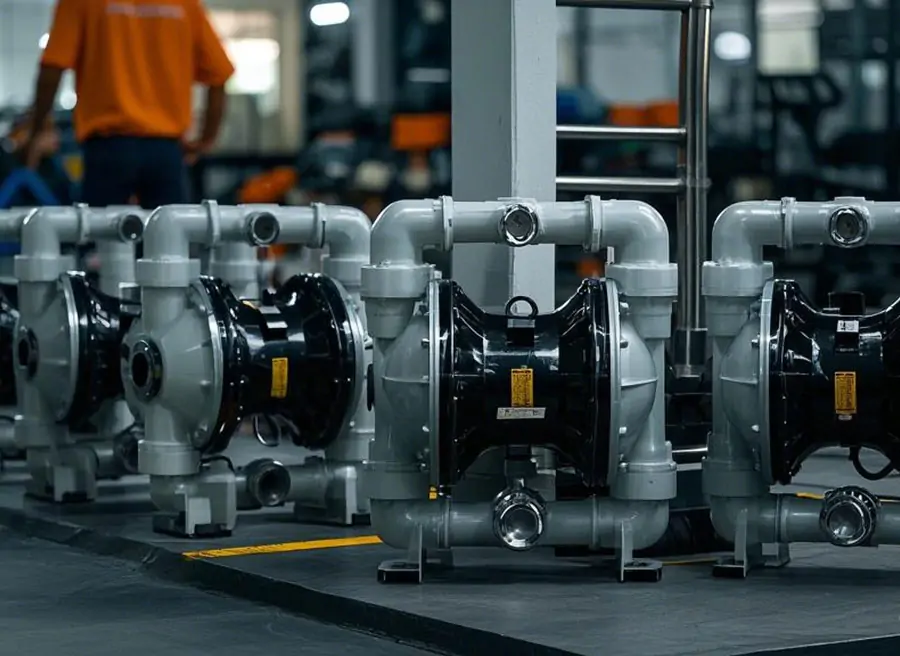
: حيث قد تتطور الغازات المذابة من السائل أثناء الضخ.
بالنسبة للسوائل المحملة بالمواد الصلبة، قم بتركيب مخمد النبض في اتجاه مجرى المضخة للحفاظ على سرعة تدفق ثابتة ومنع ترسب المواد الصلبة في أنابيب التفريغ. يمنع مصفاة الشفط الحطام الكبير من دخول المضخة وإتلاف صمامات الفحص.
كيفية اختيار مضخة الحجاب الحاجز الصناعية المناسبة؟
| المشكلة | السبب الجذري | الحل |
|---|---|---|
| يرشدك دليل اختيار مضخة الحجاب الحاجز هذا خلال عملية من ست خطوات لمطابقة المواد، ونوع المحرك، وتكوين الصمام مع سائل العملية المحدد وظروف التشغيل. | مشاكل وحلول شائعة لمضخة الحجاب الحاجز | جدول: مشاكل وحلول شائعة لمضخة الحجاب الحاجز |
| فشل الحجاب الحاجز في غضون أسابيع | عدم التوافق الكيميائي | تحقق من المقاومة الكيميائية؛ قم بالترقية إلى PTFE أو FKM |
| فشل الحجاب الحاجز بسبب التشقق | الإجهاد الميكانيكي — PTFE في تطبيق عالي الدورة | التبديل إلى EPDM أو FKM إذا كان متوافقًا كيميائيًا |
| تدفق منخفض أو نابض | صمامات فحص مهترئة؛ مصفاة شفط مسدودة | فحص وتنظيف الصمامات؛ تنظيف المصفاة |
| زيادة نبض التدفق | فشل أحد الأغشية — تشغيل غير متوازن | استهلاك مفرط للهواء (AODD) |
| تسربات هواء؛ صمام هواء مهترئ؛ مضخة كبيرة جدًا | تذبذب التدفق | إصلاح التسربات؛ صيانة صمام الهواء؛ مطابقة حجم المضخة مع الواجب |
استبدال الحجاب الحاجز فورًا
اهتزاز الأنابيب / قياس غير دقيق.
تركيب مخمد النبض على التفريغ.
الخطوة 2: تحديد المتطلبات الهيدروليكية.
عملية اختيار مضخة الحجاب الحاجز من ست خطوات.
الخطوة 1: توصيف سائل العملية.
تحديد التركيب الكيميائي، التركيز، درجة الحموضة، درجة الحرارة، اللزوجة، محتوى المواد الصلبة، وحجم الجسيمات.
حساب معدل التدفق المطلوب، ضغط التفريغ، ارتفاع الشفط، والرأس الديناميكي الكلي. ضع في الاعتبار تخفيض اللزوجة إذا كان ذلك مناسبًا.
الخطوة 3: اختيار مواد الجسم والحجاب الحاجز.
طابق مادة الجسم مع البيئة الخارجية وملامسة السائل الكلي. طابق مادة الحجاب الحاجز مع آلية الفشل السائدة — الهجوم الكيميائي أو الإجهاد الميكانيكي — وفقًا للمصفوفة في القسم 2.
الخطوة 4: اختيار نوع المحرك (AODD مقابل EODD).
تقييم دورة التشغيل، توفر المرافق في الموقع، تصنيف المنطقة الخطرة، وتكلفة الطاقة. استخدم دليل الاختيار في القسم 3.
الخطوة 5: اختيار نوع الصمام.
يوصي مهندسو تشانغيو بومب بما يلي: طابق تصميم الصمام مع محتوى المواد الصلبة، اللزوجة، وحساسية القص وفقًا للدليل في القسم 5.
الخطوة 6: تحديد الملحقات.
قم بتضمين مخمد النبض لتطبيقات القياس أو خطوط الأنابيب الطويلة. قم بتضمين مصفاة الشفط للسوائل الكاشطة. قم بتضمين مرشح هواء-منظم-مزلق لمضخات AODD.
عندما تكون كيمياء سائل العملية عدوانية أو غير متوقعة، استخدم افتراضيًا أغشية PTFE مع جسم مضخة من PVDF أو PP — توفر هذه التركيبة أوسع توافق كيميائي وتزيل خطر سوء اختيار المواد. عمر الحجاب الحاجز الأقصر المحتمل من إجهاد PTFE هو أفضل من اليقين بفشل الهجوم الكيميائي بمادة أقل مقاومة.
دراسة حالة مضخة Changyu: حل أزمة فشل الحجاب الحاجز في مصنع كيميائي.
قام مصنع كيميائي في جنوب شرق آسيا بتشغيل ثلاث مضخات AODD تنقل تيار مذيب مختلط (تولوين، أسيتون، ومركبات كلورية أثرية) من تفريغ المفاعل إلى خزان تغذية التقطير. المواصفات الأصلية: أجسام مضخات PP مع أغشية PTFE. معدل التدفق: 200 لتر/دقيقة عند ضغط تفريغ 3 بار، تشغيل مستمر (24/7).
على مدار 18 شهرًا من التشغيل: تم تمديد عمر الحجاب الحاجز من 3-4 أسابيع إلى أكثر من 6 أشهر. انخفض وقت توقف المضخة لاستبدال الحجاب الحاجز بنسبة تزيد عن 80%. تم استرداد تكلفة استبدال المضخة في غضون 5 أشهر من خلال القضاء على انقطاعات الإنتاج.
النقطة الرئيسية: ليست جميع أغشية PTFE متطابقة كيميائيًا. قد يكون PTFE القياسي كافيًا للأحماض والقلويات المائية، لكن تطبيقات المذيبات - خاصة تلك التي تتضمن مركبات مكلورة أو عطرية - تتطلب تركيبات PTFE متخصصة. عند تحديد مضخات الحجاب الحاجز لخدمة المذيبات، تحقق من المقاومة الكيميائية لمادة الحجاب الحاجز لخليط المذيبات الكامل عند درجة حرارة التشغيل، وليس فقط للمكون الرئيسي للمذيب.
حلول مضخات الحجاب الحاجز الصناعية من Changyu Pump
تقدم Changyu Pump كلاً من سلاسل مضخات الحجاب الحاجز التي تعمل بالهواء والتي تعمل بالكهرباء لتطبيقات معالجة السوائل الصناعية. كل سلسلة متوفرة مع خيارات متعددة لمواد الجسم والحجاب الحاجز لتتناسب مع متطلبات التوافق الكيميائي والتشغيل المحددة.
دليل اختيار منتج مضخة الحجاب الحاجز الصناعية
جدول: دليل اختيار منتج مضخة الحجاب الحاجز
| التطبيق | التحدي الرئيسي | السلسلة الموصى بها | الميزة الرئيسية |
|---|---|---|---|
| نقل المواد الكيميائية، معالجة المذيبات | التآكل + التوافق الكيميائي | سلسلة BFQ (AODD) أو سلسلة BFD (EODD) | جسم من PP أو PVDF أو الفولاذ المقاوم للصدأ؛ أغشية من PTFE أو EPDM أو FKM |
| موقع خطير (بدون كهرباء) | متطلبات مقاومة الانفجار | سلسلة BFQ (AODD) | تعمل بالهواء - مقاومة للانفجار بطبيعتها |
| تشغيل مستمر، حساس للطاقة | تكلفة الطاقة | سلسلة BFD (EODD) | محرك كهربائي - توفير في الطاقة بنسبة 60-80% مقارنة بـ AODD |
| ملاط كاشط | تآكل الجسيمات | سلسلة BFQ (AODD) مع أغشية Santoprene | حجاب حاجز مقاوم للتآكل؛ صمامات كروية أو رفرفية لمرور المواد الصلبة |
| درجة نقاء عالية / درجة غذائية | فولاذ مصبوب مع بطانة | BFQ أو BFD مع جسم من الفولاذ المقاوم للصدأ | أغشية EPDM أو PTFE متوافقة مع FDA |
سلسلة BFQ - مضخة حجاب حاجز مزدوجة تعمل بالهواء
تم تصميم مضخة الحجاب الحاجز المزدوجة التي تعمل بالهواء من سلسلة BFQ للسوائل المسببة للتآكل والكاشطة والمتطايرة عبر تطبيقات صناعية متنوعة. تتيح معدلات التدفق العالية، وقدرات التحضير الذاتي القوية، والتوافق مع مواد متعددة للجسم والحجاب الحاجز تخصيصًا مرنًا لمتطلبات العملية المحددة. يوفر التصميم الذي يعمل بالهواء تشغيلًا مقاومًا للانفجار بطبيعته وقدرة غير محدودة على التوقف.

| المعلمة | المواصفات |
|---|---|
| أقصى معدل تدفق عمل | 1,041 لتر/دقيقة |
| أقصى ضغط عمل | 0.84 ميجا باسكال |
| أقصى ارتفاع شفط | 7.6 m |
| أقصى حجم لجسيمات صلبة | 9.4 مم |
| مواد جسم المضخة | الفولاذ المصبوب، حديد الدكتايل، سبائك الألومنيوم، البولي بروبيلين، الفولاذ المقاوم للصدأ، PVDF |
سلسلة BFD - مضخة حجاب حاجز كهربائية
مضخة الحجاب الحاجز الكهربائية من سلسلة BFD هي حل فعال لنقل المواد الكيميائية مصمم للتشغيل المستقر والمستمر. يوفر المحرك الكهربائي معدل تدفق ثابتًا، واستهلاكًا منخفضًا للطاقة، وصيانة مبسطة مقارنة بالموديلات الهوائية. تم تصميم سلسلة BFD مع التركيز على عمر الخدمة الطويل والموثوقية العالية، وهي مناسبة للسوائل المسببة للتآكل والكاشطة وعالية اللزوجة والمتطايرة في تطبيقات التشغيل المستمر.
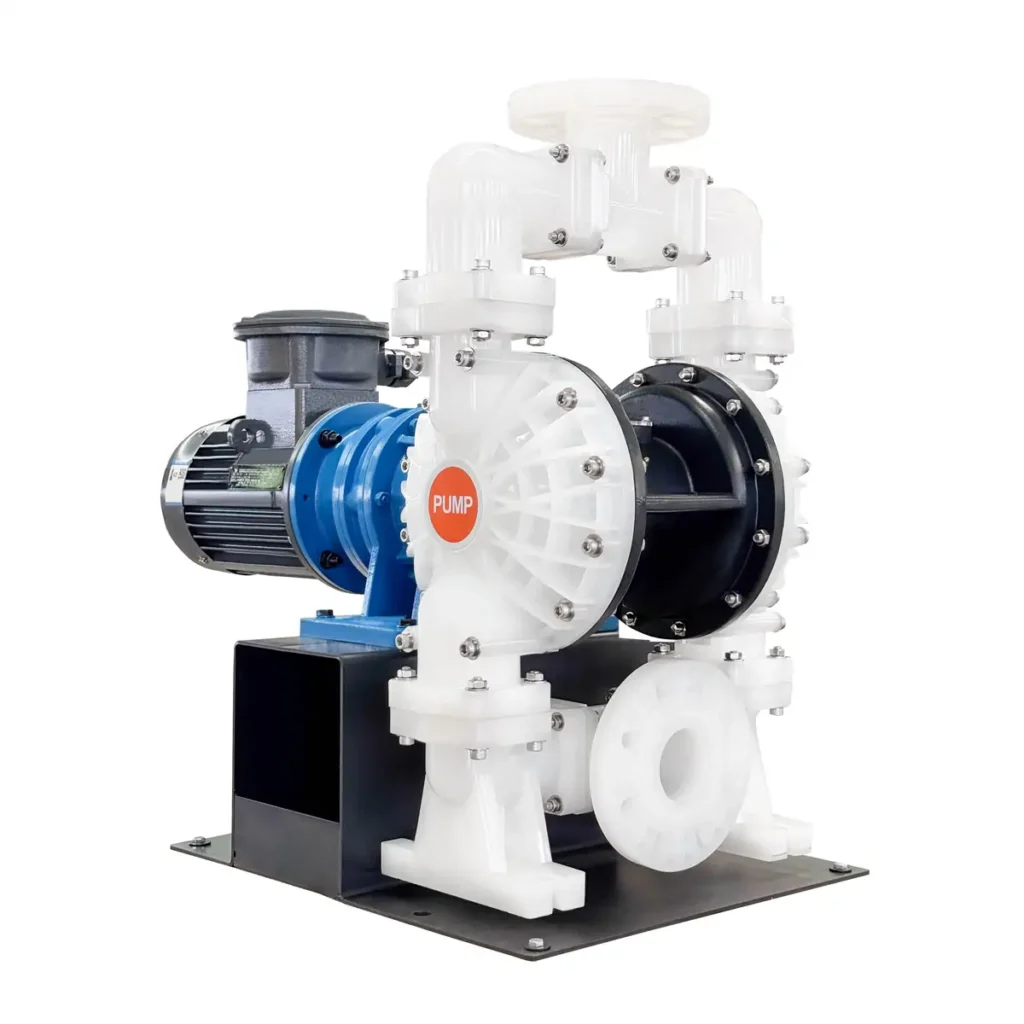
| المعلمة | المواصفات |
|---|---|
| نطاق معدل التدفق | 480 لتر/دقيقة |
| الحد الأقصى للرأس | 84 م |
| قوة المحرك | 75–45 كيلوواط |
| السرعة | 968 - 3450 دورة/دقيقة |
| مضخة خرطوم تمعجية دوارة | -20 درجة مئوية إلى 120 درجة مئوية |
| مواد قابلة للتخصيص | الصلب المصبوب وحديد الدكتايل وسبائك الألومنيوم والبولي بروبيلين والفولاذ المقاوم للصدأ و PVDF |
عرض مضخة سلسلة BFD الكهربائية ←
الأسئلة الشائعة حول مضخات الحجاب الحاجز الصناعية
س: ما هو عمر أغشية مضخات الحجاب الحاجز الصناعية؟
ج: تدوم أغشية PTFE عادةً من 2,000 إلى 4,000 ساعة في الخدمة الكيميائية. توفر أغشية EPDM من 1,500 إلى 3,000 ساعة في التطبيقات المائية. يوفر FKM وSantoprene من 1,500 إلى 2,500 ساعة. يعتمد العمر الفعلي على التوافق الكيميائي وضغط التشغيل ودرجة الحرارة ومعدل الدورة.
ج: تنقل مضخات الحجاب الحاجز المواد الكيميائية المسببة للتآكل، والملاط الكاشط، والسوائل عالية اللزوجة، والسوائل المحتوية على مواد صلبة كبيرة أو مواد ليفية. تشمل التطبيقات الشائعة النقل الكيميائي، وتجفيف المناجم، وتغذية مكابس الترشيح، ونقل الطين الخزفي، ومعالجة مياه الصرف الصحي. التصميم الخالي من الختم يجعلها مناسبة للسوائل الخطرة حيث يكون أي تسرب غير مقبول.
ج: تستخدم مضخات AODD الهواء المضغوط وهي مقاومة للانفجار بطبيعتها، مما يجعلها مناسبة للمواقع الخطرة والتشغيل المتقطع. تستخدم مضخات EODD محركات كهربائية وتقلل تكاليف الطاقة بنسبة 60-80% في تطبيقات التشغيل المستمر. تتميز مضخات AODD بتكلفة وحدة أولية أقل؛ بينما تتمتع مضخات EODD بتكلفة تشغيل طويلة الأجل أقل للخدمة المستمرة.
س: كيف أعرف أن الحجاب الحاجز الخاص بي يتعطل؟
ج: تشمل العلامات التحذيرية انخفاضًا تدريجيًا في معدل التدفق (الإجهاد)، وزيادة نبض التدفق (فشل أحد الأغشية)، وسوائل في عادم الهواء لمضخة AODD (تمزق الحجاب الحاجز)، وتسرب خارجي مرئي (ثقب). أي من هذه العلامات يستدعي الفحص الفوري واستبدال الحجاب الحاجز.
س: هل يمكن لمضخات الحجاب الحاجز التعامل مع المواد الصلبة؟
ج: نعم. تمرر تصميمات الصمامات الكروية المواد الصلبة حتى 9.4 مم. تستوعب تصميمات الصمامات الرفرفية جسيمات أكبر. قم بتركيب مصفاة شفط لمنع الحطام كبير الحجم من دخول المضخة وإتلاف صمامات الفحص. بالنسبة للمواد الصلبة الكاشطة، حدد أغشية Santoprene أو EPDM، وهي أكثر مقاومة للتآكل من PTFE.
س: لماذا يتذبذب تدفق مضخة الحجاب الحاجز الخاصة بي؟
ج: تنتج مضخات الحجاب الحاجز تدفقًا نابضًا بطبيعتها - يختلف التدفق من الصفر إلى الذروة مع كل شوط. قم بتركيب مخمد نبضات على خط التفريغ لتنعيم التدفق، وحماية الأنابيب النهائية من ارتفاعات الضغط، وتمكين قياس التدفق الدقيق.
س: هل يمكنني تشغيل مضخة الحجاب الحاجز وهي جافة؟
ج: نعم. على عكس المضخات الطاردة المركزية التي تعتمد على السائل الذي يتم ضخه للتبريد والتزييت، تتحمل مضخات الحجاب الحاجز التشغيل الجاف لفترات طويلة دون تلف. وهذا يجعلها مناسبة لتفريغ الخزانات، وتصريف الأحواض، والتطبيقات التي يكون فيها إمداد السائل متقطعًا.
قائمة مراجعة إجراءات الوقاية لمهندسي مضخات تشانغيو
- لا تحدد أغشية PTFE للتطبيقات عالية الدورة حيث يكون الإجهاد الميكانيكي - وليس الهجوم الكيميائي - هو آلية الفشل السائدة. توفر أغشية EPDM أو FKM عمر انثناء أطول بشكل ملحوظ.
- تحقق من التوافق الكيميائي للحجاب الحاجز لخليط السوائل الكامل عند درجة حرارة التشغيل - وليس فقط للمكون الرئيسي. يمكن للمذيبات الأثرية أو المركبات المكلورة أن تدمر الحجاب الحاجز المتوافق مع السائل الرئيسي.
- قم بتركيب مخمد نبضات على خط التفريغ لتطبيقات القياس، أو خطوط الأنابيب الطويلة، أو السوائل المحملة بالمواد الصلبة. يعمل المخمد على تثبيت التدفق، ويحمي الأجهزة، ويمنع ترسب المواد الصلبة.
- بالنسبة لمضخات AODD، قم بتركيب مرشح هواء ومنظم ومزيت لحماية صمام توزيع الهواء من التلوث والرطوبة.
- استبدل كلا الحجابين كمجموعة - وليس بشكل فردي. يتسبب تآكل الحجاب الحاجز غير المتساوي في تشغيل غير متوازن وتآكل متسارع للحجاب الحاجز الأحدث.
- بالنسبة للتطبيقات المستمرة التي تتجاوز 4-6 ساعات يوميًا، قم بتقييم مضخات EODD. عادةً ما تسترد التوفير في الطاقة بنسبة 60-80% التكلفة الأولية الأعلى خلال 12-18 شهرًا.
. - لا تقم بتشغيل مضخات الحجاب الحاجز فوق 70% من أقصى تصنيف ضغط لها لفترات طويلة. يؤدي الضغط الخلفي العالي إلى تسريع تآكل الحجاب الحاجز وتقليل عمر الخدمة.
. - احتفظ بحجاب حاجز احتياطي، وكرات/مقاعد صمام الفحص، وحلقات O-ring في المخزون لتطبيقات المضخات الحرجة. استبدال الحجاب الحاجز هو صيانة مخططة — تشغيل المضخة حتى فشل الحجاب الحاجز يسبب توقفًا غير ضروري.
.
الخاتمة
مضخة الحجاب الحاجز الصناعية هي مضخة مخصصة للغرض تجمع بين المقاومة الكيميائية، وقدرة التحضير الذاتي، ومعالجة المواد الصلبة في تصميم بدون مانع تسرب. تحدد ثلاثة عوامل موثوقية المضخة: اختيار المواد المتوافقة مع آلية الفشل السائدة — الهجوم الكيميائي أو الإجهاد الميكانيكي، ونوع المحرك المختار وفقًا لدورة التشغيل وقيود المرافق في الموقع، وملحقات النظام التي تحمي المضخة والعملية.
.
للتطبيقات الكيميائية العدوانية، توفر أغشية PTFE مع مواد جسم PVDF أو PP أوسع توافق وتزيل خطر فشل الهجوم الكيميائي. للتطبيقات المستمرة، تقلل مضخات EODD تكاليف الطاقة بنسبة 60-80% وتسترد تكلفتها الأولية الأعلى من خلال توفير التشغيل. مخمدات النبض ليست ملحقات اختيارية — فهي ضرورية لاستقرار التدفق، والقياس الدقيق، وحماية المعدات النهائية.
.
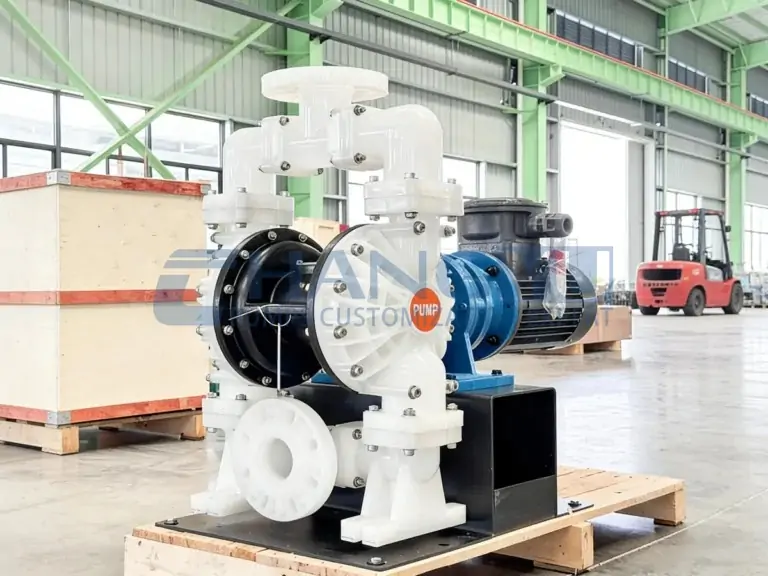
عندما تكون مستعدًا لتحديد مضخة حجاب حاجز صناعية لتطبيقك، يمكن لفريق هندسة Changyu Pump تقديم تقييم فني يغطي توصيف السوائل، وتوصية المواد، واختيار نوع المحرك المتوافق مع ظروف العملية الخاصة بك. يستند كل توصية إلى عقدين من تصنيع المضخات المقاومة للتآكل عبر المعالجة الكيميائية، ومعالجة المياه، والتطبيقات الصناعية.
.