
مقدمة
مضخة الميثانول يقع اختيار المضخة في نقطة التقاء بين الكيمياء وهندسة السلامة. فالميثانول مادة سامة وقابلة للاشتعال وتتميز بلزوجة منخفضة للغاية — وهي ثلاث خصائص تجعل كل واحدة منها على حدة تصميمات المضخات القياسية غير قابلة للتطبيق. قد تتعطل المضخة التي تعمل بشكل موثوق مع الماء في غضون أسابيع عند إعادة تخصيصها لخدمة الميثانول، ليس بسبب التآكل، ولكن لأن اللزوجة المنخفضة للسائل تسبب تسربًا داخليًا مفرطًا، وتؤدي قابلية المادة لاختراق الميثانول إلى تدهور السدادة، كما أن عدم وجود شهادة مقاومة للانفجار يخلق خطر الاشتعال.
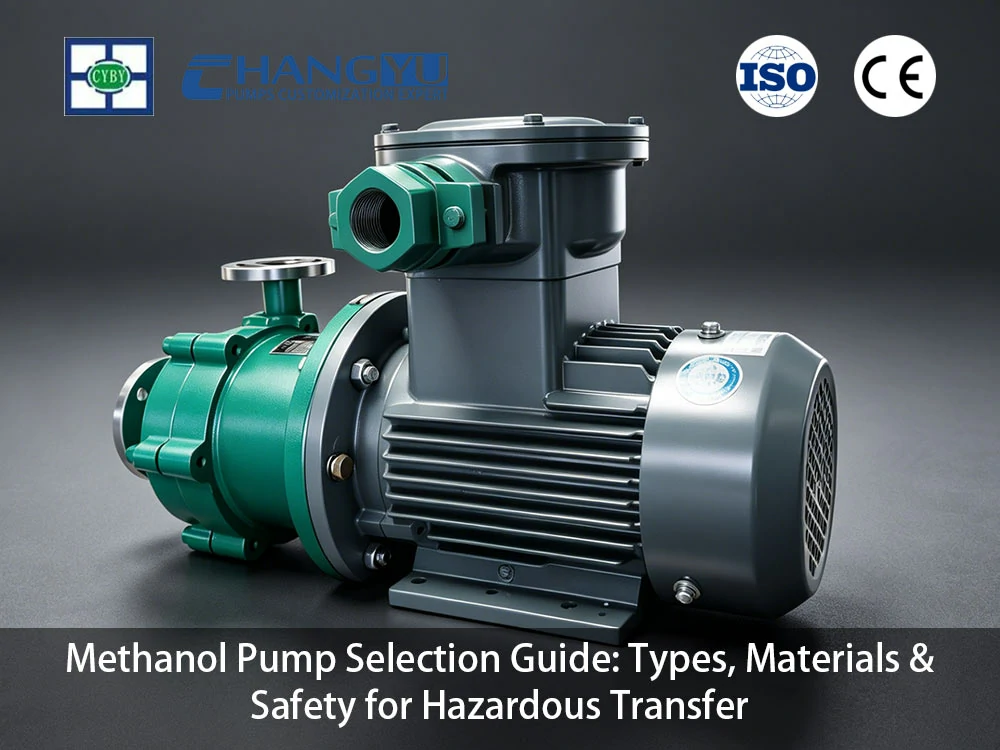
الميثانول, ، المعروف أيضًا باسم كحول الميثيل أو كحول الخشب، يستخدم على نطاق واسع كمذيب ومكون للوقود ومادة خام كيميائية. تخلق لزوجته المنخفضة (حوالي 0.55 سنتيمتر مكعب في الثانية عند 25 درجة مئوية، و0.48 سنتيمتر مكعب في الثانية عند 30 درجة مئوية) تحديات محددة في الضخ يجب معالجتها من خلال اختيار نوع المضخة، والتحقق من توافق المواد، وتصميم نظام السلامة. يتطلب النقل البسيط للميثانول من برميل إلى عملية ما مضخة تعالج ثلاثة مخاوف في وقت واحد: يجب أن تحتوي المضخة على السائل دون تسرب، ويجب أن تقاوم المواد المبللة كل من التآكل الكيميائي والتسرب، ويجب ألا يصبح نظام التشغيل مصدرًا للاشتعال.
يقدم هذا الدليل مرجعاً منظماً يشمل أنواع المضخات المستخدمة في عمليات الميثانول، وبيانات توافق المواد، وتقنيات السلامة، وإطار عمل من ست خطوات لاختيار المضخات، وممارسات الصيانة. وبالاعتماد على خبرة تزيد عن عقدين في هندسة المضخات، توفر شركة Changyu Pump خبرة عملية في تحديد حلول معالجة السوائل للمواد الكيميائية الخطرة.
1. ما هي مضخة الميثانول؟
A مضخة الميثانول هي مضخة مصممة خصيصًا لنقل الميثانول بأمان. ويكمن الاختلاف الهندسي بين مضخة الميثانول والمضخة الكيميائية القياسية في ثلاثة متطلبات تصميمية تم رفع درجة أهميتها من “موصى بها” إلى “موصى بها بشدة” بسبب الخصائص الفيزيائية والكيميائية للميثانول:
- يُنصح بشدة باستخدام مانع تسرب لا يتسرب أو يتسرب بكميات ضئيلة للغاية: الميثانول مادة سامة وقابلة للاشتعال. إن تسرب الختم الميكانيكي، الذي قد يمثل مجرد إزعاج صياني في عمليات ضخ المياه، يتحول إلى خطر تعرض الموظفين ومخاطر حريق في عمليات ضخ الميثانول. في حين أن المضخات ذات المحرك المغناطيسي بدون مانع تسرب توفر أعلى مستوى من الاحتواء، فإن الموانع الميكانيكية المزدوجة عالية الجودة المزودة بأنظمة سوائل حاجزة وفقًا لخطة API 53/54 يمكنها أيضًا توفير احتواء مقبول للتطبيقات ذات التدفق الكبير حيث لا تتوفر مضخات ذات محرك مغناطيسي بالحجم المطلوب.
- أنظمة المحركات المقاومة للانفجار: تبلغ درجة اشتعال الميثانول حوالي 12 درجة مئوية (54 درجة فهرنهايت)، مما يصنفه كسائل قابل للاشتعال من الفئة الأولى. وتوصي المواصفة NFPA 77 بتأريض الحاويات وربطها كهربائيًا أثناء نقل الميثانول لمنع حدوث تفريغ كهروستاتيكي. يلزم استخدام محركات معتمدة من ATEX/IECEx للمضخات التي تعمل بالكهرباء في مناطق خدمة الميثانول.
- المواد المتوافقة مع الميثانول: تسمح اللزوجة المنخفضة للميثانول وصغر حجم جزيئاته له بالتغلغل في بعض أنواع المطاط الصناعي وتآكل مواد الإحكام القياسية. يجب التحقق من توافق المكونات الملامسة للميثانول مع بيانات التوافق الخاصة به.
يُعد الميثانول مادة تشكل خطراً على البيئة في حالة انسكابها أو تسربها، ويشكل ضخها تحدياً بسبب انخفاض لزوجتها، وانخفاض درجة حرارة الاشتعال الذاتي (464 درجة مئوية)، وارتفاع ضغط بخارها. ولذلك، فإن اختيار المضخة المناسبة أمر ضروري للحفاظ على سلامة العمليات.
1.1 الاستخدامات النموذجية للميثانول
| الصناعة | التطبيق النموذجي | المتطلبات الأساسية للضخ |
|---|---|---|
| إنتاج الديزل الحيوي | الميثانول كأحد مكونات تفاعل الاسترة التبادلية | التدفق المستمر، شهادة ATEX |
| الكيمياء والصيدلة | مذيب، مادة وسيطة في التفاعل، عامل تنظيف | حاوية مانعة للتسرب |
| خلايا الوقود والطاقة | تزويد خلايا الوقود بالميثانول المباشر (DMFC) | القياس الدقيق، نقاء المواد |
| مضاد التجمد ومزيل الجليد | إنتاج سائل تنظيف الزجاج الأمامي، ومحاليل إزالة الجليد | النقل بالجملة، التوافق الكيميائي |
| معالجة مياه الصرف الصحي | الميثانول كمصدر للكربون في عملية إزالة النتروجين | الجرعات الدقيقة، ومقاومة التآكل |
| المختبرات والمصانع التجريبية | نقل المذيبات على نطاق صغير | محمولة، ذاتية الشفط، مانعة للتسرب |
2. ما هي الأنواع الرئيسية لمضخات الميثانول؟
تتميز الميثانول بلزوجة منخفضة للغاية، ونتيجة لذلك، تعمل المضخات التي تتعامل مع الميثانول بسرعات أعلى لتعويض الانزلاق الداخلي. ويجب أن يأخذ اختيار نوع المضخة في الاعتبار تأثير اللزوجة هذا، ومستوى الاحتواء المطلوب، وتصنيف المنطقة الخطرة.
2.1 مضخات الدفع المغناطيسي — تصميم مانع للتسرب
تُعد المضخات ذات المحرك المغناطيسي هي المعيار القياسي لنقل الميثانول في الحالات التي تتطلب عدم وجود أي تسرب. ويتم نقل عزم الدوران من المحرك إلى المكره عبر غلاف احتواء ثابت باستخدام اقتران مغناطيسي. يتم احتواء سائل المعالجة بالكامل داخل الغلاف المُحكم الإغلاق — ولا يخترق أي عمود دوار حاجز الضغط.
- يلغي الحاجة إلى الختم الميكانيكي — وهو المسار الأكثر شيوعًا للتسرب
- صفر تسرب حسب التصميم
- لا يوجد استهلاك لمياه الشطف
- يُقضي على التكاليف المستمرة لاستبدال الأختام
- مبطنة بالبلاستيك الفلوري (PTFE، PFA، FEP) لضمان توافق كيميائي واسع النطاق
بالنسبة للميثانول، يتمثل التحدي الرئيسي في انخفاض لزوجته. فالميثانول سائل رقيق تبلغ لزوجته حوالي 0.55 سنتيمتر مكعب في درجة الحرارة 25 درجة مئوية. في المضخة الطردية المركزية، تقلل اللزوجة المنخفضة للميثانول من خسائر الاحتكاك في الأقراص ولكنها تزيد من التسرب عبر الفجوات الداخلية مثل حلقات التآكل، مما يقلل من الكفاءة الحجمية. في المضخة ذات المحرك المغناطيسي، يقوم سائل العملية بتزييت المحامل الداخلية. تقلل اللزوجة المنخفضة للميثانول (0.55 سنتيمتر مكعب) من سماكة الطبقة الهيدروديناميكية بين أسطح المحامل مقارنة بالماء (1.0 سنتيمتر مكعب)، مما يدفع المحامل إلى الاقتراب من ظروف التشحيم الحدودي. وهذا يسرع من التآكل ويجعل اختيار مادة المحامل أمرًا بالغ الأهمية عند استخدام الميثانول. لذلك، يجب تصميم المضخة خصيصًا بمواد محامل داخلية وخطط شطف مصنفة للاستخدام في ظروف منخفضة اللزوجة ومنخفضة التشحيم.
للحصول على فهم أعمق لتقنية المضخات ذات المحرك المغناطيسي، يرجى الاطلاع على دليلنا حول مضخة المواد الكيميائية السامة: دليل الاختيار لنقل التسرب الصفري.
الأفضل لـ نقل الميثانول المستمر الذي يتطلب عدم وجود أي تسرب؛ إنتاج الديزل الحيوي؛ المعالجة الكيميائية؛ أي تطبيق يتطلب القضاء على الانبعاثات المتسربة.
2.2 مضخات الغشاء المزدوج التي تعمل بالهواء المضغوط (AODD)
تستخدم مضخات AODD الهواء المضغوط لملء وتفريغ غرفتين مرنتين مزودتين بغشاء بشكل متناوب. وهي مصممة بدون أجزاء مانعة للتسرب — حيث يشكل الغشاء حاجزًا ثابتًا بين سائل العملية وآلية التشغيل.
- لا تحتاج إلى صمامات، ذاتية الشفط، ويمكن تشغيلها في حالة الجفاف دون أن تتعرض للتلف
- لا توجد مكونات كهربائية في المضخة — مما يجعلها آمنة بطبيعتها عند استخدامها مع السوائل القابلة للاشتعال
- متوفر بمحركات هوائية حاصلة على شهادة ATEX للمناطق من الفئة 1 والفئة 2
- معالجة السوائل عالية اللزوجة والتدفقات المحتوية على مواد صلبة
- يمكن إيقاف التدفق عند صمام مغلق دون حدوث ارتفاع في درجة الحرارة
تُصنع مضخات AODD من مواد مقاومة للمواد الكيميائية، وأهمها مادة PTFE والبولي بروبيلين. ويجب التحقق بشكل خاص من توافق مواد هيكل المضخة والمواد المرنة مع الميثانول، حيث إن مواد الحجاب الحاجز القياسية لا تقاوم جميعها نفاذ الميثانول وتورمه خلال فترات التشغيل الطويلة.
مضخة تشانغيو يُبرز ذلك أن مضخاتنا من نوع AODD تُستخدم لنقل الميثانول، حيث إن تصميمها الخالي من الأجزاء المانعة للتسرب لا يُشكل مصدرًا للاشتعال، كما يمكن توصيلها بالأرض، مما يجعلها مناسبة للبيئات التي توجد فيها مواد خطرة أو قابلة للانفجار أو سهلة الاشتعال.
الأفضل لـ نقل الميثانول بشكل متقطع؛ تفريغ البراميل وحاويات IBC؛ الاستخدامات في المناطق الخطرة؛ المهام المتنقلة والمهام العامة.
2.3 المضخات الطردية (المزودة بموانع تسرب ميكانيكية والمزودة بموانع تسرب غير ميكانيكية)
تُستخدم المضخات الطردية في تطبيقات نقل الميثانول المستمرة ذات التدفق العالي. وفيما يتعلق باستخدام الميثانول، تتطلب المضخات الطردية المزودة بأختام ميكانيكية خصائص تصميمية محددة للتغلب على التحدي المتمثل في انخفاض اللزوجة.
تُستخدم سلسلة CYQ من مضخات Changyu، المصممة خصيصًا لنقل الميثانول، في نقل المواد الكيميائية القابلة للاشتعال والخطرة وذات اللزوجة المنخفضة مثل الميثانول والإيثانول والهكسان والتولوين. تستخدم المضخة تصميمًا مترابطًا مع مانع تسرب ميكانيكي واحد، ويتم اختيار المكونات المبللة لتتوافق مع الميثانول.
بالنسبة للمضخات الطردية ذات الختم الميكانيكي المستخدمة في عمليات الميثانول، يجب أن يكون المحرك من النوع TEFC (مبرد بمروحة ومغلق تمامًا) ومقاومًا للانفجار، كما يجب أن تحتوي المضخة على دافع مغلق. يجب اختيار أسطح الختم الميكانيكي للاستخدامات ذات اللزوجة المنخفضة وقابلية التشحيم المنخفضة — عادةً ما يكون الكربون الجرافيتي مقابل كربيد السيليكون، مع أختام ثانوية من مادة FFKM أو PTFE.
الأفضل لـ نقل الميثانول المستمر بقدرة تدفق عالية؛ عمليات مجمع الخزانات؛ تغذية المفاعل.
2.4 مضخات الإزاحة الإيجابية للميثانول
تُستخدم مضخات الإزاحة الإيجابية (PD) في تطبيقات الميثانول التي تتطلب قياسًا دقيقًا، أو ضخًا عالي الضغط، أو التعامل مع سوائل ذات لزوجة متغيرة.
مضخات التروس الداخلية تُعد هذه المضخات مناسبة لنقل الميثانول، حيث إن السرعة الداخلية المنخفضة للمضخة تعني أنه على الرغم من حاجتها إلى العمل بسرعات أعلى لتعويض الانزلاق، فإنها تظل تعمل بمعدلات تآكل معقولة. تشير شركة Changyu Pump إلى أن مضخات التروس الداخلية تتميز بسرعة داخلية منخفضة، لذا فحتى وإن كانت تحتاج إلى العمل بسرعات أعلى لتعويض الانزلاق، فإنها لا تزال تتمتع بمعدلات تآكل معقولة وعمر افتراضي طويل.
مضخات الريشة الدوارة تُعد خيارًا آخر من خيارات المضخات الدوارة (PD) المستخدمة في مجال الميثانول. توفر مضخات بلاكمير ذات الريش تدفقًا سلسًا وخاليًا من النبضات، وتُستخدم في تطبيقات نقل الميثانول التي تتطلب قدرة على التشغيل الذاتي وقدرة على التعامل مع الأبخرة.
مضخات التجويف التدريجي تُستخدم في تطبيقات الميثانول التي تتطلب تدفقًا دقيقًا وغير متقطع لأغراض الجرعات أو القياس.
الأفضل لـ قياس وجرعات الميثانول؛ الحقن عالي الضغط؛ تفريغ صهاريج النقل؛ تحديد نسب الديزل الحيوي.
2.5 مقارنة أنواع مضخات الميثانول
| نوع المضخة | طريقة الختم | التسرب الصفري | متوافق مع معايير ATEX | أفضل تطبيق |
|---|---|---|---|---|
| محرك مغناطيسي | بدون قفل (غلاف احتواء ثابت) | نعم (حسب التصميم) | نعم (مع محرك معتمد) | نقل مستمر لا يتطلب أي تسرب |
| AODD | عديم القفل (حاجز الحجاب الحاجز) | نعم (حسب التصميم) | نعم (آمن بطبيعته) | النقل المتقطع، المناطق الخطرة، المحمولة |
| طرد مركزي (مزود بختم ميكانيكي) | حاجز ميكانيكي مفرد أو مزدوج | لا (يعتمد على الختم) | نعم (مع محرك ATEX) | نقل متواصل عالي التدفق |
| تروس داخلية (PD) | حاجز ميكانيكي مفرد أو مزدوج | لا (يعتمد على الختم) | نعم (مع محرك ATEX) | قياس دقيق، ضخ عالي الضغط |
| الريشة الدوارة (PD) | مانع تسرب ميكانيكي واحد | لا (يعتمد على الختم) | نعم (مع محرك ATEX) | ذاتية الشفط، مخصصة للتعامل مع البخار |
3. ما هي المواد المتوافقة مع الميثانول؟
يجب أن تراعي مسألة توافق المواد مع الميثانول كلاً من التأثير الكيميائي والتسرب. فصغر حجم جزيئات الميثانول يتيح له اختراق بعض أنواع المطاط الصناعي وحتى بعض أنواع البلاستيك، مما يتسبب في انتفاخها وفقدان خصائصها الميكانيكية، وفي نهاية المطاف فشل الختم. ولا تقتصر المشكلة على التسرب فحسب، بل إن بعض أنواع المطاط الصناعي تتفاعل كيميائيًا مع الميثانول، في حين تتأثر أنواع أخرى به تأثرًا فيزيائيًا.
3.1 المواد المعدنية
- 316 فولاذ مقاوم للصدأ — متوافقة مع الميثانول في درجات الحرارة المحيطة. قد تتعرض للتآكل إذا احتوى الميثانول على نسبة عالية من الماء أو شوائب أخرى. مناسبة لمكونات غلاف المضخة. تُصنع مضخات الميثانول بمكونات غلاف من الفولاذ المقاوم للصدأ 316.
- فولاذ مقاوم للصدأ 304 — متوافق مع الميثانول في درجات الحرارة المحيطة. أكثر فعالية من حيث التكلفة مقارنة بالفولاذ 316.
- الفولاذ الكربوني — يُستخدم في خزانات تخزين الميثانول، لكن لا يُنصح باستخدامه في المكونات الملامسة للسائل في المضخات التي تتطلب تفاوتات ضيقة وأجزاء متحركة.
- سبيكة 20 / هاستيلوي C-276 — متوافقة مع الميثانول في جميع درجات الحرارة ضمن نطاق تشغيل المضخة. تُستخدم في التطبيقات التي يتم فيها خلط الميثانول مع مواد أكثر تآكلًا.
3.2 المواد غير المعدنية
- PTFE (متعدد رباعي فلورو الإيثيلين) — متوافقة مع الميثانول في جميع درجات الحرارة ضمن النطاق المحدد للمضخة. تتمتع بمقاومة كيميائية ممتازة. تُستخدم في بطانات المضخات ومكونات الحشيات. تُصنع مضخات الميثانول بمكونات حشيات من مادة PTFE.
- PFA (بيرفلورو ألكوكسي) — متوافق مع الميثانول في جميع درجات الحرارة ضمن النطاق المحدد للمضخة. يتميز بنفاذية أقل من مادة PTFE.
- PVDF (فلوريد البوليفينيلدين متعدد الفلوريدات) — متوافق مع الميثانول. يُستخدم في مكونات المضخات التي تتطلب قوة ميكانيكية أكبر من تلك التي يوفرها مادة PTFE.
- UHMW-PE (البولي إيثيلين فائق الوزن الجزيئي) — متوافق مع الميثانول في درجات الحرارة المعتدلة. يتميز بمقاومة ممتازة للتآكل في الاستخدامات التي قد يحتوي فيها الميثانول على جسيمات صلبة.
- ETFE (الإيثيلين-تترافلوروإيثيلين) — متوافق مع الميثانول. يُستخدم في التطبيقات التي تتطلب مزيجًا من المقاومة الكيميائية والمتانة الميكانيكية.
3.3 مواد الإيلاستومر — الاختيار الحاسم
يُعد اختيار المطاط الصناعي أهم قرار يتعلق بالمواد في مضخة الميثانول. فصغر حجم جزيئات الميثانول يسمح له بالتسرب عبر العديد من أنواع المطاط الصناعي القياسية، مما يؤدي إلى انتفاخها وفشل الختم. وتختلف آلية ذلك باختلاف نوع المطاط الصناعي:
- فيتون (FKM) — غير متوافق مع الميثانول. من المعروف أن مادة فيتون (Viton) تتضخم وتلين وتتحلل عند تعرضها للميثانول. ويحدث ذلك لأن الميثانول يهاجم كيميائيًا البنية الجزيئية لمادة FKM، مما يؤدي إلى فقدان تدريجي لسلامتها الميكانيكية. ولا يُنصح باستخدام مادة FKM في أي تطبيقات مانعة للتسرب تتعرض للميثانول.
- EPDM — متوافق بشكل عام مع الميثانول. يُستخدم في تطبيقات الحلقات الدائرية (O-ring) والحشيات. ومع ذلك، يمكن أن يتأثر توافق مادة EPDM بمحتواها من الحشو والملدنات وأي ملوثات موجودة في تيار الميثانول. بالنسبة للميثانول الذي تزيد نقاوته عن 99% عند درجات حرارة أقل من 30 درجة مئوية، توفر الحلقات الدائرية المصنوعة من مادة EPDM عمومًا عمرًا تشغيليًا مقبولًا. بالنسبة للميثانول الذي يحتوي على ماء أو أحماض أو يعمل عند درجة حرارة أعلى من 40 درجة مئوية، يوصي مهندسو Changyu Pump بالترقية إلى أختام مغلفة بـ PTFE أو FFKM للقضاء على مخاطر الفشل المبكر.
- FFKM (كالريز، كيمريز) — متوافقة مع الميثانول في جميع درجات الحرارة ضمن النطاق المحدد للمضخة. المواصفات القياسية للاستخدامات الكيميائية القاسية التي تتطلب أقصى درجات الموثوقية.
- بونا-إن (النيتريل، NBR) — متوافق بشكل عام مع الميثانول. يُستخدم في بعض تطبيقات الأغشية والحشيات. يجب التحقق من التوافق عند درجة حرارة التشغيل المحددة.
- موانع التسرب المغلفة بـ PTFE — متوافق مع الميثانول. يوفر المقاومة الكيميائية التي يتميز بها مادة PTFE مع المرونة الميكانيكية التي يتمتع بها قلب المطاط الصناعي. يُوصى باستخدامه في تطبيقات الختم الديناميكي التي يُشكل فيها انتفاخ المطاط الصناعي مشكلة.
يوصي مهندسو شركة Changyu Pump بأن يستند اختيار المطاط الصناعي إلى نوع الميثانول المحدد ودرجة حرارة التشغيل، حيث إن الملوثات مثل الماء أو الأحماض يمكن أن تؤثر بشكل كبير على التوافق. بالنسبة لجميع المكونات المبللة في خدمة الميثانول، يجب تحديد حلقات O-ring وموانع التسرب المغلفة بـ PTFE أو FFKM. قد تمتص موانع التسرب المطاطية القياسية الميثانول، وتتضخم، وتفقد سلامة الإغلاق في غضون أسابيع، خاصة في التطبيقات ذات التشغيل المستمر.
3.4 مرجع سريع لتوافق المواد مع الميثانول
يعرض هذا الجدول بيانات التوافق العامة للميثانول النقي في درجة حرارة الغرفة. وقد يختلف التوافق باختلاف درجة نقاء الميثانول ودرجة الحرارة والملوثات. لذا، يجب دائمًا التحقق من توافق المواد مع ظروف العملية المحددة.
| المواد | التوافق | درجة الحرارة القصوى | التطبيق النموذجي |
|---|---|---|---|
| 316 SS | متوافق | ~120°C | غلاف المضخة، المروحة، العمود |
| الفولاذ المقاوم للصدأ 304 | متوافق | ~120°C | غلاف المضخة، المكونات الهيكلية |
| PTFE | متوافق | ~120°C | بطانات المضخات، والحشيات، والموانع |
| الاتحاد الفلسطيني لكرة القدم | متوافق | ~180°C | تطبيقات الميثانول في درجات الحرارة العالية |
| PVDF | متوافق | ~120°C | مكونات المضخة التي تتطلب قوة ميكانيكية |
| UHMW-PE | متوافق | ~90°C | تطبيقات الميثانول الكاشطة |
| ETFE | متوافق | ~120°C | التطبيقات التي تجمع بين العمليات الكيميائية والميكانيكية |
| FFKM (كالريز) | متوافق | ~200°C | الموانع الديناميكية، الحلقات الدائرية — المواصفات القياسية |
| مغلفة بـ PTFE | متوافق | ~120°C | الموانع الديناميكية، الحلقات الدائرية — موصى بها للاستخدام مع الميثانول |
| EPDM | متوافق بشكل عام | ~100°C | الحلقات الدائرية الثابتة والحشيات — التحقق منها في ظروف درجات الحرارة |
| فيتون (FKM) | غير متوافق — يتورم ويتلف | غير متوفر | لا يُنصح باستخدامه مع أي مانع تسرب من الميثانول |
| بونا-إن (NBR) | متوافق بشكل عام | ~80°C | الحجاب الحاجز، والحشيات — تحقق من حالتها عند درجات الحرارة المختلفة |
4. ما هي تقنيات السلامة المطلوبة لضخ الميثانول؟
يتطلب ضخ الميثانول اتباع نهج متعدد المستويات في مجال السلامة. وتتمثل الركائز الثلاث لسلامة مضخات الميثانول في الاحتواء، ومنع الانفجار، والمراقبة.
4.1 نظام احتواء بدون تسرب
نظرًا لأن الميثانول مادة سامة وقابلة للاشتعال، فإن الشرط الأساسي للسلامة هو منع تسرب سائل العملية إلى الجو.
- مضخات الدفع المغناطيسي تُعد هذه الخزانات الخيار المفضل لنقل الميثانول دون أي تسرب. فهي مغلقة بإحكام، مما يجعلها مثالية للسوائل القابلة للاشتعال والسامة. ويوفر غلاف الاحتواء حاجزًا ثابتًا بين سائل العملية والبيئة المحيطة.
- موانع تسرب ميكانيكية مزدوجة مع سائل حاجز (خطة API 53/54) توفر بديلاً عندما يُفضل استخدام مضخة ذات مانع تسرب ميكانيكي. يجب أن يتجاوز ضغط سائل الحاجز ضغط سائل العملية عند أسطح مانع التسرب، بحيث يكون أي تسرب هو لتسرب سائل الحاجز إلى العملية، وليس تسرب الميثانول إلى الغلاف الجوي.
- مضخات AODD توفر عزلًا بدون أختام بفضل حاجز الغشاء. وهي خالية من التسرب بطبيعتها، حيث يعزل الغشاء السائل تمامًا عن آلية التشغيل. ومع ذلك، فإن الأغشية عرضة للتلف بسبب الإجهاد وتحتاج إلى الاستبدال الدوري.
4.2 متطلبات مقاومة الانفجار وفقًا لمعايير ATEX/IECEx
تبلغ درجة اشتعال الميثانول حوالي 12 درجة مئوية (54 درجة فهرنهايت)، مما يصنفه كسائل قابل للاشتعال من الفئة الأولى. وعند ضخ الميثانول، يجب استخدام مضخات مقاومة للانفجار في المناطق الخطرة المصنفة. توجيه ATEX (2014/34/EU) تنظم هذه اللائحة المعدات المخصصة للاستخدام في الأجواء القابلة للانفجار داخل الاتحاد الأوروبي.
- يجب أن تحمل المضخات المركبة في المناطق التي يتم فيها التعامل مع الميثانول، والمصنفة ضمن المنطقة 1 أو المنطقة 2، شهادة ATEX من الفئة 2G أو الفئة 3G.
- IECEx وهو المعادل الدولي الذي يوفر إطارًا معترفًا به عالميًا لإصدار الشهادات.
- GB 3836 هي المعيار الوطني الصيني لمقاومة الانفجار في المشاريع المحلية.
يعتمد التصنيف المحدد للمنطقة وفقًا لمعايير ATEX/IECEx على مخطط تصنيف المناطق الخطرة الخاص بالمنشأة. بالنسبة للمضخات التي تعمل بالطاقة الكهربائية، يجب التحقق من أن فئة T للمحرك (تصنيف درجة الحرارة) تتوافق مع درجة حرارة الاشتعال الذاتي للميثانول (464 درجة مئوية). يوفر المحرك المصنف T3 (درجة حرارة السطح القصوى 200 درجة مئوية) هامش أمان كافٍ.
4.3 التأريض والربط الثابت
توصي المواصفة NFPA 77 بتأريض الحاويات وربطها كهربائيًا أثناء نقل الميثانول لمنع حدوث تفريغ كهروستاتيكي. فقد يولد الميثانول شحنات كهروستاتيكية أثناء النقل، وقد يؤدي التأريض غير السليم إلى تراكم الكهرباء الساكنة واحتمال حدوث انفجارات.
- يجب تأريض جميع المكونات المعدنية للمضخة وربطها بنظام الأنابيب
- يجب تحديد المواد الموصلة المستخدمة في المضخة (البولي بروبيلين الموصّل، أو البولي فينيل فلوريد الموصّل، أو الهيكل المعدني)
- يُعد استخدام كابل تأريض معتمد يربط المضخة بالبرميل أو الخزان وبنقطة تأريض معتمدة أمرًا إلزاميًا
- وينطبق هذا بغض النظر عما إذا كانت المضخة حاصلة على شهادة ATEX أو تعمل بالهواء المضغوط أو تعمل بالكهرباء
مضخة تشانغيو توصي الشركة بتأريض مضخاتها من نوع AODD المستخدمة في نقل الميثانول، لأنها لا تشكل مصدرًا للاشتعال، مما يجعلها مناسبة للبيئات التي توجد فيها مواد خطرة.
4.4 كشف التسربات ومراقبتها
بالنسبة للمضخات ذات المحرك المغناطيسي المستخدمة في عمليات الميثانول، تساعد مراقبة درجة حرارة غلاف الاحتواء على الكشف عن التشغيل الجاف وتراكم المواد الصلبة قبل حدوث عطل في غلاف الاحتواء. وقد يشير ارتفاع درجة حرارة غلاف الاحتواء إلى عدم كفاية تزييت المحامل الداخلية، وهو أمر يثير القلق بشكل خاص نظراً للزوجة المنخفضة للميثانول.
تتيح مراقبة انخفاض الضغط بين الحواجز المزدوجة (في المضخات ذات المحركات المغلقة) التحقق المستمر من سلامة نظام الاحتواء. أما بالنسبة للمضخات ذات الأختام الميكانيكية، فإن جمع التسربات وكشفها عند مخرج السدادة يكملان نظام الاحتواء.
5. كيفية اختيار مضخة الميثانول المناسبة: إطار عمل من 6 خطوات
يضمن اختيار مضخة الميثانول المناسبة نقل السوائل بطريقة آمنة وموثوقة وفعالة.
الخطوة 1: تحديد خصائص استخدام الميثانول
يجب توثيق درجة نقاء الميثانول ودرجة الحرارة ومعدل التدفق وضغط التفريغ وأي ملوثات (مثل الماء والمواد الصلبة والمواد الكيميائية الأخرى). يجب أخذ اللزوجة المنخفضة للميثانول (حوالي 0.55 سنتيمتر مكعب عند 25 درجة مئوية) في الاعتبار عند تحديد حجم المضخة — حيث ستتعرض المضخات لانزلاق داخلي أعلى في الخدمة ذات اللزوجة المنخفضة.
بالنسبة للميثانول، الذي يتميز بضغط بخار مرتفع نسبيًا، يجب حساب ارتفاع الشفط الإيجابي الصافي (NPSH) المتاح عند درجة الحرارة القصوى للتشغيل. يرتفع ضغط بخار الميثانول بشكل حاد مع ارتفاع درجة الحرارة، وقد تتعرض المضخة التي تعمل بأمان عند 20 درجة مئوية للتجويف عند 40 درجة مئوية إذا كان هامش NPSH غير كافٍ. يوصي مهندسو Changyu Pump بهامش NPSH أدنى يبلغ 1 متر لتطبيقات الميثانول، مع هامش أكبر يبلغ 2-3 أمتار للميثانول عند درجات حرارة أعلى من 40 درجة مئوية.
نقاط البيانات الرئيسية: نقاء الميثانول، ودرجة الحرارة، ومعدل التدفق، وضغط التفريغ، و NPSH المتاح.
الخطوة 2: تحديد تصنيف السلامة
صنف منطقة التركيب. هل تقع المضخة في منطقة عامة أم في منطقة مصنفة على أنها خطرة؟ إذا كانت منطقة مناولة الميثانول مصنفة ضمن المنطقة 1 أو المنطقة 2 وفقًا لمعايير ATEX، فيجب أن تحمل المضخة الشهادة المقابلة. بالنسبة للمضخات التي تعمل بالكهرباء، يجب التحقق من فئة T للمحرك مقارنة بدرجة حرارة الاشتعال الذاتي للميثانول.
القرار الرئيسي: منطقة ATEX 1 → محرك معتمد من الفئة 2G؛ المنطقة 2 → محرك معتمد من الفئة 3G؛ الاستخدامات العامة → قد يكون المحرك القياسي TEFC مقبولاً.
الخطوة 3: اختيار نوع المضخة المناسب للاستخدام
- نقل مستمر لا يتطلب أي تسرب → مضخة طرد مركزي ذات محرك مغناطيسي
- نقل مستمر عالي التدفق، يُقبل استخدام مانع التسرب الميكانيكي → مضخة طرد مركزي مقاومة للانفجار
- نقل متقطع، مناطق خطرة، محمول → مضخة AODD
- القياس الدقيق أو الحقن عالي الضغط → مضخة PD ذات التروس الداخلية أو مضخة التجويف التدريجي
- تفريغ البراميل وحاويات السوائب الوسيطة → مضخة AODD أو مضخة طرد مركزي محمولة
القرار الرئيسي: يحدد معدل التدفق ومستوى الاحتواء ودورة التشغيل نوع المضخة المختارة.
الخطوة 4: التحقق من توافق المواد
تأكد من أن كل مكون ملامس للسائل—الغلاف، المروحة، العمود، حلقات O، الحشوات، وأوجه الإحكام—متوافق مع الميثانول عند درجة حرارة التشغيل. PTFE و316 SS هما المادتان القياسيتان لخدمة الميثانول. بالنسبة للإحكام، حدد إيلاستومرات PTFE المغلفة أو FFKM. لا يُوصى بـ FKM (Viton) القياسي لأي تطبيق إحكام ميثانول بسبب الانتفاخ والتدهور الكيميائي. لخلطات المذيبات الأخرى، دليلنا دليل مضخة نقل المذيبات المصنوعة من الفولاذ المقاوم للصدأ يشرح كيفية مراجعة الخليط الكامل، حزمة الإحكام وظروف الشفط.
القرار الرئيسي: الغلاف/الدوار → فولاذ مقاوم للصدأ 316 أو مبطّن بـ PTFE؛ السدادات → مغلفة بـ PTFE أو من مادة FFKM؛ الحشوات → PTFE.
الخطوة 5: اختيار نظام المحرك والختم
- الميثانول السام أو القابل للاشتعال، لا يجب أن يكون هناك أي تسرب → مضخة ذات محرك مغناطيسي بدون مانع تسرب أو مزودة بمانع تسرب ميكانيكي مزدوج وفقًا لمعيار API Plan 53/54
- النقل المتقطع، المناطق الخطرة → مضخة AODD (خالية من الشرر بطبيعتها)
- نقل مستمر بتدفق عالٍ، مع قبول استخدام الأختام الميكانيكية → محرك مقاوم للانفجار (حاصل على شهادتي ATEX وIECEx) مزود بحجاب ميكانيكي مفرد أو مزدوج
- التحقق من أحكام التأريض الثابت والتوصيل الكهربائي لجميع أنواع المضخات
القرار الرئيسي: يحدد مستوى الاحتواء وتصنيف المنطقة الخطرة اختيار نظام الإحكام ونظام التشغيل.
الخطوة 6: تقييم التكلفة الإجمالية للملكية
ضع في اعتبارك تكلفة رأس المال، واستهلاك الطاقة، وتكرار استبدال الأجزاء المانعة للتسرب والأجزاء القابلة للتآكل، وتكاليف العمالة اللازمة للصيانة، وتكلفة فترات التعطل غير المخطط لها. فقد توفر المضخة ذات المحرك المغناطيسي، التي يتسم سعرها الأولي بارتفاعه ولكنها لا تتطلب أي صيانة متعلقة بأجزاء منع التسرب، تكلفة إجمالية للملكية أقل مقارنة بالمضخة المزودة بأجزاء منع تسرب ميكانيكية والتي تتطلب استبدال أجزاء منع التسرب كل ثلاثة أشهر. قم بالتقييم على مدى فترة تتراوح بين ثلاث إلى خمس سنوات.
العوامل الرئيسية: الطاقة (60–70% من التكلفة الإجمالية على مدى العمر التشغيلي)، واستبدال الأختام، وتكاليف العمالة الخاصة بالصيانة، وتكاليف توقف الإنتاج.
6. كيف يتم صيانة مضخة الميثانول واستكشاف أعطالها؟
6.1 أنماط الفشل الشائعة
أكثر حالات الأعطال شيوعًا في مضخات الميثانول هي:
- تسرب من السدادة: يؤدي الميثانول إلى تآكل كيميائي لموانع التسرب المصنوعة من مادة FKM (فيتون)، مما يتسبب في انتفاخها وتليينها وفقدان كفاءة الإحكام. وحتى مع استخدام مواد متوافقة مثل EPDM، فإن التسرب والملوثات يمكن أن تؤثر على الأداء. وتُعد موانع التسرب المغلفة بـ PTFE أو المصنوعة من مادة FFKM هي المواصفات القياسية التي تضمن الموثوقية.
- تآكل المحامل الداخلية (مضخات الدفع المغناطيسي): تؤدي اللزوجة المنخفضة للميثانول إلى انخفاض مستوى التزييت في المحامل المزودة بتزييت داخلي. لذا، يجب أن تكون مواد المحامل مصممة خصيصًا للاستخدام في ظروف اللزوجة المنخفضة وقلة التزييت.
- التجويف: إن ارتفاع ضغط بخار الميثانول عند درجات الحرارة المعتدلة يجعله عرضة للتجويف إذا كان هامش NPSH غير كافٍ. ويمكن أن يؤدي ارتفاع درجة الحرارة بمقدار 20 درجة مئوية إلى انخفاض كبير في قيمة NPSH المتاحة.
- الحمل الزائد على المحرك: قد تؤدي زيادة لزوجة مخاليط الميثانول (مثل مخاليط الميثانول والماء) إلى تحميل المحرك فوق طاقته إذا كانت المضخة مصممة لتعمل مع الميثانول النقي.
6.2 جدول الصيانة الوقائية 6.2
| الفاصل الزمني | المهمة |
|---|---|
| يومياً | مراقبة تيار المحرك وضغط التفريغ؛ والتحقق من عدم وجود اهتزازات أو أصوات غير عادية؛ والتأكد من درجة حرارة غلاف الاحتواء (المضخات ذات المحرك المغناطيسي) |
| أسبوعياً | افحص حالة زيت مانع التسرب (إن وجد)؛ وتحقق من درجة حرارة المحمل؛ وافحص وصلات التأريض الثابتة |
| شهرياً | قياس الفراغ بين المكره والهيكل؛ فحص الحلقات الدائرية والحشيات للتأكد من عدم وجود انتفاخ أو تلف؛ التحقق من سلامة المحرك المطابق لمعايير ATEX |
| ربع سنوي | فحص شامل للجزء الرطب؛ استبدال زيت تشحيم المحامل؛ فحص الأغشية والصمامات (مضخات AODD) |
| سنوياً | تفكيك المضخة بالكامل؛ قياس واستبدال جميع المكونات المتآكلة؛ استبدال المكونات المطاطية بناءً على نتائج الفحص وتوصيات الشركة المصنعة |
بالنسبة لتطبيقات الإحكام الحرجة،, مهندسو مضخة تشانغيو نوصي باستبدال المكونات المطاطية في فترات زمنية محددة وفقًا لبيانات العمر التشغيلي التي تحددها الشركة المصنعة، بدلاً من الانتظار حتى يظهر التلف بوضوح.
6.3 مرجع سريع لاستكشاف الأخطاء وإصلاحها
| العَرَض | السبب المحتمل | الإجراء الموصى به |
|---|---|---|
| تسرب مانع التسرب | تأثير الميثانول الكيميائي على الأختام المصنوعة من مادة FKM؛ وتسرب المادة المطاطية غير المتوافقة | استبدلها بموانع تسرب مغلفة بـ PTFE أو مصنوعة من مادة FFKM؛ افحص أسطح المانع للتأكد من عدم وجود خدوش |
| معدل التدفق المنخفض | تآكل داخلي أو زيادة الفجوات؛ انزلاق منخفض اللزوجة | اضبط فراغ المكره؛ استبدل حلقات التآكل؛ تحقق من سرعة المضخة |
| الحمل الزائد على المحرك | زيادة لزوجة السائل؛ انسداد بسبب المواد الصلبة | التحقق من نقاء الميثانول؛ تنظيف المروحة؛ التحقق من عدم وجود تلوث |
| الاهتزاز المفرط | التجويف؛ عدم توازن المروحة؛ تلف المحمل | التحقق من هامش NPSH عند درجة حرارة التشغيل؛ تنظيف المكره؛ فحص المحامل |
| ارتفاع درجة حرارة غلاف الاحتواء (محرك مغناطيسي) | تزييت غير كافٍ للمحامل؛ التشغيل الجاف | التحقق من لزوجة السائل؛ والتأكد من عدم وجود هواء محبوس؛ وفحص المحامل الداخلية |
7. ما هي القطاعات الرئيسية التي تستخدم مضخات الميثانول؟
إنتاج الديزل الحيوي: يُستخدم الميثانول باعتباره الكحول الرئيسي في عملية الاسترة العكسية التي تحول الزيوت النباتية أو الدهون الحيوانية إلى وقود الديزل الحيوي. ويجب أن تتحمل مضخة الميثانول تدفقًا مستمرًا بمعدلات محكومة، مع حصولها على شهادة ATEX لتصنيف المناطق الخطرة في منشآت إنتاج وقود الديزل الحيوي.
التصنيع الكيميائي والصيدلاني: يُستخدم الميثانول كمذيب، وكمادة وسيطة في التفاعلات الكيميائية، وكعامل تنظيف. وتشمل متطلبات المضخة توفير نظام احتواء مانع للتسرب تمامًا لضمان سلامة العاملين، وتوافق المواد مع الميثانول عالي النقاء، والقدرة على التعامل مع معدلات تدفق متغيرة عبر العمليات الدفعية.
خلايا الوقود والطاقة: تتطلب خلايا الوقود التي تعمل بالميثانول المباشر (DMFC) قياسًا دقيقًا لكمية الميثانول من أجل توليد الطاقة بكفاءة. ويجب أن توفر المضخات معدلات تدفق دقيقة وقابلة للتكرار مع توافق مع المواد عالية النقاء.
معالجة مياه الصرف الصحي: يُستخدم الميثانول كمصدر للكربون في عملية إزالة النتروجين في محطات معالجة مياه الصرف الصحي. ويجب أن توفر المضخات جرعات دقيقة وأن تكون مصنوعة من مواد مقاومة للتآكل تتناسب مع بيئة محطة المعالجة.
إنتاج سائل مانع التجمد ومزيل الجليد: يُعد الميثانول مكونًا أساسيًا في سائل تنظيف الزجاج الأمامي ومحاليل إزالة الجليد. ويجب أن تتحمل مضخات النقل بالجملة معدلات تدفق عالية مع ضمان توافق المواد.
8. ما هي سلسلة مضخات Changyu الأفضل لنقل الميثانول؟
تتصدى سلسلة مضخات Changyu التالية للتحديات الرئيسية التي تواجه نقل الميثانول — حيث تتناسب كل منها مع متطلبات الاستخدام المحددة.
مضخة الدفع المغناطيسي سلسلة CYQ
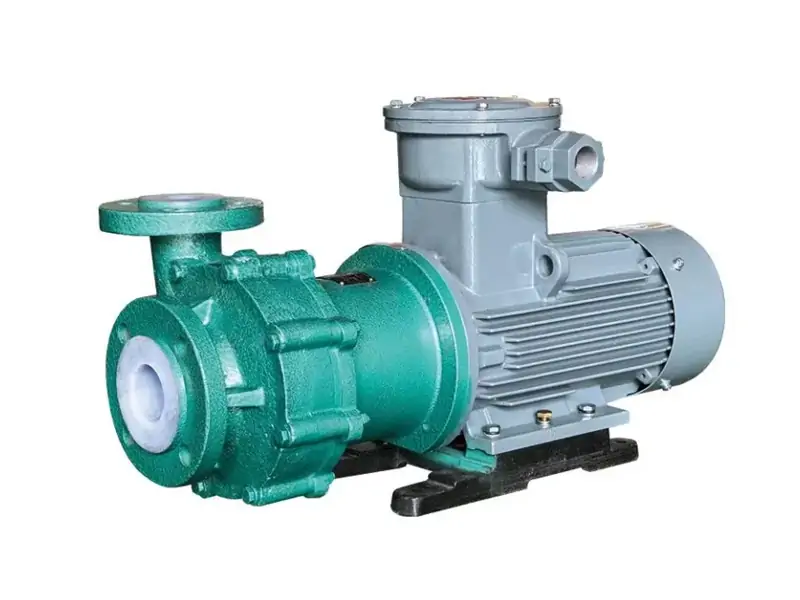
سلسلة CYQ عبارة عن مضخة ذات محرك مغناطيسي عديم العزل مع مكونات مبللة مبطنة FEP أو PFA أو PTFE. يزيل تصميم المحرك المغناطيسي الحاجة إلى الختم الميكانيكي تمامًا، مما يوفر احتواءً خاليًا من التسرب لنقل الميثانول. ويضمن غلاف الاحتواء المصنوع من مادة PEEK والمُعزز بألياف الكربون تشغيلًا موثوقًا به في درجات حرارة تتراوح بين -20 درجة مئوية و180 درجة مئوية. بالنسبة للديزل الحيوي والمعالجة الكيميائية وأي تطبيق للميثانول حيث يجب القضاء على الانبعاثات المتسربة، توفر سلسلة CYQ الاحتواء الخالي من التسرب المطلوب للتشغيل الآمن والمتوافق مع المعايير.
المواصفات الرئيسية: التدفق 3-800 متر مكعب/ساعة | الرأس 15-125 م | الطاقة 2.2-110 كيلوواط | درجة الحرارة -20 درجة مئوية إلى 180 درجة مئوية
مضخة الطرد المركزي المبطنة بالفلور البلاستيك من سلسلة IHF

سلسلة IHF عبارة عن مضخة طرد مركزي ذات غلاف ومكونات تدفق مبطنة في FEP أو PFA أو PTFE. توفر البطانة المصنوعة من البلاستيك الفلوري توافقًا كيميائيًا مؤكدًا مع الميثانول بجميع التركيزات ودرجات الحرارة التي تقع ضمن نطاق تصنيف البطانة. بالنسبة لعمليات نقل الميثانول ذات التدفق العالي في إنتاج الديزل الحيوي، وعمليات مجمعات الخزانات، وتطبيقات تغذية المفاعلات، توفر سلسلة IHF توافقًا كيميائيًا واسعًا ضمن منصة مضخات طرد مركزي مجربة ومثبتة.
المواصفات الرئيسية: التدفق 1.6-2,600 متر مكعب/ساعة | الرأس 5-130 م | الطاقة 1.5-110 كيلوواط | درجة الحرارة -20 درجة مئوية إلى 180 درجة مئوية
مضخة الحجاب الحاجز الكهربائي من سلسلة BFD
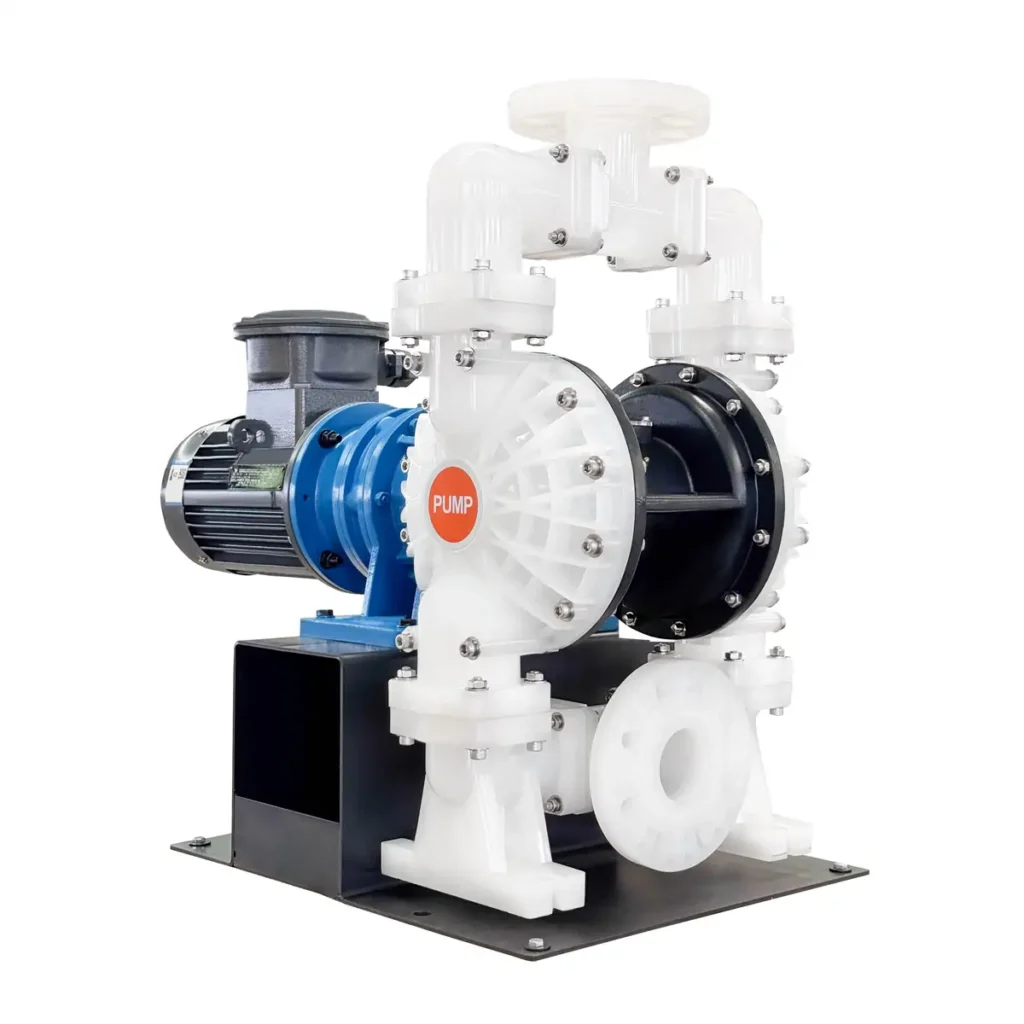
سلسلة BFD هي مضخة غشائية كهربائية تعمل بمحرك توفر تدفقًا مستقرًا ومستمرًا دون الحاجة إلى بنية تحتية للهواء المضغوط. يشكل الغشاء حاجزًا غير محكم الإغلاق بين سائل المعالجة وآلية التشغيل. بالنسبة لتطبيقات جرعات الميثانول والقياس والنقل المتقطع، توفر سلسلة BFD تحكمًا دقيقًا في التدفق مع التوافق الكيميائي.
المواصفات الرئيسية: تدفق يصل إلى 480 لتر/دقيقة | رأس يصل إلى 84 م | طاقة 0.75-45 كيلوواط | درجة الحرارة -20 درجة مئوية إلى 120 درجة مئوية
مضخة غشائية مزدوجة تعمل بالهواء من سلسلة BFQ

سلسلة BFQ عبارة عن مضخة هوائية مزدوجة الحجاب الحاجز مزدوجة مع مواد هيكلية تمتد الفولاذ المصبوب، وحديد الدكتايل، وسبائك الألومنيوم، والبولي بروبيلين، والفولاذ المقاوم للصدأ، وPVDF. توفر سلسلة BFQ مرونة تشغيلية في عمليات تفريغ براميل الميثانول وحاويات IBC، والتطبيقات في المناطق الخطرة، وعمليات النقل المحمولة. وهي تعمل بالكامل بالهواء المضغوط، وتتميز بطبيعتها بخلوها من الشرر وبقدرتها على التشغيل الذاتي.
المواصفات الرئيسية: أقصى تدفق عمل يصل إلى 1,041 لتر/دقيقة | ضغط العمل 0.84 ميجا باسكال | رفع الشفط 7.6 م | ممر المواد الصلبة 9.4 مم
دليل مرجعي سريع لاختيار مضخات الميثانول
| سلسلة المضخات | النوع | أفضل تطبيق | المواد الأساسية |
|---|---|---|---|
| سي واي كيو | محرك مغناطيسي غير مغناطيسي | نقل الميثانول بدون تسرب؛ تشغيل مستمر | FEP، PFA، PTFE |
| IHF | طاردة مركزية مبطنة بالفلور البلاستيك | نقل الميثانول بقدرة تدفق عالية؛ مناولة البضائع السائبة | FEP، PFA، PTFE |
| BFD | الحجاب الحاجز الكهربائي | تغذية الميثانول، والقياس، والنقل المتقطع | الفولاذ المصبوب، والصلب الصلب، والبولي بروبيلين، والبولي فينيل متعدد الفينيل متعدد الكلور |
| ب ف كيو | غشاء مزدوج يعمل بالهواء | تفريغ البراميل/حاويات IBC، المناطق الخطرة، المحمولة | الفولاذ المصبوب، والصلب الصلب، والبولي بروبيلين، والبولي فينيل متعدد الفينيل متعدد الكلور |
9. الأسئلة الشائعة حول مضخات الميثانول
السؤال 1: ما هو نوع المضخة الأنسب لنقل الميثانول؟
ج: تُعد المضخات الطردية ذات المحرك المغناطيسي هي المعيار القياسي لنقل الميثانول بشكل مستمر في الحالات التي تتطلب عدم وجود أي تسرب. بالنسبة للنقل المتقطع والمناطق الخطرة، توفر مضخات AODD تشغيلًا خاليًا من الشرر بطبيعتها. بالنسبة للتطبيقات ذات التدفق العالي، تعمل المضخات الطردية ذات الختم الميكانيكي والمزودة بمحركات معتمدة من ATEX بشكل جيد. يعتمد الاختيار على مستوى الاحتواء المطلوب ومعدل التدفق وتصنيف المنطقة الخطرة.
السؤال 2: ما هي المواد المتوافقة مع الميثانول؟
ج: يتوافق كل من الفولاذ المقاوم للصدأ 316، وPTFE، وPFA، وPVDF، وUHMW-PE، وETFE مع الميثانول في درجات الحرارة المحيطة والمرتفعة ضمن الحدود التصنيفية للمضخة. أما بالنسبة لموانع التسرب المصنوعة من المطاط الصناعي، فإن المواد المغلفة بـPTFE أو FFKM (Kalrez) هي المواصفات القياسية. لا يتوافق FKM (Viton) القياسي مع الميثانول — فهو ينتفخ وينعم ويتحلل كيميائيًا عند تعرضه للميثانول.
السؤال 3: هل أحتاج إلى مضخة حاصلة على شهادة ATEX لاستخدام الميثانول؟
ج: نعم، إذا كانت المضخة تعمل بالكهرباء ومثبتة في منطقة قد تتواجد فيها أبخرة قابلة للاشتعال. تبلغ درجة اشتعال الميثانول 12 درجة مئوية (54 درجة فهرنهايت)، مما يصنفه كسائل قابل للاشتعال من الفئة الأولى. توفر مضخات AODD بديلاً لا يتطلب شهادة ATEX للمضخة نفسها، لأنها لا تحتوي على مكونات كهربائية.
السؤال الرابع: لماذا يتسبب الميثانول في تلف موانع تسرب المضخة؟
ج: يهاجم الميثانول كيميائيًا سدادات FKM (فيتون)، مما يؤدي إلى انتفاخها وتليينها وتدهور حالتها. وحتى مع المواد المتوافقة عمومًا مثل EPDM، يمكن أن يتسبب النفاذ في انتفاخ السدادات وفقدان خصائصها الميكانيكية بمرور الوقت. أما السدادات المغلفة بـ PTFE أو المصنوعة من FFKM، فهي تقاوم هذا الهجوم الكيميائي وتحافظ على سلامة الإحكام طوال فترة الخدمة الطويلة.
السؤال 5: كيف تؤثر اللزوجة المنخفضة للميثانول على أداء المضخة؟
ج: تبلغ لزوجة الميثانول حوالي 0.55 سنتيمتر مكعب في الثانية عند درجة حرارة 25 درجة مئوية، وهي أقل بكثير من لزوجة الماء (1.0 سنتيمتر مكعب في الثانية). وتؤدي هذه اللزوجة المنخفضة إلى تقليل خسائر الاحتكاك في الأقراص، لكنها تزيد من التسرب عبر الفجوات الداخلية مثل حلقات التآكل، مما يقلل من الكفاءة الحجمية. يجب تصميم المضخات أو اختيارها خصيصًا للاستخدام مع المواد منخفضة اللزوجة.
السؤال 6: هل يمكنني استخدام مضخة طرد مركزي عادية لنقل الميثانول؟
ج: فقط إذا كانت المضخة مزودة بمحرك مقاوم للانفجار معتمد من ATEX، وتم التحقق من أن المواد الملامسة للسائل متوافقة مع الميثانول، وأن المطاط الصناعي للختم الميكانيكي مغلف بـ PTFE أو مصنوع من مادة FFKM. ستتعرض المضخات الطردية القياسية المزودة بأختام FKM (فيتون) لفشل سريع في الأختام بسبب التأثير الكيميائي للميثانول على المطاط الصناعي.
السؤال 7: ما الفرق بين المضخة ذات المحرك المغناطيسي والمضخة ذات الصمامات الثنائية (AODD) في حالة الميثانول؟
ج: توفر المضخات ذات المحرك المغناطيسي تدفقًا مستمرًا وخاليًا من النبضات مع عدم وجود أي تسرب بحكم تصميمها، وهي الأنسب للاستخدامات التي تتطلب تشغيلًا مستمرًا. أما المضخات ذات الصمامات الثنائية (AODD)، فهي بطبيعتها خالية من الشرر وتتميز بخاصية التشغيل الذاتي، كما يمكنها العمل في حالة الجفاف، مما يجعلها الأنسب لعمليات النقل المتقطعة وتفريغ البراميل والاستخدامات في المناطق الخطرة.
السؤال 8: كم مرة ينبغي فحص أختام مضخة الميثانول؟
ج: يُوصى بإجراء فحص شهري للحلقات الدائرية (O-rings) والحشيات والأغشية في المضخات المستخدمة بشكل مستمر في عمليات الميثانول. ويجب استبدال أي مانع تسرب تظهر عليه علامات انتفاخ أو تشقق أو هشاشة على الفور. أما بالنسبة لتطبيقات الإحكام الحرجة، فيوصي مهندسو شركة Changyu Pump باستبدال المكونات المطاطية على فترات زمنية محددة وفقًا لبيانات العمر التشغيلي الصادرة عن الشركة المصنعة.
10. الخاتمة
A مضخة الميثانول يجب أن تستوفي في آن واحد ثلاثة متطلبات هندسية: يجب أن تحتوي المضخة على سائل سام وقابل للاشتعال دون حدوث تسرب، ويجب أن تقاوم المواد الملامسة للسائل نفاذ الميثانول والتأثيرات الكيميائية، كما يجب ألا يشكل نظام التشغيل مصدرًا للاشتعال. وتستبعد هذه المتطلبات تصاميم المضخات القياسية، وتتطلب اتباع نهج منهجي في تحديد مواصفات المضخة.
توفر مضخات الدفع المغناطيسي احتواءً خالٍ من التسرب لنقل الميثانول بشكل مستمر. أما مضخات AODD فتوفر تشغيلًا خاليًا من الشرر بطبيعتها، مما يجعلها مناسبة للتطبيقات المتقطعة وفي المناطق الخطرة. تخدم المضخات الطردية ذات الختم الميكانيكي والمزودة بمحركات معتمدة من ATEX التطبيقات ذات التدفق العالي. في جميع أنواع المضخات، يحدد توافق المواد — ولا سيما اختيار المطاط الصناعي — ما إذا كانت المضخة ستعمل بشكل موثوق أم ستتعطل في غضون أسابيع.
يتسم إطار الاختيار بالاتساق: تحديد خصائص تطبيق الميثانول، وتحديد تصنيف المنطقة الخطرة، ومطابقة نوع المضخة مع المهمة المطلوبة، والتحقق من توافق المواد مع الميثانول عند درجة حرارة التشغيل، والتحقق من هامش NPSH عند أقصى درجة حرارة تشغيل، واختيار نظام الإحكام ونظام التشغيل المناسبين، وتقييم التكلفة الإجمالية للملكية على مدار العمر التشغيلي للمضخة.
للتواصل مع مضخة تشانغيو مع معايير استخدام الميثانول ومتطلبات العملية الخاصة بكم. سيقدم فريقنا الهندسي توصيات مفصلة بشأن المضخات وعرض أسعار مخصصًا لتطبيق نقل الميثانول الخاص بكم.