
إجابة سريعة:
مضخة طين الألومينا هي مضخة صناعية ثقيلة الخدمة مصممة لنقل الطين الأحمر شديد القلوية، وطين البوكسيت، ومحلول ألومينات الصوديوم في عملية باير. اختيار المضخة المناسبة — سواء كانت مضخة طين أفقية من سبائك الكروم العالية، أو مضخة طين كيميائية مبطنة بـ UHMW-PE، أو مضخة لولبية تجويفية تقدمية — يؤثر مباشرة على عمر الخدمة، وفاصل الصيانة، والتكلفة الإجمالية للملكية لنظام معالجة السوائل في مصفاة الألومينا الخاصة بك.
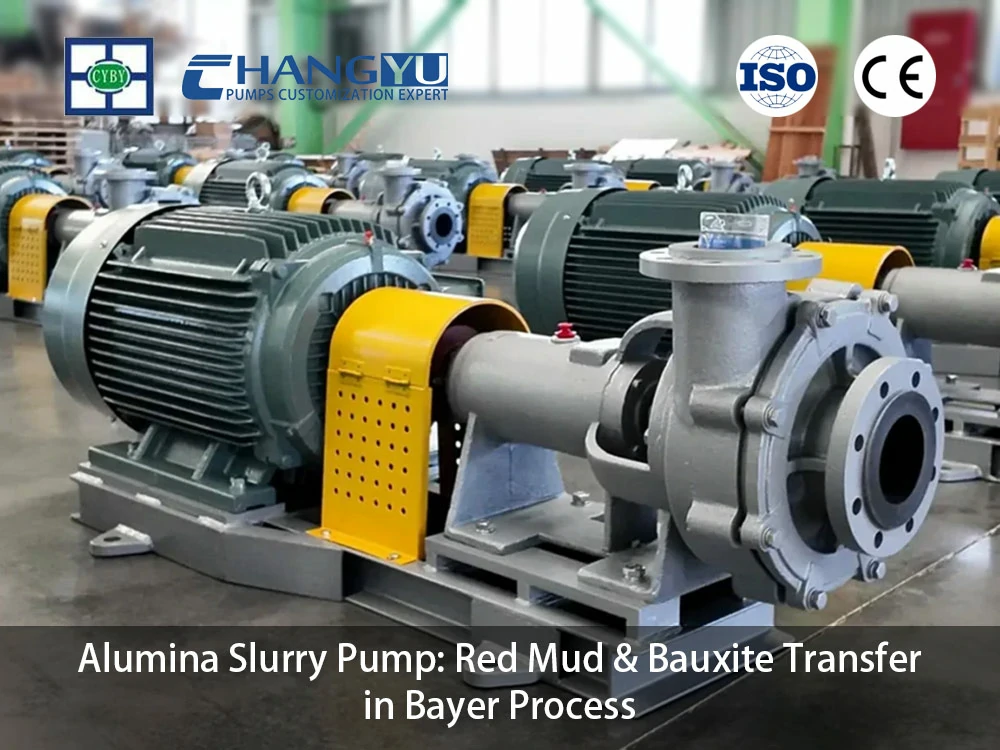
ما هي مضخة طين الألومينا ولماذا هي حاسمة في عملية باير؟
مضخة طين الألومينا هي مضخة طرد مركزي أو إزاحة موجبة مصممة للطين التآكلي والكاشط الناتج أثناء إنتاج الألومينا عبر عملية باير. في هذه العملية، يتم هضم خام, البوكسيت في هيدروكسيد الصوديوم المركز (NaOH) عند درجات حرارة مرتفعة (عادة 140–245 درجة مئوية اعتمادًا على تكوين العملية) وضغوط لاستخلاص الألومينا (Al₂O₃) كألومينات صوديوم. البقايا غير القابلة للذوبان — الطين الأحمر — هي طين شديد القلوية (pH 10–12.5) يحتوي على أكسيد الحديد الناعم، والسيليكا، والتيتانيا، والصودا الكاوية المتبقية.
يجب أن تقاوم مضخة طين الألومينا في نفس الوقت:
- كشط شديد التآكل الكاشط من جزيئات البوكسيت ومواد الطين الأحمر الصلبة (عادة 20–50% مواد صلبة بالوزن)
- التآكل القلوي القوي من NaOH عند درجات حرارة مرتفعة
- التشغيل في درجات حرارة عالية (حتى 100 درجة مئوية+ في دائرة غسيل الطين الأحمر، وحتى 245 درجة مئوية في الهضم)
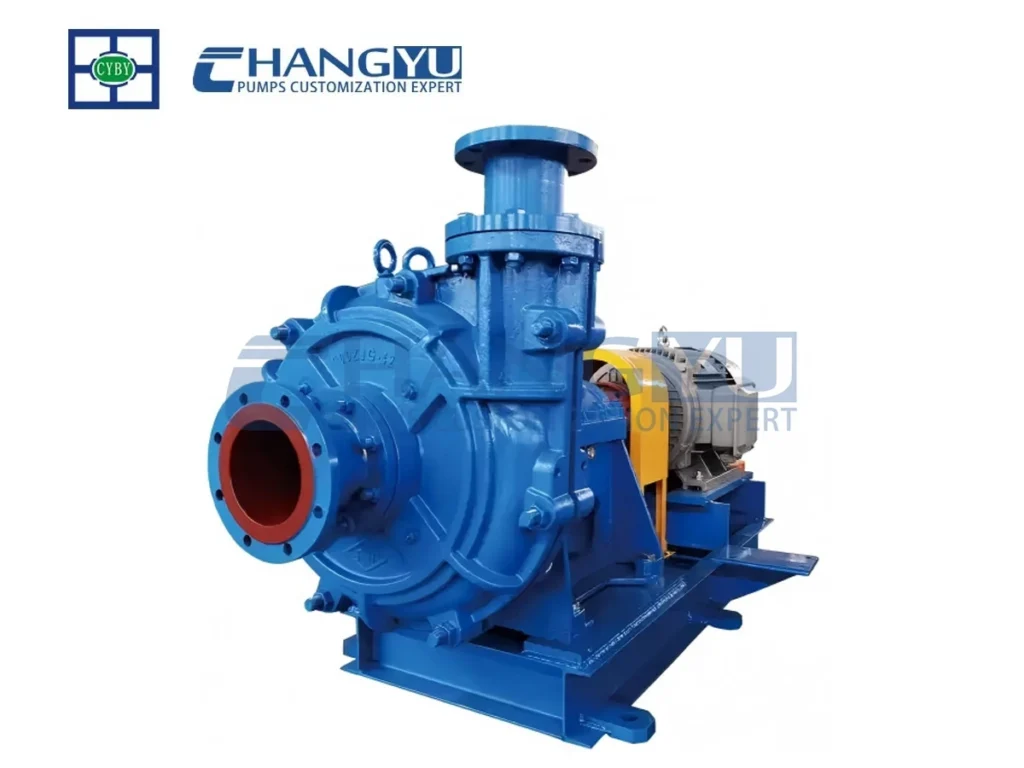
سلسلة PGY لمضخات الطين الأفقية لدينا مصممة لهذه الخدمة، مع أجزاء مبللة من سبائك الكروم العالية (BTMCr27، BTMCr28، BTMCr33) يتم اختيارها بناءً على التوازن المحدد بين التآكل الكاشط والتآكل الكيميائي في كل مرحلة من مراحل العملية. عرض مواصفات سلسلة PGY ←
أين تعمل مضخة طين الألومينا في تدفق عملية باير؟
تتضمن عملية باير مراحل ضخ متعددة، لكل منها خصائص طين مميزة:
| مرحلة العملية | متوسط | درجة الحموضة | درجة الحرارة | محتوى المواد الصلبة | التحدي الرئيسي |
|---|---|---|---|---|---|
| طحن البوكسيت والتغذية | طين البوكسيت + محلول كاوي | 12-13 | 80-100°C | 30–50% | تآكل كاشط عالي من البوكسيت الطازج |
| تفريغ الهضم | محلول مستهلك + طين أحمر | 10-12 | 140–245 درجة مئوية | مضخة مبطنة بـ UHMWPE مع دافع نصف مفتوح؛ ختم ميكانيكي مفرد (مزدوج للمناطق الخطرة) | درجة حرارة عالية + كاوية |
| غسيل الطين الأحمر (تيار معاكس) | طين أحمر مخفف | 10–11 | 60–90 درجة مئوية | 15–30% | تآكل كاشط + تآكل كيميائي مجتمعان |
| التخلص من الطين الأحمر / المخلفات | طين أحمر | 10–11 | 40–60 درجة مئوية | 30–50% | نقل عبر خطوط الأنابيب لمسافات طويلة |
| تغذية الترسيب البذري | محلول ألومينات الصوديوم | 12-13 | 55–70 درجة مئوية | <5% مواد صلبة | مواد صلبة منخفضة ولكن كاوية عالية |
| تصنيف الهيدرات | طين ثلاثي هيدرات الألومينا | 10–11 | 50–60 درجة مئوية | 10–30% | مواد صلبة بلورية كاشطة |
التطبيق الأكثر أهمية هو نقل الطين الأحمر — سواء داخل دائرة الغسيل أو إلى منطقة التخلص. وفقًا لـ معهد الألومنيوم الدولي, ، يتم توليد حوالي 1.5–2.0 طن من الطين الأحمر لكل طن من الألومينا المنتجة، مما يجعل أداء المضخة الموثوق أمرًا ضروريًا للتشغيل المستمر للمصفاة. توفر سلسلة UHB لمضخات الطين الصناعية لدينا، مع بطانة UHMW-PE بسماكة 8–20 مم ومروحة شبه مفتوحة، مقاومة مجتمعة للتآكل الكيميائي والتآكل الكاشط لخدمة غسيل الطين الأحمر. عرض مواصفات سلسلة UHB ←

كيفية اختيار مضخة طين الألومينا المناسبة لنقل الطين الأحمر؟
يعتمد اختيار المضخة لطين الألومينا على ثلاثة عوامل: كشط الطين، والعدوانية الكيميائية، ودرجة حرارة التشغيل.
مصفوفة الاختيار
| الحالة | سلسلة المضخات الموصى بها | المواد | الميزة الرئيسية |
|---|---|---|---|
| نقل الطين الأحمر برأس عالٍ (رأس > 60 م) | مضخة الطين الأفقية من سلسلة PGY | سبيكة الكروم العالية BTMCr27 / BTMCr28 / BTMCr33 | غلاف مزدوج، أجزاء تآكل قابلة للاستبدال، رفع يصل إلى 101.6 متر |
| غسيل الطين الأحمر المسبب للتآكل (pH > 10، درجة حرارة تصل إلى 90°م) | مضخة الملاط الصناعية من سلسلة UHB | مبطّن بـ UHMW-PE (8–20 مم) | دفاعة شبه مفتوحة، مانع تسرب ديناميكي من نوع K، تدفق يصل إلى 2,600 م³/ساعة |
| محلول قلوي مخفف مع جسيمات صلبة دقيقة | مضخة الطين المقاومة للتآكل من سلسلة CYB-ZKJ | مبطّنة بـ FEP/PTFE | نطاق درجة الحرارة من -20°م إلى 120°م (قياسي)، تسرب شبه معدوم |
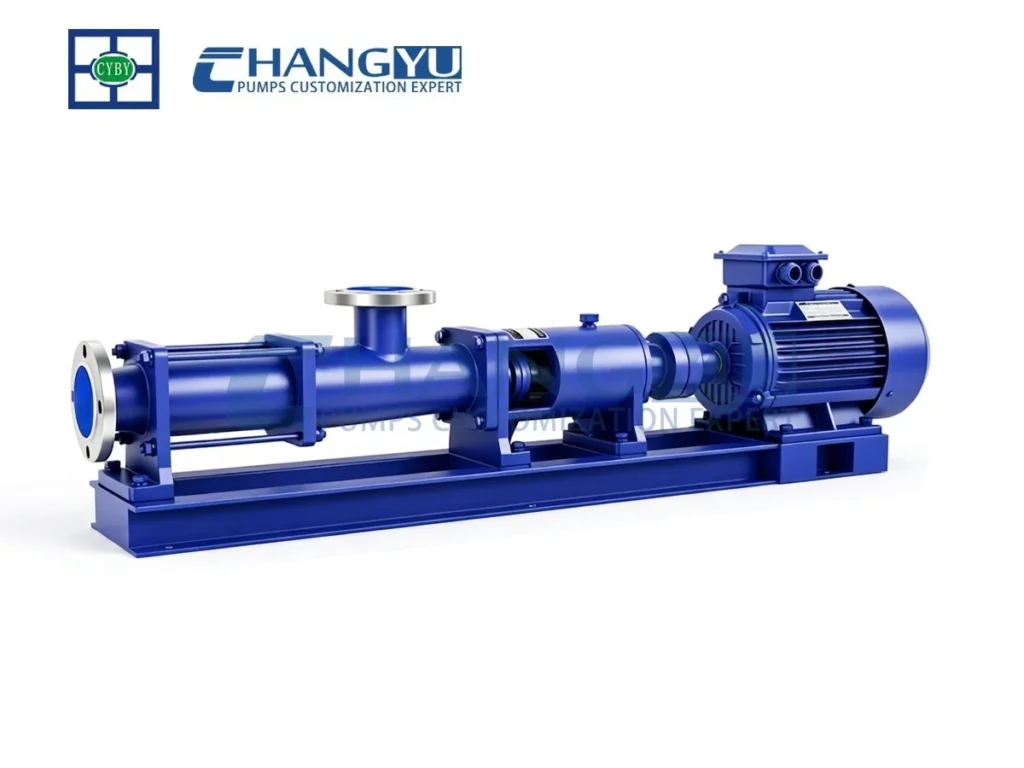
| الطين الأحمر عالي اللزوجة أو التدفق السفلي للمُكثّف | مضخة لولبية من النوع G (التجويف التقدمي) | الجزء الثابت من NBR/EPDM/FKM | تتعامل مع السوائل غير النيوتونية عالية اللزوجة، ذاتية التحضير، تدفق مُقاس |
| تآكل معتدل، قلوي عالي الحرارة | مضخة الملاط الفولاذ المقاوم للصدأ من سلسلة HB | ستانلس ستيل مزدوج 316L / 2205 | ISO 2858، درجة حرارة تصل إلى 120°م |
قواعد الاختيار الرئيسية من فريقنا الهندسي:
- للطين الأحمر ذي الجسيمات الخشنة (> 1 مم) والرفع العالي: اختر سلسلة PGY مع سبيكة الكروم العالية BTMCr27 أو BTMCr28. توفر BTMCr27 (≥56 HRC) مقاومة تآكل فائقة؛ بينما توفر BTMCr33 (≥35 HRC) توازنًا محسنًا بين مقاومة التآكل القلوي والتآكل الميكانيكي. يتيح تصميم الغلاف المزدوج استبدال أجزاء التآكل دون تفكيك خطوط الأنابيب. عرض سلسلة PGY ←
- للطين الأحمر ذي الجسيمات الدقيقة في دوائر الغسيل: اختر سلسلة UHB المبطّنة بـ UHMW-PE. تمنع الدفاعة شبه المفتوحة الانسداد، ويضمن مانع التسرب الديناميكي من نوع K مع غلاف تبريد بالماء إحكامًا موثوقًا عند تركيزات قلوية عالية. عرض سلسلة UHB ←
- للتدفق السفلي للطين الأحمر اللزج في المُكثّف أو الملاط المسبب للتآكل: اختر مضخة لولبية من النوع G (التجويف التقدمي). يتعامل تصميم الإزاحة الإيجابية مع السوائل غير النيوتونية عالية اللزوجة مع نبض ضئيل، وهو موثق للتعامل مع الطين الأحمر القلوي من عملية باير. عرض مواصفات المضخة اللولبية ←
ما التحديات الرئيسية عند ضخ الطين الأحمر وملاط البوكسيت؟
التحدي 1: الهجوم المشترك للتآكل الميكانيكي والقلوي
يحتوي الطين الأحمر على جسيمات دقيقة من أكسيد الحديد والسيليكا (عادة 10–100 ميكرومتر) معلقة في محلول NaOH. تعاني مضخات المعادن القياسية من التآكل الميكانيكي والتآكل القلوي في وقت واحد. تعالج سلسلة PGY لدينا هذا من خلال خيارات متعددة من سبائك الكروم العالية: BTMCr27 (≥56 HRC) للمراحل التي يهيمن عليها التآكل الميكانيكي، وBTMCr33 (≥35 HRC، 33% كروم) للمراحل التي تتطلب مقاومة محسنة للتآكل القلوي. عرض سلسلة PGY ←
التحدي 2: درجة الحرارة المرتفعة والدورات الحرارية
تتراوح درجات حرارة سوائل عملية باير من 60°م (الغسيل) إلى 245°م (الهضم). يمكن أن تسبب الدورات الحرارية أثناء التشغيل والإيقاف انفصال البطانة في المضخات المبطّنة. تستخدم سلسلة CYB-ZKJ لدينا بطانة FEP/PTFE مستوردة مع تقنية تشكيل مبطّنة بالبلاستيك ومُلبدّة حاصلة على براءة اختراع، مصممة لمقاومة التشوه الحراري والتشقق والتقشير. عرض سلسلة CYB-ZKJ →

التحدي 3: انسداد خطوط الأنابيب والترسيب
الطين الأحمر ذو المحتوى الصلب العالي (40–50%) يترسب بسرعة عندما تنخفض سرعة التدفق عن سرعة الترسيب الحرجة (عادة 2.5–4 م/ث). توفر سلسلة PGY لدينا رفعًا يصل إلى 101.6 متر، كافٍ للحفاظ على سرعة خط الأنابيب المطلوبة عبر مسافات طويلة. يسمح الخلوص القابل للضبط للدفاعة باستعادة الأداء مع حدوث التآكل.
التحدي 4: فشل مانع التسرب والتسرب
تسرب السائل القلوي يشكل خطرًا على السلامة وقلقًا بيئيًا. تتميز سلسلة UHB بمانع تسرب ديناميكي من نوع K مع غلاف تبريد بالماء يولد قوة طرد مركزي أثناء التشغيل لمنع الجسيمات من دخول حجرة المانع. عرض سلسلة UHB ←
ما هي نماذج مضخات Changyu الموصى بها لتطبيقات ملاط الألومينا؟
بناءً على خبرتنا الميدانية في توريد المضخات لمصافي الألومينا، يوصي فريقنا الهندسي بالتكوينات التالية:
| الخدمة | النموذج الموصى به | نطاق التدفق | نطاق الرأس | المواد |
|---|---|---|---|---|
| التخلص من مخلفات الطين الأحمر | سلسلة PGY | 117–976 متر مكعب/ساعة | 1–101.6 متر | سبيكة الكروم العالية BTMCr27/BTMCr28/BTMCr33 |
| دائرة غسيل الطين الأحمر | سلسلة UHB | 3-2,600 متر مكعب/ساعة | 5-100 m | مبطّن بـ UHMW-PE (8–20 مم) |
| تغذية ملاط البوكسيت | سلسلة CYB-ZKJ | 3-2,600 متر مكعب/ساعة | 5-100 m | مبطّنة بـ FEP/PTFE |
| التدفق السفلي للمُكثّف (لزوجة عالية) | قص منخفض، مقاومة الانسداد | 0–200 متر مكعب في الساعة | 60–120 متر | الجزء الثابت من NBR/EPDM/FKM |
| السائل القلوي (محتوى صلب منخفض) | سلسلة HB | 10-60 م³/ساعة | 20-120 m | ستانلس ستيل مزدوج 316L / 2205 |
جميع سلاسل المضخات متوفرة بتكوينات مانع تسرب مخصصة، وترقيات مواد، وأنظمة قيادة جاهزة لـ VFD لتتناسب مع ظروف العملية الخاصة بك.
الأسئلة الشائعة حول مضخات ملاط الألومينا
س: ما هي مادة المضخة الموصى بها للطين الأحمر ذي المحتوى القلوي العالي؟
للطين الأحمر عالي القلوية (pH 10–12.5)، توفر سبيكة الكروم العالية BTMCr33 (33% كروم، ≥35 HRC) مزيجًا متوازنًا من مقاومة التآكل والتآكل الميكانيكي. للمراحل ذات التركيز القلوي الأقل ولكن التآكل الميكانيكي الأعلى، يُفضل BTMCr27 (≥56 HRC). كما أن بطانة UHMW-PE (سلسلة UHB) فعالة لدوائر الغسيل حيث تبقى درجات الحرارة أقل من 90°م.
س: كم مرة يجب صيانة مضخة الطين الأحمر؟
تعتمد فترات الصيانة على ظروف التشغيل. في خدمة الطين الأحمر النموذجية لمصافي الألومينا، يتم فحص أجزاء التآكل في مضخات سلسلة PGY (الدافعة، جلبة الحلق، البطانة) كل 3,000–4,000 ساعة تشغيل. يسمح تصميم الغلاف المزدوج بالاستبدال دون إزعاج خطوط الأنابيب، مما يقلل وقت التوقف.
س: هل يمكن لمضخة مبطنة من سلسلة UHB التعامل مع سائل باير عند درجة حرارة 100°م؟
سلسلة UHB القياسية ببطانة UHMW-PE مصممة للعمل في نطاق -20°م إلى 90°م. للتطبيقات التي تتجاوز 90°م، يمكن لتركيبات المواد المعدلة تمديد النطاق حتى 120°م. لدرجات حرارة مرحلة الهضم (140–245°م)، تعد سلسلة PGY لدينا بسبائك الكروم العالية الخيار الموصى به.
س: ما الذي يسبب فشل الختم المبكر في مضخات الملاط الكاوية؟
السبب الرئيسي هو دخول جزيئات الطين الأحمر إلى حجرة الختم. تعالج سلسلة UHB الختم الديناميكي من النوع K هذه المشكلة عن طريق خلق قوة طرد مركزي تمنع الجزيئات أثناء التشغيل. لسلسلة CYB-ZKJ، تتوفر أختام ميكانيكية مزدوجة مع بروتوكولات غسيل API 682.
لماذا تختار مضخة تشانغيو لحل مضخة ملاط الألومينا لديك؟
أداء ميداني موثق: تم نشر مضخات سلسلة PGY وUHB لدينا في مصافي الألومينا عبر آسيا وأفريقيا، للتعامل مع الطين الأحمر بكثافة نوعية تصل إلى 1.8 ودرجات حرارة تتجاوز 100°م.
خبرة هندسة المواد: نقوم بتصنيع الأجزاء الملامسة للسائل بسبائك الكروم العالية (BTMCr27، BTMCr28، BTMCr33)، UHMW-PE، FEP/PFA، والفولاذ المقاوم للصدأ (304، 316L، 2205، 2507) — جميعها من مصدر واحد، مما يلغي مخاطر توافق الموردين المتعددين.
ضمان الجودة: معتمدة وفق ISO 9001، ومتوافقة مع CE. تخضع كل مضخة لاختبار الأداء الهيدروليكي، والتحقق من المواد (التحليل الطيفي)، ومراجعة التجميع النهائية قبل الشحن.
توريد مباشر من المصنع: بفضل منشأة إنتاج حديثة بمساحة 20,000 م²، وأكثر من 20 عامًا من الخبرة الهندسية في OEM/ODM، وأكثر من 50 براءة اختراع، نقدم أسعارًا تنافسية وأوقات تسليم موثوقة.
تواصل مع فريق الهندسة لدينا اليوم للحصول على تقييم فني احترافي مصمم خصيصًا لمتطلبات الضخ في مصفاة الألومينا الخاصة بك.
📧 البريد الإلكتروني: [email protected]
📞 الهاتف / واتساب: +86-13651913727
دعنا نساعدك في اختيار مضخة ملاط الألومينا المناسبة — وتقليل التكلفة الإجمالية للملكية من السنة الأولى للتشغيل.