
Краткий ответ:
Насос для алюминатного шлама — это тяжелый промышленный насос, предназначенный для перекачивания высокощелочного красного шлама, бокситовой пульпы и алюминатного раствора в процессе Байера. Правильный выбор насоса — будь то горизонтальный шламовый насос из высокохромистого сплава, химический шламовый насос с футеровкой из СВМПЭ или винтовой насос с прогрессивной полостью — напрямую влияет на срок службы, межремонтный интервал и совокупную стоимость владения системой перекачивания жидкостей на глиноземном заводе.
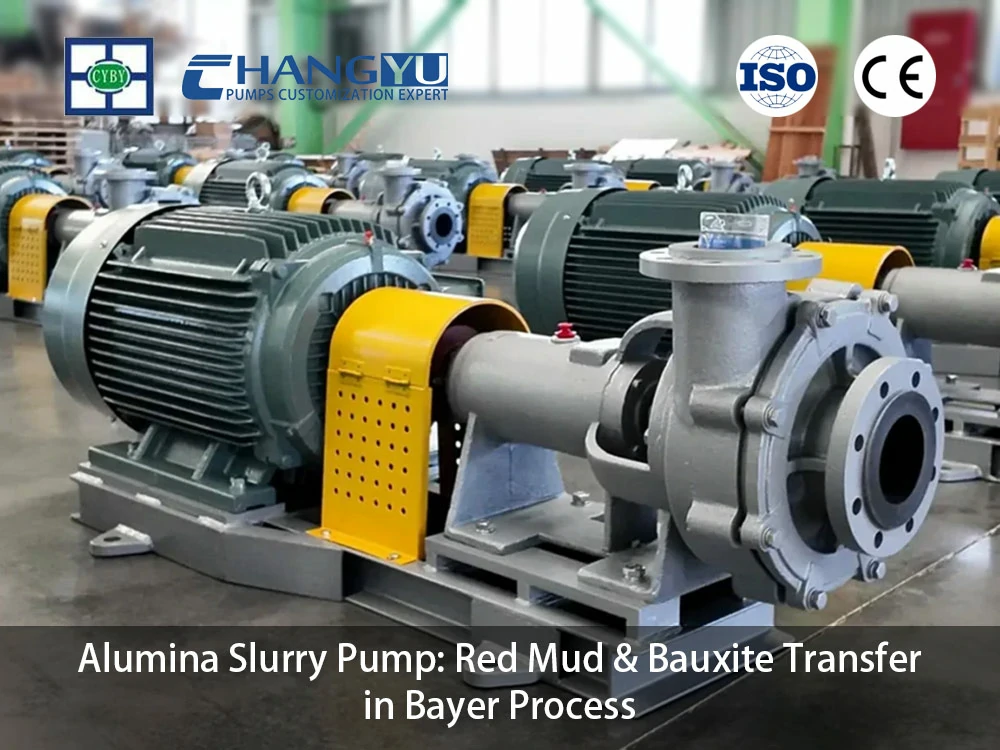
Что такое насос для алюминатного шлама и почему он критически важен в процессе Байера?
Насос для алюминатного шлама — это центробежный или объемный насос, предназначенный для перекачивания коррозионных и абразивных пульп, образующихся при производстве глинозема по процессу Байера. В этом процессе, бокситовая руда выщелачивается в концентрированном гидроксиде натрия (NaOH) при повышенных температурах (обычно 140–245°C в зависимости от конфигурации процесса) и давлении для извлечения глинозема (Al₂O₃) в виде алюмината натрия. Нерастворимый остаток — красный шлам — представляет собой высокощелочную пульпу (pH 10–12,5), содержащую тонкодисперсный оксид железа, кремнезем, диоксид титана и остаточную щелочь.
Насос для алюминатного шлама должен одновременно противостоять:
- Сильный абразивный износ от частиц боксита и твердых включений красного шлама (обычно 20–50% твердых веществ по массе)
- Сильной щелочной коррозии от NaOH при повышенных температурах
- Высокотемпературной эксплуатации (до 100°C+ в контуре промывки красного шлама, до 245°C при выщелачивании)
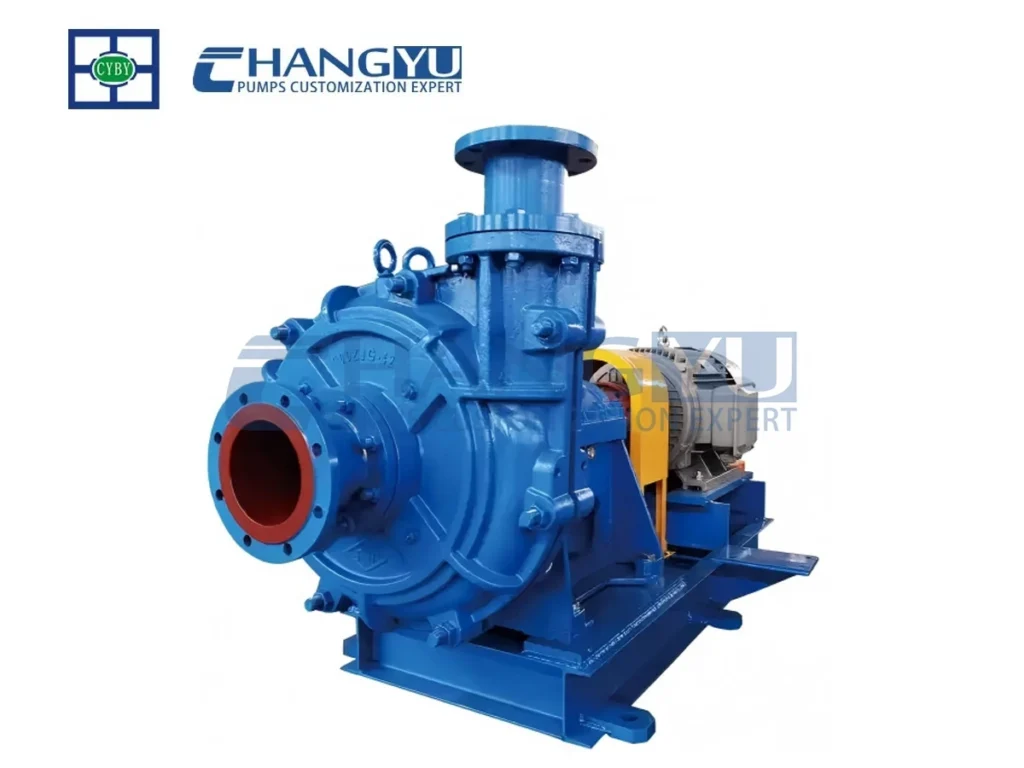
Наш горизонтальный шламовый насос серии PGY спроектирован для таких условий эксплуатации: проточные части из высокохромистого сплава (BTMCr27, BTMCr28, BTMCr33) подбираются с учетом конкретного баланса абразивного износа и коррозии на каждом этапе процесса. Смотреть технические характеристики серии PGY →
Где работает насос для алюминатного шлама в технологической схеме процесса Байера?
Процесс Байера включает несколько этапов перекачивания, каждый из которых характеризуется особыми свойствами пульпы:
| Стадия процесса | Средний | pH | Температура | Содержание твердых частиц | Ключевая задача |
|---|---|---|---|---|---|
| Измельчение и подача боксита | Бокситовая пульпа + щелочной раствор | 12-13 | 80-100°C | 30–50 | Высокая абразивность свежего боксита |
| Слив выщелачивания | Отработанный раствор + красный шлам | 10-12 | 140–245°C | 20–40% | Высокая температура + щелочь |
| Промывка красного шлама (противоток) | Разбавленная пульпа красного шлама | 10–11 | 60–90°C | 15–30 | Комбинированный абразивный износ + коррозия |
| Удаление / хвостохранилище красного шлама | Пульпа красного шлама | 10–11 | 40–60°C | 30–50 | Перекачка по трубопроводам на большие расстояния |
| Подача на затравку при декомпозиции | Алюминатный раствор | 12-13 | 55–70°C | <5% | Низкое содержание твердых веществ, но высокая щелочность |
| Классификация гидрата | Пульпа тригидрата глинозема | 10–11 | 50–60°C | 10–30% | Абразивные кристаллические твердые вещества |
Наиболее ответственным применением является перекачивание красного шлама — как в контуре промывки, так и в зону складирования. Согласно данным Международного института алюминия, на каждую тонну произведенного глинозема образуется приблизительно 1,5–2,0 тонны красного шлама, что делает надежную работу насосов необходимым условием непрерывной работы завода. Наш промышленный шламовый насос серии UHB с футеровкой из СВМПЭ толщиной 8–20 мм и полуоткрытым рабочим колесом обеспечивает комбинированную стойкость к коррозии и абразивному износу при промывке красного шлама. Смотреть технические характеристики серии UHB →

Как выбрать правильный насос для алюминатного шлама для перекачивания красного шлама?
Выбор насоса для алюминатной пульпы зависит от трех факторов: абразивности пульпы, химической агрессивности и рабочей температуры.
Матрица выбора
| Состояние | Рекомендуемые серии насосов | Материал | Ключевая особенность |
|---|---|---|---|
| Перекачка красного шлама с высоким напором (напор > 60 м) | PGY Серия Горизонтальных Шламовых Насосов | Высокохромистый сплав BTMCr27 / BTMCr28 / BTMCr33 | Двойной корпус, сменные изнашиваемые детали, напор до 101,6 м |
| Промывка коррозионного красного шлама (pH > 10, температура до 90°C) | Промышленный шламовый насос серии UHB | Футеровка из СВМПЭ (8–20 мм) | Полуоткрытое рабочее колесо, динамическое уплотнение типа K, подача до 2600 м³/ч |
| Разбавленный каустический щелок с мелкими твердыми частицами | Серия CYB-ZKJ — коррозионностойкий шламовый насос | Футеровка из FEP/PTFE | Диапазон температур от -20°C до 120°C (стандартный), почти нулевая утечка |
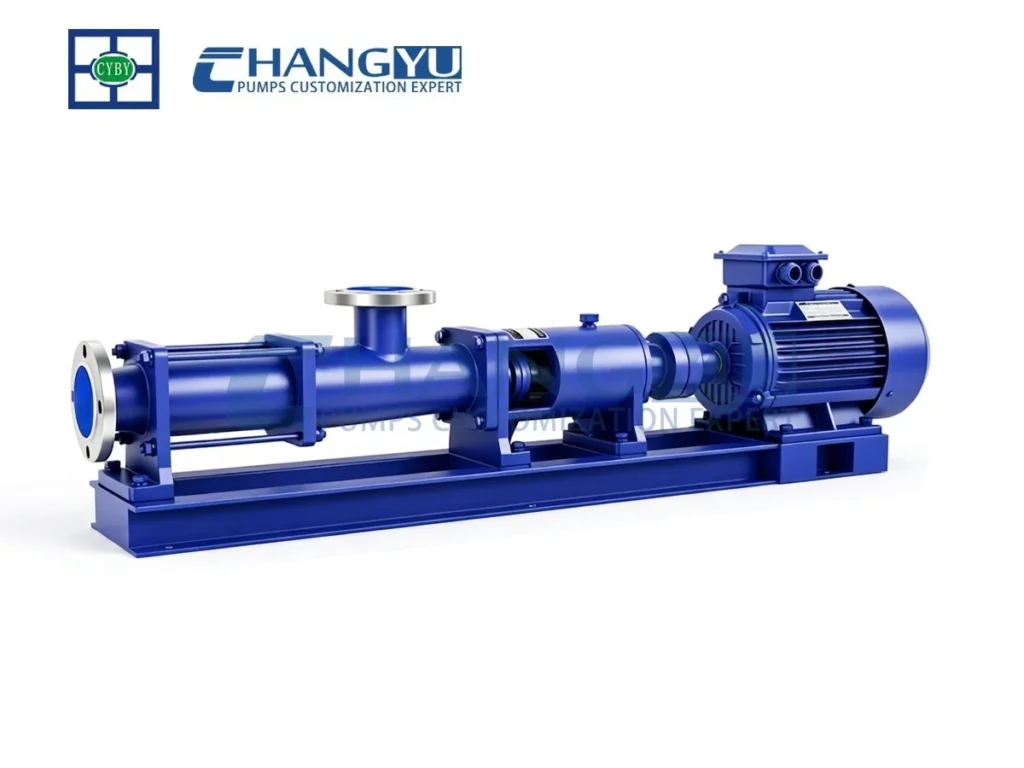
| Высоковязкий красный шлам или нижний слив сгустителя | Винтовой насос типа G (одновинтовой) | Статор из NBR/EPDM/FKM | Обрабатывает высоковязкие неньютоновские жидкости, самовсасывающий, дозированная подача |
| Умеренный абразивный износ, высокотемпературный каустик | Шламовый насос из нержавеющей стали серии HB | Нержавеющая сталь 316L / дуплексная сталь 2205 | ISO 2858, температура до 120°C |
Ключевые правила выбора от нашей инженерной команды:
- Для красного шлама с крупными частицами (> 1 мм) и высоким напором: Выбирайте серию PGY с высокохромистым сплавом BTMCr27 или BTMCr28. BTMCr27 (≥56 HRC) обеспечивает превосходную абразивную стойкость; BTMCr33 (≥35 HRC) обеспечивает улучшенный баланс каустической коррозионной стойкости и износостойкости. Конструкция с двойным корпусом позволяет заменять изнашиваемые детали без демонтажа трубопроводов. Посмотреть серию PGY →
- Для мелкодисперсного красного шлама в промывочных контурах: Выбирайте серию UHB с футеровкой из СВМПЭ. Полуоткрытое рабочее колесо предотвращает засорение, а динамическое уплотнение типа K с водяной рубашкой охлаждения обеспечивает надежную герметизацию при высоких концентрациях каустика. Посмотреть серию UHB →
- Для вязкого нижнего слива сгустителя красного шлама или коррозионных шламов: Выбирайте винтовой насос типа G (одновинтовой). Конструкция с положительным вытеснением обрабатывает высоковязкие неньютоновские жидкости с минимальной пульсацией и документально подтверждена для перекачки щелочного красного шлама процесса Байера. Просмотреть характеристики винтового насоса →
Каковы ключевые проблемы при перекачке красного шлама и бокситового шлама?
Проблема 1: Комбинированное абразивное и каустическое воздействие
Красный шлам содержит мелкие частицы оксида железа и кремнезема (обычно 10–100 мкм), взвешенные в растворе NaOH. Стандартные металлические насосы одновременно подвергаются абразивному износу и каустической коррозии. Наша серия PGY решает эту проблему с помощью нескольких вариантов высокохромистого сплава: BTMCr27 (≥56 HRC) для стадий с преобладанием абразивного износа и BTMCr33 (≥35 HRC, 33% Cr) для стадий, требующих повышенной каустической коррозионной стойкости. Посмотреть серию PGY →
Проблема 2: Высокая температура и термические циклы
Температура технологических растворов процесса Байера составляет от 60°C (промывка) до 245°C (выщелачивание). Термические циклы при пуске и остановке могут вызывать расслоение футеровки в футерованных насосах. Наша серия CYB-ZKJ использует импортную футеровку из FEP/PTFE с патентованной технологией пластиковой футеровки и спекания, разработанной для устойчивости к термической деформации, растрескиванию и отслаиванию. Посмотреть серию CYB-ZKJ →

Проблема 3: Засорение трубопроводов и осаждение
Красный шлам с высоким содержанием твердых веществ (40–50%) быстро оседает, когда скорость потока падает ниже критической скорости осаждения (обычно 2,5–4 м/с). Наша серия PGY обеспечивает напор до 101,6 м, достаточный для поддержания требуемой скорости в трубопроводе на больших расстояниях. Регулируемый зазор рабочего колеса позволяет восстанавливать производительность по мере износа.
Проблема 4: Отказ уплотнений и утечки
Утечка каустического щелока представляет собой как угрозу безопасности, так и экологическую проблему. Серия UHB оснащена динамическим уплотнением типа K с водяной рубашкой охлаждения, которое создает центробежную силу во время работы, предотвращая попадание частиц в камеру уплотнения. Посмотреть серию UHB →
Какие модели насосов Changyu рекомендуются для применения с глиноземным шламом?
Основываясь на нашем полевом опыте поставки насосов на глиноземные заводы, наша инженерная команда рекомендует следующие конфигурации:
| Режим работы | Рекомендуемая модель | Диапазон расхода | Диапазон голов | Материал |
|---|---|---|---|---|
| Утилизация хвостов красного шлама | Серия PGY | 117–976 м³/ч | 21,1–101,6 м | Высокохромистый сплав BTMCr27/BTMCr28/BTMCr33 |
| Промывочный контур красного шлама | Серия UHB | 3-2,600 м³/ч | 5-100 m | Футеровка из СВМПЭ (8–20 мм) |
| Подача бокситового шлама | Серия CYB-ZKJ | 3-2,600 м³/ч | 5-100 m | Футеровка из FEP/PTFE |
| Нижний слив сгустителя (высокая вязкость) | G-Type Винтовой насос | 0–200 м³/ч | 60–120 м | Статор из NBR/EPDM/FKM |
| Каустический щелок (низкое содержание твердых веществ) | Серия HB | 10-60 м³/ч | 20-120 m | Нержавеющая сталь 316L / дуплексная сталь 2205 |
Все серии насосов доступны с индивидуальными конфигурациями уплотнений, модернизированными материалами и готовыми к VFD приводными системами для соответствия вашим конкретным технологическим условиям.
Часто задаваемые вопросы о насосах для глиноземного шлама
Вопрос: Какой материал насоса рекомендуется для красного шлама с высоким содержанием каустика?
Для красного шлама с высоким содержанием каустика (pH 10–12,5) высокохромистый сплав BTMCr33 (33% Cr, ≥35 HRC) обеспечивает сбалансированное сочетание коррозионной и абразивной стойкости. Для стадий с более низкой концентрацией каустика, но более высоким абразивным износом, предпочтителен BTMCr27 (≥56 HRC). Футеровка из СВМПЭ (серия UHB) также эффективна для промывочных контуров, где температура остается ниже 90°C.
В: Как часто необходимо обслуживать насос для красного шлама?
Интервалы обслуживания зависят от условий эксплуатации. При типичной работе с красным шламом на глиноземном заводе изнашиваемые детали насосов серии PGY (рабочее колесо, горловина втулки, футеровка) проверяются каждые 3 000–4 000 часов работы. Двухкорпусная конструкция позволяет заменять детали без нарушения трубопроводной обвязки, сокращая время простоя.
В: Может ли насос с футеровкой UHB работать с раствором Байера при температуре 100°C?
Стандартная серия UHB с футеровкой из СВМПЭ рассчитана на температуру от -20°C до 90°C. Для применений выше 90°C модифицированные составы материалов могут расширить диапазон до 120°C. Для температур стадии выщелачивания (140–245°C) рекомендуемым выбором является наша серия PGY с высокохромистым сплавом.
В: Что вызывает преждевременный отказ уплотнений в насосах для едких шламов?
Основная причина — попадание частиц красного шлама в уплотнительную камеру. Динамическое уплотнение K-типа серии UHB решает эту проблему за счет создания центробежной силы, блокирующей частицы во время работы. Для серии CYB-ZKJ доступны двухторцевые механические уплотнения с протоколами промывки API 682.
Почему стоит выбрать насос Changyu для вашего решения по перекачке глиноземного шлама?
Подтвержденная эксплуатационная эффективность: Наши насосы серий PGY и UHB эксплуатируются на глиноземных заводах в Азии и Африке, перекачивая красный шлам с удельным весом до 1,8 и температурами выше 100°C.
Экспертиза в материаловедении: Мы изготавливаем проточные части из высокохромистых сплавов (BTMCr27, BTMCr28, BTMCr33), СВМПЭ, FEP/PFA и нержавеющей стали (304, 316L, 2205, 2507) — все из одного источника, что исключает риски несовместимости при работе с несколькими поставщиками.
Гарантия качества: Сертификация ISO 9001, соответствие CE. Каждый насос проходит гидравлические испытания, проверку материалов (спектральный анализ) и финальный контроль сборки перед отгрузкой.
Прямые поставки с завода: Имея современное производственное предприятие площадью 20 000 м², более 20 лет инженерного опыта OEM/ODM и более 50 патентов, мы предлагаем конкурентоспособные цены и надежные сроки поставки.
Свяжитесь с нашей инженерной командой сегодня для профессиональной технической оценки, адаптированной к требованиям вашего глиноземного завода по перекачке.
📧 Электронная почта: [email protected]
📞 Телефон / WhatsApp: +86-13651913727
Позвольте нам помочь вам выбрать правильный насос для глиноземного шлама — и снизить совокупную стоимость владения с первого года эксплуатации.